
Fall Cleaning Guide: Preparing Your Home for Cooler Months
Preparing your home for fall means more than swapping out summer decor. A thorough fall cleaning addresses dust buildup from hot months, readies heating systems for use, and creates a healthier indoor environment before windows stay shut. Working through a room-by-room checklist in October or November sets your household up for a cleaner, more comfortable winter season.
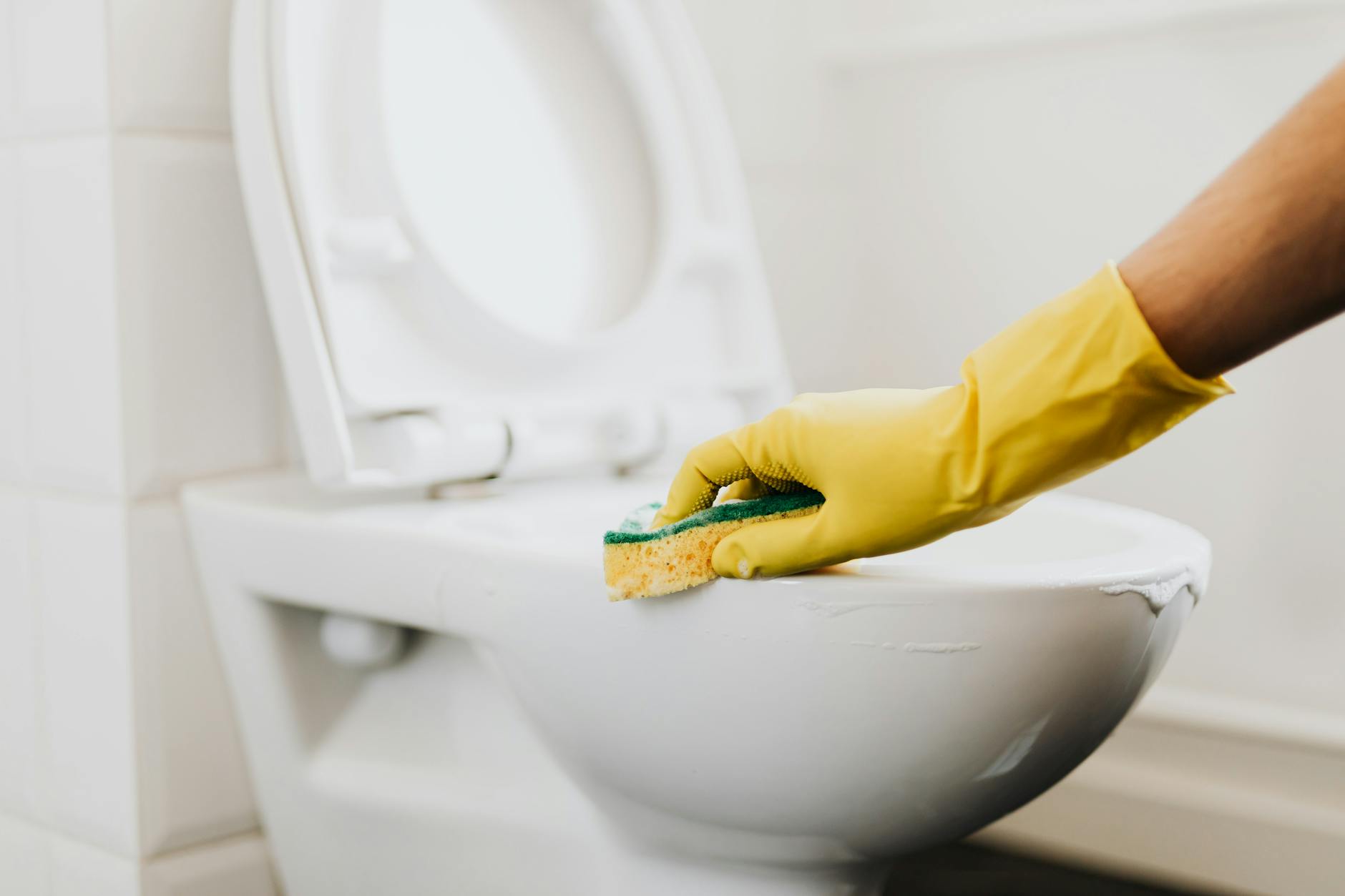
This page is part of our broader seasonal cleaning resource, which covers the full calendar of home maintenance tasks tied to each time of year. Here, we go deep on fall specifically: what to clean, in what order, and why each task matters for Arizona households and beyond.
Why Fall Cleaning Matters More Than Most People Realize
Summer in Arizona is punishing. Heat, dust storms (haboobs), monsoon humidity, and near-constant HVAC use leave behind a residue that most homeowners don’t fully see until the season turns. Dust settles into return air vents. Monsoon moisture encourages mold in window tracks and bathroom grout. Fine particulate from dust storms embeds in carpet fibers and upholstery.
Beyond desert-specific conditions, fall cleaning matters everywhere because of the behavioral shift it signals. As temperatures drop, people spend more time indoors. According to EPA guidance on indoor air quality, concentrations of some pollutants are two to five times higher indoors than outdoors, and that gap widens when homes are sealed against cold air. A focused fall clean reduces the dust, allergens, and microbial buildup that circulate through a closed-up house all winter.
Fall is also a natural inflection point before the holiday season accelerates. Getting ahead of it now means your home is ready for guests, for holiday entertaining, and for the deeper reset covered in our guide to making a clean start in the new year.
The Complete Fall Cleaning Checklist: 10 Priority Tasks
The tasks below are organized by impact and sequence. Work top-to-bottom and room-to-room so you’re not pushing dust onto surfaces you’ve already cleaned.
1. Deep-Clean HVAC Vents and Replace Air Filters
This is the single highest-leverage task in any fall cleaning checklist. Your HVAC system spent the summer running nearly nonstop, pulling air through filters that trap dust, pet dander, pollen, and mold spores. Before you switch from cooling to heating mode, replace filters and vacuum out every supply and return vent cover with a brush attachment.
For households with pets or allergy sufferers, upgrade to a MERV-11 or MERV-13 rated filter. The ASHRAE filtration standards for residential HVAC offer straightforward guidance on choosing the right filter rating for your system and health needs. In Arizona, where dust storms introduce extraordinary particulate loads, checking filters monthly through monsoon season is worth adding to your maintenance calendar.
2. Wash Windows, Tracks, and Screens Inside and Out
Monsoon season leaves a mineral film on exterior glass and packs dirt into window tracks and screen frames. Fall is the right time to address this because temperatures have dropped enough to clean exterior glass without streaking (heat causes cleaning solution to evaporate too fast). Remove screens, scrub them with a soft brush and mild dish soap, rinse, and let them dry fully before reinstalling.
Window tracks collect surprising amounts of debris. Use a stiff-bristled brush to loosen packed-in dirt, vacuum it out, then wipe down with a damp cloth and a few drops of white vinegar. If you find mold along the rubber seals or in the corners of tracks, treat with a diluted hydrogen peroxide solution and let it sit for ten minutes before wiping.
3. Flip, Rotate, and Vacuum Mattresses
Mattresses absorb sweat and skin cells at a rate most people underestimate. The American Academy of Allergy, Asthma and Immunology notes that dust mite populations in bedding are among the most common triggers for year-round indoor allergy symptoms. Twice-a-year rotation and vacuuming (fall and spring) keeps this manageable.
Strip all bedding, vacuum the mattress surface with an upholstery attachment, rotate it 180 degrees (or flip it if the manufacturer allows), and launder all bedding including mattress covers in hot water at 130°F or higher to kill dust mites. While the mattress is bare, wipe down the headboard, bed frame, and under-bed baseboards.
4. Clean Ceiling Fans, Light Fixtures, and High Surfaces
Ceiling fans that ran on high all summer accumulate a thick layer of dust on blade edges. When you switch them to winter’s clockwise rotation, that dust gets thrown into the room. Wipe each blade with a damp microfiber cloth before the first cool-weather use. Use a pillowcase pulled over each blade to contain the fallout rather than scattering it across your clean floors.
While you have a step ladder out, address light fixtures, the tops of kitchen cabinets, crown molding, and tall shelving. These are easy to skip and easy to forget, but they’re prime dust collectors that contribute directly to the indoor air quality problem described above.
5. Degrease the Kitchen Thoroughly
Fall’s approach to the kitchen goes well beyond a standard wipe-down. Pull the stove away from the wall and clean behind it. Remove oven racks and soak them in hot soapy water. Clean the oven interior either with a commercial oven cleaner or the self-clean cycle (run it when you can open windows to vent the smoke). Degrease range hood filters by soaking them in boiling water with a generous amount of baking soda.
Wipe down the exterior of all appliances, including the refrigerator coils if accessible from the front or back. Dusty coils force your refrigerator to work harder and shorten its lifespan. Empty and wipe out the refrigerator interior, discarding anything expired. Descale the dishwasher by running an empty cycle with a cup of white vinegar on the top rack, followed by a baking soda rinse cycle.
6. Scrub Bathrooms with Particular Attention to Grout and Caulk
Monsoon humidity encourages mold and mildew in bathrooms throughout summer. Fall is the time to assess grout lines, caulk seams around tubs and showers, and the silicone seal at the base of toilets. Dark discoloration in caulk typically indicates mold growth underneath the surface layer. If the caulk has separated from the wall or tile even slightly, water has been getting behind it. That caulk needs to be removed and replaced, not just scrubbed.
For grout cleaning without harsh chemicals, a paste of baking soda and hydrogen peroxide applied with a stiff grout brush is highly effective. If you want to go further, our resource on unexpected uses for borax in household cleaning covers how to use it safely on grout and bathroom surfaces.
7. Declutter and Deep-Clean Closets Before Seasonal Clothing Swaps
Fall is the natural moment for swapping summer clothing to the back of the closet and bringing forward fall and winter pieces. Before you do, pull everything out, vacuum the closet floor and shelves, and wipe down surfaces. Inspect stored items for any signs of moisture damage, pest activity, or mildew smell that may have developed over the humid summer months.
Donate or discard items you haven’t worn. Wash or dry-clean stored woolens and heavier fabrics before putting them back into regular rotation. Cedar blocks or sachets help deter moths without the toxic residue of mothballs. This is also a good moment to check that any seasonal decor storage bins are clean and dry before you pull out fall and holiday items.
8. Clean Upholstery, Rugs, and Soft Furnishings
Fabric surfaces trap the most allergens and hold odors that intensify when a home is closed up for cooler months. Vacuum all upholstered furniture using a brush attachment, paying special attention to seams and cushion backs. For area rugs, take them outside if possible, beat them to dislodge embedded debris, then vacuum both sides.
Spot-treat stains on sofas and chairs with an appropriate upholstery cleaner based on the fabric type (check the manufacturer’s tag: W means water-based cleaner, S means solvent-based, W/S means either, and X means vacuum only). Wash machine-washable pillow covers, throws, and sofa slipcovers. If your rugs haven’t been professionally cleaned in a year or more, fall is the right time.
9. Address Entryways, Mudrooms, and Garage Spaces
These transitional spaces take the most abuse and often get the least attention during routine cleaning. Sweep and mop entryway floors, clean the front door (interior and exterior faces, hardware, and door frame), and wash or replace entry mats. If you have a mudroom, clean out stored footwear, wipe down hooks and shelving, and assess what from summer (pool toys, flip flops, outdoor gear) can be stored or donated.
The garage is worth at least a basic fall reset: sweep the floor, organize seasonal tools, and clear out anything that accumulated over the summer. Check that weatherstripping on the garage door is intact, as gaps allow pests and cold air to enter the home.
10. Prepare Outdoor Spaces and Exterior Surfaces
In Arizona, outdoor living continues well into the cooler months, which makes fall the ideal time to clean and maintain patio furniture rather than store it. Wipe down all outdoor furniture with a mild all-purpose cleaner and inspect for rust, cracked resin, or fraying fabric. Hose down the patio, clean the built-in grill or outdoor kitchen surfaces, and check the condition of any shade structures or pergola fabric.
Clean exterior light fixtures and replace burned-out bulbs. Clear gutters of any debris, particularly if you have trees. Inspect the perimeter of the house for gaps in caulking around windows and doors where pests could enter as temperatures drop. Spray down the exterior of windows from ground level to remove monsoon dust before fall breezes push it back inside through open windows.
Room-by-Room Fall Cleaning Priorities at a Glance
If you’re working through your fall cleaning in stages rather than all at once, this breakdown helps you prioritize by room and allocate time realistically.
- Kitchen: Oven, range hood filters, refrigerator coils, cabinet interiors, behind appliances
- Bathrooms: Grout and caulk, exhaust fan covers, medicine cabinet interiors, shower curtain and liner
- Bedrooms: Mattress rotation and vacuuming, ceiling fan blades, closet deep-clean
- Living areas: Upholstery and rugs, light fixtures, baseboards, electronics and entertainment center
- HVAC and air quality: Filter replacement, vent cleaning, humidifier inspection if applicable
- Entryway and garage: Door hardware, entry mats, transition space organization
- Exterior: Patio furniture, gutters, window exteriors, caulk and weatherstripping inspection
Common Fall Cleaning Mistakes to Avoid
Even motivated homeowners make a few predictable errors when tackling a seasonal clean. Knowing them in advance saves time and rework.
Cleaning top surfaces before vacuuming floors. Dust and debris fall. Always work from ceiling to floor, high surfaces to low, and clean floors last.
Using wet cloths on dusty surfaces. Wiping dry dust with a wet cloth turns it into a paste that smears across surfaces and embeds into finishes. Dry-dust first with a microfiber cloth, then follow with a damp wipe for any sticky residue.
Skipping the backs and undersides of furniture. Dust and pet hair collect heavily on the undersides of chairs, tables, and shelving. A fall clean that misses these areas leaves significant allergen loads in place.
Running heating for the first time without cleaning vents. The first time you flip on heat after months of cooling use, you’re blowing everything that settled in the ducts through the house. Vent cleaning before that first use matters.
Neglecting small appliances. Toasters, coffee makers, microwave interiors, and can openers harbor bacteria and food residue. Fall is a practical time to pull each small appliance away from the wall, clean its base and cord area, and sanitize the device itself.
Forgetting light switches and door handles. High-touch surfaces accumulate germ loads year-round. Before cold and flu season peaks, wipe down all light switches, door handles, drawer pulls, and remote controls with a disinfecting cleaner. Our home disinfection service covers these areas systematically as part of a professional treatment.
Fall Cleaning vs. Spring Cleaning: What’s Different
Both seasonal cleans follow a similar whole-home framework, but they have distinct priorities. Spring cleaning after winter focuses on mud, salt, and the staleness of a closed-up house. Fall cleaning is oriented toward undoing summer’s particular damage: dust storm residue, monsoon humidity, and the intense heat that drives insects and moisture into unexpected corners.
Spring cleaning is also traditionally about opening up: airing out the house, washing winter bedding for storage, and resetting after months of indoor living. Fall cleaning is about closing in: sealing gaps, switching filters, and creating a clean baseline before the home stays sealed for months.
For a detailed spring counterpart to this guide, see The Ultimate Guide to Spring Cleaning, which covers that season’s specific checklist in similar depth. And if you’re planning your full fall and winter cleaning calendar beyond just the tasks themselves, the fall and winter cleaning checklist planner is a practical companion resource.
It’s also worth noting how fall cleaning connects to cleaning during the warmer seasons. If you want to understand how summer’s cleaning demands compare, our guide to summer-specific cleaning challenges for Arizona households is a useful read before you finalize your fall priorities list.
When to Call a Professional for Fall Cleaning
There’s a point in every seasonal cleaning project where the scope outpaces available time or physical capacity. That’s not a failure of effort. It’s a realistic reckoning with what a whole-home deep clean actually requires: typically eight to twelve hours for an average-sized home, depending on current condition.
Professional fall cleaning makes sense when:
- You haven’t had a deep clean since spring or longer
- Household members have respiratory sensitivities or allergies
- You’re preparing the home for holiday hosting (see our holiday cleaning service)
- Monsoon season left visible mold, staining, or debris in hard-to-reach areas
- The kitchen and bathrooms haven’t had a top-to-bottom clean in several months
- You simply don’t have two days of free time to do it yourself
A professional team brings the right tools, correct product formulations for each surface type, and the systematic process that ensures nothing gets missed. Elite Maids serves Phoenix, Mesa, Scottsdale, Gilbert, Chandler, Glendale, Queen Creek, San Tan Valley, Tucson, and Flagstaff with background-checked, insured cleaners and a satisfaction guarantee backed by a reclean at no cost.
For ongoing maintenance after a fall deep clean, a recurring biweekly or monthly service keeps your home at baseline through the entire winter season without requiring another major effort. All our cleaning tips and guides are designed to help you maintain that baseline between professional visits.
If you’re drawn to handling as much as possible yourself, our DIY cleaning guides cover product choices, techniques, and sequencing for common household tasks. And for the holiday entertaining stretch just around the corner from fall cleaning, the guide on cleaning hand-painted holiday glassware is worth bookmarking before Thanksgiving and December gatherings.
Get Your Home Ready for Fall with Elite Maids
Fall cleaning doesn’t have to consume an entire weekend or become a source of stress. Whether you handle it yourself with this checklist or hand it off to a professional team, the goal is the same: a cleaner, healthier home going into the months when your family spends the most time inside.
Elite Maids House Cleaning offers deep cleans, recurring cleaning plans, and one-time fall resets for homeowners across Arizona’s Valley communities and beyond. Every cleaner is background-checked, rated five stars, bonded, and fully insured. Online booking gives you an instant quote and same-day availability between 8am and 6pm, no phone call required.
Ready to get your home fall-ready? Visit Elite Maids House Cleaning to book your fall cleaning service today. Your satisfaction is guaranteed, or we come back and reclean at no cost to you.
Frequently Asked Questions
When is the best time to do fall cleaning?
The best window for fall cleaning is late September through early November, when summer heat has broken but holiday guest preparations haven’t started yet. In Arizona, waiting until after monsoon season ends (typically late September) ensures you’re addressing the full scope of summer’s impact, including dust storm residue and humidity-related mold growth, in a single focused effort.
How is fall cleaning different from a regular deep clean?
A fall cleaning is a seasonal deep clean oriented around specific end-of-summer tasks: HVAC filter replacement, monsoon residue removal from windows and tracks, mattress rotation, and preparation of the home for months of sealed indoor living. A standard deep clean covers surface-level thoroughness throughout the home but doesn’t follow the seasonal task sequence that fall’s transition requires.
How long does a full fall cleaning take?
For an average three-bedroom home in moderate condition, a thorough fall cleaning takes eight to twelve hours if done by one person working systematically. A two-person team can complete it in four to six hours. Homes that haven’t had a deep clean since spring, or that went through a heavy monsoon season, should expect the longer end of that range.
What rooms should I prioritize in a fall cleaning?
HVAC system and air quality should be the first priority regardless of room, since it affects the whole house. After that, kitchen and bathrooms are highest impact because they accumulate the most bacteria, grease, and mold. Bedrooms come next because of allergen buildup in mattresses and closets. Living areas and entryways close out the sequence.
Do I need professional cleaning in fall or can I do it myself?
Most fall cleaning tasks are manageable as DIY work if you have the time and physical capacity. Where professional help makes the most sense is in homes with allergy sufferers, pets, significant mold or dust storm residue, or homes preparing for holiday hosting. A professional team works faster, catches what’s easy to miss, and eliminates the risk of improper product use on delicate surfaces.