
What a Deep Cleaning Includes Room by Room
A professional deep cleaning covers every surface, fixture, and hidden corner that routine maintenance misses. Cleaners work through each room systematically, scrubbing baseboards, degreasing appliances, sanitizing grout, wiping cabinet interiors, and cleaning behind and underneath furniture. The full scope varies slightly by home, but the room-by-room breakdown below reflects what a thorough professional deep clean actually involves.

Why Room-by-Room Scope Matters Before You Book
Homeowners often book a deep cleaning without a clear picture of what gets done versus what falls outside the scope. That gap creates disappointment on both sides. When you know the specific tasks attached to each room, you can set expectations, communicate priorities to your cleaning team, and judge the quality of the work afterward.
Deep cleaning is fundamentally different from a standard maintenance clean. A maintenance clean keeps a tidy home presentable week to week. A deep clean resets a home that has accumulated months of layered grime, grease, soap scum, and dust. EPA guidance on indoor air quality points to dust, particulates, and biological contaminants as major drivers of poor indoor air, and a thorough deep clean directly addresses all three categories.
Whether you’re preparing for guests, resetting after a renovation, moving into a new home, or simply catching up after a busy stretch, understanding the room-by-room checklist helps you get full value from the service. You can also use this breakdown to compare it against what a provider actually delivers before committing.
Kitchen: The Most Labor-Intensive Room in the House
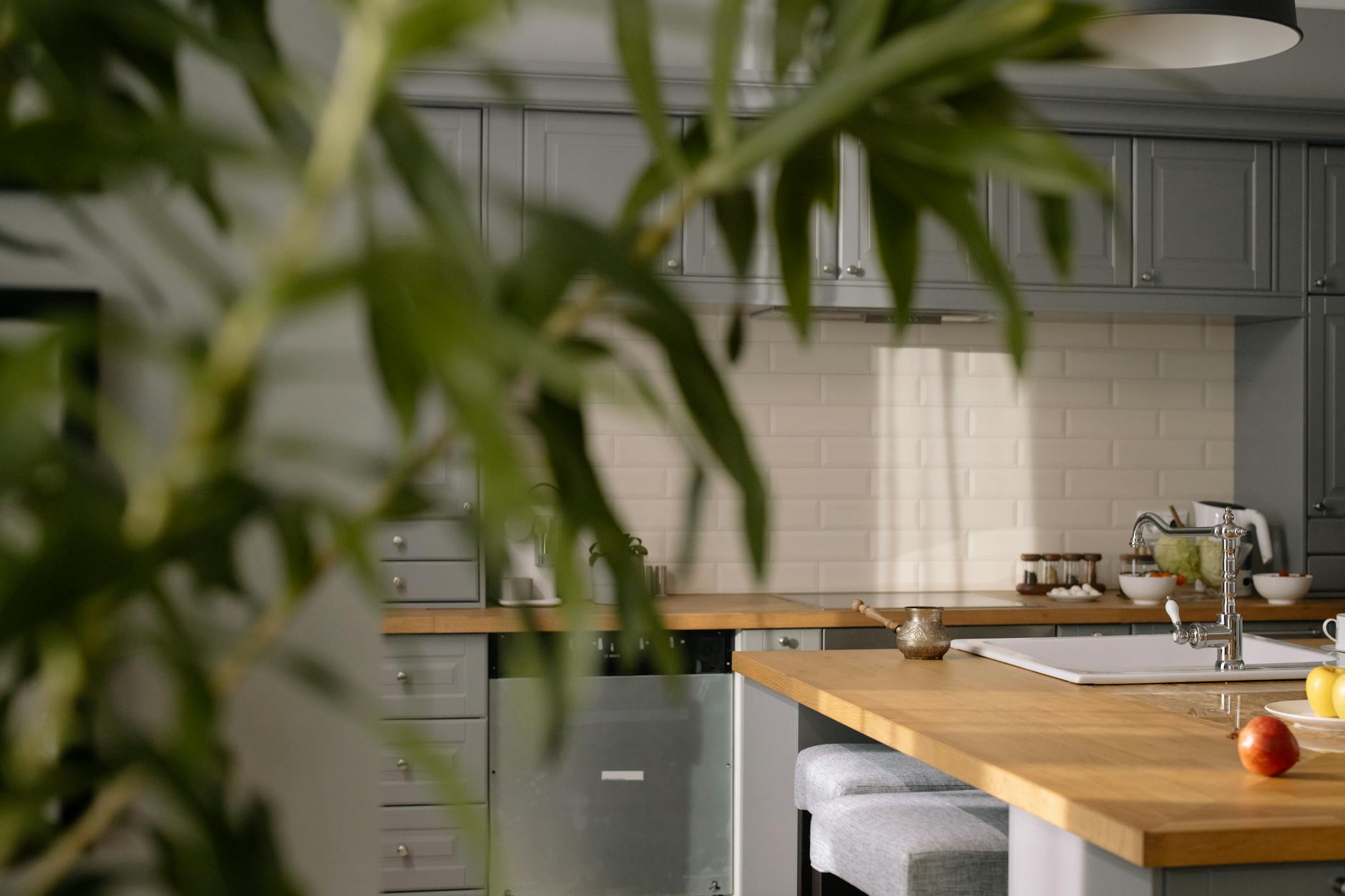
The kitchen earns its reputation as the hardest room to deep clean. Grease migrates farther than most homeowners realize, landing on cabinet faces, backsplash tiles, range hood filters, and even ceiling corners above the stove. A proper kitchen deep clean addresses all of it.
Appliance Exteriors and Interiors
- Oven interior: racks removed, walls scrubbed with degreaser, glass door cleaned inside and out
- Microwave: interior walls, ceiling, turntable, and door seal wiped down
- Refrigerator exterior: top surface, door handles, and door gaskets cleaned
- Dishwasher exterior and door edge wiped
- Range hood filter degreased or noted for replacement
Cabinets, Counters, and Fixtures
- Cabinet exteriors: all faces, handles, and hinges wiped
- Cabinet interiors: shelves wiped, crumbs and residue removed (standard on deep cleans, not maintenance visits)
- Countertops: cleared, disinfected, and dried
- Backsplash: grout lines scrubbed, tile faces wiped
- Sink basin and faucet: descaled, scrubbed, and polished
- Garbage disposal rim and splash guard cleaned
Floors and Baseboards
- Baseboards hand-wiped or scrubbed
- Floor corners and edges detailed before mopping
- Area under moveable appliances (microwave cart, trash can, etc.) mopped
If your household uses eco-friendly cleaning products, the kitchen is where the switch matters most. Plant-based degreasers work effectively on grease buildup without leaving chemical residue on food prep surfaces.
Bathrooms: Sanitization Down to the Details
Bathrooms require both cleaning and disinfection. A deep clean goes well beyond wiping surfaces. Every fixture, tile surface, and storage area gets attention.
Toilet
- Under the rim, bowl interior, and trap scrubbed with a disinfecting cleaner
- Exterior: tank, base, and behind the toilet wiped down
- Toilet seat hinges and underside cleaned
- Floor around the base scrubbed, not just mopped over
Shower and Tub
- Grout lines scrubbed with a stiff brush and appropriate cleaner
- Shower glass or curtain liner cleaned (hard water deposits removed from glass)
- Showerhead face wiped and descaled if accessible
- Caulk lines wiped; mildew addressed where possible
- Tub interior scrubbed and rinse jets area wiped if applicable
Vanity and Storage
- Sink basin descaled and scrubbed
- Faucet handles and aerator wiped
- Mirror cleaned streak-free
- Vanity cabinet exterior and interior wiped
- Toothbrush holder area and counter accessories moved and cleaned under
Proper disinfection in bathrooms is not optional. According to CDC guidance on cleaning and disinfection in homes, high-touch surfaces like faucet handles and toilet flush levers require disinfectant contact time, not just a surface wipe. A trained cleaning team knows the difference between cleaning (removing visible soil) and disinfecting (killing pathogens). For households with immune-compromised members or young children, our disinfection services pair well with a deep clean to ensure full pathogen reduction.
Bedrooms: More Than Changing Sheets
Bedrooms accumulate dust faster than most rooms because of the sheer volume of fabric surfaces, soft furnishings, and under-bed dead zones that rarely get touched during a standard clean.
Surfaces and Furniture
- All flat surfaces dusted: nightstands, dressers, shelving, window sills
- Furniture tops and sides wiped; items moved rather than dusted around
- Light fixtures and ceiling fan blades cleaned
- Door frames, doors, and switch plates wiped
- Baseboards hand-wiped throughout
Under and Behind Furniture
- Under the bed vacuumed and mopped (or vacuumed if carpeted)
- Behind dressers and nightstands dusted where accessible
- Inside closets: shelving wiped, floor vacuumed
Windows and Mirrors
- Window glass (interior side) cleaned streak-free
- Window tracks wiped or vacuumed
- Mirror surfaces cleaned
Living Room and Common Areas: Dust Goes Everywhere
Living rooms, dining rooms, and hallways share a common challenge: dust settles on every horizontal surface and gets embedded into upholstery, rugs, and curtain fabric. A deep clean brings all of it out.
Upholstered Furniture and Rugs
- Sofa and chair cushions removed; underneath vacuumed
- Cushion surfaces vacuumed and crevices detailed
- Area rugs vacuumed on both sides if moveable
- Rug edges and under-rug floor area addressed
Entertainment and Shelving Units
- TV and screen surfaces carefully wiped (appropriate cloth)
- Entertainment center shelves emptied and cleaned, then items returned
- Bookshelves and decor items dusted individually
- Vents and air return covers vacuumed and wiped
Walls, Trim, and Floors
- Baseboards wiped throughout common areas
- Crown molding dusted if accessible
- Hard floors vacuumed then mopped with appropriate product
- Carpet deep vacuumed in multiple directions
- Corners and under furniture reached with detail tools
For households planning around seasonal timing, pairing a deep clean with good scheduling habits keeps the work from piling up again quickly. understanding how often a deep clean is actually needed helps you decide whether a one-time reset or a recurring schedule makes more financial sense for your home.
Laundry Room and Utility Spaces
Laundry rooms are consistently overlooked, even during cleaning visits that claim to cover the whole house. Lint, detergent residue, and machine grime accumulate steadily in these spaces.
- Washer drum interior wiped, door seal cleaned (front-loaders especially)
- Dryer exterior and lint trap housing wiped
- Behind and under washer and dryer vacuumed if accessible
- Utility shelving wiped down
- Sink basin and faucet cleaned if present
- Floor mopped including corners and behind appliances
Lint buildup inside dryer exhaust pathways is a leading cause of home fires, according to U.S. Fire Administration data on clothes dryer fires. While a house cleaning team does not service ductwork, wiping down visible vent covers and the area around exhaust outlets is standard in a thorough deep clean.
Areas That Are Commonly Missed (and Shouldn’t Be)
Even experienced homeowners doing their own cleaning routinely skip certain zones. A professional deep clean checklist specifically targets these spots because they are where grime and allergen loads build highest between visits.
Vertical and Overhead Surfaces
- Ceiling fans: blades, motor housing, and light fixtures
- Door tops and door frames
- Window sill tracks (where dead insects and debris accumulate)
- Tops of refrigerators, cabinets, and wardrobes
- Light switch plates and outlet covers
Transition and Edge Zones
- Baseboards in every room, not just high-traffic areas
- Stair risers and balusters
- Door thresholds
- Behind and under toilets
- Grout lines on all tiled surfaces
Storage and Organization Zones
- Inside medicine cabinets
- Inside kitchen and bathroom drawers (wiped, not just exteriors)
- Pantry shelves cleared and wiped
- Coat closet floor vacuumed and shelves wiped
If storage areas in your home have become genuinely disorganized on top of dirty, consider pairing a deep clean with organizational services that go beyond surface cleaning to bring real functional order to the space.
How Deep Cleaning Fits Into Your Broader Cleaning Plan
A single deep clean does not maintain itself. Families who get the most value from a professional deep clean follow it with a regular schedule, whether that is weekly, biweekly, or monthly. The full range of cleaning services available allows households to customize exactly how much professional support they bring in and at what frequency.
For homeowners preparing for specific events, a deep clean ahead of the occasion works differently than a standard pre-party tidy. The holiday cleaning process prioritizes guest-facing spaces and high-traffic zones in a particular order, while still hitting the same standards as a full deep clean.
If you are moving into a home or vacating one, the room-by-room scope expands to include areas previous occupants left behind. A move-in and move-out cleaning follows a deep clean checklist but adds attention to inside all appliances, inside all cabinet boxes, and every closet shelf, regardless of what was left there.
For recurring service between deep cleans, housekeeping services keep the baseline clean so that the deep clean, when it comes around again, addresses genuine buildup rather than compensating for neglect.
Book a Room-by-Room Deep Cleaning in Arizona
Elite Maids House Cleaning serves Phoenix, Mesa, Scottsdale, Gilbert, Chandler, Glendale, Queen Creek, San Tan Valley, Tucson, and Flagstaff. Every cleaner is background-checked, bonded, fully insured, and five-star rated. We back every deep clean with a reclean-at-no-cost satisfaction guarantee, so if any room or area does not meet your standard, we come back and make it right.
You can get an instant quote and schedule same-day service between 8am and 6pm without a phone call. Visit Elite Maids House Cleaning to see your options, confirm your rooms and add-ons, and get your home reset from room to room.
Frequently Asked Questions
What is typically included in a deep clean?
A deep clean covers all surfaces, fixtures, and zones that a routine maintenance clean skips. That includes scrubbing grout lines, cleaning inside kitchen cabinets and appliances, wiping down baseboards throughout the home, cleaning behind and under furniture, sanitizing bathroom fixtures to a high standard, and addressing ceiling fans, vents, and light fixtures. The goal is to remove accumulated buildup, not just surface dust and debris.
How much would you expect to pay for a deep clean?
Pricing varies by home size, condition, and region. In Arizona, most residential deep cleans fall between $200 and $500 for an average-sized home, with larger homes or heavily soiled spaces running higher. The best way to get an accurate number is to use an online booking tool that generates an instant quote based on your specific square footage, number of bedrooms and bathrooms, and any add-ons you want included.
What areas are often missed during deep cleaning?
The most commonly missed zones are ceiling fan blades, door tops, inside window sill tracks, tops of kitchen cabinets, grout lines on tile floors and walls, baseboards in secondary bedrooms and closets, behind and under toilets, inside kitchen drawers, and the area behind large appliances like the refrigerator and washing machine. A professional team using a structured room-by-room checklist should hit all of these without prompting.
How is a deep clean different from a regular house cleaning?
A regular maintenance clean maintains a home that is already reasonably tidy: vacuuming, mopping, wiping visible surfaces, cleaning bathroom fixtures, and emptying trash. A deep clean goes further by cleaning inside appliances, scrubbing grout, wiping cabinet interiors, detailing baseboards, cleaning under furniture, and addressing areas that do not get touched during a routine visit. Deep cleans typically take two to three times as long.
Do I need to be home during a deep cleaning?
No. Most clients provide access via a keypad code or lockbox and go about their day. Elite Maids cleaners are background-checked, bonded, and fully insured, so you can leave with confidence. If you prefer to be present the first time or want to walk through specific priorities before the team starts, that works just as well. Either way, you receive a completed deep clean backed by a satisfaction guarantee.