
Are Eco-Friendly Cleaning Products Safe for Pets and Children?
Yes, eco-friendly cleaning products are generally much safer for pets and children than conventional household cleaners, but not all green-labeled products are created equal. Products formulated without synthetic fragrances, chlorine bleach, ammonia, or phthalates significantly reduce the risk of skin irritation, respiratory problems, and accidental poisoning in young children and household pets.
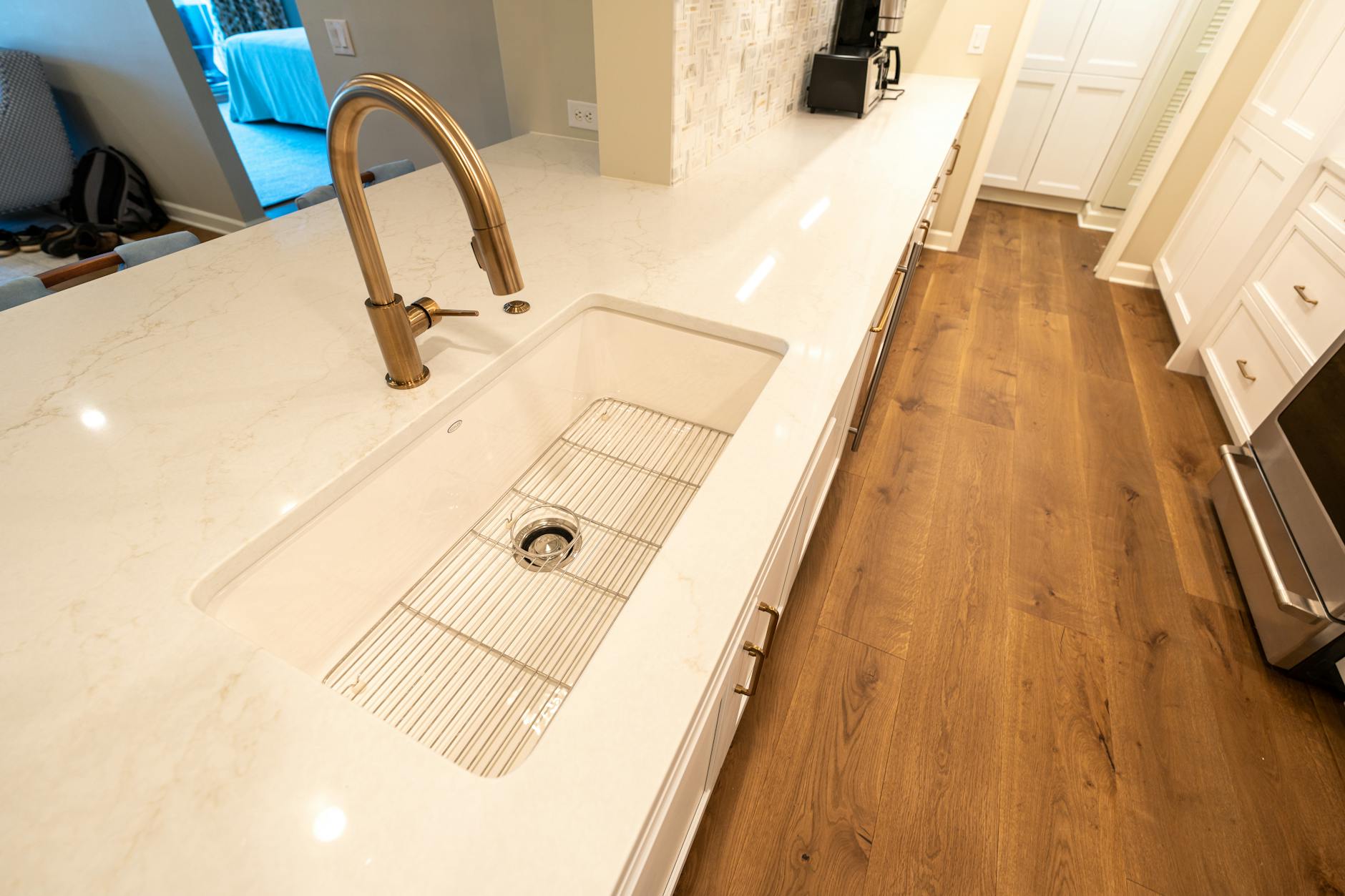
If you share your home with curious toddlers, crawling babies, or pets that lick every surface they investigate, the cleaning products you use matter more than most people realize. This page breaks down exactly what makes an eco-friendly cleaner genuinely safe, which ingredients to watch for even in products marketed as natural, and how to evaluate the options available to you. It connects directly to our broader guide on eco-friendly cleaning services and goes deeper on the household safety angle families in Arizona ask about most.
Why Standard Cleaners Can Be a Problem for Kids and Pets
Children and pets are not small adults. Their bodies process chemical exposure differently, and the ways they interact with cleaned surfaces, floors, countertops, bathtubs, and toys, put them in direct contact with product residues far more than most adults ever are. A toddler who pulls herself up on a freshly-wiped countertop and then puts her hands in her mouth is getting a dose of whatever was used on that surface. A dog who walks across a mopped floor and then licks his paws is doing the same thing.
Conventional cleaners often contain chemicals that are acutely hazardous even in small amounts. According to the American Association of Poison Control Centers, household cleaning products are among the most common sources of poisoning calls involving children under six. Bleach-based products, drain cleaners, oven cleaners, and multi-surface sprays with quaternary ammonium compounds (quats) are frequent offenders. Quats in particular have been linked to respiratory issues and skin sensitization with repeated low-level exposure, which is exactly the kind of exposure children and pets get on a daily basis in a cleaned home.
The concern is not only accidental ingestion. Volatile organic compounds (VOCs) released during and after cleaning contribute to poor indoor air quality. The EPA’s guidance on indoor air quality and VOCs notes that indoor air can be two to five times more polluted than outdoor air, and cleaning products are a significant contributor. Pets, who spend most of their time at floor level, and infants, who breathe air closest to the floor and carpet, face disproportionate exposure.
What Actually Makes a Cleaning Product Eco-Friendly and Safer
The word “eco-friendly” does not have a legal definition in the United States, which means a manufacturer can print it on any product without meeting a specific standard. This is one of the most important things to understand before purchasing any green cleaner. What matters is the ingredient list and any third-party certifications that verify the formula has been evaluated.
Genuinely safer eco-friendly products share several characteristics:
- Plant-derived surfactants: Cleaning agents made from coconut, corn, or sugar-based sources rather than petroleum. They lift grease and dirt effectively while biodegrading quickly and leaving minimal residue.
- No synthetic fragrances: Fragrance blends in conventional products can contain dozens of undisclosed chemicals, including phthalates linked to hormonal disruption. Safer products use no fragrance or rely on essential oils with full ingredient disclosure.
- No chlorine bleach or ammonia: Both create fumes that irritate airways. Ammonia is particularly toxic to birds, and bleach residue on floors or bowls can harm pets and children who come into direct contact with it.
- No optical brighteners: These are synthetic chemicals designed to make surfaces look cleaner without actually removing soil. They linger on fabric and skin and have shown aquatic toxicity in environmental studies.
- Third-party certification: Look for EPA Safer Choice, EWG Verified, or MADE SAFE certification. These programs require manufacturers to disclose and vet every ingredient, including preservatives and fragrance components.
For a complete picture of what you are avoiding, it helps to understand the specific toxic ingredients in standard household cleaners and why they pose a risk to the people and animals living in your home.
8 Key Questions to Evaluate Any Eco-Friendly Product
When you are standing in a store aisle or reading a product description online, these are the questions that separate genuinely safe formulas from marketing-driven greenwashing.
- Is the full ingredient list disclosed? Reputable eco-friendly manufacturers publish every ingredient by its chemical or common name. If a label says “proprietary blend” or “contains cleaning agents” without specifics, that is a red flag.
- Does it carry a recognized third-party certification? EPA Safer Choice, EWG Verified, and MADE SAFE are the most credible programs in the United States. Certification means an independent body reviewed the formula, not just the marketing claims.
- Is it fragrance-free or made with disclosed essential oils? Unspecified “fragrance” is a legally protected trade secret that can mask dozens of synthetic chemicals. Full disclosure is the only acceptable standard in a home with young children or pets.
- What is the pH range? Highly alkaline or highly acidic cleaners can cause chemical burns even from plant-based ingredients. For general household use, a pH between 6 and 8 is considered skin-safe. Heavy-duty applications may require slightly outside that range, but users should follow contact precautions.
- Is it rinse-required or leave-on? Leave-on products in food-prep or pet-accessible areas carry higher residue risk than products rinsed away with water. Know which category your product falls into and use it accordingly.
- What does the safety data sheet say about ingestion or skin contact? Every cleaning product must have a safety data sheet (SDS) available. Reading it for acute toxicity, skin/eye irritation, and first aid instructions tells you far more than the front label ever will.
- Is it stored safely after use? Even the safest cleaner becomes a hazard if a toddler can access it under a sink. Product safety and storage safety are separate issues; address both.
- Has it been verified safe for specific pets like birds or reptiles? Dogs and cats are the most commonly referenced in product safety discussions, but birds are extremely sensitive to airborne VOCs and fumes. Reptiles and small mammals have unique sensitivities too. If you have non-canine pets, research species-specific safety before choosing any cleaner.
Common Greenwashing Tactics and How to Spot Them
The cleaning product industry is one of the most heavily greenwashed categories in consumer goods. Knowing what to look for protects both your family and your budget. Our existing resource on common misconceptions about green cleaning services covers the broader myths, but these product-specific tactics deserve attention here.
“Natural” does not mean safe. Arsenic is natural. So is lye. The word natural has no regulatory meaning in cleaning product labeling and should carry zero weight in a purchasing decision.
“Non-toxic” is frequently self-declared. Without certification backing up the claim, a manufacturer can call any product non-toxic with no accountability. Check what body made that determination and whether the testing included chronic low-dose exposure, not just acute single-dose results.
Vague plant-based claims. “Made with plants” can mean 2% of the formula derives from plant sources while the rest remains petroleum-based. Ask for the percentage of plant-derived ingredients or look for a product where the full formula is accounted for.
Fragrance listed as a single ingredient. The word “fragrance” legally conceals any number of undisclosed chemicals. In a home with infants who spend significant time on the floor, or pets who lick surfaces, any product using undisclosed fragrance should be treated with the same skepticism as a conventional cleaner.
The Environmental Working Group’s cleaners database rates thousands of products on ingredient transparency and safety, and it is one of the most practical free tools available for Arizona homeowners trying to sort legitimate options from the noise.
Room-by-Room Considerations for Homes with Kids and Pets
Safety risks from cleaning products are not uniform across a house. Different rooms create different exposure pathways, and choosing the right product for each space matters.
Kitchen
Food-contact surfaces like countertops and cutting boards carry the highest ingestion risk from product residue. Use only EPA Safer Choice certified products on these surfaces, and rinse thoroughly after application even when the label says it is not required. Avoid antibacterial formulas using triclosan or quats as active ingredients; plain surfactant-based cleaners remove pathogens effectively on food surfaces without leaving hazardous residue.
Bathrooms
Bathroom cleaners tend to be the most aggressively formulated products in any home because of mold, mildew, and soap scum. Hydrogen peroxide-based cleaners (3% concentration) handle mold effectively without the fume and residue risks of bleach. Citric acid formulas tackle mineral deposits from Arizona’s hard water. Both are widely available in certified eco-friendly formulas and dry to a non-hazardous residue.
Floors
This is the highest-priority surface in a home with pets and young children because both spend the most contact time here. Whatever goes on the floor goes on paws, hands, and knees. Use only fully diluted, rinse-safe, certified formulas. Avoid any floor product that leaves a glossy residue, which is often created by polymers that take much longer to break down and can cause paw irritation or slip-and-fall risks for older dogs.
Carpets and Upholstery
Carpet cleaning is particularly complex because residue locks into fibers and off-gases slowly over time. Children who play on carpet and pets who sleep on furniture are chronically exposed to whatever was used at the last cleaning. Plant-derived enzymatic cleaners for stain removal and baking soda for deodorizing are the two most reliably safe options for these surfaces.
How Professional Eco-Friendly Cleaning Differs from DIY
Many families switch to DIY eco-friendly cleaning to avoid product safety concerns, but there are meaningful differences between a well-executed professional eco-friendly clean and a home attempt. Professional cleaners who specialize in non-toxic methods understand not just which products to use, but how dilution ratios, dwell time, and application methods affect both effectiveness and residue levels.
An improperly diluted product, even a safe one, can leave residue concentrations that exceed what the certified formula was tested for. A professional using the right product at the right dilution in the right room applies the safety research correctly. That distinction matters in homes where small children or pets are the reason for choosing eco-friendly cleaning in the first place.
To understand exactly what this looks like in practice, what to expect during an eco-friendly house clean walks through how a professional service approaches each room with non-toxic methods. For households where pet safety is the primary concern, non-toxic cleaning options specifically for homes with pets provides a focused breakdown of product choices and application strategies by pet type.
Understanding the chemistry behind why these products work is also useful. How eco-friendly cleaning products actually work explains the science, which helps homeowners ask better questions when evaluating any professional service’s product choices.
Practical Steps for Arizona Families Making the Switch
Arizona households face a few conditions that affect product choices. Hard water throughout the Phoenix metro, Mesa, Chandler, and Scottsdale areas means mineral buildup is a persistent cleaning challenge, and the products best suited to tackle it need to be evaluated for safety as carefully as anything else. High summer heat also affects how products off-gas indoors, since elevated temperatures accelerate VOC release from cleaning residues left on surfaces.
Here is a practical starting framework for families making the transition to safer cleaning products:
- Audit your current products using the EWG cleaners database before purchasing replacements.
- Replace highest-risk products first: floor cleaners, fabric sprays, and bathroom cleaners used in areas where pets and children have the most contact time.
- Build a core kit of three to four certified products rather than trying to replace every product at once. Most households can cover 90% of cleaning tasks with a general multi-surface spray, a bathroom cleaner, a floor solution, and a dish soap.
- Keep all cleaning products, even safe ones, locked or latched away from children and pets. Safe formulas still pose a hazard if consumed in quantity.
- Ventilate during and after cleaning regardless of product choice. Opening windows reduces exposure to any airborne components, certified or not.
- Review product choices if you introduce a new pet, particularly a bird, rabbit, or exotic animal with documented chemical sensitivities.
For a broader context on all the residential cleaning services available in Arizona and how professional options fit into a healthy home routine, that resource covers the full range of what families can access through a vetted cleaning service.
How This Fits Into a Broader Eco-Friendly Cleaning Approach
Product safety for kids and pets is one important slice of a larger approach to healthier home cleaning. The choice of products intersects with cleaning frequency, surface types, ventilation habits, and whether you clean yourself or hire a professional service. The broader benefits of eco-friendly products cover environmental impact alongside household health, which is a useful frame for families who want to understand the full picture rather than just the immediate safety question.
If you are weighing whether green products perform as well as conventional formulas, the comparison of green versus traditional cleaners directly addresses that performance question with specifics rather than generalizations.
Product choice also intersects with the type of clean you are scheduling. A deep cleaning that involves grout, appliance interiors, and baseboards uses different product categories than a routine maintenance clean, and understanding which certified formulas handle deep-clean tasks ensures safety is maintained even during more intensive sessions.
Closing: Getting a Safer Clean Scheduled for Your Home
Choosing cleaning products that are genuinely safe for the children and pets in your home does not require sacrificing cleanliness. Certified eco-friendly formulas clean effectively, and when applied correctly by trained professionals, they leave your home both spotless and free from the residue concerns that come with conventional chemicals.
Elite Maids House Cleaning serves families across Phoenix, Mesa, Scottsdale, Chandler, Gilbert, Glendale, Queen Creek, San Tan Valley, Tucson, and Flagstaff with eco-friendly product options available on every recurring, deep clean, and move-in/move-out service. Every cleaner is background-checked, bonded, insured, and backed by a reclean-at-no-cost satisfaction guarantee.
If your household includes young children, pets, or anyone with sensitivities, book a visit through Elite Maids House Cleaning and request eco-friendly products when you schedule. Online booking with instant quotes is available same-day between 8am and 6pm, no phone call required.
Frequently Asked Questions
Is Lysol safe for kids and pets?
Standard Lysol disinfecting products contain quaternary ammonium compounds (quats) and other active ingredients that are not considered pet-safe or infant-safe for routine household use. The product is registered as a pesticide with the EPA. While surfaces dried completely after application carry lower risk, direct contact with wet residue, especially by pets who lick paws or children who touch and mouth surfaces, poses a real concern. Certified eco-friendly disinfectants using hydrogen peroxide or citric acid are a safer alternative for homes with young children and animals.
What certifications should I look for on eco-friendly cleaning products?
The most credible U.S. certifications for cleaning product safety are EPA Safer Choice, EWG Verified, and MADE SAFE. Each requires the manufacturer to disclose and submit all ingredients for safety review, including preservatives and fragrance components. Products carrying one or more of these marks have undergone independent evaluation rather than relying on self-declared claims like “natural” or “non-toxic,” which have no regulatory definition in cleaning product labeling.
Are essential oil-based cleaners safe for cats and dogs?
Not automatically. Some essential oils widely used in green cleaning products, including tea tree, eucalyptus, citrus oils, and pine, are toxic to cats and can cause neurological symptoms or liver stress. Dogs are more tolerant but not immune. If your home has cats in particular, avoid any cleaner using undiluted essential oils, and verify species-specific safety for any scented formula even when it carries an eco-friendly certification, since most certifications focus on human health rather than feline or avian physiology.
How long should I wait after cleaning before letting pets or children back into a room?
The waiting period depends on the product used and the ventilation in the room. For most certified eco-friendly formulas applied to hard surfaces, surfaces are safe once visibly dry, typically 10 to 15 minutes with normal ventilation. Conventional disinfectants, especially those containing quats or bleach, generally require longer drying time and thorough ventilation. With any product, keeping windows open and running a fan shortens the safe re-entry window and reduces airborne exposure for both children and pets.
Can eco-friendly cleaning products still disinfect effectively?
Yes, several certified eco-friendly formulas are EPA-registered as effective disinfectants. Hydrogen peroxide at sufficient concentration, citric acid, and thymol (derived from thyme) are active disinfecting agents found in certified products. The key is using them correctly: proper concentration, adequate dwell time on the surface (usually 30 seconds to two minutes), and not wiping too early. Effectiveness is well-documented for common household pathogens when products are used according to label instructions.