How to Clean Oven Racks Without Chemicals in Tucson
SHARE:
If you live in Tucson, you know how quickly a busy kitchen can turn a sparkling oven into a greasy, smoke-streaked mess. The good news is that you do not need a bottle of harsh fumes to get your oven racks looking like new. Learning how to clean oven racks without chemicals is one of those simple kitchen wins that takes very little money and almost no scrubbing when you do it right. Whether you are freshening up before the holidays or doing a full deep cleaning of your kitchen, this guide walks you through every step. And if you ever want help with cleaning in Tucson, the team at Elite Maids House Cleaning is always ready to take the work off your plate.
Why Chemical-Free Oven Rack Cleaning Matters for Your Home
Most commercial oven cleaners contain sodium hydroxide and other caustic compounds. According to EPA guidance on volatile organic compounds and indoor air quality, many conventional cleaning products release VOCs that linger indoors long after you have finished scrubbing. In a warm Tucson home where windows stay closed during brutal summer months, that indoor air exposure adds up fast.
Cleaning oven racks without chemicals means you skip those fumes entirely. You protect your lungs, keep residue off the surfaces that touch your food, and avoid the caustic splashes that can irritate skin and eyes. The American Lung Association’s indoor air guidance consistently points homeowners toward safer, less-toxic cleaning methods wherever possible. Going chemical-free is not just a trend; it is a practical step toward a healthier kitchen environment in Tucson.
Natural oven rack cleaning also tends to be gentler on the chrome plating of the racks themselves, which means they last longer and keep their finish without pitting or discoloration.
The Bathtub Soak Method for Cleaning Greasy Oven Racks
The single most effective way to clean greasy oven racks without any chemicals is a long overnight soak. Here is exactly how to do it:
Lay an old towel on the bottom of your bathtub to protect the surface from scratches.
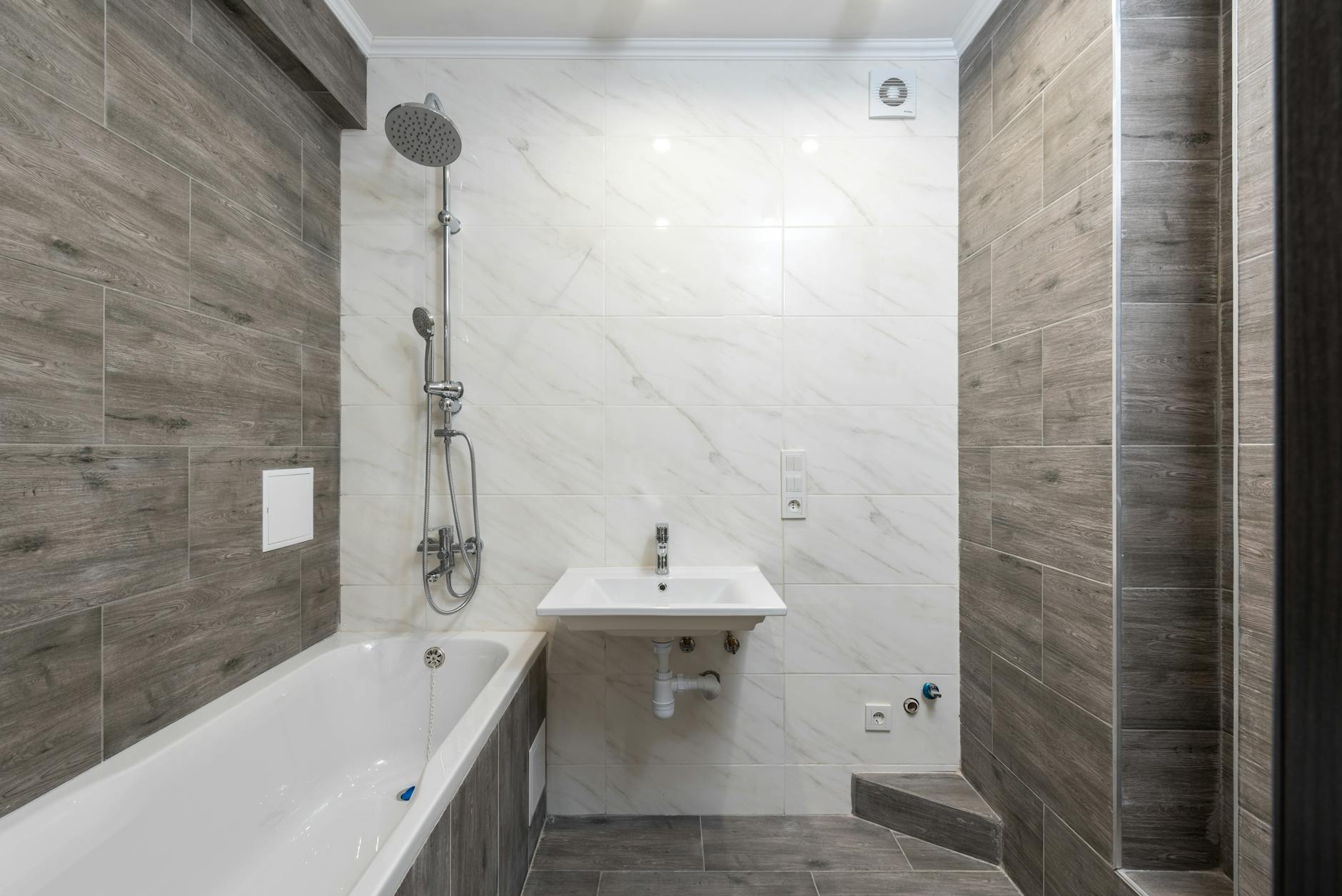
Place the oven racks flat in the tub on top of the towel.
Fill the tub with hot water until the racks are fully submerged.
Add half a cup of dish soap and half a cup of baking soda directly to the water. Swirl to combine.
Let the racks soak for at least six hours, or overnight for heavy grease buildup.
In the morning, wipe the racks down with a non-scratch scrubbing pad. Most of the grease will slide right off with almost no effort.
Rinse the racks thoroughly, dry them completely, and slide them back in the oven.
This method for cleaning greasy oven racks works because the dish soap emulsifies the baked-on fat while the baking soda acts as a mild abrasive and deodorizer. Soaking oven racks overnight is the secret that makes scrubbing nearly effortless. For a deeper look at kitchen cleaning routines that work alongside this method, check out the ultimate deep clean checklist for your home.
Baking Soda and Vinegar Paste for Baked-On Oven Rack Grease
If you cannot use the bathtub or if the grease buildup is concentrated in specific spots, a baking soda and vinegar paste is your next best tool for removing baked-on oven rack grease. This approach targets stubborn spots without soaking the entire rack.
Remove the racks from the oven and lay them on a sheet of newspaper or an old towel outside or on a work surface.
Mix baking soda with just enough water to form a thick paste. Spread it generously over the greasy areas.
Let the paste sit for 20 to 30 minutes.
Spray or drizzle white vinegar directly over the paste. It will fizz and bubble as the two react.
After the fizzing settles, scrub with a stiff brush or a scrunched piece of aluminum foil used as a gentle abrasive.
Rinse with warm water and dry before replacing.
The fizzing reaction between baking soda and vinegar helps lift the baked-on oven rack grease from the metal surface without scratching. This is a great method to combine with a thorough spring cleaning routine when you are tackling the whole kitchen top to bottom.
For Tucson families who want to find cleaning in Tucson when life gets too busy for deep scrubbing, Elite Maids House Cleaning offers recurring maid service that keeps kitchens and entire homes consistently clean week after week.
How to Clean Oven Racks with Dryer Sheets
This one surprises most people, but dryer sheets are genuinely effective for oven rack cleaning without harsh products. The fabric softener compounds in the sheets help break down grease, and the sheets themselves provide a gentle scrubbing surface.
Place the oven racks in the bathtub and cover them with hot water.
Lay four to six dryer sheets directly on top of the racks and submerge them.
Add a squirt of dish soap and let everything soak for two to four hours.
Pull out a dryer sheet and use it to wipe down the racks. The texture picks up grease with very little pressure.
Rinse well and dry.
Many homeowners in Tucson are surprised by how well this chemical-free oven rack cleaning trick performs on moderate grease buildup. It does not require heavy scrubbing and leaves no residue behind. According to Good Housekeeping’s cleaning experts, dryer sheet soaks rank among the more underrated natural cleaning hacks for kitchen appliances.
Once your racks are clean, it is worth doing a quick wipe of the oven interior with a damp cloth and a little baking soda paste to complete the job. If you want to know what the cleaning in Tucson looks like when applied to a full kitchen, Elite Maids House Cleaning’s kitchen deep clean covers the oven exterior, stovetop, range hood, and all the surfaces that get skipped in a routine tidy-up.
Keeping Oven Racks Clean Between Deep Cleans
The real secret to making natural oven rack cleaning easier every time is not letting grease build up in the first place. A few simple habits extend the time between deep soaks significantly.
Wipe down oven racks with a damp cloth every two to three weeks before grease has a chance to bake on hard.
Place a baking sheet or piece of foil on the rack below whatever you are cooking to catch drips.
If something spills inside the oven, sprinkle the spot with baking soda immediately after the oven cools and wipe it away. Early intervention means no scrubbing later.
Once a month, pull the racks out and give them a quick rinse in the sink with hot soapy water. A five-minute rinse is far easier than a six-hour soak.
These maintenance habits apply to every home in Tucson, whether you cook every night or only use the oven on weekends. Consistent light upkeep is always faster than waiting for the buildup to become a project. For more kitchen and whole-home cleaning strategies, the house cleaning tips guide covers the foundational habits that keep homes cleaner between professional visits.
If your kitchen needs a more thorough reset, a deep cleaning service from a professional team can tackle the oven, range hood, refrigerator, cabinets, and every surface in between. It is especially useful before hosting guests or after a period when cleaning has slipped on the priority list.
Natural Cleaning Supplies to Keep on Hand in Tucson
Cleaning oven racks naturally without chemicals only requires a handful of pantry staples. Stocking these means you are always ready to tackle grease without a last-minute hardware store run.
Baking soda: A mild abrasive and odor neutralizer. Buy it in bulk because you will use it constantly.
White distilled vinegar: Cuts grease and reacts with baking soda to lift stubborn buildup.
Dish soap: The emulsifying backbone of most natural soak methods.
Coarse salt: Useful as an extra abrasive when combined with a half lemon to scrub rack surface grime.
Non-scratch scrub pads: Protect the chrome finish while still providing the friction needed to remove residue.
Dryer sheets: Versatile and surprisingly effective for light-to-moderate grease.
According to Real Simple’s cleaning guides, keeping these basics stocked means you can handle almost any routine household cleaning task without reaching for anything that carries a hazard warning label. For Tucson homeowners who prefer to keep their entire home maintained with eco-friendly products, professional cleaning in Tucson through Elite Maids House Cleaning includes eco-friendly product options on every visit.
And if the holiday season is approaching and the kitchen needs a full reset before guests arrive, the holiday cleaning service from Elite Maids House Cleaning is designed exactly for that moment. It covers the oven, kitchen, bathrooms, living spaces, and everything in between so you can focus on hosting instead of scrubbing.
When to Call a Professional House Cleaning Service in Tucson
Natural oven rack cleaning is completely manageable as a DIY project, but there are times when the whole kitchen or the entire home needs more than one person can reasonably tackle alone. If you are preparing for a big family gathering, moving into a new place, moving out of a rental, or simply catching up after a few months of a packed schedule, a professional house cleaning service saves time and delivers results that are hard to match with DIY methods alone.
Elite Maids House Cleaning serves Tucson with background-checked, insured, and five-star rated cleaners who back every visit with a reclean-at-no-cost satisfaction guarantee. Booking takes minutes online, same-day service is available between 8am and 6pm, and you get an instant quote without picking up the phone. The cleaning services in Tucson offered by Elite Maids cover everything from recurring weekly visits to one-time deep cleans and move-out cleans. If your kitchen, oven, and the rest of your home need a professional reset, contact Elite Maids house cleaning today for a free quote and let Tucson’s most-reviewed residential cleaning team give you your weekend back.
How To Deep Clean Your House in Glendale: A Room-by-Room Guide
SHARE:
If your home has been collecting dust, grease, and grime in all the places your regular cleaning routine misses, it is time to talk about a real deep clean. Not a quick wipe-down before company arrives, but a thorough, top-to-bottom scrub that resets your home from the inside out. For homeowners in Glendale, Arizona, where summer heat bakes dust into every surface and monsoon season pushes humidity into corners you forgot existed, deep cleaning your house is not optional. It is essential. Whether you are tackling it yourself or calling in the pros, knowing how to approach each room makes the whole process faster, less overwhelming, and more effective. Elite Maids House Cleaning has helped hundreds of Glendale families reclaim their homes, and this guide shares exactly how we think about a deep clean, from kitchen to bedroom and everywhere in between. If you are searching for LA cleaning services with proven results across the Valley, you are in the right place.
What Is Included in a Deep Clean for Your House?
A deep clean for your house goes far beyond your regular maintenance clean. Where a routine clean maintains surfaces that are already tidy, a deep cleaning service targets the buildup that accumulates over weeks and months: soap scum on grout lines, grease behind the stove, dust packed into ceiling fan blades, and grime along baseboards. A professional deep cleaning checklist typically covers every room in the home and hits the spots most people skip. Here is what you can expect a thorough cleaning to include:
Washing walls, light switches, and door frames
Cleaning inside appliances including the oven, microwave, and refrigerator
Scrubbing tile grout, caulk lines, and behind fixtures in bathrooms
Dusting ceiling fans, vents, and window blinds
Vacuuming under furniture and along baseboards
Deep cleaning carpets or mopping hard floors with a deep-scrub solution
Wiping down cabinet fronts, drawer handles, and interior shelves
The key to deep cleaning your house is setting a schedule before you start. This is not a chore you can conquer in one afternoon after work. Block out a full weekend, or split it across several evenings by room. Working through a deep clean house checklist helps you stay organized and ensures nothing gets skipped. According to Good Housekeeping’s cleaning guides, tackling one zone at a time rather than jumping between rooms dramatically reduces the time and effort required.
How Much Does a Deep Cleaning Service Cost in Glendale?
One of the most common questions Glendale homeowners ask is: how much would you expect to pay for a deep clean? The answer depends on the size of your home, its current condition, and whether you hire a professional service or do it yourself. For most homes in the Glendale area, professional deep cleaning services prices typically range from $200 to $400 for a standard three-bedroom home. Larger homes or those that have not had a thorough cleaning in several months will sit toward the higher end of that range.
When you factor in the cost of cleaning supplies, the time investment, and the physical effort involved, many families find that booking a one-time deep clean with a professional team is actually the better value. Consumer Reports’ research on home cleaning consistently shows that professional services deliver more consistent results than DIY attempts, especially in high-use areas like kitchens and bathrooms. If you want to see how local deep cleaning pricing stacks up and what real Glendale homeowners are saying about professional results, check out The Best 10 Home Cleaning near Glendale, CA 91204 for verified reviews and ratings.
If budget is a concern, you can always ask about recurring cleaning packages that include periodic deep clean add-ons at a reduced rate. For the cleaning services Glendale has available, Elite Maids House Cleaning offers transparent, instant online quotes so you know the price before you book.
How To Deep Clean Your Kitchen the Right Way
The kitchen is the hardest-working room in your home and typically the most rewarding space to deep clean. Grease travels farther than you think, coating the tops of cabinets, the range hood filter, and the backsplash tiles behind the stove. A real kitchen deep clean means going beyond the obvious surfaces.
Start at the top and work down. Remove everything from your cabinets, wipe the interiors, and clean the cabinet fronts with a degreasing solution. Pull your appliances away from the wall to clean behind them. Soak your stove grates and drip pans in hot, soapy water while you clean the oven interior. Do not forget the refrigerator coils at the back or bottom, since dust-coated coils make the unit work harder and can affect indoor air quality. The EPA’s indoor air quality guidelines note that airborne particulates from cooking and appliances are a significant source of indoor air pollution, which is another reason a thorough kitchen cleaning matters for your family’s health, not just appearances.
Degrease range hood filters by soaking in hot water and dish soap
Clean the inside of the oven with a non-toxic paste (baking soda and water work well)
Wipe refrigerator door seals, which trap food residue and mold
Descale the coffee maker and kettle
Sanitize the sink, garbage disposal, and drain
How To Deep Clean Your Bathrooms in Glendale Homes
Glendale’s hard water is tough on bathroom fixtures. Mineral deposits build up fast on faucets, showerheads, and glass shower doors, and soap scum bonds to tile grout in a way that a regular weekly scrub cannot fully remove. Bathroom deep cleaning means addressing all of it.
Remove your showerhead and soak it in white vinegar to dissolve mineral buildup. Scrub grout lines with a stiff brush and a paste of baking soda and water, then rinse and dry. Wipe down the inside of medicine cabinets and bathroom vanity drawers. Clean the toilet completely, including the tank lid, the base, and the area behind it. Wash your shower curtain and liner in the washing machine. If you notice any dark spots along caulk lines or grout, take them seriously. According to the CDC’s guidance on mold in homes, bathroom mold can trigger respiratory issues, especially for children and seniors, and it spreads quickly if left untreated.
A bathroom deep clean typically takes 45 minutes to an hour per bathroom when done properly. If your Glendale home has two or three bathrooms, that time adds up fast, which is one reason many homeowners turn to a professional house cleaning service for deep cleaning days.
How To Deep Clean Your Bedroom and Living Areas
Bedrooms accumulate more dust than most people realize, mostly because of fabric surfaces: mattresses, pillows, curtains, and upholstered headboards all trap allergens and dust mites. Deep cleaning your bedroom means going beyond vacuuming the floor.
Strip the bed completely and wash all bedding, including pillows and mattress covers, on the hottest setting the fabric allows. Vacuum the mattress on both sides using the upholstery attachment, then let it air out before remaking the bed. Dust ceiling fan blades, wipe down all furniture surfaces, and vacuum or wipe baseboards. Move the furniture to clean underneath it, since that is where a shocking amount of dust, hair, and debris collects over time.
Living room deep cleaning follows a similar pattern. Vacuum upholstered furniture, including under the cushions. Dust all shelving, electronics, and decor. Clean window glass, window sills, and blinds. If you have avoided cleaning your window blinds because it feels tedious, you are not alone, but it is one of those tasks that makes a noticeable difference in how clean a room actually feels. The American Lung Association’s indoor air resources point out that reducing dust and allergen levels in living spaces directly benefits people with asthma and allergy conditions, which is worth keeping in mind if anyone in your Glendale household deals with those issues.
Deep Cleaning the Laundry Room and Overlooked Spaces
The laundry room is one of the most neglected rooms when it comes to deep cleaning, which is ironic since it is the room where you clean everything else. Lint buildup in the dryer vent is a real fire hazard, soap residue coats the inside of your washing machine drum, and the area behind your machines is often an undisturbed dust disaster.
Pull the washer and dryer out from the wall and clean behind them thoroughly. Run a cleaning cycle on your washing machine with a commercial washer cleaner or a cup of white vinegar and baking soda. Wipe down the drum, the detergent drawer, and all door seals. Clean your dryer’s lint trap housing, not just the lint screen itself. Check the exterior dryer vent for blockages. The Spruce’s cleaning resources recommend cleaning the dryer vent at least once a year to prevent dryer fires, and doing it during your annual deep clean is a smart way to build it into a routine. For cleaning services in Glendale that handle these overlooked areas as part of every deep clean, Elite Maids House Cleaning covers it all.
Do not overlook your garage entryway, hallways, and utility closets. These high-traffic transition spaces collect dirt tracked in from outside, especially in Glendale where dusty desert conditions mean shoes carry in fine particles all year long. Wipe baseboards, vacuum corners, and mop the floors in these spaces during every deep clean cycle.
When To Call a Professional for Deep Cleaning in Glendale
Some homes genuinely need a professional deep cleaning service before a DIY approach makes sense. If your home has not had a thorough cleaning in six months or more, if you are preparing it for sale, or if you have just moved in and want a true fresh start, a professional team will cover the ground faster and more completely than a solo effort. Elite Maids House Cleaning serves Glendale homeowners with fully background-checked, bonded, and insured cleaners who work from a professional deep cleaning checklist on every visit. Every booking is backed by a satisfaction guarantee: if something was missed, the team comes back to reclean at no cost.
For Glendale families who want their weekends back, commercial cleaning services Albany, NY and residential deep cleaning specialists like Elite Maids use the same professional-grade standards that make a measurable difference in how clean your home actually is after the job is done. Book online in minutes with an instant quote, and get same-day service available between 8am and 6pm. Contact Elite Maids House Cleaning today for a free quote and find out why Glendale homeowners trust us for every deep clean, move-in cleaning, and recurring service they need.
5 Common House Cleaning Mistakes Phoenix Homeowners Make and How to Fix Them
SHARE:
Keeping a home clean in Phoenix sounds straightforward until you realize that some of the habits you repeat every week are actually making your home dirtier. From overloading surfaces with cleaning products to skipping the vacuum before you mop, these small missteps add up fast. At Elite Maids House Cleaning, we hear about these same house cleaning mistakes from Phoenix homeowners all the time, and we want to help you clean smarter. Whether you are handling your own cleaning in Phoenix AZ or thinking about bringing in a professional crew, knowing what to avoid puts you ahead.
The Most Common House Cleaning Mistakes Phoenix Homeowners Repeat
When it comes to house cleaning mistakes, the most damaging ones are usually the most routine. Phoenix homeowners often do the same things over and over, assuming they are cleaning effectively, while dust, bacteria, and grime quietly build up in the corners. Some of the most common residential cleaning errors include using too much product on surfaces, cleaning rooms in the wrong order, and neglecting to clean the tools doing the actual cleaning. Cleaning mistakes in the home might seem minor on their own, but when combined, they create a cycle where your home never quite feels truly clean no matter how much time you put in.
According to Good Housekeeping’s cleaning guidance, product overuse is one of the biggest culprits behind filmy surfaces and residue buildup. Using more cleaner does not mean more clean. It usually means more rinsing, more streaks, and more time wasted.
Not Cleaning Your Cleaning Tools
This is one of those house cleaning mistakes that feels almost too obvious, yet it is almost universally ignored. Your mop, sponges, scrub brushes, and vacuum filters are collecting bacteria, dust, and grime every single time you use them. If you never clean your cleaning tools, you are essentially spreading old dirt around your home during every cleaning session.
Rinse mop heads thoroughly after every use and let them dry fully before storing.
Replace kitchen sponges every one to two weeks or sanitize them regularly.
Empty your vacuum canister or change the bag before it reaches full capacity. A clogged vacuum loses significant suction and leaves debris behind.
Wash microfiber cloths separately from other laundry so they do not pick up lint that reduces their effectiveness.
The EPA’s indoor air quality resources highlight how dust and allergens recirculated through dirty vacuum filters contribute to poor air quality indoors. In Phoenix, where dust storms and desert particulates are a real seasonal issue, keeping your vacuum filter clean is even more critical than in other parts of the country.
If you want a thorough reset after months of buildup, a professional deep cleaning service can address the areas your tools have been missing.
Skipping the Sweep Before You Mop
Mopping a floor without sweeping or vacuuming first is one of the most common and most frustrating cleaning mistakes homeowners make. When you mop over dry debris, you are not removing it. You are pushing it around and spreading it into a muddy film across your entire floor. Once that dries, it looks worse than before you started.
The correct order is always sweep or vacuum first, then mop. This applies to tile, hardwood, and laminate. In Phoenix homes, where tracked-in dirt, sand, and fine dust from the desert are a near-daily reality, skipping this step is especially costly. Always vacuum in straight rows or overlapping passes rather than random motions so you cover the full surface area without doubling back over dirty sections.
For a deeper look at mistakes people make when cleaning specific surfaces, the window cleaning mistakes guide on this blog covers similar technique errors that apply throughout the home.
Using the Wrong Cleaning Products on the Wrong Surfaces
Not every cleaner works on every surface, and using the wrong product can cause real damage. Bleach-based sprays on granite counters etch the surface over time. Acidic cleaners on marble cause permanent dull spots. Abrasive scrubbers on stainless steel leave visible scratch marks. These are not hypothetical worst-case scenarios. They happen regularly in Phoenix homes, especially when homeowners grab whatever is under the sink without checking the label.
A simple rule: always read the label, and when in doubt, test a small hidden area first. For a greener approach, the EPA Safer Choice program certifies products that are safer for surfaces, people, and the environment. This is especially worth considering for families with young children or pets.
One product worth understanding is white vinegar, which is highly effective on mineral deposits and hard water stains, both extremely common in Phoenix thanks to the region’s notoriously hard tap water. However, vinegar should never be used on natural stone, waxed wood, or cast iron. Know your surfaces before you reach for a shortcut.
Phoenix residents dealing with hard water scale will find white vinegar works well on faucets, showerheads, and glass shower doors. Soak a cloth in undiluted vinegar, wrap it around the fixture, and let it sit for an hour before wiping clean. It is one of the most effective natural mineral deposit removers available.
Ignoring a Consistent Cleaning Schedule
One of the biggest house cleaning mistakes is not having any real routine at all. Many Phoenix homeowners clean reactively, only when the mess becomes impossible to ignore. That approach means dirt, grease, and bacteria have far more time to set in, making every cleaning session harder and longer than it needs to be.
A consistent schedule is the single most powerful thing you can add to your cleaning habits. It does not need to be elaborate. Even a simple weekly rotation where you focus on one or two rooms at a time is far more effective than one exhausting marathon session every few weeks.
This is where the 80/20 rule for house cleaning comes in. The 80/20 rule applied to cleaning means that 20 percent of your effort, focused on the right high-traffic areas like kitchens, bathrooms, and entryways, delivers 80 percent of the visible results. Identify those high-impact zones and clean them consistently rather than trying to deep-clean every inch every week.
If maintaining that schedule feels overwhelming on top of work, kids, and everything else, a recurring maid service handles the heavy lifting so your home stays clean between visits without the stress. Many Phoenix families use biweekly professional cleaning to stay ahead of buildup without giving up their entire weekend.
Homeowners elsewhere in the Valley making the same routine mistakes might also find value in reading about house cleaning mistakes Flagstaff homeowners make, since many of the same patterns appear regardless of city.
Overlooking the Most Missed Areas When Cleaning a House
Even thorough cleaners tend to skip the same spots every single time. The most missed areas when cleaning a house include ceiling fans, baseboards, light switches, door handles, cabinet fronts, the top of the refrigerator, and the area behind toilets. These zones collect dust, grease, and bacteria steadily, and because they are out of easy sight or reach, they get skipped for months.
In Phoenix, ceiling fans run almost year-round. That means the blades accumulate a thick layer of dust that gets redistributed through the room every time the fan is on. Wiping fan blades with a damp microfiber cloth at least once a month makes a noticeable difference in overall air quality.
The American Lung Association notes that indoor air quality is directly affected by dust and particulate buildup on surfaces and in HVAC systems. For Phoenix homeowners dealing with seasonal allergies or asthma, addressing these missed zones is not just about appearances. It is a real health issue.
For those moving into or out of a Phoenix property, a professional move out cleaning covers all of these missed areas top to bottom so nothing gets left behind. Alternatively, for ongoing maintenance, consider how a scheduled house cleaning in the Gilbert area is structured to catch these commonly overlooked zones every visit.
Another useful framework is the 5×5 rule for cleaning. The 5×5 rule means that before you sit down to relax, you spend five minutes doing five quick tasks around the house: wiping the counter, putting dishes away, folding a blanket, picking up shoes, and wiping down the bathroom sink. These micro-sessions prevent small messes from compounding into large ones.
Phoenix homeowners making these same errors in other neighborhoods of the Valley can check our breakdown of house cleaning mistakes in Chandler for additional tips that apply across Arizona’s desert climate.
How Professional House Cleaning Services in Phoenix Fix These Problems
The honest truth is that avoiding every cleaning mistake consistently is hard when life is already full. Professional house cleaning services remove the guesswork entirely. Trained cleaners arrive with the right products for each surface, clean in the correct order every time, use tools that are maintained and replaced regularly, and cover the high-traffic and commonly missed zones as a standard part of every visit.
For Phoenix residents who want move out cleaning services Phoenix or recurring home cleaning without the hassle, Elite Maids House Cleaning offers online booking with instant quotes and same-day availability between 8am and 6pm. Every cleaner is background-checked, bonded, and backed by a reclean-at-no-cost satisfaction guarantee.
Whether your home needs a one-time reset or a holiday cleaning before guests arrive, having a professional team handle the job means you stop repeating the same mistakes and start walking into a home that actually feels clean.
There is a big difference between a regular tidy-up and a true deep clean. A quick vacuum and wipe-down keeps things looking neat day to day, but grime builds up in places you do not see until you really start looking. Grout lines darken, refrigerator coils collect dust, and bathroom drains start to slow. A solid deep clean checklist for your home gives you a clear plan to tackle every corner, every surface, and every hidden space so nothing gets missed. Whether you are doing this yourself room by room on a weekend or bringing in a professional house cleaning service to handle the heavy lifting, having a detailed checklist makes the whole process faster and more effective.
Why a Deep Cleaning Checklist Actually Works
Most people start a deep clean with good intentions and run out of steam halfway through the kitchen. A deep cleaning checklist works because it breaks an overwhelming task into manageable steps. You are not staring at an entire house wondering where to begin. You have a list, you check things off, and you move on. That simple structure keeps you focused and makes sure nothing falls through the cracks.
A thorough home cleaning checklist also removes the guesswork about how often things need attention. Some tasks, like scrubbing baseboards or descaling your showerhead, rarely make it into a weekly cleaning routine. But when you have a documented deep clean checklist in front of you, those tasks show up and get done. According to Good Housekeeping’s cleaning editors, having a written cleaning plan dramatically reduces the time it takes to deep clean a home because you eliminate the decision fatigue of figuring out what to do next. A printed or saved deep cleaning house checklist PDF is one of the most practical tools any homeowner can keep on hand.
What You Will Need Before You Start
Before you open a single cabinet, gather your supplies. Running back and forth to find a scrub brush mid-task kills your momentum. Here is what a thorough deep clean typically calls for:
Microfiber cloths in multiple colors (one for bathrooms, one for kitchen, one for general dusting)
An all-purpose cleaner or a simple homemade solution of warm water and white vinegar
A grout brush and an old toothbrush for tight spaces
A squeegee for glass and shower doors
A vacuum with attachments for upholstery, baseboards, and vents
Baking soda for deodorizing and gentle scrubbing
A mop or steam cleaner for hard floors
Trash bags and donation boxes for decluttering as you go
If you prefer to keep chemicals out of your home, the EPA Safer Choice program maintains a list of certified cleaning products that are safer for people, pets, and the environment. It is a reliable resource when you are shopping for non-toxic options for your deep clean. Many of these products work just as well as conventional cleaners, especially when paired with good technique and the right tools.
How Often Should You Deep Clean Your Home
This is a question almost every homeowner has at some point. The honest answer depends on your household. A family with kids, pets, or anyone with allergies will need to deep clean more frequently than a single adult in a small apartment. As a general rule, most homes benefit from a full deep clean two to four times per year, with lighter maintenance cleaning happening weekly or biweekly in between.
Some areas of your home need deep cleaning attention more often than others. Bathrooms and kitchens see the most grime and should be on your deep cleaning schedule at least once a month. Bedrooms, living areas, and less-trafficked rooms can go a full season between deep cleans without causing problems. If you notice dust buildup on vents or refrigerator coils, musty smells from overlooked corners, or visible soap scum that regular cleaning is not touching, those are all signs it is time to pull out the full home deep cleaning checklist and get to work.
Room-by-Room Deep Cleaning Guide
This is the core of any ultimate deep clean checklist for your home. Going room by room keeps you organized and ensures you apply the right level of attention to each space. Below is what a complete deep clean looks like in each major area of your home.
Kitchen
The kitchen collects grease, crumbs, and odors faster than any other room. A proper kitchen deep clean goes well beyond wiping the counters:
Empty and wipe down all cabinets inside and out, discarding expired pantry items
Clean the refrigerator coils, interior shelves, and door gaskets
Degrease the stovetop, burners, drip pans, and range hood filter
Run a cleaning cycle on the dishwasher and wipe the door seal
Scrub the sink basin and descale the faucet aerator
Wipe down small appliances including the microwave interior, toaster tray, and coffee maker
Bathrooms need extra attention because moisture creates the conditions for mold and mildew to grow quickly. The CDC notes that mold in homes can trigger respiratory issues and allergic reactions, making bathroom deep cleaning a genuine health priority, not just a cosmetic one.
Scrub tile grout with a stiff brush and a baking soda paste
Descale the showerhead by soaking it in white vinegar for 30 to 60 minutes
Discard expired personal care products, makeup, and medications
Clean behind and around the toilet base and under the rim
Wipe down exhaust fan covers and check that the fan is actually venting properly
Wash shower curtains and liners or scrub glass doors with a squeegee and cleaner
Clear and sanitize sink drains
Bedrooms
Wash all bedding including duvet covers, pillowcases, mattress protectors, and pillows
Vacuum and flip or rotate the mattress
Dust ceiling fan blades, light fixtures, and the tops of door frames
Wipe down all furniture surfaces including nightstands, dressers, and closet shelving
Vacuum upholstered headboards and under the bed
Declutter closets and donate items that have not been used in a year
Living Areas and Common Spaces
Dust blinds, curtain rods, and wash curtains if washable
Clean baseboards, crown molding, and door frames throughout
Vacuum upholstered furniture and remove cushions to clean underneath
Wipe down light switches, outlet covers, and remote controls
Clean windows inside and out, including the tracks and frames
Dust vents and returns, replacing filters if needed
If you want a room-by-room printable breakdown to carry with you as you clean, The Ultimate Checklist for Deep Cleaning Every Room is a great companion resource that walks through each space in even more detail.
How to Use This Deep Clean Checklist With Your Household
A deep clean moves faster and stays more manageable when more than one person is involved. Splitting the home deep cleaning checklist by room or by task type, such as one person dusting while another scrubs bathrooms, keeps the workload balanced. If you have kids old enough to help, assigning them age-appropriate tasks like wiping down baseboards or sorting items for donation makes the process quicker and teaches good habits.
The best approach is to save or print your deep cleaning house checklist PDF and post it somewhere visible. As tasks are completed, check them off. This gives everyone a clear picture of what is done and what still needs attention. Breaking the checklist across two days also works well for larger homes. Do kitchens and bathrooms on day one since those take the most time and do bedrooms and living areas on day two.
For many families across the Phoenix metro and surrounding communities, the reality is that life gets busy and the deep clean checklist never quite gets finished. That is exactly why the team at Elite Maids House Cleaning exists. Handing off the deep clean to a professional team means it gets done thoroughly, on schedule, and without eating your entire weekend.
When to Call a Professional for Your Home Deep Clean
There is no shame in admitting that a full home deep clean is a lot of work. Some situations genuinely call for professional help. Moving into a new home or preparing a property for move-out, getting ready for a major family event, recovering after a renovation, or simply catching up after a stretch of busy months are all good reasons to book a professional deep cleaning service.
Professional deep cleaning goes beyond what most people can accomplish on their own in a day. A trained cleaning team works with systematic checklists, commercial-grade equipment, and the kind of focused attention that comes from doing this every day. Every cleaner at Elite Maids is background-checked, fully insured, and backed by a satisfaction guarantee, meaning if anything is missed, the team comes back and makes it right at no extra cost. Online booking with instant quotes makes scheduling a same-day appointment simple, no phone call needed.
The Ultimate Guide to Cleaning a Bathroom in Scottsdale, AZ
SHARE:
Bathrooms are one of the hardest-working rooms in any home, and they show it. Between soap scum, hard water deposits, mold-prone grout, and the daily grime that builds up around the toilet, keeping a bathroom clean takes more than a quick wipe-down. Whether you are tackling a master bath for the first time or you want a step-by-step system that actually works, this guide covers everything you need to know. If you have been searching for Apartment cleaning services scottsdale, or you simply want to raise the standard of cleanliness in your own home, you are in the right place. Elite Maids House Cleaning has put together this practical bathroom cleaning checklist to give Scottsdale homeowners a reliable, room-by-room routine they can actually stick to.
What You Need Before You Start Cleaning a Bathroom
Before you scrub a single surface, gather your supplies. Having everything within arm’s reach means you will not have to stop mid-clean to hunt down a product, and it keeps you from cross-contaminating surfaces with a dirty cloth. Here is a solid starting list for cleaning a bathroom step by step:
Rubber gloves (reusable, nitrile-coated gloves hold up far better than disposable ones and protect your hands from harsh chemicals)
Microfiber cloths for general wiping and glass surfaces
An old toothbrush or grout brush for tight corners
A squeegee for shower glass
A bucket or spray bottles for your cleaners
A disinfecting bathroom cleaner for toilets and high-touch surfaces
A non-toxic bathroom cleaner for everyday surfaces if you prefer a safer alternative
A grout cleaner or baking soda paste for tile work
According to EPA Safer Choice guidance on household cleaners, choosing products with safer chemical profiles matters especially in poorly ventilated spaces like bathrooms. Look for EPA Safer Choice labels when selecting your best bathroom cleaner liquid, and open a window or run the exhaust fan before you start.
For Scottsdale homes, hard water is a real factor. The Phoenix metro area sits in a region with notably high mineral content in its water supply, which means calcium and magnesium deposits build up on faucets, showerheads, and glass faster than in other parts of the country. Keep a dedicated hard-water remover in your kit alongside your standard cleaners.
How Long Does It Take to Clean a Bathroom?
One of the most common questions homeowners ask is: how long will this actually take? The honest answer depends on how frequently you clean and how large the bathroom is. A well-maintained half-bath can be refreshed in about ten minutes. A full master bathroom that has gone two or three weeks without a thorough clean will realistically take thirty to forty-five minutes.
If you are doing a deep cleaning after a long stretch, budget closer to an hour. Deep clean efforts include scrubbing grout lines, descaling the showerhead, cleaning inside the exhaust fan cover, and washing shower curtain liners. A one-time deep clean like this resets the entire space so that weekly maintenance becomes much faster afterward.
The best way to reduce total cleaning time is consistency. Wiping down the sink and mirror twice a week and giving the toilet a quick scrub every few days means your bathroom never gets to a point where it requires serious effort to restore. Think of your bathroom cleaning checklist as a living routine, not a one-time project.
How to Clean a Bathroom Step by Step: Toilet, Sink, and Surfaces
Now for the actual work. Follow this order to avoid re-contaminating surfaces you have already cleaned.
Step 1: Apply cleaner first, then move on. Spray your disinfecting cleaner inside the toilet bowl and on the exterior surfaces. Let it sit while you clean other areas. This dwell time is what actually kills bacteria and viruses, so do not rush it.
Step 2: Start high, work low. Dust light fixtures, the tops of the medicine cabinet, and any shelving. Dust falls, so you always want to clean top to bottom.
Step 3: Clean the sink and faucet. Spray and wipe the basin, faucet handles, and the drain area. Faucet handles are one of the highest-touch surfaces in the whole house. A disinfecting wipe or cloth with a cleaner that kills just about everything, such as a quaternary ammonium-based product, works well here.
Step 4: Clean the mirror and glass. Microfiber cloths with a streak-free glass cleaner outperform paper towels every time. If you have a frameless shower door with serious soap scum, a dedicated shower glass cleaner is worth having separately from your all-purpose spray.
Step 5: Scrub the toilet. Drain water from the bowl first by pushing the brush into the drain to lower the water level, which gives you better access to the bowl’s upper rim. Apply your disinfectant, scrub thoroughly, and rinse. Then wipe down the tank, the lid, both sides of the seat, and the base. Do not skip the base. Urine and moisture collect there constantly.
Step 6: Clean the shower or tub. Spray tile, walls, and the floor of the shower. Scrub with a stiff brush or a non-scratch scrubber. Rinse completely and squeegee glass doors to prevent new water spots from forming immediately.
Step 7: Mop or wipe the floor. Finish with the floor, working backward toward the door. Bathroom floors collect hair, dust, and product residue constantly. For Professional Home Cleaners in Scottsdale, AZ, mopping bathroom floors with a disinfecting solution is a standard part of every visit.
Not all stains are the same, and using the wrong product on the wrong stain wastes both time and product. Here is how to read what you are looking at:
Orange or pink ring in the toilet bowl: This is typically iron from hard water or a bacteria called Serratia marcescens. A pumice stone or a cleaner with hydrochloric acid removes iron buildup. For bacteria, a disinfectant cleaner that sits for at least five minutes is the fix.
Black or green spots on grout: Almost certainly mold or mildew. The CDC’s guidance on mold in homes recommends a diluted bleach solution or a commercial mold remover for porous surfaces. Always ventilate the room and wear gloves.
White or chalky buildup on faucets and glass: Hard water mineral deposits. Vinegar or a citric acid-based descaler works well. Avoid using abrasive scrubbers on chrome or brushed nickel finishes.
Yellow stains around the toilet base or seat: Urine residue. An enzyme-based cleaner breaks down the organic matter rather than just masking the smell.
Scottsdale’s water comes with a high mineral load, which means the white chalky buildup category is extremely common across the area. Staying on top of descaling every two to three weeks prevents the kind of calcium scale that requires serious effort to remove later.
If you are looking for a non-toxic bathroom cleaner that still handles tough stains, Real Simple’s cleaning guides regularly test and rank plant-based formulas against conventional ones. Many perform comparably on soap scum and light mineral deposits without the fumes.
How to Clean Bathroom Tile and Grout the Right Way
Tile is relatively simple to clean. Grout is not. Grout is porous, which means it absorbs soap, skin oils, mold spores, and mineral deposits over time. Cleaning bathroom tile correctly means addressing both surfaces separately.
For tile, a general bathroom cleaner sprayed on and wiped with a damp microfiber cloth is usually all you need during routine maintenance. For grout, you need a stiff brush and either a dedicated grout cleaner or a paste made from baking soda and hydrogen peroxide. Apply the paste, let it sit for ten minutes, then scrub in a circular motion and rinse thoroughly.
If your grout has reached the point where cleaning alone will not restore it, consider grout colorant as a practical solution. Grout colorant (sometimes called grout paint or grout stain) is applied with a small brush directly to the grout lines. It seals the surface while giving the grout a uniform, fresh appearance. This is not a cleaning technique in the traditional sense, but it is a legitimate way to make old grout look new without a full retile. The Spruce’s cleaning section has a solid walkthrough on applying grout colorant if you want to explore that route.
Once your grout is clean or refreshed, apply a grout sealer. This creates a barrier that makes future cleaning significantly easier and slows the return of mold and staining. For Scottsdale tile floors and shower surrounds, sealing grout once a year is a reasonable maintenance interval given the hard water and heat conditions in the area.
If scrubbing tile and grout sounds like more than you want to take on, the Cleaning services scottsdale prices page at Elite Maids House Cleaning gives you a clear picture of what a professional bathroom deep clean costs versus doing it yourself.
Common Bathroom Cleaning Mistakes to Avoid
Even people who clean regularly make mistakes that reduce the effectiveness of their efforts or damage surfaces over time. Here are the most common ones:
Not letting cleaners sit long enough. Most disinfectants require a contact time of at least thirty seconds to several minutes to actually kill pathogens. Spraying and immediately wiping defeats the purpose.
Using the same cloth on multiple surfaces. Wiping the toilet and then the sink with the same cloth just moves bacteria around. Color-code your cloths or use single-use wipes for the toilet specifically.
Ignoring the exhaust fan. Bathroom exhaust fans accumulate dust and grime that reduce their ability to pull moisture out of the room. A dusty fan contributes to mold growth. Clean the cover every few months.
Mixing bleach with ammonia-based cleaners. This produces toxic chloramine gas. Always read labels and never mix chemical cleaners. The EPA’s indoor air quality resources explain exactly why chemical mixing in enclosed spaces is a serious health concern.
Skipping the showerhead. Mineral deposits inside the showerhead restrict water flow and can harbor bacteria. Soaking it in white vinegar for thirty minutes every month keeps it flowing properly.
Using abrasive scrubbers on acrylic tubs. Acrylic and fiberglass surfaces scratch easily. Always use a non-scratch pad and a cleaner formulated for those materials.
What is one of the first things you should do when cleaning a bathroom? Start by applying your toilet bowl cleaner before anything else. Letting it soak while you clean the rest of the room means you are not standing around waiting, and the cleaner has time to break down buildup while you work on the sink and mirror. This simple habit alone makes the whole process more efficient.
For Scottsdale households that want the guesswork removed entirely, recurring maid service keeps bathrooms consistently clean between your own touch-ups. A scheduled visit every two or four weeks means you never fall behind to the point where a full deep clean becomes necessary.
When to Call a Professional House Cleaning Service in Scottsdale
There are times when a DIY approach is the right call, and times when professional help makes more sense. If you are preparing to sell your home, moving out of a rental, or dealing with a bathroom that has not been thoroughly cleaned in months, a professional house cleaning service will get better results in less time than most homeowners can manage on their own.
Professional cleaners bring commercial-grade products, the right tools for every surface type, and a systematic method that covers every corner of the room including spots most people routinely miss, like the inside of toilet tank lids, the seal around the base of the toilet, and the track of sliding shower doors.
In Scottsdale, where many homes feature upscale tile work, frameless glass shower enclosures, and high-end fixtures, using the wrong product or technique can cause permanent damage. A trained professional knows which cleaners are safe for natural stone, which ones are appropriate for chrome fixtures, and how to remove hard water deposits from glass without scratching it.
Check out the cleaning in scottsdale options through Elite Maids House Cleaning to see recurring plans, deep clean options, and same-day availability that fits your schedule.
If your bathroom is overdue for a real reset, or you simply want to hand this task off to someone who will do it right every time, THE BEST 10 HOME CLEANING in SCOTTSDALE, AZ includes Elite Maids House Cleaning for good reason. We back every visit with a no-cost reclean guarantee and offer online booking with instant quotes, no phone call required. Contact Elite Maids house cleaning today for a free quote and find out how easy it is to have a spotless bathroom without lifting a finger.
April Spring Cleaning Deep Dive for Chandler Homeowners
SHARE:
April is the perfect month to give your home the reset it deserves. After months of closed windows, accumulated dust, and busy schedules, a proper spring cleaning in Chandler does more than just tidy up a few rooms. It removes the buildup that regular weekly cleaning never quite reaches, improves your indoor air quality, and honestly just makes your home feel like a better place to be. If you want the cleaning in Chandler, this guide will walk you through exactly how to approach an April deep clean, room by room, with practical tips you can actually use.
What Is the Difference Between Spring Cleaning and Regular Cleaning?
This is one of the most common questions homeowners ask, and it is a fair one. Regular cleaning covers the basics: vacuuming, wiping counters, scrubbing toilets, and mopping floors. It keeps your home looking presentable week to week. Spring cleaning, on the other hand, is a full-home reset that goes much deeper than your normal routine.
A true spring deep clean tackles the areas that get ignored during regular cleaning sessions. Think baseboards caked with dust, ceiling fan blades coated in grime, inside the oven, behind the refrigerator, window tracks, grout lines, and the inside of kitchen cabinets. According to Good Housekeeping’s cleaning guides, a thorough spring clean can take anywhere from a full day to an entire weekend depending on the size of your home and how long it has been since the last one. In Chandler, where desert dust settles into every corner, that buildup happens faster than in most parts of the country. A deep cleaning service does what routine maintenance cannot, and April is the ideal time to schedule one before the summer heat arrives.
When Should You Start Your Spring Cleaning?
Most homeowners want to know: what month do you start spring cleaning? The honest answer is that there is no single right date, but April tends to be the sweet spot. March can still bring unpredictable weather in many parts of the country, but by April the season has settled in and the motivation to open windows and air out the house is at its peak. In Chandler, April is especially practical because temperatures are still comfortable before the intense summer heat takes over.
Some families prefer to start in late March, while others push into early May. If you want a specific target, the first or second weekend of April works well for most households. The goal is to pick a window when you have enough uninterrupted time to work through the whole home without rushing. If you are planning a complete top-to-bottom clean, consider checking out our complete organized home spring cleaning checklist for a structured approach that makes the process much less overwhelming.
Your April Spring Cleaning Checklist for Chandler Homes
A good spring cleaning checklist is what separates a productive deep clean from a day of wandering room to room feeling overwhelmed. Before you start scrubbing, write out every area you want to tackle. Breaking your home into zones — kitchen, bathrooms, bedrooms, living areas, and outdoor spaces — keeps the work manageable and ensures nothing gets skipped.
Here is a solid starting checklist for Chandler homeowners:
Wash all windows, inside and out, including tracks and sills
Wipe down baseboards and door frames throughout the entire home
Clean ceiling fans, light fixtures, and ceiling corners for cobwebs
Deep clean the oven, stovetop, and range hood filter
Pull out the refrigerator and clean behind and underneath it
Scrub grout lines in bathrooms and kitchens
Wash all bedding, including duvet covers, pillows, and mattress protectors
Vacuum upholstered furniture and flip or rotate cushions
Declutter closets and donate items you have not used in a year
Wipe down all cabinet faces and interiors in the kitchen
Clean air vents and replace HVAC filters
Disinfect light switches, door handles, and remote controls
The cleaning experts at The Spruce recommend tackling one zone per session rather than trying to deep clean the entire home in a single stretch. That approach keeps energy levels up and the quality of your cleaning much higher from start to finish.
How to Deep Clean Your Home from Top to Bottom
The single most effective method for a thorough deep clean is working from the top of each room down to the floor. Start with ceiling fans, light fixtures, and the tops of cabinets. Dust and debris will fall to lower surfaces as you work, which means you should always save floors for last. If you vacuum or mop first and then clean ceiling fans, you are just creating extra work for yourself.
For walls and surfaces, allow your cleaning products time to do their job. Spray a surface and let the solution sit for at least two to five minutes before wiping. This is especially true for bathroom tiles, oven interiors, and heavily soiled stovetops. Eco-friendly EPA Safer Choice products are a strong option for Chandler families with children or pets since they cut through grease and grime without leaving behind harsh chemical residue.
When you are ready to tackle floors, work backward from the farthest corner of the room toward the door so you are never walking over cleaned areas. For Chandler homes with tile throughout, pay extra attention to grout lines during your spring deep clean, since Arizona’s dust and hard water leave staining that builds up quickly through the winter months.
For households dealing with musty smells or visible mold in bathrooms, the CDC’s guidance on mold in homes is worth reviewing before you start scrubbing. Proper ventilation and the right products make a significant difference in preventing regrowth after cleaning.
Declutter Before You Deep Clean
One of the biggest mistakes people make during a spring cleaning session is trying to clean around clutter. Decluttering first always produces better results. Go through each room before you bring out the cleaning supplies and remove items that do not belong, items you no longer use, and anything that has been sitting in a corner untouched for months.
In Chandler homes, garages and spare bedrooms tend to be the biggest problem areas after winter. Once the clutter is cleared, your deep cleaning service can actually reach every surface instead of cleaning around piles of stuff. Donations can go to local thrift stores, and anything in good condition can be sold or passed along to neighbors. Decluttering does not need to take days. Even a focused two-hour pass through each room before the deep clean begins makes a noticeable difference in the outcome.
For ideas on what to tackle beyond the basics, our post on spring cleaning trends for 2026 homeowners covers some fresh approaches that go beyond the standard checklist and can make your April reset even more effective.
Do You Need Special Tools for a Spring Clean?
You do not need a garage full of specialty products to do a proper spring clean, but a few extra tools will make the job significantly easier. A microfiber mop with a washable pad outperforms a traditional sponge mop for tile floors. An extendable duster with a microfiber head reaches ceiling fans and high shelves without a ladder. A grout brush makes short work of tile lines in bathrooms and kitchens.
For upholstered furniture and mattresses, a vacuum with a HEPA filter captures fine dust particles and allergens that standard vacuums blow back into the air. According to the American Lung Association’s indoor air guidelines, improving indoor air quality through regular cleaning and proper filtration can meaningfully reduce allergy symptoms, which is especially relevant in Chandler during spring when pollen counts rise. A few quality tools genuinely replace a whole cabinet of single-use products and make your spring deep clean faster and more thorough from the start.
If you prefer to leave the heavy work to professionals, Elite Maids House Cleaning brings all the supplies, tools, and trained staff needed to complete a full house cleaning service in Chandler without you lifting a finger. Every cleaner on the team is background-checked, insured, and backed by a reclean-at-no-cost satisfaction guarantee so you know the job will be done right. Same-day booking is available online between 8am and 6pm with instant quotes, which means you can lock in your April spring clean without making a single phone call.
Why April Is the Ideal Month for a Professional Deep Clean in Chandler
Chandler’s climate makes spring cleaning especially timely in April. The dry desert winter leaves a layer of fine dust throughout every room, and the pollen from citrus trees and other spring blooms adds to the indoor allergen load. Getting ahead of that buildup before summer arrives means your home starts the hottest months of the year in genuinely clean condition, not just surface-clean.
Booking a professional recurring cleaning service after your April deep clean is one of the smartest things Chandler homeowners can do to maintain that fresh feeling throughout the year. Starting with a thorough reset and then maintaining it with biweekly or monthly visits keeps dust, grime, and allergens from ever reaching the levels you are dealing with now. It is a much easier approach than trying to do one massive deep clean every twelve months and scrambling to keep up in between. Chandler families who combine a seasonal deep clean with consistent maintenance cleaning consistently report that their homes feel easier to manage and more comfortable to live in year-round. With the house cleaning in Chandler services from Elite Maids House Cleaning, getting that level of clean has never been more straightforward.
Ready to check April spring cleaning off your list for good? Contact Elite Maids House Cleaning today for a free quote and let our team handle the deep clean your Chandler home deserves. With same-day availability, eco-friendly product options, and a satisfaction guarantee on every visit, there is no easier way to walk into May with a home that is genuinely, thoroughly clean.
15 Cleaning Tools Worth the Money for Every Arizona Home
SHARE:
Walk down any cleaning aisle and you will find dozens of tools promising to cut your scrubbing time in half. Most of them disappoint. A few of them, though, genuinely earn their place under the sink and keep working visit after visit. If you want to clean smarter rather than harder, the right cleaning tools are the starting point. This guide breaks down 15 cleaning tools worth the money so you can stop wasting cash on gimmicks and start building a kit that actually performs. Whether you are tackling weekly maintenance or a full deep clean, the Arizona maid service pros at Elite Maids House Cleaning use versions of these every day in homes across Phoenix, Scottsdale, Mesa, Chandler, and beyond.
Must-Have Cleaning Tools That Deliver Real Results
The must-have cleaning tools on every professional’s list share a few things in common: they are durable, ergonomic, and designed to reach the spots that disposable wipes miss. Here is where the money is well spent:
Microfiber cloths: These are the single biggest upgrade you can make. Microfiber cloths trap dust and bacteria at a microscopic level rather than just pushing them around. A quality pack lasts hundreds of washes. Good Housekeeping’s cleaning editors consistently rank microfiber as the most versatile essential cleaning tool a homeowner can own.
Extendable microfiber duster: High ceilings in Arizona homes collect dust fast, especially during monsoon season. An extendable duster with a pivoting head lets you hit ceiling fans, crown molding, and light fixtures without dragging a ladder into every room. This is one of the essential cleaning tools our crews rely on daily.
Grout brush: A stiff-bristle grout brush is cheap and remarkably effective. Nothing else gets into the narrow lines between tiles as cleanly. Pair it with a good cleaning product and the results speak for themselves.
Squeegee: In Arizona’s hard-water regions, glass shower doors develop mineral buildup fast. A quality squeegee used after every shower prevents that buildup from forming in the first place, which saves you significant scrubbing time later. Check out our cleaning product guide for product pairings that work with a squeegee beautifully.
Spin mop with a microfiber head: Traditional string mops spread dirty water. A spin mop wrings cleanly so you are always laying down clean water on your floors, not redistributing grime.
Best Vacuum Cleaners for Home Use
A quality vacuum is one of the most impactful investments you can make for indoor air quality. The EPA’s indoor air quality guidelines note that dust, pet dander, and allergens settle deep into carpet fibers and hard-floor crevices, which means the best vacuum cleaners for home use are those with strong suction and a true HEPA filter. Here are the types worth looking at:
Upright vacuum with HEPA filtration: For carpeted rooms, an upright with a HEPA filter captures particles as small as 0.3 microns. This matters especially if you have allergy sufferers in your household.
Cordless stick vacuum: A lightweight cordless vacuum is the right home vacuum for quick daily passes on hard floors and area rugs. The convenience factor means you will actually use it between deep cleans rather than putting it off.
Handheld vacuum: For upholstery, car interiors, and stair treads, a handheld vacuum fills the gap that full-size units cannot reach easily.
Not all scrubbing tools are created equal. The right scrubbing brushes and sponges save your wrists and your surfaces. Using the wrong abrasiveness level on a delicate surface can scratch it permanently, so matching the tool to the task matters.
Drill brush attachments: Attach one to a cordless drill and you have a power scrubbing brush that handles grout, tile, tub surrounds, and sink basins in a fraction of the time. These are among the most valuable cleaning tools worth buying for anyone who does regular deep cleans.
Soft-bristle scrub brush: For stainless steel appliances, porcelain sinks, and delicate surfaces, a soft nylon scrub brush cleans without scratching.
Non-scratch scrubbing sponge: A cellulose sponge with a non-abrasive scrubbing pad handles everyday dish duty and countertop spills without leaving marks.
If you are preparing for a seasonal reset, combining the right scrubbing brushes and sponges with a structured plan can make a real difference. Our spring cleaning guide walks through how to put these tools to work room by room.
Cleaning Tools for Hard-to-Reach Spots
Every home has corners, vents, and narrow gaps that standard tools simply cannot reach. Cleaning tools for hard-to-reach spots address the areas that often get skipped during routine cleaning but build up grime over time.
Crevice tool attachment: Most vacuums include one, but a standalone crevice tool with a flexible hose is more versatile. Use it along baseboards, between appliances, and along window tracks.
Bottle brush: Water bottle interiors, narrow vases, and refrigerator water dispenser nozzles are impossible to clean without a long-handled bottle brush. It is an inexpensive tool that fills a specific gap.
Flat mop with a swivel head: Under furniture and around toilet bases, a flat mop with a swivel head gets into tight spaces that a traditional mop cannot navigate. This is one of those specialized cleaning tools worth the modest extra cost over a basic model.
For Queen Creek homeowners dealing with the unique dust and mineral challenges in the East Valley, our Queen Creek home cleaning tools post covers region-specific picks in more detail.
Eco-Friendly Cleaning Supplies That Perform
More Arizona families are moving toward eco-friendly cleaning supplies, and the tools in this category have come a long way. Choosing safer products alongside your tool kit reduces chemical exposure at home without sacrificing clean results. The EPA Safer Choice program certifies products that meet strict safety standards, and pairing those products with quality tools means you can clean effectively without harsh chemicals.
Plant-fiber scrubbing pads: These biodegradable pads replace synthetic scrubbers and break down naturally rather than shedding microplastics into your drain.
Steam cleaner: A handheld or canister steam cleaner sanitizes grout, tile, and upholstery using only tap water. No chemicals needed, which makes it one of the most genuinely eco-friendly cleaning tools available today.
Elite Maids House Cleaning offers eco-friendly product options on every visit, so if you want a greener clean without doing the research yourself, our team handles it for you. You can also browse our cleaning hacks that work post for practical green cleaning techniques that pair with these tools.
Organizing Your Cleaning Caddy for Maximum Efficiency
Owning great tools only pays off if you can find them when you need them. Organizing a cleaning caddy keeps your must-have cleaning tools in one portable, easy-to-carry container that moves with you from room to room. Here is how to set one up smartly:
Use a divided caddy with compartments for spray bottles, brushes, and cloths so nothing rattles loose or spills.
Keep a second smaller caddy stocked specifically for bathrooms, since bathroom-specific tools like grout brushes and scrubbing sponges should stay separate from kitchen tools for hygiene reasons.
Label your bottles clearly so you do not accidentally grab the wrong product on a fast cleaning pass.
A well-organized caddy is not a luxury. It is a practical system that cuts your cleaning time noticeably, and it is the kind of detail the weekly house cleaning service Arizona homeowners love notice about professional crews.
When Professional Cleaning Tools Are Better Than DIY
Even with the right home cleaning tools, there are situations where professional-grade equipment and trained hands produce results that consumer tools simply cannot match. Move-in and move-out cleans, post-renovation cleanups, and deep cleans after months of buildup often need equipment like commercial-grade vacuums, professional steam extractors, and high-concentration safe cleaning agents that are not practical for most homeowners to own.
If your home needs that level of reset, or if life is simply too busy to keep up with the maintenance, Arizona’s trusted residential cleaning team at Elite Maids House Cleaning can step in. We are the most-reviewed residential cleaning company in Arizona, every cleaner is background-checked and fully insured, and we back every visit with a no-cost reclean guarantee. Booking online takes two minutes and gives you an instant quote.
Ready to take cleaning off your plate entirely? Schedule your house cleaning service today or contact Elite Maids house cleaning today for a free quote. We serve Phoenix, Mesa, Scottsdale, Gilbert, Chandler, Glendale, Queen Creek, San Tan Valley, Tucson, and Flagstaff, and we are ready to give your family back its weekends.
Best Cleaning Products for Asthma and Allergies in Queen Creek (And What to Avoid)
SHARE:
If you or someone in your home deals with asthma or seasonal allergies, the cleaning products sitting under your kitchen sink might be doing more harm than good. Many conventional household cleaners are packed with synthetic fragrances, harsh chemicals, and volatile compounds that irritate airways and trigger asthma attacks. For families seeking house cleaning services in Queen Creek, choosing the right products is not just a preference, it is a genuine health priority. This guide breaks down the best cleaning products for asthma and allergies, explains which ones to avoid, and shows you how to keep your home clean without compromising the air your family breathes.
Why Cleaning Products Trigger Asthma and Allergy Symptoms
Most people assume a clean home is a safe home. But the truth is that many popular cleaning sprays bad for lungs are sitting on store shelves right now, marketed with words like “fresh,” “powerful,” and “sanitizing.” The problem is what gives them that fresh scent and that powerful punch.
According to the EPA’s research on volatile organic compounds and indoor air quality, VOCs released from common cleaning products can cause eye irritation, throat inflammation, headaches, and serious respiratory distress, especially in people who already have asthma. Queen Creek sits in the heart of the Sonoran Desert, where dust, pollen, and dry air already put stress on sensitive airways. Add harsh indoor chemicals to that mix, and you have a recipe for constant discomfort.
Fragrance is one of the biggest culprits. It is one of the most common triggers for asthma and sensitivities, and it appears in everything from floor cleaners to laundry detergent. Synthetic dyes and preservatives are close behind. Understanding this is the first step toward building a cleaning routine that actually protects your family.
Cleaning Products Safe for Lungs: What to Look For
When shopping for asthma and allergy friendly cleaning products, a few simple criteria separate the genuinely safe options from the ones that just look natural on the label.
Fragrance-free formulas: Look for products that say “fragrance-free” rather than “unscented.” Unscented products sometimes contain masking fragrances that are just as irritating.
Dye-free and preservative-free: Dyes and common preservatives like methylisothiazolinone are known respiratory irritants. Stick to formulas that skip them entirely.
Hypochlorous acid cleaners:Hypochlorous acid is a naturally occurring compound your own immune system produces. As a cleaner, it is highly effective at killing bacteria and viruses without releasing harsh fumes, making it one of the best hypoallergenic cleaning products available today.
EPA Safer Choice certified: The EPA Safer Choice program evaluates every ingredient in a product for safety, including its impact on indoor air quality. If a product carries the Safer Choice label, it has been vetted as a cleaning product safe for lungs and sensitive households.
Plant-based surfactants: Products using coconut-derived or corn-derived surfactants clean effectively without the lung-damaging aerosols found in petroleum-based formulas.
Natural cleaning products for asthmatics do not have to be weak or ineffective. Many plant-based, fragrance-free options outperform their conventional counterparts on grease, grime, and bacteria when used correctly.
What Cleaning Products Should Asthmatics Avoid?
This is one of the most common questions homeowners in Queen Creek ask when they start paying attention to indoor air quality. The short answer is that the most toxic cleaning products for asthma sufferers tend to fall into a few specific categories.
Spray aerosol cleaners: Aerosol sprays send fine particles deep into the lungs. Even products with otherwise safe ingredients become problematic in aerosol form. Switch to pump sprays or wipe-based products instead.
Bleach-based all-purpose cleaners: Chlorine bleach releases chloramine gases when it contacts organic matter. The American Lung Association specifically warns that mixing bleach with ammonia or acids, which happens accidentally in many homes, produces toxic fumes that can permanently damage lung tissue.
Conventional oven cleaners: These contain sodium hydroxide (lye) and release heavy fumes that linger for hours.
Air fresheners and plug-in scent dispensers: These are not cleaning products at all. They simply mask odors with a continuous stream of synthetic chemicals that coat your airways.
Strongly scented laundry detergents and dryer sheets: Residual fragrance on clothing and bedding is a slow, constant irritant for asthma patients sleeping in those sheets every night.
Our post on common house cleaning mistakes to avoid covers several other product-use errors that make indoor air quality worse without homeowners realizing it.
Best Vacuums and Dust Cloths for Allergy Sufferers
The products you use to physically remove particles matter just as much as the liquids you spray. For Queen Creek families dealing with asthma or allergies, equipment choices can make a dramatic difference in how much dust and dander gets airborne during cleaning.
Vacuums with HEPA filtration are the gold standard for allergy control. A HEPA filter captures particles as small as 0.3 microns, meaning it traps dust mite debris, pet dander, mold spores, and pollen rather than recirculating them into the air. Standard vacuums without HEPA filtration actually make allergen levels worse in the room while they run. Look for sealed-system HEPA vacuums where the filter is not just present but actually seals off the exhaust.
Microfiber dust cloths are far superior to traditional cotton rags or feather dusters for allergy sufferers. Feather dusters simply scatter particles into the air. Microfiber cloths use a static charge to trap and hold dust rather than moving it around. Always dampen the cloth slightly before dusting to further reduce airborne particles, and wash microfiber cloths in hot water without fabric softener, since softener destroys the fiber’s static charge.
For professional house cleaning teams working in allergy-sensitive homes, these two tools are non-negotiable. Any cleaner showing up with a standard vacuum and a feather duster is not equipped to serve asthma households properly.
Asthma Friendly Floor Cleaners and Household Cleaners
Floors collect a staggering amount of allergens, especially in high-traffic Arizona homes where dust and pollen track in constantly. Choosing the right asthma friendly floor cleaner is one of the highest-impact decisions you can make for indoor air quality.
For hard floors, a lightly diluted solution of white vinegar and water is a classic, effective, and completely fragrance-free option. It cuts through dirt and residue without leaving chemical films. For tougher grime, look for plant-based floor cleaners with EPA Safer Choice certification and zero added fragrance.
For general household cleaners, the best asthma and allergy friendly cleaning products share these traits: concentrated formulas you dilute yourself (reducing packaging waste and controlling strength), clear ingredient lists with nothing labeled simply as “fragrance,” and independent certifications like Safer Choice or the Asthma and Allergy Foundation of America’s certification program.
When in doubt, a simple spray bottle with water, a few drops of castile soap, and a microfiber cloth handles the majority of daily cleaning tasks without a single synthetic chemical entering your air.
How to Clean Your House When You Have Asthma
Choosing safer products is half the battle. The other half is how you clean. Even the best hypoallergenic cleaning products can cause problems if you are spraying them in poorly ventilated rooms or stirring up settled dust before your vacuum is ready to capture it.
Here is a practical routine that works well for asthma households in Queen Creek:
Ventilate first: Open windows and run exhaust fans before you start. Getting fresh air moving reduces the concentration of any particles or fumes you disturb during cleaning.
Top-down, then floors last: Always dust and wipe surfaces before vacuuming so that anything knocked to the floor gets captured in the final pass.
Wear an N95 mask during dusty tasks: Dusting, vacuuming, and changing HVAC filters are the highest-risk moments for asthma patients. A mask dramatically reduces the amount of fine particles you inhale.
Let products sit before wiping: Many effective, safe cleaners need dwell time to work without scrubbing. Letting them sit reduces the physical effort and the amount of product required.
Change HVAC filters regularly: In Queen Creek’s dusty desert climate, standard 30-day filters often need replacing every 2 to 3 weeks in allergy households.
Consider a scheduled deep cleaning service: A professional deep clean removes built-up allergen reservoirs in places like baseboards, vent covers, and under furniture that routine cleaning misses entirely.
For more ideas on building a truly clean, healthy home environment, our team put together a helpful breakdown of eco-friendly cleaning products that actually work at home, which covers plant-based formulas tested in real Arizona households.
How Elite Maids Cleans Safely for Allergy-Sensitive Homes in Queen Creek
Elite Maids House Cleaning is a family-owned residential cleaning company that understands the Queen Creek community and the specific challenges that come with desert living. We offer eco-friendly product options on every visit, which means fragrance-free, dye-free, and EPA Safer Choice certified products can be requested when you book. Our cleaners are background-checked, fully insured, and trained to use proper technique in allergy-sensitive homes, including HEPA-rated equipment and microfiber cloths that trap rather than scatter dust.
Whether you need recurring weekly cleaning to stay on top of allergen buildup or a one-time thorough deep clean to reset your home, we can schedule same-day service between 8am and 6pm with an instant online quote. Every visit is backed by our reclean-at-no-cost satisfaction guarantee, so you never have to wonder if the job was done right. For cleaning in Queen Creek, Arizona that takes your family’s health seriously, the choice is straightforward.
Cleaning Routine for Working Moms in Scottsdale: How to Keep Your Home Clean Without Burning Out
SHARE:
Life as a work-outside-the-home mom in Scottsdale moves fast. You leave before the breakfast dishes are done, you come home to a pile of backpacks and shoes near the door, and somewhere between dinner and bedtime you catch yourself wondering how the bathroom got that dirty so quickly. If this sounds familiar, you are not alone, and you do not need a perfect cleaning system. You need a realistic one. Whether you are searching for cleaning in scottsdale or just trying to build a weekly routine that actually holds, this guide is written for you. Elite Maids House Cleaning works with families across Scottsdale every week, and we have seen what works for moms who are simply stretched too thin to do it all themselves.
A Realistic Cleaning Schedule for Working Moms in Scottsdale
The biggest mistake most working moms make with a cleaning schedule is trying to deep clean the entire house on Saturday morning. That approach burns out fast. A realistic cleaning schedule for working moms breaks the work into small, manageable daily tasks so no single day becomes overwhelming. Think of it as a house cleaning schedule for busy moms built around your actual life, not around some idealized version of it.
Here is a simple weekday cleaning routine that takes 10 to 15 minutes per day:
Monday: Bathrooms Day. Wipe down sinks, counters, and toilets. Swap out towels if needed. A quick spray and wipe takes less time than you think.
Tuesday: Dusting Day. Hit the main living areas, ceiling fans, baseboards, and shelves. A microfiber cloth makes this fast and effective.
Wednesday: Vacuuming Day. Run the vacuum through the high-traffic zones: living room, hallways, and kids’ rooms. Scottsdale dust accumulates quickly, especially during dry months.
Thursday: Kitchen Reset Day. Wipe down appliances, clean out the fridge of anything expired, and scrub the sink.
Friday: Floors and Laundry Day. Mop hard floors and start a load of laundry so the weekend is not swallowed by it.
Set a timer before or after work for 10 to 15 minutes and do what you can. Some nights you will finish with time to spare. Other nights you will stop when the timer goes off. Both outcomes are fine. Consistency over perfection is the entire point of a daily, weekly, monthly cleaning schedule designed for real families.
According to Real Simple’s cleaning guides, breaking household tasks into small daily segments reduces the mental load significantly compared to marathon weekend cleaning sessions.
How Do Working Moms Keep the House Clean?
This is one of the most searched questions among moms managing a full work schedule alongside a home, and the honest answer is: working moms keep the house clean by doing less, more often, and by asking for help. The moms who maintain the tidiest homes are rarely the ones doing all the work solo. They delegate, they involve their kids in age-appropriate tasks, and they use professional support when the schedule gets unmanageable.
A few habits that genuinely work for working moms keeping their homes clean:
The “one-touch” rule: put things away the first time instead of setting them down to deal with later.
A ten-minute tidy before bed so you wake up to a calmer space.
A cleaning schedule template posted somewhere visible so everyone in the house knows what day is what.
Keeping a cleaning caddy stocked and ready on each floor so you never waste time hunting for supplies.
Booking a recurring maid service monthly or biweekly so the deeper work gets handled by professionals.
Working mom cleaning schedules that actually stick are simple, written down, and flexible enough to survive a bad week. If you miss a day, you pick up the next one. The schedule is a tool, not a standard to feel guilty about.
For moms in other Arizona cities managing the same juggle, this post on a cleaning routine for working moms in Flagstaff covers similar strategies adapted to that region’s climate and lifestyle.
Building a Daily and Weekly Cleaning Schedule That Actually Sticks
A daily and weekly cleaning schedule works when it is built around your household’s real rhythm, not a generic template pulled from a blog post that does not know your life. Start by mapping your week: which nights do you have extra time? Which mornings can you squeeze in five minutes before the school run? Your cleaning schedule should fill those gaps, not create new ones.
Here is how to layer a daily, weekly, and monthly cleaning schedule together:
Daily (5 minutes): Make beds, wipe kitchen counters, do a quick tidy of common areas.
Weekly (10 to 15 minutes per task, spread across the week): Follow the Monday-through-Friday breakdown above.
Monthly (1 to 2 hours or outsourced): Deep clean the kitchen, scrub grout, clean inside appliances, wash windows, and tackle baseboards.
The monthly tasks are where many Scottsdale families bring in a professional house cleaning service to handle what the daily routine cannot reach. A thorough monthly clean resets the home and makes the weekly routine easier to maintain.
Good Housekeeping’s cleaning resource center notes that homes with a written cleaning schedule stay noticeably cleaner than those relying on reactive cleaning, simply because tasks do not pile up unchecked.
Cleaning Schedule for Working Couples: Dividing the Load at Home
If there is a partner in the picture, a cleaning schedule for working couples is a conversation worth having sooner rather than later. Research consistently shows that household labor imbalance is one of the top sources of tension for dual-income families, and cleaning is right at the center of that imbalance.
A cleaning schedule template for two people works best when it is based on preference and availability rather than gender assumptions. Some couples split by room, others by task type. Some do everything together on one morning a week while others divide weekday tasks by who gets home first. There is no single right structure, but having an agreed-upon structure matters enormously.
A few practical tips for couples building a shared house cleaning schedule:
Assign ownership, not just tasks. When one person owns the bathrooms, there is no confusion about who handles it.
Review the schedule monthly. Life changes, and the schedule should too.
Use a shared digital checklist so both people can see what has been done and what needs attention.
Build in a monthly deep cleaning service so neither person carries the burden of scrubbing grout on a Sunday.
If you are curious about using greener products in your routine, this post on green cleaning methods for your home covers natural alternatives that work just as well as conventional products without the harsh chemicals. The EPA’s Safer Choice program also offers a searchable database of products vetted for safety around kids and pets.
When to Call in Professional Home Cleaners in Scottsdale
Even the most organized cleaning schedule for working moms has its limits. There are seasons, literally and figuratively, when life takes over and the house falls behind. That is not failure. That is reality. Knowing when to call Professional Home Cleaners in Scottsdale, AZ is just as important as knowing how to keep up with the routine on your own.
Signs that a professional cleaning makes sense right now:
You have not had time for a proper deep clean in two months or more.
The kids are sick and the surfaces need a proper disinfection pass.
You have guests coming and the house needs to look its actual best.
Work got brutal this quarter and the routine completely fell apart.
You are simply exhausted and spending your one free Saturday cleaning is not how you want to live.
For Scottsdale families who want ongoing support, cleaning services scottsdale from Elite Maids House Cleaning include weekly, biweekly, and monthly recurring visits. Every cleaner is background-checked, bonded, and fully insured, and every visit is backed by a reclean-at-no-cost satisfaction guarantee. You can book online in minutes with an instant quote and schedule same-day service between 8am and 6pm.
The Spruce cleaning guides recommend scheduling a professional deep clean at least twice a year even for households with strong daily routines, simply because some areas accumulate buildup that regular maintenance cannot address.
Keeping Your Scottsdale Home Clean Without Giving Up Your Weekends
The goal of any working mom cleaning routine is not a spotless house. It is a livable, comfortable home that does not steal the hours you need for rest, family, and yourself. Scottsdale summers are long, life is busy, and you deserve to walk into a clean home without having spent all day creating it.
A few final habits that make the biggest difference for busy Scottsdale moms:
Declutter before you clean. Clutter makes every cleaning task take longer.
Keep cleaning supplies accessible in every room so there is no reason to skip a quick wipe-down.
Praise yourself for the small wins. A vacuumed living room on a Tuesday night is a win.
Use a free cleaning schedule for working moms as a starting template, then adjust it until it fits your actual week.
For more strategies on maintaining a consistently clean home, this guide on the house cleaning tip for Phoenix homes covers the single highest-impact habit you can build, and it applies just as well to Scottsdale households. And if spring is around the corner, this spring cleaning checklist for Arizona homeowners gives you a room-by-room plan to reset the whole house.
Scottsdale families also have access to THE BEST 10 HOME CLEANING in SCOTTSDALE, AZ through Elite Maids House Cleaning, with eco-friendly product options available for families who prefer a safer clean around children and pets. The American Lung Association’s indoor air quality resources explain why choosing low-chemical cleaning products matters, especially in tightly sealed homes during Arizona’s extreme weather months.
You do not have to do this alone. If the routine is slipping or you just need a reset, House cleaners Scottsdale from Elite Maids House Cleaning are ready to step in. Contact Elite Maids house cleaning today for a free quote and find out how a recurring cleaning plan can give you back your evenings, your weekends, and your peace of mind right here in Scottsdale.
Leather furniture is one of those investments that can last decades if you treat it right, or look cracked and dull within a few years if you don’t. The good news is that cleaning leather furniture safely at home doesn’t require expensive products or a professional service call every time. A little know-how, the right supplies, and a gentle hand are all you really need. Whether you’re dealing with a buttery full-grain sofa or a bonded leather accent chair, this guide walks you through every step so your furniture stays looking as good as the day it arrived. And if your whole home needs a refresh beyond just the couch, Phoenix Valley house cleaning from Elite Maids is just a click away.
Understanding Your Leather Before You Start Cleaning
Not all leather is the same, and using the wrong method on the wrong type is one of the fastest ways to ruin your furniture. Before you grab a cloth and start scrubbing, take a moment to figure out what you’re working with.
Full-grain and top-grain leather are the most durable. They have a natural finish that holds up well to gentle cleaning.
Aniline and semi-aniline leather are dyed without a thick surface coating, which makes them feel incredibly soft but much more absorbent. Water and cleaning products can stain them quickly.
Bonded or reconstituted leather is made from leather scraps and a polyurethane binder. It’s the most affordable option but also the most fragile when it comes to cleaning.
Faux or PU leather looks like leather but is entirely synthetic. It cleans differently and we cover it separately below.
Check your furniture’s care tag. Most manufacturers use a coding system: W means water-safe, S means solvent-only, WS means either, and X means vacuum only. If you can’t find a tag, do a small patch test in a hidden area before cleaning the entire piece.
How to Clean Leather Furniture Safely: A Step-by-Step Process
Cleaning leather furniture safely is less about elbow grease and more about using the right products in the right order. Here’s the process that works for most aniline-coated and finished leather sofas, chairs, and sectionals.
What you’ll need:
Soft microfiber cloths (2 or 3)
A vacuum with a soft brush attachment
Mild dish soap or a dedicated leather care cleaner
Distilled water
A leather conditioner
Step 1: Vacuum first. Use a soft brush attachment to remove dust, crumbs, and debris from seams, cushion gaps, and tufting. Skipping this step means you’re just grinding dry particles into the surface when you wipe.
Step 2: Mix a gentle cleaning solution. Combine a few drops of mild dish soap with about a cup of distilled water. Avoid tap water in hard-water areas like Phoenix or Scottsdale, where mineral deposits can leave white residue on the leather surface.
Step 3: Wipe in sections. Dip a microfiber cloth into the solution, wring it out until it’s barely damp, and wipe the leather in small circular motions. Work in sections rather than soaking one big area at a time.
Step 4: Rinse lightly. Use a second clean cloth dampened with plain distilled water to wipe away any soap residue. Soap left on leather will attract more grime over time.
Step 5: Dry immediately. Pat the surface dry with a third cloth. Never let leather air-dry while wet; prolonged moisture is what causes cracking and mildew.
This is the core routine for safely cleaning a leather sofa at home, and doing it every few months will make a noticeable difference in how the furniture ages.
Can You Use Murphy’s Oil Soap or Home Remedies on Leather?
This is one of the most common questions people ask about cleaning leather furniture naturally. Can I use Murphy’s Oil Soap to clean a leather chair? The short answer is: with caution. Murphy’s Oil Soap is a plant-based cleaner formulated primarily for wood, and while some homeowners use it diluted on finished leather, it is not designed for leather and can strip natural oils or leave a residue depending on the leather type. If you want to clean a leather couch naturally at home, a mild dish soap and distilled water solution is a safer starting point.
Other popular home remedies for leather furniture include:
White vinegar and water (50/50 mix): Works on light surface grime and some ink stains, but always patch-test first. Vinegar is slightly acidic and can dry out aniline leather with repeated use.
Baking soda: Useful for absorbing grease spots. Sprinkle lightly, let it sit for a few hours, then brush away gently. Do not rub it in.
Coconut oil: Sometimes used as a conditioner on finished leather, but it can go rancid and darken some leather colors. Use a purpose-made leather conditioner instead.
When cleaning leather furniture with home remedies, the guiding rule is gentle and diluted. Concentrated solutions, abrasive materials, and anything with bleach or alcohol are off-limits. These dry out the fibers, break down the finish, and cause the cracking you’re trying to avoid.
How to Remove Stains from Leather Furniture
Stain removal from leather is a completely different challenge than routine cleaning, and the approach depends heavily on what caused the stain. Acting fast is the biggest factor in success. The longer a stain sits on leather, the deeper it penetrates.
Grease and oil stains: Blot immediately with a dry cloth. Do not rub. Sprinkle a small amount of baking soda or cornstarch on the spot and leave it for a few hours to absorb the oil. Brush away gently, then wipe with a barely damp cloth. Repeat if needed.
Ink stains: Dab the area with a small amount of isopropyl alcohol on a cotton swab, working from the outside of the stain inward to avoid spreading. Wipe clean with a damp cloth and condition afterward. This works best on finished leather, not aniline.
Water stains: This sounds counterintuitive, but the best fix for a water ring on leather is to lightly dampen the entire section with distilled water and let it dry evenly. Spot-drying creates rings; even drying prevents them.
Food and drink stains: Blot up the liquid or solids immediately, then clean with the mild soap and water solution outlined above.
For deep cleaning a leather couch after a serious spill or long-term neglect, consider a commercial leather cleaner. Products from brands sold at major home improvement retailers are worth comparing. Consumer Reports’ laundry and cleaning section is a reliable resource for unbiased product comparisons when you’re choosing a cleaner for your specific leather type.
Do You Need to Condition Leather Furniture After Cleaning?
Yes, and this step gets skipped far too often. Cleaning leather, even with gentle products, removes some of the natural oils that keep the material supple. Without conditioning, the leather will start to dry out, lose its sheen, and eventually crack. Leather conditioning after cleaning is not optional if you want the furniture to last.
Choose a conditioner made specifically for furniture leather. Apply a small amount to a clean microfiber cloth and work it into the surface in circular motions. Let it absorb for 10 to 20 minutes, then buff away any excess with a dry cloth. You’ll notice the leather feels softer and looks more vibrant immediately.
How often should you condition? A general rule is after every cleaning and at least twice a year regardless of cleaning frequency. In dry climates like Arizona, where indoor air can be quite low-humidity, conditioning closer to three or four times a year is worth considering.
How to Clean Faux Leather Furniture
Faux leather, also called artificial leather or PU leather, looks convincing but behaves very differently from genuine leather. The good news is that it’s generally easier to clean. The bad news is that it’s more vulnerable to peeling if you use the wrong products.
Cleaning faux leather furniture safely requires avoiding alcohol-based products, which break down the polyurethane coating and accelerate peeling. Here’s what works well:
Warm water and a drop of mild dish soap wiped on with a soft cloth
Gentle baby wipes for quick spot cleaning (check that they are alcohol-free)
A diluted white vinegar spray for surface disinfecting
Dry faux leather furniture after wiping, just as you would with genuine leather. Conditioning is not required, but if the surface starts to look dull, a small amount of petroleum jelly or a synthetic-safe conditioner can restore the sheen.
When cleaning faux leather sofas, avoid the seams when soaking with liquid. Moisture that gets under the surface layer will cause it to bubble and separate from the backing over time.
Keeping Leather Furniture Clean Between Deep Cleans
The best leather care routine is one that prevents heavy buildup so deep cleaning sessions are easier and less frequent. A few simple habits go a long way:
Dust or vacuum leather furniture weekly with a soft brush attachment
Wipe down spills immediately with a dry cloth before they penetrate the surface
Keep leather out of direct sunlight, which fades color and dries out the material. This is especially relevant in Arizona’s intense sun.
Use throw blankets or slipcovers in high-traffic areas to protect the surface from oils, pet dander, and daily wear
Keep sharp objects and pet claws away from the surface to prevent scratches
A consistent maintenance routine, combined with cleaning and conditioning every few months, will keep leather furniture looking polished for years without the need for professional restoration.
Of course, leather furniture is just one part of a well-kept home. If keeping up with everything from the sofa to the bathroom floors feels like a second job, same-day house cleaning Arizona homeowners trust is available through Elite Maids House Cleaning. We serve Phoenix, Scottsdale, Mesa, Chandler, Gilbert, Glendale, Queen Creek, San Tan Valley, Tucson, and Flagstaff with recurring, deep-clean, and move-in/move-out services. Every cleaner is background-checked, bonded, and insured, and every visit is backed by a no-cost reclean guarantee. Ready to give your home a real refresh? Contact Elite Maids house cleaning today for a free quote and book online in minutes.