July Heat-Safe Cleaning Tips Every Home Needs This Summer
SHARE:
Cleaning safely in July heat means working smarter, not harder. High temperatures can cause cleaning products to evaporate faster, make fumes more concentrated indoors, and turn a simple chore session into an exhausting ordeal. The tips below walk you through a room-by-room, product-by-product approach to summer house cleaning that keeps you safe, your home fresh, and your sanity intact.
1. Pick the Coolest Hours of the Day to Clean
Cleaning in July heat is a battle you will lose if you start at noon. The smartest heat-safe cleaning strategy is to schedule your chores in the early morning or after sunset, when indoor temperatures drop enough to make physical effort bearable. In Arizona communities like Phoenix, Mesa, and Scottsdale, that window can be as narrow as 6 a.m. to 9 a.m. before the thermometer climbs past 100°F.
Cleaning during cooler hours also matters for chemical safety. Many household cleaners contain volatile organic compounds (VOCs) that evaporate and off-gas at higher rates when the air is hot. Working early keeps fume concentrations lower and makes the experience far more manageable.
Practical ways to take advantage of cooler cleaning windows:
Tackle bathrooms and kitchens first thing in the morning before the house heats up.
Save light tasks like dusting and decluttering for midday when you can stay relatively still.
Mop floors and clean windows in the evening so surfaces dry without baking on streaks.
Run your ceiling fans during and after cleaning to help surfaces dry faster and keep air moving.
For families following a monthly home cleaning plan, July is the perfect time to restructure your routine around the heat rather than fighting it.
2. Use Heat-Safe Cleaning Products That Won’t Off-Gas in Hot Rooms
Not every cleaner on your shelf is formulated with summer in mind. Aerosol sprays, heavy-duty degreasers, and products with strong solvents can become genuinely hazardous when used in a hot, poorly ventilated room. Heat-safe cleaning products tend to rely on gentler chemistry, including plant-based surfactants, diluted vinegar, or castile soap, that don’t spike fume levels when temperatures rise.
The EPA Safer Choice program certifies cleaning products that are safer for people and the environment, making it a reliable resource when you’re shopping for summer-friendly supplies. Look for that label when picking up multi-surface cleaners or dish soaps.
Key product swaps for July cleaning:
Replace aerosol air fresheners with a bowl of baking soda or a few drops of essential oil in water.
Use diluted white vinegar for glass and countertops instead of ammonia-based cleaners.
Opt for fragrance-free or low-VOC disinfectants in bathrooms and kitchens.
Choose microfiber cloths over paper towels to reduce the need for heavy spray applications.
If you prefer eco-friendly options, our guide to natural cleaning solutions covers room-by-room product swaps that are gentle on your family and the planet year-round.
3. Keep Indoor Air Quality Healthy During Summer Cleaning
Indoor air quality takes a hit in summer for reasons beyond cleaning products. Dust mites, mold spores, and pet dander all thrive in warm, humid conditions. When you combine those allergens with cleaning-product fumes in a sealed, air-conditioned home, the result can be poor indoor air that aggravates allergies and respiratory issues.
According to the American Lung Association, indoor air can be two to five times more polluted than outdoor air, and that gap widens when you use harsh chemicals in a closed space. Good ventilation practices during summer house cleaning make a real difference.
Steps to protect indoor air quality while cleaning in the heat:
Run bathroom exhaust fans during and for 30 minutes after cleaning.
Crack a window briefly on cooler mornings even in peak summer, then close it before outdoor heat peaks.
Use a HEPA-filter vacuum to trap dust and allergens rather than recirculating them.
Avoid mixing bleach and ammonia-based products, which create toxic fumes regardless of season.
Change your air filters monthly in summer since dust, pollen, and monsoon debris clog them faster.
If your home needs a deeper reset after a dusty Arizona summer, a professional home disinfection service can sanitize surfaces and reduce allergen load without you spending hours in a hot house.
4. Tackle Mold and Moisture Before They Spread
July monsoon moisture combined with indoor humidity from cooling systems creates a perfect environment for mold growth. Bathrooms, laundry rooms, and kitchen sink cabinets are the first places mold appears in summer, often before you notice a smell. Catching it early during your summer cleaning routine is far easier than removing established colonies.
The CDC’s guidance on mold in homes is clear: controlling moisture is the single most effective way to prevent mold growth. That means drying wet surfaces promptly, fixing leaks immediately, and running exhaust fans consistently during and after showers.
A heat-safe mold-prevention cleaning checklist:
Wipe down shower walls and tub surrounds after every use with a squeegee or dry cloth.
Check under sinks monthly for slow leaks that create hidden moisture zones.
Clean grout lines with a diluted hydrogen peroxide solution rather than bleach to avoid fume buildup in small, warm spaces.
Leave cabinet doors under sinks open occasionally to let air circulate.
Inspect window seals where condensation collects on hot, humid days.
Our Arizona summer cleaning tips post goes deeper into the specific mold and dust challenges that come with desert monsoon season.
5. Clean Floors Without Turning Your Home Into a Sauna
Mopping and scrubbing floors generates heat, splashes water, and raises indoor humidity, none of which you want in July. Smart floor cleaning in summer means using minimal water, working in sections, and drying surfaces quickly so you’re not adding to indoor humidity levels.
Heat-safe floor cleaning strategies:
Use a well-wrung damp mop rather than a soaking wet one. Excess water raises indoor humidity and leaves floors slippery.
Clean tile and hardwood in the morning before the floor heats up, since hot surfaces dry cleaning solution too fast and leave streaks.
Spot-clean high-traffic areas more frequently instead of doing a full mop every time.
Place a box fan at the end of a hallway to accelerate drying after mopping.
Vacuum before mopping to avoid turning dust into muddy smears on a hot floor.
Working with trusted Arizona house cleaners means you don’t have to wrestle with floor care in the peak heat at all. A professional team can schedule early-morning visits when conditions are cooler and your floors get a proper clean without the extra humidity.
6. Spray, Walk Away, and Come Back: Let Products Do the Work
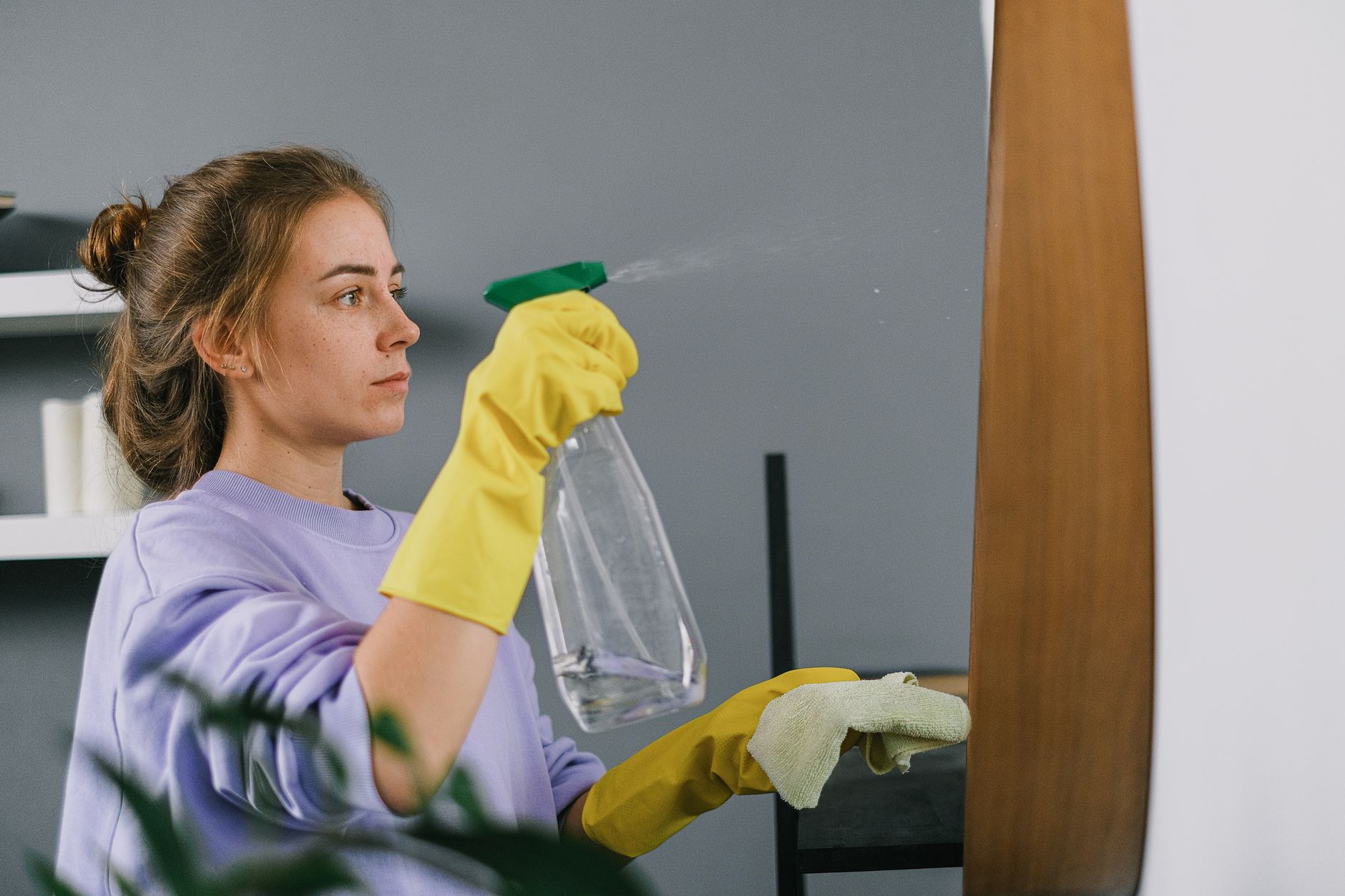
One of the most effective and heat-safe cleaning strategies is also the simplest: spray a surface cleaner, walk away, and return after a few minutes to wipe. This dwell-time approach lets the product break down grease, soap scum, and bacteria so you spend less time scrubbing and less time physically exerting yourself in a hot house.
Applying this principle across your summer cleaning routine:
Spray the toilet bowl, close the lid, and clean the exterior surfaces while the cleaner soaks. Come back to scrub in two minutes instead of ten.
Apply an all-purpose cleaner to stovetop grates and let it sit while you wipe down counters.
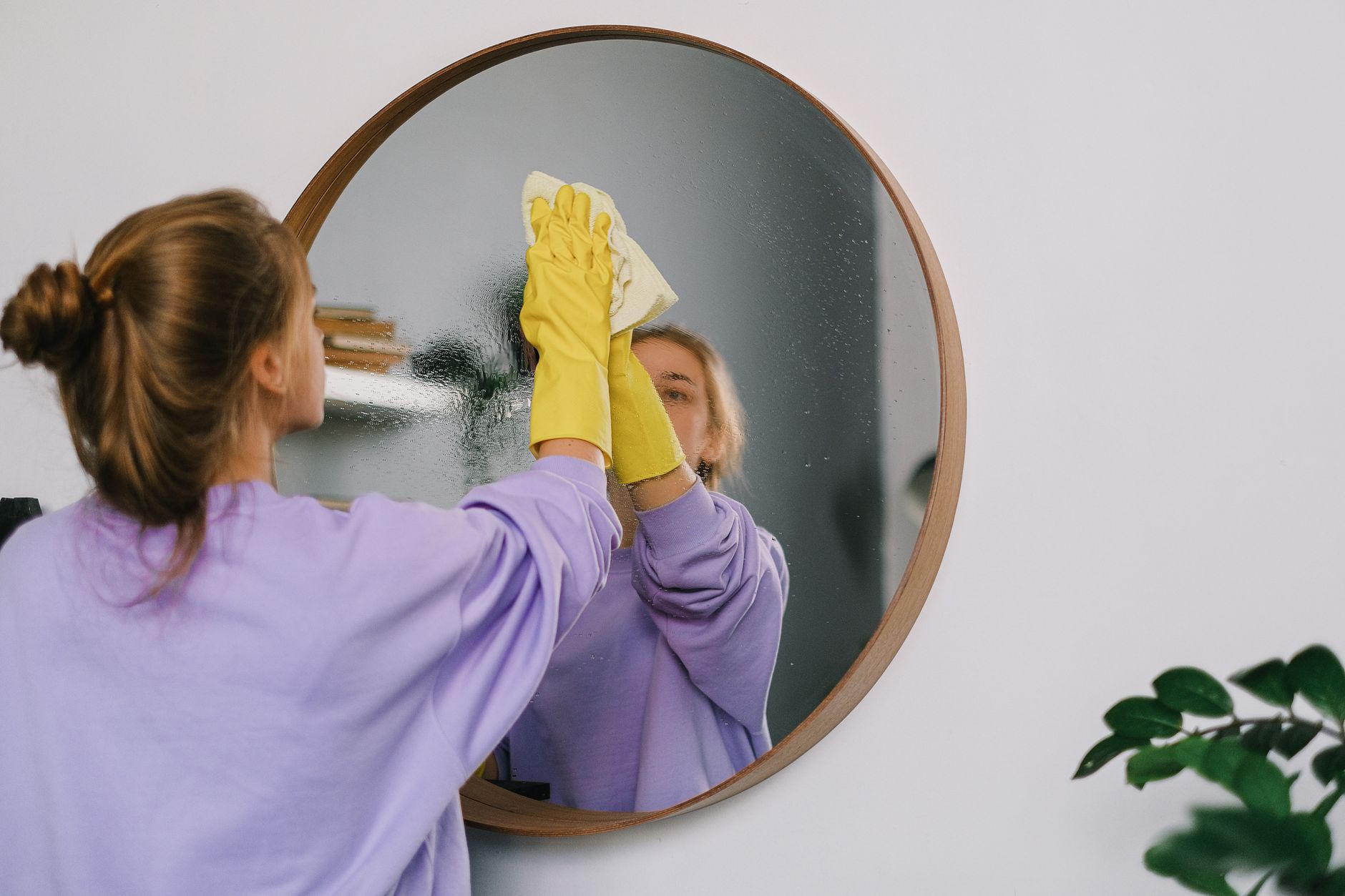
Spritz mirrors and glass, then fold a microfiber cloth and buff quickly rather than scrubbing back and forth.
Use an overnight baking soda paste on oven interiors so the only work needed in the morning is a wipe-out.
This technique reduces physical effort, cuts cleaning time significantly, and means fewer passes with heavy-duty products in a warm room. It pairs perfectly with the early-morning cleaning window strategy in tip number one.
7. Let the Small Stuff Slide Strategically
Not every surface needs attention every week, and that’s especially true in July when conserving energy matters. Strategic triage during summer house cleaning means focusing on health-critical areas like bathrooms, kitchen surfaces, and high-touch spots, while giving yourself permission to skip or delay tasks that can wait.
A realistic summer priority list:
Do every week: Kitchen counters, stovetop, bathroom sinks, toilets, and high-touch surfaces like light switches and door handles.
Do every two weeks: Mopping hard floors, vacuuming carpets, wiping down exterior cabinet fronts.
Monthly or as needed: Window tracks, baseboards, ceiling fans, refrigerator coils, and laundry room walls.
Skip until fall: Deep cleaning upholstered furniture, washing walls, and organizing storage areas.
This kind of intentional scheduling keeps your home hygienic without burning you out in triple-digit heat. And when you’re ready for a thorough reset once summer winds down, a seasonal deep cleaning can cover everything you deferred during the hottest months.
8. Hydrate, Pace Yourself, and Know When to Stop
Heat-safe cleaning is as much about your body as it is about your products. Physical exertion in a warm house, even an air-conditioned one, elevates your core temperature faster than you expect. Staying safe while cleaning in July heat means treating your cleaning session the way you’d treat any outdoor activity in summer.
Personal safety habits for summer cleaning:
Keep a large glass of water nearby and drink regularly, not just when you feel thirsty.
Take a five-minute break after every 20 to 30 minutes of active scrubbing or carrying.
Wear lightweight, breathable clothing and closed-toe shoes to protect your feet from wet floors and spilled products.
Wear gloves whenever using disinfectants, even gentle ones, since heat opens pores and increases skin absorption of chemicals.
Stop and rest if you feel dizzy, lightheaded, or nauseous. These are early signs of heat stress and should not be ignored.
If the heat is consistently making home cleaning feel unsafe or overwhelming, that is a completely reasonable signal to call in help. The five-star Arizona cleaners at Elite Maids are background-checked, insured, and available for same-day bookings between 8 a.m. and 6 p.m., so you can hand off the hard work and stay cool.
9. Don’t Forget High-Touch Surfaces and Electronics
Summer gatherings, kids home from school, and open-door traffic all mean high-touch surfaces accumulate germs faster in July. Light switches, remote controls, phone charging cables, cabinet pulls, and doorknobs need consistent attention during summer house cleaning, and they’re among the easiest tasks to complete without breaking a sweat.
Safe summer disinfecting tips for electronics and high-touch areas:
Use pre-moistened disinfectant wipes on remote controls and light switches rather than a wet spray that could seep into electronics.
Wipe down phone screens daily with a microfiber cloth lightly dampened with isopropyl alcohol (70% concentration is ideal).
Clean cabinet pulls and door handles with a spray applied to the cloth first, never directly to the surface.
Pay extra attention to kitchen sink handles, which see the most bacterial transfer during summer cooking and outdoor activity.
These tasks take less than ten minutes and can be done at any time of day without significant physical effort, making them ideal for your midday cleaning window when heavier tasks aren’t practical.
10. Outsource the Hardest Parts When July Heat Makes DIY Unreasonable
There’s a practical point every summer when cleaning your own home in the heat simply isn’t worth the physical cost. Deep cleaning a bathroom, scrubbing kitchen appliances, or doing a full house clean in July can push you past a safe level of exertion, especially for older adults, people with respiratory conditions, or anyone without a fully air-conditioned home.
Professional cleaning during a heatwave isn’t a luxury. It’s a sensible division of labor that keeps your home clean without putting your health at risk. Elite Maids House Cleaning serves Phoenix, Scottsdale, Mesa, Chandler, Gilbert, Glendale, Queen Creek, San Tan Valley, Tucson, and Flagstaff with recurring weekly, biweekly, and monthly service options, plus deep cleans and event cleanings when you need more than a routine visit.
Every cleaner is background-checked, five-star rated, bonded, and fully insured. Every visit is backed by a reclean-at-no-cost satisfaction guarantee. And you can book online with an instant quote, no phone call needed, for same-day service.
Start with bathrooms and the kitchen, since these are the highest-touch, highest-bacteria areas in any home. In summer, tackle them first thing in the morning when the house is coolest. After sanitizing those critical zones, move to floors and then lower-priority areas like baseboards and windows. Prioritizing by health impact keeps your home hygienic even if you run out of energy before finishing everything.
Should I open windows at night in a heatwave?
Yes, if outdoor temperatures drop below your indoor temperature, opening windows at night is one of the most effective ways to flush out cleaning-product fumes, lower indoor humidity, and cool the house naturally. In Arizona, nighttime lows in July can still be above 85°F in some areas, so check the temperature before opening up. If it’s cooler outside than inside, even briefly, take advantage of it.
What is the 10 10 10 rule for cleaning?
The 10-10-10 rule is a simple home maintenance framework: spend 10 minutes cleaning in the morning, 10 minutes at midday, and 10 minutes in the evening rather than dedicating a large block of time to cleaning once a week. In July, this approach is particularly useful because short sessions prevent you from overexerting yourself in a warm house, and tasks stay manageable instead of overwhelming.
Which day not to clean house?
There is no universal rule about which day to skip cleaning, but in practical terms, avoid scheduling heavy cleaning on days when outdoor temperatures are forecast to hit extreme highs, since indoor heat builds even with air conditioning running. Many homeowners also find that cleaning the day before or of a major social event works better than cleaning the day after, when the house is already at its worst and motivation is lowest.
33 Easy Ways To Keep Your Home Cleaner in Queen Creek in 2026
SHARE:
Keeping your home cleaner in Queen Creek doesn’t require a full weekend overhaul every month. The most effective approach is to build small, consistent habits that prevent dirt and clutter from piling up in the first place. Cleaning in Queen Creek Arizona comes with its own desert-specific challenges, from red dust that sneaks through window screens to monsoon-season mud tracked across tile floors. The tips below cover quick daily routines, smarter product choices, and the right moments to call in a professional house cleaning team so your home always feels welcoming.
1. Start With a Daily 10-Minute Tidy Routine
A daily tidy routine is the single most powerful home cleanliness habit you can build. Set a timer for 10 minutes each evening and walk through your Queen Creek home resetting every surface: countertops back to bare, shoes into the rack, dishes into the dishwasher. This micro-cleaning session prevents the slow creep of clutter that makes a Saturday deep clean feel impossible. According to Real Simple’s cleaning guides, tackling small messes daily cuts your total weekly cleaning time nearly in half.
2. Use the “One In, One Out” Rule to Reduce Clutter
Clutter is the enemy of a clean-looking home. Every time a new item enters your house, a similar item should leave. This rule works especially well in small storage areas like bathroom cabinets and kitchen drawers, where Queen Creek families tend to accumulate duplicates. Less stuff means less surface area for dust to settle and fewer things to move when you’re actually cleaning.
3. Stash Compostable Cleaning Wipes Under Every Sink
Keep a pack of municipally compostable cleaning wipes under your bathroom and kitchen sinks. A 30-second daily swab of the toilet seat, sink basin, and faucet handles prevents soap scum and bacteria from hardening into the kind of grime that requires serious scrubbing. This is one of the easiest habits any Queen Creek homeowner can adopt because the supplies are always right where you need them. Look for wipes certified under the EPA Safer Choice program so you’re not trading a clean sink for harsh chemical fumes.
4. Vacuum High-Traffic Areas Three Times a Week
In Queen Creek, fine desert dust and sand grind into carpet fibers and scratch hardwood floors if left too long. Vacuuming high-traffic zones like entryways, hallways, and living room rugs three times per week rather than once keeps abrasive particles from embedding deep. Use a vacuum with a HEPA filter to capture the ultrafine particulates common in Arizona’s dry climate. The American Lung Association notes that proper vacuuming significantly lowers indoor airborne allergens, which matters especially during Queen Creek’s windy spring season.
5. Wipe Down Kitchen Surfaces After Every Meal
A clean kitchen is built on one rule: never leave a surface dirty after cooking. Wipe countertops, the stovetop, and the sink basin immediately after every meal. Grease splatters that are only seconds old clean up with a damp cloth; the same splatter left overnight requires a degreaser and real effort. This habit alone keeps your home cleaning between professional visits dramatically more manageable. If you want inspiration for an organized approach, Good Housekeeping’s cleaning section has solid step-by-step kitchen routines worth bookmarking.
6. Schedule a Professional Deep Clean Every Season
No matter how diligent your daily habits are, some areas of a home need a deep cleaning service to truly reset. Baseboards, grout lines, inside oven doors, and behind large appliances collect years of buildup that a standard mop-and-wipe routine won’t touch. Booking a thorough deep clean every quarter gives your Queen Creek home a genuine clean foundation to maintain. It also makes your ongoing daily and weekly routines far more effective because you’re maintaining a clean home rather than constantly fighting neglected buildup. For tips on timing your seasonal resets, check out the ultimate guide to spring cleaning on the Elite Maids blog.
7. Place Quality Doormats Inside and Outside Every Entry
Queen Creek’s sandy desert soil travels on shoe soles faster than you’d expect. A coarse-fiber mat outside the door scrubs the worst of it off, and a softer absorbent mat inside catches what remains. Studies show that a proper two-mat entry system removes up to 85 percent of the dirt that would otherwise be tracked through your home. Shake or vacuum the mats twice a week so they stay effective rather than becoming a redistribution zone for accumulated dirt.
8. Adopt a No-Shoes-Inside Policy
This is the single most effective way to reduce the amount of grime that enters your living space. Shoes carry pesticides, bacteria, and desert dust from driveways and sidewalks straight onto your floors. A small bench and a basket of fresh socks near the front door makes the transition easy for guests and family alike. Queen Creek homeowners who switch to a no-shoes policy consistently report their floors staying clean at least twice as long between mopping sessions.
9. Clean Your Cleaning Tools Regularly
A dirty mop just spreads bacteria. A clogged vacuum filter loses suction and deposits debris back onto your floor. Rinse mop heads after every use, wash microfiber cloths weekly, and clean your vacuum filter monthly. The Spruce’s cleaning resource center has a solid breakdown of how often every tool in your cleaning kit should be refreshed. Well-maintained tools make every home cleaning session more effective with less effort.
10. Tackle Laundry on a Fixed Day Each Week
Piles of laundry make any room look messier than it actually is. Assigning a fixed laundry day rather than waiting until hampers overflow keeps fabric clutter contained. For Queen Creek families with kids or pets, splitting the wash into two smaller loads mid-week and end-of-week works better than one massive weekend marathon. Folding and putting clothes away the same day they come out of the dryer is the non-negotiable part of this habit. Laundry left in baskets tends to migrate to beds and chairs, undoing a whole room’s worth of tidying in minutes.
11. Disinfect High-Touch Surfaces Daily
Light switches, door handles, remote controls, and cabinet pulls get touched dozens of times a day but are rarely included in a standard cleaning sweep. A quick pass with a disinfecting wipe takes under two minutes and dramatically reduces the spread of germs through your household. The CDC’s household guidance consistently emphasizes that regular disinfection of shared surfaces is one of the most impactful hygiene habits a family can maintain. This is especially worth prioritizing during Queen Creek’s school year when kids bring home every bug circulating through the classroom.
12. Organize Your Cleaning Supplies Into a Caddy
When your cleaning supplies are scattered across three closets, you’re far less likely to use them consistently. A portable cleaning caddy loaded with your core supplies, a multi-surface spray, glass cleaner, a scrub brush, and microfiber cloths, means you can carry everything from room to room without backtracking. The time you save not hunting for supplies adds up across a year of home cleaning sessions. Martha Stewart’s cleaning tips archive is a great resource for setting up a caddy system that actually stays organized.
13. Use Microfiber Cloths Instead of Paper Towels
Microfiber cloths trap dust and bacteria at a microscopic level that paper towels simply cannot match. They’re also washable, making them a more economical and eco-friendly choice for daily home cleaning tasks. Use different colors for different zones, blue for bathrooms, green for kitchens, to prevent cross-contamination. A set of quality microfiber cloths is one of the most cost-effective upgrades any Queen Creek homeowner can make to their home cleaning routine.
14. Keep a Squeegee in Every Shower
Hard water is a reality in Queen Creek, and it leaves mineral deposits on glass shower doors and tile walls fast. A squeegee swipe after every shower takes 20 seconds and prevents the calcium buildup that requires a powerful descaler to remove later. This one habit can eliminate the need to scrub your shower walls almost entirely, which is one of the most dreaded tasks in a standard home cleaning session.
15. Refrigerator Wipe-Down Every Two Weeks
Sticky shelves and mystery spills in the back of the fridge are a slow-motion hygiene problem. Every two weeks, remove one shelf at a time, wipe it with warm soapy water, and check expiration dates while you’re in there. This keeps odors from developing and makes full refrigerator cleanouts a rare event rather than a quarterly crisis. It’s a small task that takes about 10 minutes and keeps your kitchen smelling fresh between recurring maid service visits.
16. Declutter Flat Surfaces Weekly
Coffee tables, kitchen islands, bathroom counters, and bedroom dressers are natural landing zones for everything from mail to charging cables. Pick one flat surface per day and clear it completely. Put things away, recycle what doesn’t belong, and wipe the surface down. Rotating through your home’s flat surfaces on a weekly cycle keeps clutter from compounding into the kind of disorder that makes a room feel perpetually messy no matter how clean the floors are.
17. Empty Trash Cans Before They Overflow
Waiting until a trash can overflows means dealing with compressed garbage that’s harder to remove, potential odors, and the inevitable spillage. Empty bathroom and bedroom trash cans twice a week and kitchen trash daily. Lining each can with two bags at a time, one inside the other, means you always have a fresh liner right there after the first one comes out. This keeps your home cleaning routine moving fast rather than stopping for supply runs.
18. Dust Top to Bottom, Always
Always dust from the highest point in a room to the lowest: ceiling fans, shelves, furniture surfaces, and then vacuum the floor last. Dusting in the wrong order, floor first, means you immediately redeposit settled particles onto the clean floor and have to re-vacuum. This is a basic principle that Bob Vila’s cleaning guides hammer home, and it’s the kind of simple technique that cuts cleaning time significantly when you apply it consistently.
19. Run the Exhaust Fan During and After Showers
Moisture is mold’s best friend, and the EPA’s mold guidance recommends running bathroom exhaust fans during showers and for at least 30 minutes afterward to remove airborne moisture before it condenses on walls and grout. In Queen Creek, where summers are humid during monsoon season, this habit is particularly important for preventing mold from taking hold in bathroom tile grout, one of the most labor-intensive spots to clean once mold establishes itself.
20. Spot-Clean Walls and Baseboards Monthly
Walls and baseboards collect fingerprints, scuff marks, and dust faster than most people realize. A monthly spot-clean with a damp Magic Eraser on walls and a microfiber cloth on baseboards keeps these surfaces looking fresh without a full repaint. This is a task that takes about 15 minutes per room and is easy to work into your regular home cleaning rotation. Queen Creek homes with kids or pets especially benefit from making this a monthly standard rather than an annual task.
21. Deep Clean Appliances Quarterly
Dishwashers, washing machines, ovens, and dryers all accumulate grease, mineral deposits, limescale, and lint that reduce their performance and become hygiene concerns over time. Run a washing machine cleaning cycle with a dedicated cleaner monthly, and schedule a full appliance deep clean every quarter. This is one of those tasks that pairs perfectly with a professional one-time deep clean so you can hand off the heavy lifting while still staying on top of the rest of your home cleaning habits.
22. Adopt the “Never Leave a Room Empty-Handed” Rule
Every time you leave a room, carry something that belongs elsewhere. A glass that belongs in the kitchen, a book that lives in the bedroom, or a jacket that needs to hang in the closet. This habit costs zero extra time because you’re already moving through the house. Over the course of a day, it redistributes misplaced items without any dedicated tidying session and keeps rooms from becoming dumping grounds for other rooms’ clutter.
23. Use Drawer and Cabinet Organizers
Organized storage is cleaned faster and stays clean longer. Drawer dividers in the kitchen and bathroom prevent items from migrating into chaotic piles that have to be completely removed and reset before you can wipe a surface. Investing an afternoon in proper organizers for your most-used drawers is a one-time effort that pays dividends in every home cleaning session that follows.
24. Steam Clean Grout Lines Twice a Year
Grout is porous, which means it absorbs spills, soap residue, and mold spores easily. A handheld steam cleaner loosens embedded grime without harsh chemicals, making it one of the most effective tools for keeping tile areas in Queen Creek bathrooms and kitchens looking fresh. Twice a year is enough to prevent staining from becoming permanent. For between steam sessions, a weekly grout brush scrub with a baking soda paste keeps discoloration at bay.
25. Wash Bedding Every One to Two Weeks
Bedding accumulates dust mites, dead skin cells, and allergens at a rate that surprises most homeowners. Washing sheets, pillowcases, and duvet covers every one to two weeks is the standard recommendation from allergy and respiratory health organizations. It’s also one of the most noticeable cleanliness upgrades in a bedroom: fresh bedding transforms how clean a room feels even if nothing else has been touched. Pair this with flipping or rotating your mattress quarterly for a complete bedroom cleaning routine.
26. Air Out Your Home When Queen Creek Temperatures Allow
Opening windows during Queen Creek’s cooler months, roughly October through April, flushes stale indoor air and reduces the concentration of volatile organic compounds from cleaning products, off-gassing furniture, and cooking. Even 20 minutes of cross-ventilation makes a meaningful difference in indoor air quality. During summer months when temperatures make this impractical, an air purifier with a HEPA filter is a solid substitute for keeping indoor air fresh between cleaning sessions.
27. Set Up a “Drop Zone” Near Your Entry
A dedicated drop zone near the front door, a small bench, hooks for bags and keys, and a basket for mail, prevents the entry from becoming a cluttered catch-all that spreads disorder into the rest of your home. When everyone in the household has a clear system for where things land when they arrive, the clutter that would otherwise migrate to kitchen counters and living room floors stays contained. It’s a simple organizational principle with an outsized impact on how clean your Queen Creek home feels day to day.
28. Clean Window Tracks and Sills Monthly
Window tracks trap dead insects, desert dust, and debris that build into grimy channels over a season. A monthly pass with a stiff brush and a vacuum crevice tool clears the tracks in minutes. In Queen Creek, where Haboob season blows in walls of dust, this may need to happen more frequently, particularly after major storms. Clean window sills also make windows themselves easier to wash since you’re not constantly disturbing dirt from the frame onto the glass.
29. Make Your Bed Every Morning
Making the bed takes three minutes and instantly makes a bedroom look 60 percent cleaner. It also sets a psychological tone for the rest of the day: a made bed signals that the room is under control, which tends to discourage tossing other clutter onto it. This is the simplest daily home maintenance habit on this list and one of the highest-return ones in terms of perceived cleanliness. If you want ideas for keeping the rest of the bedroom clean between professional visits, check out these tips for home cleaning in Gilbert, a neighboring Valley community with similar desert-home challenges.
30. Clean Ceiling Fans Before Dusting or Vacuuming
Ceiling fans accumulate thick dust on their blades that rains down the moment you turn them on or disturb them. Use a pillowcase to encapsulate each blade and wipe off the dust in one motion so it falls into the case rather than onto your freshly vacuumed floor. Do this before any other dusting or vacuuming in the room. Queen Creek homes run ceiling fans heavily during both summer and the transitional months, which means blade dust builds quickly and needs attention at least monthly.
31. Hire a Recurring Maid Service for Consistent Results
All the daily habits in this list are far easier to maintain when a professional team resets your home on a regular schedule. Elite Maids House Cleaning offers weekly, biweekly, and monthly recurring cleaning plans specifically for Queen Creek homeowners who want the perfect clean as a baseline rather than something they’re always chasing. Every cleaner is background-checked, bonded, fully insured, and backed by a reclean-at-no-cost guarantee. You can book your cleaning online with an instant quote and same-day availability between 8am and 6pm, no phone call required. For a look at how Queen Creek’s neighboring Valley communities handle the same challenge, the tips for home cleaning in Phoenix cover a lot of the same desert-specific considerations.
32. Keep a Weekly Cleaning Checklist on the Fridge
A written checklist turns vague intentions into completed tasks. Write out your weekly cleaning targets, bathrooms on Monday, floors on Wednesday, laundry on Thursday, and post it where your household can see it. Checking off tasks creates a small sense of accomplishment that reinforces the habit. It also distributes the mental load so you’re not trying to remember everything during a cleaning session. Consumer Reports’ laundry and cleaning section has research-backed guidance on the most efficient task sequencing for home cleaning that’s worth folding into your checklist structure.
33. Know When to Call the Professionals
Some tasks are simply beyond what daily habits can handle: post-renovation dust, move-in or move-out cleaning in Queen Creek, post-party restoration, or the annual reset after monsoon season leaves its mark on your home. Knowing when to hand off to a professional cleaning team rather than grinding through a job that requires commercial equipment and trained technique is itself a smart home maintenance strategy. It protects your time, protects your surfaces, and ensures the job is done right the first time.
Keeping a clean home in Queen Creek is absolutely achievable with the right habits in place, and when you need backup, the team at Elite Maids House Cleaning is ready to help. Whether you need a one-time deep clean or a recurring weekly service, you can reach out and Queen Creek, AZ Dry Cleaning & Laundry Service, contact Elite Maids House Cleaning today for a free quote and get your home back to its best.
Frequently Asked Questions
How often should I deep clean my home in Queen Creek?
Most Queen Creek homeowners benefit from a professional deep clean at least once per season, so roughly four times a year. Desert dust, monsoon humidity, and everyday grime accumulate in spots that standard weekly cleaning doesn’t reach. If you have pets, kids, or allergies, a deep clean every 6 to 8 weeks is a reasonable baseline to maintain genuinely healthy indoor air and surfaces.
What is the easiest way to keep my home clean between professional visits?
The easiest system is a daily 10-minute reset combined with a no-shoes-inside policy and compostable wipes under every sink. These three habits alone prevent the majority of everyday grime from compounding into a serious mess. Professional cleaners in Queen Creek will be able to work faster and more thoroughly when they’re maintaining a clean home rather than doing a full rescue clean every visit.
How do I keep my Queen Creek home dust-free with desert conditions?
Clean or replace HVAC air filters every 30 to 60 days rather than the standard 90 days. Use a vacuum with a HEPA filter on high-traffic floors at least three times per week. Keep door and window seals in good condition and check them after monsoon storms. Microfiber cloths on surfaces trap fine desert dust far better than dry dusters, which just scatter it back into the air.
What should I look for when hiring a house cleaning service in Queen Creek?
Look for a company with background-checked and insured cleaners, transparent online pricing, and a satisfaction guarantee. Reading verified reviews rather than promotional testimonials gives you the clearest picture of consistent quality. A service that offers online booking with instant quotes, like Elite Maids House Cleaning, signals a professional operation that values your time as much as the quality of the clean itself.
Is recurring maid service worth it for a Queen Creek home?
For most families, yes. A recurring maid service keeps your home at a level of cleanliness that’s difficult to maintain solo, especially with work schedules and kids. It also costs less per visit than one-time deep cleans because the cleaner is maintaining rather than restoring. Many Queen Creek homeowners find that a biweekly service is the sweet spot between cost and consistently living in a home they’re proud of.
Your Complete Home Cleaning Schedule: Daily, Weekly, Monthly, and Beyond
SHARE:
A complete home cleaning schedule divides tasks into daily, weekly, monthly, and seasonal categories so nothing gets overlooked. Keeping a consistent routine prevents dirt and grime from building up to the point where cleaning feels like a full-day project. This guide breaks down exactly what to clean and when, and includes printable-style checklists you can adapt for any household size or lifestyle.
Daily Cleaning Checklist: Small Habits That Keep Your Home Fresh
The secret to a home that always looks presentable is a solid daily cleaning checklist. You do not need to spend an hour scrubbing every surface every day. A focused 15-to-20-minute routine that hits the highest-traffic spots is enough to prevent buildup and keep things under control between deeper cleaning sessions.
Think of daily cleaning tasks as maintenance, not deep cleaning. The goal is to reset the home each evening (or morning, whichever works better for you) so tomorrow starts from a clean baseline. According to Martha Stewart’s cleaning resource hub, building these small habits into an existing routine is the most reliable way to stay consistent without feeling overwhelmed.
Here is a practical daily cleaning checklist that works for most households:
Make the bed and straighten pillows
Wipe down kitchen counters after cooking or eating
Sanitize high-touch surfaces: light switches, door handles, faucet handles
Wipe down bathroom counters and the sink basin
Sweep or dry-mop high-traffic floors (kitchen, entry, bathroom)
Do a quick dish wash or load the dishwasher
Wipe the stovetop after cooking
Take out trash if full
Do a five-minute pick-up round to put stray items back where they belong
For single-person households, this daily house cleaning routine can shrink to about 10 minutes. For families with kids or pets, it may take a bit longer, but the same categories apply. Spot-clean spills immediately rather than letting them set, and the rest of the checklist stays manageable.
If you have school-aged children, turning these daily cleaning tasks into a visible chart posted on the fridge works well. It creates accountability and teaches kids that household upkeep is a shared responsibility. A free editable cleaning schedule template can make this easy to customize for your family’s specific rooms and habits.
Weekly Cleaning Checklist: Deeper Tasks on a Rotating Basis
Your weekly cleaning schedule is where you handle the tasks that pile up too fast to ignore but do not need daily attention. A good house cleaning schedule for daily, weekly, and monthly tasks slots these mid-level chores into specific days so you are never doing everything at once.
Spreading weekly tasks across the week rather than cramming everything into a Saturday morning is the most sustainable approach. For example, tackle bathrooms on Monday, vacuum on Wednesday, and do laundry on Thursday. This is how professional cleaning teams think about recurring service visits, and it is just as effective at home.
A complete weekly cleaning checklist should cover:
Vacuum all carpets and rugs
Mop hard floors
Scrub toilets, tubs, and showers
Clean bathroom mirrors and fixtures
Wipe down kitchen appliance exteriors (microwave, refrigerator door, oven front)
Change bed linens and pillowcases
Dust furniture surfaces, shelves, and ceiling fans
Empty all indoor trash cans and replace liners
Clean the inside of the microwave
Wipe down cabinet fronts in the kitchen
Clean mirrors throughout the home
If you are building a weekly cleaning schedule template in Excel or a printable PDF, assign each task a day and a time estimate. That makes it far less intimidating. Families and busy professionals looking for a structured approach may also find our recurring house cleaning service reference useful for understanding how professional teams structure recurring visits.
One note for Arizona households specifically: dust accumulates faster here than in most climates. The desert environment means fine particulate matter settles on surfaces constantly, so weekly dusting is not optional if you want to keep your indoor air quality healthy. The EPA’s indoor air quality guidelines point out that regular dusting and vacuuming with HEPA-filter equipment is one of the most effective ways to reduce airborne particles inside the home.
Monthly Cleaning Checklist: Tackling What Gets Skipped All Week
Monthly cleaning tasks are the ones most people genuinely forget because they do not trigger an obvious visual cue. Baseboards do not announce themselves. The inside of the refrigerator does not send a calendar invite. But skipping these tasks month after month leads to the kind of buildup that turns a two-hour cleaning session into a full day.
A house cleaning schedule for daily, weekly, and monthly tasks is only complete when the monthly layer is clearly defined. Here is a reliable monthly checklist:
Clean inside the refrigerator and freezer
Wipe down baseboards and crown molding
Dust window blinds and wash window sills
Clean the oven interior
Wash shower curtains and bath mats
Wipe down light fixtures and ceiling fan blades
Sanitize trash cans (inside and out)
Clean behind and under appliances: refrigerator, stove, dishwasher
Vacuum furniture cushions and under couch cushions
Wipe down walls and spot-clean scuffs
Clean the inside of the dishwasher
Disinfect laundry appliances
Monthly tasks pair naturally with a professional cleaning visit. If you are working with an eco-friendly cleaning service Arizona families trust, they typically handle the deeper monthly work as part of a recurring biweekly schedule, meaning your home gets a thorough reset twice a month without you lifting a finger on the hard stuff.
For those who prefer to track their own home cleaning schedule, a free printable daily, weekly, monthly PDF works well. You can find free editable cleaning schedule templates through home organization blogs, or simply build your own in a spreadsheet using the categories above.
Seasonal Cleaning Checklist: Twice-a-Year Deep Cleaning Tasks
A seasonal cleaning checklist covers the tasks that make sense to do every three to six months rather than every month. These are the jobs that require more time, some physical effort, or a change in season as a natural trigger.
Spring and fall are the traditional seasonal cleaning windows, but in Arizona the triggers are slightly different. You might want to do a deep clean at the beginning of monsoon season (when dust storms are frequent) and again at the end of summer when the heat has kept windows shut for months. Timing your seasonal cleaning tasks around what actually happens in your climate is more practical than following a calendar built for the Northeast.
A thorough seasonal cleaning checklist includes:
Wash all windows inside and out
Deep clean all carpets (steam clean or shampoo)
Flip or rotate mattresses
Wash all bedding including comforters and mattress pads
Clean and organize closets and storage areas
Wipe down all cabinetry inside and out
Clean dryer vents and exhaust fans
Check and clean behind large furniture pieces
Wash curtains and drapes
Clean garage floors and surfaces
Inspect and clean grout lines in bathrooms and kitchens
This is also the right time to schedule a professional home disinfection service if anyone in the household has been ill, if you have had a lot of guests, or if you simply want a full reset before or after a major season.
Annual Cleaning Checklist: The Tasks Most Homeowners Miss
An annual cleaning checklist is about the structural and mechanical parts of your home that rarely get touched. These are the tasks that protect your home long-term rather than just making it look clean on the surface.
Once-a-year cleaning tasks include:
Clean the range hood filters and vents
Descale faucets and showerheads
Clean the hot water heater (flush sediment if applicable)
Vacuum refrigerator coils
Inspect and clean under all major appliances
Clean air vents and replace HVAC filters
Power wash exterior surfaces: driveway, patio, entryway
Deep clean and reorganize the pantry
Purge expired pantry and medicine cabinet items
Wash exterior light fixtures
Clean garage door tracks and lubricate moving parts
Many homeowners skip annual cleaning tasks simply because there is no consistent reminder. The best workaround is to tie them to a recurring event, like a birthday, a home insurance renewal date, or the start of a new school year. That way the trigger is automatic.
If your annual deep clean coincides with a big family event, a holiday gathering, or a move, consider scheduling a professional holiday cleaning service to handle the intensive work so you can focus on everything else that comes with those events.
Cleaning Schedules by Household Type: Single Person vs. Families
A house cleaning schedule for a single person looks very different from a home with two parents, three kids, and a dog. Frequency, task priority, and time investment all shift based on how many people and pets are in the space.
For a single-person household: Daily tasks can shrink to under 10 minutes. Weekly tasks can often be condensed into a single cleaning day. Monthly and seasonal schedules remain similar because the structural tasks do not scale down with occupancy.
For families with kids: Daily cleaning tasks expand significantly. High-touch surface disinfection should happen daily, especially during flu season. Floors need attention more often, and laundry becomes a near-daily task rather than a weekly one. Parents managing this load often find that a home cleaning service for recurring visits takes the pressure off without requiring a complete lifestyle change.
For pet owners: Add vacuuming to the daily or every-other-day category. Pet dander is a significant indoor air quality concern. According to the American Lung Association’s indoor air resources, pet dander and dust mites are among the most common triggers for indoor allergic reactions, making frequent vacuuming with a HEPA-filter vacuum a health priority rather than just a cosmetic one.
Working with a professional team that understands these variations is worth considering. If you are in the Phoenix metro area, exploring an eco-friendly home cleaning approach is especially useful for families with young children or members with sensitivities, since conventional cleaning products can introduce volatile organic compounds into your indoor air.
How to Build a Printable Cleaning Schedule That You Will Actually Use
The best home cleaning schedule is the one you can actually stick to. A house cleaning schedule for daily, weekly, and monthly tasks works on paper, but it only works in real life if it fits your specific home, your schedule, and your energy levels.
Here is a straightforward process for building a cleaning schedule you will use:
List every room in your home. Write down each room and every surface that needs regular attention.
Assign each task a frequency. Go through your list and mark each task as daily, weekly, monthly, seasonal, or annual.
Slot weekly tasks to specific days. Do not leave them as floating tasks. Monday bathrooms, Tuesday kitchen deep wipe, Wednesday vacuuming, and so on.
Create a visual format. Whether that is a house cleaning schedule free printable you post on the fridge, a weekly cleaning schedule template in Excel, or a note on your phone, make it visible and easy to check off.
Audit it after 30 days. Adjust any tasks that consistently get skipped. Either they need a different day or they are not actually necessary at that frequency for your household.
If you prefer a ready-made starting point, a house cleaning schedule daily, weekly, monthly PDF download is available from many home organization resources. Good Housekeeping’s cleaning section regularly publishes updated templates and printable guides that you can adapt to your home’s layout and your family’s routine.
For households in Arizona’s Valley communities, including Phoenix, Scottsdale, Mesa, Chandler, Gilbert, and Tempe, local conditions (dust, heat, and monsoon season) should influence your schedule. Desert homes accumulate fine dust on surfaces faster than homes in other climates, and indoor air circulation matters more during months when windows stay closed. Factor those realities in when you set your frequencies. You can also check out our detailed home cleaning schedule service guide for Chandler-specific insights on tackling the Arizona dust challenge year-round.
If you are ready to hand off some or all of this routine to a professional team, Arizona’s trusted residential cleaning team at Elite Maids is available for weekly, biweekly, and monthly recurring service, as well as deep cleans, move-in and move-out cleanings, and event prep. Every cleaner is background-checked, bonded, and insured, and every visit is backed by a reclean-at-no-cost satisfaction guarantee. Book online in minutes with an instant quote, and get your weekends back for good. Contact Elite Maids house cleaning today for a free quote and find out how easy a consistently clean home can be.
Frequently Asked Questions
What should I clean every day to keep my house clean?
The most important daily cleaning tasks are making the bed, wiping down kitchen counters, sanitizing high-touch surfaces like door handles and light switches, doing a quick sweep of high-traffic floors, and resetting any clutter. Completing these tasks takes 15 to 20 minutes and prevents buildup from turning small messes into big ones.
How do I make a home cleaning schedule I will actually stick to?
Assign specific tasks to specific days rather than leaving them as a general weekly list. Keep daily tasks under 20 minutes, and spread weekly tasks across multiple days so no single day feels overwhelming. Post the schedule somewhere visible, track it for 30 days, and adjust anything that consistently gets skipped. A free editable cleaning schedule template can give you a head start.
How often should you do a deep clean of your house?
A thorough deep clean should happen at least twice a year for most households, aligned with seasonal transitions. Homes with pets, young children, or allergy sufferers benefit from a deep clean every three to four months. Professional deep cleaning services are worth scheduling before or after major events like holidays, parties, or a new family member arriving.
What is the difference between a weekly clean and a monthly clean?
Weekly cleaning covers recurring visible tasks: vacuuming, mopping, scrubbing toilets, changing bed linens, and wiping down kitchen surfaces. Monthly cleaning goes deeper into areas that do not need weekly attention, like the inside of the refrigerator, baseboards, cabinet fronts, window blinds, and the inside of the oven. Both layers are necessary for a genuinely clean home.
Is it worth hiring a professional cleaning service for recurring visits?
For most busy households, yes. A recurring cleaning service handles the weekly or biweekly tasks that tend to get skipped when life gets busy. It keeps your home at a consistent standard without requiring you to spend your weekend cleaning. Many homeowners find that professional visits every two weeks, combined with basic daily upkeep, is the most practical and sustainable arrangement.
Most store-bought cleaners do a fine job on dirt and grime, but a surprising number of them contain chemicals that can irritate your lungs, trigger allergies, and leave residue on the surfaces your family touches every day. The good news is that green cleaning methods for your home are not some fringe idea pushed by health food stores. They are well-researched, practical approaches that families across the country have been using for decades. New Mexico State University has published detailed guidance on these methods, confirming that many simple household ingredients can replace toxic products without sacrificing cleanliness. Whether you are trying to reduce chemical exposure for your kids or just want a more natural cleaning routine, this guide covers what you need to know. You can also visit Elite Maids House Cleaning if you want professional eco-friendly cleaning handled for you.
What Are Green Cleaning Methods and Why Do They Matter?
Green cleaning methods are approaches that use non-toxic, biodegradable, or naturally derived ingredients instead of synthetic chemicals. The concept is not complicated. It means reaching for white vinegar instead of a chemical-laden bathroom spray, or cleaning up a fresh spill with plain water before it has a chance to set. Natural home cleaning methods like these reduce the amount of volatile organic compounds (VOCs) released into your indoor air, which matters more than most people realize. The EPA estimates that indoor air can be two to five times more polluted than outdoor air, and cleaning products are a major contributor.
According to the EPA’s Safer Choice program, products that meet their standards are formulated to be safer for human health and the environment without compromising performance. Looking for that label is one of the easiest ways to start shifting toward greener cleaning. But you do not always need to buy anything new. Many of the most effective eco-friendly home cleaning solutions are already sitting in your pantry.
Common Household Cleaners You Can Make Yourself
Some of the best natural household cleaners require nothing more than ingredients you already own. White vinegar at full strength cuts through grease, dissolves mineral deposits, and kills many common bacteria on hard surfaces. Lemon juice works similarly on rust stains and leaves a fresh scent behind. Baking soda acts as a gentle abrasive for scrubbing sinks, tubs, and tile without scratching. Club soda is an often-overlooked tool for immediately lifting fresh spills from fabric or carpet before they soak in.
Here are some reliable DIY home cleaning recipes worth keeping on hand:
All-purpose cleaner: Mix equal parts white vinegar and water in a spray bottle. Add a few drops of tea tree oil for extra antibacterial action.
Rust remover: Apply full-strength lemon juice directly to the rust spot, let it sit for 10 minutes, then scrub and rinse.
Scrubbing paste: Combine baking soda with a small amount of liquid castile soap until it forms a thick paste. Use it on grout, sinks, or stovetops.
Glass cleaner: Mix two cups of water, half a cup of white vinegar, and a quarter cup of rubbing alcohol in a spray bottle.
Fresh spill treatment: Blot immediately with cold water or pour a small amount of club soda on the spill and blot from the outside in.
These natural household cleaning solutions are especially valuable in homes with young children, pets, or anyone with asthma or chemical sensitivities.
How to Check if a Cleaning Product Is Hazardous
Before you start tossing every cleaner under your sink, it helps to understand how to identify which products are actually problematic. Hazardous household cleaners typically carry warning labels with words like DANGER, WARNING, or CAUTION. DANGER signals the most serious risk, while CAUTION indicates a lower level hazard. Any product labeled as corrosive, flammable, toxic, or reactive should be treated with extra care.
Checking whether a cleaning product is hazardous also means reading the ingredient list. Ingredients like sodium hypochlorite (bleach), ammonia, formaldehyde, and phthalates are common in conventional cleaners and have well-documented risks with repeated exposure. Consumer Reports regularly tests and reviews cleaning products for both effectiveness and safety, making it a solid resource when you are comparing labels at the store. When in doubt, the simpler the ingredient list, the better.
Safe Disposal of Hazardous Household Cleaning Products
One of the overlooked parts of green cleaning is what happens when you decide to get rid of old or toxic products. Pouring chemical cleaners down the drain or tossing them in the regular trash can contaminate water supplies and harm local ecosystems. Proper waste disposal of hazardous household products is an important step in truly going green at home.
Most communities offer household hazardous waste (HHW) drop-off days or permanent collection facilities where you can bring old cleaning products, paints, and solvents for safe disposal. Check with your local city or county government to find the nearest option. Many Arizona cities, including Phoenix and Tucson, run regular HHW collection events. If you are not sure a product counts as hazardous waste, err on the side of caution and bring it to a collection site rather than risking contamination through improper disposal.
Safety Considerations When Using Natural Cleaning Products
Natural does not automatically mean harmless. There are important safety considerations for green household cleaning products that every homeowner should know before mixing ingredients at home. The most critical rule is to never mix vinegar and bleach, or bleach and ammonia. These combinations create toxic fumes that can cause serious respiratory harm, even in a well-ventilated room.
Lemon juice and vinegar are acidic, which makes them effective cleaners but also means they can damage natural stone surfaces like marble or granite with repeated use. Baking soda is generally safe on most surfaces but should not be used on aluminum as it can cause discoloration. Always store homemade cleaning solutions in clearly labeled containers, away from children and pets. And as a general safety habit, make sure rooms are well-ventilated whenever you are cleaning, whether you are using natural products or commercial ones. If accidental ingestion or exposure occurs, contact Poison Control immediately at 1-800-222-1222.
Green Cleaning Offers Safer Alternatives to Toxic Products
This is the core of the whole conversation. Green cleaning offers safer alternatives that genuinely work for everyday household tasks. The New Mexico State University guide on green cleaning methods for the home specifically highlights that many toxic cleaning products can be replaced with natural alternatives at lower cost and without loss of effectiveness. The shift is not about perfection or eliminating every commercial product overnight. It is about making smarter swaps wherever you can.
Start with the rooms where you spend the most time or where chemical exposure is highest. Kitchens and bathrooms are the biggest opportunities. Swapping your kitchen spray for a vinegar-based solution and your abrasive scrub for a baking soda paste can meaningfully reduce your family’s daily chemical exposure. For homes in areas like Tucson where dust and pollen are already hard on air quality, reducing indoor chemical pollutants through eco-friendly home cleaning becomes even more valuable. If you are looking for professional help maintaining a clean home with safer products, you can explore house cleaning services in Tucson neighborhoods that understand the local environment.
The CDC’s guidance on cleaning and disinfection also supports a tiered approach, where regular cleaning with mild products handles most situations and stronger disinfectants are reserved for specific circumstances like illness recovery.
Additional Tips for Keeping a Healthier, Cleaner Home
Beyond swapping out products, there are habits and strategies that make green cleaning more effective and consistent. One commonly asked question is about the 20 minute rule in cleaning. The 20 minute rule refers to allowing a cleaning solution, especially a disinfectant or natural spray, to sit on a surface for at least 20 minutes before wiping it away. This contact time gives the active ingredients enough time to break down grease, kill bacteria, or loosen mineral buildup. Wiping immediately after spraying dramatically reduces the product’s effectiveness, whether it is a commercial cleaner or a homemade one.
Here are a few more tips for a healthier, greener home:
Clean spills immediately with water or club soda before they set and require stronger cleaners later.
Use microfiber cloths instead of paper towels. They trap more dirt, require less cleaner, and are reusable hundreds of times.
Open windows when cleaning to keep fresh air moving through and reduce your exposure to any fumes, even from natural products.
Wash cleaning cloths and mop heads regularly so you are not spreading bacteria around with a dirty tool.
Choose fragrance-free or naturally scented products whenever possible. Synthetic fragrances are among the most common sources of indoor air irritants.
Look for the EPA Safer Choice label or third-party certifications like Green Seal when buying commercial products.
Good Housekeeping also maintains a regularly updated list of green cleaning products that have been tested by their cleaning lab, which is a helpful resource when you want ready-made solutions rather than DIY recipes.
Making the switch to green cleaning methods for your home does not have to happen all at once. Start small, see what works for your household, and build from there. If you would rather hand off the cleaning to a team that already knows how to do it right, book a house cleaning in Arizona with Elite Maids House Cleaning and get a free quote today. Our family-owned team serves communities across the Valley and beyond, with eco-friendly product options available for every visit.