Allergy and Asthma Safe Cleaning Solutions for Phoenix Homes
SHARE:
Allergy and asthma safe cleaning solutions use low-VOC, fragrance-free, and non-toxic formulas that remove allergens without triggering respiratory symptoms. In Phoenix, where dust, pollen, and dry desert air already stress airways, the right cleaning approach matters even more. This guide covers the most effective allergy-friendly cleaning methods, products, and professional strategies to help Phoenix households breathe easier year-round.
1. Why Allergy Safe Cleaning Matters in Phoenix Homes
Phoenix sits in one of the most allergy-intense climates in the country. Desert dust, mold spores from monsoon season, and high pollen counts from invasive plants like olive and mulberry trees keep allergen levels elevated throughout the year. Standard cleaning products loaded with synthetic fragrances and harsh chemicals can make indoor air quality worse, not better. According to EPA Indoor Air Quality guidance, indoor air can be two to five times more polluted than outdoor air, and many common cleaning sprays contribute directly to that problem.
Allergy-safe cleaning in Phoenix means choosing products and techniques that physically remove allergens from surfaces rather than simply masking them with scent. For households with asthma sufferers, children, or elderly residents, this distinction is critical. Switching to asthma-friendly cleaning methods reduces the chemical load in your home and cuts down on the airborne particles that irritate bronchial passages. The American Lung Association consistently recommends limiting exposure to cleaning product fumes as a first step toward better respiratory health at home.
2. Understanding VOCs and Fragrance-Free Cleaning Products
Many conventional cleaning products release volatile organic compounds, or VOCs, into the air during and after use. These chemicals, found in everything from glass cleaner to scented multi-surface sprays, are a leading cause of indoor respiratory irritation. The EPA’s research on VOCs and indoor air quality confirms that many VOCs cause short-term effects like headaches and throat irritation, while long-term exposure carries more serious health risks.
Fragrance-free cleaning products eliminate the primary VOC source in most households. “Fragrance-free” and “unscented” are not the same thing. Unscented products sometimes contain masking fragrances that still emit VOCs. When shopping for low-VOC cleaning products, look for the EPA Safer Choice label or check the EPA Safer Choice database to verify a product’s ingredient safety. For Phoenix families dealing with allergies or asthma, fragrance-free, low-VOC cleaners are the single most impactful product switch you can make. Our related post on hypoallergenic cleaning supplies in Phoenix goes deeper on which specific products earn a spot in an allergy-safe cleaning kit.
3. Allergy-Safe Cleaning Solutions You Can Make at Home
You do not need a cabinet full of specialty products to clean safely. Several of the most effective allergy-friendly cleaning solutions use ingredients you likely already have. A reliable all-purpose solution combines 2 cups of white vinegar, 2 cups of very hot water, half a cup of salt, and 2 cups of borax. Apply the mixture to the surface, let it sit for 30 minutes, then wipe clean. This formula cuts through grime, tackles light mold, and leaves no harsh chemical residue.
Other trusted DIY options for asthma-friendly cleaning include:
Baking soda paste: Mix baking soda with just enough water to form a thick paste. Use it to scrub sinks, tubs, and tile grout without releasing fumes.
Diluted castile soap: A few drops of unscented castile soap in warm water handles floors, counters, and most hard surfaces safely.
Hydrogen peroxide spray: A 3% hydrogen peroxide solution disinfects hard surfaces without the respiratory risks of bleach-based cleaners.
Plain steam: A steam cleaner sanitizes hard floors and upholstery using nothing but water vapor, making it a zero-chemical option for allergy-sensitive rooms.
These homemade allergy-safe cleaning solutions work well for routine maintenance. For heavily soiled areas or deep allergen removal, professional-grade tools and techniques make a bigger difference.
4. HEPA Vacuuming: The Most Effective Allergen Removal Method
Standard vacuum cleaners can actually worsen allergy symptoms. Many older models pull dust and pet dander into the motor and exhaust fine particles back into the air. A HEPA filter vacuum captures 99.97% of particles as small as 0.3 microns, including dust mite waste, pet dander, and pollen. For Phoenix homes, where desert dust works into every corner, HEPA vacuuming is the single most important tool for allergen control on carpets, rugs, and upholstered furniture.
Best practices for allergen-reducing vacuuming include:
Vacuum carpets and rugs at least twice per week in high-traffic areas.
Use slow, overlapping passes to pick up embedded particles rather than surface-only debris.
Vacuum mattresses, box springs, and upholstered sofas monthly.
Empty or replace HEPA filter bags outdoors to avoid releasing captured allergens back into the home.
Vacuum hard floors before mopping so dust is captured, not spread by a wet mop.
Professional cleaning teams trained in allergy-safe methods always include HEPA vacuuming as part of a thorough allergen-reduction clean. A deep cleaning service that incorporates HEPA vacuuming can dramatically reduce the allergen burden in your home, especially if it has been several months since a thorough clean.
5. Targeting High-Allergen Zones: Bedrooms, Bathrooms, and Kitchens
Not every room carries the same allergen risk. Focusing allergy-safe cleaning efforts on the highest-risk zones makes the work more efficient and your indoor air quality noticeably better.
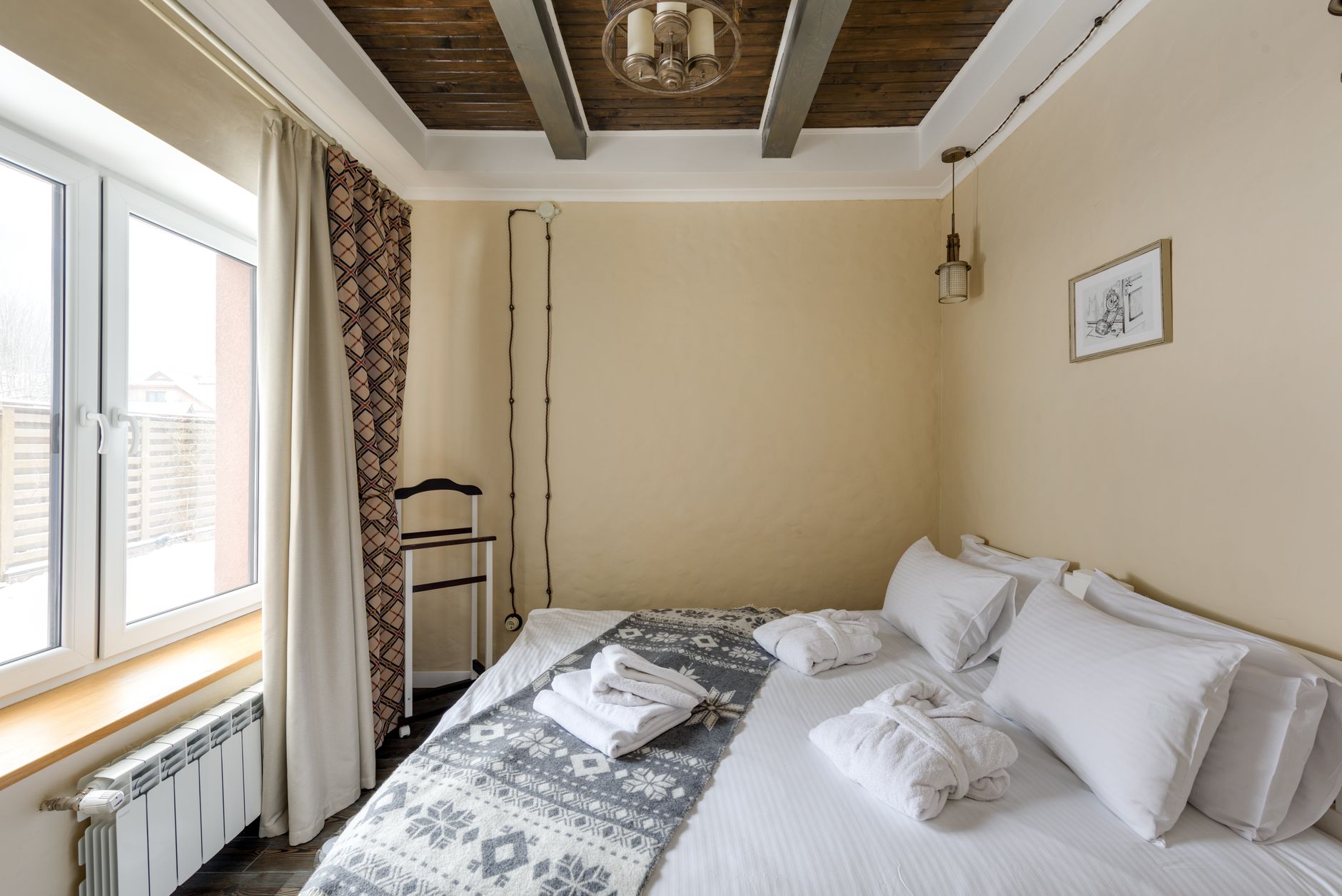
Bedrooms: Dust mites thrive in mattresses, pillows, and bedding. Wash all bedding weekly in hot water (at least 130°F). Encase mattresses and pillows in allergen-proof covers. Dust ceiling fans, light fixtures, and window blinds before vacuuming so falling particles get captured. Clutter on dressers and shelves collects dust, so clearing surfaces makes cleaning faster and more effective.
Bathrooms: Phoenix’s monsoon humidity creates perfect conditions for mold and mildew growth in bathroom grout, caulk, and behind toilets. Mold spores are among the most potent asthma triggers. According to CDC guidance on mold in homes, controlling moisture is the primary strategy for mold prevention. Wipe down shower walls after each use, run the exhaust fan during and after showers, and clean grout lines monthly with a hydrogen peroxide solution.
Kitchens: Cockroach allergens are a serious concern in Phoenix’s warm climate. Keeping counters and floors free of food debris, sealing food in airtight containers, and cleaning under appliances regularly reduces the conditions that attract pests. Avoid spray aerosol cleaners on kitchen surfaces where food is prepared. Opt for fragrance-free dish soap and a diluted castile soap solution for countertops instead.
6. Mold Prevention and Asthma-Friendly Cleaning After Phoenix Monsoons
Phoenix monsoon season brings intense humidity that can push moisture into walls, carpets, and ceiling materials within hours. Mold can begin growing on damp surfaces in as little as 24 to 48 hours, and mold exposure is a direct asthma trigger for millions of people. Post-monsoon cleaning is one of the most important seasonal tasks for allergy-conscious Phoenix homeowners.
Mold-safe cleaning steps after significant rain or flooding include:
Dry wet surfaces and materials within 24 hours using fans and dehumidifiers.
Inspect window frames, door seals, and air conditioning drip pans for standing water or visible mold growth.
Clean visible mold on hard, non-porous surfaces with a hydrogen peroxide solution or a baking soda paste rather than bleach, which releases chlorine fumes that irritate airways.
Discard porous materials like cardboard boxes or ceiling tiles that show mold growth, since mold embeds too deeply for surface cleaning to eliminate it.
Check the EPA’s mold remediation guidance for larger infestations that require professional remediation rather than DIY treatment.
Recurring maid service visits after each major monsoon event can catch developing moisture and mold issues before they become serious health problems. Consistency is the key to keeping Phoenix homes mold-free through the summer storm season.
7. Choosing an Asthma and Allergy Friendly Professional Cleaning Service in Phoenix
Hiring a house cleaning service in Phoenix that understands allergy-safe protocols is not the same as hiring any general cleaner. The right team will use fragrance-free, low-VOC products, employ HEPA vacuuming equipment, and follow practices that reduce rather than redistribute allergens. Before booking, ask any cleaning company these questions:
Do you offer eco-friendly or fragrance-free product options?
Are your vacuums fitted with HEPA filters?
Can you avoid products containing bleach, ammonia, or synthetic fragrance for allergy-sensitive clients?
Are your cleaners trained on allergy-safe techniques, not just standard surface cleaning?
For Cleaning in phoenix prices that reflect genuine allergy-safe standards, Elite Maids House Cleaning offers eco-friendly product options on every booking. Every cleaner is background-checked, fully insured, and trained to handle sensitive households with care. Online booking with instant quotes makes it easy to schedule same-day service without a phone call.
For a broader look at how eco-conscious products compare to conventional ones, our post on green cleaning services in Mesa breaks down the real differences between the two approaches.
8. Building an Allergy-Safe Cleaning Routine for Phoenix Households
A one-time deep clean helps, but ongoing allergen control requires a consistent routine. Phoenix’s dry, dusty environment means allergens resettle quickly after cleaning. Building weekly habits that address the most common sources keeps symptoms manageable year-round.
A practical allergy-safe cleaning schedule for Phoenix homes:
Daily: Wipe down kitchen counters with a fragrance-free cleaner. Vacuum or sweep high-traffic floors. Run the bathroom exhaust fan for 20 minutes after showers.
Weekly: Wash all bedding in hot water. HEPA vacuum carpets, rugs, and upholstered furniture. Damp-mop hard floors with a diluted castile soap solution. Dust ceiling fans and air vents with a microfiber cloth.
Monthly: Deep-clean bathroom grout with a hydrogen peroxide solution. Vacuum mattresses. Wipe down window blinds and door frames. Clean under and behind large appliances.
Seasonally: Inspect and replace HVAC air filters (a MERV-11 or higher rating captures finer particles). Wash window treatments. Schedule a professional deep clean to reset allergen levels throughout the home.
Our ultimate guide to spring cleaning offers a full room-by-room checklist that pairs well with an allergy-safe routine, especially heading into pollen season.
Consistency is more powerful than any single cleaning product. Committing to this schedule, combined with allergy-safe cleaning products, creates a measurable difference in indoor air quality for Phoenix families dealing with seasonal allergies or asthma.
Hire Elite Maids House Cleaning for Allergy-Safe Home Cleaning in Phoenix
You do not have to figure out allergy-safe cleaning on your own. Elite Maids House Cleaning brings eco-friendly products, HEPA-grade equipment, and trained professionals directly to your Phoenix home. Whether you need a one-time deep clean before allergy season or recurring service to keep allergen levels low all year, the team is ready to help. Every visit is backed by a reclean-at-no-cost satisfaction guarantee, and booking takes just minutes online. Book a cleaning online today, or contact Elite Maids house cleaning today for a free quote and find out why Phoenix families call us the most-reviewed residential cleaning team in Arizona.
Frequently Asked Questions
What cleaning products are safe for people with asthma?
The safest cleaning products for asthma sufferers are fragrance-free, low-VOC formulas that carry the EPA Safer Choice label. Look for options without bleach, ammonia, or synthetic fragrances. DIY solutions made from vinegar, baking soda, castile soap, and hydrogen peroxide are effective and produce minimal airborne irritants compared to conventional spray cleaners.
How often should I clean my Phoenix home to reduce allergy symptoms?
Aim for HEPA vacuuming at least twice a week in carpeted areas, weekly bedding washing, and monthly deep cleaning of bathrooms and air vents. Phoenix’s desert dust means allergens resettle faster than in many other climates. Professional recurring cleaning every two to four weeks helps keep allergen levels consistently low between your own maintenance efforts.
Is professional house cleaning worth it for allergy sufferers?
Yes. Professional cleaners trained in allergy-safe techniques use equipment and products most homeowners do not have access to, including HEPA vacuums and commercial-grade fragrance-free solutions. A professional clean removes deeply embedded dust, dander, and mold spores that routine home cleaning misses. For Phoenix households with asthma or severe allergies, the health benefit often outweighs the cost.
Can cleaning products cause an asthma attack?
Certain cleaning products absolutely can trigger asthma attacks. Aerosol sprays, bleach-based cleaners, and products with synthetic fragrances release VOCs and fine particles that irritate the airways. The American Lung Association specifically recommends using fragrance-free, non-aerosol cleaners in homes where asthma sufferers live. Switching to asthma-friendly cleaning products is one of the fastest ways to reduce attack frequency indoors.
What should I look for in an allergy-safe cleaning service near Phoenix?
Ask whether the company offers fragrance-free or eco-friendly product options, uses HEPA filter vacuums, and trains cleaners on allergen-reduction techniques. A reputable Phoenix cleaning service will be transparent about the products they use and should accommodate requests to avoid bleach, ammonia, or scented sprays for allergy-sensitive households.
Best Cleaning Products for Asthma and Allergies in Queen Creek (And What to Avoid)
SHARE:
If you or someone in your home deals with asthma or seasonal allergies, the cleaning products sitting under your kitchen sink might be doing more harm than good. Many conventional household cleaners are packed with synthetic fragrances, harsh chemicals, and volatile compounds that irritate airways and trigger asthma attacks. For families seeking house cleaning services in Queen Creek, choosing the right products is not just a preference, it is a genuine health priority. This guide breaks down the best cleaning products for asthma and allergies, explains which ones to avoid, and shows you how to keep your home clean without compromising the air your family breathes.
Why Cleaning Products Trigger Asthma and Allergy Symptoms
Most people assume a clean home is a safe home. But the truth is that many popular cleaning sprays bad for lungs are sitting on store shelves right now, marketed with words like “fresh,” “powerful,” and “sanitizing.” The problem is what gives them that fresh scent and that powerful punch.
According to the EPA’s research on volatile organic compounds and indoor air quality, VOCs released from common cleaning products can cause eye irritation, throat inflammation, headaches, and serious respiratory distress, especially in people who already have asthma. Queen Creek sits in the heart of the Sonoran Desert, where dust, pollen, and dry air already put stress on sensitive airways. Add harsh indoor chemicals to that mix, and you have a recipe for constant discomfort.
Fragrance is one of the biggest culprits. It is one of the most common triggers for asthma and sensitivities, and it appears in everything from floor cleaners to laundry detergent. Synthetic dyes and preservatives are close behind. Understanding this is the first step toward building a cleaning routine that actually protects your family.
Cleaning Products Safe for Lungs: What to Look For
When shopping for asthma and allergy friendly cleaning products, a few simple criteria separate the genuinely safe options from the ones that just look natural on the label.
Fragrance-free formulas: Look for products that say “fragrance-free” rather than “unscented.” Unscented products sometimes contain masking fragrances that are just as irritating.
Dye-free and preservative-free: Dyes and common preservatives like methylisothiazolinone are known respiratory irritants. Stick to formulas that skip them entirely.
Hypochlorous acid cleaners:Hypochlorous acid is a naturally occurring compound your own immune system produces. As a cleaner, it is highly effective at killing bacteria and viruses without releasing harsh fumes, making it one of the best hypoallergenic cleaning products available today.
EPA Safer Choice certified: The EPA Safer Choice program evaluates every ingredient in a product for safety, including its impact on indoor air quality. If a product carries the Safer Choice label, it has been vetted as a cleaning product safe for lungs and sensitive households.
Plant-based surfactants: Products using coconut-derived or corn-derived surfactants clean effectively without the lung-damaging aerosols found in petroleum-based formulas.
Natural cleaning products for asthmatics do not have to be weak or ineffective. Many plant-based, fragrance-free options outperform their conventional counterparts on grease, grime, and bacteria when used correctly.
What Cleaning Products Should Asthmatics Avoid?
This is one of the most common questions homeowners in Queen Creek ask when they start paying attention to indoor air quality. The short answer is that the most toxic cleaning products for asthma sufferers tend to fall into a few specific categories.
Spray aerosol cleaners: Aerosol sprays send fine particles deep into the lungs. Even products with otherwise safe ingredients become problematic in aerosol form. Switch to pump sprays or wipe-based products instead.
Bleach-based all-purpose cleaners: Chlorine bleach releases chloramine gases when it contacts organic matter. The American Lung Association specifically warns that mixing bleach with ammonia or acids, which happens accidentally in many homes, produces toxic fumes that can permanently damage lung tissue.
Conventional oven cleaners: These contain sodium hydroxide (lye) and release heavy fumes that linger for hours.
Air fresheners and plug-in scent dispensers: These are not cleaning products at all. They simply mask odors with a continuous stream of synthetic chemicals that coat your airways.
Strongly scented laundry detergents and dryer sheets: Residual fragrance on clothing and bedding is a slow, constant irritant for asthma patients sleeping in those sheets every night.
Our post on common house cleaning mistakes to avoid covers several other product-use errors that make indoor air quality worse without homeowners realizing it.
Best Vacuums and Dust Cloths for Allergy Sufferers
The products you use to physically remove particles matter just as much as the liquids you spray. For Queen Creek families dealing with asthma or allergies, equipment choices can make a dramatic difference in how much dust and dander gets airborne during cleaning.
Vacuums with HEPA filtration are the gold standard for allergy control. A HEPA filter captures particles as small as 0.3 microns, meaning it traps dust mite debris, pet dander, mold spores, and pollen rather than recirculating them into the air. Standard vacuums without HEPA filtration actually make allergen levels worse in the room while they run. Look for sealed-system HEPA vacuums where the filter is not just present but actually seals off the exhaust.
Microfiber dust cloths are far superior to traditional cotton rags or feather dusters for allergy sufferers. Feather dusters simply scatter particles into the air. Microfiber cloths use a static charge to trap and hold dust rather than moving it around. Always dampen the cloth slightly before dusting to further reduce airborne particles, and wash microfiber cloths in hot water without fabric softener, since softener destroys the fiber’s static charge.
For professional house cleaning teams working in allergy-sensitive homes, these two tools are non-negotiable. Any cleaner showing up with a standard vacuum and a feather duster is not equipped to serve asthma households properly.
Asthma Friendly Floor Cleaners and Household Cleaners
Floors collect a staggering amount of allergens, especially in high-traffic Arizona homes where dust and pollen track in constantly. Choosing the right asthma friendly floor cleaner is one of the highest-impact decisions you can make for indoor air quality.
For hard floors, a lightly diluted solution of white vinegar and water is a classic, effective, and completely fragrance-free option. It cuts through dirt and residue without leaving chemical films. For tougher grime, look for plant-based floor cleaners with EPA Safer Choice certification and zero added fragrance.
For general household cleaners, the best asthma and allergy friendly cleaning products share these traits: concentrated formulas you dilute yourself (reducing packaging waste and controlling strength), clear ingredient lists with nothing labeled simply as “fragrance,” and independent certifications like Safer Choice or the Asthma and Allergy Foundation of America’s certification program.
When in doubt, a simple spray bottle with water, a few drops of castile soap, and a microfiber cloth handles the majority of daily cleaning tasks without a single synthetic chemical entering your air.
How to Clean Your House When You Have Asthma
Choosing safer products is half the battle. The other half is how you clean. Even the best hypoallergenic cleaning products can cause problems if you are spraying them in poorly ventilated rooms or stirring up settled dust before your vacuum is ready to capture it.
Here is a practical routine that works well for asthma households in Queen Creek:
Ventilate first: Open windows and run exhaust fans before you start. Getting fresh air moving reduces the concentration of any particles or fumes you disturb during cleaning.
Top-down, then floors last: Always dust and wipe surfaces before vacuuming so that anything knocked to the floor gets captured in the final pass.
Wear an N95 mask during dusty tasks: Dusting, vacuuming, and changing HVAC filters are the highest-risk moments for asthma patients. A mask dramatically reduces the amount of fine particles you inhale.
Let products sit before wiping: Many effective, safe cleaners need dwell time to work without scrubbing. Letting them sit reduces the physical effort and the amount of product required.
Change HVAC filters regularly: In Queen Creek’s dusty desert climate, standard 30-day filters often need replacing every 2 to 3 weeks in allergy households.
Consider a scheduled deep cleaning service: A professional deep clean removes built-up allergen reservoirs in places like baseboards, vent covers, and under furniture that routine cleaning misses entirely.
For more ideas on building a truly clean, healthy home environment, our team put together a helpful breakdown of eco-friendly cleaning products that actually work at home, which covers plant-based formulas tested in real Arizona households.
How Elite Maids Cleans Safely for Allergy-Sensitive Homes in Queen Creek
Elite Maids House Cleaning is a family-owned residential cleaning company that understands the Queen Creek community and the specific challenges that come with desert living. We offer eco-friendly product options on every visit, which means fragrance-free, dye-free, and EPA Safer Choice certified products can be requested when you book. Our cleaners are background-checked, fully insured, and trained to use proper technique in allergy-sensitive homes, including HEPA-rated equipment and microfiber cloths that trap rather than scatter dust.
Whether you need recurring weekly cleaning to stay on top of allergen buildup or a one-time thorough deep clean to reset your home, we can schedule same-day service between 8am and 6pm with an instant online quote. Every visit is backed by our reclean-at-no-cost satisfaction guarantee, so you never have to wonder if the job was done right. For cleaning in Queen Creek, Arizona that takes your family’s health seriously, the choice is straightforward.