Best Cleaning Products Everyone Should Keep in Their Home in Apache Junction
SHARE:
The best cleaning products every Apache Junction home should have include an all-purpose cleaner, a disinfectant spray, dish soap, microfiber cloths, a glass cleaner, a bathroom cleaner, and a degreaser. These seven essentials cover nearly every surface in your home, from kitchen countertops to bathroom tiles. Whether you’re building your first household cleaning supplies list from scratch or upgrading what’s already under your sink, this guide walks through each product, why it matters, and what to look for when you buy. If you’ve ever wanted professional house cleaning in Apache Junction without having to rely on a professional every single week, knowing your products is the place to start.
The Essential Household Cleaning Products List Every Apache Junction Home Needs
Building a solid household cleaning products list doesn’t have to be expensive or complicated. The goal is to cover the major categories of cleaning, including all-purpose surface cleaning, disinfecting, degreasing, scrubbing, and glass care, without buying thirty different bottles. A focused cleaning supplies checklist for your home keeps things organized, saves money, and means you’re never caught off guard when company is on the way.
Think of this as your starter cleaning supplies bundle: a short list of products that do a lot of work. Most of these can be found at any local store or through Home Depot’s cleaning supplies department. Once you have the basics stocked, maintaining a clean home becomes a routine rather than a project. And if things ever get out of hand, the team at Elite Maids House Cleaning is always just a booking away.
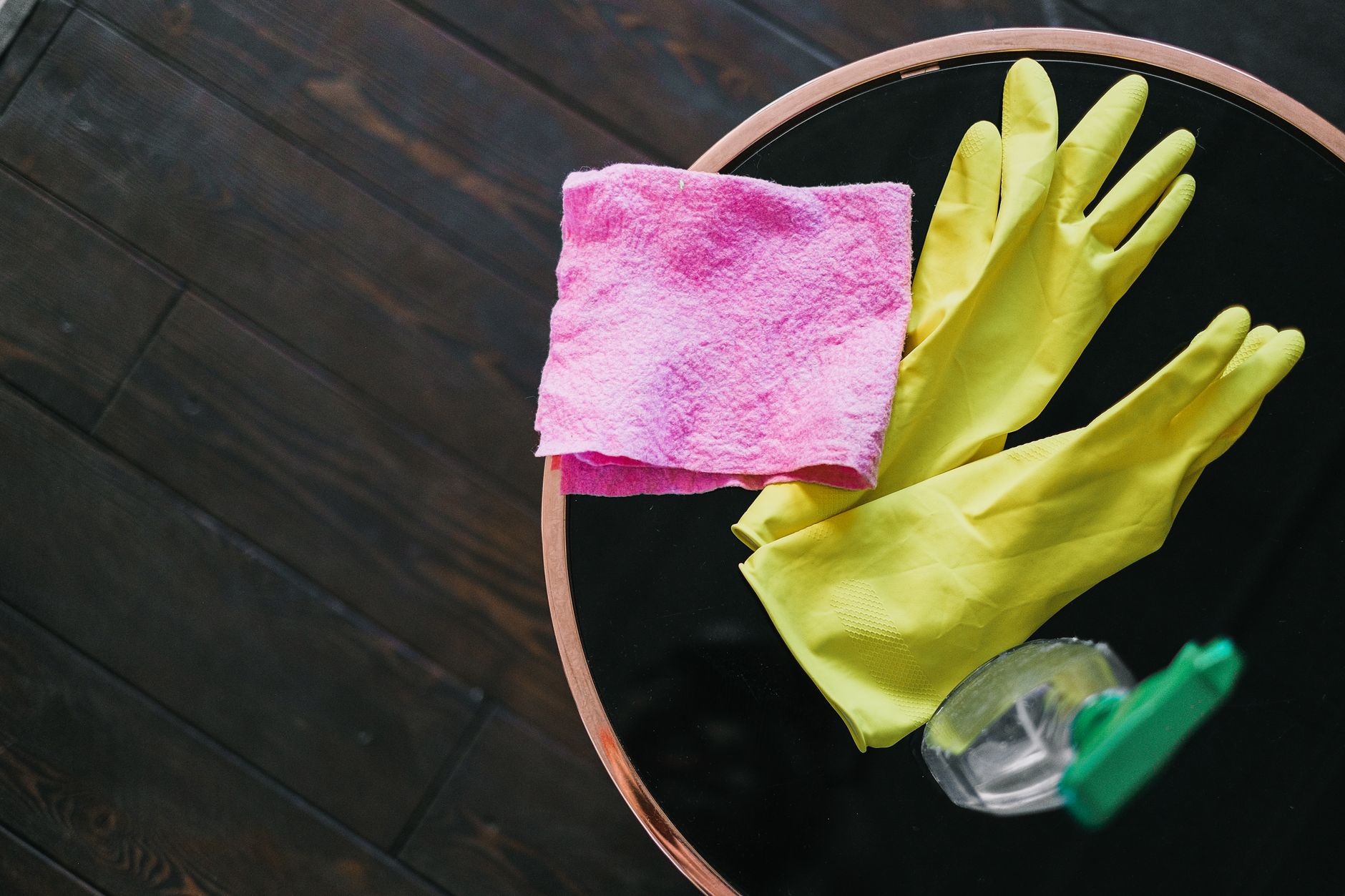
Here’s what your Apache Junction home cleaning kit should include:
An all-purpose cleaner
A disinfectant spray
Dish soap
Microfiber cloths
A glass and window cleaner
A bathroom cleaner
A heavy-duty degreaser
A non-scratch scrubbing sponge
For a broader look at what the pros keep stocked, check out this overview of cleaning products everyone should keep at home on the Elite Maids blog, which covers a few extra picks worth adding once you’ve nailed the essentials.
An All-Purpose Cleaner: The Foundation of Your Cleaning Supplies
If you could only keep one product in your home, an all-purpose cleaner would be it. A good multi-surface cleaner handles countertops, appliance exteriors, cabinet doors, bathroom surfaces, and even sealed floors. It’s the workhorse of any household cleaning products list, and for good reason: it saves you from buying a separate product for every room.
One standout option is Mrs. Meyer’s Clean Day Multi-Surface Concentrate. You dilute it yourself, which means a single bottle goes a very long way, and it comes in pleasant scents that don’t make your home smell like a chemistry lab. It’s also EPA Safer Choice certified, which means the formula has been reviewed for both human health and environmental impact. You can verify that certification directly through the EPA Safer Choice program.
For Apache Junction households with hard water, which is extremely common in the East Valley, an all-purpose spray with some acid or citrus base helps cut through mineral deposits that plain water just moves around. Look for a multi-surface cleaner that lists citric acid or lactic acid in the ingredients if hard water spots are a recurring issue in your kitchen or bathroom.
Branch Basics Concentrate is another strong pick for households that want a non-toxic cleaning option. One bottle replaces your all-purpose spray, your bathroom cleaner, and even your laundry detergent when diluted differently. If you’re curious about how non-toxic products hold up in real Arizona homes, the post on natural and non-toxic cleaning products tested for homes is a solid read for comparison.
Microfiber Cloths: The Most Underrated Tool on the Cleaning Supplies Checklist
Microfiber cloths may not be glamorous, but they are genuinely one of the most important items on any cleaning supplies checklist for a new home. The fibers are woven in a way that physically lifts and traps dust, bacteria, and debris rather than just pushing it around. Paper towels smear. Old cotton rags streak. Microfiber cloths actually clean.
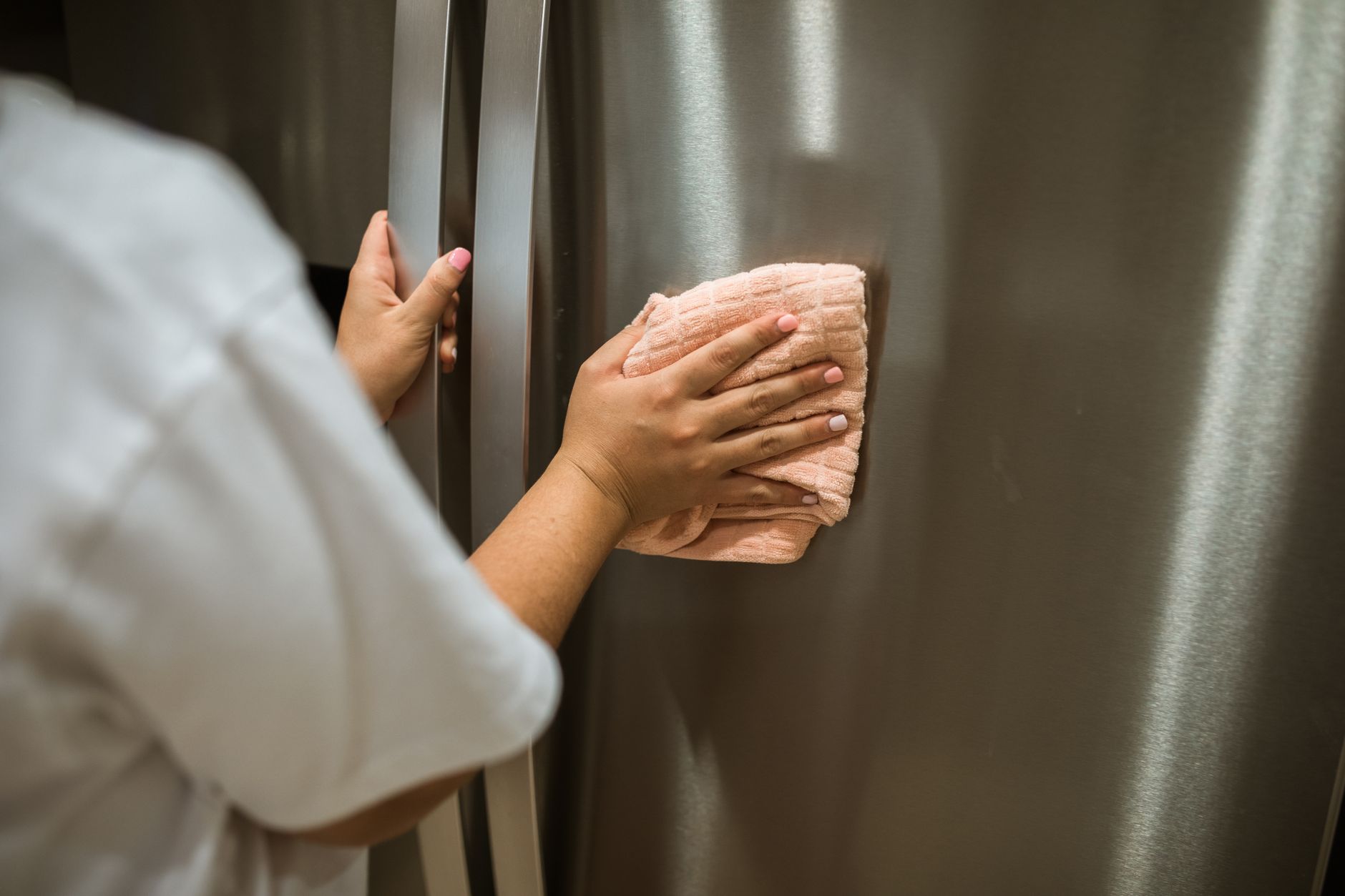
What makes microfiber so useful is its versatility. The same cloth works on granite countertops, stainless steel appliances, bathroom mirrors, and sealed hardwood floors. Color-code your cloths by room (blue for bathrooms, yellow for the kitchen, for example) so you’re not accidentally spreading bacteria from one surface to another.
Look for cloths with a high GSM (grams per square meter) rating, at least 300 GSM for general cleaning and 400+ for polishing glass and chrome. You can find quality options at Lowe’s cleaning supplies section or at any major home goods store. A good set of microfiber cloths will outlast dozens of rolls of paper towels and do a far better job along the way.
Professional home cleaners rely on microfiber almost exclusively for surface work because it reduces cross-contamination and leaves surfaces streak-free. If you’ve ever wondered why a freshly cleaned home looks so polished, this tool is a big part of the answer.
Disinfectant Spray: What Cleaning Products Are a Must for Germ Control
There’s an important difference between cleaning and disinfecting. Cleaning removes visible dirt and debris. Disinfecting kills pathogens like bacteria and viruses on a surface. For high-touch areas like doorknobs, light switches, toilet handles, and phone-charging spots, you need a dedicated disinfectant spray, not just an all-purpose wipe-down.
Lysol Disinfecting Spray is the household standard for a reason. It’s EPA-registered to kill 99.9% of bacteria and viruses when used as directed. The key phrase there is “used as directed”: most disinfectants require a dwell time, meaning the surface needs to stay visibly wet for a set number of seconds (often 10 to 30) before you wipe. Most people skip this step, which is why their disinfecting efforts don’t work as well as expected.
According to the CDC’s guidance on home cleaning and mold, high-moisture areas like bathrooms and kitchens benefit from regular disinfection to prevent mold growth and secondary contamination. Apache Junction sits in a desert climate, but indoor humidity from showers, cooking, and monsoon season can still create conditions where mold and mildew take hold if surfaces aren’t properly maintained.
For anyone who prefers a more natural disinfection approach, hydrogen peroxide-based sprays are genuinely effective against many common pathogens and leave no harmful residue. The guide to eco-friendly cleaning products in Mesa on the Elite Maids blog covers which natural disinfection options actually live up to the claims on their labels.
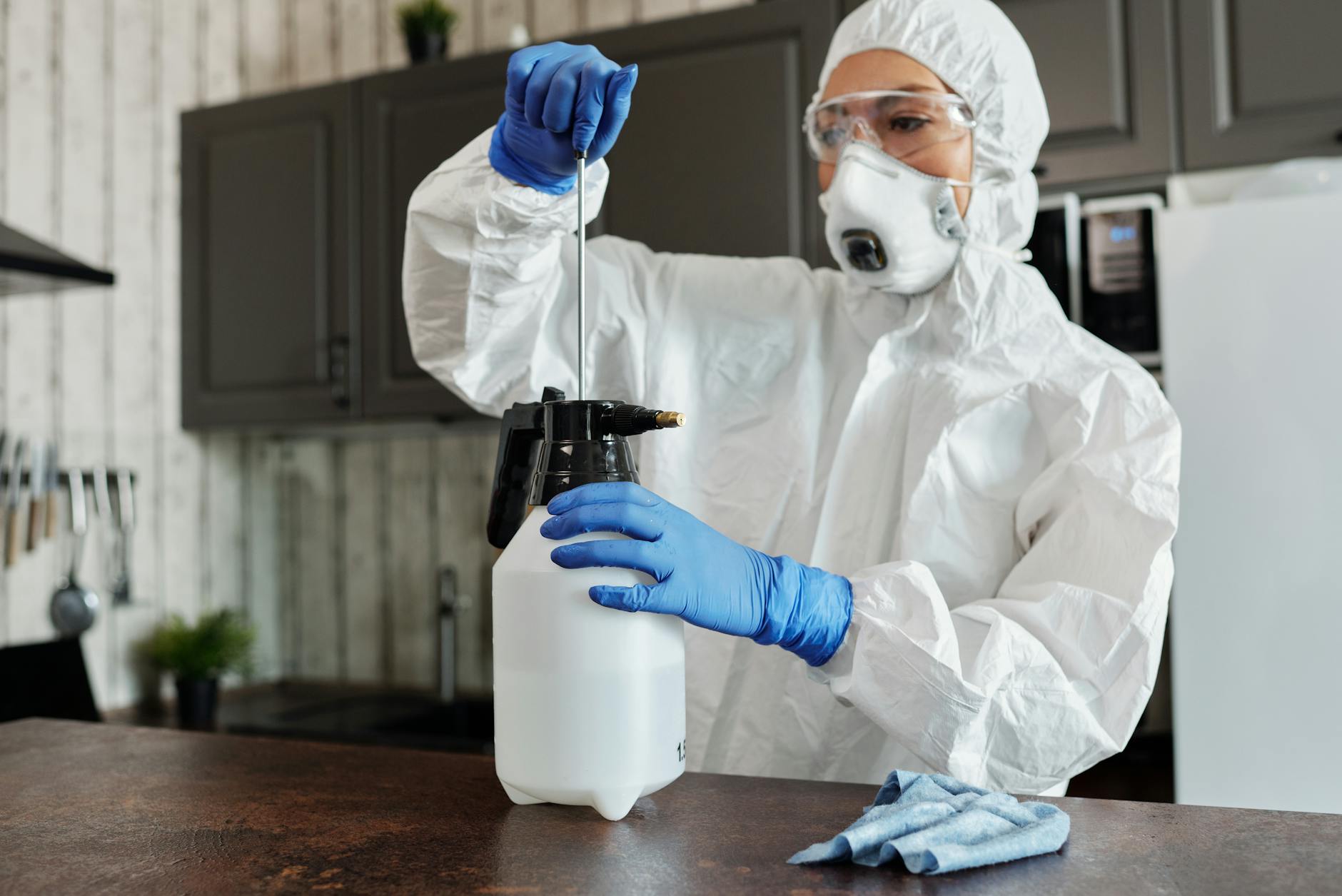
When you need more than a spray, a professional home disinfection service can treat an entire home systematically, reaching the hidden surfaces a daily spray routine misses.
Dish Soap and a Degreaser: Tackling Kitchen Cleaning the Right Way
Your kitchen is the hardest-working room in your home, and it needs products that can handle grease, food residue, and everything in between. Two products carry most of that weight: dish soap and a heavy-duty degreaser.
For everyday dish soap, Dawn Ultra Dishwashing Liquid remains the gold standard. It cuts grease reliably, rinses clean, and is gentle enough that many people use a diluted version for general household surface cleaning too. A small drop goes a long way, and a bottle under your kitchen sink will last for weeks with normal use.
For heavier jobs, like the inside of an oven, a range hood filter, or a stovetop after a cooking marathon, you need a dedicated degreaser. Zep Heavy-Duty Citrus Degreaser is a popular pick for both homeowners and professional cleaning crews. It’s powerful enough to cut through baked-on grease without damaging most surfaces when diluted properly. Always test on a small area first and follow the label instructions, especially on painted or lacquered surfaces.
It’s worth knowing that many conventional degreasers contain volatile organic compounds (VOCs) that can affect indoor air quality if a space isn’t well ventilated. Open a window or run your exhaust fan when using a heavy-duty degreaser, especially in Apache Junction homes where kitchens can get warm and airflow matters.
If your kitchen hasn’t had a true top-to-bottom treatment in a while, a deep cleaning service from Elite Maids can reset your kitchen to a genuinely clean baseline, after which your daily dish soap and weekly degreaser will keep it there with minimal effort.
Bathroom Cleaner and Glass Cleaner: The Surface-Specific Products Worth Having
Some surfaces need more than an all-purpose spray. Your bathroom and your windows are the two biggest examples. A dedicated bathroom cleaner and a quality glass cleaner round out your top 10 cleaning products for home care and handle the jobs where generic multi-surface products tend to fall short.
For bathrooms, Seventh Generation Toilet Bowl Cleaner is a dependable pick that tackles mineral buildup and bacteria without the harsh fumes of older chemical formulas. Apache Junction’s water is notoriously hard, which means calcium and lime deposits build up faster here than in many other cities. A bathroom cleaner with an acidic formula will address that mineral buildup far more effectively than a neutral pH cleaner.
According to Good Housekeeping’s cleaning research, the biggest mistake people make in bathroom cleaning is not letting the product sit long enough to work. Spray, walk away for two to five minutes, then scrub. The chemistry does the heavy lifting when you give it time.
For glass and windows, Invisible Glass Premium Glass Cleaner is a reliable choice. It leaves no residue and no streaks, which is critical in a sunny climate like Apache Junction’s where every smear on a window is immediately visible in the bright desert light. Apply with a fresh microfiber cloth (not a paper towel, which sheds lint) and wipe in a circular motion followed by a final horizontal pass to prevent streaking.
The cleaning guidance at The Spruce recommends cleaning windows on a cloudy day or in the shade because direct sunlight causes glass cleaner to evaporate before you can wipe it, which is exactly what creates streaks. In Apache Junction, that means mornings or evenings are your window-cleaning window.
What Professional Home Cleaners Use: Lessons for Your Apache Junction Cleaning Routine
Understanding what professional home cleaners actually use can change how you stock your own cleaning supplies. The short answer: pros use mostly the same categories of products that appear on any household cleaning products list, but they’re disciplined about how they use them.
Professional house cleaning services in Apache Junction typically bring color-coded microfiber cloths, a concentrated all-purpose cleaner, a disinfectant, a glass cleaner, a bathroom cleaner, and a degreaser. That’s it. The difference isn’t a magic product you can’t find at the store; it’s technique, timing, and consistency.
Pros also pay attention to indoor air quality. The American Lung Association’s guidance on indoor air quality notes that many conventional cleaning products release chemicals that reduce air quality when used in poorly ventilated spaces. Professional crews ventilate as they go, use products in the correct dilutions, and favor lower-VOC formulas where possible.
One major difference is workflow. Professional cleaners follow a top-down, back-to-front routine so dust and debris fall onto uncleaned surfaces below, not onto surfaces already cleaned. They never have to re-clean a surface. Adopting this approach at home means working from ceiling fans and light fixtures down to baseboards, and from the room farthest from the front door toward the exit.
For Apache Junction homeowners who want to go further, a periodic recurring maid service keeps the home at a professional standard between your own weekly touch-ups. Weekly or biweekly visits mean you’re only maintaining, not trying to recover from weeks of buildup.
And if the calendar fills up around the holidays, a holiday cleaning service is one of the most practical ways to enjoy guests without the stress of having to deep clean the whole house beforehand.
For even more product inspiration tailored to desert homes, the post on cleaning products every home should have is worth a look for product comparisons that translate well to dry-climate households like those in Apache Junction.
Closing Thoughts: Stock Your Home, Then Call in the Pros When You Need Backup
A well-stocked cleaning kit makes daily and weekly maintenance genuinely manageable. With the right all-purpose cleaner, disinfectant, microfiber cloths, dish soap, degreaser, bathroom cleaner, and glass cleaner, your Apache Junction home can stay clean and healthy without requiring hours of effort each week. Start with these essentials, use each product correctly, and you’ll notice a real difference in how your home looks and feels.
That said, every home reaches a point where a thorough reset is overdue, or where life simply gets busy. When that happens, reach out and contact Elite Maids House Cleaning in Apache Junction for a free quote. The team is background-checked, fully insured, and backed by a satisfaction guarantee so you can book with total confidence.
Frequently Asked Questions
What cleaning supplies should every house have?
Every home should have an all-purpose cleaner, a disinfectant spray, dish soap, microfiber cloths, a glass cleaner, a bathroom cleaner, and a heavy-duty degreaser. These seven products cover nearly every surface and cleaning task you’ll face on a regular basis. Adding a non-scratch scrubbing sponge and a quality mop rounds out a complete household cleaning supplies checklist for most homes.
What is the best all-purpose household cleaner?
Mrs. Meyer’s Clean Day Multi-Surface Concentrate and Branch Basics Concentrate are two of the most consistently recommended all-purpose cleaners for home use. Both are EPA Safer Choice certified, effective across a wide range of surfaces, and available in formulas that won’t leave harsh chemical fumes behind. For tough daily use, a diluted concentrate gives you the most cleaning power per dollar spent.
What cleaning products are a must?
The must-have cleaning products for any home are an all-purpose cleaner, a disinfectant spray, and microfiber cloths. These three items alone can handle the majority of routine cleaning tasks in every room. A dedicated bathroom cleaner and a degreaser round out the list for anyone who wants complete coverage of the surfaces that take the most wear in a busy home.
What products do professional home cleaners use?
Professional home cleaners typically use concentrated all-purpose cleaners, EPA-registered disinfectants, color-coded microfiber cloths, glass cleaners, bathroom cleaners, and degreasers. The products themselves are often available to any homeowner at a hardware or grocery store. What sets professionals apart is technique: correct dilutions, proper dwell times, a top-down cleaning workflow, and consistent ventilation to protect indoor air quality throughout the process.
Top Rated Cleaning Supplies: The Complete Product Guide
SHARE:
The top rated cleaning supplies right now include multi-surface sprays, microfiber cloths, oxygen-based stain removers, grout cleaners, and enzyme-based odor eliminators. These products consistently outperform their competitors in independent testing, real-world use, and consumer reviews. This guide breaks down the best household cleaning products by category so you can stock your supply closet with confidence.
1. Multi-Surface Sprays: The Foundation of Any Cleaning Supply Collection
A reliable multi-surface spray is the workhorse of any well-stocked cleaning cabinet. These all-purpose cleaners cut through grease, fingerprints, food residue, and everyday grime on countertops, appliances, stovetops, and sealed surfaces without scratching or streaking. When shopping for the best multi-surface cleaning products, look for formulas that are pH-balanced so they are safe on a variety of materials.
Great Value Multi Purpose Cleaner in Lemon Scent is one of the most purchased all-purpose cleaners available today, and for good reason. At under $3 for 32 fl oz, it delivers solid grease-cutting performance at a fraction of what you pay for name-brand alternatives. Consumer Reports’ laundry and cleaning reviews consistently highlight value-driven multi-surface sprays as a smart buy for households that clean frequently.
For households with sensitivities or allergy concerns, fragrance-free or plant-derived multi-surface sprays are worth the upgrade. If you want to go deeper on choosing formulas that work safely for sensitive households, the hypoallergenic cleaning supplies guide on this blog is a great next read. When choosing any all-purpose household cleaner, check for the EPA Safer Choice label, which signals that every ingredient has been reviewed for human and environmental safety.
2. Microfiber Cloths and Sponges: The Best Reusable Wipes for Every Surface
Microfiber cloths are among the highest-rated cleaning products across every credible review source, and it is easy to see why. A quality microfiber cloth can pick up bacteria, dust, and grease with nothing but water, making it one of the most effective and eco-friendly cleaning tools available. The ultra-fine fibers create a static charge that traps particles rather than pushing them around like a traditional cotton rag does.
When choosing microfiber wipes and cleaning cloths, look for a gsm (grams per square meter) rating of at least 300 for general cleaning and 400+ for glass and stainless steel. The best reusable cleaning sponges are those with a scrubbing side for stuck-on messes and a soft side for everyday wiping. Cellulose sponges are another popular pick for kitchen use because they absorb water quickly and hold it well during scrubbing tasks.
One important tip: wash your microfiber cloths separately from cotton towels. Cotton lint sticks to microfiber and clogs the tiny fibers, cutting their cleaning power significantly. Dedicated cleaning cloths that are washed properly can last hundreds of cycles, making them a far better investment than disposable wipes over time.
3. Disinfectants and Sanitizing Sprays: Top Rated Products for Killing Germs
Disinfectants are not the same as cleaners, and understanding the difference matters. A cleaner physically removes dirt and residue. A disinfectant kills bacteria and viruses on contact after the surface is already clean. The top rated disinfecting sprays and sanitizing products must sit on a surface for a specified “dwell time” to actually work, typically 30 seconds to 10 minutes depending on the formula.
The EPA Safer Choice program maintains a list of certified disinfecting products that meet safety and efficacy standards. If you are buying a disinfectant to kill specific pathogens, look for an EPA registration number on the label. Products like quaternary ammonium-based sprays and hydrogen peroxide-based disinfectants are two of the most widely recommended categories for home use.
For households dealing with mold or mildew, disinfectants alone are not enough. The CDC recommends addressing the moisture source before applying any sanitizing product. You can learn more about professional-grade sanitizing approaches by exploring disinfection services offered by Elite Maids.
Avoid using disinfectants on porous surfaces like untreated wood or grout without reading the label first. Certain formulas can bleach or damage finishes. And always ventilate the room during use, since many sanitizing sprays emit volatile organic compounds (VOCs) that can irritate airways. The EPA’s guidance on VOCs and indoor air quality is a useful reference when selecting products for enclosed spaces.
4. Bathroom Cleaners: Highest Rated Supplies for Toilets, Tiles, and Tubs
The bathroom is where cleaning product quality really shows. The highest rated bathroom cleaning supplies are formulated to dissolve soap scum, hard water deposits, and limescale without requiring you to scrub for 20 minutes. For toilets, gel-based bowl cleaners with hydrochloric acid or citric acid are the two most effective options for cutting through mineral buildup and stains.
For tile and grout, a dedicated grout cleaner with an alkaline formula or an oxygen bleach base will do far more than a generic spray. Grout is porous and traps soap residue and mildew easily, so a product that can penetrate the surface rather than just coat it is key. Pair it with a stiff-bristled grout brush for the best results.
Shower doors and tub surrounds respond best to daily spray-on shower cleaners that prevent soap scum from building up in the first place. These preventive bathroom cleaning products are sprayed on after showering without rinsing, creating a thin barrier that keeps residue from bonding to the surface. It is a simple habit that dramatically reduces the amount of scrubbing needed during a deep clean.
If you want a broader strategy for tackling your whole home rather than just the bathroom, the spring cleaning guide on this blog covers a room-by-room approach that pairs well with stocking up on the right supplies.
5. Kitchen Cleaning Products: Top Picks for Grease, Stovetops, and Appliances
Kitchen grease is a different animal from regular household dirt. It bonds to surfaces and bakes on under heat, which means standard all-purpose sprays often underperform. The top rated kitchen cleaning products are specifically formulated with degreasers, which break down fat molecules and emulsify them so they rinse away cleanly.
Citrus-based degreasers and enzyme-based kitchen sprays are two of the most effective categories right now. Citrus formulas use d-limonene (a compound extracted from citrus peel) to dissolve grease naturally, while enzyme-based products use biological agents to break down organic matter. Both outperform standard all-purpose cleaners on stovetops and range hoods.
For ovens, a paste-based oven cleaner or a baking soda and dish soap combination applied overnight gives you the best lift on baked-on grease without harsh fumes. For stainless steel appliances, a dedicated stainless steel cleaner applied with the grain of the metal will remove fingerprints and restore shine without streaking. Kitchen cleaning products that actually work are covered in depth in a separate post on this blog if you want a more focused kitchen breakdown.
The Good Housekeeping cleaning guides are also a reliable resource for independently tested kitchen product recommendations that go beyond marketing claims.
6. Laundry Products: Best Detergents and Fabric Care Supplies
Laundry is a category where the gap between the best and the mediocre products is very real. The highest rated laundry detergents today use enzyme cocktails that target specific stain types: proteases for protein-based stains like blood and sweat, lipases for grease and oil, and amylases for food and starch stains. A detergent with all three enzyme types is your best all-around pick.
Concentrated detergent pods and liquid concentrates are the most popular laundry cleaning products among households that want performance without excess packaging. They also tend to perform better in cold water, which saves energy without sacrificing cleaning power. If you have a high-efficiency (HE) washer, always use HE-labeled detergent to prevent excess sudsing that can damage the machine over time.
Beyond detergent, oxygen-based laundry boosters are some of the most praised laundry supply add-ons available. Products based on sodium percarbonate release hydrogen peroxide in the wash, which whitens whites and brightens colors without the harshness of chlorine bleach. These fabric-safe stain removers can be added to almost any wash load as a pre-soak or in-wash booster.
For delicates and wool, a pH-neutral wool wash or delicate fabric cleaner is the right tool. Enzyme detergents, while excellent for regular loads, can damage protein-based fibers like wool and silk over repeated washes. Keeping a separate delicates-specific laundry product on hand protects your investment in quality clothing.
7. Floor Cleaners: Top Rated Products for Hardwood, Tile, and Carpet
Different floor types need different cleaning solutions, and using the wrong one can cause real damage. The top rated floor cleaning products for hardwood are pH-neutral, water-minimizing formulas. Excess water is hardwood’s enemy, causing warping and staining over time. Spray mops paired with diluted hardwood-safe cleaners are the safest method for regular maintenance of wood floors.
For tile and grout floors, an alkaline floor cleaner diluted per the label instructions cuts through dirt and residue without leaving a film. Residue buildup from improperly diluted floor cleaners is actually one of the most common reasons tile floors look dull even after mopping. Always rinse with clean water after mopping tile if you are using a concentrated solution.
Carpet cleaning products split into two camps: dry cleaning powders and liquid spot treatments. Enzyme-based carpet spot cleaners are the top pick for pet stains and odors because they break down the uric acid in pet urine rather than simply masking the smell. For whole-carpet refreshing between professional cleanings, a dry carpet powder that you sprinkle, let sit, and vacuum up works well for odor control without dampening the fibers.
If your home has a mix of floor types, consider investing in a concentrated multi-floor cleaning product that can be diluted differently for each surface. This approach keeps your cleaning supply closet manageable and reduces the number of products you need to rotate through. For eco-conscious households in Arizona looking for floor cleaners that are safe for the local environment, the post on eco-friendly cleaning products is worth reading.
8. Specialty Cleaners: Glass, Stainless Steel, and Hard-to-Clean Surfaces
Specialty cleaning products exist because some surfaces genuinely need targeted formulas. Glass cleaner is the classic example. The top rated glass cleaning products use ammonia or isopropyl alcohol as the active ingredient, which evaporates quickly to prevent streaking. Avoid using paper towels on glass if possible since they can leave behind lint. A clean microfiber cloth or crumpled newspaper gives a streak-free result far more consistently.
Stainless steel cleaners are another specialty product worth having in your rotation. Regular sprays leave water spots and fingerprint smears on stainless steel. A dedicated stainless steel cleaning spray or oil-based wipe applied with the grain of the metal buffs out smudges and leaves a thin protective layer that repels future fingerprints.
For stone surfaces like granite or marble countertops, only pH-neutral stone cleaners should be used. Acidic cleaners like vinegar and many bathroom sprays will etch and dull stone permanently. A stone-specific cleaner maintains the finish without risking damage. If you have quartz countertops, those are more forgiving but still benefit from a gentle, non-abrasive daily cleaner over generic all-purpose sprays.
9. Eco-Friendly and Natural Cleaning Supplies: Safe Alternatives That Actually Work
Eco-friendly cleaning supplies have come a very long way. The best natural cleaning products today match or exceed conventional formulas in real-world cleaning performance while cutting out ingredients that affect indoor air quality and waterways. If you have children or pets at home, or you simply want to reduce chemical exposure, natural cleaning alternatives are worth exploring seriously.
Plant-derived surfactants, citric acid, and sodium bicarbonate are the backbone of most effective natural household cleaners. These ingredients are biodegradable, low-toxicity, and widely available. The EPA’s Safer Choice program certifies products where every ingredient has been vetted for safety, making it a reliable filter when shopping for eco-friendly cleaning supply options.
Concentrated cleaning tablets that dissolve in water are one of the more interesting innovations in the natural cleaning supply space right now. You buy small tablets, drop one into a reusable spray bottle with water, and you have a ready-to-use cleaner without the plastic waste of buying new bottles every time. These refill-format products have gained strong reviews from consumer groups and environmental organizations alike.
The American Lung Association’s indoor air resources highlight why reducing chemical VOCs indoors matters, especially in Arizona where many households keep windows closed for much of the year due to heat. Choosing lower-VOC cleaning products is a practical step toward healthier air inside your home. You can also check out the post on natural cleaning solutions for room-by-room ideas that work in the Arizona climate.
10. Odor Eliminators and Air Fresheners: Top Rated Products for Fresh-Smelling Rooms
Odor eliminators and air freshening products are a category where the difference between masking and eliminating smells really matters. The top rated odor eliminating products use one of three mechanisms: enzymatic breakdown of odor-causing organic molecules, activated charcoal that adsorbs odor compounds, or chemical neutralizers that react with and cancel out odor molecules. Simply spraying a fragrance over a smell does not remove it, which is why air fresheners alone disappoint so many people.
Enzyme-based odor eliminators are the gold standard for pet odors, smoke smells, and cooking odors that have embedded into soft surfaces like upholstery and carpet. For general room freshening, activated charcoal bags placed in closets, car interiors, and bathrooms work passively and last for months before needing to be recharged in sunlight.
Baking soda remains one of the simplest and most effective odor-absorbing products available. An open box in the refrigerator, a sprinkle on carpet before vacuuming, or a bowl placed in a musty closet are all time-tested uses that genuinely work. For persistent odors tied to mold or mildew, however, no air freshener substitutes for finding and addressing the source of moisture causing the problem.
11. Cleaning Tools and Equipment: Supplies That Make Products Work Better
The right tools make even good cleaning products work noticeably better. A quality spray bottle with an adjustable nozzle, for instance, lets you switch between a fine mist for glass and a concentrated stream for grout. Cheap spray bottles clog, drip, and distribute product inconsistently, which wastes both the cleaner and your effort.
Grout brushes, extendable scrubbers, squeegees, and microfiber mop heads are the cleaning tools that professional cleaners rely on daily. The Spruce’s cleaning resource library covers a wide range of tool-specific tips that complement any product selection. The cleaning pros at Elite Maids use professional-grade tools and techniques that are calibrated to product formulas, which is one reason results from a professional cleaning visit look so different from a DIY effort with the same products.
A telescoping duster with a washable microfiber head is one of the most underrated cleaning tools for Arizona homes, where dust accumulates fast due to dry desert conditions. It reaches ceiling fans, light fixtures, and high shelves without a step stool, cutting cleaning time significantly. Pair it with a quality HEPA vacuum and you have a foundation for a consistently clean home between professional visits.
12. Where to Buy Top Rated Cleaning Supplies: Best Retail and Online Sources
Knowing where to shop for the best cleaning supply products is nearly as important as knowing what to buy. For everyday essentials like multi-surface sprays, laundry detergent, and microfiber cloths, big-box retailers offer the widest selection and the most competitive pricing. Home Depot’s cleaning supply section is a strong source for commercial-grade products like concentrated degreasers, mop systems, and heavy-duty disinfectants that are not always easy to find in grocery stores.
For research-backed product recommendations, Consumer Reports and Good Housekeeping remain two of the most trusted sources for independently tested cleaning products. Both organizations evaluate products under controlled conditions rather than relying on manufacturer claims, making their recommendations genuinely useful when you are choosing between competing brands.
If you are looking for specialty or eco-friendly cleaning supply products, specialty cleaning retailers and online marketplaces carry a wider range of concentrated formats, refillable systems, and fragrance-free options than most brick-and-mortar stores stock. The EPA Safer Choice website also has a searchable product database where you can filter by product type and use, making it easy to find certified-safe options across every cleaning category.
For a deeper look at keeping your home clean all year long rather than just at one time, the house cleaning in Phoenix post has practical daily and weekly habits that pair well with having the right products on hand.
Ready to Let the Professionals Handle It?
Stocking the right cleaning supplies is a great step, but even the best rated cleaning products on the market cannot replicate what a trained, experienced cleaning team delivers. Whether you need a routine recurring clean, a thorough deep clean before a move, or a full reset after an event, Elite Maids House Cleaning has a service built for it. Every cleaner is background-checked, fully insured, and backed by a no-cost reclean guarantee so you never have to wonder if the job was done right. If you are ready to come home to a genuinely clean house without lifting a finger, contact Elite Maids house cleaning today for a free quote and get an instant online estimate in minutes.
Frequently Asked Questions
What are the top rated cleaning supplies recommended by Consumer Reports?
Consumer Reports consistently rates enzyme-based laundry detergents, concentrated multi-surface sprays, and microfiber cleaning cloths among the highest performing cleaning supplies. They evaluate products in controlled lab settings for actual cleaning effectiveness rather than marketing claims. For disinfectants specifically, look for EPA-registered formulas with a confirmed kill claim on the label.
What cleaning supplies do professional house cleaners use?
Professional cleaners typically use commercial-grade multi-surface sprays, concentrated degreasers diluted to the correct ratio, microfiber cloths, grout brushes, and HEPA-filter vacuums. They select products based on surface type and soil level rather than using one product for everything. Professionals also follow strict dwell times for disinfectants, which is a step many DIY cleaners skip.
Are eco-friendly cleaning products as effective as conventional ones?
Today’s plant-derived and natural cleaning products perform comparably to conventional formulas for most household tasks. EPA Safer Choice-certified products have been independently tested for both safety and cleaning efficacy. For heavy-duty jobs like oven degreasing or grout restoration, a targeted specialty formula, whether conventional or eco-friendly, will outperform a general-purpose natural spray.
How do I know if a cleaning product is safe for my family and pets?
Look for the EPA Safer Choice seal, which means every ingredient has been reviewed for human and environmental safety. Avoid products with chlorine bleach, ammonia, or high-VOC solvents in households with small children, pets, or people with respiratory sensitivities. Always ventilate rooms during and after use, and store products in a locked cabinet away from children and animals.
What is the difference between a cleaner, a sanitizer, and a disinfectant?
A cleaner removes visible dirt and residue through physical or chemical action. A sanitizer reduces bacterial counts on a surface to a safe level but does not necessarily kill all pathogens. A disinfectant kills a broader range of bacteria and viruses on contact after the surface has already been cleaned. For full germ elimination, you need to clean first and then disinfect as a second step.
Microfiber vs. Cotton Cloths for Cleaning: Which One Actually Works Better?
SHARE:
Microfiber cloths outperform cotton cloths for most household cleaning tasks. Microfiber’s split fibers trap dust, bacteria, and grease at a microscopic level, while cotton tends to push debris around rather than capture it. That said, cotton still has a place in a well-stocked cleaning kit. This post breaks down exactly when to use each cloth, room by room and surface by surface.
1. What Microfiber vs. Cotton Cloths for Cleaning Actually Means
Before you can pick the right cloth, you need to understand what you’re actually buying. The term “microfiber” refers to synthetic fabric made from ultra-fine polyester and polyamide (nylon) fibers, each thinner than a strand of human hair. A single microfiber cloth can contain hundreds of thousands of these split fibers per square inch, which is what gives it that almost magnetic grip on dust and grime.
Cotton cleaning cloths, by contrast, are woven from natural plant fibers. They’ve been the household standard for generations, and for good reason: cotton is soft, absorbent, and gentle on delicate surfaces. The difference between microfiber and cotton cleaning cloths isn’t just about material; it’s about how each fabric physically interacts with dirt and liquids on a surface.
When you drag a cotton cloth across a countertop, the fibers absorb liquid but largely push solid particles sideways. Microfiber fibers, because of their split, wedge-shaped structure, physically scoop up particles and lock them inside the cloth rather than redistributing them. That mechanical difference is the whole ballgame when comparing cleaning cloth types.
If you work with home cleaning experts or handle your own surfaces, understanding this distinction saves you money, effort, and frustration.
2. Microfiber Cleaning Cloths: Where They Shine
Microfiber cleaning cloths are the workhorses of modern residential cleaning. Their split-fiber construction means they can pick up 99% of bacteria from a surface using just water, according to testing cited by Good Housekeeping’s cleaning team. That makes them a smart choice for anyone trying to reduce chemical use at home.
Here are the surfaces and tasks where microfiber cloths genuinely outperform cotton:
Glass and mirrors: Microfiber leaves glass streak-free without paper towels or specialty sprays. The fine fibers grab oils and smears instead of smearing them wider.
Kitchen countertops: For wiping down granite, quartz, laminate, or tile, microfiber picks up crumbs, grease, and bacteria in one pass.
Stainless steel appliances: Cotton can leave lint; microfiber polishes without residue.
Bathroom surfaces: Faucets, vanity tops, and toilet exteriors all respond well to microfiber’s ability to reach into tiny grooves.
Dry dusting: A dry microfiber cloth generates a slight static charge that pulls dust off shelves, baseboards, and electronics rather than dispersing it into the air.
One practical tip: color-code your microfiber cloths. Use blue for glass, yellow for kitchen counters, and red for bathrooms. This prevents cross-contamination between high-touch and high-risk zones, which is something our professional team practices on every single visit.
If you’re also weighing which cleaning products pair best with microfiber, check out this rundown of cleaning products Scottsdale homeowners swear by.
3. Cotton Cleaning Cloths: Where They Still Win
Cotton cleaning cloths haven’t survived this long by being useless. There are specific tasks where cotton is the right choice, and knowing them keeps you from reaching for the wrong rag.
Cotton excels at:
Absorbing large liquid spills: A thick cotton terry cloth or flour-sack towel soaks up more volume than microfiber, which saturates quickly. For a big water spill or a knocked-over glass, grab cotton first.
Applying cleaning solutions: Some surfaces, particularly unsealed wood or antique finishes, respond better to a dampened cotton cloth. The gentler fiber is less likely to cause micro-abrasions.
Heat resistance: Cotton handles hot surfaces safely. Microfiber is synthetic and can melt or warp if used near a hot stovetop or just-out-of-oven cookware.
Scrubbing stubborn residue: A rough cotton cloth or cotton terry towel provides texture that microfiber, which is typically smooth and soft, can’t always match for baked-on residue.
Working with bleach or high-concentration disinfectants: Strong bleach solutions degrade microfiber fibers over time. Cotton tolerates harsh chemicals far better and is the safer choice for heavy-duty disinfection services that require concentrated products.
The best cotton cleaning cloths for home use are typically 100% cotton flour-sack towels or cotton terry washcloths. Avoid blended fabrics since polyester content reduces absorbency.
4. Best Cleaning Cloths for Glass and Mirrors
If streak-free glass is your goal, the answer is clear: microfiber is the best cleaning cloth for glass surfaces, hands down. Cotton leaves lint fibers behind, and paper towels, while convenient, often smear oils rather than lifting them.
For cleaning glass and mirrors specifically, look for a microfiber cloth with a GSM (grams per square meter) rating between 300 and 400. Lower GSM cloths are thinner and work well dry; higher GSM cloths are plusher and better for wet wiping followed by a dry buff.
The two-cloth method is the professional standard for streak-free glass:
First pass: dampen a microfiber cloth with water or a glass-cleaning solution and wipe the surface.
Second pass: immediately follow with a dry microfiber cloth to buff away any remaining moisture.
This technique eliminates the water spotting that plagues single-cloth approaches. In Arizona’s hard-water environment, where minerals in tap water leave residue fast, the two-cloth method is especially important. Residents in Denver face similar challenges, and our team put together a detailed comparison of microfiber vs cotton cloths Denver-style that walks through the same principles.
5. Best Cleaning Cloths for Kitchen Countertops and Bathroom Surfaces
Kitchen countertops and bathroom surfaces need cloths that can handle grease, food residue, soap scum, and bacteria without scratching. Microfiber is the go-to for both spaces, but the specific job matters.
Kitchen countertops: A medium-weight microfiber cloth (around 280-320 GSM) works well with an all-purpose spray. The fibers pull grease off quartz and granite without the need for excessive scrubbing. For tough dried-on messes, dampen the cloth, lay it over the residue for 30 seconds, then wipe. This softens buildup without abrasion.
Bathroom cleaning cloths: Bathrooms need a cloth that can handle soap scum and mineral deposits. Microfiber with a waffle weave or a slightly textured surface provides extra friction without scratching chrome, porcelain, or ceramic tile. Using a dedicated set of bathroom cleaning cloths and washing them separately from kitchen cloths is non-negotiable for hygiene.
One mistake many homeowners make is reusing a cloth multiple times during a single cleaning session without rinsing it. By the third swipe, a saturated cloth redistributes the bacteria it just picked up. Rinse frequently or switch to a fresh cloth between zones. Our post on common cleaning mistakes covers this and several other habits that quietly undermine your results.
6. How to Wash and Care for Microfiber vs. Cotton Cloths
The way you launder your cleaning cloths determines how long they last and how well they keep working. Washing microfiber incorrectly is one of the most common reasons it stops performing.
Washing microfiber cloths:
Use warm water, not hot. High heat damages the synthetic fibers.
Skip fabric softener entirely. Softener coats the split fibers and eliminates their ability to attract dust and bacteria.
Use a small amount of plain liquid detergent, unscented if possible.
Wash microfiber separately from cotton. Cotton lint embeds in microfiber weave and ruins it.
Air dry or tumble dry on low. High dryer heat degrades polyester over time.
Washing cotton cleaning cloths:
Cotton is more forgiving. Wash in warm or hot water with your regular detergent.
Hot water is actually beneficial here, as it helps sanitize cotton cloths used in bathrooms or on raw food surfaces.
You can add a small amount of white vinegar to the rinse cycle to soften cotton naturally without a fabric softener.
Tumble dry on medium. Over-drying cotton repeatedly causes fibers to break down faster, but it tolerates dryer heat far better than microfiber.
A good microfiber cloth, cared for properly, lasts 200 to 500 washes. Cotton cloths typically hold up for 100 to 200 washes before the fibers thin out. Both are far more economical and environmentally friendly than paper towels over a cleaning season.
7. Microfiber Cloths and Eco-Friendly Cleaning
If reducing your chemical footprint matters to you, microfiber cleaning cloths are a meaningful step forward. Because microfiber can clean effectively with water alone on many surfaces, you can cut back on sprays and solutions that contain volatile organic compounds (VOCs) that affect indoor air quality.
The EPA’s Safer Choice program highlights reducing unnecessary chemical use as a core strategy for healthier homes. Microfiber cloth cleaning supports that goal naturally, especially for routine wipe-downs where a disinfectant spray isn’t actually necessary.
Cotton, being a natural fiber, has its own environmental appeal. It’s biodegradable at the end of its life, whereas microfiber cloths shed microplastic particles during washing, a genuine environmental concern. Using a microfiber wash bag can capture those particles before they reach waterways.
For households opting for a greener routine, microfiber handles daily maintenance cleaning while cotton handles tasks that genuinely need a stronger product. This split approach lets you minimize total chemical use without sacrificing results. If you’re scheduling holiday cleaning service where deeper sanitizing is on the agenda, a professional team will balance both cloth types and product strength based on what each surface actually needs.
8. When to Skip Both and Call a Professional Cleaner
Choosing the right cloth matters a lot for routine upkeep, but there are times when the cloth is only part of the equation. Deep cleans, move-in or move-out situations, post-event cleanup, and homes that have gotten behind on regular maintenance need more than good tools. They need professional technique and the right product-to-surface knowledge built from experience.
A recurring house cleaning Arizona service handles all of this systematically. Every cleaner arrives with color-coded microfiber cloths, the right solutions for each surface type, and a checklist that covers zones most homeowners skip: baseboards, door frames, ceiling fans, window sills, and refrigerator coils.
If you’re in Salt Lake City and comparing cloth options for a similar climate and surface set, our companion guide on microfiber vs cotton cloths Salt Lake City covers the same principles with local context.
For Arizona families in Phoenix, Scottsdale, Mesa, Chandler, Gilbert, or Tucson who want consistent results without spending their weekends scrubbing, a scheduled professional visit removes the guesswork entirely. Background-checked, fully insured cleaners who back every visit with a satisfaction guarantee give you something no cleaning cloth can: peace of mind.
Ready to stop guessing which cloth to grab and just have it handled? Contact Elite Maids house cleaning today for a free quote and see why we’re Arizona’s most-reviewed residential cleaning team. Book online in minutes with instant quotes available from 8am to 6pm, no phone call required.
Frequently Asked Questions
Is microfiber or cotton better for cleaning?
Microfiber is better for most cleaning tasks because its split synthetic fibers trap dust, grease, and bacteria rather than pushing them around. Cotton works better for absorbing large liquid spills, applying products to delicate surfaces, and tasks involving bleach or high heat, where microfiber can degrade. For most daily cleaning, microfiber wins.
What are the best cleaning cloths for bathroom surfaces?
A textured or waffle-weave microfiber cloth is the best option for bathroom cleaning. It provides enough friction to cut through soap scum and mineral deposits without scratching chrome, porcelain, or ceramic tile. Use a dedicated set of bathroom cloths, wash them separately, and replace them when they stop releasing grime during laundering.
What are the best cleaning cloths for glass?
Microfiber cloths in the 300 to 400 GSM range are the best cleaning cloths for glass and mirrors. Use the two-cloth method: one damp cloth to clean and one dry cloth to buff immediately after. This prevents water spots, which is especially important in Arizona where hard water leaves mineral deposits quickly.
Can you clean without microfiber? What are the best cleaning cloths if not microfiber?
Yes. High-quality 100% cotton flour-sack towels and cotton terry washcloths are the strongest non-microfiber options. They absorb well, tolerate bleach, and are gentle on surfaces. They’re ideal for spills, applying solutions to delicate finishes, and scrubbing tasks. Avoid blended fabrics since polyester content reduces absorbency significantly.
How do you wash microfiber cloths without ruining them?
Wash microfiber in warm water with a small amount of plain liquid detergent. Never use fabric softener; it coats the fibers and kills their cleaning power. Wash microfiber separately from cotton to prevent lint transfer. Air dry or tumble dry on low heat. Cared for properly, a good microfiber cloth lasts 200 to 500 wash cycles.
15 Cleaning Tools Worth the Money for Every Arizona Home
SHARE:
Walk down any cleaning aisle and you will find dozens of tools promising to cut your scrubbing time in half. Most of them disappoint. A few of them, though, genuinely earn their place under the sink and keep working visit after visit. If you want to clean smarter rather than harder, the right cleaning tools are the starting point. This guide breaks down 15 cleaning tools worth the money so you can stop wasting cash on gimmicks and start building a kit that actually performs. Whether you are tackling weekly maintenance or a full deep clean, the Arizona maid service pros at Elite Maids House Cleaning use versions of these every day in homes across Phoenix, Scottsdale, Mesa, Chandler, and beyond.
Must-Have Cleaning Tools That Deliver Real Results
The must-have cleaning tools on every professional’s list share a few things in common: they are durable, ergonomic, and designed to reach the spots that disposable wipes miss. Here is where the money is well spent:
Microfiber cloths: These are the single biggest upgrade you can make. Microfiber cloths trap dust and bacteria at a microscopic level rather than just pushing them around. A quality pack lasts hundreds of washes. Good Housekeeping’s cleaning editors consistently rank microfiber as the most versatile essential cleaning tool a homeowner can own.
Extendable microfiber duster: High ceilings in Arizona homes collect dust fast, especially during monsoon season. An extendable duster with a pivoting head lets you hit ceiling fans, crown molding, and light fixtures without dragging a ladder into every room. This is one of the essential cleaning tools our crews rely on daily.
Grout brush: A stiff-bristle grout brush is cheap and remarkably effective. Nothing else gets into the narrow lines between tiles as cleanly. Pair it with a good cleaning product and the results speak for themselves.
Squeegee: In Arizona’s hard-water regions, glass shower doors develop mineral buildup fast. A quality squeegee used after every shower prevents that buildup from forming in the first place, which saves you significant scrubbing time later. Check out our cleaning product guide for product pairings that work with a squeegee beautifully.
Spin mop with a microfiber head: Traditional string mops spread dirty water. A spin mop wrings cleanly so you are always laying down clean water on your floors, not redistributing grime.
Best Vacuum Cleaners for Home Use
A quality vacuum is one of the most impactful investments you can make for indoor air quality. The EPA’s indoor air quality guidelines note that dust, pet dander, and allergens settle deep into carpet fibers and hard-floor crevices, which means the best vacuum cleaners for home use are those with strong suction and a true HEPA filter. Here are the types worth looking at:
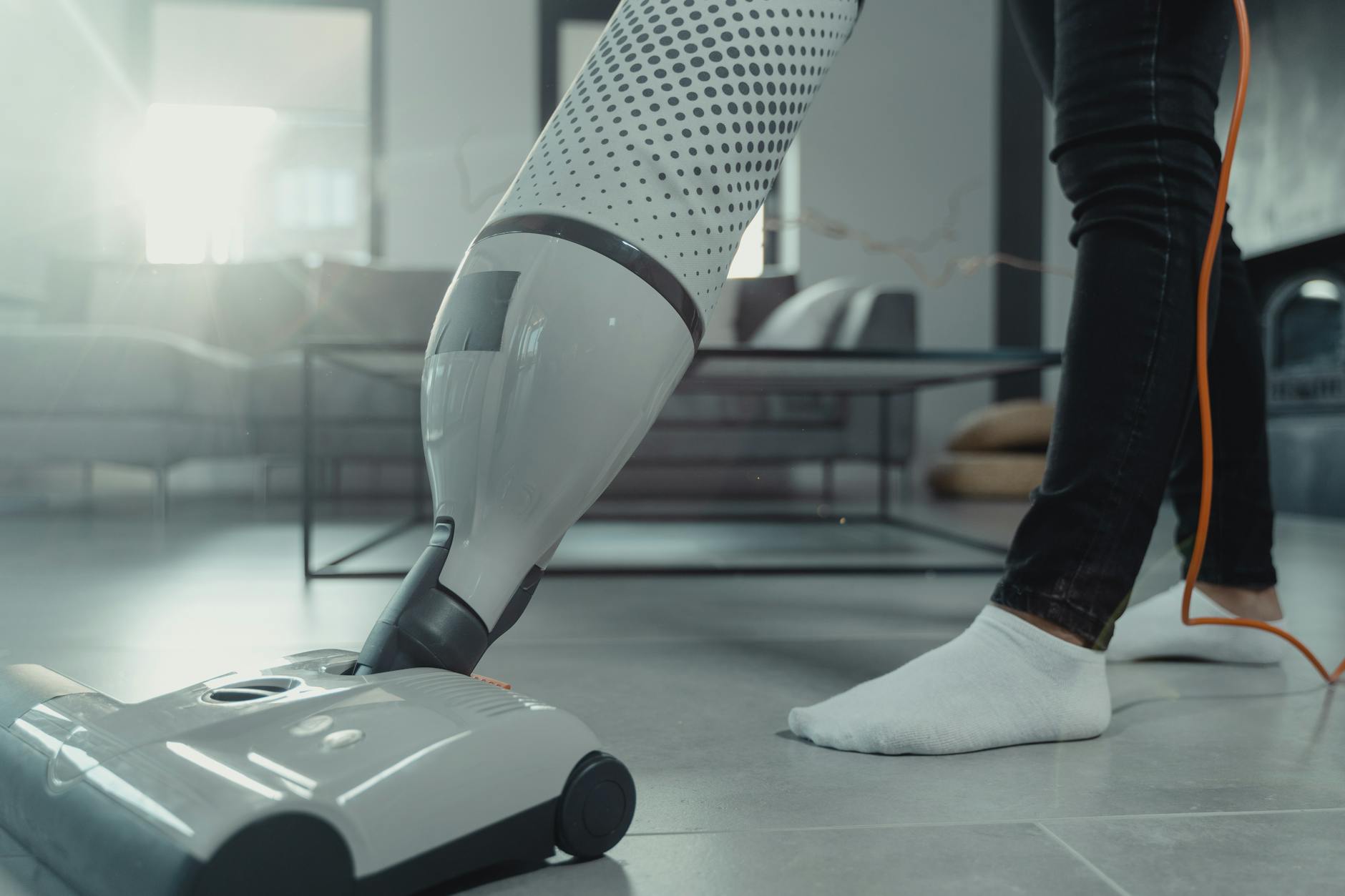
Upright vacuum with HEPA filtration: For carpeted rooms, an upright with a HEPA filter captures particles as small as 0.3 microns. This matters especially if you have allergy sufferers in your household.
Cordless stick vacuum: A lightweight cordless vacuum is the right home vacuum for quick daily passes on hard floors and area rugs. The convenience factor means you will actually use it between deep cleans rather than putting it off.
Handheld vacuum: For upholstery, car interiors, and stair treads, a handheld vacuum fills the gap that full-size units cannot reach easily.
Not all scrubbing tools are created equal. The right scrubbing brushes and sponges save your wrists and your surfaces. Using the wrong abrasiveness level on a delicate surface can scratch it permanently, so matching the tool to the task matters.
Drill brush attachments: Attach one to a cordless drill and you have a power scrubbing brush that handles grout, tile, tub surrounds, and sink basins in a fraction of the time. These are among the most valuable cleaning tools worth buying for anyone who does regular deep cleans.
Soft-bristle scrub brush: For stainless steel appliances, porcelain sinks, and delicate surfaces, a soft nylon scrub brush cleans without scratching.
Non-scratch scrubbing sponge: A cellulose sponge with a non-abrasive scrubbing pad handles everyday dish duty and countertop spills without leaving marks.
If you are preparing for a seasonal reset, combining the right scrubbing brushes and sponges with a structured plan can make a real difference. Our spring cleaning guide walks through how to put these tools to work room by room.
Cleaning Tools for Hard-to-Reach Spots
Every home has corners, vents, and narrow gaps that standard tools simply cannot reach. Cleaning tools for hard-to-reach spots address the areas that often get skipped during routine cleaning but build up grime over time.
Crevice tool attachment: Most vacuums include one, but a standalone crevice tool with a flexible hose is more versatile. Use it along baseboards, between appliances, and along window tracks.
Bottle brush: Water bottle interiors, narrow vases, and refrigerator water dispenser nozzles are impossible to clean without a long-handled bottle brush. It is an inexpensive tool that fills a specific gap.
Flat mop with a swivel head: Under furniture and around toilet bases, a flat mop with a swivel head gets into tight spaces that a traditional mop cannot navigate. This is one of those specialized cleaning tools worth the modest extra cost over a basic model.
For Queen Creek homeowners dealing with the unique dust and mineral challenges in the East Valley, our Queen Creek home cleaning tools post covers region-specific picks in more detail.
Eco-Friendly Cleaning Supplies That Perform
More Arizona families are moving toward eco-friendly cleaning supplies, and the tools in this category have come a long way. Choosing safer products alongside your tool kit reduces chemical exposure at home without sacrificing clean results. The EPA Safer Choice program certifies products that meet strict safety standards, and pairing those products with quality tools means you can clean effectively without harsh chemicals.
Plant-fiber scrubbing pads: These biodegradable pads replace synthetic scrubbers and break down naturally rather than shedding microplastics into your drain.
Steam cleaner: A handheld or canister steam cleaner sanitizes grout, tile, and upholstery using only tap water. No chemicals needed, which makes it one of the most genuinely eco-friendly cleaning tools available today.
Elite Maids House Cleaning offers eco-friendly product options on every visit, so if you want a greener clean without doing the research yourself, our team handles it for you. You can also browse our cleaning hacks that work post for practical green cleaning techniques that pair with these tools.
Organizing Your Cleaning Caddy for Maximum Efficiency
Owning great tools only pays off if you can find them when you need them. Organizing a cleaning caddy keeps your must-have cleaning tools in one portable, easy-to-carry container that moves with you from room to room. Here is how to set one up smartly:
Use a divided caddy with compartments for spray bottles, brushes, and cloths so nothing rattles loose or spills.
Keep a second smaller caddy stocked specifically for bathrooms, since bathroom-specific tools like grout brushes and scrubbing sponges should stay separate from kitchen tools for hygiene reasons.
Label your bottles clearly so you do not accidentally grab the wrong product on a fast cleaning pass.
A well-organized caddy is not a luxury. It is a practical system that cuts your cleaning time noticeably, and it is the kind of detail the weekly house cleaning service Arizona homeowners love notice about professional crews.
When Professional Cleaning Tools Are Better Than DIY
Even with the right home cleaning tools, there are situations where professional-grade equipment and trained hands produce results that consumer tools simply cannot match. Move-in and move-out cleans, post-renovation cleanups, and deep cleans after months of buildup often need equipment like commercial-grade vacuums, professional steam extractors, and high-concentration safe cleaning agents that are not practical for most homeowners to own.
If your home needs that level of reset, or if life is simply too busy to keep up with the maintenance, Arizona’s trusted residential cleaning team at Elite Maids House Cleaning can step in. We are the most-reviewed residential cleaning company in Arizona, every cleaner is background-checked and fully insured, and we back every visit with a no-cost reclean guarantee. Booking online takes two minutes and gives you an instant quote.
Ready to take cleaning off your plate entirely? Schedule your house cleaning service today or contact Elite Maids house cleaning today for a free quote. We serve Phoenix, Mesa, Scottsdale, Gilbert, Chandler, Glendale, Queen Creek, San Tan Valley, Tucson, and Flagstaff, and we are ready to give your family back its weekends.
Best Cleaning Products Everyone Should Keep at Home
SHARE:
Walk into almost any home and you’ll find a cabinet under the sink stuffed with half-empty bottles, mystery sprays from three years ago, and duplicates of things nobody remembers buying. Sound familiar? The truth is, keeping the best cleaning products for your home doesn’t require a stockpile. It requires the right lineup. A focused collection of reliable, proven supplies will get your home cleaner, faster, and without the clutter of products you never actually use. Whether you’re doing a quick daily wipe-down or tackling a full weekend scrub, having the right tools and cleaners on hand makes all the difference. And if you’d rather skip the whole process and call in Arizona’s trusted residential cleaning team, that’s always an option too.
Must-Have Cleaning Products for Every Home
There’s a short list of household cleaning products that belong in almost every home, regardless of size, layout, or how often you clean. Think of these as your foundation. Once you have them, you can handle the majority of everyday messes without hunting through a packed cabinet.
All-purpose spray cleaner:Simple Green is a go-to for daily surface cleaning. It cuts through grease and grime on counters, appliances, and bathroom surfaces without harsh fumes.
Disinfecting wipes:Clorox wipes are ideal for quick disinfection of high-touch surfaces like door handles, light switches, and toilet flush levers. You don’t need to use them constantly, but having them on hand for sick days or kitchen prep messes is smart.
Glass cleaner: Windex or a comparable glass cleaner is non-negotiable for mirrors, windows, and stainless steel appliances. Streaky mirrors are one of those things that make a clean room feel dirty.
Floor cleaner: A dedicated floor cleaner matched to your flooring type keeps surfaces looking their best. Simple Green Floor Cleaner works well on tile and sealed hardwood.
Toilet bowl cleaner: A gel formula that clings to the bowl makes this job faster and more effective than a standard spray.
Baking soda and white vinegar: These two pantry staples are among the most versatile essential home cleaning supplies you can own. Together or separately, they tackle odors, light buildup, and drain clogs without harsh chemicals.
This short list of must-have cleaning products covers the majority of what a typical home needs week to week. Start here before buying anything else. According to Good Housekeeping, consistency with a small set of reliable products outperforms a cabinet full of specialty items that rarely get used.
Eco-Friendly and Non-Toxic Cleaning Products Worth Switching To
More homeowners are looking at what’s actually in their cleaning products, and for good reason. Many conventional sprays and scrubs contain volatile organic compounds (VOCs) that off-gas into the air you breathe indoors. That matters especially in Arizona, where homes stay sealed against the heat for months at a time.
The good news is that eco-friendly cleaning supplies have come a long way. You don’t have to sacrifice performance for safety. The EPA Safer Choice program certifies products that meet strict safety standards for human health and the environment. Looking for that label when you shop is one of the easiest ways to build a non-toxic cleaning kit without doing a ton of research.
Some solid swaps to consider:
Replace aerosol sprays with concentrated refillable bottles to reduce both VOC exposure and plastic waste.
Use plant-based dish soap like Seventh Generation or Method for everyday dishes and surfaces.
Try enzyme-based cleaners for pet messes. They break down organic matter at the source instead of just masking odors.
Swap paper towels for reusable microfiber cloths. They’re more effective and cut down on waste.
Safe household cleaning products aren’t just better for the planet. They’re better for your family, especially if you have young kids, pets, or anyone with respiratory sensitivities at home.
Room-by-Room Cleaning Supply List
Not every product belongs in every room. Thinking room by room helps you stock only what you’ll actually reach for, and keeps your supplies organized and accessible. Here’s a simple breakdown of what a room-by-room cleaning supply list looks like in practice.
Kitchen: All-purpose spray, degreaser, dish soap, microfiber cloths, a scrub brush with stiff bristles, and glass cleaner for appliance fronts. A Magic Eraser is genuinely useful here for scuff marks on cabinet doors and stubborn stains on the sink. The hype around Magic Erasers is real. They lift marks that sprays alone won’t budge.
Bathrooms: Toilet bowl cleaner, a toilet brush, all-purpose spray, glass cleaner, disinfecting wipes, and a grout brush or small detail brush for tight tile lines. Detail brushes are one of the most underrated items in any cleaning kit. For spots that a cloth or sponge can’t reach, a small stiff-bristle brush does the job in seconds.
Living areas and bedrooms: A vacuum (with attachments for upholstery), a dusting tool or microfiber duster, and a lint roller if you have pets or a lot of hair. A copper or reusable lint roller picks up pet hair from fabric far better than the disposable adhesive versions.
Floors throughout: A mop suited to your flooring, a dedicated floor cleaner, and a dry microfiber mop or broom for daily dust pickup.
Products are only part of the equation. The right cleaning tools multiply the effectiveness of whatever cleaner you’re using. Some tools are so good they’ve become staples in professional kits.
Microfiber cloths: These are the single best swap most people can make. A quality microfiber cloth picks up more dust, bacteria, and debris than cotton rags or paper towels, and they work with far less product.
Squeegee: For glass shower doors and windows, a squeegee prevents water spots and soap scum buildup better than any spray alone.
Extendable duster: Ceiling fans, crown molding, and the tops of cabinets collect dust fast. An extendable microfiber duster gets those spots without a step stool.
Grout brush or detail brushes: These small tools are essential for bathroom tile, corners, faucet bases, and any tight crevice that a cloth won’t fit into. Detail brushes take up almost no space and pay off every time you use them.
Heavy-duty rubber gloves: Long gloves that protect past your wrist are worth the small investment. They keep your hands safe from cleaners and let you scrub confidently without worrying about chemical exposure or breaking a nail on a rough surface.
Consumer Reports consistently finds that the tool doing the scrubbing matters as much as the cleaner being applied. A good microfiber cloth and a basic all-purpose spray will outperform a mediocre tool paired with a premium cleaner.
Tackling Mold and Stubborn Stains With the Right Products
Some cleaning jobs need more than an all-purpose spray. Mold, mildew, soap scum, and set-in stains require targeted products and a little extra effort. In Arizona’s climate, bathrooms and laundry rooms can develop mildew faster than you’d expect, especially in monsoon season when humidity spikes indoors.
For mold on tile, grout, or caulk, the CDC recommends using an effective mold remover and keeping surfaces as dry as possible to prevent regrowth. A highly rated mold and mildew remover spray applied directly to the surface and left to dwell for several minutes will do far more than a quick wipe.
For general stubborn stains on surfaces like countertops, stove tops, bathtubs, and even outdoor furniture, a cream cleanser like The Pink Stuff has earned its reputation. Professional cleaners have used it for years, and it works on marks and buildup that other products leave behind. It’s mildly abrasive without scratching most surfaces, which makes it versatile across rooms.
Magic Erasers are worth keeping for wall scuffs, baseboard marks, and discolored grout lines. Both of these products live up to their reputations and belong on any serious cleaning supply list.
Organizing and Storing Your Cleaning Supplies the Right Way
Having the best cleaning products at home only helps if you can actually find them when you need them. Poor storage leads to wasted product, expired supplies, and a cluttered cabinet that makes cleaning feel like more work than it is.
A few straightforward habits make a real difference:
Keep daily-use products in an accessible caddy you can carry room to room. This cuts down on back-and-forth and keeps your cleaning routine efficient.
Store less-used items like heavy-duty degreasers or mold removers separately, labeled clearly with purchase dates so you know when to replace them.
Never mix products in the same container or use them simultaneously. Mixing bleach and ammonia-based cleaners, for example, creates toxic fumes. Keep them stored apart and always read labels.
Dispose of old or unknown products properly. Many municipalities have household hazardous waste drop-off programs for chemical cleaners you no longer want.
Do a quick cabinet audit twice a year. Toss anything expired, consolidate duplicates, and replace anything running low before you actually run out mid-clean.
Even with the best cleaning products stocked and organized, there are times when a home needs more than a weekend scrub. Move-in and move-out cleans, post-renovation dust, deep seasonal resets, or just the reality of a busy household with kids and pets can push cleaning needs beyond what a standard supply kit can handle on its own. That’s not a failure of your products. It just means the job calls for professional help.
If your home needs a thorough reset or you’d like to hand off the whole job to people who clean professionally every single day, contact Elite Maids House Cleaning today for a free quote. We serve families across Phoenix, Mesa, Scottsdale, Gilbert, Chandler, Glendale, Queen Creek, San Tan Valley, Tucson, and Flagstaff with recurring cleans, deep cleans, and move-out cleaning Arizona homeowners rely on. Every cleaner is background-checked, insured, and backed by a satisfaction guarantee. Book online in minutes and get your weekends back.
Hypoallergenic Cleaning Supplies for a Healthier Home in Chandler
SHARE:
If you or someone in your household deals with allergies, asthma, or sensitive skin, the cleaning products sitting under your kitchen sink might be making things worse. Many conventional cleaners are packed with synthetic fragrances, harsh surfactants, and chemical compounds that irritate airways and trigger reactions. For families looking for House Cleaning in Chandler that does not compromise indoor air quality, switching to hypoallergenic cleaning supplies is one of the smartest moves you can make. Whether you clean your own home or hire professionals, knowing which products are safe and which to avoid makes a real difference.
What Is a Hypoallergenic Cleaner?
A hypoallergenic cleaner is a cleaning product formulated to minimize the risk of allergic reactions. These products skip the common culprits: artificial fragrances, dyes, chlorine bleach, and certain preservatives that are known to irritate skin, eyes, and respiratory systems. A true hypoallergenic cleaner typically relies on plant-based ingredients, gentle surfactants, and simple formulas that get the job done without leaving behind a chemical residue or a cloud of fumes.
It is important to know that the term “hypoallergenic” is not federally regulated for cleaning products the way it is in other categories. That means you need to read ingredient labels carefully. According to the EPA’s Safer Choice program, products that carry their certification have been reviewed for safer ingredients across the full formula, which is a reliable shortcut when you are standing in a store aisle trying to figure out what is actually safe.
Common asthma and allergy friendly cleaning products include those free from ammonia, chlorine, and synthetic fragrance. Look for products labeled “fragrance-free” rather than “unscented,” since unscented can still mean a masking fragrance was added to cover chemical smells.
The Best Hypoallergenic Cleaning Products to Use at Home
Choosing the right products does not have to mean spending a fortune at a specialty store. Several widely available brands make genuinely effective hypoallergenic cleaning supplies that work well for everyday residential cleaning.
Seventh Generation Unscented Products:Seventh Generation makes a full line of unscented, plant-based cleaners including dish soap, multi-surface spray, and laundry detergent. Their formulas skip synthetic fragrances and are a go-to recommendation for allergy-sensitive households. Seventh Generation cleaning products are widely stocked at major retailers and are a solid starting point for anyone overhauling their cleaning cabinet.
Dr. Bronner’s Unscented Castile Soap:Dr. Bronner’s pure unscented castile soap is incredibly versatile. Dilute it with water and you have a gentle all-purpose cleaner that works on counters, floors, and even laundry. It contains no synthetic preservatives or detergents.
The Unscented Company: This brand focuses exclusively on fragrance-free, biodegradable formulas. Their products are certified by third-party organizations and are a strong pick for anyone with chemical sensitivities.
Cleaning Vinegar: Plain cleaning vinegar or regular white vinegar diluted with water is one of the oldest and most effective natural cleaners. It cuts grease, dissolves mineral deposits, and disinfects surfaces without any synthetic chemicals. Use it on glass, tile, and most hard surfaces.
Unscented Dish Soap: A simple, dye-free, fragrance-free dish soap is the backbone of many DIY cleaning solutions. Combined with warm water, it handles most everyday messes without any allergy risk.
If you have pets, especially dogs with skin sensitivities, a hypoallergenic floor cleaner for dogs is worth looking into. Many pet owners in Chandler do not realize that conventional floor cleaners leave residue that dogs absorb through their paws. Plant-based, fragrance-free floor cleaners solve this problem for both your pets and your family.
One question that comes up often is whether Simple Green is hypoallergenic. Simple Green is generally considered a low-toxicity cleaner, but the original formula does contain fragrance. Their fragrance-free version is a better choice for allergy-sensitive homes. Always check the specific product label rather than trusting the brand name alone.
How to Clean Without Conventional Cleaning Supplies
Sometimes the most hypoallergenic approach is also the simplest. You can clean a surprising amount of your home using ingredients you already have in the kitchen.
How do you clean without cleaning supplies? Start with these basics:
Baking soda:Baking soda is a mild abrasive and natural deodorizer. Sprinkle it on sinks, tubs, and stovetops, then scrub with a damp cloth. Rinse clean. It is also excellent for absorbing odors in carpets before vacuuming.
White vinegar and water: A 1:1 mix in a spray bottle cleans glass, countertops, and tile effectively. Do not use it on natural stone like marble or granite, as the acidity can etch the surface.
Warm water and a microfiber cloth: For light dust and surface grime, warm water with a quality microfiber cloth removes a lot more than people expect. Microfiber traps particles mechanically without needing any product at all.
Lemon juice: Fresh lemon juice works as a natural bleaching agent and cuts through grease. Mix it with baking soda for a paste that handles soap scum and light rust stains.
Indoor Air Quality and Hypoallergenic Disinfectant Options
Indoor air quality in Chandler is already a concern during monsoon season and high-pollen months. Adding volatile chemical cleaners to the mix makes things worse. The EPA’s research on volatile organic compounds in the home shows that many conventional cleaning sprays release VOCs that linger in the air long after the cleaning is done, contributing to headaches, eye irritation, and respiratory symptoms.
A hypoallergenic disinfectant spray does not have to sacrifice effectiveness. Hydrogen peroxide-based sprays are genuinely disinfecting and are much gentler than bleach-based alternatives. Look for products that list the active disinfecting ingredient clearly and avoid anything with a fragrance added on top of the disinfectant. The goal is a product that kills germs without filling your rooms with chemical fumes.
For households where someone has asthma, choosing asthma and allergy friendly cleaning products across every category, from floor cleaners to bathroom sprays to laundry detergent, reduces the total chemical load in the home. Even switching just one or two products to fragrance-free formulas can make a noticeable difference in day-to-day comfort.
Hypoallergenic Laundry and Deep Cleaning Considerations
Hypoallergenic cleaning does not stop at the spray bottle. Laundry is one of the biggest sources of fragrance exposure in a home. Many popular detergents leave heavy fragrance residue in fabric that you breathe in all night through your sheets and pillowcases. Switching to a fragrance-free hypoallergenic laundry detergent, such as those from Seventh Generation or All Free and Clear, is one of the fastest ways to reduce allergen exposure.
For a thorough clean that covers every corner of the home, a professional deep cleaning service using hypoallergenic products can reset the entire environment. A proper deep clean addresses built-up dust on baseboards and ceiling fans, residue inside appliances, grout lines in bathrooms, and other spots that get missed during routine maintenance cleaning. For allergy sufferers, this kind of thorough cleaning a few times per year can dramatically reduce the presence of dust mites, pet dander, and mold spores. According to CDC guidance on mold in homes, regular thorough cleaning is one of the primary defenses against mold growth, which is a serious allergy and asthma trigger.
If you rely on a recurring maid service for weekly or biweekly visits, ask about eco-friendly and fragrance-free product options. A professional team that uses hypoallergenic cleaning supplies on every visit keeps your home consistently safe for sensitive family members without requiring you to track down specialty products on your own.
What to Ask Your Cleaning Service About Hypoallergenic Products
Not every cleaning company thinks about hypoallergenic cleaning supplies the same way. If allergies, asthma, or chemical sensitivities are a concern in your household, here are the right questions to ask before you book:
Do you offer fragrance-free or eco-friendly product options?
Are your products free from synthetic dyes and chlorine bleach?
Can I supply my own products and have your team use them instead?
Are your cleaners trained on proper ventilation during service visits?
Do you use microfiber cloths, which reduce the need for chemical sprays?
A professional house cleaning service that takes these questions seriously is one worth trusting. The answers tell you a lot about how much they care about the families they work for, not just the surfaces they clean. Good Housekeeping’s cleaning guidance consistently recommends communicating your sensitivities directly with your cleaning provider and confirming product choices before service begins.
Hypoallergenic House Cleaning in Chandler from Elite Maids
Living in Chandler means dealing with Arizona heat, dust, and seasonal allergens that already put stress on sensitive immune systems. Your cleaning routine should be working with your health, not against it. Switching to hypoallergenic cleaning supplies at home is a practical, achievable step that makes a real difference for anyone with allergies, asthma, or chemical sensitivities. Whether you go the DIY route with vinegar and baking soda or you bring in professionals who use asthma and allergy friendly cleaning products, the goal is the same: a genuinely clean home that does not irritate the people living in it.