Natural Cleaning Solutions for Every Room of Your Home
SHARE:
Natural cleaning solutions work throughout your entire home using a handful of safe, inexpensive ingredients you likely already own. White vinegar, baking soda, castile soap, and essential oils can replace a cabinet full of harsh chemical products. This guide walks room by room through the most effective homemade cleaners, smart techniques, and pro tips that actually get the job done.
1. The Natural Cleaning Supplies You Should Always Have on Hand
Before you mix a single recipe, stock your cleaning closet with the right base ingredients. A minimalist natural cleaning supply kit covers almost every surface in your home without cluttering your shelves with single-use products. Arizona’s most-reviewed house cleaning company recommends keeping these core items stocked at all times:
Distilled white vinegar – A mild acetic acid solution that cuts grease, dissolves mineral deposits, and disinfects non-porous surfaces.
Baking soda – A gentle abrasive and natural deodorizer that scrubs without scratching.
Castile soap – A plant-based, biodegradable soap concentrate safe for skin, surfaces, and drains.
Hydrogen peroxide (3%): A safer alternative to chlorine bleach for disinfecting and brightening surfaces.
Rubbing alcohol (isopropyl, 70%): Fast-evaporating disinfectant ideal for glass, electronics, and stainless steel.
Essential oils – Tea tree, lavender, and lemon oils add antimicrobial properties and a fresh scent.
Spray bottles and glass jars: Store homemade cleaners safely and label them clearly.
Microfiber cloths: These lift and trap dust and bacteria without any cleanser at all on many surfaces.
According to the EPA Safer Choice program, products using plant-derived ingredients and low-VOC formulations reduce indoor air pollution and are safer for people, pets, and the environment. Stocking these natural cleaning supplies gives you a foundation for DIY natural cleaning products that rival anything on a store shelf.
If you want a deeper look at rated store-bought options to complement your homemade kit, check out this roundup of household cleaning products that our team has vetted.
2. Whole-Home Tasks to Tackle Before Cleaning Room by Room
Some natural cleaning tasks apply to the whole house rather than one specific room. Tackling these whole-home chores first makes every room-by-room step faster and more effective. Think of this as your pre-cleaning ritual before the room-specific natural solutions kick in.
Declutter before you clean: Move objects off surfaces so your homemade cleaners can reach every inch.
Open windows: Ventilating your home while you clean dilutes any fumes from vinegar or alcohol and brings fresh air in. The EPA’s indoor air quality guidelines consistently highlight ventilation as a first-line defense against indoor pollutants.
Dust top to bottom: Use a damp microfiber cloth to capture dust from ceiling fans, light fixtures, and upper shelves before vacuuming floors. This prevents dust from re-settling on surfaces you already cleaned.
Make a simple all-purpose natural cleaner: Mix 1 cup water, 1 cup white vinegar, 15 drops of tea tree oil, and 10 drops of lemon essential oil in a spray bottle. This one homemade cleaning solution covers counters, cabinet fronts, light switches, and door handles throughout the house.
Deodorize with baking soda: Sprinkle baking soda on upholstered furniture, let it sit for 15 minutes, then vacuum it up. It neutralizes odors without masking them with synthetic fragrance.
Vacuum or sweep all floors before mopping: Picking up loose debris before wet-cleaning keeps your mop water cleaner and your floors looking better.
These whole-house tasks create the conditions for your natural cleaning recipes to work at peak performance in every room.
3. Natural Cleaning Solutions for the Kitchen
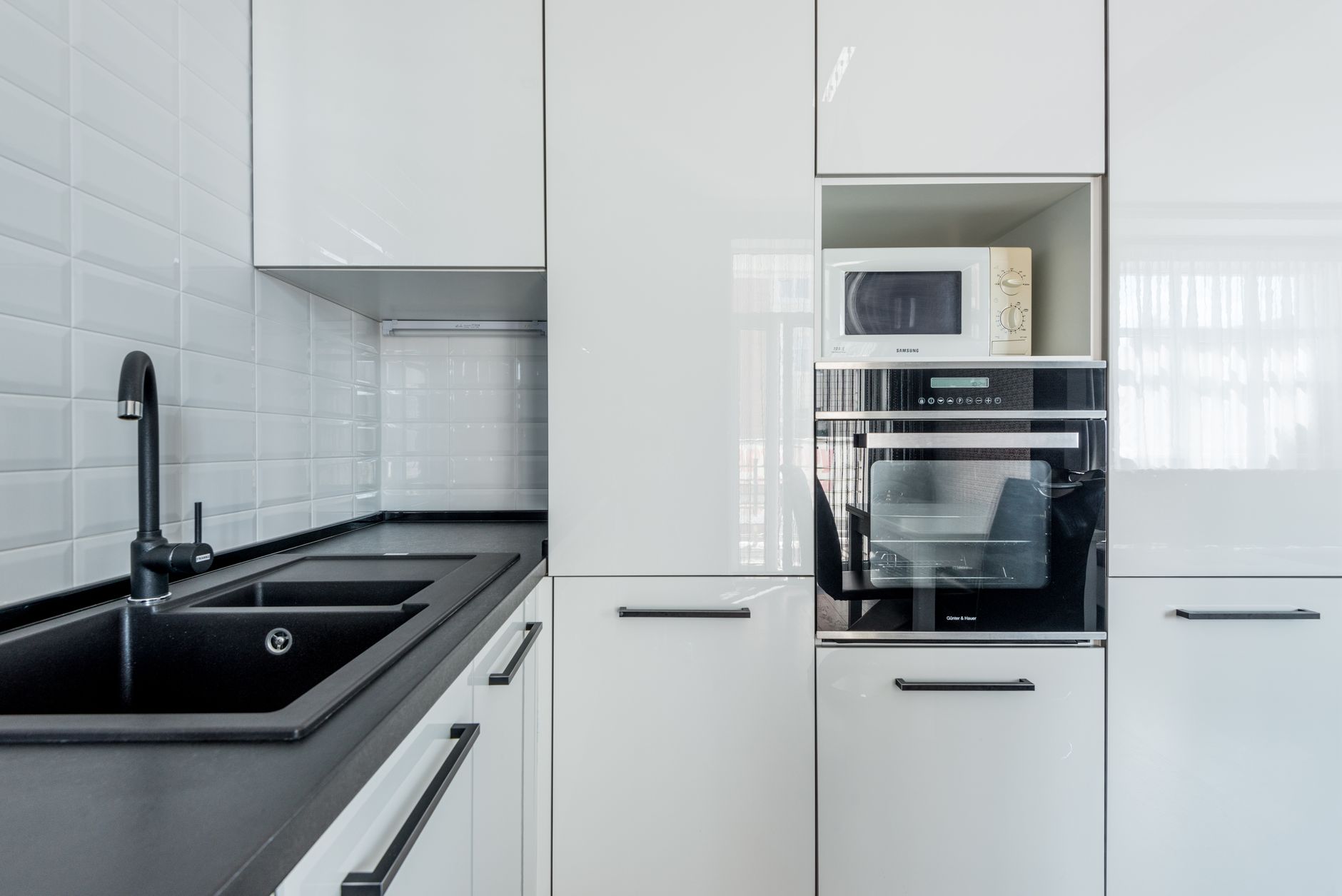
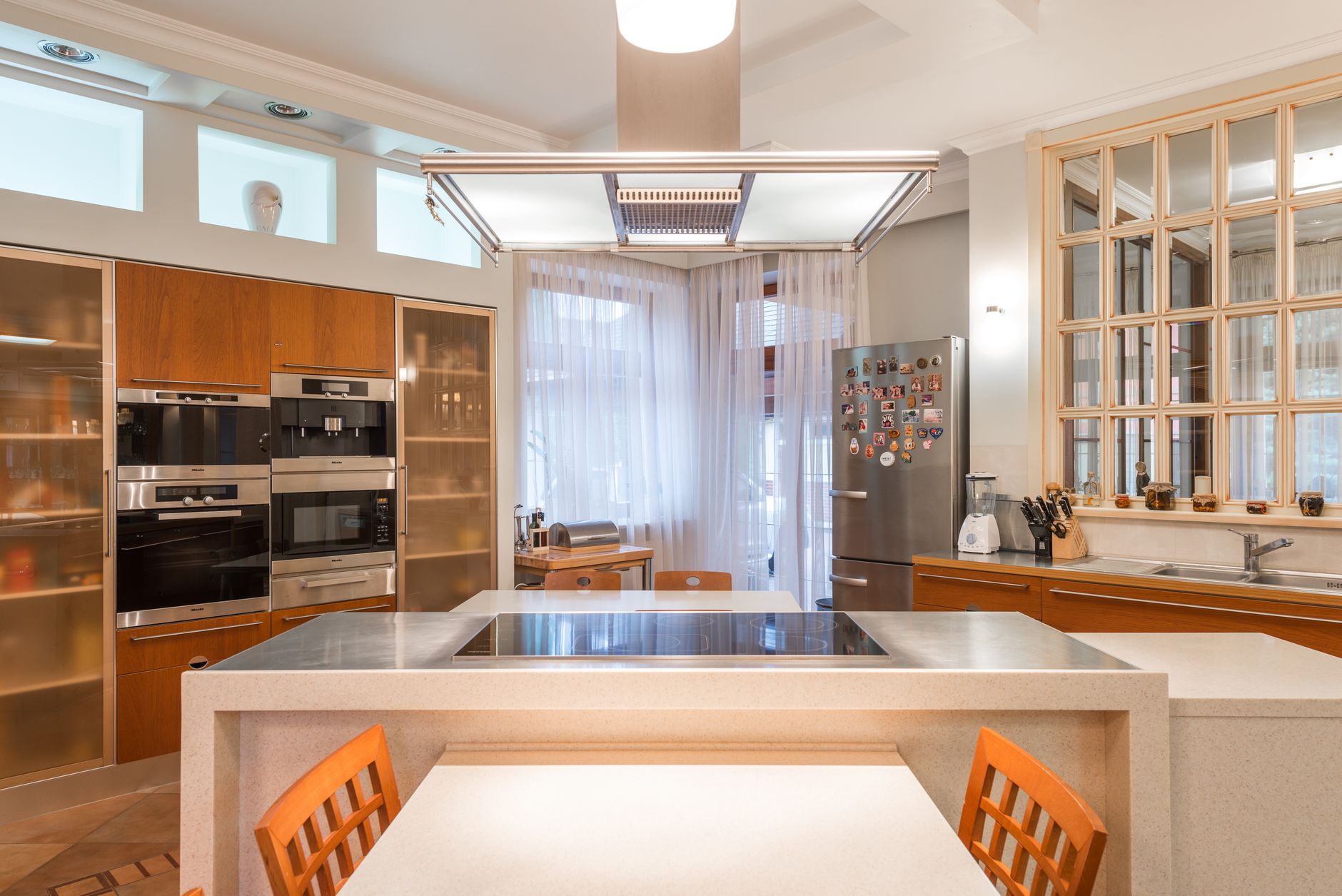
The kitchen is where natural cleaning solutions do some of their heaviest lifting. Grease, food residue, and bacteria make this the most demanding room in the house. The good news is that homemade kitchen cleaners made from pantry staples handle almost every challenge you will face.
Countertops and Backsplash
Spray your all-purpose vinegar cleaner directly onto stone or tile countertops, let it sit for 60 seconds, and wipe with a microfiber cloth. For natural stone like marble or granite, skip the vinegar since acid can etch the surface. Use a few drops of castile soap in warm water instead. For stubborn grime on grout or tile backsplash, apply a thick paste of baking soda and water, scrub with a soft brush, and rinse clean.
Sink and Drain
Pour half a cup of baking soda down the drain, follow with half a cup of white vinegar, and cover the drain for five minutes while the fizzing action breaks up buildup. Flush with a kettle of boiling water. For the sink basin itself, sprinkle baking soda, scrub with a damp sponge, and rinse. A few drops of tea tree oil in the final rinse keeps odor-causing bacteria at bay.
Oven and Stovetop
Mix baking soda with just enough water to form a spreadable paste. Apply it to the inside of a cool oven, avoiding the heating elements, and let it sit overnight. In the morning, wipe out the paste with a damp cloth and spray any remaining residue with vinegar. The resulting fizz loosens baked-on grease. For gas or electric stovetops, the same baking soda paste cuts through cooked-on spills without scratching.
Refrigerator
Wipe shelves and drawers with a solution of 1 tablespoon baking soda per quart of warm water. This natural fridge cleaner deodorizes as it cleans. Leave an open box of baking soda inside to absorb ongoing food odors between cleanings.
For kitchens that need a thorough reset beyond daily upkeep, a professional holiday cleaning service can cover every corner from top to bottom.
4. Natural Cleaning Solutions for the Bathroom
The bathroom is the room where people worry most about hygiene, and it’s also the room where natural cleaning solutions for bathrooms shine brightest. Mold, soap scum, hard water stains, and bacteria are all vulnerable to the right homemade cleaner.
Toilet
Sprinkle half a cup of baking soda into the bowl, add half a cup of white vinegar, and let the fizzing work for 10 minutes. Scrub with a toilet brush and flush. For exterior surfaces including the tank, seat, and base, spray with hydrogen peroxide, wait 60 seconds, and wipe clean. Hydrogen peroxide is a proven disinfectant and a safer alternative to bleach for this natural cleaning solution for the bathroom.
Shower and Tub
Mix equal parts dish soap (or castile soap) and white vinegar in a spray bottle. Spray generously on soap scum and hard water deposits, let it sit for 10-15 minutes, then scrub and rinse. For stubborn mildew grout, apply undiluted hydrogen peroxide, let it dwell for 10 minutes, and scrub with a stiff brush. The CDC notes that keeping surfaces dry between uses is the single most effective way to prevent mold growth in bathrooms.
Sink and Faucets
Rub cut lemon halves over chrome faucets to remove hard water spots and mineral deposits. Follow with a dry microfiber cloth for a streak-free shine. For the sink basin, a baking soda paste scrubs out stains without scratching porcelain or composite materials.
Mirrors and Glass
Combine 1 cup water, 1 cup rubbing alcohol, and 1 tablespoon white vinegar in a spray bottle. This DIY glass cleaner leaves bathroom mirrors streak-free without the blue dye of commercial products. Wipe with a lint-free microfiber cloth in an S-pattern rather than circular motions to avoid streaks.
If mold or mildew has taken hold in hard-to-reach areas, professional disinfection services offer a deeper level of sanitation that natural DIY methods may not fully address on their own.
5. Natural Cleaning Solutions for the Living Room and Common Areas
Living rooms collect dust, pet dander, and fingerprints but rarely deal with the heavy grime of kitchens and bathrooms. That means gentler natural cleaning solutions work perfectly here, protecting furniture finishes and fabrics while keeping the air fresh.
Upholstered Furniture
Check the care tag on your sofa first. For fabric labeled “W” (water-safe), mix 1 teaspoon of castile soap with 1 cup of warm water. Lightly dampen a cloth, blot stains rather than rubbing, and let air dry. Follow with a baking soda deodorizing treatment as described in the whole-home section above.
Wood Furniture and Shelving
Mix 1/4 cup olive oil with 1/4 cup white vinegar and 20 drops of lemon essential oil. Shake well and apply a small amount to a soft cloth, then buff into wood surfaces. This DIY wood polish cleans, conditions, and adds a gentle shine without synthetic wax.
Windows and Glass Tables
The same alcohol-vinegar glass cleaner from the bathroom section works perfectly here. Spray lightly and wipe with a microfiber cloth or crumpled newspaper for a streak-free finish on windows, glass tabletops, and picture frames.
Electronics and Remotes
Dampen a microfiber cloth with rubbing alcohol (never spray directly onto electronics) and wipe down remotes, gaming controllers, and keyboard surfaces. Alcohol evaporates quickly and kills germs without moisture damage.
For living spaces that benefit from a seasonal refresh, our team published a full set of summer heat-safe cleaning tips that pair perfectly with a natural cleaning approach.
6. Natural Cleaning Solutions for the Bedroom
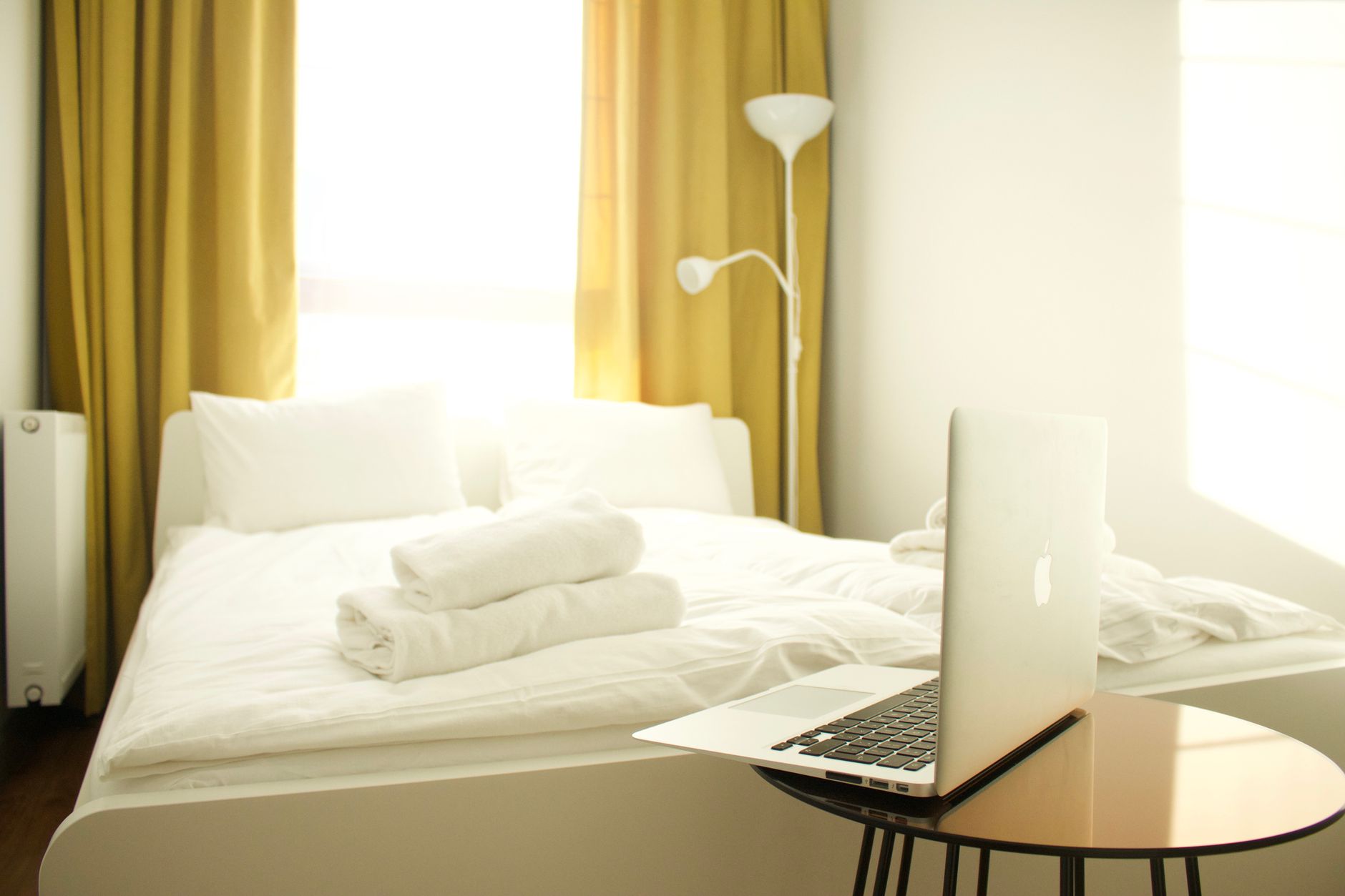
Bedrooms need cleaning attention that most people skip: mattresses, pillows, and carpets harbor dust mites and allergens that affect sleep quality and respiratory health. Natural cleaning methods for the bedroom focus on deodorizing and sanitizing without introducing synthetic fragrances that can disrupt sleep.
Mattress
Strip the bed and sprinkle a generous layer of baking soda across the entire mattress surface. Add 10 drops of lavender essential oil to the baking soda before applying for an extra deodorizing and calming effect. Let it sit for at least one hour (longer is better), then vacuum thoroughly with the upholstery attachment. According to the American Lung Association, regular mattress cleaning reduces allergen exposure, which is especially important for asthma and allergy sufferers.
Pillows and Linens
Wash pillows and duvet covers in hot water with half a cup of white vinegar as a natural fabric softener and deodorizer in place of commercial softener. For pillowcases and sheets, add a quarter cup of baking soda to your regular detergent load to boost brightness and odor removal.
Carpets and Rugs
For spot stains on carpet, mix 1 tablespoon of castile soap with 2 cups of cold water. Blot the stain with a clean cloth dampened in this solution, working from the outside in. Follow with a cold water rinse and blot dry. Never scrub carpet stains as scrubbing spreads the stain and damages fibers.
Closets and Drawers
Wipe closet shelves and drawer interiors with your all-purpose vinegar spray to kill mildew spores. Tuck cedar blocks or small muslin bags filled with dried lavender into corners to repel moths and keep fabrics smelling fresh naturally.
7. Natural Cleaning Solutions for Floors Throughout Your Home
Floors take more abuse than any other surface in the house, and the cleaning method matters enormously depending on the material. These natural floor cleaning solutions are safe for most floor types and gentle enough for homes with children and pets.
Hardwood Floors
Avoid the temptation to mop hardwood with straight vinegar or excessive water. Instead, mix half a cup of white vinegar with a gallon of warm water and barely dampen your mop. Work in the direction of the grain and dry immediately with a fan or open windows. This homemade hardwood floor cleaner removes grime without warping or dulling the finish.
Tile and Grout
Mix half a cup of baking soda with a quarter cup of castile soap and enough water to make a thick paste. Apply to grout lines with an old toothbrush, scrub, and rinse. For large tiled areas, mop with a solution of half a cup of white vinegar per gallon of water, adding a few drops of tea tree oil for added antimicrobial action.
Laminate Floors
Laminate is sensitive to moisture. Use a spray bottle to mist one section at a time with a solution of 1 cup water, 1 cup rubbing alcohol, and 1 cup white vinegar, then wipe immediately with a barely damp microfiber mop. This natural laminate floor cleaner dries almost instantly and leaves no residue.
Carpet Freshening
Between deep cleans, scatter baking soda across carpet surfaces before bed. In the morning, vacuum it up. The baking soda absorbs pet odors, cooking smells, and general staleness overnight. For a scented version, blend 1 cup baking soda with 20 drops of your preferred essential oil before application.
8. Daily Habits That Keep Your Home Cleaner Naturally
The best natural cleaning routine is one that prevents messes from building up in the first place. Six simple daily habits reduce the frequency of deep cleaning and make your homemade natural cleaners go further between sessions.
Wipe kitchen surfaces after every meal: A quick pass with your all-purpose vinegar spray after cooking takes 60 seconds and prevents grease from hardening into a scrubbing challenge.
Squeegee shower walls after every use: Removing water from shower tiles and glass after each shower cuts soap scum and mildew growth dramatically without any cleaner at all.
Do one load of laundry per day: Keeping up with laundry prevents the pile-up that leads to mold growth in hampers and overwhelmed washing machine sessions.
Sweep or vacuum high-traffic areas daily: Five minutes with a broom or vacuum in the kitchen and entry hall keeps tracked-in dirt from spreading through the house.
Put items back in their place before bed: Clutter hides surfaces that need cleaning and makes weekly cleaning sessions take twice as long.
Air out your home for 10 minutes each morning: Opening windows and doors briefly flushes stale air and reduces the buildup of volatile organic compounds (VOCs) from common household products, even natural ones.
These six habits, paired with a solid natural cleaning products DIY routine, dramatically reduce the time and effort you spend on weekly and monthly cleaning. If you want to compare eco-conscious ingredient options, the guide to green cleaning ingredients covers a broad spectrum of safe choices.
9. What Professionals Use to Make Your Home Smell Fresh Naturally
One of the most common questions homeowners ask professional cleaners is how to make a house smell good without chemical air fresheners or synthetic sprays. The answer lies in eliminating odor sources rather than masking them, then adding natural scents that are genuinely pleasant and safe.
Simmer pots: Fill a small saucepan with water, sliced citrus peels, cinnamon sticks, and a few cloves. Simmer on low heat and your home fills with a warm, clean aroma within minutes. Add water as needed and never leave unattended.
Baking soda + essential oil absorbers: Fill small open jars with baking soda and add 10-15 drops of essential oil. Place one in closets, bathrooms, and by the trash. Replace monthly.
White vinegar odor removal: Set out a bowl of white vinegar in a room with a strong odor (smoke, pets, cooking). The vinegar absorbs odor molecules from the air. The vinegar smell itself dissipates within an hour, taking the bad odor with it.
Linen spray: Mix 1 cup of water with 2 tablespoons of rubbing alcohol and 20 drops of lavender or eucalyptus essential oil. Mist onto curtains, pillows, and upholstery for a clean, fresh scent.
Regular trash maintenance: Sprinkle baking soda in the bottom of trash cans before inserting a fresh bag. Wipe the interior of cans weekly with the all-purpose vinegar cleaner.
Activated charcoal bags:Activated charcoal absorbs odors, moisture, and airborne pollutants naturally. Place bags in closets, cars, and damp basements. Recharge them monthly by leaving them in direct sunlight for a few hours.
The bonded and insured Arizona cleaning team at Elite Maids uses plant-based, low-fragrance products to leave homes smelling genuinely clean, not just perfumed. The difference is noticeable.
10. When Natural Cleaners Are Not Enough: Knowing When to Call a Professional
Natural cleaning solutions handle the majority of everyday household cleaning beautifully. But there are situations where DIY natural cleaning products simply cannot substitute for professional equipment and expertise.
Heavy mold infestations: Surface mold on tile or grout responds well to hydrogen peroxide and tea tree oil. But mold that has penetrated drywall, subfloor, or structural material requires professional remediation. The EPA’s mold guidelines recommend calling a professional any time mold covers more than 10 square feet.
Move-in or move-out cleaning: Rental agreements and home sale transactions often require a level of cleanliness that goes beyond normal maintenance. A professional deep clean ensures deposits are returned and inspections pass.
Post-event or post-construction cleanup: Celebrations, renovations, and construction projects leave behind debris, grout dust, and surface damage that require specialized cleaning tools.
Recurring deep cleaning: Even the most dedicated natural cleaner benefits from a scheduled professional visit. Weekly or biweekly professional cleaning tackles the accumulated grime in areas like baseboards, grout, appliance interiors, and vents that daily routines cannot reach.
Time constraints: Natural cleaning methods often require longer dwell times than chemical alternatives. If your schedule does not allow for the extra time, a professional service using eco-friendly products gets the same result in a fraction of the time.
The deep cleaning task checklist we put together shows exactly what a professional cleans on a full deep cleaning visit, which is a useful benchmark for assessing what your regular routine might be missing.
Bring in the Professionals When You Need a Hand
Natural cleaning solutions are powerful, practical, and safe for your home and family. But no matter how diligent your DIY natural cleaning products routine, there comes a time when every home needs a professional reset. If you are ready to reclaim your weekends without sacrificing a clean home, contact Elite Maids house cleaning today for a free quote. Our background-checked, five-star rated team serves Phoenix, Mesa, Scottsdale, Gilbert, Chandler, Glendale, Queen Creek, San Tan Valley, Tucson, and Flagstaff with eco-friendly options, instant online quotes, and a reclean-at-no-cost satisfaction guarantee. Book same-day service online right now and let us handle the deep work so you can enjoy the home you already keep beautifully.
Frequently Asked Questions
What is the best homemade cleaner for everything?
The most versatile homemade cleaner is a mix of equal parts distilled white vinegar and water with 15-20 drops of tea tree or lemon essential oil in a spray bottle. This natural cleaning solution sanitizes, cuts grease, and deodorizes on countertops, cabinet fronts, sinks, appliance exteriors, and most hard surfaces. Avoid it on natural stone and bare cast iron.
What are 6 things I can do every day to keep my house clean?
Wipe kitchen surfaces after every meal, squeegee your shower walls after each use, run one load of laundry daily, sweep high-traffic floors for five minutes, return items to their proper place before bed, and air out your home for ten minutes each morning. These six habits prevent buildup and make weekly deep cleaning much faster and easier.
What do housekeepers use to make a house smell good?
Professional housekeepers focus on eliminating odor sources first rather than masking them. Common natural methods include baking soda and essential oil jars placed in closets and bathrooms, simmer pots with citrus and spices, white vinegar left in a bowl to absorb airborne odor molecules, and linen sprays made from water, alcohol, and essential oils. Ventilation and regular trash maintenance also play a major role.
What are some natural products I can use to clean my house?
White vinegar, baking soda, castile soap, hydrogen peroxide (3%), rubbing alcohol, lemon juice, and essential oils like tea tree, lavender, and lemon are the core natural cleaning products DIY enthusiasts rely on. Each tackles different challenges: vinegar for mineral deposits and bacteria, baking soda for abrasion and odor, hydrogen peroxide for disinfecting, and castile soap for general grease-cutting across every room.
Hypoallergenic Cleaning Products: Blueland, Method, and Allergy-Friendly Cleaners Explained
SHARE:
Hypoallergenic cleaning products are formulas made without common irritants like synthetic fragrances, harsh dyes, and skin-sensitizing preservatives. Brands like Blueland, Method, and Mrs. Meyer’s Clean Day lead this category by stripping out the chemicals most likely to trigger sneezing, skin flares, and asthma attacks. This guide covers the top allergy-friendly cleaners on the market, how to spot a genuinely non-toxic formula, and where to buy them.
What Are Hypoallergenic Cleaning Products and Why Do They Matter?
The word “hypoallergenic” means the product has been formulated to minimize the risk of allergic reactions. In the cleaning world, that typically means skipping synthetic perfumes, chlorine bleach, ammonia, and artificial colorants, the four ingredients most responsible for irritated sinuses, watery eyes, and breathing trouble at home. Hypoallergenic cleaning products are not just a nice-to-have for the roughly 50 million Americans living with seasonal or environmental allergies. They are a practical necessity for households with young children, elderly family members, or anyone managing asthma or eczema.
The EPA’s Indoor Air Quality program consistently identifies common household cleaning sprays and aerosols as a source of volatile organic compounds (VOCs) that degrade the air you breathe indoors. Switching to allergy-friendly formulas reduces that chemical load significantly. Allergy-safe cleaning solutions also tend to biodegrade faster, making them a win for your health and for the environment.
If you have been wondering whether the hype around fragrance-free, dye-free cleaners is real, the short answer is yes. The shift to gentle, non-irritating formulas is one of the most meaningful changes a household can make to support indoor wellness.
Blueland Cleaning Products: Eco-Friendly and Allergy-Safe
Blueland has built its identity around two promises: zero-plastic packaging and formulas free from the usual chemical irritants. Their flagship system uses refillable glass or aluminum bottles paired with dissolvable cleaning tablets. Drop a tablet in water, wait a moment, and you have a ready-to-use cleaner without the single-use plastic bottle that most conventional products come in.
From an allergy standpoint, Blueland cleaning products are free from dyes, bleach, and the synthetic fragrances that cause the most reactions. They carry the EPA Safer Choice certification, which means every ingredient in the formula has passed a rigorous safety screen. That certification matters because it removes the guesswork: you are not relying solely on a brand’s marketing language.
Blueland offers multi-surface spray tablets, toilet bowl cleaning tablets, dish soap tablets, and hand soap refills. Their products are widely available at Target, Grove Collaborative, and directly through the Blueland website. One common question is whether certain Blueland lines have been discontinued. Blueland’s body wash line was scaled back as the company refocused on household cleaning, but their core cleaning tablet range remains fully available.
As for Blueland’s net worth and brand health, the company attracted significant investment after appearing on Shark Tank and has continued to grow its retail presence. The brand is financially stable and actively expanding, so shoppers can feel confident stocking up on their refill tablets without worrying about supply disappearing.
For households that want a deeper clean alongside their eco-routine, pairing Blueland tablets with a professional disinfection service covers both the everyday maintenance and the heavy-duty sanitation that tablets alone cannot always achieve.
Method Products: Non-Toxic Cleaners With Broad Availability
Method has been one of the most recognizable names in non-toxic, plant-based cleaning for over two decades. Their formulas are built on plant-derived surfactants, biodegradable ingredients, and bottles made from at least 50% recycled plastic. Method products are widely stocked at grocery stores, Target, Costco, and most major retailers, making them among the easiest allergy-friendly cleaners to find in person.
A question that comes up frequently is whether Method cleaner is actually non-toxic. The honest answer is: mostly yes, with some nuance. Method does not use chlorine bleach, ammonia, phosphates, or triclosan. Their fragranced products do contain some synthetic fragrance components, which is worth knowing if you are severely fragrance-sensitive. Their fragrance-free line removes that variable entirely and is the one to reach for if you have been prescribed fragrance avoidance by an allergist.
Another common question is whether Method has been discontinued. Method as a brand has not been discontinued. It was acquired by SC Johnson in 2017, and production continued without interruption. Some specific SKUs come and go based on retail demand, this is normal for any consumer brand, but Method’s core multi-surface, bathroom, and dish cleaning lines remain in active production.
Method products at Costco are a popular value option. Costco typically stocks Method dish soap and multi-surface spray in larger or multi-pack formats, which brings the per-use cost down considerably. If you can find them in the seasonal or home goods section, it is worth stocking up.
The team at Elite Maids House Cleaning regularly encounters clients who have already switched to Method or Blueland for their daily upkeep and want a professional clean that respects those same sensitivities. Communicating your product preferences when you book is always a good move.
Asthma and Allergy-Friendly Cleaning Products: What to Look For
Choosing asthma and allergy-friendly cleaning products means reading beyond the front label. Marketing terms like “natural,” “green,” or “gentle” have no regulatory definition. Here is what to actually look for when evaluating a formula:
Fragrance-free (not just unscented): “Unscented” can mean a masking fragrance was added to neutralize a chemical smell. “Fragrance-free” means no fragrance of any kind was added. Go fragrance-free if you have asthma or a diagnosed fragrance sensitivity.
Dye-free: Artificial colorants serve no cleaning purpose and are among the more common contact allergens in household products.
No chlorine bleach or ammonia: Both release fumes that can trigger asthma attacks and irritate the respiratory tract, especially in poorly ventilated spaces. The American Lung Association specifically recommends avoiding these in confined indoor areas.
EPA Safer Choice certified: This label means EPA scientists have reviewed every ingredient for health and environmental safety. It is one of the most credible third-party signals available for household cleaners.
Short, readable ingredient lists: Allergy-safe cleaning solutions tend to have transparent ingredient disclosures. If a product hides behind “proprietary blend” with no further detail, that is worth questioning.
Beyond product labels, application method matters too. Sprays aerosolize droplets into the air where they can be inhaled. If you are highly sensitive, consider wiping cleaners onto a cloth first rather than spraying directly onto surfaces. For guidance on testing products in your own home, resources like Good Housekeeping’s cleaning section publish hands-on comparisons that go beyond brand press releases.
Our post on non-toxic cleaning products walks through real-world testing results if you want to dig into specific product performance.
Best Hypoallergenic Cleaning Products Room by Room
Not every hypoallergenic cleaner works equally well in every space. Matching the right allergy-safe product to each room makes your cleaning routine both safer and more effective.
Kitchen
The kitchen demands a cleaner strong enough to cut through grease without releasing harsh fumes. Blueland’s multi-surface spray handles everyday countertop and stovetop grime. For dishes, both Method Free + Clear dish soap and Blueland dish soap tablets are dye-free and fragrance-free. Our guide to kitchen cleaning products covers performance rankings for the toughest grease and baked-on messes.
Bathroom
Bathrooms need a cleaner that can disinfect without chlorine bleach. Look for hydrogen peroxide-based formulas or those using plant-derived antimicrobial agents. Method’s antibacterial bathroom cleaner uses a plant-based active and carries a pleasingly light scent that most sensitive users tolerate, though the fragrance-free version is the safer pick for anyone with a diagnosed sensitivity. Blueland’s toilet bowl tablets are a strong choice for anyone who wants the convenience of drop-in cleaning without mixing or measuring.
Floors and Multi-Surface
Hard floors and multi-surface areas benefit from diluted, low-residue formulas. Both Blueland and Method offer concentrates or tablets that reduce packaging waste and cost per use. For families doing a thorough seasonal reset, working through a structured spring cleaning guide with allergy-safe products ensures you are not just moving dust around but genuinely removing it.
Laundry
Laundry detergent is one of the biggest hidden sources of fragrance exposure. Residual fragrance stays in fabric fibers and releases gradually against skin. Hypoallergenic laundry options include Method Free + Clear, Seventh Generation Free and Clear, and All Free Clear. All skip the dyes and fragrances and are widely available at major retailers. Check Consumer Reports’ laundry and cleaning section for head-to-head stain removal comparisons if performance is your deciding factor.
Where to Buy Hypoallergenic Cleaning Products
One of the most searched questions about allergy-friendly cleaners is simply where to find them. The good news is that availability has improved significantly and you no longer need specialty stores to stock up.
Blueland: Sold directly at blueland.com, Target (in-store and online), Grove Collaborative, and select Whole Foods locations. Costco has carried Blueland in limited seasonal runs, so check your local warehouse. The tablet refill system means you buy the starter kit once and only reorder tablets thereafter, which keeps ongoing costs reasonable.
Method: Available at virtually every major grocery chain, Target, Walmart, Costco, and online through the Method website. Method products at Costco are often the most economical per-ounce option for their dish soap and multi-surface spray.
Mrs. Meyer’s Clean Day: Widely stocked at grocery stores, Target, and Grove Collaborative. Their formula is plant-derived and free from artificial colors, though most scents do contain essential oils, so opt for their lemon verbena or rain water varieties if synthetic fragrance is your primary concern rather than all fragrance.
Seventh Generation: Available at grocery chains and big-box stores. Their Free and Clear line specifically removes all fragrances and dyes and carries EPA Safer Choice certification.
For allergy-safe cleaning solutions in bulk, Grove Collaborative and Package Free Shop are two specialty online retailers worth bookmarking. Both curate products with transparent ingredient standards and ship in minimal or recyclable packaging.
When Hypoallergenic Products Are Not Enough: Calling in Professional Help
There is a gap between using better products and actually achieving a home environment that is low in allergens. Dust mites live deep in upholstery and carpet fibers. Pet dander clings to walls and ceiling fans. Mold spores settle in grout lines and under sinks. The CDC’s mold guidance makes clear that surface cleaners alone do not resolve a mold problem, the source of moisture has to be addressed and affected surfaces need thorough physical removal of contamination.
This is where professional cleaning becomes an important partner to your allergy-safe product routine. Same-day house cleaning Arizona services can apply high-quality hypoallergenic formulas with the right tools and techniques, reaching the corners, vents, and surfaces that a quick weekly wipe-down misses. Professional cleaners also bring HEPA-filter vacuums and microfiber systems that trap rather than redistribute allergens.
If your household includes someone with diagnosed asthma or severe allergies, scheduling a periodic deep clean is not a luxury. It is part of the same health strategy as choosing allergy-safe cleaning products in the first place. Ask any cleaning service you consider whether they offer fragrance-free, allergy-friendly product options, any reputable team should be able to accommodate that request.
For homeowners in Arizona’s Valley communities, natural cleaning products for Arizona homes addresses the specific dust, pollen, and air quality challenges that make allergy-friendly cleaning especially important in this region.
Closing: Get a Clean Home That Supports Your Health
Switching to hypoallergenic cleaning products is one of the smartest, lowest-effort steps you can take toward a healthier home. Blueland’s tablet system, Method’s plant-based formulas, and certified fragrance-free options like Seventh Generation all deliver real cleaning power without the chemical baggage that triggers reactions. But products only go so far. For a truly allergen-reduced home, consistent deep cleaning by a professional team using the same allergy-friendly standards makes a measurable difference. If you are ready to stop fighting your cleaning routine and start breathing easier, contact Elite Maids house cleaning today for a free quote and let a background-checked, five-star-rated team handle the rest.
Frequently Asked Questions
What cleaning products are hypoallergenic?
Hypoallergenic cleaning products are formulas made without common irritants like synthetic fragrances, artificial dyes, chlorine bleach, and ammonia. Well-regarded options include Blueland multi-surface tablets, Method Free + Clear line, Seventh Generation Free and Clear, and Mrs. Meyer’s fragrance-free options. Look for the EPA Safer Choice label as a reliable third-party signal that every ingredient has passed a health and safety review.
Is Method cleaner actually non-toxic?
Method cleaners are largely non-toxic by most practical definitions. They exclude chlorine bleach, ammonia, phosphates, and triclosan. Their fragranced products do contain some synthetic fragrance components, which can bother highly sensitive individuals. For strictly fragrance-free cleaning, Method’s Free + Clear line removes that variable. Method products are also biodegradable and made with plant-derived surfactants, which places them well above most conventional cleaners on the safety spectrum.
Why was Method discontinued?
Method as a brand has not been discontinued. SC Johnson acquired Method in 2017 and has continued producing the full product line. Some individual SKUs have been retired over time as retail assortments shift, which is normal for any consumer brand. If a specific Method product you liked has disappeared from shelves, it is most likely a regional availability or retail shelf-space decision rather than a company-wide discontinuation.
What is the best cleaner for people with allergies?
The best allergy-friendly cleaner is one that is fragrance-free, dye-free, and free from bleach and ammonia. Seventh Generation Free and Clear and Blueland’s EPA Safer Choice certified tablets are among the most consistently recommended for allergy and asthma households. Method Free + Clear is another strong option widely available at major retailers. Your allergist can also provide guidance tailored to your specific triggers if reactions are severe.
EWG's Guide to Healthy Cleaning: What Every Homeowner Needs to Know
SHARE:
EWG’s guide to healthy cleaning helps homeowners identify safer, lower-toxicity cleaning products by scoring ingredients against health and environmental databases. The Environmental Working Group rates thousands of household cleaners so you can skip the guesswork and choose products with full ingredient transparency. This post breaks down how EWG ratings work, what the EWG Verified mark means, which ingredients to avoid, and how to build a cleaner, safer home routine.
What Is EWG’s Guide to Healthy Cleaning?
The Environmental Working Group is a non-profit research and advocacy organization that has spent decades analyzing the ingredients in everyday consumer products. Their Healthy Cleaning guide is a free, searchable database that rates cleaning products on a letter-grade scale from A (lowest concern) to F (highest concern). Each rating reflects ingredient safety, ingredient disclosure, and the brand’s overall transparency.
What makes this guide uniquely useful is that it pulls from toxicology databases, government hazard lists, and peer-reviewed research to score each ingredient inside a product, not just the product as a whole. So when a label says “fresh scent,” EWG digs into what chemicals actually create that scent and whether those chemicals carry known health risks.
EWG’s healthy cleaning database covers a wide range of categories. You can search for dish soap, laundry detergent, all-purpose cleaners, disinfectants, floor cleaners, bathroom sprays, and more. The EWG product search is free to use at ewg.org, and you can look up any product by name or brand to see its score before you buy it. Many people download or bookmark the EWG’s guide to healthy cleaning as a reference PDF or checklist to bring when shopping.
For families in Arizona dealing with hard water, desert dust, and year-round cleaning demands, understanding the EWG guide to healthy cleaning gives you a real advantage. You can choose products that clean effectively without filling your home’s air with irritating volatile compounds. If you’re curious about pairing smarter products with a non-toxic cleaning service, that link covers some practical options we’ve seen work well in Arizona homes.
How EWG Rates Cleaning Products: Understanding the Scoring System
EWG rates cleaning products on three dimensions: ingredient hazard, ingredient disclosure, and data availability. Each dimension carries weight in the final score, and the combination produces the letter grade you see on their site.
Ingredient Hazard
This is the core of the EWG cleaning product rating. EWG cross-references each ingredient against dozens of authoritative databases, including those maintained by the EPA, the National Toxicology Program, and international health agencies. Ingredients are flagged for concerns like skin and respiratory irritation, cancer risk, hormone disruption, developmental toxicity, and aquatic toxicity.
A product full of well-studied, low-concern ingredients earns a high score. A product that relies on poorly studied or known-hazard chemicals earns a low one. The EPA’s research on volatile organic compounds (VOCs) is one source EWG draws on when evaluating ingredients that off-gas into your indoor air.
Ingredient Disclosure
EWG also rewards brands that list every ingredient on their label and website. Many cleaning companies hide behind vague terms like “fragrance” or “surfactant blend,” which can mask dozens of individual chemicals. EWG penalizes poor disclosure because hidden ingredients cannot be independently assessed for safety.
Data Availability
Some ingredients simply haven’t been studied enough for scientists to draw strong conclusions. EWG flags these gaps too, because absence of evidence is not evidence of safety. A product with several understudied ingredients will score lower than one with fully characterized, well-researched components.
The EWG cleaning products database is updated regularly as new research becomes available, which means a product’s score can change over time. This is why it’s worth checking the EWG product search database each season rather than relying on an old PDF list.
EWG Verified Products: What the Certification Actually Means
EWG Verified is a stricter certification layer that sits above the standard A-to-F rating. To earn the EWG Verified mark, a cleaning product must meet every requirement on EWG’s unacceptable ingredients list, disclose every ingredient on its label and website, use safe manufacturing practices, and pass EWG’s formulation review process.
The EWG Verified Products list is searchable on ewg.org and includes cleaners across many categories, from dish soap and laundry detergent to multi-surface sprays and bathroom scrubs. An EWG Verified product list PDF is also available for download on their site if you want an offline reference.
What sets EWG Verified apart from marketing claims like “natural” or “green” is the third-party verification process. Any brand can print “eco-friendly” on a bottle. Earning the EWG Verified mark requires actually submitting formulations for review. It is one of the more rigorous clean-product certifications available today, alongside the EPA’s Safer Choice program, which uses a similar ingredient-by-ingredient screening approach.
If you are building a safer cleaning product routine from scratch, starting with the EWG Verified products list is a reliable shortcut. You won’t need to read every ingredient line yourself. The verification process has already done that work.
It’s also worth cross-referencing your purchases against a household cleaning products checklist to make sure you have the right tools for every surface in your home, not just a few EWG-rated favorites.
Toxic Cleaning Products to Avoid: The Ingredients That Raise Red Flags
One of the most practical takeaways from EWG’s guide to healthy cleaning is the toxic cleaning products list, which identifies ingredients that consistently earn low scores across the database. Knowing what to avoid is just as valuable as knowing what to buy.
Fragrance and Parfum
The word “fragrance” on a cleaning label is a catch-all term that can legally cover hundreds of undisclosed chemicals. Some of these are linked to respiratory irritation, allergic reactions, and hormone disruption. EWG consistently flags undisclosed fragrance as a transparency concern on its toxic cleaning products list. If you or someone in your household has asthma or chemical sensitivities, fragrance-heavy cleaners are worth replacing first. The American Lung Association’s indoor air resources note that scented products can be a significant source of indoor air pollutants.
Chlorine Bleach (Sodium Hypochlorite)
Bleach is effective at disinfection, but it also releases chlorine gas when used in confined spaces or mixed with other chemicals. Chronic exposure to bleach fumes can irritate lung tissue and aggravate asthma. EWG gives most bleach-based products lower grades due to respiratory and environmental concerns.
Quaternary Ammonium Compounds (Quats)
Quats appear in many disinfectant sprays and wipes. They are effective germ killers, but emerging research links repeated quat exposure to respiratory problems and potential reproductive harm. They also persist in the environment and contribute to antibacterial resistance. EWG flags them as a concern in its cleaning products database.
2-Butoxyethanol and Glycol Ethers
These solvents appear in many all-purpose and glass cleaners. They are effective degreasers but carry concerns around blood and kidney toxicity with repeated exposure. Many products that earned low EWG scores contain these solvents without clearly disclosing them on the label.
Phthalates
Often hidden inside the “fragrance” ingredient, phthalates are plasticizers linked to hormone disruption. They are a recurring concern in the EWG cleaning products database and appear in many scented sprays and floor cleaners.
Building a clean products list using the EWG database means swapping out products in the F and D range for A- and B-rated alternatives. The switch doesn’t have to happen overnight. Start with the products you use most frequently, especially those used in enclosed spaces like bathrooms.
EWG Product Categories: What the Database Covers
The EWG product search tool covers a wide range of cleaning categories, making it useful whether you’re shopping for daily-use products or specialized cleaners. Here’s a quick breakdown of the main categories and what to look for in each:
All-Purpose Cleaners: Used on counters, appliances, and hard surfaces daily. Look for A- or B-rated options with disclosed plant-based surfactants and no added fragrance.
Dishwashing and Dishwasher Products: EWG rates hand-washing detergents, dishwasher pods, rinse aids, and dishwasher detergents separately. Chlorine-based dishwasher tabs often score lower due to fume concerns during the wash cycle.
Laundry Detergents: Fabric care products are among the most-searched in the EWG cleaning products database. Optical brighteners and synthetic fragrances are common low-score triggers here.
Bathroom and Toilet Cleaners: These products tend to be more chemically aggressive. EWG-rated alternatives exist and clean just as effectively without the bleach or strong acid fumes.
Floor Cleaners and Polishes: Residue left on floors can be picked up by pets and children who spend time close to the ground. EWG’s ratings are especially relevant here for households with young kids or animals.
Glass and Window Cleaners: Many conventional glass cleaners contain glycol ethers. EWG-verified alternatives typically use simple alcohol and water formulations that work just as well.
The EWG product search is free and requires no account to use. You can type any product name into the search bar at ewg.org and get an instant rating. The site also allows you to filter results by EWG Verified status so you can see only the certified-clean options.
If you’re planning a deep clean or seasonal refresh of your home, the ultimate guide to spring cleaning pairs well with a healthier product lineup. When you know what to use and what to skip, the whole process becomes faster and safer.
How to Use EWG Research On the Go
One of the most common complaints about the EWG guide to healthy cleaning is that it’s hard to remember all the product ratings when you’re actually standing in the store aisle. Here are practical ways to bring EWG research with you when you shop.
Use the EWG App or Mobile Browser
The EWG product search is optimized for mobile browsers, which means you can look up any cleaner by name while you’re in the store. No app download is required, though EWG does offer an app for scanning product barcodes on the spot.
Download the EWG Guide PDF
EWG periodically publishes a downloadable guide to healthy cleaning as a PDF that summarizes top-rated products and key ingredients to avoid. Searching “EWG’s guide to healthy cleaning PDF” on ewg.org will surface the most current version. Keep a copy on your phone or print one for reference.
Build a Personal Clean Products List
Once you’ve identified the A- and B-rated products that work for your household, save them in a notes app or shopping list. Your personal clean products list becomes a quick-reference guide for every future shopping trip. Update it when EWG releases new ratings or when you discover a product formulation has changed.
Check EWG Before You Try a New Product
Whenever a new cleaning product catches your eye, whether because of a promotion or a friend’s recommendation, run it through the EWG product search before buying. It takes about 30 seconds and can save you from bringing a problematic formula into your home.
Pairing your EWG research with a professional holiday cleaning service that uses eco-friendly products is a practical way to ensure your home is thoroughly cleaned without the chemical exposure that comes with conventional commercial products. At Elite Maids, eco-friendly product options are available on request for every visit.
Building a Safer Home Cleaning Routine with EWG Guidance
Adopting a healthier cleaning routine is less about buying a single miracle product and more about making consistent, informed choices across every room of your home. Here’s how to approach it systematically.
Audit What You Already Have
Pull every cleaning product out from under your sinks and look each one up in the EWG product search. Sort them into keep, replace soon, and replace now piles based on their EWG rating. Products in the D and F range, especially those used in confined spaces like bathrooms, go in the replace now pile.
Swap Gradually, Not All at Once
You don’t have to throw everything out at once. As each product runs out, replace it with a higher-rated alternative from the EWG Verified products list or from EWG’s A-rated options. Gradual swapping is gentler on your budget and gives you time to test new products properly.
Improve Ventilation While You Clean
Even EWG-rated safer products can release some airborne particles during use. Open windows and run exhaust fans whenever you clean enclosed spaces like bathrooms and kitchens. The EPA’s indoor air quality guidance consistently recommends ventilation as one of the simplest ways to reduce chemical exposure indoors.
Store Cleaners Safely
Keep all cleaning products in their original containers, stored in cool, dry locations away from heat and sunlight. Never mix products from different categories, even if both are EWG-rated. Safe individual ingredients can still produce harmful reactions when combined. See the FAQ below for specifics on dangerous chemical combinations.
Read Labels Every Time
Formulations change. A product that earned an A rating two years ago may have a slightly different formula today. Get in the habit of glancing at ingredient labels when you buy refills, and re-check the EWG guide to healthy cleaning if something seems different.
If you’re preparing a rental property or moving into a new space, pairing a move-out cleaning checklist with EWG-rated products ensures the space is handed over spotlessly and safely. A thorough clean using lower-toxicity products protects the next occupants as much as it protects you.
Working with a licensed and insured Arizona maids service that offers eco-friendly product options is one of the simplest ways to get a high-quality clean without having to research every product yourself. Arizona families trust Elite Maids for exactly that kind of hands-off peace of mind.
Closing: Make Healthier Cleaning Choices Starting Today
EWG’s guide to healthy cleaning gives every homeowner a practical, research-backed roadmap for reducing chemical exposure in the home. Whether you’re building a clean products list from scratch, checking the EWG Verified products list before your next shopping trip, or simply trying to understand why certain cleaners leave you with a headache, the EWG database is one of the most useful free tools available. Start with the products you use most, replace the lowest-rated ones first, and keep coming back to the EWG product search as formulations and ratings evolve. Safer cleaning is a habit, not a one-time purchase.
Ready to take the next step toward a healthier home without lifting a finger? Contact Elite Maids house cleaning today for a free quote and discover why we’re Arizona’s most-reviewed residential cleaning team. Our background-checked, five-star rated cleaners are ready to serve your home with eco-friendly product options available on request. Book online in minutes with instant quotes and same-day availability.
Frequently Asked Questions
What is the healthiest cleaner to use?
The healthiest cleaners are those that score an A on EWG’s guide to healthy cleaning or carry the EWG Verified certification. These products use fully disclosed, well-studied ingredients with low hazard ratings for human health and the environment. Plant-based surfactants, simple alcohols, and citric acid are common ingredients in high-scoring cleaners. Always check the EWG product search before buying a new cleaner to confirm its current rating.
What two chemicals should never be mixed?
The most dangerous combinations are bleach with ammonia (produces toxic chloramine gas), bleach with vinegar or other acids (releases chlorine gas), and hydrogen peroxide with vinegar in the same container (forms peracetic acid, which is corrosive). Even products that score well individually can create harmful reactions when combined. Always use one cleaner at a time, rinse surfaces between applications, and never pour two products into the same container.
What cleaning products are EWG approved?
EWG does not formally “approve” products, but it certifies select ones under the EWG Verified program. EWG Verified products meet strict ingredient standards, disclose every ingredient publicly, and pass a formulation review. The EWG Verified products list is searchable at ewg.org and covers categories including dish soap, laundry detergent, all-purpose cleaners, and bathroom sprays. Products rated A on EWG’s general guide are also considered low-concern options even without full Verified certification.
How accurate are EWG ratings?
EWG ratings are based on peer-reviewed toxicology data and government hazard databases, making them a reliable starting point for ingredient evaluation. However, EWG applies a precautionary principle, meaning ingredients with limited safety data are often scored conservatively. Some scientists argue this leads to overly cautious ratings for certain compounds. Cross-referencing EWG scores with the EPA Safer Choice program is a practical way to validate ratings and make well-rounded purchasing decisions.
Simple Non-Toxic Cleaning Products and Routine for a Healthier Home
SHARE:
The simplest non-toxic cleaning routine combines a handful of safe, effective ingredients, like white vinegar, baking soda, castile soap, and hydrogen peroxide, with a consistent room-by-room schedule. These products cut grease, kill odors, and tackle most household messes without the harsh chemicals found in conventional cleaners. This guide walks you through the best non-toxic products, a practical routine, and smart swaps for every room in your home.
1. Why Non-Toxic Cleaning Products Matter for Your Home
Most people spend the majority of their time indoors, which makes indoor air quality a real concern. According to the EPA’s Indoor Air Quality guidelines, concentrations of many pollutants are two to five times higher inside homes than outdoors, and conventional cleaning sprays are a major contributor. Many standard products release volatile organic compounds (VOCs) that linger in the air long after you’ve put the bottle away.
Switching to non-toxic cleaning products reduces your family’s exposure to these airborne chemicals. It also matters for kids and pets who spend more time closer to floors and surfaces where residues settle. Beyond health, eco-friendly cleaners are generally gentler on septic systems and local waterways. The good news is that non-toxic cleaning does not mean less effective cleaning. The right products and the right routine do the job just as well, and often better, than their chemical-heavy counterparts.
If you have family members with sensitivities, check out our guide to cleaning products for allergy sufferers for a deeper look at ingredient-level choices.
2. The Core Non-Toxic Cleaning Products Every Home Needs
You do not need a cabinet full of specialty bottles to keep a clean house. A short list of versatile, safe ingredients covers the vast majority of cleaning jobs. Here are the non-toxic cleaning products that actually earn their shelf space:
White distilled vinegar: A natural acid that cuts soap scum, mineral deposits, and grease. Mix it with water in a spray bottle for an all-purpose surface cleaner.
Baking soda: A mild abrasive and odor neutralizer. Sprinkle it in sinks, tubs, and on carpet before vacuuming to lift smells without synthetic fragrances.
Castile soap: A plant-based, biodegradable soap that handles dishes, floors, counters, and even laundry. Dr. Bronner’s is one of the most widely available non-toxic brands you’ll find at Target and most grocery stores.
Hydrogen peroxide (3%): A safe disinfectant that breaks down into water and oxygen. Use it on cutting boards, bathroom surfaces, and anywhere you need to kill bacteria without bleach.
Essential oils (tea tree, lavender, lemon): Optional but effective. Tea tree oil adds antimicrobial power; lemon and lavender add a clean scent without synthetic fragrance chemicals.
Non-toxic all-purpose cleaner concentrate: Brands like Branch Basics, Seventh Generation, and Mrs. Meyer’s offer concentrated formulas you dilute at home, which cuts plastic waste and cost. The EPA Safer Choice program certifies products that meet strict safety standards, so look for that label when shopping.
Microfiber cloths: Not a cleaning solution but an essential tool. Microfiber physically removes bacteria and dust with water alone, reducing how much product you need overall.
These affordable non-toxic cleaning products are easy to find at Target, grocery stores, or online. Consumer Reports has also covered non-toxic cleaning product performance testing, and their findings consistently show that plant-based formulas hold up well against traditional products on everyday messes.
3. How to Build a Simple Non-Toxic Cleaning Routine
A consistent cleaning routine is the real engine behind a tidy home. Without a schedule, even the best non-toxic products sit unused while grime builds up. Here is a practical, room-by-room structure that works for most households:
Daily Habits (10 minutes or less)
Wipe kitchen counters with a diluted castile soap spray after cooking.
Spray and wipe bathroom sinks with a vinegar-water solution.
Do a quick sweep or spot vacuum in high-traffic areas.
Weekly Cleaning Tasks
Scrub toilets and tubs using baking soda paste and a brush.
Mop hard floors with a castile soap and water solution.
Wipe down stovetops, appliance exteriors, and cabinet handles.
Dust surfaces with a dry microfiber cloth before vacuuming, so dust falls to the floor and gets picked up.
Launder dish towels and bathroom hand towels.
Monthly Deep Clean Tasks
Clean inside the microwave with a lemon-water steam method.
Wipe down refrigerator shelves with a diluted hydrogen peroxide solution.
Descale the showerhead by soaking it in white vinegar overnight.
Wash windows with a vinegar-water spray and a lint-free cloth.
Vacuum upholstered furniture and sprinkle baking soda on cushions before vacuuming to deodorize.
This non-toxic cleaning routine keeps your home consistently clean without a marathon scrubbing session every few weeks. The key is breaking the work into small, manageable pieces tied to natural daily and weekly rhythms.
4. Room-by-Room Guide to Safer Cleaning Products
Different rooms have different demands. Here is how to apply your core non-toxic supplies to each space:
Kitchen
The kitchen handles food, grease, and bacteria, so it needs both a degreaser and a disinfectant. Use a castile soap spray for counters and stovetops. For cutting boards, spray with hydrogen peroxide, let it sit for a minute, then rinse. A paste of baking soda and water removes stuck-on food from pots and baking dishes without scratching. Avoid mixing vinegar and castile soap directly, as they neutralize each other and reduce effectiveness.
Bathrooms
Bathrooms benefit most from the antimicrobial properties of hydrogen peroxide and tea tree oil. Mix a few drops of tea tree oil into your vinegar-water spray for toilet exteriors and tile. Use baking soda on grout lines with a scrub brush. For a quick shine on faucets and fixtures, a dab of diluted castile soap on a microfiber cloth works perfectly.
Living Areas and Bedrooms
Dust and allergens dominate these rooms. Dry microfiber cloths trap dust without needing any product. For fabric surfaces like sofas and mattresses, sprinkle baking soda, let it sit for 15 to 30 minutes, then vacuum thoroughly. Wood furniture responds well to a simple mix of olive oil and lemon juice as a natural polish.
Floors
For hardwood floors, use a well-diluted castile soap solution, about a teaspoon per gallon of water, applied with a damp (not wet) mop. For tile and laminate, a vinegar-water solution works well. Avoid vinegar on natural stone surfaces like marble, as the acidity can etch the surface over time.
If you’re in Arizona and looking for eco-conscious professional help, our non-toxic cleaning ideas for Tempe homes post covers how local professionals approach safe cleaning in the desert climate.
5. Best Homemade Cleaner Recipes for Every Surface
Making your own natural cleaning products at home is simpler than most people think, and far cheaper than buying specialty bottles. Here are the most useful DIY cleaners you can mix in minutes:
All-purpose spray: 1 cup water, 1 cup white vinegar, 15 drops of tea tree or lemon essential oil. Shake and spray. Use on most hard surfaces except natural stone.
Soft scrub paste: Half a cup of baking soda, enough castile soap to form a paste (about 2 tablespoons). Apply to sinks, tubs, and tile. Scrub and rinse. Great for soap scum and light rust stains.
Glass cleaner: 2 cups water, half a cup of white vinegar, quarter cup of rubbing alcohol (70% or higher). Spray on glass and wipe with a microfiber cloth or crumpled newspaper for a streak-free finish.
Toilet bowl cleaner: Half a cup of baking soda poured into the bowl, followed by half a cup of white vinegar. Let it fizz for 10 minutes, scrub, and flush.
Drain deodorizer: Pour half a cup of baking soda down the drain, followed by half a cup of white vinegar. Cover the drain for 5 minutes, then flush with hot water. Repeat monthly to prevent buildup and odors.
Floor cleaner: 1 gallon of warm water, 1 teaspoon of castile soap, and 10 drops of lavender or tea tree oil. Mop as usual.
These homemade cleaner recipes use the same natural cleaning products you already have in your kit, so there are no extra purchases involved. They also avoid the synthetic fragrances and preservatives found in many commercial products, which is a real benefit for households with asthma or chemical sensitivities. The American Lung Association recommends avoiding products with added fragrances whenever possible, since fragrance chemicals are a common indoor air quality irritant.
6. Non-Toxic Cleaning Brands Worth Knowing
If you prefer ready-made non-toxic cleaning products over DIY, the market has expanded significantly. Here are the non-toxic cleaning brands that consistently get strong marks from testers and environmental watchdogs:
Branch Basics: A concentrate-based system with a single formula that works as an all-purpose cleaner, bathroom spray, and even laundry detergent. Free from fragrances, preservatives, and synthetic chemicals.
Seventh Generation: One of the oldest plant-based cleaning brands in the U.S. and widely available at Target. Their products carry the EPA Safer Choice label on many formulas.
Mrs. Meyer’s: Known for pleasant herb-based scents derived from essential oils rather than synthetic fragrance. A popular pick for kitchen and bathroom surfaces.
ECOS: A carbon-neutral brand offering affordable non-toxic cleaning products across a wide range of categories, from laundry to floor cleaner.
Better Life: A small-batch brand that is plant-derived, biodegradable, and free from dyes and fragrances. Good option for households with severe sensitivities.
Dr. Bronner’s Pure-Castile Soap: A longtime staple in green cleaning. One bottle replaces a dozen different products and is available at virtually every grocery store and retailer.
When comparing non-toxic cleaning brands, look for third-party certifications like EPA Safer Choice, USDA Certified Biobased, or Leaping Bunny (cruelty-free). These certifications add an extra layer of confidence beyond marketing claims on the label. Good Housekeeping’s cleaning coverage has also highlighted several of these brands in independent testing, and they consistently perform well across surface types.
Non-toxic cleaning is not only about what you spray. Some of the most effective cleaning methods use heat, steam, and physical action rather than chemicals:
Steam cleaning: A steam cleaner sanitizes hard floors, tile grout, upholstery, and mattresses using nothing but water heated to high temperatures. It kills dust mites, mold spores, and bacteria without any chemical residue. A useful tool for households dealing with allergies or mold concerns in the home.
Sun exposure: Sunlight is a natural disinfectant. Laying pillows, cushions, and stuffed toys in direct sunlight for a few hours kills bacteria and neutralizes odors, no product needed.
Dry microfiber cleaning: As noted earlier, microfiber cloths physically capture and remove up to 99% of bacteria from surfaces with water alone, according to independent testing. This is especially useful for quick daily wipe-downs.
Boiling water: Pouring boiling water slowly down a drain can dissolve soap scum and minor grease buildup. It is not as dramatic as a chemical drain cleaner but works well as a preventive measure when done weekly.
Ventilation: Opening windows while you clean lets fresh air dilute any airborne particles you disturb during dusting or scrubbing. Good ventilation is one of the simplest improvements you can make to your indoor air quality, regardless of which products you use.
If you want a professional-grade clean that includes eco-safe products and techniques, a professional disinfection service can address areas that everyday routines tend to miss.
8. When to Call in a Professional Cleaning Service
A consistent non-toxic cleaning routine handles the day-to-day, but some situations call for a deeper level of clean that most households cannot achieve with standard supplies and effort. Here is when it makes sense to bring in professionals:
Move-in or move-out: A property that has been vacated needs a thorough clean before you settle in or hand over keys. Professional teams get into baseboards, cabinet interiors, vents, and appliances at a level that standard routines do not reach.
Post-event or post-construction cleanup: After a party or renovation, debris, dust, and residue accumulate in ways that overwhelm a standard cleaning kit.
Seasonal deep cleans: A thorough seasonal reset, including detailed work on windows, blinds, upholstery, and tile grout, is much easier to hand off than to fit into a busy schedule. Our team also handles holiday cleaning services when schedules are especially packed.
Health-related needs: If someone in the household has respiratory issues, severe allergies, or a compromised immune system, a professional clean with certified eco-friendly products offers a level of thoroughness that gives real peace of mind.
The bonded and insured Arizona cleaning team at Elite Maids House Cleaning uses eco-friendly product options and brings a five-star standard to every visit, whether it is a recurring clean or a one-time deep service. Every cleaner is background-checked and every visit is backed by a satisfaction guarantee.
Closing: Get a Cleaner Home Without the Harsh Chemicals
Switching to a simple non-toxic cleaning routine does not require an overhaul of everything under your sink. Start with a few core products, build consistent daily and weekly habits, and layer in deeper monthly tasks as they fit your schedule. Your home will be cleaner, your air will be better, and you will feel better about what your family is being exposed to every day. When the job is bigger than your routine can handle, or when you simply want it done right without spending your weekend on it, house cleaning services in Arizona from Elite Maids are ready to help. Contact Elite Maids house cleaning today for a free quote and see what a professionally cleaned, eco-conscious home feels like.
Frequently Asked Questions
What is the safest non-toxic cleaner I can use for my home?
The safest non-toxic cleaner for most homes is a diluted castile soap solution. It is plant-based, biodegradable, fragrance-free in its unscented form, and effective on a wide range of surfaces. For disinfecting, 3% hydrogen peroxide is a safe and powerful alternative to bleach that breaks down into water and oxygen after use. Look for the EPA Safer Choice label on commercial products for added confidence.
What is the 5-5-5 rule for cleaning?
The 5-5-5 rule is a simple cleaning framework: spend 5 minutes cleaning the kitchen, 5 minutes on the bathroom, and 5 minutes on a common living area each day. Done consistently, these short daily sessions prevent buildup from ever getting out of control, making deep cleans less frequent and less overwhelming. It pairs especially well with non-toxic spray-and-wipe routines that are quick to execute.
What is the best homemade cleaner for everything?
The closest thing to a single homemade cleaner for everything is a mix of one cup of water, one cup of white vinegar, and 15 drops of tea tree essential oil in a spray bottle. It handles counters, bathroom surfaces, stovetops, and glass. For tougher scrubbing jobs, a baking soda and castile soap paste fills the gap. Avoid the vinegar spray on natural stone surfaces like marble and granite.
What are 30 easy home cleaning hacks?
A few of the most useful ones: use a dry microfiber cloth for dusting before vacuuming; clean the microwave with a bowl of lemon water steamed for five minutes; soak a showerhead in vinegar overnight to remove mineral buildup; use baking soda on carpet before vacuuming to eliminate odors; rub a cut lemon over a cutting board to deodorize it naturally; and use crumpled newspaper instead of paper towels for streak-free windows. Small habits like these, done consistently, add up to a noticeably cleaner home without harsh chemicals.
Non-toxic cleaning products that actually work are not just a wellness trend, they are genuinely effective alternatives to harsh chemical cleaners. Ingredients like plant-derived surfactants, citric acid, and baking soda cut through grease, grime, and bacteria without releasing harmful fumes indoors. This guide walks through the top non-toxic cleaning solutions by task, so you can build a safer, cleaner home.
Before you can trust a label that says “natural” or “green,” you need to know what actually qualifies a cleaner as non-toxic. The term is not regulated by the FDA or the EPA the same way drugs are, which means brands can use it loosely. A genuinely non-toxic cleaning product avoids volatile organic compounds (VOCs), synthetic fragrances, chlorine bleach, ammonia, and phosphates. According to the EPA Safer Choice program, certified products are evaluated for every ingredient, including those that make up fragrances, to ensure they are safer for human health and the environment.
Look for these markers when shopping for non-toxic cleaners:
EPA Safer Choice certification label
EWG Verified mark (Environmental Working Group)
Ingredient transparency, full disclosure on the label or the brand’s website
No synthetic dyes or artificial fragrance listed as a single undisclosed ingredient
Biodegradable surfactants derived from plant sources
Non-toxic cleaning products that skip these red-flag ingredients still clean effectively because they rely on chemistry that works with biology rather than against it. Citric acid dissolves mineral deposits. Hydrogen peroxide oxidizes bacteria. Castile soap lifts grease. The science is sound, you just need to know which products execute it well.
2. Non-Toxic All-Purpose Cleaners That Cut Through Everyday Messes
A reliable non-toxic all-purpose cleaner is the workhorse of any cleaning routine. It needs to handle countertops, appliances, cabinet faces, and tile without leaving residue or requiring heavy rinsing. The good news is that several brands have perfected plant-based formulas that rival conventional sprays.
Method All-Purpose Cleaner is one of the most recognized natural cleaning product brands on shelves today. Method Products uses plant-derived cleaning agents, biodegradable formulas, and recyclable packaging. The spray handles sticky kitchen messes and bathroom splash zones equally well, and the fragrance comes from essential oils rather than synthetic compounds.
Branch Basics Concentrate is a single non-toxic cleaning concentrate that dilutes into a multi-surface spray, a foaming bathroom cleaner, and even a laundry solution. It is fragrance-free, which makes it a strong choice for households with asthma or chemical sensitivities. The American Lung Association notes that reducing indoor chemical exposure matters especially for people with respiratory conditions.
Seventh Generation Multi-Surface Cleaner is widely available at grocery stores and big-box retailers and carries the EPA Safer Choice label. It is a solid everyday non-toxic surface cleaner that works on sealed hardwood, laminate, tile, and stainless steel.
For a DIY non-toxic cleaning spray that costs almost nothing: mix one part white vinegar with one part water in a spray bottle and add ten drops of tea tree or lavender essential oil. It is not ideal for natural stone, but it handles most household surfaces without any toxic exposure at all.
Want to see how these products perform on specific surfaces? Check out our breakdown of home cleaning products that actually work for a category-by-category comparison.
3. Non-Toxic Floor Cleaners That Leave Floors Spotless
Floors take more abuse than almost any other surface in a home, and the cleaning product you choose has to be effective without leaving a slippery film or a chemical residue that pets and kids crawl through all day. Non-toxic floor cleaning solutions have come a long way, and a few stand out as genuinely superior performers.
Hygea Naturals Floor and Surface Cleaner is a standout in this category. It leaves floors genuinely shiny, not just damp, and the scent is clean without being overpowering. Our cleaning team has seen firsthand how it performs on tile and hardwood, it cuts through tracked-in Arizona dust and grime without requiring heavy scrubbing or multiple passes. Pair it with an O’Cedar mop and bucket system for streak-free results that actually impress.
Better Life Floor Cleaner is another plant-derived option that works on hardwood, laminate, tile, and vinyl. It is sulfate-free, fragrance-free, and biodegradable, a genuinely clean natural floor cleaning solution that does not require dilution.
Puracy Natural Multi-Surface Cleaner doubles as a floor spray for low-traffic areas and performs well on sealed wood and tile when used with a microfiber mop. The formula is developed by chemists and relies on plant-derived enzymes to break down organic soil.
A tip from professional cleaners: always use a microfiber pad with non-toxic floor cleaners. Microfiber traps particles mechanically, which means the cleaning solution does not have to do all the work. You use less product, the floor dries faster, and there is no soapy buildup over time.
4. Natural Bathroom Cleaners That Actually Disinfect
The bathroom is the one room where people worry most about switching away from bleach-based products. The concern is valid, you need something that actually disinfects, not just something that smells fresh. The good news is that several non-toxic bathroom cleaners carry EPA-registered disinfectant status through hydrogen peroxide-based formulas.
Seventh Generation Disinfecting Bathroom Cleaner uses thymol, derived from thyme oil, as its active disinfecting ingredient. It is EPA-registered to kill 99.99% of household germs and carries the EPA Safer Choice label. It tackles soap scum, mold, and mildew on tile grout without requiring gloves or ventilation.
ECOS Shower and Tub Cleaner is another plant-powered non-toxic bathroom spray that handles hard water stains, a common issue in Arizona, without harsh acids. It rinses cleanly and leaves no film on glass shower doors.
For a DIY non-toxic toilet bowl cleaner: pour half a cup of baking soda into the bowl, followed by half a cup of white vinegar. Let the fizz work for ten minutes, then scrub. Add a few drops of tea tree oil for extra antimicrobial action. This is one of the most effective natural cleaning methods for routine toilet maintenance.
If your bathroom has stubborn mold, a targeted approach is needed. The EPA’s mold guidelines recommend addressing the moisture source first, then cleaning with an EPA-registered disinfectant, which hydrogen peroxide-based cleaners qualify as. For heavy mold situations, professional home disinfection services are a smarter call than repeated DIY attempts.
5. Non-Toxic Kitchen Cleaning Products for Grease and Grime
Kitchens demand strong degreasing power, and that is historically where natural cleaners have struggled to compete. The newer generation of plant-based non-toxic kitchen cleaners has closed that gap considerably, using enzyme technology and bio-based surfactants that break down grease at the molecular level.
Biokleen Bac-Out Enzyme Cleaner is exceptional for organic residue: cooked-on grease, food splatter, and garbage disposal odors. The enzymes keep working after application, breaking down residue rather than just moving it around. It is a non-toxic kitchen spray that handles tasks most green cleaners avoid.
Mrs. Meyer’s Clean Day Multi-Surface Cleaner is one of the most popular natural cleaning product brands, widely stocked in grocery stores. It uses plant-derived cleaning agents and essential oil fragrances. It works well on countertops, stovetops, and cabinet exteriors. (See the FAQ below for a closer look at how non-toxic Mrs. Meyer’s actually is.)
ECOS Dish Soap cuts through grease on pots and pans without synthetic fragrances or dyes and is certified by the EPA Safer Choice program. For a deeper kitchen clean, ovens, range hoods, tile grout, you can make a non-toxic degreaser paste with baking soda and a few drops of castile soap. Apply it, let it sit for 15 minutes, and wipe clean.
For a thorough rundown of what works best in the kitchen specifically, our guide to kitchen cleaning products covers 16 tested options in detail.
Also worth reading: the Consumer Reports laundry and cleaning section regularly tests non-toxic and conventional cleaners side by side. Their data-driven reviews are one of the most reliable ways to separate marketing claims from real-world performance.
6. Non-Toxic Laundry Detergents and Fabric Care
Laundry detergent stays in direct contact with fabric for hours, and whatever residue is left behind touches skin all day. That makes non-toxic laundry detergent one of the highest-impact swaps a household can make. The non-toxic laundry cleaning space has also become one of the most competitive, which means quality options are now widely available at mainstream retailers.
Molly’s Suds Original Laundry Powder is a fragrance-free, plant-based formula that is highly concentrated, one bag replaces several conventional detergent bottles. It is free of SLS, synthetic fragrance, and optical brighteners, which are among the most common irritants in conventional detergents.
Dropps Laundry Detergent Pods are EPA Safer Choice certified and come in compostable packaging. The fragrance-free pods work in cold water, making them energy-efficient as well as non-toxic.
Seventh Generation Free and Clear Laundry Detergent is one of the most tested and recommended non-toxic laundry cleaning options by consumer groups. It carries no synthetic fragrance, no optical brighteners, and no dye, and it actually cleans well in both standard and high-efficiency machines.
For fabric softener: skip dryer sheets entirely and use a quarter cup of white vinegar in the rinse cycle. It softens fabric, reduces static, and rinses completely clean. No residue, no fragrance, no cost.
7. Non-Toxic Disinfectants That Are EPA-Registered
One of the most common concerns people have about switching to non-toxic cleaning products is whether they will actually disinfect. This is a fair question, and the answer depends on understanding what “disinfect” means. True disinfection requires an EPA-registered claim, meaning the product was tested and confirmed to reduce specific pathogens by a specific percentage.
Several non-toxic disinfectant options carry this registration:
Hydrogen peroxide-based sprays: Seventh Generation Disinfecting Multi-Surface Cleaner and Benefect Botanical Disinfectant both use hydrogen peroxide or botanical active ingredients registered by the EPA.
Hypochlorous acid sprays: Products like Force of Nature generate hypochlorous acid from salt, water, and vinegar through electrolysis. The result is an EPA-registered non-toxic disinfectant that is safe enough for food surfaces and children’s toys.
Thymol-based cleaners: Derived from thyme oil, thymol is an EPA-registered disinfectant active ingredient found in several natural cleaning product brands including Seventh Generation and some professional-grade lines.
It is worth noting that the EPA’s research on VOCs and indoor air quality consistently links conventional cleaning product use to elevated indoor VOC levels. Switching to non-toxic disinfectants reduces that chemical load without sacrificing germ-killing performance when you choose EPA-registered formulas.
If your home needs a thorough sanitization, post-illness, after a move, or before a major event, professional residential disinfection services use commercial-grade non-toxic disinfectants that deliver hospital-level results without the chemical exposure of bleach-based methods.
8. Affordable Non-Toxic Cleaning Products on a Budget
Affordable non-toxic cleaning does not require a specialty store or a subscription box. The most cost-effective non-toxic cleaning products are often the simplest: white distilled vinegar, baking soda, hydrogen peroxide (the standard 3% drugstore variety), and unscented castile soap. These four ingredients cover the majority of household cleaning tasks when used correctly.
Here is a simple, affordable non-toxic cleaning kit you can assemble for under $20:
One gallon of white distilled vinegar (multi-surface cleaner, fabric softener, drain deodorizer)
A large box of baking soda (scrub, deodorizer, toilet cleaner, oven paste)
One bottle of 3% hydrogen peroxide (non-toxic disinfectant for counters, cutting boards, toilets)
One bottle of unscented castile soap (dish soap, all-purpose spray base, laundry boost)
A box of microfiber cloths (reusable, no paper towels needed)
For those who want the convenience of ready-made non-toxic cleaning products without premium pricing, look at store brands at Whole Foods, Target (the Everspring line), and Trader Joe’s. These budget-friendly natural cleaners often perform as well as premium brands at half the price.
For households in Arizona managing both a tight budget and a full schedule, booking a recurring eco-friendly cleaning service Arizona homeowners trust can actually be more economical than stocking an arsenal of specialty products yourself.
Want to see what works best room by room in a typical Arizona home? Our post on non-toxic cleaning for Arizona homes digs into product picks by room and surface type.
9. How to Build a Non-Toxic Cleaning Routine That Sticks
Choosing non-toxic cleaning products is only half the equation. The other half is using them correctly and consistently. A non-toxic cleaning routine that actually works follows a few core principles.
Top-to-bottom, dry-to-wet: Start at ceiling fans and light fixtures, work down to countertops and appliances, finish with floors. Do dry dusting before wet cleaning so you are not just spreading loosened grime around on damp surfaces.
Contact time matters: Non-toxic disinfectants often need longer dwell time than conventional bleach. Read the label, most hydrogen peroxide and thymol-based cleaners need at least 30 to 60 seconds of contact to kill pathogens. Spray, let it sit, then wipe.
Use the right tool: Microfiber cloths are the single biggest upgrade most households can make. They trap bacteria and particles mechanically, which means your non-toxic cleaning solution does less work and you use less of it. A microfiber mop, microfiber dusters, and a set of color-coded cloths (one for bathrooms, one for kitchens, one for general surfaces) prevents cross-contamination.
Do a seasonal reset: Even the most consistent non-toxic cleaning routine benefits from a deep clean a few times per year. Our seasonal deep cleaning guide walks through every area of the home systematically, it pairs well with a switch to non-toxic products because you can audit what you have, toss the toxic stuff, and restock with safer options all at once.
Store safely: Even non-toxic cleaners should be stored out of reach of children and pets, away from direct sunlight, and with their original labels intact. Hydrogen peroxide degrades in light, so keep it in its original opaque bottle.
10. Non-Toxic Products That Make Your Home Smell Clean Naturally
One of the biggest reasons people reach for conventional cleaners is scent. That pine, lemon, or “fresh linen” smell signals clean, even when the fragrance itself is synthetic and potentially irritating. Non-toxic cleaning products that make your home smell genuinely clean rely on a different approach: removing the source of odor rather than masking it, then adding natural fragrance if desired.
Baking soda is the single most effective non-toxic odor absorber. Place open boxes in the refrigerator, pantry, closets, and near litter boxes. Sprinkle it on carpets and upholstery, let it sit for 20 minutes, and vacuum up. It neutralizes acidic odors at the molecular level rather than covering them.
Essential oil diffusers with eucalyptus, lavender, or lemon are a safe way to add fragrance without synthetic compounds. Diffused essential oils do not leave residue on surfaces the way aerosol sprays do.
White vinegar smells sharp when wet but is completely odorless once dry. Surfaces cleaned with a vinegar solution do not smell like vinegar after five minutes, a fact that surprises most first-time users of natural cleaning products.
Charcoal bags (activated bamboo charcoal) placed in closets, under sinks, and in car interiors absorb moisture and odors passively for up to two years. They are reusable and completely non-toxic.
Professional cleaners also know that the real secret to a home that smells fresh is mechanical cleanliness: removing food residue, emptying trash consistently, cleaning drains, and washing fabrics regularly. A home that is genuinely clean does not need fragrance to smell that way.
Ready to come home to a genuinely clean, fresh-smelling space without the chemical exposure? Book a house cleaning in Arizona with Elite Maids today. We offer eco-friendly product options on every visit, backed by a reclean-at-no-cost satisfaction guarantee. Get your instant quote online and contact Elite Maids house cleaning today for a free quote, same-day availability between 8am and 6pm means a cleaner, safer home is closer than you think.
Frequently Asked Questions
Is Mrs. Meyer’s actually non-toxic?
Mrs. Meyer’s Clean Day products use plant-derived surfactants and essential oil fragrances, which makes them cleaner than most conventional cleaners. However, the brand does use some synthetic fragrance components and has received moderate scores from the Environmental Working Group. They are significantly less toxic than bleach or ammonia-based products, but households with severe chemical sensitivities may prefer fully fragrance-free lines like Branch Basics or Seventh Generation Free and Clear.
What do professional house cleaners use to clean?
Professional house cleaners typically use a combination of EPA Safer Choice certified multi-surface sprays, microfiber cloths and mops, hydrogen peroxide-based disinfectants, plant-based degreasers, and concentrated floor cleaners like Hygea Naturals. Many professional cleaning services, including Elite Maids, offer eco-friendly product options that avoid harsh VOCs and synthetic fragrances while still delivering a thorough, high-standard clean throughout the entire home.
How to clean your house without toxic chemicals?
Start with a core non-toxic cleaning kit: white vinegar, baking soda, 3% hydrogen peroxide, castile soap, and microfiber cloths. Use vinegar-water spray for counters, baking soda paste for scrubbing, and hydrogen peroxide as a disinfectant for bathrooms and kitchens. Replace conventional products one at a time with EPA Safer Choice certified alternatives as they run out. Within a few months, you can have a fully non-toxic cleaning routine without a dramatic budget impact.
What do professional house cleaners use to make the house smell so good?
The real secret is thorough mechanical cleaning: removing grease, food residue, and organic buildup that cause odors at the source. Professional cleaners also use cleaners with natural essential oil fragrances, clean drains and garbage disposals regularly, wash fabrics including dish towels and bath mats, and sometimes diffuse a light essential oil blend at the end of a session. The result is a home that smells genuinely clean, not just perfumed.
I've Been a Professional House Cleaner for 18 Years: Here Are My Best Secrets
SHARE:
After 18 years as a professional house cleaner, the biggest secrets come down to a handful of natural ingredients, the right order of operations, and knowing which shortcuts actually work. Experienced cleaners skip the expensive sprays and rely on white vinegar, baking soda, and consistency. This post breaks down the exact methods, product choices, and habits that keep homes genuinely clean, not just surface-shiny.
What 18 Years of Professional House Cleaning Actually Teaches You
Most people think professional cleaning is about having the fanciest products. It is not. After 18 years of cleaning homes professionally across Arizona, the clearest lesson is that technique and sequence matter far more than the brand on the bottle. A professional house cleaning service in Arizona does not reach “most reviewed” status by spraying and wiping randomly. We do it by working top to bottom, dry before wet, and always letting cleaners dwell before scrubbing.
Here is the sequence every experienced cleaner uses:
Declutter and remove loose items first so surfaces are fully accessible.
Dust from the highest point in the room downward so debris falls onto surfaces you have not yet cleaned.
Apply cleaners and let them sit while you move to another task. Dwell time does the work; you just wipe.
Vacuum before mopping so you are not pushing dirt around in wet water.
Finish floors last so you never track footprints across a just-cleaned surface.
This sequence alone cuts cleaning time significantly and delivers results that feel noticeably different from a rushed clean. Experienced house cleaning veterans will tell you: the method is everything.
Natural Cleaning Solutions That Professional Cleaners Actually Use
I have tested dozens of commercial products over nearly two decades, and I keep coming back to the same two workhorses: white vinegar and baking soda. They are inexpensive, non-toxic, and genuinely effective on the grime that builds up in real homes. The EPA Safer Choice program exists specifically because conventional cleaning products can carry volatile organic compounds that affect indoor air quality. Natural cleaners sidestep that concern entirely.
Here is how I use each one in practice:
White vinegar: Diluted 50/50 with water, it handles glass, countertops, stovetop residue, and bathroom fixtures. The mild acidity cuts through mineral deposits and soap scum without scratching surfaces.
Baking soda: When buildup is heavy, such as a grimy oven bottom or a stained grout line, I sprinkle baking soda first and scrub before applying any liquid cleaner. The gentle abrasive action loosens the deposit, then the vinegar (or water) rinses it clean.
Dish soap: A single drop of plain dish soap in a spray bottle of water handles greasy cabinet fronts and appliance surfaces beautifully.
Hydrogen peroxide: I reach for this on cutting boards and toilet seats as a disinfecting rinse when a client needs sanitizing beyond what vinegar provides.
One caution: never mix vinegar and baking soda directly as a cleaning paste expecting extra power. The fizzing reaction actually neutralizes both and produces water with minimal cleaning value. Use them in sequence, not combined. If buildup has accumulated over months, scrub with baking soda first, rinse, then apply vinegar solution for the finishing clean.
For clients who want a deeper level of sanitizing beyond these natural options, our home disinfection services use products that meet EPA Safer Choice standards so you get germ reduction without harsh chemical exposure.
The Rooms Most People Clean in the Wrong Order
Cleaning order is one of the most common mistakes homeowners make. Most people start in the kitchen because it feels like the most effort, then move to bathrooms, and finish with bedrooms and common areas. Professional house cleaning practice reverses some of that logic.
The most efficient room sequence looks like this:
Start with bedrooms. Strip linens if they need washing. Dust surfaces, wipe down furniture, and let the room air out while you work elsewhere. Bedrooms are usually the easiest rooms and warming up there builds momentum.
Move to bathrooms. Apply toilet bowl cleaner and tub scrub early so they dwell while you clean the sink and mirror. Come back to scrub the toilet and tub after a few minutes of contact time. The dwell time does the heavy lifting.
Kitchen next. This is where the real time goes. Spray the stovetop and let it sit. Wipe counters, clean the sink, then come back to the stovetop. Appliance fronts, cabinet handles, and the microwave interior all get attention here.
Common areas and floors last. Vacuum all carpeted areas, then sweep hard floors, then mop. This way you are never walking over freshly mopped floors to reach another room.
Sticking to a consistent room-by-room order is one of the habits that separates a professional cleaning from a rushed weekend scramble. If you want to see what a detailed, room-by-room approach looks like in practice, the professional disinfection services page walks through how each area of the home gets treated systematically.
How to Tackle Stubborn Buildup Without Harsh Chemicals
Soap scum on shower doors. Hard water deposits on faucets. Grease baked onto oven racks. These are the jobs that frustrate homeowners most, and they are also the ones where people reach for the strongest chemical stripper they can find. After 18 years cleaning homes professionally, I can tell you that patience and the right sequence beat chemical intensity almost every time.
According to the EPA’s research on volatile organic compounds, many heavy-duty commercial cleaners release VOCs that linger in indoor air long after you have finished scrubbing. That is a real concern in a closed Arizona home during summer when windows stay shut and AC recirculates indoor air.
Here is the natural approach to stubborn buildup that actually works:
Shower soap scum: Spray undiluted white vinegar, let it sit 10 to 15 minutes, then scrub with a non-scratch pad. For heavy buildup, dust baking soda on the wet surface first, scrub, rinse, then follow with a vinegar spray to remove the baking soda residue and mineral deposits.
Hard water on faucets: Soak a cloth in white vinegar and wrap it around the faucet for 20 minutes. The acidity dissolves mineral scale without any scrubbing damage to the finish.
Oven grease: Paste of baking soda and just enough water to form a spreadable consistency. Apply to the oven interior, avoid the heating element, and let it sit overnight. Wipe away the next day with a damp cloth. Almost no scrubbing required.
Grout lines: Baking soda paste applied with an old toothbrush, scrubbed, then rinsed with diluted white vinegar to clear the residue and brighten the grout.
The pattern is always: mechanical action (baking soda scrub) for the buildup, followed by acid (vinegar) for the mineral and grease residue. Skipping the baking soda step when buildup is significant is why vinegar alone sometimes disappoints people.
Cleaning Habits That Keep Homes Cleaner Between Professional Visits
One thing I notice in my 18 years of cleaning homes professionally: the homes that are easiest to clean are not the ones where nothing ever gets dirty. They are the ones where small habits run daily without much thought. Clients who maintain simple habits between visits get dramatically better results from every professional clean.
These are the daily and weekly habits worth building:
Wipe the stovetop after every use. A 30-second wipe while the surface is still warm prevents the baked-on grease that takes 20 minutes to remove later.
Squeegee shower walls after every shower. This single habit nearly eliminates soap scum and hard water buildup on glass. A squeegee costs a few dollars and takes 15 seconds.
Reset surfaces every night. Clearing counters, tables, and bathroom vanities before bed means surfaces are accessible and the home feels cleaner even if nothing has been scrubbed.
Deal with spills immediately. Fresh spills wipe up in seconds. Dried spills take minutes and sometimes require scrubbing. The math is obvious but easy to ignore.
Run a load of laundry and dishes daily rather than batching. Smaller, frequent loads prevent the backlog that makes weekends feel overwhelming.
For more practical strategies you can apply room by room, the post on small habits for a cleaner home is worth reading through. Many of the principles apply no matter where you live.
If you want professional support to keep things consistent, a weekly house cleaning service Arizona homeowners trust removes the pressure of maintaining it all yourself. Recurring visits lock in a baseline of cleanliness so the daily habits only need to handle the light stuff.
What Professional Cleaners Focus on That Homeowners Routinely Skip
Every homeowner cleans the obvious surfaces. Professional house cleaners focus on the spots that accumulate grime invisibly until they become a significant problem. After years of cleaning homes in the Phoenix metro area, these are the consistently overlooked areas:
Cabinet hardware and door handles. These are touched constantly and rarely wiped. A quick pass with a damp microfiber cloth makes a surprising visual difference.
Baseboards. Dust and pet hair cling to baseboards over weeks. A microfiber cloth or slightly damp sponge run along the top edge of every baseboard takes minutes per room.
Refrigerator coils and drip tray. Most homeowners never touch these. Dusty coils make the appliance work harder. A vacuum attachment handles the coils; the drip tray pulls out and washes in the sink.
Light switches and outlet covers. Touched daily, almost never wiped. A quick pass with a slightly damp cloth or disinfecting wipe keeps these germ-free.
Window sills and tracks. Dust and debris collect in sill grooves. A narrow brush or folded paper towel dragged through the track pulls it all out quickly.
Behind and underneath appliances. Food particles, dust bunnies, and grease migrate behind the stove and refrigerator. Pulling these out quarterly for a thorough clean prevents odors and pest attraction.
The residential cleaning service preparation guide breaks down what to have ready before a professional team arrives, which helps you get the most out of every visit.
For a comprehensive room-by-room checklist of every task a professional deep clean covers, the resource on spring cleaning is a thorough starting point that covers seasonal tasks homeowners often defer.
When to Call in a Professional Cleaning Team Instead of DIY
There is a point where DIY cleaning reaches its limits. Knowing when to call a professional house cleaning team rather than pushing through another weekend of scrubbing is practical, not lazy. Here are the situations where professional help is genuinely the smarter call:
Move-in and move-out cleaning. These require a level of thoroughness that goes beyond regular maintenance: inside cabinets, inside appliances, behind everything. This is exactly what a move-in/move-out cleaning service handles so you can focus on the logistics of moving.
Post-event cleaning. After a party or family gathering, the mess is often beyond what a normal cleaning routine handles efficiently. Professional event cleaning is faster, more thorough, and takes the stress off the host.
When your schedule simply does not allow consistent maintenance. A recurring professional visit keeps baseline cleanliness locked in so the home never deteriorates to a point where it takes a full day to recover.
Before selling or listing a home. A professional deep clean and deep cleaning service in Arizona before listing makes a measurable difference in how a property presents and photographs.
When allergens, pet dander, or post-construction dust require thorough removal. According to the American Lung Association, indoor air quality directly affects respiratory health. A professional clean that targets accumulated dust, dander, and debris supports a healthier indoor environment.
Professional cleaning is not an all-or-nothing decision. Many clients combine their own daily habits with a monthly or biweekly professional visit and get the best of both approaches.
If you are ready to stop spending your weekends cleaning and start enjoying them, contact Elite Maids house cleaning today for a free quote. Our background-checked, five-star rated team serves Phoenix, Mesa, Scottsdale, Gilbert, Chandler, Glendale, Queen Creek, San Tan Valley, Tucson, and Flagstaff. Book online in minutes with instant quotes and same-day availability.
Frequently Asked Questions
What do professional house cleaners use that homeowners don’t?
Professional house cleaners rely heavily on technique over products: working top to bottom, applying cleaners with dwell time before scrubbing, and using microfiber cloths that trap rather than spread dust. Natural solutions like white vinegar and baking soda handle the majority of household grime effectively. The real difference is consistency of method, not secret products.
Is white vinegar safe for all surfaces in the home?
White vinegar is safe on glass, sealed countertops, tile, and most bathroom fixtures, but avoid it on natural stone like marble or granite, unsealed grout, and hardwood floors. The acidity can etch stone and dull wood finishes over time. For those surfaces, use a pH-neutral cleaner diluted in water instead.
How often should I schedule professional house cleaning?
Most households benefit from biweekly professional cleaning to maintain a consistently clean baseline without the effort of weekly deep sessions. Homes with pets, children, or allergy sufferers often do better with weekly visits. Monthly professional cleaning works well for smaller households or individuals who keep up with daily maintenance habits consistently.
What is the most overlooked area in home cleaning?
Baseboards, cabinet hardware, and light switches are the most consistently overlooked areas in residential homes. They are touched or dusty daily but rarely cleaned. Refrigerator coils and window tracks are close behind. Adding these to a monthly rotation prevents the buildup that makes deep cleaning sessions significantly harder and longer.
Can baking soda and vinegar be mixed for a stronger cleaner?
No. Mixing baking soda and vinegar produces a neutralization reaction that cancels out the cleaning properties of both, leaving behind mostly water. Use them in sequence instead: scrub with baking soda first to loosen heavy buildup, rinse, then apply vinegar solution to cut through mineral deposits and grease residue. That sequence delivers real results.
Non-Toxic Cleaning Products That Actually Work: Pretty Simple Ideas for Tempe Homes
SHARE:
The non-toxic cleaning products that actually work rely on a short list of proven ingredients: plant-based surfactants, baking soda, white vinegar, and microfiber technology. These components lift grease, kill odors, and cut through grime without releasing harsh chemicals into your home’s air. This post walks through the best options available right now, with practical tips any cleaning in Tempe household can use starting today.
1. Why Non-Toxic Cleaning Products Matter for Tempe Homes
Most conventional cleaners contain volatile organic compounds (VOCs) that linger long after the bottle goes back under the sink. In a warm-weather city like Tempe, where windows stay closed during triple-digit summers and air conditioning runs nearly year-round, indoor air quality takes a real hit when chemical cleaners are used regularly. The EPA’s indoor air quality research shows that indoor pollutant levels can be two to five times higher than outdoor levels, and chemical cleaning sprays are a major contributor.
Natural non-toxic cleaning products solve this problem without sacrificing results. Families with young children, pets, or allergy sensitivities in particular have a lot to gain from making the switch. The American Lung Association’s indoor air resources specifically flag ammonia and chlorine-based cleaners as respiratory irritants worth avoiding. Choosing plant-based or naturally derived formulas is not a trend; it is a straightforward upgrade for your family’s everyday health.
2. Microfiber Cloths: The Non-Toxic Cleaning Tool You Already Need
Before you spend a dollar on any spray or concentrate, grab a pack of quality microfiber cloths. Microfiber is top-notch because it physically traps dirt, bacteria, and dust particles at a microscopic level rather than simply pushing them around. When used slightly damp, microfiber can remove up to 99% of surface bacteria with zero cleaning product at all. That makes microfiber cloths one of the most effective and affordable non-toxic cleaning tools on the market.
Microfiber works on countertops, appliances, mirrors, and even hardwood floors. The key is to rinse or replace cloths frequently so you are not redistributing what you already picked up. For Tempe homeowners dealing with dust blowing in from the desert, microfiber mops and dusting cloths are especially useful because they grab fine particulate instead of launching it back into the air. This single tool can dramatically reduce how many products you need to buy, making it both an eco-friendly cleaning choice and a budget-conscious one.
3. Swedish Dishcloths: A Smarter, Sustainable Scrubbing Alternative
One option that is quietly gaining fans among natural cleaning enthusiasts is the Swedish dishcloth. Made from a blend of cotton and cellulose, a single Swedish dishcloth can replace up to 17 paper towel rolls. It absorbs water like a sponge, dries quickly to resist mildew, and goes right into the dishwasher or washing machine for reuse. For a home with kids or pets in Tempe, cutting down on paper waste while keeping surfaces spotless is a genuine win.
Swedish dishcloths work beautifully paired with a simple plant-based spray. They handle kitchen spills, bathroom wipe-downs, and stovetop messes without scratching surfaces. When they finally wear out, they are compostable. If you are building a non-toxic cleaning routine, Swedish dishcloths sit near the top of the list for how much they simplify your supply cabinet.
For deeper dives into what cleaning products are worth stocking at home, our roundup of home cleaning must-haves covers ten of the most reliable options available.
4. A Multipurpose Spray Cleaner Made from Plant-Based Ingredients
A good multipurpose spray cleaner is the backbone of any natural cleaning kit. The best non-toxic cleaning sprays use plant-derived surfactants to lift grease and grime from surfaces, skipping the ammonia, chlorine bleach, and synthetic fragrances found in big-brand conventional cleaners. Several standout options are worth knowing about.
Branch Basics is a concentrate that mixes with water to make an all-purpose spray, a bathroom cleaner, and even a laundry pre-treater. One bottle of concentrate replaces several products, which cuts down on plastic waste and saves money over time. Blueland takes a similar approach but uses dissolvable tablets you drop into a reusable bottle, which the Consumer Reports laundry and cleaning section has highlighted for its packaging innovation and cleaning performance.
Cleancult uses milk-based packaging and plant-based formulas in refillable systems. Grove Collaborative offers a wide range of plant-based household cleaners available online and carries the EPA Safer Choice certification on several products, which independently confirms that ingredients meet strict safety standards for human health and the environment.
For Tempe households trying to keep their kitchens clean without chemical exposure, these sprays are reliable daily drivers. Our team at Elite Maids has also put together a guide to the kitchen cleaning products that actually work if you want a targeted list for that room.
5. Charlie’s Soap Kitchen and Bath Cleaner
Charlie’s Soap Kitchen and Bath is one of those products that has quietly been around for decades while flashier brands get the spotlight. It uses a simple, biodegradable formula without dyes, fragrances, or phosphates. The Kitchen and Bath spray cuts through soap scum, hard water deposits, and grease without the sharp chemical smell that most bathroom cleaners carry.
For Tempe homes dealing with hard water mineral buildup on fixtures and shower glass (and most Valley homes do deal with this), Charlie’s Soap is particularly effective. It dissolves calcium and magnesium deposits with a formula that is safe for septic systems and leaves no residue that could irritate skin during the next shower. Affordable non-toxic cleaning does not get much more straightforward than this.
Charlie’s Soap pairs well with the microfiber cloths discussed earlier. Spray, let it sit for 60 seconds, and wipe. The results hold up against much harsher conventional products without exposing your bathroom to fumes. It is one of the best non-toxic cleaning products for bathrooms available at most major retailers.
6. Koala Eco and Seventh Generation: Ready-to-Use Natural Formulas
Two brands worth keeping in your cabinet for on-demand, no-dilution convenience are Koala Eco and Seventh Generation. Koala Eco is an Australian brand now widely available in the US that uses Australian essential oils (eucalyptus, peppermint, lemon myrtle) as both the active cleaning agents and the fragrance. The formulas are biodegradable, free from synthetic preservatives, and genuinely pleasant to use.
A common question from Tempe homeowners is: is Seventh Generation non-toxic? The answer is mostly yes. Seventh Generation discloses all ingredients on the label, uses plant-based and mineral-derived cleaning agents, and avoids chlorine bleach and synthetic fragrances in most of their product line. Their formulas carry EPA Safer Choice certification on key products. Seventh Generation is widely available at grocery stores and big-box retailers throughout the Tempe metro area, making it one of the most accessible natural cleaning options on this list.
Both brands work well on sealed hard surfaces, tile, glass, and appliance exteriors. For a broader look at what works well specifically in neighboring communities, our post on eco-friendly cleaning products in Mesa covers options that translate directly to Tempe homes as well.
7. Baking Soda and White Vinegar: The DIY Non-Toxic Cleaning Classics
No list of natural non-toxic cleaning products would be complete without acknowledging the two classics sitting in most kitchen pantries: baking soda and white vinegar. These are cheap non-toxic cleaning solutions that actually work when used correctly, and when used incorrectly (mixed directly together) they mostly cancel each other out.
Use them separately for best results. Baking soda is a mild abrasive and odor absorber. Sprinkle it on a damp sponge to scrub sink basins, toilets, and stovetop grates without scratching. Leave it in the refrigerator to pull odors. Mix it into a paste with a few drops of dish soap to tackle oven grease. White vinegar, on the other hand, is a natural disinfectant and descaler. Diluted with water in a spray bottle (a 1:1 ratio works for most surfaces), it cuts through hard water deposits, greasy fingerprints, and light mildew on bathroom grout.
One caution: do not use undiluted white vinegar on natural stone countertops or marble. The acidity will etch the surface over time. For granite and marble in Tempe homes, stick to a pH-neutral plant-based spray instead.
8. HealthyBaby and Thrive Market: Non-Toxic Picks for Families with Young Children
Households with babies and toddlers need an extra layer of assurance that what they are cleaning with is genuinely safe. Two brands that address this directly are HealthyBaby and products sourced through Thrive Market.
HealthyBaby formulates its cleaning and laundry products specifically for infant safety, using only ingredients that have been vetted against lists of known developmental and reproductive toxins. Their laundry detergent, surface sprays, and dish soap are free from fragrance, optical brighteners, and petroleum-derived chemicals. For Tempe families with newborns or crawling babies, this level of scrutiny is worth the slightly higher price per bottle.
Thrive Market is an online membership retailer that curates a wide range of natural, non-GMO, and eco-certified products, including a strong household cleaning section. It is a practical way to stock up on plant-based cleaning products in bulk without driving to multiple stores. Many of the brands mentioned in this post, including Branch Basics, Grove Collaborative, and Seventh Generation, are available through Thrive Market at lower-than-retail prices when you factor in the membership savings.
For Tempe families also thinking about seasonal deep cleaning, our holiday cleaning service uses eco-friendly product options to give your home a thorough reset without the chemical exposure.
9. Vove and Other Refillable Cleaning Systems Worth Trying
The refillable cleaning model is one of the most practical shifts in natural cleaning right now. Instead of buying a new plastic bottle every month, you buy a reusable bottle once and order concentrated refill pods. Vove is one of the newer brands in this category, offering plant-based multipurpose, glass, and bathroom cleaners in a sleek refillable system.
The appeal is straightforward: less plastic waste, lower cost per clean over time, and the same or better cleaning performance compared to conventional single-use bottles. For Tempe homeowners who care about reducing household environmental impact, refillable systems check every box. The cleaning power in these concentrated formulas is real because they use the same types of plant-derived surfactants as their full-size counterparts, just in a smaller package.
If you want to see how these products stack up against a wider field of options, our post on cleaning products that work in Scottsdale gives you a broader comparison that applies equally to Tempe households.
10. When to Call a Professional for Non-Toxic Deep Cleaning in Tempe
Even the best natural non-toxic cleaning products have limits. Grout that has not been scrubbed in a year, baseboards caked with desert dust, or a refrigerator that needs full disassembly to clean properly: these are jobs where product choice matters less than the time, technique, and professional tools behind the effort. That is where professional deep cleaning services come in.
Elite Maids House Cleaning offers maid service in Tempe with eco-friendly product options available on every visit. Our cleaners are background-checked, bonded, insured, and rated five stars. We back every job with a reclean-at-no-cost satisfaction guarantee, and you can book a cleaning online and get an instant quote without picking up the phone. Same-day scheduling is available between 8am and 6pm for Tempe residents who need a cleaning done quickly.
Whether you want a one-time deep clean using plant-based products, a recurring house cleaning service on a schedule that works for your family, or a post-event clean after a gathering at home, we have you covered. The Real Simple approach to home care has always been: do what you can regularly, and call in the pros when the job outgrows your weekend.
According to Good Housekeeping’s cleaning experts, the combination of regular light maintenance and periodic professional deep cleaning is the most effective system for keeping a home genuinely clean rather than just surface-tidy. Tempe’s dust and desert grit make that periodic professional reset especially valuable.
Closing: Book Eco-Friendly House Cleaning in Tempe Today
Non-toxic cleaning products give you a real, practical way to keep your Tempe home clean without the chemical trade-offs that come with conventional sprays and scrubs. From microfiber cloths and Swedish dishcloths to plant-based multipurpose sprays and refillable concentrate systems, the options available right now are better than they have ever been. Start with one or two of the products on this list, build your routine, and let the results speak for themselves.
When the cleaning job is bigger than what a Saturday afternoon can handle, reach out to the most-reviewed residential cleaning team in Arizona. Contact Elite Maids House Cleaning in Tempe today for a free quote and find out how easy it is to come home to a truly clean house, every time.
Frequently Asked Questions
What are the best non-toxic cleaning products that actually work?
The best non-toxic cleaning products that actually work include microfiber cloths, plant-based multipurpose sprays like Branch Basics and Blueland, baking soda for abrasive scrubbing, white vinegar for descaling, and EPA Safer Choice certified formulas like Seventh Generation. The key is matching the right product to the surface and soil level, rather than relying on one product for everything.
Is Seventh Generation non-toxic?
Yes, Seventh Generation is largely non-toxic. The brand discloses all ingredients, avoids chlorine bleach and synthetic fragrances in most of its product line, and holds EPA Safer Choice certification on several formulas. It is one of the most accessible plant-based cleaning brands in Tempe grocery and big-box stores, making it an easy starting point for households switching away from conventional cleaners.
Are natural non-toxic cleaning products actually effective, or do I need conventional cleaners for tough jobs?
Natural non-toxic cleaning products are genuinely effective for everyday household cleaning tasks including grease, soap scum, hard water deposits, and general grime. For heavily neglected areas or built-up grease, a professional deep cleaning service with targeted techniques will outperform any spray, natural or conventional. Products alone rarely substitute for proper cleaning technique and the right tools.
What non-toxic cleaning products work best for hard water stains in Tempe?
Tempe’s hard water is one of the toughest cleaning challenges in the Valley. White vinegar diluted with water is the most accessible natural solution for mineral deposits on fixtures and glass. Charlie’s Soap Kitchen and Bath is another strong option. For severe buildup on shower doors, a paste of baking soda and a few drops of dish soap, left to sit for five minutes before scrubbing, breaks down calcium deposits effectively without harsh chemicals.
How often should Tempe homes be deep cleaned professionally?
Most Tempe homes benefit from a professional deep cleaning two to four times per year, depending on foot traffic, pets, and how consistent the routine cleaning is between visits. The desert dust and pollen cycle in Arizona means particulate builds up faster indoors than in many other climates. Pairing a regular maid service schedule with a seasonal deep clean keeps a home at a genuinely high standard of cleanliness year-round.
Green Cleaning Products: Benefits and Recipes for Salt Lake City Homes
SHARE:
Green cleaning products use plant-based, non-toxic ingredients to clean and disinfect your home without releasing harmful chemicals into the air or water supply. They work just as well as conventional cleaners on everyday grime, grease, and bacteria, and they cost a fraction of what you’d spend on store-bought sprays. This post covers the top benefits of switching to eco-friendly cleaning products, plus simple homemade recipes Salt Lake City households can start using today. If you’d rather leave it to the pros, the House Cleaning Services in Salt Lake City are ready to handle every room with safe, green solutions.
1. Why Green Cleaning Products Are Safer for Your Family and Pets
Green cleaning products are safer since they do not contain the volatile organic compounds (VOCs), synthetic fragrances, or chlorine-based bleaches that flood your indoor air with irritants. According to the EPA’s research on VOCs and indoor air quality, concentrations of common pollutants can be two to five times higher indoors than outdoors, largely because of conventional household cleaners. Non-toxic cleaning products sidestep that problem entirely.
For Salt Lake City families with young children, seniors, or pets who spend most of their time close to the floor, swapping to homemade natural cleaning products is one of the simplest health upgrades you can make. The ingredients are food-safe, the fumes are minimal, and there is nothing in the cabinet that requires a poison-control call if a toddler gets curious. Natural cleaning alternatives like baking soda, white vinegar, and castile soap have been used safely in homes for generations.
The American Lung Association’s indoor air guidance reinforces this point: reducing chemical-based cleaning products is one of the most practical steps you can take to protect respiratory health, especially for anyone with asthma or allergies. Green cleaning products benefits go beyond just a cleaner home; they extend to cleaner lungs.
2. The Risks of Traditional Cleaning Products You Should Know
Most people reach for the same spray bottles and scrub pads their parents used, without ever reading the ingredient label. Traditional cleaning products routinely contain ammonia, triclosan, phthalates, and chlorine compounds. These are not harmless chemicals: the EPA Safer Choice program was created specifically because so many standard cleaning formulas pose risks to human health and aquatic ecosystems.
In Salt Lake City, where the Great Salt Lake City basin already faces environmental stress, the runoff from phosphate-heavy or chlorine-heavy cleaners adds another layer of strain on local waterways. Choosing non-toxic cleaning products is not just a personal health decision; it is a community one.
Repeated exposure to harsh cleaners has been linked to skin sensitization, hormone disruption, and respiratory irritation. If you are hiring a maid service or cleaning team, ask specifically whether they use green or plant-based formulas. Your cleaner’s health matters too, since professional cleaners handle these products far more often than the average homeowner.
3. Best Green Cleaning Products: What to Look for on the Label
Not every product with a leaf logo on the bottle qualifies as a genuinely green cleaning product. The best green cleaning products carry third-party certifications, most notably the EPA Safer Choice label, which confirms that every ingredient has been evaluated for human and environmental safety. Consumer Reports’ laundry and cleaning coverage regularly tests both certified and non-certified products, and the certified ones consistently perform well on real-world soil removal.
Popular natural cleaning product brands worth looking for in Salt Lake City stores include Seventh Generation, Branch Basics, Ecover, and Mrs. Meyer’s Clean Day. Each of these brands formulates around plant-derived surfactants and avoids the synthetic fragrance blends that are a leading source of indoor VOCs. If cleaning services salt lake city residents want the most budget-friendly green option, the DIY recipes below will outperform anything in a branded bottle for a fraction of the cost.
When shopping for natural cleaning products brands, look for these signals on the label: biodegradable formula, no phosphates, no optical brighteners, and a full ingredient disclosure. If the manufacturer hides behind “fragrance” without specifying the source, that is a red flag.
4. Essential Green Cleaning Recipes You Can Make at Home
Making your own green cleaning products takes less than five minutes per recipe and uses ingredients you can find at any Salt Lake City grocery or hardware store. These homemade natural cleaning products cover the most common cleaning jobs without a single harsh chemical.
All-Purpose Disinfectant Spray
This is the workhorse of the homemade cleaner world and the answer to “what is the best homemade cleaner for everything?” Mix 2 cups of water, 1 tablespoon of liquid castile soap, and 1 teaspoon of tea tree oil in a spray bottle. Shake gently before each use. Tea tree oil is a natural antimicrobial agent, and castile soap lifts grease and food residue on contact. Use it on countertops, appliance surfaces, door handles, and light switches.
Tub and Tile Cleaner
Combine half a cup of baking soda with enough liquid castile soap to form a thick paste, then add 10 drops of eucalyptus oil for extra antimicrobial punch. Apply to the tub or tile surface, let it sit for five minutes, then scrub and rinse. This green cleaning recipe handles soap scum and hard water stains without scratching tile grout or enamel surfaces. Salt Lake City homes with hard water from the municipal supply will find this paste especially effective.
Toilet Bowl Cleaner
Pour half a cup of baking soda and half a cup of white distilled vinegar directly into the toilet bowl. The fizzing reaction breaks down mineral deposits and light staining. Let it sit for 10 to 15 minutes, scrub with a toilet brush, and flush. Add 5 drops of tea tree oil before scrubbing for added disinfecting power. This is one of the simplest green cleaning recipes and one of the most effective at reducing bathroom bacteria without chlorine bleach.
Glass and Mirror Cleaner
Mix equal parts white vinegar and distilled water in a spray bottle, then add a teaspoon of cornstarch and shake well. Spray onto glass and wipe with a microfiber cloth in circular motions. This leaves windows and mirrors streak-free without the ammonia found in most commercial glass cleaners.
Wood Floor and Surface Polish
Combine a quarter cup of white vinegar with a few drops of olive oil and 10 drops of lemon essential oil. Apply a small amount to a soft cloth and buff wood surfaces in the direction of the grain. This natural cleaning solution conditions wood while removing light dust and grime.
5. Green Cleaning Recipes Room by Room
Applying green cleaning recipes strategically by room means you are using the right formula on the right surface every time. Good Housekeeping’s cleaning guides consistently recommend room-specific approaches because different surfaces (stainless steel, porcelain, sealed wood, upholstery) respond differently to acid- or base-based cleaners.
Kitchen
The all-purpose disinfectant spray handles countertops and the stovetop. For oven interiors, make a paste from baking soda and water, spread it inside the oven avoiding heating elements, leave it overnight, then wipe clean with a damp cloth and a splash of white vinegar to neutralize any residue. For the refrigerator, the glass and mirror spray works perfectly on interior shelves.
Bathroom
Use the tub and tile cleaner on the shower and bathtub, the toilet bowl cleaner recipe for the bowl, and the all-purpose spray for the sink, faucets, and toilet exterior. For mold on grout, apply a paste of baking soda and a few drops of tea tree oil, scrub with an old toothbrush, and rinse. The CDC’s guidance on mold in homes recommends keeping bathroom surfaces dry between uses, which is the single best prevention strategy alongside regular non-toxic cleaning.
Living Areas and Bedrooms
For upholstery, mix one tablespoon of castile soap with two cups of warm water and apply with a clean cloth, blotting rather than rubbing. For carpets with light stains, sprinkle baking soda, let it sit for 20 minutes to absorb odors, then vacuum. Combine that with a few drops of your preferred essential oil on a cotton ball placed near vents for a naturally fresh scent throughout the home.
If you want to see how these green cleaning approaches scale to every single room under one roof, our guide to green cleaning in Scottsdale homes walks through the full room-by-room process in detail, and the same principles apply equally well to Salt Lake City households.
6. What Are the Ingredients in Green Cleaning Products?
Understanding what goes into green cleaning products helps you evaluate both store-bought and homemade options with confidence. The core ingredients in virtually every natural cleaning formula fall into a handful of categories.
Surfactants: Plant-derived surfactants like those in castile soap lift grease and soil from surfaces. They are biodegradable and gentle on skin.
Acids: White vinegar (acetic acid) and citric acid dissolve mineral deposits, hard water scale, and soap scum. They are also mild disinfectants.
Bases: Baking soda (sodium bicarbonate) is mildly alkaline, which makes it great for scrubbing, deodorizing, and neutralizing acidic stains.
Essential oils: Tea tree, lavender, eucalyptus, and lemon oils contribute antimicrobial properties and natural fragrance without synthetic chemical carriers.
Enzymes: Some commercial green products use enzymes derived from plant or microbial sources to break down organic matter like food residue and pet waste.
Water: Distilled water is preferred in DIY formulas because it contains no minerals that could interfere with the recipe or leave deposits on surfaces.
This is a stark contrast to conventional cleaners, which often include synthetic surfactants (like sodium laureth sulfate processed with ethylene oxide), artificial dyes, and preservatives like methylisothiazolinone. Knowing the ingredients in green cleaning products gives you the power to choose what goes into your home and into your local waterways.
For a deeper look at how these natural ingredients stack up across different areas of a home, check out our post on green cleaning natural ingredients for Salt Lake City homes, which goes further into how each compound interacts with common household surfaces.
7. How to Pair Green Cleaning with Professional House Cleaning in Salt Lake City
DIY green cleaning recipes are ideal for weekly maintenance, but they are not a substitute for the kind of thorough work a trained cleaning team delivers. A professional deep cleaning service reaches behind appliances, inside cabinet interiors, around toilet bases, and along baseboards in ways that a quick spray-and-wipe simply does not. Pairing your own regular green routines with a scheduled professional clean gives Salt Lake City homes the best of both worlds.
Want to know what professional cleaning salt lake city cost looks like when green products are part of the service? Elite Maids House Cleaning offers eco-friendly product options on every visit, so you never have to worry about harsh chemicals being used in your home. Background-checked, insured, and five-star rated cleaners handle everything from recurring weekly cleans to one-time deep cleaning sessions, all with a reclean-at-no-cost guarantee if you are ever unsatisfied.
Before a big seasonal refresh, it also helps to plan ahead. Our ultimate guide to spring cleaning pairs naturally with the green recipes in this post, walking you through the full seasonal reset so your Salt Lake City home feels completely renewed from top to bottom.
If you are moving into or out of a property, a move-in or move-out cleaning done with green products protects both the new tenant and the environment. Salt Lake City renters and homeowners alike benefit from leaving a space truly clean without chemical residue that lingers on surfaces for the next occupant.
8. Extending Green Cleaning to Your Whole Routine: Tips That Actually Stick
Switching to green cleaning products works best when you build systems, not just intentions. Here are practical habits Salt Lake City homeowners use to make the transition permanent.
Batch-make your recipes: Spend 15 minutes on Sunday prepping a week’s worth of all-purpose spray, glass cleaner, and scrub paste. When the bottles are ready to go, you are far less likely to reach for a conventional product in a hurry.
Label everything clearly: A simple masking tape label with the recipe name, ingredients, and date keeps your homemade natural cleaning products organized and safe for everyone in the household.
Swap one product at a time: You do not have to overhaul everything at once. Start with the cleaner you use most (usually an all-purpose spray) and replace each product as the conventional version runs out.
Use the right tools:Microfiber cloths dramatically improve the effectiveness of natural cleaners because they trap particles mechanically rather than relying on chemical force. Fewer chemicals, better results.
Store properly: Keep homemade products away from direct sunlight and heat. Essential oils and natural preservatives degrade faster than synthetic stabilizers, so smaller batches made more frequently are better than one giant batch that sits for months.
For Salt Lake City households that want to go even deeper on natural ingredient sourcing and zero-waste cleaning swaps, our post on natural green cleaning products for residential homes is a thorough companion resource covering ingredient sourcing, packaging choices, and long-term cost comparisons.
And when the holidays roll around and your home needs a full reset before guests arrive, our holiday cleaning service brings the same eco-friendly approach to a whole-home deep clean timed around your schedule. Salt and Slate Cleaning professionals in the Salt Lake City area know exactly how to combine green products with professional technique for results that last well beyond the holiday season.
Closing: Book Green Cleaning in Salt Lake City Today
Green cleaning products protect your family, your pets, and the Salt Lake City environment without sacrificing results. Whether you start with one homemade recipe or go all-in on a fully natural routine, every swap you make reduces chemical exposure in your home and chemical runoff in your community. When you are ready to add professional muscle to your green cleaning routine, trust the team that Salt Lake City homeowners recommend most. cleaning in salt lake city is exactly what Elite Maids House Cleaning delivers, with eco-friendly options, a satisfaction guarantee, and online booking available same day. Contact Elite Maids house cleaning today for a free quote and let us handle the deep work while you enjoy a cleaner, greener home.
Frequently Asked Questions
How to make pure magic Nancy Birtwhistle?
Nancy Birtwhistle’s “pure magic” cleaner is a popular homemade paste made from equal parts baking soda and dish soap, sometimes with a splash of white vinegar stirred in just before use. Apply it to stubborn grease, oven grime, or soap scum, let it sit for a few minutes, then scrub and rinse. It is a gentle but effective green cleaning recipe that works on most hard surfaces without harsh chemicals.
Can you give me some examples of green cleaning products?
Common green cleaning products include white distilled vinegar, baking soda, castile soap, tea tree oil, lemon essential oil, and citric acid. In terms of commercial natural cleaning product brands, Seventh Generation, Branch Basics, Ecover, and Mrs. Meyer’s Clean Day are widely available and carry strong environmental credentials. The EPA Safer Choice label is the fastest way to confirm a store-bought product meets verified green standards.
What is the best homemade cleaner for everything?
The most versatile homemade natural cleaning solution is a mix of 2 cups of water, 1 tablespoon of liquid castile soap, and 1 teaspoon of tea tree oil in a spray bottle. This all-purpose disinfectant spray handles countertops, appliances, bathroom fixtures, and door handles. It cuts grease, kills bacteria, and leaves no toxic residue, making it the closest thing to a single cleaner that does everything in a green cleaning routine.
What are the ingredients in green cleaning products?
Green cleaning products are built from plant-derived surfactants (like those in castile soap), natural acids (white vinegar, citric acid), mild abrasives (baking soda), and antimicrobial essential oils (tea tree, eucalyptus, lavender). Some commercial formulas also use enzymes to break down organic soil. All of these ingredients are biodegradable, do not release harmful VOCs, and are far safer for indoor air quality than the synthetic compounds found in most conventional cleaners.
Keeping a Clean Apartment in Scottsdale: Tips That Actually Work
SHARE:
Keeping a clean apartment in Scottsdale comes down to a handful of consistent habits: dust and vacuum regularly, stay on top of the bathroom, swap out bedsheets and towels on a set schedule, and mop hard floors at least once a week. When those four pillars are in place, your apartment almost maintains itself. The tips below walk you through each step in detail, with a deep-clean apartment checklist you can follow room by room, plus advice on when to call in a pro.
1. Start With a Room-by-Room Declutter Before You Clean Anything
Trying to clean around clutter is like trying to mop around furniture you never move. Before you grab a single sponge, walk through every room in your Scottsdale apartment and clear the counters, floors, and surfaces. Toss trash, return items to their proper spots, and pile anything homeless into a laundry basket you can deal with later. This one step cuts your actual cleaning time in half.
Decluttering also reveals the dirt you have been ignoring. Piles of mail hide dusty counters. Shoes by the door cover gritty grout. Once surfaces are clear, you will have a realistic picture of what needs attention. Think of decluttering as the pre-game to your apartment cleaning routine, not an optional extra.
Work from one end of the apartment to the other so nothing gets overlooked.
Keep a donation box near the door so impulse-declutters actually leave the building.
Clear bathroom counters completely before you wipe them down.
2. Dust All Furniture and Objects From Top to Bottom
Dust settles downward, which means you should always dust from the ceiling down to the floor, never the other way around. Start with ceiling fan blades, then work your way to shelves, furniture tops, and finally baseboards. Dusting all furniture and objects this way means loose particles fall onto surfaces you have not cleaned yet, so nothing gets double-dirtied.
In Scottsdale, desert dust is a real concern. Fine particulate matter can settle indoors fast, especially if you open windows during windy stretches. According to the EPA’s guidance on indoor air quality, keeping indoor surfaces free of dust and particulate buildup is one of the most effective ways to protect household air quality. A microfiber cloth traps dust rather than pushing it around, which makes a noticeable difference compared to a dry rag or feather duster.
Dust lamp shades, picture frames, and decorative objects weekly.
Use a damp microfiber cloth on wood furniture to pick up fine desert dust.
Vacuum upholstered furniture with a brush attachment after you dust.
3. Vacuum and Mop the Whole Apartment on the Same Day
Vacuuming and mopping go hand in hand. Vacuuming first picks up the loose debris, hair, and dry grit. Mopping after that gets the sticky residue, tracked-in dirt, and anything the vacuum missed. If you mop without vacuuming first, you just push wet debris around your floors.
For a Scottsdale apartment, hard flooring is common, which means mopping matters more than it does in carpeted spaces. Use a damp mop rather than a soaking wet one, especially on tile grout, because excess water can seep into cracks over time. The Good Housekeeping cleaning team recommends wringing your mop until it is just damp to the touch before each pass. Vacuum the entire apartment first, then mop room by room, and let each section dry before walking on it.
Vacuum under beds and sofas at least every two weeks.
Use a vacuum with a HEPA filter to capture fine dust and allergens common in dry climates.
Mop kitchen floors last since they are typically the dirtiest.
If you want a trusted apartment cleaning service to handle the vacuuming and mopping for you, Elite Maids has you covered on a weekly, biweekly, or monthly schedule.
4. Clean the Bathroom Thoroughly Every Single Week
The bathroom is the area most people clean least often and the one that shows dirt fastest. A thorough bathroom clean means tackling the toilet bowl, tank, and exterior; scrubbing the shower and tub; wiping the sink, faucet, and mirror; and mopping the floor. Every single week, without exception.
Mold is the sneaky enemy in any bathroom. Scottsdale summers bring humidity spikes that can encourage mold growth even in a city known for dry weather. The CDC’s resources on mold in homes note that keeping surfaces dry and well-ventilated is the single best prevention method. Run the exhaust fan during and after every shower, wipe down shower walls when you get out, and keep a squeegee handy for glass doors.
Spray toilet bowl cleaner first so it has time to work while you clean the rest of the room.
Use a grout brush on tile lines every other week to prevent soap scum buildup.
Wipe the mirror with a dry microfiber cloth after a damp wipe to eliminate streaks.
Replace bath mats weekly or at least shake them out and hang them to dry.
5. Change Your Bedsheets and Bath Towels on a Set Schedule
Fresh bedsheets and clean towels are two of the fastest wins in apartment cleanliness, and both are easy to neglect. Bedsheets should be washed weekly. Towels should be washed every three to four uses. If you wait longer, both become breeding grounds for bacteria, dead skin cells, and dust mites.
Set a specific laundry day rather than doing it “when it feels like it’s time.” Sunday laundry means Monday always starts fresh. This simple habit is cited by Real Simple’s cleaning editors as one of the highest-impact routines for maintaining a clean, healthy home. For Scottsdale renters who run the AC heavily in summer, sheets can accumulate sweat and oils faster than in cooler climates, so the weekly cadence matters even more.
Keep a second set of sheets so laundry day does not mean a bare mattress.
Wash pillowcases separately if acne or skin sensitivity is a concern.
Hang towels flat after each use so they dry completely between uses.
6. Build a Deep Cleaning Apartment Checklist and Use It Monthly
Regular tidying keeps an apartment livable. A deep cleaning apartment checklist keeps it actually clean at a level that weekly surface cleaning cannot reach. A monthly deep clean targets the spots your routine misses: inside the oven, behind the refrigerator, inside cabinets, around the toilet base, grout lines, window tracks, and ceiling corners.
Using an apartment cleaning checklist template makes the job feel less overwhelming because you know exactly what to tackle and in what order. You can find printable versions or download an Apartment Cleaning Checklist PDF from a number of trusted home organization sources. The point is to never rely on memory. A checklist ensures nothing gets skipped.
For those preparing to leave a rental, an apartment cleaning checklist moving out is especially important. Landlords in Scottsdale will typically inspect every surface, including inside appliances and behind fixtures. Check out our ultimate guide to spring cleaning for a comprehensive deep-clean framework you can adapt for any apartment.
Wipe the inside of the microwave and oven monthly.
Pull the refrigerator out and vacuum the coils every three months.
Clean window tracks and door tracks with a stiff brush and damp cloth.
Scrub grout lines in the kitchen and bathroom with a paste of baking soda and water.
Dust ceiling fan blades and light fixtures thoroughly.
If you are searching for professional cleaning in Scottsdale, Elite Maids House Cleaning offers one-time deep cleans that cover every item on your checklist, top to bottom.
7. Focus on the Most Overlooked Areas in Any Apartment
Even diligent cleaners miss spots. The most overlooked areas to clean in an apartment include: the tops of kitchen cabinets, the underside of toilet rims, door handles and light switches, the refrigerator seal gasket, baseboards, the dishwasher filter, and the area around the stove knobs. These spots collect grease, bacteria, and grime silently.
Door handles and light switches deserve special attention because they are high-touch surfaces touched dozens of times a day and rarely wiped down. A quick pass with a disinfecting wipe once a week handles this in under two minutes. For kitchen cabinet tops in a Scottsdale apartment, airborne grease from cooking mixes with desert dust and creates a grimy film that needs a degreaser, not just a damp cloth.
Disinfect light switches and door handles every week.
Clean the dishwasher filter monthly by rinsing it under hot water.
Wipe the refrigerator seal gasket with a damp cloth to prevent mold buildup.
Use a long-handled duster on top of kitchen cabinets monthly.
8. How to Deep Clean Your Apartment Before Moving In or Out
Whether you are moving into a new Scottsdale apartment or handing back keys to a landlord, a move-in/move-out deep clean is not optional. How to deep clean an apartment before moving in means starting with every surface the previous tenant touched: inside closets, inside the oven, bathroom tile, window sills, and cabinet interiors. How to clean your apartment before moving out means leaving it in a condition that meets or exceeds the original move-in standard.
Hiring a professional move-out cleaning service is often the smartest move for renters who want their deposit back without the stress. Professionals follow a checklist designed specifically for landlord inspection standards, covering areas that a DIY clean almost always misses.
Clean inside every oven drawer, not just the main cavity.
Wipe walls and baseboards with a Magic Eraser to remove scuffs.
Descale faucets and showerheads with a white vinegar soak.
Steam clean carpets or hire a carpet cleaner if permitted by the lease.
9. Create a Weekly Apartment Cleaning Schedule You Will Actually Stick To
The difference between people who keep their apartments consistently clean and everyone else is almost always a schedule. A weekly apartment cleaning schedule breaks the workload into small daily tasks so nothing ever piles up to the point of feeling impossible. Rather than spending four hours cleaning on a Saturday, you spend 10 to 15 minutes each day on a rotating focus.
Here is a simple structure that works for most Scottsdale renters:
Monday: Wipe kitchen counters and sink, take out trash.
Tuesday: Dust all furniture and objects in the living room and bedroom.
Wednesday: Clean the bathroom thoroughly, top to bottom.
Thursday: Vacuum the whole apartment.
Friday: Mop hard floors, change towels.
Saturday: Change bedsheets, do laundry.
Sunday: Rest or handle any monthly deep-clean checklist items.
Reading reviews from satisfied clients can help you decide whether to go it alone or call in help. The De La Rosa House Cleaning reviews and other local feedback show just how much Scottsdale residents value a cleaning team that shows up consistently and does the job right.
10. Use the Right Cleaning Products for Your Apartment Surfaces
Not every cleaner works on every surface. Using the wrong product can scratch stone countertops, dull hardwood floors, or strip finish from painted walls. Knowing what to use where is part of how to clean your apartment like a professional.
For those who prefer a safer home environment, eco-friendly cleaning products are worth considering. The EPA Safer Choice program certifies products that are effective without harsh chemicals, which matters especially in apartments with pets or small children. Scottsdale renters who run the AC year-round benefit from low-VOC cleaners because indoor air circulates more than in naturally ventilated spaces.
Use a pH-neutral cleaner on hardwood and sealed stone floors.
Avoid bleach on grout unless diluted; it can weaken the grout over time.
White vinegar and water handles most glass and mirror surfaces streak-free.
Baking soda is a gentle abrasive for sinks and tubs without scratching.
If you prefer to leave the product decisions to the experts, you can browse services like Dry Cleaners Scottsdale or book directly with a professional team that brings everything needed for a complete clean.
11. Know When to Call a Professional Apartment Cleaning Service
There is no shame in admitting your schedule does not leave room for thorough cleaning. Life in Scottsdale is full, and the honest question is not whether you should clean but whether you should clean it yourself every single time. Recurring apartment cleaning from a professional team makes sense if you work long hours, travel frequently, host guests often, or simply want to reclaim your weekends.
Elite Maids House Cleaning serves Scottsdale renters and homeowners with weekly, biweekly, and monthly plans, as well as one-time deep cleaning services for those moments when the apartment needs a full reset. Every cleaner is background-checked, bonded, and insured. The team uses eco-friendly product options and backs every visit with a no-cost reclean guarantee. Booking takes minutes online with an instant quote, and same-day service slots between 8am and 6pm are available.
Book a recurring maid service to keep your apartment consistently clean between deep cleans.
Schedule a one-time deep clean before a big event or after a long travel stretch.
Use move-in/move-out cleaning services before handing back keys to protect your deposit.
Ready to Stop Stressing About Your Scottsdale Apartment? Book Today
Keeping a clean apartment in Scottsdale does not have to eat your free time or your weekends. With a solid weekly schedule, a monthly deep cleaning apartment checklist, and the right products for each surface, your space can stay fresh and comfortable without heroic effort. When life gets too full to keep up, the professionals at Elite Maids House Cleaning are ready to step in. Verified by Eco Mama Green Clean reviews and similar local feedback that Scottsdale residents trust, our team has built a reputation on consistent, thorough results. Contact Elite Maids house cleaning today for a free quote and let us do the heavy lifting so you can enjoy everything Scottsdale has to offer.
Frequently Asked Questions
How do people keep their apartments so clean?
People who consistently keep clean apartments usually do two things: they follow a daily or weekly schedule that breaks the work into small tasks, and they clean as they go rather than letting messes accumulate. Wiping the kitchen counter after cooking, hanging towels to dry after a shower, and doing a quick vacuum at the end of the week add up to a noticeably cleaner space without any single marathon cleaning session.
What are the most overlooked areas to clean?
The most overlooked areas in any apartment are door handles, light switches, the refrigerator seal gasket, the dishwasher filter, cabinet tops, and the area around stove knobs. These high-touch or hard-to-reach spots collect bacteria, grease, and grime silently. Adding them to a monthly deep cleaning apartment checklist ensures they get attention before buildup becomes a real problem.
How often should I deep clean my Scottsdale apartment?
A thorough deep clean should happen at minimum once a month for most Scottsdale apartments. In the desert climate, fine dust and airborne particles settle indoors quickly, making regular deep cleaning more important than in wetter climates. If you have pets, host guests regularly, or suffer from allergies, every two to three weeks is a better target for a full deep clean.
What should be on an apartment cleaning checklist for moving out?
An apartment cleaning checklist for moving out should cover the inside of all appliances, cabinet interiors, bathroom grout and fixtures, windows and window tracks, baseboards, walls for scuffs, and all flooring. Scottsdale landlords often deduct from deposits for oven grease and bathroom mold, so those two areas need extra attention. Hiring a professional move-out cleaning team removes the guesswork entirely.
Is it worth hiring a professional cleaning service for a Scottsdale apartment?
Professional cleaning services Scottsdale residents rely on are worth the investment for anyone whose schedule does not allow consistent deep cleaning. A professional team covers every item on the checklist, uses the right products for each surface, and takes the stress of inspection-ready cleaning off your plate, whether for routine upkeep or a move-out situation.
What to Do When Cleaning Feels Overwhelming: 10 Practical Steps to Get Unstuck
SHARE:
When cleaning feels overwhelming, the best thing you can do is stop trying to tackle everything at once and start with just one small, visible task. Overwhelm usually comes from looking at the whole picture instead of a single corner of it. This post breaks down 10 practical, proven steps to help you move from paralyzed to productive, whether your home is mildly cluttered or completely out of control.
1. Recognize That Feeling Overwhelmed by a Messy House Is Normal
Before you grab a mop or a trash bag, give yourself a moment. Feeling overwhelmed by a messy house is one of the most common experiences homeowners describe, and it has nothing to do with being lazy or irresponsible. Life gets busy. Kids happen. Work piles on. And suddenly the house that was “almost clean” last week looks like it needs a full intervention.
Understanding why the feeling hits helps you fight it. According to Real Simple, clutter and visual disorder are directly linked to elevated stress levels, which makes the idea of cleaning feel even more exhausting before you start. That feedback loop is real: the mess stresses you out, the stress drains your energy, and less energy means less cleaning gets done.
The moment you name what is happening, you can interrupt the cycle. You are not failing. You are just overwhelmed, and overwhelmed is fixable.
2. Do Not Try to Tidy and Deep Clean at the Same Time
This is one of the biggest mistakes people make when they are overwhelmed by a messy house. They pick up a shoe, carry it to the bedroom, spot the unmade bed, start fixing the sheets, notice the laundry pile, and twenty minutes later nothing is actually clean and they feel worse than when they started.
Tidying (putting things where they belong) and deep cleaning (scrubbing, sanitizing, mopping) are two separate jobs. Doing them simultaneously guarantees you finish neither. Instead, do a full tidy pass first: pick up every item that is out of place and return it to its home. Only then should you start the actual cleaning process.
If you are following a whole-house deep cleaning checklist, you will notice that professional cleaners always clear surfaces before they touch a cleaning product. There is a reason for that.
3. Set a 15-Minute Timer and Give Yourself a Soft Start
When cleaning feels like too much, a timer is your best friend. Set it for 15 minutes, pick one room or one task, and do nothing else until it goes off. That is it. You do not have to commit to a full Saturday of scrubbing. You just have to survive 15 minutes.
This approach works because it removes the pressure of finishing. You are not cleaning the house; you are just cleaning for 15 minutes. Most people find that once they start, momentum carries them well past the timer. But even if it does not, 15 minutes of cleaning is better than zero minutes of cleaning.
For people who struggle with cleaning due to ADHD or depression, this soft-start technique is especially useful. The hardest part is not the cleaning itself; it is getting off the couch. A timer makes the first step feel survivable.
4. Remember There Are Only Five Categories of Items in Any Room
When a room looks chaotic, the visual noise is usually hiding a pretty simple reality: there are only about five types of items in any space. Trash. Laundry. Dishes. Things that belong elsewhere in the house. And things that actually belong in this room but are out of place.
That framework makes a messy room feel a lot less like a monster. Grab a laundry basket and walk the room once, pulling out every item that belongs in a different room. Then grab a trash bag and pull out everything that needs to go. What remains is just the actual cleaning, which is almost always less than it seemed.
This mental model is the foundation of cleaning a messy house step by step without losing your mind halfway through. Break the chaos into categories, not into tasks. Categories are finite. Tasks can feel endless.
5. Build a Simple Cleaning Routine You Will Actually Stick To
One of the most reliable ways to prevent cleaning from feeling overwhelming is to never let it pile up to crisis level in the first place. A simple cleaning routine does not have to be complicated or time-consuming. In fact, the more complex you make it, the less likely you are to follow it.
A sustainable routine for most households looks something like this:
Daily: wipe kitchen counters, load or unload the dishwasher, do a 5-minute tidy before bed
Weekly: vacuum, mop hard floors, clean bathrooms, change sheets
Seasonally: deep clean the whole house, declutter, tackle storage areas
The goal of a cleaning routine is not perfection. It is consistency. A house that gets a little attention every day rarely reaches the level of overwhelm that triggers a full shutdown. If you need a head start on seasonal tasks, our spring cleaning checklist for Phoenix homes is a solid starting point for building out your annual schedule.
And if you are juggling work, kids, and everything else life throws at you, a professional house cleaning routine for busy families can help you build a realistic cadence without burning out.
6. Pick a Soundtrack and Make Cleaning Less Miserable
This sounds small, but it genuinely works. Putting on music, a podcast, or an audiobook while you clean transforms the task from a chore into a background activity. Your brain is occupied, time passes faster, and you are not white-knuckling your way through scrubbing the grout.
Studies on music and mood consistently show that upbeat music improves task performance and reduces perceived effort. Build a dedicated cleaning playlist and save it for cleaning sessions only. That association trains your brain to shift into “cleaning mode” as soon as the music starts.
Some people prefer podcasts or audiobooks because they feel more productive, like they are learning something while also getting the house in order. Whatever keeps you moving, use it. There is no wrong answer here as long as it works.
7. How to Clean When You Are Depressed or Emotionally Drained
Sometimes cleaning feels overwhelming not because the house is a disaster, but because you are. Depression, anxiety, grief, burnout, and chronic stress all make even simple tasks feel impossible. If you are trying to figure out how to clean when depressed, the standard advice about routines and timers still applies, but you need to scale it way down.
Start with one dish. Not the whole sink. One dish. Or one counter. Or just taking the trash out. When your emotional bandwidth is low, cleaning a messy house step by step means choosing the smallest possible step and celebrating it like a win, because it is one.
The Good Housekeeping cleaning team has written extensively about the relationship between a clean environment and mental wellness, noting that small visible progress creates a positive feedback loop that can help lift mood over time. Even a single cleared surface can shift how you feel about a space.
If you are in a season where cleaning a messy house on your own feels genuinely impossible, it is okay to ask for help, whether that means asking a friend, a family member, or calling in a professional cleaning service.
8. Know When to Hire a Professional Cleaning Service
There is no shame in recognizing that the situation has gotten beyond what you can reasonably handle alone. Many people wait far too long before hiring professional help, usually because they feel embarrassed, or they think the house needs to be “clean enough” before the cleaners arrive. Neither of those things is true.
Professional cleaners have seen it all. A cleaning company like Elite Maids House Cleaning is specifically built to handle homes that have gotten out of hand, whether that is a post-move chaos situation, a post-illness recovery, or just a house that has been neglected for months while life happened.
A professional deep clean can reset a home to baseline, which makes it dramatically easier to maintain going forward. Think of it as pressing restart, not admitting defeat. After a deep clean, a simple weekly or biweekly maintenance schedule feels completely manageable instead of impossible.
If you are not sure which cleaning frequency makes sense after a professional reset, take a look at our breakdown of weekly vs. biweekly vs. monthly house cleaning to find the schedule that fits your household size and lifestyle.
9. Reduce Indoor Clutter to Reduce the Mental Load of Cleaning
The more stuff you own, the harder it is to keep a home clean. That is not a judgment; it is just physics. More items on counters mean more surfaces to wipe around. More items on the floor mean more obstacles to vacuum around. Every extra object in a room adds to the visual chaos that makes cleaning feel overwhelming in the first place.
Decluttering does not have to be dramatic. You do not need to adopt a minimalist lifestyle overnight. But a honest pass through each room, removing items you do not use, love, or need, makes cleaning faster and easier immediately. It also reduces the dust-trapping surfaces that contribute to poor indoor air quality, which is worth keeping in mind for households with allergies or asthma.
As a general rule: the simpler your space, the simpler your cleaning routine. Fewer items mean fewer decisions. Fewer decisions mean less mental fatigue. Less mental fatigue means cleaning actually gets done.
10. Use Eco-Friendly Products to Make Cleaning Safer and Less Stressful
Switching to safer, greener cleaning products can make a real difference in how cleaning feels, literally and psychologically. Many conventional cleaners contain volatile organic compounds (VOCs) that irritate airways, trigger headaches, and leave you feeling worse after cleaning than before you started. That physical reaction can reinforce the idea that cleaning is unpleasant, making it even harder to get motivated next time.
Look for products certified through the EPA Safer Choice program, which verifies that every ingredient in a product meets safety standards for human health and the environment. Eco-friendly options are widely available today and perform just as well as conventional products for most household tasks.
If you want a thorough room-by-room framework for using safer products effectively, our ultimate spring cleaning guide covers eco-friendly product choices alongside technique, so you can clean more effectively with less chemical exposure.
A cleaner that does not irritate your lungs or leave a harsh smell behind is a cleaner you will actually use. That matters more than most people realize.
Ready to Stop Feeling Overwhelmed? Let a Professional Team Handle It
If your home has reached the point where the thought of cleaning it yourself feels genuinely impossible, you do not have to white-knuckle your way through it alone. Elite Maids House Cleaning is Arizona’s most-reviewed residential cleaning team, serving Phoenix, Mesa, Scottsdale, Gilbert, Chandler, Glendale, Queen Creek, San Tan Valley, Tucson, and Flagstaff. Every cleaner is background-checked, bonded, fully insured, and backed by a no-cost reclean guarantee. You can book a cleaning online in minutes and get same-day availability between 8am and 6pm, no phone call required. Whether you need a one-time deep clean to reset, or a recurring schedule to stay on top of it, we are ready to help. Contact Elite Maids house cleaning today for a free quote and get your home, and your weekend, back.
Frequently Asked Questions
How do I start cleaning when I’m so overwhelmed I don’t know where to begin?
Start with just one visible task, not the whole house. Pick up trash in one room, clear one counter, or put one load of laundry in. The goal is momentum, not completion. Once you take one small action, the next one gets easier. A 15-minute timer is one of the most effective tools for breaking through the paralysis that comes with an overwhelming mess.
How do you clean a messy house step by step?
First, separate tidying from cleaning. Do a full pass to return items to their proper rooms before you touch a single cleaning product. Then work room by room: trash first, laundry second, dishes third, surfaces fourth, floors last. Tackle rooms in order of visibility, starting with common areas so you see progress quickly. That visible progress keeps you motivated to continue.
How do you clean when you’re depressed or dealing with low energy?
Scale the task down as small as it needs to go. If loading the dishwasher feels like too much, start with one dish. If making the bed feels impossible, just straighten the pillow. Small wins build real momentum over time. On very hard days, giving yourself permission to hire a professional cleaning service for a reset is a completely valid and practical choice, not a failure.
How do I clean a messy room if I have ADHD?
Use a timer, a clear system, and a short task list. People with ADHD often struggle when tasks feel open-ended or undefined. Setting a 15-minute timer and giving yourself exactly one thing to do, like clearing the floor, removes ambiguity. The five-category framework (trash, laundry, dishes, items that belong elsewhere, items in the right place) gives your brain a concrete system to follow instead of an endless to-do list.
When should I hire a professional cleaner instead of doing it myself?
If the home has not had a thorough clean in several months, if you are recovering from illness, moving in or out, or if every attempt to clean ends in shutdown and frustration, it is time to call in a professional. A one-time deep clean resets the home to a manageable baseline, after which a simple weekly or biweekly maintenance routine becomes genuinely achievable rather than overwhelming.