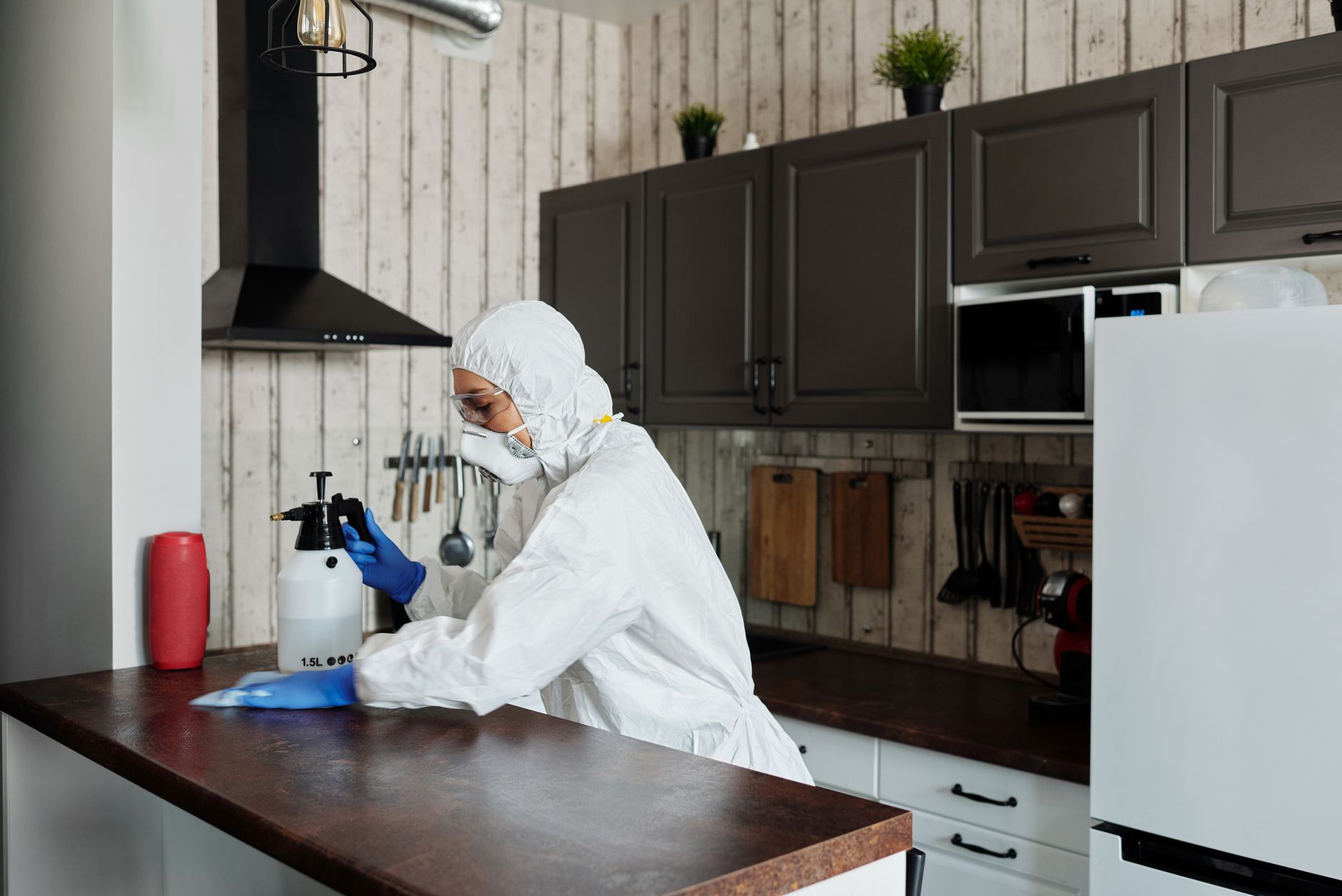
Back to School Home Prep Cleaning in Flagstaff: 10 Steps to a Fresh Start
SHARE:
Back to school home prep cleaning in Flagstaff means tackling the clutter, dust, and summer chaos before the new school year locks you into a tighter schedule. A thorough clean before classes start resets your home’s baseline so mornings run smoother and kids can focus on homework in a tidy space. Below you will find 10 practical, room-by-room steps that Elite Maids House Cleaning recommends every Flagstaff family follow this August, along with tips on when to call in a professional crew.
As Professional Home Cleaners in Flagstaff, AZ, we work with dozens of local families every August to reset their homes before the school year begins. Whether you live near NAU, in the Sunnyside neighborhood, or out toward Kachina Village, the same principles apply: start with a plan, work room by room, and do not skip the hidden spots kids actually spend time in.
1. Start with a Back to School Deep Clean of the Whole House
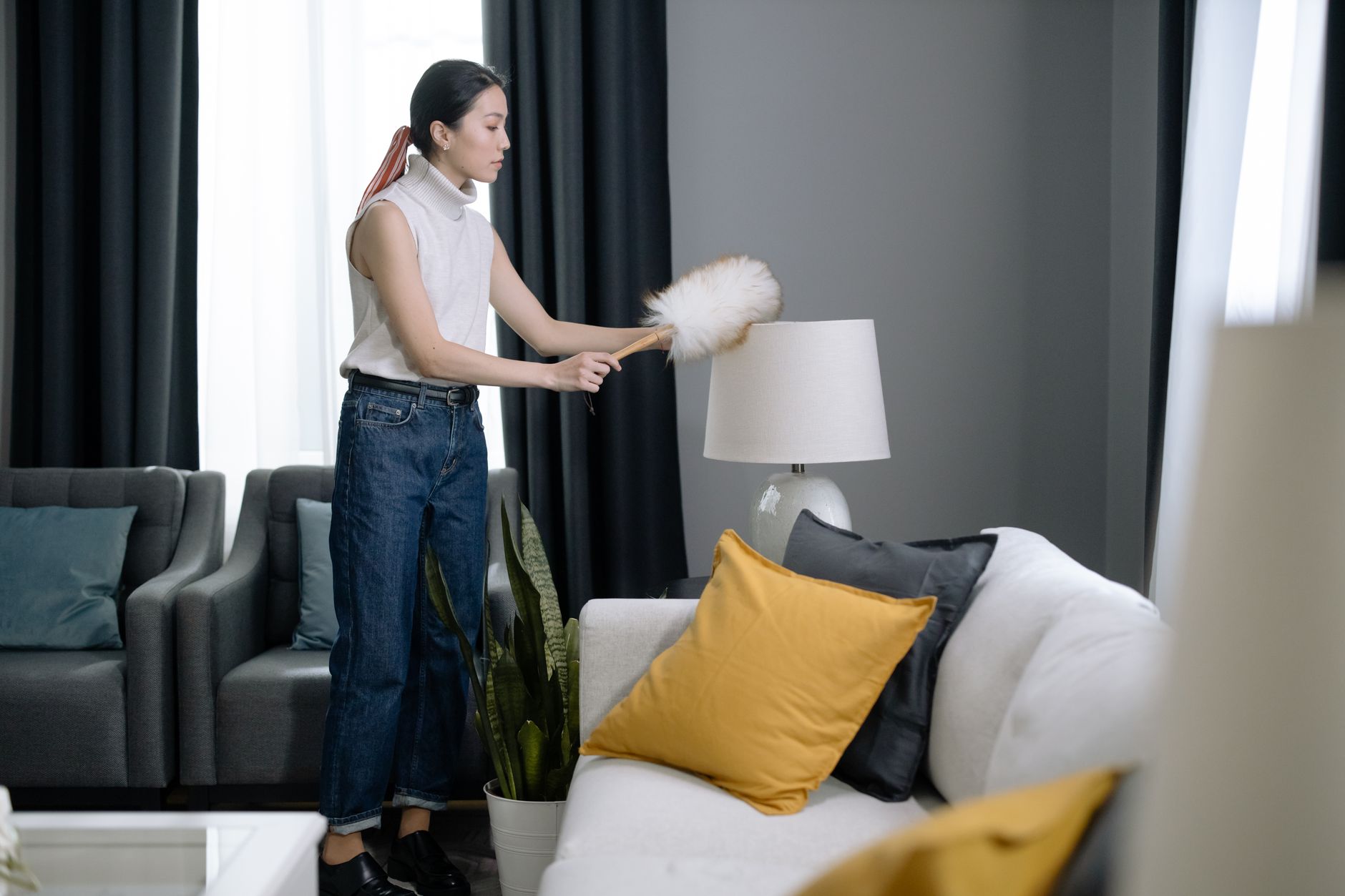
Before you reorganize a single backpack hook or whiteboard, the home needs a proper deep cleaning from top to bottom. A back to school deep clean is not a quick wipe-down. It means pulling appliances away from walls, scrubbing baseboards, cleaning inside cabinets, and sanitizing every high-touch surface the family has been sharing all summer.
Why does this matter? According to EPA guidance on indoor air quality, allergens like dust mites, pet dander, and mold spores accumulate fastest during hot, humid months. Flagstaff sees monsoon moisture every July and August, which means those allergens spike right before school starts. A one-time deep clean clears that slate so your kids are not breathing recycled summer air all semester.
A thorough deep cleaning service covers ceiling fans, window sills, door frames, light switches, remote controls, and the grout lines in bathrooms and kitchens. These are areas that standard weekly tidying never fully reaches. Booking a deep clean before the first school bell is one of the smartest investments a Flagstaff household can make in August.
2. Declutter and Reorganize Common Areas First
Cleaning a cluttered space is twice the work. Before your cleaning crew or your own scrub session begins, spend an hour decluttering the living room, hallway, and kitchen counter. Donate summer gear the kids have outgrown. Toss expired sunscreen and leftover camp supplies. Move outdoor toys to the garage.
Once surfaces are clear, the actual home cleaning goes faster and covers more ground. This is the essence of the 80/20 rule for cleaning: 80 percent of the visible mess comes from 20 percent of the surfaces, usually the kitchen counter, the couch cushions, and the entryway floor. Attack those first and the rest of the home feels cleaner immediately.
In Flagstaff homes, the entryway tends to take the worst beating in summer. Red dirt from hiking trails, pine needles, and forest debris track in constantly. A dedicated doormat cleaning, floor scrub, and entry bench wipe-down should be a non-negotiable part of your back to school home prep cleaning routine. For additional ideas on keeping common areas under control once the school year starts, check out this complete home cleaning schedule we put together for busy families.
3. Tackle the Kitchen: The Hub of Every School Morning
School mornings live and die in the kitchen. If the space is sticky, disorganized, or smells like last week’s leftovers, every morning is harder than it needs to be. Back to school kitchen prep cleaning should cover the refrigerator interior, microwave, stovetop, and oven, as well as cabinet fronts, drawer pulls, and the sink.
Pull everything out of the pantry and fridge. Toss expired items, wipe down shelves, and group like items together so kids can actually find what they need for lunch prep. Clean behind the refrigerator and stove while they are pulled out. These spots collect grease and debris all year and rarely get attention.
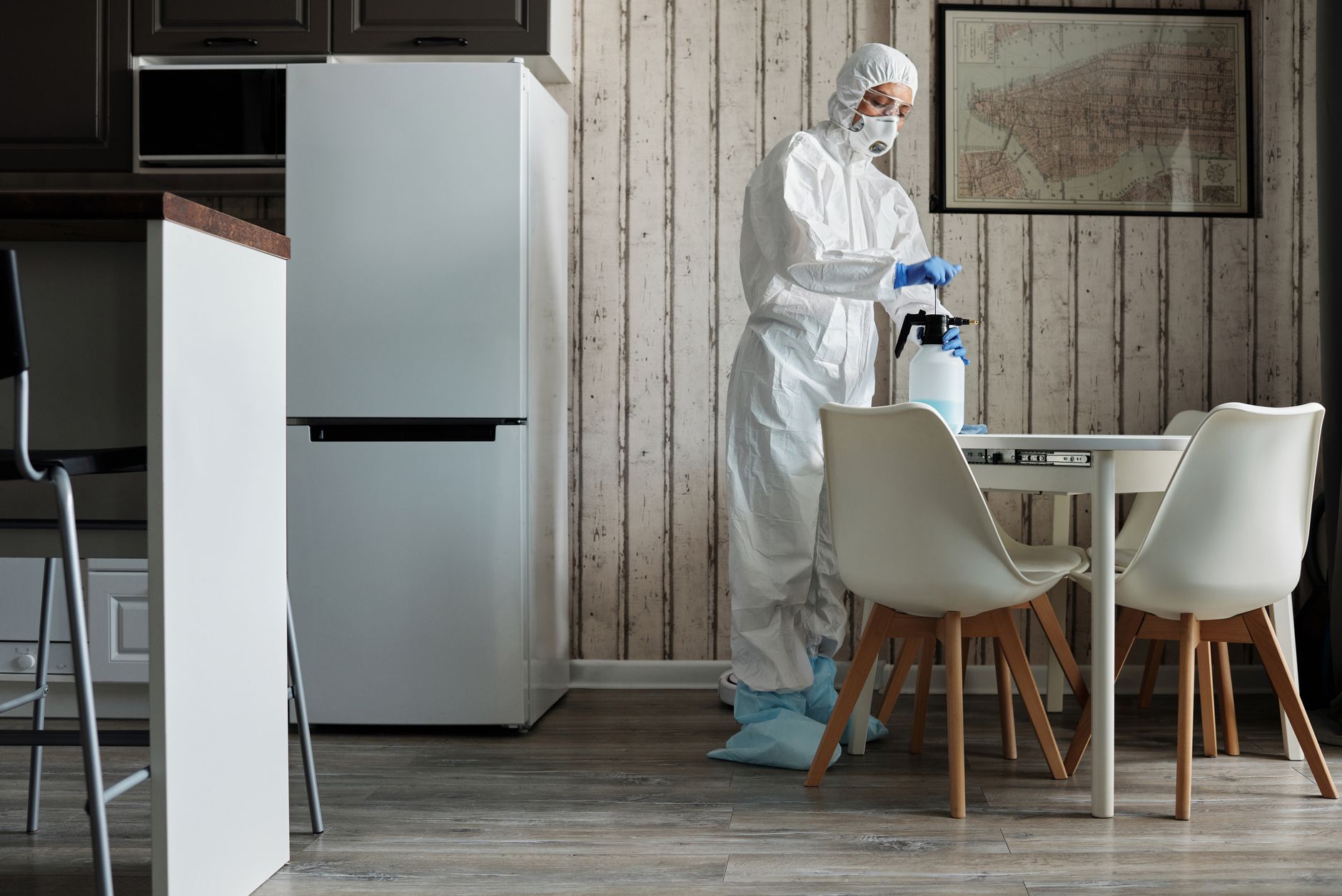
According to Good Housekeeping, the kitchen sink actually harbors more bacteria than the average toilet seat. A proper disinfecting routine that hits the sink basin, faucet handles, and garbage disposal reset button goes a long way toward a healthier school year. If you are dealing with a particularly grimy kitchen after a summer of outdoor entertaining, consider scheduling a professional disinfection service to start fresh before the busy fall schedule kicks in.
4. Clean and Reset Every Child’s Bedroom
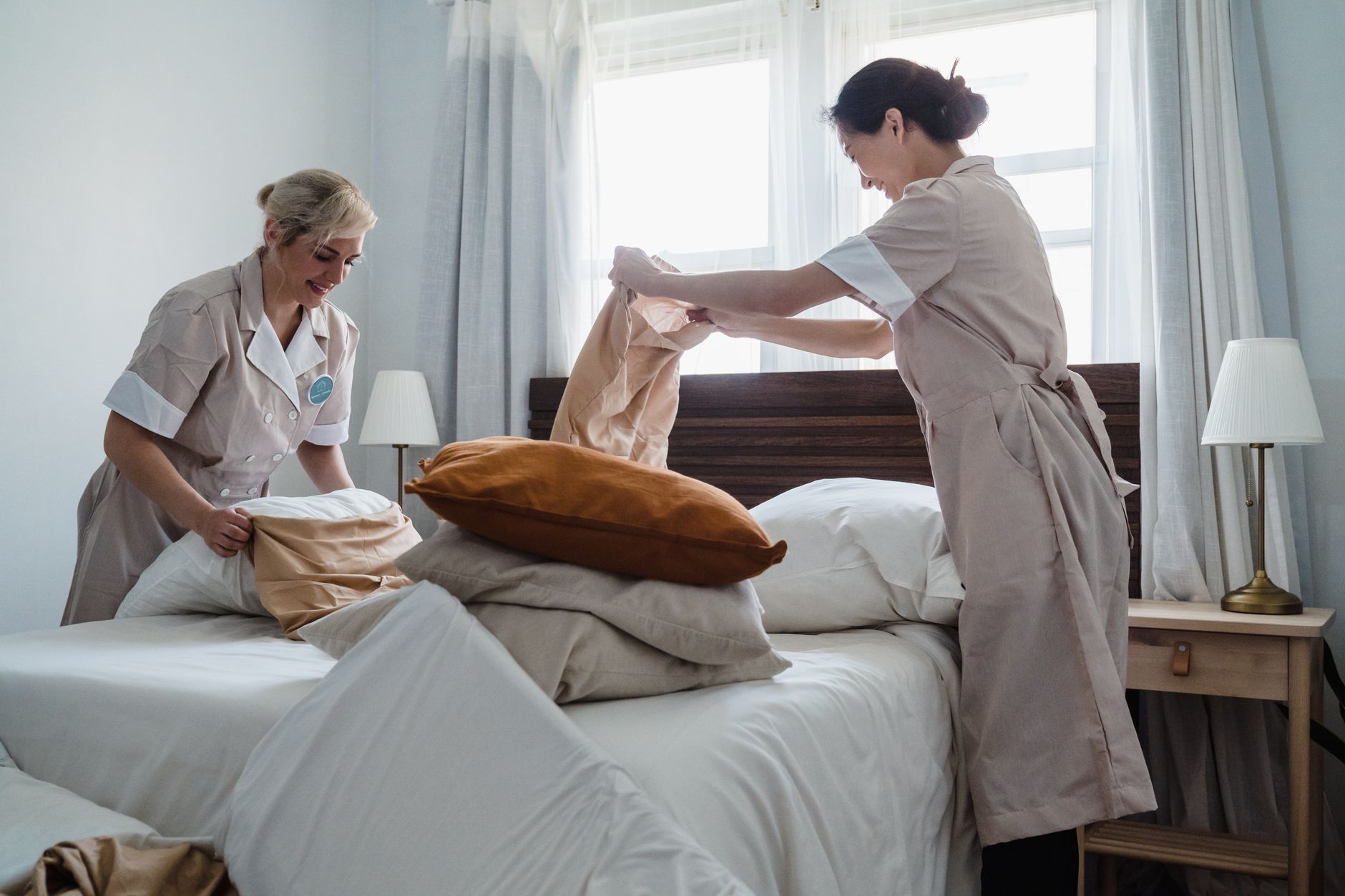
A child’s bedroom is where homework happens, backpacks land, and sleep (hopefully) occurs. All three of those functions suffer in a messy, dusty room. Back to school bedroom cleaning should address mattress cleaning, under-bed vacuuming, window sill dusting, and a full wipe-down of desks and shelving.
Start by stripping and washing all bedding, including the mattress protector. Vacuum the mattress itself. Dust blinds, ceiling fan blades, and the top of dressers. Wipe down the desk where homework will happen every night. If your child has a bookshelf, pull every book off, dust the shelves, and reorganize by subject or size.
Flagstaff’s high elevation means drier air than the rest of Arizona, but it also means wood furniture and shelving can collect fine dust from the surrounding ponderosa pine forests. A microfiber cloth wipe-down is the fastest way to handle it. For parents juggling multiple kids and limited weekend time, hiring a maid service for a one-time bedroom refresh before school starts is a genuinely practical option, not a luxury.
5. Scrub Bathrooms to a School-Year Standard
Shared bathrooms in family homes take serious punishment in summer. More people home all day means more towel drops, more toothpaste splatter, and more soap scum buildup. Before school starts, give every bathroom a true scrub: toilet inside and out, grout lines, shower doors or curtain liner, faucet aerators, exhaust fan cover, and the mirror.
Pay attention to mold and mildew, especially in tile grout. Flagstaff’s monsoon humidity in July and August creates exactly the conditions mold loves. The CDC notes that mold exposure can trigger respiratory issues and worsen allergies, which is the last thing you want right as kids are heading back to school. Scrub grout lines with a stiff brush and a targeted mildew cleaner, then run the exhaust fan for at least 30 minutes after every shower going forward.
If you have young children, wipe down all the surfaces they touch at their height: light switch plates, cabinet knobs, toilet handles, and the outside of the toothbrush holder. These are the highest-germ spots in any bathroom and usually the most ignored during a quick clean.
6. Set Up a Clean, Organized Homework and Study Zone
One of the most underrated parts of back to school home prep is creating a dedicated study area that is clean and stocked before day one. Whether it is a home office corner, a kitchen table spot, or a desk in the bedroom, the study zone needs to be clutter-free, well-lit, and supplied before the first homework assignment comes home.
Wipe down the desk surface and any shelving nearby. Organize pencils, scissors, tape, and paper into labeled bins. Clean the chair, including the underside of the seat and any wheels or legs. If your child uses a laptop or tablet, wipe down the screen and keyboard with an appropriate electronics-safe cloth.
Busy parents dealing with back to school prep will find this resource helpful: our guide to home cleaning hacks for busy parents covers quick wins that keep study spaces manageable all semester long without a full-scale clean every week.
For Flagstaff families where students may be attending Flagstaff High School, BASIS Flagstaff, or NAU classes, the study zone setup matters at every grade level. The better the space, the more consistent the work habits.
7. Refresh the Laundry Room and Mudroom
The laundry room and mudroom are the unsung heroes of a smooth school year. Backpacks, sports gear, lunch boxes, and uniforms cycle through these spaces every single day. If they are not set up and clean before school starts, they become chaos zones by week two.
For the laundry room: clean the inside of the washing machine drum with a washing machine cleaner tablet, wipe down the dryer drum and lint trap housing, and scrub the top of both machines where detergent residue collects. Clean the laundry sink if you have one. Stock up on detergent, stain remover, and fabric softener so you are not scrambling mid-week.
For the mudroom or entryway: install or clean off a hook system for backpacks and coats. Designate a bin for each child’s shoes. Scrub the floor and baseboard thoroughly. This is the spot that will set the tone for every morning drop-off and every afternoon arrival. A clean, organized mudroom is worth its weight in school-year sanity.
If you are considering eco-friendly cleaning products for these high-traffic areas, EPA Safer Choice certified products are a reliable way to reduce chemical exposure in spaces where kids spend a lot of time. Our team also offers eco-friendly cleaning options for families who prefer non-toxic, plant-based products throughout the home.
8. Don’t Overlook Move-In and Move-Out Cleaning Needs
August in Flagstaff is also peak moving season for NAU students and families relocating for the school year. If your household involves someone moving into a new rental or vacating a lease, the back to school prep window is the right time to schedule a move-in or move-out clean.
Move in/out cleaning services go deeper than a standard clean: inside cabinets and drawers, behind appliances, inside the oven, window tracks, and closet interiors. This level of detail is what separates a clean that holds up under a landlord’s inspection from one that just looks fine at first glance.
For NAU students or families moving into a new home near campus, a professional move-in clean means you are starting the school year in a truly clean space, not cleaning up after the previous tenants. For anyone moving out, a thorough clean protects the security deposit and leaves the property in the condition required by most Arizona lease agreements.
9. Build a Weekly Cleaning Routine That Survives the School Year
A one-time back to school clean is a great reset, but it only holds if you have a maintenance routine to back it up. School-year life in Flagstaff is busy: sports practices, homework, NAU events, hiking weekends. Without a system, the house returns to summer chaos within two weeks.
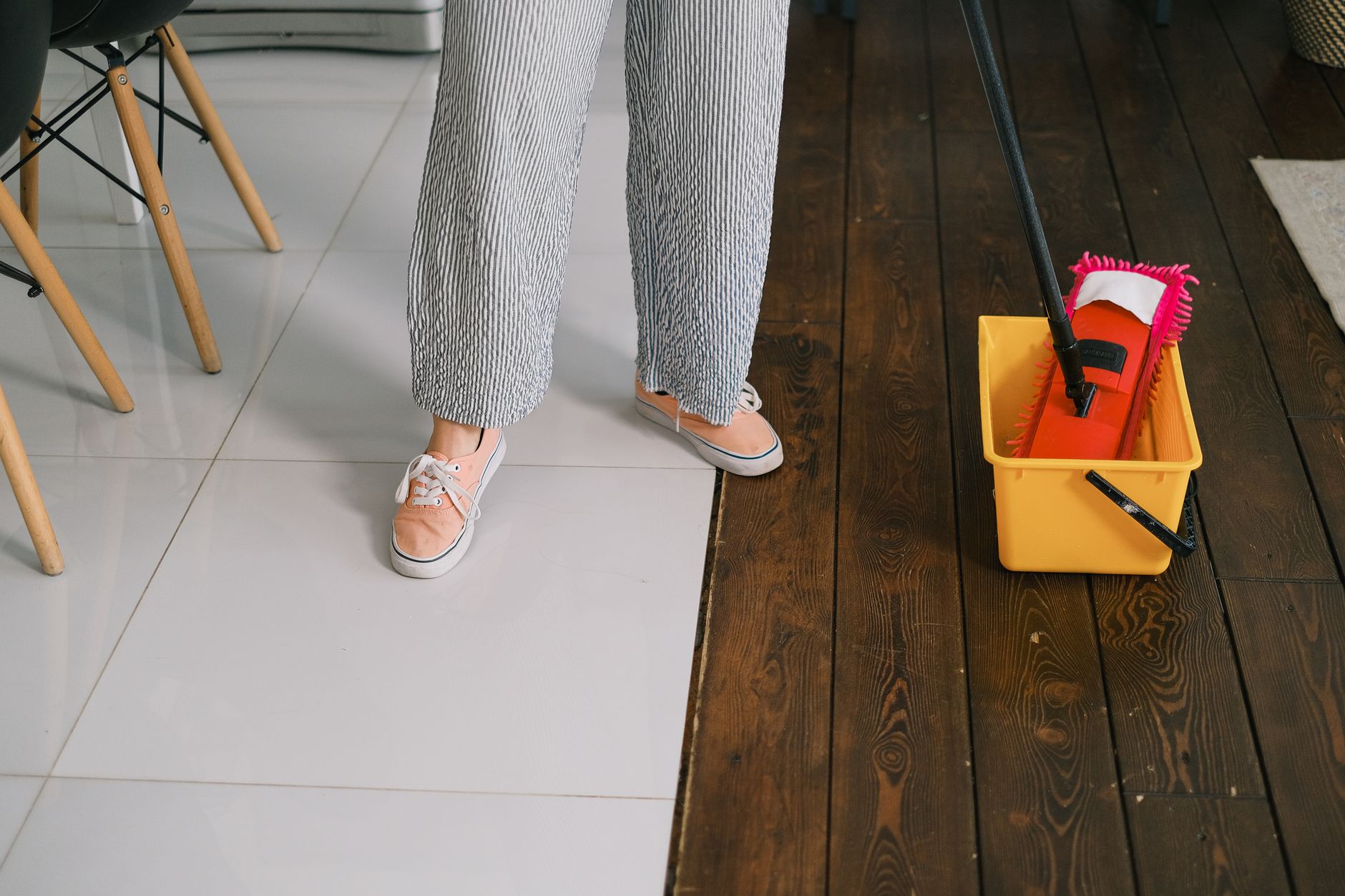
The key is keeping the routine lightweight. A cleaning routine for working parents does not need to be a weekend project. Daily tasks like wiping the kitchen counter, sweeping the entryway, and a quick bathroom spray take under 10 minutes. Weekly tasks like vacuuming, mopping, and bathroom scrubbing take about an hour if the home is already reasonably maintained.
For many Flagstaff families, the realistic answer is recurring professional house cleaning. Our professional house cleaning visits are available weekly, biweekly, and monthly. You handle the daily surface tidying; we handle the deep work on a schedule that keeps the home consistently clean without adding to your plate. Biweekly visits are the most popular option for school-year households because they hit that sweet spot between cost and cleanliness.
For a detailed framework you can actually use, see our ultimate guide to seasonal cleaning, which walks through how to think about cleaning cadence across the whole year, not just August.
10. Book a Professional House Cleaning Service in Flagstaff Before School Starts
If you are reading this list and realizing the August prep clean is bigger than a weekend project, that is a completely reasonable conclusion. A summer’s worth of activity accumulates fast in a family home. Flagstaff’s outdoor lifestyle means more dirt tracked in, more gear stored everywhere, and more use of every room than a typical school-year week.
Booking a professional home cleaning service before school starts is the most efficient way to get all 10 steps on this list handled in a single visit. Our team at Elite Maids House Cleaning arrives with all equipment and supplies, works through a comprehensive checklist, and backs every visit with a reclean-at-no-cost satisfaction guarantee. If anything is not right, we come back and fix it, no questions asked.
Every cleaner on our team is background-checked, bonded, and fully insured. Online booking with instant quotes is available seven days a week, and same-day service slots between 8 a.m. and 6 p.m. mean you do not have to plan weeks ahead. Whether you need a one-time back to school deep clean or want to set up recurring visits for the whole school year, the process takes about two minutes online.
Flagstaff families trust Elite Maids because we actually show up, do the work properly, and make the home feel new again. That is the kind of back to school home prep cleaning that makes the whole season easier.
Get Your Flagstaff Home Ready: Book Your Back to School Clean Today
August moves fast. Between school supply shopping, orientation nights, and the end of summer routines, the home prep clean is the item most families push to the last minute. Do not let it fall off the list entirely. A clean, organized home before the first school day sets the tone for the whole semester and gives your family a foundation that actually supports the busy weeks ahead.
The 80/20 rule for cleaning means that 80 percent of the visible dirt in your home comes from just 20 percent of the surfaces, usually high-traffic areas like the kitchen counter, bathroom sink, and entryway floor. Focusing your daily effort on those key spots keeps the whole home looking clean without requiring a full scrub every day. For a deeper clean, bring in professionals to handle the remaining 20 percent.
How much does it cost to clean a school?
Commercial school cleaning costs vary widely based on square footage, frequency, and scope of work. Most professional janitorial contracts for schools range from a few hundred to several thousand dollars per month. For residential home cleaning before the school year in Flagstaff, costs depend on home size and service type. Back to school deep cleaning for a typical family home generally runs between $150 and $350, with instant quotes available online through Elite Maids.
What is the best high school in Flagstaff?
Flagstaff is home to several well-regarded high schools, including Flagstaff High School, BASIS Flagstaff, and Northland Preparatory Academy, all of which consistently earn strong academic ratings. The right fit depends on a student’s goals, learning style, and extracurricular interests. Regardless of which school your child attends, starting the year in a clean, organized home gives them the best environment to succeed academically.
What cleaning supplies do schools use?
Most schools use EPA-registered disinfectants, multi-surface cleaners, microfiber mops and cloths, and commercial-grade vacuums with HEPA filtration. Many districts are shifting toward EPA Safer Choice certified products to reduce chemical exposure for students and staff. For home use, a combination of a quality all-purpose disinfectant, microfiber cloths, a good vacuum, and a mop covers the vast majority of back to school cleaning tasks.
How often should I schedule professional house cleaning during the school year?
For most Flagstaff families with school-age children, biweekly professional home cleaning is the practical sweet spot. It keeps the home in consistently clean condition without the cost of weekly visits. Families with younger children, pets, or high-traffic schedules often prefer weekly cleaning. A monthly deep clean works well as a supplement to a solid daily maintenance routine for smaller households or couples without kids.
Shop All Eco-Friendly Cleaning Products in Mesa: The Complete Green Cleaning Guide
SHARE:
The eco-friendly cleaning products Mesa homeowners trust most are non-toxic, plant-based formulas that clean just as well as harsh chemicals without polluting indoor air or leaving behind synthetic residue. Shoppers can find refillable glass spray kits, concentrated laundry essentials, and plastic-free refills at local retailers and online specialty shops. This guide walks through the top product picks, what to look for on labels, and how professional green cleaning works in Mesa homes.
1. Best Eco-Friendly Cleaning Products to Shop for Mesa Homes
When Mesa residents search for eco-friendly cleaning products, the options can feel overwhelming. The goal is simple: find formulas that are effective, safe for your family and pets, and kind to Arizona’s environment. The most trusted green cleaning products share a few things in common. They carry certifications from programs like the EPA Safer Choice label, which confirms every ingredient has been reviewed for human health and environmental safety. They skip the synthetic fragrances, bleach, and ammonia that trigger respiratory irritation, and they come in packaging designed to reduce plastic waste.
For Mesa households, that matters more than ever. Arizona’s dry climate keeps windows closed and air recirculating indoors for months at a time, which means volatile chemicals from conventional cleaners can linger. According to the EPA’s research on volatile organic compounds and indoor air quality, many conventional cleaning sprays release VOCs that accumulate at levels two to five times higher indoors than outdoors. Switching to non-toxic, plant-based cleaning products is one of the fastest ways to improve the air quality inside your home.
Our top recommendation for a one-stop green shopping experience is the Green Llama collection. You can browse non-toxic, plastic-free cleaning refills, glass spray kits, and laundry essentials all in one place. For eco-friendly cleaning products in Mesa that actually work at home, this collection covers every room.
2. Non-Toxic All-Purpose Cleaners That Actually Work
All-purpose cleaners are the workhorse of any cleaning routine, and the non-toxic versions have come a long way. The best eco-friendly all-purpose cleaners use plant-derived surfactants to break down grease, food residue, and everyday grime without leaving streaky film or chemical odors behind. Brands like Earth Friendly Products ECOS have been formulating non-toxic all-purpose solutions since 1967, and their ECOS cleaning products are widely available and consistently reviewed as some of the most effective green cleaners on the market.
When shopping for an all-purpose green cleaner, look for these on the label:
Plant-derived or bio-based surfactants
No phosphates, parabens, or synthetic dyes
Biodegradable formula
EPA Safer Choice certified or third-party verified
Recyclable or refillable packaging
The Good Housekeeping cleaning team has tested dozens of plant-based all-purpose cleaners and found that concentration matters as much as the formula itself. Concentrated refill tablets that dissolve in water at home cut plastic waste dramatically and perform on par with ready-to-use bottles. Green Llama’s refill system is a standout example of this approach, letting Mesa homeowners refill the same glass spray bottle again and again.
For households with children, allergy sufferers, or anyone with asthma, the American Lung Association recommends replacing spray cleaners that contain bleach, ammonia, or aerosol propellants with fragrance-free, plant-based alternatives. Non-toxic all-purpose cleaners fit that profile perfectly.
3. Eco-Friendly Kitchen Cleaners for Mesa Households
The kitchen takes more abuse than any other room in the house. Grease, food spills, baked-on residue, and bacteria from raw food prep all require a cleaner strong enough to sanitize without harsh fumes that linger around food preparation surfaces. Eco-friendly kitchen cleaners solve this by using enzymes and plant-based degreasers that break down organic matter at the molecular level.
Top picks for green kitchen cleaning include:
Plant-based dish soap: Look for formulas with coconut-derived surfactants and no artificial dyes. ECOS dish soaps consistently rank high in third-party reviews.
Enzyme-based degreasers: These use naturally occurring enzymes to digest grease, which is especially effective on stovetops and range hoods common in Mesa homes.
Glass spray kits with citrus or vinegar-based formulas: Perfect for countertops, appliance surfaces, and backsplashes. Green Llama’s glass spray kits are refillable, cutting down on single-use plastic.
Non-toxic scrubbing powders:Baking soda-based powders are a reliable, chemical-free choice for sinks and tough baked-on stains.
If you want a deeper refresh of your kitchen beyond what routine green cleaning provides, an eco-friendly cleaning service from a professional team uses exactly these kinds of products, so you get a spotless kitchen without bringing harsh chemicals into your home.
4. Green Bathroom Cleaning Products That Eliminate Mold and Buildup
Bathrooms in Mesa homes face a unique challenge. Arizona’s hard water leaves heavy mineral deposits on faucets, showerheads, and glass doors, and humidity from showers can encourage mold growth if ventilation is poor. Eco-friendly bathroom cleaners need to tackle both problems without resorting to bleach or caustic chemicals.
The most effective green bathroom cleaning products for these conditions include:
Citric acid-based descalers: Naturally derived from citrus, citric acid dissolves hard water deposits and soap scum effectively. It is biodegradable and safe for septic systems.
Tea tree oil or hydrogen peroxide-based mold sprays: Both are natural antimicrobial agents that address mold and mildew without chlorine bleach. The CDC’s mold guidance for homes confirms that bleach is not always the right tool for mold removal, and non-porous surfaces respond well to hydrogen peroxide alternatives.
Plant-based toilet bowl cleaners: Enzyme-based toilet bowl cleaners are free of HCl (hydrochloric acid) and work with the toilet’s natural water flow to clean and deodorize.
Refillable glass spray kits: Use a citrus or vinegar-based formula for mirrors and tile to eliminate streaks without ammonia.
For Mesa homeowners dealing with persistent hard water staining or mold in grout lines, a professional deep cleaning in Mesa using non-toxic products can reset your bathroom to a level that routine green cleaning can then maintain.
5. Eco-Friendly Floor Cleaning Products for Every Surface
Mesa homes typically have a mix of tile, hardwood, laminate, and carpet, and the wrong cleaner can dull finishes or leave residue that attracts more dirt. Eco-friendly floor cleaning products are formulated to be pH-balanced and residue-free, which matters especially for hardwood and tile grout.
Here is what to shop for based on surface type:
Tile and grout: A plant-based, pH-neutral multi-surface floor cleaner is safe for glazed tile and will not erode grout sealant. Avoid vinegar-based formulas on natural stone as the acidity can etch the surface.
Hardwood: Look for non-toxic, water-based wood floor cleaners that are wax-free and streak-free. Castile soap diluted in water is a classic DIY option that is genuinely effective.
Carpet: Plant-based carpet spot cleaners using enzyme formulas break down pet stains and food spills at the source rather than masking odors. For Carpet cleaning Mesa, AZ prices, professional services often offer green cleaning options that use these same enzyme-based products at a commercial scale.
Laminate: A dry or barely damp mop with a plant-based cleaner works best. Excess water can warp laminate, so concentrated refills that allow precise dilution are ideal.
For a comprehensive look at how to approach seasonal floor care, our ultimate guide to spring cleaning breaks down a room-by-room approach that pairs well with green product choices.
6. Eco-Friendly Laundry Essentials Worth Shopping
Laundry is one of the most chemical-heavy routines in the average Mesa household. Conventional detergents often contain synthetic fragrances, optical brighteners, and phosphates that end up in Arizona’s water system. Switching to eco-friendly laundry products is one of the highest-impact changes a household can make.
The green laundry products that consistently perform well include:
Concentrated plant-based liquid detergents: Earth Friendly Products’ ECOS laundry detergent is phosphate-free, hypoallergenic, and works in both standard and high-efficiency machines. It is one of the most widely stocked eco-friendly laundry options in Arizona.
Laundry detergent strips or sheets: These dissolve completely in both hot and cold water, produce zero plastic waste, and ship in cardboard packaging. Green Llama’s laundry essentials line includes options in this format.
Non-toxic fabric softener or dryer balls: Wool dryer balls replace single-use dryer sheets, reduce drying time, and do not coat fabrics with synthetic fragrance chemicals.
Oxygen-based stain removers: Sodium percarbonate, a natural compound, releases oxygen when dissolved in water to lift stains without chlorine bleach.
Consumer Reports testing has shown that several plant-based and concentrated detergents match or outperform conventional brands on stain removal, which should put to rest any concern that going green means sacrificing results. If you want professional laundry-fresh results throughout your home, the house cleaning service from Elite Maids uses eco-friendly product options on every visit.
7. Where to Shop Eco-Friendly Cleaning Products in Mesa (Wholesale and Retail)
Mesa residents have more options than ever for shopping green cleaning products, both in-store and online. Here is a breakdown of where to find non-toxic, eco-friendly cleaners at every budget level:
Online specialty shops: Green Llama is a standout for plastic-free refills, glass spray kits, and concentrated laundry essentials. Shopping online also opens access to eco-friendly cleaning products wholesale pricing for families who want to stock up.
Local natural grocers and co-ops: Sprouts Farmers Market and similar stores carry a curated selection of plant-based cleaners, often including ECOS products and other Earth Friendly Products company lines.
Big-box retailers with green sections: Home Depot and Target both stock EPA Safer Choice certified products alongside conventional options. Check the Home Depot cleaning supplies section for green-certified brands.
Wholesale membership clubs: Costco and Sam’s Club carry larger formats of several plant-based cleaners at wholesale pricing, which is ideal for larger Mesa households or those on a cleaning schedule that burns through supplies quickly.
Direct from the brand: Many eco-friendly cleaning brands sell direct-to-consumer with subscription refill programs that reduce both cost and packaging waste.
For House cleaners Mesa, AZ who want the green cleaning done for them without spending hours researching products, Elite Maids House Cleaning brings the eco-friendly products to your door as part of a professional cleaning visit.
8. What to Look for When Shopping Eco-Friendly Cleaning Products
Not every product labeled “natural” or “green” actually earns those words. Greenwashing is common in the cleaning aisle, and Mesa shoppers deserve to know how to cut through the marketing. Here is a practical checklist for evaluating any eco-friendly cleaning product before you buy:
Full ingredient disclosure: Legitimate green cleaners list every ingredient. If the label only says “cleaning agents” or “preservatives” without specifics, that is a red flag.
Third-party certification: EPA Safer Choice is the gold standard. USDA Certified Biobased and NSF/ANSI 61 are also credible markers for specific product categories.
No greenwashing buzzwords without backup: “Natural,” “pure,” and “botanical” mean nothing without ingredient proof. “Non-toxic” should be verifiable against a safety data sheet.
Packaging sustainability: Refillable bottles, post-consumer recycled plastic, concentrated formats, and compostable packaging are real sustainability markers.
Fragrance transparency: Many “fragrance” listings hide synthetic chemicals. Look for products that use only essential oil-based scenting and disclose the specific oils used.
For a deeper dive into how to evaluate green cleaning claims by room, check out our post on eco-friendly cleaning product selection for homes, which applies the same framework regardless of where you live.
9. How Professional Eco-Friendly House Cleaning Works in Mesa
Shopping eco-friendly cleaning products is a great first step. Having a professional team do the actual cleaning with those products is the next level. Elite Maids House Cleaning is among the 10 BEST House Cleaning Services in Mesa, AZ, offering eco-friendly product options on every visit, from recurring weekly and biweekly cleans to one-time deep cleans, move-in/move-out cleanings, and event cleanings.
Every cleaner on the Elite Maids team is background-checked, bonded, and fully insured. The company backs every visit with a reclean-at-no-cost satisfaction guarantee, and online booking with instant quotes lets Mesa homeowners schedule same-day service between 8am and 6pm without picking up a phone.
Professional green cleaning services in Mesa go further than a DIY routine because the team arrives with commercial-grade non-toxic products, microfiber systems that trap dust without chemical sprays, and the training to address areas most homeowners overlook. For Mesa families who want a truly thorough result, combining the right eco-friendly products at home with a professional disinfection service that uses non-toxic, hospital-grade sanitizers gives you the cleanest, safest indoor environment possible.
For homeowners who want cleaning in mesa without sacrificing green standards, Elite Maids’ online quote tool gives you transparent, instant pricing so you know exactly what you are paying before any cleaner shows up.
Closing: Get a Green Clean You Can Trust in Mesa
Mesa homeowners who switch to eco-friendly cleaning products are making a real investment in their family’s health and their home’s long-term cleanliness. Whether you are shopping a refill kit from Green Llama, stocking up on ECOS laundry detergent, or looking for a professional team to do the heavy lifting with plant-based products, the right green cleaning approach makes a measurable difference. For locals looking for trusted neighbors who have already made the switch, see what House cleaners in East Mesa? : r/mesaaz residents are saying about professional green cleaning options in the area. Ready to stop spending your weekend cleaning? Maid service in Mesa from Elite Maids delivers a thorough, eco-conscious clean on your schedule. Contact Elite Maids house cleaning today for a free quote and find out how easy it is to keep your Mesa home spotless with products that are safe for every member of your family.
Frequently Asked Questions
What are the best eco-friendly cleaning products to use in a Mesa home?
The best eco-friendly cleaning products for Mesa homes are EPA Safer Choice certified, plant-based formulas that disclose every ingredient. Top picks include ECOS all-purpose cleaner and dish soap, citric acid-based descalers for hard water buildup common in Arizona, enzyme-based carpet and laundry cleaners, and refillable glass spray kits like those from the Green Llama collection. Avoid products that list vague “fragrance” or use greenwashing terms without certification backup.
Are eco-friendly cleaning products as effective as conventional cleaners?
Yes, in most cases. Consumer Reports testing and real-world use have shown that plant-based, non-toxic cleaning products match conventional cleaners on everyday tasks like degreasing, disinfecting, and stain removal. Enzyme-based formulas in particular outperform bleach-based products on organic stains like pet accidents and food spills because they break down the source of the stain rather than masking it. Concentrated formulas amplify effectiveness while reducing packaging waste.
Where can I shop eco-friendly cleaning products wholesale in Mesa?
Mesa residents can find eco-friendly cleaning products at wholesale pricing through Costco, Sam’s Club, and direct-to-consumer brand subscriptions. Online retailers like Green Llama offer bulk refill kits that significantly reduce per-use cost. Sprouts Farmers Market and local co-ops carry curated green cleaning selections at retail. For the widest selection and verified green certifications, shopping directly from brands like Earth Friendly Products gives you the full ECOS cleaning products lineup.
What certifications should I look for when buying green cleaning products?
The most credible certification for household cleaning products is the EPA Safer Choice label, which means every ingredient has been screened for environmental and human health safety. USDA Certified Biobased is another reliable marker for plant-derived content. Third-party certifications from organizations like EWG Verified (Environmental Working Group) add another layer of independent scrutiny. Avoid relying solely on brand claims like “natural” or “eco” that are not backed by a recognized certification program.
Can a professional cleaning service in Mesa use eco-friendly products?
Absolutely. Elite Maids House Cleaning offers eco-friendly product options on every visit in Mesa, from routine recurring cleans to deep cleaning and move-in/move-out services. Professional green cleaning services bring commercial-grade non-toxic formulas, microfiber systems, and trained technicians who know which products to use on each surface. It is the fastest way to get the benefits of eco-friendly cleaning without researching and stocking every product yourself.
Non-Toxic Cleaning Products That Actually Work: Pretty Simple Ideas for Tempe Homes
SHARE:
The non-toxic cleaning products that actually work rely on a short list of proven ingredients: plant-based surfactants, baking soda, white vinegar, and microfiber technology. These components lift grease, kill odors, and cut through grime without releasing harsh chemicals into your home’s air. This post walks through the best options available right now, with practical tips any cleaning in Tempe household can use starting today.
1. Why Non-Toxic Cleaning Products Matter for Tempe Homes
Most conventional cleaners contain volatile organic compounds (VOCs) that linger long after the bottle goes back under the sink. In a warm-weather city like Tempe, where windows stay closed during triple-digit summers and air conditioning runs nearly year-round, indoor air quality takes a real hit when chemical cleaners are used regularly. The EPA’s indoor air quality research shows that indoor pollutant levels can be two to five times higher than outdoor levels, and chemical cleaning sprays are a major contributor.
Natural non-toxic cleaning products solve this problem without sacrificing results. Families with young children, pets, or allergy sensitivities in particular have a lot to gain from making the switch. The American Lung Association’s indoor air resources specifically flag ammonia and chlorine-based cleaners as respiratory irritants worth avoiding. Choosing plant-based or naturally derived formulas is not a trend; it is a straightforward upgrade for your family’s everyday health.
2. Microfiber Cloths: The Non-Toxic Cleaning Tool You Already Need
Before you spend a dollar on any spray or concentrate, grab a pack of quality microfiber cloths. Microfiber is top-notch because it physically traps dirt, bacteria, and dust particles at a microscopic level rather than simply pushing them around. When used slightly damp, microfiber can remove up to 99% of surface bacteria with zero cleaning product at all. That makes microfiber cloths one of the most effective and affordable non-toxic cleaning tools on the market.
Microfiber works on countertops, appliances, mirrors, and even hardwood floors. The key is to rinse or replace cloths frequently so you are not redistributing what you already picked up. For Tempe homeowners dealing with dust blowing in from the desert, microfiber mops and dusting cloths are especially useful because they grab fine particulate instead of launching it back into the air. This single tool can dramatically reduce how many products you need to buy, making it both an eco-friendly cleaning choice and a budget-conscious one.
3. Swedish Dishcloths: A Smarter, Sustainable Scrubbing Alternative
One option that is quietly gaining fans among natural cleaning enthusiasts is the Swedish dishcloth. Made from a blend of cotton and cellulose, a single Swedish dishcloth can replace up to 17 paper towel rolls. It absorbs water like a sponge, dries quickly to resist mildew, and goes right into the dishwasher or washing machine for reuse. For a home with kids or pets in Tempe, cutting down on paper waste while keeping surfaces spotless is a genuine win.
Swedish dishcloths work beautifully paired with a simple plant-based spray. They handle kitchen spills, bathroom wipe-downs, and stovetop messes without scratching surfaces. When they finally wear out, they are compostable. If you are building a non-toxic cleaning routine, Swedish dishcloths sit near the top of the list for how much they simplify your supply cabinet.
For deeper dives into what cleaning products are worth stocking at home, our roundup of home cleaning must-haves covers ten of the most reliable options available.
4. A Multipurpose Spray Cleaner Made from Plant-Based Ingredients
A good multipurpose spray cleaner is the backbone of any natural cleaning kit. The best non-toxic cleaning sprays use plant-derived surfactants to lift grease and grime from surfaces, skipping the ammonia, chlorine bleach, and synthetic fragrances found in big-brand conventional cleaners. Several standout options are worth knowing about.
Branch Basics is a concentrate that mixes with water to make an all-purpose spray, a bathroom cleaner, and even a laundry pre-treater. One bottle of concentrate replaces several products, which cuts down on plastic waste and saves money over time. Blueland takes a similar approach but uses dissolvable tablets you drop into a reusable bottle, which the Consumer Reports laundry and cleaning section has highlighted for its packaging innovation and cleaning performance.
Cleancult uses milk-based packaging and plant-based formulas in refillable systems. Grove Collaborative offers a wide range of plant-based household cleaners available online and carries the EPA Safer Choice certification on several products, which independently confirms that ingredients meet strict safety standards for human health and the environment.
For Tempe households trying to keep their kitchens clean without chemical exposure, these sprays are reliable daily drivers. Our team at Elite Maids has also put together a guide to the kitchen cleaning products that actually work if you want a targeted list for that room.
5. Charlie’s Soap Kitchen and Bath Cleaner
Charlie’s Soap Kitchen and Bath is one of those products that has quietly been around for decades while flashier brands get the spotlight. It uses a simple, biodegradable formula without dyes, fragrances, or phosphates. The Kitchen and Bath spray cuts through soap scum, hard water deposits, and grease without the sharp chemical smell that most bathroom cleaners carry.
For Tempe homes dealing with hard water mineral buildup on fixtures and shower glass (and most Valley homes do deal with this), Charlie’s Soap is particularly effective. It dissolves calcium and magnesium deposits with a formula that is safe for septic systems and leaves no residue that could irritate skin during the next shower. Affordable non-toxic cleaning does not get much more straightforward than this.
Charlie’s Soap pairs well with the microfiber cloths discussed earlier. Spray, let it sit for 60 seconds, and wipe. The results hold up against much harsher conventional products without exposing your bathroom to fumes. It is one of the best non-toxic cleaning products for bathrooms available at most major retailers.
6. Koala Eco and Seventh Generation: Ready-to-Use Natural Formulas
Two brands worth keeping in your cabinet for on-demand, no-dilution convenience are Koala Eco and Seventh Generation. Koala Eco is an Australian brand now widely available in the US that uses Australian essential oils (eucalyptus, peppermint, lemon myrtle) as both the active cleaning agents and the fragrance. The formulas are biodegradable, free from synthetic preservatives, and genuinely pleasant to use.
A common question from Tempe homeowners is: is Seventh Generation non-toxic? The answer is mostly yes. Seventh Generation discloses all ingredients on the label, uses plant-based and mineral-derived cleaning agents, and avoids chlorine bleach and synthetic fragrances in most of their product line. Their formulas carry EPA Safer Choice certification on key products. Seventh Generation is widely available at grocery stores and big-box retailers throughout the Tempe metro area, making it one of the most accessible natural cleaning options on this list.
Both brands work well on sealed hard surfaces, tile, glass, and appliance exteriors. For a broader look at what works well specifically in neighboring communities, our post on eco-friendly cleaning products in Mesa covers options that translate directly to Tempe homes as well.
7. Baking Soda and White Vinegar: The DIY Non-Toxic Cleaning Classics
No list of natural non-toxic cleaning products would be complete without acknowledging the two classics sitting in most kitchen pantries: baking soda and white vinegar. These are cheap non-toxic cleaning solutions that actually work when used correctly, and when used incorrectly (mixed directly together) they mostly cancel each other out.
Use them separately for best results. Baking soda is a mild abrasive and odor absorber. Sprinkle it on a damp sponge to scrub sink basins, toilets, and stovetop grates without scratching. Leave it in the refrigerator to pull odors. Mix it into a paste with a few drops of dish soap to tackle oven grease. White vinegar, on the other hand, is a natural disinfectant and descaler. Diluted with water in a spray bottle (a 1:1 ratio works for most surfaces), it cuts through hard water deposits, greasy fingerprints, and light mildew on bathroom grout.
One caution: do not use undiluted white vinegar on natural stone countertops or marble. The acidity will etch the surface over time. For granite and marble in Tempe homes, stick to a pH-neutral plant-based spray instead.
8. HealthyBaby and Thrive Market: Non-Toxic Picks for Families with Young Children
Households with babies and toddlers need an extra layer of assurance that what they are cleaning with is genuinely safe. Two brands that address this directly are HealthyBaby and products sourced through Thrive Market.
HealthyBaby formulates its cleaning and laundry products specifically for infant safety, using only ingredients that have been vetted against lists of known developmental and reproductive toxins. Their laundry detergent, surface sprays, and dish soap are free from fragrance, optical brighteners, and petroleum-derived chemicals. For Tempe families with newborns or crawling babies, this level of scrutiny is worth the slightly higher price per bottle.
Thrive Market is an online membership retailer that curates a wide range of natural, non-GMO, and eco-certified products, including a strong household cleaning section. It is a practical way to stock up on plant-based cleaning products in bulk without driving to multiple stores. Many of the brands mentioned in this post, including Branch Basics, Grove Collaborative, and Seventh Generation, are available through Thrive Market at lower-than-retail prices when you factor in the membership savings.
For Tempe families also thinking about seasonal deep cleaning, our holiday cleaning service uses eco-friendly product options to give your home a thorough reset without the chemical exposure.
9. Vove and Other Refillable Cleaning Systems Worth Trying
The refillable cleaning model is one of the most practical shifts in natural cleaning right now. Instead of buying a new plastic bottle every month, you buy a reusable bottle once and order concentrated refill pods. Vove is one of the newer brands in this category, offering plant-based multipurpose, glass, and bathroom cleaners in a sleek refillable system.
The appeal is straightforward: less plastic waste, lower cost per clean over time, and the same or better cleaning performance compared to conventional single-use bottles. For Tempe homeowners who care about reducing household environmental impact, refillable systems check every box. The cleaning power in these concentrated formulas is real because they use the same types of plant-derived surfactants as their full-size counterparts, just in a smaller package.
If you want to see how these products stack up against a wider field of options, our post on cleaning products that work in Scottsdale gives you a broader comparison that applies equally to Tempe households.
10. When to Call a Professional for Non-Toxic Deep Cleaning in Tempe
Even the best natural non-toxic cleaning products have limits. Grout that has not been scrubbed in a year, baseboards caked with desert dust, or a refrigerator that needs full disassembly to clean properly: these are jobs where product choice matters less than the time, technique, and professional tools behind the effort. That is where professional deep cleaning services come in.
Elite Maids House Cleaning offers maid service in Tempe with eco-friendly product options available on every visit. Our cleaners are background-checked, bonded, insured, and rated five stars. We back every job with a reclean-at-no-cost satisfaction guarantee, and you can book a cleaning online and get an instant quote without picking up the phone. Same-day scheduling is available between 8am and 6pm for Tempe residents who need a cleaning done quickly.
Whether you want a one-time deep clean using plant-based products, a recurring house cleaning service on a schedule that works for your family, or a post-event clean after a gathering at home, we have you covered. The Real Simple approach to home care has always been: do what you can regularly, and call in the pros when the job outgrows your weekend.
According to Good Housekeeping’s cleaning experts, the combination of regular light maintenance and periodic professional deep cleaning is the most effective system for keeping a home genuinely clean rather than just surface-tidy. Tempe’s dust and desert grit make that periodic professional reset especially valuable.
Closing: Book Eco-Friendly House Cleaning in Tempe Today
Non-toxic cleaning products give you a real, practical way to keep your Tempe home clean without the chemical trade-offs that come with conventional sprays and scrubs. From microfiber cloths and Swedish dishcloths to plant-based multipurpose sprays and refillable concentrate systems, the options available right now are better than they have ever been. Start with one or two of the products on this list, build your routine, and let the results speak for themselves.
When the cleaning job is bigger than what a Saturday afternoon can handle, reach out to the most-reviewed residential cleaning team in Arizona. Contact Elite Maids House Cleaning in Tempe today for a free quote and find out how easy it is to come home to a truly clean house, every time.
Frequently Asked Questions
What are the best non-toxic cleaning products that actually work?
The best non-toxic cleaning products that actually work include microfiber cloths, plant-based multipurpose sprays like Branch Basics and Blueland, baking soda for abrasive scrubbing, white vinegar for descaling, and EPA Safer Choice certified formulas like Seventh Generation. The key is matching the right product to the surface and soil level, rather than relying on one product for everything.
Is Seventh Generation non-toxic?
Yes, Seventh Generation is largely non-toxic. The brand discloses all ingredients, avoids chlorine bleach and synthetic fragrances in most of its product line, and holds EPA Safer Choice certification on several formulas. It is one of the most accessible plant-based cleaning brands in Tempe grocery and big-box stores, making it an easy starting point for households switching away from conventional cleaners.
Are natural non-toxic cleaning products actually effective, or do I need conventional cleaners for tough jobs?
Natural non-toxic cleaning products are genuinely effective for everyday household cleaning tasks including grease, soap scum, hard water deposits, and general grime. For heavily neglected areas or built-up grease, a professional deep cleaning service with targeted techniques will outperform any spray, natural or conventional. Products alone rarely substitute for proper cleaning technique and the right tools.
What non-toxic cleaning products work best for hard water stains in Tempe?
Tempe’s hard water is one of the toughest cleaning challenges in the Valley. White vinegar diluted with water is the most accessible natural solution for mineral deposits on fixtures and glass. Charlie’s Soap Kitchen and Bath is another strong option. For severe buildup on shower doors, a paste of baking soda and a few drops of dish soap, left to sit for five minutes before scrubbing, breaks down calcium deposits effectively without harsh chemicals.
How often should Tempe homes be deep cleaned professionally?
Most Tempe homes benefit from a professional deep cleaning two to four times per year, depending on foot traffic, pets, and how consistent the routine cleaning is between visits. The desert dust and pollen cycle in Arizona means particulate builds up faster indoors than in many other climates. Pairing a regular maid service schedule with a seasonal deep clean keeps a home at a genuinely high standard of cleanliness year-round.
Before guests arrive, focus on the spaces they will actually see and touch: the entryway, bathrooms, kitchen, living areas, guest rooms, and all high-contact surfaces. A quick wipe-down is rarely enough, what visitors notice most is clutter, odors, and grimy surfaces in communal spaces. This guide walks Chandler homeowners through a complete pre-guest cleaning checklist, room by room, so your home makes the right first impression every time.
1. Start at the Entryway: Your Home’s First Impression
The entryway is the first thing guests see when they walk through your door, and it sets the tone for everything that follows. In Chandler, where dusty desert wind regularly pushes grit through screen doors and onto tile floors, entryway cleaning before guests arrive is non-negotiable. Sweep or vacuum the floor thoroughly, shake out any door mats, and wipe down the front door itself, including the handle and the frame around it. Guests touch that handle the moment they arrive.
Clear away shoes, bags, and mail piles that tend to stack up near the entrance. If you have a coat closet, straighten it enough that it can be opened without embarrassment. Add a quick pass with a damp mop on hard floors, and consider a plug-in or reed diffuser nearby so the first breath of your home smells clean and welcoming. According to Good Housekeeping’s cleaning guides, first impressions in the home are formed within seconds, which is why entry spaces deserve more attention than most homeowners give them.
For those hosting a larger event like a baptism, graduation, or birthday party, an event cleaning service scheduled the day before can take the pressure completely off your plate.
2. Bathrooms: The Room Guests Judge the Hardest
No room in the house gets judged more silently than the bathroom. Guests will not mention it if it is dirty, but they will absolutely notice. When cleaning bathrooms before company, work top to bottom: dust the light fixture and tops of mirror frames first, then scrub the sink and faucet, wipe the countertop, clean the toilet inside and out (lid, seat, base, and tank), and finish with the floor.
Pay special attention to the toilet handle and flusher, these are among the most touched surfaces in any home. Use a disinfecting cleaner on all hard surfaces. The CDC notes that moisture-prone areas like bathrooms can harbor mold and bacteria that spread quickly, so a thorough scrub, not just a surface wipe, matters for both appearance and hygiene.
Put out fresh hand towels, replace the hand soap if it is running low, and stock extra toilet paper in plain sight. These small details tell guests you thought about their comfort. For a bathroom that has not been deep cleaned in a while, a deep cleaning service before the event can restore grout, remove soap scum, and get things to a genuinely spotless state rather than just presentable.
3. The Kitchen: Clean Surfaces and No Lingering Odors
Even if guests are not helping you cook, they will almost certainly pass through the kitchen. When preparing your kitchen for visitors, clear and wipe all countertops, clean the stovetop and the area around it, wipe down cabinet fronts at eye level, and make sure the sink is spotless. A stainless steel sink with water spots and food debris is one of the most common things people notice in other people’s homes.
Odors matter just as much as appearances in the kitchen. Empty the trash before guests arrive, and check that the recycling bin is not starting to smell. Run the garbage disposal with a halved lemon or a disposal cleaning tablet if yours has any lingering odors. For maid service clients who host regularly, keeping a weekly or biweekly cleaning schedule means the kitchen rarely gets to the point where a panic scrub is needed the night before company comes.
If you are hosting a holiday gathering, check out our guide on holiday cleaning in Chandler for a room-by-room breakdown tailored specifically to seasonal entertaining.
4. High-Touch Surfaces: The Spots Most Homeowners Forget
High-touch surfaces are the single biggest thing most people overlook when cleaning for guests. These are the spots that get touched dozens of times a day but almost never get wiped down during a standard tidy-up. Before anyone arrives, go through your home and disinfect every light switch, door handle, cabinet pull, TV remote, and stair rail. These surfaces carry far more bacteria than most people realize.
The EPA’s guidance on indoor air quality highlights that surface pathogens and contaminants in the home can transfer quickly through hand contact, making regular disinfection of touchpoints a genuine health practice, not just a cosmetic one. If you have children at home, add their favorite toy bins, game controllers, and the refrigerator door handle to your list of high-contact surfaces to wipe down.
Our professional disinfection services are designed specifically for thorough, systematic sanitizing of these touchpoints across the entire home, which is especially useful before hosting immune-vulnerable guests like elderly family members or newborns.
5. The Living Room and Common Areas: Clutter-Free and Dust-Free
The living room is where your guests will spend the most time, so cleaning common areas before people arrive goes beyond a quick vacuum. Dust all surfaces, including shelves, end tables, the TV stand, and picture frames. Wipe down glass coffee table tops and any glass or mirror surfaces with a streak-free cleaner. Fluff couch cushions and straighten throw pillows. If you have a sectional with slipcovers, toss them in the wash a day ahead so they have time to dry.
Vacuum the sofa itself, not just the floor, especially if you have pets. Pet hair on upholstered furniture is one of the things guests notice immediately, even if they are too polite to say anything. According to Real Simple’s cleaning team, upholstery vacuuming is one of the most skipped steps in home cleaning, yet one of the most visible to visitors.
If you are in Chandler and searching for reliable, consistent results, cleaning services chandler reviews consistently highlight Elite Maids House Cleaning for their attention to detail in living spaces. A regular recurring clean keeps these areas guest-ready without requiring a marathon session the night before.
6. Guest Rooms: Make Visitors Feel Welcome
If any of your guests are staying overnight, the guest room becomes a priority. Cleaning guest rooms before visitors arrive means more than just making the bed, it means thinking about the experience from the guest’s perspective. Strip the bed and put on fresh sheets and pillowcases. Dust all surfaces in the room, including the nightstand, dresser, ceiling fan blades, and any baseboards that are visible.
Clear out space in the closet or dresser so guests have somewhere to hang or store their things. Vacuum the floor and run a HEPA filter vacuum if you have one, especially in rooms that are not used daily and may have accumulated dust on soft surfaces. If the room has a ceiling fan, wipe those blades carefully, dust flies off ceiling fans instantly when they are turned on and can land on freshly made beds, which is a detail guests absolutely notice.
For Chandler homes that need a thorough refresh of a guest room or the whole house, cleaning in chandler is something Elite Maids House Cleaning handles on short notice, including same-day appointments booked online.
7. Floors Throughout the Home: From Tile to Carpet
Floors pull together the cleanliness of every other room. Dirty floors can undercut a perfectly dusted living room or a sparkling kitchen. When cleaning floors before guests arrive, work in a logical order: vacuum or sweep first, then mop hard surfaces. In Chandler, tile and wood-look flooring are common, and both show footprints, pet paw prints, and spills very clearly under natural light.
Pay extra attention to the kitchen and bathroom floors where spills and humidity leave residue. For carpeted areas, a vacuum pass in overlapping rows picks up far more debris than a single swipe. If you have area rugs, shake them outside before vacuuming. The Spruce’s cleaning resources recommend tackling floors last in each room so that any dust dislodged from surfaces above has time to settle before you sweep it up.
8. The Entryway Closet, Powder Room, and Forgotten Corners
Guests who visit for a few hours will often use the powder room, peek into the coat closet, and glance into hallways and corners. These transitional spaces are easy to forget when you are focused on the main rooms, but they are part of the full picture of your home’s cleanliness. Wipe the powder room mirror, clean the toilet and sink quickly, and replace the hand towel with a fresh one.
Check hallway corners and baseboards for dust bunnies or cobwebs, especially near ceiling corners where spiders like to set up shop. A quick pass with a microfiber duster on a telescoping pole handles ceiling corners in minutes. Inside the entryway closet, make sure coats and jackets are on hangers rather than piled on the shelf, and store any bulky items so the closet can be opened smoothly. These small details tell guests that the whole home, not just the showcase rooms, has been cared for.
If you would like a reference from other Chandler hosts on what to prioritize, our post on Chandler home hosting cleaning covers additional room-specific tips from real hosting scenarios.
9. Odor Control: What Guests Smell the Moment They Walk In
Smell is the sense that registers first and lingers longest. Even a visually spotless home can feel off if there is an underlying odor from pets, trash, laundry, or cooking. Tackling home odors before guests arrive is just as important as scrubbing surfaces. Empty all trash cans the day of or the day before. Wash pet bedding and keep litter boxes cleaned out. Open windows for at least 30 minutes if the weather allows, fresh air does more than any spray.
Be cautious with heavy air fresheners. A cloud of synthetic fragrance can be just as off-putting as an odor, particularly for guests with sensitivities. The American Lung Association recommends ventilating your home regularly and choosing low-VOC or fragrance-free cleaning products where possible. Our eco-friendly cleaning option uses plant-based, non-toxic products that leave homes smelling genuinely clean rather than chemically masked.
10. When to Call in Professional Help Before a Big Event
Sometimes the event is too important, the timeline too tight, or the guest list too large to handle the cleaning yourself. Hosting a baptism, a holiday dinner, a graduation party, or a family reunion in Chandler is a meaningful occasion, and the last thing you want is to spend the morning before it scrubbing toilets. This is exactly the situation where booking a professional home cleaning service pays off immediately.
Elite Maids House Cleaning offers event cleanings, one-time deep cleans, and recurring house cleaning services across Chandler and the greater Phoenix Valley. Every cleaner is background-checked, fully insured, and backed by a reclean-at-no-cost satisfaction guarantee. Online booking with instant quotes means you can schedule same-day service between 8am and 6pm without making a single phone call.
Neighbors across Chandler have relied on this team to get their homes into genuine hosting shape before major events. If you want the same results without the stress, see what House cleaning services Chandler homeowners are already booking today.
Whether you are hosting tomorrow or planning ahead for a big occasion, getting your Chandler home into genuine hosting condition does not have to fall entirely on your shoulders. You deserve to enjoy the event, not exhaust yourself preparing for it. Trust the most-reviewed residential cleaning team in Arizona to handle the hard work so you can focus on the people who matter. From Desert Sage Cleaning services to full pre-event deep cleans, Elite Maids has every option covered. Contact Elite Maids house cleaning today for a free quote and let us handle the cleaning while you handle the hosting.
Frequently Asked Questions
What should I clean first when guests are coming over?
Start with the bathrooms and kitchen since those are the spaces guests judge most critically. After those, move to high-touch surfaces like light switches and door handles throughout the home. Finish with floors, so any dust dislodged during cleaning is swept up last. Working top to bottom in each room keeps you from re-dirtying surfaces you already cleaned.
How far in advance should I start cleaning before guests arrive?
For a standard visit, starting one to two days ahead gives you enough time to clean thoroughly without rushing. For a large event like a baptism, graduation, or holiday dinner, booking a professional cleaning service three to five days out and doing light touch-ups the day before is the most stress-free approach. Same-day professional cleanings are also available for last-minute needs in Chandler.
What do guests notice most in someone else’s home?
Guests consistently notice odors first, then the bathroom, then the kitchen. Clutter in living areas, pet hair on furniture, and dusty surfaces at eye level are also among the top things people register, even subconsciously. A clean-smelling, clutter-free home reads as well-maintained regardless of how new or how dated the fixtures and finishes are.
Is a deep clean worth it before hosting a big event?
Yes, especially for events where family or colleagues you rarely see will be at your home. A one-time deep cleaning service covers areas that regular tidying misses: inside appliances, grout lines, baseboards, ceiling fan blades, and behind furniture. The cost is typically modest compared to the time saved and the confidence it gives you on the day of the event.
Can I book a same-day cleaning in Chandler before guests arrive?
Yes. Elite Maids House Cleaning offers same-day bookings in Chandler through instant online quotes, with service available between 8am and 6pm. You can book without calling, confirm your time slot in minutes, and have a background-checked, insured cleaning professional at your door the same day. Check availability online to see open slots for your preferred date.
10 Common Cleaning Mistakes Glendale Homeowners Make (And How to Fix Them)
SHARE:
The most common cleaning mistakes Glendale homeowners make include spraying product directly on surfaces, skipping sponge sanitation, rushing through rooms, and putting away a wet toilet brush. These habits do not just leave your home dirtier than before; they can actually damage surfaces and spread bacteria. This post walks you through 10 of the worst offenders and exactly how to correct them.
1. Spraying Cleaning Product Directly on Surfaces
Walk into almost any home in Glendale and you will find someone spraying cleaner straight onto a countertop, mirror, or screen. It feels efficient, but it is one of the most damaging cleaning mistakes you can make. When you spray directly onto a surface, you deposit more liquid than the material can absorb evenly. The result: streaks, residue buildup, and on electronics or natural stone, lasting damage.
The fix is straightforward. Spray your cleaner onto a microfiber cloth first, then wipe the surface. You use less product, get a cleaner finish, and protect the materials underneath. Good Housekeeping’s cleaning experts consistently recommend this method for everything from stainless steel appliances to wood cabinetry. If you want a deeper reset for surfaces that have been over-sprayed for years, a professional deep cleaning service can strip away the residue and restore the finish.
This single habit shift will make every room look noticeably better within a week.
2. Not Cleaning Your Sponge
Your kitchen sponge might be the single dirtiest object in your home. Research cited by the CDC on household bacteria confirms that moist, porous surfaces are prime breeding grounds for pathogens. A sponge that sits wet on the sink between uses can harbor more bacteria than a toilet seat, and every time you “clean” with it, you are redistributing that bacteria across your countertops, dishes, and sink.
Not cleaning your sponge is a cleaning mistake that compounds fast. The fix: microwave a damp sponge on high for 60 seconds every day, or soak it in a diluted bleach solution (one tablespoon of bleach per quart of water) for five minutes. Replace sponges every one to two weeks regardless. Better yet, switch to washable microfiber cloths that can go through the washing machine after each use. This one change alone dramatically reduces cross-contamination in your kitchen.
3. Cleaning Too Quickly and Skipping Dwell Time
Speed-cleaning feels productive, but rushing is one of the most widespread cleaning mistakes in any home. Disinfectants and cleaners need contact time, also called dwell time, to actually kill bacteria and break down grime. Most people spray, wipe immediately, and move on, which means the product never had a chance to work. You have essentially just smeared the mess around.
Check the label on your cleaning product. Most disinfectants require anywhere from 30 seconds to 10 full minutes of wet contact to be effective. Spray the surface, walk away, come back, then wipe. This is especially important in bathrooms and kitchens where harmful bacteria are most concentrated. According to Real Simple, building dwell time into your routine can cut cleaning time overall because surfaces come clean in a single pass instead of requiring repeated scrubbing.
If you are regularly short on time, consider scheduling recurring maid service visits so a trained cleaner handles the detail work while you focus on your day.
4. Putting Away a Wet Toilet Brush
This is one of those cleaning mistakes that almost nobody talks about, but nearly everyone makes. After scrubbing the toilet bowl, most people shake the brush once and drop it straight back into its holder. The holder then traps moisture, creating a dark, warm, enclosed environment that is perfect for mold and bacteria growth. The next time you use that brush, you are spreading whatever colonized it back into your toilet.
The fix: after scrubbing, rest the toilet brush horizontally across the bowl rim (under the seat) so it drips dry into the bowl for 10 minutes. Then return it to its holder. Better still, rinse the brush with hot water and a splash of disinfectant before storing it. The EPA’s guidance on mold prevention is clear: reducing moisture is the single most effective way to stop mold and bacteria from taking hold in any enclosed space, including a toilet brush holder.
5. Not Reading Product Directions
Product labels exist for a reason, and skipping them is one of the most overlooked cleaning mistakes homeowners make. Mixing the wrong products, using too much concentration, or applying a cleaner to an incompatible surface can cause damage ranging from discoloration to dangerous chemical reactions. Bleach and ammonia, for example, produce toxic chloramine vapors when combined, a risk flagged repeatedly by the EPA’s Indoor Air Quality guidelines.
Not reading directions also leads to overuse. More product does not mean more clean. Excess cleaner leaves residue that actually attracts more dirt over time. Take 30 seconds to read the label before you open a new product. If you want peace of mind about what goes into your home, ask about eco-friendly cleaning options. Plant-based and non-toxic cleaning products often have simpler, safer instructions and are less likely to cause surface damage or indoor air quality issues.
Glendale homeowners who switch to green cleaning products often report that their homes smell fresher and their families experience fewer respiratory irritations, a meaningful benefit in Arizona’s dry indoor air conditions.
6. Washing Windows on a Sunny Day
It seems logical to wash windows when the sun is shining, but this is actually a classic cleaning mistake. Direct sunlight causes glass cleaner to evaporate before you can wipe it away, leaving behind streaks and a filmy residue that is harder to remove than the original dirt. You end up wiping more, not less, and the results are worse.
Clean windows on an overcast day or tackle them early in the morning before the Arizona sun heats the glass. Use a squeegee instead of paper towels; The Spruce’s cleaning guides consistently rank the squeegee method as the fastest route to a streak-free finish. Wipe in a top-to-bottom pattern and overlap each stroke slightly. For homes in Glendale that deal with heavy dust and hard water deposits, a thorough deep cleaning that includes window tracks and frames makes a visible difference.
7. Cleaning in a Buffing Motion
A circular buffing motion feels thorough, but for most household surfaces it is the wrong technique. Buffing spreads dirt in every direction instead of removing it. On glass, mirrors, and polished surfaces, you end up with circular smears. On floors, you push grime into grout lines and corners rather than lifting it away.
The correct method is an S-pattern or straight-line stroke: start at one edge, move to the other, then step down and repeat. This ensures you are always working into clean territory rather than dragging dirt back over areas you just wiped. For floors, mop in the same direction as the floorboards and work backward toward the exit so you never step on a freshly mopped surface. If you are looking for professional house cleaning that uses correct technique on every surface, trained cleaners are worth it for the results alone.
Cleaning mistakes like this are easy to make when nobody ever shows you the right way. Most people clean the way they watched a parent clean, buffing motion included.
8. Not Emptying the Vacuum Regularly
A vacuum that is more than half full loses meaningful suction power. Running a full vacuum across your carpet is like trying to drink a milkshake through a pinched straw: the motor works overtime and the results are poor. Dust, debris, and allergens get pushed around rather than captured, and a clogged filter can release fine particles back into the air you breathe.
The American Lung Association recommends regular vacuuming with well-maintained equipment as a primary strategy for reducing indoor allergens, particularly important for Glendale families during Arizona’s high-dust and pollen seasons. Empty bagless vacuums after every use, or when the bag is two-thirds full for bagged models. Clean or replace the HEPA filter every three to six months. A clean vacuum is not optional; it is the difference between actually cleaning your floors and just redistributing what is on them.
One cloth for the kitchen counter, the bathroom sink, and the stovetop is a surefire way to spread bacteria from room to room. This cross-contamination cleaning mistake is common because people underestimate how much bacteria transfers between surfaces even on a cloth that looks clean.
Color-code your cleaning cloths: one color for bathrooms, one for kitchens, one for general dusting. Wash all cloths in hot water after each cleaning session. If you want to eliminate the guesswork entirely, House cleaning services Glendale, AZ professionals bring fresh, laundered microfiber cloths to every visit so there is zero cross-contamination between rooms or between homes. It is a detail that makes a real difference in how clean your home actually is versus how clean it looks.
Cleaning reactively, waiting until things look visibly dirty, is one of the most common cleaning mistakes that costs you the most time and effort. Surface grime, dust, and bacteria build up gradually. By the time something looks dirty to the naked eye, it has been accumulating for days or weeks. Catching messes early with a regular schedule means every cleaning session takes a fraction of the time.
Set a weekly rhythm: wipe countertops and sinks daily, vacuum twice a week, mop hard floors weekly, and schedule a seasonal deep clean at least twice a year. If keeping up with that schedule is a challenge, residential cleaning services with a recurring weekly or biweekly visit keep your home consistently clean without the mental load of planning it yourself. For Glendale households dealing with Arizona dust, pet hair, or busy family schedules, a recurring home cleaning plan is often the most practical solution.
If you want more localized advice, our post on cleaning mistakes Queen Creek homeowners make covers additional habits worth breaking. And professional disinfection services are worth scheduling at least once a season to address the bacteria and viruses that regular cleaning misses.
Whether you are tackling a move, a post-event mess, or just want to start fresh, professional cleaning services in Glendale can give you a clean baseline to maintain. For Glendale residents dealing with the aftermath of a big life change, move-in/move-out cleaning is one of the most useful services available to make sure nothing gets missed.
Check out cleaning in Glendale to see full service options and read what local homeowners are saying about their experience with Elite Maids House Cleaning. You can also browse The 10 Best House Cleaning Services in Glendale, CA 2026 for a full breakdown of what to look for when hiring a cleaning team in the area.
Ready to Stop Making These Mistakes? Let Elite Maids Handle It
Avoiding these 10 common cleaning mistakes will absolutely improve the cleanliness of your Glendale home. But if you want results that go beyond what any DIY routine can deliver, the team at Elite Maids House Cleaning is ready to help. Every cleaner is background-checked, bonded, and backed by a reclean-at-no-cost satisfaction guarantee. You can book online in minutes with an instant quote and same-day availability between 8am and 6pm. See why Glendale families trust us by checking out cleaning Glendale reviews, and then contact Elite Maids house cleaning today for a free quote. Your weekends are worth it.
Frequently Asked Questions
What are 10 common cleaning mistakes people make?
The 10 most common cleaning mistakes include spraying product directly on surfaces instead of on a cloth, not sanitizing your sponge, cleaning too quickly without allowing dwell time, storing a wet toilet brush, ignoring product directions, washing windows in direct sunlight, buffing instead of using straight strokes, running a full vacuum, using the same cloth across multiple rooms, and cleaning without a consistent schedule. Each of these habits reduces how clean your home actually gets.
What is the 20 minute rule in cleaning?
The 20-minute rule is a time-boxing approach where you clean in focused 20-minute sessions rather than trying to tackle the entire house at once. It works because short, consistent sessions prevent overwhelm, maintain momentum, and keep messes from building to the point where cleaning feels like a major project. Many professional home cleaning coaches recommend pairing this rule with a room-by-room rotation so every area gets attention regularly.
What not to use to clean a toilet?
Avoid using bleach and ammonia-based products at the same time, as combining them creates toxic fumes. Do not use abrasive scrubbers or steel wool on porcelain, as they scratch the surface and make it harder to keep clean over time. Avoid using the same cloth you use on other bathroom surfaces without washing it first. And never use a toilet brush that has been stored wet without disinfecting it, as it redistributes bacteria rather than removing it.
What is the hardest thing to clean in a house?
Grout is widely considered the hardest thing to clean in a home. Its porous texture traps dirt, soap scum, mold, and bacteria in a way that most standard cleaning products cannot fully penetrate. Oven interiors, window tracks, and the areas behind and under large appliances are close runners-up. These are the spots where a professional New Era Cleaning approach, using the right tools and products at the correct dwell time, makes the biggest difference over a DIY effort.
Ultimate Spring Cleaning Checklist for Phoenix Homes
SHARE:
A solid spring cleaning checklist for Phoenix homes covers every room from kitchen to patio, tackles the desert dust and pollen that builds up through winter, and leaves your home genuinely fresh rather than just surface-tidy. Phoenix’s dry climate means fine particulate matter settles into every corner, so a thorough seasonal reset is more than cosmetic. This guide walks you through every task, room by room, plus outdoor spaces, decluttering strategies, and when to call in the pros from Elite Maids House Cleaning for backup, including Apartment cleaning services Phoenix residents count on every spring.
What a Complete Spring Cleaning Checklist Should Cover
Spring cleaning is not just wiping counters and mopping floors. A complete spring cleaning checklist addresses the spaces you ignore for the other eleven months of the year: behind appliances, inside cabinets, ceiling fans thick with Arizona dust, window tracks caked with monsoon grime, and air vents that have been quietly circulating allergens all winter. According to the American Lung Association’s indoor air guidance, poor indoor air quality is directly linked to unfiltered dust, mold spores, and VOCs that accumulate in homes that don’t get deep-cleaned regularly. In Phoenix, where windows stay closed for months during extreme heat and cold, that buildup is even more pronounced.
A great spring cleaning list breaks the work into manageable zones so you don’t burn out after day one. Think whole-home tasks first, then room-by-room deep work, then outdoor spaces. Here’s how to build that list strategically.
Whole-Home Tasks to Start With
Replace HVAC filters (Phoenix homes run AC hard, change every 60 days minimum)
Clean all ceiling fans, light fixtures, and overhead vents
Wipe down baseboards, door frames, and window sills throughout the house
Wash all windows inside and out
Vacuum and clean all window tracks and blinds
Launder curtains, drapes, and fabric window coverings
Test smoke detectors and carbon monoxide alarms; replace batteries
Check caulking around tubs, showers, and sinks for cracks or mold
Deep vacuum every carpet, area rug, and fabric sofa
Wipe light switches, door handles, and remote controls
These whole-home tasks set the foundation. Once they’re done, room-specific deep cleaning actually stays clean longer because you’ve removed the ambient dust and grime that re-settles everywhere.
Start Where It Matters Most: Deep Clean Your Kitchen
The kitchen collects more grease, odor, bacteria, and hidden grime than any other room. A genuine kitchen deep clean goes well beyond wiping the counters. Pull the refrigerator out from the wall, clean the coils, wipe the sides, and vacuum the floor beneath it. Empty every cabinet, wipe the interiors, discard expired food, and reorganize before putting anything back. For a structured approach to every kitchen task, the Good Housekeeping cleaning team has detailed walkthroughs that complement the checklist below.
Degrease the stovetop, burners, drip pans, and hood vent filter
Clean inside the oven (use the self-clean cycle or a safe oven cleaner)
Scrub the inside of the microwave and wipe the exterior
Run the dishwasher with a cleaning tablet; wipe the door seal and filter
Pull out the refrigerator; clean the condenser coils and the floor underneath
Empty and wipe every shelf, drawer, and door compartment inside the fridge
Clean inside and on top of cabinets, grease and dust bond up there
Scrub the sink, garbage disposal, and faucet hardware
Wipe down the backsplash, then clean tile grout lines
Mop behind and under the stove and dishwasher
If the idea of pulling appliances and scrubbing grease sounds like a full weekend project, a professional deep cleaning service handles every one of these tasks in a fraction of the time, with commercial-grade products that cut through built-up grease without damaging surfaces.
Revamp Bathrooms From Grout to Ceiling
Bathrooms need more than a quick scrub during spring cleaning. The goal is to revamp bathrooms completely: grout, exhaust fans, cabinet interiors, toilet tank, and all the hardware that gets wiped around rather than actually cleaned. Mold is a particular concern here. CDC guidance on mold in homes notes that bathroom mold spreads quickly in humid conditions, and in Phoenix homes where bathroom windows often stay shut, exhaust fans doing less than optimal work can create real mold problems behind tiles and under caulk.
Scrub tile grout with a stiff brush and grout-safe cleaner
Re-caulk around the tub or shower if existing caulk shows cracks or discoloration
Clean the exhaust fan cover; vacuum out dust from the fan housing
Scrub inside the toilet tank and under the toilet rim
Wipe down cabinet interiors; discard expired medications and beauty products
Clean the showerhead (soak in white vinegar to dissolve mineral deposits)
Wash the shower curtain and liner, or replace the liner if it shows mildew
Polish faucet fixtures and clean drain stoppers
Wipe the ceiling for any moisture spots or early mold growth
If you’re tackling a rental before moving in, a professional move-in cleaning ensures bathrooms meet a genuinely sanitary standard before you unpack a single box.
Declutter and Organize Every Room Systematically
Decluttering is where spring cleaning stalls for most Phoenix homeowners. The key is working systematically rather than emotionally. Go room by room with three labeled bins: Keep, Donate, and Discard. Set a timer for 20 minutes per space and don’t backtrack. Real Simple’s organizing editors consistently recommend a zone-based approach because it stops the habit of moving clutter from room to room without actually eliminating it.
10 Things to Declutter Right Now
Expired pantry food, spices, and condiments
Duplicate kitchen gadgets and utensils you never reach for
Clothes that haven’t been worn in over a year (be honest)
Old magazines, catalogs, and instruction manuals for items you no longer own
Expired medications, vitamins, and first-aid supplies
Broken or cracked items that have been “waiting to be fixed” for months
Mismatched storage containers without lids
Outdated electronics, tangled cables, and chargers for devices you no longer own
After decluttering, organizing is faster because there’s genuinely less stuff to manage. Use baskets, drawer dividers, and shelf risers to give everything a home before the cleaning crew arrives. For a deeper breakdown of every zone, the whole house deep cleaning checklist covering every room and task is a useful companion resource.
Refresh Bedrooms for a Healthier Sleep Environment
Bedrooms are often the most neglected rooms during a typical spring cleaning because they look clean. But bedrooms accumulate dust mites, dead skin cells, and allergens in mattresses, pillows, and under the bed at a rate most people underestimate. The EPA’s indoor air quality resources point directly to bedding and soft furnishings as primary dust mite habitats. Refreshing bedrooms properly means going deeper than changing sheets.
Flip or rotate the mattress; vacuum the surface and sides thoroughly
Wash all pillows, duvets, and comforters (check care labels for machine-washing instructions)
Launder mattress covers and pillow protectors
Vacuum under the bed and along all baseboards
Wipe down the headboard, bed frame, and nightstands
Clean closet shelves, rods, and the closet floor
Wipe ceiling fan blades, bedroom fans are often the dustiest in the house
Clean mirrors, lamps, and light fixtures
Wash or dry-clean curtains and blinds
For anyone dealing with seasonal allergies, scheduling a professional home cleaning service for bedrooms in early spring can significantly reduce allergen load before the Phoenix pollen season peaks in March and April.
Outdoor Spring Cleaning: Patios, Gutters, and Curb Appeal
Phoenix’s outdoor spaces take a beating from wind, monsoon dust, extreme heat, and UV exposure. The outdoor portion of your spring cleaning checklist covers everything from gutters to patio furniture and is just as important as the indoor work. Many Phoenix homeowners skip this section entirely, and then wonder why their patio feels uninviting all summer.
Outdoor Cleaning Tasks Checklist
Clean gutters and downspouts; remove debris from the monsoon season
Pressure wash the driveway, walkways, and patio or deck surface
Wipe down and inspect outdoor furniture for UV damage, rust, or cracking
Clean and re-cover or store outdoor cushions if not weather-resistant
Hose off and scrub the exterior of the home: walls, window exteriors, and soffits
Inspect the roof and awnings for monsoon damage
Clear the garage of clutter and sweep the floor
Clean the outdoor grill: grates, burners, drip tray, and exterior
Inspect and clean pool equipment, filters, and skimmer baskets
Sweep and blow out the garage, patios, and any covered walkways
For those living in apartments or condos across Phoenix, outdoor tasks may be limited to a balcony or shared patio. If that’s your situation, our guide to spring cleaning home checklists includes tips adaptable to smaller outdoor spaces.
Eco-Friendly Cleaning Products Worth Using This Spring
Spring cleaning is a great opportunity to swap out harsh chemical products for safer alternatives, especially in a city like Phoenix where homes are tightly sealed against the heat and ventilation is limited. EPA Safer Choice certified products meet strict health and environmental standards without sacrificing cleaning power. Plant-based degreasers, non-toxic multipurpose sprays, and microfiber cloths that clean with minimal product are all practical choices for Phoenix homes with kids or pets.
Elite Maids House Cleaning offers eco-friendly cleaning as a standard option across all service types. Green cleaning products perform just as well as conventional ones on most surfaces, and they significantly reduce the volatile organic compound (VOC) load in your indoor air, a real concern in homes that don’t ventilate freely during summer. If you want a home that smells clean without synthetic fragrance and chemical residue, ask about plant-based cleaning on your next booking.
For those who prefer a fully detailed, room-by-room breakdown alongside this guide, the whole house deep cleaning checklist for Gilbert homes mirrors the Phoenix approach and is a solid reference for any Arizona household.
When to Hire a Professional Cleaning Service in Phoenix
Knowing when to hand off the work is as important as knowing what tasks to tackle yourself. A professional maid service in Phoenix is worth booking when: the home hasn’t had a deep clean in six months or more, you’re preparing for a real estate showing or rental handover, allergies are flaring and you suspect dust or mold buildup, or you simply don’t have two full days to commit to the task. Booking a same-day or weekend cleaning appointment through Elite Maids takes about two minutes online, with instant quotes and no phone calls required.
For Phoenix renters preparing to move out, a move-out cleaning that meets landlord standards can mean the difference between getting your deposit back or not. A professional team that knows what Phoenix property managers actually inspect is a practical investment. The professional move-out cleaning checklist breaks down exactly what those inspections typically include.
All Elite Maids cleaners are background-checked, fully insured, and bonded. Every visit comes with a satisfaction guarantee: if anything doesn’t meet your standard, the team recleaning at no cost. Phoenix homeowners who use professional Mopstar Cleaners: Cleaning Services in Phoenix, AZ alongside their own DIY efforts consistently report their homes staying cleaner longer than those who only clean once a season.
Spring is also a good time to set up recurring disinfection services in your home, particularly for high-touch surfaces in kitchens and bathrooms. Pairing a spring deep clean with a monthly or biweekly maintenance schedule means you never have to face another overwhelming seasonal reset again.
Closing: Book Your Phoenix Spring Cleaning Today
Spring in Phoenix is short, and the window between “pleasantly warm” and “scorching hot” closes fast. Don’t let the season pass without giving your home the reset it deserves. Whether you tackle the checklist above yourself, hand it off entirely, or do a combination of both, the goal is a cleaner, healthier home before summer heat sends everyone indoors for months. When you’re ready for professional help, house cleaning services in Phoenix from Elite Maids are available seven days a week with same-day booking online. Contact Elite Maids House Cleaning today for a free quote and get your home genuinely clean this spring.
Frequently Asked Questions
What’s a good spring cleaning checklist?
A good spring cleaning checklist covers the whole home systematically: start with whole-house tasks like air filters, ceiling fans, and windows, then move room by room through kitchen, bathrooms, bedrooms, and living spaces with a focus on areas ignored during regular cleaning. Finish with outdoor spaces including gutters, patios, and exterior surfaces. Break the work into daily zones so it stays manageable and doesn’t stall halfway through.
What is the 20 10 rule for cleaning?
The 20/10 rule means cleaning for 20 minutes, then resting for 10. It’s a productivity technique that prevents burnout during large cleaning projects like spring cleaning. By working in focused 20-minute bursts followed by a short break, most people accomplish significantly more than they would by attempting to power through for hours at a stretch. It’s especially useful for Phoenix homeowners tackling a full spring cleaning checklist over a weekend.
What are 10 things to declutter while spring cleaning?
The ten best things to declutter during spring cleaning are: expired pantry food, duplicate kitchen gadgets, clothing not worn in a year, old magazines and manuals, expired medications, broken items waiting to be fixed, lidless storage containers, outdated electronics and cables, worn-out cleaning tools, and outgrown children’s items. Tackling these categories first creates immediate space and makes deep cleaning every room noticeably easier and faster.
What items should I discard during my spring cleaning?
During spring cleaning, discard anything expired (food, medications, beauty products), anything broken with no realistic repair plan, duplicate items that take up space without adding value, worn-out linens and towels, and electronics or cables for devices you no longer own. In Phoenix homes specifically, also discard old HVAC filters, degraded outdoor furniture cushions with UV damage, and any mold-affected items from bathrooms or garages that can’t be fully sanitized.
Pre-Vacation Home Cleaning in Mesa: How to Leave for Your Trip With a Spotless House
SHARE:
Pre-vacation home cleaning in Mesa means scheduling a thorough clean of your home before you leave for your trip so you return to a fresh, welcoming space instead of a pile of chores. Most Mesa homeowners book a professional clean one to two days before departure. This post covers what to clean, why it matters, how to book same-day service, and what to expect from a professional pre-vacation clean.
1. Why Pre-Vacation Home Cleaning in Mesa Is Worth Every Penny
Leaving for vacation already feels like a sprint. Between packing bags, arranging pet care, and stopping the mail, cleaning your house before you go tends to fall to the bottom of the list. But coming home to a dirty house after a long trip wipes out the joy of the vacation almost instantly. That is why cleaning services mesa az have become one of the most searched phrases in the area during the summer travel season.
Elite Maids House Cleaning serves families across Mesa who want to leave for their trip knowing the house is locked up tight and spotless. A pre-departure home clean removes the mental weight of knowing you left dishes in the sink or a bathroom that needs scrubbing. According to Real Simple, a clean environment directly reduces stress levels, and that effect is strongest when you walk back into your home after time away.
There is also a practical side. In July, Mesa temperatures regularly push past 110°F. Leaving food scraps, damp towels, or uncleaned surfaces in a warm, closed-up home for a week or more is an invitation for odors, mold growth, and pests. A thorough cleaning before you leave eliminates those risks before they start.
2. What a Professional Pre-Vacation Clean in Mesa Includes
A pre-vacation cleaning service is not just a quick sweep. A professional team working through your home before you leave will cover the areas most likely to cause problems while you are away. Here is what a standard pre-vacation clean from a house cleaning service in Mesa typically covers:
Kitchen: Wipe down counters, clean the stovetop and oven exterior, empty and wipe the sink, clean the microwave inside and out, and sanitize high-touch surfaces like handles and light switches.
Bathrooms: Scrub toilets, sinks, and tubs or showers. Wipe mirrors, disinfect counters, empty trash bins, and replace any empty supplies.
Bedrooms: Dust all surfaces, vacuum floors, change and launder bed linens, and clear out any forgotten food or drinks.
Living areas: Dust furniture and ceiling fans, vacuum upholstery, mop hard floors, and wipe down baseboards.
Trash removal: Empty every bin in the house so nothing sits and ripens while you are gone.
Fridge cleanout (on request): Remove perishables that will expire before you return, wipe down shelves, and leave the interior fresh.
For homes that need more attention before a trip, a deep cleaning service goes further, reaching behind appliances, scrubbing grout lines, and addressing buildup that a standard clean does not touch. This is especially useful if your last professional clean was more than a month ago. Good Housekeeping recommends tackling grout, appliance interiors, and baseboards as priority areas before any extended time away from home.
3. How the Pre-Vacation Cleaning Process Works at Elite Maids
Booking a pre-vacation home clean in Mesa through Elite Maids House Cleaning is designed to take less than five minutes. Here is the straightforward process:
Book online or by phone. Go to the Elite Maids website, enter your address and square footage, and get an instant quote. No phone tag, no waiting. Same-day appointments are available between 8am and 6pm.
Choose your service type. Pick a standard clean, a home disinfection service, or a deep clean depending on how long it has been since your last professional visit.
We confirm and show up. A background-checked, bonded, and insured cleaner arrives at the scheduled time with all supplies needed.
We clean. You pack. While the team works through your home, you can focus on getting ready for your trip. Many Mesa homeowners use this time to finish packing or run last-minute errands.
You leave happy. Every clean is backed by a reclean-at-no-cost satisfaction guarantee. If anything is missed, we come back and fix it, no questions asked.
This is how cleaning before vacation works when you hire a professional team rather than trying to squeeze it into an already-packed schedule. The process is transparent, the pricing is upfront, and the results are consistent.
4. The 80/20 Approach to Cleaning Your House Before Vacation
If you are handling some of the prep yourself before the pros arrive, or if you are doing a quick tidy between booking and appointment time, the 80/20 rule is your best friend. The idea is simple: 20 percent of the tasks produce 80 percent of the visible results. Focus on the high-impact areas first.
For a home cleaning before vacation, those high-impact areas are:
The kitchen sink and counters (odors and pests start here)
Bathroom surfaces and toilets
All trash bins (empty every single one, including bedroom and office bins)
The refrigerator (toss anything that will expire while you are away)
Floors in main living areas
Spending 30 focused minutes on these five areas before your professional team arrives means they can spend their time on deeper work like baseboards, fans, and appliance interiors. That combination, your quick pass plus a professional home cleaning service, produces the cleanest possible result in the shortest amount of time.
For more household strategies that save time without cutting corners, the cleaning guides at The Spruce are a reliable resource with room-by-room breakdowns and time estimates.
5. Mesa’s Summer Heat Makes Pre-Vacation Cleaning Non-Negotiable
Mesa in July is not like most cities. When you close up a house and leave for a week in 110-degree weather, anything organic left behind, food crumbs, damp mop heads, uncleaned trash bins, becomes a problem faster than you might expect. The heat accelerates bacterial growth and mold development in ways that cooler climates simply do not.
The EPA’s guidance on mold notes that mold begins to grow within 24 to 48 hours of moisture exposure, and warmth speeds that timeline considerably. A properly cleaned home before you leave removes the organic material and moisture that mold and bacteria need to thrive.
Looking for House cleaning company recommendations? : r/mesaaz is common among first-time bookers who want to know what other Mesa residents have used and trusted. Elite Maids House Cleaning is the most-reviewed residential cleaning team in Arizona, with a track record built specifically in communities like Mesa, Chandler, Gilbert, and Scottsdale.
Pre-vacation house cleaning in the Mesa area is particularly important for homeowners who travel during July and August, when the combination of heat and monsoon humidity creates the perfect conditions for indoor air quality issues. The EPA’s indoor air quality resources confirm that a clean home with reduced dust, allergens, and biological contaminants is a healthier home, and that matters when you return after days away and breathe in whatever has been sitting there.
6. Choosing the Right Cleaning Service for Your Mesa Home Before You Travel
Not every cleaning company is the same, and when you are leaving town and handing over access to your home, the details matter. Here is what to look for when choosing a Home Cleaning Service In Mesa, Arizona before your vacation:
Background-checked cleaners: Every cleaner who enters your home should be vetted. At Elite Maids, every team member is background-checked before their first job.
Bonded and insured: If something is accidentally damaged, you need to know you are covered. Bonded and insured teams protect homeowners from liability.
Satisfaction guarantee: Look for a company that stands behind its work. A reclean guarantee means you are not stuck if something is missed.
Eco-friendly options: If you have pets, children, or sensitivities to chemical cleaners, ask about eco-friendly product options. The EPA Safer Choice program certifies products that are effective without harsh chemical residues.
Transparent pricing: Get an instant quote before you commit. Pre-vacation home cleaning in Mesa costs will vary based on home size and service type, but a reputable company gives you the number upfront, not after the job is done.
Flexible scheduling: Pre-vacation timing is often tight. Look for a team that offers same-day availability so you can book even if your departure timeline shifts.
If you are also looking at longer-term scheduling, it is worth reading about house cleaning schedules in Flagstaff to understand how recurring service plans work across Arizona communities and whether they make sense for your home after you return from your trip.
7. Other Cleaning Services Available in Mesa Before and After Your Trip
Pre-vacation cleaning is just one of the ways Elite Maids House Cleaning serves Mesa homeowners. Depending on your situation, you might also need:
Deep cleaning: Perfect if your last professional clean was a while back, or if you are hosting guests after your vacation. A one-time deep clean addresses buildup in areas a standard clean skips.
Recurring maid service: If you travel frequently, a scheduled maid service on a weekly or biweekly basis keeps your home consistently clean so pre-vacation prep takes minimal effort each time you leave.
Holiday cleaning: Traveling for the holidays and need the house guest-ready when you return? A holiday cleaning service is built exactly for that situation.
Move-out cleaning: If you are leaving a rental before a trip and need a full move-out cleaning in Mesa, Elite Maids handles that too, with the same level of care and the same satisfaction guarantee.
Mesa homeowners who host on short-term rental platforms might also want to check the Airbnb cleaning checklist for Mesa hosts for a room-by-room breakdown of what guests expect to see when they walk in the door.
8. How to Book Same-Day Pre-Vacation Cleaning in Mesa
Life moves fast before a trip. If you realized this morning that you leave tomorrow and the house is a mess, same-day booking through Elite Maids House Cleaning solves that problem. Here is how to move quickly:
Visit the Elite Maids website and click “Book Now.”
Enter your Mesa address and basic home details.
Get your instant quote and select your preferred time between 8am and 6pm.
Confirm your appointment. A background-checked cleaner is dispatched to your home.
No phone calls, no waiting on hold, no surprises on the bill. If you need help deciding between a standard pre-vacation home cleaning and a deeper clean, browse the full cleaning services menu to compare what each option includes.
For Mesa residents who want to know they are in good hands, you can also find Carpet cleaning Mesa, AZ and other local cleaning options through the Elite Maids Google Business profile, where verified reviews from Mesa customers reflect real experiences. You can also read about weekly vs. biweekly cleaning schedules if you want to set up recurring service after your trip.
Need to find Cleaning services near me in the Mesa area? The Elite Maids city page gives you pricing, service details, and booking options for Mesa homeowners specifically.
Ready to Leave Mesa With a Clean House Behind You?
Vacation should feel like an escape, not a guilt trip about the dirty dishes you left behind. Pre-vacation home cleaning in Mesa gives you the peace of mind to fully relax on your trip and the genuine pleasure of walking back into a fresh home when you return. Whether you need a quick standard clean before your flight or a full deep clean of every room in the house, Elite Maids House Cleaning is ready to make it happen on your schedule. Contact Elite Maids house cleaning today for a free quote and leave Mesa knowing your home is in the best possible shape.
Frequently Asked Questions
Do people clean their house before they go on vacation?
Yes, many homeowners clean their house before a vacation, and for good reason. A clean home before departure prevents odors, pest attraction, and mold growth while you are away, especially in warm climates like Mesa where heat accelerates these issues. It also means you come home to a comfortable, welcoming space instead of a list of chores. Booking a professional home cleaning before you leave is one of the most practical things you can do before any trip.
What is the 80/20 rule house cleaning?
The 80/20 rule in house cleaning means that 20 percent of cleaning tasks produce 80 percent of the visible results. Applied to pre-vacation cleaning, it means prioritizing the kitchen sink and counters, bathroom surfaces, all trash bins, the refrigerator, and main living area floors. Focusing on these high-impact areas first gives your home the biggest improvement in the shortest amount of time, whether you are cleaning yourself or preparing before a professional team arrives.
How much should I charge to clean a 2000 sq ft home?
Professional cleaning rates for a 2,000 square foot home in Mesa typically range from $150 to $300 depending on the type of clean, the condition of the home, and the number of bathrooms. A standard clean comes in at the lower end, while a deep cleaning service or pre-vacation clean with add-ons like a fridge cleanout or extra bathrooms pushes the price higher. The best way to get an accurate number is to request an instant online quote, which gives you a firm price before you commit.
How to clean a house before vacation?
To clean your house before vacation, start with the highest-risk areas: the kitchen, all bathrooms, and every trash bin in the home. Empty the refrigerator of anything that will spoil while you are gone, run a final load of dishes, and strip the beds so you return to fresh linens. Vacuum and mop all floors, dust ceiling fans, and wipe down light switches and door handles. For the most thorough result with the least effort, book a pre-vacation home cleaning service in Mesa and let a professional team handle it while you pack.
How to Clean Hardwood Floors in Tucson: A Step-by-Step Guide
SHARE:
Cleaning hardwood floors the right way means sweeping first, then mopping with a damp, well-wrung mop and a pH-neutral cleaner like Bona Hardwood Floor Cleaner or a simple soap-and-water solution. Excess moisture is the enemy of wood floors, so keep your mop barely damp and dry the surface immediately after. This guide walks Tucson homeowners through every step, from gathering supplies to the final buff, so your floors look their absolute best without risking damage.
Step 1: Gather Everything You Need to Clean Hardwood Floors
Before you touch the floor, pull every supply together. Stopping mid-clean to hunt for a second bucket or a different cleaner is how mistakes happen. The right tools make the whole process faster and safer for your wood. Our Tucson Team cleaning professionals always stage their supplies before starting any room, and the same habit pays off when you do it yourself.
Here is what you will need to clean hardwood floors effectively:
A microfiber dust mop or a soft-bristle broom
A vacuum with a hard-floor setting (turn off the beater bar)
Two buckets: one for your cleaning solution, one for rinse water
Mild liquid dish soap and warm water as a homemade wood floor cleaner alternative
Dry microfiber cloths for spot-drying
Rubber gloves to protect your hands from repeated moisture exposure
According to Good Housekeeping’s cleaning guides, microfiber is the single best material for wood floor maintenance because it lifts grit without scratching the finish. Avoid string mops, steam mops, and anything that leaves standing water on the surface. In Tucson, the dry desert climate does reduce the humidity risk somewhat, but pooling water can still warp planks and lift the finish over time.
If you prefer a natural approach, you can make a homemade wood floor cleaner with one teaspoon of mild dish soap mixed into a gallon of warm water. This how to clean hardwood floors naturally method works well on lightly soiled floors but may leave a slight residue on very dirty surfaces. A specialized cleaner like Method or Pledge will work better for deeper grime.
Step 2: Pre-Clean Before You Mop (Dry Sweep First)
This is the step most people rush, and it is where most scratching happens. Every grain of sand or grit left on the floor becomes sandpaper the moment a damp mop pushes it across the finish. In Tucson, where desert dust blows in through every door and window, pre-cleaning hardwood floors before mopping is non-negotiable.
Start with a dry dust mop or a vacuum on the hard-floor setting. Work in the direction of the wood grain, moving from the far end of the room toward the door. Do not go back and forth randomly. Directional sweeping keeps dust moving toward the exit rather than just relocating it.
Pay close attention to:
Baseboards and corners where pet hair and dust collect
The gaps between planks, which trap fine Tucson desert dust
Underneath furniture edges where the mop will not reach
High-traffic entry points like front doors and hallways
If you have pets, a quick pass with a rubber-bristle brush before vacuuming lifts embedded hair that a standard vacuum head misses. Once the floor looks visually clean and grit-free, you are ready to introduce moisture. Skipping this step and going straight to mopping is one of the most common mistakes that damages hardwood finishes over time, as noted by the team at The Spruce’s cleaning resources.
If you simply do not have the time or energy for this entire process, our deep cleaning service covers hardwood floors as part of a full-home one-time deep clean that takes care of every surface in your Tucson home.
Step 3: Mix the Best Hardwood Floor Cleaner for Your Floor Type
Not all hardwood floors respond to the same cleaner. Sealed floors with a polyurethane or aluminum oxide finish can handle slightly more moisture and standard pH-neutral solutions. Waxed or oiled floors need a gentler touch and often require a product specifically formulated for their finish. Using the wrong best wet cleaner for hardwood floors can dull the finish or cause white haze over time.
Here is a quick guide by floor type:
Sealed / polyurethane finish: Bona Hardwood Floor Cleaner is widely regarded as the best hardwood floor cleaner for this category. Mix according to label directions. How to use Bona hardwood floor cleaner is simple: spray directly onto a microfiber pad or the floor in a 3-foot section and mop immediately. Do not let it sit.
Waxed floors: Avoid water-based cleaners entirely. Use a solvent-based wax cleaner or a dry buffing method. Water will cloud wax finishes quickly.
Oiled / hardwax-oiled floors: Use a dedicated oil soap or the cleaner recommended by your floor’s manufacturer. Method hardwood floor cleaner is a popular plant-based option that works well on oiled finishes.
Unfinished wood: These floors are rare but do exist in older Tucson homes. Clean with as little moisture as possible, or contact a flooring specialist before attempting wet cleaning.
If you want an eco-friendly cleaning approach, Bona’s EPA Safer Choice-certified formula is an excellent pick. It skips harsh volatile organic compounds, which matter especially in an indoor environment. Speaking of which, the EPA’s guidance on VOCs and indoor air quality highlights that conventional floor cleaners can off-gas compounds that linger in enclosed rooms. Safer Choice-certified products are a straightforward way to avoid that problem.
For a homemade wood floor cleaner, stick to one teaspoon of dish soap per gallon of warm water. More soap does not mean more clean. It means more residue. Avoid vinegar on hardwood floors despite what you may have read. The acidity in vinegar etches polyurethane finishes over time, dulling the sheen permanently.
Step 4: Mop the Hardwood Floors the Right Way
Now you are ready to mop. Wring your microfiber mop head until it is barely damp. A common test: press the mop head against your forearm. If you feel moisture on your skin, it is still too wet. The goal is a lightly damp surface, not a wet one. This is the most important rule for how to clean hardwood floors without causing damage.
Work in sections of about three to four square feet at a time, mopping in the direction of the wood grain. Overlap each pass slightly so you do not leave dry streaks between sections. For best wet cleaner for hardwood floors results, do not let the cleaning solution sit for more than a minute before moving your mop over it again.
Technique tips that make a real difference:
Rinse your mop head in the second bucket every two or three sections. A dirty mop just smears grime around.
Wring thoroughly after every rinse. Every rinse, every time.
If you spot a sticky patch or dried spill, mist a small amount of cleaner directly onto a dry cloth and rub the spot first. Do not soak the floor trying to lift it with the mop alone.
Work backward toward the room’s exit so you do not step on the freshly cleaned surface.
Tucson homeowners often ask whether a spray mop is acceptable for cleaning hardwood floors. Yes, it is, as long as you use it with a microfiber pad and the right cleaner. The key is the same: spray a small section, wipe immediately, and keep moving. Do not spray the whole room and then mop. By the time you get back to the start, the moisture has sat too long.
Searching for reliable help? Check out what neighbors are saying by looking at the cleaning tucson reddit results, and you will find Elite Maids House Cleaning consistently at the top of local recommendations for hardwood floor care and full-service home cleaning in Tucson.
If you rent your home or manage a rental property, our move-in/move-out cleaning service includes a thorough hardwood floor treatment as part of every move-out cleaning package, so floors are spotless for the next tenant or buyer.
Step 5: How Long Does This Take to Clean Hardwood Floors?
The honest answer is that cleaning hardwood floors properly takes longer than most people expect when they factor in dry-sweeping, mixing the solution, mopping in sections, and drying. A typical 12×15 bedroom with hardwood floors takes about 20 to 30 minutes done correctly. A full open-concept living and dining area can take 45 minutes to an hour, especially if there is furniture to work around.
Here is a realistic time estimate by room:
Single bedroom (hardwood): 20 to 30 minutes
Living room / dining room combo: 40 to 60 minutes
Full home with hardwood throughout: 2 to 3 hours or more
If your Tucson home has hardwood throughout and you want it done right without spending half your Saturday on your hands and knees, booking a professional house cleaning service is the most practical solution. Our team handles the entire process, from dry sweeping to the final dry buff, so the floors are ready to walk on when we leave.
You can check Tucson house cleaning rates directly on our city page for transparent, upfront pricing on all services, including recurring maintenance cleans that keep hardwood floors in great shape year-round.
According to Consumer Reports’ laundry and cleaning coverage, regular light maintenance, sweeping two to three times per week and damp-mopping every one to two weeks, is far more effective than infrequent deep scrubbing sessions that stress the finish.
Step 6: Let the Hardwood Floors Dry Completely
Letting hardwood floors dry completely before foot traffic is not optional. Walking on a damp hardwood surface pushes residual moisture into the grain and can leave footprints that dry into the finish. In most Tucson homes, the dry climate works in your favor here. Floors typically dry in 15 to 30 minutes with good air circulation.
Speed up drying time with these simple steps:
Open windows to increase airflow, especially in spring and fall when Tucson temperatures are mild
Run ceiling fans on low in the cleaned rooms
Keep pets and children out of the area until the surface feels completely dry to the touch
Run an air conditioning unit on a low fan setting to help circulate air during the hot Tucson summer months
Once floors are dry, do a quick visual check by looking at them from a low angle with a light source behind you. Any streaks, residue, or dull patches will show up clearly at that angle. A light dry buff with a clean microfiber cloth removes any remaining streaks and brings back the natural sheen.
If you notice white haze after drying, the mop was too wet or the cleaner was too concentrated. Buff it out immediately with a dry cloth. Haze that has fully dried can sometimes be removed with a small amount of mineral spirits on a cloth, but test in a hidden corner first. If the haze persists, it may be a sign of finish damage that needs a professional assessment.
For homes in the Tucson metro area that have not had a thorough floor cleaning in six months or more, we recommend starting with Deep cleaning services Tucson to reset the baseline before switching to a regular maintenance routine.
Step 7: How to Keep Hardwood Floors Clean Longer Between Cleanings
Cleaning hardwood floors is much easier when you protect them between sessions. A good maintenance habit in Tucson reduces the amount of desert dust, sand, and grit that makes it onto your floors in the first place.
Practical habits that extend the life of a clean:
Door mats inside and out: Place a coarse mat outside each entry door and a softer mat just inside. This two-mat system captures the majority of incoming grit before it reaches your hardwood.
No shoes indoors: This single habit reduces surface scratching and grime buildup by a significant margin.
Furniture pads: Attach felt pads to the legs of chairs, tables, and sofas. Even light furniture dragged across hardwood leaves micro-scratches that dull the finish over time.
Weekly dry sweeping: In Tucson, weekly dry sweeping is essential because of the consistent dust and sand that filters into homes. Daily sweeping in high-traffic areas is even better.
Area rugs in high-traffic zones: A rug in the living room or hallway dramatically cuts the wear on hardwood in those spots.
Pet nail maintenance: Long dog nails are one of the most common causes of surface scratches. Keeping them trimmed protects your floors between professional cleanings.
For a deeper look at maintaining a healthy home environment, the American Lung Association’s indoor air resources offer solid guidance on reducing dust and allergens at home, both of which accumulate on hardwood floors and reduce indoor air quality when left unchecked.
When you are ready to hand the floor care off to someone else, you can book a cleaning online with instant pricing and same-day availability between 8am and 6pm. No phone call needed.
When to Call a Professional for Hardwood Floor Cleaning in Tucson
DIY hardwood floor cleaning handles routine maintenance well, but there are situations where a professional cleaning crew makes more sense. Knowing where the line is saves you time, money, and the risk of damaging an expensive floor.
Call a professional when:
The floors have not been properly cleaned in six months or more and have a visible buildup of grime
You notice persistent dull patches or white haze that does not respond to dry buffing
You are preparing for a real estate showing, a move-out, or a large event and need floors in top condition fast
You have young children or elderly family members who need the floors clean and safe without you spending hours on the task
Your schedule does not realistically allow for the time it takes to do this correctly
Elite Maids House Cleaning is Tucson’s most-reviewed residential cleaning team. Every cleaner is background-checked, bonded, and fully insured, and every visit is backed by a reclean-at-no-cost satisfaction guarantee. Whether you need a recurring maid service visit every two weeks or a one-time pre-event clean, we cover it all. You can also explore our holiday cleaning service when seasonal gatherings call for floors that truly shine.
For Tucson homeowners who want their hardwood floors professionally maintained without lifting a finger, contact us through our easy online booking page and get an instant quote in under two minutes.
Closing: Get Spotless Hardwood Floors in Tucson Without the Hassle
Cleaning hardwood floors in Tucson correctly comes down to a simple process: gather the right supplies, dry-sweep thoroughly, choose the best hardwood floor cleaner for your finish type, mop with a barely damp microfiber mop in the direction of the grain, and let the surface dry completely before walking on it. When you follow these steps, your floors will look clean, bright, and scratch-free without any guesswork. That said, life in Tucson is busy, and keeping up with floor maintenance on top of everything else is a real commitment. If you are ready to hand it off to a team that does this every day, check out what your neighbors are saying via Local Housecleaning Service Recommendations : r/Tucson and then contact Elite Maids house cleaning today for a free quote and see how easy it is to get your Tucson home looking its best.
Frequently Asked Questions
What is the absolute best way to clean hardwood floors?
The absolute best way to clean hardwood floors is a two-step process: dry-sweep or vacuum with the beater bar off first, then mop with a barely damp microfiber mop and a pH-neutral cleaner like Bona Hardwood Floor Cleaner. Always move in the direction of the wood grain, never let water pool, and dry the surface immediately. This method protects the finish while lifting all grime effectively.
What is the best mop from Wirecutter for hardwood floors?
Wirecutter has consistently recommended flat microfiber mops, particularly spray mop systems with washable microfiber pads, as the top picks for hardwood floor cleaning. These mops apply minimal moisture, cover large areas quickly, and the machine-washable pads make ongoing maintenance affordable. For Tucson homes with significant dust exposure, a combo of a dry dust mop for daily use and a spray mop for weekly damp cleaning is the most practical setup.
What are people saying about Bona hardwood floor cleaner in reviews?
Most homeowner reviews of Bona Hardwood Floor Cleaner are strongly positive. Users frequently note that it dries fast, leaves no residue or streaks, and does not have an overpowering chemical smell. Its EPA Safer Choice certification is a commonly cited selling point for families with children or pets. The main criticism in reviews is that it may not cut through heavy grease or dried-on grime as effectively as stronger cleaners, but for routine hardwood floor maintenance it performs exceptionally well.
What is the number one hardwood floor cleaner?
Bona Hardwood Floor Cleaner is widely considered the number one hardwood floor cleaner for sealed, polyurethane-finished floors. It is pH-neutral, residue-free, and EPA Safer Choice certified, making it safe for families and pets. Method hardwood floor cleaner is a close runner-up for homeowners who prefer a plant-based, eco-friendly cleaning option. For a budget-friendly alternative, a homemade wood floor cleaner of one teaspoon of dish soap per gallon of warm water performs well on lightly soiled surfaces.
A Cleaning Routine for the Work-Outside-the-Home Mom in Tempe
SHARE:
A cleaning routine for the work-outside-the-home mom in Tempe works best when it breaks the whole house into small, focused daily tasks instead of one overwhelming weekend session. Set a timer for 10 to 15 minutes before or after work and tackle one zone per day. The sections below walk through a realistic, day-by-day schedule built for busy Tempe moms, plus tips on when to call in a professional so the routine stays sustainable.
1. Why Working Moms in Tempe Need a Different Kind of Cleaning Schedule
A standard cleaning schedule assumes you have four or five free hours on Saturday morning. That is not the reality for most working moms in Tempe. Between commutes, after-school pickups, homework, and dinner, the weekend disappears fast. A cleaning routine designed around a 9-to-5 (or longer) workday has to be radically different from what stay-at-home schedules recommend.
The biggest mindset shift is accepting that “clean enough” is the goal on weeknights, and that one thorough reset per week is plenty. Research from Real Simple consistently shows that short, focused cleaning bursts outperform marathon sessions because they are actually completed instead of postponed. A realistic cleaning schedule for working moms leans on momentum: do a little every day so nothing ever gets catastrophically bad.
For Tempe families, the desert climate adds its own layer of challenge. Dust blows in year-round, monsoon season tracks mud through entryways, and the dry air means allergen particles stay suspended longer than they do in humid climates. Building dust control into your daily routine is not optional here; it is essential. The American Lung Association notes that indoor air quality is directly tied to how often surfaces are wiped and vacuumed, which is motivation to stick with your schedule even on tired nights.
If you are searching for a working mom cleaning schedule that actually fits your life, the answer is a five-day rotation where no single day asks for more than 15 minutes of effort.
2. Building Your Simple Cleaning Schedule for Working Moms: The 5-Day Rotation
The backbone of a simple cleaning schedule for working moms is assigning one room or task category to each weekday. Here is the rotation that works for most Tempe households:
Monday: Bathrooms. Scrub toilets, wipe sinks and mirrors, swap towels. Set a 15-minute timer and stop when it goes off.
Tuesday: Dusting. Work top-to-bottom through one floor of the house. Ceiling fans, shelves, baseboards. In Tempe, this day matters more than most cities because desert dust is relentless.
Wednesday: Vacuuming and sweeping. Run the vacuum through high-traffic areas: living room, hallway, and kids’ rooms. If you have tile or hardwood, a quick sweep takes the same amount of time.
Thursday: Kitchen surfaces and appliances. Wipe counters, stovetop, microwave interior, and the outside of the fridge. Toss expired items while you are there.
Friday: Floors and laundry reset. Mop kitchen and bathroom floors, start a load of laundry, and do a 5-minute pick-up walkthrough of the whole house so the weekend starts clean.
This cleaning schedule template for working moms keeps weekends free. If you miss a day, do not double up the next night. Just pick up on Thursday where you left off and adjust. Perfection is not the point; consistency is.
Need more structure? Download a working mom cleaning schedule PDF from sites like The Spruce and customize it with your family’s room count and after-school commitments before printing it out and sticking it on the fridge.
3. The 10-15 Minute Rule: Three Ways to Start Daily Tasks Without Burning Out
The biggest obstacle to any cleaning routine for working moms is the feeling that you do not have enough time to make a dent. The 10-15 minute rule solves that by capping effort at a hard limit. Here are three practical ways to make those minutes count every single day:
Anchor cleaning to an existing habit. Run the dishwasher while dinner simmers. Wipe the bathroom sink while you wait for your face wash to do its thing. Habit stacking means the task gets done without you having to “find” time for it.
Use a visible timer. A physical kitchen timer or a phone countdown creates a start and a stop. Knowing it ends in 15 minutes makes it much easier to begin. Most moms find they get more done in a focused 12-minute sprint than in an unfocused hour.
Prep supplies the night before. Leave the bathroom cleaner on the counter Sunday night so Monday’s bathroom task requires zero setup. Friction is the enemy of follow-through. The less you have to think about where the supplies are, the more likely you are to actually clean.
For eco-conscious Tempe families, keeping EPA Safer Choice certified products on hand means you are not exposing kids or pets to harsh chemicals while speed-cleaning in poorly ventilated spaces. Check labels before you stock your cleaning caddy.
4. A Weekly Deep Clean Rotation: How to Squeeze in Thorough Cleaning Without Giving Up Your Weekend
The five-day daily plan keeps the surface mess under control, but a home also needs periodic deep cleaning: scrubbing grout, cleaning inside the oven, washing baseboards, and getting behind appliances. For working moms, the answer is a monthly or quarterly deep clean rotation rather than a weekly one.
Pick one Saturday per month for a focused two-hour session on a single room. Month one: the kitchen. Month two: the master bath and bedroom. Month three: living areas and kids’ rooms. Month four: garage entry, laundry room, and outdoor spaces. This spreads the heavy lifting across the year so no single weekend feels like a punishment.
Alternatively, you can schedule a professional one-time deep clean every quarter. Elite Maids House Cleaning offers thorough deep cleaning services across the Tempe area, including inside appliances, behind furniture, and in all the spots that the daily 15-minute routine cannot reach. Booking a quarterly deep clean means your daily routine only needs to maintain what a pro has already reset.
Good Housekeeping recommends a monthly or seasonal deep clean for most households, noting that tackling grime buildup before it becomes a problem is far less effort than letting it compound.
5. Recruiting the Family: A Single Working Mom Cleaning Schedule That Shares the Load
A single working mom cleaning schedule that puts every task on one person is a recipe for burnout. The most sustainable home cleaning routine is one where every person in the house contributes, age-appropriate tasks included.
Here is a simple breakdown by age group:
Ages 4 to 6: Put toys away, wipe the table after meals with a damp cloth, help carry laundry to the hamper.
Ages 7 to 10: Empty the dishwasher, sweep the kitchen, take out recycling, clean their own room.
Ages 11 to 13: Vacuum their rooms, wipe bathroom counters, fold and put away their own laundry.
Teens: Full bathroom cleaning, mopping, vacuuming common areas, and meal prep cleanup.
Assign tasks on a chart on the fridge and rotate them every few weeks so no one gets stuck with the same dreaded job forever. The goal is not perfection from a 9-year-old; it is teaching responsibility and genuinely reducing the total workload on the primary caregiver.
For Tempe moms who want more inspiration on how other working parents handle this, the cleaning routine for work-outside-the-home moms in Flagstaff post covers a very similar schedule adapted for another Arizona city with its own seasonal cleaning demands.
6. The 80/20 Approach to a Realistic Cleaning Routine for Working Moms
The 80/20 rule in housekeeping is the idea that 20 percent of your cleaning effort produces 80 percent of the visible results. For a working mom, identifying that 20 percent and doing it consistently is the entire strategy.
In most Tempe homes, that high-impact 20 percent looks like this:
Wiping kitchen counters every evening (takes 3 minutes, makes the whole kitchen look clean).
Running a quick vacuum through the living room and entryway twice a week.
Keeping the main bathroom company-ready at all times.
Making beds every morning (or at least the master bed).
Staying on top of dishes so the sink is never overflowing.
These five habits alone account for almost all of the “is this house clean?” impression that guests and family members form. Everything else, scrubbing the grout, reorganizing the pantry, cleaning the ceiling fan blades, can wait for a scheduled deep clean day or a professional visit.
For product tips that maximize cleaning impact per minute, the cleaning products guide for home cleaning post is a practical reference for stocking a caddy that covers all the bases without a dozen different bottles.
7. Eco-Friendly Cleaning for Tempe Families: Keeping Your Home Safe While You Speed-Clean
Speed-cleaning with harsh chemicals in a house full of children and pets is a real concern. The good news is that eco-friendly cleaning products have improved dramatically and many of them work faster than their chemical-heavy counterparts, which means they actually fit a working mom’s 15-minute window.
Baking soda and white vinegar handle a surprising number of bathroom and kitchen tasks without residue or fumes. For disinfection, look for products certified under the EPA Safer Choice program, which verifies that ingredients are safer for human health and the environment. The EPA’s indoor air quality guidelines note that conventional cleaners with volatile compounds can worsen indoor air, particularly in tightly sealed homes during Tempe’s scorching summers when windows stay shut.
Elite Maids House Cleaning offers eco-friendly product options for all recurring visits and deep cleans, so if you are booking a recurring maid service in Tempe, you can request green products at checkout. This is a straightforward way to protect your family’s health without adding research time to your already packed schedule.
For a deeper look at natural ingredient swaps, check out this post on green cleaning with natural ingredients for a full breakdown of what works, what does not, and how to mix safe DIY solutions.
8. When to Stop DIYing and Book Professional House Cleaning in Tempe
Even the most organized working mom cleaning schedule has a ceiling. There are moments when the right move is to hand the job to a professional and spend those hours on something that matters more to you and your family.
You have not deep cleaned the bathroom in more than six weeks.
Company is coming and you do not have time to prepare.
You are moving into or out of a Tempe home and need a move-in or move-out clean.
You are recovering from an illness and the house has fallen behind.
You are simply exhausted and the guilt of a messy home is affecting your sleep and your mood.
Elite Maids House Cleaning serves Tempe with background-checked, five-star rated cleaners who are bonded and fully insured. Every visit is backed by a reclean-at-no-cost satisfaction guarantee. You can book a cleaning online in minutes with an instant quote, same-day availability between 8am and 6pm, and no phone call required. Whether you need a one-time reset or a recurring biweekly visit, the scheduling process is built for busy people.
Tempe summers are no joke either. If your home needs a refresh after a hot monsoon season, the heat-safe summer cleaning tips post covers what to tackle first when the temperature climbs and how to protect your home during Arizona’s most intense season.
9. Staying Consistent: What to Do When Your Cleaning Routine Falls Apart
Every working mom has weeks where the routine completely collapses. A sick kid, a work deadline, a family emergency, or just plain exhaustion can wipe out three or four days of cleaning momentum. Here is how to recover without spiraling into guilt or a six-hour weekend cleaning marathon:
Do a 20-minute triage, not a full reset. Walk through the house with a laundry basket and collect everything out of place. Wipe the kitchen counters and run the dishwasher. That alone makes the house feel livable again.
Resume your rotation on the current day, not where you left off. If you missed Monday through Wednesday and it is now Thursday, do Thursday’s task. Missing a Monday bathroom scrub is not worth disrupting the rest of the week to correct.
Use a one-time professional clean as a reset button. Booking a professional disinfection and cleaning service after a particularly rough stretch returns the house to baseline so your daily routine has something manageable to maintain.
Adjust the schedule seasonally. Back-to-school weeks, holidays, and tax season all create predictable crunch periods. Pre-plan lighter weeks during those times rather than holding yourself to the full routine and failing.
Consistency over time matters far more than perfection in any given week. A home that gets 15 minutes of attention five days a week for a year will be in dramatically better shape than one that gets cleaned intensively twice a month. Progress, not perfection, is the right standard for any realistic working mom house cleaning schedule.
Closing: You Do Not Have to Do This Alone
Tempe working moms carry a lot. The expectation that the house should always look perfect on top of a full-time job and parenting is simply not realistic without a system and without help. The cleaning routine laid out in this post is designed to make the load smaller, not to add another item to an already overloaded plate. Start with the 5-day rotation, recruit your kids for age-appropriate tasks, lean on the 80/20 rule for daily habits, and call in the professionals when life gets too full to manage solo. Elite Maids House Cleaning in Tempe is here for exactly those moments. When the routine needs a professional reset or you simply want to reclaim your weekend, contact Elite Maids House Cleaning today for a free quote by visiting house cleaning services in Tempe and booking online in minutes.
Frequently Asked Questions
What is the 80/20 rule in housekeeping?
The 80/20 rule in housekeeping means that roughly 20 percent of your cleaning tasks create 80 percent of the visible results. For most working moms, that high-impact 20 percent includes wiping kitchen counters daily, keeping the main bathroom tidy, running the vacuum through common areas a few times a week, and making the beds. Focus your limited time on these tasks and let the lower-impact chores wait for scheduled deep cleaning days or a professional visit.
What is the 10 10 10 rule for cleaning?
The 10 10 10 rule for cleaning breaks a session into three 10-minute segments: 10 minutes to pick up clutter and put things away, 10 minutes to wipe and disinfect surfaces, and 10 minutes to vacuum or sweep floors. This 30-minute total is approachable for most working moms on a weeknight and covers the tasks that matter most for keeping a home feeling clean without requiring a large block of free time.
How to schedule cleaning the house with a working mom?
The most practical approach is a 5-day rotating schedule that assigns one cleaning task per weekday: bathrooms on Monday, dusting on Tuesday, vacuuming on Wednesday, kitchen surfaces on Thursday, and floors plus laundry on Friday. Each session should be capped at 10 to 15 minutes. This keeps the home clean without sacrificing evenings or weekends, and it is much easier to maintain than a single long weekly session.
Is $50 an hour good for house cleaning?
The rate for professional house cleaning in Tempe typically ranges from $40 to $70 per hour depending on the size of the home, the type of clean (standard, deep, or move-out), and local market rates. Fifty dollars an hour is within the normal range and is reasonable for a bonded, insured, background-checked cleaner. The best value comes from recurring weekly or biweekly plans, which often carry a lower per-visit rate than one-time bookings.
Weekly vs Biweekly vs Monthly House Cleaning in Santa Fe: Which Schedule Is Right for You?
SHARE:
Choosing between weekly, biweekly, or monthly cleaning in Santa Fe comes down to three things: how fast your home gets dirty, how much time you want to reclaim, and what your budget looks like. Weekly service keeps a constantly active home spotless. Biweekly is the sweet spot for most households. Monthly works for light users who handle upkeep between visits. This post breaks down every option so you can pick the right fit today.
Weekly vs Biweekly vs Monthly Cleaning in Santa Fe: A Head-to-Head Breakdown
Before diving into the details, it helps to see all three options side by side. Each cleaning schedule solves a different problem, and picking the wrong one means either overpaying or living with more mess than you should. Here is what each frequency actually delivers for Santa Fe homeowners.
Weekly cleaning: Your home is cleaned every seven days. Dust, grime, and clutter never get a chance to build up. This is ideal for high-traffic homes, families with young children, and pet owners.
Biweekly cleaning: Cleaning every two weeks. Most homes stay manageable between visits with light daily tidying. This is the most popular recurring schedule among homeowners who hire a cleaner.
Monthly cleaning: One professional clean per month. Best for minimalists, single-person households, or people who clean regularly on their own and just want a thorough reset.
No single schedule is universally correct. The right answer depends on factors specific to your household, which the sections below will help you figure out quickly.
Weekly House Cleaning Service: Advantages and Who It Is For
A weekly house cleaning service is the most hands-off option available. Your cleaner arrives on the same day each week, tackles every room, and leaves before you even notice the mess was forming. For households in Santa Fe where life moves fast, this level of consistency makes a real difference to your daily comfort.
According to Real Simple’s cleaning guidance, surfaces cleaned on a weekly basis accumulate significantly less allergen buildup than those cleaned less frequently. That matters especially in New Mexico, where dust and pollen are seasonal facts of life.
Who benefits most from weekly cleaning:
Families with toddlers or school-age children who track in dirt daily
Homes with two or more dogs or cats shedding year-round
Busy dual-income households where weekends are too valuable to spend scrubbing
People with allergies or asthma who need low-dust, low-allergen environments maintained consistently
Santa Fe vacation rental owners who turn over guests regularly
Advantages of a weekly cleaning schedule:
Grime never has time to harden onto surfaces, so each visit stays fast and efficient
You spend zero mental energy thinking about when the house was last cleaned
Recurring rates are typically lower per visit than one-time or monthly cleans
Your cleaner learns your home, your preferences, and your priorities quickly
Potential drawbacks:
Higher monthly cost than biweekly or monthly options
Requires coordinating access to your home every single week
May feel unnecessary if you live alone or travel frequently
If you want a recurring maid service that keeps your Santa Fe home in show-ready condition at all times, weekly is the schedule to choose.
Biweekly House Cleaning: The Schedule Most Homeowners Choose
Biweekly cleaning, meaning once every two weeks, is the single most common schedule booked by homeowners who hire a cleaner. It hits a balance most households actually need: frequent enough that dirt and dust do not compound into a major job, infrequent enough to keep costs reasonable.
A biweekly cleaning schedule works because most rooms in an average home do not reach truly dirty status in seven days, but they absolutely will by day fourteen. Bathrooms attract soap scum and moisture. Kitchens collect grease and crumbs. Common areas gather dust and pet hair. Two weeks is roughly the natural cycle of household mess for a family of three or four.
Who benefits most from biweekly cleaning:
Couples or small families without heavy pet traffic
Homeowners who handle light daily tidying but want a professional deep-clean reset every two weeks
Professionals who entertain regularly and want the home consistently presentable
Santa Fe residents balancing budget and cleanliness without sacrificing either
Advantages of a biweekly cleaning schedule:
Lower monthly cost than weekly while still maintaining a truly clean home
Professional cleaners can still tackle grease and soap scum before it becomes stubborn buildup
Easier to schedule recurring access compared to weekly appointments
Most house cleaning providers offer their best recurring rates on biweekly bookings
Potential drawbacks:
High-traffic homes or pet-heavy households may find the house gets noticeably dirty in the second week
You will need to handle some light cleaning between visits, such as wiping counters and managing dishes
For most Santa Fe households, the biweekly schedule delivers the highest value per dollar spent on residential cleaning. If you are new to hiring a cleaner and unsure where to start, this is the schedule to try first.
Monthly House Cleaning: Is Cleaning Once a Month Enough?
Monthly cleaning is the lightest recurring option, and it genuinely works for a specific type of household. But for many Santa Fe homes, cleaning once a month is not quite enough to keep things fresh without significant effort from the homeowner in between.
The reality is that thirty days is a long time. Soap scum mineralizes in showers. Grease bakes onto stovetops. Dust settles into corners and builds on ceiling fans. By the time your monthly cleaner arrives, they are often doing considerably more work than a weekly or biweekly team would need to do, which can affect how thoroughly everything gets addressed in the allotted time.
That said, monthly professional cleaning is genuinely valuable for the right person. Good Housekeeping’s cleaning editors suggest that supplementing a monthly professional clean with a simple daily habits checklist keeps most low-traffic homes in good shape without overspending on service.
Who monthly cleaning actually suits:
Single-person households with very organized, low-mess lifestyles
Retirees or empty nesters who maintain their home regularly and just want a thorough monthly reset
Vacation homes or second properties used occasionally
Households on a strict budget who still want professional-grade cleaning periodically
Advantages of monthly cleaning:
Lowest monthly cost of any recurring schedule
A single visit still handles the tasks most people skip in their own routine: baseboards, inside appliances, ceiling fans
Gives you a full reset that makes your own between-visit cleaning much easier to maintain
Potential drawbacks:
Much harder to maintain between visits without consistent personal effort
Each visit takes longer and may cost more per session because buildup is heavier
For families, couples, or pet owners, monthly cleaning is rarely sufficient on its own
If you are asking whether monthly home cleaning is enough, the honest answer is: it depends on your household. Use the household-type guide below to decide.
Best Cleaning Schedule by Household Type in Santa Fe
Still not sure which schedule fits your home? Match your household to the profiles below. This is the fastest way to figure out how often your cleaners should come without guessing.
Single person, minimal mess: Monthly cleaning with consistent personal upkeep between visits. You keep things tidy day-to-day, so one monthly professional reset handles everything you cannot be bothered to deep-scrub yourself.
Couple, no children or pets: Biweekly cleaning. Two people generate moderate mess, and a two-week cycle keeps the home genuinely clean without overspending.
Family of four with school-age kids: Biweekly at minimum, weekly preferred. Kids track in dirt, generate laundry, and create bathroom chaos at a pace that monthly service simply cannot keep up with.
Pet owners with one or more dogs or cats: Weekly cleaning, full stop. Pet dander, tracked-in dirt, and shedding accumulate faster than most pet owners realize. The EPA’s indoor air quality guidelines highlight pet dander as one of the most common household allergen triggers, and only consistent cleaning keeps it controlled.
Work-from-home professionals: Biweekly. You are in your space all day, so visible dust and clutter affect your focus and stress levels more than they would for someone rarely home. Biweekly keeps the environment comfortable without weekly disruption.
Santa Fe vacation rental or short-term rental hosts: After every guest turnover, no exceptions. A deep cleaning service between guests protects your reviews and your property.
Elderly or mobility-limited homeowners: Weekly or biweekly. Tasks that are physically demanding, like mopping floors, scrubbing showers, and cleaning behind appliances, should be handled consistently so they never become overwhelming safety hazards.
For a complete look at how to build a home cleaning rhythm that works day to day, the guide to home cleaning schedules in Santa Fe breaks it down by task and frequency in detail.
Start With a Deep Clean Before Your Recurring Schedule Begins
If your home has not been professionally cleaned in a while, jumping straight into a weekly or biweekly maintenance schedule without a reset first is a common mistake. Recurring maintenance cleaning is designed to maintain a clean home, not to restore one that has significant buildup.
Starting with a thorough deep clean means your cleaners tackle the grout, the inside of the oven, the tops of cabinets, and every surface that has been collecting residue. Once the home is at a true baseline, your recurring visits stay fast, consistent, and genuinely satisfying every single time.
Think of it like this: a deep clean is the foundation, and recurring cleaning is the maintenance. Skipping the foundation means your maintenance visits are always fighting an uphill battle. For Santa Fe homeowners starting fresh with a cleaning service, a one-time reset visit before your recurring schedule begins is strongly recommended.
Some households also benefit from periodic disinfection services added on top of their regular schedule, especially during cold and flu season or after illness in the home. This goes beyond standard surface cleaning to target bacteria and viruses on high-touch areas like door handles, light switches, and countertops.
For guidance on the most thorough seasonal reset, the ultimate guide to spring cleaning covers every room and every overlooked corner in detail.
What Is Maintenance Cleaning and How Does It Differ From a Deep Clean?
Maintenance cleaning is exactly what it sounds like: keeping a home that is already clean in good shape. When you hire a cleaner on a weekly or biweekly schedule, those visits are maintenance cleans. The cleaner wipes down surfaces, vacuums and mops floors, scrubs bathrooms, cleans the kitchen, and dusts throughout, but they are working on a home that was already in decent condition from the last visit.
A deep clean is different. It covers every surface, every corner, and every area that maintenance cleaning does not routinely touch. Inside the oven, behind the refrigerator, inside kitchen cabinets, grout lines in tile, window sills, and baseboards all get attention during a deep clean. The Spruce’s cleaning editors note that a proper deep clean can take two to three times longer than a standard maintenance visit, which is why the cost is higher.
Understanding this distinction helps you set realistic expectations when hiring a cleaner. If you have not had a professional in for six months and you book a standard recurring clean, you may be disappointed by what gets missed. If you have had a deep clean recently and you are maintaining a clean home with biweekly service, every visit will feel thorough and satisfying.
If you are curious how cleaning schedules compare across different markets, the breakdown of house cleaning in Flagstaff covers similar considerations with local context.
Closing: Get the Right Cleaning Schedule Set Up in Santa Fe Today
Picking a cleaning frequency is not a lifelong commitment. Most professional cleaning services, including Elite Maids House Cleaning, let you adjust your schedule as your household needs change. Start with biweekly if you are unsure. If the home is feeling too dirty between visits, move to weekly. If you are consistently light on mess, scale back to monthly. The goal is a home you feel genuinely comfortable in without spending your personal time maintaining it.
Santa Fe homeowners who want a clean home without the guesswork are encouraged to contact Elite Maids House Cleaning in Santa Fe today for a free quote. Book online in minutes, get an instant price, and have a background-checked, fully insured cleaner at your door as soon as the same day.
Frequently Asked Questions
Is weekly or biweekly cleaning better?
For most households, biweekly cleaning offers the better value. It keeps your home genuinely clean at a lower monthly cost than weekly service. Weekly cleaning is better for high-traffic homes with children, multiple pets, or people who want zero involvement in upkeep between visits. If your home gets noticeably dirty within one week, upgrade to weekly.
What is the 80/20 rule house cleaning?
The 80/20 rule in house cleaning suggests that 20 percent of your home’s surfaces and areas generate 80 percent of the visible mess. Kitchens, main bathrooms, and high-traffic living areas are the typical culprits. Focusing consistent cleaning effort on those zones, rather than every room equally, keeps your home looking clean with less total time spent.
What is the 30 3 cleaning rule?
The 30/3 cleaning rule refers to spending 30 minutes a day on household cleaning tasks, broken into three 10-minute sessions. This approach prevents mess from compounding between professional visits. It works well for homeowners on a monthly or biweekly cleaning schedule who want to maintain a comfortable home without dedicating large blocks of time to cleaning on weekends.
Are weekly cleans cheaper?
Weekly cleans are cheaper per visit than biweekly or monthly cleans, because the home stays cleaner between visits and each session takes less time and effort. However, the total monthly cost of weekly service is higher than biweekly or monthly service simply because you are paying for more visits per month. You pay less each time but more overall.