Top Rated Cleaning Supplies: The Complete Product Guide
SHARE:
The top rated cleaning supplies right now include multi-surface sprays, microfiber cloths, oxygen-based stain removers, grout cleaners, and enzyme-based odor eliminators. These products consistently outperform their competitors in independent testing, real-world use, and consumer reviews. This guide breaks down the best household cleaning products by category so you can stock your supply closet with confidence.
1. Multi-Surface Sprays: The Foundation of Any Cleaning Supply Collection
A reliable multi-surface spray is the workhorse of any well-stocked cleaning cabinet. These all-purpose cleaners cut through grease, fingerprints, food residue, and everyday grime on countertops, appliances, stovetops, and sealed surfaces without scratching or streaking. When shopping for the best multi-surface cleaning products, look for formulas that are pH-balanced so they are safe on a variety of materials.
Great Value Multi Purpose Cleaner in Lemon Scent is one of the most purchased all-purpose cleaners available today, and for good reason. At under $3 for 32 fl oz, it delivers solid grease-cutting performance at a fraction of what you pay for name-brand alternatives. Consumer Reports’ laundry and cleaning reviews consistently highlight value-driven multi-surface sprays as a smart buy for households that clean frequently.
For households with sensitivities or allergy concerns, fragrance-free or plant-derived multi-surface sprays are worth the upgrade. If you want to go deeper on choosing formulas that work safely for sensitive households, the hypoallergenic cleaning supplies guide on this blog is a great next read. When choosing any all-purpose household cleaner, check for the EPA Safer Choice label, which signals that every ingredient has been reviewed for human and environmental safety.
2. Microfiber Cloths and Sponges: The Best Reusable Wipes for Every Surface
Microfiber cloths are among the highest-rated cleaning products across every credible review source, and it is easy to see why. A quality microfiber cloth can pick up bacteria, dust, and grease with nothing but water, making it one of the most effective and eco-friendly cleaning tools available. The ultra-fine fibers create a static charge that traps particles rather than pushing them around like a traditional cotton rag does.
When choosing microfiber wipes and cleaning cloths, look for a gsm (grams per square meter) rating of at least 300 for general cleaning and 400+ for glass and stainless steel. The best reusable cleaning sponges are those with a scrubbing side for stuck-on messes and a soft side for everyday wiping. Cellulose sponges are another popular pick for kitchen use because they absorb water quickly and hold it well during scrubbing tasks.
One important tip: wash your microfiber cloths separately from cotton towels. Cotton lint sticks to microfiber and clogs the tiny fibers, cutting their cleaning power significantly. Dedicated cleaning cloths that are washed properly can last hundreds of cycles, making them a far better investment than disposable wipes over time.
3. Disinfectants and Sanitizing Sprays: Top Rated Products for Killing Germs
Disinfectants are not the same as cleaners, and understanding the difference matters. A cleaner physically removes dirt and residue. A disinfectant kills bacteria and viruses on contact after the surface is already clean. The top rated disinfecting sprays and sanitizing products must sit on a surface for a specified “dwell time” to actually work, typically 30 seconds to 10 minutes depending on the formula.
The EPA Safer Choice program maintains a list of certified disinfecting products that meet safety and efficacy standards. If you are buying a disinfectant to kill specific pathogens, look for an EPA registration number on the label. Products like quaternary ammonium-based sprays and hydrogen peroxide-based disinfectants are two of the most widely recommended categories for home use.
For households dealing with mold or mildew, disinfectants alone are not enough. The CDC recommends addressing the moisture source before applying any sanitizing product. You can learn more about professional-grade sanitizing approaches by exploring disinfection services offered by Elite Maids.
Avoid using disinfectants on porous surfaces like untreated wood or grout without reading the label first. Certain formulas can bleach or damage finishes. And always ventilate the room during use, since many sanitizing sprays emit volatile organic compounds (VOCs) that can irritate airways. The EPA’s guidance on VOCs and indoor air quality is a useful reference when selecting products for enclosed spaces.
4. Bathroom Cleaners: Highest Rated Supplies for Toilets, Tiles, and Tubs
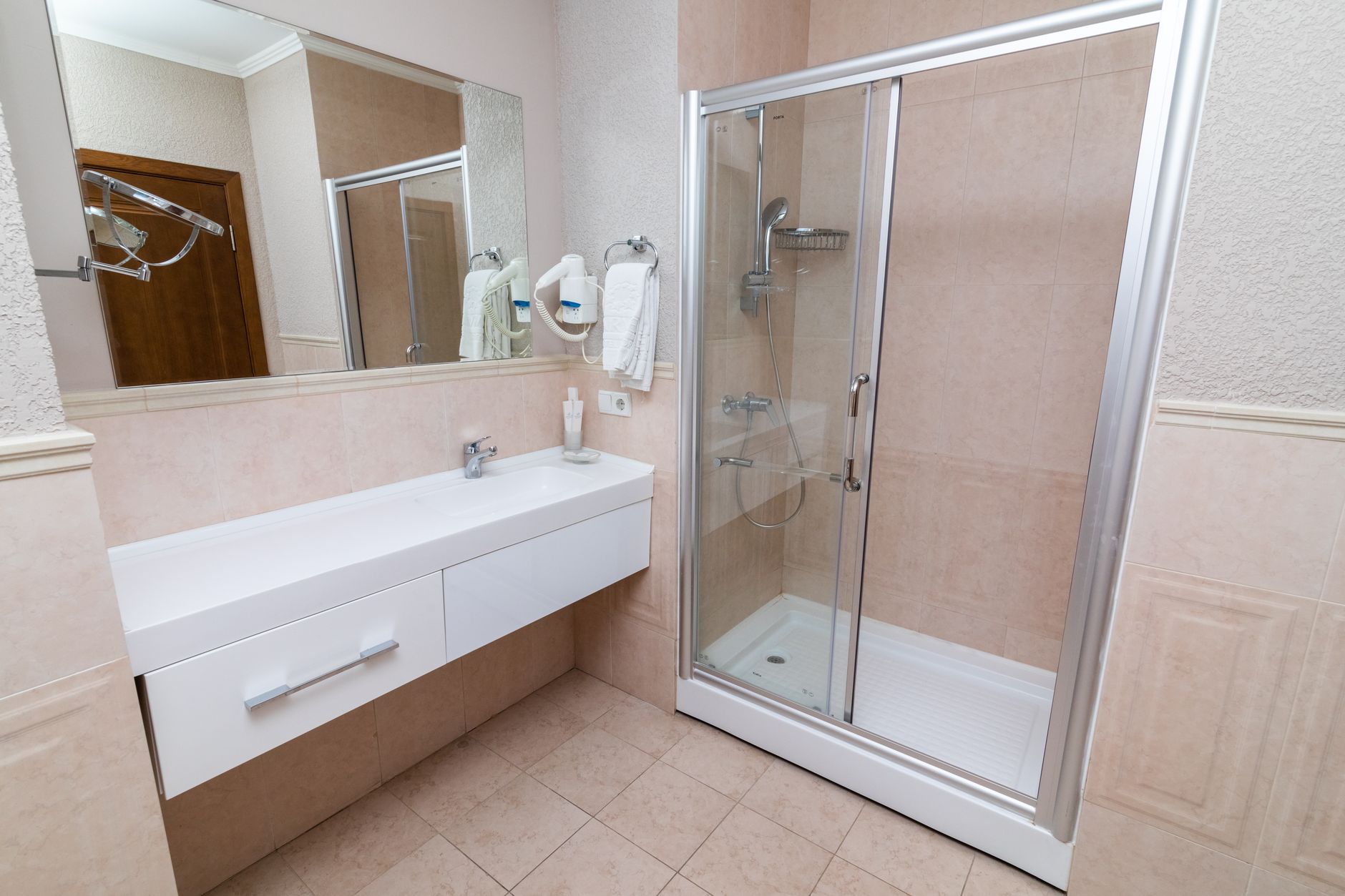
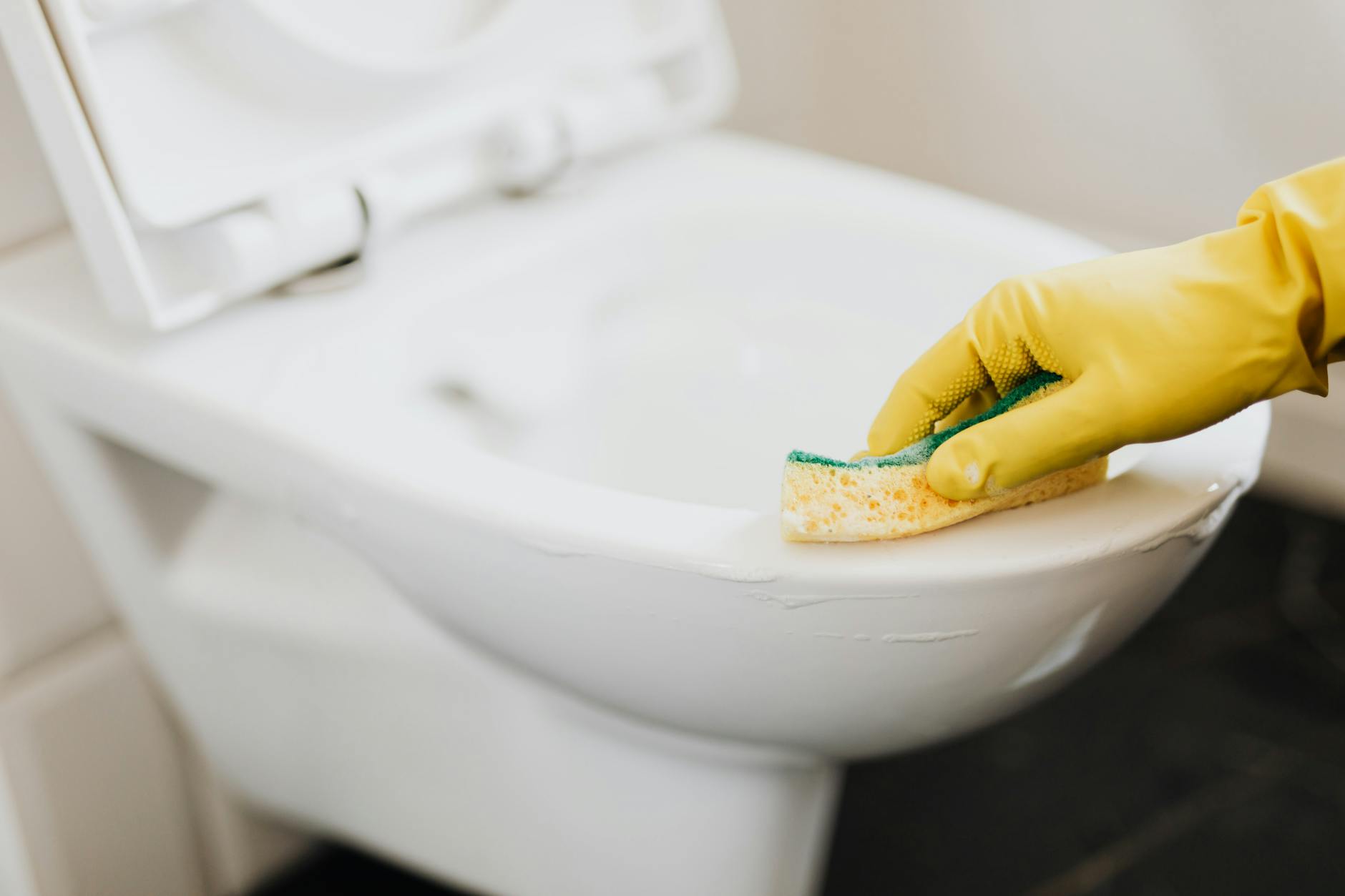
The bathroom is where cleaning product quality really shows. The highest rated bathroom cleaning supplies are formulated to dissolve soap scum, hard water deposits, and limescale without requiring you to scrub for 20 minutes. For toilets, gel-based bowl cleaners with hydrochloric acid or citric acid are the two most effective options for cutting through mineral buildup and stains.
For tile and grout, a dedicated grout cleaner with an alkaline formula or an oxygen bleach base will do far more than a generic spray. Grout is porous and traps soap residue and mildew easily, so a product that can penetrate the surface rather than just coat it is key. Pair it with a stiff-bristled grout brush for the best results.
Shower doors and tub surrounds respond best to daily spray-on shower cleaners that prevent soap scum from building up in the first place. These preventive bathroom cleaning products are sprayed on after showering without rinsing, creating a thin barrier that keeps residue from bonding to the surface. It is a simple habit that dramatically reduces the amount of scrubbing needed during a deep clean.
If you want a broader strategy for tackling your whole home rather than just the bathroom, the spring cleaning guide on this blog covers a room-by-room approach that pairs well with stocking up on the right supplies.
5. Kitchen Cleaning Products: Top Picks for Grease, Stovetops, and Appliances
Kitchen grease is a different animal from regular household dirt. It bonds to surfaces and bakes on under heat, which means standard all-purpose sprays often underperform. The top rated kitchen cleaning products are specifically formulated with degreasers, which break down fat molecules and emulsify them so they rinse away cleanly.
Citrus-based degreasers and enzyme-based kitchen sprays are two of the most effective categories right now. Citrus formulas use d-limonene (a compound extracted from citrus peel) to dissolve grease naturally, while enzyme-based products use biological agents to break down organic matter. Both outperform standard all-purpose cleaners on stovetops and range hoods.
For ovens, a paste-based oven cleaner or a baking soda and dish soap combination applied overnight gives you the best lift on baked-on grease without harsh fumes. For stainless steel appliances, a dedicated stainless steel cleaner applied with the grain of the metal will remove fingerprints and restore shine without streaking. Kitchen cleaning products that actually work are covered in depth in a separate post on this blog if you want a more focused kitchen breakdown.
The Good Housekeeping cleaning guides are also a reliable resource for independently tested kitchen product recommendations that go beyond marketing claims.
6. Laundry Products: Best Detergents and Fabric Care Supplies
Laundry is a category where the gap between the best and the mediocre products is very real. The highest rated laundry detergents today use enzyme cocktails that target specific stain types: proteases for protein-based stains like blood and sweat, lipases for grease and oil, and amylases for food and starch stains. A detergent with all three enzyme types is your best all-around pick.
Concentrated detergent pods and liquid concentrates are the most popular laundry cleaning products among households that want performance without excess packaging. They also tend to perform better in cold water, which saves energy without sacrificing cleaning power. If you have a high-efficiency (HE) washer, always use HE-labeled detergent to prevent excess sudsing that can damage the machine over time.
Beyond detergent, oxygen-based laundry boosters are some of the most praised laundry supply add-ons available. Products based on sodium percarbonate release hydrogen peroxide in the wash, which whitens whites and brightens colors without the harshness of chlorine bleach. These fabric-safe stain removers can be added to almost any wash load as a pre-soak or in-wash booster.
For delicates and wool, a pH-neutral wool wash or delicate fabric cleaner is the right tool. Enzyme detergents, while excellent for regular loads, can damage protein-based fibers like wool and silk over repeated washes. Keeping a separate delicates-specific laundry product on hand protects your investment in quality clothing.
7. Floor Cleaners: Top Rated Products for Hardwood, Tile, and Carpet
Different floor types need different cleaning solutions, and using the wrong one can cause real damage. The top rated floor cleaning products for hardwood are pH-neutral, water-minimizing formulas. Excess water is hardwood’s enemy, causing warping and staining over time. Spray mops paired with diluted hardwood-safe cleaners are the safest method for regular maintenance of wood floors.
For tile and grout floors, an alkaline floor cleaner diluted per the label instructions cuts through dirt and residue without leaving a film. Residue buildup from improperly diluted floor cleaners is actually one of the most common reasons tile floors look dull even after mopping. Always rinse with clean water after mopping tile if you are using a concentrated solution.
Carpet cleaning products split into two camps: dry cleaning powders and liquid spot treatments. Enzyme-based carpet spot cleaners are the top pick for pet stains and odors because they break down the uric acid in pet urine rather than simply masking the smell. For whole-carpet refreshing between professional cleanings, a dry carpet powder that you sprinkle, let sit, and vacuum up works well for odor control without dampening the fibers.
If your home has a mix of floor types, consider investing in a concentrated multi-floor cleaning product that can be diluted differently for each surface. This approach keeps your cleaning supply closet manageable and reduces the number of products you need to rotate through. For eco-conscious households in Arizona looking for floor cleaners that are safe for the local environment, the post on eco-friendly cleaning products is worth reading.
8. Specialty Cleaners: Glass, Stainless Steel, and Hard-to-Clean Surfaces
Specialty cleaning products exist because some surfaces genuinely need targeted formulas. Glass cleaner is the classic example. The top rated glass cleaning products use ammonia or isopropyl alcohol as the active ingredient, which evaporates quickly to prevent streaking. Avoid using paper towels on glass if possible since they can leave behind lint. A clean microfiber cloth or crumpled newspaper gives a streak-free result far more consistently.
Stainless steel cleaners are another specialty product worth having in your rotation. Regular sprays leave water spots and fingerprint smears on stainless steel. A dedicated stainless steel cleaning spray or oil-based wipe applied with the grain of the metal buffs out smudges and leaves a thin protective layer that repels future fingerprints.
For stone surfaces like granite or marble countertops, only pH-neutral stone cleaners should be used. Acidic cleaners like vinegar and many bathroom sprays will etch and dull stone permanently. A stone-specific cleaner maintains the finish without risking damage. If you have quartz countertops, those are more forgiving but still benefit from a gentle, non-abrasive daily cleaner over generic all-purpose sprays.
9. Eco-Friendly and Natural Cleaning Supplies: Safe Alternatives That Actually Work
Eco-friendly cleaning supplies have come a very long way. The best natural cleaning products today match or exceed conventional formulas in real-world cleaning performance while cutting out ingredients that affect indoor air quality and waterways. If you have children or pets at home, or you simply want to reduce chemical exposure, natural cleaning alternatives are worth exploring seriously.
Plant-derived surfactants, citric acid, and sodium bicarbonate are the backbone of most effective natural household cleaners. These ingredients are biodegradable, low-toxicity, and widely available. The EPA’s Safer Choice program certifies products where every ingredient has been vetted for safety, making it a reliable filter when shopping for eco-friendly cleaning supply options.
Concentrated cleaning tablets that dissolve in water are one of the more interesting innovations in the natural cleaning supply space right now. You buy small tablets, drop one into a reusable spray bottle with water, and you have a ready-to-use cleaner without the plastic waste of buying new bottles every time. These refill-format products have gained strong reviews from consumer groups and environmental organizations alike.
The American Lung Association’s indoor air resources highlight why reducing chemical VOCs indoors matters, especially in Arizona where many households keep windows closed for much of the year due to heat. Choosing lower-VOC cleaning products is a practical step toward healthier air inside your home. You can also check out the post on natural cleaning solutions for room-by-room ideas that work in the Arizona climate.
10. Odor Eliminators and Air Fresheners: Top Rated Products for Fresh-Smelling Rooms
Odor eliminators and air freshening products are a category where the difference between masking and eliminating smells really matters. The top rated odor eliminating products use one of three mechanisms: enzymatic breakdown of odor-causing organic molecules, activated charcoal that adsorbs odor compounds, or chemical neutralizers that react with and cancel out odor molecules. Simply spraying a fragrance over a smell does not remove it, which is why air fresheners alone disappoint so many people.
Enzyme-based odor eliminators are the gold standard for pet odors, smoke smells, and cooking odors that have embedded into soft surfaces like upholstery and carpet. For general room freshening, activated charcoal bags placed in closets, car interiors, and bathrooms work passively and last for months before needing to be recharged in sunlight.
Baking soda remains one of the simplest and most effective odor-absorbing products available. An open box in the refrigerator, a sprinkle on carpet before vacuuming, or a bowl placed in a musty closet are all time-tested uses that genuinely work. For persistent odors tied to mold or mildew, however, no air freshener substitutes for finding and addressing the source of moisture causing the problem.
11. Cleaning Tools and Equipment: Supplies That Make Products Work Better
The right tools make even good cleaning products work noticeably better. A quality spray bottle with an adjustable nozzle, for instance, lets you switch between a fine mist for glass and a concentrated stream for grout. Cheap spray bottles clog, drip, and distribute product inconsistently, which wastes both the cleaner and your effort.
Grout brushes, extendable scrubbers, squeegees, and microfiber mop heads are the cleaning tools that professional cleaners rely on daily. The Spruce’s cleaning resource library covers a wide range of tool-specific tips that complement any product selection. The cleaning pros at Elite Maids use professional-grade tools and techniques that are calibrated to product formulas, which is one reason results from a professional cleaning visit look so different from a DIY effort with the same products.
A telescoping duster with a washable microfiber head is one of the most underrated cleaning tools for Arizona homes, where dust accumulates fast due to dry desert conditions. It reaches ceiling fans, light fixtures, and high shelves without a step stool, cutting cleaning time significantly. Pair it with a quality HEPA vacuum and you have a foundation for a consistently clean home between professional visits.
12. Where to Buy Top Rated Cleaning Supplies: Best Retail and Online Sources
Knowing where to shop for the best cleaning supply products is nearly as important as knowing what to buy. For everyday essentials like multi-surface sprays, laundry detergent, and microfiber cloths, big-box retailers offer the widest selection and the most competitive pricing. Home Depot’s cleaning supply section is a strong source for commercial-grade products like concentrated degreasers, mop systems, and heavy-duty disinfectants that are not always easy to find in grocery stores.
For research-backed product recommendations, Consumer Reports and Good Housekeeping remain two of the most trusted sources for independently tested cleaning products. Both organizations evaluate products under controlled conditions rather than relying on manufacturer claims, making their recommendations genuinely useful when you are choosing between competing brands.
If you are looking for specialty or eco-friendly cleaning supply products, specialty cleaning retailers and online marketplaces carry a wider range of concentrated formats, refillable systems, and fragrance-free options than most brick-and-mortar stores stock. The EPA Safer Choice website also has a searchable product database where you can filter by product type and use, making it easy to find certified-safe options across every cleaning category.
For a deeper look at keeping your home clean all year long rather than just at one time, the house cleaning in Phoenix post has practical daily and weekly habits that pair well with having the right products on hand.
Ready to Let the Professionals Handle It?
Stocking the right cleaning supplies is a great step, but even the best rated cleaning products on the market cannot replicate what a trained, experienced cleaning team delivers. Whether you need a routine recurring clean, a thorough deep clean before a move, or a full reset after an event, Elite Maids House Cleaning has a service built for it. Every cleaner is background-checked, fully insured, and backed by a no-cost reclean guarantee so you never have to wonder if the job was done right. If you are ready to come home to a genuinely clean house without lifting a finger, contact Elite Maids house cleaning today for a free quote and get an instant online estimate in minutes.
Frequently Asked Questions
What are the top rated cleaning supplies recommended by Consumer Reports?
Consumer Reports consistently rates enzyme-based laundry detergents, concentrated multi-surface sprays, and microfiber cleaning cloths among the highest performing cleaning supplies. They evaluate products in controlled lab settings for actual cleaning effectiveness rather than marketing claims. For disinfectants specifically, look for EPA-registered formulas with a confirmed kill claim on the label.
What cleaning supplies do professional house cleaners use?
Professional cleaners typically use commercial-grade multi-surface sprays, concentrated degreasers diluted to the correct ratio, microfiber cloths, grout brushes, and HEPA-filter vacuums. They select products based on surface type and soil level rather than using one product for everything. Professionals also follow strict dwell times for disinfectants, which is a step many DIY cleaners skip.
Are eco-friendly cleaning products as effective as conventional ones?
Today’s plant-derived and natural cleaning products perform comparably to conventional formulas for most household tasks. EPA Safer Choice-certified products have been independently tested for both safety and cleaning efficacy. For heavy-duty jobs like oven degreasing or grout restoration, a targeted specialty formula, whether conventional or eco-friendly, will outperform a general-purpose natural spray.
How do I know if a cleaning product is safe for my family and pets?
Look for the EPA Safer Choice seal, which means every ingredient has been reviewed for human and environmental safety. Avoid products with chlorine bleach, ammonia, or high-VOC solvents in households with small children, pets, or people with respiratory sensitivities. Always ventilate rooms during and after use, and store products in a locked cabinet away from children and animals.
What is the difference between a cleaner, a sanitizer, and a disinfectant?
A cleaner removes visible dirt and residue through physical or chemical action. A sanitizer reduces bacterial counts on a surface to a safe level but does not necessarily kill all pathogens. A disinfectant kills a broader range of bacteria and viruses on contact after the surface has already been cleaned. For full germ elimination, you need to clean first and then disinfect as a second step.
Every year, the Good Housekeeping Institute puts hundreds of cleaning products through rigorous real-world testing, and their 2026 Cleaning Awards are packed with winners worth knowing about. Whether you are tired of scrubbing the same stubborn soap scum or just want a faster way to get through your weekly routine, these award-winning picks can make a real difference in how your home looks and feels. As the most reviewed house cleaning company in Arizona, we spend a lot of time thinking about what actually works, and the 2026 list is full of products that earn their spot under the sink. Here is a breakdown of the standout categories and how you can put these picks to work in your own home.
Disinfecting Wipes and Surface Cleaners: Fast, Reliable, and Worth Every Penny
When it comes to killing germs quickly, nothing beats a good disinfecting wipe. Faucets, toilet handles, light switches, and doorknobs are touched dozens of times a day, and those surfaces can harbor bacteria and viruses longer than most people realize. According to the CDC, regularly disinfecting high-touch surfaces is one of the most effective ways to reduce the spread of illness in your home. Lysol’s disinfecting wipes earned top marks in the 2026 awards for their killing power and ease of use, and they remain a go-to for quick cleanups between deeper cleans.
But wipes are just one piece of the puzzle. The 2026 awards also highlighted multi-surface sprays that do serious work on kitchens and bathrooms without leaving behind a filmy residue. If you have ever sprayed a cleaner and then had to buff it off for five minutes, you know exactly how frustrating that can be. The winning sprays in this category rinse clean and leave counters streak-free, which saves real time over the course of a week.
A few tips for getting the most out of disinfecting products:
Always let the product sit on the surface for the contact time listed on the label. Wiping it off immediately reduces effectiveness.
Use a fresh wipe for each surface area. Moving the same wipe from the toilet handle to the faucet just spreads germs around.
Store wipes in a cool, dry spot. Heat can dry them out faster and reduce their potency over time.
Check the label to confirm the product is EPA-registered as a disinfectant, not just a cleaner.
Floor Cleaners, Vacuum Picks, and the Tools That Actually Last
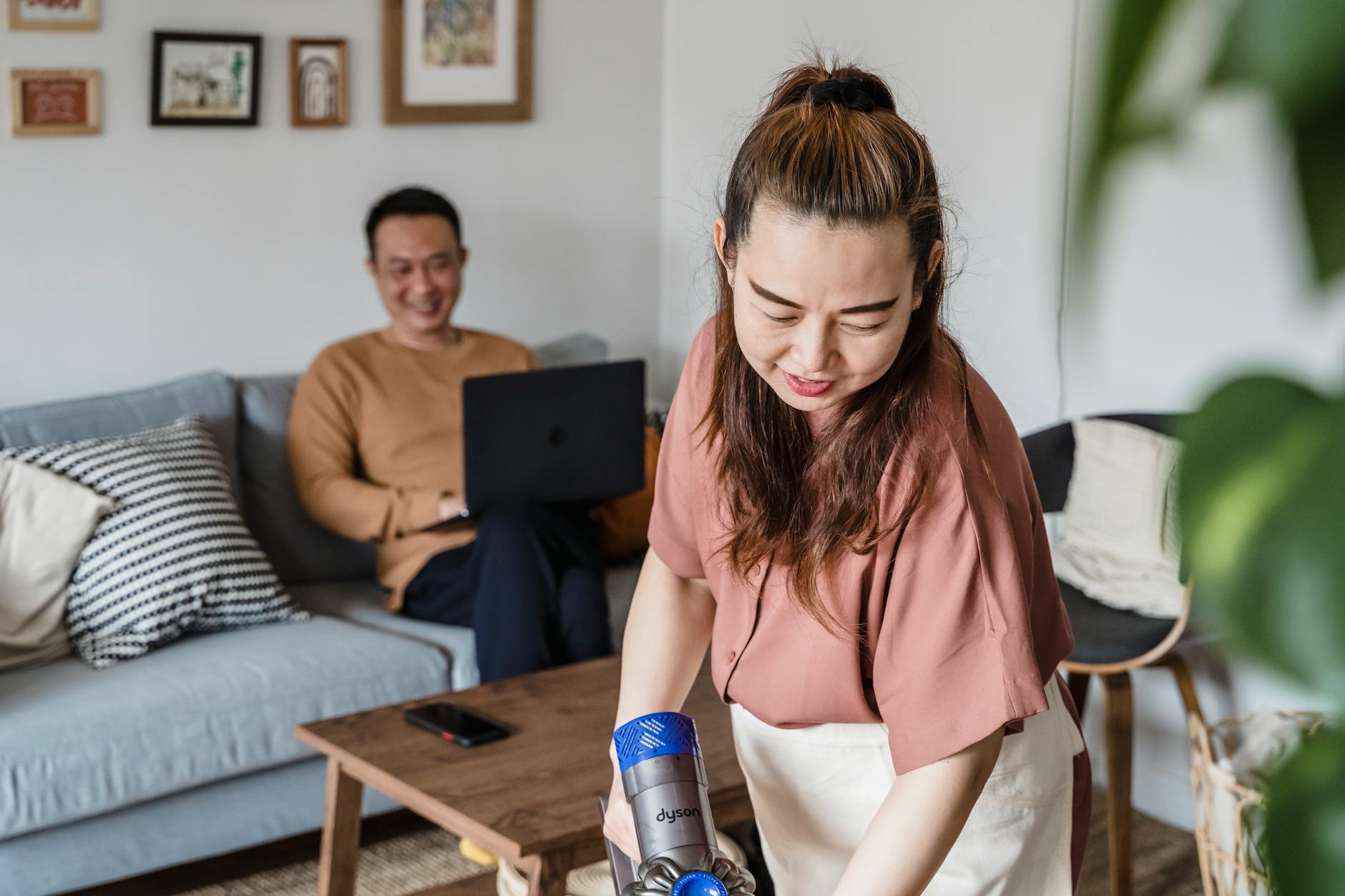
Floors take a beating. Between pets, kids, outdoor shoes, and daily foot traffic, it can feel like you are mopping the same section of tile on a loop. The 2026 Good Housekeeping Cleaning Awards recognized several floor care products that stood out for both performance and durability. On the vacuum side, cordless models continue to dominate because they make it genuinely easier to clean more often. The less friction there is in pulling out your vacuum, the more likely you are to actually use it.
For hard floors, the award-winning mop systems this year focus on reusable, washable pads rather than disposable ones. This is a welcome shift for anyone trying to cut down on household waste. Consumer Reports has consistently noted that reusable microfiber pads clean just as well as disposable options when laundered properly, and they hold up through hundreds of washes.
Here are some simple habits that pair well with any floor cleaning system:
Vacuum before you mop. Running a mop over loose dirt and crumbs just pushes them around and makes your mop dirty faster.
Change your mop water more often than you think you need to. Dirty water leaves a dull film on floors even after they dry.
Use the right cleaner for your floor type. Hardwood, tile, and laminate all have different needs, and the wrong product can cause damage over time.
Work from the back of the room toward the door so you are not stepping on areas you have already cleaned.
One thing that often gets overlooked in floor care is baseboards and the edges along walls. Most people vacuum the open floor and forget the corners. Running a damp microfiber cloth along baseboards once a month keeps dust from building up and gives your whole room a cleaner look, even on days when you do not have time for a full scrub.
Beyond the specific product picks, the bigger takeaway from this year’s awards is that cleaning tools have gotten smarter and more user-friendly across the board. Companies are listening to real feedback and building products that fit into how people actually clean, not how cleaning product commercials pretend people clean. That means lighter tools, better ergonomics, longer battery life, and formulas that work without requiring a lot of elbow grease.
If you want to dig deeper into any of the award categories, Good Housekeeping’s cleaning hub has full write-ups on each winner along with testing methodology and side-by-side comparisons. It is a solid resource before you spend money on something new.
Ready to take the work off your plate entirely? The cleaning pros at Elite Maids bring professional-grade tools and proven techniques to every home they clean. Whether you need a one-time deep clean or a regular recurring service, our team knows how to get results you can actually see. Book your cleaning today and let us handle the hard part.