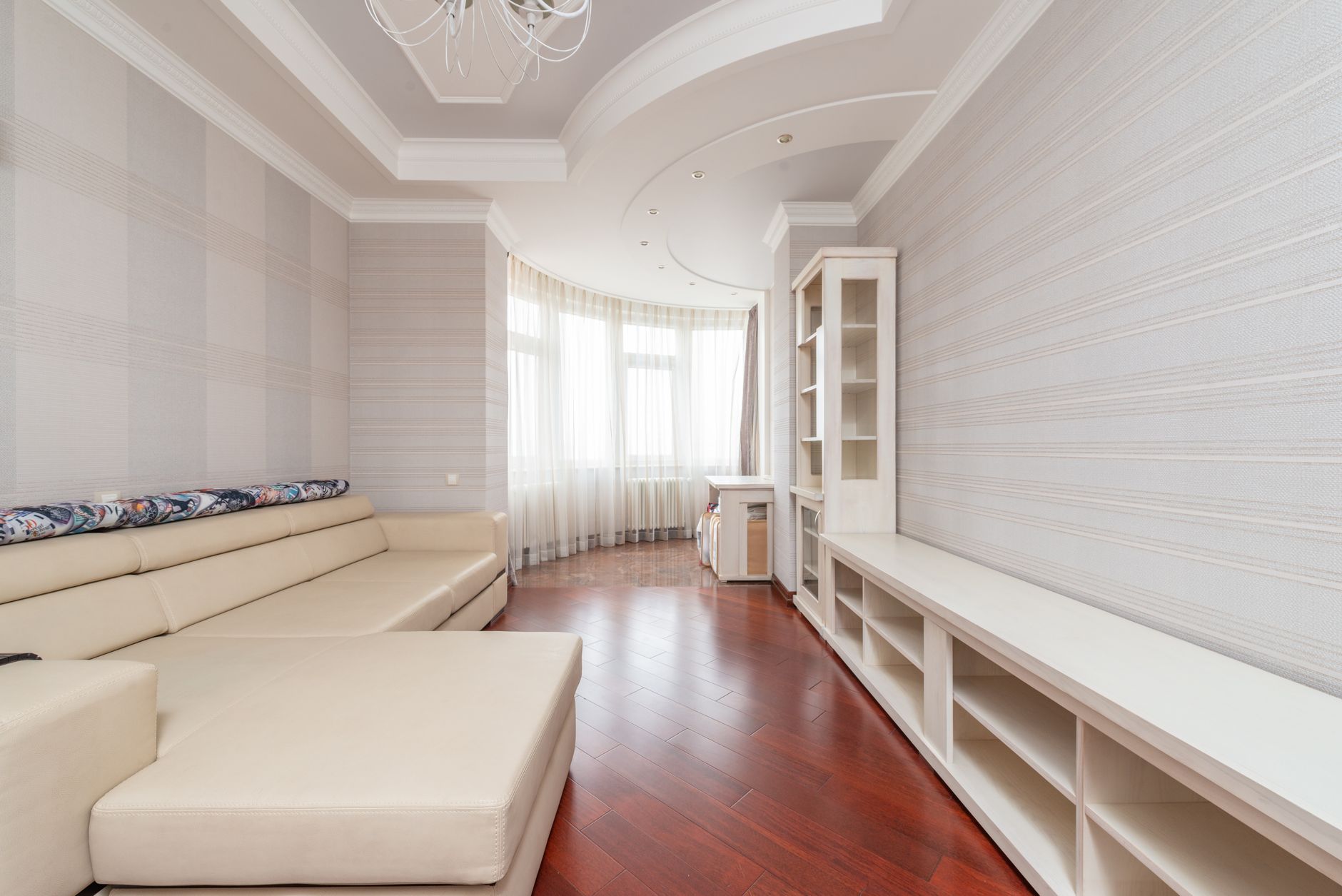
To clean hardwood floors properly, sweep or vacuum daily to remove grit, then damp-mop weekly using a pH-neutral cleaner like Method or Pledge, diluted dish soap, or a dedicated hardwood floor solution. Avoid soaking the wood, which causes warping and swelling. This guide walks you through every step, from routine care to tackling tough stains, so your floors stay beautiful for years to come.
The Right Way to Clean Hardwood Floors Every Week
Consistent weekly care is what separates floors that look great at year ten from ones that show scratches and dullness after year two. Cleaning hardwood floors on a regular schedule does not have to be complicated, but the method matters as much as the frequency.
Start every session with a dry pass. Use a microfiber dust mop or a vacuum set to the bare-floor setting to lift sand, pet hair, and crumbs. Grit is the number-one enemy of a hardwood surface because every footstep grinds those particles against the finish like sandpaper. A dry sweep before any wet cleaning prevents that abrasion from happening.
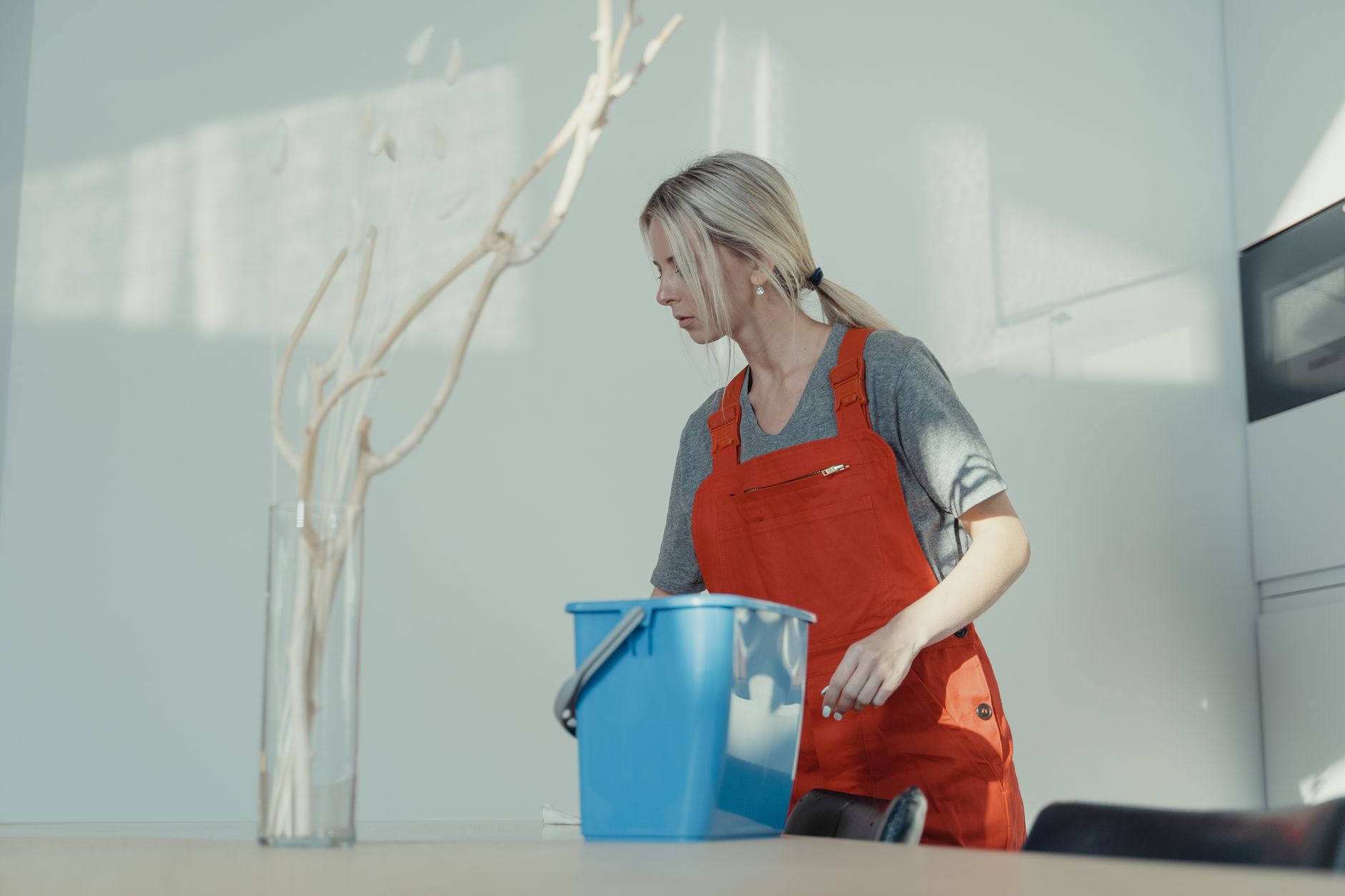
Once the floor is clear of loose debris, prepare your mopping solution. A specialized cleaner such as Pledge FloorCare or Method Squirt and Mop works well here, as does a simple solution of a few drops of liquid dish soap mixed into a gallon of warm water. Whatever you choose, wring your mop until it is barely damp. Puddles of water are your floor’s worst enemy, and standing liquid will seep into the seams and cause the wood to cup or buckle over time.
Mop in the direction of the wood grain and work backward out of the room so you are not stepping on the clean surface. Let the floor air dry completely before walking on it. If you notice streaks, a second pass with a clean, barely damp mop usually takes care of it.
Keeping up with this routine is much easier when your home already has a solid cleaning baseline. If you are spending weekends catching up on deep work rather than maintenance, the team at Elite Maids House Cleaning offers recurring weekly, biweekly, and monthly plans that handle the hard stuff so you can focus on upkeep between visits.
Best Hardwood Floor Cleaning Products: What to Use and What to Avoid
Choosing the right hardwood floor cleaning products can feel overwhelming given how many options line store shelves. The short answer is: stick to products that are pH-neutral and specifically labeled safe for hardwood or sealed wood floors.
Reliable options include:
Method Squirt and Mop: Plant-based, low-residue, and widely available. It cleans effectively without leaving a slippery film.
Pledge FloorCare Multi-Surface Cleaner: Trusted by many homeowners for its streak-free finish on sealed hardwood.
Diluted dish soap: A few drops of a gentle liquid soap in warm water is one of the oldest, most effective DIY hardwood floor cleaners around. Just keep the solution diluted and the mop barely damp.
Bona Hardwood Floor Cleaner: A go-to for professional cleaners because it dries fast and leaves no buildup.
Products to avoid entirely:
Steam mops: The heat and moisture force water vapor into wood grain and destroy the finish over time.
Vinegar or lemon juice: These acids etch the protective finish, leaving the wood vulnerable and dull-looking.
Oil soaps (like Murphy Oil Soap) used too frequently: While marketed for wood, regular use leaves a residue that builds up and makes the floor look hazy.
If you want to confirm whether a product is formulated with safer ingredients, the EPA Safer Choice program maintains a searchable database of cleaning products that have passed rigorous safety and environmental standards. It is a quick way to vet any cleaner before it touches your floors.
How to Remove Stains from Hardwood Floors Without Damaging the Finish
Removing stains from hardwood floors is where most people go wrong because the instinct is to scrub harder or reach for a stronger chemical. Both approaches tend to make things worse. The key is to match the cleaning method to the stain type.
Water Marks and White Rings
These are usually trapped moisture in the finish, not in the wood itself. Rub a small amount of plain mayonnaise or a paste of non-gel toothpaste and baking soda over the ring, let it sit for ten minutes, then wipe clean with a soft cloth. The mild abrasive and oils help re-disperse the trapped moisture.
Pet Stains and Urine
Blot up as much liquid as possible immediately. Mix a tablespoon of dish soap into two cups of warm water and work it gently into the stain. Rinse with a barely damp cloth. For older, set-in stains, a small amount of 3% hydrogen peroxide applied to a cloth (not poured directly) can help lift the discoloration, though test in an inconspicuous spot first because peroxide can lighten some finishes.
Grease and Food
A few drops of dish soap on a damp cloth is usually enough to cut through cooking grease or food spills. Work in small circles and rinse with a clean damp cloth immediately after.
Dark Stains and Ink
These are the most stubborn. Try a cloth dampened with rubbing alcohol first. If the stain has penetrated the finish entirely and reached the raw wood, it may require light sanding and recoating, which is a job for a flooring professional rather than a DIY fix.
Consistent disinfection of high-traffic areas, especially around entryways and kitchens, keeps stains from becoming a recurring problem. Our professional disinfection services target exactly those zones using products that are safe for sealed wood surfaces and effective against household pathogens.
Deep Cleaning Hardwood Floors: When and How to Do It
Deep cleaning hardwood floors goes beyond the weekly mop. It addresses the buildup of old cleaner residue, wax, and fine grime that accumulates in the wood grain over months and makes floors look dull even right after mopping.
Plan on a thorough deep clean of your hardwood two to four times per year, more often if you have pets or kids. Here is the process:
Clear the room: Move furniture to expose the full floor. You cannot deep clean around chair legs properly.
Vacuum with a soft-bristle attachment: Get along baseboards and into corners where debris hides.
Apply a hardwood floor cleaner in sections: Work in four-foot strips across the room. Spray the cleaner directly onto a microfiber mop pad rather than the floor, then mop in the direction of the grain.
Scrub problem areas by hand: For corners, transitions, and grout lines around inlays, use a soft-bristle brush with a small amount of your cleaning solution.
Rinse with a clean, barely damp mop: This lifts any cleaner residue that would otherwise dry to a cloudy film.
Dry thoroughly: Open windows if weather permits and run a fan to speed drying. Do not replace furniture until the surface is completely dry to the touch.
For households where floor care has slipped for a season or two, a professional deep cleaning visit is often the most efficient way to reset the baseline. Book your deep clean online with Elite Maids for same-day availability and an instant quote, no phone call needed.
According to the Good Housekeeping cleaning resource center, one of the most common mistakes homeowners make during deep cleaning is using too much water, a point worth emphasizing: if you can see water sitting on the surface for more than a few seconds, you are using too much.
Protecting Hardwood Floors Between Cleanings
Protecting your hardwood floors is as important as cleaning them. Good habits between washes extend the life of the finish dramatically and reduce how often you need to deep clean.
Use rugs at entries and high-traffic paths: Entry mats trap the grit and moisture that cause the most finish wear. A mat outside and just inside every exterior door makes a measurable difference.
Add felt pads to furniture legs: Dragging chairs across hardwood without felt pads creates fine scratches that dull the finish over months. Check pads every few months because they wear out and fall off.
Control indoor humidity: Wood expands when humidity is high and contracts when it is low. Keeping your home between 35 and 55 percent relative humidity prevents seasonal gapping and cupping. The American Lung Association’s indoor air quality guidance notes that proper humidity control also reduces mold and dust mite activity, which matters beyond just your floors.
Trim pet nails regularly: Dog and cat nails are surprisingly effective at scratching hardwood. A regular trim schedule is one of the simplest ways to protect your floor’s finish.
Avoid walking on hardwood in stiletto heels: The concentrated pressure of a narrow heel can dent even hard species like oak and maple.
Sweep or dust-mop daily in heavy-use areas: You do not need to mop every day, but a quick dry pass in the kitchen or main hallway takes about two minutes and prevents grit buildup significantly.
Hardwood Floor Cleaning Mistakes That Shorten the Life of Your Floors
Knowing what not to do when cleaning hardwood floors is just as valuable as knowing the right technique. Some of the most common hardwood floor cleaning mistakes are ones homeowners repeat for years without realizing they are causing cumulative damage.
Using Too Much Water
This is the single most common mistake. Even a well-sealed floor has microscopic gaps between boards where water can seep in. Over time, excess moisture causes the wood to swell, warp, and eventually separate at the seams. Always wring your mop to the point where it feels almost dry before it touches the floor.
Skipping the Dry Sweep Before Mopping
Mopping without sweeping first just moves grit around and drags it across the finish under a wet mop head, which is exactly how you create fine scratches across a wide area quickly. Dry sweep every time before any wet cleaning.
Using the Wrong Vacuum Setting
Most upright vacuums have a rotating beater bar that is great for carpet but will scratch hardwood finishes. Always switch to the bare-floor or hard-surface setting, which disengages the brush roll.
Applying Polish or Wax on Top of Polyurethane
Many homeowners try to restore shine by adding floor wax or polish to a polyurethane-finished floor. The two products are not compatible. The wax sits on top of the finish and creates a hazy, sticky layer that attracts dirt. When the floor eventually needs to be refinished, that wax has to be stripped first, adding cost and labor to the project.
Ignoring Manufacturer Recommendations
Different wood species and finish types have different tolerances. Engineered hardwood, for example, is more moisture-sensitive than solid hardwood with a thick polyurethane coat. Check with your flooring manufacturer’s care guide before committing to any cleaning product or method.
If your floors have reached the point where no amount of routine cleaning restores their look, that is a signal for professional attention, either a deep cleaning service from trusted Arizona house cleaners or a conversation with a flooring specialist about refinishing.
Eco-Friendly Hardwood Floor Cleaning Options
Eco-friendly hardwood floor cleaning is not just a trend; it is a practical approach that is often gentler on wood finishes and on the air quality inside your home. Natural and plant-based cleaners tend to leave less chemical residue, which means less buildup on the floor surface over time.
Simple DIY options that are genuinely effective:
Diluted dish soap: A few drops of a plant-derived dish soap in warm water is one of the safest and most effective DIY hardwood floor cleaners available. Use sparingly and dry immediately.
Castile soap solution: A teaspoon of liquid castile soap in a gallon of warm water cleans without harsh surfactants and rinses completely clean.
Rubbing alcohol spot cleaner: For sticky spots and ink stains, a cloth dampened with isopropyl alcohol works fast without soaking the wood.
When shopping for ready-made eco-friendly products, look for the EPA Safer Choice label as a quick vetting tool. Products that carry this certification have been reviewed for both human safety and environmental impact across their full ingredient list, not just the active cleaning agents.
Avoid DIY formulas that include vinegar, lemon juice, or essential oils in high concentrations. Despite their reputation as natural cleaners, the acid in vinegar and citrus gradually strips polyurethane finishes, and some essential oils leave an oily residue that attracts dust. Eco-friendly does not mean acidic is fine on hardwood.
At Elite Maids, we offer eco-friendly product options on every cleaning visit for clients who prefer plant-based formulas in their homes. It is a simple checkbox when you book, and it applies to every surface we clean, including your hardwood floors.
Your hardwood floors are one of the most valuable and visible features in your home, and they respond well to consistent, informed care. Whether you are establishing a new cleaning routine or troubleshooting years of buildup, the strategies in this guide will help you get results without risking damage to the finish or the wood underneath. When the job is bigger than a weekend project, visit Elite Maids House Cleaning to learn how our team handles it, and contact Elite Maids house cleaning today for a free quote with same-day availability across Phoenix, Scottsdale, Mesa, Chandler, Gilbert, and the greater Arizona Valley.
Frequently Asked Questions
What is the best thing to use to clean hardwood floors?
The best cleaner for hardwood floors is a pH-neutral, hardwood-specific product such as Method Squirt and Mop, Bona Hardwood Floor Cleaner, or a simple solution of a few drops of dish soap in warm water. Avoid vinegar, steam mops, and any cleaner containing bleach or ammonia, as all of these will strip or etch the protective finish over time.
Can I use a steam mop on hardwood floors?
No. Steam mops force hot moisture into wood grain and seams, which breaks down the finish, causes the wood to swell, and can eventually lead to warping and cupping. Even on floors described as “sealed,” steam is too aggressive. Stick to a barely damp microfiber mop and a gentle liquid cleaner instead.
How often should you clean hardwood floors?
Dry sweeping or dust-mopping should happen daily in high-traffic areas and every two to three days in lighter-use rooms. Damp mopping with a hardwood cleaner is appropriate once a week for most households. A full deep clean of hardwood floors is recommended two to four times per year, or more frequently in homes with pets or children.
How do you get scratches out of hardwood floors?
For light surface scratches in the finish, a wood touch-up marker or a small amount of matching wax stick blended into the scratch can make it nearly invisible. Deeper scratches that cut into the wood itself typically require sanding and recoating by a flooring professional. Preventing scratches with felt furniture pads and entry mats is far easier than fixing them after the fact.
Is vinegar safe for cleaning hardwood floors?
No. Despite being a popular home remedy, vinegar is acidic and will gradually dull and etch the polyurethane finish on hardwood floors with repeated use. Once the finish is compromised, the raw wood beneath is exposed to moisture and staining. Use a pH-neutral cleaner or plain diluted dish soap instead, and save the vinegar for surfaces that can handle acidity.