Natural Cleaning Solutions for Every Room of Your Home
SHARE:
Natural cleaning solutions work throughout your entire home using a handful of safe, inexpensive ingredients you likely already own. White vinegar, baking soda, castile soap, and essential oils can replace a cabinet full of harsh chemical products. This guide walks room by room through the most effective homemade cleaners, smart techniques, and pro tips that actually get the job done.
1. The Natural Cleaning Supplies You Should Always Have on Hand
Before you mix a single recipe, stock your cleaning closet with the right base ingredients. A minimalist natural cleaning supply kit covers almost every surface in your home without cluttering your shelves with single-use products. Arizona’s most-reviewed house cleaning company recommends keeping these core items stocked at all times:
Distilled white vinegar – A mild acetic acid solution that cuts grease, dissolves mineral deposits, and disinfects non-porous surfaces.
Baking soda – A gentle abrasive and natural deodorizer that scrubs without scratching.
Castile soap – A plant-based, biodegradable soap concentrate safe for skin, surfaces, and drains.
Hydrogen peroxide (3%): A safer alternative to chlorine bleach for disinfecting and brightening surfaces.
Rubbing alcohol (isopropyl, 70%): Fast-evaporating disinfectant ideal for glass, electronics, and stainless steel.
Essential oils – Tea tree, lavender, and lemon oils add antimicrobial properties and a fresh scent.
Spray bottles and glass jars: Store homemade cleaners safely and label them clearly.
Microfiber cloths: These lift and trap dust and bacteria without any cleanser at all on many surfaces.
According to the EPA Safer Choice program, products using plant-derived ingredients and low-VOC formulations reduce indoor air pollution and are safer for people, pets, and the environment. Stocking these natural cleaning supplies gives you a foundation for DIY natural cleaning products that rival anything on a store shelf.
If you want a deeper look at rated store-bought options to complement your homemade kit, check out this roundup of household cleaning products that our team has vetted.
2. Whole-Home Tasks to Tackle Before Cleaning Room by Room
Some natural cleaning tasks apply to the whole house rather than one specific room. Tackling these whole-home chores first makes every room-by-room step faster and more effective. Think of this as your pre-cleaning ritual before the room-specific natural solutions kick in.
Declutter before you clean: Move objects off surfaces so your homemade cleaners can reach every inch.
Open windows: Ventilating your home while you clean dilutes any fumes from vinegar or alcohol and brings fresh air in. The EPA’s indoor air quality guidelines consistently highlight ventilation as a first-line defense against indoor pollutants.
Dust top to bottom: Use a damp microfiber cloth to capture dust from ceiling fans, light fixtures, and upper shelves before vacuuming floors. This prevents dust from re-settling on surfaces you already cleaned.
Make a simple all-purpose natural cleaner: Mix 1 cup water, 1 cup white vinegar, 15 drops of tea tree oil, and 10 drops of lemon essential oil in a spray bottle. This one homemade cleaning solution covers counters, cabinet fronts, light switches, and door handles throughout the house.
Deodorize with baking soda: Sprinkle baking soda on upholstered furniture, let it sit for 15 minutes, then vacuum it up. It neutralizes odors without masking them with synthetic fragrance.
Vacuum or sweep all floors before mopping: Picking up loose debris before wet-cleaning keeps your mop water cleaner and your floors looking better.
These whole-house tasks create the conditions for your natural cleaning recipes to work at peak performance in every room.
3. Natural Cleaning Solutions for the Kitchen
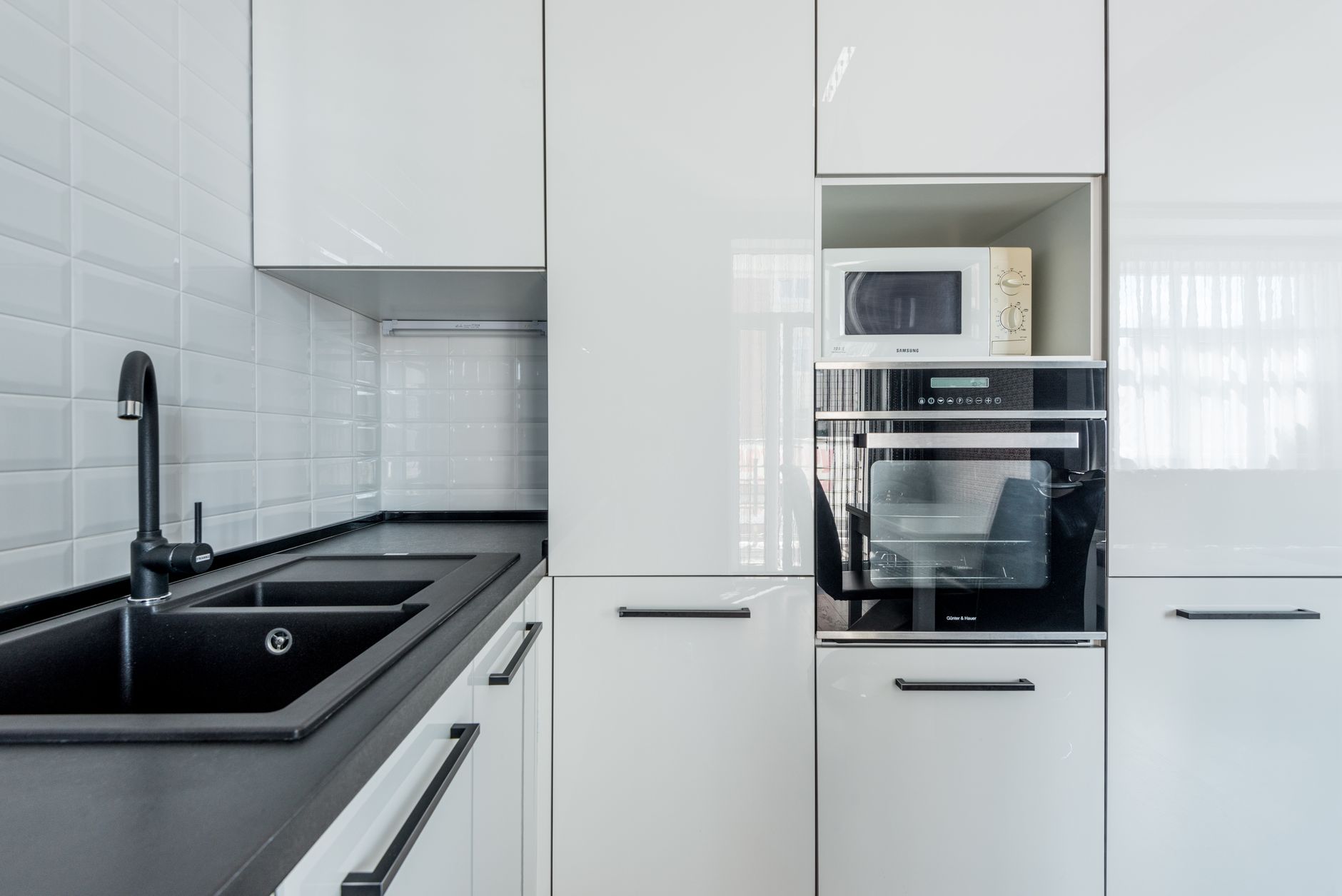
The kitchen is where natural cleaning solutions do some of their heaviest lifting. Grease, food residue, and bacteria make this the most demanding room in the house. The good news is that homemade kitchen cleaners made from pantry staples handle almost every challenge you will face.
Countertops and Backsplash
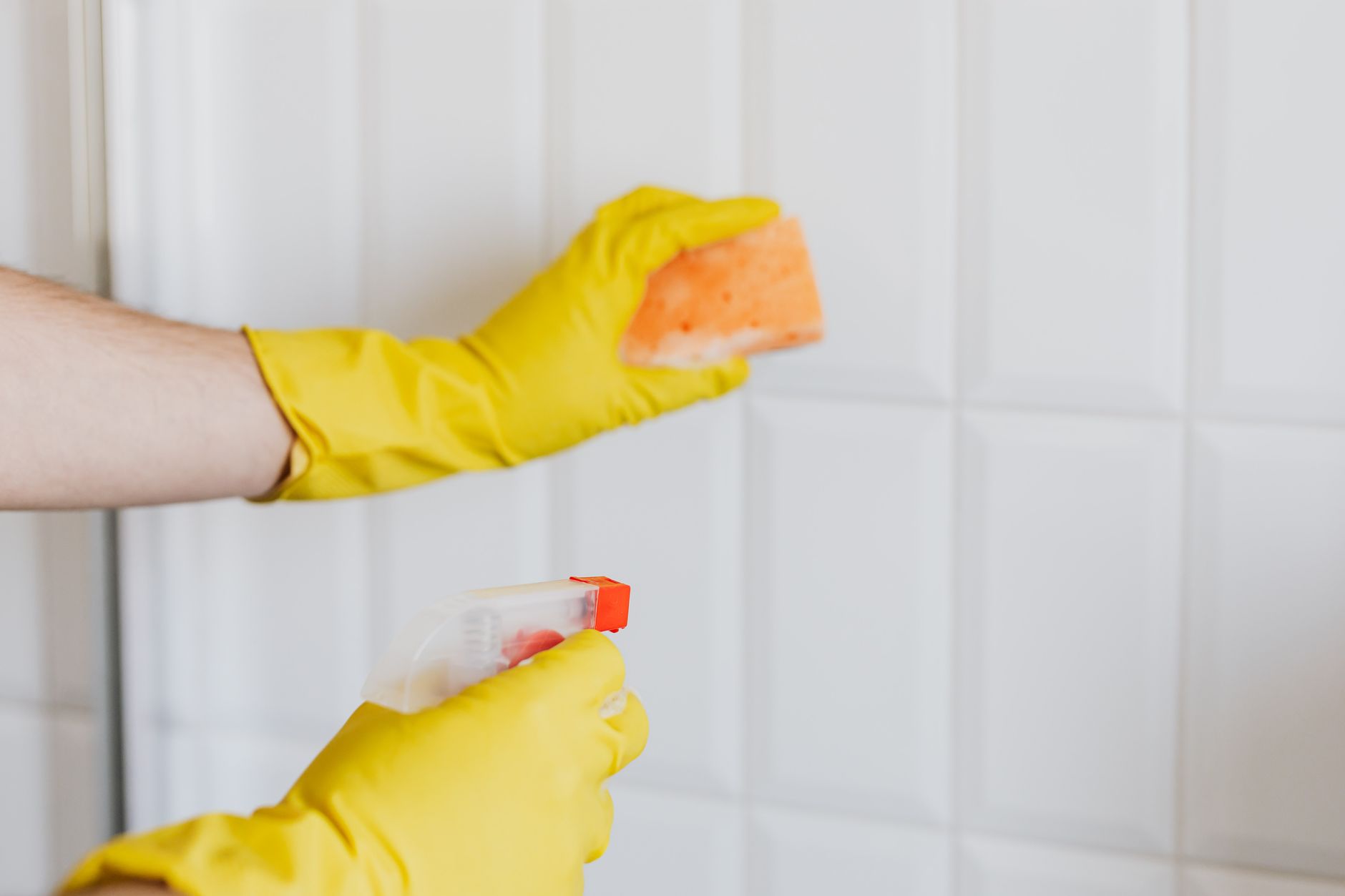
Spray your all-purpose vinegar cleaner directly onto stone or tile countertops, let it sit for 60 seconds, and wipe with a microfiber cloth. For natural stone like marble or granite, skip the vinegar since acid can etch the surface. Use a few drops of castile soap in warm water instead. For stubborn grime on grout or tile backsplash, apply a thick paste of baking soda and water, scrub with a soft brush, and rinse clean.
Sink and Drain
Pour half a cup of baking soda down the drain, follow with half a cup of white vinegar, and cover the drain for five minutes while the fizzing action breaks up buildup. Flush with a kettle of boiling water. For the sink basin itself, sprinkle baking soda, scrub with a damp sponge, and rinse. A few drops of tea tree oil in the final rinse keeps odor-causing bacteria at bay.
Oven and Stovetop
Mix baking soda with just enough water to form a spreadable paste. Apply it to the inside of a cool oven, avoiding the heating elements, and let it sit overnight. In the morning, wipe out the paste with a damp cloth and spray any remaining residue with vinegar. The resulting fizz loosens baked-on grease. For gas or electric stovetops, the same baking soda paste cuts through cooked-on spills without scratching.
Refrigerator
Wipe shelves and drawers with a solution of 1 tablespoon baking soda per quart of warm water. This natural fridge cleaner deodorizes as it cleans. Leave an open box of baking soda inside to absorb ongoing food odors between cleanings.
For kitchens that need a thorough reset beyond daily upkeep, a professional holiday cleaning service can cover every corner from top to bottom.
4. Natural Cleaning Solutions for the Bathroom
The bathroom is the room where people worry most about hygiene, and it’s also the room where natural cleaning solutions for bathrooms shine brightest. Mold, soap scum, hard water stains, and bacteria are all vulnerable to the right homemade cleaner.
Toilet
Sprinkle half a cup of baking soda into the bowl, add half a cup of white vinegar, and let the fizzing work for 10 minutes. Scrub with a toilet brush and flush. For exterior surfaces including the tank, seat, and base, spray with hydrogen peroxide, wait 60 seconds, and wipe clean. Hydrogen peroxide is a proven disinfectant and a safer alternative to bleach for this natural cleaning solution for the bathroom.
Shower and Tub
Mix equal parts dish soap (or castile soap) and white vinegar in a spray bottle. Spray generously on soap scum and hard water deposits, let it sit for 10-15 minutes, then scrub and rinse. For stubborn mildew grout, apply undiluted hydrogen peroxide, let it dwell for 10 minutes, and scrub with a stiff brush. The CDC notes that keeping surfaces dry between uses is the single most effective way to prevent mold growth in bathrooms.
Sink and Faucets
Rub cut lemon halves over chrome faucets to remove hard water spots and mineral deposits. Follow with a dry microfiber cloth for a streak-free shine. For the sink basin, a baking soda paste scrubs out stains without scratching porcelain or composite materials.
Mirrors and Glass
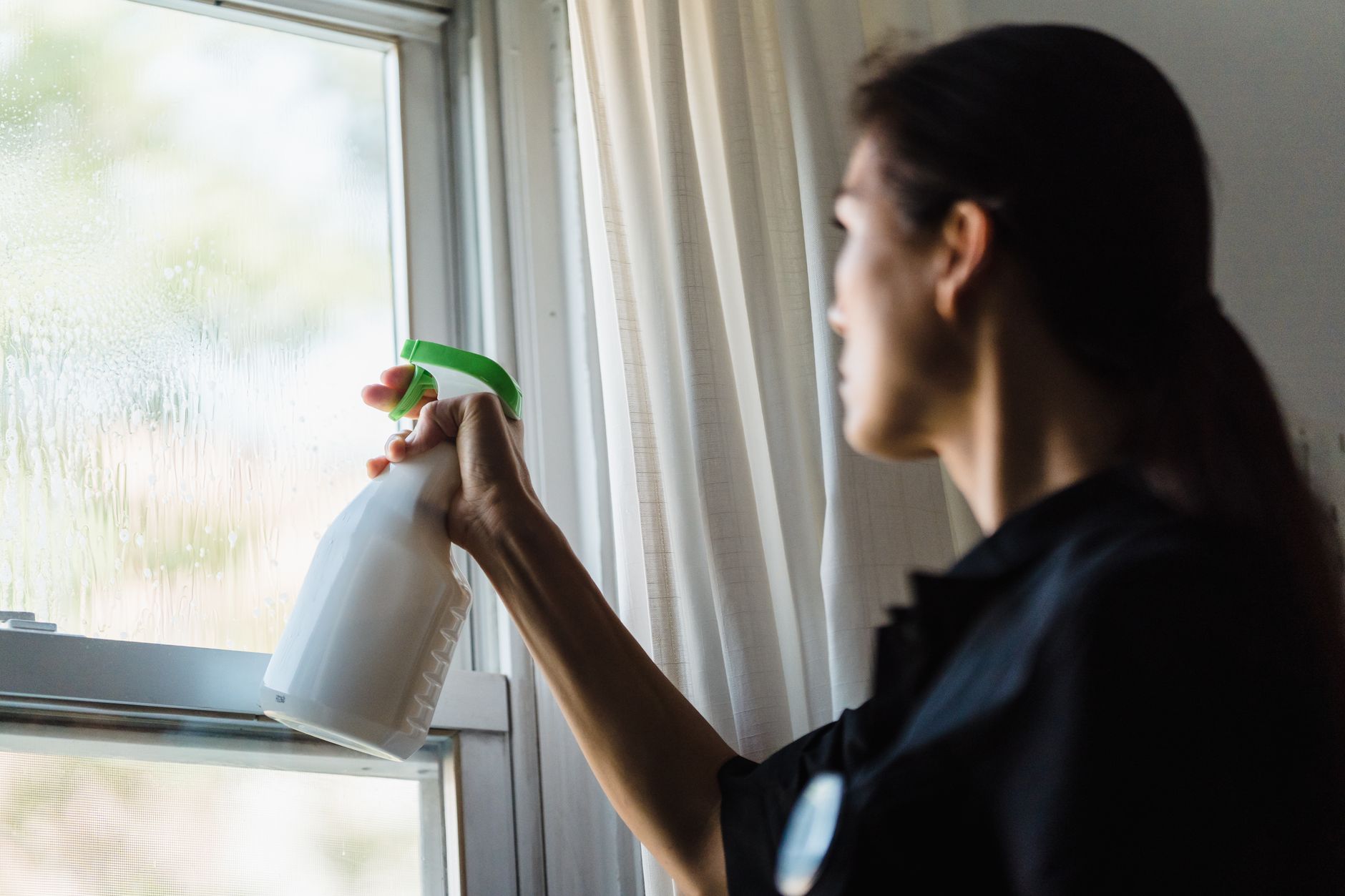
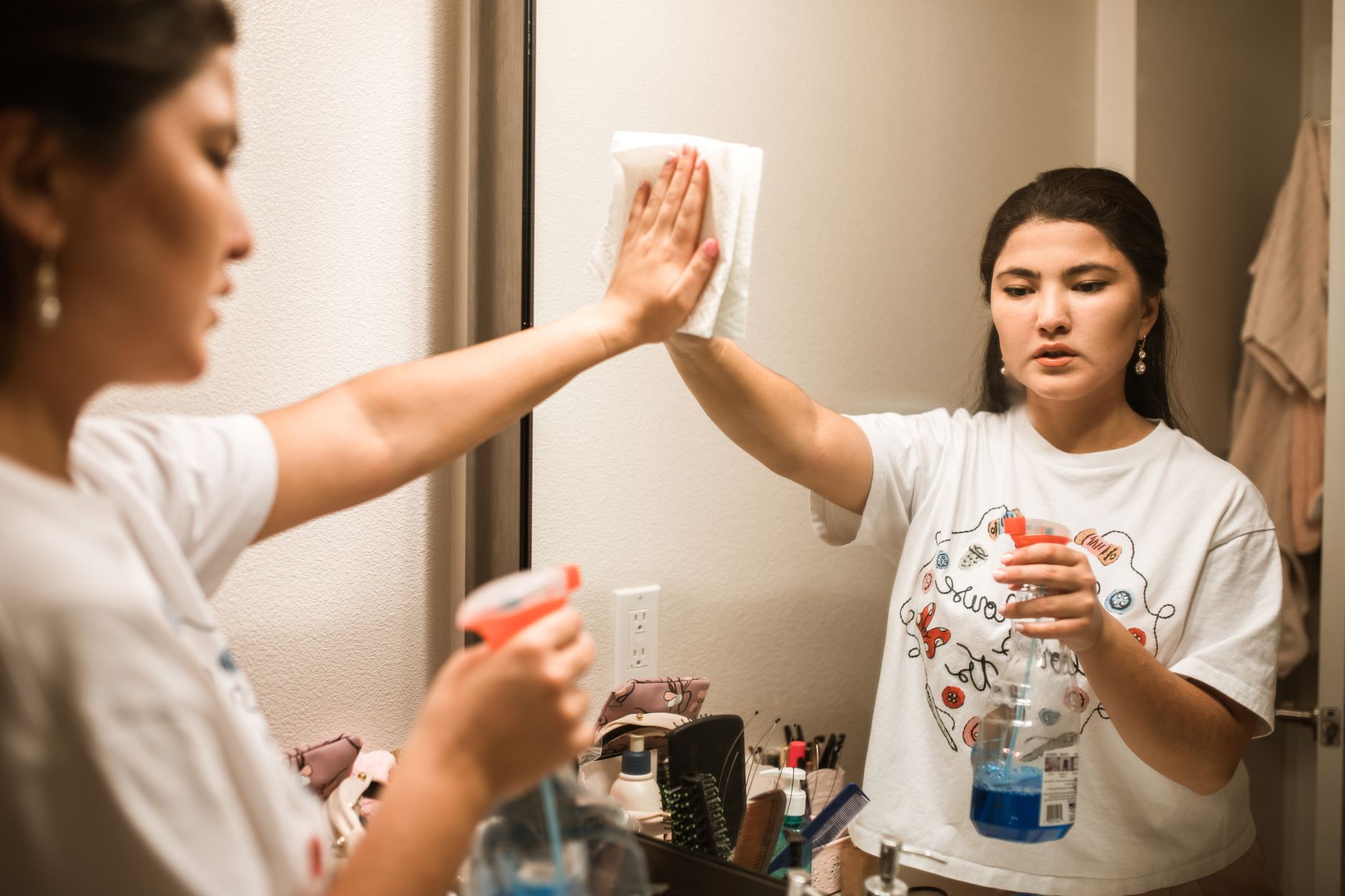
Combine 1 cup water, 1 cup rubbing alcohol, and 1 tablespoon white vinegar in a spray bottle. This DIY glass cleaner leaves bathroom mirrors streak-free without the blue dye of commercial products. Wipe with a lint-free microfiber cloth in an S-pattern rather than circular motions to avoid streaks.
If mold or mildew has taken hold in hard-to-reach areas, professional disinfection services offer a deeper level of sanitation that natural DIY methods may not fully address on their own.
5. Natural Cleaning Solutions for the Living Room and Common Areas
Living rooms collect dust, pet dander, and fingerprints but rarely deal with the heavy grime of kitchens and bathrooms. That means gentler natural cleaning solutions work perfectly here, protecting furniture finishes and fabrics while keeping the air fresh.
Upholstered Furniture
Check the care tag on your sofa first. For fabric labeled “W” (water-safe), mix 1 teaspoon of castile soap with 1 cup of warm water. Lightly dampen a cloth, blot stains rather than rubbing, and let air dry. Follow with a baking soda deodorizing treatment as described in the whole-home section above.
Wood Furniture and Shelving
Mix 1/4 cup olive oil with 1/4 cup white vinegar and 20 drops of lemon essential oil. Shake well and apply a small amount to a soft cloth, then buff into wood surfaces. This DIY wood polish cleans, conditions, and adds a gentle shine without synthetic wax.
Windows and Glass Tables
The same alcohol-vinegar glass cleaner from the bathroom section works perfectly here. Spray lightly and wipe with a microfiber cloth or crumpled newspaper for a streak-free finish on windows, glass tabletops, and picture frames.
Electronics and Remotes
Dampen a microfiber cloth with rubbing alcohol (never spray directly onto electronics) and wipe down remotes, gaming controllers, and keyboard surfaces. Alcohol evaporates quickly and kills germs without moisture damage.
For living spaces that benefit from a seasonal refresh, our team published a full set of summer heat-safe cleaning tips that pair perfectly with a natural cleaning approach.
6. Natural Cleaning Solutions for the Bedroom
Bedrooms need cleaning attention that most people skip: mattresses, pillows, and carpets harbor dust mites and allergens that affect sleep quality and respiratory health. Natural cleaning methods for the bedroom focus on deodorizing and sanitizing without introducing synthetic fragrances that can disrupt sleep.
Mattress
Strip the bed and sprinkle a generous layer of baking soda across the entire mattress surface. Add 10 drops of lavender essential oil to the baking soda before applying for an extra deodorizing and calming effect. Let it sit for at least one hour (longer is better), then vacuum thoroughly with the upholstery attachment. According to the American Lung Association, regular mattress cleaning reduces allergen exposure, which is especially important for asthma and allergy sufferers.
Pillows and Linens
Wash pillows and duvet covers in hot water with half a cup of white vinegar as a natural fabric softener and deodorizer in place of commercial softener. For pillowcases and sheets, add a quarter cup of baking soda to your regular detergent load to boost brightness and odor removal.
Carpets and Rugs
For spot stains on carpet, mix 1 tablespoon of castile soap with 2 cups of cold water. Blot the stain with a clean cloth dampened in this solution, working from the outside in. Follow with a cold water rinse and blot dry. Never scrub carpet stains as scrubbing spreads the stain and damages fibers.
Closets and Drawers
Wipe closet shelves and drawer interiors with your all-purpose vinegar spray to kill mildew spores. Tuck cedar blocks or small muslin bags filled with dried lavender into corners to repel moths and keep fabrics smelling fresh naturally.
7. Natural Cleaning Solutions for Floors Throughout Your Home
Floors take more abuse than any other surface in the house, and the cleaning method matters enormously depending on the material. These natural floor cleaning solutions are safe for most floor types and gentle enough for homes with children and pets.
Hardwood Floors
Avoid the temptation to mop hardwood with straight vinegar or excessive water. Instead, mix half a cup of white vinegar with a gallon of warm water and barely dampen your mop. Work in the direction of the grain and dry immediately with a fan or open windows. This homemade hardwood floor cleaner removes grime without warping or dulling the finish.
Tile and Grout
Mix half a cup of baking soda with a quarter cup of castile soap and enough water to make a thick paste. Apply to grout lines with an old toothbrush, scrub, and rinse. For large tiled areas, mop with a solution of half a cup of white vinegar per gallon of water, adding a few drops of tea tree oil for added antimicrobial action.
Laminate Floors
Laminate is sensitive to moisture. Use a spray bottle to mist one section at a time with a solution of 1 cup water, 1 cup rubbing alcohol, and 1 cup white vinegar, then wipe immediately with a barely damp microfiber mop. This natural laminate floor cleaner dries almost instantly and leaves no residue.
Carpet Freshening
Between deep cleans, scatter baking soda across carpet surfaces before bed. In the morning, vacuum it up. The baking soda absorbs pet odors, cooking smells, and general staleness overnight. For a scented version, blend 1 cup baking soda with 20 drops of your preferred essential oil before application.
8. Daily Habits That Keep Your Home Cleaner Naturally
The best natural cleaning routine is one that prevents messes from building up in the first place. Six simple daily habits reduce the frequency of deep cleaning and make your homemade natural cleaners go further between sessions.
Wipe kitchen surfaces after every meal: A quick pass with your all-purpose vinegar spray after cooking takes 60 seconds and prevents grease from hardening into a scrubbing challenge.
Squeegee shower walls after every use: Removing water from shower tiles and glass after each shower cuts soap scum and mildew growth dramatically without any cleaner at all.
Do one load of laundry per day: Keeping up with laundry prevents the pile-up that leads to mold growth in hampers and overwhelmed washing machine sessions.
Sweep or vacuum high-traffic areas daily: Five minutes with a broom or vacuum in the kitchen and entry hall keeps tracked-in dirt from spreading through the house.
Put items back in their place before bed: Clutter hides surfaces that need cleaning and makes weekly cleaning sessions take twice as long.
Air out your home for 10 minutes each morning: Opening windows and doors briefly flushes stale air and reduces the buildup of volatile organic compounds (VOCs) from common household products, even natural ones.
These six habits, paired with a solid natural cleaning products DIY routine, dramatically reduce the time and effort you spend on weekly and monthly cleaning. If you want to compare eco-conscious ingredient options, the guide to green cleaning ingredients covers a broad spectrum of safe choices.
9. What Professionals Use to Make Your Home Smell Fresh Naturally
One of the most common questions homeowners ask professional cleaners is how to make a house smell good without chemical air fresheners or synthetic sprays. The answer lies in eliminating odor sources rather than masking them, then adding natural scents that are genuinely pleasant and safe.
Simmer pots: Fill a small saucepan with water, sliced citrus peels, cinnamon sticks, and a few cloves. Simmer on low heat and your home fills with a warm, clean aroma within minutes. Add water as needed and never leave unattended.
Baking soda + essential oil absorbers: Fill small open jars with baking soda and add 10-15 drops of essential oil. Place one in closets, bathrooms, and by the trash. Replace monthly.
White vinegar odor removal: Set out a bowl of white vinegar in a room with a strong odor (smoke, pets, cooking). The vinegar absorbs odor molecules from the air. The vinegar smell itself dissipates within an hour, taking the bad odor with it.
Linen spray: Mix 1 cup of water with 2 tablespoons of rubbing alcohol and 20 drops of lavender or eucalyptus essential oil. Mist onto curtains, pillows, and upholstery for a clean, fresh scent.
Regular trash maintenance: Sprinkle baking soda in the bottom of trash cans before inserting a fresh bag. Wipe the interior of cans weekly with the all-purpose vinegar cleaner.
Activated charcoal bags:Activated charcoal absorbs odors, moisture, and airborne pollutants naturally. Place bags in closets, cars, and damp basements. Recharge them monthly by leaving them in direct sunlight for a few hours.
The bonded and insured Arizona cleaning team at Elite Maids uses plant-based, low-fragrance products to leave homes smelling genuinely clean, not just perfumed. The difference is noticeable.
10. When Natural Cleaners Are Not Enough: Knowing When to Call a Professional
Natural cleaning solutions handle the majority of everyday household cleaning beautifully. But there are situations where DIY natural cleaning products simply cannot substitute for professional equipment and expertise.
Heavy mold infestations: Surface mold on tile or grout responds well to hydrogen peroxide and tea tree oil. But mold that has penetrated drywall, subfloor, or structural material requires professional remediation. The EPA’s mold guidelines recommend calling a professional any time mold covers more than 10 square feet.
Move-in or move-out cleaning: Rental agreements and home sale transactions often require a level of cleanliness that goes beyond normal maintenance. A professional deep clean ensures deposits are returned and inspections pass.
Post-event or post-construction cleanup: Celebrations, renovations, and construction projects leave behind debris, grout dust, and surface damage that require specialized cleaning tools.
Recurring deep cleaning: Even the most dedicated natural cleaner benefits from a scheduled professional visit. Weekly or biweekly professional cleaning tackles the accumulated grime in areas like baseboards, grout, appliance interiors, and vents that daily routines cannot reach.
Time constraints: Natural cleaning methods often require longer dwell times than chemical alternatives. If your schedule does not allow for the extra time, a professional service using eco-friendly products gets the same result in a fraction of the time.
The deep cleaning task checklist we put together shows exactly what a professional cleans on a full deep cleaning visit, which is a useful benchmark for assessing what your regular routine might be missing.
Bring in the Professionals When You Need a Hand
Natural cleaning solutions are powerful, practical, and safe for your home and family. But no matter how diligent your DIY natural cleaning products routine, there comes a time when every home needs a professional reset. If you are ready to reclaim your weekends without sacrificing a clean home, contact Elite Maids house cleaning today for a free quote. Our background-checked, five-star rated team serves Phoenix, Mesa, Scottsdale, Gilbert, Chandler, Glendale, Queen Creek, San Tan Valley, Tucson, and Flagstaff with eco-friendly options, instant online quotes, and a reclean-at-no-cost satisfaction guarantee. Book same-day service online right now and let us handle the deep work so you can enjoy the home you already keep beautifully.
Frequently Asked Questions
What is the best homemade cleaner for everything?
The most versatile homemade cleaner is a mix of equal parts distilled white vinegar and water with 15-20 drops of tea tree or lemon essential oil in a spray bottle. This natural cleaning solution sanitizes, cuts grease, and deodorizes on countertops, cabinet fronts, sinks, appliance exteriors, and most hard surfaces. Avoid it on natural stone and bare cast iron.
What are 6 things I can do every day to keep my house clean?
Wipe kitchen surfaces after every meal, squeegee your shower walls after each use, run one load of laundry daily, sweep high-traffic floors for five minutes, return items to their proper place before bed, and air out your home for ten minutes each morning. These six habits prevent buildup and make weekly deep cleaning much faster and easier.
What do housekeepers use to make a house smell good?
Professional housekeepers focus on eliminating odor sources first rather than masking them. Common natural methods include baking soda and essential oil jars placed in closets and bathrooms, simmer pots with citrus and spices, white vinegar left in a bowl to absorb airborne odor molecules, and linen sprays made from water, alcohol, and essential oils. Ventilation and regular trash maintenance also play a major role.
What are some natural products I can use to clean my house?
White vinegar, baking soda, castile soap, hydrogen peroxide (3%), rubbing alcohol, lemon juice, and essential oils like tea tree, lavender, and lemon are the core natural cleaning products DIY enthusiasts rely on. Each tackles different challenges: vinegar for mineral deposits and bacteria, baking soda for abrasion and odor, hydrogen peroxide for disinfecting, and castile soap for general grease-cutting across every room.
Simple Non-Toxic Cleaning Products and Routine for a Healthier Home
SHARE:
The simplest non-toxic cleaning routine combines a handful of safe, effective ingredients, like white vinegar, baking soda, castile soap, and hydrogen peroxide, with a consistent room-by-room schedule. These products cut grease, kill odors, and tackle most household messes without the harsh chemicals found in conventional cleaners. This guide walks you through the best non-toxic products, a practical routine, and smart swaps for every room in your home.
1. Why Non-Toxic Cleaning Products Matter for Your Home
Most people spend the majority of their time indoors, which makes indoor air quality a real concern. According to the EPA’s Indoor Air Quality guidelines, concentrations of many pollutants are two to five times higher inside homes than outdoors, and conventional cleaning sprays are a major contributor. Many standard products release volatile organic compounds (VOCs) that linger in the air long after you’ve put the bottle away.
Switching to non-toxic cleaning products reduces your family’s exposure to these airborne chemicals. It also matters for kids and pets who spend more time closer to floors and surfaces where residues settle. Beyond health, eco-friendly cleaners are generally gentler on septic systems and local waterways. The good news is that non-toxic cleaning does not mean less effective cleaning. The right products and the right routine do the job just as well, and often better, than their chemical-heavy counterparts.
If you have family members with sensitivities, check out our guide to cleaning products for allergy sufferers for a deeper look at ingredient-level choices.
2. The Core Non-Toxic Cleaning Products Every Home Needs
You do not need a cabinet full of specialty bottles to keep a clean house. A short list of versatile, safe ingredients covers the vast majority of cleaning jobs. Here are the non-toxic cleaning products that actually earn their shelf space:
White distilled vinegar: A natural acid that cuts soap scum, mineral deposits, and grease. Mix it with water in a spray bottle for an all-purpose surface cleaner.
Baking soda: A mild abrasive and odor neutralizer. Sprinkle it in sinks, tubs, and on carpet before vacuuming to lift smells without synthetic fragrances.
Castile soap: A plant-based, biodegradable soap that handles dishes, floors, counters, and even laundry. Dr. Bronner’s is one of the most widely available non-toxic brands you’ll find at Target and most grocery stores.
Hydrogen peroxide (3%): A safe disinfectant that breaks down into water and oxygen. Use it on cutting boards, bathroom surfaces, and anywhere you need to kill bacteria without bleach.
Essential oils (tea tree, lavender, lemon): Optional but effective. Tea tree oil adds antimicrobial power; lemon and lavender add a clean scent without synthetic fragrance chemicals.
Non-toxic all-purpose cleaner concentrate: Brands like Branch Basics, Seventh Generation, and Mrs. Meyer’s offer concentrated formulas you dilute at home, which cuts plastic waste and cost. The EPA Safer Choice program certifies products that meet strict safety standards, so look for that label when shopping.
Microfiber cloths: Not a cleaning solution but an essential tool. Microfiber physically removes bacteria and dust with water alone, reducing how much product you need overall.
These affordable non-toxic cleaning products are easy to find at Target, grocery stores, or online. Consumer Reports has also covered non-toxic cleaning product performance testing, and their findings consistently show that plant-based formulas hold up well against traditional products on everyday messes.
3. How to Build a Simple Non-Toxic Cleaning Routine
A consistent cleaning routine is the real engine behind a tidy home. Without a schedule, even the best non-toxic products sit unused while grime builds up. Here is a practical, room-by-room structure that works for most households:
Daily Habits (10 minutes or less)
Wipe kitchen counters with a diluted castile soap spray after cooking.
Spray and wipe bathroom sinks with a vinegar-water solution.
Do a quick sweep or spot vacuum in high-traffic areas.
Weekly Cleaning Tasks
Scrub toilets and tubs using baking soda paste and a brush.
Mop hard floors with a castile soap and water solution.
Wipe down stovetops, appliance exteriors, and cabinet handles.
Dust surfaces with a dry microfiber cloth before vacuuming, so dust falls to the floor and gets picked up.
Launder dish towels and bathroom hand towels.
Monthly Deep Clean Tasks
Clean inside the microwave with a lemon-water steam method.
Wipe down refrigerator shelves with a diluted hydrogen peroxide solution.
Descale the showerhead by soaking it in white vinegar overnight.
Wash windows with a vinegar-water spray and a lint-free cloth.
Vacuum upholstered furniture and sprinkle baking soda on cushions before vacuuming to deodorize.
This non-toxic cleaning routine keeps your home consistently clean without a marathon scrubbing session every few weeks. The key is breaking the work into small, manageable pieces tied to natural daily and weekly rhythms.
4. Room-by-Room Guide to Safer Cleaning Products
Different rooms have different demands. Here is how to apply your core non-toxic supplies to each space:
Kitchen
The kitchen handles food, grease, and bacteria, so it needs both a degreaser and a disinfectant. Use a castile soap spray for counters and stovetops. For cutting boards, spray with hydrogen peroxide, let it sit for a minute, then rinse. A paste of baking soda and water removes stuck-on food from pots and baking dishes without scratching. Avoid mixing vinegar and castile soap directly, as they neutralize each other and reduce effectiveness.
Bathrooms
Bathrooms benefit most from the antimicrobial properties of hydrogen peroxide and tea tree oil. Mix a few drops of tea tree oil into your vinegar-water spray for toilet exteriors and tile. Use baking soda on grout lines with a scrub brush. For a quick shine on faucets and fixtures, a dab of diluted castile soap on a microfiber cloth works perfectly.
Living Areas and Bedrooms
Dust and allergens dominate these rooms. Dry microfiber cloths trap dust without needing any product. For fabric surfaces like sofas and mattresses, sprinkle baking soda, let it sit for 15 to 30 minutes, then vacuum thoroughly. Wood furniture responds well to a simple mix of olive oil and lemon juice as a natural polish.
Floors
For hardwood floors, use a well-diluted castile soap solution, about a teaspoon per gallon of water, applied with a damp (not wet) mop. For tile and laminate, a vinegar-water solution works well. Avoid vinegar on natural stone surfaces like marble, as the acidity can etch the surface over time.
If you’re in Arizona and looking for eco-conscious professional help, our non-toxic cleaning ideas for Tempe homes post covers how local professionals approach safe cleaning in the desert climate.
5. Best Homemade Cleaner Recipes for Every Surface
Making your own natural cleaning products at home is simpler than most people think, and far cheaper than buying specialty bottles. Here are the most useful DIY cleaners you can mix in minutes:
All-purpose spray: 1 cup water, 1 cup white vinegar, 15 drops of tea tree or lemon essential oil. Shake and spray. Use on most hard surfaces except natural stone.
Soft scrub paste: Half a cup of baking soda, enough castile soap to form a paste (about 2 tablespoons). Apply to sinks, tubs, and tile. Scrub and rinse. Great for soap scum and light rust stains.
Glass cleaner: 2 cups water, half a cup of white vinegar, quarter cup of rubbing alcohol (70% or higher). Spray on glass and wipe with a microfiber cloth or crumpled newspaper for a streak-free finish.
Toilet bowl cleaner: Half a cup of baking soda poured into the bowl, followed by half a cup of white vinegar. Let it fizz for 10 minutes, scrub, and flush.
Drain deodorizer: Pour half a cup of baking soda down the drain, followed by half a cup of white vinegar. Cover the drain for 5 minutes, then flush with hot water. Repeat monthly to prevent buildup and odors.
Floor cleaner: 1 gallon of warm water, 1 teaspoon of castile soap, and 10 drops of lavender or tea tree oil. Mop as usual.
These homemade cleaner recipes use the same natural cleaning products you already have in your kit, so there are no extra purchases involved. They also avoid the synthetic fragrances and preservatives found in many commercial products, which is a real benefit for households with asthma or chemical sensitivities. The American Lung Association recommends avoiding products with added fragrances whenever possible, since fragrance chemicals are a common indoor air quality irritant.
6. Non-Toxic Cleaning Brands Worth Knowing
If you prefer ready-made non-toxic cleaning products over DIY, the market has expanded significantly. Here are the non-toxic cleaning brands that consistently get strong marks from testers and environmental watchdogs:
Branch Basics: A concentrate-based system with a single formula that works as an all-purpose cleaner, bathroom spray, and even laundry detergent. Free from fragrances, preservatives, and synthetic chemicals.
Seventh Generation: One of the oldest plant-based cleaning brands in the U.S. and widely available at Target. Their products carry the EPA Safer Choice label on many formulas.
Mrs. Meyer’s: Known for pleasant herb-based scents derived from essential oils rather than synthetic fragrance. A popular pick for kitchen and bathroom surfaces.
ECOS: A carbon-neutral brand offering affordable non-toxic cleaning products across a wide range of categories, from laundry to floor cleaner.
Better Life: A small-batch brand that is plant-derived, biodegradable, and free from dyes and fragrances. Good option for households with severe sensitivities.
Dr. Bronner’s Pure-Castile Soap: A longtime staple in green cleaning. One bottle replaces a dozen different products and is available at virtually every grocery store and retailer.
When comparing non-toxic cleaning brands, look for third-party certifications like EPA Safer Choice, USDA Certified Biobased, or Leaping Bunny (cruelty-free). These certifications add an extra layer of confidence beyond marketing claims on the label. Good Housekeeping’s cleaning coverage has also highlighted several of these brands in independent testing, and they consistently perform well across surface types.
Non-toxic cleaning is not only about what you spray. Some of the most effective cleaning methods use heat, steam, and physical action rather than chemicals:
Steam cleaning: A steam cleaner sanitizes hard floors, tile grout, upholstery, and mattresses using nothing but water heated to high temperatures. It kills dust mites, mold spores, and bacteria without any chemical residue. A useful tool for households dealing with allergies or mold concerns in the home.
Sun exposure: Sunlight is a natural disinfectant. Laying pillows, cushions, and stuffed toys in direct sunlight for a few hours kills bacteria and neutralizes odors, no product needed.
Dry microfiber cleaning: As noted earlier, microfiber cloths physically capture and remove up to 99% of bacteria from surfaces with water alone, according to independent testing. This is especially useful for quick daily wipe-downs.
Boiling water: Pouring boiling water slowly down a drain can dissolve soap scum and minor grease buildup. It is not as dramatic as a chemical drain cleaner but works well as a preventive measure when done weekly.
Ventilation: Opening windows while you clean lets fresh air dilute any airborne particles you disturb during dusting or scrubbing. Good ventilation is one of the simplest improvements you can make to your indoor air quality, regardless of which products you use.
If you want a professional-grade clean that includes eco-safe products and techniques, a professional disinfection service can address areas that everyday routines tend to miss.
8. When to Call in a Professional Cleaning Service
A consistent non-toxic cleaning routine handles the day-to-day, but some situations call for a deeper level of clean that most households cannot achieve with standard supplies and effort. Here is when it makes sense to bring in professionals:
Move-in or move-out: A property that has been vacated needs a thorough clean before you settle in or hand over keys. Professional teams get into baseboards, cabinet interiors, vents, and appliances at a level that standard routines do not reach.
Post-event or post-construction cleanup: After a party or renovation, debris, dust, and residue accumulate in ways that overwhelm a standard cleaning kit.
Seasonal deep cleans: A thorough seasonal reset, including detailed work on windows, blinds, upholstery, and tile grout, is much easier to hand off than to fit into a busy schedule. Our team also handles holiday cleaning services when schedules are especially packed.
Health-related needs: If someone in the household has respiratory issues, severe allergies, or a compromised immune system, a professional clean with certified eco-friendly products offers a level of thoroughness that gives real peace of mind.
The bonded and insured Arizona cleaning team at Elite Maids House Cleaning uses eco-friendly product options and brings a five-star standard to every visit, whether it is a recurring clean or a one-time deep service. Every cleaner is background-checked and every visit is backed by a satisfaction guarantee.
Closing: Get a Cleaner Home Without the Harsh Chemicals
Switching to a simple non-toxic cleaning routine does not require an overhaul of everything under your sink. Start with a few core products, build consistent daily and weekly habits, and layer in deeper monthly tasks as they fit your schedule. Your home will be cleaner, your air will be better, and you will feel better about what your family is being exposed to every day. When the job is bigger than your routine can handle, or when you simply want it done right without spending your weekend on it, house cleaning services in Arizona from Elite Maids are ready to help. Contact Elite Maids house cleaning today for a free quote and see what a professionally cleaned, eco-conscious home feels like.
Frequently Asked Questions
What is the safest non-toxic cleaner I can use for my home?
The safest non-toxic cleaner for most homes is a diluted castile soap solution. It is plant-based, biodegradable, fragrance-free in its unscented form, and effective on a wide range of surfaces. For disinfecting, 3% hydrogen peroxide is a safe and powerful alternative to bleach that breaks down into water and oxygen after use. Look for the EPA Safer Choice label on commercial products for added confidence.
What is the 5-5-5 rule for cleaning?
The 5-5-5 rule is a simple cleaning framework: spend 5 minutes cleaning the kitchen, 5 minutes on the bathroom, and 5 minutes on a common living area each day. Done consistently, these short daily sessions prevent buildup from ever getting out of control, making deep cleans less frequent and less overwhelming. It pairs especially well with non-toxic spray-and-wipe routines that are quick to execute.
What is the best homemade cleaner for everything?
The closest thing to a single homemade cleaner for everything is a mix of one cup of water, one cup of white vinegar, and 15 drops of tea tree essential oil in a spray bottle. It handles counters, bathroom surfaces, stovetops, and glass. For tougher scrubbing jobs, a baking soda and castile soap paste fills the gap. Avoid the vinegar spray on natural stone surfaces like marble and granite.
What are 30 easy home cleaning hacks?
A few of the most useful ones: use a dry microfiber cloth for dusting before vacuuming; clean the microwave with a bowl of lemon water steamed for five minutes; soak a showerhead in vinegar overnight to remove mineral buildup; use baking soda on carpet before vacuuming to eliminate odors; rub a cut lemon over a cutting board to deodorize it naturally; and use crumpled newspaper instead of paper towels for streak-free windows. Small habits like these, done consistently, add up to a noticeably cleaner home without harsh chemicals.
Non-toxic cleaning products that actually work are not just a wellness trend, they are genuinely effective alternatives to harsh chemical cleaners. Ingredients like plant-derived surfactants, citric acid, and baking soda cut through grease, grime, and bacteria without releasing harmful fumes indoors. This guide walks through the top non-toxic cleaning solutions by task, so you can build a safer, cleaner home.
Before you can trust a label that says “natural” or “green,” you need to know what actually qualifies a cleaner as non-toxic. The term is not regulated by the FDA or the EPA the same way drugs are, which means brands can use it loosely. A genuinely non-toxic cleaning product avoids volatile organic compounds (VOCs), synthetic fragrances, chlorine bleach, ammonia, and phosphates. According to the EPA Safer Choice program, certified products are evaluated for every ingredient, including those that make up fragrances, to ensure they are safer for human health and the environment.
Look for these markers when shopping for non-toxic cleaners:
EPA Safer Choice certification label
EWG Verified mark (Environmental Working Group)
Ingredient transparency, full disclosure on the label or the brand’s website
No synthetic dyes or artificial fragrance listed as a single undisclosed ingredient
Biodegradable surfactants derived from plant sources
Non-toxic cleaning products that skip these red-flag ingredients still clean effectively because they rely on chemistry that works with biology rather than against it. Citric acid dissolves mineral deposits. Hydrogen peroxide oxidizes bacteria. Castile soap lifts grease. The science is sound, you just need to know which products execute it well.
2. Non-Toxic All-Purpose Cleaners That Cut Through Everyday Messes
A reliable non-toxic all-purpose cleaner is the workhorse of any cleaning routine. It needs to handle countertops, appliances, cabinet faces, and tile without leaving residue or requiring heavy rinsing. The good news is that several brands have perfected plant-based formulas that rival conventional sprays.
Method All-Purpose Cleaner is one of the most recognized natural cleaning product brands on shelves today. Method Products uses plant-derived cleaning agents, biodegradable formulas, and recyclable packaging. The spray handles sticky kitchen messes and bathroom splash zones equally well, and the fragrance comes from essential oils rather than synthetic compounds.
Branch Basics Concentrate is a single non-toxic cleaning concentrate that dilutes into a multi-surface spray, a foaming bathroom cleaner, and even a laundry solution. It is fragrance-free, which makes it a strong choice for households with asthma or chemical sensitivities. The American Lung Association notes that reducing indoor chemical exposure matters especially for people with respiratory conditions.
Seventh Generation Multi-Surface Cleaner is widely available at grocery stores and big-box retailers and carries the EPA Safer Choice label. It is a solid everyday non-toxic surface cleaner that works on sealed hardwood, laminate, tile, and stainless steel.
For a DIY non-toxic cleaning spray that costs almost nothing: mix one part white vinegar with one part water in a spray bottle and add ten drops of tea tree or lavender essential oil. It is not ideal for natural stone, but it handles most household surfaces without any toxic exposure at all.
Want to see how these products perform on specific surfaces? Check out our breakdown of home cleaning products that actually work for a category-by-category comparison.
3. Non-Toxic Floor Cleaners That Leave Floors Spotless
Floors take more abuse than almost any other surface in a home, and the cleaning product you choose has to be effective without leaving a slippery film or a chemical residue that pets and kids crawl through all day. Non-toxic floor cleaning solutions have come a long way, and a few stand out as genuinely superior performers.
Hygea Naturals Floor and Surface Cleaner is a standout in this category. It leaves floors genuinely shiny, not just damp, and the scent is clean without being overpowering. Our cleaning team has seen firsthand how it performs on tile and hardwood, it cuts through tracked-in Arizona dust and grime without requiring heavy scrubbing or multiple passes. Pair it with an O’Cedar mop and bucket system for streak-free results that actually impress.
Better Life Floor Cleaner is another plant-derived option that works on hardwood, laminate, tile, and vinyl. It is sulfate-free, fragrance-free, and biodegradable, a genuinely clean natural floor cleaning solution that does not require dilution.
Puracy Natural Multi-Surface Cleaner doubles as a floor spray for low-traffic areas and performs well on sealed wood and tile when used with a microfiber mop. The formula is developed by chemists and relies on plant-derived enzymes to break down organic soil.
A tip from professional cleaners: always use a microfiber pad with non-toxic floor cleaners. Microfiber traps particles mechanically, which means the cleaning solution does not have to do all the work. You use less product, the floor dries faster, and there is no soapy buildup over time.
4. Natural Bathroom Cleaners That Actually Disinfect
The bathroom is the one room where people worry most about switching away from bleach-based products. The concern is valid, you need something that actually disinfects, not just something that smells fresh. The good news is that several non-toxic bathroom cleaners carry EPA-registered disinfectant status through hydrogen peroxide-based formulas.
Seventh Generation Disinfecting Bathroom Cleaner uses thymol, derived from thyme oil, as its active disinfecting ingredient. It is EPA-registered to kill 99.99% of household germs and carries the EPA Safer Choice label. It tackles soap scum, mold, and mildew on tile grout without requiring gloves or ventilation.
ECOS Shower and Tub Cleaner is another plant-powered non-toxic bathroom spray that handles hard water stains, a common issue in Arizona, without harsh acids. It rinses cleanly and leaves no film on glass shower doors.
For a DIY non-toxic toilet bowl cleaner: pour half a cup of baking soda into the bowl, followed by half a cup of white vinegar. Let the fizz work for ten minutes, then scrub. Add a few drops of tea tree oil for extra antimicrobial action. This is one of the most effective natural cleaning methods for routine toilet maintenance.
If your bathroom has stubborn mold, a targeted approach is needed. The EPA’s mold guidelines recommend addressing the moisture source first, then cleaning with an EPA-registered disinfectant, which hydrogen peroxide-based cleaners qualify as. For heavy mold situations, professional home disinfection services are a smarter call than repeated DIY attempts.
5. Non-Toxic Kitchen Cleaning Products for Grease and Grime
Kitchens demand strong degreasing power, and that is historically where natural cleaners have struggled to compete. The newer generation of plant-based non-toxic kitchen cleaners has closed that gap considerably, using enzyme technology and bio-based surfactants that break down grease at the molecular level.
Biokleen Bac-Out Enzyme Cleaner is exceptional for organic residue: cooked-on grease, food splatter, and garbage disposal odors. The enzymes keep working after application, breaking down residue rather than just moving it around. It is a non-toxic kitchen spray that handles tasks most green cleaners avoid.
Mrs. Meyer’s Clean Day Multi-Surface Cleaner is one of the most popular natural cleaning product brands, widely stocked in grocery stores. It uses plant-derived cleaning agents and essential oil fragrances. It works well on countertops, stovetops, and cabinet exteriors. (See the FAQ below for a closer look at how non-toxic Mrs. Meyer’s actually is.)
ECOS Dish Soap cuts through grease on pots and pans without synthetic fragrances or dyes and is certified by the EPA Safer Choice program. For a deeper kitchen clean, ovens, range hoods, tile grout, you can make a non-toxic degreaser paste with baking soda and a few drops of castile soap. Apply it, let it sit for 15 minutes, and wipe clean.
For a thorough rundown of what works best in the kitchen specifically, our guide to kitchen cleaning products covers 16 tested options in detail.
Also worth reading: the Consumer Reports laundry and cleaning section regularly tests non-toxic and conventional cleaners side by side. Their data-driven reviews are one of the most reliable ways to separate marketing claims from real-world performance.
6. Non-Toxic Laundry Detergents and Fabric Care
Laundry detergent stays in direct contact with fabric for hours, and whatever residue is left behind touches skin all day. That makes non-toxic laundry detergent one of the highest-impact swaps a household can make. The non-toxic laundry cleaning space has also become one of the most competitive, which means quality options are now widely available at mainstream retailers.
Molly’s Suds Original Laundry Powder is a fragrance-free, plant-based formula that is highly concentrated, one bag replaces several conventional detergent bottles. It is free of SLS, synthetic fragrance, and optical brighteners, which are among the most common irritants in conventional detergents.
Dropps Laundry Detergent Pods are EPA Safer Choice certified and come in compostable packaging. The fragrance-free pods work in cold water, making them energy-efficient as well as non-toxic.
Seventh Generation Free and Clear Laundry Detergent is one of the most tested and recommended non-toxic laundry cleaning options by consumer groups. It carries no synthetic fragrance, no optical brighteners, and no dye, and it actually cleans well in both standard and high-efficiency machines.
For fabric softener: skip dryer sheets entirely and use a quarter cup of white vinegar in the rinse cycle. It softens fabric, reduces static, and rinses completely clean. No residue, no fragrance, no cost.
7. Non-Toxic Disinfectants That Are EPA-Registered
One of the most common concerns people have about switching to non-toxic cleaning products is whether they will actually disinfect. This is a fair question, and the answer depends on understanding what “disinfect” means. True disinfection requires an EPA-registered claim, meaning the product was tested and confirmed to reduce specific pathogens by a specific percentage.
Several non-toxic disinfectant options carry this registration:
Hydrogen peroxide-based sprays: Seventh Generation Disinfecting Multi-Surface Cleaner and Benefect Botanical Disinfectant both use hydrogen peroxide or botanical active ingredients registered by the EPA.
Hypochlorous acid sprays: Products like Force of Nature generate hypochlorous acid from salt, water, and vinegar through electrolysis. The result is an EPA-registered non-toxic disinfectant that is safe enough for food surfaces and children’s toys.
Thymol-based cleaners: Derived from thyme oil, thymol is an EPA-registered disinfectant active ingredient found in several natural cleaning product brands including Seventh Generation and some professional-grade lines.
It is worth noting that the EPA’s research on VOCs and indoor air quality consistently links conventional cleaning product use to elevated indoor VOC levels. Switching to non-toxic disinfectants reduces that chemical load without sacrificing germ-killing performance when you choose EPA-registered formulas.
If your home needs a thorough sanitization, post-illness, after a move, or before a major event, professional residential disinfection services use commercial-grade non-toxic disinfectants that deliver hospital-level results without the chemical exposure of bleach-based methods.
8. Affordable Non-Toxic Cleaning Products on a Budget
Affordable non-toxic cleaning does not require a specialty store or a subscription box. The most cost-effective non-toxic cleaning products are often the simplest: white distilled vinegar, baking soda, hydrogen peroxide (the standard 3% drugstore variety), and unscented castile soap. These four ingredients cover the majority of household cleaning tasks when used correctly.
Here is a simple, affordable non-toxic cleaning kit you can assemble for under $20:
One gallon of white distilled vinegar (multi-surface cleaner, fabric softener, drain deodorizer)
A large box of baking soda (scrub, deodorizer, toilet cleaner, oven paste)
One bottle of 3% hydrogen peroxide (non-toxic disinfectant for counters, cutting boards, toilets)
One bottle of unscented castile soap (dish soap, all-purpose spray base, laundry boost)
A box of microfiber cloths (reusable, no paper towels needed)
For those who want the convenience of ready-made non-toxic cleaning products without premium pricing, look at store brands at Whole Foods, Target (the Everspring line), and Trader Joe’s. These budget-friendly natural cleaners often perform as well as premium brands at half the price.
For households in Arizona managing both a tight budget and a full schedule, booking a recurring eco-friendly cleaning service Arizona homeowners trust can actually be more economical than stocking an arsenal of specialty products yourself.
Want to see what works best room by room in a typical Arizona home? Our post on non-toxic cleaning for Arizona homes digs into product picks by room and surface type.
9. How to Build a Non-Toxic Cleaning Routine That Sticks
Choosing non-toxic cleaning products is only half the equation. The other half is using them correctly and consistently. A non-toxic cleaning routine that actually works follows a few core principles.
Top-to-bottom, dry-to-wet: Start at ceiling fans and light fixtures, work down to countertops and appliances, finish with floors. Do dry dusting before wet cleaning so you are not just spreading loosened grime around on damp surfaces.
Contact time matters: Non-toxic disinfectants often need longer dwell time than conventional bleach. Read the label, most hydrogen peroxide and thymol-based cleaners need at least 30 to 60 seconds of contact to kill pathogens. Spray, let it sit, then wipe.
Use the right tool: Microfiber cloths are the single biggest upgrade most households can make. They trap bacteria and particles mechanically, which means your non-toxic cleaning solution does less work and you use less of it. A microfiber mop, microfiber dusters, and a set of color-coded cloths (one for bathrooms, one for kitchens, one for general surfaces) prevents cross-contamination.
Do a seasonal reset: Even the most consistent non-toxic cleaning routine benefits from a deep clean a few times per year. Our seasonal deep cleaning guide walks through every area of the home systematically, it pairs well with a switch to non-toxic products because you can audit what you have, toss the toxic stuff, and restock with safer options all at once.
Store safely: Even non-toxic cleaners should be stored out of reach of children and pets, away from direct sunlight, and with their original labels intact. Hydrogen peroxide degrades in light, so keep it in its original opaque bottle.
10. Non-Toxic Products That Make Your Home Smell Clean Naturally
One of the biggest reasons people reach for conventional cleaners is scent. That pine, lemon, or “fresh linen” smell signals clean, even when the fragrance itself is synthetic and potentially irritating. Non-toxic cleaning products that make your home smell genuinely clean rely on a different approach: removing the source of odor rather than masking it, then adding natural fragrance if desired.
Baking soda is the single most effective non-toxic odor absorber. Place open boxes in the refrigerator, pantry, closets, and near litter boxes. Sprinkle it on carpets and upholstery, let it sit for 20 minutes, and vacuum up. It neutralizes acidic odors at the molecular level rather than covering them.
Essential oil diffusers with eucalyptus, lavender, or lemon are a safe way to add fragrance without synthetic compounds. Diffused essential oils do not leave residue on surfaces the way aerosol sprays do.
White vinegar smells sharp when wet but is completely odorless once dry. Surfaces cleaned with a vinegar solution do not smell like vinegar after five minutes, a fact that surprises most first-time users of natural cleaning products.
Charcoal bags (activated bamboo charcoal) placed in closets, under sinks, and in car interiors absorb moisture and odors passively for up to two years. They are reusable and completely non-toxic.
Professional cleaners also know that the real secret to a home that smells fresh is mechanical cleanliness: removing food residue, emptying trash consistently, cleaning drains, and washing fabrics regularly. A home that is genuinely clean does not need fragrance to smell that way.
Ready to come home to a genuinely clean, fresh-smelling space without the chemical exposure? Book a house cleaning in Arizona with Elite Maids today. We offer eco-friendly product options on every visit, backed by a reclean-at-no-cost satisfaction guarantee. Get your instant quote online and contact Elite Maids house cleaning today for a free quote, same-day availability between 8am and 6pm means a cleaner, safer home is closer than you think.
Frequently Asked Questions
Is Mrs. Meyer’s actually non-toxic?
Mrs. Meyer’s Clean Day products use plant-derived surfactants and essential oil fragrances, which makes them cleaner than most conventional cleaners. However, the brand does use some synthetic fragrance components and has received moderate scores from the Environmental Working Group. They are significantly less toxic than bleach or ammonia-based products, but households with severe chemical sensitivities may prefer fully fragrance-free lines like Branch Basics or Seventh Generation Free and Clear.
What do professional house cleaners use to clean?
Professional house cleaners typically use a combination of EPA Safer Choice certified multi-surface sprays, microfiber cloths and mops, hydrogen peroxide-based disinfectants, plant-based degreasers, and concentrated floor cleaners like Hygea Naturals. Many professional cleaning services, including Elite Maids, offer eco-friendly product options that avoid harsh VOCs and synthetic fragrances while still delivering a thorough, high-standard clean throughout the entire home.
How to clean your house without toxic chemicals?
Start with a core non-toxic cleaning kit: white vinegar, baking soda, 3% hydrogen peroxide, castile soap, and microfiber cloths. Use vinegar-water spray for counters, baking soda paste for scrubbing, and hydrogen peroxide as a disinfectant for bathrooms and kitchens. Replace conventional products one at a time with EPA Safer Choice certified alternatives as they run out. Within a few months, you can have a fully non-toxic cleaning routine without a dramatic budget impact.
What do professional house cleaners use to make the house smell so good?
The real secret is thorough mechanical cleaning: removing grease, food residue, and organic buildup that cause odors at the source. Professional cleaners also use cleaners with natural essential oil fragrances, clean drains and garbage disposals regularly, wash fabrics including dish towels and bath mats, and sometimes diffuse a light essential oil blend at the end of a session. The result is a home that smells genuinely clean, not just perfumed.
Green Cleaning vs. Traditional Cleaning in Scottsdale: Real Differences That Matter
SHARE:
Green cleaning and traditional cleaning differ in three core ways: the ingredients used, the health and environmental impact, and the cost over time. Green cleaners rely on plant-derived or mineral-based ingredients that break down safely, while traditional products use synthetic chemicals that clean powerfully but carry real risks indoors. If you’re weighing both options for your Scottsdale home, this post covers everything you need to decide with confidence, including when to call a professional either way.
Scottsdale homeowners searching for cleaning scottsdale prices are asking the right question, because the method you choose affects not just cleanliness but the air your family breathes every day. Elite Maids House Cleaning serves homes across Scottsdale with both eco-friendly and traditional cleaning options, so we’ve seen up close what each approach does well and where it falls short.
The Basics: Green Cleaning vs. Traditional Cleaning
Understanding the green cleaning vs. traditional cleaning debate starts with what each method actually is. Green cleaning uses products formulated from plant-based surfactants, essential oils, citric acid, and other biodegradable compounds. These eco-friendly cleaners are designed to remove dirt and bacteria without leaving harmful residues behind. Traditional cleaning products, by contrast, tend to rely on synthetic chemicals such as sodium hypochlorite (bleach), ammonia, and phosphates. They’ve been the industry standard for decades because they work fast and cost less per bottle upfront.
The green cleaning vs. traditional cleaning comparison isn’t simply about which one gets surfaces shinier. It’s about what happens after the cleaning is done: what stays in the air, what rinses into the water supply, and what your kids or pets come into contact with on the floor. For Scottsdale residents who spend a lot of time indoors, especially during the brutal summer months, the choice carries more weight than most people realize. Our guide to green cleaning vs. traditional cleaning covers the national picture, but this post zeroes in on what these differences mean for homes right here in Scottsdale.
According to the EPA Safer Choice program, products that earn the Safer Choice label have been reviewed to ensure every ingredient is safer for human health and the environment. That’s a useful benchmark when you’re standing in a cleaning aisle trying to figure out which bottle actually lives up to its label claims.
Ingredient Profiles: What Each Type of Cleaner Contains
The ingredient list is where the real differences between eco-friendly cleaners and conventional products show up most clearly. Green cleaning products typically contain:
Plant-derived surfactants (like those from coconut or corn) that lift grease and grime
Citric acid for mineral deposit removal and disinfection
Essential oils such as tea tree or lavender for natural antimicrobial properties
Baking soda for gentle abrasion and odor neutralization
Biodegradable preservatives that break down after use
Traditional cleaning products often include:
Synthetic surfactants derived from petrochemicals
Bleach (sodium hypochlorite) for disinfection and whitening
Ammonia for cutting through grease on glass and surfaces
Artificial fragrances that can contain dozens of undisclosed chemical compounds
Phosphates that enhance cleaning power but persist in waterways
The ingredient gap matters because many of the synthetic compounds in conventional cleaners fall into a category the EPA calls volatile organic compounds (VOCs). VOCs off-gas from surfaces and cleaning products, building up in indoor air and contributing to respiratory irritation, headaches, and long-term health concerns. Scottsdale’s sealed, air-conditioned homes trap those fumes more efficiently than you might expect.
Cleaning Performance: Where Each Method Excels
Honest comparison means acknowledging that traditional cleaning products still hold real advantages in specific situations. If you’re dealing with heavy mold, serious bacterial contamination, or a surface that needs hospital-grade disinfection, bleach-based products are hard to match for speed and kill rate. The CDC’s guidance on mold in homes recommends diluted bleach solutions for certain mold removal scenarios, and that advice exists because the chemistry works.
Green cleaning performance has improved dramatically in recent years, though. Modern plant-based formulas handle everyday cleaning tasks, including kitchen grease, bathroom soap scum, and general surface bacteria, just as effectively as their conventional counterparts. The biggest performance gap shows up in two places: heavy-duty disinfection and extreme grease buildup. For routine house cleaning tasks, eco-friendly cleaners get the job done without compromise.
For Scottsdale homes with hard water, which is common throughout the Valley, citric-acid-based green cleaners can actually outperform bleach on mineral deposits and calcium scale. Hard water leaves white spots on fixtures and glass surfaces, and acid-based eco cleaners dissolve those deposits more effectively than alkaline bleach. That’s a real performance win for green cleaning in this specific market.
If you want a deeper look at how these products stack up in independent tests, Consumer Reports’ laundry and cleaning reviews include side-by-side performance data that’s worth checking before you commit to a product line.
Health and Safety: How Each Type Affects Your Scottsdale Household
This is the section most Scottsdale homeowners care about most, especially families with young children, pets, or anyone dealing with asthma or allergies. The American Lung Association warns that many common household cleaning products release chemicals that can trigger asthma attacks, irritate airways, and contribute to long-term lung damage with repeated exposure. Traditional cleaning products are the primary source of those chemical exposures in a typical home.
Specific health concerns tied to conventional cleaning products include:
Respiratory irritation from bleach and ammonia fumes
Skin and eye burns from concentrated disinfectants
Hormone disruption linked to certain synthetic fragrances and preservatives
Accidental poisoning risk, especially for children and pets who contact recently cleaned surfaces
Green cleaning products aren’t risk-free either. Some essential oils are toxic to pets, and even plant-based surfactants can irritate skin if used in high concentrations without gloves. The key difference is that the risk profile of eco-friendly cleaners is generally much lower, and the hazards are easier to identify and avoid.
For Scottsdale families spending summers almost entirely indoors, the EPA’s indoor air quality guidance makes a strong case for reducing chemical cleaning products at home. Indoor air can be two to five times more polluted than outdoor air, and cleaning products are a major contributor to that problem.
Environmental Impact: Surface, Water, and Air
Beyond your home’s four walls, the cleaning products you use flow into Scottsdale’s water system, affect soil near your property, and contribute to the air quality of the entire metro area. Traditional cleaning products with phosphates and non-biodegradable surfactants accumulate in waterways, promoting algae growth that depletes oxygen and harms aquatic ecosystems. Synthetic fragrances and VOCs released during cleaning contribute to outdoor air pollution after ventilation removes them from your home.
Green cleaning products are specifically formulated to biodegrade after use, meaning they break down into harmless components rather than persisting in the environment. The EPA Safer Choice framework evaluates products on aquatic toxicity, biodegradability, and air quality impact, giving consumers a verified way to identify genuinely low-impact options.
In a desert city like Scottsdale, water conservation and water quality carry extra weight. Every drop of water that runs off a cleaned surface or goes down a drain eventually circles back into a system that serves the whole community. Choosing biodegradable, non-toxic cleaners is a small but meaningful way to reduce the chemical load on that system.
Cost Comparison: What You Actually Pay for Green vs. Traditional Cleaning
The upfront cost of green cleaning products is usually higher than traditional cleaners, and that’s a real consideration. A bottle of plant-based all-purpose cleaner can run two to three times the price of a conventional alternative at the same volume. For budget-conscious Scottsdale households, that premium adds up over a year of regular cleaning.
The full cost picture looks different when you factor in hidden expenses, though. Traditional cleaning products create costs that don’t show up on the receipt:
Medical costs from chemical exposures, including doctor visits and prescription inhalers for triggered asthma
Surface damage from harsh chemicals that degrade grout, seals, and finishes faster than necessary
Ventilation costs from needing to run fans or air conditioning longer after cleaning to clear fumes
Disposal costs for concentrated or hazardous products
Green cleaning costs have also come down significantly as demand has grown. Many eco-friendly cleaning concentrate formats let you mix your own solutions at home, which dramatically reduces the per-use cost. When you break it down to cost per square foot cleaned, the gap between green and traditional products shrinks considerably. For cleaning in scottsdale, the real value equation isn’t just the price of the bottle; it’s the total cost to your household over a full year.
When you hire a professional cleaning service that offers eco-friendly product options, you also avoid the cost of stocking and maintaining your own product inventory entirely.
Common Mistakes When Switching from Traditional to Green Cleaners
Switching to eco-friendly cleaning products sounds straightforward, but most households make at least a few mistakes that undermine the results and leave them feeling like green cleaning doesn’t work. Here are the most common errors and how to avoid them:
Using green products the same way as traditional ones. Plant-based cleaners often need slightly longer dwell time to work. Spray, wait 30 to 60 seconds, then wipe rather than spraying and immediately wiping.
Assuming “natural” means effective for every task. Some jobs, like sanitizing after a raw meat spill, still call for an EPA-registered disinfectant. Green cleaning covers most daily tasks; know when to use something stronger.
Mixing eco-friendly products with leftover conventional cleaners. Mixing cleaning chemistries, even green and traditional, can create unexpected reactions. Use up or properly dispose of old products before switching.
Skipping a deep cleaning before the transition. If your home has significant buildup of grease, mold, or mineral deposits from years of conventional cleaning, a thorough one-time deep clean first gives green products a clean slate to maintain.
Not reading the label. “Green,” “natural,” and “non-toxic” are marketing terms, not regulated claims. Look for EPA Safer Choice certification or read the full ingredient list before trusting a product.
The cleaning guides at Real Simple offer practical tips on building a sustainable cleaning routine that mixes the best of both approaches without overcomplicating it.
When to Use Green Cleaning, When to Use Traditional, and When to Hire a Pro
The most practical takeaway from this entire green cleaning vs. traditional cleaning comparison is that most Scottsdale households don’t need to pick one side and stick to it rigidly. The smarter approach is knowing which tool fits which job.
Use green cleaning products for:
Daily and weekly surface maintenance (countertops, sinks, toilets)
Homes with children under five, pets, or anyone with asthma or chemical sensitivities
Hard water scale and mineral deposit removal
Any surface where residue contact is likely (cutting boards, high-chair trays, pet bowls)
Use traditional cleaning products for:
Confirmed mold remediation in bathrooms or utility areas
Post-illness disinfection when a household member has had a contagious illness
Heavy grease buildup in range hoods or commercial-style cooking surfaces
Drains and pipes where industrial-strength products are needed
You need a recurring maid service that can reliably use eco-friendly products visit after visit
A move-in or move-out situation requires a full reset of the home’s cleanliness
Life is simply too busy to keep up with a consistent cleaning schedule on your own
For a broader perspective on how green methods apply across the Valley, the green cleaning comparison for Glendale homes covers the same topic with a slightly different local lens.
If you’re thinking about refreshing your entire home with a proper seasonal reset, the ultimate guide to spring cleaning walks through a room-by-room framework that works with either cleaning method.
And if you’re ready to skip the research and just book a clean, you can get an instant quote and schedule your cleaning online in under two minutes with same-day availability between 8am and 6pm.
Our Verdict: A Practical Head-to-Head Recommendation
After looking at ingredients, performance, health impact, environmental footprint, and cost, the honest verdict is this: green cleaning wins for everyday residential use in Scottsdale, and the gap between eco-friendly and traditional products has narrowed to the point where most households have no real reason to stick with conventional products for routine cleaning. The health and environmental benefits are real, the performance for daily tasks is comparable, and the long-term cost difference is smaller than it looks on the store shelf.
Traditional products still have a place in specific, high-stakes scenarios: confirmed mold outbreaks, post-illness disinfection, and heavy-duty grease removal. Keep a small supply of EPA-registered conventional disinfectant on hand for those moments, but make eco-friendly products your daily default.
The best move for most Scottsdale homeowners is pairing a quality green cleaning routine with periodic professional cleaning visits from a team that uses eco-friendly products by default. That combination keeps your home consistently clean, protects your indoor air quality, and takes the pressure off your schedule. House Cleaning Service in Scottsdale AZ by Elite Maids is available on a weekly, biweekly, or monthly recurring schedule, with every cleaner background-checked, bonded, and backed by a no-cost reclean guarantee.
Whether you’re committed to green cleaning, still relying on traditional products, or somewhere in between, one thing is certain: a professionally cleaned home is cleaner, safer, and more comfortable than a DIY routine alone can deliver. Professional cleaning services scottsdale from Elite Maids House Cleaning give you the flexibility to choose eco-friendly products, a team that knows how to use them properly, and a satisfaction guarantee that takes all the risk out of booking. Contact Elite Maids house cleaning today for a free quote and let us handle the cleaning so you can get your weekends back.
Frequently Asked Questions
How do eco-friendly cleaners differ from traditional cleaners?
Eco-friendly cleaners use plant-derived or mineral-based ingredients that biodegrade safely after use, while traditional cleaners rely on synthetic chemicals like bleach, ammonia, and petroleum-based surfactants. The main practical differences are indoor air quality (traditional products release more VOCs), surface and water safety (green products leave fewer harmful residues), and long-term health impact for households with children, pets, or respiratory conditions.
Are green cleaning products actually effective, or do they clean less thoroughly?
For everyday residential tasks, including countertops, bathrooms, floors, and glass, modern eco-friendly cleaners perform on par with conventional products. The gap shows up only in heavy-duty disinfection scenarios, such as confirmed mold or post-illness sanitizing, where EPA-registered traditional disinfectants still hold an edge. For Scottsdale homes with hard water, citric-acid-based green products can actually outperform bleach on mineral deposits.
Is green cleaning more expensive than traditional cleaning?
Upfront, yes. Eco-friendly cleaning products typically cost more per bottle than conventional alternatives. However, concentrate formats reduce the per-use cost significantly, and green products tend to cause less surface damage over time, reducing replacement and repair costs. When you factor in potential health costs from chemical exposure, the total cost of green cleaning is often comparable or lower over a full year of use.
Can I use green cleaning products for everything in my home?
Most green cleaning products handle everyday residential surfaces well. For tasks requiring hospital-grade disinfection, such as mold remediation or sanitizing after a contagious illness, you may need an EPA-registered disinfectant regardless of its eco credentials. The smart approach is making eco-friendly products your daily default and keeping a small stock of targeted conventional products for those specific, higher-stakes situations.
Should I hire a professional cleaning service that uses green products?
If indoor air quality, pet safety, or chemical sensitivity is a concern in your Scottsdale home, hiring a professional team that uses eco-friendly products by default is a practical choice. A professional service also ensures products are used correctly, surfaces get the right treatment, and the results are consistent visit after visit. Elite Maids House Cleaning offers eco-friendly product options with every service level.
Best Eco-Friendly Cleaning Products for Salt Lake City Homes: The Complete Green Guide
SHARE:
The best eco-friendly cleaning products for Salt Lake City homes are non-toxic, plant-based formulas that clean just as powerfully as conventional chemicals without releasing harmful compounds into your indoor air. Brands like Green Llama offer plastic-free refill systems, glass spray kits, and concentrated formulas that cut waste and cost at the same time. This guide covers the top green cleaning options, what to look for on labels, which surfaces need special care, and how a professional cleaning service can bring these safer products into your home.
If you’ve been searching for cleaning salt lake city reviews, you already know that Salt Lake City homeowners are increasingly asking for non-toxic cleaning options. The city’s valley geography traps air pollutants, and what you clean with indoors matters just as much as what comes from outside. Elite Maids House Cleaning works with eco-friendly product lines to give your home a thorough clean that’s safe for your family, your pets, and the Wasatch Front air you breathe every day.
1. Why Eco-Friendly Cleaning Products Matter for Salt Lake City Homes
Salt Lake City sits in a bowl-shaped valley that’s well-known for winter inversions. That geography means indoor air quality is especially important because pollutants from conventional cleaning sprays have nowhere to go. According to the EPA’s indoor air quality guidance, concentrations of many pollutants are two to five times higher indoors than outdoors, and household cleaning products are a significant contributor.
Switching to green cleaning products for your Salt Lake City home is not just a trend. It’s a practical response to a real local air quality issue. The American Lung Association recommends choosing cleaning products free of harsh solvents and synthetic fragrances to protect respiratory health. Non-toxic cleaning supplies for home use reduce volatile organic compounds (VOCs) that off-gas from surfaces long after the cleaning is done. If anyone in your household has asthma or allergies, you’ll want to read our related post on allergy-friendly cleaning products for more guidance on ingredient red flags.
2. What Makes Green Llama Stand Out Among Non-Toxic Cleaning Brands
Green Llama has built a reputation as one of the most thoughtful eco-friendly cleaning product lines available today. Their entire range is built around three core principles: non-toxic ingredients, plastic-free packaging, and concentrated refill formats that dramatically cut down on single-use plastic waste. The Green Llama All-Purpose cleaner is a flagship product, mixing plant-derived surfactants with mineral-based boosters to cut grease, soap scum, and everyday grime on most household surfaces.
What sets Green Llama cleaning products apart from generic natural cleaners is the science behind them. The brand uses EPA Safer Choice ingredient standards as a benchmark, meaning every chemical in the formula has been evaluated for human health and environmental impact. Green Llama dishwasher powder is another standout: it’s fragrance-free, phosphate-free, and dissolves completely without leaving a film on glassware. For Salt Lake City households dealing with hard water deposits from the local water supply, a mineral-based dishwasher powder like this one makes a noticeable difference.
You can browse eco-friendly cleaning products for home use alongside concentrated refill kits at retailers like Home Depot’s cleaning supplies section if you prefer to shop in person before committing to a subscription.
3. The Best Non-Toxic Cleaning Products to Stock in Your Salt Lake City Kitchen
The kitchen is where non-toxic cleaning supplies matter most. You’re cleaning surfaces that directly contact food, dishes, and hands all day long. The best non-toxic cleaning products for kitchens combine degreasing power with ingredients safe enough that a small residue left on a cutting board won’t be a health hazard.
Here are the kitchen-focused green cleaning products worth stocking right now:
Green Llama All-Purpose Cleaner: Safe on countertops, stovetops, cabinet fronts, and appliance exteriors. Plant-derived surfactants cut grease without scratching.
Green Llama Dishwasher Powder: No synthetic fragrances, no phosphates. Works well in Salt Lake City’s hard water conditions.
Castile soap: A plant-oil-based soap that doubles as a dish soap and an all-purpose spray when diluted. Biodegradable and gentle on skin.
White vinegar solutions: Effective at cutting mineral buildup from hard water on faucets and sinks, a common issue for Salt Lake City homes.
Baking soda paste: A mild abrasive that scrubs baked-on residue from oven interiors and stainless steel sinks without scratching.
For a deeper look at which non-toxic formulas have been tested and ranked by independent labs, the team at Consumer Reports’ laundry and cleaning section regularly tests green cleaning products against conventional benchmarks.
4. Eco-Friendly Cleaning Products for Bathrooms and High-Moisture Areas
Bathrooms present a different challenge than kitchens. Mold, mildew, hard water stains, and soap scum require formulas with real cleaning muscle, and many conventional bathroom cleaners rely on chlorine bleach or harsh acids to get the job done. The good news is that plant-based eco-friendly cleaning products for bathrooms have caught up significantly.
The CDC’s mold and moisture guidance recommends keeping surfaces dry and using cleaning agents that actually remove mold rather than just bleaching it invisible. Non-toxic options like hydrogen peroxide-based sprays and tea tree oil solutions do exactly that without the harsh fumes of chlorine bleach. Salt Lake City’s dry climate helps limit mold growth in most months, but shower grout and under-sink areas still need regular attention.
For deep cleaning service in bathrooms, a professional team using green product lines can tackle tile grout, showerheads clogged with mineral deposits, and toilet bases that standard wipe-downs miss. Booking a home disinfection service with eco-certified products is a smart move after illness, before a new tenant moves in, or just once or twice a year as a reset for your whole home.
5. Plant-Based Laundry Essentials That Are Safe for Families
Green Llama’s laundry line deserves its own section because laundry detergent is one of the biggest sources of synthetic fragrance exposure in most homes. Conventional detergents often contain dozens of undisclosed fragrance chemicals, some of which are classified as VOCs. Switching to a plant-based, fragrance-free laundry detergent is one of the highest-impact green cleaning swaps a Salt Lake City family can make.
When shopping for eco-friendly laundry products, look for these markers:
No optical brighteners (these are synthetic chemicals that don’t rinse out fully)
Phosphate-free formula
Biodegradable surfactants
Concentrated formula with a refill option to cut plastic waste
EPA Safer Choice certification or equivalent third-party verification
Green Llama’s laundry essentials tick all of these boxes. Their just-add-water refill system means one small pouch replaces multiple plastic jugs, which is a genuine improvement for households trying to reduce waste. This approach also costs less per load over time, which is a practical benefit beyond the environmental angle.
For broader guidance on green cleaning routines, the editors at Real Simple’s cleaning section have tested dozens of eco-friendly laundry products alongside conventional options.
6. How to Use Eco-Friendly Cleaning Products on Different Surfaces in Your Home
One of the most common mistakes homeowners make with natural cleaners is assuming they work identically on every surface. Eco-friendly cleaning products for home use are highly effective when matched to the right surface, and less effective (or occasionally damaging) when they’re not. Eco-friendly cleaning products for Salt Lake City homes require the same surface-matching approach that professional cleaners use every day.
Here’s a practical surface guide:
Sealed hardwood floors: Use a lightly damp mop with a pH-neutral castile soap solution. Avoid vinegar, which can dull the finish over time.
Natural stone (granite, marble, travertine): Skip vinegar and citrus-based cleaners entirely. The acidity etches stone. Use a pH-neutral plant-based spray instead.
Stainless steel appliances: Diluted dish soap or a microfiber cloth with water is usually enough. Avoid abrasive powders.
Painted walls: A diluted all-purpose spray like Green Llama’s formula works well on scuffs. Test a small area first.
Glass and mirrors: A vinegar and water solution in a glass spray bottle is one of the most effective streak-free options available.
Grout: Baking soda paste with a scrub brush, followed by a hydrogen peroxide spray, handles mildew without bleach.
For homes in the Salt Lake City metro area where hard water mineral deposits are a constant battle, using a white vinegar rinse on faucets, showerheads, and glass doors weekly prevents buildup from becoming a deep cleaning problem.
When you want professional-grade results with eco-certified products, check out the cleaning services salt lake city options available through Elite Maids. Our trained cleaners know exactly which green products to use on which surfaces, so you get a spotless home without the guesswork or product damage.
7. Buying Eco-Friendly Cleaning Products in Bulk or Wholesale for Salt Lake City Households
Large families, households with pets, and anyone who cleans often will quickly realize that buying eco-friendly cleaning products wholesale or in bulk makes both financial and environmental sense. Fewer shipments mean a lower carbon footprint per cleaning session, and bulk purchasing typically lowers the cost per use significantly.
Green Llama’s refill-based model is practically designed for bulk buying. Their concentrated refill pouches are compact enough to store easily and each pouch makes a full-size bottle of cleaner when you add water. For eco-friendly cleaning products for business use (property managers, landlords, short-term rental hosts), this format scales well without requiring a commercial supplier.
Other options for buying non-toxic cleaning supplies in Salt Lake City include:
Warehouse club stores that carry Simple Green cleaning products in large formats
Online subscriptions from brands like Green Llama that ship refill kits on a schedule
Eco-friendly cleaning products at Home Depot, available in concentrated multi-surface formulas
If you’re managing a rental property in Salt Lake City and need a recurring maid service that uses green products between tenants, Elite Maids can supply the cleaning with EPA Safer Choice-aligned products included in the service.
8. Professional House Cleaning with Eco-Friendly Products in Salt Lake City
Buying the right green cleaning products is one thing. Using them correctly, at the right dilution, with the right tools and techniques, is another. That’s where a professional house cleaning service with eco-friendly product training delivers real value.
Elite Maids brings non-toxic cleaning options to every Salt Lake City home visit. Our team is background-checked, bonded, fully insured, and trained to use plant-based and mineral-based formulas on the specific surfaces in your home. We offer recurring weekly, biweekly, and monthly residential cleaning services with eco-friendly product options, as well as one-time holiday cleaning services that use deeper-acting green formulas for seasonal resets.
Every visit is backed by our reclean-at-no-cost satisfaction guarantee. If something doesn’t look right after we leave, we come back and fix it, no arguments. You can check cleaning salt lake city cost and get an instant online quote without a single phone call. Booking is available same day between 8am and 6pm.
For a deeper look at how specific eco-friendly products have been tested in real homes, the Good Housekeeping cleaning team regularly runs independent tests on green cleaning product lines including the formulas we use in our rotation.
If you want to see how Salt Lake City’s eco cleaning landscape compares to other metro areas, check out our review of eco-friendly cleaning products for Denver homes for a useful regional comparison.
Ready to Book Eco-Friendly House Cleaning in Salt Lake City?
Making the switch to green cleaning products is a smart move for your family’s health, your home’s surfaces, and the Salt Lake City air you share with your neighbors. Whether you want to stock your own supply of Green Llama cleaning products, build a DIY green cleaning kit, or hand the whole job to a professional team that already uses non-toxic formulas, the options available today are better than they’ve ever been. For the easiest path to a spotless, chemical-free home, cleaning salt lake city reddit discussions consistently point to professional services as the most time-efficient choice. Skip the research spiral and contact Elite Maids house cleaning today for a free quote and let our trained, eco-conscious cleaners give your Salt Lake City home the thorough, non-toxic clean it deserves.
Frequently Asked Questions
Is Green Llama non-toxic?
Yes. Green Llama cleaning products are formulated without harsh synthetic chemicals, chlorine bleach, phosphates, or optical brighteners. The brand uses plant-derived surfactants and mineral-based ingredients that align with EPA Safer Choice standards. All formulas are free of synthetic fragrances, which are among the most common sources of VOC exposure in household cleaning products.
What surfaces shouldn’t use natural cleaners?
Natural cleaners that contain vinegar or citrus acids should never be used on natural stone surfaces like marble, granite, or travertine because the acidity etches and dulls the finish. Unsealed wood and cast iron should also avoid water-heavy natural sprays. Always check a small hidden area first when trying a new eco-friendly product on an unfamiliar surface in your Salt Lake City home.
Are eco-friendly cleaning products as effective as conventional cleaners?
For most everyday cleaning tasks, yes. Plant-based and mineral-based formulas handle grease, soap scum, dust, and general grime on par with conventional products. For heavy-duty disinfection needs after illness, look for eco-certified products that include hydrogen peroxide or thymol as active disinfecting agents, both of which are recognized by the EPA for effectiveness against common household pathogens.
Where can I buy Green Llama cleaning products in Salt Lake City?
Green Llama products are available online through the brand’s website with refill subscription options. You can also find non-toxic cleaning supplies at major retailers like Home Depot, which stocks a growing selection of eco-friendly cleaning products for home use. Buying concentrated refill kits online is often the most cost-effective route, especially if you’re stocking up for a large household.
Can a professional cleaning service use eco-friendly products in my home?
Absolutely. Elite Maids offers eco-friendly product options on every residential cleaning visit in Salt Lake City. Our cleaners are trained to use non-toxic, plant-based formulas matched to the specific surfaces in your home. You can request green product use when booking online, and our instant quote tool makes it easy to schedule without a phone call.
Green Cleaning Natural Ingredients for a Clean, Eco-Friendly Home in Apache Junction
SHARE:
The best green cleaning natural ingredients for a clean, eco-friendly home are white vinegar, baking soda, castile soap, lemon juice, and hydrogen peroxide. These pantry staples cut through grease, kill bacteria, and leave your home fresh without releasing harmful chemicals into the air. This post covers the top natural ingredients and homemade cleaning recipes Apache Junction homeowners can start using today.
1. Why Green Cleaning Matters for Apache Junction Homes
Apache Junction sits in a high-desert environment where dust, pollen, and dry air are already working against your indoor air quality. Piling chemical-laden sprays on top of that makes things worse. According to the EPA’s indoor air quality guidance, common household cleaners can release volatile organic compounds that linger indoors at concentrations two to five times higher than outdoor air. For families in Apache Junction who spend most of their time inside, that exposure adds up fast.
Switching to natural green cleaning products protects your family, your pets, and your home’s surfaces. It also reduces plastic waste since most eco-friendly cleaning recipes rely on bulk pantry staples. green cleaning in Apache Junction is not a trend here. It is a practical response to the desert climate and a growing awareness that what we spray inside our homes matters for long-term health.
2. White Vinegar: The Homemade Cleaning Spray That Does Everything
White vinegar is the workhorse of any homemade natural cleaner. Its acidity cuts through mineral deposits, soap scum, and light grease while neutralizing odors on contact. A basic homemade cleaning spray with vinegar is simply one part white vinegar to one part water in a spray bottle. That ratio handles countertops, glass, stovetops, and bathroom tiles without leaving residue.
For a DIY all-purpose cleaner that smells good, add 15 to 20 drops of essential oil, such as eucalyptus or lavender, to your vinegar spray. The oil masks the sharp vinegar scent and fades as the surface dries. One caution for Apache Junction homeowners: do not use vinegar on natural stone surfaces like granite or travertine because the acid etches the finish. Stick to sealed countertops and glass for best results.
The Spruce’s cleaning guides consistently back vinegar as one of the most versatile natural cleaning ingredients available, and it costs almost nothing compared to commercial sprays.
3. Baking Soda: The Best Homemade All-Purpose Cleaner Without Vinegar
Baking soda is your go-to when you need gentle abrasion and odor absorption. It works on oven interiors, refrigerator shelves, grout lines, and stainless steel sinks without scratching. If you are looking for a natural all-purpose cleaner without vinegar, because you have stone surfaces or just prefer something milder, baking soda paste is the answer.
Mix three parts baking soda with one part water to form a thick paste. Apply it to grimy surfaces, let it sit for five minutes, then scrub with a damp cloth. For a scented version, stir in a few drops of tea tree or peppermint oil. This homemade cleaner handles bathroom rings, tile grout, and baked-on food residue better than most commercial scrubs.
Baking soda also works as a carpet deodorizer. Sprinkle it generously, let it sit for 20 minutes, then vacuum. Apache Junction’s dry air means carpets trap dust and odors quickly, so this simple trick goes a long way between professional cleanings.
4. Castile Soap: The DIY All-Purpose Cleaner That Smells Good and Actually Works
Castile soap is a plant-based, biodegradable soap made from olive or coconut oil. It is concentrated, so a little goes a long way. Mix one tablespoon of liquid castile soap with one liter of water for a gentle spray that works on floors, counters, appliances, and even houseplants. The plant spray does not need rinsing off and should not harm the plant or your surfaces.
Castile soap is one of the most flexible natural cleaning recipes you can make at home. Use a stronger ratio for greasy stovetops or sticky cabinet faces, and a lighter ratio for everyday countertop wipe-downs. Because it is pH neutral, it is safe for sealed wood floors, which makes it a favorite in Apache Junction homes with tile and wood mix flooring.
For a DIY all-purpose cleaner that smells good right out of the bottle, choose a scented castile soap variety, such as peppermint or citrus. You get cleaning power and a pleasant scent without any synthetic fragrance chemicals.
5. Lemon Juice: A Natural Cleaning Recipe for Bathrooms and Kitchens
Lemon juice brings citric acid to the table, which makes it a strong performer against hard water stains, rust spots, and soap scum. Apache Junction’s water supply can be mineral-heavy, so hard water deposits on faucets and shower doors are a real issue. Rub a cut lemon directly on chrome fixtures, let it sit for a few minutes, then buff dry for a shine without chemical polish.
As a homemade cleaning solution for bathrooms, mix equal parts lemon juice and water in a spray bottle and use it on tile, glass shower doors, and toilet exteriors. It also whitens grout when applied as a paste with a small amount of baking soda. Good Housekeeping’s cleaning resources note that lemon’s natural bleaching action makes it especially effective on light grout and white surfaces.
In the kitchen, lemon juice cuts through food odors in the microwave. Add lemon juice and water to a microwave-safe bowl and heat for three minutes. The steam loosens splattered food and the lemon neutralizes lingering smells.
6. Hydrogen Peroxide: The Best Homemade Cleaning Solution for Bathrooms
Hydrogen peroxide at a three percent concentration, the kind available at any drugstore, is a genuine disinfectant. It kills bacteria and mold spores on contact, which makes it one of the best homemade cleaning solutions for bathrooms. Pour it undiluted into a spray bottle, apply to toilet seats, sink basins, and tile grout, and let it sit for ten minutes before wiping.
The CDC’s guidance on mold in homes recommends removing mold from hard surfaces as a priority. Hydrogen peroxide handles surface mold on grout and caulk without the harshness of bleach, making it a safer choice in homes with children or pets. It is also colorless and odorless once it dries, unlike chlorine bleach, which can irritate airways in Apache Junction homes with limited ventilation.
One important note: do not mix hydrogen peroxide with vinegar in the same bottle. Applied separately, they work well as a one-two punch on high-touch surfaces. Combined, they form peracetic acid, which can irritate skin and lungs.
7. Essential Oils: Natural Cleaning Ingredients That Boost Antimicrobial Power
Essential oils are more than a scent add-on to your homemade cleaning recipes. Tea tree oil, eucalyptus, lavender, and thyme all carry genuine antimicrobial properties. The American Lung Association’s indoor air resources encourage homeowners to choose fragrance-free or naturally scented cleaners to reduce airborne irritants, and essential oils fit that bill when used in moderate amounts.
Add 10 to 15 drops of tea tree oil to your all-purpose spray for added bacteria-fighting power. Use lavender in bedroom and linen sprays for a calming, clean scent. Eucalyptus works well in bathroom sprays and is a natural deodorizer for trash bins.
For Apache Junction households, eucalyptus-based sprays are especially useful during dusty season since the oil has mild respiratory-clearing properties. Check out our guide on natural home cleaning products near Apache Junction for more ideas on building a full eco-friendly cleaning kit.
8. Combining Ingredients: Homemade Natural Cleaners for Every Room
Once you know what each ingredient does, combining them into room-specific natural cleaners is straightforward. Here are four recipes Apache Junction homeowners use regularly:
Kitchen all-purpose spray: 1 cup water, 1 cup white vinegar, 15 drops lemon essential oil, 1 teaspoon castile soap. Shake before each use. Works on countertops, appliance exteriors, and cabinet faces.
Bathroom disinfectant spray: 1 cup hydrogen peroxide, 1 cup water, 10 drops tea tree oil. Spray on toilet, sink, and tile surfaces. Let sit five minutes, then wipe dry.
Floor cleaner: 1 tablespoon castile soap in 1 liter warm water with 5 drops eucalyptus oil. Safe for sealed tile and wood. Mop and allow to air dry.
Grout scrub: 3 tablespoons baking soda, 1 tablespoon lemon juice, enough castile soap to form a paste. Apply with a toothbrush, scrub, and rinse. This is one of the most effective homemade cleaning solutions for bathrooms in high-mineral-water areas.
These recipes cover the majority of routine house cleaning in Apache Junction without a single synthetic chemical. Keep the ingredients on hand and you can refresh any room in under 15 minutes.
9. When to Use Green Cleaning Products and When to Call in the Pros
Natural ingredients handle daily and weekly maintenance beautifully. But every Apache Junction home reaches a point where a deep cleaning service is the right call. Built-up grime in tile grout, years of soap scum behind fixtures, and heavy dust accumulation in ceiling fans or ductwork typically need professional-grade tools and techniques to fully address.
A professional recurring maid service that uses eco-friendly products gives you the best of both worlds: the safety of green cleaning with the thoroughness of trained, background-checked cleaners. Many Apache Junction families use DIY green sprays for daily touch-ups between scheduled visits, which keeps the home consistently fresh without chemical exposure.
If you want a clean slate before starting a green routine, consider scheduling a one-time deep clean. It resets the home so your natural cleaning recipes can actually maintain the results instead of fighting layers of old buildup. You can also read our ultimate guide to spring cleaning to plan a full seasonal reset using both DIY and professional methods.
10. EPA-Certified Safer Choice Products: Commercial Green Cleaning You Can Trust
Sometimes you need a ready-made product rather than a homemade recipe. The EPA’s Safer Choice program certifies commercial cleaners whose ingredients have been reviewed for human health and environmental safety. These products carry the Safer Choice label on the bottle and are widely available at home improvement stores.
When shopping at stores accessible to Apache Junction residents, look for the Safer Choice label on dish soaps, multi-surface sprays, and laundry detergents. These certified products close the gap between DIY natural cleaners and conventional chemical sprays. Consumer Reports’ laundry and cleaning coverage regularly evaluates EPA Safer Choice certified products against conventional options and consistently finds them competitive on performance.
Pairing certified commercial products with your homemade natural cleaners gives you flexibility for every situation without compromising on your commitment to a healthier, eco-friendly home in Apache Junction.
11. Green Cleaning for Apache Junction’s Specific Challenges
Apache Junction’s desert environment creates a few cleaning challenges that standard green cleaning guides do not always address. Hard water mineral deposits on shower heads and faucets are relentless. Dust accumulates on surfaces faster than in humid climates. And summer monsoon humidity, brief as it is, creates short windows where mold can start in bathrooms and laundry rooms.
For hard water, white vinegar soaks are your best tool. Fill a small plastic bag with undiluted white vinegar and rubber-band it around a shower head for 30 minutes to dissolve mineral buildup. For dust, a microfiber cloth lightly dampened with water picks up and traps desert dust better than a dry cloth, which just redistributes it.
For monsoon-season mold prevention, hydrogen peroxide and tea tree oil sprays applied to tile grout and caulk after every shower dramatically reduce mold growth. The EPA’s mold resources emphasize that controlling moisture is the primary defense, but antimicrobial natural sprays add an extra layer of protection when Apache Junction’s brief humid season arrives.
For more localized advice on chemical-free home care, our post on green cleaning alternatives for Arizona homes covers the full range of natural solutions for desert-climate households.
12. Getting Started With a Full Eco-Friendly Cleaning Routine
Building an eco-friendly home cleaning routine in Apache Junction does not require a complete overhaul all at once. Start by replacing the two or three products you use most often, typically your all-purpose spray, bathroom cleaner, and floor cleaner, with homemade or Safer Choice versions. Once those feel natural, swap out the rest.
Keep a dedicated shelf or bin with your core green cleaning ingredients: white vinegar, baking soda, castile soap, lemon juice, hydrogen peroxide, and a few essential oils. Store your homemade sprays in labeled glass bottles to avoid chemical leaching from plastic over time. Having everything organized means you reach for the natural option instead of the old chemical spray out of habit.
For families in Apache Junction looking for a professional green clean to start fresh, Elite Maids House Cleaning offers eco-friendly product options across all service types. Every cleaner is background-checked, insured, and rated five stars, and every visit is backed by a reclean-at-no-cost satisfaction guarantee.
Ready to hand off the hard work? Contact Elite Maids house cleaning today for a free quote and let our team handle your Apache Junction home with the safe, natural cleaning approach your family deserves. Book online in minutes with instant quotes and same-day availability between 8am and 6pm.
Frequently Asked Questions
What is the best homemade cleaner for everything?
A mix of one cup white vinegar, one cup water, one teaspoon castile soap, and 15 drops of lemon or tea tree essential oil covers most surfaces in the home. It handles countertops, appliance exteriors, sinks, and tile without harsh chemicals. For bathrooms, swap the vinegar for hydrogen peroxide on disinfection tasks. This combination addresses the widest range of household cleaning needs with natural ingredients.
What is the best homemade cleaning solution for bathrooms?
For bathroom disinfection, a spray of three percent hydrogen peroxide diluted with equal parts water and 10 drops tea tree oil is highly effective. It kills bacteria and surface mold on toilet seats, sinks, and tile. For hard water and soap scum, a baking soda and lemon juice paste applied to grout and tile surfaces scrubs clean without scratching. Use both for a full bathroom green clean.
Can I use green cleaning ingredients on all surfaces in my Apache Junction home?
Most natural ingredients are safe on sealed tile, glass, stainless steel, and painted surfaces. Avoid vinegar and lemon juice on natural stone like granite or marble because their acid etches the finish. Baking soda is too abrasive for polished aluminum. When in doubt, test a small hidden area first. Castile soap diluted in water is the safest all-surface option for unfamiliar materials.
How do green cleaning products hold up against Arizona’s hard water?
White vinegar is one of the most effective natural solutions for hard water mineral deposits common in Apache Junction. Soak fixtures in undiluted vinegar for 30 minutes to dissolve calcium and lime buildup. Lemon juice works similarly on smaller deposits. For ongoing prevention, wipe faucets and shower doors dry after each use to stop minerals from bonding to the surface in the first place.
How often should I do a deep clean using natural methods?
Most Apache Junction homes benefit from a thorough deep clean every three to four months, with routine green cleaning maintenance in between. Seasonal transitions, especially before and after monsoon season, are natural checkpoints for a deeper scrub of grout, baseboards, and appliance interiors. If keeping up with a full deep clean feels like too much, a professional one-time deep clean service resets the home so natural maintenance stays manageable.
Eco-Friendly & Non-Toxic Home Cleaning Products for Salt Lake City Homes
SHARE:
Eco-friendly and non-toxic home cleaning products are formulated without harsh chemicals, synthetic fragrances, or petroleum-based ingredients that linger in your indoor air. These products clean just as effectively as conventional options while protecting your family, pets, and the environment. This post walks through the top non-toxic cleaning choices Salt Lake City homeowners are switching to right now, and why it matters.
If you live in Salt Lake City, you already know that air quality is a serious local concern. Choosing environmentally safe cleaning products inside your home is one of the simplest ways to reduce your total chemical exposure, especially during the winter inversion months when indoor air quality matters most. Whether you handle cleaning yourself or rely on a professional house cleaning team, the products used in your home make a real difference. For families who want a truly thorough refresh, Deep house cleaning Salt Lake City with eco-safe formulas is the gold standard.
1. Why Non-Toxic Cleaning Products Matter for Salt Lake City Homes
Conventional cleaning sprays, degreasers, and disinfectants often contain volatile organic compounds (VOCs) that off-gas into your living space long after you put the bottle away. The EPA estimates that indoor air can be two to five times more polluted than outdoor air, which is a sobering fact for any Salt Lake City household. Non-toxic cleaning products skip those VOCs entirely, relying instead on plant-derived surfactants, baking soda, citric acid, and essential oils to break down grease, grime, and bacteria.
Environmentally safe cleaning products also protect surfaces over time. Harsh chlorine bleach and ammonia-based sprays can degrade grout, strip finishes from hardwood floors, and dull natural stone countertops. Switching to a clean, pH-balanced alternative keeps your home looking better for longer. If you want guidance on making your own blends at home, check out this guide on eco-friendly home cleaning products using pantry staples.
2. How to Read Labels: EPA Safer Choice and OSHA-Approved Cleaning Products
Shopping for non-toxic cleaners can feel overwhelming when every bottle claims to be “green” or “natural.” The fastest shortcut is looking for the EPA Safer Choice certification. Products carrying this label have been rigorously reviewed, ingredient by ingredient, to confirm they meet strict human health and environmental standards. This is the most reliable signal a product belongs on any clean products list you trust.
Beyond EPA Safer Choice, OSHA-approved cleaning products follow occupational safety guidelines to ensure they are safe for repeated human contact. For residential use, any cleaner that meets OSHA’s hazard communication standards and carries full ingredient disclosure is a solid pick. When searching for active cleaning products that are truly safe, cross-referencing the EPA Safer Choice database with the product’s Safety Data Sheet (SDS) gives you the clearest picture. The American Lung Association’s guidance on indoor air quality is another useful resource for identifying which chemical families to avoid entirely.
For Salt Lake City residents looking to simplify their product search, cleaning services salt lake city with eco-friendly product options takes the guesswork off your plate completely.
3. All-Purpose Cleaners: The Foundation of an Eco-Friendly Cleaning Routine
A quality non-toxic all-purpose cleaner covers the majority of surfaces in your home, from kitchen counters and stovetops to bathroom tile and door handles. Look for formulas that are pH neutral or close to it. A pH-neutral cleaner won’t etch natural stone, dull grout, or corrode metal fixtures the way acidic or strongly alkaline products can. Many of the leading eco-friendly all-purpose sprays on a clean products list today use coconut-derived surfactants, white vinegar, and plant-based preservatives.
Plastic-free packaging is another feature worth prioritizing. Several brands now offer concentrated tablets or powder packets you dissolve in a reusable spray bottle, dramatically cutting down on single-use plastic. For homes in Salt Lake City where sustainability is a community value, choosing plastic-free eco-friendly cleaning products aligns your household habits with that wider commitment. According to Good Housekeeping’s cleaning product testing, concentrated refill formats often outperform their ready-to-use counterparts on a cost-per-use basis as well.
4. Non-Toxic Dish Soap and Kitchen Cleaners Worth Knowing
The kitchen sees more daily cleaning product contact than almost any other room. Your dish soap touches every plate and glass your family eats from, so ingredient transparency here is non-negotiable. Non-toxic dish soaps skip synthetic dyes, artificial fragrances, and phosphates, all of which can irritate skin and disrupt aquatic ecosystems once they go down the drain.
Look for formulas with a short ingredient list anchored by plant-based surfactants like sodium lauryl sulfate derived from coconut oil, or glucosides made from corn and coconut. These active cleaning agents are effective on grease without leaving residue. Pair your dish soap with a non-toxic kitchen spray that uses citric acid as its primary disinfecting agent. Citric acid is a naturally occurring compound found in citrus fruit that breaks down mineral deposits, soap scum, and some bacteria without any of the risks associated with bleach or synthetic disinfectants. For a thorough rundown of what actually performs well in real homes, Consumer Reports’ laundry and cleaning coverage is worth bookmarking.
5. Bleach Alternatives: Disinfecting Without Harsh Chemicals
Bleach is the go-to disinfectant in millions of households, but it comes with real trade-offs. Sodium hypochlorite releases chlorine gas when mixed with acids or ammonia (a combination that happens accidentally more often than you’d think), and it irritates airways in sensitive individuals. For Salt Lake City families with kids, pets, or asthma, a non-toxic bleach alternative is a far safer choice.
Hydrogen peroxide-based cleaners are the most common bleach alternative on the market today. Food-grade hydrogen peroxide breaks down into water and oxygen after use, leaving no harmful residue on surfaces. Thyme oil and other botanical extracts have also shown strong antimicrobial activity in independent studies. When you need true disinfection, the EPA’s Design for the Environment program lists registered disinfectants that meet efficacy standards without the toxicity profile of traditional bleach. For deeper sanitizing needs, professional disinfection services using hospital-grade eco-safe products are available for Salt Lake City homes that need a higher level of pathogen control.
6. Eco-Friendly Cleaning Powder and Scrubbing Products
Powder-based cleaners are having a well-deserved comeback. Traditional cleaning powders often relied on silica abrasives and synthetic bleaching agents, but the newer generation of eco-friendly cleaning powders uses baking soda, washing soda, and oxygen bleach as the active cleaning ingredients. These are gentler on surfaces, biodegradable, and dramatically more effective per gram than liquid sprays diluted with water.
A good non-toxic scrubbing powder works on bathtub rings, soap scum on tile, oven grime, and stainless steel sinks without scratching. Since the powder format requires no plastic bottle, it also addresses waste from cleaning products, an area Salt Lake City’s sustainability-minded homeowners are paying more attention to right now. For tips on building a complete green cleaning routine from the ground up, the eco-friendly cleaning products guide for Flagstaff homes covers product categories and application tips that translate directly to Salt Lake City households as well.
Also consider Carpet cleaning salt lake city using low-VOC, plant-based carpet formulas, especially in homes with young children who spend a lot of time on the floor. Conventional carpet shampoos frequently contain synthetic fragrances and optical brighteners that remain embedded in fibers long after the cleaning session ends.
7. Reducing Waste from Cleaning Products in Your Salt Lake City Home
Waste reduction is the overlooked half of the eco-friendly cleaning conversation. Most households go through dozens of plastic spray bottles per year, and the majority end up in landfill because the pump mechanisms make them difficult to recycle. Switching to concentrated eco-friendly cleaning products that ship in compostable or recyclable packaging is the single biggest step most Salt Lake City homes can take toward a genuinely sustainable cleaning routine.
Beyond packaging, consider the product lifespan. Concentrated formulas diluted at home mean fewer shipments, less fuel burned, and less raw material used overall. Refillable glass bottles and bamboo-handled scrub brushes are practical additions to any non-toxic cleaning setup. For anyone tackling a seasonal deep refresh, pairing these products with the ultimate guide to spring cleaning gives you a room-by-room plan that works beautifully with eco-safe formulas.
You can also check the cleaning salt lake city cost page to compare the value of professional eco-friendly cleaning against the time and product costs of doing it yourself. For many families, the numbers tip toward hiring a team, especially when recurring maid service visits are factored in.
8. Eco-Friendly Products for Recurring Maid Service and Deep Cleaning Visits
If you use a professional cleaning team, asking about their product choices is completely reasonable. A reputable residential cleaning company should be able to tell you exactly which products they use and whether those products appear on any clean products list or carry EPA Safer Choice status. Elite Maids House Cleaning offers eco-friendly product options across all service types, from standard recurring maid service visits to full deep cleaning services that target built-up grime in kitchens, bathrooms, and high-traffic areas.
Every cleaner on the team is background-checked, bonded, and fully insured, so Salt Lake City homeowners can feel confident about who is in their home. Eco-conscious cleaning is built into the service offering, not treated as an expensive add-on. Whether you need a one-time thorough clean before a move or a home cleaning service that runs like clockwork every two weeks, a professional team using non-toxic products gives you the results without the chemical trade-offs. According to Real Simple’s cleaning guides, homes cleaned with plant-based products consistently show lower residue on surfaces compared to conventional spray-and-wipe routines.
9. What to Look For in a Clean Products List for Your Home
Building your own clean products list does not need to be complicated. Focus on three categories: all-purpose surface cleaner, bathroom and toilet cleaner, and a floor cleaner appropriate for your surface type. Within each category, apply this filter: Is the full ingredient list disclosed? Does it carry EPA Safer Choice, EPA Design for the Environment, or a third-party eco certification like EWG Verified? Is the packaging recyclable, compostable, or refillable?
Products that pass all three filters are genuinely environmentally safe cleaning products, not just marketing claims. The Spruce cleaning resource maintains updated roundups of tested non-toxic products across categories that can help you shortlist options without starting from scratch. For Salt Lake City households managing allergies or respiratory sensitivities, layering in asthma-friendly product criteria adds another useful screen to your buying process.
10. Building a Healthier Home Environment Through Smarter Cleaning Choices
The shift to non-toxic, eco-friendly cleaning products is not about perfection. It is about reducing the cumulative chemical load in a space where your family eats, sleeps, and spends most of their time. Every swap you make, from a conventional all-purpose spray to a plant-based alternative, or from a bleach toilet bowl cleaner to a non-toxic powder formula, adds up to meaningfully better indoor air over time.
Salt Lake City homeowners are in a unique position. Given the city’s air quality challenges, taking control of what happens inside the home is both practical and important. Environmentally safe cleaning products, proper ventilation during cleaning, and professional services using non-toxic formulas are a combination that genuinely moves the needle. For more reading on how allergen and asthma triggers in cleaning products affect indoor air, the EPA’s indoor air quality resource hub is one of the most thorough free references available.
Most eco-friendly cleaning products are formulated to be non-toxic, meaning they exclude harsh chemicals like chlorine bleach, ammonia, synthetic fragrances, and phosphates. However, not every product labeled “green” or “natural” meets a strict non-toxic standard. Look for EPA Safer Choice certification or full ingredient disclosure to confirm a product is genuinely safe for people, pets, and the environment.
Do non-toxic cleaning products actually clean as well as conventional ones?
Yes, for the vast majority of household cleaning tasks. Plant-based surfactants, citric acid, hydrogen peroxide, and baking soda are highly effective at cutting grease, removing soap scum, and eliminating common household bacteria. For heavy-duty disinfection needs, EPA-registered non-toxic formulas are available that meet clinical efficacy standards without the risks of bleach or synthetic disinfectants.
What does EPA Safer Choice certification mean on a cleaning product?
EPA Safer Choice means every ingredient in the product has been reviewed and approved by the EPA as safe for human health and the environment at its intended use concentration. It covers both active and inactive ingredients, including fragrances and preservatives. It is one of the most rigorous third-party indicators that a cleaning product genuinely belongs on a clean, non-toxic products list.
Can I request eco-friendly products when booking a professional cleaning service in Salt Lake City?
Absolutely. A reputable house cleaning service should offer eco-friendly or non-toxic product options as part of their standard or upgraded service tiers. When booking, simply ask which specific products are used and whether they carry EPA Safer Choice or equivalent certification. Elite Maids House Cleaning provides eco-friendly product options across all service types in Salt Lake City.
Are pH-neutral cleaners safe for all home surfaces?
pH-neutral cleaners are among the safest options for a wide range of surfaces, including natural stone like marble and granite, hardwood floors, sealed tile, and stainless steel. Unlike strongly acidic or alkaline cleaners, a pH-neutral formula will not etch, strip, or discolor sensitive surfaces over time. They are a solid everyday choice for most rooms in your home.
Green Cleaning Alternatives to Chemicals for Glendale Homes
SHARE:
The best green cleaning alternatives to chemicals are distilled white vinegar, baking soda, castile soap, hydrogen peroxide, and essential oils. These non-toxic household cleaners tackle grease, grime, bacteria, and odors without the harsh fumes that irritate your throat or harm indoor air quality. This post walks through 10 practical, lung-safe cleaning alternatives every Glendale homeowner can start using today.
1. Green Cleaning Alternatives to Chemicals for Glendale Homes
If you live in Glendale and want to cut harsh cleaning chemicals out of your home, you are not alone. More families here are asking about environmentally safe cleaning products after noticing that certain commercial cleaners leave them coughing, sneezing, or dealing with eye irritation long after the bottle is put away. House Cleaning in Glendale, CA, Book Online is something many residents search for precisely because they want a cleaner home without a chemical hangover. The good news is that a handful of natural ingredients already sitting in your pantry can replace most of the products under your sink.
According to EPA Indoor Air Quality guidance, indoor air can be two to five times more polluted than outdoor air, and conventional cleaning sprays are a major contributor. Switching to non-toxic cleaning alternatives is one of the fastest ways to improve the air your family breathes every day. Elite Maids House Cleaning has been helping Glendale families make exactly this switch through eco-friendly product options available on every booking.
2. Distilled White Vinegar: The Most Versatile Natural Cleaner
Distilled white vinegar is hands-down the most versatile all-natural, non-toxic household cleaner you can buy. Mix equal parts vinegar and water in a spray bottle and you have an environmentally safe cleaner that cuts through soap scum, hard water deposits, grease on stovetops, and bacteria on countertops. The mild acidity of vinegar makes it one of the most effective green cleaning solutions without any of the volatile organic compounds (VOCs) found in commercial multi-surface sprays.
A few important notes: vinegar is not safe on natural stone like granite or marble because the acid etches the surface. For stone counters, plain warm water and a drop of castile soap work better. Everywhere else, diluted vinegar is a reliable, EPA Safer Choice-aligned option that costs almost nothing per bottle. For an in-depth look at how these natural alternatives stack up room by room, check out this guide to home cleaning in Glendale using safe, natural methods.
3. Baking Soda: A Safe Scrubbing and Deodorizing Agent
Baking soda is a mild abrasive and natural deodorizer that makes an outstanding chemical-free scrubbing paste. Sprinkle it on a damp sponge to scrub bathroom tiles, tub rings, and kitchen sinks without scratching. Combine it with vinegar for a fizzing reaction that loosens drain clogs and breaks up soap scum in ways that feel satisfying to watch.
For odor control, pour a half cup of baking soda into the bottom of your garbage can, leave it open in a stale-smelling closet, or sprinkle it on carpet before vacuuming. This simple non-toxic deodorizer replaces aerosol sprays that often contain synthetic fragrances linked to respiratory irritation. The American Lung Association specifically recommends avoiding aerosol sprays and air fresheners for people with asthma or other lung conditions, making baking soda a genuinely lung-safe cleaning product for households with sensitive family members.
4. Castile Soap: A Plant-Based All-Purpose Green Cleaner
Castile soap is made entirely from plant oils, making it one of the most popular eco-friendly cleaning products for whole-home use. A few drops in warm water creates a gentle but effective all-purpose cleaner for floors, walls, countertops, and even dishes. Unlike petroleum-based detergents, castile soap is biodegradable and free of synthetic surfactants that can disrupt aquatic ecosystems after they wash down your drain.
You can also combine castile soap with baking soda to create a creamy scrubbing paste for grout, stovetop grates, and bathroom fixtures. If you are looking for cleaning Glendale prices from a team that already uses eco-friendly product options, Elite Maids House Cleaning offers instant online quotes with same-day availability between 8am and 6pm. No phone call needed.
5. Hydrogen Peroxide: A PFAS-Free Disinfecting Alternative
Standard 3% hydrogen peroxide from any pharmacy is an effective disinfectant that kills bacteria, viruses, and mold spores without leaving toxic residue. It is a PFAS-free cleaning product with no chlorine, no bleach fumes, and no compounds that linger on surfaces after they dry. Spray it on cutting boards, toilet seats, door handles, and bathroom counters, let it sit for a minute, then wipe clean.
One caution: hydrogen peroxide can lighten colored fabrics, so keep it away from upholstery and colored grout. It is best used on white or light-colored hard surfaces where disinfection matters most. For households concerned about harsh cleaning chemicals, hydrogen peroxide is one of the most credible, research-backed swaps available, and it costs less than a dollar per bottle at most drugstores.
6. Essential Oils: Natural Fragrance With Antimicrobial Properties
Essential oils like tea tree, lavender, eucalyptus, and lemon are more than just pleasant scents. Tea tree oil in particular has documented antimicrobial properties that make it a useful addition to DIY green cleaning sprays. Add 10 to 20 drops to a vinegar-and-water spray or a castile soap solution to boost cleaning power and leave rooms smelling fresh without synthetic fragrance.
Synthetic fragrances in conventional cleaners are one of the more overlooked indoor air quality concerns. According to research highlighted by the EPA on volatile organic compounds, many scented cleaning products emit VOCs that contribute to indoor air pollution even after you stop spraying. Essential oil-scented cleaners give you that clean-smelling home without pumping VOCs into the air your family breathes. For a deeper comparison of natural and conventional methods, this post on green cleaning vs. traditional cleaning covers the real differences worth knowing.
7. Environmentally Safe Cleaning Products: What to Look for on the Label
Not every bottle that says “natural” or “green” on the front is actually free of harsh cleaning chemicals. The most reliable signal is the EPA Safer Choice label, which means every ingredient in the product has been evaluated for both human health and environmental safety. Look for that mark when buying ready-made environmentally safe cleaning products at the store.
You can also scan for a few red-flag ingredients to avoid: sodium hypochlorite (bleach), ammonia, phthalates, synthetic musks, and anything listed as a “fragrance” without further disclosure. If you want to see how The 10 Best House Cleaning Services in Glendale, CA 2026 approach eco-friendly cleaning, look for teams that explicitly list their product choices and offer non-toxic options on their booking pages. Transparency is the real differentiator.
8. DIY Green Cleaning Recipes for Every Room in Your Home
You do not need a dozen different bottles to keep your Glendale home spotless using natural cleaning alternatives. These four recipes cover almost every surface:
All-purpose spray: 1 cup distilled white vinegar, 1 cup water, 15 drops tea tree oil, 10 drops lemon essential oil. Use on counters, sinks, appliances, and tile.
Scrubbing paste: Half cup baking soda, enough castile soap to form a paste, 10 drops eucalyptus oil. Use on tubs, grout, and stovetops.
Glass cleaner: 2 cups water, half cup white vinegar, quarter cup rubbing alcohol. Leaves windows streak-free without ammonia fumes.
Toilet cleaner: Half cup baking soda poured into the bowl, followed by a cup of white vinegar. Let fizz for 10 minutes, scrub, and flush.
These non-toxic cleaning recipes are also a great starting point if you want to prep your home before a scheduled deep cleaning service. Getting the everyday grime under control between professional visits means the deep clean goes further and lasts longer. For a structured seasonal approach, the ultimate guide to spring cleaning pairs well with a switch to green products.
9. Health Risks of Conventional Cleaners: Why Glendale Families Are Making the Switch
The top 10 most toxic cleaning products in the average home include drain cleaners containing lye, oven cleaners with sodium hydroxide, bleach-based mold sprays, ammonia-based glass cleaners, and antibacterial products with triclosan. These are all OSHA-recognized hazardous substances, meaning workplaces that use them must follow strict safety protocols. Yet most families spray them in unventilated bathrooms without a second thought.
Cleaning products that irritate the throat are among the most common household complaints. Short-term exposure causes coughing, eye watering, and headaches. Longer-term exposure to VOCs from conventional cleaners has been linked to asthma, hormone disruption, and, in some studies, increased cancer risk. Switching to the green cleaning alternatives covered in this post significantly reduces your family’s daily chemical load without sacrificing a clean home. Good Housekeeping’s cleaning resources offer additional product testing data if you want side-by-side comparisons of conventional versus natural cleaners.
10. Green Dry Cleaning Alternatives and Fabric Care Without Harsh Solvents
Traditional dry cleaning relies on perchloroethylene (PERC), a solvent that the EPA classifies as a probable human carcinogen. If you want a green alternative for dry cleaning solvents at home, the most practical options are wet cleaning with a gentle castile soap solution, carbon dioxide cleaning (offered by some professional cleaners), and silicone-based solvents marketed as “green dry cleaning.” For everyday garments labeled “dry clean only,” hand washing with cold water and a wool-safe castile soap often works just as well.
For Glendale homeowners who want professional-grade residential cleaning services that skip the harsh solvents inside their home, Elite Maids House Cleaning’s eco-friendly product options extend to fabric-safe solutions for upholstery and soft furnishings. You can also explore our related post on natural green cleaning products for a full ingredient-by-ingredient breakdown. And when the holidays roll around and your home needs a full reset, our holiday cleaning service uses eco-friendly products by request.
Closing: Book Eco-Friendly House Cleaning in Glendale Today
Making the switch to green cleaning alternatives is one of the best things you can do for your family’s health, your home’s air quality, and the Glendale community around you. Whether you start with a spray bottle of diluted vinegar or go all-in on a pantry full of natural ingredients, every chemical you replace is a win. When you are ready to hand the cleaning off to professionals who share that commitment, Cleaning Services in Glendale, AZ from Elite Maids House Cleaning means every cleaner arrives background-checked, fully insured, and equipped with eco-friendly products on request. You can check out 10 BEST House Cleaning Services in Glendale, CA to see why we are the most-reviewed residential cleaning team in Arizona. Then contact Elite Maids House Cleaning today for a free quote and get your clean, chemical-free home back without lifting a finger.
Frequently Asked Questions
What are alternatives to chemical cleaning products?
The most effective alternatives to chemical cleaning products are distilled white vinegar, baking soda, castile soap, hydrogen peroxide, and essential oils like tea tree and lemon. Each one targets specific cleaning tasks, from disinfecting to scrubbing to deodorizing, without the VOCs, synthetic fragrances, or harsh solvents found in most commercial cleaners. They are also significantly cheaper per use.
What is a green alternative for dry cleaning solvents?
The most practical green alternatives to traditional dry cleaning solvents like PERC are professional wet cleaning with gentle plant-based soaps, carbon dioxide cleaning offered by some specialty cleaners, and silicone-based solvent systems marketed as green dry cleaning. For home use, cold-water hand washing with a castile soap formulated for delicates handles most garments labeled “dry clean only” without toxic chemical exposure.
Are homemade green cleaners as effective as store-bought products?
For everyday cleaning tasks, yes. A diluted white vinegar spray disinfects and cuts grease as well as most multi-surface sprays. Baking soda scrubs as effectively as most powder cleansers. Where homemade options fall short is in heavy-duty disinfection scenarios, like sanitizing after a confirmed illness, where an EPA-registered hydrogen peroxide product gives you a verified kill rate that a DIY mix may not reliably match.
Do green cleaning products actually kill bacteria and viruses?
Some do. Hydrogen peroxide at 3% concentration is an EPA-registered disinfectant when left on surfaces for the required contact time (usually one minute or more). Undiluted white vinegar kills some bacteria but is not registered as a disinfectant for viruses. For true disinfection, hydrogen peroxide or an EPA Safer Choice-certified disinfectant is the better choice over vinegar alone.
Can professional house cleaners in Glendale use eco-friendly products?
Yes. Elite Maids House Cleaning offers eco-friendly product options on every booking in Glendale. Simply request non-toxic or green products when you book online, and your cleaner will arrive equipped with plant-based, lung-safe alternatives. This is especially popular with households that include young children, pets, or anyone with asthma or chemical sensitivities.
We Tested The Best Natural And Non Toxic Cleaning Products For Mesa Homes
SHARE:
The best natural and non toxic cleaning products clean your home thoroughly without leaving behind chemical residue that can irritate skin, trigger allergies, or harm pets. For Mesa families dealing with Arizona’s dust, hard water, and dry heat, switching to green cleaning options is both a health decision and a practical one. This post breaks down what we actually tested, what worked, and how to use these products in your own home.
At Elite Maids House Cleaning, we work inside Mesa homes every single week, and we hear the same concern from families constantly: “I don’t want harsh chemicals around my kids and pets.” If you’ve searched for cleaning services mesa az and wondered whether eco-friendly options are available, the answer is yes. Green cleaning is not a gimmick. It is a smarter way to keep your home clean and your family safe.
Why Non Toxic Cleaning Products Matter For Mesa Homes
Mesa has a dry desert climate, which means homes are often sealed tight with air conditioning running for months at a time. That matters because the products you spray inside your home stay in that air. According to EPA research on volatile organic compounds, many conventional cleaning sprays release VOCs that can be two to five times more concentrated indoors than outdoors. Those compounds have been linked to headaches, respiratory irritation, and long-term health effects with repeated exposure.
Non toxic cleaning products avoid those concerns by using plant-derived surfactants, natural acids like white vinegar, mineral abrasives like baking soda, and essential oils instead of synthetic fragrances and chlorine-based disinfectants. The EPA Safer Choice program evaluates cleaning products ingredient by ingredient so consumers can identify formulas that perform well without the harmful chemistry. When we tested products for this guide, we prioritized those carrying the Safer Choice label or equivalent third-party certifications.
For Cleaning in mesa prices that include eco-friendly product options, you do not have to compromise on results. Green cleaning products have come a long way, and several of them outperformed conventional sprays in our side-by-side tests.
How We Tested Natural Cleaning Products In Real Mesa Homes
We did not test these products in a lab. We tested them in actual homes throughout Mesa, which means grout stained with hard water deposits, kitchen counters coated in cooking grease, and bathrooms that had gone a few weeks between professional cleans. Our team ran each product through five categories: grease cutting, bathroom soap scum removal, streak-free glass cleaning, tile and grout performance, and odor neutralization.
We evaluated both ready-to-use sprays and concentrates, DIY mixtures, and a few products that use enzymatic formulas to break down organic matter. Every test was blind in the sense that cleaners did not know which product was considered “natural” versus conventional. We just handed them the bottles and asked them to clean as they normally would, then assessed results.
The results surprised even our most skeptical cleaners. Several eco-friendly formulas tied or beat conventional products on the grease and soap scum tests. The biggest gap appeared in disinfection, which is an area where natural products require more dwell time to be effective. That is something worth understanding before you stock your cleaning cabinet.
Homeowners who want to go deeper on what professional green cleaning looks like in practice can read our guide on non toxic cleaning products for Queen Creek homes, which covers similar testing methodology in a neighboring Arizona community.
The Best Natural Cleaning Products We Recommend After Testing
After running dozens of products through our testing process, here are the natural and non toxic options that earned a consistent place in our professional cleaning kits for Mesa homes.
All-Purpose Natural Cleaners
Branch Basics and Seventh Generation Free and Clear both performed strongly as everyday natural cleaners for countertops, stovetops, and general surfaces. Branch Basics uses a plant-based concentrate you dilute yourself, which cuts down on plastic waste and lowers cost per use. Seventh Generation’s formula skips synthetic fragrances entirely and carries the EPA Safer Choice label. Both removed everyday kitchen messes without leaving residue or chemical odor behind.
Bathroom And Soap Scum Products
This was the category where natural products had to work hardest. Mesa’s hard water leaves mineral deposits fast, and soap scum in showers builds up quickly. We found that products containing citric acid performed the best. Biokleen Bac-Out and a simple DIY spray of white vinegar with a few drops of dish soap handled soap scum on tile and glass shower doors almost as well as conventional bathroom sprays, with a longer dwell time of about five minutes required. For heavy buildup, a paste made from baking soda and castile soap applied with a scrub brush matched the performance of harsher chemical products.
Natural Glass And Window Cleaners
This was the easiest category. A simple mixture of equal parts water and white vinegar in a spray bottle, wiped with a microfiber cloth, left windows streak-free and clean. It outperformed several conventional glass cleaners. Ecover’s glass cleaner spray also did well if you prefer a ready-made option. Skip the paper towels here; microfiber makes a real difference in the final result.
Natural Disinfectants
This is where we have to be honest with you. Most truly natural cleaning products are not EPA-registered disinfectants. The CDC distinguishes clearly between cleaning (removing dirt and germs) and disinfecting (killing them). If someone in your household is sick or you are doing a thorough home disinfection service, a cleaning product based on thyme oil or plant surfactants alone may not provide the pathogen kill rate you need. Hydrogen peroxide-based sprays at 3% concentration are a good middle ground: they are much gentler than bleach but still carry real germ-killing power when left on surfaces for the full contact time. Force of Nature is a popular option here; it uses electrolyzed salt water to create hypochlorous acid, which the EPA has approved as a disinfectant.
DIY Non Toxic Cleaning Recipes That Actually Work
Not everyone wants to buy a dozen different bottles. Some of the most effective natural cleaning products are ones you can mix yourself from three or four pantry ingredients. Here is what our team actually uses and trusts.
All-purpose spray: 1 cup water, 1 cup white vinegar, 15 drops tea tree oil, 10 drops lavender essential oil. Shake before use. Works on most hard surfaces except natural stone.
Scrubbing paste for grout and sinks: 1/2 cup baking soda, enough liquid castile soap to form a paste. Apply, scrub, rinse. Great for tile grout and porcelain.
Degreaser for stovetops: Undiluted white vinegar in a spray bottle. Spray, wait three minutes, wipe with a damp microfiber cloth. For heavy grease, sprinkle baking soda first, then spray vinegar over the top.
Glass cleaner: Equal parts water and white vinegar. Nothing else needed.
Odor neutralizer: A bowl of baking soda left open in a room, or white vinegar in a shallow dish. Both absorb odors rather than masking them with fragrance.
One note of caution: never mix white vinegar with hydrogen peroxide in the same bottle. Combined, they form peracetic acid, which is corrosive and irritating. Use them separately, and you are fine.
Natural Cleaning Products For Specific Rooms In Your Mesa Home
Different rooms have different demands. Here is how to match the right natural cleaning product to each space in your home.
Kitchen
Grease is your main challenge in the kitchen. Plant-based degreasers from brands like Better Life or Puracy work well on cabinets, stovetops, and range hoods. For inside the refrigerator, a simple baking soda and water solution is gentle enough not to transfer flavors to food while still removing spills and odors.
Bathrooms
Hard water stains, soap scum, and mildew are the three problems Mesa bathrooms deal with most. Citric acid-based sprays handle mineral deposits, castile soap paste handles soap scum on grout, and hydrogen peroxide handles early mildew spots before they become a bigger issue. The American Lung Association recommends keeping bathroom ventilation strong to reduce moisture that feeds mold, which is sound advice whether you are using natural or conventional cleaning products.
Living Areas And Floors
For hard floors, a few drops of castile soap in a bucket of warm water is all you need. For carpet spots, a mixture of cold water, white vinegar, and a small amount of dish soap applied with a cloth and blotted (never rubbed) handles most fresh stains. For deeper carpet care, that is where a professional deep cleaning service makes sense, because even the best natural products have limits on set-in stains.
When To Call A Professional House Cleaning Service In Mesa
Natural and non toxic cleaning products are powerful for regular maintenance, but there are situations where a professional house cleaning service in Mesa is the right call. After a renovation, before a major event, at the end of a lease, or just when life gets busy and the home has gotten behind, a professional team with the right tools and techniques will get you further than any bottle of homemade spray.
Clients who check cleaning mesa reviews consistently mention that our team uses eco-friendly product options on request, and that the results are noticeably cleaner than what they can achieve alone. That is not a knock on DIY cleaning. It is a reflection of the difference professional technique makes alongside great products.
If your home is due for a reset rather than a routine clean, a holiday cleaning or seasonal deep clean is a good way to start fresh, after which your natural cleaning products can keep the home in great shape between visits.
For families in Mesa with pets, young children, or anyone with respiratory sensitivities, switching to non toxic cleaning products is one of the highest-impact changes you can make to your indoor environment. According to Good Housekeeping’s cleaning experts, the shift to plant-based cleaners has accelerated as more consumers understand the connection between indoor air quality and long-term health. Mesa homes are no different.
You can also explore what natural green cleaning looks like in a comprehensive routine with this resource on green cleaning products for Arizona homes, written for homeowners across the Valley who want to go non toxic without guesswork.
And if you are comparing options across the metro area, checking cleaning mesa prices can help you understand what professional eco-friendly cleaning costs in your specific neighborhood before you book.
Making The Switch To Natural Cleaning Products In Mesa: A Practical Starting Point
Switching to non toxic cleaning products does not mean throwing everything out and starting over. The most practical approach is to replace products as they run out, starting with the ones you use most often and the ones that have the strongest chemical smell. A strong chemical smell is usually a sign of high VOC content, which is exactly what you want to eliminate from your indoor air.
Start with an all-purpose natural cleaner for countertops and a plant-based dish soap. Then move to a natural glass cleaner and a bathroom spray. Keep a container of baking soda and a bottle of white vinegar in your cleaning cabinet as the backbone of your DIY options. From there, fill in gaps as your current products run out.
If you want a clean slate to start from, a one-time maid service visit with our eco-friendly product option gets your home to a baseline that is much easier to maintain with natural products going forward. Our background-checked, five-star rated cleaners serve all of Mesa and the surrounding Valley communities, and every visit is backed by our reclean-at-no-cost satisfaction guarantee.
According to Consumer Reports, green-certified cleaning products now match or exceed the performance of conventional products in most cleaning categories when used correctly. The key phrase there is “used correctly.” Dwell time, surface compatibility, and proper dilution ratios make the difference between a natural product that works beautifully and one that disappoints.
If you want a hand from a professional team while you make the transition, Mesa homeowners can get an instant quote online with no phone call required. Scheduling is available same day between 8am and 6pm.
Ready to hand your home over to a team that takes both cleanliness and your family’s health seriously? Check current Carpet cleaning Mesa, AZ options and other services we offer, then contact Elite Maids house cleaning today for a free quote. Our Mesa cleaning team is ready to give you back your weekends with every clean backed by a satisfaction guarantee.
Frequently Asked Questions
Are natural cleaning products as effective as chemical cleaners?
For everyday cleaning tasks like wiping counters, cleaning glass, and scrubbing sinks, natural and non toxic cleaning products perform at the same level as conventional chemical cleaners when used with the right technique and dwell time. Disinfection is the one area where some natural products fall short, and a hydrogen peroxide-based spray or EPA-certified option is worth keeping on hand for those situations.
What natural cleaning products are safe to use around pets and kids?
Products made with plant-derived surfactants, diluted white vinegar, baking soda, and castile soap are widely considered safe around pets and children once surfaces are dry. Avoid essential oil-heavy formulas around cats in particular, as cats cannot metabolize certain compounds found in tea tree and eucalyptus oils. When in doubt, the EPA Safer Choice label is a reliable indicator of low toxicity for the whole household.
Can I use vinegar on all surfaces in my Mesa home?
White vinegar works well on glass, most tile, countertops, and sealed hardwood floors. However, avoid using it on natural stone surfaces like marble or granite, as the acidity etches and dulls the finish over time. Also skip vinegar on cast iron and unsealed grout. For those surfaces, stick to a pH-neutral castile soap solution or a product specifically formulated for natural stone.
How often should a Mesa home be professionally deep cleaned?
Most Mesa homeowners benefit from a professional deep cleaning two to four times per year, with recurring weekly or biweekly maintenance cleans in between. Homes with pets, children, or high foot traffic may need more frequent deep cleans. A deep clean addresses areas that regular cleaning skips, including baseboards, inside appliances, grout lines, and behind furniture, which makes your everyday natural cleaning products more effective between visits.
Does Elite Maids House Cleaning use non toxic products in Mesa homes?
Yes. Elite Maids House Cleaning offers eco-friendly and non toxic product options for Mesa clients who request them. You can specify your preference when booking online, and our team will bring green-certified products to your visit. Every cleaner is background-checked, bonded, and insured, and all visits are backed by a reclean-at-no-cost guarantee so you can book with full confidence.
Natural Green Cleaning Products for San Tan Valley Homes: A Complete Guide
SHARE:
The most popular natural green cleaning products for San Tan Valley homes include white vinegar, baking soda, castile soap, essential oils, and hydrogen peroxide. These ingredients cut through grease, eliminate odors, and disinfect surfaces without filling your home with harsh chemicals. This guide covers the top natural cleaners worth stocking, how to use them, and when to call in a professional.
If you live in San Tan Valley, you already know the Arizona climate brings its own set of cleaning challenges: hard water deposits, dust tracked in from unpaved roads, and the kind of heat that bakes grime onto surfaces fast. Switching to eco-friendly cleaning products is a smart move for your family’s health and for keeping your home in great shape year-round. San Tan Valley cleaning services from Elite Maids House Cleaning use eco-friendly product options for families who want a greener clean. Whether you are tackling a weekend scrub-down yourself or booking recurring help, these natural solutions will change the way you think about what goes on your surfaces.
1. White Vinegar: The Natural Green Cleaning Workhorse
White vinegar is probably the most versatile natural cleaning product you can keep in your kitchen. Its acidity cuts mineral deposits left by San Tan Valley’s notoriously hard water, dissolves soap scum, and deodorizes without leaving a chemical residue. Diluted with water in a 1:1 ratio, white vinegar works as an all-purpose eco-friendly spray for countertops, appliances, and glass.
Use undiluted white vinegar on showerheads and faucets to break up heavy limescale. Let it soak for 30 minutes, then wipe clean. For floors, add half a cup to a bucket of warm water for a streak-free finish on tile and sealed hardwood. One thing to remember: skip vinegar on natural stone like granite or marble. The acid etches those surfaces over time. For a deeper breakdown of natural versus conventional options, the green cleaning comparison for Mesa homes covers the trade-offs clearly.
2. Baking Soda: The Natural Abrasive Cleaner Every Home Needs
Baking soda is a mild abrasive cleaner that scrubs without scratching, and it neutralizes odors at the source rather than masking them. It is one of the core natural cleaning supplies San Tan Valley residents rely on because it handles so many jobs: scrubbing stovetops, freshening carpets, deodorizing trash cans, and even whitening grout lines.
Sprinkle baking soda directly onto a damp sponge to scrub sinks, tubs, and oven interiors. Combine it with white vinegar for a fizzing reaction that loosens stubborn drain clogs. For carpets, sprinkle generously, let it sit for 15 to 20 minutes to absorb odors, then vacuum thoroughly. This one natural cleaning supply covers jobs that would normally require three or four separate commercial products. According to Good Housekeeping’s cleaning guides, baking soda ranks as one of the most reliable multi-surface eco cleaners a homeowner can own.
3. Castile Soap: A Plant-Based Green Cleaning Product for Every Surface
Castile soap is made entirely from plant oils, making it one of the purest plant-based cleaning products available. It is biodegradable, gentle on skin, and effective on everything from kitchen counters to bathroom tiles. In San Tan Valley homes with kids or pets, castile soap is a go-to because there are no synthetic detergents or phosphates to worry about.
A few drops of castile soap in a spray bottle of water creates an all-purpose green cleaner that tackles everyday messes on most surfaces. You can also use it as a dish soap, hand soap, or floor cleaner. Mix it with baking soda for a paste that scrubs grout or ceramic tiles. The plant-based formula rinses clean and does not leave behind a film. Families looking for asthma-safe and allergy-friendly natural cleaning products will find this especially useful. The post on allergy-friendly cleaning products for Arizona homeowners goes into more detail on choosing options that won’t trigger sensitivities.
4. Essential Oils: Natural Cleaning Products That Smell as Good as They Work
Essential oils are more than just a way to make your home smell nice. Several oils have documented antimicrobial properties that make them genuine contributors to a green cleaning routine. The most useful natural cleaning essential oils for San Tan Valley households are tea tree oil, lavender, lemon, and eucalyptus.
Tea tree oil is the standout for its antifungal and antibacterial action. Add 10 to 15 drops to a spray bottle with water and a little castile soap to create a natural bathroom disinfectant. Lemon oil cuts grease and leaves a fresh citrus scent. Lavender is calming and works well in laundry rinse cycles as a natural fabric softener substitute. Eucalyptus oil is strong enough to help break down sticky residue from labels and stickers. The EPA’s indoor air quality guidance underscores why reducing synthetic fragrances and volatile chemical compounds in your home matters, and essential oils offer a natural alternative to synthetic air fresheners. Keep concentrations reasonable and store oils away from children, as they are potent in their undiluted form.
5. Hydrogen Peroxide: The Natural Disinfectant San Tan Valley Homeowners Overlook
Hydrogen peroxide at 3 percent concentration is a natural disinfectant and bleaching agent that breaks down into water and oxygen, leaving no harmful residue. It is one of the most effective eco-friendly disinfectants for kitchens and bathrooms, yet many San Tan Valley homeowners still reach for bleach out of habit.
Spray hydrogen peroxide directly onto cutting boards, countertops, toilet bowls, and grout. Let it sit for five minutes before wiping. It kills bacteria and mold spores, making it especially useful in bathrooms where San Tan Valley’s heat and humidity can encourage growth. Do not mix it with vinegar in the same bottle as the combination creates peracetic acid, which can irritate the lungs. Use them separately, one after the other, for a powerful one-two punch on heavily soiled surfaces. The CDC’s guidance on household mold highlights the importance of addressing mold at the surface level before it spreads, and hydrogen peroxide is one of the approved natural tools for that job.
6. Lemon Juice: Natural Cleaning for Kitchens and Bathroom Surfaces
Fresh lemon juice is a natural cleaning solution that cuts through grease, removes stains, and brightens surfaces with the power of citric acid. For San Tan Valley homeowners dealing with hard water stains on faucets or discoloration on cutting boards, lemon juice is a simple and genuinely effective fix.
Cut a lemon in half and rub it directly on stainless steel sinks, faucets, or cutting boards. The natural acid loosens mineral deposits and kills surface bacteria. Mix lemon juice with baking soda for a paste that tackles stained grout or tile. Add a few tablespoons to your dishwasher’s rinse cycle to fight hard water spots on glassware. Lemon juice is not a heavy-duty disinfectant the way hydrogen peroxide is, but for everyday kitchen and bathroom cleaning it earns its place in any natural green cleaning kit. According to Real Simple’s cleaning resource, lemon is one of the top natural cleaners recommended by professional organizers for tackling kitchen odors and surface stains.
7. Borax: A Natural Cleaning Booster for Tough Jobs Around the House
Borax is a naturally occurring mineral compound that boosts the cleaning power of other natural ingredients. It softens hard water, whitens laundry, and works as a mild disinfectant. For San Tan Valley homes with hard water challenges, adding borax to a cleaning routine can make a noticeable difference in how well your other natural cleaning products perform.
Add half a cup of borax to your laundry load alongside your regular detergent to whiten whites and remove odors. Mix borax with castile soap and warm water to create a grout cleaner that handles the reddish Arizona dirt that gets embedded in bathroom and kitchen tile. Use it to pre-treat carpet stains by dissolving a tablespoon in warm water and working it into the stain before blotting dry. Borax is safe to use around the house but should be kept away from pets and young children who might ingest it. Keep it stored securely, and it becomes one of the most powerful natural cleaning boosters in your supply cabinet.
8. Eco-Friendly Cleaning Products Worth Buying for San Tan Valley Homes
Beyond DIY natural cleaners, there is a solid lineup of store-bought eco-friendly products that deliver on their promises. San Tan Valley homeowners who want green cleaning solutions without mixing their own can look for products that carry the EPA Safer Choice certification, which means every ingredient has been evaluated for human health and environmental safety.
Some reliable options to look for on shelves or online include Seventh Generation, Method, Branch Basics, and Biokleen. These brands use plant-derived surfactants, avoid synthetic fragrances, and come in concentrated formulas that reduce plastic waste. Branch Basics in particular is popular with families because the concentrate can replace a dozen different products. For a broader look at tested eco products, the eco-friendly cleaning product roundup has hands-on reviews worth reading before you stock up. If you want a complete spring cleaning plan to go alongside your new green product lineup, that guide walks through every room step by step.
9. The 20-Minute Rule: How to Use Natural Cleaners More Effectively
One of the biggest reasons people give up on natural cleaning products is that they wipe them off too quickly. Most natural cleaning solutions need dwell time to work. The 20-minute rule means applying your cleaner, walking away, and coming back before you scrub or wipe. This is especially true for hydrogen peroxide, vinegar, and borax-based solutions.
Spray your natural cleaner onto the surface, let it sit for 10 to 20 minutes, and the active ingredients break down grime, bacteria, and mineral deposits at a chemical level. You end up scrubbing far less and getting a much better result. In bathrooms, apply your natural bathroom disinfectant before you clean any other room, then circle back when it has had time to work. For ovens, apply a baking soda paste the night before and wipe it clean in the morning. This simple change in technique makes natural green cleaning products as effective as most conventional alternatives without the chemical exposure. The Spruce’s cleaning resource covers application techniques in detail for readers who want to get the most from their natural cleaning kit.
10. Natural Cleaning Products Paired With Professional House Cleaning in San Tan Valley
DIY natural cleaning is great for day-to-day maintenance, but even the most committed green cleaner benefits from a scheduled deep cleaning service a few times a year. Professional cleaners reach areas that routine cleaning misses: under appliances, inside vents, behind toilets, around window frames, and along baseboards where San Tan Valley dust accumulates quickly.
Elite Maids House Cleaning offers eco-friendly product options for clients in San Tan Valley who want a professional-level clean without synthetic chemicals. Whether you book a recurring maid service on a weekly or biweekly schedule or a one-time deep clean before an event, the team shows up with background-checked, bonded, and insured cleaners every time. All visits are backed by a reclean-at-no-cost satisfaction guarantee. You can book online right now for same-day service between 8am and 6pm without a single phone call. Pairing your own natural cleaning routine with periodic professional help is the most practical and thorough approach to keeping a San Tan Valley home genuinely clean.
For families who want to go even further with green habits, the post on greening your cleaning routine with natural products has a solid walkthrough of building a fully natural cleaning kit from scratch. And if allergies are a concern in your household, the allergy-safe cleaning solutions guide for Phoenix-area homes explains which natural ingredients to prioritize and which to avoid. Checking both resources gives you a well-rounded foundation before you overhaul your cleaning supply cabinet.
The American Lung Association’s indoor air guidance reminds homeowners that the air inside your home can be two to five times more polluted than outdoor air, largely because of the cleaning and personal care products used inside. Switching to natural cleaning products is one of the most impactful steps you can take to improve indoor air quality for your whole family.
Ready to Stop Cleaning and Start Living in San Tan Valley?
Natural green cleaning products give San Tan Valley homeowners a safer, more sustainable way to keep their homes clean without relying on harsh chemicals. From white vinegar and baking soda to EPA Safer Choice-certified brands, the options are practical, affordable, and genuinely effective when used correctly. Combining your own natural cleaning routine with occasional professional help is the strategy that keeps homes in San Tan Valley looking their absolute best without burning your entire weekend.
If you are ready to hand off the scrubbing to people who care about your family’s health as much as you do, contact professional cleaning in San Tan Valley with Elite Maids House Cleaning today for a free quote and see how easy it is to get your time back.
Frequently Asked Questions
What is a simple green cleaning product?
A simple green cleaning product is any cleaner made from natural, non-toxic ingredients that are safe for people, pets, and the environment. Common examples include white vinegar, baking soda, castile soap, and hydrogen peroxide. These ingredients clean and disinfect surfaces without releasing harmful chemicals into your home’s air, making them a solid choice for families in San Tan Valley who want a healthier living environment.
Can natural cleaning products really disinfect surfaces?
Yes, several natural cleaning products have genuine disinfecting power. Hydrogen peroxide at 3 percent concentration kills bacteria and mold spores on contact. Tea tree oil has documented antimicrobial properties. White vinegar, while not a registered disinfectant, reduces microbial counts significantly on most surfaces. For full sanitization in high-risk areas like bathrooms and kitchens, hydrogen peroxide is the most reliable natural option available to San Tan Valley homeowners.
What natural cleaner works on San Tan Valley hard water stains?
White vinegar is the go-to natural cleaner for hard water stains in San Tan Valley. Its acetic acid dissolves calcium and mineral deposits left behind by the area’s hard tap water. Apply undiluted vinegar to faucets, showerheads, and toilet bowls, let it sit for at least 20 to 30 minutes, then scrub and rinse. For stubborn buildup, combine vinegar with baking soda for extra scrubbing power.
How often should San Tan Valley homes get a professional deep clean alongside natural cleaning?
Most San Tan Valley homes benefit from a professional deep cleaning two to four times per year, depending on household size, pets, and how much foot traffic moves through the home. Arizona dust, hard water residue, and desert pollen accumulate in corners, vents, and under appliances that routine natural cleaning misses. Pairing a solid natural cleaning routine with scheduled professional visits keeps your home genuinely clean at every level.
Are natural green cleaning products safe for kids and pets?
Most natural green cleaning products are significantly safer than conventional chemical cleaners around kids and pets, but safe does not mean unlimited exposure. Undiluted essential oils, borax, and concentrated hydrogen peroxide should be stored securely and kept away from children and animals. Once diluted and applied to surfaces that are allowed to dry, natural cleaning solutions like castile soap and diluted vinegar are among the safest options for households with young children or pets in San Tan Valley.