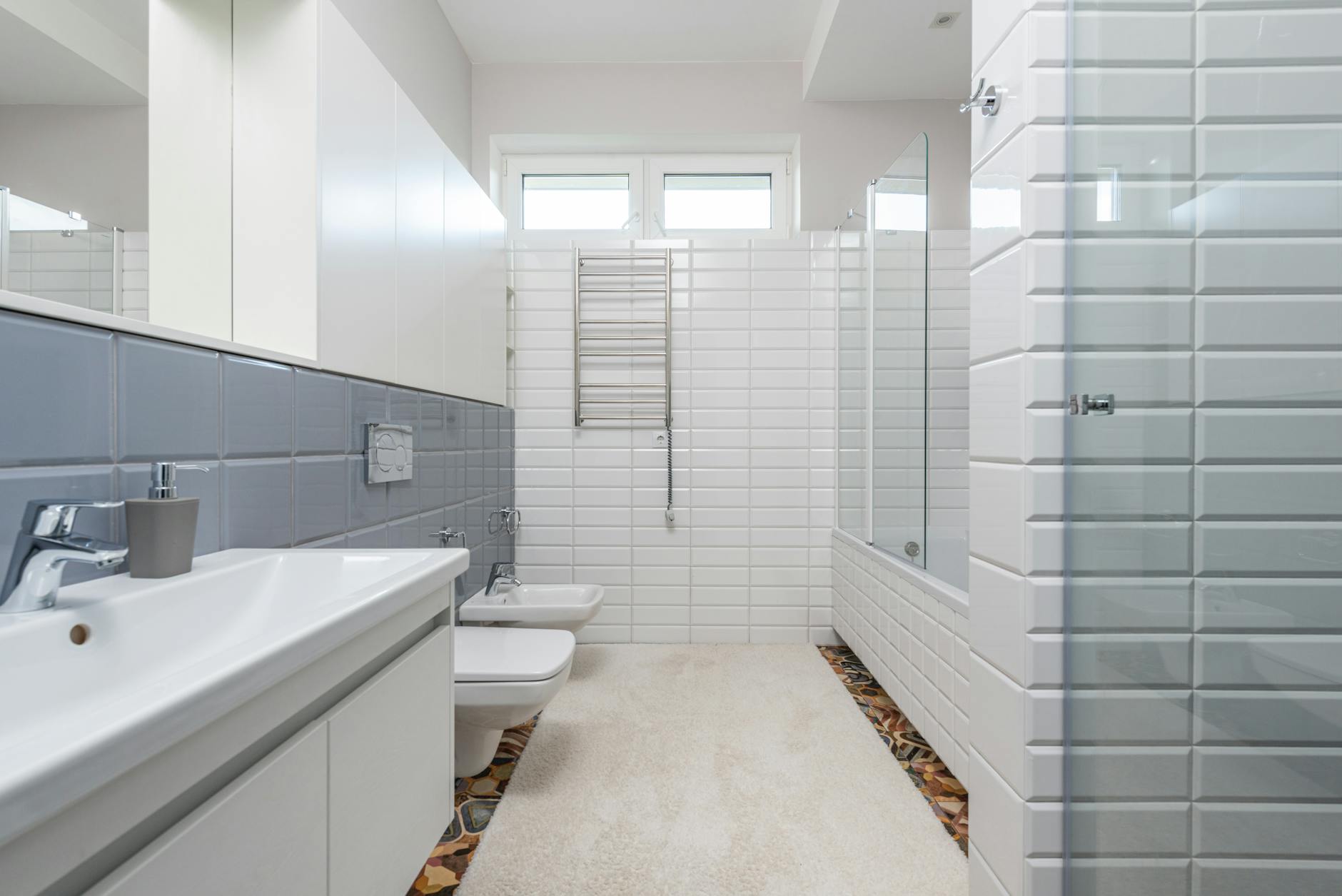
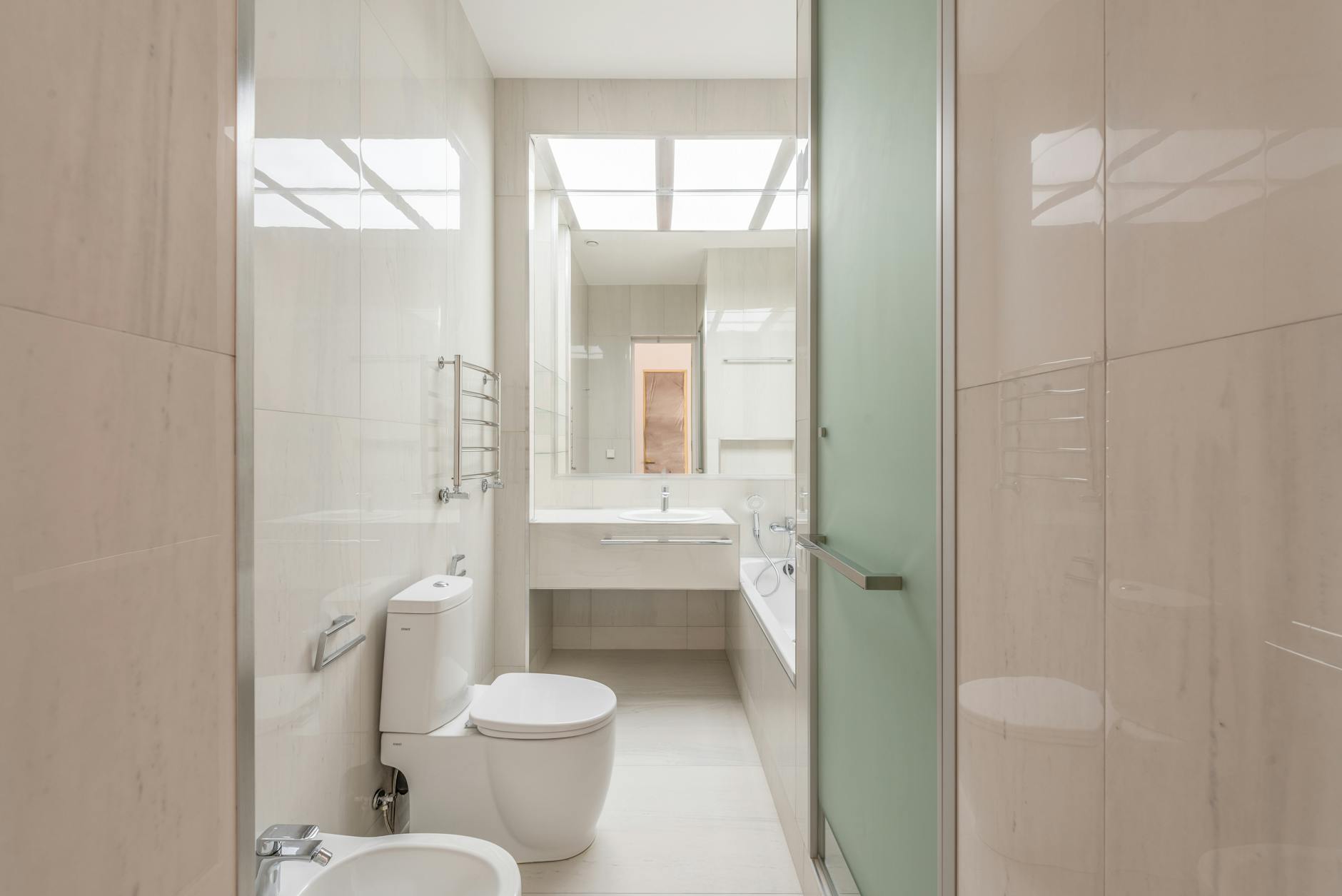
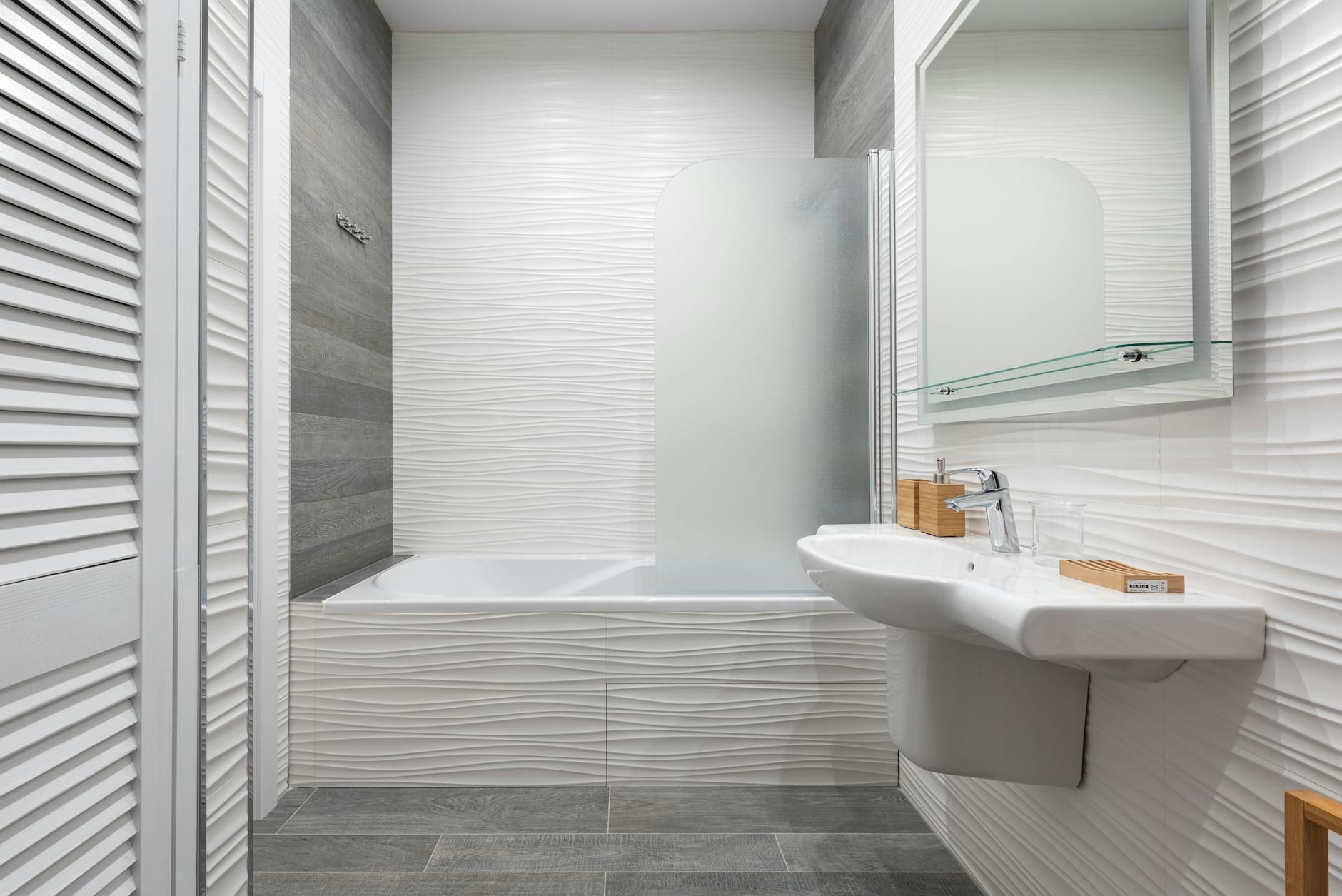
A bathroom deep cleaning means scrubbing every surface from ceiling to floor, including grout lines, fixture bases, exhaust fans, and hidden corners that routine tidying misses. In Chandler’s hard-water environment, mineral deposits and soap scum build up fast, making a thorough clean more than just a comfort issue. This guide walks you through every step, plus explains when calling a professional makes more sense than doing it yourself.
If you live in Chandler and want a spotless bathroom without spending your Saturday on your knees, cleaning services Chandler are available through Elite Maids House Cleaning, Arizona’s most-reviewed residential cleaning team. Whether you tackle this project yourself or hire help, the steps below will give you a roadmap to a genuinely clean bathroom.
Why Bathroom Deep Cleaning in Chandler Matters More Than You Think
Chandler’s water supply is notoriously high in mineral content. That means calcium and magnesium deposits coat your faucets, showerheads, and toilet bowl rims within days of a basic wipe-down. A standard weekly cleaning routine rarely removes these layers completely, which is why a dedicated bathroom deep cleaning session needs to happen at least once a month in most Chandler households.
Beyond hard water, bathrooms are the most moisture-rich rooms in your home. According to the CDC’s guidance on mold in homes, damp surfaces with limited ventilation are prime breeding grounds for mold and mildew. Grout lines, caulk edges, and the underside of bath mats are classic hiding spots. A proper deep clean eliminates these colonies before they spread to walls and subflooring, where remediation becomes costly.
A thorough cleaning of your Chandler bathroom also protects indoor air quality. The EPA’s indoor air quality resources note that mold spores and volatile cleaning residues trapped in a poorly ventilated bathroom can aggravate allergies and asthma. Doing the job correctly, with the right products and ventilation, keeps your family breathing easier.
Supplies You Need Before You Start Deep Cleaning Your Bathroom
Gathering everything before you begin saves time and prevents you from tracking dirty gloves through the house mid-clean. Here is what a complete bathroom deep cleaning kit looks like:
Heavy-duty rubber gloves and safety glasses
A grout brush with stiff bristles
Microfiber cloths in at least three colors (one for toilets, one for sinks, one for mirrors and glass)
A flat-head screwdriver for removing exhaust fan covers
A squeegee for shower glass
White vinegar and baking soda for natural descaling
An EPA Safer Choice-certified bathroom cleaner (see the EPA Safer Choice program for vetted options)
A toilet brush with a narrow neck for under-rim scrubbing
A stepladder for reaching the exhaust fan and upper tile rows
If you prefer to skip harsh chemicals entirely, our post on hypoallergenic cleaning supplies breaks down exactly which natural alternatives are effective in a bathroom setting without irritating sensitive skin or lungs.
Step-by-Step Bathroom Deep Cleaning Checklist
Follow this order. Working top-to-bottom and dry-to-wet keeps you from re-contaminating surfaces you have already cleaned.
Step 1: Clear and Ventilate
Remove every item from countertops, the shower ledge, and the floor. Open the window if you have one and turn on the exhaust fan. If your fan is caked with dust, pop off the cover and vacuum the grate before you start. A working exhaust fan speeds up drying and pulls chemical fumes out of the room during the deep cleaning process.
Step 2: Apply Cleaner and Let It Dwell
Spray your toilet bowl cleaner under the rim and let it sit. Apply your tile and grout cleaner to shower walls and the tub surround. Spray the sink basin and counter. Letting products dwell for 5 to 10 minutes does most of the work for you, so do not rush this step during a bathroom deep clean.
Step 3: Scrub Grout Lines
Grout is porous and holds staining compounds even after the surface looks clean. Use your grout brush in short, firm strokes. In a Chandler home with hard water, you will likely see orange or pink residue in shower grout. A paste of baking soda and hydrogen peroxide applied directly to the grout and left for 10 minutes before scrubbing handles most staining without damaging tile.
Step 4: Clean the Toilet Thoroughly
Start with the tank lid, then the outside of the tank, then the seat hinges, the seat top, the seat bottom, the rim, and finally the bowl. Most people clean in the wrong order and end up dragging toilet rim bacteria onto the tank lid. Scrub under the rim with a narrow toilet brush. Flush to rinse. Wipe the base and the floor around the base, which is often the dirtiest spot in the entire bathroom.
Step 5: Tackle the Shower and Tub
Rinse the dwell-time cleaner, then scrub tile with a non-scratch pad. For hard-water deposits on the showerhead, fill a small bag with white vinegar, secure it around the showerhead with a rubber band, and let it soak for 30 minutes while you clean other areas. Wipe the shower door tracks with a cotton swab. Squeegee glass doors and dry them with a microfiber cloth to prevent immediate re-spotting.
Step 6: Sink, Faucet, and Counter
Scrub the sink basin, paying attention to the drain opening and the overflow hole near the top of the basin. These are mold hotspots. Clean around faucet bases where toothpaste and soap collect. Wipe the counter, backsplash, and any soap dishes or toothbrush holders you removed at the start.
Step 7: Mirrors and Light Fixtures
Spray mirror cleaner on a microfiber cloth, not directly on the mirror, to avoid drips behind the frame. Wipe fixtures with a damp cloth. If light covers are removable, take them down and wash them in the sink.
Step 8: Floors Last
Sweep or vacuum first, then mop with a disinfecting solution. Pay attention to the edges along baseboards and the area behind the toilet. Let the floor dry completely before replacing rugs and bath mats.
Removing Hard Water Stains and Soap Scum the Right Way
Hard water stain removal is the part of bathroom cleaning that trips people up most. The instinct is to scrub harder. The actual fix is to use the right chemistry. Mineral deposits, which are alkaline, respond to acidic cleaners. White vinegar, citric acid, and commercial descalers all work on this principle.
For glass shower doors with heavy calcium buildup, apply straight white vinegar with a sponge and let it sit for 15 to 20 minutes. If that is not enough, a pumice stone designed for bathroom use will remove stubborn deposits from porcelain without scratching, though you should never use pumice on fiberglass, acrylic, or coated surfaces.
Soap scum is a different compound made when soap reacts with hard water minerals. It needs a surfactant-based cleaner rather than a pure acid. Many all-purpose bathroom sprays handle both if you give them enough dwell time. If you want to see Good Housekeeping’s tested recommendations for bathroom cleaning products, their cleaning section covers the most current lab-tested options.
One tip that professional cleaners in Chandler use: after the shower glass is clean and dry, apply a thin layer of rain-repellent car glass treatment. It causes water to bead off the glass and dramatically slows soap scum buildup between deep cleaning sessions.
For more ideas on tackling a single room thoroughly in one session, check out our guide on DIY one-day deep cleaning projects covering kitchens, bathrooms, and bedrooms.
Mold and Mildew Prevention After a Deep Clean
Getting rid of existing mold is only half the job. The other half is making conditions in your Chandler bathroom hostile to regrowth. According to EPA mold guidance, controlling moisture is the single most effective prevention strategy. That means running your exhaust fan during every shower and for at least 15 to 20 minutes afterward.
Re-caulk any cracked or discolored caulk lines around the tub and shower. Old caulk is porous and harbors mold colonies even after surface scrubbing. Removing and replacing a caulk bead is a one-hour project and one of the highest-value maintenance tasks in a bathroom. Use a mold-resistant silicone caulk rated for wet areas.
Swap fabric bath mats for quick-dry options or machine wash your current mat weekly. Leave the shower door or curtain open after each use to let air circulate through the enclosure. These small habits extend the life of your deep clean significantly.
If mold has penetrated drywall or subflooring, no surface cleaning will resolve it. At that point, you need a professional assessment. Our disinfection services include treatment of surface mold and bacteria as part of a broader home sanitizing plan.
How Often Should Chandler Homes Schedule a Bathroom Deep Clean
The honest answer depends on how many people use the bathroom and how hard your water is. For a single-person household in Chandler with a water softener, a thorough deep cleaning every six to eight weeks is reasonable. For a family of four sharing one bathroom with no softener, every three to four weeks is more realistic.
Here is a simple maintenance schedule that works for most Chandler households:
Daily: Squeegee shower glass, hang towels to dry, wipe the sink if toothpaste or water splashes
Monthly: Full bathroom deep cleaning including grout, fixtures, exhaust fan, drain, and caulk inspection
Quarterly: Replace or re-caulk if needed, clean the inside of the toilet tank, deep clean exhaust fan blades
If keeping up with this schedule feels overwhelming alongside work and family commitments, a recurring maid service visit handles the weekly maintenance so your monthly deep clean is a much lighter lift. You can also check cleaning in Chandler prices to see what a recurring plan would cost for your home size.
When to Hire a Professional Deep Cleaning Service in Chandler
There are situations where a DIY bathroom deep cleaning simply will not cut it. If you are moving into a new Chandler home, the previous occupants’ bathroom needs a professional-grade clean before you settle in. A deep cleaning service addresses areas a standard clean skips, including under the toilet tank bolts, inside the exhaust fan housing, and behind the toilet base.
The same applies before a home sale, after a renovation, or following an extended absence where the bathroom sat unused and moisture collected unchecked. Professional cleaners bring commercial-grade tools and solutions that remove years of buildup in a single visit.
Elite Maids House Cleaning sends background-checked, fully insured cleaners to Chandler homes with a reclean-at-no-cost guarantee. If anything is missed, we come back and fix it, no questions asked. You can book online for same-day service between 8am and 6pm without a phone call, which works well for homeowners with packed schedules. Our team also knows what works in Chandler’s hard-water conditions specifically, which makes a real difference in the final result.
For a look at how professional cleaners approach a thorough home clean differently from a typical surface wipe, read our post on what professional cleaners always do during a deep clean. The habits described there apply in any Arizona city, including Chandler.
If spring is around the corner and you want to extend this bathroom reset across your whole home, our ultimate guide to spring cleaning covers a full-home approach room by room.
Your Chandler bathroom deserves more than a surface wipe. Whether you use this guide to do it yourself or decide the time is better spent elsewhere, do not let hard water buildup and hidden mold go unchecked. cleaning Chandler reviews consistently point to Elite Maids House Cleaning as the team locals trust for a genuinely thorough clean. Contact Elite Maids House Cleaning today for a free quote and get your Chandler bathroom looking its best without giving up your weekend.
Frequently Asked Questions
How long does a bathroom deep cleaning take?
For a standard single bathroom, plan on 1.5 to 2 hours if you are doing it yourself and working methodically through every surface. A bathroom with heavy hard-water buildup or mold in the grout can take closer to 3 hours. Professional cleaners working in teams can typically complete the same job in 45 to 60 minutes using commercial tools and solutions.
What is the best cleaner for hard water stains in a Chandler bathroom?
White vinegar and citric-acid-based descalers work well for mineral deposits common in Chandler’s water supply. For heavy buildup, a commercial descaler with a longer dwell time outperforms vinegar alone. Always test any cleaner on a small hidden area first, especially on natural stone tiles, which can be etched by acids.
How do I get rid of mold in bathroom grout?
Apply a paste of baking soda and hydrogen peroxide directly to the grout, let it sit for 10 minutes, then scrub with a stiff grout brush. For persistent mold, a diluted bleach solution applied with an old toothbrush and rinsed thoroughly is effective on ceramic and porcelain tile. If mold returns quickly after cleaning, check for a ventilation problem and consider re-caulking cracked or discolored grout lines.
Should I clean the bathroom exhaust fan during a deep clean?
Yes, absolutely. A clogged exhaust fan cannot remove moisture effectively, which makes mold and mildew problems worse over time. Turn off the power at the breaker, remove the cover, vacuum the grate and housing with a brush attachment, and wipe the fan blades with a damp cloth. This takes about 10 minutes and noticeably improves the fan’s ability to keep your bathroom dry.
How much does a professional bathroom deep cleaning cost in Chandler?
Cost varies based on bathroom size, current condition, and whether you are booking a standalone bathroom clean or a whole-home deep clean. Elite Maids House Cleaning offers instant online quotes so you know the price before anyone arrives at your door. Recurring plans typically cost less per visit than one-time bookings, and same-day availability is offered between 8am and 6pm.
How to Deep Clean Bathrooms in Apache Junction Using Bona Products
SHARE:
Deep cleaning a bathroom means going beyond a quick wipe-down to scrub grout, dissolve mineral buildup, sanitize fixtures, and leave every surface genuinely spotless. In Apache Junction, hard water from the local supply accelerates soap scum and calcium deposits, making a thorough approach even more important. This guide walks you through every step, from supplies to final rinse, so your bathroom looks and smells professionally cleaned.
Whether you handle cleaning in Apache Junction yourself or call in reinforcements, having a reliable system matters. Elite Maids House Cleaning helps Apache Junction homeowners tackle exactly this kind of deep bathroom work every week, but if you want to take it on yourself, this step-by-step breakdown gives you everything you need.
Step 1: Gather Your Supplies Before You Start Deep Cleaning the Bathroom
Getting your supplies together before you start deep cleaning the bathroom saves you from stopping mid-task with wet gloves and a half-scrubbed tub. The right tools make the difference between a surface clean and a genuinely deep bathroom clean. Here is what you need:
Bona All-Purpose Cleaner for shower walls, tile, and glass surfaces
Bona Hard-Surface Floor Cleaner for tile and grout floors
A mop designed for hard floors (a flat microfiber mop works best with Bona)
A toilet brush and bowl cleaner
Baking soda for tough stains
White vinegar for mineral deposits (do not mix with bleach-based products)
Apache Junction’s water supply carries significant mineral content, which means limescale builds up fast on faucets and shower glass. Having a dedicated descaling option in your kit alongside Bona’s spray cleaner will help you address those white crusty deposits without scratching chrome or tile. According to Good Housekeeping’s cleaning guides, keeping your supplies organized in a caddy cuts cleaning time by nearly a third because you are not hunting for tools between rooms.
Step 2: Ventilate the Space and Remove Clutter
Before any product touches a surface, open the window or turn on the exhaust fan. Bathroom cleaning products, even gentler formulations like Bona’s line, release vapor into a small enclosed space. The EPA’s indoor air quality guidelines consistently recommend ventilating bathrooms during and after cleaning to prevent volatile compound buildup.
Remove everything from countertops, shower shelves, and the floor: shampoo bottles, razors, bath mats, towels, trash cans. Cleaning around clutter always leaves dirty patches underneath. In Apache Junction’s warm climate, bathrooms can get stuffy quickly, so good airflow also helps products dry properly and prevents streaking on mirrors and glass.
Toss bath mats and hand towels into the washing machine now. They will be cycling while you clean, and you will have fresh linens ready to put back when the bathroom is done.
Step 3: Deep Clean the Shower and Bathtub with Bona All-Purpose Cleaner
This is where the real deep cleaning happens, and Bona All-Purpose Cleaner is genuinely effective for this step. Spray the shower walls, tile, and shower glass generously with Bona All-Purpose Cleaner. Pay close attention to corners, where soap scum and mold spores tend to concentrate. Let the solution sit for two to three minutes before you start scrubbing so it can break down buildup without you having to apply as much elbow grease.
Work from top to bottom: start at the showerhead and work your way down to the floor. This prevents dirty runoff from soiling surfaces you have already cleaned. Use your grout brush to scrub tile grout lines in short, firm strokes. If the grout in your Apache Junction bathroom has gone grey or pinkish (pink mold is common in humid bathrooms), apply a paste of baking soda and water directly to the grout, let it sit for five minutes, then scrub with the stiff brush before rinsing.
For the shower glass, spray Bona All-Purpose Cleaner on the glass, wipe with a microfiber cloth in circular motions, then use a squeegee from top to bottom in overlapping strokes. This technique eliminates streaks that a cloth alone tends to leave. Rinse the entire shower with warm water, then squeegee the walls once more to prevent water spots.
Hard water stains that do not lift with Bona spray can be treated with white vinegar on a cloth held against the deposit for several minutes. For an in-depth look at stubborn mineral buildup specific to Arizona water, the hard water stain removal guide from our Glendale team covers every technique we use professionally.
Step 4: Scrub the Toilet Thoroughly
The toilet is the surface most people scrub the least thoroughly during a regular clean. A deep clean of the toilet requires attention to every part, not just the bowl.
Start by applying toilet bowl cleaner under the rim and letting it sit while you clean the exterior. Spray the outside of the toilet, including the tank, lid, seat (top and underside), the base, and the floor around the base, with your all-purpose cleaner. These areas collect dust, splatter, and bacteria that a cursory wipe misses entirely.
Use separate microfiber cloths for the toilet versus other surfaces to avoid cross-contamination. Wipe from the cleanest areas to the dirtiest: tank first, then lid, then seat, then the base and floor. Once the exterior is wiped down, scrub the bowl with your toilet brush, including under the rim where mineral stains and bacteria build up in Apache Junction’s hard water.
The CDC’s guidance on mold in home environments notes that poorly cleaned bathroom surfaces, particularly those with standing moisture, create conditions for microbial growth. Regular deep scrubbing of toilet bases and behind tank bolts eliminates the damp organic matter those organisms need to thrive.
Step 5: Clean Bathroom Fixtures, Mirrors, and Countertops
Faucets and handles are the most-touched surfaces in a bathroom, which makes them a priority for a true deep clean. Apache Junction’s mineral-heavy water leaves white deposits around faucet bases and drain covers. Wrap a vinegar-soaked cloth around the faucet base and let it sit for five to ten minutes to dissolve the buildup, then wipe clean with a dry microfiber cloth.
For the mirror, spray Bona All-Purpose Cleaner lightly on a microfiber cloth rather than directly on the glass. This prevents overspray from landing on light fixtures or outlets. Wipe in an S-pattern from top to bottom for a streak-free finish. A dry microfiber cloth as a second pass removes any remaining haze.
Countertops should be sprayed, wiped, and dried in that order. Pay attention to the areas behind the faucet and around the sink basin where toothpaste and soap residue collect. If your countertop is granite or natural stone, skip the vinegar entirely and stick to a pH-neutral cleaner like Bona’s formula, which is gentle enough for most hard surfaces without etching.
If you would rather skip this level of detail and have it done professionally, our deep cleaning service covers every fixture, surface, and corner in bathrooms across Apache Junction and the wider Valley.
Step 6: Deep Clean Bathroom Floors with Bona Floor Cleaner
Bathroom floors collect hair, dust, product residue, and moisture that seeps into grout lines. Deep cleaning bathroom floors properly requires more than a mop pass with plain water.
Start by sweeping or vacuuming to remove loose debris. This step matters more than most people think: mopping over loose grit just moves it around and scratches tile surfaces.
Spray Bona Hard-Surface Floor Cleaner directly onto the floor in sections, or apply it to your flat microfiber mop pad. Work backward from the corner farthest from the door so you are not stepping on what you have already cleaned. Use a grout brush on any discolored grout lines, then mop over the entire floor with the Bona solution.
Bona’s floor cleaners are water-based and designed to dry quickly without leaving a sticky residue, which is important in Apache Junction where dust can quickly re-settle on any tacky surface. According to Real Simple’s cleaning experts, a dedicated hard-floor cleaner outperforms all-purpose sprays on tile and grout because the formula is pH-calibrated for those materials specifically.
If your schedule a deep clean online and want us to handle the floors professionally, our team brings Bona-compatible equipment and handles grout scrubbing as part of every full bathroom deep clean.
Step 7: Keep the Bathroom Smelling Fresh After Deep Cleaning
A bathroom can look spotless but still carry a stale or musty odor. Odor control is the final step in a complete deep clean, and it starts with eliminating the source rather than masking it.
Check the caulk around your tub and shower for discoloration or soft spots. Mold growing inside or behind deteriorating caulk is one of the most common sources of bathroom odor in Apache Junction homes, where temperature swings accelerate caulk breakdown. The EPA’s mold guidance recommends removing and replacing caulk showing visible mold growth rather than cleaning over it, since the mold is typically deeper than the surface layer.
After deep cleaning, place a small bowl of baking soda in the cabinet under the sink to absorb ambient moisture and odors. Replace it monthly. Running the exhaust fan for at least twenty minutes after every shower dramatically reduces the humidity that feeds mold and odor-causing bacteria.
If you prefer a light scent, a few drops of essential oil on a cotton ball tucked behind the toilet or under the sink is safer than aerosol sprays, which the American Lung Association links to respiratory irritation when used repeatedly in small enclosed spaces.
For Apache Junction homeowners who want a consistently fresh bathroom without the time investment, a recurring maid service keeps bathroom surfaces clean on a schedule so deep buildup never has a chance to develop. Weekly or biweekly visits mean the deep clean you just completed stays that way.
You can also check out our holiday cleaning service if you want a full home refresh before hosting guests in Apache Junction. It covers bathrooms from top to bottom, including all the steps in this guide.
When to Call a Professional House Cleaning Service in Apache Junction
DIY deep cleaning works well for regular maintenance, but some situations genuinely call for professional help. If you are preparing a home for new tenants, getting ready to list a property, or recovering from a period when cleaning was not possible, a professional house cleaning service in Apache Junction delivers results that go beyond what a solo homeowner with a spray bottle can achieve.
Elite Maids House Cleaning serves Apache Junction and the broader Valley with background-checked, bonded, and insured cleaners who specialize in deep bathroom cleaning, grout restoration, fixture descaling, and full-room sanitizing. Every visit is backed by a reclean-at-no-cost guarantee, so if anything is missed, the team comes back. You can book a cleaning online with an instant quote and same-day availability between 8am and 6pm.
According to Consumer Reports’ cleaning research, professional cleaning services consistently remove significantly more bacteria and mold spores from bathroom surfaces than standard homeowner cleaning, primarily because of commercial-grade tools and systematic technique. For move-in and move-out situations especially, that level of thoroughness protects both your deposit and your health.
If you are ready to stop spending your weekends scrubbing tile and want Apache Junction’s most-reviewed cleaning team handling your bathrooms instead, contact Elite Maids House Cleaning in Apache Junction today for a free quote and get your weekends back.
Frequently Asked Questions
How often should you deep clean a bathroom in Apache Junction?
Most bathrooms in Apache Junction benefit from a deep clean every four to six weeks because the area’s hard water accelerates mineral and soap scum buildup. In between, a quick weekly wipe-down of surfaces keeps the bathroom manageable. Households with heavy use or young children may need more frequent deep cleaning to stay ahead of grime and mold growth.
Is Bona All-Purpose Cleaner safe for all bathroom surfaces?
Bona All-Purpose Cleaner is pH-balanced and safe for most hard surfaces including tile, glass, chrome, and porcelain. It is generally considered safe for sealed natural stone countertops as well, but avoid using it on unsealed marble or granite since any water-based cleaner can penetrate porous stone over time. Always test a small inconspicuous spot if you are unsure about your surface type.
What is the fastest way to remove hard water stains from a shower in Apache Junction?
Soak a cloth in undiluted white vinegar and hold it against the mineral deposit for five to ten minutes, then scrub with a non-scratch sponge. For heavy buildup on Apache Junction shower glass, a commercial descaler applied after your Bona spray step will dissolve calcium deposits that a general cleaner cannot fully break down. Squeegee the shower walls after every use to prevent new deposits from forming.
Can I use Bona floor cleaner on bathroom tile grout?
Bona Hard-Surface Floor Cleaner works well on sealed tile grout and will help lift everyday dirt and soap residue. For grout that is heavily stained or discolored, apply a baking soda paste directly to the grout lines and scrub with a stiff brush before mopping with Bona. Unsealed or porous grout may need a dedicated grout cleaner for best results, followed by a grout sealer once dry.
How do I prevent mold from coming back after deep cleaning the bathroom?
Mold needs moisture to grow, so controlling humidity is the most effective prevention. Run the exhaust fan for at least twenty minutes after every shower and fix any dripping faucets or leaks promptly. Replace deteriorating caulk before it develops mold inside the seal. In Apache Junction’s warm climate, even small moisture sources can accelerate mold growth, so consistent ventilation matters more here than in cooler regions.
How to Clean Hard Water Stains in Glendale: A Homeowner's Honest Guide
SHARE:
If you’ve been staring at those white, crusty deposits on your faucets or shower doors and wondering what you did wrong, you did nothing wrong. Hard water stains are one of the most common and most frustrating cleaning problems for homeowners in Glendale. The water here carries a high mineral content, and when it dries on surfaces, it leaves behind calcium and magnesium deposits that regular soap and water just won’t touch. If you’ve been searching for the cleaning services glendale has to offer, you already know how stubborn this problem can be. This guide walks you through exactly how to tackle hard water stains yourself, and when it makes more sense to call in a professional team.
What Causes Hard Water Stains in Glendale Homes
Hard water stains form when water with a high concentration of dissolved minerals evaporates and leaves those minerals behind on surfaces. In Glendale, the tap water tends to run hard, meaning it picks up calcium, magnesium, and sometimes iron as it travels through the ground and pipes before reaching your home. Every time water splashes on a faucet, glass shower door, toilet bowl, or tile and then dries, it deposits a thin layer of minerals. Over time those layers build up into the chalky white or yellowish crust that feels impossible to scrub away.
The problem gets worse in areas with poor ventilation, like bathrooms that don’t get much airflow after a shower. According to EPA guidance on indoor air quality, moisture that lingers in enclosed spaces creates compounding issues, including mineral buildup and mold risk. Good ventilation is your first defense. But once those hard water deposits have already set in, you need a targeted cleaning approach, not just more scrubbing.
The Best DIY Methods for Removing Hard Water Deposits
Removing hard water deposits comes down to one simple chemistry rule: acid dissolves minerals. The most accessible acids for household use are white vinegar and citric acid, both of which are safe, inexpensive, and effective when used correctly.
White vinegar soak: For faucets and showerheads, soak a cloth or paper towel in undiluted white vinegar and wrap it around the affected area. Leave it for 30 to 60 minutes, then scrub gently with a non-scratch sponge. Repeat for stubborn deposits.
Citric acid paste: Mix citric acid powder with just enough water to form a paste. Apply it directly to hard water stains on tile or glass, let it sit for 15 minutes, then scrub and rinse. This works especially well on grout lines.
Baking soda boost: After an acid treatment, a light scrub with baking soda can help lift any remaining residue and polish the surface.
Lemon juice: Fresh lemon juice works as a milder acid option for light water stains on chrome fixtures. Rub it on, let it sit five minutes, then rinse clean.
One thing to know: never mix vinegar with bleach or any bleach-based cleaner. The combination releases toxic chlorine gas. If you’re unsure which products are safe to use together, EPA Safer Choice resources can help you identify cleaning products that are effective without the health risks.
How to Clean Hard Water Stains on Shower Doors and Glass
Shower glass is where hard water stains tend to look their worst, and where most people give up and assume the glass is permanently damaged. It usually isn’t. Cleaning hard water stains off glass takes patience and the right technique, but the results can be dramatic.
Start by spraying the glass generously with undiluted white vinegar. Let it sit for at least 15 minutes. If the buildup is heavy, cut a lemon in half, dip it in table salt, and use it to scrub directly on the deposits. The mild abrasion from the salt combined with the acid in the lemon breaks through mineral layers without scratching the glass.
For very heavy hard water deposits that have built up over months or years, a product containing oxalic acid is often the most effective option. Bar Keepers Friend is a well-known example. Apply it as a paste, let it dwell for a few minutes, scrub with a non-scratch pad, and rinse thoroughly. Always wear gloves when working with any acid-based cleaner.
After the glass is clean, dry it immediately with a microfiber cloth to prevent new water spots from forming. Squeegee the shower doors after every use going forward, and you’ll dramatically slow the rate at which hard water deposits return.
If you’re curious about what professional-grade results look like or want to compare your options, check out Cleaning services in California offered by teams that specialize in residential deep cleaning in your area.
Tackling Hard Water Buildup in Toilets and Sinks
Toilets with hard water rings and sinks with mineral crust around the drain are both common in Glendale homes. The same acid-based approach works here, but the techniques differ slightly.
For toilet hard water rings, pour one to two cups of white vinegar directly into the bowl and let it sit for at least an hour, or overnight if the staining is severe. Then scrub with a toilet brush, focusing on the waterline. For really stubborn toilet hard water stains, empty as much water from the bowl as possible by turning off the water supply and flushing, then apply a paste of borax and vinegar directly to the stain and let it sit before scrubbing.
For sinks, the approach is similar to faucets. Soak paper towels in vinegar and press them against the buildup around the drain or base of the faucet. For the drain itself, pour a cup of vinegar down it weekly to slow mineral accumulation.
According to Good Housekeeping’s cleaning team, consistent weekly attention to high-moisture areas prevents mineral deposits from hardening to the point where they require heavy scrubbing or professional intervention. A little maintenance goes a long way.
If you want deeper results throughout your home, a professional deep cleaning service covers every surface, including the mineral-heavy areas in kitchens and bathrooms that tend to get overlooked during regular cleaning routines.
How Much Does Professional House Cleaning Cost in Glendale?
Two questions come up constantly when Glendale homeowners start thinking about hiring help with tough cleaning jobs.
How much should you pay a cleaner for 3 hours? A fair rate for a professional cleaner in the Glendale area typically falls between $90 and $150 for a three-hour session, depending on the size of the home, the level of cleaning required, and whether you’re booking a standard clean or something more intensive like a deep clean. Some services charge by the hour, others by the home. Always confirm what’s included before booking.
Is $50 an hour good for house cleaning? In most parts of Arizona, $50 per hour is on the higher end of the market for an individual cleaner, but it can be reasonable for a fully insured, background-checked professional from a reputable company. You’re paying for reliability, insurance coverage, and a consistent standard of work, not just the labor itself. Bargain rates often come with inconsistent results or no recourse if something goes wrong. For cleaning glendale prices that are fair and transparent, look for companies that offer instant online quotes so you know exactly what you’re paying before anyone shows up.
According to Consumer Reports research on cleaning services, the biggest factor in customer satisfaction isn’t price, it’s consistency. A cleaner who shows up reliably and does the same quality job every visit is worth more than a slightly cheaper option that delivers uneven results.
When to Call a Professional Cleaning Service in Glendale
DIY hard water removal works well for mild to moderate buildup, but there are situations where calling a professional cleaning service in Glendale is the smarter move. If mineral deposits have been sitting for years, if you have natural stone surfaces like marble or travertine that can be damaged by acidic cleaners, or if the buildup extends across large areas of your home, professional tools and expertise will get better results without risking damage to your surfaces.
Professional cleaning services also help if you’re preparing a home for new tenants or buyers. A thorough residential cleaning before a move-in or move-out inspection can make a significant difference in how a property is received. Glendale landlords and real estate agents often rely on professional cleaners to get homes showing-ready quickly.
The Spruce cleaning guides recommend scheduling a professional deep clean at least once or twice a year even if you maintain a regular cleaning routine, specifically to address the buildup in high-mineral-content water areas that daily cleaning misses.
For homeowners in Glendale dealing with recurring hard water issues, a recurring maid service on a weekly or biweekly schedule is one of the most effective ways to prevent deposits from hardening in the first place. Consistent attention to wet surfaces keeps mineral buildup manageable year-round.
If you want to see how professional Glendale cleaning compares to going it alone, take a look at 10 BEST House Cleaning Services in Glendale, CA to get a sense of your local options and what each service actually includes.
Get Expert Hard Water Cleaning Help in Glendale Today
Hard water stains don’t have to be a permanent fixture in your Glendale home. With the right products, the right technique, and a little patience, most mineral buildup can be cleared up. But if you’d rather hand it off to people who do this every day, Elite Maids House Cleaning is ready to help. As the most-reviewed residential cleaning team in Arizona, every cleaner is background-checked, bonded, and fully insured, and every visit comes backed by a reclean-at-no-cost guarantee. Glendale homeowners can book online in minutes with an instant quote and same-day availability between 8am and 6pm. Join the many Happy Cleaning LA customers who’ve made Elite Maids their go-to cleaning team, and contact Elite Maids house cleaning today for a free quote.
The bathroom is one of the hardest-working rooms in your home, and keeping it truly clean takes more than a quick wipe-down. Soap scum, hard water stains, mildew, and grimy grout can build up fast, and once they do, they are a serious chore to tackle. Whether you are doing a quick weekly refresh or a full bathroom deep clean, having the right tips in your back pocket makes all the difference. The cleaning pros at Elite Maids know firsthand how much easier life gets when you work smarter, not harder. These 18 best bathroom cleaning tips will help you get every corner sparkling, from your showerhead to your grout lines.
How to Deep Clean a Bathroom from Top to Bottom
A real bathroom deep clean is not just about scrubbing the toilet. It means working through the entire room in a logical order so you are not spreading dirt onto surfaces you already cleaned. Start at the top and work your way down. Dust ceiling corners, light fixtures, and ventilation fans first. Dust and debris fall, so cleaning high before low means you only have to sweep or mop once.
When you deep clean the bathroom, the shower and tub deserve the most attention. Good Housekeeping recommends applying your cleaning product and letting it sit for several minutes before scrubbing. This dwell time does the heavy lifting for you, breaking down soap scum and mineral deposits so you use less elbow grease. For a thorough bathroom deep clean, use a stiff-bristled grout brush along tile lines, and do not skip the caulk around the tub edge. Mold loves to hide there.
Dust vents and light fixtures before cleaning surfaces below.
Apply tub and shower cleaner and let it sit for at least five minutes.
Scrub grout lines with a dedicated grout brush.
Check caulk around the tub for mold or discoloration and treat with a bleach-based spray.
Wipe down walls and baseboards before mopping the floor.
Descaling Your Showerhead and Tackling Hard Water Stains
Hard water stains are one of the most stubborn bathroom problems, especially here in Arizona where the water is notoriously mineral-heavy. Limescale clogs showerhead nozzles over time, reducing water pressure and leaving crusty buildup that looks terrible. The fix is easier than you might think. Fill a plastic bag with white vinegar, tie it around the showerhead so the nozzles are fully submerged, and leave it overnight. By morning, the mineral deposits will have dissolved and you can wipe the head clean with a cloth.
The same principle applies to hard water stains on faucets, shower doors, and around the sink basin. White vinegar or a commercial descaling product cuts through limescale buildup quickly. Consumer Reports notes that acidic cleaners are the most effective against mineral deposits, so look for products with citric acid or lactic acid if you prefer something milder than bleach. For glass shower doors, a daily squeegee habit after each shower prevents hard water marks from forming in the first place. That five-second habit saves you a lot of scrubbing later.
Soak the showerhead in white vinegar overnight to dissolve limescale.
Use a descaling spray on faucets and let it dwell before wiping.
Squeegee glass shower doors after every use to prevent water spot buildup.
For stubborn hard water rings in the toilet bowl, use a pumice stone gently.
Bathroom Grout Cleaning and Mold Prevention Tips
Grout is porous, which means it absorbs moisture, soap residue, and airborne mold spores constantly. Keeping bathroom grout clean is one of the most important parts of any bathroom maintenance routine, and it is one of the areas people most often neglect. A paste made from baking soda and hydrogen peroxide applied to grout lines, left for ten minutes, then scrubbed with a stiff brush, works remarkably well. For heavy mold, a bleach-based gel cleaner that clings to vertical grout lines gives you better contact time than a spray.
Mold prevention matters just as much as mold removal. According to the CDC, controlling moisture is the key to preventing mold growth in bathrooms. Run your exhaust fan during and for at least 20 minutes after every shower. If your fan is weak or absent, crack a window. Sealing grout once or twice a year with a penetrating grout sealer also helps block moisture absorption and keeps grout cleaner for longer between deep cleans. If you want to know which cleaning products perform best on bathroom grout and surfaces, check out Good Housekeeping’s 2026 Cleaning Awards: The Best Products to Keep Your Home Spotless for tested recommendations.
Apply a baking soda and hydrogen peroxide paste to grout and scrub after ten minutes.
Use a bleach gel for heavy mold on grout in shower walls.
Run the exhaust fan for 20 minutes after every shower.
Seal grout annually to reduce moisture absorption.
Fix dripping faucets and leaky seals quickly to prevent long-term moisture damage.
Quick Daily Bathroom Cleaning Habits That Keep the Room Fresh
You do not need to scrub your bathroom every single day, but a few small daily bathroom cleaning habits make a huge difference in how long your deep cleans last. Wiping down the sink and counter with a damp microfiber cloth after your morning routine takes about 30 seconds and prevents toothpaste and soap residue from drying into a crust. Keeping a toilet brush and a small spray bottle of disinfectant under the sink means a quick toilet bowl swish takes less than a minute. These micro-habits are the backbone of a bathroom that always looks presentable.
Good ventilation, tidying products off the counter regularly, and changing hand towels every two to three days all contribute to a fresher, more hygienic bathroom between your weekly cleans. If you are curious about old-school cleaning methods that are making a comeback and actually work well in bathrooms, take a look at The Old-School Cleaning Method Coming Back in 2026 for some surprisingly effective ideas. Small consistent efforts always beat a single massive overhaul.
Wipe down the sink and counter daily with a microfiber cloth.
Do a quick toilet bowl swish with disinfectant spray every day or two.
Change hand towels every two to three days.
Keep counters clear so cleaning them stays fast and easy.
Spray the inside of the toilet bowl with cleaner before bed so it works overnight.
Keeping a bathroom genuinely clean is absolutely doable when you have the right system. Work from top to bottom, tackle hard water stains and grout regularly, build a few quick daily habits, and do a proper bathroom deep clean every few weeks. If you would rather hand this job off to someone who does it every day, the trusted Arizona house cleaning team at Elite Maids is ready to help. Book a cleaning today and come home to a bathroom that looks and smells exactly the way it should.