July Heat-Safe Cleaning Tips Every Home Needs This Summer
SHARE:
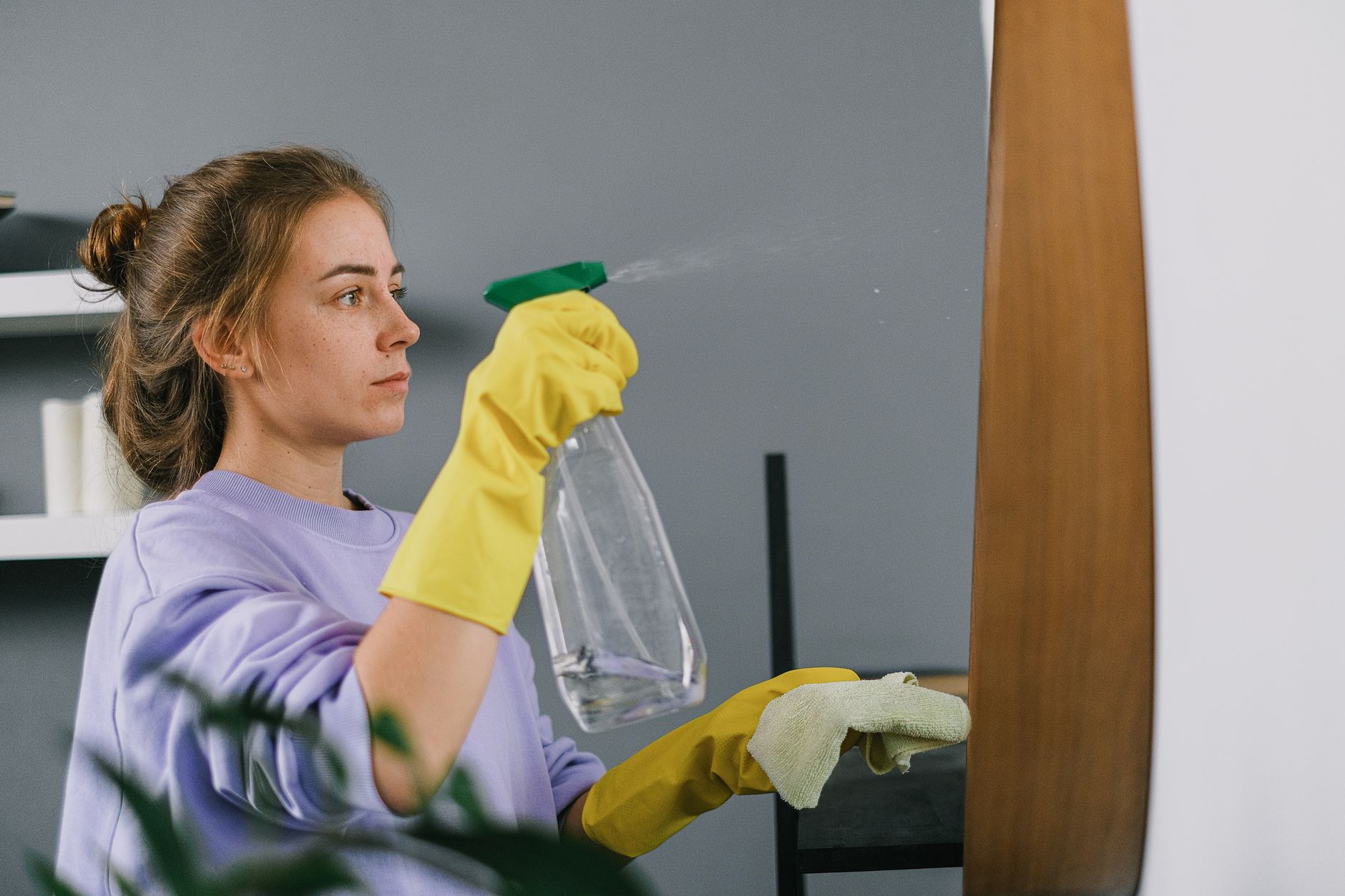
Cleaning safely in July heat means working smarter, not harder. High temperatures can cause cleaning products to evaporate faster, make fumes more concentrated indoors, and turn a simple chore session into an exhausting ordeal. The tips below walk you through a room-by-room, product-by-product approach to summer house cleaning that keeps you safe, your home fresh, and your sanity intact.
1. Pick the Coolest Hours of the Day to Clean
Cleaning in July heat is a battle you will lose if you start at noon. The smartest heat-safe cleaning strategy is to schedule your chores in the early morning or after sunset, when indoor temperatures drop enough to make physical effort bearable. In Arizona communities like Phoenix, Mesa, and Scottsdale, that window can be as narrow as 6 a.m. to 9 a.m. before the thermometer climbs past 100°F.
Cleaning during cooler hours also matters for chemical safety. Many household cleaners contain volatile organic compounds (VOCs) that evaporate and off-gas at higher rates when the air is hot. Working early keeps fume concentrations lower and makes the experience far more manageable.
Practical ways to take advantage of cooler cleaning windows:
Tackle bathrooms and kitchens first thing in the morning before the house heats up.
Save light tasks like dusting and decluttering for midday when you can stay relatively still.
Mop floors and clean windows in the evening so surfaces dry without baking on streaks.
Run your ceiling fans during and after cleaning to help surfaces dry faster and keep air moving.
For families following a monthly home cleaning plan, July is the perfect time to restructure your routine around the heat rather than fighting it.
2. Use Heat-Safe Cleaning Products That Won’t Off-Gas in Hot Rooms
Not every cleaner on your shelf is formulated with summer in mind. Aerosol sprays, heavy-duty degreasers, and products with strong solvents can become genuinely hazardous when used in a hot, poorly ventilated room. Heat-safe cleaning products tend to rely on gentler chemistry, including plant-based surfactants, diluted vinegar, or castile soap, that don’t spike fume levels when temperatures rise.
The EPA Safer Choice program certifies cleaning products that are safer for people and the environment, making it a reliable resource when you’re shopping for summer-friendly supplies. Look for that label when picking up multi-surface cleaners or dish soaps.
Key product swaps for July cleaning:
Replace aerosol air fresheners with a bowl of baking soda or a few drops of essential oil in water.
Use diluted white vinegar for glass and countertops instead of ammonia-based cleaners.
Opt for fragrance-free or low-VOC disinfectants in bathrooms and kitchens.
Choose microfiber cloths over paper towels to reduce the need for heavy spray applications.
If you prefer eco-friendly options, our guide to natural cleaning solutions covers room-by-room product swaps that are gentle on your family and the planet year-round.
3. Keep Indoor Air Quality Healthy During Summer Cleaning
Indoor air quality takes a hit in summer for reasons beyond cleaning products. Dust mites, mold spores, and pet dander all thrive in warm, humid conditions. When you combine those allergens with cleaning-product fumes in a sealed, air-conditioned home, the result can be poor indoor air that aggravates allergies and respiratory issues.
According to the American Lung Association, indoor air can be two to five times more polluted than outdoor air, and that gap widens when you use harsh chemicals in a closed space. Good ventilation practices during summer house cleaning make a real difference.
Steps to protect indoor air quality while cleaning in the heat:
Run bathroom exhaust fans during and for 30 minutes after cleaning.
Crack a window briefly on cooler mornings even in peak summer, then close it before outdoor heat peaks.
Use a HEPA-filter vacuum to trap dust and allergens rather than recirculating them.
Avoid mixing bleach and ammonia-based products, which create toxic fumes regardless of season.
Change your air filters monthly in summer since dust, pollen, and monsoon debris clog them faster.
If your home needs a deeper reset after a dusty Arizona summer, a professional home disinfection service can sanitize surfaces and reduce allergen load without you spending hours in a hot house.
4. Tackle Mold and Moisture Before They Spread
July monsoon moisture combined with indoor humidity from cooling systems creates a perfect environment for mold growth. Bathrooms, laundry rooms, and kitchen sink cabinets are the first places mold appears in summer, often before you notice a smell. Catching it early during your summer cleaning routine is far easier than removing established colonies.
The CDC’s guidance on mold in homes is clear: controlling moisture is the single most effective way to prevent mold growth. That means drying wet surfaces promptly, fixing leaks immediately, and running exhaust fans consistently during and after showers.
A heat-safe mold-prevention cleaning checklist:
Wipe down shower walls and tub surrounds after every use with a squeegee or dry cloth.
Check under sinks monthly for slow leaks that create hidden moisture zones.
Clean grout lines with a diluted hydrogen peroxide solution rather than bleach to avoid fume buildup in small, warm spaces.
Leave cabinet doors under sinks open occasionally to let air circulate.
Inspect window seals where condensation collects on hot, humid days.
Our Arizona summer cleaning tips post goes deeper into the specific mold and dust challenges that come with desert monsoon season.
5. Clean Floors Without Turning Your Home Into a Sauna
Mopping and scrubbing floors generates heat, splashes water, and raises indoor humidity, none of which you want in July. Smart floor cleaning in summer means using minimal water, working in sections, and drying surfaces quickly so you’re not adding to indoor humidity levels.
Heat-safe floor cleaning strategies:
Use a well-wrung damp mop rather than a soaking wet one. Excess water raises indoor humidity and leaves floors slippery.
Clean tile and hardwood in the morning before the floor heats up, since hot surfaces dry cleaning solution too fast and leave streaks.
Spot-clean high-traffic areas more frequently instead of doing a full mop every time.
Place a box fan at the end of a hallway to accelerate drying after mopping.
Vacuum before mopping to avoid turning dust into muddy smears on a hot floor.
Working with trusted Arizona house cleaners means you don’t have to wrestle with floor care in the peak heat at all. A professional team can schedule early-morning visits when conditions are cooler and your floors get a proper clean without the extra humidity.
6. Spray, Walk Away, and Come Back: Let Products Do the Work
One of the most effective and heat-safe cleaning strategies is also the simplest: spray a surface cleaner, walk away, and return after a few minutes to wipe. This dwell-time approach lets the product break down grease, soap scum, and bacteria so you spend less time scrubbing and less time physically exerting yourself in a hot house.
Applying this principle across your summer cleaning routine:
Spray the toilet bowl, close the lid, and clean the exterior surfaces while the cleaner soaks. Come back to scrub in two minutes instead of ten.
Apply an all-purpose cleaner to stovetop grates and let it sit while you wipe down counters.
Spritz mirrors and glass, then fold a microfiber cloth and buff quickly rather than scrubbing back and forth.
Use an overnight baking soda paste on oven interiors so the only work needed in the morning is a wipe-out.
This technique reduces physical effort, cuts cleaning time significantly, and means fewer passes with heavy-duty products in a warm room. It pairs perfectly with the early-morning cleaning window strategy in tip number one.
7. Let the Small Stuff Slide Strategically
Not every surface needs attention every week, and that’s especially true in July when conserving energy matters. Strategic triage during summer house cleaning means focusing on health-critical areas like bathrooms, kitchen surfaces, and high-touch spots, while giving yourself permission to skip or delay tasks that can wait.
A realistic summer priority list:
Do every week: Kitchen counters, stovetop, bathroom sinks, toilets, and high-touch surfaces like light switches and door handles.
Do every two weeks: Mopping hard floors, vacuuming carpets, wiping down exterior cabinet fronts.
Monthly or as needed: Window tracks, baseboards, ceiling fans, refrigerator coils, and laundry room walls.
Skip until fall: Deep cleaning upholstered furniture, washing walls, and organizing storage areas.
This kind of intentional scheduling keeps your home hygienic without burning you out in triple-digit heat. And when you’re ready for a thorough reset once summer winds down, a seasonal deep cleaning can cover everything you deferred during the hottest months.
8. Hydrate, Pace Yourself, and Know When to Stop
Heat-safe cleaning is as much about your body as it is about your products. Physical exertion in a warm house, even an air-conditioned one, elevates your core temperature faster than you expect. Staying safe while cleaning in July heat means treating your cleaning session the way you’d treat any outdoor activity in summer.
Personal safety habits for summer cleaning:
Keep a large glass of water nearby and drink regularly, not just when you feel thirsty.
Take a five-minute break after every 20 to 30 minutes of active scrubbing or carrying.
Wear lightweight, breathable clothing and closed-toe shoes to protect your feet from wet floors and spilled products.
Wear gloves whenever using disinfectants, even gentle ones, since heat opens pores and increases skin absorption of chemicals.
Stop and rest if you feel dizzy, lightheaded, or nauseous. These are early signs of heat stress and should not be ignored.
If the heat is consistently making home cleaning feel unsafe or overwhelming, that is a completely reasonable signal to call in help. The five-star Arizona cleaners at Elite Maids are background-checked, insured, and available for same-day bookings between 8 a.m. and 6 p.m., so you can hand off the hard work and stay cool.
9. Don’t Forget High-Touch Surfaces and Electronics
Summer gatherings, kids home from school, and open-door traffic all mean high-touch surfaces accumulate germs faster in July. Light switches, remote controls, phone charging cables, cabinet pulls, and doorknobs need consistent attention during summer house cleaning, and they’re among the easiest tasks to complete without breaking a sweat.
Safe summer disinfecting tips for electronics and high-touch areas:
Use pre-moistened disinfectant wipes on remote controls and light switches rather than a wet spray that could seep into electronics.
Wipe down phone screens daily with a microfiber cloth lightly dampened with isopropyl alcohol (70% concentration is ideal).
Clean cabinet pulls and door handles with a spray applied to the cloth first, never directly to the surface.
Pay extra attention to kitchen sink handles, which see the most bacterial transfer during summer cooking and outdoor activity.
These tasks take less than ten minutes and can be done at any time of day without significant physical effort, making them ideal for your midday cleaning window when heavier tasks aren’t practical.
10. Outsource the Hardest Parts When July Heat Makes DIY Unreasonable
There’s a practical point every summer when cleaning your own home in the heat simply isn’t worth the physical cost. Deep cleaning a bathroom, scrubbing kitchen appliances, or doing a full house clean in July can push you past a safe level of exertion, especially for older adults, people with respiratory conditions, or anyone without a fully air-conditioned home.
Professional cleaning during a heatwave isn’t a luxury. It’s a sensible division of labor that keeps your home clean without putting your health at risk. Elite Maids House Cleaning serves Phoenix, Scottsdale, Mesa, Chandler, Gilbert, Glendale, Queen Creek, San Tan Valley, Tucson, and Flagstaff with recurring weekly, biweekly, and monthly service options, plus deep cleans and event cleanings when you need more than a routine visit.
Every cleaner is background-checked, five-star rated, bonded, and fully insured. Every visit is backed by a reclean-at-no-cost satisfaction guarantee. And you can book online with an instant quote, no phone call needed, for same-day service.
Start with bathrooms and the kitchen, since these are the highest-touch, highest-bacteria areas in any home. In summer, tackle them first thing in the morning when the house is coolest. After sanitizing those critical zones, move to floors and then lower-priority areas like baseboards and windows. Prioritizing by health impact keeps your home hygienic even if you run out of energy before finishing everything.
Should I open windows at night in a heatwave?
Yes, if outdoor temperatures drop below your indoor temperature, opening windows at night is one of the most effective ways to flush out cleaning-product fumes, lower indoor humidity, and cool the house naturally. In Arizona, nighttime lows in July can still be above 85°F in some areas, so check the temperature before opening up. If it’s cooler outside than inside, even briefly, take advantage of it.
What is the 10 10 10 rule for cleaning?
The 10-10-10 rule is a simple home maintenance framework: spend 10 minutes cleaning in the morning, 10 minutes at midday, and 10 minutes in the evening rather than dedicating a large block of time to cleaning once a week. In July, this approach is particularly useful because short sessions prevent you from overexerting yourself in a warm house, and tasks stay manageable instead of overwhelming.
Which day not to clean house?
There is no universal rule about which day to skip cleaning, but in practical terms, avoid scheduling heavy cleaning on days when outdoor temperatures are forecast to hit extreme highs, since indoor heat builds even with air conditioning running. Many homeowners also find that cleaning the day before or of a major social event works better than cleaning the day after, when the house is already at its worst and motivation is lowest.
July Heat-Safe Cleaning Tips Every Arizona Homeowner Needs
SHARE:
Cleaning your home safely in July means adjusting your routine to account for extreme heat, intense UV exposure, and the humidity spikes that arrive with monsoon season. Certain products degrade or off-gas faster in high temperatures, and surfaces that look fine in spring can harbor mold or bacteria by midsummer. This guide walks through the most important summer home cleaning tips, room by room and surface by surface, so you can keep your home fresh without putting yourself or your family at risk.
1. Switch to Heat-Safe, Low-VOC Cleaning Products
Most people never think about how temperature affects the cleaning products stored under their sink or in the garage. In July, many Arizona homes routinely hit 85°F or higher indoors before the AC kicks in, and garages can reach 120°F or more. Standard aerosol sprays, solvent-based cleaners, and products with high alcohol content become genuinely hazardous at those temperatures. Cans can rupture, and volatile compounds evaporate into your breathing air at a faster rate.
The EPA’s guidance on volatile organic compounds (VOCs) makes clear that indoor VOC concentrations can be two to five times higher than outdoor levels, and heat accelerates that problem significantly. Choosing low-VOC or VOC-free cleaners during summer months is one of the smartest quick summer home cleaning adjustments you can make.
Store all cleaning products in a cool, climate-controlled cabinet inside the home, not in a garage or outdoor shed.
Check labels for storage temperature ranges, most products are rated for 50°F to 100°F maximum.
If you use spray bottles you’ve mixed yourself, label them with the date, diluted solutions degrade faster in the heat and lose effectiveness.
Eco-friendly, plant-based cleaners tend to be more heat-stable and are a solid default choice for summer cleaning indoors. If you want professional-grade results without the chemical guesswork, licensed and insured Arizona maids from Elite Maids arrive with pre-vetted, safe products appropriate for the season.
2. Scrub Outdoor Cushions and Pillows Before They Bake On
Outdoor cushions and pillows take a beating in July. The combination of sweat, sunscreen, dust, monsoon moisture, and intense UV exposure creates a perfect recipe for mold, mildew, and ground-in stains. Scrubbing outdoor cushions and pillows now, before the worst of the monsoon moisture arrives, is one of the most time-sensitive summer cleaning tasks on your list.
Here is how to clean outdoor cushions and patio pillows without damaging the fabric or foam:
Remove covers if they have zippers and check the care tag for washing instructions.
Mix a solution of one tablespoon dish soap, one tablespoon of borax, and one quart of warm water in a bucket.
Scrub both sides of each cushion with a stiff-bristled brush, paying extra attention to seams where moisture collects.
Rinse thoroughly with a garden hose and stand the cushions on their edges so water can drain from both sides.
Allow them to dry completely in the sun before returning them to the furniture. In Arizona’s July heat, this usually takes only a couple of hours, but make sure the interior foam is dry, not just the surface.
For wicker furniture frames, a damp cloth with a mild soap solution works well for cleaning wicker furniture surfaces. Use a soft toothbrush to get into the weave. Rinse with a damp cloth (not a hose, excessive water warps natural wicker) and dry immediately. If your wicker has started to gray or crack, a coat of outdoor furniture wax after cleaning adds a protective barrier against the summer sun.
3. Dust and Reverse Your Ceiling Fans for Summer
Ceiling fans are one of the most overlooked surfaces in any summer cleaning routine. By July, the blades have typically accumulated months of dust, and if you have not already reversed the fan direction for warm weather, your fan is working against you. Dusting and reversing ceiling fans is a simple task that makes a noticeable difference in both air quality and comfort.
Ceiling fans should spin counterclockwise in summer to push cool air down toward the floor. Most fans have a small directional switch on the motor housing. The American Lung Association’s indoor air guidance notes that reducing dust accumulation on moving surfaces like fans is a meaningful step for households with asthma or allergy concerns.
Use an old pillowcase slipped over each blade to capture dust without spreading it into the room, slide it toward you and the dust falls inside the case.
Wipe down the motor housing with a dry microfiber cloth.
Clean the light kit globes if present, remove them carefully and wash with warm soapy water.
Flip the directional switch to counterclockwise (when viewed from below) for summer operation.
Plan to dust ceiling fans at least twice during summer, once at the start of July and again after monsoon season settles dust and debris throughout the house. This simple step also ties naturally into your monthly home cleaning plan; for a broader seasonal schedule, the monthly home cleaning schedule for Phoenix homeowners breaks down exactly what to tackle each month.
4. Deep Clean Your Refrigerator Before Summer Groceries Pile Up
July is prime time for the fridge to become a food-safety hazard. Higher kitchen temperatures mean any spills or drips that go unnoticed turn into bacterial growth zones faster than they would in January. Cleaning out the fridge and deep cleaning its interior is one of those professional kitchen cleaning tips that separates a truly hygienic kitchen from one that just looks tidy.
Here is a practical approach for cleaning your refrigerator in summer:
Remove everything from one shelf at a time rather than emptying the whole fridge at once, which keeps cold air loss to a minimum.
Toss anything expired, wilted, or questionable, July heat makes food-borne illness more likely, so err on the side of caution.
Remove drawers and shelves and wash them in the sink with warm soapy water. Let them reach room temperature before washing to avoid cracking.
Wipe down interior walls with a solution of two tablespoons of baking soda per quart of warm water, it deodorizes and cleans without leaving chemical residue near food.
Clean the rubber door gasket with a soft brush dipped in the baking soda solution. Gasket mold is common in summer and often missed.
Vacuum or brush the condenser coils at the back or underneath the unit. Dusty coils make the fridge work harder in July heat and can shorten the appliance’s life.
While you are in the kitchen, take a few minutes to address the backsplash. Learning how to clean a backsplash properly depends on the material: tile takes a simple all-purpose cleaner and grout brush, while glass or stainless steel backsplashes need a streak-free cleaner applied with a microfiber cloth. Greasy July cooking residue is easier to lift while it is still fresh, so wipe down the backsplash after every cooking session during the summer months.
5. Prevent Mold in the Bathroom Before Monsoon Season Peaks
Monsoon humidity is real in Arizona, and July is when it begins to climb. Preventing bathroom mold during summer is not just about aesthetics, mold can affect air quality and health, particularly for people with respiratory sensitivities. According to the CDC’s guidance on mold in homes, the key to mold prevention is controlling moisture, not just scrubbing surfaces after mold appears.
Stopping bathroom mold before it starts means addressing the conditions that allow it to grow:
Run the exhaust fan during every shower and for at least 20 minutes afterward. If your fan is weak or noisy, July is a good time to replace it.
Squeegee or wipe down shower walls after each use to remove standing water from tile grout and glass surfaces.
Deep clean grout lines with a paste of baking soda and hydrogen peroxide, apply, let it sit for 15 minutes, then scrub with a stiff brush. This is far more effective than bleach for long-term mold prevention in bathroom tile.
Check the caulk around the tub and shower surround for cracks or dark spots. Re-caulking is a fast fix that prevents serious moisture intrusion behind walls.
Wash bath mats weekly and hang them to dry fully between uses rather than leaving them flat on the floor.
Inspect under-sink cabinets for slow leaks, dripping supply lines create ideal mold conditions and are easy to miss until the damage is significant.
For households that need a thorough reset before monsoon season hits full force, a professional home disinfection service can sanitize grout, tile, and bathroom surfaces at a level that regular weekly cleaning simply cannot match.
6. Clean Kitchen Cabinets and Oven Racks the Heat-Safe Way
Summer cooking, barbecues, big family meals, more time at home, means kitchen cabinets and oven racks accumulate grease faster. The best way to clean white kitchen cupboards and painted cabinet faces in July is to avoid abrasive scrubbers and high-heat cleaning methods that can damage the finish.
For cabinet exteriors:
Mix a few drops of dish soap with warm water and wipe down cabinet faces with a soft microfiber cloth. Work top to bottom so drips fall on areas you have not cleaned yet.
For stubborn grease, a small amount of undiluted dish soap applied directly to the cloth and rubbed in circles lifts grime without scratching.
Dry immediately with a clean cloth, letting water sit on painted wood surfaces in humid July air can cause swelling or finish damage.
Buff with a dry cloth for a clean, streak-free finish on white kitchen cupboards.
For oven racks, the easiest approach to cleaning oven racks without harsh chemicals is the bathtub soak method: line the tub with old towels to protect the surface, lay the racks flat, fill with hot water and a generous squirt of dish soap, and let them soak overnight. In the morning, the baked-on residue wipes off with minimal scrubbing. Rinse and dry thoroughly before returning to the oven. Avoid this task during the hottest part of the day if your home runs warm, working with hot water in a poorly ventilated bathroom during a July afternoon is uncomfortable at best.
For a broader room-by-room deep clean approach to tackle summer buildup, the seasonal deep cleaning guide covers the full-home reset process in detail.
7. Get the Grill and Outdoor Cooking Area Clean and Safe
Getting ready to grill safely in July requires more than just firing up the grates. A dirty grill is a fire hazard, and built-up grease can flare unpredictably in summer heat. Cleaning the grill and outdoor cooking area before every use is a non-negotiable for food safety and safety in general.
Heat the grill on high for 15 minutes to carbonize residue, then use a stiff wire grill brush to scrub the grates while they are still hot. This is the most effective way to clean grill grates without special products.
Once cool, wipe grates with a cloth dampened with vegetable oil to season them and prevent rust.
Remove and wash the drip tray or grease catcher regularly, in July, grease left sitting in a hot outdoor tray can attract insects and create a fire risk faster than in cooler months.
Wipe down the exterior of the grill with a damp cloth and a small amount of dish soap. Stainless surfaces benefit from a wipe with a microfiber cloth in the direction of the grain to avoid micro-scratches.
Check the burner tubes for spider webs and debris, this is surprisingly common in summer and can cause uneven heating or dangerous flare-ups.
Also consider the outdoor cooking zone around the grill: sweep away loose debris, wash down any concrete or tile in the area with a deck brush and soapy water, and keep a dedicated outdoor mat near the back door to catch grass clippings and dirt before they migrate inside. Grass stain prevention in summer starts at the threshold, a stiff brush mat and a quick shake routine keeps summer lawn mess from spreading onto your floors.
8. Do a Clean Sweep: Tackle July Dust and Debris Indoors
July in Arizona means dust storms, monsoon mud, and an endless cycle of sand and debris tracking through the front door. Doing a thorough clean sweep of high-traffic areas weekly, rather than waiting for the mess to build, is one of the most practical summer home cleaning strategies for desert living.
Vacuum hard floors and area rugs at least twice a week in July. Dust from haboobs settles into every crevice and is fine enough to aggravate allergies even after a surface looks clean.
Mop hard floors with a damp (not soaking wet) microfiber mop after vacuuming. Avoid cleaning in the heat of the day when floors dry so fast the cleaner leaves a residue, early morning or evening is better.
Shake out rugs and entry mats outdoors weekly. In July, these trap an outsized share of monsoon dirt.
Wipe down baseboards and door frames, dust accumulates here quickly and is easy to miss until it becomes visible buildup.
Check window sills after any dust storm. Fine sediment packs into corners and can be removed with a dry microfiber cloth or a vacuum crevice attachment.
For homes that see heavy dust infiltration after storms, doing a clean sweep of the whole house top-to-bottom is worth doing within 24 hours of a major haboob. If that feels overwhelming, Arizona cleaning company Elite Maids can schedule same-day service between 8am and 6pm so you are not living in the aftermath for days. For more outdoor cleaning strategies heading into the dry heat months, the outdoor summer cleaning tips post covers everything from patio surfaces to entryways.
9. Prep Floors and Entryways for Grass Stains and Summer Foot Traffic
Summer means bare feet, lawn games, and kids coming in straight from a sprinkler. Preparing floors and entryways to handle grass stains and summer foot traffic keeps your interior floors from looking worn down by August. Cleaning summer floor stains promptly is far easier than addressing stains that have set.
Place a heavy-duty scraper mat outside every door used regularly in summer. A mat with stiff bristles removes grass blades and mud before they get tracked inside.
For grass stains on carpet, act fast: blot with a clean cloth to absorb moisture, then apply a mixture of one teaspoon of dish soap and one cup of cold water. Blot again, do not rub, and rinse with cold water. Repeat until the stain lifts.
For hardwood or tile floors, a damp microfiber mop pass right after peak foot-traffic times (after dinner, after kids come in from outside) prevents stains from drying and bonding to the surface.
Consider a no-shoes policy for summer, it sounds simple but dramatically reduces the amount of grass, dirt, and sunscreen residue tracked onto floors.
10. Freshen Up High-Touch Surfaces and Reduce Summer Bacterial Buildup
Summer brings more people in and out of the home, houseguests, kids home from school, neighbors dropping by for barbecues. High-touch surfaces like door handles, light switches, drawer pulls, remote controls, and countertops accumulate bacteria faster when foot traffic increases. Refreshing these surfaces weekly with an appropriate disinfectant is one of the simplest but most impactful summer home cleaning moves you can make.
Use a disinfectant wipe or a cloth dampened with a diluted isopropyl alcohol solution (70% alcohol, which is the effective concentration for surface disinfection) on all high-touch surfaces at least once a week.
Pay extra attention to kitchen drawer pulls and cabinet handles near the stove, these get touched with greasy or food-contaminated hands constantly during summer cooking.
Wipe down the exterior of small appliances (toaster, coffee maker, blender) weekly. These attract grease mist and fingerprints and are often skipped during routine cleaning.
Clean light switches with a dry or very lightly dampened cloth, avoid excess moisture near electrical components.
Disinfect bathroom faucet handles and flush levers more frequently when the house is busy. In summer, these see dramatically more use than in quieter months.
For guidance on which disinfecting products are safest for indoor use in warm weather, Good Housekeeping’s cleaning resources offer well-researched, regularly updated product roundups you can trust.
Summer in Arizona is relentless, but your home does not have to show it. When you are ready to hand off the hard work to professionals, contact Elite Maids house cleaning today for a free quote, Arizona’s most-reviewed residential cleaning team is ready to handle everything from a quick refresh to a full-home deep clean, with same-day booking available online and a satisfaction guarantee on every visit.
Frequently Asked Questions
Is it safe to use bleach-based cleaners indoors during Arizona’s summer heat?
Bleach is less safe in high heat environments because it releases chlorine gas more readily at elevated temperatures. In a hot, poorly ventilated Arizona home in July, this can cause eye and respiratory irritation. If you use bleach-based cleaners, open windows, run fans, and work during cooler morning hours. Better yet, switch to hydrogen peroxide-based or EPA Safer Choice-certified alternatives during peak summer months.
How often should I deep clean my home in summer versus other seasons?
Most Arizona homes benefit from more frequent cleaning in summer, not less. Dust storms, monsoon mud, increased foot traffic, and humidity spikes create faster buildup than winter months. Weekly surface cleaning and monthly deep cleaning is a practical standard, with additional targeted sessions after major dust storms or large gatherings. A recurring professional cleaning service keeps buildup from compounding between visits.
What is the best time of day to clean my home in July heat?
Early morning, before 10am, is the best time to tackle summer cleaning tasks, especially any work that involves ventilating the home or using water-based products that need time to dry. Avoid cleaning during the peak afternoon heat window (noon to 4pm) when indoor temperatures climb and products evaporate or dry too quickly to work properly. Evening is a good second option once the home has cooled.
How do I stop monsoon dust from coming back inside right after I clean?
Monsoon dust infiltration is a real challenge in Arizona. The most effective approach combines weatherstripping on doors and windows to reduce air gaps, high-quality HEPA air filters changed regularly, heavy-duty entry mats at every exterior door, and a quick post-storm cleaning sweep within 24 hours of any major haboob. Consistent weekly vacuuming with a HEPA-equipped vacuum also prevents fine particles from recirculating.
Can I store cleaning supplies in my garage during the Arizona summer?
No. Arizona garage temperatures regularly exceed 120°F in July, which is above the safe storage range for most cleaning products. Aerosol cans can rupture and flammable solvents become a fire risk at those temperatures. Store all cleaning supplies in a cool, climate-controlled interior cabinet. Check product labels for maximum storage temperatures and relocate any products currently kept in the garage before the summer peak.