Deep Clean Essentials Every San Tan Valley Homeowner Needs in 2026
SHARE:
A full deep clean requires more than a quick wipe-down. The absolute essentials include a long-handled scrub brush, a quality vacuum with upholstery attachments, fresh microfiber cloths, a multi-surface disinfectant, and a room-by-room checklist that leaves no surface untouched. San Tan Valley homes face unique challenges, desert dust, hard water deposits, and dry air, that make a thorough deep cleaning more important here than almost anywhere else. The sections below break down every tool, technique, and room-specific strategy you need to do it right.
1. Deep Clean Supplies You Cannot Skip in San Tan Valley
Before you scrub a single tile, gather the right arsenal. A San Tan Valley deep clean without the proper tools is just a surface wipe dressed up with extra effort. Here is the non-negotiable supply list every homeowner should pull together before starting a thorough deep cleaning session:
Long-handled scrub brush, reaches high cabinet faces, wall scuffs, and grout lines without wrecking your back
Microfiber cloths, trap dust and allergens instead of redistributing them across surfaces
HEPA-filter vacuum, a HEPA filter captures particles as small as 0.3 microns, critical in dusty desert environments
Upholstery vacuum attachment, essential for pulling embedded debris from sofas, chairs, and headboards
Grout brush, a narrow, stiff-bristle brush sized specifically for grout lines in kitchens and bathrooms
Spray bottles, one for your all-purpose cleaner, one for your disinfectant, and one for plain water rinse
Rubber gloves and safety glasses, non-negotiable when working with stronger cleaners or bathroom disinfectants
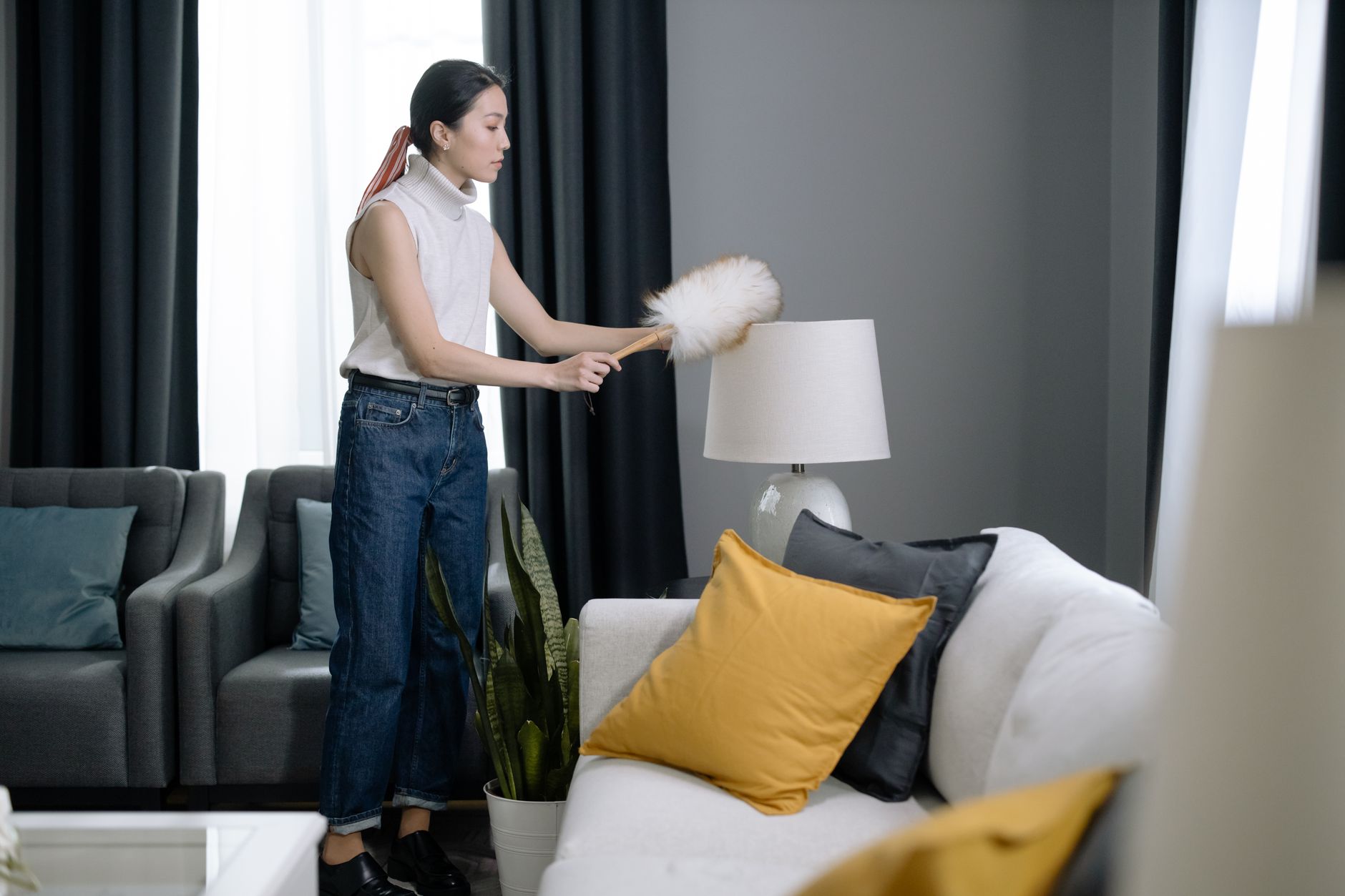
Extendable duster, gets ceiling fans, crown molding, and the tops of refrigerators in a single pass
Steam mop, sanitizes hard floors without harsh chemicals, a great pairing with eco-friendly cleaning products
According to Good Housekeeping’s cleaning guides, using the right tool for each surface cuts cleaning time by nearly a third and produces a noticeably better result. Invest in quality once and these tools will carry you through dozens of deep cleaning sessions.
2. Room-by-Room Deep Cleaning Checklist for Your Home
A room-by-room checklist is the backbone of any successful home deep clean. Without structure, it is easy to spend 45 minutes on one bathroom and forget the laundry room entirely. Work top-to-bottom and front-to-back in each room so loosened dust falls onto surfaces you have not yet cleaned.
Kitchen Deep Clean
Empty and wipe every cabinet interior and exterior with a damp microfiber cloth, then follow with a long-handled scrub brush on stubborn grease
Degrease stovetop burners, oven interior, and the filter above your range hood
Pull out the refrigerator and clean the coils and the floor beneath it
Descale the inside of your kettle and coffee maker with white vinegar
Disinfect the sink basin and faucet handles, which harbor more bacteria per square inch than most toilet seats
Bathroom Deep Clean
Spray the toilet inside and out, including the base and the wall behind it
Scrub grout lines with your grout brush and a baking soda paste
Remove and soak showerhead in white vinegar overnight to dissolve hard water mineral buildup common in San Tan Valley water
Wipe down exhaust fan covers to improve ventilation and reduce mold risk
Bedroom Deep Clean
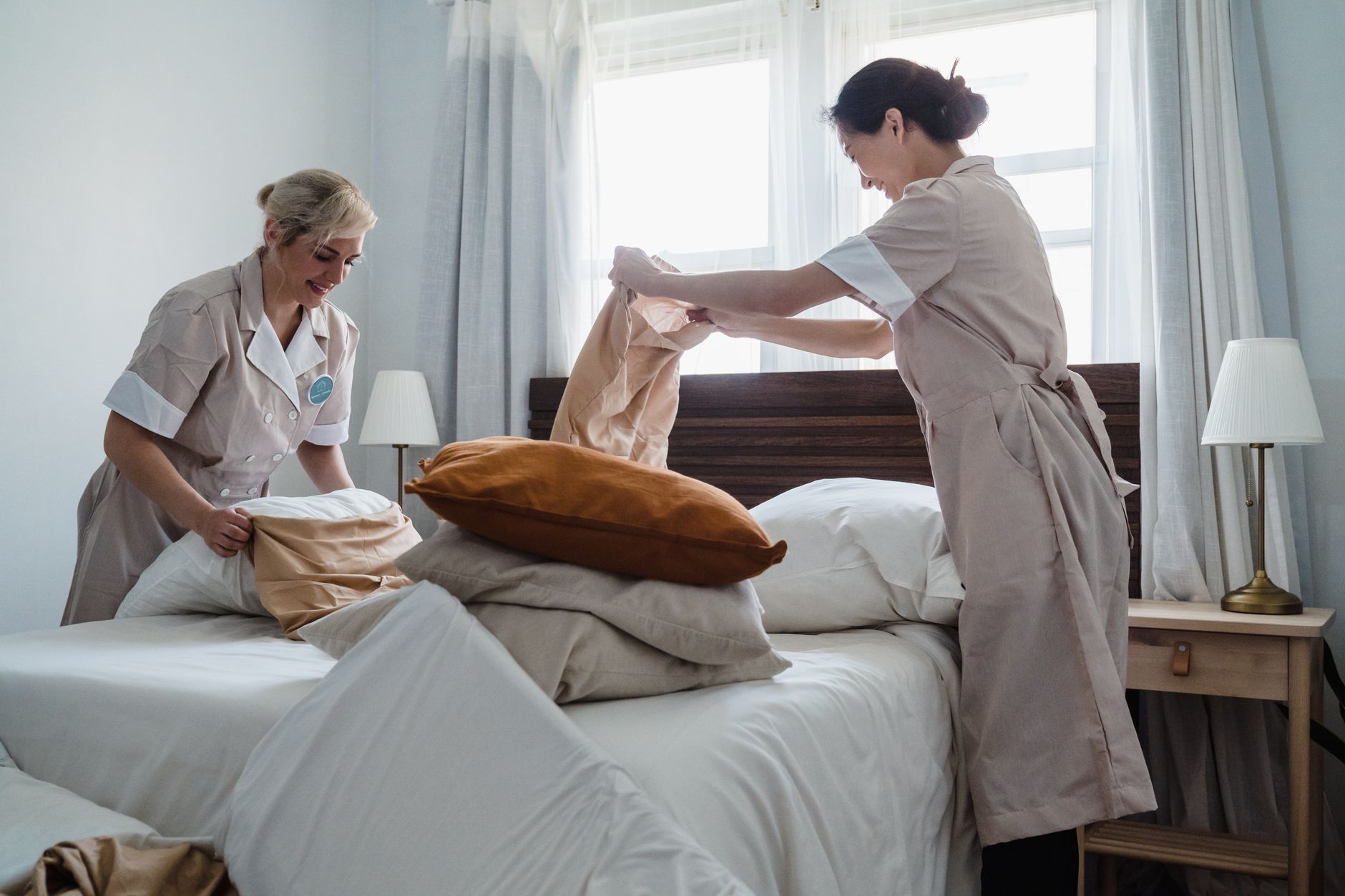
Strip all bedding and launder sheets, pillowcases, and duvet covers on a hot cycle
Vacuum the mattress thoroughly with the upholstery attachment, then flip or rotate it
Wipe down baseboards, window sills, and the tops of door frames
Dust ceiling fan blades before vacuuming the floor so fallen dust gets captured
If the full checklist feels like a weekend-erasing project, many San Tan Valley homeowners choose to schedule a one-time deep cleaning service to reset the home before switching to regular maintenance.
3. How to Deep Clean Walls and Cabinets the Right Way
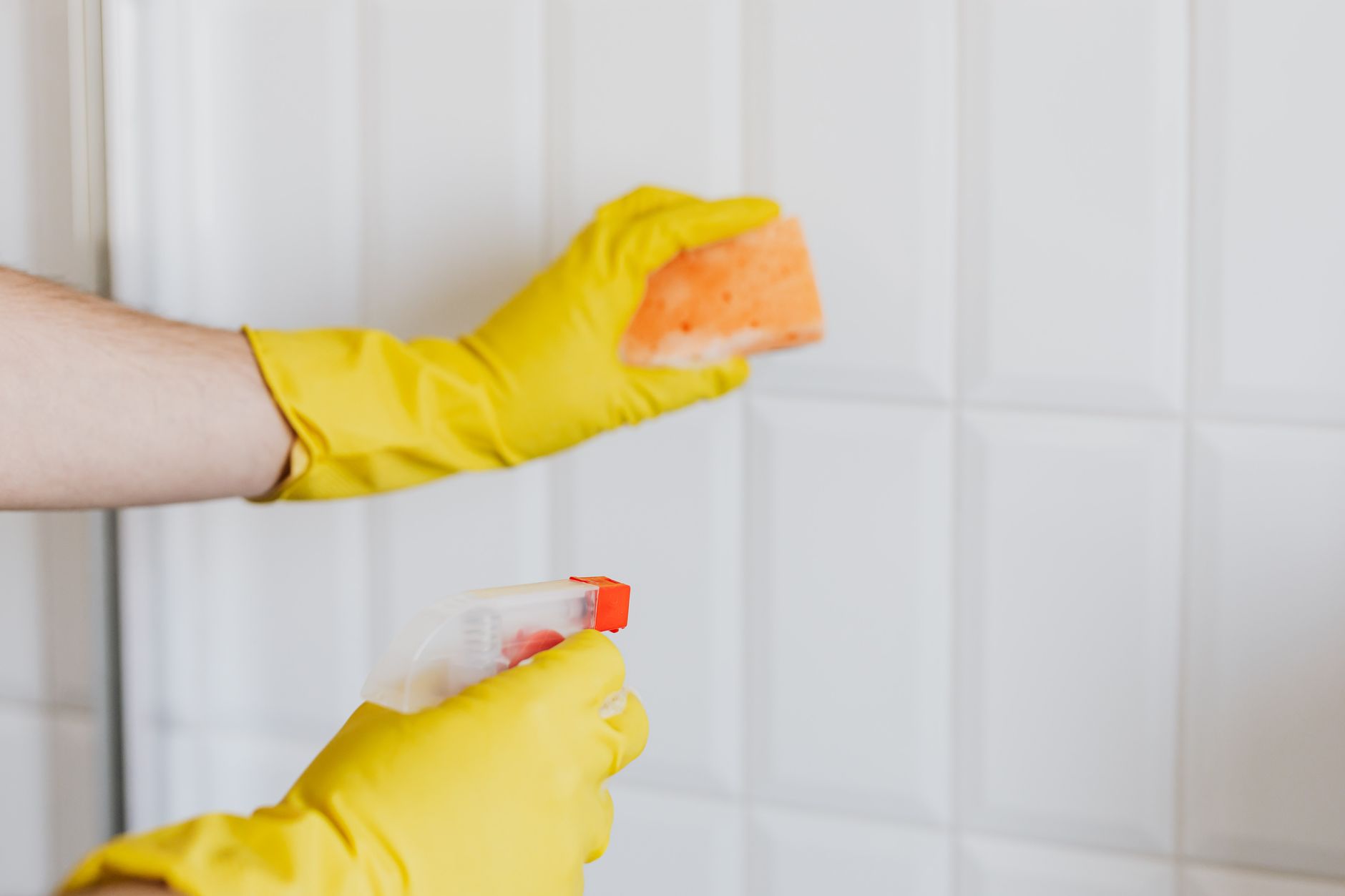
Walls and cabinet faces are the most overlooked surfaces in any home deep clean, yet they collect grease, fingerprints, and airborne dust at a startling rate. A long-handled scrub brush is your best friend here. Dip it in a solution of warm water and a few drops of dish soap, wring it until barely damp, and work in gentle circular motions from the top of the wall down to the baseboard.
For painted walls, avoid soaking the surface. Keep the brush damp, not wet, to prevent paint bubbling or drywall damage. Cabinet faces, especially those near the stove, will need a degreasing cleaner. Spray on, let it sit for two minutes, then scrub with the long-handled brush so you can apply real pressure without straining your shoulders.
Pay attention to light switch plates, door handles, and the areas around knobs, these are high-touch zones that rarely get proper attention. The CDC recommends keeping wall and cabinet surfaces dry after cleaning to discourage mold growth, particularly in bathrooms and laundry rooms where moisture is a constant factor.
4. Vacuuming Upholstered Furniture and Mattresses
Most people vacuum their floors weekly and their sofas never. That is a mistake. Upholstered furniture and mattresses trap dead skin cells, pet dander, dust mites, and debris that standard surface cleaning cannot reach. A proper deep clean of San Tan Valley homes must include systematic vacuuming of every upholstered surface.
Start with your sofa: remove all cushions and vacuum the crevices beneath them first. Then work the upholstery attachment across the cushion faces, sides, and backs. For fabric sofas, consider a fabric refresher spray after vacuuming to neutralize odors absorbed into the fibers.
For your mattress, strip all bedding first. Run the upholstery attachment across the entire surface in slow, overlapping passes. Flip the mattress if it is double-sided and repeat on the other side. Sprinkle a thin layer of baking soda across the surface, let it sit for 15 minutes to absorb moisture and odors, then vacuum it all up. According to the American Lung Association, reducing dust mites in bedding and upholstery is one of the most impactful steps indoor allergy sufferers can take.
In San Tan Valley, where desert dust finds its way through every window seal, vacuuming upholstered surfaces every month during a deep clean cycle makes a significant difference in indoor air quality.
5. Washing Bed Linens and Curtains Properly
Fresh, clean linens are a hallmark of a truly deep-cleaned home. Washing bed linens during every deep clean session is non-negotiable. Use the hottest water setting your fabric label allows to kill dust mites and bacteria. Dry on high heat and skip the dryer sheets if anyone in the household has skin sensitivities, opting for wool dryer balls instead.
Curtains are the forgotten laundry item in most households. They absorb cooking odors, trap dust, and in San Tan Valley’s dry climate, they collect fine desert particulates that you can see when you shake them out. Check the care label first. Most fabric curtains can go through a gentle wash cycle; others need professional handling. If in doubt, a vacuum with a brush attachment does a solid job of refreshing curtains between full washes.
For sheer curtains, a cool-water gentle cycle with a mild detergent keeps them from yellowing. Hang them to dry while slightly damp so gravity pulls out most wrinkles without an iron. For heavier drapes, a run through the dryer on low heat with a damp towel works well to loosen set-in creases. Real Simple’s cleaning guides suggest washing curtains at least twice a year, but in a dusty market like San Tan Valley, quarterly washing makes more sense for most households.
If you are preparing for guests or want a top-to-bottom refresh before a gathering, our related post on cleaning before guests arrive in Tempe covers the high-priority spots that make the biggest visual impact fast.
6. Disinfecting High-Touch Surfaces and Improving Indoor Air Quality
Deep cleaning and disinfecting are related but different things. Cleaning removes visible dirt; disinfection kills the pathogens hiding underneath. During a full home deep clean, every high-touch surface needs both steps in sequence: clean first, then disinfect.
High-touch zones to hit on every deep clean cycle:
Door handles and deadbolts throughout the house
Light switches and outlet covers
Refrigerator and oven handles
Remote controls and charging cables
Stair railings and cabinet pulls
Bathroom faucet handles and toilet flush levers
Use an EPA-registered disinfectant and allow it to sit on the surface for the full dwell time listed on the label. Wiping it off immediately reduces its effectiveness dramatically. The EPA Safer Choice program certifies products that disinfect effectively while using safer chemical ingredients, a smart pick for households with kids or pets. For a deeper layer of protection, Elite Maids House Cleaning also offers whole-home disinfection services that go beyond what a standard deep clean covers.
Indoor air quality ties directly into deep cleaning. Dust, mold spores, and volatile organic compounds (VOCs) from cleaning products and furnishings build up indoors over time. Opening windows during and after a deep clean helps flush stale air. If your home stays sealed most of the year against the Arizona heat, consider running an air purifier with a HEPA filter to compensate.
7. Deep Cleaning Floors, Baseboards, and Forgotten Spaces
Floors look like the most obvious target in a deep clean, but the real work is in the edges: baseboards, corners, and the spaces under and behind furniture that a weekly vacuum never reaches. Move furniture out from walls and vacuum or sweep the dusty no-man’s-land behind sofas, beds, and dressers. You will almost always find a layer of accumulated debris that has been building for months.
For tile and grout floors, a grout brush with a baking soda and hydrogen peroxide paste does remarkable work on stained lines. Scrub in sections, rinse with clean water, and dry promptly. For hardwood floors, use a cleaner formulated specifically for wood. Avoid excess water, which can seep between planks and cause warping over time.
Baseboards deserve a dedicated pass with a damp microfiber cloth. In San Tan Valley homes, fine desert dust accumulates on horizontal ledges and baseboard tops faster than almost anywhere else. Wipe them down, then follow with a dry cloth to prevent moisture streaks.
Do not forget the inside of closets, under-sink cabinet floors, and the space around your water heater. These are the overlooked areas that separate a surface clean from a true whole-home deep clean. For more spots that routinely get missed, check out our post on forgotten spots to clean before guests arrive in Chandler for a practical walkthrough.
8. When to Hire a Professional Deep Cleaning Service in San Tan Valley
DIY deep cleaning is satisfying, but there are moments when calling in a professional maid service makes far more sense than burning an entire weekend. Consider booking professional help when:
You are moving into or out of a home and need a move-in or move-out cleaning to protect your deposit or impress new occupants
The home has not had a thorough deep cleaning in six months or more
You are preparing the house for a large event or out-of-town guests
Allergies or respiratory issues make thorough dust and mold removal a health priority
You simply do not have the time, and the house shows it
Professional deep cleaning teams bring commercial-grade equipment, proven room-by-room systems, and the experience to catch details that a first-time DIY deep cleaner will miss. In San Tan Valley, where homes tend to be spacious and single-family layouts mean more square footage to cover, a professional crew cuts the job down to a fraction of the time. Professional house cleaning services also bring consistency: every visit follows the same checklist, so nothing gets skipped.
Knowing the cleaning san tan valley cost before you book helps you set a realistic budget and avoid surprises. Most professional deep cleaning quotes for San Tan Valley homes are based on square footage and current condition, so an accurate quote takes just a few minutes online.
For a broader look at how Scottsdale homeowners approach this same challenge, our post on deep clean essentials for Scottsdale homeowners covers similar ground with a few region-specific tips that translate well across the Valley.
9. Keeping San Tan Valley Homes Clean Between Deep Clean Sessions
A deep clean sets a high bar. The goal of maintenance cleaning is to keep the home as close to that standard as possible between full sessions. A few consistent habits make a dramatic difference:
Wipe kitchen surfaces nightly, a two-minute wipe-down after dinner prevents grease and food debris from hardening overnight
Squeegee shower walls after every use, this single habit cuts bathroom deep clean time in half by preventing hard water buildup
Vacuum high-traffic areas twice weekly, in San Tan Valley, desert dust tracks in constantly and needs frequent attention
Change HVAC filters regularly, a clogged filter recirculates dust throughout the home, undoing your deep clean within days
Deal with clutter before cleaning, surfaces covered in items cannot be wiped down, so decluttering is technically part of the cleaning process
Run an air purifier in bedrooms, captures airborne allergens between vacuuming sessions
Many San Tan Valley families who keep up with these habits find that a recurring House cleaners Chandler AZ appointment on a bi-weekly or monthly schedule is all they need to maintain a consistently clean home without dedicating weekends to it. According to The Spruce’s home cleaning guides, homes with consistent maintenance routines require significantly less labor at each cleaning visit, which means professional services cost less per visit over time.
Closing: Book Your San Tan Valley Deep Clean Today
Elite Maids House Cleaning is San Tan Valley’s most-reviewed residential cleaning team, serving families across the entire Valley with deep cleans, recurring maintenance, move-in and move-out cleanings, and more. Every cleaner is background-checked, bonded, and fully insured, and every visit is backed by a no-cost reclean guarantee. You can get an instant quote and schedule same-day service entirely online at book your cleaning now without a single phone call. Whether you need a one-time deep clean to reset your home or a recurring schedule that keeps it spotless year-round, the team is ready. Reach out through our Bella’s cleaning services page and contact Elite Maids house cleaning today for a free quote and take your first step toward a genuinely clean home in San Tan Valley.
Frequently Asked Questions
How long does a full deep clean take in a typical San Tan Valley home?
For an average three-bedroom, two-bathroom San Tan Valley home, a thorough deep clean typically takes between four and eight hours depending on the home’s current condition and square footage. Larger homes or spaces that haven’t been deep cleaned in over six months often fall on the higher end. A professional team can complete the same job in significantly less time with multiple cleaners working in parallel.
What is the difference between a regular house cleaning and a deep clean?
A regular house cleaning covers visible surfaces: vacuuming, mopping, wiping counters, and scrubbing toilets and sinks. A deep cleaning goes much further, targeting cabinet interiors, appliance exteriors and interiors, grout lines, baseboards, upholstered furniture, mattresses, window sills, and all the spaces that routine cleaning skips. Deep cleans are typically done quarterly or when resetting a home after a long gap between cleanings.
How often should San Tan Valley homeowners schedule a deep clean?
Most homeowners benefit from a professional deep cleaning two to four times per year. In San Tan Valley, the desert environment accelerates dust accumulation, so quarterly deep cleans are a practical choice for households with allergies, pets, or young children. Homes maintained with regular weekly or biweekly professional cleaning may only need a full deep clean once or twice annually.
Are eco-friendly cleaning products effective for a whole-home deep clean?
Yes. Modern plant-based and non-toxic cleaning formulas are fully capable of cutting grease, removing soap scum, and disinfecting surfaces when used correctly. The key is allowing adequate dwell time and using the right product for each surface type. The EPA’s Safer Choice certification identifies products that perform well while using safer ingredients, making them a sound choice for deep cleaning homes where children or pets are present.
What should I do to prepare before a professional deep cleaning appointment?
Pick up clutter from floors and countertops so the cleaning team can access every surface without spending your paid time tidying. Identify any specific problem areas you want extra attention on, like stained grout or a neglected oven. Secure pets in a comfortable space, and make sure the team has access to running water and electricity. That is genuinely all the preparation needed for most professional deep cleaning visits.
33 Small, Easy Ways To Keep Your Home Significantly Cleaner in Arvada
SHARE:
Keeping your home significantly cleaner in Arvada does not require a full weekend overhaul every month. Small, consistent habits stacked together create a noticeably cleaner home with far less effort than a single marathon session. The 33 tips below cover everything from daily two-minute resets to smart supply placement, so you can pick the ones that fit your schedule and build from there.
1. Build a Simple Daily Cleaning Routine That Actually Sticks
A daily cleaning routine is the single highest-leverage habit you can build. You do not need to scrub everything every day. Pick four or five micro-tasks, do them at the same time each day, and your home cleaning effort compounds quietly in the background. According to Real Simple, consistent short sessions beat occasional long ones for maintaining a visibly cleaner space.
Here is a simple daily routine for Arvada homeowners:
Make your bed the moment you get up. It sets the visual tone for the whole room.
Wipe the bathroom sink and counter after your morning routine.
Put away any items on the kitchen counter before you make dinner.
Run a quick sweep or robot vacuum pass on high-traffic floors.
Do a one-minute “reset walk” before bed, returning things to their place.
Stacking these small actions into an existing routine, known as habit stacking, is one of the most researched ways to make new behaviors automatic. You are not adding a chore; you are linking it to something you already do. Residents searching for House cleaner : r/ArvadaCO often find that booking a recurring service alongside their daily habits keeps results consistent all year.
2. Clean as You Go to Stop Messes From Compounding
Cleaning as you go is the “pay as you go” version of home maintenance. The moment you finish cooking, wipe the stovetop. When you finish a drink, rinse the glass. When you pull something out of the closet, put it back before you walk away. These micro-clean actions prevent messes from stacking on top of each other, which is what turns a tidy home into a chaotic one within days.
Cleaning as you go works especially well in kitchens and bathrooms because those two rooms accumulate grime the fastest. Wipe counters while you wait for coffee to brew. Squeegee the shower door after every use to cut down on soap scum. These 20-second habits reduce the need for a deep clean by 40 to 50 percent, according to professional home cleaning estimates shared by Good Housekeeping.
3. Keep Cleaning Supplies Exactly Where You Need Them
One of the most underrated tips for a cleaner home is having cleaning supplies staged at the point of use. If you have to walk to a utility closet every time you want to wipe something down, you simply will not do it. Keep a small caddy with a multi-surface spray, microfiber cloths, and a scrub sponge under every bathroom sink and in the kitchen cabinet under the sink.
Stash a pack of municipally compostable cleaning wipes under your bathroom sink, then swab things down once a day so you never have to deal with a build-up that requires a 30-minute scrubbing session. When supplies are within arm’s reach, the friction of cleaning disappears. The same principle applies to a handheld vacuum on each floor of your house: when vacuuming crumbs takes ten seconds instead of hauling out the full machine, you actually do it. Choosing eco-friendly cleaning products at these stations is also a smart move since many conventional sprays release volatile organic compounds (VOCs) that linger indoors.
4. Declutter First: Less Stuff Means Faster Home Cleaning
Clutter is the enemy of a clean home. Every flat surface that holds loose items is a surface that cannot be wiped down in one swipe. The fewer things sitting out, the faster your home cleaning becomes. Arvada homes, especially those with kids or home offices, tend to accumulate surface clutter fast. A weekly ten-minute declutter session, not a full purge, just returning things to their designated spot, is all you need.
Use the one-in, one-out rule: when something new comes into the house, something old leaves. Donate boxes placed near the front door make this frictionless. Clear countertops, empty floors, and organized shelves make professional residential cleaning faster too, which means your cleaners can spend more time on deep scrubbing rather than tidying.
5. Apply the 80/20 Rule to Your Cleaning Priorities
The 80/20 rule applied to house cleaning means that 20 percent of the areas in your home create 80 percent of the visible mess. Focus your daily and weekly energy on those zones. For most Arvada households, that is the kitchen, the main bathroom, and the living room entry area. These three spots, kept consistently clean, will make your entire home feel cleaner to anyone who walks in.
Stop trying to clean everything equally. Your guest bedroom does not need a weekly deep clean. Your stovetop, kitchen sink, and toilet do. Use a simple zone-priority list. The The Spruce recommends rotating deep focus areas weekly: kitchen one week, bathrooms the next, then living areas, so nothing gets truly neglected while you stay out of overwhelm.
6. Establish 6 Weekly Habits for a Consistently Cleaner Home
Beyond your daily routine, there are six weekly cleaning habits that make the biggest difference over time. Think of these as your weekly maintenance layer on top of your daily habits:
Vacuum all rugs and high-traffic floors. Dust and allergens settle into carpet fibers quickly. The American Lung Association notes that regular vacuuming with a HEPA filter reduces indoor allergens significantly.
Mop hard floors. A weekly mop of kitchen and bathroom tile prevents grout staining and sticky build-up.
Clean the toilet bowl. Takes 90 seconds with a brush and bowl cleaner, but weekly attention prevents mineral staining.
Change and wash bed linens. Sheets collect dead skin cells, dust mites, and body oils faster than almost any other surface in your home.
Wipe appliance exteriors. Refrigerator handles, microwave buttons, and dishwasher fronts are high-touch surfaces that build up grease and germs quickly.
Empty and wipe all trash cans. A quick wipe with a disinfectant inside the bin prevents odors from becoming a permanent feature of your kitchen.
Arvada families who follow these six weekly habits alongside a daily routine typically need far less intensive home cleaning when they do schedule a professional visit. You can find more detail on building these habits in our guide to keeping your home cleaner that goes even deeper on the topic.
7. Master the Top-to-Bottom Cleaning Method Every Time
If you are going to clean a room, always work top to bottom. Dust the ceiling fan and crown molding first. Then wipe shelves and counters. Then mop or vacuum the floor last. This top-to-bottom cleaning sequence means you never re-contaminate a surface you already cleaned. It sounds obvious, but skipping this step is the most common reason a freshly mopped floor looks dusty within an hour.
The same principle applies to cleaning your entire house from top to bottom: start on the upper floors, work your way down to the main floor, and finish in the basement. For Cleaning Services in Arvada, CO, this is the standard workflow every professional cleaner follows. When you clean top to bottom, right to left in each room, you never backtrack and you never miss a section.
8. Deep Clean Strategically: How to Tackle Dirty Rooms Fast
A full deep cleaning session does not have to consume your entire Saturday. The fastest way to deep clean a dirty house is to work in timed sprints. Set a timer for 20 minutes per room. In that window, you remove everything from surfaces, clean the surface thoroughly, clean the inside of drawers or cabinets if needed, and put things back in a more organized way. The time limit creates urgency and stops perfectionism from slowing you down.
For Arvada residents preparing for the holidays or guests, a targeted holiday cleaning service handles the deep work so you can focus on planning. Consumer Reports consistently notes that professional deep cleaning reaches areas most homeowners miss during regular cleaning, including behind appliances, inside oven interiors, and under refrigerator coils where mold and dust can accumulate. Speaking of mold, the CDC recommends addressing any visible mold growth promptly and thoroughly as part of any deep clean.
9. Involve Everyone in the Household, Including Kids
A clean home is a team sport. When one person carries the entire cleaning load, it creates resentment and burnout. Assign age-appropriate cleaning tasks to every member of the household. Children as young as three can put their toys away and carry their dishes to the sink. School-age kids can handle vacuuming their own rooms, wiping baseboards, and cleaning their bathroom sinks.
Create a simple weekly chore chart posted somewhere visible, like the refrigerator or a whiteboard in the kitchen. When everyone contributes to home cleaning, the overall effort per person drops dramatically and the house stays cleaner between professional visits. For Arvada households with multiple kids or pets, this shared ownership model is the only realistic path to a consistently clean home without hiring daily help.
10. Use Old-Fashioned Cleaning Products That Actually Work
Modern cleaning product marketing can make it seem like you need a different specialized spray for every surface in your home. The truth is that some of the most effective home cleaning solutions are inexpensive, widely available, and have been trusted for generations. Baking soda scours and deodorizes. White vinegar dissolves mineral deposits and cuts grease. Castile soap cleans virtually every surface without harsh chemicals. These old-fashioned cleaning staples work on most household surfaces and are safer for homes with kids and pets than many synthetic alternatives.
If you prefer ready-made products, look for options certified by the EPA Safer Choice program, which vets cleaning products for human health and environmental safety. Pairing these gentler formulas with quality microfiber cloths, which are far more effective than paper towels at trapping dust and bacteria, gives you a highly efficient cleaning toolkit for a fraction of the cost of branded specialty sprays.
11. Schedule a Professional Maid Service for the Heavy Lifting
No matter how disciplined your daily and weekly habits are, some cleaning tasks genuinely need professional attention. Grout scrubbing, oven interior cleaning, refrigerator coil vacuuming, and window track scrubbing are jobs that most homeowners put off for months or years because they are time-consuming and physically demanding. Scheduling a recurring maid service every two to four weeks handles these tasks on a consistent calendar so they never pile up.
Arvada homeowners who use a recurring cleaning arvada prices service find that their daily maintenance becomes dramatically easier because the baseline cleanliness is always higher. When a professional has already scrubbed the grout and degreased the oven, your daily wipe-down keeps it clean instead of fighting an uphill battle against months of build-up. You can explore options across the metro area in our related guide covering home cleaning tips for the Denver area, which shares many strategies that apply directly to Arvada households.
12. Prep Your Home for Move-Ins, Move-Outs, and Big Events
Life in Arvada brings transitions: new homes, lease endings, and hosting gatherings. Each of these moments calls for a level of cleaning that goes beyond weekly maintenance. A professional move-in/move-out cleaning ensures a property is spotless for the next occupant, covers hidden areas like inside cabinets, behind appliances, and inside closets, and often satisfies landlord inspection requirements. For big events, a pre-event clean and a post-event clean keep your home in pristine condition without you spending your party recovery day scrubbing.
Planning a spring refresh? Our ultimate guide to spring cleaning walks through a room-by-room checklist that pairs perfectly with the daily habits covered in this post. The Castle Fresh: House Cleaning in Arvada & Metro Denver service area makes it easy for Arvada residents to find qualified professionals for all of these transition moments without a lengthy search.
Frequently Asked Questions
What is the hardest thing to clean in a house?
Grout is widely considered the hardest thing to clean in a house because its porous surface absorbs stains, soap scum, and mold over time. Oven interiors and refrigerator coils are close runners-up. These areas require specialized tools, the right chemical dwell time, and physical scrubbing effort that goes beyond standard surface wiping. Professional deep cleaning services handle all three efficiently.
What to do every day to keep your house clean?
The most effective daily habits are: make your bed, wipe bathroom surfaces after use, clear the kitchen counter before dinner, do a load of laundry if needed, and do a one-minute reset walk before bed. These five micro-tasks take under 15 minutes total and prevent mess accumulation that turns into a multi-hour cleaning project on weekends.
What is the 80/20 rule house cleaning?
The 80/20 rule in house cleaning means that 20 percent of your home’s surfaces generate 80 percent of the visible mess. For most households, those areas are the kitchen, main bathroom, and entryway. By focusing your daily and weekly cleaning effort on these high-impact zones first, you get the most noticeable cleanliness improvement for the least amount of time invested.
How do professionals clean houses so fast?
Professional cleaners work fast because they follow a systematic, repeatable process: top to bottom, room by room, with all supplies staged in advance. They do not spend time deciding what to clean next or hunting for products. Every motion is efficient and deliberate. Years of repetition also build muscle memory that makes each task take a fraction of the time it takes an occasional cleaner.
Ready to hand off the hard work? Elite Maids House Cleaning serves Arvada with background-checked, five-star rated cleaners who back every visit with a no-cost reclean guarantee. Whether you need a one-time deep clean, recurring home cleaning, or a move-out scrub, you can book same-day service online in minutes. Find Cheapest cleaning in arvada options and get an instant quote today. Contact Elite Maids house cleaning today for a quote on house cleaning services in Arvada and finally get your weekends back.
How to Prepare Your Home for a Residential House Cleaning Service in Queen Creek
SHARE:
Preparing your home for a residential house cleaning service comes down to a handful of simple steps: pick up personal clutter, secure valuables, communicate your priorities, and make sure your cleaner can access every room. Taking 15 to 20 minutes before your appointment lets the crew focus on scrubbing and sanitizing rather than organizing your belongings. This guide walks Queen Creek homeowners through everything they need to do, from the night before to the moment the team arrives, so they get the deepest, most thorough clean possible.
1. Declutter Surfaces and Floors Before Your Home Cleaning Appointment
The single biggest thing you can do to prepare for a home cleaning is to clear flat surfaces and pick items up off the floor. When countertops, tables, and floors are free of toys, mail, and laundry, your cleaner can wipe, mop, and vacuum every square inch instead of working around piles. Decluttering before a home cleaning visit is not about making your house spotless in advance; it is about removing obstacles so the professional can do their actual job: disinfecting, scrubbing grout, and getting into corners.
A quick 15-minute sweep through each room makes a noticeable difference. Toss dirty clothes in a hamper, stack mail on your desk, and move shoes to the entryway. Real Simple’s cleaning experts consistently point out that a cleaner workspace leads to more thorough results, and that logic applies directly to what your maid service can accomplish. Think of pre-visit decluttering as the setup that makes the deep work possible.
Clear kitchen counters of small appliances you rarely use.
Move laundry baskets to one spot rather than leaving clothes on chairs.
Pick up kids’ toys and put them in bins so floors are fully accessible.
Stack dishes in the sink or dishwasher so the cleaner can focus on the counters and stovetop.
2. Secure Valuables, Medications, and Important Documents
Every reputable residential cleaning company in Queen Creek employs background-checked, bonded, and insured cleaners. Even so, it is good practice to put away jewelry, prescription medications, financial paperwork, and heirlooms before anyone enters your home. This protects your belongings and removes any chance of something being misplaced during the cleaning process.
Place valuables in a locked drawer, a safe, or a room that is off-limits for the visit. Label prescription bottles and move them to a medicine cabinet that stays closed. This is not a sign of distrust; it is a standard step that professional cleaning companies themselves recommend. Good Housekeeping’s cleaning team notes that protecting personal items before a service call is a universal best practice, no matter how vetted the crew.
3. Communicate Special Instructions and Priorities to Your Cleaner
One of the most overlooked steps when preparing for a professional house cleaning is telling your cleaner exactly what matters most. Do you want extra attention on the master bathroom? Should they skip the home office? Is there a fragile item on the mantle? Write it down or use the notes field when you book your cleaning online.
Clear communication before a maid service visit eliminates guesswork and ensures the crew spends time where you need it most. If you have pets, let the team know in advance so they can bring the right tools for pet hair removal. If anyone in the household has allergies or sensitivities to certain products, request eco-friendly cleaning options, which use plant-based, non-toxic formulas that are gentler on indoor air quality. The EPA’s Indoor Air Quality guidelines highlight how product choices directly affect the air your family breathes every day.
4. Make Sure Your Cleaners Can Access Every Room and Area
This sounds obvious, but access issues are one of the top reasons a cleaning visit falls short. Before your appointment in Queen Creek, confirm that every room the team is scheduled to clean is unlocked and reachable. If you have a gate code, alarm system, or a tricky deadbolt, share those details when you schedule your service.
Also think about furniture placement. If a sofa is pushed against the wall, let the cleaner know whether they should pull it out to vacuum behind it. If your garage is on the cleaning list, make sure there is a clear path. Small access issues add up quickly and eat into the time your cleaner could be spending on residential house cleaning tasks like scrubbing baseboards, cleaning inside the microwave, or polishing fixtures.
5. Put Pets in a Safe, Comfortable Space
Pets and cleaning crews do not always mix well. Dogs can be protective of their space, and cats tend to bolt through open doors. Before your home cleaning service arrives, put pets in a crate, a designated room, or outside in a secured yard. This keeps your animals calm, keeps the cleaner safe, and prevents muddy paw prints from undoing work that was just finished.
If your pet sheds heavily, mention it when booking. A professional maid service that serves Queen Creek homes regularly will come prepared with tools designed for pet hair on upholstery and area rugs. Also remove pet bowls, toys, and beds from the areas being cleaned so the crew has unobstructed access to the floors and furniture.
6. Do a Quick Dish and Laundry Check
Most standard cleaning services do not include washing dishes or doing laundry unless you specifically add those tasks. Before house cleaners arrive, run the dishwasher or hand-wash what is in the sink so counters and the sink basin are accessible for a proper scrub. Move wet laundry from the washer to the dryer so the utility area is tidy.
These small steps take less than five minutes and give the cleaner a clear path to do the work that actually requires professional attention: descaling the faucet, cleaning the inside of the oven, and mopping the floor instead of stepping around laundry baskets. For a deeper look at what is included in each type of appointment, the post on cleaning services available for your home breaks down exactly what each service type covers.
7. Point Out Areas That Need a Deep Clean or Special Attention
If it has been a while since your last professional cleaning, or if you are booking a deep cleaning service for the first time, walk through the home with a critical eye before your cleaner arrives. Note areas with built-up grime, soap scum, or grease. Tile grout in the shower, the range hood filter, and behind the toilet are common problem spots that benefit from extra time and more intensive product use.
A thorough deep clean addresses areas that routine maintenance misses. The cleaning team at The Spruce recommends creating a written priority list before any deep cleaning appointment so nothing important gets skipped. Share that list directly with your Queen Creek cleaning crew. If mold is a concern in any wet area of your home, the CDC’s mold guidance for homes is worth reviewing so you understand what a professional cleaner can address versus what may require remediation.
8. Consider How Often You Should Schedule Professional Cleaning Services in Queen Creek
Knowing how to prepare for a single visit is great, but the real benefit of professional house cleaning services in Queen Creek comes from consistency. Weekly cleaning keeps allergens and bacteria in check. Biweekly service is the most popular option for families with kids and pets. Monthly cleaning suits smaller households or those who do regular light maintenance in between.
If you are unsure how frequently to book, the guide on how often you should have a cleaning service walks through each scenario based on household size, lifestyle, and budget. The American Lung Association also recommends frequent cleaning of indoor spaces to reduce dust, mold spores, and other airborne particles that affect respiratory health. Getting on a recurring schedule in Queen Creek means you spend less time preparing each visit because the house never strays too far from its clean baseline.
For households that are transitioning between homes, scheduling a move-out cleaning in Queen Creek is one of the most effective ways to ensure you get your full security deposit back and leave the property in great shape for the next residents.
9. Prepare for Your First Visit Differently Than Recurring Cleanings
Your first appointment with a new cleaning service typically takes longer than repeat visits. The crew is getting to know your home’s layout, specific surfaces, and any quirks of the space. For Queen Creek homeowners booking their first maid service appointment, invest a little more prep time: label rooms or leave a short written walkthrough on the kitchen counter so the team knows exactly what to prioritize.
For recurring visits, your preparation gets lighter over time. Your cleaner learns your preferences, and you know what to tidy in advance. The pre-visit routine becomes a quick 10-minute reset rather than a major undertaking. Thinking about a cleaning checklist before guests arrive? The post on home cleaning in Queen Creek before guests arrive gives you a practical room-by-room breakdown you can adapt for any appointment.
10. Know What to Expect on Cleaning Day
Understanding the flow of a professional cleaning service visit helps you plan your day. Most Queen Creek residents choose to leave during the cleaning so the crew can move freely through every room without working around the household schedule. If you prefer to stay home, communicate that upfront so the cleaner knows where you will be and can plan their workflow accordingly.
Expect the visit to take anywhere from two hours for a small home with a standard clean to four or more hours for a larger property or a one-time deep cleaning. After the crew finishes, do a quick walkthrough while they are still on site. If anything was missed or did not meet your expectations, say so immediately. Elite Maids House Cleaning backs every single visit with a reclean-at-no-cost satisfaction guarantee, so you are never left with subpar results.
11. Use a Pre-Cleaning Checklist to Stay Consistent
Consistency is what separates a good cleaning experience from a great one. Using a simple checklist before every appointment ensures you never forget a step. Here is a reliable pre-visit checklist for Queen Creek homeowners:
Clear all flat surfaces (counters, tables, nightstands).
Pick up floors in every room that will be cleaned.
Put pets in a safe space.
Secure valuables and medications.
Leave a note with priorities and any off-limit areas.
Run or empty the dishwasher and move laundry to the dryer.
Confirm your cleaner has the entry code or key.
Set your thermostat to a comfortable working temperature.
Running through this checklist the evening before your appointment takes less time than a single commercial break and sets your cleaner up to deliver outstanding results. Queen Creek families who build this routine into their schedule consistently report a higher quality clean from every visit. Disinfection services paired with a well-prepared home are especially effective during cold and flu season, when high-touch surfaces need targeted, professional-grade sanitation.
And if you are looking for Dry Cleaners Queen Creek residents trust for everything from standard recurring visits to specialized deep cleans, the right provider will walk you through exactly what to expect before the first appointment ever begins.
Closing: Book Professional House Cleaning Services in Queen Creek Today
Preparing your home for a residential cleaning service does not have to be stressful. A few focused minutes of decluttering, clear communication with your cleaning crew, and a consistent pre-visit routine are all it takes to get the most out of every appointment. Queen Creek homeowners who take these steps consistently get deeper, more thorough results with every visit. Whether you are booking a one-time deep clean, setting up a recurring maid service, or scheduling a move-out cleaning, the payoff is a genuinely clean home that protects your family’s health and gives you your weekends back. For trusted Cleaning services Mesa, AZ and Queen Creek families count on, reach out now and contact Elite Maids house cleaning today for a free quote.
Frequently Asked Questions
What do I need to do before a cleaner comes to my house?
Before a cleaner arrives, pick up personal clutter from floors and surfaces, secure valuables and medications, put pets in a safe space, and leave a note with any specific priorities or areas to skip. Make sure the cleaner has access to your home, including any gate codes or alarm instructions. These steps take 15 to 20 minutes and allow the crew to focus entirely on cleaning rather than navigating obstacles.
What is the 80/20 rule for house cleaning?
The 80/20 rule in house cleaning suggests that 80 percent of the visible dirt and grime comes from just 20 percent of the areas in your home, typically high-traffic zones like the kitchen, bathrooms, and entryways. Focusing effort on those key areas first delivers the most noticeable improvement. Professional cleaners use this principle to prioritize their time and deliver consistent results on every visit.
How should I prepare my house for a professional cleaning?
Start the evening before by decluttering counters and floors, running the dishwasher, and moving laundry. On the day of the appointment, secure pets, put away valuables, and leave written instructions for any special requests. Make sure every room to be cleaned is accessible. The more clearly you communicate your priorities, the better your professional cleaning team can tailor the visit to your home’s specific needs.
What is the 6-10 rule for cleaning houses?
The 6-10 rule is a time-management framework some professional cleaners use: spend no more than 6 minutes on light tasks in any single room and reserve up to 10 minutes for rooms that need heavier attention, like bathrooms and kitchens. It keeps a cleaning session moving efficiently without skipping important areas. When a homeowner has pre-decluttered, cleaners can apply this rhythm more effectively and deliver a deeper result in the same amount of time.
10 Common Cleaning Mistakes Glendale Homeowners Make (And How to Fix Them)
SHARE:
The most common cleaning mistakes Glendale homeowners make include spraying product directly on surfaces, skipping sponge sanitation, rushing through rooms, and putting away a wet toilet brush. These habits do not just leave your home dirtier than before; they can actually damage surfaces and spread bacteria. This post walks you through 10 of the worst offenders and exactly how to correct them.
1. Spraying Cleaning Product Directly on Surfaces
Walk into almost any home in Glendale and you will find someone spraying cleaner straight onto a countertop, mirror, or screen. It feels efficient, but it is one of the most damaging cleaning mistakes you can make. When you spray directly onto a surface, you deposit more liquid than the material can absorb evenly. The result: streaks, residue buildup, and on electronics or natural stone, lasting damage.
The fix is straightforward. Spray your cleaner onto a microfiber cloth first, then wipe the surface. You use less product, get a cleaner finish, and protect the materials underneath. Good Housekeeping’s cleaning experts consistently recommend this method for everything from stainless steel appliances to wood cabinetry. If you want a deeper reset for surfaces that have been over-sprayed for years, a professional deep cleaning service can strip away the residue and restore the finish.
This single habit shift will make every room look noticeably better within a week.
2. Not Cleaning Your Sponge
Your kitchen sponge might be the single dirtiest object in your home. Research cited by the CDC on household bacteria confirms that moist, porous surfaces are prime breeding grounds for pathogens. A sponge that sits wet on the sink between uses can harbor more bacteria than a toilet seat, and every time you “clean” with it, you are redistributing that bacteria across your countertops, dishes, and sink.
Not cleaning your sponge is a cleaning mistake that compounds fast. The fix: microwave a damp sponge on high for 60 seconds every day, or soak it in a diluted bleach solution (one tablespoon of bleach per quart of water) for five minutes. Replace sponges every one to two weeks regardless. Better yet, switch to washable microfiber cloths that can go through the washing machine after each use. This one change alone dramatically reduces cross-contamination in your kitchen.
3. Cleaning Too Quickly and Skipping Dwell Time
Speed-cleaning feels productive, but rushing is one of the most widespread cleaning mistakes in any home. Disinfectants and cleaners need contact time, also called dwell time, to actually kill bacteria and break down grime. Most people spray, wipe immediately, and move on, which means the product never had a chance to work. You have essentially just smeared the mess around.
Check the label on your cleaning product. Most disinfectants require anywhere from 30 seconds to 10 full minutes of wet contact to be effective. Spray the surface, walk away, come back, then wipe. This is especially important in bathrooms and kitchens where harmful bacteria are most concentrated. According to Real Simple, building dwell time into your routine can cut cleaning time overall because surfaces come clean in a single pass instead of requiring repeated scrubbing.
If you are regularly short on time, consider scheduling recurring maid service visits so a trained cleaner handles the detail work while you focus on your day.
4. Putting Away a Wet Toilet Brush
This is one of those cleaning mistakes that almost nobody talks about, but nearly everyone makes. After scrubbing the toilet bowl, most people shake the brush once and drop it straight back into its holder. The holder then traps moisture, creating a dark, warm, enclosed environment that is perfect for mold and bacteria growth. The next time you use that brush, you are spreading whatever colonized it back into your toilet.
The fix: after scrubbing, rest the toilet brush horizontally across the bowl rim (under the seat) so it drips dry into the bowl for 10 minutes. Then return it to its holder. Better still, rinse the brush with hot water and a splash of disinfectant before storing it. The EPA’s guidance on mold prevention is clear: reducing moisture is the single most effective way to stop mold and bacteria from taking hold in any enclosed space, including a toilet brush holder.
5. Not Reading Product Directions
Product labels exist for a reason, and skipping them is one of the most overlooked cleaning mistakes homeowners make. Mixing the wrong products, using too much concentration, or applying a cleaner to an incompatible surface can cause damage ranging from discoloration to dangerous chemical reactions. Bleach and ammonia, for example, produce toxic chloramine vapors when combined, a risk flagged repeatedly by the EPA’s Indoor Air Quality guidelines.
Not reading directions also leads to overuse. More product does not mean more clean. Excess cleaner leaves residue that actually attracts more dirt over time. Take 30 seconds to read the label before you open a new product. If you want peace of mind about what goes into your home, ask about eco-friendly cleaning options. Plant-based and non-toxic cleaning products often have simpler, safer instructions and are less likely to cause surface damage or indoor air quality issues.
Glendale homeowners who switch to green cleaning products often report that their homes smell fresher and their families experience fewer respiratory irritations, a meaningful benefit in Arizona’s dry indoor air conditions.
6. Washing Windows on a Sunny Day
It seems logical to wash windows when the sun is shining, but this is actually a classic cleaning mistake. Direct sunlight causes glass cleaner to evaporate before you can wipe it away, leaving behind streaks and a filmy residue that is harder to remove than the original dirt. You end up wiping more, not less, and the results are worse.
Clean windows on an overcast day or tackle them early in the morning before the Arizona sun heats the glass. Use a squeegee instead of paper towels; The Spruce’s cleaning guides consistently rank the squeegee method as the fastest route to a streak-free finish. Wipe in a top-to-bottom pattern and overlap each stroke slightly. For homes in Glendale that deal with heavy dust and hard water deposits, a thorough deep cleaning that includes window tracks and frames makes a visible difference.
7. Cleaning in a Buffing Motion
A circular buffing motion feels thorough, but for most household surfaces it is the wrong technique. Buffing spreads dirt in every direction instead of removing it. On glass, mirrors, and polished surfaces, you end up with circular smears. On floors, you push grime into grout lines and corners rather than lifting it away.
The correct method is an S-pattern or straight-line stroke: start at one edge, move to the other, then step down and repeat. This ensures you are always working into clean territory rather than dragging dirt back over areas you just wiped. For floors, mop in the same direction as the floorboards and work backward toward the exit so you never step on a freshly mopped surface. If you are looking for professional house cleaning that uses correct technique on every surface, trained cleaners are worth it for the results alone.
Cleaning mistakes like this are easy to make when nobody ever shows you the right way. Most people clean the way they watched a parent clean, buffing motion included.
8. Not Emptying the Vacuum Regularly
A vacuum that is more than half full loses meaningful suction power. Running a full vacuum across your carpet is like trying to drink a milkshake through a pinched straw: the motor works overtime and the results are poor. Dust, debris, and allergens get pushed around rather than captured, and a clogged filter can release fine particles back into the air you breathe.
The American Lung Association recommends regular vacuuming with well-maintained equipment as a primary strategy for reducing indoor allergens, particularly important for Glendale families during Arizona’s high-dust and pollen seasons. Empty bagless vacuums after every use, or when the bag is two-thirds full for bagged models. Clean or replace the HEPA filter every three to six months. A clean vacuum is not optional; it is the difference between actually cleaning your floors and just redistributing what is on them.
One cloth for the kitchen counter, the bathroom sink, and the stovetop is a surefire way to spread bacteria from room to room. This cross-contamination cleaning mistake is common because people underestimate how much bacteria transfers between surfaces even on a cloth that looks clean.
Color-code your cleaning cloths: one color for bathrooms, one for kitchens, one for general dusting. Wash all cloths in hot water after each cleaning session. If you want to eliminate the guesswork entirely, House cleaning services Glendale, AZ professionals bring fresh, laundered microfiber cloths to every visit so there is zero cross-contamination between rooms or between homes. It is a detail that makes a real difference in how clean your home actually is versus how clean it looks.
Cleaning reactively, waiting until things look visibly dirty, is one of the most common cleaning mistakes that costs you the most time and effort. Surface grime, dust, and bacteria build up gradually. By the time something looks dirty to the naked eye, it has been accumulating for days or weeks. Catching messes early with a regular schedule means every cleaning session takes a fraction of the time.
Set a weekly rhythm: wipe countertops and sinks daily, vacuum twice a week, mop hard floors weekly, and schedule a seasonal deep clean at least twice a year. If keeping up with that schedule is a challenge, residential cleaning services with a recurring weekly or biweekly visit keep your home consistently clean without the mental load of planning it yourself. For Glendale households dealing with Arizona dust, pet hair, or busy family schedules, a recurring home cleaning plan is often the most practical solution.
If you want more localized advice, our post on cleaning mistakes Queen Creek homeowners make covers additional habits worth breaking. And professional disinfection services are worth scheduling at least once a season to address the bacteria and viruses that regular cleaning misses.
Whether you are tackling a move, a post-event mess, or just want to start fresh, professional cleaning services in Glendale can give you a clean baseline to maintain. For Glendale residents dealing with the aftermath of a big life change, move-in/move-out cleaning is one of the most useful services available to make sure nothing gets missed.
Check out cleaning in Glendale to see full service options and read what local homeowners are saying about their experience with Elite Maids House Cleaning. You can also browse The 10 Best House Cleaning Services in Glendale, CA 2026 for a full breakdown of what to look for when hiring a cleaning team in the area.
Ready to Stop Making These Mistakes? Let Elite Maids Handle It
Avoiding these 10 common cleaning mistakes will absolutely improve the cleanliness of your Glendale home. But if you want results that go beyond what any DIY routine can deliver, the team at Elite Maids House Cleaning is ready to help. Every cleaner is background-checked, bonded, and backed by a reclean-at-no-cost satisfaction guarantee. You can book online in minutes with an instant quote and same-day availability between 8am and 6pm. See why Glendale families trust us by checking out cleaning Glendale reviews, and then contact Elite Maids house cleaning today for a free quote. Your weekends are worth it.
Frequently Asked Questions
What are 10 common cleaning mistakes people make?
The 10 most common cleaning mistakes include spraying product directly on surfaces instead of on a cloth, not sanitizing your sponge, cleaning too quickly without allowing dwell time, storing a wet toilet brush, ignoring product directions, washing windows in direct sunlight, buffing instead of using straight strokes, running a full vacuum, using the same cloth across multiple rooms, and cleaning without a consistent schedule. Each of these habits reduces how clean your home actually gets.
What is the 20 minute rule in cleaning?
The 20-minute rule is a time-boxing approach where you clean in focused 20-minute sessions rather than trying to tackle the entire house at once. It works because short, consistent sessions prevent overwhelm, maintain momentum, and keep messes from building to the point where cleaning feels like a major project. Many professional home cleaning coaches recommend pairing this rule with a room-by-room rotation so every area gets attention regularly.
What not to use to clean a toilet?
Avoid using bleach and ammonia-based products at the same time, as combining them creates toxic fumes. Do not use abrasive scrubbers or steel wool on porcelain, as they scratch the surface and make it harder to keep clean over time. Avoid using the same cloth you use on other bathroom surfaces without washing it first. And never use a toilet brush that has been stored wet without disinfecting it, as it redistributes bacteria rather than removing it.
What is the hardest thing to clean in a house?
Grout is widely considered the hardest thing to clean in a home. Its porous texture traps dirt, soap scum, mold, and bacteria in a way that most standard cleaning products cannot fully penetrate. Oven interiors, window tracks, and the areas behind and under large appliances are close runners-up. These are the spots where a professional New Era Cleaning approach, using the right tools and products at the correct dwell time, makes the biggest difference over a DIY effort.
Best Cleaning Products Everyone Should Keep in Their Home
SHARE:
The best cleaning products every home needs include a multi-surface spray, disinfectant, baking soda, white vinegar, microfiber cloths, a scrub brush, and a quality mop. These household cleaning essentials cover the vast majority of everyday messes and deep-cleaning tasks. Read on for a full breakdown of what to stock, why each product earns its spot, and how to use everything the right way.
If nobody sat you down and taught you how to clean properly, you are not alone. A surprising number of adults figure out their cleaning supply list by trial and error, buying products that end up cluttering under the sink without ever getting used. A Good Housekeeping guide to household cleaning points out that most homes only need a handful of well-chosen products to stay genuinely clean. The goal of this post is to cut through the noise and give you a practical, no-fluff list of the household cleaning products that professionals and everyday homeowners alike rely on, plus tips on using each one safely and effectively. Whether you are building your kit from scratch or trimming down a cabinet full of duplicates, this guide has you covered.
The Core Household Cleaning Products List You Actually Need
Building a household cleaning products list does not mean buying one of everything at the store. It means identifying the products that do the most work with the fewest bottles. Professional cleaners keep their kits lean because too many products slow them down. Here is what genuinely earns a place in every home.
Multi-Surface Cleaner
A good multi-surface spray is the workhorse of any cleaning cabinet. It handles countertops, appliance exteriors, sinks, cabinet fronts, and light switches without requiring a separate formula for each. Look for one that specifies it is safe on both sealed stone and laminate, and you will rarely need anything else for everyday surfaces. Spray, wipe, done.
Disinfecting Spray or Wipes
Multi-surface cleaners lift dirt, but they do not always kill pathogens. A dedicated disinfectant handles high-touch zones: door knobs, light switches, toilet flush handles, and phone screens. The EPA Safer Choice program maintains a list of disinfectants that are effective against a wide range of germs while carrying a lower risk to indoor air quality, which is worth bookmarking when you shop.
Baking Soda
Baking soda is one of the most versatile items on any household cleaning products list. It deodorizes refrigerators, lifts baked-on grease from oven racks, scrubs sinks without scratching, and neutralizes carpet odors before vacuuming. A box costs next to nothing and lasts for months. Sprinkle it, let it sit for a few minutes, then scrub or vacuum away.
White Distilled Vinegar
White vinegar dissolves mineral deposits, cuts through soap scum, and deodorizes at the same time. It is especially useful in bathrooms and kitchens where hard-water buildup is a constant battle. Mix equal parts vinegar and water in a spray bottle for a DIY glass cleaner that leaves mirrors streak-free. One important note: do not use vinegar on natural stone surfaces like marble or granite because the acidity can etch the finish over time.
Microfiber Cloths
Swap paper towels for a stack of microfiber cloths and you will immediately notice the difference. The microscopic fibers trap dust, bacteria, and grease rather than just pushing them around. They work wet or dry, on glass, stainless steel, wood, or tile, and they wash and reuse hundreds of times. Professional cleaners typically color-code them: one color for bathrooms, another for kitchens, to avoid cross-contamination.
Rubber or Nitrile Gloves
No cleaning supply kit is complete without a good pair of gloves. Standard rubber gloves protect your hands from harsh chemicals, hot water, and the general grime that builds up in toilets and drains. For deep cleaning sessions that involve scrubbing grout or handling heavy-duty products, opt for longer gloves that protect your forearms too. It is a small habit that saves a lot of skin irritation over time.
A Quality Scrub Brush Set
Grout lines, tile corners, faucet bases, and the ring around a toilet bowl are spots where cloths simply cannot reach. A set of scrub brushes in different sizes, including a stiff-bristle grout brush and a smaller detail brush for tight crevices, makes a real difference. For spots that regular brushes and cloths cannot reach, small detail brushes are ideal and worth keeping on hand.
If you want to see how these essentials apply in a specific location, check out this deep dive on household cleaning supplies that breaks down practical options by room.
Best Cleaning Products for Deep Cleaning Your Home
Everyday sprays and wipes keep surfaces presentable, but the best cleaning products for deep cleaning go further. Deep cleaning means tackling the places you skip during a weekly tidy: inside the oven, behind the toilet, under the refrigerator, inside window tracks, and along baseboards. These products make that job manageable rather than miserable.
Oxygen-Based Cleaner (OxiClean-Style)
An oxygen-based cleaner releases hydrogen peroxide when dissolved in water, making it excellent for whitening grout, removing stains from fabric and upholstery, and deep-cleaning tile floors. It is one of the standout deep cleaning supplies because it works on contact without the harsh fumes of bleach. Mix it fresh each time you use it for the strongest effect.
Heavy-Duty Degreaser
Kitchen grease builds up on range hoods, cabinet tops, and stove knobs over months and years. A dedicated degreaser cuts through that sticky, yellowed film far faster than a standard multi-surface spray. Look for a Safer Choice-certified degreaser to keep your indoor air quality in check. Spray it on, let it dwell for two or three minutes, then wipe away with a microfiber cloth. One application on a greasy range hood will convert you immediately.
Mold and Mildew Remover
Bathrooms, laundry rooms, and any corner that stays damp are prime spots for mold growth. A dedicated mold and mildew remover is a must-have deep cleaning product. According to the CDC’s guidance on mold in homes, surface mold on non-porous materials can be scrubbed away with the right cleaner, but the underlying moisture problem must also be addressed or the mold will return. Spray on the affected grout or caulk, let it sit, scrub, and rinse. Always work with ventilation open when using these products.
Magic Eraser (Melamine Foam)
Melamine foam erasers really do live up to the hype. They remove scuff marks from painted walls, crayon from baseboards, soap buildup from shower doors, and heel marks from floors without any chemical at all. Just dampen with water and scrub lightly. The catch: they are mildly abrasive, so test on an inconspicuous spot before using on glossy painted surfaces or delicate finishes.
The Pink Stuff Cream Cleaner
Professional cleaners have quietly relied on specialist cream cleansers for years, and the now-popular Pink Stuff has made that knowledge mainstream. Its mild abrasive formula works well on oven doors, ceramic hob rings, stainless steel sinks, and rust stains on bathtubs. A little goes a long way: apply a small amount to a damp cloth, rub in a circular motion, and rinse clean.
Planning a holiday cleaning session before guests arrive? These deep-cleaning products are exactly what you need to make every surface shine in time.
Professional House Cleaning Supplies List: What the Pros Actually Use
There is a reason a professional house cleaning supplies list looks slightly different from what most homeowners stock. Pros prioritize products that work fast, are safe for a wide range of surfaces, and do not leave strong chemical smells behind in a client’s home. Here is what shows up in a professional cleaner’s kit more often than not.
Concentrated All-Purpose Cleaner
Professionals buy concentrated formulas and dilute them into spray bottles at different strengths depending on the task. A light dilution works for dusting and glass; a stronger mix handles bathroom grime. This approach saves money and reduces plastic waste compared to buying pre-diluted products every week.
Hydrogen Peroxide Solution
A 3% hydrogen peroxide solution is a go-to disinfectant in professional kits because it kills a broad spectrum of bacteria and viruses, then breaks down into water and oxygen without leaving toxic residue. It is safe on most surfaces, including cutting boards, toilet seats, and sealed countertops. Store it in an opaque spray bottle to keep it potent.
Stainless Steel Cleaner and Polish
Modern kitchens are full of stainless steel appliances that show every fingerprint and water spot. A dedicated stainless steel spray with a small amount of mineral oil in the formula cleans and leaves a light protective layer that repels future smudges. Wipe in the direction of the grain for a streak-free finish every time.
Toilet Bowl Cleaner
Professional cleaners never skip a dedicated toilet bowl cleaner. The under-rim area and the waterline harbor bacteria that a general spray cannot handle. An angled-squirt bottle gets the formula under the rim, where it dwells while you clean the rest of the bathroom, then a quick brush and flush finishes the job.
Floor Cleaner Matched to Your Floor Type
One of the most common cleaning mistakes homeowners make is using the wrong floor cleaner. Hardwood floors need a pH-neutral, low-moisture formula. Tile and grout handle stronger, slightly more alkaline cleaners well. Laminate needs an almost-dry mop to avoid warping. The Spruce cleaning resource library has solid guides on matching cleaner to floor type if you are unsure where to start.
The five-star Arizona cleaners at Elite Maids bring professional-grade supplies to every appointment, so you never have to stock or store them yourself.
Eco-Friendly Cleaning Products That Actually Work
Eco-friendly cleaning products have come a long way. Today’s plant-based and biodegradable formulas compete directly with conventional products on cleaning power, while generating fewer volatile organic compounds indoors. The EPA’s guidance on VOCs and indoor air quality explains why reducing chemical off-gassing inside the home matters, especially in tightly sealed modern construction. Here are the eco-friendly options worth keeping in your kit.
Plant-Based Multi-Surface Spray
Brands that carry the EPA Safer Choice label use surfactants derived from coconut or corn rather than petroleum. They clean just as effectively on everyday surfaces, rinse cleanly without leaving residue, and are safe around kids and pets. Switching to a plant-based multi-surface cleaner is the single easiest eco swap most households can make.
Castile Soap
Castile soap is made from vegetable oils and is fully biodegradable. Dilute a few drops in water for a gentle all-purpose cleaner, or use it at a stronger concentration to scrub floors, clean produce (rinse well afterward), or wash dishes. A 32-ounce bottle diluted properly can last months, making it one of the most cost-effective eco-friendly options on the market.
Enzyme-Based Cleaner for Pet Messes
If you have pets, an enzyme-based cleaner is non-negotiable. Enzymatic formulas break down the proteins in urine, vomit, and feces at a molecular level, eliminating odor rather than masking it. Standard cleaners leave behind trace proteins that pets can still smell, which often leads them to repeat the accident in the same spot. Enzyme cleaners solve the problem permanently. They are also a cleaner choice for families with young children who spend time on floors.
Reusable Spray Bottles and Concentrate Pods
A growing number of brands now sell concentrated cleaning pods or tablets that dissolve in water in a reusable spray bottle. The pods ship with minimal packaging and cut plastic waste dramatically. The cleaning performance is on par with conventional pre-diluted sprays, and the cost per use is typically lower. If reducing your household’s plastic footprint is a priority, this format is worth trying.
If you are in Arizona and curious about which eco-friendly formulas hold up in the desert climate, this guide to green cleaning products covers exactly that.
Household Items You Should Be Cleaning More Often
Stocking the right cleaning products is only half the battle. Knowing which household items need more frequent attention is just as important. Most people clean the obvious surfaces, but several high-touch, high-bacteria items get overlooked for months at a time.
Doorknobs and Light Switches
Every person in the house touches these multiple times a day, yet they rarely make it onto a weekly cleaning list. A quick wipe with a disinfecting spray or wipe takes about 60 seconds and dramatically reduces the transfer of germs, especially during cold and flu season. Make it part of your kitchen and bathroom wipe-down routine.
The Refrigerator Interior
Spills inside the refrigerator harden over time and become increasingly difficult to remove. More importantly, they create conditions where bacteria and mold can grow on food-contact surfaces. Empty and wipe down the shelves and drawers with a mild cleaner once a month, and address spills immediately when they happen. Your produce will last longer and the whole fridge will smell cleaner.
Remote Controls and Keyboards
Studies have found that shared remote controls harbor significant bacterial loads, largely because they are touched constantly and almost never cleaned. Remove batteries first, then wipe down with a lightly dampened disinfecting cloth. For keyboards, shake loose debris out first, then use a dry cloth or a small detail brush between the keys before disinfecting the surface.
Reusable Shopping Bags
Fabric grocery bags are a breeding ground for bacteria, especially when raw meat or produce leaks inside them. Wash cloth bags in the laundry regularly, and wipe down any plastic or insulated bags with a disinfecting spray after each use. It takes two minutes and prevents cross-contamination between grocery trips.
Shower Curtains and Liners
Soap scum and mildew build up on shower curtains faster than most people realize. Fabric curtains can go directly into the washing machine on a gentle cycle. Vinyl liners can be sprayed with a mold and mildew remover, scrubbed lightly, and rinsed in the shower. Replacing them entirely is sometimes the fastest fix when buildup is severe.
The Garbage Disposal
If your kitchen sink has a faint smell that persists even after washing dishes, the garbage disposal is almost certainly the culprit. Food particles trapped in the rubber baffle and the grinding chamber decompose over time. Sprinkle baking soda and pour white vinegar into the disposal, let it fizz for a minute, then run the disposal with hot water. Do this once a week for a consistently fresh kitchen.
For households managing a busy schedule, building a reliable routine is half the battle. This guide to a home cleaning schedule offers a realistic structure that fits around a full-time work week.
How to Build and Organize Your Home Cleaning Supply Kit
Knowing what cleaning products to buy is one thing. Having them organized so you actually use them is another. A disorganized cabinet leads to forgotten products, duplicate purchases, and the frustrating habit of skipping a cleaning task because you cannot find the right supply. Here is how to set up a cleaning kit that works in practice.
Use a Caddy for Room-to-Room Cleaning
A simple plastic caddy that holds your spray bottles, cloths, gloves, and scrub brushes lets you carry everything you need from room to room in one trip. It takes the friction out of cleaning because you are never hunting for a product mid-task. Keep a caddy stocked and ready so that starting a cleaning session requires zero setup time.
Store Products by Zone
If your home is large, consider keeping a small dedicated kit in each zone: one under the bathroom sink, one under the kitchen sink, and a general supplies cabinet for the rest of the house. This is exactly how professional cleaning teams operate. The slightly higher upfront cost of duplicating a few products pays off in the time saved not walking back and forth across the house.
Read Labels Before Mixing Products
This sounds obvious, but it is one of the most important safety habits in any home cleaning routine. Bleach and ammonia-based cleaners should never be mixed. Bleach and vinegar should not be combined either. The American Lung Association’s indoor air quality resource explains how mixing certain cleaners creates chlorine gas and other toxic compounds that are genuinely dangerous in enclosed spaces. When in doubt, use one product at a time and rinse surfaces between applications.
Rotate and Replace Expired Products
Most cleaning products have a shelf life. Disinfectants lose potency over time, especially after being opened. Check the expiration dates on your disinfecting wipes and sprays every six months and replace anything past its use-by date. An expired disinfectant may smell like it is working but is not actually killing pathogens effectively.
Keep a Shopping List Running
The easiest way to avoid running out of a cleaning essential mid-task is to add it to a shopping list the moment you notice it is running low, not when it is completely empty. A note on your phone or a small whiteboard inside the cleaning cabinet door takes 10 seconds to update and prevents that moment of grabbing for a spray bottle and finding it empty.
If you want a full room-by-room breakdown of what supplies work in specific Arizona communities, this guide to cleaning supplies for your home is worth reading alongside this post.
Cleaning Product Safety and Indoor Air Quality
The cleaning products you choose have a direct impact on the air your family breathes indoors. Many conventional products release volatile organic compounds (VOCs) into the air during and after use, contributing to headaches, eye irritation, and longer-term respiratory concerns. The EPA’s indoor air quality guidelines note that indoor air can be two to five times more polluted than outdoor air, largely because of the products we use inside the home. Choosing wisely matters.
Ventilate While Cleaning
Open windows and turn on exhaust fans whenever you use any spray cleaner, even the milder plant-based varieties. Ventilation is the simplest and most effective way to prevent product fumes from accumulating. If you are deep cleaning a bathroom with a mold remover or a strong toilet bowl cleaner, run the exhaust fan the entire time and for at least 15 minutes after you finish.
Avoid Aerosols When Possible
Aerosol sprays generate a fine mist of droplets that stay suspended in the air longer than pump-spray applications, increasing inhalation exposure. Where a trigger spray or a paste or cream version of the same product is available, opt for that format. Cream cleansers like the Pink Stuff, paste-style scrubs, and pump-spray disinfectants all deliver the same cleaning action with less airborne exposure.
Store Products Safely Away From Children and Pets
Even products marketed as natural or eco-friendly can be harmful if ingested. Keep all cleaning supplies in a locked or child-proof cabinet, and never decant products into unmarked containers or old food containers. A clearly labeled, properly secured cabinet is a non-negotiable safety practice in any home with young children or curious pets.
When you book a visit with Elite Maids online scheduling, you can request eco-friendly product options that are safer for families, pets, and indoor air quality, without sacrificing cleaning performance.
Closing: Let Elite Maids Handle the Hard Work
Building a solid cleaning supply kit is one of the smartest investments you can make in your home. The right products, organized and used consistently, keep your living spaces healthier, fresher, and easier to maintain week after week. But even with the perfect kit, life gets busy, and sometimes a thorough clean requires more time and energy than you have available. That is where professional help makes all the difference. Whether you need a one-time deep clean before a big event, a move-in or move-out clean, or recurring service that keeps your home in shape all year, contact Elite Maids house cleaning today for a free quote. The cleaning pros at Elite Maids serve Phoenix, Mesa, Scottsdale, Gilbert, Chandler, Glendale, Queen Creek, San Tan Valley, Tucson, and Flagstaff with background-checked, five-star cleaners and a satisfaction guarantee on every visit.
Frequently Asked Questions
What cleaning products should every house have?
Every home should have a multi-surface spray, a dedicated disinfectant, baking soda, white vinegar, microfiber cloths, a scrub brush set, rubber gloves, and a floor cleaner matched to the floor type. These household cleaning essentials cover the vast majority of everyday and deep-cleaning tasks without requiring a cluttered cabinet full of single-use products.
What is the best overall household cleaner?
A concentrated, EPA Safer Choice-certified multi-surface cleaner is the single most versatile product for most homes. It handles counters, appliances, sinks, and cabinet fronts at various dilutions. For disinfection, pair it with a dedicated disinfecting spray or wipes. No single product does everything, but a good multi-surface cleaner comes closest to a true all-in-one solution.
What products do professional home cleaners use?
Professional house cleaning supplies typically include concentrated all-purpose cleaner, a dedicated disinfectant, hydrogen peroxide solution, a heavy-duty degreaser, toilet bowl cleaner, microfiber cloths, stainless steel polish, and floor cleaners matched to each surface type. Pros prefer concentrated formulas diluted on-site, which cuts costs and reduces the number of bottles they carry.
What are some household items I should clean more often?
Doorknobs, light switches, remote controls, keyboard surfaces, the refrigerator interior, garbage disposal, reusable shopping bags, and shower curtain liners all need cleaning more frequently than most people realize. These high-touch and high-moisture items harbor bacteria and mold that routine surface wiping misses. Adding them to a weekly or biweekly cleaning rotation makes a real difference in overall home hygiene.
A Cleaning Routine for the Work-Outside-the-Home Mom in Tempe
SHARE:
A cleaning routine for the work-outside-the-home mom in Tempe works best when it breaks the whole house into small, focused daily tasks instead of one overwhelming weekend session. Set a timer for 10 to 15 minutes before or after work and tackle one zone per day. The sections below walk through a realistic, day-by-day schedule built for busy Tempe moms, plus tips on when to call in a professional so the routine stays sustainable.
1. Why Working Moms in Tempe Need a Different Kind of Cleaning Schedule
A standard cleaning schedule assumes you have four or five free hours on Saturday morning. That is not the reality for most working moms in Tempe. Between commutes, after-school pickups, homework, and dinner, the weekend disappears fast. A cleaning routine designed around a 9-to-5 (or longer) workday has to be radically different from what stay-at-home schedules recommend.
The biggest mindset shift is accepting that “clean enough” is the goal on weeknights, and that one thorough reset per week is plenty. Research from Real Simple consistently shows that short, focused cleaning bursts outperform marathon sessions because they are actually completed instead of postponed. A realistic cleaning schedule for working moms leans on momentum: do a little every day so nothing ever gets catastrophically bad.
For Tempe families, the desert climate adds its own layer of challenge. Dust blows in year-round, monsoon season tracks mud through entryways, and the dry air means allergen particles stay suspended longer than they do in humid climates. Building dust control into your daily routine is not optional here; it is essential. The American Lung Association notes that indoor air quality is directly tied to how often surfaces are wiped and vacuumed, which is motivation to stick with your schedule even on tired nights.
If you are searching for a working mom cleaning schedule that actually fits your life, the answer is a five-day rotation where no single day asks for more than 15 minutes of effort.
2. Building Your Simple Cleaning Schedule for Working Moms: The 5-Day Rotation
The backbone of a simple cleaning schedule for working moms is assigning one room or task category to each weekday. Here is the rotation that works for most Tempe households:
Monday: Bathrooms. Scrub toilets, wipe sinks and mirrors, swap towels. Set a 15-minute timer and stop when it goes off.
Tuesday: Dusting. Work top-to-bottom through one floor of the house. Ceiling fans, shelves, baseboards. In Tempe, this day matters more than most cities because desert dust is relentless.
Wednesday: Vacuuming and sweeping. Run the vacuum through high-traffic areas: living room, hallway, and kids’ rooms. If you have tile or hardwood, a quick sweep takes the same amount of time.
Thursday: Kitchen surfaces and appliances. Wipe counters, stovetop, microwave interior, and the outside of the fridge. Toss expired items while you are there.
Friday: Floors and laundry reset. Mop kitchen and bathroom floors, start a load of laundry, and do a 5-minute pick-up walkthrough of the whole house so the weekend starts clean.
This cleaning schedule template for working moms keeps weekends free. If you miss a day, do not double up the next night. Just pick up on Thursday where you left off and adjust. Perfection is not the point; consistency is.
Need more structure? Download a working mom cleaning schedule PDF from sites like The Spruce and customize it with your family’s room count and after-school commitments before printing it out and sticking it on the fridge.
3. The 10-15 Minute Rule: Three Ways to Start Daily Tasks Without Burning Out
The biggest obstacle to any cleaning routine for working moms is the feeling that you do not have enough time to make a dent. The 10-15 minute rule solves that by capping effort at a hard limit. Here are three practical ways to make those minutes count every single day:
Anchor cleaning to an existing habit. Run the dishwasher while dinner simmers. Wipe the bathroom sink while you wait for your face wash to do its thing. Habit stacking means the task gets done without you having to “find” time for it.
Use a visible timer. A physical kitchen timer or a phone countdown creates a start and a stop. Knowing it ends in 15 minutes makes it much easier to begin. Most moms find they get more done in a focused 12-minute sprint than in an unfocused hour.
Prep supplies the night before. Leave the bathroom cleaner on the counter Sunday night so Monday’s bathroom task requires zero setup. Friction is the enemy of follow-through. The less you have to think about where the supplies are, the more likely you are to actually clean.
For eco-conscious Tempe families, keeping EPA Safer Choice certified products on hand means you are not exposing kids or pets to harsh chemicals while speed-cleaning in poorly ventilated spaces. Check labels before you stock your cleaning caddy.
4. A Weekly Deep Clean Rotation: How to Squeeze in Thorough Cleaning Without Giving Up Your Weekend
The five-day daily plan keeps the surface mess under control, but a home also needs periodic deep cleaning: scrubbing grout, cleaning inside the oven, washing baseboards, and getting behind appliances. For working moms, the answer is a monthly or quarterly deep clean rotation rather than a weekly one.
Pick one Saturday per month for a focused two-hour session on a single room. Month one: the kitchen. Month two: the master bath and bedroom. Month three: living areas and kids’ rooms. Month four: garage entry, laundry room, and outdoor spaces. This spreads the heavy lifting across the year so no single weekend feels like a punishment.
Alternatively, you can schedule a professional one-time deep clean every quarter. Elite Maids House Cleaning offers thorough deep cleaning services across the Tempe area, including inside appliances, behind furniture, and in all the spots that the daily 15-minute routine cannot reach. Booking a quarterly deep clean means your daily routine only needs to maintain what a pro has already reset.
Good Housekeeping recommends a monthly or seasonal deep clean for most households, noting that tackling grime buildup before it becomes a problem is far less effort than letting it compound.
5. Recruiting the Family: A Single Working Mom Cleaning Schedule That Shares the Load
A single working mom cleaning schedule that puts every task on one person is a recipe for burnout. The most sustainable home cleaning routine is one where every person in the house contributes, age-appropriate tasks included.
Here is a simple breakdown by age group:
Ages 4 to 6: Put toys away, wipe the table after meals with a damp cloth, help carry laundry to the hamper.
Ages 7 to 10: Empty the dishwasher, sweep the kitchen, take out recycling, clean their own room.
Ages 11 to 13: Vacuum their rooms, wipe bathroom counters, fold and put away their own laundry.
Teens: Full bathroom cleaning, mopping, vacuuming common areas, and meal prep cleanup.
Assign tasks on a chart on the fridge and rotate them every few weeks so no one gets stuck with the same dreaded job forever. The goal is not perfection from a 9-year-old; it is teaching responsibility and genuinely reducing the total workload on the primary caregiver.
For Tempe moms who want more inspiration on how other working parents handle this, the cleaning routine for work-outside-the-home moms in Flagstaff post covers a very similar schedule adapted for another Arizona city with its own seasonal cleaning demands.
6. The 80/20 Approach to a Realistic Cleaning Routine for Working Moms
The 80/20 rule in housekeeping is the idea that 20 percent of your cleaning effort produces 80 percent of the visible results. For a working mom, identifying that 20 percent and doing it consistently is the entire strategy.
In most Tempe homes, that high-impact 20 percent looks like this:
Wiping kitchen counters every evening (takes 3 minutes, makes the whole kitchen look clean).
Running a quick vacuum through the living room and entryway twice a week.
Keeping the main bathroom company-ready at all times.
Making beds every morning (or at least the master bed).
Staying on top of dishes so the sink is never overflowing.
These five habits alone account for almost all of the “is this house clean?” impression that guests and family members form. Everything else, scrubbing the grout, reorganizing the pantry, cleaning the ceiling fan blades, can wait for a scheduled deep clean day or a professional visit.
For product tips that maximize cleaning impact per minute, the cleaning products guide for home cleaning post is a practical reference for stocking a caddy that covers all the bases without a dozen different bottles.
7. Eco-Friendly Cleaning for Tempe Families: Keeping Your Home Safe While You Speed-Clean
Speed-cleaning with harsh chemicals in a house full of children and pets is a real concern. The good news is that eco-friendly cleaning products have improved dramatically and many of them work faster than their chemical-heavy counterparts, which means they actually fit a working mom’s 15-minute window.
Baking soda and white vinegar handle a surprising number of bathroom and kitchen tasks without residue or fumes. For disinfection, look for products certified under the EPA Safer Choice program, which verifies that ingredients are safer for human health and the environment. The EPA’s indoor air quality guidelines note that conventional cleaners with volatile compounds can worsen indoor air, particularly in tightly sealed homes during Tempe’s scorching summers when windows stay shut.
Elite Maids House Cleaning offers eco-friendly product options for all recurring visits and deep cleans, so if you are booking a recurring maid service in Tempe, you can request green products at checkout. This is a straightforward way to protect your family’s health without adding research time to your already packed schedule.
For a deeper look at natural ingredient swaps, check out this post on green cleaning with natural ingredients for a full breakdown of what works, what does not, and how to mix safe DIY solutions.
8. When to Stop DIYing and Book Professional House Cleaning in Tempe
Even the most organized working mom cleaning schedule has a ceiling. There are moments when the right move is to hand the job to a professional and spend those hours on something that matters more to you and your family.
You have not deep cleaned the bathroom in more than six weeks.
Company is coming and you do not have time to prepare.
You are moving into or out of a Tempe home and need a move-in or move-out clean.
You are recovering from an illness and the house has fallen behind.
You are simply exhausted and the guilt of a messy home is affecting your sleep and your mood.
Elite Maids House Cleaning serves Tempe with background-checked, five-star rated cleaners who are bonded and fully insured. Every visit is backed by a reclean-at-no-cost satisfaction guarantee. You can book a cleaning online in minutes with an instant quote, same-day availability between 8am and 6pm, and no phone call required. Whether you need a one-time reset or a recurring biweekly visit, the scheduling process is built for busy people.
Tempe summers are no joke either. If your home needs a refresh after a hot monsoon season, the heat-safe summer cleaning tips post covers what to tackle first when the temperature climbs and how to protect your home during Arizona’s most intense season.
9. Staying Consistent: What to Do When Your Cleaning Routine Falls Apart
Every working mom has weeks where the routine completely collapses. A sick kid, a work deadline, a family emergency, or just plain exhaustion can wipe out three or four days of cleaning momentum. Here is how to recover without spiraling into guilt or a six-hour weekend cleaning marathon:
Do a 20-minute triage, not a full reset. Walk through the house with a laundry basket and collect everything out of place. Wipe the kitchen counters and run the dishwasher. That alone makes the house feel livable again.
Resume your rotation on the current day, not where you left off. If you missed Monday through Wednesday and it is now Thursday, do Thursday’s task. Missing a Monday bathroom scrub is not worth disrupting the rest of the week to correct.
Use a one-time professional clean as a reset button. Booking a professional disinfection and cleaning service after a particularly rough stretch returns the house to baseline so your daily routine has something manageable to maintain.
Adjust the schedule seasonally. Back-to-school weeks, holidays, and tax season all create predictable crunch periods. Pre-plan lighter weeks during those times rather than holding yourself to the full routine and failing.
Consistency over time matters far more than perfection in any given week. A home that gets 15 minutes of attention five days a week for a year will be in dramatically better shape than one that gets cleaned intensively twice a month. Progress, not perfection, is the right standard for any realistic working mom house cleaning schedule.
Closing: You Do Not Have to Do This Alone
Tempe working moms carry a lot. The expectation that the house should always look perfect on top of a full-time job and parenting is simply not realistic without a system and without help. The cleaning routine laid out in this post is designed to make the load smaller, not to add another item to an already overloaded plate. Start with the 5-day rotation, recruit your kids for age-appropriate tasks, lean on the 80/20 rule for daily habits, and call in the professionals when life gets too full to manage solo. Elite Maids House Cleaning in Tempe is here for exactly those moments. When the routine needs a professional reset or you simply want to reclaim your weekend, contact Elite Maids House Cleaning today for a free quote by visiting house cleaning services in Tempe and booking online in minutes.
Frequently Asked Questions
What is the 80/20 rule in housekeeping?
The 80/20 rule in housekeeping means that roughly 20 percent of your cleaning tasks create 80 percent of the visible results. For most working moms, that high-impact 20 percent includes wiping kitchen counters daily, keeping the main bathroom tidy, running the vacuum through common areas a few times a week, and making the beds. Focus your limited time on these tasks and let the lower-impact chores wait for scheduled deep cleaning days or a professional visit.
What is the 10 10 10 rule for cleaning?
The 10 10 10 rule for cleaning breaks a session into three 10-minute segments: 10 minutes to pick up clutter and put things away, 10 minutes to wipe and disinfect surfaces, and 10 minutes to vacuum or sweep floors. This 30-minute total is approachable for most working moms on a weeknight and covers the tasks that matter most for keeping a home feeling clean without requiring a large block of free time.
How to schedule cleaning the house with a working mom?
The most practical approach is a 5-day rotating schedule that assigns one cleaning task per weekday: bathrooms on Monday, dusting on Tuesday, vacuuming on Wednesday, kitchen surfaces on Thursday, and floors plus laundry on Friday. Each session should be capped at 10 to 15 minutes. This keeps the home clean without sacrificing evenings or weekends, and it is much easier to maintain than a single long weekly session.
Is $50 an hour good for house cleaning?
The rate for professional house cleaning in Tempe typically ranges from $40 to $70 per hour depending on the size of the home, the type of clean (standard, deep, or move-out), and local market rates. Fifty dollars an hour is within the normal range and is reasonable for a bonded, insured, background-checked cleaner. The best value comes from recurring weekly or biweekly plans, which often carry a lower per-visit rate than one-time bookings.
Best Cleaning Products Everyone Should Keep in Their Home in Apache Junction
SHARE:
The best cleaning products every Apache Junction home should have include an all-purpose cleaner, a disinfectant spray, dish soap, microfiber cloths, a glass cleaner, a bathroom cleaner, and a degreaser. These seven essentials cover nearly every surface in your home, from kitchen countertops to bathroom tiles. Whether you’re building your first household cleaning supplies list from scratch or upgrading what’s already under your sink, this guide walks through each product, why it matters, and what to look for when you buy. If you’ve ever wanted professional house cleaning in Apache Junction without having to rely on a professional every single week, knowing your products is the place to start.
The Essential Household Cleaning Products List Every Apache Junction Home Needs
Building a solid household cleaning products list doesn’t have to be expensive or complicated. The goal is to cover the major categories of cleaning, including all-purpose surface cleaning, disinfecting, degreasing, scrubbing, and glass care, without buying thirty different bottles. A focused cleaning supplies checklist for your home keeps things organized, saves money, and means you’re never caught off guard when company is on the way.
Think of this as your starter cleaning supplies bundle: a short list of products that do a lot of work. Most of these can be found at any local store or through Home Depot’s cleaning supplies department. Once you have the basics stocked, maintaining a clean home becomes a routine rather than a project. And if things ever get out of hand, the team at Elite Maids House Cleaning is always just a booking away.
Here’s what your Apache Junction home cleaning kit should include:
An all-purpose cleaner
A disinfectant spray
Dish soap
Microfiber cloths
A glass and window cleaner
A bathroom cleaner
A heavy-duty degreaser
A non-scratch scrubbing sponge
For a broader look at what the pros keep stocked, check out this overview of cleaning products everyone should keep at home on the Elite Maids blog, which covers a few extra picks worth adding once you’ve nailed the essentials.
An All-Purpose Cleaner: The Foundation of Your Cleaning Supplies
If you could only keep one product in your home, an all-purpose cleaner would be it. A good multi-surface cleaner handles countertops, appliance exteriors, cabinet doors, bathroom surfaces, and even sealed floors. It’s the workhorse of any household cleaning products list, and for good reason: it saves you from buying a separate product for every room.
One standout option is Mrs. Meyer’s Clean Day Multi-Surface Concentrate. You dilute it yourself, which means a single bottle goes a very long way, and it comes in pleasant scents that don’t make your home smell like a chemistry lab. It’s also EPA Safer Choice certified, which means the formula has been reviewed for both human health and environmental impact. You can verify that certification directly through the EPA Safer Choice program.
For Apache Junction households with hard water, which is extremely common in the East Valley, an all-purpose spray with some acid or citrus base helps cut through mineral deposits that plain water just moves around. Look for a multi-surface cleaner that lists citric acid or lactic acid in the ingredients if hard water spots are a recurring issue in your kitchen or bathroom.
Branch Basics Concentrate is another strong pick for households that want a non-toxic cleaning option. One bottle replaces your all-purpose spray, your bathroom cleaner, and even your laundry detergent when diluted differently. If you’re curious about how non-toxic products hold up in real Arizona homes, the post on natural and non-toxic cleaning products tested for homes is a solid read for comparison.
Microfiber Cloths: The Most Underrated Tool on the Cleaning Supplies Checklist
Microfiber cloths may not be glamorous, but they are genuinely one of the most important items on any cleaning supplies checklist for a new home. The fibers are woven in a way that physically lifts and traps dust, bacteria, and debris rather than just pushing it around. Paper towels smear. Old cotton rags streak. Microfiber cloths actually clean.
What makes microfiber so useful is its versatility. The same cloth works on granite countertops, stainless steel appliances, bathroom mirrors, and sealed hardwood floors. Color-code your cloths by room (blue for bathrooms, yellow for the kitchen, for example) so you’re not accidentally spreading bacteria from one surface to another.
Look for cloths with a high GSM (grams per square meter) rating, at least 300 GSM for general cleaning and 400+ for polishing glass and chrome. You can find quality options at Lowe’s cleaning supplies section or at any major home goods store. A good set of microfiber cloths will outlast dozens of rolls of paper towels and do a far better job along the way.
Professional home cleaners rely on microfiber almost exclusively for surface work because it reduces cross-contamination and leaves surfaces streak-free. If you’ve ever wondered why a freshly cleaned home looks so polished, this tool is a big part of the answer.
Disinfectant Spray: What Cleaning Products Are a Must for Germ Control
There’s an important difference between cleaning and disinfecting. Cleaning removes visible dirt and debris. Disinfecting kills pathogens like bacteria and viruses on a surface. For high-touch areas like doorknobs, light switches, toilet handles, and phone-charging spots, you need a dedicated disinfectant spray, not just an all-purpose wipe-down.
Lysol Disinfecting Spray is the household standard for a reason. It’s EPA-registered to kill 99.9% of bacteria and viruses when used as directed. The key phrase there is “used as directed”: most disinfectants require a dwell time, meaning the surface needs to stay visibly wet for a set number of seconds (often 10 to 30) before you wipe. Most people skip this step, which is why their disinfecting efforts don’t work as well as expected.
According to the CDC’s guidance on home cleaning and mold, high-moisture areas like bathrooms and kitchens benefit from regular disinfection to prevent mold growth and secondary contamination. Apache Junction sits in a desert climate, but indoor humidity from showers, cooking, and monsoon season can still create conditions where mold and mildew take hold if surfaces aren’t properly maintained.
For anyone who prefers a more natural disinfection approach, hydrogen peroxide-based sprays are genuinely effective against many common pathogens and leave no harmful residue. The guide to eco-friendly cleaning products in Mesa on the Elite Maids blog covers which natural disinfection options actually live up to the claims on their labels.
When you need more than a spray, a professional home disinfection service can treat an entire home systematically, reaching the hidden surfaces a daily spray routine misses.
Dish Soap and a Degreaser: Tackling Kitchen Cleaning the Right Way
Your kitchen is the hardest-working room in your home, and it needs products that can handle grease, food residue, and everything in between. Two products carry most of that weight: dish soap and a heavy-duty degreaser.
For everyday dish soap, Dawn Ultra Dishwashing Liquid remains the gold standard. It cuts grease reliably, rinses clean, and is gentle enough that many people use a diluted version for general household surface cleaning too. A small drop goes a long way, and a bottle under your kitchen sink will last for weeks with normal use.
For heavier jobs, like the inside of an oven, a range hood filter, or a stovetop after a cooking marathon, you need a dedicated degreaser. Zep Heavy-Duty Citrus Degreaser is a popular pick for both homeowners and professional cleaning crews. It’s powerful enough to cut through baked-on grease without damaging most surfaces when diluted properly. Always test on a small area first and follow the label instructions, especially on painted or lacquered surfaces.
It’s worth knowing that many conventional degreasers contain volatile organic compounds (VOCs) that can affect indoor air quality if a space isn’t well ventilated. Open a window or run your exhaust fan when using a heavy-duty degreaser, especially in Apache Junction homes where kitchens can get warm and airflow matters.
If your kitchen hasn’t had a true top-to-bottom treatment in a while, a deep cleaning service from Elite Maids can reset your kitchen to a genuinely clean baseline, after which your daily dish soap and weekly degreaser will keep it there with minimal effort.
Bathroom Cleaner and Glass Cleaner: The Surface-Specific Products Worth Having
Some surfaces need more than an all-purpose spray. Your bathroom and your windows are the two biggest examples. A dedicated bathroom cleaner and a quality glass cleaner round out your top 10 cleaning products for home care and handle the jobs where generic multi-surface products tend to fall short.
For bathrooms, Seventh Generation Toilet Bowl Cleaner is a dependable pick that tackles mineral buildup and bacteria without the harsh fumes of older chemical formulas. Apache Junction’s water is notoriously hard, which means calcium and lime deposits build up faster here than in many other cities. A bathroom cleaner with an acidic formula will address that mineral buildup far more effectively than a neutral pH cleaner.
According to Good Housekeeping’s cleaning research, the biggest mistake people make in bathroom cleaning is not letting the product sit long enough to work. Spray, walk away for two to five minutes, then scrub. The chemistry does the heavy lifting when you give it time.
For glass and windows, Invisible Glass Premium Glass Cleaner is a reliable choice. It leaves no residue and no streaks, which is critical in a sunny climate like Apache Junction’s where every smear on a window is immediately visible in the bright desert light. Apply with a fresh microfiber cloth (not a paper towel, which sheds lint) and wipe in a circular motion followed by a final horizontal pass to prevent streaking.
The cleaning guidance at The Spruce recommends cleaning windows on a cloudy day or in the shade because direct sunlight causes glass cleaner to evaporate before you can wipe it, which is exactly what creates streaks. In Apache Junction, that means mornings or evenings are your window-cleaning window.
What Professional Home Cleaners Use: Lessons for Your Apache Junction Cleaning Routine
Understanding what professional home cleaners actually use can change how you stock your own cleaning supplies. The short answer: pros use mostly the same categories of products that appear on any household cleaning products list, but they’re disciplined about how they use them.
Professional house cleaning services in Apache Junction typically bring color-coded microfiber cloths, a concentrated all-purpose cleaner, a disinfectant, a glass cleaner, a bathroom cleaner, and a degreaser. That’s it. The difference isn’t a magic product you can’t find at the store; it’s technique, timing, and consistency.
Pros also pay attention to indoor air quality. The American Lung Association’s guidance on indoor air quality notes that many conventional cleaning products release chemicals that reduce air quality when used in poorly ventilated spaces. Professional crews ventilate as they go, use products in the correct dilutions, and favor lower-VOC formulas where possible.
One major difference is workflow. Professional cleaners follow a top-down, back-to-front routine so dust and debris fall onto uncleaned surfaces below, not onto surfaces already cleaned. They never have to re-clean a surface. Adopting this approach at home means working from ceiling fans and light fixtures down to baseboards, and from the room farthest from the front door toward the exit.
For Apache Junction homeowners who want to go further, a periodic recurring maid service keeps the home at a professional standard between your own weekly touch-ups. Weekly or biweekly visits mean you’re only maintaining, not trying to recover from weeks of buildup.
And if the calendar fills up around the holidays, a holiday cleaning service is one of the most practical ways to enjoy guests without the stress of having to deep clean the whole house beforehand.
For even more product inspiration tailored to desert homes, the post on cleaning products every home should have is worth a look for product comparisons that translate well to dry-climate households like those in Apache Junction.
Closing Thoughts: Stock Your Home, Then Call in the Pros When You Need Backup
A well-stocked cleaning kit makes daily and weekly maintenance genuinely manageable. With the right all-purpose cleaner, disinfectant, microfiber cloths, dish soap, degreaser, bathroom cleaner, and glass cleaner, your Apache Junction home can stay clean and healthy without requiring hours of effort each week. Start with these essentials, use each product correctly, and you’ll notice a real difference in how your home looks and feels.
That said, every home reaches a point where a thorough reset is overdue, or where life simply gets busy. When that happens, reach out and contact Elite Maids House Cleaning in Apache Junction for a free quote. The team is background-checked, fully insured, and backed by a satisfaction guarantee so you can book with total confidence.
Frequently Asked Questions
What cleaning supplies should every house have?
Every home should have an all-purpose cleaner, a disinfectant spray, dish soap, microfiber cloths, a glass cleaner, a bathroom cleaner, and a heavy-duty degreaser. These seven products cover nearly every surface and cleaning task you’ll face on a regular basis. Adding a non-scratch scrubbing sponge and a quality mop rounds out a complete household cleaning supplies checklist for most homes.
What is the best all-purpose household cleaner?
Mrs. Meyer’s Clean Day Multi-Surface Concentrate and Branch Basics Concentrate are two of the most consistently recommended all-purpose cleaners for home use. Both are EPA Safer Choice certified, effective across a wide range of surfaces, and available in formulas that won’t leave harsh chemical fumes behind. For tough daily use, a diluted concentrate gives you the most cleaning power per dollar spent.
What cleaning products are a must?
The must-have cleaning products for any home are an all-purpose cleaner, a disinfectant spray, and microfiber cloths. These three items alone can handle the majority of routine cleaning tasks in every room. A dedicated bathroom cleaner and a degreaser round out the list for anyone who wants complete coverage of the surfaces that take the most wear in a busy home.
What products do professional home cleaners use?
Professional home cleaners typically use concentrated all-purpose cleaners, EPA-registered disinfectants, color-coded microfiber cloths, glass cleaners, bathroom cleaners, and degreasers. The products themselves are often available to any homeowner at a hardware or grocery store. What sets professionals apart is technique: correct dilutions, proper dwell times, a top-down cleaning workflow, and consistent ventilation to protect indoor air quality throughout the process.
How to Deep Clean Your Kitchen in Arvada: Step-by-Step Guide
SHARE:
Deep cleaning your kitchen means going well beyond the daily wipe-down to scrub grease, grime, and bacteria from every surface, appliance, and hidden corner. A thorough kitchen deep clean tackles everything from the inside of your oven to the tops of your cabinets. If you live in Arvada and want a spotless kitchen, the steps below walk you through the entire process. If you would rather hand it off to the pros, Cleaning Services in Arvada, CO are just a booking away with Elite Maids House Cleaning.
1. Gather Your Kitchen Cleaning Products Before You Start
Before you scrub a single surface, assemble all of your kitchen cleaning products in one spot. Running back and forth for supplies wastes time and kills your momentum. The right arsenal of cleaning products makes every step faster and more effective.
A degreaser spray for the stovetop, range hood, and backsplash
Microfiber cloths, scrub sponges, and a stiff-bristle brush
A steam mop or mop bucket for the floor
Rubber gloves to protect your hands from harsh kitchen cleaning products
Trash bags for the purge step
If you prefer greener options, look for plant-based degreasers and fragrance-free multi-surface sprays. According to Good Housekeeping, microfiber cloths trap up to 99% of bacteria on their own without heavy chemical use, which is great for food-prep surfaces. Having everything staged before you start is one of the smartest moves on any professional deep cleaning checklist.
2. Clear and Declutter Every Surface and Cabinet
A real deep clean starts with an empty canvas. Pull everything off your countertops, remove items from shelves, and take everything out of at least one cabinet section at a time. Toss expired pantry items, consolidate duplicates, and donate anything you have not used in months.
Decluttering before cleaning is step one on every deep clean house checklist worth following because it prevents you from cleaning around obstacles and then wondering why things still look cluttered afterward. With bare surfaces in front of you, you can actually clean the counters, not just the five inches of visible space between the toaster and the blender. This is also a good time to check that cabinet hinges and drawer slides are working properly, and to wipe down the inside walls of every cabinet with a damp microfiber cloth.
Arvada homeowners with large kitchens should break this step into zones: one upper-cabinet zone, one lower-cabinet zone, and the pantry. Tackle one zone at a time so the job does not feel overwhelming.
3. Deep Clean Your Appliances Inside and Out
Appliances are the biggest grease and odor traps in the kitchen, and they are also the most commonly skipped during a routine clean. A proper kitchen deep clean hits every appliance from the inside out.
Oven
Remove the racks and soak them in hot soapy water in the sink. Apply a baking soda paste (baking soda plus water) to the interior walls, leave it for at least 30 minutes, then scrub and wipe clean. For really baked-on grease, use your oven’s self-clean cycle or a heavy-duty oven cleaner. Wipe the door gasket and clean the glass inside and out.
Refrigerator
Remove all shelves and drawers, wash them in the sink, and wipe every interior surface with a solution of warm water and a little baking soda. Clean the door gaskets with a toothbrush. Pull the fridge away from the wall and vacuum the condenser coils, this actually helps the appliance run more efficiently and extends its life. Wipe down the exterior and the top, which is a major dust collector.
Microwave
Place a microwave-safe bowl of water with a few lemon slices inside and run it on high for three minutes. The steam loosens caked-on splatter, and then you can wipe everything clean with almost no scrubbing. Clean the turntable plate separately in the sink.
Dishwasher
Run an empty cycle with a cup of white vinegar on the top rack to remove mineral deposits and odors. Then sprinkle baking soda on the bottom and run a short hot cycle. Clean the door seal and the filter at the bottom, many homeowners never clean the filter and wonder why their dishwasher smells.
Small Appliances
Wipe down the coffee maker exterior, toaster (empty and clean the crumb tray), air fryer basket, and blender base. These are prime spots where grease and sticky residue accumulate over time.
This is one area where deep cleaning services really earn their keep. A professional team follows a full appliance checklist so nothing gets missed.
4. Scrub the Stovetop, Range Hood, and Backsplash
Grease gravitates upward when you cook, which means your stovetop, range hood, and backsplash take the hardest hit of any surfaces in the kitchen. These three areas require their own dedicated step in any thorough kitchen deep clean.
Stovetop: For gas burners, remove grates and burner caps and soak them in hot soapy water. Scrub the cooktop surface with a degreaser and a non-scratch pad. For glass or ceramic tops, use a razor scraper tool at a low angle to lift burnt food before cleaning with a ceramic-safe cleaner.
Range Hood: Remove the grease filters and soak them in boiling water mixed with baking soda and a few drops of dish soap. According to The Spruce, range hood filters should be cleaned every one to three months depending on how often you cook. Wipe down the hood exterior and interior with a degreaser.
Backsplash: Spray your backsplash tiles with an all-purpose degreaser and let it sit for two minutes. Scrub grout lines with a stiff-bristle brush, then wipe the whole surface clean. For stubborn grease, a paste of baking soda and dish soap left for five minutes works extremely well.
5. Clean Countertops, the Sink, and Garbage Disposal
Countertops in Arvada kitchens come in all materials, and each one has a slightly different cleaning approach. For granite or natural stone, skip the vinegar and use a pH-neutral cleaner instead. For laminate and quartz, an all-purpose spray works great. For butcher block, scrub with coarse salt and half a lemon, then condition with food-safe mineral oil after cleaning.
With counters clear and wiped, move to the sink. Sprinkle baking soda around the basin, scrub with a sponge, then rinse. For stainless steel sinks, a little bar keeper’s friend or baking soda paste removes water stains and restores the shine. Clean the faucet and around the handles, where grime loves to hide. Do not overlook disinfection services for the sink and drain, which are among the highest-bacteria zones in the entire home according to food-safety research.
The garbage disposal is easy to freshen: drop in a few ice cubes and a handful of coarse salt, run it for 15 seconds, then follow with half a lemon. This clears residue from the grinding blades and kills odors at the source. This step is almost always skipped on a routine clean and almost always included on a professional deep cleaning checklist.
6. Wipe Down Cabinets, Walls, and the Ceiling
Cabinet fronts are greasy. Even if you cannot see it, run a damp cloth over a cabinet door near the stove and you will see the residue come off on the cloth. Spray a degreaser on all cabinet fronts, let it dwell for 60 seconds, and wipe down with a clean microfiber cloth. Pay special attention to the area around handles and knobs, which get touched dozens of times a day.
Kitchen walls and the ceiling directly above the stove collect cooking grease and steam over time. Fill a bucket with warm water and a small amount of dish soap. Using a wrung-out sponge, wipe down the walls in sections. For painted walls, avoid excessive moisture and do not scrub too aggressively or you may dull the finish. For tile walls, you can scrub more freely. The ceiling can be wiped with a microfiber mop on an extension pole.
The EPA’s indoor air quality guidelines note that cooking residue and grease on surfaces can contribute to poor indoor air, which is a good reason to make wall and ceiling cleaning a regular part of your kitchen deep clean in Arvada rather than a once-a-decade task.
For more ideas on how to connect kitchen cleaning to a full house routine, the whole house deep cleaning checklist is a useful companion resource.
7. Deep Clean the Kitchen Floor
The kitchen floor is the last thing you clean in the room because everything you wipe, sweep, and scrub falls downward. Start by sweeping or vacuuming to remove crumbs and debris from every corner and under the appliances. Pull the stove and refrigerator out if you can and sweep underneath them as well. The buildup under major appliances is often shocking and is a good reason to schedule a deep clean at least twice a year.
Mop based on your floor type:
Tile floors: Use a hot water and tile cleaner solution. Scrub grout lines with a stiff brush. Grout absorbs stains and grease over time, so a targeted grout cleaner makes a noticeable difference.
Vinyl floors: Use a vinyl-safe cleaner diluted in warm water. Avoid bleach-based solutions, which can damage the surface coating over time.
Hardwood floors: Use a barely damp mop with a hardwood floor cleaner. Never soak hardwood, as excess moisture causes warping and swelling.
Laminate floors: Same rule as hardwood. A lightly damp mop with a laminate-safe cleaner only.
After mopping, allow the floor to air dry completely before walking on it heavily or pushing appliances back into place. For Arvada homeowners who want a full floor-to-ceiling kitchen refresh, consider booking a house cleaning service in Arvada, CO that includes detailed floor care.
8. Clean the Inside of Windows, Blinds, and Light Fixtures
These areas are often overlooked but they make a major difference in how bright and fresh your kitchen looks after a deep clean. Kitchen windows get greasy film from cooking, and window blinds are notorious dust magnets in Arvada homes.
Windows: Spray a streak-free glass cleaner and wipe with a clean microfiber cloth in a circular motion first, then finish with vertical strokes to eliminate streaks. Clean the window sills and frames with a damp cloth.
Window Blinds: Close the blinds flat and wipe with a dry microfiber cloth or a blind-cleaning tool. Then flip them the other way and repeat. For heavily soiled blinds, take them down and rinse them in the tub with warm soapy water.
Light Fixtures: Turn off the lights and let the bulbs cool. Remove light covers or globes and wash them in warm soapy water. Wipe down the fixture base with a damp cloth. Changing a burnt bulb while you are up there is a nice bonus.
Consumer Reports consistently recommends microfiber over paper towels for glass and light fixtures because it captures particles rather than just pushing them around.
9. Tackle the Refrigerator Exterior, Trash Can, and Recycling Area
Two spots that rarely get the attention they deserve during a kitchen clean-up: the outside of the refrigerator and the trash area. Both are touched constantly and both carry bacteria and odors.
For the fridge exterior, wipe down all sides with an all-purpose cleaner. For stainless steel, use a stainless-specific wipe or a cloth with a small amount of mineral oil to remove fingerprints and restore shine. Always wipe in the direction of the grain on stainless to avoid scratching. Clean the top of the refrigerator as well, which tends to collect grease and dust.
For the trash can, take it outside if possible. Spray the interior with an all-purpose or disinfecting cleaner and let it sit for five minutes. Scrub the inside walls and bottom with a long-handled brush, rinse, and let it dry in the sun if Arvada weather allows. Do the same for any recycling bins. This step alone can eliminate a lot of lingering kitchen odors.
When it comes to Cleaning services Arvada homeowners trust, Elite Maids House Cleaning covers every one of these steps as part of a full kitchen deep clean. For more on trusted House Cleaning Services in Arvada, CO, our city page covers everything we offer.
10. Finish With a Final Wipe-Down and Odor Refresh
Once every surface has been cleaned, do a final walkthrough with a fresh microfiber cloth lightly dampened with an all-purpose spray. Hit the light switches, outlet covers, and cabinet handles one more time. These are high-touch surfaces that collect germs and often get missed in the first pass.
For a natural odor refresh, simmer a small pot of water on the stove with cinnamon sticks, citrus peel, and a few cloves. This neutralizes cooking smells without leaving a chemical fragrance. If you prefer, a box of open baking soda at the back of the refrigerator or under the sink absorbs ambient odors over several weeks.
Place a fresh liner in the trash can, return your countertop appliances, and step back to admire the results. If you did all 10 steps, your kitchen is genuinely clean, not just visually tidy. That is the difference between a surface clean and a true kitchen deep clean.
When to Call a Professional for a Kitchen Deep Clean in Arvada
DIY deep cleaning is satisfying and absolutely achievable, but there are times when calling in a professional cleaning team makes more sense. If your kitchen has not been deep cleaned in more than six months, if you are moving into or out of a home, or if you are preparing for a large event, a professional residential cleaning service delivers results that are hard to match on your own.
Elite Maids House Cleaning serves Arvada with background-checked, fully insured, five-star rated cleaners who follow a comprehensive kitchen and whole-home deep clean checklist. Every visit is backed by a reclean-at-no-cost satisfaction guarantee, so you never have to worry about whether the job was done right. Online booking with instant quotes means you can schedule same-day service between 8am and 6pm without picking up the phone.
Whether you need a one-time kitchen deep clean, recurring maid service to stay on top of things weekly or biweekly, or a full cleaning arvada prices quote before you commit, Elite Maids is ready to help. Book your kitchen deep clean in Arvada today and get a free quote from the most-reviewed residential cleaning team in Arizona when you contact Elite Maids house cleaning today for a free quote.
Frequently Asked Questions
How much to charge for a deep clean on a kitchen?
Professional kitchen deep clean pricing in Arvada typically ranges from $100 to $300 depending on kitchen size, current condition, and the level of detail required. Heavily soiled kitchens with built-up grease may fall at the higher end. Most cleaning companies, including Elite Maids House Cleaning, offer instant online quotes so you know the exact price before booking with no surprise fees.
What does a kitchen deep clean include?
A full kitchen deep clean includes scrubbing appliances inside and out, degreasing the stovetop and range hood, cleaning cabinet fronts and interiors, sanitizing the sink and garbage disposal, wiping walls and backsplash, mopping the floor, and refreshing the refrigerator. A professional deep cleaning checklist also covers light fixtures, window blinds, and high-touch surfaces like handles and switches.
What is the 20 minute rule of cleaning?
The 20 minute rule means setting a timer for 20 minutes and cleaning as much as you can before it goes off. It works because the time constraint eliminates perfectionism and decision fatigue, and it builds momentum. Many people find they keep going past the 20 minutes once they have started. It is a practical way to stay on top of kitchen maintenance between deep cleans.
What is the best way to deep clean a kitchen?
The best way to deep clean a kitchen is to work top to bottom and back to front: start with cabinets and the ceiling, move to appliances and counters, then finish with the floor. Gather all your kitchen cleaning products before you start, tackle one zone at a time, and do not skip hidden areas like under appliances, inside the dishwasher filter, and behind the refrigerator. For the most thorough result, book a professional cleaning team in Arvada.
How to Maintain a Clean Home Between Professional Cleanings
SHARE:
Maintaining a clean home between professional cleanings comes down to a handful of consistent daily and weekly habits. Small tasks done regularly, wiping counters, doing a quick tidy, and tackling high-traffic areas, prevent buildup so your home never gets out of hand. This guide covers 10 practical, time-saving strategies any household can start using today.
1. Build a Simple Daily Cleaning Routine That Actually Sticks
The biggest reason homes fall into chaos between visits is the absence of a daily routine. You do not need an hour of cleaning every day. A focused 10-to-15-minute routine is enough to keep your home clean between professional cleanings without burning out. Consistency beats intensity every time.
A solid daily routine looks like this:
Wipe down kitchen counters and the stovetop after cooking
Do a quick 5-minute sweep or vacuum in the entryway, kitchen, and living room
Wipe bathroom counters and rinse the sink after use
Make the beds each morning (this alone makes a room look 80% cleaner)
Return items to their designated spots before going to bed
Building these micro-tasks into your existing schedule is easier than carving out a separate block of time. Tie them to anchors you already have: wipe the stove while the coffee brews, tidy the living room during a TV commercial break, reset the bathroom after your morning routine. The daily routine keeps surface grime from compounding into the kind of mess that takes a whole afternoon to fix.
Working with a professional house cleaning service in Arizona on a recurring schedule makes the daily routine even easier because you are always starting from a freshly deep-cleaned baseline.
2. Declutter First, Cleaning Around Clutter Does Not Count
Clutter is the silent enemy of a tidy home. You cannot truly clean surfaces that are buried under mail, shoes, toys, and random objects. Decluttering regularly is one of the most underrated ways to keep your home cleaner with less effort, because less stuff means fewer places for dust and grime to hide.
Try these decluttering habits to make home cleaning easier:
Adopt the one-in, one-out rule: whenever something new comes into the house, something else leaves
Do a 10-minute “reset” at the end of each day to return items to their proper places
Keep a donation box in a closet so you can drop items in whenever you realize you no longer need them
Deal with mail immediately: recycle junk, file what matters, and do not let it pile up on counters
When surfaces are clear, wiping them down takes seconds. When counters are stacked three items deep, cleaning them takes 10 minutes of moving things around. Reducing clutter in your home is not just an aesthetic choice, it is a cleaning strategy. According to Real Simple, decluttering consistently is one of the highest-impact things you can do to reduce cleaning time overall.
3. Focus on High-Traffic Areas to Keep the House Tidy Every Day
Not every room in your home gets equally dirty. Your kitchen, bathrooms, entryway, and living room are the areas that accumulate grime, germs, and mess the fastest. Keeping your house tidy between cleaning visits is much more manageable when you concentrate daily attention on these high-traffic zones rather than trying to clean every room every day.
Here is what to prioritize in each high-traffic area:
Kitchen: Wipe the stovetop, counters, and sink daily. Spot-clean the microwave interior when you see splatter. Empty the trash before it overflows.
Bathrooms: Keep a small spray bottle of all-purpose cleaner under each sink and wipe the counter, faucet, and toilet seat daily. This prevents soap scum and limescale from building up.
Entryway: Sweep or vacuum frequently to stop tracked-in dirt from spreading through the rest of the house. A shoe rack or mat at the door makes a big difference.
Living room: Fluff pillows, fold throws, and wipe the coffee table. A tidy living room feels clean even if nothing has been scrubbed.
The EPA’s guidance on indoor air quality highlights that dust and particulates in high-traffic zones contribute to poor air quality indoors, which is another great reason to stay on top of these areas daily.
4. Use the Right Cleaning Tools and Products for Faster Home Maintenance
Having the right cleaning supplies within easy reach removes one of the biggest barriers to daily upkeep: friction. If you have to dig through a cabinet to find a sponge, you will skip the task. Keeping supplies organized, accessible, and effective is one of the smartest strategies for maintaining a cleaner home between visits.
Recommended tools to keep on hand for routine home maintenance cleaning:
Microfiber cloths: More effective at trapping dust and bacteria than paper towels or cotton rags. Keep a stack in the kitchen and each bathroom.
All-purpose spray cleaner: One good bottle handles counters, appliance exteriors, and bathroom surfaces. Look for EPA Safer Choice certified products if you want a safer option for your family and pets. The EPA Safer Choice program lists products that meet strict safety and environmental standards.
A lightweight cordless vacuum: A cordless vacuum makes quick daily passes on floors effortless. No cord means you will actually use it.
Squeegee for shower glass: 30 seconds after every shower prevents hard water spots and soap scum from building up.
Trash bags stocked inside the bin: The moment you take out a full bag, the next one is already there. Simple, but it removes a delay that causes overflowing bins.
If you prefer a more natural approach to day-to-day cleaning between professional visits, you may want to read about eco-friendly home cleaning using natural ingredients that are safe for kids, pets, and sensitive households.
5. Tackle Laundry and Dishes Consistently to Prevent Overflow
Two of the fastest ways a home spirals into visible disorder are laundry piles and overflowing sinks. Staying on top of both requires systems more than willpower. Keeping up with dishes and laundry is a cornerstone of a consistently clean home, and it is far easier to do a little daily than a mountain weekly.
Simple systems that work:
Run the dishwasher every evening and unload it every morning so there is always somewhere for dirty dishes to go
Do one load of laundry per day rather than saving it all for one day (wash, dry, and put away, never let it sit)
Keep a dedicated laundry basket in each bedroom so clothing never ends up on the floor
Wipe down the sink and counters after doing dishes, they are already wet, so it takes 20 seconds
These habits also make your professional cleaning appointment more effective. When your cleaner arrives to a home free of dirty dishes and laundry overflow, they can spend their time on the deep cleaning tasks that actually make a difference, scrubbing grout, cleaning inside appliances, and sanitizing surfaces. For a deeper understanding of the value that professional service adds, check out this comparison of professional cleaning vs. DIY to see which tasks are worth handing off entirely.
6. Spot Clean Immediately to Avoid Stains and Buildup
One of the most effective ways to keep your home clean between scheduled appointments is to deal with messes the moment they happen. Spot cleaning right away is almost always faster and easier than scrubbing a dried or set stain later. This single habit can save you hours of deep-cleaning effort over the course of a month.
Spots worth treating immediately:
Food or drink spills on counters, floors, and upholstery
Grease splatter on the stovetop (much easier to wipe while still warm)
Toothpaste drips and soap rings in bathroom sinks
Muddy footprints or pet paw prints on floors
Water rings on wood furniture
Keep a small roll of paper towels and a spray bottle in both the kitchen and bathroom so you never have a reason to walk past a mess. The principle is simple: a 30-second wipe now beats a 15-minute scrub later. This is especially relevant in Arizona’s dry climate where spills and grime can dry and harden faster than in more humid regions.
Research from Good Housekeeping consistently shows that immediate stain treatment dramatically improves the odds of full removal compared to waiting even a few hours.
7. Assign Household Cleaning Tasks and Get Everyone Involved
Maintaining a clean home is not a one-person job. When every household member has a defined role, the workload shrinks considerably and no single person gets burnt out. Dividing household cleaning tasks by age and ability is one of the most practical strategies for keeping things clean and tidy between professional cleaning appointments.
How to make shared cleaning tasks work:
Assign each person a specific daily or weekly task rather than asking for general “help” (general requests get ignored)
Give children age-appropriate tasks: wiping baseboards, vacuuming their room, or emptying small trash cans
Post a simple task chart on the fridge or a shared notes app so expectations are clear
Rotate tasks monthly so no one gets stuck with the least desirable jobs
It also helps to communicate clearly about what the professional cleaner handles versus what the household handles. Your recurring cleaning appointment with Elite Maids covers the deep work, scrubbing, sanitizing, reaching corners the daily routine misses. The household handles the everyday upkeep in between. That division of labor makes both efforts more effective.
8. Do a Weekly Reset to Stay Ahead of Deep Cleaning Needs
On top of your daily habits, setting aside 30-to-60 minutes once a week for a more thorough home reset keeps things from compounding into a deep-clean emergency before your next appointment. Weekly cleaning tasks bridge the gap between daily tidying and professional deep cleaning, giving you a consistently fresh and comfortable space.
A weekly home reset should include:
Vacuuming all floors, including under furniture edges and along baseboards
Mopping hard floors with an appropriate cleaner for the surface type
Cleaning bathroom toilets, tubs, and shower tiles
Wiping down kitchen appliance exteriors (fridge, microwave, oven door)
Changing and washing bed linens
Emptying all trash cans throughout the house
Dusting ceiling fans, shelves, and furniture surfaces
If your household runs on a biweekly or monthly professional cleaning schedule, this weekly reset is what keeps your home in a livable, presentable state in the weeks between those visits. Think of it as maintenance, the same way you would not skip an oil change just because your car got a full service recently. You can also pair your weekly reset with a bigger seasonal push. The ultimate guide to spring cleaning is a great place to start when it is time to go beyond the weekly routine and tackle the whole house systematically.
9. Manage Pet Hair and Allergens Proactively
For households with pets, managing pet hair and dander is one of the most constant home cleaning challenges between professional appointments. Pet hair can coat furniture, embed in carpets, and float through the air in a matter of hours. Staying ahead of it requires a few targeted tools and habits rather than reactive cleanup sessions.
Proactive pet hair and allergen management:
Brush your pets outside at least twice a week to reduce shedding indoors
Keep a lint roller near the couch, pet beds, and at the front door for quick passes
Use a vacuum with a HEPA filter specifically designed for pet hair on upholstered surfaces and rugs
Wash pet bedding weekly to prevent odor and dander buildup
Keep pets off upholstered furniture if hair and allergens are a persistent problem
Indoor allergens including pet dander are a genuine air quality concern. The American Lung Association notes that pet dander is one of the most common indoor allergen triggers, and regular cleaning is one of the primary ways to reduce exposure. This matters especially in busy Arizona households where pets spend more time indoors during extreme summer heat.
10. Know What to Leave for Your Professional Cleaning Appointment
Part of maintaining your home well between professional cleanings is knowing which tasks NOT to stress over, because your cleaning team will handle them. Recognizing this boundary makes your daily and weekly routine feel lighter, not heavier, and helps you focus your energy where it actually makes a difference.
Tasks that are best reserved for your professional cleaner:
Deep scrubbing of grout lines in bathrooms and kitchens
Cleaning inside the oven, refrigerator, and dishwasher
Washing windows inside and out
Moving furniture to clean underneath
Sanitizing garbage cans and recycling bins
High dusting of ceiling fans, vents, and crown molding
Deep disinfecting of bathrooms, including behind toilets and under sinks
When you book with Elite Maids House Cleaning, every cleaner is background-checked, insured, and backed by a reclean satisfaction guarantee. You handle the light daily upkeep and let the professionals take care of the tasks that require time, expertise, and the right equipment. That combination is the most efficient path to a consistently clean home. You can book a house cleaning online in minutes with instant pricing and same-day availability between 8am and 6pm.
Ready to take back your weekends? Stop spending your free time on deep cleaning tasks and let the professionals handle the hard work. Contact Elite Maids house cleaning today for a free quote and find out why we are the most-reviewed residential cleaning team in Arizona. Book online in minutes with instant pricing and no phone call required.
Frequently Asked Questions
How to keep your house clean like a professional housekeeper?
Professional housekeepers work in zones, move top-to-bottom so debris falls to the floor last, and clean in a consistent sequence every time. They also use the right tool for each surface rather than one cloth for everything. Adopt a daily routine for high-traffic areas, deal with messes immediately, and reserve deep tasks for scheduled professional visits.
What is the 80/20 rule in housekeeping?
The 80/20 rule in housekeeping suggests that roughly 20% of your cleaning actions produce 80% of the visible results. Focusing your daily effort on the kitchen, bathrooms, and entryway, the highest-impact zones, keeps the whole home looking clean even when you cannot scrub every surface. Prioritize these areas daily and save the rest for your professional cleaning appointment.
How often should a home be professionally cleaned?
For most households, a biweekly professional cleaning is the most popular schedule because it keeps buildup manageable without feeling excessive. Families with pets, young children, or allergy sufferers often benefit from weekly professional cleanings. Monthly visits work well for individuals or couples who maintain strong daily habits. The right frequency depends on your household size, lifestyle, and how much daily upkeep you do between visits.
What is the 10 10 10 rule for cleaning?
The 10 10 10 rule means spending 10 minutes tidying, 10 minutes cleaning surfaces, and 10 minutes on floors or laundry each day. This 30-minute total keeps the home in a consistently clean state without requiring a marathon cleaning session. It is one of the most practical frameworks for maintaining a clean home between professional cleanings because it breaks the work into small, non-intimidating chunks.
Cleaning services give you a consistently clean, healthy home without spending your own time and energy on it. Professional cleaners bring the right tools, trained techniques, and proven routines to tackle dirt, allergens, and grime far more thoroughly than a quick weekend scrub. For busy households across Arizona, hiring a house cleaning service is one of the most practical decisions a family can make.
1. You Get Your Time Back
The single biggest reason people hire cleaning services is simple: time. The average homeowner spends 6 or more hours per week on household chores. Multiply that across a month and you are looking at an entire weekend lost to scrubbing, vacuuming, and mopping. A recurring cleaning service hands those hours back to you so you can use them on work, family, or rest. When you book a house cleaning in Arizona, you are not just buying a clean home. You are buying back your Saturday.
Time savings show up in other ways, too. You stop making last-minute cleaning runs before guests arrive. You stop dreading the state of the bathrooms after a long work week. Consistent professional cleaning keeps the home at a level where light tidying is all you need between visits.
2. Professional Results That DIY Cleaning Rarely Matches
Professional cleaning services are trained to clean systematically and thoroughly. They work top to bottom, room by room, using commercial-grade tools and products that cut through grease, soap scum, and built-up grime that household sprays often leave behind. A trained cleaner will hit baseboards, ceiling fan blades, grout lines, and behind appliances on every visit. Most homeowners skip those spots entirely under time pressure.
This is not about effort. It is about expertise. A professional knows which products are safe on granite versus marble, how to clean stainless steel without streaking, and how to sanitize a bathroom so it stays cleaner longer. That level of knowledge is hard to replicate without training and repetition.
3. A Cleaner Home Is a Healthier Home
Indoor air quality is a genuine health concern. According to the EPA’s indoor air quality guidelines, indoor air can be 2 to 5 times more polluted than outdoor air, largely due to dust, pet dander, mold spores, and volatile organic compounds that accumulate in carpets, upholstery, and on hard surfaces. Regular house cleaning reduces these pollutants significantly.
Dust mites, mold, and allergens build up fast in a home that is not cleaned on a consistent schedule. Families with children, pets, or allergy sufferers feel this most acutely. A professional cleaning service using eco-friendly products addresses the root sources of indoor air pollution rather than just masking them. For households that want that extra layer of reassurance, EPA Safer Choice certified products are a strong standard to ask for.
4. Cost-Effectiveness and Long-Term Savings
At first glance, hiring a cleaning service looks like an added expense. Look closer and it often saves money. Dirt and grime that sits on flooring, grout, and appliances causes wear that leads to early replacement. Carpets last longer when they are professionally vacuumed and spot-treated on a regular schedule. Tile grout resists mold and staining far better when it is cleaned before buildup becomes permanent.
For a detailed look at what professional cleaning typically costs in Arizona so you can budget properly, check out this breakdown of what do cleaning services cost. Understanding pricing up front helps you pick the right frequency and service type without overspending.
The long-term math also includes your own labor. Your time has value. If you earn $40 an hour at work but spend 6 hours cleaning each week, that is $240 worth of your time. A biweekly professional cleaning often costs less than that and delivers better results.
5. Flexible Service Types for Every Situation
Modern house cleaning services are not one-size-fits-all. Depending on what your home needs right now, you can choose from several formats. Understanding the differences helps you hire the right service the first time:
Recurring weekly or biweekly cleaning: Ideal for busy households that want a consistently clean home without thinking about it. Recurring house cleaning in Arizona keeps every room at a high baseline so deep work is rarely needed.
Monthly cleaning: A strong fit for households that do light upkeep themselves and want a thorough professional touch once a month.
Deep cleaning services: A top-to-bottom scrub that goes beyond a standard visit. Learn more about what this involves with this guide to deep cleaning services.
Move-in and move-out cleaning: Rental transitions and home sales require a higher standard of cleanliness than everyday upkeep. A move-out clean ensures you leave the property in the condition required by most leases and real estate agreements.
Event cleaning: Pre-event prep and post-party cleanup so you can host without stress.
Seasonal deep cleans: A thorough reset a few times per year, especially useful in spring. A solid starting point is this ultimate guide to spring cleaning to understand what a seasonal service covers.
6. Trust, Accountability, and Peace of Mind
One of the less obvious reasons to use a professional cleaning service is accountability. When you hire a vetted, insured cleaning company, you have recourse if something goes wrong. Background-checked cleaners, bonding, and liability insurance protect your home and your belongings. A satisfaction guarantee means if a visit misses the mark, the company comes back to fix it at no cost to you.
This is a meaningful contrast to hiring an individual cleaner through informal channels, where there is no insurance coverage and no formal complaint process. Professional house cleaning services carry the accountability that protects homeowners.
7. Eco-Friendly Options for Households That Care
Many families today want cleaning done with products that are safe for kids, pets, and the planet. Reputable cleaning services offer eco-friendly product options that clean effectively without harsh chemicals. This matters especially in homes with young children who spend time on floors, or households with pets that lick surfaces after cleaning.
Eco-friendly cleaning is not a niche request anymore. It is a standard option that most professional cleaning companies offer alongside their traditional product lines. Ask about it when booking.
8. Why People Need Cleaning Services: The Bottom Line
People need cleaning services because maintaining a genuinely clean home is time-intensive, physically demanding, and requires knowledge that most homeowners simply have not had the time to develop. Life is busy. Dual-income households, families with young children, elderly homeowners, and professionals with packed schedules all face the same reality: the home does not clean itself, and doing it well takes more than most people can reasonably give it on top of everything else.
Cleaning services exist to bridge that gap cleanly, affordably, and reliably. The best cleaning services are not a luxury. For many households, they are a practical necessity that protects health, preserves the home, and makes life meaningfully better week to week.