How to Maintain a Clean Home Between Professional Cleanings
SHARE:
Maintaining a clean home between professional cleanings comes down to a handful of consistent daily and weekly habits. Small tasks done regularly, wiping counters, doing a quick tidy, and tackling high-traffic areas, prevent buildup so your home never gets out of hand. This guide covers 10 practical, time-saving strategies any household can start using today.
1. Build a Simple Daily Cleaning Routine That Actually Sticks
The biggest reason homes fall into chaos between visits is the absence of a daily routine. You do not need an hour of cleaning every day. A focused 10-to-15-minute routine is enough to keep your home clean between professional cleanings without burning out. Consistency beats intensity every time.
A solid daily routine looks like this:
Wipe down kitchen counters and the stovetop after cooking
Do a quick 5-minute sweep or vacuum in the entryway, kitchen, and living room
Wipe bathroom counters and rinse the sink after use
Make the beds each morning (this alone makes a room look 80% cleaner)
Return items to their designated spots before going to bed
Building these micro-tasks into your existing schedule is easier than carving out a separate block of time. Tie them to anchors you already have: wipe the stove while the coffee brews, tidy the living room during a TV commercial break, reset the bathroom after your morning routine. The daily routine keeps surface grime from compounding into the kind of mess that takes a whole afternoon to fix.
Working with a professional house cleaning service in Arizona on a recurring schedule makes the daily routine even easier because you are always starting from a freshly deep-cleaned baseline.
2. Declutter First, Cleaning Around Clutter Does Not Count
Clutter is the silent enemy of a tidy home. You cannot truly clean surfaces that are buried under mail, shoes, toys, and random objects. Decluttering regularly is one of the most underrated ways to keep your home cleaner with less effort, because less stuff means fewer places for dust and grime to hide.
Try these decluttering habits to make home cleaning easier:
Adopt the one-in, one-out rule: whenever something new comes into the house, something else leaves
Do a 10-minute “reset” at the end of each day to return items to their proper places
Keep a donation box in a closet so you can drop items in whenever you realize you no longer need them
Deal with mail immediately: recycle junk, file what matters, and do not let it pile up on counters
When surfaces are clear, wiping them down takes seconds. When counters are stacked three items deep, cleaning them takes 10 minutes of moving things around. Reducing clutter in your home is not just an aesthetic choice, it is a cleaning strategy. According to Real Simple, decluttering consistently is one of the highest-impact things you can do to reduce cleaning time overall.
3. Focus on High-Traffic Areas to Keep the House Tidy Every Day
Not every room in your home gets equally dirty. Your kitchen, bathrooms, entryway, and living room are the areas that accumulate grime, germs, and mess the fastest. Keeping your house tidy between cleaning visits is much more manageable when you concentrate daily attention on these high-traffic zones rather than trying to clean every room every day.
Here is what to prioritize in each high-traffic area:
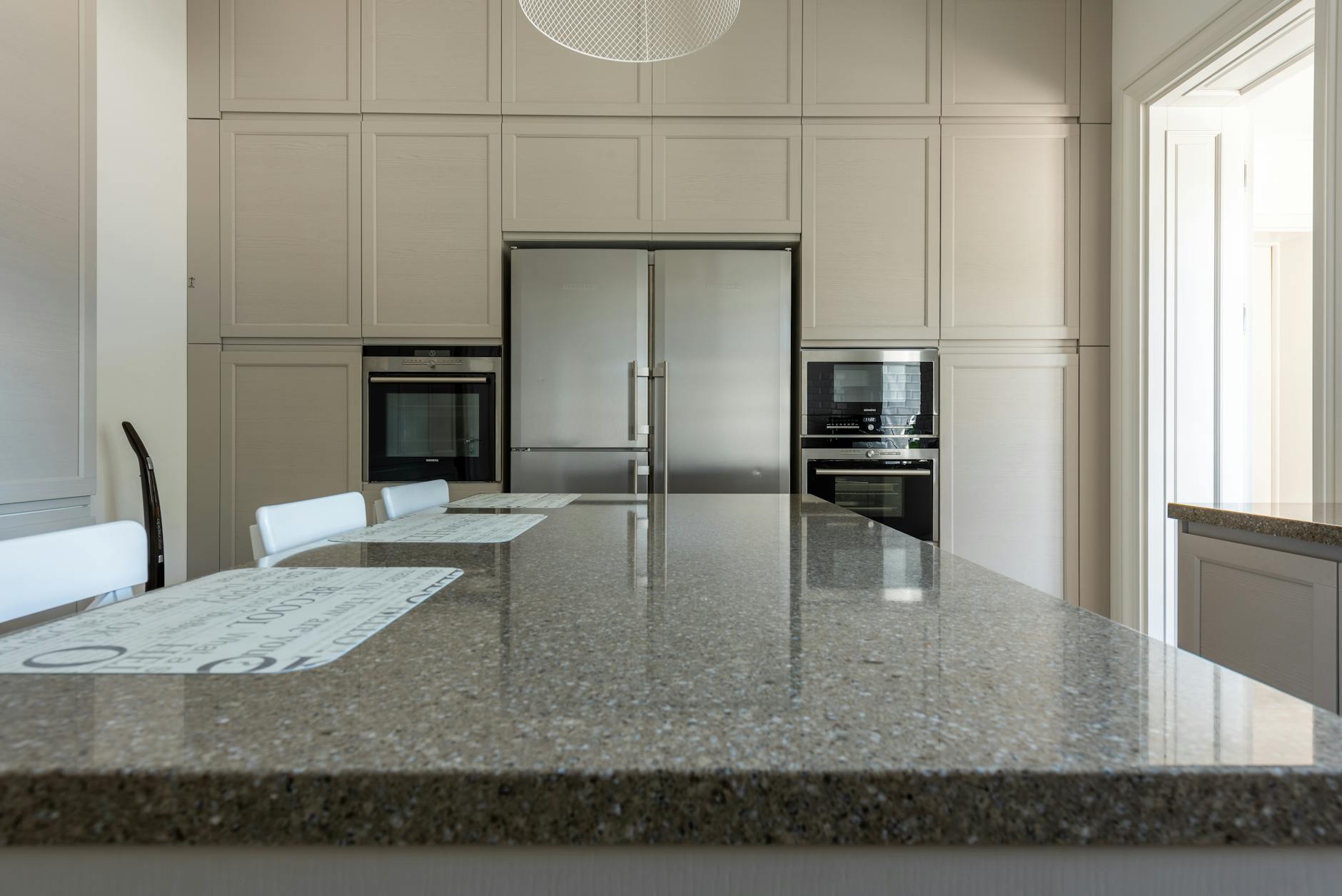
Kitchen: Wipe the stovetop, counters, and sink daily. Spot-clean the microwave interior when you see splatter. Empty the trash before it overflows.
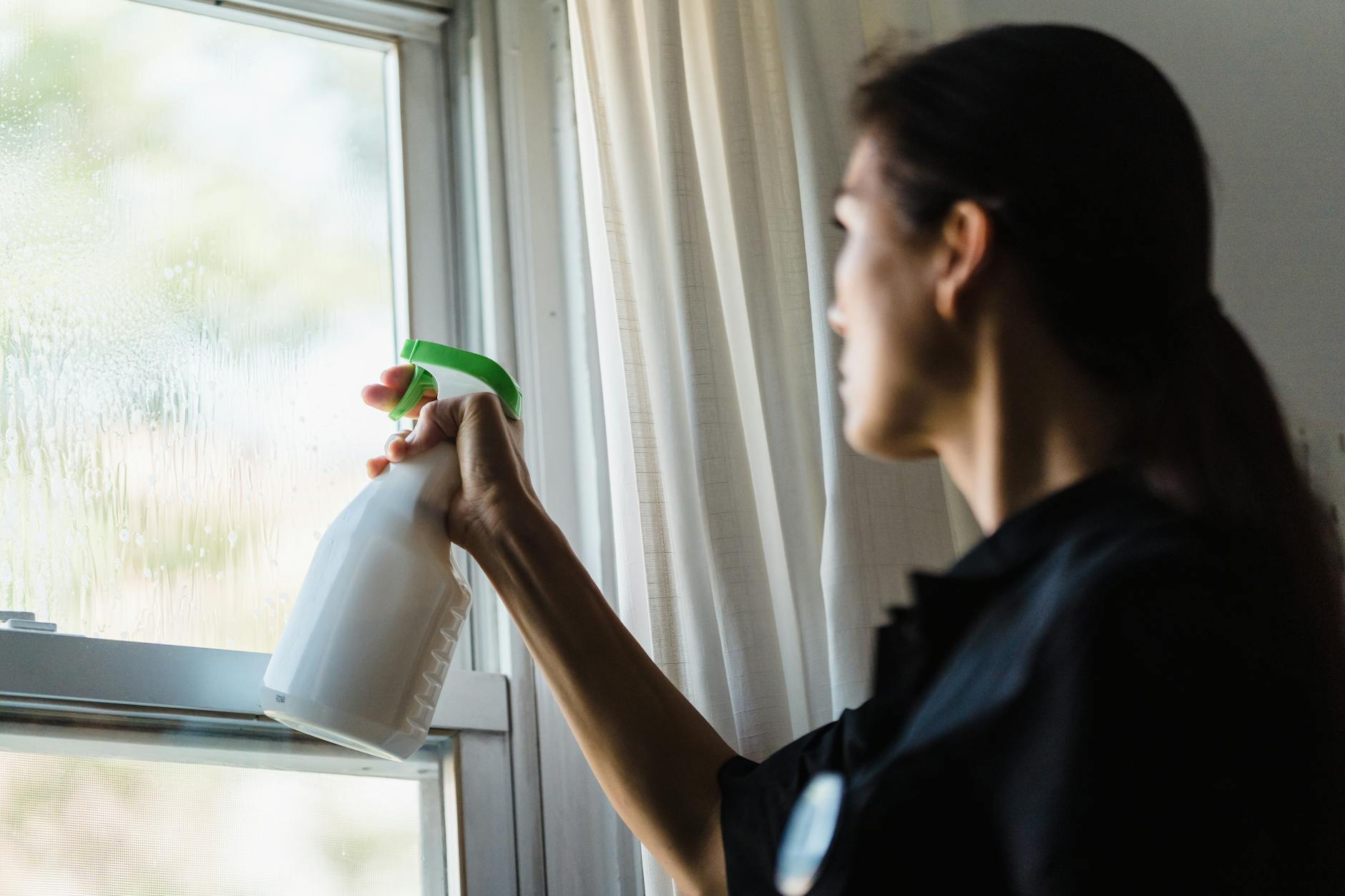
Bathrooms: Keep a small spray bottle of all-purpose cleaner under each sink and wipe the counter, faucet, and toilet seat daily. This prevents soap scum and limescale from building up.
Entryway: Sweep or vacuum frequently to stop tracked-in dirt from spreading through the rest of the house. A shoe rack or mat at the door makes a big difference.
Living room: Fluff pillows, fold throws, and wipe the coffee table. A tidy living room feels clean even if nothing has been scrubbed.
The EPA’s guidance on indoor air quality highlights that dust and particulates in high-traffic zones contribute to poor air quality indoors, which is another great reason to stay on top of these areas daily.
4. Use the Right Cleaning Tools and Products for Faster Home Maintenance
Having the right cleaning supplies within easy reach removes one of the biggest barriers to daily upkeep: friction. If you have to dig through a cabinet to find a sponge, you will skip the task. Keeping supplies organized, accessible, and effective is one of the smartest strategies for maintaining a cleaner home between visits.
Recommended tools to keep on hand for routine home maintenance cleaning:
Microfiber cloths: More effective at trapping dust and bacteria than paper towels or cotton rags. Keep a stack in the kitchen and each bathroom.
All-purpose spray cleaner: One good bottle handles counters, appliance exteriors, and bathroom surfaces. Look for EPA Safer Choice certified products if you want a safer option for your family and pets. The EPA Safer Choice program lists products that meet strict safety and environmental standards.
A lightweight cordless vacuum: A cordless vacuum makes quick daily passes on floors effortless. No cord means you will actually use it.
Squeegee for shower glass: 30 seconds after every shower prevents hard water spots and soap scum from building up.
Trash bags stocked inside the bin: The moment you take out a full bag, the next one is already there. Simple, but it removes a delay that causes overflowing bins.
If you prefer a more natural approach to day-to-day cleaning between professional visits, you may want to read about eco-friendly home cleaning using natural ingredients that are safe for kids, pets, and sensitive households.
5. Tackle Laundry and Dishes Consistently to Prevent Overflow
Two of the fastest ways a home spirals into visible disorder are laundry piles and overflowing sinks. Staying on top of both requires systems more than willpower. Keeping up with dishes and laundry is a cornerstone of a consistently clean home, and it is far easier to do a little daily than a mountain weekly.
Simple systems that work:
Run the dishwasher every evening and unload it every morning so there is always somewhere for dirty dishes to go
Do one load of laundry per day rather than saving it all for one day (wash, dry, and put away, never let it sit)
Keep a dedicated laundry basket in each bedroom so clothing never ends up on the floor
Wipe down the sink and counters after doing dishes, they are already wet, so it takes 20 seconds
These habits also make your professional cleaning appointment more effective. When your cleaner arrives to a home free of dirty dishes and laundry overflow, they can spend their time on the deep cleaning tasks that actually make a difference, scrubbing grout, cleaning inside appliances, and sanitizing surfaces. For a deeper understanding of the value that professional service adds, check out this comparison of professional cleaning vs. DIY to see which tasks are worth handing off entirely.
6. Spot Clean Immediately to Avoid Stains and Buildup
One of the most effective ways to keep your home clean between scheduled appointments is to deal with messes the moment they happen. Spot cleaning right away is almost always faster and easier than scrubbing a dried or set stain later. This single habit can save you hours of deep-cleaning effort over the course of a month.
Spots worth treating immediately:
Food or drink spills on counters, floors, and upholstery
Grease splatter on the stovetop (much easier to wipe while still warm)
Toothpaste drips and soap rings in bathroom sinks
Muddy footprints or pet paw prints on floors
Water rings on wood furniture
Keep a small roll of paper towels and a spray bottle in both the kitchen and bathroom so you never have a reason to walk past a mess. The principle is simple: a 30-second wipe now beats a 15-minute scrub later. This is especially relevant in Arizona’s dry climate where spills and grime can dry and harden faster than in more humid regions.
Research from Good Housekeeping consistently shows that immediate stain treatment dramatically improves the odds of full removal compared to waiting even a few hours.
7. Assign Household Cleaning Tasks and Get Everyone Involved
Maintaining a clean home is not a one-person job. When every household member has a defined role, the workload shrinks considerably and no single person gets burnt out. Dividing household cleaning tasks by age and ability is one of the most practical strategies for keeping things clean and tidy between professional cleaning appointments.
How to make shared cleaning tasks work:
Assign each person a specific daily or weekly task rather than asking for general “help” (general requests get ignored)
Give children age-appropriate tasks: wiping baseboards, vacuuming their room, or emptying small trash cans
Post a simple task chart on the fridge or a shared notes app so expectations are clear
Rotate tasks monthly so no one gets stuck with the least desirable jobs
It also helps to communicate clearly about what the professional cleaner handles versus what the household handles. Your recurring cleaning appointment with Elite Maids covers the deep work, scrubbing, sanitizing, reaching corners the daily routine misses. The household handles the everyday upkeep in between. That division of labor makes both efforts more effective.
8. Do a Weekly Reset to Stay Ahead of Deep Cleaning Needs
On top of your daily habits, setting aside 30-to-60 minutes once a week for a more thorough home reset keeps things from compounding into a deep-clean emergency before your next appointment. Weekly cleaning tasks bridge the gap between daily tidying and professional deep cleaning, giving you a consistently fresh and comfortable space.
A weekly home reset should include:
Vacuuming all floors, including under furniture edges and along baseboards
Mopping hard floors with an appropriate cleaner for the surface type
Cleaning bathroom toilets, tubs, and shower tiles
Wiping down kitchen appliance exteriors (fridge, microwave, oven door)
Changing and washing bed linens
Emptying all trash cans throughout the house
Dusting ceiling fans, shelves, and furniture surfaces
If your household runs on a biweekly or monthly professional cleaning schedule, this weekly reset is what keeps your home in a livable, presentable state in the weeks between those visits. Think of it as maintenance, the same way you would not skip an oil change just because your car got a full service recently. You can also pair your weekly reset with a bigger seasonal push. The ultimate guide to spring cleaning is a great place to start when it is time to go beyond the weekly routine and tackle the whole house systematically.
9. Manage Pet Hair and Allergens Proactively
For households with pets, managing pet hair and dander is one of the most constant home cleaning challenges between professional appointments. Pet hair can coat furniture, embed in carpets, and float through the air in a matter of hours. Staying ahead of it requires a few targeted tools and habits rather than reactive cleanup sessions.
Proactive pet hair and allergen management:
Brush your pets outside at least twice a week to reduce shedding indoors
Keep a lint roller near the couch, pet beds, and at the front door for quick passes
Use a vacuum with a HEPA filter specifically designed for pet hair on upholstered surfaces and rugs
Wash pet bedding weekly to prevent odor and dander buildup
Keep pets off upholstered furniture if hair and allergens are a persistent problem
Indoor allergens including pet dander are a genuine air quality concern. The American Lung Association notes that pet dander is one of the most common indoor allergen triggers, and regular cleaning is one of the primary ways to reduce exposure. This matters especially in busy Arizona households where pets spend more time indoors during extreme summer heat.
10. Know What to Leave for Your Professional Cleaning Appointment
Part of maintaining your home well between professional cleanings is knowing which tasks NOT to stress over, because your cleaning team will handle them. Recognizing this boundary makes your daily and weekly routine feel lighter, not heavier, and helps you focus your energy where it actually makes a difference.
Tasks that are best reserved for your professional cleaner:
Deep scrubbing of grout lines in bathrooms and kitchens
Cleaning inside the oven, refrigerator, and dishwasher
Washing windows inside and out
Moving furniture to clean underneath
Sanitizing garbage cans and recycling bins
High dusting of ceiling fans, vents, and crown molding
Deep disinfecting of bathrooms, including behind toilets and under sinks
When you book with Elite Maids House Cleaning, every cleaner is background-checked, insured, and backed by a reclean satisfaction guarantee. You handle the light daily upkeep and let the professionals take care of the tasks that require time, expertise, and the right equipment. That combination is the most efficient path to a consistently clean home. You can book a house cleaning online in minutes with instant pricing and same-day availability between 8am and 6pm.
Ready to take back your weekends? Stop spending your free time on deep cleaning tasks and let the professionals handle the hard work. Contact Elite Maids house cleaning today for a free quote and find out why we are the most-reviewed residential cleaning team in Arizona. Book online in minutes with instant pricing and no phone call required.
Frequently Asked Questions
How to keep your house clean like a professional housekeeper?
Professional housekeepers work in zones, move top-to-bottom so debris falls to the floor last, and clean in a consistent sequence every time. They also use the right tool for each surface rather than one cloth for everything. Adopt a daily routine for high-traffic areas, deal with messes immediately, and reserve deep tasks for scheduled professional visits.
What is the 80/20 rule in housekeeping?
The 80/20 rule in housekeeping suggests that roughly 20% of your cleaning actions produce 80% of the visible results. Focusing your daily effort on the kitchen, bathrooms, and entryway, the highest-impact zones, keeps the whole home looking clean even when you cannot scrub every surface. Prioritize these areas daily and save the rest for your professional cleaning appointment.
How often should a home be professionally cleaned?
For most households, a biweekly professional cleaning is the most popular schedule because it keeps buildup manageable without feeling excessive. Families with pets, young children, or allergy sufferers often benefit from weekly professional cleanings. Monthly visits work well for individuals or couples who maintain strong daily habits. The right frequency depends on your household size, lifestyle, and how much daily upkeep you do between visits.
What is the 10 10 10 rule for cleaning?
The 10 10 10 rule means spending 10 minutes tidying, 10 minutes cleaning surfaces, and 10 minutes on floors or laundry each day. This 30-minute total keeps the home in a consistently clean state without requiring a marathon cleaning session. It is one of the most practical frameworks for maintaining a clean home between professional cleanings because it breaks the work into small, non-intimidating chunks.
How to Keep a Clean House Every Week: 10 Simple Habits That Actually Work
SHARE:
Keeping a clean house every week comes down to a handful of repeatable habits, not marathon weekend scrub sessions. The secret is spreading small tasks across each day so no single room ever falls too far behind. This guide walks through 10 proven weekly house cleaning habits, the tools and products that make them faster, and when to call in a professional house cleaning service in Arizona to handle the deep work.
1. What Does Keeping a Clean House Every Week Actually Require?
Maintaining a consistently clean home week after week requires a system, not just motivation. Most homeowners who struggle with weekly house cleaning are trying to do everything at once on Saturday morning, which means the job feels overwhelming before it even starts. A realistic weekly cleaning routine breaks the work into daily 10-to-15-minute windows so clutter, dust, and grime never compound into a multi-hour project.
Research from organizations like the American Lung Association consistently shows that dust, pet dander, and airborne particles build up quickly in residential spaces, making regular surface cleaning a genuine health priority, not just an aesthetic one. When you maintain a weekly home cleaning schedule, you are actively reducing allergen load in the air your family breathes.
The habits below are built around the way real households operate, with realistic time estimates and clear priorities so you always know what matters most on any given day.
2. Start With a Daily Declutter Routine
Before any surface can be wiped, swept, or vacuumed, flat surfaces need to be clear. A daily declutter habit, even five minutes before bed, is the single biggest lever for making your home look and feel clean on a consistent basis. Pick a “home” for every recurring item: mail, shoes, backpacks, charging cables, and remote controls are the usual offenders.
Use a small basket in each main room as a temporary landing zone for misplaced items.
Do a one-room reset each evening instead of trying to tackle the whole house at once.
Keep a donation box in a closet so clutter has an exit route before it multiplies.
A tidy home is not the same as a clean home, but decluttering every day makes every other cleaning task faster because you spend zero time moving things out of the way before you can actually clean.
3. Build a Weekly Cleaning Schedule by Room
A structured weekly cleaning schedule is the backbone of a consistently clean house. Assigning specific rooms or tasks to specific days prevents the all-or-nothing trap and keeps the total time per day manageable. Here is a reliable framework that works for most three-to-four bedroom homes:
Monday: Wipe kitchen counters, appliance fronts, and stovetop. Empty trash cans throughout the house.
Tuesday: Vacuum living areas and hallways.
Wednesday: Clean bathrooms, sinks, toilets, mirrors, and floors.
Thursday: Dust all surfaces, ceiling fans, and baseboards.
Friday: Mop hard floors in kitchen, bathrooms, and entryways.
Saturday: Change bed linens and wash laundry.
Sunday: Reset and prep for the week.
This room-by-room cleaning plan keeps each session under 20 minutes and means you are never staring down a full-house disaster. According to Good Housekeeping’s cleaning resources, consistency over intensity is what separates homes that always look presentable from those that cycle between chaos and panic-cleaning before guests arrive.
4. Use the Right Cleaning Products for Each Surface
Using the wrong cleaner on the wrong surface either leaves residue behind or, worse, damages the finish. Part of building a sustainable home cleaning routine is stocking a short list of versatile, effective products so you are not hunting under the sink every time you need to wipe something down.
Core products for a weekly house cleaning kit:
All-purpose spray: Works on counters, appliances, cabinet doors, and most hard surfaces.
Microfiber cloths: Pick up dust and bacteria without scratching, and they are washable and reusable.
Toilet bowl cleaner: Dedicated formula prevents mineral buildup and kills bacteria more effectively than an all-purpose spray.
Glass cleaner: Streak-free formula for mirrors, windows, and glass cooktops.
Floor cleaner matched to your floor type: Hardwood, tile, and laminate each have specific pH requirements.
If you prefer to reduce chemical exposure in your home, look for products that carry the EPA Safer Choice certification, which means every ingredient has been reviewed for human and environmental safety. Elite Maids House Cleaning offers eco-friendly product options for clients who want effective cleaning without harsh chemical residue.
5. Master High-Traffic Areas With a Kitchen Cleaning Routine
The kitchen generates more mess per square foot than any other room in the house. Grease, crumbs, spills, and food odors accumulate fast, and if the kitchen cleaning routine slips for even a few days, the room can feel dirty no matter what else you do. A nightly three-minute kitchen reset: wipe the stovetop, clear the sink, and wipe the counters, pays massive dividends by Monday morning.
Weekly kitchen cleaning tasks that often get skipped:
Wipe the inside of the microwave every week, not just when something explodes in it.
Pull the toaster out and empty the crumb tray.
Wipe cabinet handles and appliance knobs, which collect more bacteria than most surfaces.
Clean the garbage disposal by dropping in ice cubes and a handful of coarse salt, then running cold water.
Sanitize the kitchen sink, including the drain lip and faucet base.
For deeper kitchen tasks like degreasing range hoods, cleaning oven interiors, and scrubbing grout lines, holiday cleaning services are a smart way to handle those jobs before major gatherings without adding hours to your personal schedule.
6. Keep Bathrooms Clean With a 10-Minute Weekly Reset
Bathrooms are the room guests notice most, and they are also the room most homeowners dread cleaning. The good news: a bathroom that gets a quick 10-minute weekly cleaning almost never needs a deep scrub. Soap scum, hard water spots, and mildew form gradually, so catching them early means they wipe off with minimal effort instead of requiring serious scrubbing.
Weekly bathroom cleaning checklist:
Spray the toilet bowl, let it sit, then scrub and flush.
Wipe the exterior of the toilet including the tank, lid, seat, and base.
Spray and wipe the sink and faucet.
Wipe the mirror with glass cleaner.
Spray the shower walls and tub, let dwell for two minutes, wipe, and rinse.
Mop or scrub the floor last so any drips get cleaned up automatically.
If you notice mold forming in the grout or caulk lines, address it immediately. The CDC notes that mold in residential bathrooms can contribute to respiratory irritation and allergic reactions, particularly in children and older adults. A professional deep clean can remove established mold from grout far more effectively than over-the-counter sprays.
7. Dust and Vacuum on a Reliable Schedule
Dust accumulates whether you can see it or not, and in Arizona’s dry desert climate, it builds up faster than in most parts of the country. A regular dusting and vacuuming schedule is one of the most impactful things you can do for indoor air quality as well as the visible cleanliness of a room.
Dusting tips that actually remove dust instead of just moving it:
Dust top-to-bottom: ceiling fans first, then shelves, then furniture, then baseboards, then vacuum last.
Use a damp microfiber cloth on hard surfaces so dust clings instead of floating into the air.
Vacuum upholstered furniture at least every two weeks, especially in homes with pets.
Change HVAC filters on schedule, as a clogged filter recirculates dust back into every room.
Arizona homeowners deal with unique challenges around dust and particulate matter. If you want to see how keeping on top of indoor air quality connects to your cleaning routine, see how Elite Maids House Cleaning can help with recurring cleaning plans designed specifically for Valley homes.
8. Tackle Seasonal Deep Cleaning Before It Becomes a Crisis
No weekly house cleaning routine, no matter how consistent, replaces the need for periodic deep cleaning. Seasonal deep cleaning targets areas that simply do not get addressed in weekly maintenance: inside ovens, behind appliances, under furniture, inside windows, and inside closets. If these areas are skipped for a full year, the buildup becomes a project rather than a task.
The most effective approach is to schedule a seasonal deep clean at the start of each quarter and build it into your calendar the same way you would a dentist appointment. If you want a structured starting point, the ultimate guide to spring cleaning covers exactly which tasks matter most and in what order to tackle them efficiently.
Common seasonal deep cleaning tasks:
Clean inside the refrigerator, including the drawers and door gaskets.
Wash windows inside and out.
Deep clean carpets with extraction cleaning or professional service.
Wipe down all baseboards, door frames, and light switch plates.
Clean behind and underneath major appliances.
Declutter and reorganize pantry, linen closets, and garage storage.
9. Involve Every Person in the Household
A weekly home cleaning routine only holds together when the entire household contributes. One person cannot maintain a clean house for a family of four indefinitely without burning out. Assigning age-appropriate tasks to every household member, including children, reduces the total load and builds habits that stick into adulthood.
Practical ways to distribute cleaning responsibilities:
Post a visible chore chart so expectations are clear and no one has to be reminded verbally each week.
Make beds a personal responsibility for every person who sleeps in one.
Assign dish duty by rotation so the kitchen is never one person’s burden.
Let kids own one room: their bedroom plus one shared task like vacuuming the hallway or taking out the trash.
When everyone contributes to the baseline maintenance, the household cleaning routine becomes sustainable rather than a source of ongoing friction.
10. Know When to Hire a Professional House Cleaning Service
There are times when a weekly cleaning habit is not enough, and recognizing those moments saves a lot of frustration. Moving into a new home, recovering from a renovation, preparing for a major event, or simply reaching a point where life is too busy to keep up are all valid reasons to bring in a professional cleaning team.
A Arizona maid service like Elite Maids House Cleaning handles the full scope of residential cleaning, from recurring weekly and biweekly visits to one-time deep cleans and move-in or move-out cleaning. Every cleaner is background-checked, bonded, and fully insured, and every visit is backed by a reclean-at-no-cost guarantee. For Arizona homeowners in Phoenix, Mesa, Scottsdale, Gilbert, Chandler, Glendale, Queen Creek, San Tan Valley, Tucson, and Flagstaff, same-day booking is available online between 8am and 6pm with an instant quote.
Hiring professionals does not mean giving up on your own habits. It means handling the heavy-lift cleaning so your daily and weekly routines stay manageable and you actually reclaim your weekends.
Ready for a Cleaner Home Without the Stress?
Building consistent weekly house cleaning habits takes time, but the payoff is a home that always feels welcoming, a healthier indoor environment for your family, and less stress every single day. Whether you are fine-tuning your own routine or looking for expert help to handle the work, Elite Maids House Cleaning is ready to step in. Contact Elite Maids house cleaning today for a free quote and find out how simple it is to schedule recurring cleaning, a one-time deep clean, or anything in between.
Frequently Asked Questions
How long does it take to clean a house each week?
For an average three-bedroom home, a thorough weekly cleaning takes between one and three hours depending on the number of bathrooms, the size of the kitchen, and how much daily tidying happens between sessions. Spreading tasks across the week, rather than doing everything at once, keeps each session to about 15 to 20 minutes per day.
What should I clean every week versus every month?
Weekly tasks include vacuuming, mopping high-traffic floors, wiping kitchen counters and stovetops, cleaning bathrooms, and changing bed linens. Monthly tasks include dusting ceiling fans, wiping baseboards, cleaning inside the microwave thoroughly, and washing windows. Seasonal tasks like deep cleaning the oven and refrigerator belong on a quarterly schedule.
What is the easiest way to keep a clean house with kids?
Assign age-appropriate chores to children starting around age four or five, keep clutter contained with designated storage bins in each room, and do a five-minute family reset each evening before bed. Lowering the bar for “clean enough” during busy weeks, while maintaining the non-negotiables like kitchen sanitation and bathroom hygiene, also helps prevent burnout.
How often should I deep clean my house?
Most households benefit from a thorough deep clean two to four times per year, timed around seasonal changes. High-use homes with pets, young children, or allergy sufferers may benefit from more frequent deep cleaning. A professional deep clean every quarter ensures that the areas missed by routine cleaning, like grout, appliances, and behind furniture, never reach a crisis level.
Is it worth hiring a cleaning service for a weekly cleaning routine?
For many households, yes. A professional cleaning service handles the time-consuming tasks consistently, which frees up several hours per week. It also means the cleaning is done to a higher standard than most people achieve on their own. Recurring cleaning plans from services like Elite Maids are often more affordable per visit than a one-time deep clean and keep the home at a level where your own daily habits stay easy to maintain.