Best Rated Cleaning Products for Your Home: 10 Must-Haves That Actually Work
SHARE:
The best rated cleaning products for home use combine effective formulas with ingredients that are safe for your family and your surfaces. Today, the market is packed with options, but a handful of standout cleaners consistently rise to the top based on real-world performance and third-party testing. This guide breaks down 10 of the highest-rated household cleaning products available right now, explains what makes each one worth your shelf space, and helps you build a cleaning kit that gets the job done.
1. Multi-Surface All-Purpose Cleaners: The Backbone of Any Cleaning Kit
An all-purpose cleaner is the workhorse of the home. It handles countertops, cabinet faces, appliance exteriors, and dozens of other surfaces without requiring you to swap bottles every five minutes. The best all-in-one cleaner cuts through grease, kills bacteria, and leaves no sticky residue behind. Look for formulas that are pH-balanced so they won’t damage sealed granite, laminate, or painted wood.
Seventh Generation Multi-Surface Cleaner and Method All-Purpose Cleaner are two names that earn repeated praise from product testers and professional cleaners alike. Both carry third-party certifications, clean without harsh fumes, and come in concentrated versions that cut down on plastic waste. According to Consumer Reports, all-purpose cleaners that perform well on both greasy kitchen surfaces and dusty baseboards give homeowners the most value per bottle.
If you want a single product that covers 80 percent of your cleaning needs, a high-quality multi-surface formula is your starting point. A cleaning supplies guide can help you compare concentrations and certifications before you buy.
2. Disinfecting Sprays and Wipes: Rated Cleaning Products for Germ-Prone Zones
Disinfecting products are not optional. Bathrooms and kitchens harbor bacteria and viruses that a standard cleaner won’t touch. The distinction matters: a cleaner removes visible dirt, while a disinfectant kills pathogens on contact. The best rated disinfecting sprays require a specific dwell time, usually 30 seconds to 4 minutes, to actually work.
Lysol Disinfecting Spray remains one of the most tested and trusted products in this category. Clorox Disinfecting Wipes are a close second for convenience, particularly in bathrooms, around toilets, and on door handles. For households wanting a greener path, Seventh Generation Disinfecting Multi-Surface Cleaner uses thymol derived from thyme oil and meets EPA Safer Choice standards. The EPA Safer Choice program verifies that every ingredient in a product has been evaluated for human health and environmental impact, so that label is worth looking for when you shop.
For a home cleaning products list that covers everyday disinfection needs, keep at least one spray and one wipe option stocked at all times.
3. Bathroom Cleaning Products: Tackling Soap Scum, Mildew, and Hard Water
Bathrooms demand their own category of product because the challenges are specific: soap scum on glass and tiles, hard water stains on fixtures, and mildew creeping into grout lines. Generic all-purpose sprays often fall short here. You need formulas engineered for the job.
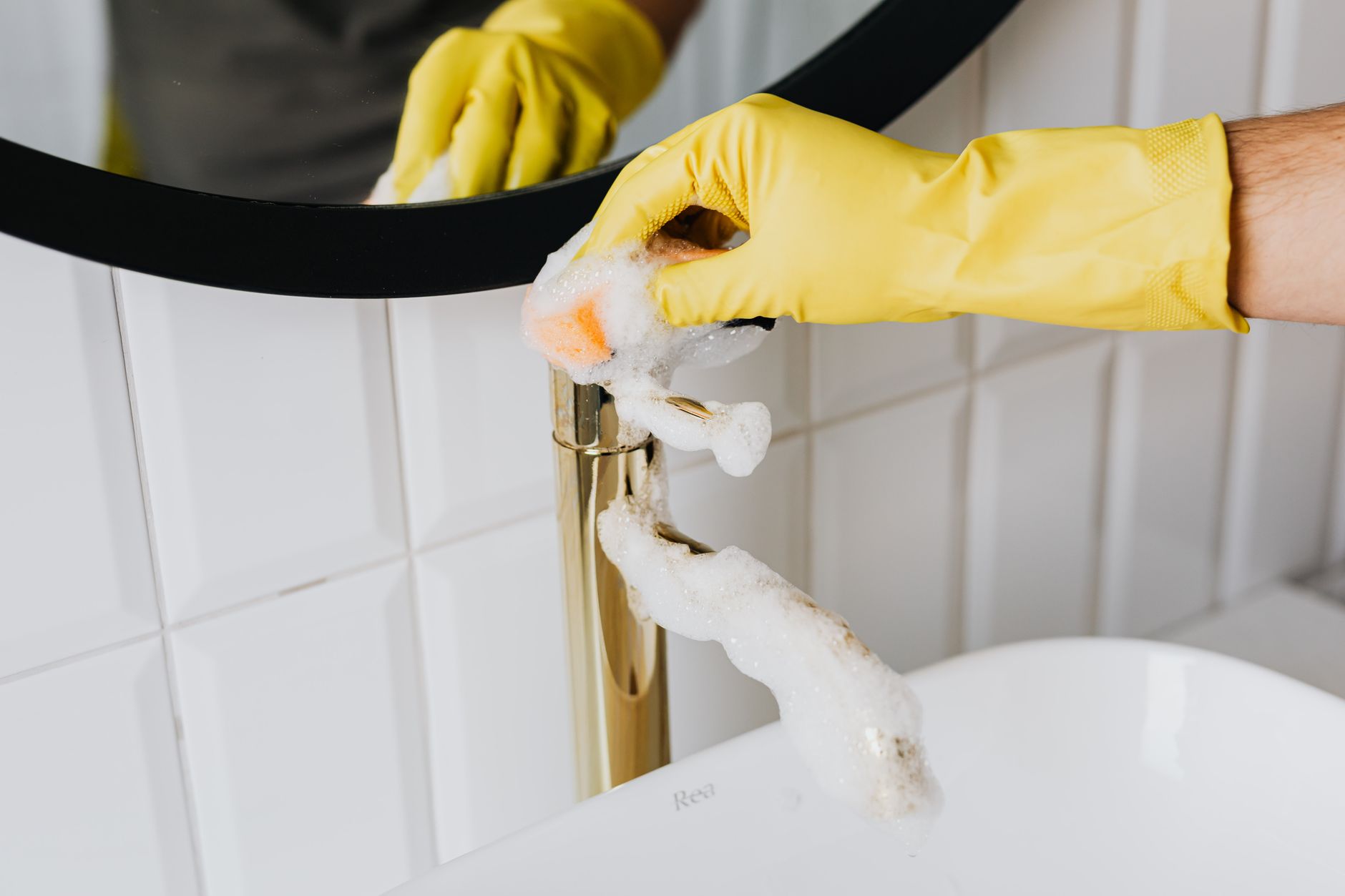
Scrubbing Bubbles Bathroom Cleaner is a consistent standout for tile and tub surrounds. Its foaming action clings to vertical surfaces long enough to dissolve soap scum without heavy scrubbing. For hard water deposits on faucets and showerheads, CLR Calcium, Lime and Rust Remover is one of the most effective bathroom cleaning products on the market. Spray it on, wait five minutes, and the mineral buildup rinses away.
Mold in bathroom grout is a tougher problem. The EPA’s mold guidelines recommend addressing moisture sources first, then treating visible mold with an appropriate cleaning product before it spreads. Tilex Mold and Mildew Remover and Zep Grout Cleaner are two products that professional cleaning teams reach for when grout has gone gray or black. For recurring mildew issues, a squeegee after every shower combined with a weekly spray of bathroom mildew cleaner prevents buildup before it starts.
4. Kitchen Degreasers: Highly Rated Cleaning Products for Cooking Residue
Kitchens accumulate a layer of airborne grease that settles on cabinets, range hoods, and backsplashes over time. Standard sprays won’t cut through polymerized cooking oil, which is why a dedicated kitchen degreaser belongs in every home. The best rated kitchen cleaning products in this category use surfactants strong enough to dissolve grease on contact without damaging finishes.
Krud Kutter Original Concentrated Cleaner and Degreaser earns high marks from renovation crews and professional cleaners for its ability to strip years of built-up grease off surfaces without leaving a film. Zep Heavy-Duty Citrus Degreaser is another highly regarded option, using d-limonene (a citrus-derived solvent) to break down cooking residue. Both products work on range hoods, stovetops, cabinet faces, and exhaust fans.
For everyday kitchen maintenance between deep cleans, Good Housekeeping’s cleaning team consistently recommends keeping a diluted degreaser in a spray bottle and wiping down the stovetop and surrounding surfaces after every cooking session. This 60-second habit prevents the thick grease layers that require serious effort to remove later. If you want your kitchen reset to a true baseline, a professional holiday cleaning service can handle the heavy degreasing before guests arrive.
5. Floor Cleaners: Top-Rated Products for Hardwood, Tile, and More
Floors cover more square footage than any other surface in your home, so choosing the right floor cleaning product matters more than most people realize. The wrong formula can strip hardwood finishes, leave tile grout looking gray, or deposit a cloudy film on luxury vinyl plank.
Bona Hardwood Floor Cleaner is the go-to recommendation from flooring professionals and cleaning crews for sealed wood floors. It cleans without leaving residue, does not require rinsing, and is safe for polyurethane, aluminum oxide, and Swedish finishes. For tile and grout, Zep Neutral Floor Cleaner or Black Diamond Stoneworks Wood and Stone Cleaner handle most surfaces without etching.
Laminate floors need special care: never use excess water or steam on them. Rejuvenate All Floors Cleaner is a highly rated floor cleaning product specifically formulated for laminate because it cleans without saturating the surface. For those with pets, Rocco and Roxie Supply Professional Strength Stain and Odor Eliminator doubles as a floor cleaner that neutralizes biological stains at the enzymatic level rather than just masking odors.
6. Eco-Friendly and Non-Toxic Cleaning Products: Safer Choices for Families
The demand for non-toxic cleaning products has grown steadily as more families look to reduce their exposure to harsh chemicals indoors. The EPA’s research on volatile organic compounds shows that many conventional cleaning products release VOCs that can linger in indoor air and irritate the respiratory system. Switching to EPA Safer Choice-certified or plant-derived formulas reduces that risk significantly.
Several brands have built strong reputations in this space. Branch Basics is a concentrate-based system where one formula dilutes into multiple cleaners for different tasks. It uses no synthetic fragrances, no dyes, and no harsh preservatives. Blueland offers tablet-based cleaners that dissolve in reusable bottles, cutting plastic waste while delivering effective non-toxic cleaning. Koala Eco uses Australian botanical extracts and essential oils in fragrant, plant-based formulas that work well on glass, surfaces, and bathrooms. Cleancult reformulates common cleaners with naturally derived ingredients and ships in refillable packaging.
If you want the most thorough eco-friendly clean your home has had, the ultimate guide to spring cleaning pairs well with a switch to safer product choices across every room. The American Lung Association also recommends ventilating rooms while cleaning and choosing fragrance-free products when household members have asthma or allergies. Elite Maids House Cleaning offers eco-friendly product options on request for clients who want a safer clean, making them a natural fit for Arizona families prioritizing indoor air quality.
7. Glass and Window Cleaners: Streak-Free Results with Rated Products
Streaky windows and mirrors are one of the most visible signs of a mediocre clean. The best rated glass cleaning products leave surfaces crystal clear without the haze that ammonia-heavy formulas sometimes leave behind, especially in hot climates like Arizona where product can dry before you wipe it.
Invisible Glass Premium Glass Cleaner is a favorite among professional detailers and cleaning crews for its streak-free formula. It works on windows, mirrors, glass shower doors, and glass stovetop surfaces. Sprayway Glass Cleaner in the aerosol can is another highly rated glass cleaning product that has a loyal following for its thick foam, which clings to vertical glass surfaces long enough to dissolve fingerprints and haze before wiping.
For large window jobs, a professional-grade squeegee paired with a drop of dish soap in a bucket of warm water is still one of the most effective window cleaning methods available. Windex Original remains a household staple for quick mirror touch-ups. For a five-star Arizona cleaners approach to glass, always work in the shade and in the morning before the surface heats up, since hot glass causes liquid to evaporate too quickly for a streak-free finish.
8. Laundry and Fabric Cleaning Products: Beyond the Washer
Laundry products extend beyond detergent. Upholstered furniture, rugs, curtains, and throw pillows all require fabric-specific cleaning solutions that won’t shrink fibers or leave color-altering residue. Having the right fabric cleaning product on hand lets you treat spills before they set permanently.
Tide Original Liquid Detergent consistently ranks at or near the top of laundry product testing. For stubborn stains on clothing and fabric surfaces, OxiClean Versatile Stain Remover is widely considered one of the best oxygen-based stain removers available. It works on food stains, wine, coffee, pet accidents, and grass stains without bleaching color fabrics.
For carpets and upholstery, Bissell Professional Pet Stain and Odor Remover uses enzymes to break down organic stains at the molecular level. Folex Instant Carpet Spot Remover has earned a near-cult following for its ability to lift set-in stains from carpet without rinsing. Both products are safe for colored fibers and leave no sticky residue that attracts future dirt. For households running a weekly house cleaning service Arizona schedule, keeping a fabric stain remover near your laundry area means accidents get treated immediately rather than setting over several days.
9. Sponges, Scrubbers, and Microfiber Cloths: The Tools That Make Products Work
Even the best rated cleaning products in the world underperform when paired with the wrong applicator. Sponges, scrubbers, and microfiber cloths are not all the same, and choosing the right one for the job is as important as choosing the right formula.
Microfiber cloths are the gold standard for most surface cleaning. Their fine fibers trap dust and bacteria rather than pushing them around, and they work effectively with plain water on glass and sealed surfaces. The cleaning experts at The Spruce recommend replacing microfiber cloths every three to six months and washing them separately from cotton towels to maintain their electrostatic properties.
For scrubbing, non-scratch Scotch-Brite sponges in the blue-and-yellow colorway are safe for most coated surfaces. Red or green heavy-duty scrubbers should be reserved for tile, grout, and cast iron where scratching is not a concern. O-Cedar EasyWring Spin Mop is a highly rated floor cleaning tool that works especially well with diluted all-purpose or floor cleaners. Having the right physical tools amplifies the performance of every product in your kit and protects surfaces from the micro-scratches that accumulate with the wrong scrubber.
10. Odor Eliminators and Air-Freshening Products: What Actually Neutralizes Smells
Many homeowners confuse air fresheners with odor eliminators. Spraying a floral mist over a pet odor or musty cabinet does nothing to address the source. True odor-eliminating products neutralize the chemical compounds causing the smell rather than masking them with fragrance.
Febreze Fabric Refresher is the most recognized product in this space, and it works by trapping odor molecules inside its hydroxypropyl beta-cyclodextrin compound rather than covering them up. For more serious pet odors in carpets and upholstery, enzyme-based eliminators like Nature’s Miracle or Angry Orange are the professional-grade choice. These enzyme products work by consuming the organic material (urine, vomit, mildew spores) that causes the odor rather than simply neutralizing it chemically.
For persistent musty smells in closed spaces like closets, basements, and bathrooms, DampRid Moisture Absorber addresses the root cause by pulling excess humidity out of the air. Mold and mildew produce most of the musty odors homeowners associate with “old house smell,” and reducing moisture is the only lasting solution. A home cleaning essentials list for Arizona homes should always include a moisture absorber given the state’s monsoon season, which drives indoor humidity up sharply from July through September.
Closing Thoughts: Building a Cleaning Kit That Covers Every Room
The best rated cleaning products for your home are not necessarily the most expensive or the most advertised. They are the ones that solve real problems in the rooms where you actually live. A thoughtful kit covers all-purpose cleaning, disinfection, specialized surface care, odor elimination, and the right physical tools to apply each formula effectively. Mixing a few highly reviewed products with the right technique produces a cleaner home faster than a cabinet full of mediocre options.
That said, having great products on hand is only part of the equation. Knowing how often to use each one, in what order, and on which surfaces separates a thorough clean from a surface-level wipe-down. For Arizona families who want a professional-level clean without the effort, five-star Arizona cleaners at Elite Maids House Cleaning bring their own vetted products and proven systems to every visit, with eco-friendly options available on request.
If you’re ready to stop guessing which products work and start coming home to a genuinely clean house, contact Elite Maids house cleaning today for a free quote. Our team serves Phoenix, Mesa, Scottsdale, Gilbert, Chandler, Glendale, Queen Creek, San Tan Valley, Tucson, and Flagstaff with background-checked, insured cleaners and a reclean satisfaction guarantee on every visit.
Frequently Asked Questions
What cleaning products do professional cleaners recommend?
Professional cleaners typically recommend a tiered kit: a concentrated multi-surface cleaner, a dedicated disinfectant, a bathroom-specific formula for soap scum and mildew, a kitchen degreaser, and a quality microfiber cloth set. Brands like Seventh Generation, Method, Krud Kutter, and Scrubbing Bubbles appear repeatedly in professional toolkits. Microfiber cloths and a non-scratch scrubber are just as important as the chemical formulas.
What do professional house cleaners use to make the house smell so good?
Professional cleaners focus on eliminating odor sources rather than masking them. They use enzyme-based products on organic stains, rinse surfaces completely to remove chemical residue, and often finish with a light, diluted fabric refresher on upholstery. Proper ventilation during and after cleaning is the biggest factor. A genuinely clean surface, free of grease, bacteria, and moisture, has a naturally neutral, fresh scent that no air freshener can replicate.
What is the most popular cleaning product brand?
Clorox and Lysol are consistently the two most widely recognized cleaning product brands in the United States based on household penetration and unit sales. Procter and Gamble’s Mr. Clean and Febreze lines are close behind. In the eco-friendly and non-toxic cleaning segment, Branch Basics, Blueland, and Method have grown rapidly and now rival traditional brands for awareness among health-conscious consumers.
What is the best all in one cleaner?
The best all-in-one cleaner depends on your priorities. For raw cleaning power, Krud Kutter Concentrate diluted appropriately handles most surfaces and grease levels. For safety and non-toxic performance, Branch Basics or Seventh Generation Multi-Surface Cleaner covers nearly every room in the home. For convenience, Method All-Purpose Cleaner in a ready-to-use spray is a consistent top performer across independent testing panels and professional cleaning crews alike.
The 16 Best Kitchen Cleaning Products That Actually Work
SHARE:
The best kitchen cleaning products cut through grease, lift stains, and leave surfaces genuinely clean without damaging countertops, appliances, or your lungs. A well-stocked cleaning kit under the sink can handle everything from daily spills to months of baked-on residue. This guide breaks down 16 standout kitchen cleaners, organizes them by category, and explains exactly what each one does best so you can shop and clean with confidence.
What Makes a Kitchen Cleaning Product Worth Buying
Not every product on a store shelf deserves a spot in your cabinet. When evaluating kitchen cleaning products, look for three things: cleaning power matched to the surface, a safe ingredient profile for food-prep areas, and a realistic price relative to how far the product stretches. As Consumer Reports regularly notes in its cleaning product testing, performance and value together define a genuinely worthy purchase. A cleaner that removes 90% of grease in one wipe is worth far more than a budget spray that requires four.
Kitchens are unique because surfaces rotate between food contact and heavy soiling. That means you want products that are effective enough to cut grease and grime yet safe enough that no hazardous residue lingers on a cutting board or stovetop. The EPA Safer Choice program certifies products whose ingredients meet strict safety standards, and that label is one of the fastest ways to sort genuinely safer kitchen cleaners from products that just market themselves that way. When in doubt, scan for that certification before you add something new to your cart.
Also worth checking: whether you need a dedicated kitchen cleaning product or whether a multi-surface formula will handle multiple zones. Multi-surface sprays earn their keep in busy kitchens because one bottle handles the fridge exterior, cabinet faces, and countertops without switching products mid-clean. Specialized cleaners, like a dedicated degreaser or a stainless steel polish, step in where a general spray falls short.
Degreasers: The Heavy Hitters in Kitchen Cleaning Supplies
Grease is the defining challenge of any kitchen, and degreasers are the products built specifically to dissolve it. A quality kitchen degreaser breaks down lipid-based soils on the stovetop, range hood, backsplash tiles, and cabinet faces in a fraction of the time it takes a standard all-purpose spray. For everyday cooking messes, a dilutable concentrate like Zep Heavy-Duty Citrus Degreaser gives you professional-grade cleaning at a fraction of the per-ounce cost of pre-mixed options. Mix it strong for caked-on hood filters and light for weekly wipe-downs.
If you want an EPA Safer Choice certified kitchen degreaser, Simple Green All-Purpose Cleaner remains one of the most versatile options available. It cuts through grease effectively, rinses clean without streaking, and the concentrate version reduces plastic waste compared to buying ready-to-use bottles repeatedly. For countertop splatter and stovetop spills that happen daily, a gentler all-purpose degreaser spray works better than a heavy concentrate. Save the full-strength stuff for the range hood and the top of the refrigerator.
Spray degreasers designed for kitchen surfaces typically need a short dwell time to work. Apply the product, let it sit for 30 to 60 seconds, then wipe with a damp microfiber cloth. This approach is what proven cleaning supplies guides consistently recommend: contact time matters as much as the formula itself. Rushing the wipe defeats the chemistry.
Countertop and Surface Cleaners for Every Kitchen Material
Countertops vary widely across kitchens, and using the wrong cleaner on the wrong surface causes real damage. Granite and natural stone need a pH-neutral cleaner because acidic products etch and dull the finish over time. Quartz countertops are more forgiving but still benefit from a dedicated countertop cleaner rather than straight bleach. Laminate is the most tolerant surface and handles most all-purpose sprays without issue. Knowing what you have before you reach for a product saves costly mistakes.
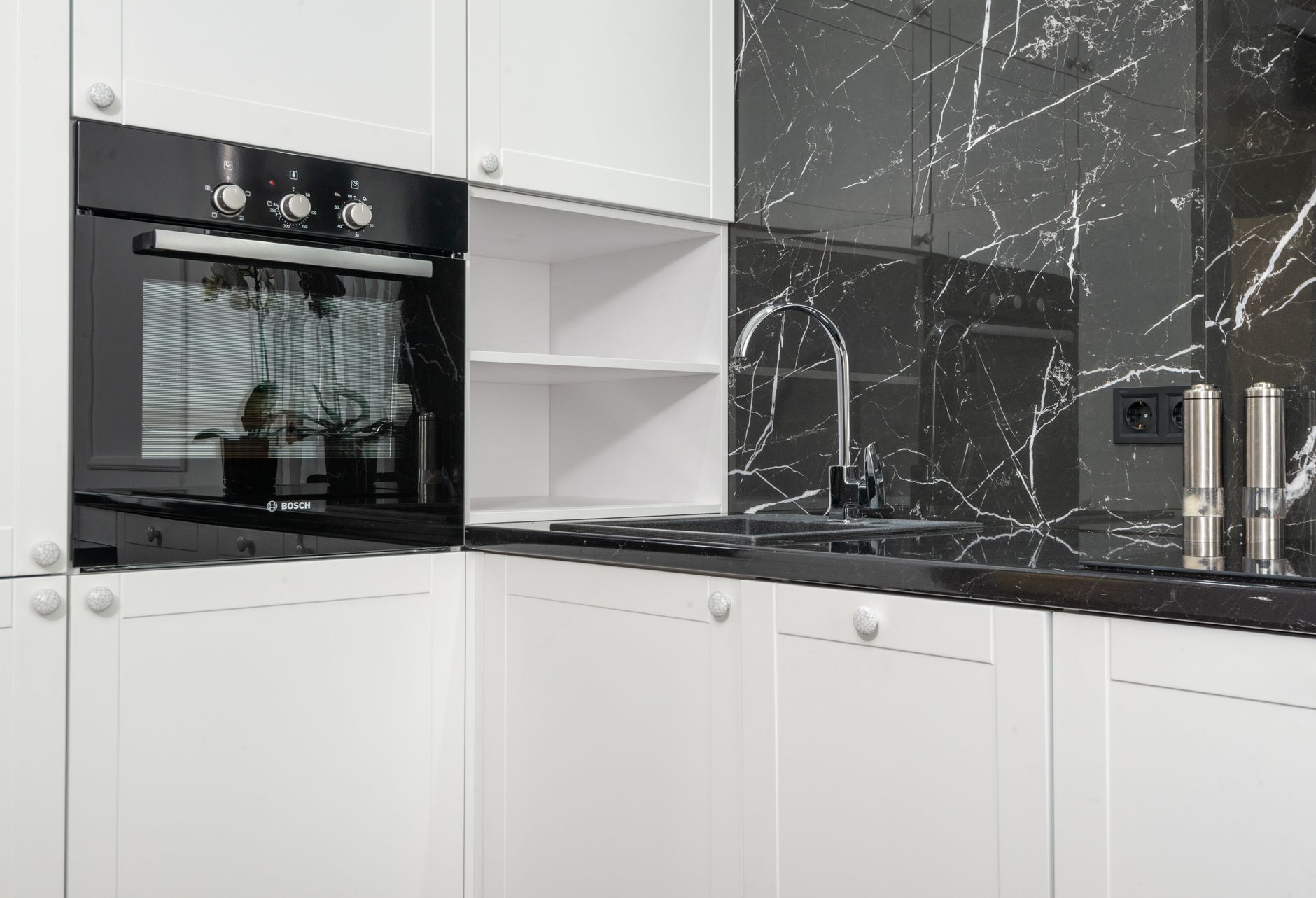
For granite and marble, a stone-safe cleaner like Method Daily Granite Cleaner or Black Diamond Stoneworks Natural Stone Cleaner handles daily maintenance without eating into the sealant. For quartz, Granite Gold Daily Cleaner works well. Both products are non-acidic, rinse cleanly, and leave a light protective layer that slows down future soiling. Laminate countertops, meanwhile, respond perfectly to a general multi-surface spray like Mrs. Meyer’s Clean Day or Seventh Generation Multi-Surface Cleaner. If you’re choosing between fragrance options, look for certified formulations that don’t raise volatile organic compound (VOC) levels indoors.
One product that earns a consistent spot in this category: Bar Keepers Friend Soft Cleanser. It removes coffee and tea stains from white composite or porcelain sinks, rust rings from undermount sinks, and mineral deposits around faucets without scratching. It is one of those kitchen cleaning supplies that rarely gets its due credit because it looks old-fashioned, but it outperforms newer gel formulas on stubborn stains routinely. If you work with a Arizona maid service, you will often see Bar Keepers Friend under the sink because professionals rely on it.
Stovetop and Oven Cleaners That Cut Through Burned-On Residue
Oven cleaning is one of the most dreaded kitchen cleaning tasks, and the reason is simple: baked-on grease and carbonized food require either strong chemistry or significant scrubbing effort, and most people have neither time nor enthusiasm for both. The good news is that modern oven cleaners have improved dramatically, and choosing the right one makes the job much less painful.
Easy-Off Heavy Duty Oven Cleaner remains the most recognizable name in this category and for good reason. The foam clings to vertical oven walls, penetrates carbonized residue, and loosens it so it wipes off rather than requiring abrasive scrubbing. Apply it, close the oven door, wait the recommended time, and wipe. Follow it with a damp cloth rinse to remove chemical residue before cooking. For people who prefer a fume-free approach, Easy-Off also makes a no-fume version formulated for cold ovens that works more slowly but avoids the sharp smell of the standard formula.
For glass-ceramic stovetops, avoid abrasive scrubbers entirely. Weiman Cooktop Cleaner and Cerama Bryte are the two most widely used products for glass-ceramic stovetop cleaning, and both use a mild abrasive cream formula that polishes the surface while lifting burned-on food without scratching. Apply a small amount to a cool surface, work it in with a soft cloth or the included scrubber pad, then buff clean. For day-to-day stovetop cleaning between deeper sessions, a simple spray of diluted dish soap and a microfiber cloth keeps the surface looking clean with minimal effort. If your household cooking schedule is heavy, consider adding a holiday cleaning service before family gatherings so the oven arrives ready rather than becoming a last-minute scramble.
Dish Soap and Dishwasher Detergents Worth Using Every Day
Dish soap sounds too basic to include in a serious kitchen cleaning products guide, but the truth is that most households use dish soap for far more than dishes. It cuts grease on stovetops, cleans cabinet hardware, degases produce, and serves as the base for multiple DIY surface cleaners. A quality dish soap justifies its price through versatility alone.
Dawn Platinum is the gold standard that professional cleaners and food scientists both cite for its grease-cutting ability in cold water. Its degreasing power is strong enough that wildlife organizations have used it for decades in cleaning oil-coated animals after spills, which says a lot about its performance on a pan coated in bacon drippings. If you want a plant-based alternative, Seventh Generation Free and Clear Dish Soap and Mrs. Meyer’s Clean Day Dish Soap both clean effectively while avoiding synthetic fragrances. They also earn mention in Good Housekeeping’s cleaning coverage for being among the better plant-derived formulas on the market.
On the dishwasher side, Cascade Platinum ActionPacs consistently outperform rivals in head-to-head spot and film tests. They dissolve fully even in short cycles, leave no white residue on glass, and include a rinse aid component that eliminates the need for a separate rinse aid in most water conditions. Finish Quantum tabs are a close second and tend to perform slightly better in harder water. If you live anywhere in the Phoenix metro or Valley communities, where water hardness is notably high, Finish Quantum or an equivalent tablet with a built-in water softener agent is worth the small premium over basic pods.
For households concerned about fragrance sensitivity or allergy triggers, plant-based and fragrance-free dish products are worth the switch. Our guide on allergy-safe cleaning supplies covers exactly which formulas are safest for sensitive households, including kitchens where food contact is constant.
Refrigerator and Appliance Cleaners for a Spotless Kitchen
Refrigerators, microwaves, and small appliances attract grease, fingerprints, and food splatters that standard sprays handle inconsistently. Stainless steel appliances are especially unforgiving because they show smudges immediately and require a dedicated stainless steel cleaner to avoid streaking. Using a regular multi-surface spray on stainless steel often leaves a film that looks worse than the original smudge.
For stainless steel appliance cleaning, Weiman Stainless Steel Cleaner and Polish and TriNova Stainless Steel Cleaner are both reliable options. Apply a small amount to a soft cloth (never directly to the surface), wipe in the direction of the grain, then buff with a clean dry cloth. That grain direction step is non-negotiable for streak-free results. A microfiber cloth alone handles daily fingerprint removal between deeper polish sessions.
Inside the refrigerator, avoid harsh chemical cleaners that leave odors behind. A mixture of warm water and a small amount of baking soda is the classic approach for a reason: it cleans without leaving fragrance or chemical residue near food. For stubborn spills that have dried and stuck to refrigerator shelves or drawers, a few minutes of contact with a damp warm cloth softens them before wiping. For the microwave interior, a microwave steam cleaner (a small bowl of water with lemon juice heated for a few minutes) loosens splattered food without any scrubbing at all. The steam does the work.
If you want a professional-level result across the entire kitchen and don’t have hours to spare, booking a kitchen deep clean with a trusted cleaning team is the fastest path to spotless appliances from top to bottom.
Eco-Friendly and Non-Toxic Kitchen Cleaners That Perform
Eco-friendly kitchen cleaners have closed the performance gap with conventional products significantly over the past decade. Today’s plant-based and non-toxic kitchen cleaning solutions handle grease, grime, and bacteria without relying on chlorine bleach, synthetic surfactants, or petrochemical solvents. For households with children, pets, or anyone with respiratory sensitivities, making the switch is a straightforward decision.
Branch Basics Concentrate is one of the most talked-about non-toxic cleaning concentrates in this space. One bottle dilutes into multiple spray bottles for different tasks: a lighter solution for countertops, a stronger mix for stovetops and greasy surfaces. The formula is free of fragrance, dyes, and preservatives that commonly trigger sensitivities. Blueland’s tablet-based cleaners take a similar approach but reduce plastic packaging further by shipping concentrated tablets that dissolve in a reusable spray bottle.
Vinegar and baking soda remain the classic natural kitchen cleaners for good reason. White distilled vinegar cuts through mineral deposits, water spots, and mild grease effectively on most hard surfaces. Baking soda acts as a gentle abrasive for sinks and cookware while absorbing odors in the refrigerator. One important caveat: never use vinegar on natural stone surfaces like granite or marble, because the acid etches the surface. Stick to a pH-neutral stone cleaner for those areas.
If you want to go deeper on certified safe and natural kitchen cleaning products, our team at Arizona’s most-reviewed house cleaning company has tested a wide range in actual homes across the Valley. Our resource on non-toxic cleaning products for Arizona homes gives detailed breakdowns of what holds up in real-world conditions, including the hard water and desert dust that make cleaning here slightly more demanding than average.
Microfiber Cloths and Scrubbing Tools: The Unsung Half of Kitchen Cleaning
The product inside the bottle is only half the equation. The tool you pair it with determines how efficiently the formula works, how much product you use, and whether surfaces get scratched. Microfiber cloths are the single most impactful tool upgrade any household can make, and they cost very little. A quality microfiber cloth removes bacteria and grease from surfaces with just water in many cases, which means you use less product overall while getting a cleaner result.
For kitchen scrubbing tasks, a non-scratch scrub pad is essential. The Scotch-Brite Non-Scratch Scrub Sponge is the industry standard for a reason: it scrubs effectively without damaging non-stick coatings, glass, or polished surfaces. Avoid steel wool or harsh metal scrubbers on any coated pan or glass surface. For cast iron cookware, a chainmail scrubber removes stuck-on food without soap (which can strip seasoning) and lasts for years.
One cleaning tool that earns a strong recommendation for kitchen floors: the O-Cedar EasyWring Spin Mop. It wrings to a near-dry state, which is important for hardwood and laminate kitchen floors that don’t tolerate excess moisture well. A microfiber mop pad picks up fine particles and grease from tile and vinyl floors efficiently without scratching. Pair either with a diluted dish soap solution or a dedicated floor cleaner appropriate for your flooring type, and you have a system that handles weekly kitchen floor cleaning in under ten minutes.
Our holiday deep cleaning service uses professional-grade microfiber cloths and tools specifically chosen for each surface type, which is part of why the results look and feel noticeably different from a standard wipe-down. The right tool applied with the right product and the right technique produces results that products alone cannot match.
Closing: Get Your Kitchen Professionally Clean Today
Having the right kitchen cleaning products on hand makes a real difference, but even the best products require time, effort, and technique to use well. If your kitchen needs a serious reset or if you simply want someone else to handle it properly, the team at Elite Maids is ready. We use professional cleaning supplies, background-checked cleaners, and a satisfaction guarantee on every visit. Contact Elite Maids house cleaning today for a free quote and book online in minutes, with same-day availability between 8am and 6pm across Phoenix, Mesa, Scottsdale, Gilbert, Chandler, Glendale, Queen Creek, San Tan Valley, Tucson, and Flagstaff.
Frequently Asked Questions
What is the best cleaner for kitchen grease?
A dedicated kitchen degreaser is the most effective choice for heavy grease buildup. Products like Simple Green All-Purpose Cleaner (EPA Safer Choice certified) or Zep Heavy-Duty Citrus Degreaser dissolve grease on stovetops, range hoods, and cabinet faces without damaging surfaces. Apply with dwell time of 30 to 60 seconds before wiping for best results. For lighter daily grease, a quality dish soap diluted in warm water works well on most surfaces.
What should I use to clean kitchen countertops safely?
The safest countertop cleaner depends on the material. Natural stone like granite or marble requires a pH-neutral, stone-safe formula to avoid etching. Quartz and laminate handle most gentle multi-surface sprays without issue. For all surface types, avoid bleach-heavy cleaners near food prep areas unless you rinse thoroughly afterward. An EPA Safer Choice certified spray gives you effective cleaning with ingredients vetted for safety in food-contact environments.
How do I clean a really dirty oven?
A heavy-duty oven cleaner like Easy-Off, applied with adequate dwell time (usually 20 to 30 minutes for baked-on grime), is the most reliable approach. Spray the interior walls, close the door, wait, then wipe with damp cloths and rinse. For glass-ceramic stovetops, use a dedicated cooktop cream like Weiman or Cerama Bryte rather than a general oven cleaner. If the oven is severely neglected, a professional deep cleaning service may be faster and more thorough than DIY methods.
Are eco-friendly kitchen cleaners as effective as conventional ones?
Yes, for most kitchen cleaning tasks. Plant-based and non-toxic kitchen cleaners have improved significantly and now match conventional products on grease, grime, and bacteria for everyday use. Brands like Branch Basics, Seventh Generation, and Mrs. Meyer’s handle countertop, appliance, and floor cleaning reliably. For very heavy-duty jobs, like a badly neglected oven or a grease-caked range hood, a stronger conventional degreaser may still outperform plant-based alternatives in raw stripping power.
How often should I deep clean my kitchen?
A thorough deep clean of the kitchen, covering the oven interior, refrigerator interior, range hood filters, cabinet faces, and grout lines, is recommended every one to three months depending on cooking frequency. Daily wipe-downs of countertops and stovetops prevent buildup between deeper sessions. Households that cook heavily or have multiple people in the home benefit from monthly deep cleans. Professional cleaning services can handle this on a recurring schedule so it never becomes an overwhelming project.