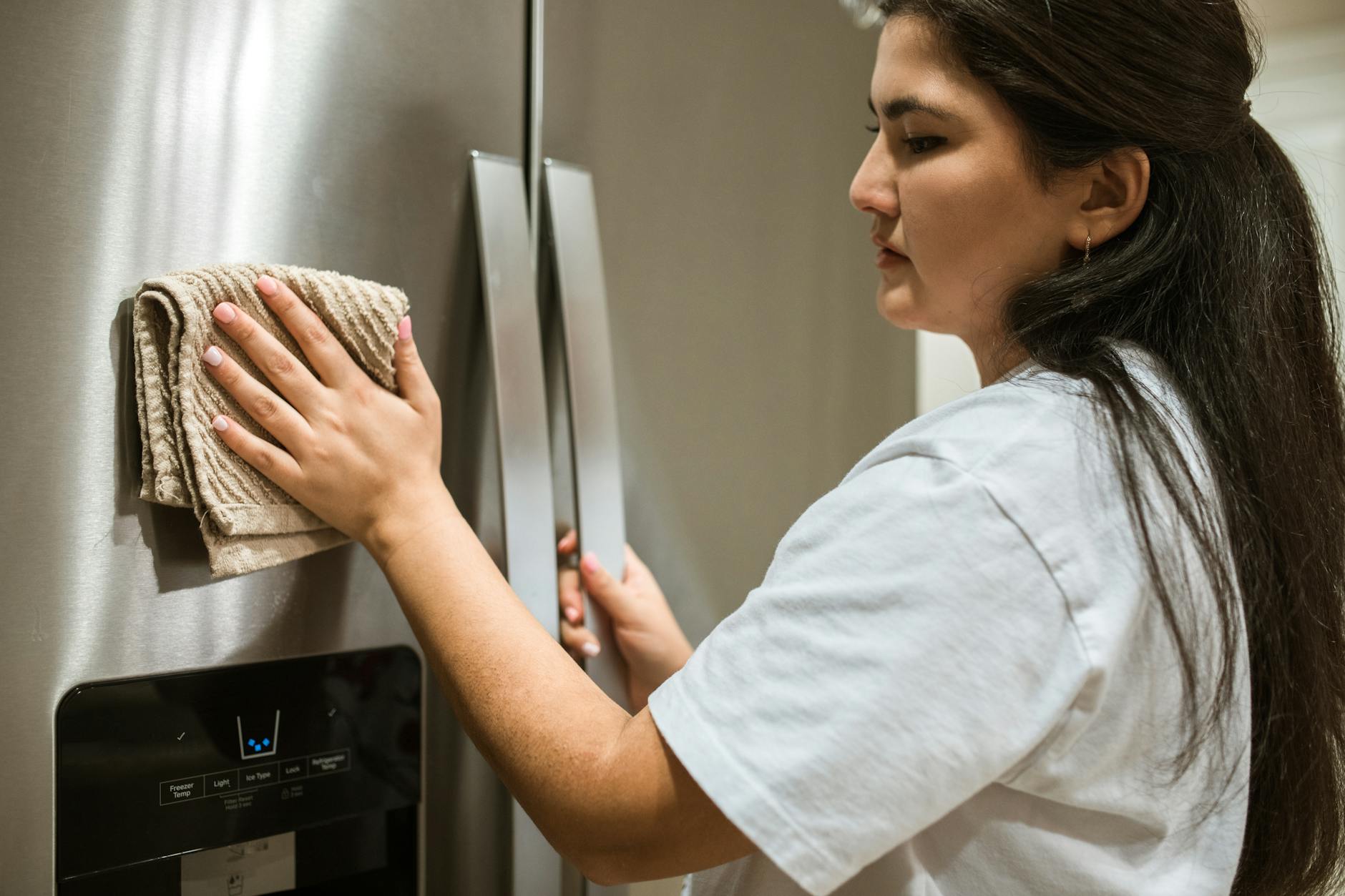
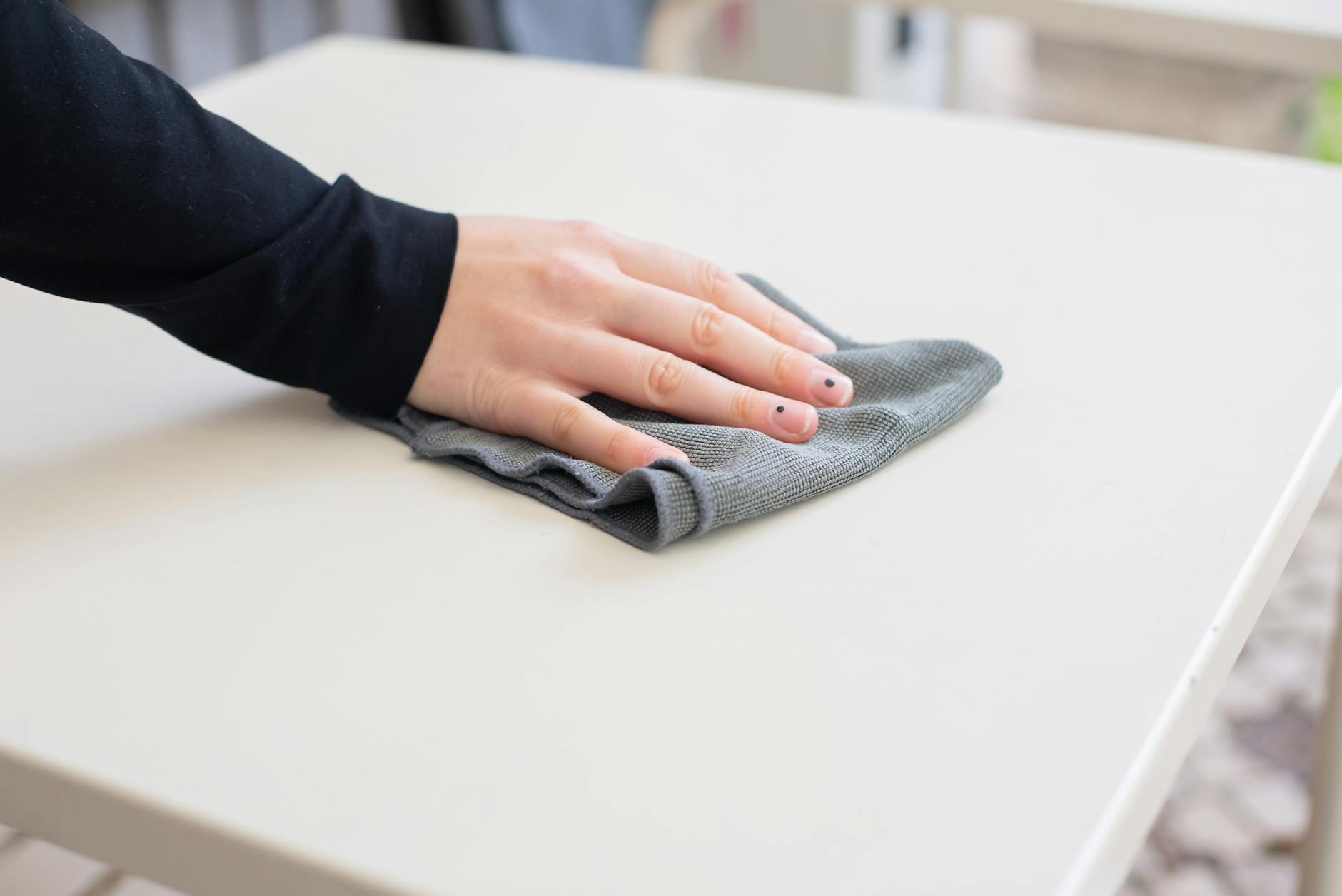
If you’ve ever stood in a cleaning aisle staring at a shelf full of cloths wondering which one to grab, you’re not alone. Homeowners in Salt Lake City ask this question constantly, and the answer actually matters more than most people think. The cloth you use affects how much dirt you pick up, how many bacteria linger on your surfaces, and how long your cleaning products last. When looking at the 10 Best House Cleaning Services Near Salt Lake City, Uta, one thing the best teams have in common is that they are deliberate about the tools they use, including the cloths in their hands. Elite Maids House Cleaning has seen firsthand how swapping the right cloth into the right situation changes the entire result of a cleaning session.
Why the Cloth You Use for Cleaning Actually Matters
Not all cleaning cloths are created equal, and the cloth you choose matters far more than most homeowners realize. The wrong cloth can spread bacteria around a surface instead of removing it, leave behind lint that makes glass look worse, or scratch delicate finishes like polished granite or stainless steel. In Salt Lake City homes, where hard water mineral deposits are a real issue, using the wrong cloth can actually grind those deposits into surfaces rather than lifting them. The material of your cleaning cloth determines whether you are wiping a surface clean or just rearranging the mess. For anyone serious about house cleaning, understanding this difference is the first step toward a genuinely cleaner home. The choice between microfiber and cotton cloths is not just a matter of preference. It is a practical decision that affects the quality of your results every single time you clean.
Microfiber Cloths: The Modern Cleaning Choice for Salt Lake City Homes
Microfiber is a synthetic material made from extremely fine fibers, typically a blend of polyester and polyamide. According to Good Housekeeping, microfiber cloths can remove up to 99 percent of bacteria from a surface using only water, which makes them a genuinely impressive tool in any home cleaning routine. The fibers are split during manufacturing, creating tiny hooks that physically grab onto dirt, dust, grease, and even microscopic particles rather than just pushing them around.
Here are the key benefits of microfiber cloths for cleaning in Salt Lake City homes:
They trap and hold dirt instead of spreading it from one spot to another.
They absorb far more liquid than their size suggests, up to seven times their weight in water.
They are lint-free, which makes them ideal for glass, mirrors, and polished surfaces.
They dry quickly, which reduces the chance of mildew buildup when stored between uses.
They work well with minimal or no cleaning products, which is a win if you prefer eco-friendly options.
They are durable and can be washed hundreds of times before losing effectiveness.
The benefits of a microfiber towel go beyond just picking up more dirt. Because microfiber cloths reduce how much cleaning solution you need, they also reduce the chemical residue left on your surfaces. The EPA recognizes reduced chemical use as a meaningful way to improve indoor air quality, which is especially relevant for families with young children or allergy sufferers. The one thing to watch with microfiber: never wash these cloths with fabric softener. Fabric softener clogs the tiny fibers and kills their cleaning ability almost entirely. Wash them separately in warm water and let them air dry or use a low heat cycle.
Microfiber cloths are the preferred choice of professional cleaning teams, and if you check out the cleaning salt lake city reviews, you will notice that highly rated services consistently mention using microfiber as part of their standard process. The reason is simple: microfiber consistently delivers better results on hard surfaces, bathrooms, kitchens, and anywhere you need a truly clean finish rather than just a wiped one.
Cotton Cloths: The Classic Cleaning Option and When to Use Them
Cotton cloths have been the household standard for generations, and they still have a legitimate place in any cleaning kit. Cotton is a natural fiber, it is soft, affordable, and widely available. It is also highly absorbent when it comes to bulk liquid, which makes it useful for soaking up spills or drying dishes. According to Consumer Reports, cotton terry cloths work well for tasks where you need bulk absorption rather than fine surface cleaning.
Here is where cotton cleaning cloths genuinely shine:
Drying large items like pots, pans, and cutting boards after washing.
Scrubbing tasks where you want a slightly more textured surface.
Applying polishes or waxes to wood furniture.
General wiping tasks in areas where lint is not a concern.
Situations where you need a cloth that can handle high heat, like working near a stove.
The limitations of cotton cloths for cleaning are real, though. Cotton fibers do not split the way microfiber does, so they tend to push dirt around on a surface rather than capturing it. They also retain moisture for longer, which creates a breeding ground for bacteria if the cloth is not dried and laundered frequently. The CDC notes that improperly stored or reused cloths can transfer pathogens between surfaces, which is the last thing you want when cleaning a bathroom or kitchen in your Salt Lake City home.
Cotton is also more prone to leaving lint behind on glass and shiny surfaces, which is why professional maid service teams have largely moved away from cotton for most detail cleaning tasks. That said, old cotton t-shirts and worn-in rags are perfectly acceptable for rough cleaning jobs where you just need something to mop up a mess. For a more thorough look at common cleaning missteps, this post on house cleaning mistakes homeowners make that are making their homes dirtier covers a lot of ground worth reading.
To understand more about how cotton as a material differs structurally from synthetics, Wikipedia has solid background on both fiber types that helps explain why microfiber outperforms cotton in most cleaning scenarios.
Is Microfiber Cloth Better Than Cotton Cloth for Cleaning?
This is one of the most common questions homeowners in Salt Lake City ask when upgrading their cleaning supplies, and the honest answer is: yes, for most cleaning tasks, microfiber is the better choice. Microfiber cloths outperform cotton cloths in nearly every category that matters for home cleaning. They pick up more dirt per stroke, they trap bacteria rather than spreading it, they leave no lint on surfaces, and they require less cleaning product to get the job done. That last point alone is worth paying attention to. Using less product means spending less money over time and reducing the amount of chemical residue left on your kitchen counters, bathroom fixtures, and floors.
That said, cotton still earns its spot in the cleaning closet for specific jobs. Think of it this way: microfiber is your go-to for surfaces you want genuinely clean and streak-free. Cotton is your backup for heavy absorption tasks, rough scrubbing, and general utility work where precision does not matter much. A well-stocked cleaning kit in any Salt Lake City home should include both, with microfiber doing most of the work.
One question that comes up occasionally is whether you can use microfiber cloths for bathing. While microfiber bath towels do exist and are popular for their quick-drying properties, the cloths used for household cleaning are not the same product and are not suitable for skin contact. Keep your cleaning cloths separate and clearly labeled to avoid any mix-up.
How Professional Cleaners in Salt Lake City Use Each Cloth Type
Professional cleaning teams do not just grab whatever cloth is nearby. They match the cloth to the task, and that deliberate approach is a big part of why professional results look so much better than a typical DIY clean. When handling a deep cleaning job, for example, a professional team might use color-coded microfiber cloths so that the cloth used in a bathroom never crosses into a kitchen. This cross-contamination prevention is a standard practice in professional cleaning services and something that most homeowners never think about.
In Salt Lake City, where homes often have a mix of granite countertops, stainless steel appliances, and natural stone flooring, microfiber is the clear winner for surface-by-surface cleaning. Its non-abrasive nature means it will not scratch polished stone or leave swirl marks on stainless. For tasks like scrubbing a dirty oven rack or wiping down a rough exterior doormat area, cotton or a stiffer cloth makes more sense.
Check out what the Maid Brigade of Salt Lake City approach looks like when a professional team handles a full home, and you will see cloth selection plays a surprisingly large role in getting that clean-home smell and look that DIY efforts often fall short of delivering. If you are curious about how cleaning trends have evolved, this post on spring cleaning trends that actually work is worth a read for practical ideas you can apply at home.
Making the Smart Cleaning Choice for Your Salt Lake City Home
Choosing the right cloth is one small decision that adds up to a noticeably cleaner home over time. If you are building out your cleaning supply kit in Salt Lake City, stock at least a dozen microfiber cloths in two or three colors so you can keep them organized by zone. Replace them when they start to feel less grabby even after washing, which is usually a sign the fibers have worn down. Wash them without fabric softener, never with bleach, and store them clean and dry. For cotton cloths, keep a separate stack for high-mess tasks and launder them frequently.
For the surfaces that really matter, the ones you want to shine, microfiber wins every time. The science behind it, the absorption, the bacterial removal, the streak-free finish, adds up to a real difference you can see and feel. Residents looking for the 10 Best Cleaning & maid services pros in Salt Lake City, want teams that bring both the knowledge and the right tools to every visit. That combination is what separates a truly clean home from one that just looks wiped down.
If you would rather skip the guesswork and let a team of trained, background-checked professionals handle all of it, including choosing the right tools for every surface in your home, you are in the right place. Whether you need a one-time deep clean or a regular recurring clean to keep your Salt Lake City home in top shape, trusted professionals are ready to help. Compared to other options like Salt and Slate Cleaning, Elite Maids House Cleaning brings verified five-star service backed by a satisfaction guarantee. Contact Elite Maids House Cleaning today for a free quote and find out how easy it is to book same-day service online in minutes.
Microfiber vs. Cotton Cloths for Cleaning in Denver: Which One Actually Works Better?
SHARE:
If you’ve ever stood in a cleaning supply aisle in Denver wondering whether to grab the microfiber pack or stick with your trusty cotton cloths, you’re not alone. It’s one of those questions that seems simple on the surface but actually has a pretty meaningful answer once you dig into how each fabric performs. Whether you’re doing a quick kitchen wipe-down or a thorough weekend scrub, the cloth in your hand makes a real difference in how clean your home actually gets. If you’ve searched for 2 Clean Ladies Denver or similar local cleaners, you’ve probably noticed that the pros are very intentional about the tools they use. This post breaks down exactly what each cloth does well, where each one falls short, and which one your Denver home actually needs.
What Makes Microfiber Cloths a Modern Cleaning Powerhouse
Microfiber cloths are made from ultra-fine synthetic fibers, typically a blend of polyester and polyamide, that are split during manufacturing to create millions of tiny hooks. Those hooks physically grab and trap dirt, bacteria, and dust rather than just pushing them around. When you clean with a microfiber cloth, you’re picking up debris at a microscopic level, which is why professional residential cleaning teams favor them for most surfaces.
According to research highlighted by Good Housekeeping, microfiber cloths can remove up to 99% of bacteria from surfaces using just water, without any chemical cleaner needed. That’s a significant benefit for Denver households with kids, pets, or anyone sensitive to strong cleaning products. Microfiber cloths work especially well on glass, stainless steel, sealed countertops, bathroom fixtures, and hard floors. They leave surfaces streak-free and dry faster than cotton, which reduces the chance of mildew buildup on the cloth itself.
For families in Denver who are trying to cut back on chemical use, microfiber is a natural fit. You can pair it with a simple water-and-vinegar solution or an EPA Safer Choice certified cleaner and still get genuinely clean results. If you’re doing a deep cleaning of your home, microfiber cloths are the go-to tool for scrubbing grout lines, wiping down appliances, and polishing fixtures without scratching.
One thing to watch: microfiber loses its effectiveness over time if washed with fabric softener or dried on high heat. Both break down the fibers and eliminate that electrostatic grab that makes microfiber work. Wash them separately in warm water with a small amount of detergent, and air dry or tumble dry on low.
What Should You Not Clean With a Microfiber Cloth?
Microfiber cloths are versatile, but they do have limits. Avoid using them on rough or abrasive surfaces like raw cast iron, unfinished wood, or heavily textured stone. The fine fibers can snag and shed on those surfaces, leaving behind lint and potentially damaging the cloth. You should also avoid using microfiber on non-stick cookware, since the fibers can gradually wear down the coating. Finally, if a surface is coated with a wax finish, a microfiber cloth can strip it unevenly. For those specific situations, a soft cotton cloth is actually the better tool. Knowing these boundaries helps you get the most out of both types of cloths rather than forcing one to do a job it wasn’t built for.
Why Cotton Cloths Are Still Worth Keeping Around
Cotton cloths have been a cleaning staple for generations, and there are good reasons they haven’t disappeared. Cotton is highly absorbent, making it ideal for soaking up spills, applying polishes, buffing wax finishes, and working with oil-based or solvent cleaners. The fibers are soft and gentle, which makes cotton a reliable choice for delicate surfaces that could scratch under more aggressive materials.
Cotton kitchen towels and cleaning rags are also durable enough to handle heavy scrubbing when you need it. A thick cotton terry cloth can tackle greasy stovetops and heavily soiled surfaces in ways that would wear out a microfiber cloth quickly. Consumer Reports notes that cotton holds up well to high-heat washing and bleaching, which is useful when you need to sanitize cloths between deep-cleaning sessions.
The downside of cotton is that it tends to push dirt around rather than trap it the way microfiber does. Cotton also retains moisture longer, which means it can harbor bacteria if left damp. If you’re using cotton cloths for home cleaning in Denver, rinse them thoroughly and dry them promptly. Letting a damp cotton rag sit on your counter is essentially creating a bacteria hotel.
Cotton is also a more environmentally friendly material in its raw form, since it is a natural fiber. However, it does require more water and energy to grow and process than synthetic microfiber. If environmental impact matters to you, the picture is more complicated than it first appears. You can read more about the difference between conventional and green cleaning approaches in this post on green cleaning vs. traditional cleaning.
What Is the Best Cloth for Cleaning the Environment?
If you’re asking from a sustainability standpoint, the honest answer is that neither microfiber nor cotton is a clear winner. Microfiber is synthetic and sheds microplastics into waterways when washed, which is a documented concern flagged by environmental researchers. Cotton, while natural, requires intensive water use and pesticides to produce conventionally. The practical edge goes to microfiber when you factor in long-term use: a single microfiber cloth can replace hundreds of disposable wipes or paper towels over its lifetime, reducing overall waste. If you choose microfiber, washing it in a microplastic-catching laundry bag and washing less frequently (but more thoroughly) helps minimize the environmental footprint. Pairing either cloth type with EPA Safer Choice certified cleaning products is another smart move for keeping your home and the environment healthier.
Microfiber vs. Cotton Cleaning Cloths: Which Wins for Denver Homes?
Here’s the straightforward breakdown for Denver homeowners who want to know which cloth to reach for and when.
Microfiber wins for: glass and mirrors, stainless steel appliances, bathroom fixtures, sealed tile, hardwood floors, dusting, and any surface where streak-free results matter.
Cotton wins for: applying and buffing polish or wax, soaking up large spills, scrubbing heavily soiled pans, and working with oil-based cleaners that would gum up microfiber fibers.
Microfiber vs. cotton kitchen towels: In the kitchen, microfiber handles surface wiping and disinfecting better, while cotton handles drying dishes and absorbing spills more effectively. Having both on hand makes sense.
For a deep clean: microfiber is the stronger performer across most surfaces. Its ability to trap rather than spread bacteria is especially valuable during a thorough whole-home cleaning.
If you’re comparing Cleaning services Denver prices to the cost of building your own cleaning kit, it’s worth knowing that professional teams bring both cloth types and know exactly when to use each one. That knowledge gap is actually one of the biggest reasons even detail-oriented homeowners end up with surfaces that look clean but aren’t truly sanitized.
Denver’s altitude and dry climate also play a role. Lower humidity means surfaces dry faster, which is a small advantage for microfiber since it already dries quickly. However, static can be more pronounced in dry conditions, which makes the electrostatic dust-trapping quality of microfiber even more effective here than in humid climates. For a comparable take on this topic from another market, see this post on house cleaning in Salt Lake City where similar dry-climate conditions apply.
Is a Cotton Cloth as Good as Microfiber for House Cleaning?
The short answer is no, not for most modern house cleaning tasks. Cotton is a great complement to microfiber, but it doesn’t match microfiber’s ability to trap bacteria and clean surfaces with less chemical product. A cotton cloth used with a strong cleaner can certainly get surfaces clean, but you’re relying on the chemical to do the heavy lifting. Microfiber does a meaningful portion of that work through physical action alone, which is why it’s become the standard in professional maid service operations. That said, dismissing cotton entirely is a mistake. A well-stocked cleaning kit uses both, with each cloth assigned to the jobs it does best.
You can check out r/Denver on Reddit: Looking for a house cleaner that does go for local homeowner conversations about what Denver residents look for in a cleaning service, including the tools and techniques that matter most. When professionals show up to your home, the cloth choice is just one part of a systematic process that covers every surface methodically, not just the visible ones.
If you want to go deeper on the cleaning products that pair best with microfiber cloths, the post on eco-friendly cleaning products covers the formulas that work without damaging the fibers or leaving residue. The Real Simple cleaning guides are also a solid resource for understanding how different cloth materials interact with common household surfaces.
How Professional Cleaners in Denver Use Both Cloth Types
When Elite Maids House Cleaning teams set up for a job in Denver, cloth selection is part of a deliberate process. Color-coded microfiber cloths prevent cross-contamination between rooms: bathroom cloths never touch kitchen surfaces, and separate cloths handle toilets versus sinks. This system is one of the things that separates a genuine professional house cleaning service from a DIY approach or a casual cleaner.
Cotton cloths show up in the kit for specific jobs: applying furniture polish, buffing stainless steel after a microfiber wipe-down, and handling any surface where the texture of microfiber might catch. Professional cleaners also replace cloths frequently during a single job rather than using one cloth throughout the entire home, which prevents spreading bacteria from one area to another.
For Denver homeowners who want to replicate this at home, the key takeaway is to treat your cleaning cloths like tools, not just rags. Keep them clean, replace them when they start to feel rough or lose absorbency, and use the right one for each surface. If you ever want to see this level of detail applied to your actual home, checking out Denver house cleaning rates is a good starting point for understanding what professional service looks like in your area.
The Spruce cleaning resource has additional guidance on how to care for and extend the life of both microfiber and cotton cloths, which is worth reading if you want to get the most out of your investment in quality cleaning tools.
Ready to hand off the cleaning entirely and get more of your weekends back? Whether your Denver home needs a recurring weekly clean or a thorough one-time deep clean, Cleaning services denver reddit conversations make it clear that Denver homeowners want reliable, detail-oriented teams who bring the right tools and use them correctly. You can contact Elite Maids house cleaning today for a free quote and get instant pricing online without a phone call. Every cleaner is background-checked, bonded, and backed by a satisfaction guarantee, so if anything isn’t right, we come back and fix it at no cost to you.