Most store-bought cleaners do a fine job on dirt and grime, but a surprising number of them contain chemicals that can irritate your lungs, trigger allergies, and leave residue on the surfaces your family touches every day. The good news is that green cleaning methods for your home are not some fringe idea pushed by health food stores. They are well-researched, practical approaches that families across the country have been using for decades. New Mexico State University has published detailed guidance on these methods, confirming that many simple household ingredients can replace toxic products without sacrificing cleanliness. Whether you are trying to reduce chemical exposure for your kids or just want a more natural cleaning routine, this guide covers what you need to know. You can also visit Elite Maids House Cleaning if you want professional eco-friendly cleaning handled for you.
What Are Green Cleaning Methods and Why Do They Matter?
Green cleaning methods are approaches that use non-toxic, biodegradable, or naturally derived ingredients instead of synthetic chemicals. The concept is not complicated. It means reaching for white vinegar instead of a chemical-laden bathroom spray, or cleaning up a fresh spill with plain water before it has a chance to set. Natural home cleaning methods like these reduce the amount of volatile organic compounds (VOCs) released into your indoor air, which matters more than most people realize. The EPA estimates that indoor air can be two to five times more polluted than outdoor air, and cleaning products are a major contributor.
According to the EPA’s Safer Choice program, products that meet their standards are formulated to be safer for human health and the environment without compromising performance. Looking for that label is one of the easiest ways to start shifting toward greener cleaning. But you do not always need to buy anything new. Many of the most effective eco-friendly home cleaning solutions are already sitting in your pantry.
Common Household Cleaners You Can Make Yourself
Some of the best natural household cleaners require nothing more than ingredients you already own. White vinegar at full strength cuts through grease, dissolves mineral deposits, and kills many common bacteria on hard surfaces. Lemon juice works similarly on rust stains and leaves a fresh scent behind. Baking soda acts as a gentle abrasive for scrubbing sinks, tubs, and tile without scratching. Club soda is an often-overlooked tool for immediately lifting fresh spills from fabric or carpet before they soak in.
Here are some reliable DIY home cleaning recipes worth keeping on hand:
All-purpose cleaner: Mix equal parts white vinegar and water in a spray bottle. Add a few drops of tea tree oil for extra antibacterial action.
Rust remover: Apply full-strength lemon juice directly to the rust spot, let it sit for 10 minutes, then scrub and rinse.
Scrubbing paste: Combine baking soda with a small amount of liquid castile soap until it forms a thick paste. Use it on grout, sinks, or stovetops.
Glass cleaner: Mix two cups of water, half a cup of white vinegar, and a quarter cup of rubbing alcohol in a spray bottle.
Fresh spill treatment: Blot immediately with cold water or pour a small amount of club soda on the spill and blot from the outside in.
These natural household cleaning solutions are especially valuable in homes with young children, pets, or anyone with asthma or chemical sensitivities.
How to Check if a Cleaning Product Is Hazardous
Before you start tossing every cleaner under your sink, it helps to understand how to identify which products are actually problematic. Hazardous household cleaners typically carry warning labels with words like DANGER, WARNING, or CAUTION. DANGER signals the most serious risk, while CAUTION indicates a lower level hazard. Any product labeled as corrosive, flammable, toxic, or reactive should be treated with extra care.
Checking whether a cleaning product is hazardous also means reading the ingredient list. Ingredients like sodium hypochlorite (bleach), ammonia, formaldehyde, and phthalates are common in conventional cleaners and have well-documented risks with repeated exposure. Consumer Reports regularly tests and reviews cleaning products for both effectiveness and safety, making it a solid resource when you are comparing labels at the store. When in doubt, the simpler the ingredient list, the better.
Safe Disposal of Hazardous Household Cleaning Products
One of the overlooked parts of green cleaning is what happens when you decide to get rid of old or toxic products. Pouring chemical cleaners down the drain or tossing them in the regular trash can contaminate water supplies and harm local ecosystems. Proper waste disposal of hazardous household products is an important step in truly going green at home.
Most communities offer household hazardous waste (HHW) drop-off days or permanent collection facilities where you can bring old cleaning products, paints, and solvents for safe disposal. Check with your local city or county government to find the nearest option. Many Arizona cities, including Phoenix and Tucson, run regular HHW collection events. If you are not sure a product counts as hazardous waste, err on the side of caution and bring it to a collection site rather than risking contamination through improper disposal.
Safety Considerations When Using Natural Cleaning Products
Natural does not automatically mean harmless. There are important safety considerations for green household cleaning products that every homeowner should know before mixing ingredients at home. The most critical rule is to never mix vinegar and bleach, or bleach and ammonia. These combinations create toxic fumes that can cause serious respiratory harm, even in a well-ventilated room.
Lemon juice and vinegar are acidic, which makes them effective cleaners but also means they can damage natural stone surfaces like marble or granite with repeated use. Baking soda is generally safe on most surfaces but should not be used on aluminum as it can cause discoloration. Always store homemade cleaning solutions in clearly labeled containers, away from children and pets. And as a general safety habit, make sure rooms are well-ventilated whenever you are cleaning, whether you are using natural products or commercial ones. If accidental ingestion or exposure occurs, contact Poison Control immediately at 1-800-222-1222.
Green Cleaning Offers Safer Alternatives to Toxic Products
This is the core of the whole conversation. Green cleaning offers safer alternatives that genuinely work for everyday household tasks. The New Mexico State University guide on green cleaning methods for the home specifically highlights that many toxic cleaning products can be replaced with natural alternatives at lower cost and without loss of effectiveness. The shift is not about perfection or eliminating every commercial product overnight. It is about making smarter swaps wherever you can.
Start with the rooms where you spend the most time or where chemical exposure is highest. Kitchens and bathrooms are the biggest opportunities. Swapping your kitchen spray for a vinegar-based solution and your abrasive scrub for a baking soda paste can meaningfully reduce your family’s daily chemical exposure. For homes in areas like Tucson where dust and pollen are already hard on air quality, reducing indoor chemical pollutants through eco-friendly home cleaning becomes even more valuable. If you are looking for professional help maintaining a clean home with safer products, you can explore house cleaning services in Tucson neighborhoods that understand the local environment.
The CDC’s guidance on cleaning and disinfection also supports a tiered approach, where regular cleaning with mild products handles most situations and stronger disinfectants are reserved for specific circumstances like illness recovery.
Additional Tips for Keeping a Healthier, Cleaner Home
Beyond swapping out products, there are habits and strategies that make green cleaning more effective and consistent. One commonly asked question is about the 20 minute rule in cleaning. The 20 minute rule refers to allowing a cleaning solution, especially a disinfectant or natural spray, to sit on a surface for at least 20 minutes before wiping it away. This contact time gives the active ingredients enough time to break down grease, kill bacteria, or loosen mineral buildup. Wiping immediately after spraying dramatically reduces the product’s effectiveness, whether it is a commercial cleaner or a homemade one.
Here are a few more tips for a healthier, greener home:
Clean spills immediately with water or club soda before they set and require stronger cleaners later.
Use microfiber cloths instead of paper towels. They trap more dirt, require less cleaner, and are reusable hundreds of times.
Open windows when cleaning to keep fresh air moving through and reduce your exposure to any fumes, even from natural products.
Wash cleaning cloths and mop heads regularly so you are not spreading bacteria around with a dirty tool.
Choose fragrance-free or naturally scented products whenever possible. Synthetic fragrances are among the most common sources of indoor air irritants.
Look for the EPA Safer Choice label or third-party certifications like Green Seal when buying commercial products.
Good Housekeeping also maintains a regularly updated list of green cleaning products that have been tested by their cleaning lab, which is a helpful resource when you want ready-made solutions rather than DIY recipes.
Making the switch to green cleaning methods for your home does not have to happen all at once. Start small, see what works for your household, and build from there. If you would rather hand off the cleaning to a team that already knows how to do it right, book a house cleaning in Arizona with Elite Maids House Cleaning and get a free quote today. Our family-owned team serves communities across the Valley and beyond, with eco-friendly product options available for every visit.
Every few years, people get tired of spending money on a dozen different cleaning sprays that all promise miracles. And right now, in 2026, something interesting is happening in homes across the country: people are reaching for baking soda again. Not because it’s trendy, but because it genuinely works. If you’ve ever wondered whether your grandmother’s cleaning habits had more going for them than you gave credit for, the answer is yes. the cleaning pros at Elite Maids see this shift firsthand in Arizona homes every single week, and honestly, it makes a lot of sense.
Why Baking Soda Disappeared From Cleaning Routines (And Why It’s Back)
For a long time, big cleaning brands did a great job of convincing us that we needed a separate product for every surface in the house. A different spray for the bathroom, another for the kitchen, something else for the stove. It felt more professional somehow. But those products come with a cost, both to your wallet and, in many cases, to your health. according to the EPA, many conventional cleaning products contain chemicals that can affect indoor air quality, which matters a lot when you’re spraying things inside a closed home.
Baking soda never really went away, but it got pushed to the back of the cabinet. Now people are pulling it back out, and for good reason. Here’s what makes it so useful:
It deodorizes naturally. Baking soda neutralizes odors instead of masking them. Put an open box in your fridge, sprinkle some in a trash can, or shake a little into shoes and let it sit overnight.
It’s a gentle abrasive. The fine texture makes it perfect for scrubbing sinks, tubs, and grout lines without scratching the surface underneath.
It works on grease. Mix it with a little dish soap and you have a paste that cuts through stovetop grease surprisingly well.
It’s safe around kids and pets. Unlike a lot of chemical-heavy cleaners, baking soda poses no real risk if a child or pet comes into contact with a surface you’ve cleaned.
It’s cheap. A large box costs less than two dollars and lasts for weeks of regular cleaning use.
Pair it with white vinegar for certain jobs and you’ve got a cleaning duo that handles most of what comes up in a typical home. Consumer Reports has noted that simple, low-ingredient cleaning solutions often perform on par with commercial products for everyday tasks. That’s not a knock on every store-bought cleaner, but it is a good reminder that you don’t always need something complicated to get a clean house.
How to Actually Use Baking Soda Around Your Home
Knowing baking soda is useful and knowing how to use it well are two different things. Here are some specific ways to bring this old-school method back into your cleaning routine right now.
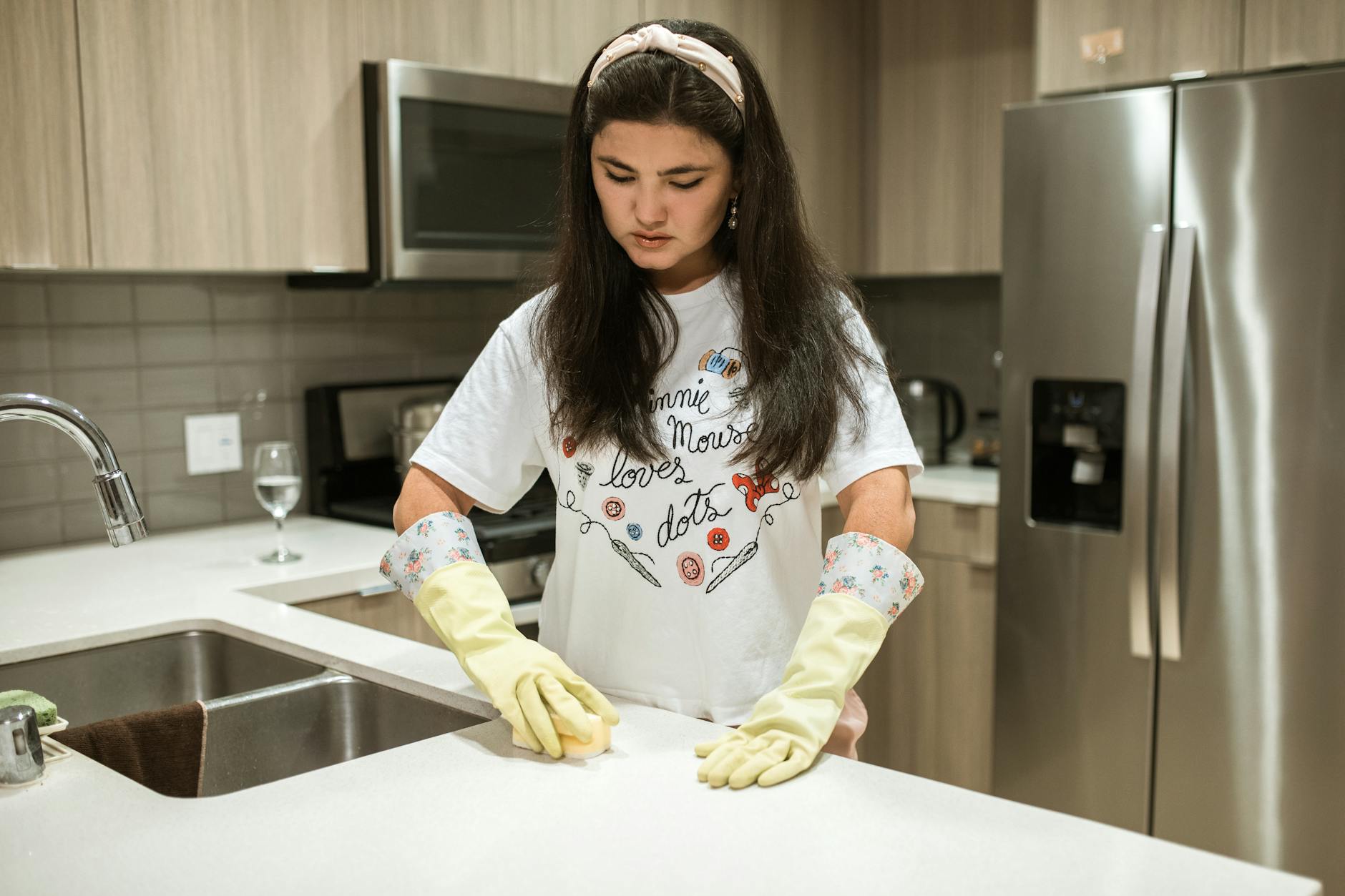
Kitchen: Sprinkle baking soda directly onto a damp sponge and scrub your sink. It handles stains and leaves the basin looking bright without any scratching. For your oven, make a paste with baking soda and water, spread it over the interior, and let it sit for several hours or overnight. Wipe it away and most of the baked-on grime comes right with it.
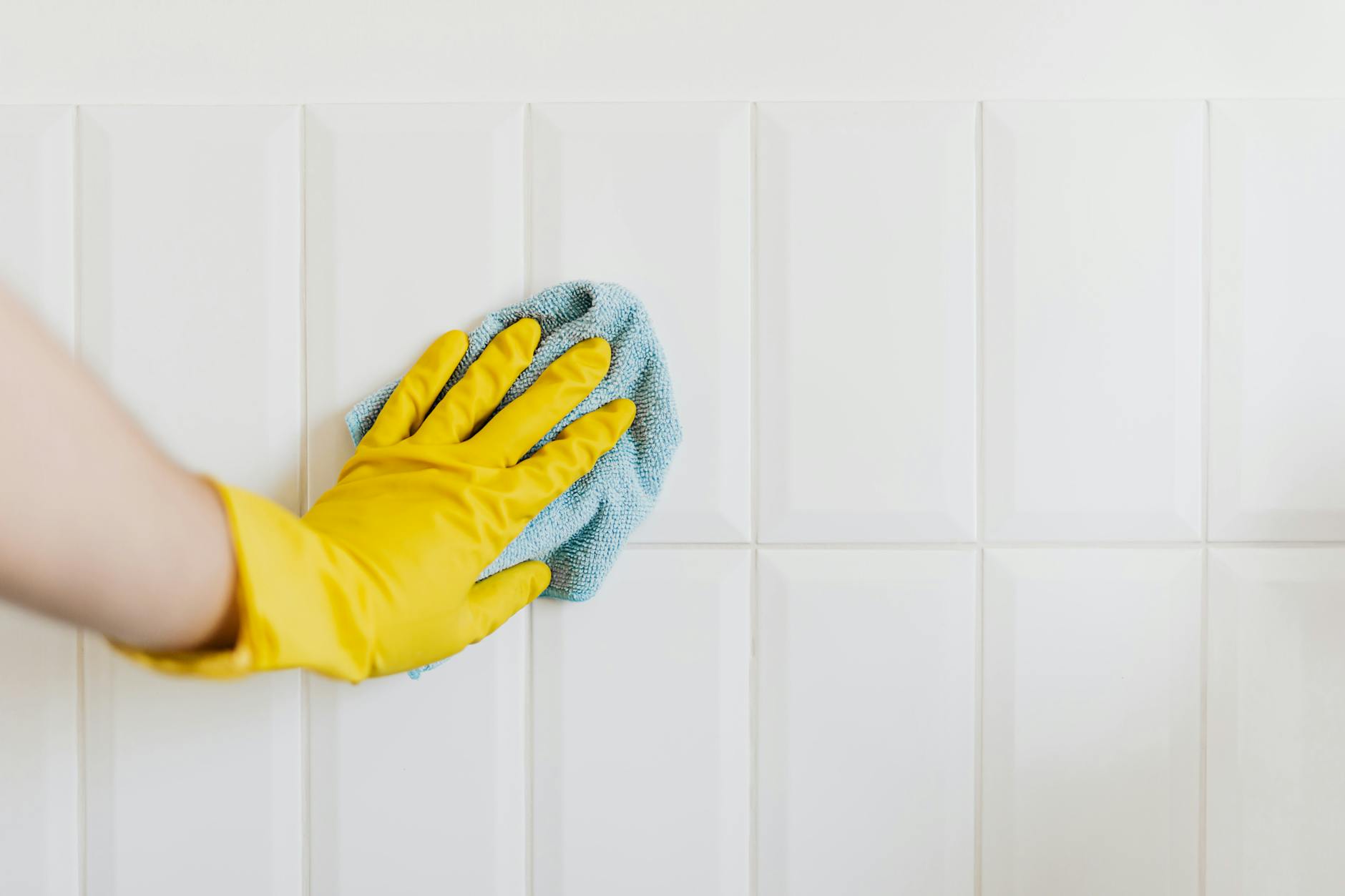
Bathroom: Use a baking soda paste on grout lines and let it sit for 10 to 15 minutes before scrubbing with an old toothbrush. The mild abrasive action gets into the texture of the grout without damaging the tile. It also works well on soap scum in the shower.
Carpets and rugs: Sprinkle baking soda generously over a carpet, let it sit for 15 to 30 minutes, and then vacuum it up. This pulls out odors that get trapped in carpet fibers, especially in high-traffic areas or homes with pets.
Laundry: Add half a cup of baking soda to your laundry along with your regular detergent. It helps brighten whites, soften fabrics slightly, and control odors in gym clothes or towels.
Garbage disposal: Pour baking soda down the drain followed by white vinegar. Let it fizz for a minute, then flush with hot water. This cleans the disposal and keeps it smelling fresh.
The CDC recommends keeping up with regular cleaning routines to reduce germs and maintain a healthier home environment. Baking soda fits right into that kind of consistent, simple approach. It won’t disinfect on its own the way a hospital-grade product would, so for situations where you genuinely need to kill bacteria or viruses, you’ll want to combine it with something like hydrogen peroxide or use a separate disinfectant step. But for the daily and weekly maintenance that keeps a home clean and fresh, baking soda covers a lot of ground.
Sometimes the best cleaning advice isn’t new at all. It’s just been sitting in your pantry waiting to be rediscovered. Give baking soda a real chance in your cleaning routine this year and you might be surprised at how much ground it covers.
Of course, if keeping up with all of it feels like too much, the most reviewed house cleaning company in Arizona is always here to help. Whether you want a one-time deep clean or regular service, Elite Maids brings the same attention to detail to every home we clean. Reach out today and let us take cleaning off your to-do list.
If you’ve been spending money on fancy cleaning sprays and still feel like your home isn’t as fresh as it should be, you’re not alone. A lot of homeowners looking for house cleaning in Mesa are rediscovering something that has been sitting in their pantry all along. Elite Maids House Cleaning has seen a real shift in what clients are asking about, and the trend points clearly to one thing: old-school, simple cleaning methods are making a serious comeback in 2026. And honestly, it makes a lot of sense.
Mesa homeowners are a practical bunch. Between the desert dust that blows in through every crack and the hard water stains that show up on everything from faucets to shower doors, people here want cleaning solutions that actually work without costing a fortune. The good news is that some of the most effective cleaning tools in existence have been around for over a century, and they’re finally getting the credit they deserve.
Why Baking Soda Is the Star of This Comeback
If there is one product making the biggest splash in 2026, it is baking soda. This humble white powder does so much more than help cookies rise. It works as a natural deodorizer for refrigerators, trash cans, laundry, upholstery, and carpets. Sprinkle it on a carpet, let it sit for fifteen minutes, then vacuum it up and the odor is noticeably reduced. It also acts as a gentle abrasive, which makes it perfect for scrubbing sinks, bathtubs, and stovetops without scratching the surface.
Pair baking soda with white vinegar and you have a combination that tackles soap scum, hard water deposits, and general grime with surprising speed. Many Mesa homeowners are using this combo on their bathroom tiles and kitchen counters instead of reaching for harsh chemical sprays. The fizzing reaction helps lift dirt from surfaces, and both ingredients rinse away cleanly.
Here are some easy ways to use these two pantry staples around your home:
Sprinkle baking soda in the toilet bowl, add a splash of white vinegar, let it fizz for ten minutes, then scrub with a toilet brush and flush.
Mix baking soda and a small amount of dish soap into a paste for scrubbing grout lines in your shower or kitchen backsplash.
Pour white vinegar into a spray bottle and use it directly on glass surfaces, then wipe with a microfiber cloth for a streak-free shine.
Place an open box of baking soda in your fridge, gym bag, or closet to absorb odors naturally over several weeks.
Use white vinegar diluted with water to clean laminate floors without leaving a residue.
Other Old-School Methods Worth Trying in Your Mesa Home
Baking soda and vinegar are not the only classics getting a second look. Hydrogen peroxide has been a staple in medicine cabinets for decades, and it turns out it is also a solid disinfectant for bathroom and kitchen surfaces. A 3% solution, which is what you find at any grocery store, can be sprayed directly onto countertops and cutting boards to kill bacteria without the chemical smell of bleach.
Another method getting renewed attention is the use of steam cleaning. Handheld steam cleaners use nothing but water to sanitize tile grout, kill dust mites in mattresses, and loosen stuck-on grease from stovetops. For Mesa families with young kids or pets, steam cleaning is a popular choice because it sanitizes without introducing any chemicals to the surfaces children and animals touch every day.
People are also going back to basics with tools. A good squeegee on shower walls after every use dramatically reduces soap scum and mold growth over time. It takes about thirty seconds and it saves a lot of scrubbing effort later. Simple habits like this are exactly what the old-school cleaning revival is all about: doing small things consistently rather than relying on a single miracle product.
The reality is that Mesa’s dry climate and hard water create specific cleaning challenges that these traditional methods handle really well. Baking soda neutralizes the mineral buildup that hard water leaves behind. Vinegar cuts through the caliche deposits that show up on showerheads and faucets. These are not new discoveries; people used them long before modern cleaning products existed, and they worked then for the same reasons they work now.
When DIY Methods Are Not Enough
These tips are great for everyday upkeep, but sometimes a home needs a deeper reset. Whether you are preparing for a special occasion, recovering from a long stretch of busy weeks, or just want to start fresh, a professional cleaning team can get into every corner in a way that is hard to match with a solo effort. Elite Maids knows every room of a Mesa home and brings the right techniques for each surface.
If you are ready to give your home the thorough clean it deserves, reach out to Elite Maids House Cleaning in Mesa and book a session today. Your home will thank you for it.