9 Ways to Remove Pet Hair from Your Home in Flagstaff
SHARE:
Removing pet hair from your home in Flagstaff does not have to be a never-ending battle. The most effective approach combines daily brushing routines, the right cleaning tools, and a few clever tricks that stop loose fur from embedding into furniture and floors. This post walks through nine proven methods for getting rid of pet hair, plus tips on laundry, your car, and keeping your home consistently fur-free. Whether you have a shedding golden retriever or a long-haired cat, these strategies work. If you want a truly fresh start, Pristine Cleaning Flagstaff can handle the heavy lifting.
1. Brush Your Pet Daily to Control Dog and Cat Hair at the Source
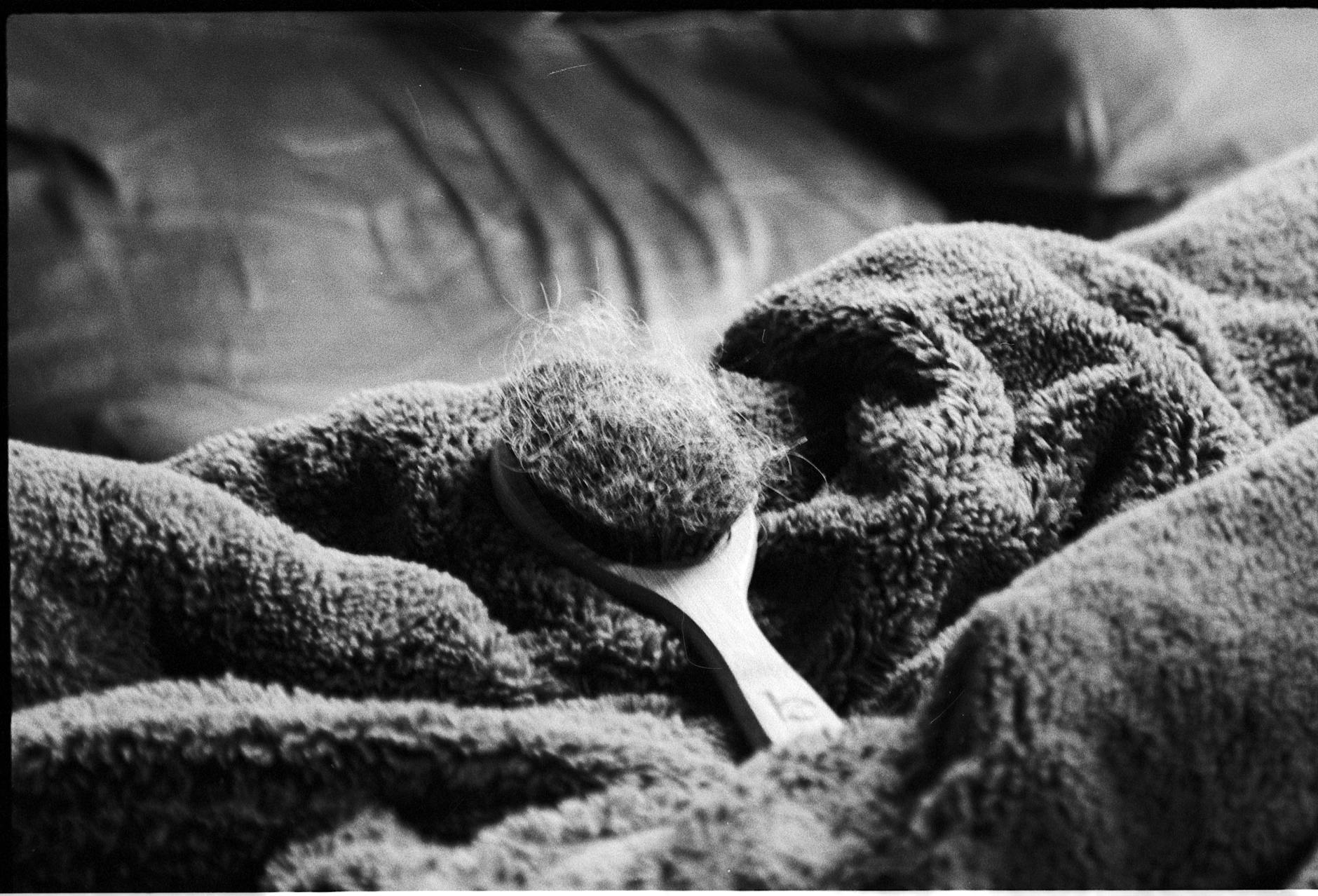
The single most powerful thing you can do to control dog hair in the house is to stop it before it ever hits your floors and furniture. When you brush your pet every day, you capture loose fur directly from the coat rather than letting it drift onto sofas, rugs, and bedding. Depending on your furry friend’s coat type, a high-quality slicker brush, deshedding tool like a FURminator, or a rubber grooming mitt can make a dramatic difference.
Daily brushing is especially important in Flagstaff, where the dry high-desert climate can cause pets to shed more frequently due to low humidity and seasonal temperature swings. Make brushing part of your morning routine, ideally outdoors, so the loose fur goes into the yard rather than your living room. Consistent grooming is the foundation of any real pet hair removal plan.
According to tips from The Spruce’s cleaning guides, frequent grooming paired with regular vacuuming is the most reliable long-term strategy for keeping a pet-friendly home clean.
2. Vacuum with a Pet-Specific Model to Remove Pet Hair from Floors and Upholstery
Not every vacuum handles pet hair equally. Standard vacuums often get clogged with fur and struggle to pull embedded hair from carpet fibers. A vacuum designed specifically for pet hair, ideally one with a motorized brush head and a HEPA filter, makes the job far more manageable. HEPA filtration is especially valuable because it traps fine pet dander particles that trigger allergies, something the American Lung Association identifies as a significant indoor air quality concern.
For upholstered furniture, use a handheld attachment or a dedicated upholstery tool to vacuum pet hair from cushions, armrests, and cushion crevices. Run the vacuum in multiple directions on carpets, because going over the same area at different angles dislodges fur that a single pass misses. Aim to vacuum high-traffic pet areas at least two to three times per week if you have a heavy shedder.
3. Use a Rubber Squeegee or Rubber Glove to Lift Pet Hair from Carpets and Rugs
Here is a trick that surprises most pet owners: a simple rubber squeegee does an exceptional job of dragging embedded pet hair out of carpet pile. Run it across the rug in short, firm strokes and watch the fur clump up into easy-to-grab rolls. The same principle applies to a damp rubber dishwashing glove, which you can wear and simply run your hand across furniture or carpet.
This method is particularly useful between vacuuming sessions when you need a quick tidy without hauling out the full machine. It also works on car upholstery, which we will cover shortly. The static charge created by rubber against fabric lifts hair that is too short or fine for a lint roller to catch. Flagstaff homes with wool rugs or thick pile carpet will see especially impressive results from this technique.
4. Stock Up on Lint Rollers and Reusable Pet Hair Removers
Lint rollers are the classic on-the-go solution for removing dog and cat fur from clothing, bedding, and lightweight throws. Keep one near every door so you can do a quick roll-down before leaving the house. For a more eco-friendly and cost-effective alternative, reusable silicone pet hair removers work on the same principle, picking up fur with each stroke and releasing it into a waste receptacle when full.
For larger fabric surfaces, a fabric brush with fine rubber bristles works faster than a lint roller and handles more area per stroke. Flagstaff residents who entertain guests frequently or work in professional settings will appreciate having a lint roller in the car and at the office desk, not just at home. Staying ahead of pet hair on clothing is part of a broader strategy for keeping your whole household fur-free.
5. Wash Pet Bedding and Soft Furnishings Regularly to Get Pet Hair Out of Laundry
One of the most common questions pet owners ask is: how do I get pet hair out of laundry? The answer starts before the washing machine. Shake out pet bedding, throws, and fabric covers outdoors first to dislodge as much loose fur as possible. Then toss them into the dryer on a low-heat, no-heat, or air-only cycle for about 10 minutes before washing. The tumbling action and lint trap will collect the majority of the fur before it ever gets wet and sticky inside the drum.
When you do run the wash, add half a cup of white vinegar to the rinse cycle. White vinegar acts as a fabric softener, relaxing fibers so pet hair releases more easily rather than clinging during the spin cycle. After the wash, clean the lint trap thoroughly and consider running an empty rinse cycle to flush any remaining fur from the machine drum. Consumer Reports recommends cleaning your washing machine drum regularly if you wash pet bedding frequently, to prevent odor and buildup.
For your standard clothing load that picked up fur during the week, toss a few wool dryer balls into the dryer alongside the load. The balls create agitation that loosens pet hair and drives it into the lint trap rather than back onto your clothes.
6. Use Air Purifiers to Pull Pet Hair and Dander Out of the Air
Pet hair does not just settle on surfaces. Fine strands and dander float in the air for hours, recirculating through your HVAC system and resettling on furniture you just cleaned. A high-quality air purifier with a true HEPA filter will pull pet hair particles, dander, and allergens out of the air continuously. The EPA’s guidance on indoor air quality confirms that airborne pet allergens are among the most persistent indoor pollutants in homes with animals.
Place an air purifier in the rooms where your pets spend the most time, typically the living room and bedroom. Run it on a medium or high setting during and after grooming sessions, and keep your HVAC filters changed on a regular schedule. In Flagstaff, where homes are sealed tightly against cold mountain winters, indoor air quality matters even more because there is less natural ventilation to flush airborne particles outside.
This approach is one that many pet owners overlook, but pairing surface cleaning with air filtration gives you a genuinely comprehensive strategy for getting pet hair and dander under control throughout the entire home.
7. Tackle Furniture with Microfiber Cloths and Fabric Softener Spray
Microfiber cloths work on a different principle than lint rollers. The tiny fibers create a static charge that attracts and traps pet hair rather than just pushing it around. Lightly dampen a microfiber cloth and wipe it across leather, vinyl, wood, or hard-surface upholstery to collect fur quickly and efficiently.
For fabric sofas and chairs, mix a small amount of liquid fabric softener with water in a spray bottle. Lightly mist the surface, wait 30 seconds, then wipe with a dry rubber glove or a microfiber cloth. The fabric softener relaxes the weave of the fabric, causing pet hair to release rather than grip. This is one of the fastest ways to refresh a sofa between deep cleaning sessions. If pet hair has really built up over time, a professional deep cleaning service can reset the whole home and give you a clean baseline to maintain.
8. How to Remove Dog Hair from a Car
Removing dog hair from a car is one of the trickiest pet hair challenges because car upholstery and carpet are often tightly woven and at an awkward angle for standard tools. Start with the rubber squeegee trick mentioned earlier: run a window squeegee across seats and floor mats in short, firm strokes to pull up embedded fur. Follow up with a vacuum using a brush attachment to collect what the squeegee loosened.
A damp rubber glove is equally effective in tight spots like between seats and around the console. Pumice stones, sold at many auto supply retailers, also work surprisingly well for dragging dog hair out of woven car carpet when used with gentle pressure. Avoid wire brushes, which can snag and damage car upholstery fibers.
For Flagstaff pet owners who take their dogs hiking on trails around the San Francisco Peaks, car fur buildup happens fast. Keeping a lint roller in the glove box and doing a quick rubber-glove pass after every trip will prevent the fur from embedding deeply over time. Some pet owners also invest in waterproof seat covers, which are far easier to shake out and wash than the original upholstery.
9. Schedule Professional House Cleaning to Keep Pet Hair Under Control Long-Term
Even the most diligent pet owner reaches a point where DIY cleaning is not keeping up with the fur. That is where a recurring professional house cleaning makes a real difference. A trained cleaning team goes beyond surface-level tidying, reaching under furniture, along baseboards, and into corners where pet hair accumulates invisibly until it becomes a serious problem.
For Flagstaff pet owners who want a thorough reset, a deep clean is the ideal starting point. It covers every area of the home comprehensively, including vacuuming all upholstered surfaces, wiping down walls and baseboards where fur clings, and cleaning HVAC vents that circulate dander through the house. After the initial deep clean, a biweekly or monthly maid service keeps the home in great shape without requiring you to spend your weekends cleaning. You can check Cleaning in Flagstaff prices to get a sense of what recurring service looks like for your home size.
If you are getting ready to move, a professional holiday cleaning or move-out service tackles the full property, including embedded pet hair in carpet and on walls, so you leave the space spotless for the next residents.
Elite Maids House Cleaning serves Flagstaff with background-checked, five-star rated cleaners who are bonded, fully insured, and backed by a reclean-at-no-cost satisfaction guarantee. You can book now online for instant quotes and same-day availability between 8am and 6pm, no phone call required.
How to Keep Pet Hair Out of the House Over Time
Keeping up with pet hair is an ongoing process, not a one-time fix. These daily and weekly habits will dramatically reduce how much fur accumulates between cleaning sessions:
Brush your pet outdoors every day, especially during seasonal shedding peaks in spring and fall.
Vacuum high-traffic pet areas at least twice a week using a pet-specific vacuum with a HEPA filter.
Wash pet bedding and throws every one to two weeks, using the dryer-first, white-vinegar-in-rinse method.
Keep a rubber squeegee near the sofa for quick between-vacuum touch-ups.
Change HVAC filters every 30 to 60 days instead of the standard 90 days when you have pets.
Run an air purifier in main living spaces continuously.
Use washable slipcovers on sofas and chairs so you have an easy-to-clean barrier between your pet and the upholstery.
Lay down washable entry mats at all doors to catch fur before it spreads through the home.
Consistent habits are what separate homes that feel clean despite having pets from homes that feel perpetually overwhelmed by fur. Start with two or three of these steps and build from there. According to guidance from Good Housekeeping, building cleaning tasks into a daily routine rather than saving them for a weekly blitz is the most sustainable way to maintain a tidy, pet-friendly home.
Ready to Take Pet Hair Removal Off Your Plate in Flagstaff?
You now have nine solid strategies for removing pet hair from every surface in your home, plus tips for your car, your laundry, and your long-term maintenance routine. If you are ready to stop fighting fur and start enjoying your home again, let the professionals handle it. cleaning Flagstaff prices are available right now with instant online quotes. Reach out and contact Elite Maids house cleaning today for a free quote and discover how good your home can feel when pet hair is no longer winning the battle.
Frequently Asked Questions
What is the best way to get rid of pet hair in the house?
The most effective approach combines daily brushing to stop hair at the source, regular vacuuming with a pet-specific HEPA vacuum, and rubber-glove or squeegee passes on upholstered furniture between vacuuming sessions. Pairing these habits with an air purifier that filters airborne dander gives you comprehensive coverage. For a thorough reset, a professional deep clean handles the embedded fur that routine cleaning misses.
What naturally dissolves pet hair?
Nothing fully dissolves pet hair, but white vinegar comes close to relaxing fabric fibers so hair releases rather than clings. Add half a cup to the rinse cycle when washing pet bedding and fabric items. Lightly misting fabric furniture with a diluted fabric softener and water mixture has the same loosening effect, making it much easier to wipe or vacuum pet hair away cleanly.
What pulls pet hair out of the air?
A true HEPA air purifier is the most reliable way to capture airborne pet hair and dander. HEPA filters trap particles as small as 0.3 microns, which covers pet dander and fine fur strands that float for hours after grooming or activity. Changing your HVAC filters every 30 to 60 days also reduces how much fur recirculates through your home’s air system.
Does white vinegar get rid of pet hair?
White vinegar does not remove pet hair on its own, but it significantly helps with laundry. When added to the rinse cycle, it acts as a natural fabric softener that relaxes the fibers in bedding and clothing, allowing pet hair to release and collect in the lint trap rather than sticking to the fabric. It also neutralizes pet odors in the wash, making it a two-in-one solution for pet owners.
How to Get Rid of Pet Hair in San Tan Valley: 4 Tips for Cleaning Up Dog and Cat Hair
SHARE:
Getting rid of pet hair at home starts with a few targeted tools and habits: a damp sponge for furniture, a FurLifter or rubber brush for upholstery, a microfiber mop for hard floors, and a quality vacuum with a pet-hair attachment for carpets. These four methods tackle pet hair on every surface in your home. The tips below break down exactly how to use each one and when to call in professional backup so your cleaning san tan valley cost is always money well spent.
If you share your home in San Tan Valley with a dog, a cat, or both, you already know the struggle. Hair ends up on the sofa, on your work clothes, in the washing machine, and somehow in the refrigerator. Pet owners here deal with a dry, high-heat Arizona climate that keeps fur static-charged and clinging to every surface. The good news: with the right approach you can reduce pet hair to a manageable level and keep your home looking clean between professional visits. Elite Maids House Cleaning put together this guide specifically for San Tan Valley pet owners who are sick of dog hair everywhere and ready for a real solution.
1. Get Rid of Pet Hair on Furniture With a Damp Sponge
One of the simplest and cheapest ways to remove pet hair from upholstered furniture is a damp sponge. Wet a standard kitchen sponge, wring it out so it is barely moist, then run it across your couch cushions, armchairs, and ottomans in firm, overlapping strokes. The moisture creates just enough tack to pull loose fur into clumps you can pick up by hand or vacuum away. This trick works on microfiber, cotton canvas, and most woven fabrics.
The science is straightforward: pet hair clings to fabric because of static electricity. A slightly damp surface neutralizes that charge, so the hair releases instead of clinging deeper into the weave. Good Housekeeping regularly recommends this approach as a go-to home remedy for removing dog hair from clothes and upholstery without spending money on specialty products. For pet hair on clothes specifically, run a damp rubber glove over the fabric before tossing items in the wash. It pulls hair off in seconds and keeps your washing machine from clogging with fur.
San Tan Valley pet owners dealing with cat hair on clothes before work will find this method particularly useful: keep a small damp sponge on the bathroom counter and do a quick swipe before heading out the door. It takes ten seconds and saves your lint roller budget.
2. Pick Up Pet Hair With a FurLifter or Rubber Brush
A FurLifter is a reusable pet hair removal tool with a self-cleaning base. Unlike disposable lint rollers, it uses a fine electrostatic rubber surface that attracts and collects fur in one direction, then deposits it into the base when you retract it. No sticky sheets to run out of, no waste, and it works on both pet hair on furniture and pet hair on clothes.
Rubber brushes follow the same principle: rubber creates friction against fabric, which bunches fur into rolls you can lift away. Run the brush in short, firm strokes across your couch, car seats, or throw rugs. This is one of the most effective ways to deal with cat hair on clothes and dog hair on any woven surface. According to Consumer Reports, rubber-tipped pet hair removal tools consistently outperform tape-based rollers on upholstery and carpeted stairs.
Keep one of these tools near your front door in San Tan Valley homes where pets have free run of the furniture. A 30-second brush-down before guests arrive keeps embarrassment at bay and reduces the amount of pet hair that migrates into the rest of your home.
3. Use a Microfiber Mop for Pet Hair on Hardwood Floors
Pet hair on hardwood or tile floors is a different challenge than fur on fabric. Brooms tend to scatter light hair rather than capturing it, and standard dust mops miss the fine undercoat that builds up along baseboards. A microfiber mop is the right tool here. The split fibers create millions of tiny hooks that grab and hold pet hair, dander, and the fine desert dust that blows through San Tan Valley homes.
Dry microfiber mopping should happen daily if you have a heavy shedder. Work in an S-pattern across the floor so you are always pushing hair toward a single collection point rather than pushing it into the next room. Once the pad is full, shake it into a trash bag outside rather than inside, otherwise the fur just becomes airborne again. Wash microfiber pads regularly because packed-in pet hair reduces their effectiveness fast.
For a deeper clean of your hard floors, pair the dry mop pass with a slightly damp microfiber pass using a pet-safe cleaning solution. This picks up dander, which is a significant indoor air quality concern according to the American Lung Association. Pet dander is a known asthma and allergy trigger, so managing it consistently is about more than appearances. If you want a thorough, professionally handled result, a deep cleaning from a trained crew covers baseboards, floor vents, and under furniture where dander accumulates most.
4. Vacuum Smarter to Remove Dog and Cat Hair From Carpet
Vacuuming is the backbone of any pet hair removal strategy, but not all vacuuming is equal. Standard vacuums often push fine pet hair deeper into carpet fibers rather than extracting it. To actually remove dog and cat hair from carpet, you need a vacuum with strong suction, a motorized brush roll, and ideally a HEPA filter to trap fine dander particles instead of recirculating them through the air.
Vacuum carpets and rugs in two directions: first with the grain, then against it. Going against the pile loosens embedded fur that a single-direction pass misses. Pay extra attention to the edges of rooms and under furniture, where pet hair collects undisturbed. Vacuum upholstered furniture attachments are also worth using on sofas and pet beds weekly.
For the washing machine problem many San Tan Valley pet owners face: before washing pet-hair-covered laundry, run items through a 10-minute dryer cycle on low heat with a dryer sheet. The heat loosens the hair and the dryer sheet reduces static. The fur ends up in the lint trap rather than clogging your machine. Clean that lint trap after every pet-laundry cycle. The Real Simple cleaning team recommends this dryer-first method as one of the most reliable home remedies for removing dog hair from clothes before washing.
If your vacuum schedule has slipped or the carpets feel overdue, a deep cleaning service that includes carpet vacuuming, baseboard wiping, and vent cleaning can reset your whole home.
5. Control Pet Hair in the House With Grooming and Diet
The single most effective way to control dog hair in the house is to reduce how much hair your pet sheds. Regular grooming, ideally outside, dramatically cuts the volume of fur that ends up indoors. For dogs, brush at least three times a week and consider a professional groom every four to six weeks during heavy shedding seasons. For cats, a de-shedding brush used twice a week can reduce loose hair by more than half.
Diet also plays a bigger role than most pet owners realize. Pets deficient in omega-3 fatty acids tend to shed more and have drier coats that produce more airborne dander. Talk to your vet about a diet or supplement change if shedding seems excessive. This is not just about how to reduce cat hair in the home aesthetically; managing dander means better indoor air quality for the whole household.
In San Tan Valley, where summers push temperatures past 110 degrees, pets shed more aggressively as they regulate their body temperature. Build your grooming routine around the seasonal calendar, ramping it up in spring and early summer before peak shedding hits. Pair consistent grooming with a recurring maid service so the fur that does get indoors is addressed on a regular schedule before it builds up.
6. Hair-Proof Your Home With Smart Furniture and Layout Choices
Some furniture fabrics are magnets for pet hair. Velvet, chenille, and rough-textured weaves trap hair deeply and are very difficult to clean. If you are shopping for new furniture in your San Tan Valley home and you have pets, choose leather, faux leather, microfiber, or tightly woven synthetic fabrics. These surfaces hold hair on top rather than embedding it, so wiping or vacuuming picks it up easily.
Throw covers and washable slipcovers on the cushions your pet uses most. Wash them weekly on hot with a cup of white vinegar in the rinse cycle: the vinegar loosens hair and acts as a natural fabric softener, reducing static cling that attracts more fur. The Spruce notes that vinegar is one of the most underrated home tools for reducing pet hair adhesion on washable fabrics.
Area rugs in high-traffic pet zones should have low pile so they are easier to vacuum and shake out. Avoid shag or high-loop rugs entirely if you want to keep pet hair manageable. For natural cleaning solutions that are safe for homes with pets and kids, check out our post on eco-friendly home cleaning products that work without harsh chemicals.
7. Pull Pet Hair Out of the Air With the Right Filters
Pet dander and fine hair particles stay suspended in the air far longer than visible fur that settles on surfaces. The EPA’s indoor air quality guidelines identify pet dander as one of the primary biological pollutants affecting home air quality. If you are sneezing, dealing with itchy eyes, or noticing a musty smell in a pet-heavy room, airborne dander is likely a factor.
The most practical fix is to upgrade your HVAC filter to a MERV 11 or MERV 13 rating, which captures particles as small as dander and fine pet hair. Change filters every 30 to 45 days if you have multiple pets, rather than the standard 90-day recommendation for pet-free homes. Add a standalone HEPA air purifier in the rooms where your pets spend the most time.
Also vacuum your air vents and return registers regularly. Pet hair accumulates on vent covers and gets pulled into the ductwork, then redistributes throughout your home every time the HVAC cycles. A thorough cleaning of vents is part of every deep clean in San Tan Valley that Elite Maids House Cleaning provides. Considering how often the AC runs here, clean vents make a real difference in both air quality and how quickly pet hair reaccumulates on freshly cleaned surfaces.
8. Establish a Weekly Cleaning Routine to Stay Ahead of Pet Hair
The biggest mistake pet owners make is cleaning reactively, waiting until pet hair is visibly out of control before doing anything about it. By that point, fur is embedded in carpet, packed into corners, and clinging to every upholstered surface. A consistent weekly cleaning routine keeps hair from ever reaching that stage.
Here is a simple weekly framework for San Tan Valley households with pets:
Daily: Dry microfiber mop of all hard floors and a quick sponge or FurLifter pass over the sofa.
Twice a week: Brush your pet outside, wash any pet throws or covers.
Weekly: Vacuum all carpets in two directions, wipe down baseboards, clean vent covers, and wash pet bedding on hot.
Monthly: Wash curtains and area rugs, clean under furniture, and replace HVAC filters.
If keeping up with this schedule is a challenge alongside work and family, a professional house cleaning on a recurring schedule means the deep work is always handled. For help figuring out whether weekly, biweekly, or monthly visits make the most sense for your household, our guide on choosing the right cleaning schedule walks through the factors that matter most.
9. Know When to Call a Professional Cleaner for Pet Hair Buildup
There is a point where DIY pet hair removal hits its limit. When fur is ground into carpet backing, when dander has built up inside furniture cushion seams, when baseboards are caked in hair and dust, and when the whole home just has that unmistakable pet smell, it is time for a professional reset.
A professional deep cleaning service goes well beyond what a homeowner can do with consumer tools. Trained cleaners work systematically through every room, reaching under and behind furniture, scrubbing baseboards, cleaning vent covers, and sanitizing surfaces where dander and hair accumulate. For pet owners in San Tan Valley, booking a periodic deep clean, even once a quarter, dramatically reduces the baseline level of pet hair and dander that your regular routine has to manage. For a full room-by-room checklist of what a deep clean covers, our whole-house deep cleaning checklist is a helpful reference.
If you are preparing to move out of a pet-friendly rental in San Tan Valley, a move-out cleaning that specifically addresses pet hair and odor on carpets, walls, and floors can be the difference between getting your deposit back and losing it. Elite Maids House Cleaning handles exactly these situations for San Tan Valley renters and homeowners every week.
You can book your cleaning online in minutes with an instant quote and same-day availability from 8am to 6pm. No phone call required.
Closing: Get a Clean, Pet-Hair-Free Home in San Tan Valley
Managing pet hair in a San Tan Valley home is absolutely doable with the right tools, a consistent routine, and professional help when things pile up. The tips above cover every surface and every scenario, from quick daily maintenance to a full seasonal reset. cleaning services san tan valley are closer than you think, and the results speak for themselves. Every cleaner at Elite Maids House Cleaning is background-checked, five-star rated, bonded, and fully insured, and every visit is backed by a reclean-at-no-cost satisfaction guarantee.
Ready to stop fighting pet hair on your own? Reach out to our team through house cleaners San Tan Valley and contact Elite Maids House Cleaning today for a free quote. You deserve a clean home, and your pets do too.
Frequently Asked Questions
What do detailers use to remove pet hair?
Auto detailers most commonly use rubber drag brushes, pumice stones, and compressed air to lift embedded pet hair from car upholstery and carpet. A rubber brush creates static friction that clumps the hair for easy removal. Some detailers also use a spray bottle of water to dampen fabric before brushing, which reduces static and makes the hair release more easily from tightly woven fibers.
Does vinegar get rid of pet hair?
Vinegar does not remove pet hair on its own, but it helps significantly in the laundry. Adding half a cup of white vinegar to the rinse cycle reduces static cling in fabrics, which causes pet hair to release rather than stick. It also acts as a natural fabric softener. For surfaces, a diluted vinegar spray can reduce static on upholstery so follow-up wiping or vacuuming picks up more hair in a single pass.
How to get pet hair off everything?
The most effective multi-surface approach combines a few tools: a damp rubber glove or sponge for upholstery and clothes, a microfiber mop for hard floors, a HEPA vacuum with a motorized brush roll for carpet, and a FurLifter or rubber brush for quick touch-ups throughout the day. For clothes before washing, run them through a 10-minute dryer cycle on low first to loosen embedded hair, then wash normally.
What pulls pet hair out of the air?
HEPA air purifiers are the most effective devices for capturing airborne pet dander and fine hair particles. A true HEPA filter traps particles down to 0.3 microns, which covers dander and the finest fur fibers. Upgrading your HVAC filter to a MERV 11 or MERV 13 rating also captures airborne pet particles every time your system cycles. Changing filters every 30 to 45 days in a multi-pet home keeps this protection working consistently.
Pet Hair Removal Tips for Glendale Homes: Keep Your Space Clean Year-Round
SHARE:
The most effective pet hair removal tips for Glendale homes combine daily maintenance habits with the right tools. Using a rubber-bristle brush or lint roller on furniture, washing bedding weekly, and vacuuming with a HEPA filter vacuum will remove the bulk of loose fur before it embeds into fabrics. This post walks through every practical method, room by room, so your home stays clean even with the furriest family members.
If you live in Glendale, you already know that Arizona’s dry climate and warm weather keep pets active indoors most of the year. That constant activity means pet hair lands on every surface in your home, from the couch to the kitchen floor. According to the American Lung Association’s guidance on indoor air quality, pet dander and hair are among the most common triggers for respiratory irritation indoors, making regular removal more than just a cosmetic concern. Whether you have one golden retriever or three cats, the tips below will help you stay ahead of the shedding. And if the fur has gotten truly out of hand, Elite Maids House Cleaning is ready to help you reset your home completely.
Consistent daily habits are the single biggest factor in keeping pet hair under control. Waiting until fur accumulates into visible tumbleweeds means you are fighting a much bigger battle every time you clean. A short routine each day prevents that buildup entirely.
A lint roller is one of the fastest tools for quick pet hair pickup on upholstered chairs, throw pillows, and clothing. Keep one in the living room and one near the door so you can do a fast pass before guests arrive or before heading out. Many Glendale pet owners also swear by the ChomChom roller, a reusable lint brush that works on furniture and does not require replacement sheets. Rolling it back and forth across cushions picks up hair without static cling leaving stray fibers behind.
Rubber gloves are another underrated tool for daily fur removal. Put on a damp rubber glove and run your hand across the couch or carpet. The texture grabs hair and rolls it into clumps you can simply pick up and toss. This technique is especially effective on microfiber sofas where fur tends to weave into the fabric. According to Good Housekeeping’s cleaning guides, this rubber-friction method works on car upholstery too, which is a big bonus for anyone who drives their dog to the park regularly.
Building these micro-habits into your morning or evening takes under five minutes and saves hours of scrubbing on the weekend.
How to Remove Pet Hair from Furniture in Glendale Homes
Furniture is where pet hair embeds the deepest, especially on sofas and armchairs with textured fabrics. Removing pet hair from furniture requires a slightly different approach than floor cleaning, because fur works its way into the weave and resists simple vacuuming.
Start with a dry sponge or a slightly damp sponge and drag it firmly across cushions in one direction. This pulls embedded hair to the surface where you can collect it. The FurLifter, a paddle-style brush with a self-cleaning base, is another popular tool for sofa fur removal. The stiff, angled bristles grab short pet hairs that a vacuum nozzle often misses. Running the FurLifter across couch cushions before vacuuming gives you a much cleaner result.
If you want to go deeper, a deep cleaning session on your upholstery a few times a year will remove the layers of fur, dander, and oils that have worked their way into cushion crevices. A professional deep clean also covers baseboards, ceiling fans, and the dust that settles on surfaces around furniture, which is where airborne pet hair eventually lands. The EPA’s resources on indoor air quality note that pet allergens can remain suspended in the air and settle onto surfaces for weeks, making periodic thorough cleaning essential rather than optional.
For residential cleaning that covers every surface, not just the visible ones, a scheduled professional visit is the most reliable solution.
Vacuuming Strategies for Pet Hair on Carpets and Floors
Vacuuming is the backbone of any pet hair removal routine, but technique and equipment both matter. Not all vacuums handle pet hair equally, and the wrong settings can actually push fur deeper into carpet fibers rather than lifting it out.
Look for a vacuum with a motorized brush roll and a HEPA filter. The motorized brush agitates carpet fibers to loosen embedded hair, while the HEPA filter traps the fine dander particles that a standard filter would recirculate into the air. Consumer Reports’ testing on laundry and cleaning appliances consistently shows that pet-specific vacuums outperform standard models when removing hair from both carpet and hard floors.
On hard floors like tile or wood, use the bare-floor setting or remove the brush roll entirely. The spinning brush on carpet mode can scatter hair across hard surfaces rather than suction it up. A rubber-bristle floor attachment is ideal for hard floors because it creates static friction that pulls fur together into rows you can vacuum easily.
Vacuum in overlapping passes, going in two directions over high-traffic areas. For homes with multiple pets, vacuuming every day or every other day is realistic and worth it. Those in Glendale with outdoor pets track in additional dust and allergens from the Arizona desert, which mixes with pet hair and makes the air quality issue more significant. For insights on managing this combined challenge, pet hair removal in Queen Creek covers gadget testing that applies equally to homes across the Valley.
Also consider adding a seasonal deep cleaning routine to your calendar. Twice a year, pull furniture away from walls and vacuum behind and beneath it. Hair accumulates in those hidden zones and contributes to household dust levels throughout the year.
Washing Bedding and Laundry to Eliminate Pet Hair
Pet hair on bedding is one of the most common complaints from pet owners who share their sleeping space with dogs or cats. Washing sheets and bedding at least once a week is the standard recommendation, and some owners opt for twice weekly if their pet spends significant time on the bed.
Before tossing bedding into the washer, run it through the dryer on a no-heat or low-heat cycle for ten minutes first. The tumbling action loosens embedded fur and the dryer’s lint trap collects it. This pre-dryer step dramatically reduces the amount of hair that clogs your washing machine’s filter. After the dryer pre-cycle, wash as normal and then dry again on a regular heat setting.
Covering your bed with a dedicated pet blanket is a practical middle-ground approach. Let your dog or cat claim the blanket and wash it separately from your actual bedding. This keeps the main sheets much cleaner and means you only need to launder the pet blanket frequently. Place the pet blanket on the foot of the bed or across the area your animal prefers and swap it out every few days.
For clothing, a lint roller before leaving the house is essential. Keeping a roller in your car is also smart for Glendale residents who bring pets along on errands. For stubborn fur on wool or knit fabrics, the rubber-glove technique or a damp sponge works well before washing. Real Simple’s cleaning tips suggest adding a half-cup of white vinegar to the rinse cycle, which helps relax fabric fibers and release trapped pet hair during washing.
If you are looking for house cleaning services that include changing and washing bedding as part of a recurring visit, a scheduled maid service can take that task completely off your plate.
Managing Pet Hair in the Kitchen and High-Traffic Areas
Kitchens and high-traffic hallways collect pet hair differently than carpeted rooms. Hair rolls across hard floors and accumulates in corners, under cabinets, and along baseboards. A good microfiber dust mop captures fur on kitchen floors far better than a traditional broom, which tends to scatter hair into the air rather than collect it.
Damp mopping after dry-mopping locks down any remaining fine hair and prevents it from becoming airborne again. In Glendale’s dry climate, static electricity builds up quickly on smooth floors, which actually helps hair cling to microfiber mop pads rather than fly away. Use electrostatic dry wipes for a quick daily pass between deeper mop sessions.
Cabinet fronts, chair legs, and the sides of appliances are surfaces people forget to wipe during regular cleaning but attract hair through static. A damp microfiber cloth wiped across these surfaces weekly keeps them clean and reduces the total fur load in the room. If you are searching for Cleaning services Peoria, AZ or anywhere across the Valley, look for a provider that includes detailed surface wiping as part of their standard visit scope.
For pet owners preparing for guests or a special event, a holiday cleaning service covers all the zones that standard weekly cleaning might skip, including behind the refrigerator, under the stove, and along the tops of cabinets where pet hair drifts and settles over time.
Air Quality and Pet Hair: Reducing Airborne Dander in Glendale Homes
Pet hair and dander removal is not just about surfaces. A meaningful portion of pet allergens stays airborne for hours after a pet shakes, runs, or scratches. Addressing indoor air quality alongside surface cleaning gives you a more complete solution, especially in Glendale where homes are often sealed against the summer heat.
Upgrading to a high-efficiency air filter in your HVAC system is one of the highest-impact steps you can take. Filters rated MERV 11 or higher capture pet dander, pollen, and fine hair particles that a standard MERV 4 or 8 filter allows to pass through. Replace these filters every 30 to 60 days in a pet household rather than the standard 90-day schedule. The EPA’s resources on indoor air pollutants highlight that particles from pets can interact with other indoor pollutants, compounding air quality issues over time.
Adding a standalone air purifier with a true HEPA filter to your main living area provides a second layer of filtration. Run it continuously in rooms where your pet spends the most time. Grooming your pet outdoors several times a week also dramatically reduces the amount of loose hair shed inside the home. More hair captured outdoors during brushing means less hair landing on your couch, carpet, and kitchen floor.
For residents who want to go further, removing pet hair from clothes and food covers some of the finer points of managing fur throughout every part of daily life, and many of those strategies apply directly to Glendale homes as well.
Combining air filtration improvements with regular recurring maid service visits creates the cleanest possible baseline. Scheduled weekly or biweekly cleaning keeps fur, dander, and dust from accumulating between visits, which means your air purifier and HVAC filter are never working overtime trying to catch up.
For a broader look at cleaning in Glendale that still delivers thorough results, it is worth exploring what a professional cleaning team can accomplish in a single visit when armed with the right tools and a detailed checklist.
When to Call a Professional Cleaning Service for Pet Hair in Glendale
DIY pet hair removal works well as a maintenance strategy, but there are situations where calling a professional makes more sense. If your home has gone several weeks without a thorough cleaning, if you are moving out of a rental and need the space spotless, or if you are hosting a large gathering and want every surface professionally cleaned, a trained team with commercial-grade equipment will get results that no lint roller or home vacuum can match.
Professional house cleaning in Glendale includes tools and techniques that go beyond what most homeowners have available. Backpack vacuums with HEPA filtration, detail attachments for upholstery and crevices, and microfiber cloths designed for high-static environments all make a measurable difference. A professional team also covers the zones that are easy to forget, such as baseboards, ceiling fan blades, window sills, and the undersides of furniture where pet hair collects heavily over time.
If you are preparing for a new tenant to move in, or if you are settling into a new place and want it cleaned before your pets arrive, a thorough one-time deep clean is the right starting point. Find Trusted House Cleaning Services in Glendale, CA to compare what a professional visit scope covers versus a standard self-cleaning session.
Glendale pet owners who schedule recurring professional cleaning consistently report that DIY maintenance becomes far easier between visits. When a professional team resets the baseline every week or two, the daily lint roller and vacuum routine stays manageable rather than overwhelming.
Ready to stop fighting pet hair on your own? Whether you need a one-time deep reset or a recurring cleaning schedule that keeps up with even the heaviest shedders, reach out and contact Elite Maids House Cleaning today for a free quote. We serve Glendale and communities throughout Arizona’s Valley, and every visit is backed by our satisfaction guarantee. If the clean does not meet your standards, we come back at no cost. You can also explore cleaning services Glendale to see how our pricing compares, then book online in minutes with an instant quote and same-day availability.
Frequently Asked Questions
What is the fastest way to remove pet hair from a couch?
The fastest method is to put on a slightly damp rubber glove and rub it across the cushions in a firm, sweeping motion. The rubber creates friction that rolls fur into clumps you can pick up by hand. A FurLifter paddle brush or a dry sponge also works quickly before vacuuming. For deeply embedded hair, vacuum with a motorized upholstery attachment after using the glove or brush.
How often should I vacuum my home if I have pets?
Most pet owners in Glendale benefit from vacuuming at least every other day in high-traffic areas and once a week in lower-use rooms. Homes with multiple pets or heavy shedders may need daily vacuuming to prevent buildup. Using a HEPA filter vacuum keeps dander from recirculating into the air during the process, which is especially important in sealed, air-conditioned homes.
Does washing pet bedding help with house-wide pet hair levels?
Yes, significantly. Pet bedding, dedicated blankets, and your own sheets are reservoirs of accumulated hair and dander. Washing them weekly reduces the total load of allergens circulating through your home. Run the bedding through a no-heat dryer cycle for ten minutes before washing to loosen embedded fur and protect your washing machine’s filter from clogging.
Can a professional cleaning service handle homes with heavy pet shedding?
Absolutely. Professional cleaning teams use commercial-grade HEPA vacuums, motorized upholstery tools, and microfiber equipment designed to capture fine pet hair and dander from every surface. A professional deep clean covers baseboards, under furniture, ceiling fans, and upholstery crevices that standard home vacuuming misses. Scheduling recurring visits keeps the buildup from returning between sessions.
What air filter should I use in my Glendale home if I have pets?
Use an HVAC filter rated MERV 11 or higher, which captures pet dander and fine hair particles that standard filters miss. Replace it every 30 to 60 days rather than the usual 90-day schedule. Pairing an upgraded HVAC filter with a standalone HEPA air purifier in your main living area gives you the most complete protection against airborne pet allergens year-round.
If you share your home with a dog or cat, you already know the struggle. Pet hair finds its way onto furniture, into carpet fibers, across hardwood floors, and somehow even into the refrigerator. Getting rid of pet hair is not just about keeping things tidy. It also matters for air quality and the health of everyone in the household, including guests with allergies. Our team at Elite Maids has tackled some seriously furry homes across Arizona, and these are the methods that actually work. Whether you are dealing with a golden retriever that sheds like it is a full-time job or a cat that leaves a trail on every dark couch cushion, this guide covers how to get rid of pet hair in every corner of your home.
How to Get Rid of Pet Hair on Furniture and Upholstery
Furniture is where pet hair tends to pile up the fastest, especially on sofas, armchairs, and cushions with textured fabric. Getting pet hair off upholstery requires a slightly different approach than vacuuming a floor, because the hair weaves itself into the fabric and clings tight.
Here are the most effective methods for removing pet hair from furniture:
Rubber gloves: Put on a damp rubber glove and run your hand across cushions. The friction pulls pet hair into clumps you can grab and toss. This trick works surprisingly well on pet hair stuck in upholstery grooves.
Lint rollers: Keep one near every seating area. A good lint roller makes quick work of surface-level pet hair on fabric furniture before guests arrive.
Vacuum with an upholstery attachment: Use the narrow brush attachment and work in short, overlapping strokes. Go over each section twice to lift embedded pet hair from couch fabric.
Fabric softener spray: Mix a small amount of liquid fabric softener with water in a spray bottle. Lightly mist the fabric, let it dry slightly, then vacuum. This loosens pet hair from upholstery and makes it easier to remove.
Covering your furniture with washable throws or slipcovers is also smart. You can toss them in the wash weekly and keep the actual upholstery cleaner underneath. According to Martha Stewart’s cleaning guidelines, washing pet bedding and fabric covers frequently is one of the best ways to reduce pet hair buildup throughout the home.
Best Ways to Remove Pet Hair from Carpet and Hard Floors
Carpet is the toughest surface for pet hair removal because the fibers trap hair deep below the surface, where a regular vacuum pass barely reaches it. Removing pet hair from carpet takes the right tools and a little extra effort.
Start with a stiff-bristled rubber broom or a carpet rake before you vacuum. Drag it across the carpet in one direction, and you will be amazed at how much pet hair bunches up at the surface where the vacuum can actually grab it. Then vacuum slowly, using overlapping passes. Pet hair removal from carpet improves significantly when you vacuum in two directions, not just one.
For hard floors, the challenge is different. Pet hair tumbles into corners and under furniture where brooms tend to scatter it rather than collect it. Use a microfiber dust mop instead of a traditional broom. Microfiber attracts and holds pet hair rather than pushing it around. Follow up with a damp mop to pick up any stragglers.
A few extra tips for floors:
Use a robot vacuum on a daily or every-other-day schedule to stay ahead of pet hair accumulation on hard floors.
Place doormats at every entry point to reduce the amount of loose hair tracked in from outside.
Vacuum baseboards and the edges of rooms where pet hair tends to collect in visible clumps.
Removing Pet Hair from Clothes and Bedding
Anyone with pets knows the pre-leaving-the-house ritual: look down, notice the fur, grab the lint roller, repeat. Removing pet hair from clothes is an ongoing task, but a few habits make it much more manageable.
Before washing clothes that are covered in pet hair, shake them out outside or tumble them in the dryer on low heat for about ten minutes with no heat setting. This loosens the hair and collects it in the lint trap before the wash cycle, which prevents hair from clogging your machine drain over time.
For bedding, wash sheets and pillowcases at least once a week. The CDC’s cleaning and hygiene guidelines recommend regular washing of fabrics that come into close contact with humans and animals, especially for households with allergy sufferers. Use hot water when the fabric allows, and dry on medium heat. Add a half cup of white vinegar to the rinse cycle to help loosen pet hair from fabric fibers during the wash.
Keep a lint roller on your nightstand and near the front door. Making it effortless to remove pet hair from clothes in the moment means you are less likely to skip the step.
Grooming Your Pet to Reduce Shedding at the Source
No amount of vacuuming fully solves a pet hair problem if you are not managing shedding at the source. Regular grooming is the most effective long-term strategy for reducing pet hair in your home.
Brush your dog or cat outside at least two to three times a week. During heavy shedding seasons in spring and fall, daily brushing makes a noticeable difference. Use a deshedding brush or undercoat rake for thick-coated breeds. These tools reach the undercoat where most of the loose hair sits before it falls onto your floors and furniture.
Bathing your pet monthly also helps. A good bath loosens dead hair so it can be rinsed away rather than shed slowly over the next few weeks. Ask your vet about a grooming schedule that suits your specific breed.
Also worth noting: certain pet foods support healthier skin and coat, which reduces excessive shedding. Talk to your vet about whether a diet change might help reduce the volume of pet hair you are dealing with every week.
For households where pet hair and dander are a consistent concern, improving indoor air quality matters too. The EPA’s Safer Choice program is a solid resource for identifying cleaning products that are effective and safer to use around pets and children.
Getting rid of pet hair everywhere in your home is an ongoing process, not a one-time clean. Build a weekly routine that covers furniture, floors, bedding, and grooming, and you will find the job gets faster and easier over time. If you want a fresh start or a deep clean to reset the whole house, the trusted Arizona house cleaning team at Elite Maids is here to help. We know how to tackle pet hair top to bottom so your home feels clean and comfortable for everyone, two-legged and four-legged alike. Elite Maids House Cleaning serves homeowners across Arizona with professional, reliable cleaning you can count on.
If you share your home with a dog or cat, you already know the struggle. Pet hair gets into everything — your furniture, your bedding, your carpet, and somehow even your food. For homeowners dealing with house cleaning in Phoenix, the dry desert climate can actually make pet hair cling even harder to surfaces thanks to static electricity. The good news is that a few smart habits and the right tools can make a real difference. At Elite Maids House Cleaning, we work in pet-friendly homes every week, and we know exactly what works and what wastes your time.
Best Tools for Pet Hair Removal in Phoenix Homes
When it comes to pet hair removal in Phoenix, not all tools are created equal. The dry air in Phoenix creates static buildup on upholstery and carpet, which makes pet hair stick like velcro. That means you need tools designed to break that static bond, not just push the hair around.
One of the most popular tools among Phoenix pet owners right now is the ChomChom roller. Unlike disposable lint rollers, the ChomChom is reusable and works by creating a back-and-forth motion that lifts embedded hair from fabric without tearing it. It is incredibly effective on couches, car seats, and upholstered chairs. For floors and carpets, a quality vacuum with a motorized brush head is your best friend. Using a vacuum with strong suction every day or every other day is the single most important habit you can build for pet hair control at home.
A rubber bristle broom is another underrated option. Rubber creates friction against carpet fibers, which pulls hair up and into a pile you can easily collect. Many Phoenix pet owners keep one on every floor of their home so there is always one within reach. For hard floors, a slightly damp microfiber mop picks up pet hair without scattering it across the room.
How to Keep Pet Hair Off Your Bedding and Furniture
If your pet sleeps on your bed or couch, you are going to find hair everywhere. The most practical approach is to use a dedicated blanket or throw over your furniture. When your dog or cat claims their spot on the couch, they are landing on the blanket instead of the upholstery. You can toss that blanket in the wash far more easily than you can deep clean an entire sofa.
Speaking of washing, your sheets and bedding need to be cleaned frequently when pets are involved. According to the CDC, pets can carry allergens and bacteria that transfer to bedding and surfaces in your home. Washing sheets at least once a week is a smart baseline. If your pet sleeps in the bed with you, bumping that up to twice a week is worth it, especially for anyone in your household with allergies or asthma.
For fabric furniture, adding a few drops of white vinegar to a spray bottle of water and lightly misting your upholstery before vacuuming can help loosen embedded hair. The vinegar smell fades quickly and leaves fabric fresher. You can also rub a slightly damp rubber glove across cushions to ball up hair into clumps that are easy to grab.
Pet Hair Cleaning Tips That Actually Stick as Daily Habits
The homes that stay the cleanest are not the ones that do one massive clean every month. They are the ones where small habits happen consistently every day. For pet hair cleaning, the goal is to stop the buildup before it becomes overwhelming.
Here are a few pet hair cleaning habits that really work over time:
Vacuum high-traffic areas and pet sleeping spots daily or every other day.
Keep a lint roller near the front door so you can do a quick pass before leaving the house.
Wash your pet’s bedding once a week along with your own sheets and blankets.
Brush your pet regularly to reduce the amount of loose hair that ends up on your floors and furniture. The ASPCA recommends brushing most dogs at least once or twice a week to manage shedding.
Use furniture covers that are machine washable and easy to swap out.
Wipe down baseboards and ceiling fan blades monthly since pet hair collects there and then circulates through your air when the fan runs.
One more tip worth adding: your HVAC filters. In Phoenix, your air conditioning runs hard for most of the year. Pet hair and dander get pulled into the system and distributed through your home. ENERGY STAR recommends checking and replacing air filters every one to three months, but in a home with pets, checking monthly is smarter. A clogged filter not only spreads more allergens but also makes your system work harder in the Phoenix heat.
Professional Pet Hair Removal Services in Phoenix
Even with the best daily habits, pet hair has a way of getting into places that are hard to reach on your own. Under furniture, inside air vents, deep in carpet fibers, behind appliances, these spots build up over time and need a thorough professional cleaning to reset the whole home.
Professional pet hair removal services in Phoenix are especially valuable for homeowners who have multiple pets, deal with seasonal heavy shedding, or simply want to stay ahead of allergens without spending hours cleaning every weekend. A professional cleaning team brings commercial-grade vacuums, specialized tools, and the experience to get into all the spots that your regular routine misses.
Phoenix pet owners often find that scheduling a professional deep clean every four to six weeks, paired with their own daily habits, keeps their home genuinely clean rather than just surface-level tidy. The combination of both approaches is far more effective than either one alone.
If you are ready to take the pet hair situation in your home seriously, we are here to help. Book a cleaning today with Elite Maids House Cleaning in Phoenix and see what a professionally cleaned, pet-hair-free home actually feels like.
How to Remove Pet Hair from Clothes and Food in Flagstaff
SHARE:
If you share your home with a dog or cat in Flagstaff, you already know the struggle. Pet hair ends up everywhere: on your favorite shirt, tucked into couch cushions, floating across a freshly cooked meal, and somehow always on the outfit you just pulled from the dryer. It is one of the most common frustrations that pet owners deal with daily. Whether you are searching for The 10 Best House Cleaning Services in Flagstaff, AZ 2026 or just trying to figure out how to get fur off your dinner table, this guide covers practical, proven ways to tackle pet hair at home. And when the hair becomes too much to handle on your own, a professional cleaning team can help get your home back under control.
Why Pet Hair Is Such a Problem in Flagstaff Homes
Flagstaff sits at over 7,000 feet in elevation, and the dry mountain air combined with cold winters means pets tend to shed heavily as the seasons shift. Dogs and cats shed year-round, but spring and fall coat blows can turn a manageable situation into a full-on hair takeover. Pet dander and fur cling to fabrics, upholstery, and hard surfaces thanks to static electricity, and that same dry air common in Flagstaff homes makes the static problem even worse.
Beyond the mess, pet hair in the home can affect indoor air quality. The American Lung Association warns that pet dander is a common indoor allergen that can trigger asthma and other respiratory issues, especially in sensitive family members. That makes staying on top of pet hair more than just a cosmetic concern. It is genuinely a health matter too.
How to Remove Pet Hair from Clothes Quickly and Effectively
Getting pet hair off your clothes is something most Flagstaff pet owners deal with every single morning before heading out. The good news is that a few simple tools and habits make a big difference. Here are the most reliable methods for removing pet hair from clothing:
Lint rollers: The classic solution and still one of the best. Keep one by the door and use it before you leave the house. A good lint roller picks up even fine cat hair from dark fabrics.
Rubber gloves: Put on a damp rubber glove and run your hand across the fabric in one direction. The rubber creates friction that clumps hair together so you can pick it up easily.
Dryer trick: Toss the garment in the dryer on low heat with a dryer sheet for 10 minutes before washing. The tumbling loosens embedded fur, and the dryer sheet reduces static so hair falls to the lint trap instead of sticking back to the fabric.
Fabric softener spray: Mix a small amount of liquid fabric softener with water in a spray bottle, lightly mist the clothing, and wipe with a cloth. This breaks the static bond between the hair and the fabric.
Washing with white vinegar: Adding half a cup of white vinegar to the rinse cycle helps relax fabric fibers and release trapped pet hair during the wash.
According to guidance from Good Housekeeping’s cleaning experts, washing pet-hair-covered clothes inside out can also help loosen fur from the fabric surface more efficiently during the wash cycle.
What Dissolves Pet Hair on Clothes?
This is one of the most common questions pet owners ask, and the honest answer is that nothing truly “dissolves” pet hair the way a chemical dissolves grease. Hair is made of keratin, a tough protein that does not break down with typical household products. What you are actually doing is breaking the static or mechanical bond holding the hair to the fabric.
That said, a few products come close to a dissolving effect. Enzyme-based laundry boosters help loosen the grip of hair on fibers by breaking down the proteins and oils that make fur stick. Liquid fabric softener, white vinegar in the rinse cycle, and anti-static sprays all work by reducing the electrical charge that keeps hair clinging to cloth. The dryer method mentioned above is arguably the most effective pre-wash technique for removing pet hair from clothes because tumbling action physically dislodges hair that brushing alone cannot reach.
For stubborn items like knit sweaters or fleece, use a fine-tooth pet hair removal brush or a pumice stone designed for fabric. These tools are available at most pet supply stores and work by gently pulling tangled hair from the weave without damaging the garment.
How to Keep Pet Hair Out of Your Food
Finding a dog hair in your dinner is genuinely unpleasant, and in Flagstaff homes where pets often roam freely through open kitchen spaces, it happens more often than most people want to admit. Preventing pet hair from getting into food takes a combination of good habits and smart cleaning routines.
Start by keeping pets out of the kitchen during meal prep and cooking. Even a short baby gate or a consistent training habit of keeping dogs and cats out of the kitchen can dramatically reduce the amount of fur that floats into uncovered pots and pans. Cover food whenever possible while cooking, and use lids on pots even when ingredients are simmering.
Wipe down countertops, stovetops, and prep areas before you cook. A damp microfiber cloth picks up loose hair and dander from surfaces far better than a dry paper towel, which tends to scatter hair around instead of collecting it. For the floors near food prep areas, a regular house cleaning routine that includes vacuuming and mopping keeps the hair from becoming airborne while you cook.
Grooming your pet consistently is the single most powerful way to reduce the amount of hair shed inside your home. Brushing dogs and cats regularly removes loose fur before it has a chance to float off and land in your food or on your clothes. Some pet owners in Flagstaff use a FURminator shampoo and conditioning treatment, double-shampooing and double-conditioning during bath time, then brushing thoroughly. Done consistently, this approach can cut shedding significantly over time.
Reducing Pet Hair Buildup on Furniture and Floors
Furniture is where pet hair collects the fastest, and once it gets embedded into upholstery fibers, it takes real effort to remove. Here are the most effective ways to reduce pet hair buildup on furniture and floors in your Flagstaff home:
Microfiber cloths and rubber brooms: These are the best tools for picking up pet hair from hard floors without spreading it. A rubber broom creates static that attracts fur into a pile, making it easy to collect.
Vacuum with a HEPA filter: A vacuum with a HEPA filter captures fine dander particles that standard vacuums recirculate back into the air. This is especially important for allergy sufferers.
Furniture covers: Washable covers on sofas and chairs let you throw pet-hair-covered fabric into the wash instead of fighting to remove hair from upholstery with a brush.
Anti-static sprays on furniture: Spraying a light anti-static solution on fabric furniture reduces the charge that makes fur cling to surfaces.
Real Simple’s cleaning team recommends vacuuming upholstered furniture at least once a week in pet-friendly homes, going over each surface in overlapping passes to catch the hair that gets pushed aside in a single swipe.
When Deep Cleaning Is the Best Answer
Sometimes the pet hair situation in a home gets beyond what daily maintenance can handle. After a heavy seasonal shed, or if you have multiple pets, the buildup in corners, under furniture, inside vents, and embedded in carpets can become a serious issue. That is when a professional deep cleaning makes the most sense.
A thorough deep clean goes beyond surface wiping. It addresses the fur and dander that has settled into hard-to-reach spots: under beds, behind appliances, inside closets, and along baseboards. For Flagstaff homeowners with pets, scheduling a Clean Care Professionals Flagstaff deep cleaning once or twice a year, in addition to regular maintenance, keeps the home genuinely clean instead of just tidy-looking on the surface.
Improving indoor air quality through deep cleaning is especially important in a mountain climate like Flagstaff, where homes are often sealed tight against cold weather for months at a time. The EPA’s indoor air quality guidance notes that pet dander is among the most significant contributors to poor indoor air in residential settings, and regular professional cleaning is one of the most effective ways to reduce it.
Keep Your Flagstaff Home Clean and Pet-Hair-Free
Living with pets in Flagstaff is one of life’s great pleasures, but keeping up with the fur they leave behind takes consistent effort. A combination of daily grooming, the right cleaning tools, and smart habits in the kitchen and laundry room will dramatically cut down on pet hair in your home. For the deeper cleaning that goes beyond what a lint roller and rubber glove can handle, a professional maid service can make your entire home feel fresh again. Elite Maids House Cleaning serves Flagstaff homeowners with recurring cleaning plans, one-time deep cleans, and move-in and move-out services backed by a satisfaction guarantee. Every cleaner is background-checked, insured, and five-star rated, so you know exactly who is coming into your home. If pet hair has gotten the better of your space, Professional Home Cleaners in Flagstaff, AZ are ready to help. Reach out and contact Elite Maids House Cleaning today for a free quote and take pet hair off your to-do list for good.
Pet Hair Removal in Queen Creek: We Tested 6 Gadgets So You Don't Have To
SHARE:
If you share your home with a dog or cat in Queen Creek, you already know the routine. You vacuum on Saturday, and by Monday the couch looks like it grew a fur coat overnight. Pet hair gets into everything — upholstery, bedding, laundry, and even the washing machine drum. We put six of the most popular pet hair removal gadgets on the market through real-world testing to see which ones actually earn their shelf space, and which ones you can skip. Whether you’re a Queen Creek homeowner with one golden retriever or a multi-pet household trying to stay ahead of the shedding season, this breakdown is for you. And if the mess ever feels like too much to keep up with, Find Trusted House Cleaning Services in Queen Creek, AZ with Elite Maids House Cleaning, the most-reviewed residential cleaning team in Arizona.
How We Tested These Pet Hair Removal Tools
Our testing methodology was simple and honest. We used each pet hair removal gadget on the same surfaces — a microfiber sectional sofa, a wool area rug, a fleece blanket, and a load of laundry that had been sitting with a shedding husky mix for 30 minutes. We measured how much hair each tool pulled off the surface in two minutes, how easy it was to clean the tool itself, and whether it held up after repeated use. According to Good Housekeeping’s cleaning lab standards, repeatability matters more than one-off results, so we ran each gadget three times and averaged the outcome. The goal wasn’t to find a miracle product. The goal was to find pet hair removal tools that actually work in the real world, on real furniture, in homes like yours in Queen Creek.
The Six Pet Hair Gadgets, Ranked From Best to Worst
Here’s how the six gadgets shook out after testing. Each pet hair remover was judged on effectiveness, ease of use, and value.
FURminator deShedding Tool — This one came out on top, and it wasn’t particularly close. The FURminator tackles the shedding problem at the root by pulling loose undercoat hair before it ever hits your furniture. Use it on your pet two or three times a week and you’ll notice a real difference in how much hair floats onto your sofa and rugs. It’s the closest thing to a prevention strategy in this entire list.
ChomChom Roller — A reusable lint roller that uses no sticky tape. It worked surprisingly well on flat surfaces like cushions and blankets. The pet hair remover picked up fine hair that a standard lint roller would miss. Easy to clean, affordable, and durable.
FurZapper (Laundry Version) — The FurZapper is a silicone disc you toss in the washer and dryer with your laundry. FurZapper reviews from actual pet owners are mostly positive, and our testing backed that up. As a pet hair catcher for the washing machine, it loosened hair from fabric during the wash cycle and caught more during the dry cycle. If you’ve ever pulled a load of laundry out of the dryer still covered in fur, the FurZapper is worth trying as a pet hair catcher washing machine solution. It won’t get everything, but it gets a lot.
OXO FurLifter — A self-cleaning lint brush that works well on upholstery. The pet hair remover mechanism retracts the bristles when you push the brush back into its case, depositing the collected hair automatically. Solid for quick daily touch-ups.
Dyson V15 Detect — Technically a vacuum, but it belongs in this conversation. The Dyson with a HEPA filter pulled more pet hair off carpet and upholstery than anything else we tested. The HEPA filtration also keeps allergens from being redistributed into the air, which the American Lung Association identifies as a real concern for pet-owning households. The downside is the price tag.
Bissell Pet Hair Eraser Handheld — Decent on hard floors and short-pile rugs, but struggled with deep upholstery. It ranked last because the suction dropped noticeably as the canister filled up.
Why Pet Hair Efficiency Is About More Than Just the Right Gadget
Here’s where a lot of pet owners go wrong. They buy a great pet hair remover and expect it to solve the problem on its own. The truth is that pet hair efficiency depends on a system, not a single tool. You need a strategy that covers prevention, surface cleaning, and laundry. A few things that actually move the needle beyond gadgets:
Brush your pet regularly. The FURminator works best as a consistent habit, not an occasional deep session.
Wash pet bedding weekly. Pet bedding is one of the biggest hair reservoirs in any home, and it transfers hair to nearby furniture constantly.
Use a best hair catcher for washing machine like the FurZapper every time you run a load that includes pet-contact fabrics. The best hair catcher for washing machine approach keeps your drain filter from getting clogged too.
Vacuum in overlapping passes. One quick run across the rug misses embedded hair. Slow, overlapping strokes pull significantly more out of the pile, according to Consumer Reports’ vacuum testing data.
Even with the right habits and tools, pet hair has a way of building up in corners, on baseboards, and deep in upholstery fibers. That’s where a professional deep cleaning service makes a real difference. A thorough deep clean gets into places your weekly routine simply doesn’t reach.
The Laundry Problem: Pet Hair in Your Washer and Dryer
One of the most overlooked parts of the pet hair battle is what happens in your laundry. Hair that doesn’t get removed before washing can clump and stick to fabric even more firmly after a wash cycle. Worse, it can clog your washing machine’s drain pump filter over time. The pet hair catcher washing machine category has expanded in recent years, and the FurZapper remains one of the better-tested options. Drop one or two of the silicone discs in with each load and let them agitate loose hair away from your clothes and towels. Then throw them in the dryer for a second pass. It’s not a perfect system, but it’s a meaningful improvement. For Queen Creek residents dealing with heavy shedding breeds like labs, huskies, or border collies, this step alone can cut visible hair on clean laundry by a noticeable amount. cleaning Queen Creek reviews consistently mention pet hair as one of the top reasons families finally call in professionals for help.
What to Do When Gadgets Aren’t Enough
There comes a point in most pet-owning households when the gadgets are doing their job, the brushing routine is solid, and the FurZapper is in every load — and the house still just doesn’t feel clean. That’s not a failure. That’s just what it looks like to live with animals you love. Pet dander and fine hair work their way into grout lines, ceiling fan blades, window sills, and HVAC vents. EPA indoor air quality research shows that pet allergens can remain airborne and settle on surfaces throughout the home even when visible hair has been removed. A regular maid service scheduled weekly or biweekly gives Queen Creek families a clean baseline to maintain, rather than spending weekends trying to catch up. Every cleaner at Elite Maids House Cleaning is background-checked, bonded, and insured, and every visit is backed by a reclean-at-no-cost satisfaction guarantee. For pet households, that kind of consistent house cleaning routine is often the missing piece that makes everything else manageable.
Frequently Asked Questions About Pet Hair Removal
Does the FurZapper really work? Yes, with realistic expectations. FurZapper reviews from pet owners are mostly positive when it’s used consistently with every load of pet-contact laundry. It works best in combination with a regular pet grooming routine, not as a standalone fix.
What is the best hair catcher for washing machine use? The FurZapper is one of the top-rated options right now. Some households also use mesh laundry bags for heavily soiled pet items to contain the hair before it spreads to the rest of the load.
How often should Queen Creek pet owners schedule a professional cleaning? For most households with one or two pets, a biweekly cleaning service keeps things manageable. Homes with multiple pets or heavy-shedding breeds often benefit from weekly visits, especially during seasonal shedding peaks in spring and fall. Tips from The Spruce’s cleaning experts also suggest doing a deeper pass on upholstery and soft furnishings at least once a month.
Can pet hair affect indoor air quality? Yes. Pet dander attached to hair particles can trigger allergies and respiratory irritation. Regular vacuuming with a HEPA-filter vacuum and consistent professional cleaning help keep allergen levels lower in your home.
If you’re a Queen Creek pet owner who’s tired of fighting the fur, you don’t have to do it alone. Whether you need a one-time deep clean before guests arrive or a recurring cleaning schedule that keeps your home looking its best year-round, the team at Elite Maids House Cleaning is ready to help. Book online in minutes with an instant quote, and take back your weekends. Bella’s Cleaning services in Queen Creek are just the beginning of what Elite Maids delivers — contact Elite Maids House Cleaning today for a free quote and see why Arizona families trust us to keep their homes clean, no matter how many pets are part of the family.
4 Ways to Reduce Pet Hair Everywhere in Your Queen Creek Home
SHARE:
If you share your Queen Creek home with a dog or cat, you already know the struggle. Pet hair finds its way onto the couch, into the carpet, across the kitchen floor, and somehow even into your morning coffee. Living in Queen Creek means dry desert air and open spaces that pets love, but that combination also means fur gets stirred up and spread around more than you might expect. The good news is that with a few smart habits, you can seriously cut down on the amount of pet hair taking over your home. And when you need backup, Elite Maids House Cleaning offers professional Cleaning services Gilbert, AZ that can help you get ahead of the mess for good.
How to Get Rid of Pet Hair Everywhere in Your House
Getting rid of pet hair everywhere in your house starts with understanding where it hides. Hair does not just sit on the surface of your floors. It embeds itself in upholstery fibers, collects along baseboards, and gets trapped in air vents. To get up dog hair or cat fur effectively, you need a multi-step approach that targets each surface type.
Start with a high-quality rubber-bristle broom or a pet-specific vacuum. Rubber attracts hair through static, which makes it far more effective on hard floors than a standard broom. For carpets, vacuum in two directions, north-to-south and then east-to-west, to pull hair up from all angles. According to Good Housekeeping’s cleaning guidance, using a vacuum with a rotating brush head is one of the most effective ways to remove embedded pet hair from carpet fibers.
For furniture, a slightly damp rubber glove wiped across cushions and armrests works surprisingly well. Run your gloved hand in one direction to gather the fur into a roll you can pick up easily. This trick for getting rid of hair everywhere in a house costs almost nothing and works on most fabric types.
Vacuum carpets in two directions for maximum pickup
Use a rubber-bristle broom on hard floors
Wipe upholstery with a damp rubber glove
Use lint rollers on throw pillows and pet blankets between washes
Do Air Filters Reduce Pet Hair? (And Why Your HVAC Matters)
This is one of the most common questions pet owners ask: do air filters reduce pet hair? The short answer is yes, but with an important distinction. Air filters do not eliminate hair from your surfaces, but they do trap airborne pet dander and fine fur particles before they settle back down across your home. A standard filter captures larger debris, but a HEPA filter captures particles as small as 0.3 microns, which includes the microscopic dander that triggers allergies.
For Queen Creek homeowners, this matters even more during summer months when you are running your air conditioning constantly and recirculating indoor air around the clock. The EPA’s indoor air quality guidelines recommend upgrading to high-efficiency filters and replacing them more frequently in homes with pets. A good rule of thumb is to check your filter every 30 days and replace it at least every 60 days if you have one or more shedding animals.
Filtrete filters, which are rated using a Microparticle Performance Rating (MPR) system, are a popular choice for pet owners because they are designed specifically for pet hair absorption and dander capture. The higher the MPR rating, the more fine particles the filter traps. Combining a quality filter with regular vacuuming creates a two-front attack on airborne and surface pet hair.
How to Keep Your House Clean with a Shedding Dog or Cat
Staying on top of dog hair or cat fur requires consistency more than it requires effort. If you let shedding build up for a week, you are looking at double the work. Here is how to keep your house clean with a shedding dog or cat without turning it into a full-time job.
Brush your pet daily or every other day. This is the single most effective thing you can do to keep house clean of cat hair or dog fur because it removes loose hair before it ever hits your floors or furniture. Do this outside when possible so the fur does not immediately drift back onto your surfaces.
Wash your pet’s bedding weekly. Before throwing it in the washer, toss it in the dryer with a dryer ball for about ten minutes first. The tumbling action pulls the fur off the fabric and into the lint trap, saving your washing machine filter and getting better results. The same trick works for human blankets and pillowcases covered in pet hair. According to Real Simple’s cleaning tips, this dryer-first method is one of the most underrated laundry hacks for pet owners.
Designate pet-free zones in your home, even if it is just one or two rooms. Having spaces that stay genuinely clean gives you a mental reset and reduces the total surface area you need to manage.
Using Baking Soda to Remove Pet Smell and Loosen Fur
Baking soda is one of those cleaning ingredients that pulls double duty beautifully. It helps with pet hair absorption and it tackles odor at the same time. Sprinkle baking soda liberally over your carpet or upholstered furniture, let it sit for 10 to 15 minutes, and then vacuum it up. The baking soda helps loosen embedded fur from fibers while neutralizing the pet smell that builds up over time.
This is one of the easiest ways to remove pet smell from house without using harsh chemical sprays. Baking soda is safe around pets and kids, and it is cheap enough to use as part of your weekly routine. For Queen Creek families with both dogs and cats, running this process on high-traffic upholstered areas once a week makes a real difference in both freshness and fur levels.
For harder floors, a barely damp mop after vacuuming picks up any remaining fine fur that the vacuum missed. Avoid soaking hardwood floors, but a lightly damp microfiber mop works well on tile and laminate, which are common flooring choices in Queen Creek homes.
If odor is a persistent issue beyond what baking soda can handle, an enzymatic cleaner is worth trying. These products break down the organic compounds in pet urine and dander rather than just masking the smell. The American Lung Association notes that managing pet dander and odor sources is especially important for household members with asthma or respiratory sensitivities.
Smart Tools That Make Reducing Pet Hair Easier
The right tools make staying on top of dog hair far less frustrating. You do not need to spend a fortune, but investing in a few targeted products pays off quickly. Here are the ones that actually work.
Pet-specific vacuum: Models with tangle-free brush rolls prevent fur from wrapping around the head and cutting suction.
Rubber squeegee: Run it across carpet before vacuuming to rake fur to the surface for easier pickup. You can find these at most Home Depot cleaning supply sections.
Microfiber cloths: These trap fine pet hair on hard surfaces far better than paper towels or cotton rags.
Dryer balls: Wool or rubber dryer balls reduce static and pull fur off fabric in the dryer before washing.
Air purifier with HEPA filtration: Runs continuously to catch airborne particles between HVAC filter changes.
For Queen Creek pet owners dealing with heavy shedding seasons, combining these tools with a deep cleaning service a few times a year keeps things from getting out of hand. A thorough deep clean tackles the fur and dander that daily habits miss, including baseboards, vents, under furniture, and other areas where hair quietly collects.
When to Call in Professional Help for Pet Hair Cleanup in Queen Creek
There is a point where daily maintenance is not enough, and that is okay. If pet hair has built up significantly in carpet fibers, inside vents, or along walls and baseboards, a professional house cleaning service can reset your home to a level you can realistically maintain on your own. This is especially true after a season of heavy shedding or when you have been too busy to keep up with the routine.
Queen Creek homeowners who use recurring cleaning services find it much easier to stay on top of pet hair between visits. When a professional team handles the deep work on a regular schedule, your day-to-day habits just need to fill in the gaps rather than carry the whole load. Elite Maids House Cleaning offers weekly, biweekly, and monthly scheduling so you can find a cadence that fits your pet situation and your budget.
For affordable options, check out cleaning services queen creek to see what fits your needs and get an instant quote online without picking up the phone. Every cleaner on the Elite Maids team is background-checked, bonded, and insured, and every visit comes with a satisfaction guarantee. If something is not right, they will come back and reclean at no extra cost.
Living with pets in Queen Creek does not have to mean living under a layer of fur. With the right tools, a consistent routine, and occasional professional backup, you can keep your home clean, fresh, and genuinely comfortable for everyone in it, four-legged family members included. Ready to get your home back? Read the cleaning queen creek reviews and then contact Elite Maids House Cleaning today for a free quote and take the first step toward a cleaner, fur-free home.