How to Get Rid of Pet Hair in San Tan Valley: 4 Tips for Cleaning Up Dog and Cat Hair
SHARE:
Getting rid of pet hair at home starts with a few targeted tools and habits: a damp sponge for furniture, a FurLifter or rubber brush for upholstery, a microfiber mop for hard floors, and a quality vacuum with a pet-hair attachment for carpets. These four methods tackle pet hair on every surface in your home. The tips below break down exactly how to use each one and when to call in professional backup so your cleaning san tan valley cost is always money well spent.
If you share your home in San Tan Valley with a dog, a cat, or both, you already know the struggle. Hair ends up on the sofa, on your work clothes, in the washing machine, and somehow in the refrigerator. Pet owners here deal with a dry, high-heat Arizona climate that keeps fur static-charged and clinging to every surface. The good news: with the right approach you can reduce pet hair to a manageable level and keep your home looking clean between professional visits. Elite Maids House Cleaning put together this guide specifically for San Tan Valley pet owners who are sick of dog hair everywhere and ready for a real solution.
1. Get Rid of Pet Hair on Furniture With a Damp Sponge
One of the simplest and cheapest ways to remove pet hair from upholstered furniture is a damp sponge. Wet a standard kitchen sponge, wring it out so it is barely moist, then run it across your couch cushions, armchairs, and ottomans in firm, overlapping strokes. The moisture creates just enough tack to pull loose fur into clumps you can pick up by hand or vacuum away. This trick works on microfiber, cotton canvas, and most woven fabrics.
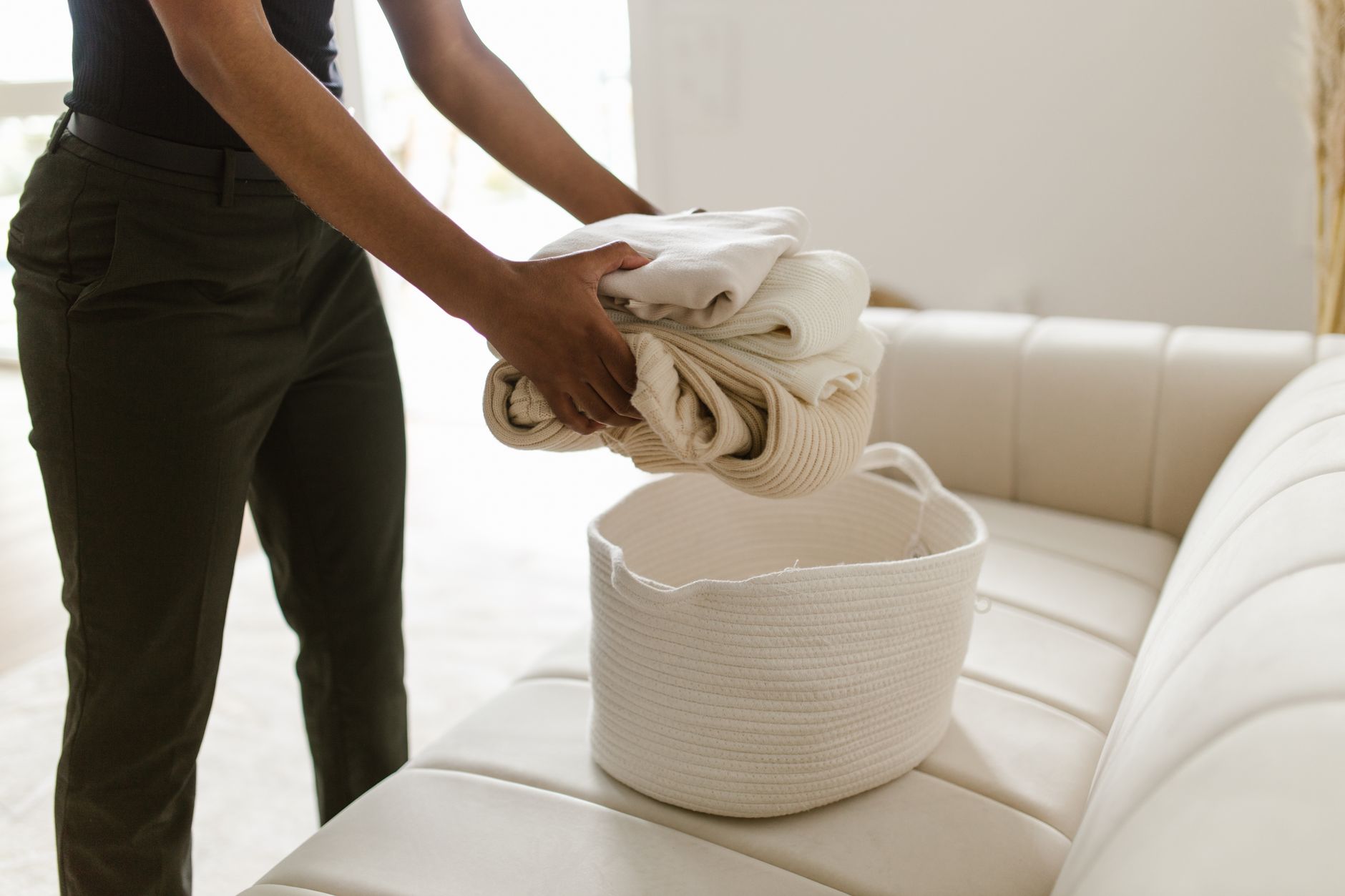
The science is straightforward: pet hair clings to fabric because of static electricity. A slightly damp surface neutralizes that charge, so the hair releases instead of clinging deeper into the weave. Good Housekeeping regularly recommends this approach as a go-to home remedy for removing dog hair from clothes and upholstery without spending money on specialty products. For pet hair on clothes specifically, run a damp rubber glove over the fabric before tossing items in the wash. It pulls hair off in seconds and keeps your washing machine from clogging with fur.
San Tan Valley pet owners dealing with cat hair on clothes before work will find this method particularly useful: keep a small damp sponge on the bathroom counter and do a quick swipe before heading out the door. It takes ten seconds and saves your lint roller budget.
2. Pick Up Pet Hair With a FurLifter or Rubber Brush
A FurLifter is a reusable pet hair removal tool with a self-cleaning base. Unlike disposable lint rollers, it uses a fine electrostatic rubber surface that attracts and collects fur in one direction, then deposits it into the base when you retract it. No sticky sheets to run out of, no waste, and it works on both pet hair on furniture and pet hair on clothes.
Rubber brushes follow the same principle: rubber creates friction against fabric, which bunches fur into rolls you can lift away. Run the brush in short, firm strokes across your couch, car seats, or throw rugs. This is one of the most effective ways to deal with cat hair on clothes and dog hair on any woven surface. According to Consumer Reports, rubber-tipped pet hair removal tools consistently outperform tape-based rollers on upholstery and carpeted stairs.
Keep one of these tools near your front door in San Tan Valley homes where pets have free run of the furniture. A 30-second brush-down before guests arrive keeps embarrassment at bay and reduces the amount of pet hair that migrates into the rest of your home.
3. Use a Microfiber Mop for Pet Hair on Hardwood Floors
Pet hair on hardwood or tile floors is a different challenge than fur on fabric. Brooms tend to scatter light hair rather than capturing it, and standard dust mops miss the fine undercoat that builds up along baseboards. A microfiber mop is the right tool here. The split fibers create millions of tiny hooks that grab and hold pet hair, dander, and the fine desert dust that blows through San Tan Valley homes.
Dry microfiber mopping should happen daily if you have a heavy shedder. Work in an S-pattern across the floor so you are always pushing hair toward a single collection point rather than pushing it into the next room. Once the pad is full, shake it into a trash bag outside rather than inside, otherwise the fur just becomes airborne again. Wash microfiber pads regularly because packed-in pet hair reduces their effectiveness fast.
For a deeper clean of your hard floors, pair the dry mop pass with a slightly damp microfiber pass using a pet-safe cleaning solution. This picks up dander, which is a significant indoor air quality concern according to the American Lung Association. Pet dander is a known asthma and allergy trigger, so managing it consistently is about more than appearances. If you want a thorough, professionally handled result, a deep cleaning from a trained crew covers baseboards, floor vents, and under furniture where dander accumulates most.
4. Vacuum Smarter to Remove Dog and Cat Hair From Carpet
Vacuuming is the backbone of any pet hair removal strategy, but not all vacuuming is equal. Standard vacuums often push fine pet hair deeper into carpet fibers rather than extracting it. To actually remove dog and cat hair from carpet, you need a vacuum with strong suction, a motorized brush roll, and ideally a HEPA filter to trap fine dander particles instead of recirculating them through the air.
Vacuum carpets and rugs in two directions: first with the grain, then against it. Going against the pile loosens embedded fur that a single-direction pass misses. Pay extra attention to the edges of rooms and under furniture, where pet hair collects undisturbed. Vacuum upholstered furniture attachments are also worth using on sofas and pet beds weekly.
For the washing machine problem many San Tan Valley pet owners face: before washing pet-hair-covered laundry, run items through a 10-minute dryer cycle on low heat with a dryer sheet. The heat loosens the hair and the dryer sheet reduces static. The fur ends up in the lint trap rather than clogging your machine. Clean that lint trap after every pet-laundry cycle. The Real Simple cleaning team recommends this dryer-first method as one of the most reliable home remedies for removing dog hair from clothes before washing.
If your vacuum schedule has slipped or the carpets feel overdue, a deep cleaning service that includes carpet vacuuming, baseboard wiping, and vent cleaning can reset your whole home.
5. Control Pet Hair in the House With Grooming and Diet
The single most effective way to control dog hair in the house is to reduce how much hair your pet sheds. Regular grooming, ideally outside, dramatically cuts the volume of fur that ends up indoors. For dogs, brush at least three times a week and consider a professional groom every four to six weeks during heavy shedding seasons. For cats, a de-shedding brush used twice a week can reduce loose hair by more than half.
Diet also plays a bigger role than most pet owners realize. Pets deficient in omega-3 fatty acids tend to shed more and have drier coats that produce more airborne dander. Talk to your vet about a diet or supplement change if shedding seems excessive. This is not just about how to reduce cat hair in the home aesthetically; managing dander means better indoor air quality for the whole household.
In San Tan Valley, where summers push temperatures past 110 degrees, pets shed more aggressively as they regulate their body temperature. Build your grooming routine around the seasonal calendar, ramping it up in spring and early summer before peak shedding hits. Pair consistent grooming with a recurring maid service so the fur that does get indoors is addressed on a regular schedule before it builds up.
6. Hair-Proof Your Home With Smart Furniture and Layout Choices
Some furniture fabrics are magnets for pet hair. Velvet, chenille, and rough-textured weaves trap hair deeply and are very difficult to clean. If you are shopping for new furniture in your San Tan Valley home and you have pets, choose leather, faux leather, microfiber, or tightly woven synthetic fabrics. These surfaces hold hair on top rather than embedding it, so wiping or vacuuming picks it up easily.
Throw covers and washable slipcovers on the cushions your pet uses most. Wash them weekly on hot with a cup of white vinegar in the rinse cycle: the vinegar loosens hair and acts as a natural fabric softener, reducing static cling that attracts more fur. The Spruce notes that vinegar is one of the most underrated home tools for reducing pet hair adhesion on washable fabrics.
Area rugs in high-traffic pet zones should have low pile so they are easier to vacuum and shake out. Avoid shag or high-loop rugs entirely if you want to keep pet hair manageable. For natural cleaning solutions that are safe for homes with pets and kids, check out our post on eco-friendly home cleaning products that work without harsh chemicals.
7. Pull Pet Hair Out of the Air With the Right Filters
Pet dander and fine hair particles stay suspended in the air far longer than visible fur that settles on surfaces. The EPA’s indoor air quality guidelines identify pet dander as one of the primary biological pollutants affecting home air quality. If you are sneezing, dealing with itchy eyes, or noticing a musty smell in a pet-heavy room, airborne dander is likely a factor.
The most practical fix is to upgrade your HVAC filter to a MERV 11 or MERV 13 rating, which captures particles as small as dander and fine pet hair. Change filters every 30 to 45 days if you have multiple pets, rather than the standard 90-day recommendation for pet-free homes. Add a standalone HEPA air purifier in the rooms where your pets spend the most time.
Also vacuum your air vents and return registers regularly. Pet hair accumulates on vent covers and gets pulled into the ductwork, then redistributes throughout your home every time the HVAC cycles. A thorough cleaning of vents is part of every deep clean in San Tan Valley that Elite Maids House Cleaning provides. Considering how often the AC runs here, clean vents make a real difference in both air quality and how quickly pet hair reaccumulates on freshly cleaned surfaces.
8. Establish a Weekly Cleaning Routine to Stay Ahead of Pet Hair
The biggest mistake pet owners make is cleaning reactively, waiting until pet hair is visibly out of control before doing anything about it. By that point, fur is embedded in carpet, packed into corners, and clinging to every upholstered surface. A consistent weekly cleaning routine keeps hair from ever reaching that stage.
Here is a simple weekly framework for San Tan Valley households with pets:
Daily: Dry microfiber mop of all hard floors and a quick sponge or FurLifter pass over the sofa.
Twice a week: Brush your pet outside, wash any pet throws or covers.
Weekly: Vacuum all carpets in two directions, wipe down baseboards, clean vent covers, and wash pet bedding on hot.
Monthly: Wash curtains and area rugs, clean under furniture, and replace HVAC filters.
If keeping up with this schedule is a challenge alongside work and family, a professional house cleaning on a recurring schedule means the deep work is always handled. For help figuring out whether weekly, biweekly, or monthly visits make the most sense for your household, our guide on choosing the right cleaning schedule walks through the factors that matter most.
9. Know When to Call a Professional Cleaner for Pet Hair Buildup
There is a point where DIY pet hair removal hits its limit. When fur is ground into carpet backing, when dander has built up inside furniture cushion seams, when baseboards are caked in hair and dust, and when the whole home just has that unmistakable pet smell, it is time for a professional reset.
A professional deep cleaning service goes well beyond what a homeowner can do with consumer tools. Trained cleaners work systematically through every room, reaching under and behind furniture, scrubbing baseboards, cleaning vent covers, and sanitizing surfaces where dander and hair accumulate. For pet owners in San Tan Valley, booking a periodic deep clean, even once a quarter, dramatically reduces the baseline level of pet hair and dander that your regular routine has to manage. For a full room-by-room checklist of what a deep clean covers, our whole-house deep cleaning checklist is a helpful reference.
If you are preparing to move out of a pet-friendly rental in San Tan Valley, a move-out cleaning that specifically addresses pet hair and odor on carpets, walls, and floors can be the difference between getting your deposit back and losing it. Elite Maids House Cleaning handles exactly these situations for San Tan Valley renters and homeowners every week.
You can book your cleaning online in minutes with an instant quote and same-day availability from 8am to 6pm. No phone call required.
Closing: Get a Clean, Pet-Hair-Free Home in San Tan Valley
Managing pet hair in a San Tan Valley home is absolutely doable with the right tools, a consistent routine, and professional help when things pile up. The tips above cover every surface and every scenario, from quick daily maintenance to a full seasonal reset. cleaning services san tan valley are closer than you think, and the results speak for themselves. Every cleaner at Elite Maids House Cleaning is background-checked, five-star rated, bonded, and fully insured, and every visit is backed by a reclean-at-no-cost satisfaction guarantee.
Ready to stop fighting pet hair on your own? Reach out to our team through house cleaners San Tan Valley and contact Elite Maids House Cleaning today for a free quote. You deserve a clean home, and your pets do too.
Frequently Asked Questions
What do detailers use to remove pet hair?
Auto detailers most commonly use rubber drag brushes, pumice stones, and compressed air to lift embedded pet hair from car upholstery and carpet. A rubber brush creates static friction that clumps the hair for easy removal. Some detailers also use a spray bottle of water to dampen fabric before brushing, which reduces static and makes the hair release more easily from tightly woven fibers.
Does vinegar get rid of pet hair?
Vinegar does not remove pet hair on its own, but it helps significantly in the laundry. Adding half a cup of white vinegar to the rinse cycle reduces static cling in fabrics, which causes pet hair to release rather than stick. It also acts as a natural fabric softener. For surfaces, a diluted vinegar spray can reduce static on upholstery so follow-up wiping or vacuuming picks up more hair in a single pass.
How to get pet hair off everything?
The most effective multi-surface approach combines a few tools: a damp rubber glove or sponge for upholstery and clothes, a microfiber mop for hard floors, a HEPA vacuum with a motorized brush roll for carpet, and a FurLifter or rubber brush for quick touch-ups throughout the day. For clothes before washing, run them through a 10-minute dryer cycle on low first to loosen embedded hair, then wash normally.
What pulls pet hair out of the air?
HEPA air purifiers are the most effective devices for capturing airborne pet dander and fine hair particles. A true HEPA filter traps particles down to 0.3 microns, which covers dander and the finest fur fibers. Upgrading your HVAC filter to a MERV 11 or MERV 13 rating also captures airborne pet particles every time your system cycles. Changing filters every 30 to 45 days in a multi-pet home keeps this protection working consistently.
Move Out Clean Checklist in San Tan Valley: The HOMEstretch Guide
SHARE:
A move out clean checklist covers every room in your home systematically so nothing gets missed before your final walkthrough. For renters and homeowners in San Tan Valley, a thorough move-out cleaning is the single biggest factor in getting your full security deposit back. This guide walks you through every area of the home, room by room, and explains where professional help makes the most sense.
1. Why a Move Out Cleaning Checklist Is Non-Negotiable in San Tan Valley
Moving out of a home is stressful enough without the added worry of whether you will get your deposit back. A printed move out cleaning checklist removes the guesswork. You know exactly what landlords and property managers inspect, and you tackle each item in order. According to Real Simple, working from a written cleaning list can cut the time you spend cleaning by up to 30 percent because you stop doubling back on rooms you thought were done.
In San Tan Valley, where newer construction homes often have larger square footage, a standard wipe-down simply will not cut it. Landlords in this market expect the property returned in the same condition it was given to you. That means appliances wiped inside and out, baseboards free of dust, and grout lines that look respectable. A move out cleaning checklist, whether you use a printable move out cleaning checklist or a professional move-out cleaning checklist provided by your cleaning company, keeps you accountable from start to finish. Think of it as your HOMEstretch plan: the final push before you hand over the keys.
Having a move out checklist also protects you legally. If a landlord tries to deduct cleaning fees from your deposit, your documented effort is your best defense. Download a free move out cleaning checklist PDF, check items off as you go, and photograph the finished result. That paper trail is invaluable.
2. Kitchen: The Room That Makes or Breaks Your Deposit
The kitchen receives the most scrutiny during any move-out inspection, and for good reason. Grease builds up on surfaces that you might walk past every day without noticing. Your move out cleaning checklist for the kitchen should cover:
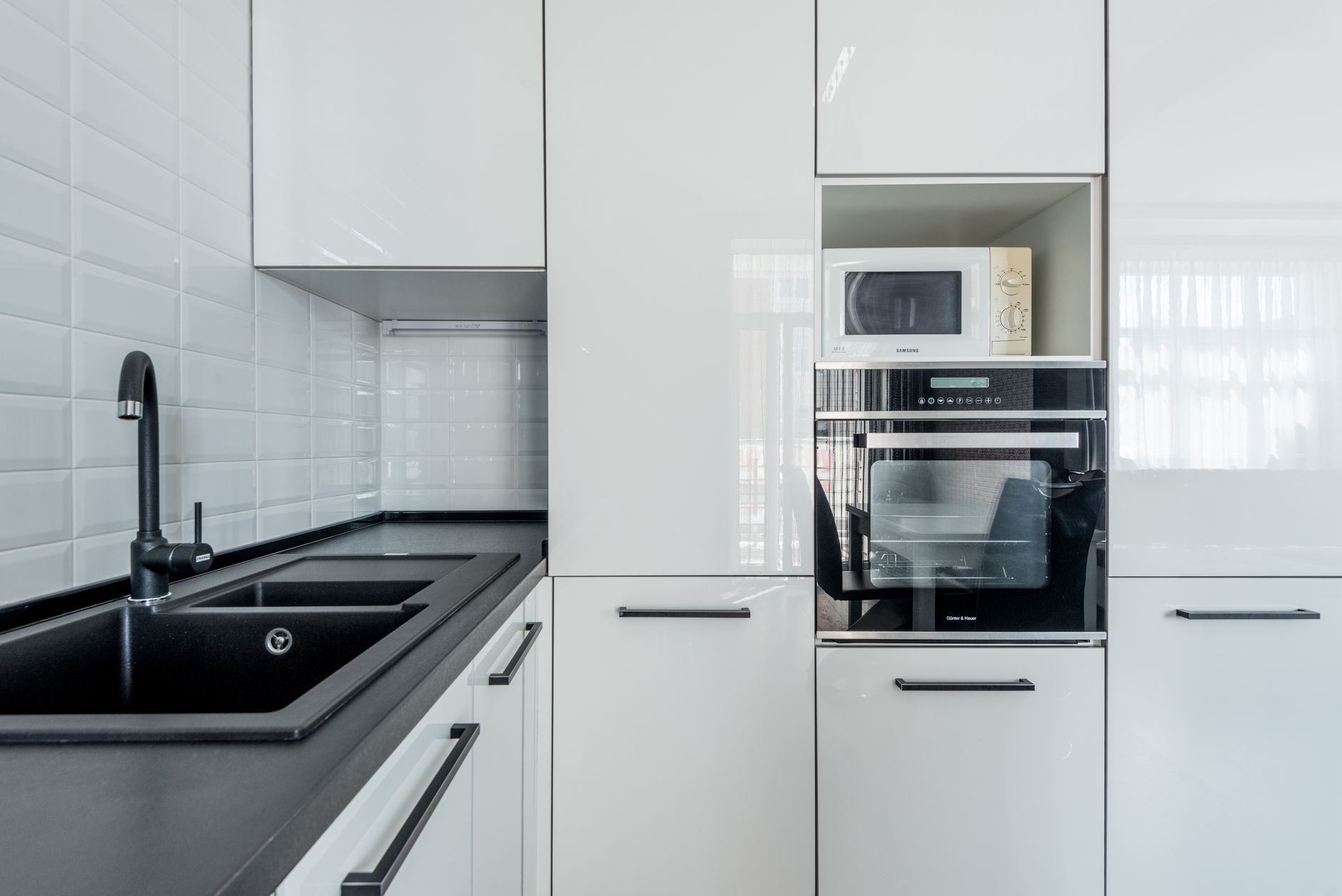
Inside and outside of the oven, including the broiler drawer and oven door glass
Stovetop grates, burner caps, and surrounding surfaces
Inside the refrigerator, including shelves, drawers, door seals, and the coil area behind or underneath
Microwave interior and exterior, including the grease filter if it has one
Dishwasher interior, door edges, and filter at the base
All cabinet faces, interior shelves, and drawer interiors
Countertops, including corners where crumbs accumulate
Sink basin, faucet, and the area around the drain
Backsplash tiles, scrubbed free of splatter
Hood vent and grease filter
Baseboards and the floor under movable appliances
For heavy grease buildup, a degreaser rated for kitchen surfaces saves significant time and effort. The EPA Safer Choice program at EPA Safer Choice has a directory of effective, lower-toxicity cleaning products if you want to avoid harsh fumes in an enclosed space. The kitchen is also where most renters lose deposit money, so do not rush it. If baked-on oven grime has been sitting for months, budget at least 45 minutes for that appliance alone.
3. Bathrooms: Every Tile, Grout Line, and Fixture
Bathrooms are the second most inspected area on any move out cleaning checklist. Property managers look at grout, shower doors, toilet bases, and caulk lines. Soap scum, hard water stains, and mildew are common in San Tan Valley due to the area’s hard water. Your move-out cleaning checklist for bathrooms should include:
Toilet: bowl, under the rim, tank exterior, base, and behind the toilet
Shower and tub: walls, floor, grout lines, door tracks, and curtain rod
Sink, faucet, and drain cover
Vanity cabinet faces, interiors, and mirror
Exhaust fan grille (remove and wash if possible)
Baseboards and floor corners
Caulk lines around the tub and shower
Light fixture covers and switch plates
Hard water deposits on shower glass respond well to a paste of baking soda and white vinegar. The CDC also offers guidance on mold removal in bathrooms at CDC Mold in Homes, which is worth reading if you notice dark spots along the caulk lines. Mold left behind is one of the most common reasons landlords retain part of a security deposit, so address it directly and document the cleaned result with photos.
4. Bedrooms and Living Areas: The Rooms People Rush Through
Most renters spend the bulk of their cleaning energy in the kitchen and bathrooms and then run out of steam by the time they reach the bedrooms and living areas. That mistake costs them money. Your deep cleaning checklist for bedrooms should include:
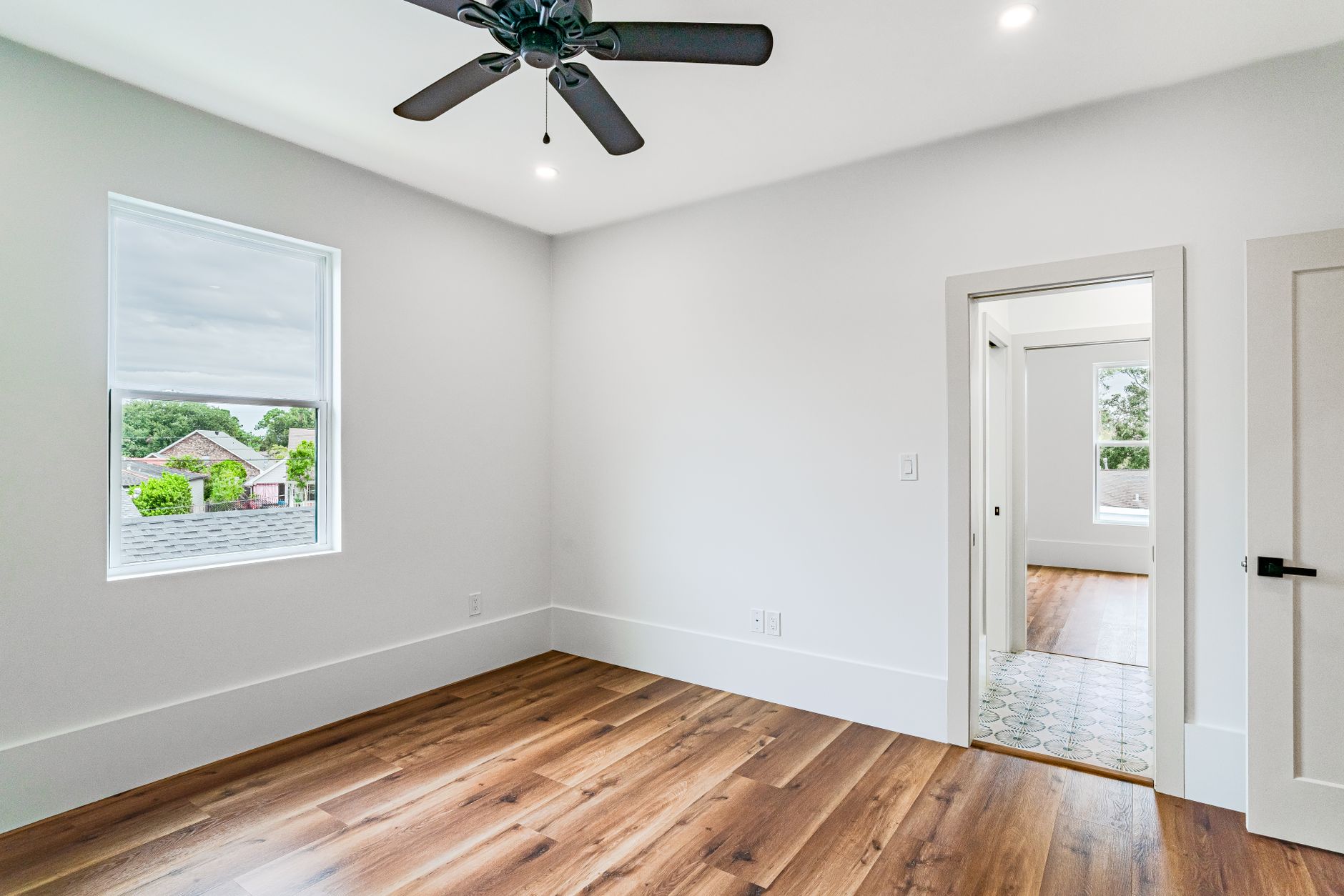
Wipe all window sills, tracks, and frames
Clean all blinds or window coverings
Wipe baseboards and door frames
Clean inside all closets, including shelves and rods
Remove any wall anchors or nails and patch holes if required by your lease
Wipe light switches, outlet covers, and doorknobs
Vacuum and mop all floors or clean carpet with an approved method
Wipe ceiling fan blades and light fixture covers
Living areas follow the same pattern with added attention to fireplace surrounds (if applicable), entertainment center niches, and any built-in shelving. For a broader seasonal deep cleaning perspective, the spring cleaning guide on the Elite Maids blog is a solid companion resource for making sure no surface gets skipped.
One area that almost always gets missed: the tops of door frames and the tracks of sliding glass doors. Run a damp cloth along both before you call the bedroom or living area done. A deep cleaning service that handles move-outs will already have these spots on their internal checklist, which is one reason hiring professionals pays for itself.
5. All Other Rooms, Hallways, and Overlooked Spaces
A complete move out cleaning checklist does not stop at the major rooms. Hallways, laundry rooms, garages, and utility closets all count. Inspectors check them. Here is what to cover:
Laundry room: Clean inside the washer drum and wipe the exterior of both washer and dryer. Pull units away from the wall to vacuum lint behind the dryer. Wipe the utility sink if present.
Garage: Sweep the floor, remove oil stains if possible, and wipe down any built-in shelving. Empty all trash and recycling.
Hallways: Wipe baseboards, light switches, and any scuffs on the walls.
Utility closet or mechanical room: Sweep the floor and wipe the water heater exterior and any visible pipes.
Staircase: Vacuum or mop each step and wipe the banister and spindles.
Entryway: Clean the front door inside and out, including the door frame, threshold, and any glass panels.
Dryer lint buildup behind the unit is also an indoor air quality concern. The EPA Indoor Air Quality resource explains how trapped particulates in poorly maintained appliance areas can affect the air you and future occupants breathe. Clearing the lint trap, the vent hose, and the area around the dryer is a safety step, not just a cleaning one.
For renters in apartments or condos, the apartment cleaning service offered in San Tan Valley handles all of these areas under one booking, which simplifies the logistics considerably when you are already juggling a move.
6. Move Out Cleaning Cost: What to Expect in San Tan Valley
Move out cleaning cost in San Tan Valley depends on the size of the home, its current condition, and whether you need any add-ons like carpet cleaning or exterior window washing. As a general benchmark:
Studio or one-bedroom apartment: typically ranges from $120 to $180
Two-bedroom home: typically ranges from $180 to $250
Three-bedroom home: typically ranges from $220 to $320
Larger homes with four or more bedrooms: $300 and up, depending on square footage and condition
These figures reflect a thorough move-out clean, not a routine maintenance visit. A move-out clean is closer to a deep cleaning service in terms of scope: every surface gets attention, not just the obvious ones. According to Good Housekeeping, professional move-out cleaning services typically cost between $200 and $400 for an average-sized home, with regional variation.
When you weigh the cost of professional move out cleaning in San Tan Valley against a potential security deposit deduction, hiring a team almost always comes out ahead financially. A $250 cleaning that preserves a $1,500 deposit is an easy calculation.
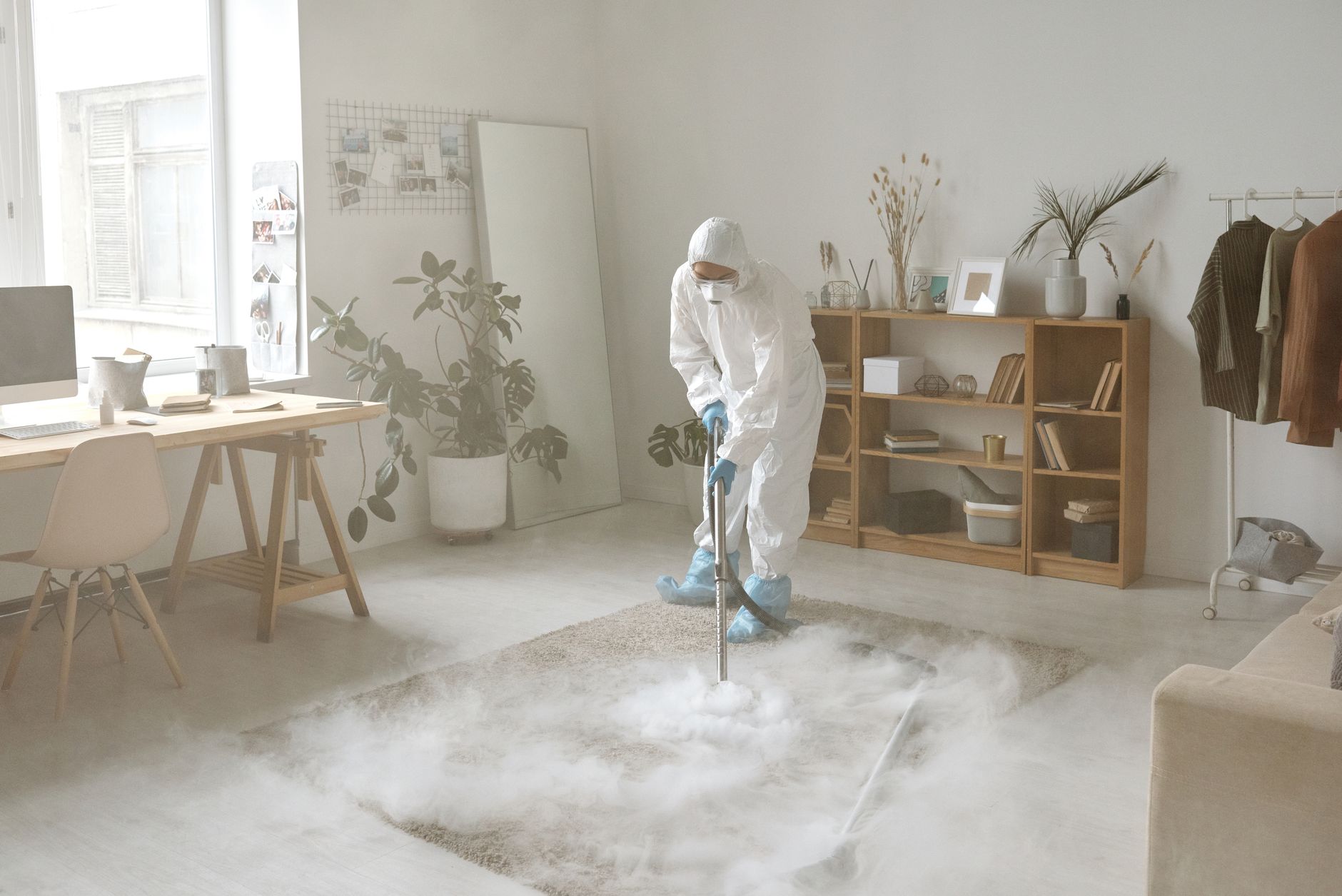
It is also worth looking into disinfection as part of your move-out process. If you had pets or anyone in the household with illness during your tenancy, disinfection services give the next occupant a genuinely clean start and may be required by some landlords.
7. The Different Types of House Cleaning Companies in San Tan Valley
Not every cleaning company in San Tan Valley offers move-out cleaning, and the ones that do vary significantly in quality, vetting standards, and what is actually included in the quoted price. Understanding the types helps you choose wisely.
Individual independent cleaners: Often the lowest price point, but usually not bonded or insured. If something is damaged or broken during the clean, you have limited recourse. No background check is standard.
Cleaning apps and gig platforms: Convenient but inconsistent. The cleaner you booked last time may not be available again, and quality control varies widely between workers.
Regional franchise cleaning companies: More consistent processes, but often use franchise-standard products that are not customized to your home’s needs. Pricing can be rigid.
Local family-owned professional cleaning companies: Companies like Elite Maids House Cleaning offer background-checked, bonded, and insured cleaners with a consistent team model. Every visit is backed by a satisfaction guarantee. This model tends to produce the most accountable results for move-out cleans where the stakes are high.
For a move-out clean specifically, you want a company that uses a professional move-out cleaning checklist internally, shows up on time, and backs the work with a guarantee. If your landlord’s inspector finds something missed, a reputable company will return to address it at no extra charge. That safety net matters when your deposit is on the line.
You should also check whether the company uses EPA Safer Choice-certified products if you are sensitive to chemical fumes or if the home will be occupied again shortly after the clean. Eco-friendly options are available from Elite Maids for exactly this reason.
8. Here Are Some Move Out House Cleaners in San Tan Valley, AZ
If you are searching for move out cleaning services in San Tan Valley, here is what to look for and what Elite Maids House Cleaning brings to every booking:
Elite Maids House Cleaning is a family-owned, fully insured residential cleaning company serving San Tan Valley and the broader Phoenix metro. Every cleaner is background-checked and five-star rated. The company backs every move-out clean with a reclean-at-no-cost satisfaction guarantee. Online booking with instant quotes lets you schedule same-day service between 8am and 6pm. Their house cleaning service covers everything on a professional move-out cleaning checklist, including appliances, baseboards, cabinet interiors, and all fixtures. They also offer cleaning services for apartments, condos, and larger single-family homes throughout San Tan Valley.
When comparing move out cleaning services, ask these questions before booking: Do you carry liability insurance? Are your cleaners background-checked? Do you provide a written checklist of what is included? Do you offer a satisfaction guarantee? Is the quoted price all-inclusive or are there add-ons? The answers will quickly separate the professional companies from the budget options that leave you scrambling after your walkthrough.
For Flagstaff renters facing the same situation, the move out cleaning in Flagstaff post on this blog walks through the deposit-recovery process in detail and applies equally well to renters anywhere in Arizona.
You can also check cleaning in san tan valley for current pricing and available booking times in the area.
9. What Cleaning Supplies Do You Need for Moving Out?
If you are tackling the move-out clean yourself, stocking the right supplies before you start saves you multiple trips to the store mid-clean. Here is a practical supply list for a full move out cleaning checklist:
All-purpose cleaner (spray bottle, for counters, appliance exteriors, and general surfaces)
Bathroom disinfectant cleaner (toilet, sink, tub)
Oven cleaner or heavy-duty degreaser
Glass cleaner (windows, mirrors, shower glass)
Baking soda and white vinegar (natural alternatives for grout and mineral deposits)
Microfiber cloths (at least a dozen: separate sets for kitchen, bathrooms, and general areas)
Magic eraser sponges (for scuffs on walls and baseboards)
Mop and bucket or a spray mop system
Vacuum with attachments (for baseboards, vents, and upholstery if applicable)
Trash bags in multiple sizes
Rubber gloves and a mask for oven cleaning or mold treatment
For supply recommendations, The Spruce maintains updated guides on the most effective cleaning products by category, which can help you choose between the dozens of options at any hardware or grocery store. You can also browse the cleaning supplies section at Home Depot to compare product ratings and read reviews before purchasing.
One tip: buy more microfiber cloths than you think you need. A proper move-out deep clean burns through them quickly when you are doing things correctly, using a fresh cloth for each surface rather than spreading contamination from one area to another.
Closing: Book Your Move Out Clean in San Tan Valley Today
Moving out is already one of the most demanding experiences a homeowner or renter goes through. A complete move out cleaning checklist keeps you organized, but executing every item on it while managing boxes, logistics, and a tight timeline is a tall order. Hiring a professional team removes that pressure entirely. With background-checked cleaners, a satisfaction guarantee, and same-day availability, Cleaning services AZ from Elite Maids House Cleaning gives you one less thing to worry about during your HOMEstretch. Ready to protect your deposit and walk away clean? Contact Elite Maids house cleaning today for a free quote and get a same-day booking confirmation without ever picking up the phone.
Frequently Asked Questions
What is all included in a move out clean?
A thorough move out clean covers every room in the home from top to bottom. That means cleaning inside appliances (oven, refrigerator, microwave, dishwasher), scrubbing all bathrooms including grout and toilet bases, wiping cabinet interiors and exteriors, cleaning windows and window tracks, washing baseboards and door frames, and vacuuming and mopping all floors. A professional move-out cleaning checklist also includes light fixture covers, exhaust fans, and any built-in shelving or closet interiors.
What is the 30 3 rule for cleaning?
The 30/3 rule is a time-management approach to cleaning: spend 30 minutes per day on focused cleaning tasks, broken into three 10-minute sessions. This works well for routine maintenance but is not designed for a move-out clean, which requires a single dedicated session covering every surface. For a move out, a full-day effort or a professional cleaning team is more appropriate than the 30/3 approach.
What is the 20 10 rule for cleaning?
The 20/10 rule means cleaning actively for 20 minutes, then resting for 10 minutes before starting again. The logic is that shorter, focused bursts produce better attention to detail than marathon cleaning sessions where fatigue causes you to skip surfaces. For a move out cleaning checklist that involves an entire home, the 20/10 rhythm can help you stay sharp across multiple hours of work without cutting corners on critical areas like the oven or bathroom grout.
What cleaning supplies do I need for moving out?
For a complete move out clean, you need an all-purpose cleaner, bathroom disinfectant, oven degreaser, glass cleaner, baking soda and white vinegar for mineral deposits and grout, microfiber cloths in bulk, scrub brushes, a magic eraser for wall scuffs, a mop and bucket, a vacuum with attachments, rubber gloves, and trash bags. Having everything on hand before you start prevents mid-clean interruptions and keeps your momentum going room to room.
The Ultimate Monthly Deep Cleaning Checklist for Your Kitchen in San Tan Valley
SHARE:
If you live in San Tan Valley, you already know how fast a kitchen can go from spotless to sticky. Between the Arizona dust that seems to sneak into every corner and the daily cooking that leaves grease on the backsplash and grime inside the oven, kitchens in this area take a beating. That is exactly why a monthly kitchen deep cleaning checklist is not optional — it is essential. Whether you tackle it yourself or bring in the cleaning in San Tan Valley, having a step-by-step plan makes all the difference between a surface wipe-down and a genuinely clean kitchen.
Elite Maids House Cleaning has helped hundreds of San Tan Valley homeowners reclaim their kitchens every month, and this checklist is built from that real-world experience. Use it to stay ahead of buildup, protect your appliances, and keep your family cooking in a clean, healthy space.
Why You Need a Monthly Kitchen Deep Cleaning Checklist
A kitchen cleaning checklist does more than keep you organized — it ensures nothing gets skipped. Most people wipe countertops and sweep floors regularly, but the monthly deep cleaning checklist targets the spots that weekly cleaning misses. Think: the inside of the oven, the seal around the refrigerator door, the grease trap behind the stove, and the buildup inside the dishwasher filter.
Skipping those areas for months leads to stubborn grease that takes twice as long to remove, and in some cases, it can even affect indoor air quality. According to EPA guidance on indoor air quality, cooking residue, grease vapors, and mold from moisture buildup are among the common indoor pollutants in residential kitchens. A consistent monthly deep clean is one of the simplest ways to keep those risks in check.
Before you start scrubbing, pull together everything you need. Running back and forth to grab supplies midway through breaks your momentum and adds unnecessary time. For a thorough kitchen deep clean, here is what to have ready:
Microfiber cloths (several — you will go through them)
A non-abrasive scrub pad and a stiff-bristle brush
Rubber gloves and eye protection for stronger cleaners
Trash bags for food purging
If you prefer to avoid harsh chemicals, look for products certified under the EPA Safer Choice program. These products are formulated to clean effectively without the volatile compounds that some conventional cleaners release into your kitchen air.
How to Deep Clean a Kitchen: Room-by-Room Appliance Guide
This is the core of your monthly kitchen deep cleaning checklist. Work top to bottom, appliance by appliance, so debris falls onto surfaces you have not cleaned yet.
Refrigerator: Remove every shelf, drawer, and bin. Wash them in warm soapy water, dry thoroughly, and wipe down the interior walls with a baking soda solution to absorb odors. Clean the door gasket with a toothbrush — that rubber seal traps crumbs and mold. Pull the fridge away from the wall and vacuum the condenser coils at least once a month.
Oven and Stove: Remove grates and burner caps and soak them in hot soapy water. Apply oven cleaner or a paste of baking soda and water to the interior and let it sit for at least 30 minutes before scrubbing. Wipe down the stovetop, control knobs, and the area around the burners. For gas stoves, check that the burner ports are clear of debris.
Range Hood and Filter: Grease collects fast on range hood filters. Remove the filter and soak it in a degreaser solution or boiling water with dish soap. Wipe the exterior of the hood and the fan blades if accessible.
Dishwasher: Pull out the filter at the bottom of the dishwasher — most homeowners are shocked by what they find there. Rinse it under hot water, scrub with a soft brush, and replace it. Run an empty cycle with a cup of white vinegar on the top rack to break down mineral deposits and odors.
Microwave: Fill a microwave-safe bowl with water and a few tablespoons of white vinegar. Heat it for three to five minutes, then let it sit for another two minutes before opening. The steam loosens splattered food so it wipes off easily. Clean the exterior, buttons, and door seals.
Sink and Disposal: Scrub the sink basin and faucet with a non-abrasive cleaner. Pour baking soda down the garbage disposal, follow it with vinegar, let it fizz, then flush with hot water and run the disposal with a few ice cubes to clean the blades.
Preparing for Your Deep Clean: Clear the Space First
One of the biggest mistakes people make is trying to deep clean around clutter. Before you open a single bottle of cleaner, clear the countertops completely. Put away the toaster, the coffee maker, the knife block — everything. Move items off the top of the refrigerator. Pull small appliances away from walls.
Clearing your workspace before a deep clean is not just about convenience. It means you actually clean the countertop surface under the coffee maker, the wall behind the toaster, and the corners that usually stay hidden. Preparing properly turns a mediocre cleaning session into a genuine thorough clean.
This step also gives you a natural chance to purge. Toss expired spices, outdated condiments, and anything that has been sitting unopened for months. San Tan Valley summers can accelerate spoilage in pantry items, so a monthly review of your food storage areas is a smart habit.
If you rely on cleaning services in San Tan Valley to handle your monthly deep clean, communicate clearly about what stays on the counter versus what should be left alone — your cleaning team will always prep the space before diving in.
Kitchen Deep Cleaning Checklist: The Full List
Here is your complete monthly kitchen deep cleaning checklist at a glance. Print this out or save it to your phone so nothing gets missed:
Empty and wipe down refrigerator shelves, drawers, and gasket
Vacuum refrigerator condenser coils
Clean oven interior with cleaner or baking soda paste
Scrub stovetop grates and burner caps
Degrease range hood and filter
Clean dishwasher filter and run a vinegar cycle
Steam clean or wipe down microwave interior and exterior
Scrub sink basin, faucet, and garbage disposal
Wipe down all cabinet fronts and handles
Clean backsplash tiles and grout lines
Wipe down walls near the stove for grease splatter
Clean light fixtures and replace burned-out bulbs
Mop floor including under the stove and refrigerator
Wipe down all small appliances inside and out
Disinfect countertops thoroughly, including corners and edges
Organize pantry and purge expired items
A professional deep cleaning service will cover every item on this list — and often catches things that are easy to overlook when you are cleaning your own space. Having a second set of trained eyes in your kitchen makes a real difference.
Maintaining Your Spotless Kitchen Between Deep Cleans
A monthly kitchen deep cleaning checklist works best when you pair it with a simple daily and weekly routine. The goal is to keep buildup from getting out of control so that your monthly session stays manageable.
Daily habits that protect your deep clean:
Wipe stovetop after every cooking session while it is still warm
Rinse dishes before they sit and dry out in the sink
Wipe counters after meal prep every day
Empty the trash before it overflows
Weekly habits to add:
Wipe down exterior of all appliances
Sweep and mop the floor
Clean the inside of the microwave before splatter bakes on
Quick wipe of cabinet fronts and handles
According to Good Housekeeping’s cleaning experts, breaking your cleaning into smaller daily and weekly tasks is far more effective than relying on one big session to fix weeks of buildup. Consistent kitchen maintenance keeps your home healthier and reduces the time each monthly deep clean actually takes.
Many San Tan Valley families find it easiest to pair their own daily habits with a recurring maid service that handles the heavier weekly or biweekly tasks. It keeps the kitchen in great shape without requiring you to do everything yourself.
The Benefits of a Consistent Kitchen Cleaning Schedule in San Tan Valley
Sticking to a monthly kitchen cleaning schedule does more than keep your counters shiny. It protects your appliances from grease and mineral buildup that shortens their lifespan. It keeps mold from forming in damp areas around the sink and dishwasher. And it makes your kitchen a safer, healthier space for the people you feed every day.
The CDC’s guidance on mold in homes points out that kitchens are one of the most common rooms for mold growth because of moisture from cooking, dishwashing, and refrigerator condensation. Monthly deep cleaning that targets those moisture-prone areas — the dishwasher seal, the sink drain, the refrigerator drip pan — goes a long way toward preventing mold before it becomes a problem.
For San Tan Valley homeowners, keeping up with kitchen cleaning also helps during the hottest months of the year, when heat accelerates bacteria growth on surfaces and in food storage areas. A clean kitchen is not just about appearance — it is genuinely a health issue.
Elite Maids House Cleaning offers professional house cleaning with eco-friendly product options, background-checked cleaners, and a reclean-at-no-cost satisfaction guarantee. Every cleaner is five-star rated, bonded, and fully insured, so you know exactly who is walking into your home.