How to Prepare Your Home for Fall Allergies: 10 Cleaning Steps That Actually Help
SHARE:
Preparing your home for fall allergies means targeting the indoor triggers that sneaking season brings: dust mites, mold spores, pet dander, and ragweed pollen that drift inside on shoes and clothing. A focused cleaning routine dramatically cuts the allergen load in your air and on your surfaces. The steps below walk you through exactly how to allergy-proof your home before symptoms peak.
1. Understand What Is Triggering Your Fall Allergies
Before you can fight fall allergy triggers, you need to know what you are actually dealing with. Unlike spring, when tree pollen dominates, autumn brings a different lineup of offenders. Ragweed is the biggest culprit. A single ragweed plant can release up to one billion pollen grains over its lifespan, and those grains travel hundreds of miles on the wind. Fall allergy symptoms in adults often mirror a cold: runny nose, itchy eyes, sneezing, and sinus pressure. Less obvious fall allergy symptoms include headache, fatigue, and post-nasal drip that lingers for weeks.
Mold spores surge in autumn too, feeding on wet leaves, damp soil, and any moisture that collects inside your home. Dust mites thrive when windows close and forced-air heating kicks on for the first time. All of these triggers collect on floors, upholstery, bedding, and HVAC vents. That is precisely why a thorough indoor cleaning plan is your first line of defense against fall allergy symptoms.
According to the American Lung Association, indoor air can be two to five times more polluted than outdoor air, and poor indoor air quality directly worsens respiratory allergy symptoms. Knowing your triggers helps you prioritize which rooms and surfaces to clean first.
2. Replace or Clean Your Air Filters Before Allergy Season Peaks
Your home’s air filtration system is the invisible gatekeeper between airborne allergens and your lungs. A clogged or low-rated filter recirculates pollen, mold spores, and pet dander every time the fan runs. Swap standard fiberglass filters for high-efficiency MERV 11 or MERV 13 filters, which capture particles as small as 0.3 microns. Check the filter monthly during fall allergy season and replace it at least every 60 days.
Air filtration goes beyond the central system. Portable HEPA air purifiers placed in bedrooms and living rooms provide a second layer of protection. HEPA filtration captures 99.97% of airborne particles, including ragweed pollen and mold spores. Run them continuously during peak fall allergy months, typically September through November in Arizona’s Valley communities.
Do not forget to clean the air vents themselves. Dusty supply and return vents spit allergens directly into the room every time the system cycles. Wipe them down with a damp microfiber cloth so the filter upgrade is not undermined by a dirty delivery system.
3. Deep Clean Carpets, Rugs, and Upholstery to Remove Allergens
Carpets and upholstered furniture are among the biggest reservoirs of fall allergy triggers in any home. Dust mites, pet dander, mold spores, and tracked-in ragweed pollen all settle into fibers and stay there unless you actively remove them. Regular vacuuming with a standard machine often makes things worse by stirring particles back into the air without capturing them.
Use a vacuum fitted with a HEPA filter and vacuum high-traffic areas at least twice a week during fall allergy season. Go slowly, making two passes in perpendicular directions to pull embedded debris from carpet fibers. For area rugs, take them outside and beat them if possible, then vacuum both sides before bringing them back in.
Upholstered sofas, chairs, and ottomans need the same attention. Vacuum all surfaces, including cushion seams and underneath cushions, where pet hair and dander concentrate. For a thorough allergen removal from carpet and upholstery, steam cleaning is highly effective. The heat kills dust mites and loosens debris that vacuuming misses. Our deep cleaning service covers these hard-to-reach areas systematically so nothing is left behind.
4. Tackle Mold and Mildew in Bathrooms and Kitchens
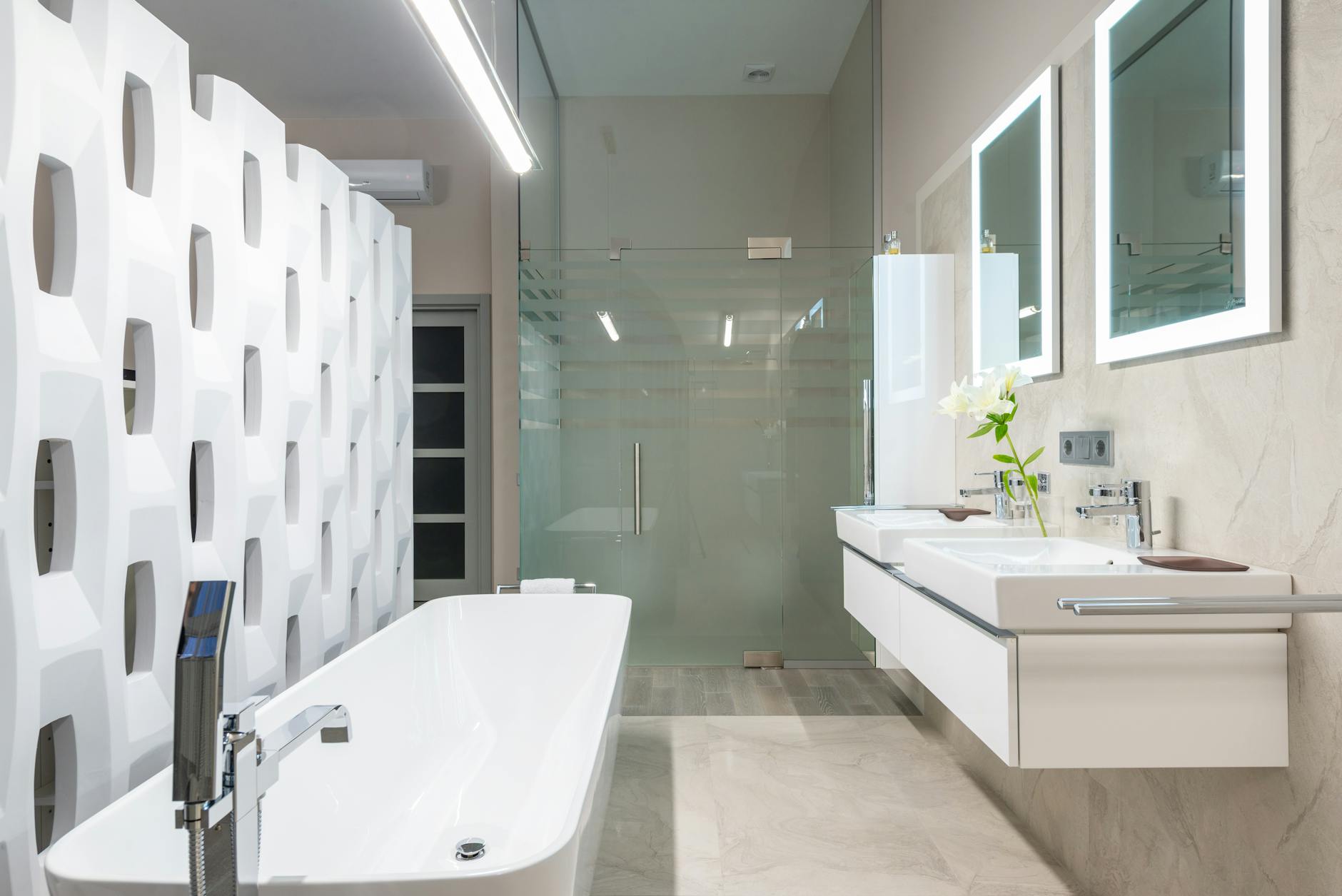
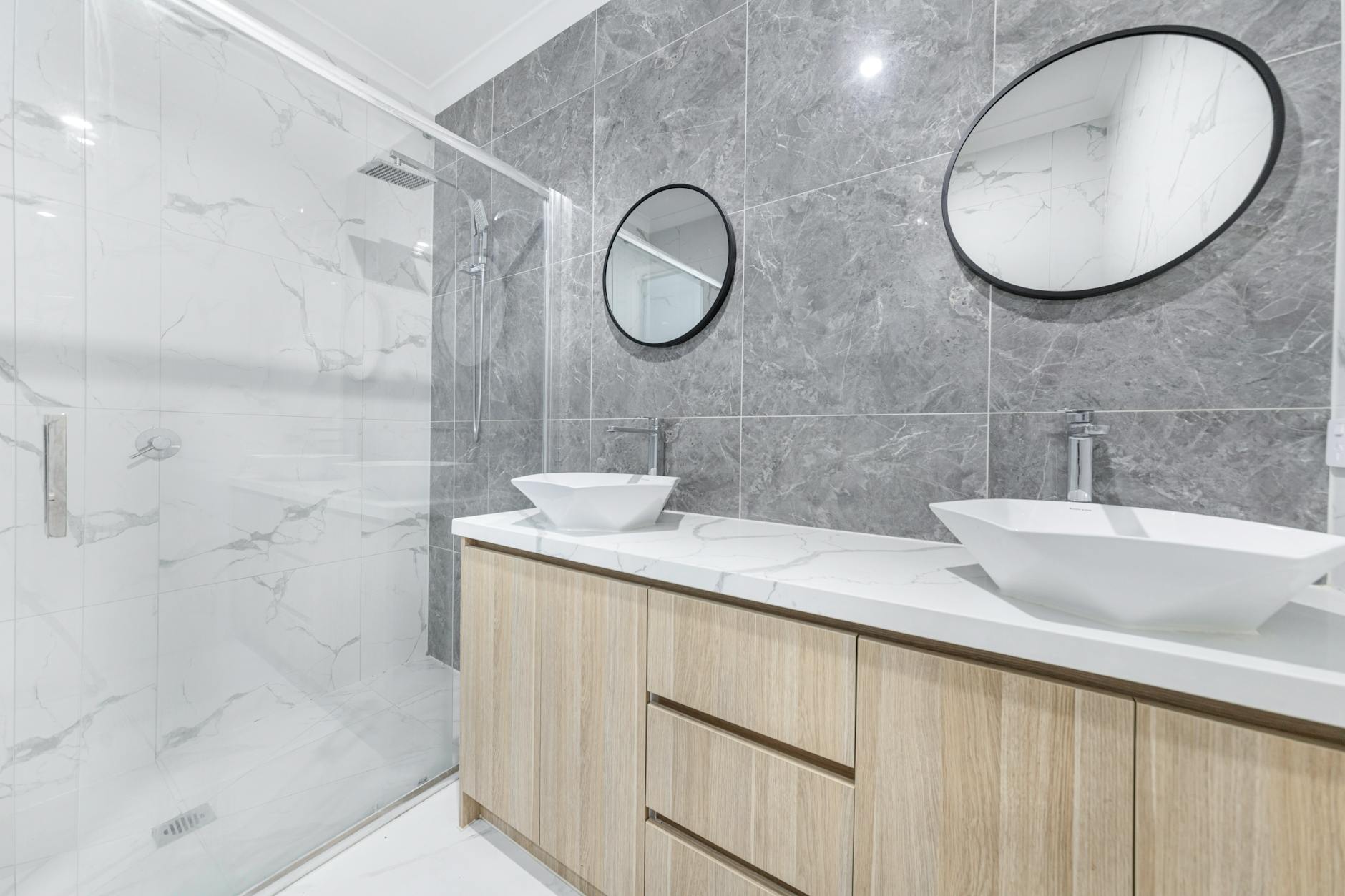
Mold is a major fall allergy trigger that many homeowners overlook because it hides in plain sight. Grout lines, caulk around tubs and sinks, under-sink cabinets, and refrigerator drip pans are common breeding grounds. When the weather cools and windows close, moisture with nowhere to go feeds mold colonies that release spores into your breathing air.
The EPA’s mold guidance is clear: controlling moisture is the most important step in mold prevention. Fix any dripping faucets or slow drains, run exhaust fans during and after showers, and wipe down shower walls after each use. For existing mold, scrub visible spots with a mixture of water and white vinegar or a commercial mold-killing cleaner. Pay special attention to window sills and frames, where condensation collects in fall and mold loves to establish itself.
In the kitchen, clean behind and underneath the refrigerator where spills and moisture accumulate unnoticed. Empty and clean the drip tray regularly. Wipe down the rubber gasket on the refrigerator door, another spot notorious for harboring mold. These targeted mold-removal steps are a core part of allergy-proofing your home for fall.
5. Wash Bedding, Curtains, and Soft Furnishings Regularly
Your bedroom is where you spend roughly a third of your life, so reducing allergens there has an outsized impact on how you feel each morning. Dust mites thrive in warm, humid bedding, and fall allergy symptoms are often worst overnight and first thing in the morning because of what you are sleeping on. Wash pillowcases, sheets, and duvet covers weekly in hot water (at least 130°F) to kill dust mites and flush out pollen that transferred from your hair and skin.
Encase mattresses and pillows in allergen-proof covers. These zippered covers create a physical barrier between you and the millions of dust mites that live inside every unprotected mattress. This single step can make a measurable difference in fall allergy symptoms for adults who wake up congested every day.
Curtains and drapes are pollen traps that most people wash only once or twice a year. During fall allergy season, launder them monthly or switch to easy-wipe blinds that collect less debris. If you have a home with kids and pets, the allergen buildup on soft surfaces is even more pronounced. Our guide on house cleaning with kids and pets covers practical strategies for managing that extra layer of dander and debris.
6. Clean Hard Floors and Surfaces With Allergy-Safe Products
Hard floors are easier to clean than carpet, but they still need the right technique to reduce allergens rather than just move them around. Dry sweeping or dusting with a standard broom launches particles into the air where they float for hours before settling again. Instead, use a microfiber flat mop or a damp mop to trap and remove allergens in a single pass.
Microfiber is the gold standard for allergy-safe cleaning. Its electrostatic charge pulls fine particles off surfaces rather than scattering them. Use microfiber cloths for wiping counters, shelving, baseboards, and ceiling fan blades. Ceiling fans are particularly important in fall: they accumulate a thick layer of dust over the summer and then blast it into the room when you turn them on for the first time in cooler weather.
When selecting cleaning products, look for options that skip harsh chemicals and synthetic fragrances, both of which can irritate sensitive airways and worsen allergy symptoms. The EPA Safer Choice program certifies cleaning products that are safer for people and the environment, a helpful filter when shopping. As an eco-friendly cleaning service Arizona families trust, Elite Maids offers green product options for clients who prefer fragrance-free, non-toxic formulas.
7. Create a No-Shoes and Entry-Zone Cleaning Routine
One of the fastest ways to reduce fall pollen inside your home is to stop it at the door. Shoes track in ragweed pollen, mold spores, and outdoor debris with every step. Implementing a strict no-shoes policy and placing a high-quality scraper mat outside and an absorbent mat inside every entrance cuts the amount of outdoor allergens transferred to your floors dramatically.
Set up a dedicated entry zone with a bench or shoe rack so removing shoes becomes automatic for everyone in the household. Keep a small basket near the door for outerwear that has been outside during peak pollen hours. In Arizona, ragweed and other fall pollen peaks between mid-morning and midday, so anyone returning home during those hours should change clothes and wash hands before moving through the house.
Wipe down pet paws before they come inside too. Dogs and cats carry pollen on their coats and paws and deposit it on every surface they touch. A quick paw-wipe with a damp cloth at the door removes a surprising amount of fall allergens before they spread. This entry-zone strategy is one of the simplest ways to allergy-proof your home without adding hours of cleaning to your week.
8. Declutter to Eliminate Hidden Allergen Reservoirs
Clutter is the enemy of an allergy-friendly home. Stacks of magazines, piles of clothes, and crowded shelving all collect dust, mold spores, and pet dander in ways that are nearly impossible to clean around. The more flat surfaces and items you have in a room, the more allergen reservoirs you are maintaining. Reducing clutter is one of the most underrated strategies for preparing your home for fall allergy season.
Go room by room before fall allergy season peaks. Donate or store items that do not need to be out. Move items off the floor so you can mop and vacuum underneath without moving things each time. Clear nightstands and dressers to a minimum so wiping them down takes seconds. Use closed storage bins rather than open shelving wherever possible, especially in bedrooms.
In closets, store out-of-season clothing in sealed bags or bins. Open closets full of fabric items are significant dust and dander traps. If your home has not had a thorough seasonal cleaning, this is a great time to schedule one. Our seasonal cleaning guide walks through the full process of resetting your home room by room, and many of those steps apply directly to a fall allergy clean-out.
9. Control Indoor Humidity to Suppress Mold and Dust Mites
Both mold and dust mites require moisture to survive. Keeping your indoor relative humidity between 30% and 50% creates an environment where neither can thrive. In Arizona, dry desert air can actually help you here in many months, but sealed homes with cooking, showering, and breathing occupants can still reach humidity levels that support mold growth, especially in bathrooms and kitchens.
Pick up an inexpensive digital hygrometer to monitor humidity in different rooms. If you consistently read above 50%, run exhaust fans more aggressively, check for hidden leaks under sinks and around toilets, and consider a dehumidifier for the worst-affected spaces. In Flagstaff and higher-elevation areas of Arizona, fall precipitation can drive indoor humidity higher than Valley residents experience, so this step matters more in those locations.
On the flip side, if indoor humidity drops below 30%, dry air irritates nasal passages and makes allergy symptoms feel worse. A portable humidifier in the bedroom can help, but clean it every three days to prevent it from becoming a mold and bacteria source. The goal is the middle range: not too wet, not too dry. Keeping humidity dialed in is a passive but powerful way to reduce fall allergy triggers year-round.
10. Schedule a Professional Cleaning to Reset Your Home Before Fall
Even the most diligent DIY cleaning routine has blind spots. Professional cleaners reach areas that are easy to skip: behind appliances, inside vents and registers, under furniture, along baseboards, inside cabinet interiors, and on top of refrigerators and cabinets. These neglected zones are exactly where fall allergens accumulate between regular cleanings.
A professional deep clean at the start of fall allergy season gives your home a reset that dramatically lowers the baseline allergen load. After that reset, a recurring weekly or biweekly professional cleaning keeps the levels from building back up throughout the season. If you are already preparing your home for a house cleaning visit, a little upfront organization helps the cleaners focus their time on deep allergen removal rather than surface tidying.
Not sure whether a deep clean or a recurring maintenance visit is right for your situation? Our breakdown of deep cleaning vs. regular maid service explains the difference and helps you choose the right option for fall allergy prep. Either way, a professional team working through your home with HEPA-equipped equipment and allergen-safe products delivers results that are difficult to match on your own.
You can book a house cleaning in Arizona online in minutes with instant pricing, no phone call required. Same-day availability between 8am and 6pm means you do not have to wait to get your home into allergen-fighting shape.
Ready to Breathe Easier This Fall? Let Elite Maids Help
Fall allergy season does not have to mean months of miserable symptoms. A cleaner home is measurably healthier air, and healthier air means fewer headaches, less congestion, and better sleep for everyone in the house. Elite Maids House Cleaning serves Phoenix, Mesa, Scottsdale, Gilbert, Chandler, Glendale, Queen Creek, San Tan Valley, Tucson, Flagstaff, and the surrounding Valley communities with recurring, deep clean, and move-in/move-out services. Every cleaner is background-checked, bonded, insured, and backed by our reclean-at-no-cost satisfaction guarantee. Take the first step toward an allergy-friendly home today: contact Elite Maids house cleaning today for a free quote and get your home ready before fall allergy symptoms take hold.
Frequently Asked Questions
What is triggering my allergies in the fall?
The most common fall allergy triggers are ragweed pollen, outdoor mold spores from decomposing leaves, dust mites, and pet dander. Ragweed is the dominant culprit, releasing massive amounts of pollen from August through October. When windows close and heating systems turn on, these particles circulate indoors and accumulate on surfaces, carpets, and bedding, intensifying fall allergy symptoms.
How do I make my house more allergy friendly?
Start by upgrading your air filter to a MERV 13 or HEPA-rated option and vacuuming with a HEPA vacuum at least twice a week. Wash bedding in hot water weekly, encase mattresses and pillows in allergen-proof covers, control indoor humidity between 30% and 50%, and reduce clutter where dust accumulates. A professional deep clean at the start of fall allergy season sets a clean baseline you can maintain.
How to get rid of fall allergies fast?
For immediate relief, focus on the bedroom first: wash all bedding, vacuum the mattress, and run a HEPA air purifier on high overnight. Wipe down all hard surfaces with a damp microfiber cloth to capture settled pollen and dust. Shower before bed to rinse pollen from hair and skin. These steps reduce your overnight allergen exposure quickly, which is when symptoms are often worst.
Why are my allergies so bad right now in October?
October sits at the overlap of multiple fall allergy triggers. Ragweed pollen is still active in many regions, outdoor mold spores peak as fallen leaves decompose, and homes have been sealed up for weeks with recirculating air. Dust mite populations also surge when indoor humidity and warmth increase. All of these factors combine in October to create some of the highest indoor allergen concentrations of the year.
The best June outdoor cleaning tips for Santa Fe homeowners focus on removing winter grit, refreshing sun-exposed surfaces, and getting outdoor living spaces ready before peak summer heat settles in. Santa Fe’s high-desert climate means dust, pollen, and UV damage build up fast between seasons. This guide covers eight practical outdoor cleaning steps you can tackle this month to protect your home and enjoy your outdoor spaces all summer long.
1. Start with a Whole-Yard General Cleanup
Before you pressure-wash anything or haul out the furniture cushions, do a full walkthrough of your property. Pick up debris, dead branches, and leftover winter clutter from the yard, driveway, and side passages. This initial outdoor cleanup pass sets the stage for everything else and keeps you from spreading dirt onto surfaces you’ve already cleaned.
In Santa Fe, June often brings the last stretch of dry, windy days before monsoon season kicks in. That wind carries fine red dust that coats every horizontal surface outside your home. A quick debris sweep and leaf blower pass before you start scrubbing means you’re not chasing the same dust twice. Pay attention to corners near the foundation, window wells, and any spots where debris tends to pile against the house.
Outdoor furniture cleaning is one of the most satisfying June tasks because the results are immediate. After months of sitting through wind, dust, and temperature swings, chairs, tables, and loungers tend to look tired even if they’re structurally fine. A proper deep clean brings them back to life without the cost of replacement.
For metal and resin pieces, a bucket of warm water with a few drops of dish soap and a soft brush handles most grime. Rinse well and let pieces air-dry in the sun. For cushion covers, check the manufacturer tag: most outdoor fabric covers are machine washable on a gentle cycle. Woven wicker and teak furniture need slightly different care. According to cleaning guidance from Good Housekeeping, teak benefits from a mild oxalic-acid-based wood cleaner applied with a soft brush, always scrubbing in the direction of the grain to avoid raising the wood fiber.
For Santa Fe homeowners with painted metal furniture, check for rust spots at joints and feet where water pools. A little sanding and a coat of rust-inhibiting spray paint now saves you from replacing pieces at the end of summer. Deep cleaning outdoor furniture before you start entertaining means your patio is guest-ready from day one of the season.
3. Wash Decks and Patios
Deck and patio washing is a core part of any outdoor deep cleaning routine, and June is the right time to get it done in Santa Fe before afternoon temperatures push past 90 degrees. Concrete, flagstone, and Saltillo tile are all common patio surfaces here, and each collects a fine layer of dust and organic matter over winter.
A pressure washer set to a low or medium setting (around 1,200 to 1,500 PSI for most surfaces) moves the job along quickly. If you don’t own a pressure washer, a stiff deck brush and a garden hose with good pressure work fine. For natural stone like flagstone, avoid acidic cleaners that can etch the surface. A pH-neutral cleaner or even plain water with scrubbing does the job safely.
Wooden decks need a bit more attention. After washing, inspect the boards for splinters, soft spots, or nails starting to pop. Once the deck is completely dry (give it 48 hours in the Santa Fe sun), apply a fresh coat of sealant or deck stain. That protective layer matters more here than in cooler climates because UV exposure at Santa Fe’s elevation is intense. The EPA’s guidance on EPA Safer Choice certified cleaners is worth checking when choosing deck and patio products, especially if children or pets use the space regularly.
4. Refresh Your Grill and Outdoor Kitchen
Outdoor grill cleaning is the task most homeowners delay until the moment they want to cook, which is the worst possible time to tackle it. Get it done in early June so your grill is ready every weekend through Labor Day. A thorough grill cleaning in June also removes grease that can cause flare-ups and the kind of baked-on residue that affects food flavor.
For gas grills, start by disconnecting the propane tank and removing the grates. Soak them in hot soapy water for 20 to 30 minutes, then scrub with a wire brush. Use a putty knife or grill brush to scrape the interior walls of the firebox, then vacuum out loose ash and debris. Wipe down burners carefully, checking the gas ports for clogs. A toothpick clears most clogged ports without damaging the metal.
If you have a full outdoor kitchen with countertops and a sink, treat those surfaces the same way you would an indoor kitchen. Stainless steel counters get a wipe-down with a dedicated stainless steel cleaner applied in the direction of the grain. Stone countertops need a pH-neutral cleaner and a fresh coat of stone sealer after cleaning. Clean the exterior of cabinets with warm soapy water and rinse well. Outdoor kitchen cleaning done right in June means you won’t have to stop a cookout to deal with old grease.
5. Clean Outdoor Lighting and Fixtures
Outdoor lighting fixtures are easy to overlook during a general cleanup, but they make a real difference in curb appeal and safety. Dust, insect nests, and oxidation accumulate on sconces, path lights, and post fixtures over the winter months. Cleaning them in June is a quick job with an outsized impact on how polished your home’s exterior looks.
Turn off power to any hardwired fixtures before you start. Remove any glass globes or shades and wash them with warm soapy water, then dry them completely before reinstalling. Wipe down metal fixture bodies with a damp cloth and a mild all-purpose cleaner. For fixtures showing signs of oxidation or verdigris, a paste of baking soda and water applied with a soft cloth lifts most discoloration without scratching the finish.
Check bulbs while you’re up there. If any have burned out, replace them with LED equivalents rated for outdoor use. LEDs handle Santa Fe’s temperature swings better than incandescent bulbs and use far less energy over a long, lit summer. Cleaning outdoor lighting fixtures twice a year, in June and December, keeps them looking intentional rather than neglected.
6. Wash Windows and Door Screens
Window washing and screen cleaning are two outdoor cleaning tasks that directly affect your home’s indoor air quality as well as its appearance. By June in Santa Fe, every screen has collected a season’s worth of pollen and dust. That buildup doesn’t just look bad; it reduces airflow and can push contaminants inside whenever a breeze passes through.
Remove screens from windows and doors and lay them flat on a clean surface outdoors. Use a soft brush and warm soapy water to scrub both sides, rinse with a hose, and prop them against a wall to air-dry before reinstalling. For the window glass itself, a solution of one part white vinegar to one part water applied with a microfiber cloth leaves glass streak-free without the residue that commercial sprays sometimes leave behind.
The American Lung Association notes that keeping windows and ventilation pathways clean is one of the simplest ways to support better indoor air quality. Clean screens are part of that equation. Once screens are back in place and windows are clean, the difference in both light quality and airflow inside the home is noticeable immediately.
For a room-by-room interior companion to your outdoor window work, the spring cleaning checklist for Salt Lake City homes gives a thorough interior framework that translates well for any high-desert home.
7. Tidy Up Lawn, Garden Beds, and Irrigation
Lawn and garden cleaning in June is less about mowing and more about removing dead growth, clearing debris from beds, and making sure your irrigation system is set up for the heat ahead. In Santa Fe’s climate, water management is everything. A clogged or misaligned drip irrigation emitter can kill a plant faster than neglect.
Walk your irrigation lines and check each emitter for clogs or physical damage. Flush drip lines if you haven’t done so since fall. Trim back dead stems and spent blooms in garden beds, and pull weeds before they set seed. Spread a fresh layer of mulch around plants to hold moisture and keep soil temperatures down through July and August.
For the lawn itself, dethatch if needed and rake out any matted dead grass from winter. This gives new growth room to come up cleanly. June outdoor garden cleaning sets up your landscaping for the monsoon season, when fast growth can quickly make a tidy yard look overgrown if it starts from a messy baseline.
8. Clean and Organize Outdoor Storage
Outdoor storage cleaning is the final piece of a complete June outdoor cleaning routine. Sheds, storage boxes, and garage areas that open to the outside all collect clutter and grime between seasons. A few hours spent organizing and wiping down these spaces prevents pests, protects equipment, and makes it easier to find what you need all summer.
Empty your storage shed or outdoor cabinet completely. Sweep out all debris, including cobwebs and dead insects from corners and rafters. Wipe down shelving with an all-purpose cleaner and let it dry before restocking. As you reload, group items by use: garden tools together, pool and outdoor entertaining supplies together, seasonal decorations in labeled bins at the back.
Check garden hoses for cracks and replace washers as needed. Inspect power tools like hedge trimmers and leaf blowers for oil and fuel issues before storing them through summer if they won’t be used regularly. Bob Vila recommends coating metal tool heads lightly with oil before storage to prevent rust, a simple step that extends the life of tools significantly.
Once outdoor storage is organized, you’ll be surprised how much more useful the space becomes. For more cleaning system ideas, the cleaning checklist guide for Phoenix homeowners is a practical resource for building habits that stick year-round.
Bring the Same Energy Inside with Professional House Cleaning in Santa Fe
Once your outdoor spaces are clean and organized, it’s natural to look at the inside of your home with fresh eyes. All that outdoor work stirs up dust, tracks in debris, and shows you exactly which interior rooms need attention. That’s where a professional house cleaning service makes a real difference.
Elite Maids House Cleaning offers recurring weekly, biweekly, and monthly visits as well as one-time deep cleaning services for homeowners who want a thorough reset after a busy spring season. Every cleaner is background-checked, bonded, and insured, and every visit is backed by a satisfaction guarantee. You can book a cleaning online in minutes with an instant quote, no phone call needed.
For a complete seasonal cleaning picture that keeps your home in top shape from January through December, the ultimate guide to spring cleaning is a thorough resource worth bookmarking before the summer season gets fully underway.
Whether you want someone to handle the interior while you focus on the yard, or you need a full reset after a busy spring, Elite Maids House Cleaning is ready to help. Reach out today and get your home exactly where you want it heading into summer. Contact Elite Maids house cleaning in Santa Fe today for a free quote and see why we’re the most-reviewed residential cleaning team in the region.
Frequently Asked Questions
What outdoor areas should I clean first in June?
Start with a general debris sweep of the whole property before cleaning any specific surface. Removing loose dirt, branches, and clutter first prevents you from spreading grime onto already-washed areas. In Santa Fe, June winds carry fine dust constantly, so a debris pass at the start of each cleaning session saves you from repeating work.
How do I clean outdoor furniture without damaging it?
Use warm soapy water and a soft brush for most materials, including resin, metal, and teak. Avoid bleach on colored fabrics and abrasive scrubbers on painted surfaces. For wood furniture like teak, always scrub in the direction of the grain. Machine-wash outdoor cushion covers on a gentle cycle if the label allows it. Let all pieces dry fully in the sun before use.
How often should I clean my deck or patio in Santa Fe?
A thorough deck and patio wash twice a year, in early spring and again in June before peak summer, is the right cadence for most Santa Fe homes. The high-desert dust and intense UV exposure mean surfaces degrade faster here than in milder climates. Sealing wood decks after each wash extends their life and keeps them looking good through the hottest months.
Is it worth hiring a professional cleaner for outdoor areas?
Outdoor spaces like patios, decks, and windows are well within what a professional residential cleaning team handles, especially for a full seasonal reset. If the indoor work feels overwhelming alongside your outdoor cleaning list, booking a professional maid service for the interior frees you to focus outside without the house falling behind.
What should I use to clean outdoor screens without tearing them?
Remove screens and lay them flat on a clean surface. Use a soft-bristle brush with warm soapy water and scrub gently on both sides. Rinse with a low-pressure hose spray, not a pressure washer, which can bend the frame or tear the mesh. Let screens dry completely before reinstalling to prevent moisture from getting trapped in window tracks.
A Comprehensive Deep Cleaning Checklist for Apache Junction Homes
SHARE:
A comprehensive deep cleaning checklist for your home covers every room from top to bottom, tackling the hidden dirt and buildup that regular tidying misses. For Apache Junction homeowners, where dust, pollen, and desert grime are constant companions, a thorough deep clean is essential at least once a season. This guide walks you through exactly what to clean, room by room, so nothing gets skipped.
Whether you are doing the work yourself or preparing to hand the job off to a pro, knowing what a proper deep cleaning actually involves puts you in control of your home’s health and comfort. Residents looking for cleaning in Apache Junction rely on Elite Maids House Cleaning for exactly this kind of thorough, room-by-room attention. Let’s get into it.
What a Deep Cleaning Checklist for Your House Actually Covers
A lot of people confuse a regular cleaning with a deep clean. Regular cleaning handles the surface stuff: wiping counters, vacuuming floors, scrubbing the toilet bowl. A deep cleaning checklist for your house goes further. It means pulling out the refrigerator to clean behind it, scrubbing the grout between tiles, washing the inside of kitchen cabinets, and getting into every corner where dust and grime have been quietly collecting for months.
A proper deep house cleaning checklist includes tasks that most people only do a few times a year, and some tasks that many people forget entirely. Think about the inside of your oven, the tracks of your sliding glass doors, the vents on your bathroom exhaust fan, and the blades of every ceiling fan in the house. In Apache Junction, the dry desert climate means dust accumulates faster than in most parts of the country, making a thorough cleaning schedule even more important for maintaining good indoor air quality.
According to the EPA’s guidance on indoor air quality, dust, pet dander, and particulate matter inside the home can be two to five times more concentrated than outdoor air. A detailed deep cleaning routine is one of the most effective ways to reduce that buildup and keep your family breathing easier.
Deep Cleaning the Kitchen: The Room That Needs the Most Attention
The kitchen is where deep cleaning earns its name. Grease, food particles, and moisture create a layer of grime that builds up over time on nearly every surface. Here is what a kitchen deep clean should cover:
Clean the inside and outside of the oven, including the racks and the broiler drawer
Degrease the stovetop, including burner grates or glass surface
Wipe down all cabinet fronts and drawer faces
Clean the inside of all cabinets and drawers
Pull out the refrigerator and clean behind and underneath it
Clean the inside of the refrigerator, including shelves, drawers, and door gaskets
Descale the inside of the microwave
Clean the dishwasher filter and run a cleaning cycle
Scrub the sink basin, faucet, and drain area
Degrease the range hood filter and wipe down the exterior
Wipe down all small appliances on the countertops
Clean the backsplash tiles and grout
Mop the floor, including the area along the baseboards
Pay close attention to the refrigerator door gasket. That rubber seal traps crumbs and moisture and is a common spot for mold to grow. The CDC notes that mold in the home can trigger allergic reactions and respiratory issues, so catching it early in places like door seals and under-sink areas matters.
Deep Cleaning Every Bathroom: A Room-by-Room Scrub Guide
Bathrooms are the other room in the house that really benefit from a detailed cleaning schedule. A thorough bathroom deep clean goes beyond the toilet and the mirror. Here is the full checklist:
Scrub the toilet inside and out, including the base, hinges, and behind the bowl
Clean the shower or tub, removing soap scum and hard water deposits from tile and glass
Scrub the grout lines in the shower and on the floor
Clean the showerhead by soaking it in white vinegar to remove mineral buildup
Wipe down the vanity, sink, and faucet
Clean inside the medicine cabinet and vanity drawers
Wash the mirror with a streak-free cleaner
Dust and wipe down the exhaust fan cover
Wash the shower curtain and liner, or scrub the glass enclosure door tracks
Mop the floor and scrub along the baseboards
Empty and wipe out the trash can
Apache Junction homes deal with hard water from the local mineral-heavy water supply. That means calcium and limescale deposits on faucets and showerheads are a constant battle. Regular soaking and descaling as part of your deep cleaning routine prevents permanent staining and extends the life of your fixtures.
Deep Cleaning Living Areas, Bedrooms, and the Entryway
Living rooms and bedrooms do not get greasy the way kitchens do, but they collect dust, allergens, and clutter in ways that add up fast. An entryway cleaning checklist is also worth including here because it is the first zone of the home and often the most neglected.
Living Room Deep Clean
Dust ceiling fans, light fixtures, and ceiling corners for cobwebs
Wash windows, window sills, and ledges
Dust and wipe down doors, door frames, and door handles
Wash walls and wipe down baseboards
Vacuum upholstered furniture, including under and behind cushions
Clean under and behind large furniture pieces
Dust all shelving, decor items, and electronics
Clean window treatments: vacuum blinds or wash curtains
Vacuum and spot-clean rugs or carpets, or schedule a professional carpet cleaning
Bedroom Deep Clean
Wash all bedding including pillows, duvet covers, and mattress protectors
Vacuum or flip the mattress and vacuum both sides
Dust all furniture surfaces, including the tops of wardrobes and nightstands
Clean mirrors and glass surfaces
Vacuum under the bed and along baseboards
Wipe down light switches and outlet covers
Entryway Cleaning Checklist
Wipe down the front door inside and out, including the door handle and kickplate
Clean the entryway floor and any shoe storage area
Dust light fixtures and wipe down any shelving or console tables
Shake out or wash any entry rugs
Wipe down coat hooks and any wall-mounted storage
The American Lung Association recommends reducing indoor allergens by vacuuming regularly with a HEPA filter vacuum and washing bedding weekly in hot water. Both of these steps belong in your deep cleaning routine as well as your regular maintenance schedule.
Seasonal Deep Cleaning Tasks Specific to Apache Junction
Apache Junction has a climate that demands a few cleaning tasks unique to the desert Southwest. A quarterly deep cleaning routine should account for local conditions that homeowners in other parts of the country simply do not deal with.
Dust storm aftermath: After haboobs roll through, fine silt and dust penetrate window seals, door frames, and HVAC returns. Wipe down all window sills, door frames, and return air vents after major dust events.
HVAC filter changes: In Apache Junction, HVAC filters should be checked monthly and replaced every 60 days at minimum, given the volume of particulate in the desert air. While you are at it, wipe down all air vents and registers.
Patio and outdoor surfaces: Desert homes usually have covered patios that collect dust and debris. Sweep, scrub, and hose down patios and outdoor furniture as part of each seasonal deep clean.
Ceiling fans: Running ceiling fans year-round in Arizona means blade buildup accumulates fast. Include all ceiling fan blades in every quarterly deep clean.
Window tracks and screens: Desert dust packs into window tracks and screen mesh quickly. Include these in every spring and fall deep cleaning cycle.
If you want a complete spring cleaning approach that works for the Arizona climate, the ultimate guide to spring cleaning covers the full process in detail.
For homes near Apache Junction dealing with monsoon season residue as well, the monsoon season cleaning checklist is worth bookmarking too.
A One-Week Deep Cleaning Schedule You Can Actually Follow
One of the most practical ways to approach a whole-home deep clean is to spread the work across a full week rather than trying to do everything in a single exhausting day. Here is a one-week deep cleaning schedule designed for an average Apache Junction home:
Day 1: Kitchen, Appliances, cabinets, countertops, sink, and floor
Day 2: Bathrooms, All bathrooms top to bottom, including grout and fixtures
Day 3: Living Room and Dining Room, Windows, walls, upholstery, and floors
Day 4: Master Bedroom, Bedding, mattress, furniture, and floors
Day 5: Secondary Bedrooms and Hallways, Dust, wipe, and vacuum
Day 6: Entryway, Laundry Room, and Utility Areas, Often-skipped spaces that need attention
Day 7: Outdoor and Finishing Touches, Patio, trash cans, garage entry, and touch-ups
This approach keeps each session manageable while making sure the full deep cleaning checklist gets completed. Good Housekeeping suggests breaking deep cleaning into daily zones so the process does not feel overwhelming, and the same principle applies whether you are tackling it solo or coordinating with a cleaning team.
If you prefer to hand the heavy lifting to someone else and just get it done in a single visit, booking a deep cleaning service is the fastest way to get every room handled at once.
When to Hire a Professional House Cleaning Service in Apache Junction
DIY deep cleaning works well for routine maintenance, but there are situations where calling in a professional house cleaning service makes more sense. Here are the most common ones Apache Junction homeowners run into:
Moving in or out: A move-in and move-out cleaning requires a level of thoroughness that goes beyond what most people can realistically tackle alone during the stress of a move.
Post-event cleanup: After hosting a large gathering or holiday event, professional cleaners can restore the home to its pre-event condition quickly.
Seasonal resets: Many Apache Junction homeowners schedule a professional deep clean at the start of each season to handle the accumulated desert dust and grime.
Health concerns: Allergy sufferers, households with newborns, or anyone dealing with mold or dust-related symptoms benefit greatly from a professional-grade deep clean.
Time constraints: When life gets busy, professional residential cleaning gives you back your weekends without sacrificing the cleanliness of your home.
The deep cleaning checklist for San Tan Valley homes from our professional cleaning team gives you a sense of exactly what a trained cleaner looks for during a thorough visit, and the same standards apply to every home we clean in Apache Junction.
Elite Maids House Cleaning sends only background-checked, bonded, and insured cleaners to every job. Every visit is backed by a reclean-at-no-cost satisfaction guarantee, so there is no risk in trying the service. You can get an instant quote and schedule same-day service online between 8am and 6pm without picking up the phone.
The EPA’s Safer Choice program certifies cleaning products that are safer for people and the environment. For Apache Junction homeowners who want eco-friendly options, Elite Maids offers green cleaning products that meet those standards.
Whether you tackle this checklist yourself or hand it off to a professional team, the goal is the same: a genuinely clean home that feels good to live in. If you are ready to skip the scrubbing and get it done right, contact Elite Maids House Cleaning in Apache Junction today for a free quote. A clean home is closer than you think.
Frequently Asked Questions
What is included in a deep cleaning of a house?
A deep cleaning of a house covers everything in a standard cleaning plus the details that get skipped in regular maintenance. This includes cleaning inside appliances, scrubbing grout, washing walls and baseboards, cleaning inside cabinets and drawers, descaling fixtures, and getting behind and under furniture. It is a top-to-bottom reset of the entire home rather than a surface-level tidy.
How long does it take to deep clean a house in Apache Junction?
A thorough deep clean of an average Apache Junction home typically takes between four and eight hours depending on the size of the home and how much buildup there is. A one-bedroom apartment might take three to four hours, while a three or four-bedroom home with multiple bathrooms can take a full day for one person. Spreading tasks across a week or hiring a professional team speeds things up significantly.
How often should you do a deep cleaning of your home?
Most cleaning professionals recommend a full deep clean at least four times a year, roughly once per season. In Apache Junction, where desert dust and pollen build up quickly, many homeowners prefer to deep clean more frequently, especially after major dust storms or at the start of allergy season. In between, regular weekly or biweekly maintenance cleaning keeps the home in good shape.
What is the difference between a regular cleaning and a deep cleaning?
A regular cleaning maintains a home that is already reasonably clean: vacuuming, mopping, wiping counters, and scrubbing the toilet and sink. A deep cleaning goes further by tackling buildup in neglected areas like oven interiors, cabinet insides, grout lines, behind appliances, and along baseboards. Deep cleaning typically takes two to three times longer than a standard cleaning visit.
Can I book a deep cleaning service in Apache Junction online?
Yes. Elite Maids House Cleaning offers online booking with instant quotes, and same-day service is available between 8am and 6pm. You can schedule your deep clean without making a phone call, choose eco-friendly product options, and rely on a no-cost reclean guarantee if anything is not up to standard. All cleaners are background-checked, bonded, and fully insured.
Spring Cleaning Checklist for Santa Fe Homes (Free Printable Guide)
SHARE:
A spring cleaning checklist gives Santa Fe homeowners a clear, room-by-room plan to reset their homes after winter without missing a single corner. Print it out, check off each task as you go, and you will be done faster than you think. This guide walks through every area of your home, shares practical tips for each space, and shows you where to get the free printable so your whole family can pitch in.
If you have been putting off a big seasonal refresh, you are not alone. Homes in Santa Fe collect dust, allergens, and clutter over the winter months, and by the time warmer weather arrives, the to-do list can feel overwhelming. That is exactly why a printed checklist works so well: it takes the mental load off your plate and turns a mountain of chores into a series of small wins. And if you want the whole job done without lifting a finger, professional cleaning in Santa Fe from Elite Maids House Cleaning is one call away.
1. Where to Begin Spring Cleaning in Santa Fe
Starting a spring clean without a plan is how people burn out before the bedroom is done. The smartest approach is to start with the highest-traffic areas of your home first, because cleaning those spaces gives you an immediate visual payoff that keeps motivation high. In Santa Fe, where spring winds push dust through every window crack, beginning with your entryway and living room also prevents tracked-in grit from contaminating rooms you have already cleaned.
Before you grab a single rag, gather your supplies: an all-purpose cleaner, microfiber cloths, a HEPA vacuum, a mop, glass cleaner, and your printed spring cleaning checklist. Lay them all out so you are not hunting for products mid-task. The Good Housekeeping cleaning team recommends working from top to bottom and from the back of a room toward the door so you never re-dirty a surface you just cleaned. That single habit alone cuts your total cleaning time significantly.
Once you have your supplies and your checklist ready, move room by room in a single direction through the house. Do not jump around. Finish one space completely before moving to the next.
2. Spring Cleaning Tasks and Tips for the Kitchen
The kitchen is the most labor-intensive room on any spring cleaning checklist, so tackle it early while your energy is high. Start at the top: wipe down cabinet fronts, degrease the range hood filter, and clean the top of the refrigerator. Work downward to countertops, appliance exteriors, the stovetop, and finally the floor.
Empty and wipe out every cabinet and drawer before restocking
Pull the refrigerator away from the wall and vacuum the coils
Run the dishwasher on a hot cycle with a cup of white vinegar in the bottom rack
Scrub the oven interior or use the self-clean function and wipe it out afterward
Replace the range hood filter if it has not been changed in over a year
Sanitize the sink drain and garbage disposal with baking soda and vinegar
Mop under all appliances, not just the open floor area
When choosing cleaning products for food-prep surfaces, look for options certified through the EPA Safer Choice program, which verifies that every ingredient in a product meets strict safety standards. This matters especially if you have young children or pets in your Santa Fe home.
3. Spring Cleaning Tips for Bedrooms and Closets
Bedrooms collect more dust than most people realize, largely because dust mites thrive in mattresses, pillows, and upholstered headboards. Your spring cleaning to-do list for bedrooms should include every surface from ceiling fans down to the baseboards.
Wash all bedding, including mattress covers, pillow protectors, and duvet covers, in hot water
Flip or rotate the mattress and vacuum both sides
Wipe down ceiling fan blades with a damp microfiber cloth before vacuuming the floor
Clean window tracks, sills, and blinds
Empty the closet completely, donate what you have not worn in a year, and wipe down shelves before restocking
Vacuum under the bed and behind nightstands
Wipe down light switches, door handles, and baseboards
For closet organization, this is the time to pull out seasonal items stored on high shelves and check them for moisture damage. Santa Fe homes can experience humidity swings that leave stored clothing musty. If you spot any mold on fabric or walls, the CDC’s mold in homes guidance is a helpful resource before you attempt cleanup.
4. Spring Cleaning Checklist for Bathrooms
A bathroom spring clean goes well beyond scrubbing the toilet. The goal is to disinfect every surface that is touched regularly, remove soap scum from fixtures, and check for moisture issues that might have developed over winter.
Scrub tile grout with a grout brush and a baking soda paste
Descale showerheads by soaking them in white vinegar for an hour
Replace the shower curtain liner if it has mold or discoloration
Clean inside medicine cabinets and discard expired products
Wipe down exhaust fans and vacuum the vent cover
Scrub the toilet under the rim and behind the base
Polish chrome fixtures and faucets with a microfiber cloth
Check caulking around the tub and sink for gaps or mildew and reseal if needed
Poor bathroom ventilation is one of the leading causes of indoor mold growth. If your exhaust fan is weak or your bathroom stays foggy long after showers, it is worth checking the EPA’s mold prevention resources for guidance on improving airflow in your home.
5. Deep Cleaning Living Areas and Forgotten Spots
Living rooms and common areas often look clean on the surface but harbor months of built-up dust in places that rarely get attention. A real deep cleaning of these spaces means going after every forgotten spot: baseboards, light fixtures, air vents, and the back of the television stand.
Vacuum upholstered furniture, including under the cushions and along the back seam
Wash throw blankets and decorative pillow covers
Dust all shelving, including the tops and undersides of shelves
Clean all air vents and replace HVAC filters
Wipe down door frames, light switches, and remote controls
Clean behind and under large furniture pieces
Wash windows inside and out and wipe window tracks
Steam clean rugs or take them outside for a good beating
Improving your indoor air quality is one of the biggest benefits of a thorough spring deep clean. Dust, pet dander, and pollen trapped in soft surfaces and vents all contribute to poor air. The American Lung Association’s indoor air resources explain how regular cleaning directly reduces the pollutants your family breathes every day. If you want to see what a professional one-time deep clean covers, this ultimate guide to spring cleaning breaks it all down.
6. Spring Cleaning Your Laundry Room and Utility Spaces
The laundry room is one of the most overlooked areas on a seasonal cleaning list, yet it is one of the most important. Lint buildup in dryer vents is a genuine fire hazard, and a dirty washing machine can actually make your clothes smell worse over time.
Run a hot wash cycle with a washing machine cleaner tablet or white vinegar
Wipe down the rubber door gasket on front-loaders where mold hides
Vacuum and brush out the dryer vent hose from the back of the machine
Wipe down the exterior of both machines, including the control panels
Clean the lint trap housing with a long brush, not just the screen
Organize laundry supplies and discard any nearly empty or expired products
Sweep and mop the floor, paying attention to the corners behind the machines
If you want ready-to-print room-by-room checklists beyond what this post covers, the printable cleaning checklist templates for homeowners on the Elite Maids blog give you beautifully formatted sheets you can customize and print at home.
7. Spring Cleaning Checklist for Outdoor Spaces and the Garage
Spring home cleaning in Santa Fe is not just an indoor job. After winter, patios, driveways, and garages need attention too. Outdoor spring cleaning tasks prepare your exterior spaces for the warmer months ahead and prevent debris and moisture from working their way back inside.
Sweep and rinse the patio, driveway, and walkways
Wipe down patio furniture and wash any outdoor cushion covers
Clean the exterior of windows and doors
Check exterior caulking around windows and door frames
Clear out the garage: donate, discard, or organize everything that is on the floor
Sweep and degrease the garage floor
Wipe down garage shelving and check stored items for moisture damage
Clean and inspect your outdoor grill before the season begins
A printed spring cleaning checklist is what separates families who actually finish the job from those who tackle three rooms and then run out of steam. Having a physical list posted on the wall or refrigerator keeps everyone in the household accountable and makes it easy to split tasks among family members.
To create your own free printable spring cleaning checklist, use a free design tool like Canva to lay out each room as its own section with checkboxes. Alternatively, you can pull from the Santa Fe homeowner checklist templates referenced in this post and customize them with your own task names. The goal is a one-page-per-room format that anyone in the house can pick up and start working from without explanation.
For those who want even more customizable options, the printable cleaning checklist templates for homeowners on the Elite Maids blog walk you through exactly how to build, print, and use a Canva-based checklist. You can also check out the Spruce cleaning section for additional printable formats and room-by-room inspiration.
9. When to Hire a Professional House Cleaning Service in Santa Fe
Spring cleaning is satisfying when you have the time and energy for it. But for many Santa Fe homeowners, a full seasonal deep clean is simply not realistic between work schedules, kids, and everything else life demands. That is when hiring a professional house cleaning service makes more sense than pushing through a checklist that never gets finished.
A professional maid service is also the right call if you are moving into a new home, preparing a property for guests, or recovering from a renovation. Recurring cleaning plans, whether weekly or biweekly, keep your Santa Fe home at a spring-clean standard year-round so you never have to face that overwhelming one-day marathon again.
Elite Maids House Cleaning sends background-checked, five-star rated cleaners who are fully bonded and insured. Every visit comes with a reclean-at-no-cost guarantee so you never have to worry about a job that misses the mark. You can book a cleaning online in minutes and get an instant quote without making a single phone call.
Closing: Get Your Santa Fe Home Spring-Clean Ready Today
Spring cleaning in Santa Fe does not have to eat up your entire weekend. Use this checklist, print the room-by-room sheets, and involve the whole family. Tackle one room at a time, use the right products, and do not skip the forgotten spots that collect the most dust. When the job feels bigger than one family can handle, or when you simply want it done right the first time, Elite Maids House Cleaning in Santa Fe is ready to help. Contact Elite Maids house cleaning today for a free quote and take your spring cleaning off your plate entirely.
Frequently Asked Questions
What is the 80/20 rule house cleaning?
The 80/20 rule in house cleaning means that 80 percent of the visual dirt and mess tends to come from just 20 percent of the surfaces in your home, typically high-traffic areas like the kitchen, main bathroom, and living room floors. Focusing your daily cleaning effort on those key zones keeps your home looking clean with a fraction of the total work. Save the full spring cleaning checklist for your seasonal deep clean.
How long does a full spring cleaning take?
A thorough spring cleaning of an average three-bedroom Santa Fe home typically takes between six and twelve hours depending on how much clutter needs to be cleared first. Breaking the job across two or three days and following a room-by-room checklist helps make it manageable. Hiring a professional cleaning team can cut that time down to two or three hours.
What should I clean first during spring cleaning?
Start with the highest-traffic rooms in your home, usually the kitchen and main living areas, because cleaning those spaces first gives you an immediate result that keeps motivation going. Within each room, work from the top down: ceiling fans and light fixtures before countertops, countertops before floors. Always vacuum or sweep before mopping.
How often should Santa Fe homes get a professional deep clean?
Most Santa Fe households benefit from a professional deep cleaning at least twice a year, typically in spring and fall, with recurring maintenance cleanings in between. Homes with pets, young children, or residents with allergies often schedule deep cleans quarterly. A regular maid service keeps the home at a baseline so that each seasonal deep clean requires significantly less work.
What is included in a spring deep clean that regular cleaning skips?
A spring deep clean covers areas that routine weekly or biweekly cleaning skips: inside cabinets and drawers, behind large appliances, window tracks, grout lines, baseboards, oven interiors, refrigerator coils, and dryer vents. A thorough deep cleaning service also addresses air vents, light fixtures, and the tops of door frames, places that accumulate dust and allergens throughout the year.
If you live in Queen Creek, you already know how fast dust, pollen, and everyday mess can pile up in a home. Between busy schedules, kids, pets, and the Arizona heat pushing everyone indoors, it is easy to feel like your house is always one step behind. The good news is that a well-built cleaning checklist can change everything. And if you ever need a hand getting caught up, Elite Maids House Cleaning is here for house cleaning in Queen Creek whenever you need it. But first, let’s talk about building a system that actually works for your home and your lifestyle.
Why Queen Creek Homeowners Need a Year-Round Cleaning Checklist
A cleaning checklist in Queen Creek is not just a to-do list. It is a plan that keeps your home running smoothly no matter what the season throws at you. Queen Creek gets intense summer heat, dusty wind storms, and holiday gatherings all within a single year. Without a structured cleaning plan, those transitions can leave your home feeling chaotic.
Think about what happens without a checklist. You clean what catches your eye, skip the things you forget, and then scramble before company arrives. A year-round cleaning checklist for your Queen Creek home puts you in control. You stop reacting to messes and start staying ahead of them. That is a much better feeling.
One great place to start if you want a structured kick-off is Apartment Therapy’s January Cure, a free 20-day program designed to help you refresh your home at the start of the year. It walks you through one task at a time and builds real habits. Use it as your launch pad, then build your own checklist from there.
How to Build a Cleaning Checklist That Sticks
The biggest reason most cleaning checklists fail is that they are either too complicated or too vague. A checklist that actually sticks is one built around how your household really lives, not some idealized version of it. Here is how to build one that works.
Break tasks into daily, weekly, monthly, and seasonal categories. Daily tasks might include wiping down kitchen counters and doing a quick sweep. Weekly tasks cover things like mopping floors, scrubbing bathrooms, and vacuuming carpets. Monthly tasks might include cleaning appliances and washing baseboards. Seasonal tasks are the deeper jobs like cleaning ceiling fans, washing windows, or decluttering closets.
Be specific with each task. Instead of writing “clean kitchen,” write “wipe stovetop, scrub sink with baking soda, wipe cabinet fronts.” Specific tasks are easier to do and easier to check off.
Assign tasks to real time slots. A checklist without a schedule is just a wish list. Decide which tasks happen on which days and write it down. Sunday for bathrooms, Wednesday for floors, and so on.
Keep the checklist visible. A printed sheet on the fridge or a simple app on your phone works better than a notebook buried in a drawer. You need to see it to use it.
Build in flexibility. Life in Queen Creek gets busy. Some weeks you will not finish everything, and that is okay. A good checklist is a guide, not a punishment.
Seasonal Cleaning Tips for Your Queen Creek Home
Because Queen Creek has distinct seasonal rhythms, your cleaning checklist should reflect that. Seasonal home cleaning in Queen Creek looks a little different than it does in other parts of the country, and planning for those differences keeps your home fresh all year.
In spring, focus on dust and allergens. Queen Creek’s blooming desert plants and wind can push pollen into every corner of your home. Use a microfiber cloth to wipe down surfaces and clean air vents thoroughly. It also helps to mop hard floors with a solution of white vinegar and warm water to lift built-up grime without harsh chemicals.
Summer is when kitchens and bathrooms need extra attention because heat and humidity create conditions where mold and bacteria grow faster. Add a weekly scrub of tile grout to your summer checklist and consider using hydrogen peroxide as a natural disinfectant on bathroom surfaces.
Fall is the perfect time to deep clean before the holidays bring guests into your home. Wipe down baseboards, clean behind large appliances, wash curtains, and tackle any areas that got skipped during the busy summer months.
Winter may feel slower, but it is a great time to work through the indoor tasks you put off all year. Organize pantries, clean out closets, and refresh bedrooms. Seasonal home cleaning that follows Queen Creek’s natural calendar makes the whole year feel more manageable.
When to Call in a Professional Cleaning Service in Queen Creek
Even the best checklist has its limits. There are times when life gets too full, a deep clean is overdue, or you just want someone else to handle it. That is where a professional cleaning service in Queen Creek becomes genuinely useful. Hiring pros is not admitting defeat. It is a smart way to reset your home so your regular checklist actually becomes easier to maintain.
A professional house cleaning service in Queen Creek can handle the jobs that are time-consuming or physically demanding, like scrubbing showers, cleaning inside ovens, washing window sills, and sanitizing high-touch areas throughout the home. Once those deep-cleaned surfaces are in good shape, your weekly checklist becomes much lighter.
Some Queen Creek homeowners book a professional cleaning once a month to stay on top of the bigger tasks. Others schedule a deep clean at the start of each season to complement their own regular routine. Either way, having a reliable cleaning team in your corner makes the whole system work better.
Ready to start the year with a clean slate? Whether you need a one-time deep clean or regular maintenance cleanings, Elite Maids House Cleaning in Queen Creek is ready to help you get there. Reach out today and let’s build a routine that actually works for your home.