Most cleaning advice you find online falls into one of two camps: things you already know, or things that sound clever but make zero difference when you actually try them. If you have spent any time scrubbing a stubborn soap scum ring or fighting grease on a stovetop, you know that not every so-called shortcut lives up to the hype. The good news is that there are proven cleaning hacks that really do cut your time and effort in half. These are the same tricks that professional cleaners rely on day after day, and once you build them into your routine, keeping a clean home gets a lot easier. Whether you are maintaining a spotless kitchen or tackling a full weekend clean, these practical house cleaning tips will change the way you approach the job. For households where time is short, a deep cleaning service Arizona families trust can also step in and handle the heavy lifting so you do not have to.
Start With a Cleaning System That Saves Time
The biggest mistake most people make is cleaning room by room with no consistent method. You end up doubling back, recontaminating surfaces you already wiped, and spending twice as long as you need to. A reliable cleaning system fixes all of that.
The rule professional cleaners live by is simple: clean top to bottom, back to front, and dry before wet. Start at ceiling fans and high shelves, then work your way down to counters and floors. Move from the farthest corner of the room toward the door so you never step on a freshly mopped floor. Dry dusting before any liquid products are introduced means grime gets removed rather than smeared into a paste.
This systematic approach to house cleaning is not just a time-saver. It also makes sure nothing gets missed. Once you train yourself to follow the same sequence every time, cleaning becomes almost automatic. If you want to see what a thorough system looks like applied to a busy family home, check out these home cleaning tips for parents that build on the same framework.
Use the Right Dwell Time for Cleaning Products
This is one of the most overlooked cleaning hacks, and it is completely free to use. Most people spray a surface and wipe it immediately. That is not how cleaning products are designed to work.
Disinfectants, bathroom cleaners, and mold removers all need contact time to break down bacteria, soap scum, and stains. For most disinfectants, that means leaving the product on the surface for at least 30 seconds to two minutes before wiping. For tough soap scum, five to ten minutes of dwell time can cut your scrubbing effort by 70 percent. According to the EPA Safer Choice program, using cleaning products correctly, including respecting contact times, maximizes their effectiveness while reducing the amount of product you need to use.
The practical hack here is to spray your bathroom surfaces first, then go do something else in another room, then come back and wipe. The product does the work while you do yours. This approach is especially useful in bathrooms and kitchens where mineral buildup and grease need a little time to loosen before they will release from a surface.
When you need results that go beyond surface cleaning, a professional disinfection service can handle bacteria and pathogens with commercial-grade products and proper technique that most DIY efforts cannot match.
Remove Soap Scum and Hard Water Stains Without Scrubbing
Soap scum and hard water deposits are the two things Arizona homeowners deal with constantly thanks to the region’s mineral-heavy water supply. Scrubbing them off with brute force works eventually, but it is slow, tiring, and can scratch surfaces over time.
The smarter approach is to use chemistry instead of elbow grease. White vinegar is mildly acidic and dissolves mineral deposits when given time to work. Soak a paper towel in undiluted white vinegar, press it against a hard water stain on a faucet or showerhead, and leave it for 20 to 30 minutes. The calcium and lime deposits release without any significant scrubbing. For soap scum on glass shower doors, a paste made from baking soda and dish soap applied with a non-scratch sponge cuts through buildup quickly.
One important note: never use vinegar on natural stone surfaces like marble or travertine. The acid will etch the surface permanently. Stick to pH-neutral stone cleaners for those materials. For stubborn cases, a professional with the right products will handle soap scum and hard water stains safely without risking damage to your fixtures.
Choosing products wisely also matters for indoor air quality. The EPA notes that VOCs from cleaning products can affect indoor air, which is a good reason to prefer gentler, lower-VOC options like vinegar and baking soda where they are effective.
Clean Kitchen Grease Fast With Dish Soap and Hot Water
Grease on kitchen surfaces is stubborn because it bonds to itself and to other surfaces when it cools. The key to cutting through kitchen grease quickly is using a degreaser that can break those bonds without requiring excessive scrubbing.
Plain dish soap is a highly effective kitchen degreaser that most people overlook because it seems too simple. Add a few drops to a bowl of hot water, dip a microfiber cloth, wring it out well, and wipe down cabinet faces, range hood surfaces, and stovetop areas. The surfactants in dish soap are specifically designed to lift grease and suspend it in water so it can be wiped away. For caked-on grease, a paste of baking soda mixed with a small amount of dish soap applied directly to the grease and left for five minutes will lift even old buildup.
Professional house cleaners often recommend doing a quick wipe of stovetop and range hood surfaces after every cooking session before grease has a chance to harden. A 60-second wipe while the stove is still slightly warm takes almost no effort and prevents the 20-minute scrub session later. For a full list of products worth keeping in your cleaning kit, this guide to cleaning products worth buying covers the essentials that actually deliver results.
Microfiber Cloths Are the Only Cleaning Cloths Worth Using
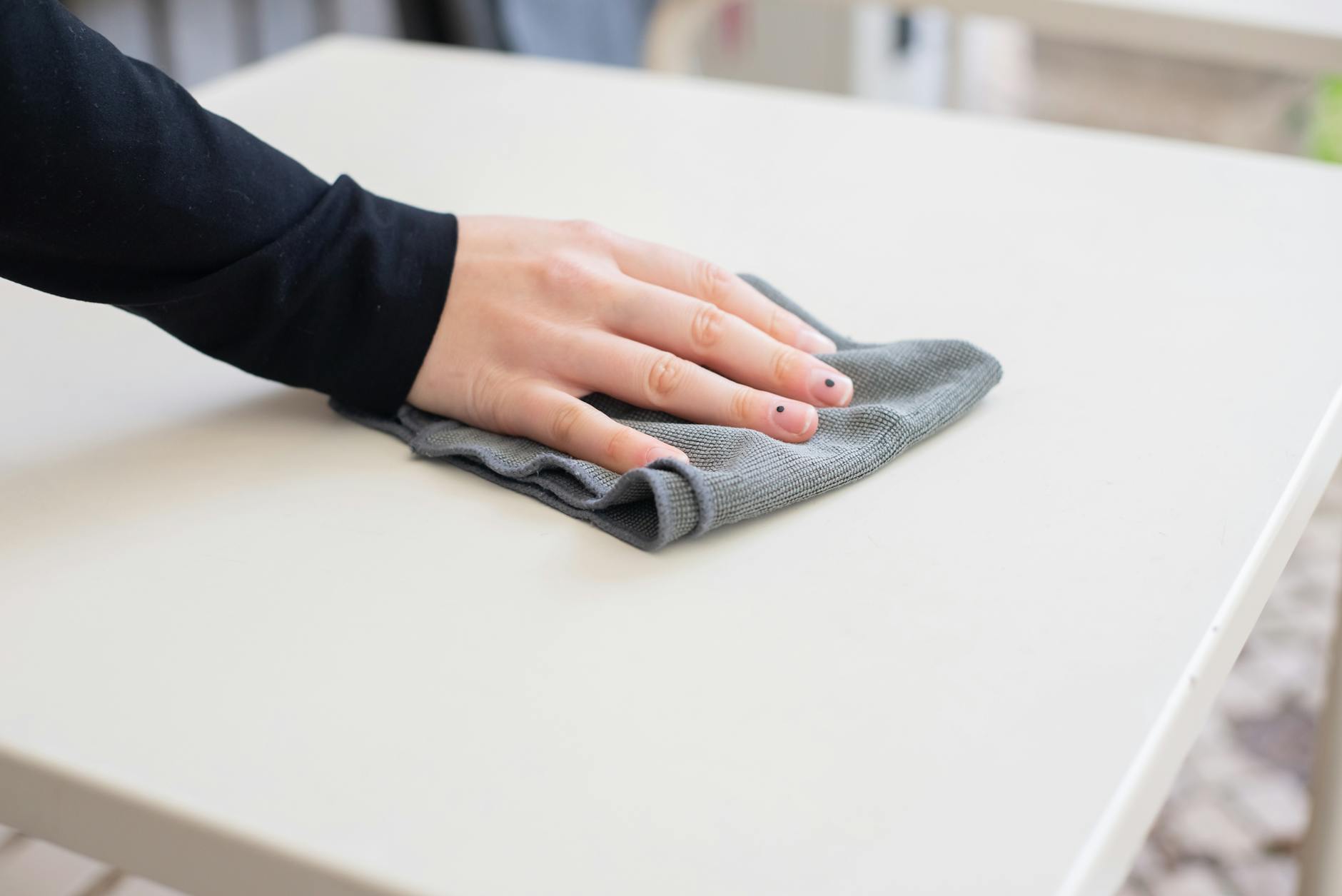
Paper towels and cotton rags have their place, but if you want to clean smarter, microfiber cloths are the single biggest upgrade you can make to your cleaning toolkit. They are not just marketing. The physics behind them actually work.
Microfiber is made of fibers far thinner than a human hair, and those fibers create an enormous surface area that traps dust, bacteria, and grime rather than just pushing it around. Studies have shown that microfiber can remove up to 99 percent of bacteria from surfaces using only water, which is a significant advantage over traditional cotton rags. For dry dusting, microfiber generates a static charge that attracts particles and holds them in the cloth instead of releasing them back into the air.
Use separate color-coded microfiber cloths for bathrooms versus kitchens to avoid cross-contamination. Wash them in hot water without fabric softener, which clogs the fibers and ruins their effectiveness. A quality set of microfiber cloths will last hundreds of washes if cared for correctly, making them one of the most cost-effective cleaning tools available. Our five-star Arizona cleaners rely on microfiber almost exclusively for surface cleaning precisely because of how thoroughly it picks up and holds contaminants.
Tackle Bathroom Mold and Mildew Before It Spreads
Mold in bathrooms is not just an aesthetic problem. It can affect air quality and, left unchecked, spread to areas that are much harder to clean. The smart move is to deal with it early using proven techniques that prevent regrowth rather than just masking the problem.
A spray bottle filled with undiluted white vinegar is one of the most effective tools for surface bathroom mold. Spray directly onto grout lines, caulk edges, and tile corners, allow it to sit for one hour, then scrub with a stiff-bristled brush and rinse. For more persistent mold growth, a diluted bleach solution works well on non-porous surfaces, but never mix bleach with vinegar or any other cleaner. The CDC advises using protective gloves and ventilating the space when working with bleach-based products.
Prevention is the real hack here. Running your bathroom exhaust fan during and for 20 minutes after every shower removes the humidity that mold needs to grow. Squeegeeing glass shower doors after each use takes 15 seconds and dramatically reduces moisture buildup on surfaces. If mold has moved into grout, caulk, or behind tiles, a professional deep cleaning done regularly is far more effective than reactive scrubbing after the problem has grown. For a broader look at avoiding common mistakes that lead to issues like mold buildup, read this guide on house cleaning mistakes homeowners make.
Speed Clean Your Whole House in Under an Hour
A speed clean is different from a deep clean. The goal is not perfection. The goal is to make your home look and feel clean as quickly as possible, which is exactly what you need before guests arrive or after a busy week.
The fastest whole-house cleaning routine follows a few rules. First, set a timer for each room and stick to it. Five minutes per bedroom, eight minutes for bathrooms, ten for the kitchen. When the timer goes off, you move on regardless. Second, carry everything you need in a caddy so you never leave a room to retrieve a product. Third, focus on surfaces that get noticed first: countertops, mirrors, toilets, and floors. Nobody checks baseboards when they walk in the door.
Vacuuming takes priority over mopping during a speed clean because it removes visible debris faster. Save mopping for days when you have more time. Fluffing couch cushions, straightening throw pillows, and wiping down the kitchen sink all contribute heavily to the perception of a clean home with minimal time investment. These quick cleaning hacks for a tidy home are especially useful if you have a consistent schedule but need to cover high-traffic areas in between professional visits. For families managing busy schedules, these quick cleaning tips for busy households offer a practical system worth bookmarking.
Build a Weekly Cleaning Routine That Sticks
Every cleaning hack in the world is only as useful as the routine it lives inside. Sporadic marathon cleaning sessions are exhausting and ineffective compared to a consistent weekly cleaning routine that spreads tasks across manageable daily chunks.
The most sustainable approach is task batching by day. Mondays handle laundry. Tuesdays focus on bathrooms. Wednesdays take care of vacuuming. Thursdays cover kitchen surfaces. Fridays do a quick whole-home reset. This kind of house cleaning schedule means no single day is overwhelming, and nothing goes neglected long enough to become a major project. Keeping a cleaning caddy stocked and placed somewhere central removes the friction of getting started, which is where most routines fall apart.
Consistency also means you maintain results rather than constantly trying to recover from a backlog. Homes that are cleaned on a regular schedule stay cleaner because problems are caught early and buildup never accumulates to the point where it takes serious effort to remove. If maintaining that kind of routine feels out of reach, a recurring professional cleaning on a weekly, biweekly, or monthly schedule handles the heavy work for you and keeps your home at a baseline that is easy to maintain between visits.
Putting these cleaning hacks to work in your home will make a real difference, but sometimes life simply gets in the way. When you need a clean home without the time or energy to do it yourself, house cleaning service in Arizona from Elite Maids is ready to help. Contact Elite Maids House Cleaning today for a free quote and get same-day service scheduled online in minutes, backed by a reclean guarantee so you always get the results you expect.