Microfiber vs. Cotton Cloths for Cleaning: Which One Actually Works Better?
SHARE:
Microfiber cloths outperform cotton cloths for most household cleaning tasks. Microfiber’s split fibers trap dust, bacteria, and grease at a microscopic level, while cotton tends to push debris around rather than capture it. That said, cotton still has a place in a well-stocked cleaning kit. This post breaks down exactly when to use each cloth, room by room and surface by surface.
1. What Microfiber vs. Cotton Cloths for Cleaning Actually Means
Before you can pick the right cloth, you need to understand what you’re actually buying. The term “microfiber” refers to synthetic fabric made from ultra-fine polyester and polyamide (nylon) fibers, each thinner than a strand of human hair. A single microfiber cloth can contain hundreds of thousands of these split fibers per square inch, which is what gives it that almost magnetic grip on dust and grime.
Cotton cleaning cloths, by contrast, are woven from natural plant fibers. They’ve been the household standard for generations, and for good reason: cotton is soft, absorbent, and gentle on delicate surfaces. The difference between microfiber and cotton cleaning cloths isn’t just about material; it’s about how each fabric physically interacts with dirt and liquids on a surface.
When you drag a cotton cloth across a countertop, the fibers absorb liquid but largely push solid particles sideways. Microfiber fibers, because of their split, wedge-shaped structure, physically scoop up particles and lock them inside the cloth rather than redistributing them. That mechanical difference is the whole ballgame when comparing cleaning cloth types.
If you work with home cleaning experts or handle your own surfaces, understanding this distinction saves you money, effort, and frustration.
2. Microfiber Cleaning Cloths: Where They Shine
Microfiber cleaning cloths are the workhorses of modern residential cleaning. Their split-fiber construction means they can pick up 99% of bacteria from a surface using just water, according to testing cited by Good Housekeeping’s cleaning team. That makes them a smart choice for anyone trying to reduce chemical use at home.
Here are the surfaces and tasks where microfiber cloths genuinely outperform cotton:
Glass and mirrors: Microfiber leaves glass streak-free without paper towels or specialty sprays. The fine fibers grab oils and smears instead of smearing them wider.
Kitchen countertops: For wiping down granite, quartz, laminate, or tile, microfiber picks up crumbs, grease, and bacteria in one pass.
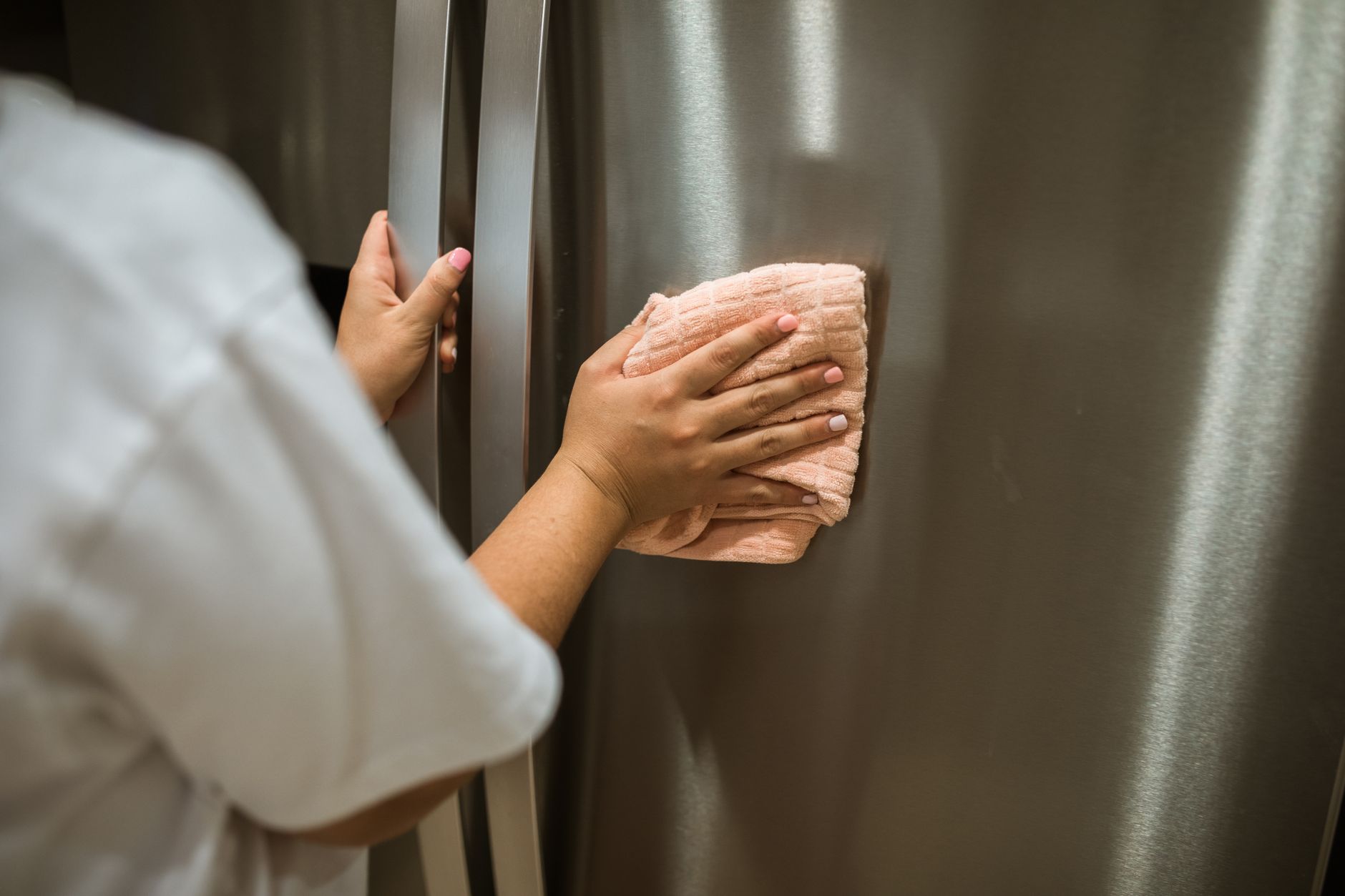
Stainless steel appliances: Cotton can leave lint; microfiber polishes without residue.
Bathroom surfaces: Faucets, vanity tops, and toilet exteriors all respond well to microfiber’s ability to reach into tiny grooves.
Dry dusting: A dry microfiber cloth generates a slight static charge that pulls dust off shelves, baseboards, and electronics rather than dispersing it into the air.
One practical tip: color-code your microfiber cloths. Use blue for glass, yellow for kitchen counters, and red for bathrooms. This prevents cross-contamination between high-touch and high-risk zones, which is something our professional team practices on every single visit.
If you’re also weighing which cleaning products pair best with microfiber, check out this rundown of cleaning products Scottsdale homeowners swear by.
3. Cotton Cleaning Cloths: Where They Still Win
Cotton cleaning cloths haven’t survived this long by being useless. There are specific tasks where cotton is the right choice, and knowing them keeps you from reaching for the wrong rag.
Cotton excels at:
Absorbing large liquid spills: A thick cotton terry cloth or flour-sack towel soaks up more volume than microfiber, which saturates quickly. For a big water spill or a knocked-over glass, grab cotton first.
Applying cleaning solutions: Some surfaces, particularly unsealed wood or antique finishes, respond better to a dampened cotton cloth. The gentler fiber is less likely to cause micro-abrasions.
Heat resistance: Cotton handles hot surfaces safely. Microfiber is synthetic and can melt or warp if used near a hot stovetop or just-out-of-oven cookware.
Scrubbing stubborn residue: A rough cotton cloth or cotton terry towel provides texture that microfiber, which is typically smooth and soft, can’t always match for baked-on residue.
Working with bleach or high-concentration disinfectants: Strong bleach solutions degrade microfiber fibers over time. Cotton tolerates harsh chemicals far better and is the safer choice for heavy-duty disinfection services that require concentrated products.
The best cotton cleaning cloths for home use are typically 100% cotton flour-sack towels or cotton terry washcloths. Avoid blended fabrics since polyester content reduces absorbency.
4. Best Cleaning Cloths for Glass and Mirrors
If streak-free glass is your goal, the answer is clear: microfiber is the best cleaning cloth for glass surfaces, hands down. Cotton leaves lint fibers behind, and paper towels, while convenient, often smear oils rather than lifting them.
For cleaning glass and mirrors specifically, look for a microfiber cloth with a GSM (grams per square meter) rating between 300 and 400. Lower GSM cloths are thinner and work well dry; higher GSM cloths are plusher and better for wet wiping followed by a dry buff.
The two-cloth method is the professional standard for streak-free glass:
First pass: dampen a microfiber cloth with water or a glass-cleaning solution and wipe the surface.
Second pass: immediately follow with a dry microfiber cloth to buff away any remaining moisture.
This technique eliminates the water spotting that plagues single-cloth approaches. In Arizona’s hard-water environment, where minerals in tap water leave residue fast, the two-cloth method is especially important. Residents in Denver face similar challenges, and our team put together a detailed comparison of microfiber vs cotton cloths Denver-style that walks through the same principles.
5. Best Cleaning Cloths for Kitchen Countertops and Bathroom Surfaces
Kitchen countertops and bathroom surfaces need cloths that can handle grease, food residue, soap scum, and bacteria without scratching. Microfiber is the go-to for both spaces, but the specific job matters.
Kitchen countertops: A medium-weight microfiber cloth (around 280-320 GSM) works well with an all-purpose spray. The fibers pull grease off quartz and granite without the need for excessive scrubbing. For tough dried-on messes, dampen the cloth, lay it over the residue for 30 seconds, then wipe. This softens buildup without abrasion.
Bathroom cleaning cloths: Bathrooms need a cloth that can handle soap scum and mineral deposits. Microfiber with a waffle weave or a slightly textured surface provides extra friction without scratching chrome, porcelain, or ceramic tile. Using a dedicated set of bathroom cleaning cloths and washing them separately from kitchen cloths is non-negotiable for hygiene.
One mistake many homeowners make is reusing a cloth multiple times during a single cleaning session without rinsing it. By the third swipe, a saturated cloth redistributes the bacteria it just picked up. Rinse frequently or switch to a fresh cloth between zones. Our post on common cleaning mistakes covers this and several other habits that quietly undermine your results.
6. How to Wash and Care for Microfiber vs. Cotton Cloths
The way you launder your cleaning cloths determines how long they last and how well they keep working. Washing microfiber incorrectly is one of the most common reasons it stops performing.
Washing microfiber cloths:
Use warm water, not hot. High heat damages the synthetic fibers.
Skip fabric softener entirely. Softener coats the split fibers and eliminates their ability to attract dust and bacteria.
Use a small amount of plain liquid detergent, unscented if possible.
Wash microfiber separately from cotton. Cotton lint embeds in microfiber weave and ruins it.
Air dry or tumble dry on low. High dryer heat degrades polyester over time.
Washing cotton cleaning cloths:
Cotton is more forgiving. Wash in warm or hot water with your regular detergent.
Hot water is actually beneficial here, as it helps sanitize cotton cloths used in bathrooms or on raw food surfaces.
You can add a small amount of white vinegar to the rinse cycle to soften cotton naturally without a fabric softener.
Tumble dry on medium. Over-drying cotton repeatedly causes fibers to break down faster, but it tolerates dryer heat far better than microfiber.
A good microfiber cloth, cared for properly, lasts 200 to 500 washes. Cotton cloths typically hold up for 100 to 200 washes before the fibers thin out. Both are far more economical and environmentally friendly than paper towels over a cleaning season.
7. Microfiber Cloths and Eco-Friendly Cleaning
If reducing your chemical footprint matters to you, microfiber cleaning cloths are a meaningful step forward. Because microfiber can clean effectively with water alone on many surfaces, you can cut back on sprays and solutions that contain volatile organic compounds (VOCs) that affect indoor air quality.
The EPA’s Safer Choice program highlights reducing unnecessary chemical use as a core strategy for healthier homes. Microfiber cloth cleaning supports that goal naturally, especially for routine wipe-downs where a disinfectant spray isn’t actually necessary.
Cotton, being a natural fiber, has its own environmental appeal. It’s biodegradable at the end of its life, whereas microfiber cloths shed microplastic particles during washing, a genuine environmental concern. Using a microfiber wash bag can capture those particles before they reach waterways.
For households opting for a greener routine, microfiber handles daily maintenance cleaning while cotton handles tasks that genuinely need a stronger product. This split approach lets you minimize total chemical use without sacrificing results. If you’re scheduling holiday cleaning service where deeper sanitizing is on the agenda, a professional team will balance both cloth types and product strength based on what each surface actually needs.
8. When to Skip Both and Call a Professional Cleaner
Choosing the right cloth matters a lot for routine upkeep, but there are times when the cloth is only part of the equation. Deep cleans, move-in or move-out situations, post-event cleanup, and homes that have gotten behind on regular maintenance need more than good tools. They need professional technique and the right product-to-surface knowledge built from experience.
A recurring house cleaning Arizona service handles all of this systematically. Every cleaner arrives with color-coded microfiber cloths, the right solutions for each surface type, and a checklist that covers zones most homeowners skip: baseboards, door frames, ceiling fans, window sills, and refrigerator coils.
If you’re in Salt Lake City and comparing cloth options for a similar climate and surface set, our companion guide on microfiber vs cotton cloths Salt Lake City covers the same principles with local context.
For Arizona families in Phoenix, Scottsdale, Mesa, Chandler, Gilbert, or Tucson who want consistent results without spending their weekends scrubbing, a scheduled professional visit removes the guesswork entirely. Background-checked, fully insured cleaners who back every visit with a satisfaction guarantee give you something no cleaning cloth can: peace of mind.
Ready to stop guessing which cloth to grab and just have it handled? Contact Elite Maids house cleaning today for a free quote and see why we’re Arizona’s most-reviewed residential cleaning team. Book online in minutes with instant quotes available from 8am to 6pm, no phone call required.
Frequently Asked Questions
Is microfiber or cotton better for cleaning?
Microfiber is better for most cleaning tasks because its split synthetic fibers trap dust, grease, and bacteria rather than pushing them around. Cotton works better for absorbing large liquid spills, applying products to delicate surfaces, and tasks involving bleach or high heat, where microfiber can degrade. For most daily cleaning, microfiber wins.
What are the best cleaning cloths for bathroom surfaces?
A textured or waffle-weave microfiber cloth is the best option for bathroom cleaning. It provides enough friction to cut through soap scum and mineral deposits without scratching chrome, porcelain, or ceramic tile. Use a dedicated set of bathroom cloths, wash them separately, and replace them when they stop releasing grime during laundering.
What are the best cleaning cloths for glass?
Microfiber cloths in the 300 to 400 GSM range are the best cleaning cloths for glass and mirrors. Use the two-cloth method: one damp cloth to clean and one dry cloth to buff immediately after. This prevents water spots, which is especially important in Arizona where hard water leaves mineral deposits quickly.
Can you clean without microfiber? What are the best cleaning cloths if not microfiber?
Yes. High-quality 100% cotton flour-sack towels and cotton terry washcloths are the strongest non-microfiber options. They absorb well, tolerate bleach, and are gentle on surfaces. They’re ideal for spills, applying solutions to delicate finishes, and scrubbing tasks. Avoid blended fabrics since polyester content reduces absorbency significantly.
How do you wash microfiber cloths without ruining them?
Wash microfiber in warm water with a small amount of plain liquid detergent. Never use fabric softener; it coats the fibers and kills their cleaning power. Wash microfiber separately from cotton to prevent lint transfer. Air dry or tumble dry on low heat. Cared for properly, a good microfiber cloth lasts 200 to 500 wash cycles.