Tucson Monsoon Season Cleaning Checklist: Preparing Your Home Before & After Storms
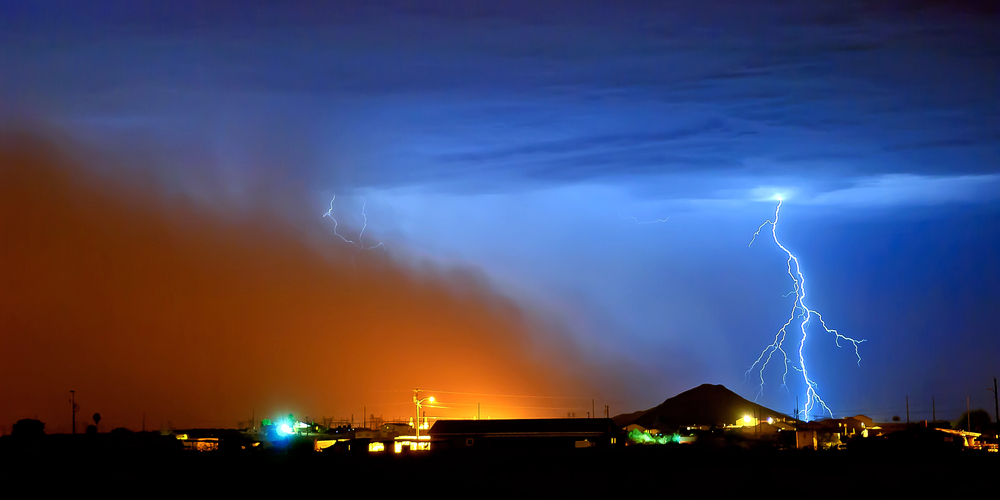
Your first Tucson monsoon season will be unforgettable. If you’re a longtime resident, you know the drill: dark clouds building over the mountains, the distinctive smell of creosote in the air, sudden temperature drops, and then—chaos. Powerful winds, blinding dust storms, torrential rain, dramatic lightning, and occasionally, hail. Welcome to one of nature’s most spectacular weather phenomena, happening right in your backyard from June through September.
But while monsoons bring much-needed moisture to our desert landscape and create stunning sunsets and dramatic skies, they also wreak havoc on Tucson homes. From dust storms (haboobs) that deposit inches of fine powder on every surface to flash floods that can damage foundations, from humidity spikes that trigger mold growth to wind-driven debris that clogs gutters and damages roofs—monsoon season presents unique cleaning and maintenance challenges that homeowners in Seattle, Boston, or even Phoenix don’t face quite the same way.
The good news? Elite Maids provides professional house cleaning in Tucson so you don’t have to worry about it. With proper preparation and a strategic cleaning approach, you can protect your home from monsoon damage and recover quickly after storms pass. This comprehensive guide will walk you through everything you need to know about monsoon season cleaning in Tucson, from pre-season preparation to post-storm recovery.
Understanding Tucson’s Monsoon Season Impact on Your Home
What Happens During Monsoon Storms
Tucson’s monsoon season officially runs from June 15 through September 30, though the most active period typically occurs in July and August. Unlike gentle spring rains in other parts of the country, Tucson monsoons are violent, dramatic events that can transform conditions in minutes.
Dust Storms (Haboobs): These massive walls of dust, sometimes reaching heights of 5,000-10,000 feet, race across the desert at speeds up to 60 mph. As storms approach, powerful outflow winds pick up tons of loose desert soil, creating a brown cloud that can reduce visibility to zero. When a haboob hits your neighborhood, fine dust infiltrates every crack, gap, and opening in your home—under doors, through window seals, via air vents, even through electrical outlets.
The dust isn’t just annoying; it’s incredibly fine (often smaller than 10 microns), which means it stays airborne longer, penetrates deeper into your home, and is harder to remove than typical desert dust. A single haboob can deposit enough dust to require hours of cleaning, and Tucson typically experiences multiple dust storms each monsoon season.
Heavy Rain and Flooding Potential: When rain finally arrives, it often comes in intense bursts. Tucson can receive an inch or more of rain in less than an hour—an enormous amount for a city that averages only 12 inches annually. The hard, dry desert soil can’t absorb water quickly, leading to flash flooding in washes, streets, and low-lying areas.
For homes, this means potential water intrusion through windows, doors, and roofs. Gutters overflow, water pools against foundations, and improperly sealed areas become entry points for moisture. Even homes that don’t experience direct flooding often deal with water-driven dust and mud that creates stubborn stains on exterior walls, patios, and driveways.
Wind Damage and Debris: Monsoon winds regularly exceed 40-50 mph, with gusts sometimes reaching 70+ mph. These powerful winds tear branches from trees, blow patio furniture across yards, and send trash cans tumbling down streets. For your home, this means debris in gutters, damaged window screens, displaced roof tiles, and outdoor areas littered with leaves, twigs, and desert vegetation.
Common Home Damage and Dirt Issues
Dust Infiltration Through Windows and Doors: Even well-maintained homes experience dust infiltration during monsoons. The combination of powerful winds and fine dust particles means that any gap—no matter how small—becomes an entry point. You’ll find dust on windowsills, around door frames, on furniture near exterior walls, and coating floors near entryways.
Sliding glass doors are particularly vulnerable. The tracks collect massive amounts of dust and debris, and the seals often allow dust to pass through. After a significant dust storm, you might find a visible line of dust along the interior floor where your sliding door meets the frame.
Water Intrusion Problems: Monsoon rains test every seal, caulk line, and weather strip on your home. Common water intrusion points include:
- Window frames, especially older windows with deteriorated seals
- Door thresholds, particularly on covered patios where water can pool
- Roof penetrations (vents, chimneys, skylights)
- Garage doors, which often have gaps at the bottom
- Air conditioning condensate lines that back up during heavy rain
- Foundation cracks that allow water seepage into basements or crawl spaces
Even minor water intrusion can cause significant problems—stained drywall, damaged flooring, ruined baseboards, and the perfect conditions for mold growth.
Mold and Mildew Risks in Humid Conditions: Tucson’s typical humidity hovers around 20-30%, but during active monsoon periods, it can spike to 60-80%. This dramatic increase, combined with any water intrusion, creates ideal conditions for mold and mildew growth.
Bathrooms are particularly vulnerable, especially those without adequate ventilation. Kitchen areas around sinks and dishwashers, laundry rooms, and any area with water exposure can develop mold within 24-48 hours of moisture exposure. The musty smell that many Tucson homes develop during monsoon season is often the first sign of mold growth.
Pre-Monsoon Preparation Checklist (May-Early June)
The best defense against monsoon damage is preparation. Spending a few hours in May or early June can save you days of cleanup and potentially thousands in damage repairs.
Exterior Cleaning Tasks

Clean Gutters and Downspouts: Even in the desert, gutters matter—especially during monsoon season. Desert debris (leaves from palo verde trees, seed pods from mesquites, dirt, and dust) accumulates in gutters throughout the year. When monsoon rains arrive, clogged gutters overflow, sending water cascading down exterior walls, pooling against foundations, and potentially entering your home.
Clear all debris from gutters and flush downspouts with a hose to ensure proper drainage. Check that downspout extensions direct water at least 5-6 feet away from your foundation. If you have a flat or low-slope roof (common in Tucson), ensure roof drains are completely clear—a clogged roof drain can cause water to pond on your roof, leading to leaks and structural damage.
Inspect and Seal Windows and Doors: Walk around your home’s exterior and inspect every window and door. Look for:
- Cracked or missing caulk around window frames
- Deteriorated weather stripping on doors
- Gaps between door frames and walls
- Damaged window screens (which won’t stop dust but reduce the amount entering)
- Loose or damaged window seals
Apply fresh caulk where needed, replace worn weather stripping, and repair or replace damaged screens. Pay special attention to windows on the west and south sides of your home, as these face the prevailing monsoon wind direction.
Power Wash Patios and Walkways: Pre-monsoon is the perfect time to power wash outdoor surfaces. Monsoon rains will create mud from accumulated dust and dirt, so starting with clean surfaces means less mess to deal with later. Power washing also reveals cracks in concrete that should be sealed before monsoons arrive, preventing water intrusion and further damage.
Clean your pool deck thoroughly if you have a pool—monsoon debris will end up in your pool, and starting with a clean deck minimizes contamination.
Trim Trees and Remove Dead Branches: Monsoon winds are powerful enough to break branches and uproot poorly maintained trees. Walk your property and identify any dead branches, particularly those overhanging your roof, patio, or outdoor living areas. Remove these hazards before storms arrive.
Pay special attention to palo verde trees, which are beautiful but brittle. Their branches break easily in high winds, creating dangerous projectiles and significant cleanup challenges.
Secure Outdoor Furniture and Decorations: Anything not secured will blow away during monsoon winds—it’s not a question of if, but when. Store lightweight items like plant pots, garden decorations, and outdoor cushions in your garage or shed. Secure heavier items like patio furniture with straps or move them against walls in protected areas.
Trampolines are particularly dangerous during monsoons—they become airborne easily and can cause serious property damage or injury. Disassemble or secure them with ground anchors rated for high winds.
Check Roof for Damage: If you’re comfortable doing so safely, inspect your roof for loose or damaged tiles, deteriorated flashing, or other issues that could allow water intrusion. Look for:
- Cracked or missing roof tiles
- Damaged or loose flashing around chimneys, vents, and skylights
- Deteriorated roof coating (on flat roofs)
- Debris accumulation in roof valleys
If you’re not comfortable inspecting your roof yourself, hire a professional. The cost of an inspection is minimal compared to repairing water damage from a leaking roof.
Interior Preparation
Deep Clean Air Vents and Replace Filters: Your HVAC system will work overtime during monsoon season, both cooling your home and filtering dust-laden air. Start the season with clean air vents and fresh filters.
Remove all vent covers and wash them thoroughly in warm, soapy water. Vacuum inside the ductwork as far as you can reach. Install high-quality HEPA or MERV 11+ filters—yes, they cost more than basic fiberglass filters, but they’ll capture the fine monsoon dust that cheaper filters miss.
Consider having your ducts professionally cleaned before monsoon season if it’s been several years since the last cleaning. This ensures your HVAC system operates efficiently and doesn’t recirculate accumulated dust throughout your home.
Check Weather Stripping on All Doors: Interior door weather stripping might seem unnecessary, but it helps prevent dust from spreading throughout your home during dust storms. Check weather stripping on:
- Entry doors (front, back, garage access)
- Sliding glass doors
- Garage doors (both the main door and any access doors)
Replace any worn or damaged weather stripping. Door sweeps are particularly important—they should make contact with the threshold across the entire width of the door.
Clean and Organize Garage: Your garage will become a staging area during monsoon season—a place to store outdoor items, a shelter for patio furniture, and potentially a refuge during severe storms. Clean and organize it now while you have time.
Sweep or vacuum the floor thoroughly, organize storage areas, and create space for items you’ll bring in when storms threaten. If your garage floods during heavy rains, identify the source and address it—often it’s as simple as sealing gaps under the garage door or improving drainage outside.
Inspect Attic for Leaks: If you have an accessible attic, inspect it for signs of previous water intrusion—stains on wood, water marks on insulation, or musty odors. Address any issues before monsoons arrive. Also check that attic vents are clear and functioning properly—good attic ventilation helps prevent moisture buildup during humid monsoon periods.
Stock Cleaning Supplies for Post-Storm Cleanup: Don’t wait until after a major dust storm to realize you’re out of microfiber cloths, vacuum bags, or floor cleaner. Stock up on:
- Microfiber cleaning cloths (you’ll go through dozens after a haboob)
- Vacuum bags or ensure your bagless vacuum is empty
- All-purpose cleaner
- Floor cleaning solution
- Window cleaner
- Dust masks (for cleaning after major dust events)
- Extra HVAC filters (you may need to change them multiple times during monsoon season)
Test Sump Pumps (If Applicable): While not common in Tucson, some homes in flood-prone areas or with basements have sump pumps. Test yours before monsoon season to ensure it’s functioning properly. Pour water into the sump pit until the pump activates, and verify it’s pumping water away from your foundation.
Window and Door Maintenance
Caulking and Sealing Techniques: Proper caulking is your first line of defense against dust and water intrusion. Use high-quality, paintable exterior caulk (silicone or polyurethane-based) for outdoor applications.
Remove old, cracked caulk completely before applying new caulk—new caulk won’t adhere properly to deteriorated old caulk. Apply a smooth, continuous bead around all window frames, door frames, and any penetrations in exterior walls (light fixtures, electrical boxes, hose bibs).
Pay special attention to the top of window and door frames—water running down walls during monsoons will find any gap and enter your home.
Installing Door Sweeps: Door sweeps are inexpensive (typically $10-20) and incredibly effective at blocking dust and water. Install them on all exterior doors, ensuring they make firm contact with the threshold without binding when the door opens and closes.
For garage doors, install a rubber seal along the bottom edge. These seals compress when the door closes, creating a barrier against dust, water, and pests.
Checking Sliding Glass Door Tracks: Sliding glass doors are notorious dust collectors. Before monsoon season, thoroughly clean the tracks:
- Vacuum loose debris from tracks
- Spray tracks with a vinegar-water solution
- Scrub with an old toothbrush or track cleaning brush
- Wipe clean with microfiber cloths
- Apply silicone lubricant to ensure smooth operation
Check the door’s weather stripping and replace if worn. Properly maintained sliding doors won’t be completely dust-proof, but they’ll significantly reduce infiltration.
During Monsoon Season: Quick Response Cleaning (June-September)
After Each Dust Storm
Immediate Actions (Within 24 Hours): The hours immediately following a dust storm are critical. Dust that settles becomes harder to remove as time passes, and humidity following storms can cause dust to cake onto surfaces.
Don’t open windows immediately: Wait at least 30-60 minutes after a dust storm passes before opening windows. Dust remains airborne for a while, and opening windows too soon just invites more dust inside.
Change HVAC filters: After a significant dust storm, check your HVAC filter. If it’s visibly caked with dust, replace it immediately. Running your system with a clogged filter reduces efficiency and can damage the system.
Vacuum before dusting: This seems counterintuitive, but vacuum floors first to remove the bulk of settled dust. Then dust surfaces from top to bottom. If you dust first, you’ll just knock dust onto floors you’ll need to vacuum again.
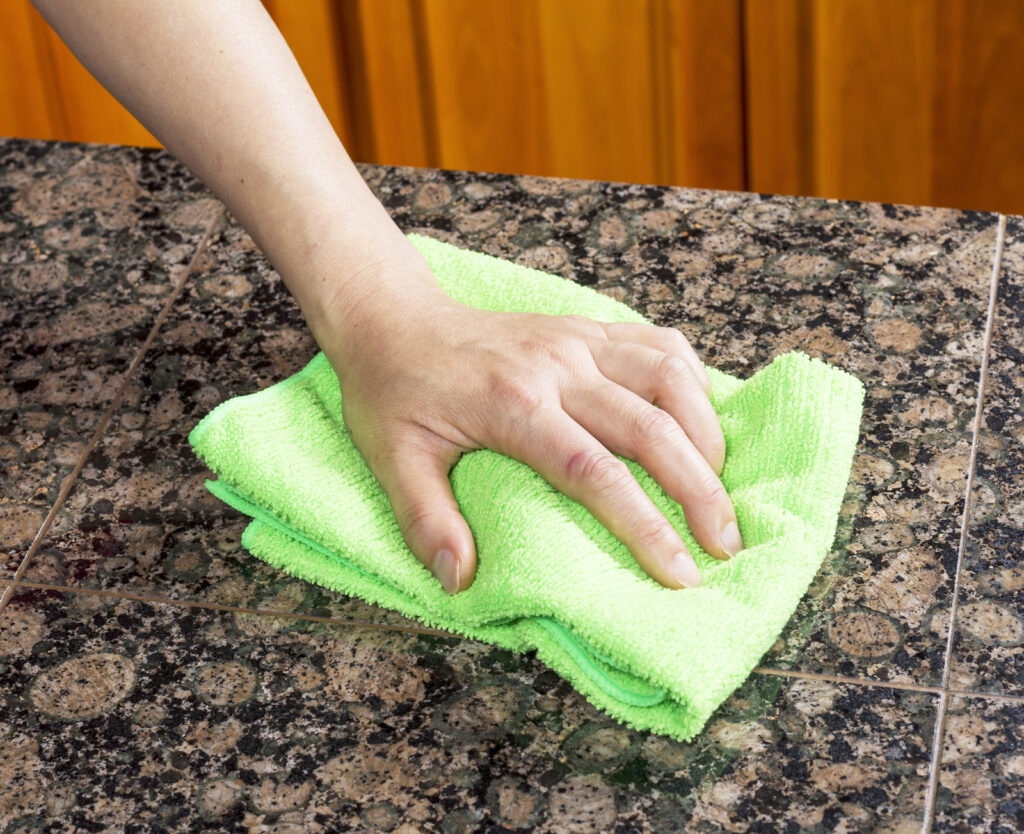
Use damp cloths, not dry dusters: Dry dusting just moves dust around. Use slightly damp microfiber cloths that capture and hold dust particles. Rinse cloths frequently and use multiple cloths—you’ll be amazed how many you go through after a major haboob.
Surface Cleaning Priorities
Focus your immediate post-storm cleaning on high-priority areas:
Kitchen counters and food prep areas: Dust can contaminate food surfaces, so clean these thoroughly with appropriate sanitizing cleaners.
Bathroom surfaces: Dust combined with bathroom humidity creates a grimy film. Wipe down all surfaces, paying special attention to sinks, counters, and toilet exteriors.
Electronics: Dust and electronics don’t mix. Gently clean TV screens, computer monitors, and other electronics with appropriate cleaning cloths. Don’t forget gaming consoles, cable boxes, and other equipment that can overheat if dust clogs ventilation.
Window sills and tracks: These collect enormous amounts of dust during storms. Vacuum first, then wipe clean with damp cloths.
Floors near exterior doors: These areas bear the brunt of dust infiltration. Vacuum or sweep thoroughly, then mop with appropriate floor cleaner.
Air Filter Replacement Schedule
During active monsoon season, check HVAC filters weekly—not monthly. After major dust storms, you may need to replace filters every 2-3 weeks instead of the typical 30-90 days.
Keep a supply of filters on hand so you’re never caught without one. The cost of frequent filter changes is minimal compared to HVAC repair bills or the health impacts of poor air quality.
Also clean or replace filters in:
- Vacuum cleaners (clogged filters reduce suction)
- Air purifiers (if you use them)
- Range hoods
- Bathroom exhaust fans
HVAC System Checks
Beyond filter changes, monitor your HVAC system during monsoon season:
Listen for unusual noises: Dust infiltration can cause problems with blower motors and other components. If you hear grinding, squealing, or other unusual sounds, call a professional.
Check airflow: Reduced airflow from vents might indicate clogged filters or dust buildup in ductwork.
Monitor cooling efficiency: If your system struggles to maintain temperature, dust buildup might be reducing efficiency.
Inspect outdoor unit: After dust storms, check your outdoor AC unit. Turn off power and gently spray the unit with a hose to remove dust from fins and coils. Don’t use high pressure, which can damage delicate fins.
After Heavy Rain Events
Water Damage Inspection: Within hours of heavy rain, inspect your home for water intrusion:
Check window frames: Look for water stains, dampness, or standing water on sills.
Inspect door thresholds: Check for water that’s entered under doors, particularly on covered patios where water can pool.
Examine ceilings: Look for water stains, sagging drywall, or dripping water that indicates roof leaks.
Check baseboards: Dampness or discoloration at floor level might indicate foundation water intrusion.
Inspect attic: If accessible, check for active leaks or signs of water entry.
Document any damage with photos immediately—this is important for insurance claims if needed.
Humidity Control Measures
Tucson homes aren’t designed for high humidity, so monsoon season humidity spikes can cause problems:
Run exhaust fans: Use bathroom and kitchen exhaust fans during and after showers, cooking, and dishwashing to remove moisture.
Increase air circulation: Run ceiling fans to keep air moving and prevent moisture from settling.
Use dehumidifiers: In particularly humid areas (bathrooms without windows, laundry rooms), consider running a small dehumidifier during active monsoon periods.
Open windows strategically: When humidity drops (typically mornings after storms), open windows to air out your home and reduce indoor humidity.
Preventing Mold Growth
Mold can begin growing within 24-48 hours of water exposure, so quick action is essential:
Dry wet areas immediately: Use fans, towels, and dehumidifiers to dry any areas that got wet from water intrusion.
Clean with mold-preventing solutions: After drying, clean affected areas with vinegar solution (1 part vinegar to 1 part water) or commercial mold-prevention cleaners.
Monitor for musty odors: The smell of mildew is often the first sign of mold growth. Investigate any musty odors immediately.
Check hidden areas: Don’t forget to check inside cabinets under sinks, behind toilets, and other areas where moisture might accumulate unnoticed.
Carpet and Upholstery Drying
If carpets or upholstery get wet from water intrusion:
Extract water immediately: Use a wet/dry vacuum to remove as much water as possible.
Increase air circulation: Point fans at wet areas and run them continuously until completely dry.
Lift carpet edges: If carpet padding is wet, you may need to lift carpet edges to dry the padding—wet padding is a mold factory.
Consider professional help: For significant water damage, professional carpet cleaning and water extraction services have equipment that dries materials much faster than DIY methods.
Don’t replace too quickly: Give materials 48-72 hours to dry completely before deciding whether replacement is necessary. Many materials that seem ruined when wet will recover once thoroughly dried.
Post-Monsoon Deep Cleaning Checklist (September-October)
Once monsoon season winds down in late September, it’s time for comprehensive recovery cleaning.
Comprehensive Interior Cleaning
Professional Carpet Cleaning: Even if you vacuumed regularly during monsoon season, carpets have absorbed months of dust, humidity, and foot traffic. Professional hot water extraction (steam cleaning) removes embedded dirt, allergens, and any mold spores that may have developed.
Schedule carpet cleaning in late September or early October, after monsoons end but before winter guests arrive. This timing ensures carpets are fresh for the upcoming season.
Deep Clean All Air Ducts: Monsoon season dust infiltrates ductwork despite your best filter efforts. Professional duct cleaning removes accumulated dust, improving air quality and HVAC efficiency.
If professional duct cleaning isn’t in your budget, at least remove all vent covers, wash them thoroughly, and vacuum inside ducts as far as you can reach.
Wash All Windows Inside and Out: Monsoon dust and rain create stubborn film on windows. Clean both interior and exterior glass, frames, and sills. Don’t forget window tracks—they’ve collected months of dust and debris.
For exterior windows, use a hose to rinse loose dust before washing. This prevents scratching glass with abrasive dust particles.
Clean Ceiling Fans and Light Fixtures: Ceiling fans accumulate enormous amounts of dust during monsoon season. Clean blades thoroughly (both top and bottom), motor housings, and light fixtures. This prevents dust from circulating when you run fans during cooler months.
Sanitize Bathrooms (Mold Prevention): Even if you don’t see visible mold, bathrooms have been exposed to months of elevated humidity. Deep clean all surfaces with mold-killing cleaners:
- Scrub grout lines with grout cleaner and a stiff brush
- Clean shower doors and tracks thoroughly
- Wash shower curtains or replace if showing mildew
- Clean exhaust fan covers and check that fans are functioning properly
- Wipe down all surfaces, including inside cabinets
Kitchen Deep Clean: Monsoon season humidity can affect kitchen areas:
- Clean inside all cabinets and drawers (check for any moisture damage or pest activity)
- Deep clean appliances, including refrigerator coils, oven interior, and dishwasher filter
- Scrub backsplash grout
- Clean range hood filters (they’ve worked hard during humid months)
- Organize pantry and check for any moisture-damaged food items
Baseboards and Crown Molding: These horizontal surfaces collect dust throughout monsoon season. Vacuum first with a brush attachment, then wipe clean with damp microfiber cloths. Touch up paint if needed—monsoon humidity can cause paint to peel or chip.
Door and Window Frame Cleaning: Clean all door frames and window frames, removing accumulated dust and checking for any water damage that needs repair. Pay special attention to exterior door frames, which face the brunt of monsoon weather.
Exterior Recovery
Roof Inspection and Cleaning: After monsoon season, inspect your roof for damage:
- Missing or damaged tiles
- Deteriorated flashing
- Debris accumulation in valleys
- Signs of water intrusion
Remove all debris from the roof—leaves, branches, and seed pods that accumulated during storms. If you’re not comfortable working on your roof, hire a professional.
Gutter Cleaning (Again): Yes, you cleaned gutters before monsoon season, but they need cleaning again afterward. Monsoon storms deposit leaves, twigs, and debris that can clog gutters and cause problems during winter rains.
Flush downspouts thoroughly and ensure water flows freely away from your foundation.
Pressure Wash Exterior Walls: Monsoon rains splash mud and dirt onto exterior walls, creating stubborn stains. Pressure washing removes these stains and refreshes your home’s appearance.
Pay special attention to areas under eaves and around windows where water-driven dirt accumulates. Use appropriate pressure settings for your wall material—too much pressure can damage stucco or paint.
Clean Pool and Spa (If Applicable): Pools and spas collect enormous amounts of debris during monsoon season—leaves, dust, pollen, and sometimes larger items blown in by winds.
- Skim and vacuum pool thoroughly
- Clean filters
- Shock pool water to address any algae growth from monsoon debris
- Clean pool deck and surrounding areas
- Inspect pool equipment for any storm damage
Landscape Debris Removal: Walk your property and remove all monsoon debris:
- Fallen branches and twigs
- Accumulated leaves in planting areas
- Debris caught in bushes and cacti
- Items blown into your yard from neighbors’ properties
Trim any plants damaged by storms and remove dead vegetation that could become fire hazards as we move into fall and winter.
Professional Monsoon Cleaning Services in Tucson
When to Call Professionals
While many monsoon cleaning tasks are manageable DIY projects, some situations call for professional help:
After Severe Dust Storms: If a major haboob has deposited dust throughout your home, professional cleaners have the equipment and expertise to address it comprehensively. We use HEPA-filtered vacuums, specialized dust-removal techniques, and efficient processes that would take homeowners days to accomplish.
Water Damage Situations: Any significant water intrusion should be addressed by professionals who can properly dry materials, prevent mold growth, and assess structural damage.
Pre-Season Deep Cleaning: Hiring professionals for pre-monsoon deep cleaning ensures your home is properly prepared. We address areas homeowners often miss and can identify potential problems before storms arrive.
Post-Season Recovery: After monsoon season ends, professional deep cleaning restores your home to pre-monsoon condition, addressing accumulated dust, humidity effects, and storm damage.
Time Constraints: If you simply don’t have time to properly prepare for or recover from monsoon season, professional services ensure your home is protected and maintained despite your busy schedule.
What Elite Maids’ Monsoon Cleaning Includes
Our specialized monsoon cleaning services address Tucson’s unique challenges:
Pre-Monsoon Preparation Package:
- Comprehensive interior deep cleaning
- Window and door seal inspection
- Air vent cleaning and filter replacement
- Outdoor area preparation
- Customized checklist for your specific home
Post-Storm Quick Response:
- Emergency dust removal after major haboobs
- Water intrusion cleanup
- Mold prevention treatment
- HVAC filter replacement
- Same-day or next-day availability during monsoon season
Post-Monsoon Recovery Cleaning:
- Whole-home deep cleaning
- Carpet and upholstery cleaning
- Window washing (interior and exterior)
- Outdoor area restoration
- Detailed inspection for any storm damage
Emergency Cleaning Services
Monsoons don’t follow schedules, and neither do we. Elite Maids offers emergency cleaning services during monsoon season for situations like:
- Major dust storm aftermath requiring immediate attention
- Water intrusion cleanup to prevent mold growth
- Pre-guest cleaning when storms have left your home in disarray
- Post-storm restoration for special events or showings
Our emergency services include same-day and next-day appointments, flexible scheduling, and rapid response to protect your home and your peace of mind.
Pricing and Packages
We offer transparent, competitive pricing for monsoon cleaning services:
Pre-Monsoon Deep Clean: Starting at $200 for standard homes, scaled by square footage and specific needs.
Post-Storm Quick Clean: $150-$300 depending on storm severity and home size.
Post-Monsoon Recovery Package: Comprehensive whole-home cleaning starting at $300, including interior deep clean, window washing, and outdoor area attention.
Monsoon Season Maintenance Package: Discounted recurring service throughout monsoon season (June-September) with priority scheduling and emergency response availability.
Contact us for a customized quote based on your home’s specific needs and your monsoon season concerns.
Preventing Future Monsoon Damage
Home Improvements to Consider
If you experience repeated monsoon problems, consider these improvements:
Window Replacement: Old, single-pane windows with deteriorated seals are dust and water intrusion highways. Modern double-pane windows with quality seals dramatically reduce infiltration.
Door Upgrades: Replacing old exterior doors with modern, well-sealed units prevents dust and water entry.
Roof Coating: For flat or low-slope roofs, professional elastomeric coating creates a waterproof barrier that extends roof life and prevents leaks.
Improved Drainage: French drains, channel drains, or regrading around your foundation can prevent water from pooling against your home.
Covered Outdoor Spaces: Extended roof overhangs or covered patios protect doors and windows from direct rain exposure.
Year-Round Maintenance Tips
Monsoon preparation isn’t just a once-yearly task:
Monthly: Check and replace HVAC filters, clean window tracks, inspect weather stripping.
Quarterly: Clean gutters, inspect roof, test sump pumps, deep clean outdoor areas.
Bi-Annually: Professional HVAC service, comprehensive window cleaning, detailed home inspection.
Annually: Professional duct cleaning, roof inspection, comprehensive deep cleaning.
Creating a Monsoon Emergency Kit
Keep a monsoon emergency kit readily accessible:
- Flashlights and batteries (power outages are common)
- Battery-powered radio
- First aid supplies
- Bottled water
- Non-perishable food
- Important documents in waterproof container
- Cleaning supplies for quick storm response
- Tarps and plastic sheeting for emergency water intrusion
- Contact information for emergency services (plumber, electrician, Elite Maids!)
Your Monsoon Season Partner
Tucson’s monsoon season is spectacular, dramatic, and challenging. While we can’t control the weather, we can control how prepared we are and how quickly we recover. Proper preparation, quick response to storm damage, and thorough post-season cleaning protect your home, your health, and your investment.
At Elite Maids, we’ve been helping Tucson homeowners navigate monsoon season for years. We understand the unique challenges our desert storms present, and we’ve developed specialized services that address them effectively. Whether you need comprehensive pre-monsoon preparation, emergency post-storm cleanup, or thorough post-season recovery, we’re here to help.
Don’t let monsoon season overwhelm you. Contact Elite Maids today to schedule your pre-monsoon deep cleaning or to discuss a customized monsoon season maintenance plan. Call (480) 933-1692 or visit our website for a free quote. Let us handle the cleaning so you can enjoy the spectacular beauty of Tucson’s monsoon season without the stress.
Elite Maids House Cleaning specializes in monsoon season preparation and recovery for Tucson homes. Our experienced, background-checked professionals understand desert storm challenges and provide reliable, thorough cleaning services that protect your home year-round. Trust Elite Maids for all your Tucson house cleaning needs, from routine maintenance to emergency storm response.