How to Clean Hardwood Floors in Phoenix: The Complete Guide
SHARE:
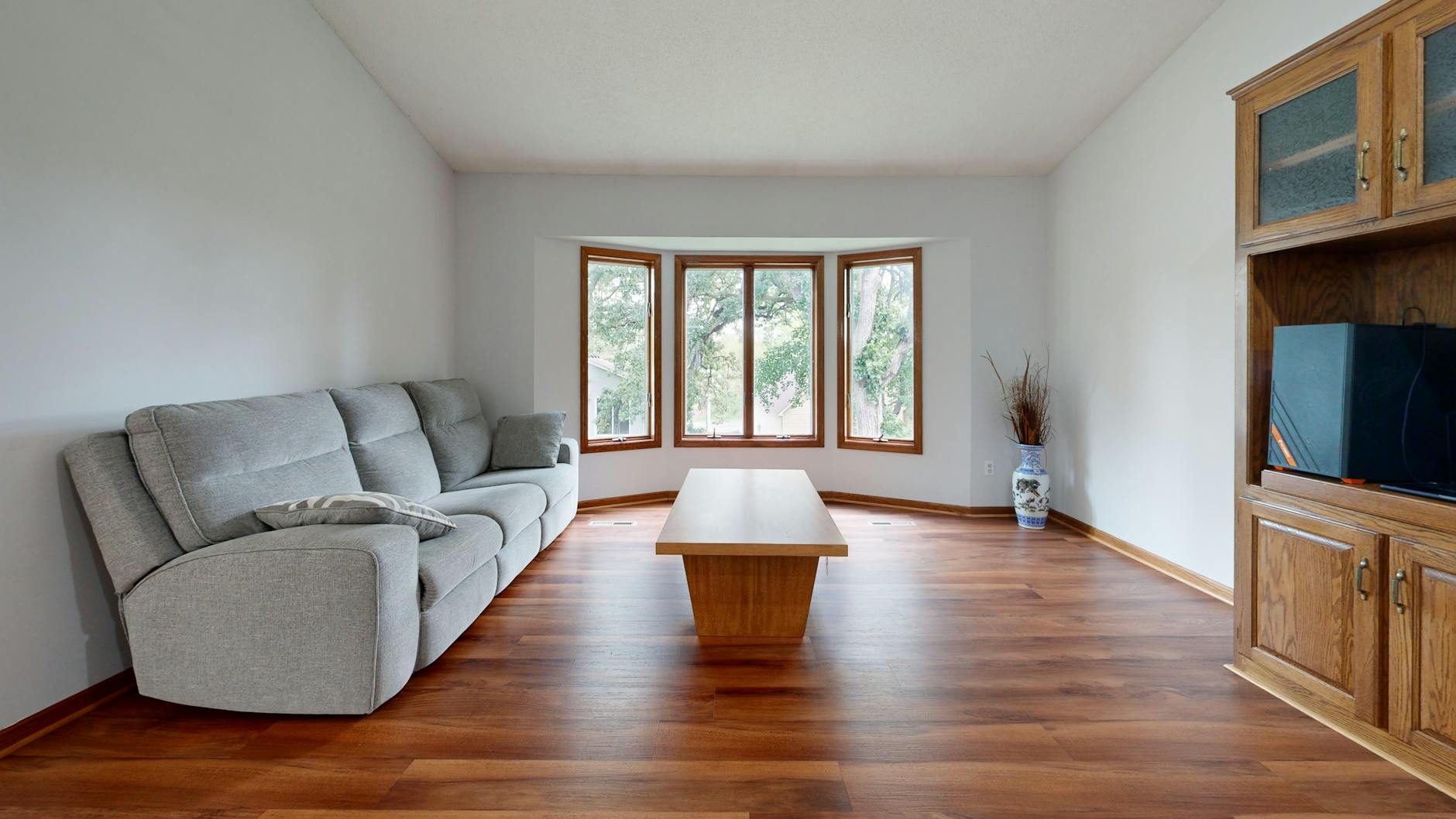
The best way to clean hardwood floors is to sweep or vacuum first, then use a lightly damp mop with a pH-neutral hardwood floor cleaner like Bona Hardwood Floor Cleaner. Never soak the wood or use harsh chemicals. Phoenix’s dry desert climate and hard water create unique challenges for wood floors, and this guide walks through every step to keep them looking great year-round.
If you’re searching through The 10 Best House Cleaning Services in Phoenix, AZ 2026 trying to figure out who can handle your floors right, you’ve come to the right place. Elite Maids House Cleaning serves homeowners across Phoenix and the wider Valley, and we know exactly what this climate does to hardwood. Below, we break down 10 proven steps for cleaning hardwood floors so they stay beautiful through every season.
1. How Phoenix’s Environment Affects Your Hardwood Floors
Phoenix’s desert environment is tough on hardwood floors in ways most homeowners don’t expect. The Valley sits at very low humidity for most of the year, which causes wood to contract and develop small gaps between planks. Then monsoon season arrives and humidity spikes, causing those same planks to expand and sometimes cup or buckle. This constant cycle of expansion and contraction makes proper hardwood floor care in Phoenix more critical than in other parts of the country.
Hard water is another Phoenix-specific problem. According to Bob Vila’s cleaning guides, mineral deposits from hard water can leave a white haze on wood floors when a wet mop leaves too much water behind. That white film is calcium and magnesium residue baking into the finish under the Arizona sun. If you’re cleaning hardwood floors in Phoenix, you need to use as little water as possible and dry the surface immediately after mopping. Running a whole-home humidifier during dry months also helps protect the wood between cleaning sessions.
2. Sweep or Vacuum Before You Do Anything Else
Every effective hardwood floor cleaning routine starts with dry removal of dirt, dust, and grit. Fine sand and debris act like sandpaper under foot traffic, grinding into the finish and leaving micro-scratches that dull the surface over time. In Phoenix, desert dust blows in constantly, so this step is not optional.
When vacuuming hardwood floors, not all vacuums are suitable. You need a model with a hard floor setting that disables the beater bar, or a canister vacuum with a felt floor brush. A beater bar spins fast enough to scratch the finish with every pass. A simple microfiber dust mop works just as well for daily maintenance and is gentler than most vacuums. Sweep in the direction of the wood grain so debris doesn’t get forced into the gaps between planks.
3. Choose the Right Hardwood Floor Cleaning Solution
The best hardwood floor cleaner liquid is pH-neutral and formulated specifically for wood. Bona Hardwood Floor Cleaner is one of the most widely recommended options and is certified under the EPA Safer Choice program, meaning it’s designed to be effective without harsh chemical residues. Other quality hardwood floor cleaning solutions include products from Method, Rejuvenate, and Bruce. All of them share one trait: they’re diluted, fast-drying, and safe for polyurethane finishes.
What you want to avoid as a hardwood floor cleaner is anything oil-based or wax-based unless your floors have an oil or wax finish. Most modern Phoenix homes have polyurethane-coated floors, and oil soaps can leave a residue that attracts more dirt. Look for a product labeled specifically as a hardwood floor cleaning solution, not a multi-surface floor cleaner. The wrong product can cloud the finish and void the warranty on newer flooring.
4. Is Vinegar Safe to Clean Hardwood Floors?
Using vinegar to clean hardwood floors is one of the most common pieces of advice on the internet, and unfortunately it’s one of the most damaging. Vinegar is acidic, and repeated use of an acidic hardwood floor cleaning solution will slowly etch and dull a polyurethane finish. You may not notice the damage right away, but over months of regular cleaning with diluted vinegar, the floor will lose its shine and the protective coating will thin out.
According to cleaning guidance published by Good Housekeeping, vinegar-based cleaners are not recommended for finished hardwood. If you want a natural option, look for a plant-derived pH-neutral cleaner instead. Castile soap diluted heavily in water is a gentler natural alternative, though you still need to keep moisture to a minimum. The best way to clean hardwood floors naturally is to use a barely damp microfiber mop with a few drops of a mild, plant-based soap, then buff dry immediately.
5. Master the Damp Mop Technique
Once you’ve swept and chosen your hardwood floor cleaning solution, the mop technique matters as much as the product. The goal is a barely damp mop, not a wet one. Wring out a microfiber flat mop until it feels almost dry to the touch. You should be able to run your hand across it and feel only faint moisture. That’s the right level of dampness for cleaning hardwood floors without water damage.
Mop in the direction of the wood grain, working backward from the far corner of the room toward the door. This ensures you don’t walk across the area you just cleaned. Rinse and wring the mop head frequently so you’re not spreading dirty water around. If the floor still feels slightly damp after mopping, use a dry microfiber cloth or a second dry mop pad to buff the surface. In Phoenix’s dry heat, floors typically dry within minutes, but it’s still worth buffing to prevent any water spots from the local hard water.
6. How to Deep Clean Wooden Floors
Regular sweeping and damp mopping handles day-to-day grime, but every few months your hardwood floors need a deeper clean. Deep cleaning wooden floors means targeting buildup in the wood grain, scuff marks, and residue left behind by regular cleaning products. A deep cleaning service from a professional team is often the most thorough option, but you can handle a basic deep clean yourself with the right process.
Start by checking the disinfection needs of your home, especially in high-traffic areas like entryways and kitchens. For deep cleaning hardwood floors at home, use a wood-safe cleaner at a slightly higher concentration than you’d use for regular mopping. Work in small sections, scrub gently with a soft-bristle brush in the direction of the grain, then wipe up immediately with a dry cloth. For stubborn scuff marks, a tennis ball or a pencil eraser often lifts them without scratching the finish. Never use steel wool or abrasive scrub pads on hardwood.
If you’re getting ready for company, a holiday cleaning package is a smart way to get your entire home including your hardwood floors looking its absolute best before guests arrive.
7. Should You Use a Hardwood Floor Cleaner Machine?
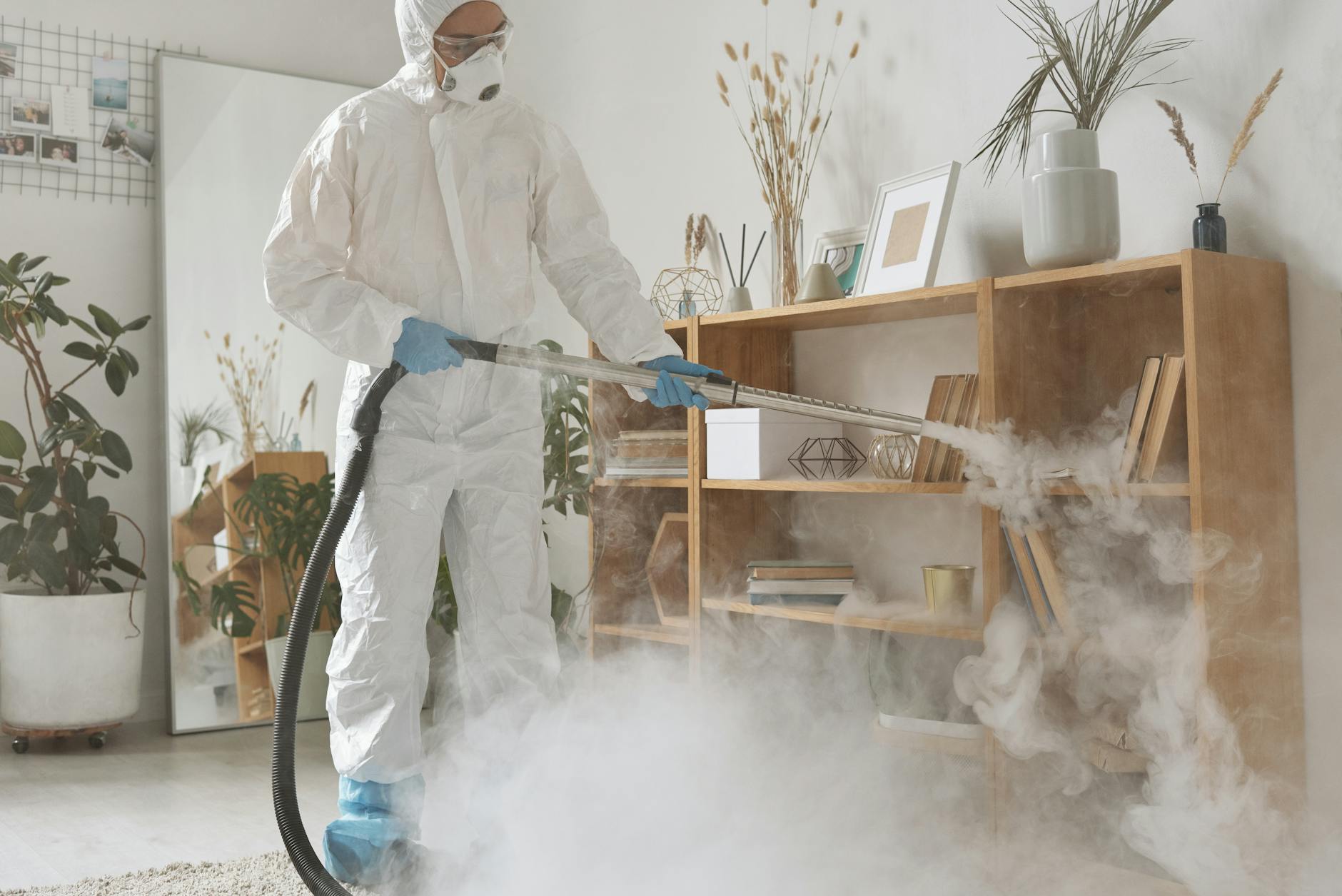
Hardwood floor cleaner machines, such as steam mops and electric spray mops, are popular but require caution. Steam mops are generally not recommended for hardwood floors. Steam forces hot moisture directly into the wood and the seams between planks, which can warp, swell, or permanently damage the flooring. This is especially true for engineered hardwood, which has a thin veneer layer that steam can delaminate over time.
Electric spray mops that dispense a controlled mist of cleaner are safer than steam mops for hardwood, provided you use the correct hardwood floor cleaning solution and don’t let liquid pool on the surface. Look for a model that lets you control the spray amount. According to guidance from Consumer Reports on laundry and cleaning appliances, robotic floor cleaners with a damp pad function are fine for daily maintenance on hardwood as long as the pad is only slightly damp. The key rule remains the same: moisture is the enemy of wood floors.
8. The Best Hardwood Floor Cleaner and Polish for Phoenix Homes
After deep cleaning wooden floors, restoring the shine with a polish is a satisfying final step. The best hardwood floor cleaner and polish products are designed for your specific finish type. For polyurethane-finished floors, look for water-based polishes like Bona Hardwood Floor Polish or Rejuvenate All Floors Restorer. These fill in minor micro-scratches and leave a protective sheen without making the floor slippery.
Avoid wax-based polishes on polyurethane-finished floors. The wax sits on top of the polyurethane rather than bonding to it, creating a dull, streaky buildup that’s difficult to remove. In Phoenix, where UV exposure through large windows is intense, choose a polish with UV inhibitors if possible. That extra protection slows the fading and graying that direct sun can cause on darker wood stains. Apply polish after the floor is fully cleaned and completely dry, and use a clean applicator pad to spread it in thin, even coats.
9. Protect Your Hardwood Floors Between Cleanings
Cleaning hardwood floors is only half the battle. Protecting them between sessions keeps the work you put in from being undone within days. Place felt pads under all furniture legs, because even lightweight chairs dragged across the floor leave scratches. Use entrance mats at every door, which is especially important in Phoenix where guests track in fine desert grit that acts like fine sandpaper on wood finishes.
For house cleaning routines that include hardwood, aim to sweep or dust-mop high-traffic areas daily and do a full damp mop weekly. In Phoenix, you’ll also want to keep window coverings partially closed during peak sun hours. Direct UV exposure through south and west-facing windows can bleach and discolor hardwood within a few years. Consistent recurring cleaning visits from a professional team make it easy to stay on schedule without thinking about it. You can see deep cleaning services Phoenix homeowners rely on to keep hardwood and every other surface in top shape.
10. When to Call a Professional House Cleaning Service in Phoenix
Some hardwood floor cleaning jobs are simply beyond a quick DIY session. If your floors have a heavy buildup of cleaning product residue, deep-set grime in the grain, or if you’re doing a residential cleaning as part of a move-in, the smartest move is to bring in professionals. A professional house cleaning service in Phoenix has the right products, the right equipment, and the experience to clean hardwood floors without causing damage.
This matters especially when you’re dealing with high-end flooring in Phoenix’s newer luxury homes, where replacing a section of damaged hardwood is far more expensive than a professional cleaning visit. Elite Maids House Cleaning teams are trained on safe hardwood floor care and use only pH-neutral, wood-safe products. Every cleaner is background-checked, bonded, and insured, and every visit is backed by a reclean-at-no-cost satisfaction guarantee. If your floors don’t look right after we’ve been through, we come back at no charge.
Ready to hand this off to a team that knows exactly how to clean hardwood floors in Phoenix? Contact Elite Maids house cleaning today for a free quote and get your floors and your whole home looking the way they should. Booking is fast, online, and available for same-day service from 8am to 6pm.
Frequently Asked Questions
Is Dawn dish soap ok for wood floors?
Dawn dish soap is not ideal for hardwood floors. While a tiny amount diluted heavily in water won’t cause immediate damage, dish soap is designed to cut grease and can strip the protective finish on hardwood over repeated use. It also leaves a soapy residue that attracts dirt. Stick to a pH-neutral hardwood floor cleaning solution designed specifically for wood to protect your finish long-term.
What are the common mistakes when cleaning hardwood?
The most common mistakes when cleaning hardwood floors include using too much water, using vinegar or acidic cleaners, using a steam mop, skipping the dry sweep before mopping, and applying wax polish over a polyurethane finish. Each of these can dull or warp your floors over time. In Phoenix, excess moisture is the top offender because even small amounts of standing water can cause cupping in low-humidity conditions.
How often should hardwood floors be deep cleaned in Phoenix?
Most Phoenix homeowners should deep clean wooden floors every two to three months. The desert environment means dust and fine grit accumulate faster than in wetter climates, and that debris grinds into the finish with every step. A light damp mop weekly combined with a thorough deep cleaning session every eight to twelve weeks keeps the finish in good condition and extends the life of the floor significantly.
Can I use Bona Hardwood Floor Cleaner on all wood floors?
Bona Hardwood Floor Cleaner is safe for most factory-finished hardwood and engineered wood floors with a polyurethane, aluminum oxide, or UV-cured finish. It is not recommended for oiled, waxed, or unfinished wood floors. Always check the manufacturer’s recommendation for your specific flooring before using any hardwood floor cleaning solution. When in doubt, test in a small, hidden area first.
What’s the safest way to clean hardwood floors naturally?
The safest natural approach is a microfiber mop barely dampened with water and a few drops of mild, plant-based castile soap. Avoid vinegar, lemon juice, or any acidic ingredient. Sweep thoroughly first, mop with minimal moisture in the direction of the grain, and buff dry immediately. According to the American Lung Association’s indoor air guidance, choosing low-VOC cleaning products also improves the air quality inside your home.
2026 Cleaning Trends in Salt Lake City That Actually Save You Time and Money
SHARE:
The top cleaning trends for Salt Lake City homes in 2026 center on doing more with less: fewer products, smarter routines, and a bigger focus on indoor air quality and health. Homeowners who adopt these shifts are cutting their cleaning time nearly in half while keeping their spaces genuinely clean. Read on for the specific trends worth adopting and the ones you can skip.
If you have been searching for the cleaning salt lake city reddit threads to find what actually works, you are not alone. Residents across Salt Lake City are rethinking how they clean their homes, and the shift is real. Elite Maids House Cleaning works with families every week who are tired of spending their entire Saturday scrubbing, only to feel like the house is dirty again by Tuesday. These trends are changing that cycle for good.
1. Multi-Purpose Eco Products Are Replacing the Cluttered Cleaning Cabinet
One of the biggest house cleaning trends hitting Salt Lake City right now is the move away from a different bottle for every surface. Instead of buying ten different sprays, savvy homeowners are investing in three high-quality, multi-surface cleaners that handle 80 percent of the work. This approach saves money, reduces plastic waste, and cuts down on the overwhelm that makes people avoid cleaning in the first place.
The key is choosing concentrated formulas that dilute into multiple applications. Look for products certified under the EPA Safer Choice program, which vets ingredients for both human safety and environmental impact. A certified multi-purpose concentrate, a plant-based disinfectant, and a streak-free glass cleaner will cover kitchens, bathrooms, and living areas without a cabinet full of single-use bottles. This is one home cleaning trend that pays for itself within the first month. For more ideas on building a sustainable cleaning routine, check out this guide on spring cleaning strategies that work year-round.
2. Indoor Air Quality Is Now a Core Part of Any Cleaning Routine
Salt Lake City residents already know that outdoor air quality can be a serious concern, especially during winter inversions. What fewer people realize is that indoor air can be two to five times more polluted than the air outside, according to EPA guidance on indoor air quality. That fact is pushing a major shift in how people think about residential cleaning in 2026.
Cleaning trends are now incorporating air quality steps as non-negotiables. That means swapping aerosol sprays for pump bottles, choosing low-VOC cleaners, and vacuuming with a HEPA filter vacuum at least twice a week. HEPA vacuums trap particles that standard vacuums recirculate back into the room, which matters a lot for families with allergies or asthma. The American Lung Association recommends prioritizing ventilation and low-emission products as part of any regular cleaning plan. This is a home cleaning trend built for Salt Lake City’s unique air quality challenges.
If you want to learn more about which products are safer for sensitive households, this post on cleaning products for asthma and allergies breaks it down in plain terms.
3. The Deep Clean Reset: Doing It Right Once Changes Everything
Here is a cleaning trend that seems obvious but most people skip: one thorough deep cleaning at the start of a new routine makes every subsequent clean faster and easier. A proper deep clean tackles baseboards, grout, refrigerator coils, oven interiors, ceiling fans, and all the spots that never get touched during a standard weekly clean.
Salt Lake City homeowners who book a one-time deep clean before setting up a recurring schedule consistently report that their home feels cleaner longer between visits. Think of it as resetting the baseline. Once the grime buildup is gone, maintenance cleaning actually maintains something instead of just managing layers of old dirt. A thorough deep cleaning service also uncovers hidden mold or moisture issues early, which matters in a climate with dry winters and occasional spring humidity. The CDC notes that prompt cleaning and moisture control are the primary defenses against mold growth in residential spaces.
4. Smarter Recurring Schedules Are Replacing the Weekend Marathon Clean
The old model was simple: ignore the house all week and spend Saturday deep in rubber gloves. The new model, and one of the fastest-growing cleaning trends of 2026, is distributing small cleaning tasks across the week so no single day becomes a project. Fifteen minutes a day beats three hours on Saturday every time.
A recurring maid service fits naturally into this trend. Weekly or biweekly cleaning visits mean professional cleaners handle the heavy lifting on a set schedule, so the homeowner only needs to do light daily tidying in between. For Salt Lake City families with kids, pets, or demanding work schedules, this shift from reactive to proactive cleaning is a genuine quality-of-life change. If you are building your own schedule from scratch, this post on making a cleaning checklist you will actually stick to is worth reading before you start.
5. Disinfection as a Targeted Practice, Not a Full-Home Habit
One of the most useful cleaning trend corrections happening right now is the shift from disinfecting everything to disinfecting the right things. Disinfecting every surface in your home every day is unnecessary, often counterproductive, and can leave behind chemical residues that affect indoor air quality. High-touch surfaces, on the other hand, genuinely benefit from regular disinfection.
The current guidance from health experts points to a targeted approach: focus disinfection services on door handles, light switches, faucet handles, toilet flush levers, and phone screens. These are the surfaces that transfer pathogens between household members most efficiently. For the rest of the home, regular cleaning with a good multi-purpose product is enough. This targeted disinfection model is both safer for your family and easier to maintain as a habit. Salt Lake City households with young children or elderly residents benefit most from getting this distinction right.
6. Move-Out and Move-In Cleaning Has Become a Non-Negotiable Step
The Salt Lake City rental and real estate market keeps people moving, and one cleaning trend that has gained serious traction is the professional move-out cleaning as a standard part of every transition. Tenants who skip it routinely lose security deposits. Buyers who skip a move-in clean are starting fresh in someone else’s dirt.
Professional Move-out cleaning services Salt Lake City have grown in demand specifically because real estate agents and property managers are now recommending them as part of the handoff process. A move-in or move-out clean covers appliances inside and out, cabinet interiors, window tracks, bathroom tile and grout, and all the baseboards and corners that standard cleaning skips. Getting this done by professionals, rather than trying to squeeze it into the chaos of moving day, reduces stress and protects your deposit or your investment. You can also see how similar trends are playing out for homeowners in nearby areas with this post on spring cleaning trends in Ogden.
7. Technology-Assisted Cleaning Is Making Routines More Consistent
Robot vacuums and mop hybrids have been around for years, but the 2026 version of this cleaning trend is about using technology strategically rather than as a novelty. Modern robotic vacuums with mapping software can be scheduled to run at specific times in specific rooms, which means daily floor maintenance happens without any human effort at all.
Salt Lake City homeowners are pairing these devices with professional house cleaning visits to get the most out of both. The robot handles daily dust and pet hair between visits; the professional cleaners handle surfaces, bathrooms, kitchens, and all the detail work that a robot cannot reach. Consumer Reports consistently finds that robotic vacuums perform best as a supplement to, not a replacement for, regular hands-on cleaning. Think of the robot as a daily maintenance tool and the professional visit as the quality-control check. This combination is becoming one of the most practical home cleaning upgrades Salt Lake City residents are making right now.
8. Green Cleaning Is Shifting From a Nice-to-Have to a Standard Expectation
Eco-friendly cleaning has crossed from trend into expectation for a growing share of Salt Lake City homeowners. This shift is driven partly by health awareness and partly by the visible improvement in product quality. Early green cleaning products had a reputation for being ineffective. That reputation is outdated. Today’s plant-based, biodegradable formulas clean as well as conventional products on most surfaces, without the synthetic fragrances and harsh chemicals that trigger headaches and respiratory irritation.
The EPA’s research on volatile organic compounds shows that many conventional cleaning products release VOCs that linger indoors long after the cleaning is done. Green formulas, especially those with Safer Choice certification, are designed to minimize this off-gassing. Beehive house cleaning clients frequently request eco-friendly product options specifically because of indoor air quality concerns. It is a reasonable request, and the products have caught up to the demand. For a broader look at what is trending in nearby markets, this post on spring cleaning trends for Queen Creek homeowners covers similar ground with useful overlap.
9. Cleaning Checklists and Zone Systems Are Replacing Guesswork
One of the quieter but most effective cleaning trends of 2026 is the rise of the structured cleaning checklist and zone-based system. Instead of wandering room to room and cleaning whatever catches your eye, a zone system assigns specific areas of the home to specific days. Monday is bathrooms, Tuesday is the kitchen, Wednesday is bedrooms, and so on.
This approach works because it distributes the cognitive load evenly and makes it much harder to let any area of the home fall into serious neglect. Professional house cleaning teams already use checklist-based systems on every visit, which is part of why a professional clean feels so thorough compared to a DIY session of the same length. Adopting the same structure for your own between-visit cleaning closes the gap significantly. Salt Lake City residents who combine a personal zone system with professional biweekly cleaning visits consistently maintain the cleanest homes with the least total effort.
10. Mold Prevention Has Become a Year-Round Priority, Not a Spring Task
Salt Lake City’s dry climate can create a false sense of security around mold. But bathrooms, basements, and crawl spaces in the area are still vulnerable, especially during spring snowmelt and monsoon-adjacent humidity shifts. Mold prevention as a cleaning practice, not just a remediation response, is one of the most important residential cleaning trends for homeowners to adopt.
Practical mold prevention in a cleaning routine means wiping down shower walls after use, running exhaust fans during and after showers, checking under sinks monthly for slow leaks, and using a squeegee on glass doors. The EPA’s mold guidance for homeowners makes clear that moisture control is the single most effective prevention tool. A professional Salt and Slate Cleaning visit can also flag early signs of moisture buildup in spots that homeowners overlook, like behind toilet bases and under refrigerators, before those areas become expensive problems.
11. Spring Cleaning Has Evolved Into a Quarterly Reset
Spring cleaning trends for Salt Lake City in 2026 have shifted from one big annual purge to a quarterly reset model. Rather than waiting all year for one overwhelming overhaul, homeowners are scheduling four lighter resets: one each season. Each reset covers decluttering, a deeper clean of overlooked areas, and a check of seasonal maintenance items like air filters, drain covers, and window screens.
This quarterly approach keeps homes from accumulating the kind of deep-set grime that requires a full-day effort to address. It also makes seasonal transitions smoother, whether that is swapping out winter gear or airing out the home after months of closed windows. The Good Housekeeping cleaning team has noted that homes maintained with frequent lighter resets score measurably better on sanitation checks than homes that rely on one annual deep effort. For Salt Lake City families, this shift is one of the most practical updates you can make to your cleaning habits right now.
Whether you are a longtime Salt Lake City resident or new to the area, these cleaning trends point toward the same conclusion: a cleaner home does not require more time. It requires a smarter approach, the right products, and the right help when you need it.
If you are ready to stop guessing and start seeing real results, connect with the Professional Home Cleaners in Salt Lake City, UT who have built their reputation on exactly this kind of thorough, reliable work. Contact Elite Maids House Cleaning today for a free quote and let a team of background-checked, five-star rated professionals handle the heavy lifting while you take back your weekend.
Frequently Asked Questions
What are the spring cleaning trends for 2026?
Spring cleaning trends for 2026 in Salt Lake City focus on quarterly resets instead of one annual overhaul, eco-friendly multi-purpose products, HEPA vacuuming for indoor air quality, and pairing a professional deep clean with a recurring maintenance schedule. The goal is a cleaner baseline that requires less effort to maintain throughout the rest of the year.
Which four things can we use to clean your home?
The four workhorses of effective home cleaning are a concentrated multi-surface cleaner, a plant-based disinfectant for high-touch areas, a streak-free glass cleaner, and a HEPA filter vacuum. These four tools handle the vast majority of residential cleaning needs without the clutter or cost of a cabinet full of single-use specialty products.
What is the future of the cleaning industry?
The cleaning industry is moving toward greener chemistry, technology-assisted maintenance tools like robotic vacuums, data-driven scheduling, and a stronger emphasis on health outcomes, particularly indoor air quality. Professional cleaning services are also adding more flexible booking options, transparent pricing, and satisfaction guarantees to meet the expectations of modern homeowners who research before they book.
How often should Salt Lake City homes be professionally cleaned?
Most Salt Lake City households benefit from professional cleaning every two weeks. Homes with pets, young children, or residents with allergies often do better with weekly visits. A one-time deep clean is the right starting point if the home has not been professionally cleaned recently, as it resets the baseline and makes recurring maintenance cleaning far more effective.
Are eco-friendly cleaning products effective enough for a thorough home clean?
Yes. Today’s certified eco-friendly products, particularly those carrying EPA Safer Choice certification, perform at the same level as conventional cleaners on most residential surfaces. They are formulated without harsh synthetic fragrances or high-VOC solvents, making them a strong choice for Salt Lake City households concerned about indoor air quality, allergies, or the safety of children and pets.
How to Deep Clean Your Entire House in One Day in Flagstaff
SHARE:
You can deep clean your entire house in one day by working room to room with a clear checklist, the right supplies, and a realistic plan. Most homes take between six and ten hours for a full deep cleaning when one or two people tackle it systematically. This guide walks Flagstaff homeowners through every step, from a professional deep clean checklist to knowing when hiring a cleaner makes more sense than doing it yourself.
Living in Flagstaff means dealing with pine pollen, red clay dust, and the kind of dry-air grime that settles into every corner. Whether you are prepping for guests, doing a seasonal scrub, or moving in or out of a rental, a full whole-house deep clean is one of the most satisfying things you can do for your home. If you would rather leave it to the professionals, Elite Maids House Cleaning serves Flagstaff with background-checked, five-star rated cleaners who can handle everything on this list for you. Or if you are a Dry cleaners Flagstaff searcher just trying to find reliable local help, keep reading because we cover that too. Either way, let us get into it.
1. Build Your Deep Clean House Checklist Before You Start
A deep clean house checklist is the single most important tool you can bring to a one-day whole-house clean. Without it, you will wander from room to room, forget the baseboards in the hallway, and run out of steam before the bathrooms are done. A proper cleaning house checklist keeps you moving in one direction and prevents you from re-dirtying spaces you already cleaned.
Here is what a professional deep cleaning checklist covers for each room:
Dust ceiling fans, light fixtures, and vents before cleaning surfaces below them
Wipe down walls, switch plates, and door handles
Clean windows and window tracks, inside and out where reachable
Scrub baseboards, trim, and molding
Vacuum upholstered furniture, under cushions, and along edges
Mop or steam all hard floors after vacuuming
Clear out and wipe down every drawer and cabinet interior
Clean appliances inside and out, including the oven, microwave, and refrigerator
Scrub grout lines in the kitchen and bathrooms
Disinfect toilets, sinks, tubs, and showers completely
Wash or replace all linens, pillowcases, and mattress covers
Take out trash and recycling from every room
According to Good Housekeeping’s cleaning guides, starting at the top of each room and working downward keeps you from scattering dust onto already-clean surfaces. Print or bookmark your checklist so you can cross items off as you go. That momentum matters on a long cleaning day.
2. Gather Supplies and Set a Room-by-Room Schedule
Knowing how to clean the house efficiently starts before you touch a single surface. Set out every supply you need at the start so you are not stopping to hunt for the bathroom scrub brush mid-way through the kitchen. Organize your cleaning supplies into a caddy or bucket you can carry from room to room.
Core supplies for a one-day deep clean:
All-purpose cleaner and disinfectant spray
Glass cleaner
Grout brush and old toothbrush for tight corners
Microfiber cloths (at least a dozen, separate sets for kitchen and bathrooms)
Magic eraser sponges for scuffs on walls and baseboards
Baking soda and white vinegar for natural scrubbing and deodorizing
A vacuum with attachments for upholstery and crevice cleaning
A mop and bucket or a steam mop
Rubber gloves
If you are concerned about air quality in your Flagstaff home, the EPA’s Indoor Air Quality guidance recommends choosing low-VOC cleaning products whenever possible, especially in spaces with limited ventilation like bathrooms and laundry rooms. Elite Maids House Cleaning offers eco-friendly product options for exactly this reason.
Schedule your rooms in this order for peak efficiency: start with the rooms you use least so you do not re-track dirt through them, move through bedrooms and living areas, then finish with the kitchen and bathrooms last since those take the most chemical contact time.
3. Deep Clean the Kitchen from Top to Bottom
The kitchen is the heart of the home and usually the most demanding part of any whole-house deep clean. Plan to spend 90 minutes to two hours here. A thorough kitchen deep clean should cover:
Degrease range hood filters (soak in hot water and dish soap while you clean elsewhere)
Clean inside the oven with a baking soda paste, let it sit for 20 minutes, then scrub
Wipe all cabinet doors and drawer fronts, including the hardware
Pull the refrigerator away from the wall, vacuum the coils, and wipe down the sides
Disinfect the sink, faucet handles, and garbage disposal with a half cup of baking soda followed by white vinegar
Wipe down all countertops, backsplash tiles, and grout
Scrub the microwave inside and out
Mop the kitchen floor after everything else is done
For Flagstaff homeowners, the dry climate means grease and dust bond tightly to kitchen surfaces. Do not skip the cabinet interiors. A quick wipe with a damp microfiber cloth every few months prevents crumbs and spills from turning into stuck-on messes that require serious scrubbing later.
4. Tackle Bathrooms with a Disinfection-First Approach
Bathrooms need more than a quick wipe. A proper deep clean bathroom routine treats every surface as a potential germ zone. Apply your disinfectant to toilets, sinks, and tubs first, then let it sit while you handle other tasks in the room. That contact time is what makes disinfection actually work.
Complete bathroom deep clean steps:
Spray toilet bowl cleaner inside and let it sit for at least ten minutes
Wipe down the entire toilet exterior, including behind it and under the rim
Scrub tub and shower tile, paying attention to grout lines where mold hides
Clean the showerhead by soaking it in white vinegar in a plastic bag secured with a rubber band
Wipe mirror, vanity, faucet, and handles
Wash or replace the shower curtain and bath mat
Mop or scrub the floor, including along the base of the toilet and under the vanity
According to the CDC’s guidelines on mold in homes, bathrooms with inadequate ventilation are among the most common places for mold growth. Flagstaff’s weather swings between wet monsoon seasons and dry winters, and that moisture variation creates the perfect conditions for bathroom mold. Run the exhaust fan during and after showers, and check grout lines regularly.
If bathroom mold has already taken hold, Elite Maids offers home disinfection services that go beyond surface-level scrubbing to sanitize and protect your space.
5. Clean Every Bedroom Like a Hotel Room
A real bedroom deep clean goes further than making the bed. Think of it like a hotel room turnover: every surface touched, every corner vacuumed, every item lifted and wiped underneath.
Strip all bedding, wash mattress covers and pillowcases, and vacuum the mattress with an upholstery attachment
Flip or rotate the mattress if you have not done it recently
Dust all furniture tops, lamp shades, and picture frames
Wipe nightstands and dressers inside and out
Clean windows and window sills, which collect pine pollen year-round in Flagstaff
Vacuum under the bed and behind all furniture
Wipe down baseboards and bedroom door, both sides
For the best results on bedroom cleaning, Real Simple’s cleaning advice suggests tackling the ceiling fan and light fixture first, before you touch any horizontal surface. It sounds obvious once you hear it, but most people still clean the dresser and then get dusted by the ceiling fan ten seconds later.
Need help keeping your Flagstaff bedrooms consistently clean between deep cleans? A recurring maid service on a weekly or biweekly schedule keeps the dust from ever building up to deep-clean levels again.
6. Living Areas, Hallways, and Forgotten Spots
The living room, hallway, and common areas often get the most foot traffic but the least focused cleaning attention. This is where a solid home cleaning checklist really pays off because these zones have the most variety of surfaces and the most easy-to-overlook spots.
Vacuum all upholstered furniture, including under and behind cushions
Wipe down all hard furniture with an appropriate cleaner for the material
Dust blinds and curtain rods
Wipe all light switches, outlet covers, and door handles throughout the home
Clean inside fireplace surrounds if you have a wood-burning fireplace (common in Flagstaff homes given the cold winters)
Vacuum and mop all hallway floors, paying attention to the entry area where outdoor dust comes in
Wipe down stair railings, banisters, and spindles
Dust all framed artwork and wall decor
Living areas in Flagstaff homes also collect red dust and pine debris tracked in from outside. A quality HEPA filter vacuum makes a big difference in pulling allergens out of carpets and rugs rather than redistributing them into the air.
7. Other Cleaning Services Available in Flagstaff
A one-day deep clean covers the big stuff, but there are situations where a specialized professional cleaning service is the smarter call. Flagstaff residents can book all of these through Elite Maids House Cleaning:
Move-in and move-out cleaning: When you are handing over keys or moving into a new home, a professional house cleaning ensures every surface, cabinet, and appliance meets landlord or buyer expectations. Our move-out cleaning services are a proven way to protect your deposit.
Holiday and event cleaning: Hosting Thanksgiving or a holiday party in Flagstaff? Our holiday cleaning service handles the pre-event prep and post-event cleanup so you can enjoy the occasion without dreading the aftermath.
Recurring weekly or biweekly cleaning: For busy Flagstaff families, a scheduled cleaning visit keeps the home consistently clean without anyone having to spend their weekend doing it.
Same-day cleaning service: Elite Maids offers online booking with instant quotes and same-day availability between 8am and 6pm. No phone call required.
Flagstaff homeowners looking for consistency also love comparing notes with neighbors who use recurring services. For a detailed breakdown of what a professional whole-house clean actually covers, check out our guide on deep cleaning services in Mesa, which walks through the same room-by-room methodology we use across all Arizona markets, including Flagstaff.
8. Simply Better House Cleaning Services in Flagstaff
What separates a professional home cleaning service in Flagstaff from a rushed DIY scrub is depth, consistency, and accountability. Elite Maids House Cleaning brings all three to every visit in Flagstaff:
Every cleaner is background-checked, bonded, and fully insured
All cleaners are five-star rated with a track record you can verify before booking
We back every cleaning with a reclean-at-no-cost satisfaction guarantee
Eco-friendly cleaning product options are available for families with kids, pets, or chemical sensitivities
Online booking with instant pricing takes less than two minutes
When it comes to indoor air quality, the choices your cleaning company makes about products matter. EPA Safer Choice certified products are rigorously tested to confirm that every ingredient is safe for people, pets, and the environment without sacrificing cleaning performance. This is the standard Elite Maids holds itself to for Flagstaff clients who request eco-friendly service.
If you are searching for Merry Maids Flagstaff alternatives with stronger reviews and a local guarantee, Elite Maids is the answer. We are the most-reviewed residential cleaning team in Arizona and we bring that same standard to every Flagstaff home we clean.
Ready for a Spotless Home in Flagstaff?
Whether you want to power through your own deep clean with this guide or hand it off to a professional team, the goal is the same: a home that feels truly clean from top to bottom. Elite Maids House Cleaning makes that easy for Flagstaff residents with flexible scheduling, instant online quotes, and a satisfaction guarantee that removes all the risk. If you are done doing it yourself, Airbnb cleaning Flagstaff and whole-home deep clean bookings are available today. Take the first step and contact Elite Maids house cleaning today for a free quote and get your Flagstaff home cleaner than it has ever been.
Frequently Asked Questions
How can I clean the whole entire house in one day?
Start with a complete deep clean house checklist and work top to bottom in every room. Gather all supplies before you start, set a timer for each space, and move in one direction through the home. Tackle the kitchen and bathrooms last since they need the most chemical contact time. Most homes can be fully cleaned in six to ten hours with a solid plan.
How long does it take to deep clean the whole house?
A whole-house deep clean typically takes six to twelve hours depending on the home’s size and how long it has been since the last thorough cleaning. A two-bedroom home might be done in four to six hours, while a four-bedroom home with multiple bathrooms can take a full day. Professional cleaners in Flagstaff work in teams that can cut that time significantly.
Can you deep clean a house in a day?
Yes, a full home deep clean in a single day is very achievable with the right preparation. The key is having a prioritized cleaning house checklist, the correct supplies ready to go, and enough people to divide the work across rooms. One person can do it solo in a smaller home. For larger Flagstaff properties, booking a professional two-person team makes a one-day turnaround realistic.
How much is a 1 hour clean?
Professional house cleaning in Flagstaff typically runs between $50 and $90 per hour depending on the service type, the size of the home, and whether it is a standard clean or a deep cleaning service. Elite Maids House Cleaning offers instant online quotes so you know the exact price before booking, with no surprise fees added at the end of the visit.
8 Cleaning Hacks That Actually Work for Chandler Homes
SHARE:
The cleaning hacks that actually work share one thing in common: they use the right product on the right surface at the right time. For homeowners in Chandler, where dust, hard water, and Arizona heat create specific household challenges, smart cleaning techniques save real time and effort. This post walks through eight proven home cleaning tips you can put to work today. If you want someone else to handle it, Find Trusted House Cleaning Services in Chandler, AZ and get an instant quote.
1. The Best Cleaning Hacks Start With Baking Soda and Vinegar (Used Separately)
Almost every list of house cleaning hacks mentions baking soda and vinegar, but most people make the mistake of mixing them together. Combined, they neutralize each other and lose most of their cleaning power. The real hack is using them separately. Baking soda works as a mild abrasive scrub for sinks, tubs, and grout. White vinegar cuts through grease and hard water deposits on faucets, showerheads, and glass. Chandler’s tap water is notoriously hard, so the vinegar soak is especially useful here. Wrap a paper towel soaked in white vinegar around a crusty faucet for 30 minutes, then wipe clean. You will be surprised how much mineral buildup comes off without scrubbing.
These two pantry staples are also gentle enough for homes with kids and pets. According to EPA Safer Choice guidance, choosing products with safer ingredient profiles matters a great deal for indoor air quality, and these natural options fit that standard well.
2. Microfiber Cloths Are the Most Underrated Home Cleaning Tip
If you are still cleaning with old cotton rags or paper towels, switching to microfiber cloths is the single easiest upgrade you can make. Microfiber picks up dust, bacteria, and debris without spreading it around, and it works effectively with plain water on most hard surfaces. That means fewer chemicals and cleaner results. This is one of those home cleaning tips that sounds too simple to matter until you actually try it.
For Chandler homeowners dealing with fine desert dust, microfiber traps particles instead of pushing them airborne. The American Lung Association notes that reducing airborne particles indoors contributes to better respiratory health, making this swap worth it for more than just cleaning convenience. Use a damp microfiber cloth on baseboards, ceiling fan blades, and blinds, and you will cut your dusting time in half.
Our team at Elite Maids House Cleaning uses professional-grade microfiber on every visit, which is one reason our results consistently outperform standard mop-and-spray routines.
3. Clean Top to Bottom, Every Single Time
This is the most fundamental of all the house cleaning hacks, and it is also the most skipped. Always start at the highest point in a room and work your way down. Dust ceiling fans and light fixtures first, then wipe counters and shelves, then clean floors last. If you vacuum first and then dust the shelves, you are just putting dirt back onto the floor you already cleaned.
For a full room, the order looks like this:
Ceiling fans and light fixtures
High shelves and cabinet tops
Countertops and appliance surfaces
Lower furniture surfaces and baseboards
Floors last
Following this sequence is one of the core cleaning tricks our crews use on every job in Chandler. It sounds obvious, but skipping it is one of the most common reasons a room never quite feels clean after a DIY session. Pair this with a house cleaning schedule that matches your household traffic, and you will maintain cleaner rooms with less overall effort.
4. Refresh Your Garbage Disposal With Ice and Salt
One of the most overlooked cleaning tips for the kitchen is the garbage disposal. Foul smells from the disposal usually come from grease and food film stuck to the blades and inner walls. The fix is simple: pour a cup of ice cubes and a handful of coarse salt directly into the disposal, then run it dry for 30 seconds. The ice sharpens the blades while the salt scrubs the interior walls. Follow that with a few lemon or orange peels for a fresh scent.
This quick kitchen cleaning hack takes under two minutes and eliminates the need for chemical drain fresheners. In a Chandler kitchen that gets daily use, running this routine once a week keeps odors from building up between deeper cleans. Good Housekeeping’s cleaning guides regularly recommend this method as one of the most effective no-product kitchen refreshers available.
5. Tackle Grout With a Paste, Not a Spray
Spraying tile cleaner on grout and wiping it off rarely works. Grout is porous, which means dirt and mold spores settle deep into it. The effective cleaning trick is to make a thick paste with baking soda and a small amount of hydrogen peroxide, press it into the grout lines with an old toothbrush, let it sit for ten minutes, and then scrub and rinse. The paste clings to the surface long enough to actually do the work.
In Chandler, tile floors and showers are everywhere, which means grout cleaning is a recurring challenge for most households. Mold in grout is not just an aesthetic problem. According to the CDC’s guidance on mold in homes, mold exposure can cause respiratory irritation and other health issues, so staying on top of grout cleaning has real health value beyond appearances.
If your grout has reached the point where DIY paste is not cutting it, a deep cleaning service with professional-grade products will reset it entirely. A proper deep clean gets into grout, caulk lines, and other surfaces that standard cleaning misses.
Want more ideas on what products to keep on hand? Check out this guide on cleaning products in San Tan Valley for a breakdown of what actually earns its shelf space.
6. Use Dish Soap and Hydrogen Peroxide on Fabric Stains
One of the best fabric-specific cleaning hacks is a two-ingredient stain treatment: one part dish soap mixed with two parts hydrogen peroxide. Apply it to the stain, let it sit for 10 to 15 minutes, then blot and rinse with cold water. This combo works on blood, wine, grass, and most food stains on upholstery and carpet.
The key word is blot, not scrub. Scrubbing pushes the stain deeper into fibers and spreads it wider. Always blot from the outside edge of the stain toward the center. This is one of those simple home cleaning tips that most people learn the hard way after ruining a couch cushion first.
For carpet stains in high-traffic areas, Real Simple’s cleaning section recommends treating stains within the first few minutes for the best results, before the stain sets into the fibers. Chandler families with kids and pets deal with this constantly, and having this two-ingredient mix ready under the sink means faster response times when spills happen.
If you are dealing with recurring stains or odors that have already set in, a professional disinfection service can sanitize fabric surfaces and eliminate bacteria that basic cleaning leaves behind.
7. Squeegee Your Shower Walls After Every Use
Hard water is a daily reality in Chandler, and soap scum builds fast when mineral deposits from the water mix with shampoo and body wash residue. The most effective preventive cleaning trick for showers is also the simplest: hang a squeegee inside the shower and use it to wipe down the walls and door for 30 seconds after every shower.
This one habit prevents the majority of soap scum and mineral buildup from ever forming, which means your weekly bathroom cleaning session takes a fraction of the time. You are not cleaning the scum, you are stopping it from building up in the first place. The Spruce’s cleaning guides consistently rank this as one of the highest-return daily habits for bathroom maintenance.
Chandler homeowners who use this technique report that their glass shower doors stay clear for weeks without needing a deep scrub. Pair it with a quick spray of daily shower spray (a diluted rinse-aid solution works well) and mineral deposits essentially stop accumulating.
For families managing multiple bathrooms, keeping up with all of them can still get overwhelming. A recurring maid service on a weekly or biweekly schedule takes bathroom upkeep off your to-do list entirely. Who can recommend a reliable house cleaner in Chandler, Ariz, we hear that question often, and the answer is Elite Maids House Cleaning.
8. Build a 10-Minute Daily Reset Habit
The most effective long-term cleaning hack is not a product or a technique. It is a daily routine. Spending 10 minutes each evening doing a quick reset prevents clutter and grime from compounding into a weekend project. The reset covers four things: wipe kitchen counters and the stovetop, load or run the dishwasher, do a quick bathroom counter wipe-down, and pick up any items left out of place.
This is especially useful for busy Chandler households where the pace of daily life leaves little time for full cleaning sessions. When you reset every evening, your weekly clean becomes maintenance instead of recovery. Families with kids benefit most from this habit because it creates a visual routine that everyone can participate in.
The 10-minute reset pairs well with a professional clean every two to four weeks. The pros handle the deep work, and you maintain it in between. For more practical routines like this one, the guide on cleaning tips for busy parents covers strategies that translate directly to Chandler homes. And if you want the full toolkit, the post on cleaning tools worth the money for Arizona homes is a great companion read.
If the daily reset still leaves your home feeling like it needs more attention, an occasional holiday cleaning or seasonal deep clean can reset the whole house to a level that no daily habit alone achieves.
When Hacks Are Not Enough: Hire a Professional House Cleaner in Chandler
These cleaning hacks work well for maintaining a home between professional visits, but there are limits to what DIY cleaning can accomplish. Grout that has been neglected for months, appliances that have never been cleaned behind or underneath, baseboards with layered dust, and bathrooms with hard water stains that have calcified require the tools and techniques that professional cleaners bring to the job. Elite Maids House Cleaning serves Chandler with background-checked, fully insured cleaning professionals who back every visit with a no-cost reclean guarantee. Whether you need a recurring home cleaning service or a one-time deep clean before a move, House Cleaning Service in Chandler is exactly what we do. Contact Elite Maids house cleaning today for a free quote and get your home back to the standard it deserves.
Frequently Asked Questions
What are the most effective cleaning hacks for hard water stains in Chandler?
White vinegar is the most effective DIY solution for hard water stains in Chandler homes. Soak a cloth or paper towel in undiluted white vinegar, press it against the stained surface for 30 to 60 minutes, then scrub and rinse. For heavy mineral buildup on showerheads, submerge the fixture in a bag of vinegar overnight. Daily squeegee use after showers prevents new stains from forming.
How often should Chandler homeowners deep clean their homes?
Most Chandler households benefit from a thorough deep clean two to four times per year, with routine cleaning happening weekly or biweekly in between. Homes with pets, young children, or high foot traffic may need quarterly deep cleans. A professional deep cleaning service covers areas that regular cleaning misses, including inside appliances, grout lines, baseboards, and window tracks.
Are natural cleaning products like baking soda and vinegar actually effective?
Yes, for specific tasks. Baking soda works well as a mild abrasive on sinks, tubs, and grout. White vinegar cuts through grease and mineral deposits. Neither is a disinfectant, though, so they should not be relied on for sanitizing surfaces where bacteria are a concern, such as cutting boards or bathroom surfaces. For disinfection, hydrogen peroxide or EPA-registered cleaners are more appropriate.
What is the fastest way to clean a house before guests arrive?
Focus on the spaces guests actually see: entry, living room, kitchen counters, and guest bathroom. Wipe all visible surfaces, vacuum main traffic areas, and take out trash. Tuck clutter into a basket or closet rather than sorting it. A kitchen and bathroom spray-and-wipe takes about 10 minutes each. For same-day professional help in Chandler, Elite Maids House Cleaning offers same-day booking between 8am and 6pm.
How do I keep my Chandler home cleaner between professional visits?
The daily 10-minute reset is the single most effective habit: wipe kitchen counters, load the dishwasher, do a bathroom wipe-down, and pick up clutter each evening. Microfiber cloths stored in each bathroom and the kitchen make quick wipe-downs effortless. Squeegee shower walls after each use to prevent soap scum buildup. These small consistent habits dramatically reduce the workload when your professional cleaner arrives.
Ditch Chemicals: 5 DIY Natural Cleaners You Can Make Today
SHARE:
You can make effective DIY natural cleaners at home using five simple ingredients: white vinegar, baking soda, castile soap, hydrogen peroxide, and essential oils. These homemade cleaning solutions cut through grease, kill germs, and leave your home smelling fresh without the harsh chemicals found in most store-bought products. Below, you will find step-by-step recipes for each cleaner, safety tips, and guidance on where they work best.
Why Swap Store-Bought Cleaners for DIY Natural Cleaning Solutions
Walk down any cleaning aisle and you will see dozens of brightly labeled bottles promising a spotless home. What many of those labels do not spell out are the volatile organic compounds (VOCs) and synthetic fragrances locked inside. According to the American Lung Association, many conventional cleaning sprays release chemicals that reduce indoor air quality and can irritate the lungs, eyes, and skin, especially in children and people with asthma.
Switching to homemade natural cleaning solutions is not just about saving money, though that is a real bonus. It is about knowing exactly what goes on your counters, floors, and the surfaces your family touches every day. When you make your own DIY cleaners, you control every ingredient. There are no mystery preservatives, no artificial dyes, no aerosol propellants.
At Elite Maids House Cleaning, we hear from Arizona homeowners all the time who want a cleaner home without the chemical overload. That is why we offer eco-friendly cleaning product options on every visit and why we want to share the recipes we trust most.
The 5 Best Homemade Cleaners to Make Right Now
These five DIY natural cleaner recipes cover nearly every surface in your home. Each one uses ingredients you can find at any grocery or hardware store, and none of them require a chemistry degree to mix safely.
1. All-Purpose Vinegar Spray
This is the workhorse of homemade cleaning solutions. Mix one part distilled white white vinegar with one part water in a clean spray bottle. Add 10 to 15 drops of tea tree or lavender essential oil if you want to cut the vinegar smell and add a light antibacterial boost.
Use on: countertops, stovetops, cabinet exteriors, bathroom sinks, and tile.
Avoid on: natural stone like granite or marble (the acid etches the surface), cast iron, and hardwood floors.
The acetic acid in vinegar breaks down grease and mineral deposits naturally. This homemade all-purpose cleaner is arguably the simplest swap you can make today, and a 32-ounce bottle costs pennies compared to its store-bought equivalent.
2. Baking Soda Scrub Paste
Baking soda is a mild abrasive and natural deodorizer that tackles soap scum, rust stains, and stubborn grime without scratching most surfaces. To make a simple scrub paste, combine half a cup of baking soda with just enough castile soap to form a thick paste, roughly two to three tablespoons. Stir in five drops of lemon essential oil for extra degreasing power.
Use on: sinks, tubs, grout lines, oven interiors, and stainless steel.
Avoid on: polished chrome, aluminium, and waxed surfaces.
Apply the paste with a damp sponge, scrub in circular motions, and rinse with warm water. Professionals who handle chemical-free oven cleaning frequently reach for a baking soda paste first because it lifts baked-on residue without the fumes of commercial oven cleaners.
3. Hydrogen Peroxide Disinfecting Spray
When you need a surface-level disinfectant without bleach, hydrogen peroxide at a 3% concentration (the standard brown bottle at the pharmacy) does the job on most household bacteria and viruses. Pour it straight into a dark spray bottle, as light degrades its potency, and spray directly onto surfaces.
Use on: toilet seats, doorknobs, light switches, cutting boards, and bathroom counters.
Avoid on: marble, granite, and colored grout (can bleach).
Let it sit for five minutes before wiping. This is one of the few DIY natural disinfecting options that has real science behind it, making it a solid ingredient in any non-toxic home cleaning routine. If you want professional-grade disinfecting on high-touch surfaces, our home disinfection services use hospital-grade, EPA-approved products that go well beyond what a spray bottle can achieve.
4. Castile Soap and Water Multi-Surface Cleaner
Castile soap is a plant-based, concentrated liquid soap that dilutes into a versatile homemade cleaner. Mix one tablespoon of unscented castile soap with two cups of warm water in a spray bottle. Add ten drops of eucalyptus or peppermint essential oil for fragrance and a mild antimicrobial effect.
Use on: floors (especially tile and laminate), bathroom surfaces, appliance exteriors, and general household surfaces.
Avoid mixing with: vinegar (the acid neutralizes the soap and leaves a greasy film).
This DIY household cleaner is gentle enough for homes with pets and small children yet strong enough to cut through everyday grime. It is one of the most versatile natural cleaning solutions you will ever make.
5. Essential Oil and Rubbing Alcohol Glass Cleaner
Commercial glass cleaners often rely on ammonia for streak-free shine, but this homemade version skips it entirely. Combine one cup of isopropyl alcohol (70% or higher), one cup of distilled water, and one tablespoon of white vinegar in a spray bottle. Add five drops of lemon essential oil if desired.
Use on: mirrors, windows, glass shower doors, and glass cooktops.
Avoid on: tinted windows (the alcohol can damage the film over time).
Wipe with a lint-free microfiber cloth in an S-pattern for a streak-free finish. This natural glass cleaner recipe works just as well as the blue stuff, and it dries much faster.
Safe Mixing Rules for DIY Cleaners
Homemade cleaners are safe when you follow a few basic rules. Breaking them can create toxic gases that are far more dangerous than anything in a store-bought bottle. Keep these non-negotiable mixing guidelines in mind every time you make a new batch of DIY cleaning products.
Never mix vinegar and hydrogen peroxide in the same bottle. Combined, they form peracetic acid, a corrosive compound that can irritate the lungs and skin. You can spray one after the other on a surface, but do not pre-mix them.
Never mix bleach with anything. Bleach plus ammonia creates chloramine gas. Bleach plus vinegar creates chlorine gas. Even if you are not making these DIY recipes, keep this rule in mind for any cleaning product combination.
Never mix castile soap and vinegar. As noted above, the acid-base reaction neutralizes both ingredients, leaving a cloudy, ineffective liquid on your surface.
Label every bottle you make. Write the recipe date, the contents, and any surfaces to avoid directly on the bottle. This protects everyone in your household.
Store in cool, dark spaces. Heat and light degrade the active ingredients in hydrogen peroxide, essential oils, and isopropyl alcohol.
The EPA Safer Choice program evaluates cleaning product ingredients for safety and environmental impact. Checking their database before you add any new ingredient to your homemade cleaning toolkit is always a smart move.
Can You Mix Borax With Vinegar and Dawn for a Homemade Cleaner?
This combination comes up often, and the short answer is: it depends on what you are trying to do. Borax is a naturally occurring mineral compound that boosts cleaning power and acts as a water softener. Dawn (or any dish soap) adds surfactant power to lift grease. Vinegar brings the acid-based degreasing action.
Technically, mixing all three does not create a dangerous chemical reaction. However, mixing borax and vinegar together is not ideal. Borax is alkaline and vinegar is acidic; they partially neutralize each other, which reduces the effectiveness of both. If you want the full benefit of each ingredient, use them separately or pair borax with castile soap instead.
A practical DIY heavy-duty scrub you can safely make: two tablespoons of borax, one tablespoon of Dawn dish soap, and enough warm water to form a thin paste. Skip the vinegar in this particular recipe. Apply to grout, tile, or the inside of the toilet bowl, let it sit for ten minutes, and scrub with a stiff brush.
If you are unsure whether a DIY cleaner is safe for your specific surfaces, the professionals at eco-friendly cleaning service Arizona homeowners trust can walk you through the right options for your home during your cleaning appointment.
Where DIY Natural Cleaners Work Best (and Where to Call In the Pros)
Homemade cleaners are genuinely excellent for daily maintenance, light scrubbing, and routine surface wipe-downs. They shine in the kitchen, bathroom, and on glass surfaces. A consistent routine using these five DIY cleaning recipes will keep your home smelling fresh and looking tidy between deeper cleans.
That said, there are jobs that go beyond what a spray bottle can handle. Grout that has not been cleaned in years. Tile with embedded mold. Appliances that need to be pulled out and cleaned underneath. Move-in or move-out cleans where every corner must be inspection-ready. Deep cleaning tasks that require professional disinfection of high-touch surfaces throughout the home.
For those moments, having a professional team on call makes a real difference. Our team at Elite Maids handles everything from recurring weekly cleans to full deep cleans across Phoenix, Mesa, Scottsdale, Gilbert, Chandler, Glendale, Queen Creek, San Tan Valley, Tucson, and Flagstaff. Every cleaner is background-checked, bonded, and insured, and we back every visit with a reclean-at-no-cost satisfaction guarantee.
Check out how the professionals approach detailed work in our post on professional deep cleaning to see what a trained eye catches that most DIY routines miss.
Storing and Refreshing Your Homemade Cleaning Products
One of the most overlooked aspects of making your own DIY cleaning products is shelf life. Unlike commercial cleaners that are loaded with preservatives, homemade versions have a shorter effective window. Here is a quick reference guide for how long each recipe stays potent:
Vinegar spray: Up to six months, stored away from direct sunlight.
Baking soda scrub paste: Make fresh batches as needed. It loses its fizzing power within a few weeks of being mixed with liquid.
Hydrogen peroxide spray: Once poured from the original bottle into a clear container, it degrades within a few days. Keep it in a dark or opaque bottle and replace every two to three months.
Castile soap cleaner: Up to one month. Castile soap can grow bacteria in diluted water solutions over time.
Alcohol-based glass cleaner: Up to one year, provided the bottle is sealed and stored away from heat sources.
Write a mixing date on every bottle. Rotating your homemade natural cleaning solutions regularly ensures you are always working with a product that actually does the job instead of a watered-down version that just moves dirt around.
Ready to Let the Professionals Handle It? Book a Clean Today
DIY natural cleaners are a smart, healthy choice for everyday home maintenance. But even the most diligent homemade cleaning routine has its limits. When you want a thorough, professional clean that covers every corner, every appliance, and every surface in your home, the team at Elite Maids is ready. We offer same-day availability, instant online quotes, and eco-friendly product options on every service. Book a house cleaning in Arizona online in minutes and get your weekend back. Or reach out directly and contact Elite Maids house cleaning today for a free quote.
Frequently Asked Questions
What are the five homemade cleaning agents?
The five most useful homemade cleaning agents are white vinegar, baking soda, castile soap, hydrogen peroxide, and isopropyl alcohol. Each one handles a different type of cleaning task. Vinegar cuts grease and mineral deposits, baking soda scrubs without scratching, castile soap lifts everyday grime, hydrogen peroxide disinfects surfaces, and isopropyl alcohol delivers streak-free shine on glass. Used correctly, these five ingredients cover most household cleaning needs without harsh chemicals.
Can you mix borax with vinegar and Dawn?
Mixing borax, vinegar, and Dawn together is not dangerous, but it is not ideal either. Borax is alkaline and vinegar is acidic, so combining them partially neutralizes both, reducing their cleaning power. For a more effective heavy-duty scrub, pair borax with Dawn dish soap and warm water, and leave vinegar out of that particular recipe. Each ingredient works better when matched with a compatible partner rather than bundled all together.
Are DIY natural cleaners as effective as commercial products?
For routine cleaning tasks like wiping counters, cleaning sinks, and mopping tile floors, homemade natural cleaners perform comparably to most commercial products. They do have limits: they are not always effective against highly resistant pathogens, and they cannot replace professional-grade disinfectants on heavily contaminated surfaces. For deep cleaning, sanitizing kitchens after raw meat contact, or disinfecting after illness, a professional-grade product or service is the more reliable choice.
Is it safe to use DIY cleaners around pets and children?
Most of these five DIY cleaner recipes are significantly safer around pets and children than conventional chemical cleaners, especially once surfaces have dried. Avoid using undiluted essential oils near cats, as their livers cannot metabolize certain compounds found in tea tree and eucalyptus oil. Always allow surfaces to dry fully before letting children or pets back into the area, and store all cleaning solutions, homemade or otherwise, out of reach.
How do I know if a DIY cleaner is safe for my specific surface?
Always test a small, hidden area first. Vinegar and hydrogen peroxide can etch natural stone like marble and granite. Baking soda paste can dull polished chrome over time. Castile soap can leave residue on hardwood floors if not rinsed. When in doubt, check the manufacturer’s care instructions for your surface material. For surfaces you are unsure about, a professional cleaning team can assess the right product and method before any damage is done.
Simplify Your Cleaning Routine: An Easy Schedule for Busy Parents in San Tan Valley
SHARE:
The simplest way to build a cleaning routine as a busy parent is to break tasks into daily, weekly, and monthly chunks instead of trying to tackle everything at once. A realistic schedule keeps your home from spiraling into chaos, reduces that Sunday-evening panic, and means you spend less total time cleaning. This post walks San Tan Valley parents through a step-by-step cleaning schedule you can actually stick to, plus tips on when to call in backup.
1. Why Busy Parents in San Tan Valley Need a Cleaning Schedule
Professional cleaning in San Tan Valley is something more families are turning to, and for good reason. San Tan Valley is one of the fastest-growing communities in the East Valley, and with that growth comes a lot of busy households. Between school pickups, sports practices, work deadlines, and meal prep, cleaning often slides to the bottom of the priority list until the mess becomes impossible to ignore.
A written cleaning schedule changes that dynamic. According to Real Simple, households that follow a consistent cleaning routine spend significantly less time on chores each week compared to those who clean reactively. Instead of spending an entire Saturday restoring order, you chip away at the work in small, manageable sessions throughout the week. The result is a home that stays reasonably clean all the time, and parents who actually get to rest on the weekend.
2. Step-by-Step Guide to Creating Your Cleaning Schedule
Building a cleaning schedule that works for your family does not have to be complicated. The goal is a routine that fits your actual life, not a Pinterest-perfect system that falls apart by Wednesday.
List every task in your home. Walk through each room and write down everything that needs attention: vacuuming, wiping counters, scrubbing toilets, mopping, dusting, laundry, and so on.
Sort tasks by frequency. Some jobs need to happen daily (dishes, wiping kitchen surfaces). Others work best weekly (vacuuming, bathrooms). A few only need monthly or seasonal attention (baseboards, ceiling fans, inside the oven).
Assign tasks to specific days. Mondays for bathrooms, Wednesdays for vacuuming, Fridays for laundry. Specific days beat vague intentions.
Match tasks to energy levels. Save lighter tasks like tidying for weeknights and save heavier tasks like mopping for weekend mornings when you have more time.
Build in buffer time. Life with kids is unpredictable. If a task does not get done on its assigned day, carry it to the next without guilt.
3. Daily Cleaning Tasks That Take 15 Minutes or Less
Daily cleaning habits are the foundation of any good home cleaning routine. These are the small actions that prevent big messes from forming in the first place. The key is keeping daily tasks short enough that they do not feel like a burden.
Wipe down kitchen counters and the stovetop after every meal.
Run the dishwasher or wash dishes before bed so you wake up to a clean sink.
Do a five-minute toy and clutter sweep before the kids go to sleep.
Wipe bathroom sinks and mirrors after morning routines.
Swap out wet towels and hang them to dry so they do not develop mildew.
None of these tasks take more than two or three minutes on their own. Strung together, they form a daily home cleaning habit that keeps your space presentable without consuming your evening. The Good Housekeeping cleaning team recommends treating these micro-tasks as non-negotiables, the same way you would brush your teeth. Once they become automatic, they stop feeling like chores at all.
4. Weekly Cleaning Tasks: The Core of Your Routine
Weekly upkeep is where the real work happens, and it is also where most families fall short. A solid weekly cleaning schedule prevents your home from accumulating the kind of grime that eventually requires a full deep cleaning to reverse.
Here is a sample weekly breakdown for San Tan Valley households:
Monday: Clean all bathrooms (toilets, tubs, sinks, floors).
Tuesday: Vacuum all carpets and rugs.
Wednesday: Mop hard floors throughout the house.
Thursday: Dust surfaces, ceiling fans, and light fixtures.
Friday: Wipe down appliances, cabinet fronts, and the inside of the microwave.
Saturday: Catch-up day for anything missed during the week, plus laundry.
Sunday: Rest. Seriously.
You do not have to follow this exact layout. The point is to spread tasks across the week so no single day becomes overwhelming. A recurring maid service can also take over several of these weekly tasks entirely, freeing up your afternoons for things that actually matter.
5. Monthly and Seasonal Cleaning Considerations
Monthly and seasonal cleaning tasks are the ones that get skipped most often, and also the ones that make the biggest difference to your home’s overall condition. Skipping them long enough turns a manageable cleaning session into a major project.
Monthly tasks to add to your schedule:
Clean inside the oven and refrigerator.
Wipe down baseboards and door frames.
Wash shower curtains and bath mats.
Sanitize trash cans inside and out.
Dust window blinds and wipe down windowsills.
Seasonal tasks to tackle every three to four months:
Flip or rotate mattresses.
Clean behind and under large appliances like the refrigerator and dryer.
Wash all bedding, including duvets and pillow protectors.
Check for mold growth in bathrooms, under sinks, and around window seals.
Deep clean grout lines in tile floors and showers.
San Tan Valley’s dry desert climate means dust accumulates faster than in other parts of the country, especially during monsoon season when the wind kicks up. Seasonal cleaning is not optional here. It is genuinely necessary for air quality and comfort. The American Lung Association notes that indoor air can be two to five times more polluted than outdoor air, and regular cleaning is one of the most effective ways to keep that number down.
6. How to Clean with a Busy Schedule: Time-Saving Strategies
Knowing what needs to be cleaned is one thing. Actually finding time to do it with two working parents, three kids, and a full calendar is another. Here are practical strategies for cleaning with a busy schedule without losing your mind.
Use the “clean while you wait” method. Wipe down the stovetop while dinner simmers. Scrub the toilet while the kids are in the bath. These stolen moments add up.
Assign age-appropriate chores to kids. Children as young as three can put toys away and wipe down low surfaces. Older kids can vacuum, fold laundry, and load the dishwasher.
Keep supplies in every room. A microfiber cloth and a small bottle of all-purpose cleaner under every bathroom sink means you can do a quick wipe-down without making a trip to the supply closet.
Batch similar tasks together. Clean all bathrooms in one pass instead of doing one at a time across different days. It is faster and you stay in the right mindset.
Set a timer. Twenty minutes of focused cleaning beats two hours of half-hearted effort. A timer creates urgency and makes stopping feel earned.
Do not let perfect be the enemy of done. A wiped-down counter that is not spotless is still better than a grimy one. Progress over perfection, every time.
7. Eco-Friendly Cleaning Products for San Tan Valley Families
What you clean with matters just as much as how often you clean. Many conventional cleaning products contain volatile organic compounds that can affect indoor air quality, especially in homes with young children. Switching to safer alternatives is easier than it used to be.
Simple eco-friendly swaps that actually work:
White vinegar diluted with water for glass and surfaces.
Baking soda as a gentle abrasive scrub for sinks and tubs.
Castile soap for general mopping and surface wiping.
EPA Safer Choice-certified products that are independently verified to be safer for families and pets. You can check the full list on the EPA Safer Choice program website.
Elite Maids House Cleaning offers eco-friendly product options for every service, so if you prefer a cleaning San Tan Valley reviews experience that is also safer for your household, you can request green products when you book. It is a small switch with a real impact on your family’s daily air quality.
8. When to Bring in a Professional House Cleaning Service
Even the most organized parents hit a wall sometimes. Moving into a new home, recovering from a busy holiday stretch, hosting a big family event, or just surviving a particularly brutal school year can all leave your house in a state that goes beyond what a weekly routine can fix. That is exactly when a professional house cleaning service pays for itself.
Signs it is time to call in a professional cleaning team:
You have not done a proper deep clean in more than three months.
Grout, baseboards, and appliances are visibly grimy despite regular surface cleaning.
You are preparing for a major event, a home sale, or having family come to stay.
You are simply exhausted and the thought of cleaning one more thing feels impossible.
You are heading into the holiday season and want to start fresh with a holiday cleaning before guests arrive.
A one-time deep clean from a professional team can reset your home back to a manageable baseline, making it much easier to maintain with your regular schedule going forward. Think of it as rebooting the system.
9. How Elite Maids House Cleaning Supports San Tan Valley Families
Elite Maids House Cleaning is a family-owned residential cleaning company that serves San Tan Valley and the broader East Valley. Every cleaner is background-checked, bonded, and fully insured, and the company backs every visit with a reclean-at-no-cost guarantee. If something is not right, they come back and make it right, no arguments, no fees.
For busy parents, the online booking system is a genuine convenience. You can get an instant quote and schedule service between 8am and 6pm without making a single phone call. Whether you need recurring weekly or biweekly cleanings to maintain your schedule, or a one-time deep clean booking to get back on track, Elite Maids has a service that fits.
You can also check out the spring cleaning guide for tips that apply year-round: house cleaning services in Scottsdale covers tools and techniques that work just as well in San Tan Valley homes.
Closing: Take Cleaning Off Your Plate for Good
Parenting is hard enough without spending every free moment scrubbing floors. The schedule in this post gives you a realistic framework to keep your San Tan Valley home clean without burning out. Start small, stay consistent, and know that calling in a professional is not giving up. It is a smart use of your time and energy. For those moments when you need a clean home and zero bandwidth to achieve it, Green house cleaning services near me are available on demand. Contact Elite Maids house cleaning today for a free quote and find out how much easier your week can get.
Frequently Asked Questions
How to make a simple cleaning schedule?
Start by listing every cleaning task in your home, then sort them by how often they need to happen: daily, weekly, monthly, or seasonally. Assign each task to a specific day of the week. Keep daily tasks under 15 minutes and spread heavier weekly chores across different days so no single day overwhelms you. A written schedule posted somewhere visible keeps the whole family accountable.
How to clean with a busy schedule?
Clean in short bursts rather than marathon sessions. Use waiting moments throughout the day, like wiping the stovetop while dinner cooks or scrubbing the sink while the kids are in the bath. Assign age-appropriate chores to children, keep cleaning supplies in every room for fast access, and use a timer to stay focused. When the schedule becomes unmanageable, a recurring maid service can handle the heavy lifting on a weekly or biweekly basis.
How often should San Tan Valley parents schedule a professional cleaning?
Most families in San Tan Valley find that biweekly professional cleaning strikes the right balance between cost and cleanliness. Parents with younger children or larger homes often prefer weekly service. If budget is a factor, monthly professional cleanings paired with a strong daily and weekly routine at home can still produce excellent results. A one-time deep clean every few months is also a good reset between recurring visits.
What is the difference between a regular cleaning and a deep clean?
A regular cleaning covers the surfaces you see every day: counters, floors, toilets, sinks, and dusting. A deep clean goes further, addressing areas that accumulate grime over time like inside appliances, behind furniture, grout lines, baseboards, and cabinet fronts. Deep cleaning typically takes longer and costs more, but it is the best way to restore a home that has fallen behind or prepare for a major life event like moving or hosting guests.
Can kids really help with the cleaning routine?
Yes, and involving them early builds lifelong habits. Children as young as two or three can put toys in bins and wipe low surfaces with a damp cloth. By age six or seven, kids can make their own beds, vacuum small areas, and help sort laundry. Teenagers can handle most adult cleaning tasks independently. Dividing chores among family members is one of the most effective ways to keep a cleaning routine sustainable long-term without it all falling on one person.
How to Clean a Microwave with Vinegar in Glendale: A Step-by-Step Guide
SHARE:
To clean a microwave with vinegar, combine equal parts white vinegar and water in a microwave-safe bowl, heat the mixture for five minutes until steam fills the interior, then wipe away softened grease and food splatter with a damp cloth. The steam does most of the heavy lifting. This guide walks Glendale homeowners through every step, plus bonus methods using lemon, baking soda, and dish soap for stubborn messes.
If you live in Glendale and you have been putting off tackling that crusty microwave interior, you are not alone. Grease splatters, reheated leftovers, and forgotten popcorn bags all leave behind a buildup that seems impossible to scrub off without scratching the walls. The good news is that you probably already have the one ingredient that makes this job almost effortless sitting in your pantry right now. La Maid service and house cleaners reviews show that kitchens, and microwaves in particular, are one of the top requests homeowners make when they finally call in a professional crew. Whether you want to DIY it today or let someone else handle it, this step-by-step guide has you covered.
Step 1: Why Vinegar Is the Best Natural Microwave Cleaner
White distilled vinegar is one of the most practical natural cleaners you can keep under your sink. Its acetic acid content breaks down grease, dissolves mineral deposits, and cuts through dried food residue without scratching surfaces or leaving behind chemical residue. When you heat a vinegar-and-water solution inside a microwave, the steam penetrates baked-on grime and loosens it so a single wipe removes what would otherwise take ten minutes of scrubbing.
Another reason cleaning a microwave with vinegar makes sense for Glendale households is that it is genuinely safe. According to the EPA Safer Choice program, acetic acid is one of the lowest-hazard cleaning agents available. Unlike commercial oven sprays that contain harsh solvents, vinegar does not release toxic fumes into the air you breathe while cooking. That matters, especially in kitchens where the air circulates into living spaces. The American Lung Association notes that everyday cleaning products can affect indoor air quality, so choosing a low-VOC option like vinegar is a genuinely smart call.
Cleaning your microwave with vinegar also leaves no soapy residue that could transfer to food, which is a real concern with dish soap if you do not rinse thoroughly. For a weekly or bi-weekly kitchen refresh, vinegar is the default best choice.
Step 2: What You Need Before You Start Cleaning Your Microwave
Gathering your supplies before you start makes the job faster and prevents you from running to the cabinet mid-clean with dirty hands. Here is everything you need for a basic vinegar microwave cleaning session:
1 cup of white distilled vinegar
1 cup of water
A microwave-safe bowl or large measuring cup
A wooden spoon or toothpick (to prevent the liquid from superheating)
A clean microfiber cloth or several paper towels
A small bowl of warm water for the final wipe-down
Optional: a few drops of dish soap for the turntable plate
That is it. No specialty products, no trips to the store. If you want to add a fresh scent, drop a slice of lemon into the bowl before heating. The combination of cleaning a microwave with vinegar and lemon not only tackles grease but also leaves the interior smelling clean instead of like old food. Many Glendale homeowners prefer this combination for that reason alone.
One quick safety note: place a wooden spoon or toothpick in the bowl to prevent the liquid from superheating and erupting when you open the door. It is a rare occurrence, but it takes two seconds to prevent and is worth the habit.
Step 3: How to Clean a Microwave with Vinegar, Step by Step
This is the core method. Follow these steps in order and you will have a spotless microwave interior in under fifteen minutes, including wait time.
Remove the turntable plate. Lift out the glass turntable and the ring or roller it sits on. Set them aside in the sink with warm soapy water to soak while you work on the interior.
Mix your vinegar solution. Combine one cup of white vinegar with one cup of water in your microwave-safe bowl. Add a wooden spoon or toothpick to the bowl.
Heat the mixture. Place the bowl in the microwave and run it on high for five minutes. You want the interior to fill with steam. Do not open the door immediately.
Let it sit. After the timer goes off, leave the door closed for three to five minutes. The trapped steam continues to work on caked-on grease during this time. This is the step most people skip, and it is the one that makes the biggest difference.
Wipe the interior. Carefully open the door and remove the hot bowl (use a dish towel, it will be hot). Starting from the ceiling of the microwave, wipe down all interior surfaces with a damp microfiber cloth. The grime should come off with almost no pressure. Work your way down to the bottom and the door interior.
Tackle stubborn spots. If any spots resist, dip your cloth back into the warm vinegar solution from the bowl and press it against the spot for thirty seconds before wiping. Repeat as needed.
Clean the turntable. Scrub the soaking turntable plate and ring with a sponge or cloth, rinse, dry, and replace them.
Wipe the door seals and exterior. Use the remaining vinegar solution on a cloth to wipe the rubber door gasket, the outside of the door, and the control panel. Dry with a clean cloth.
That is the full method for cleaning a microwave with vinegar. If you do this once a month, you will never deal with a truly grimy microwave again. For homeowners who want their entire kitchen brought to this standard on a regular schedule, our house cleaning service in Glendale covers every surface, appliance, and corner in your kitchen as part of a recurring visit.
Step 4: How to Clean a Microwave with Baking Soda for Stubborn Buildup
Sometimes vinegar alone is not enough, especially if the microwave has not been cleaned in months or if grease has baked on through repeated high-heat cooking. In those cases, cleaning a microwave with baking soda is a powerful complement to the vinegar steam method.
Baking soda works as a mild abrasive that scrubs without scratching enamel or plastic surfaces. It also neutralizes odors at a chemical level, which vinegar alone sometimes cannot do for deeply embedded smells.
To use baking soda after the vinegar steam treatment, make a paste by mixing two tablespoons of baking soda with just enough water to form a thick consistency. Apply the paste directly to any remaining stuck-on spots inside the microwave. Let it sit for five to ten minutes, then scrub gently with a damp cloth or soft sponge. Wipe clean with a fresh damp cloth until no residue remains.
For the most thorough approach, you can combine both methods: use the vinegar steam first to loosen the majority of the buildup, then apply the baking soda paste to whatever remains. Cleaning a microwave with vinegar and baking soda together this way handles even the worst neglected microwaves without any harsh chemicals. This is essentially the same approach our team uses during a deep cleaning service when clients need a kitchen brought back from serious buildup.
For more guidance on tackling every part of your kitchen this thoroughly, see our detailed post on kitchen deep cleaning in Chandler, which covers appliances, cabinets, and everything in between using the same principles.
Step 5: Alternative Methods Including Lemon, Dish Soap, and Water
Vinegar is the go-to, but it is not the only option. Depending on what you have available and how messy the microwave is, these alternatives all work well.
How to Clean a Microwave with Lemon
Cleaning a microwave with lemon follows the same steam logic as vinegar. Slice a lemon in half and squeeze the juice into a microwave-safe bowl of water, then drop the lemon halves in too. Microwave on high for three minutes and let the steam sit for five minutes before wiping. The citric acid in lemon cuts grease and the natural oils leave a fresh scent. Many people prefer this method for light to moderate buildup when the vinegar smell is a concern.
How to Clean a Microwave with Dish Soap
For light, everyday splatter, cleaning a microwave with dish soap and warm water works perfectly well. Dip a microfiber cloth or sponge in warm soapy water, wring it out so it is damp rather than dripping, and wipe the interior. Rinse with a clean damp cloth. The key is to not use too much soap, since residue left behind can affect food flavor. This method is best for routine maintenance between deeper vinegar cleanings.
How to Clean a Microwave with Water Alone
If the microwave just has light steam condensation or recent light spatters, sometimes plain hot water in a bowl run for two to three minutes creates enough steam to wipe clean. This is more of a maintenance move than a cleaning method. For anything beyond fresh splatter, add vinegar or lemon to the water.
For a complete room-by-room breakdown of keeping your home clean from top to bottom, our deep cleaning guide for Glendale homes is a great companion resource. It covers every room with the same practical, no-nonsense approach as this post.
Step 6: How Often Should You Clean Your Microwave in Glendale
How often you need to clean your microwave depends on how heavily you use it and whether you consistently cover food before heating. As a general baseline, Good Housekeeping recommends wiping out your microwave at least once a week and doing a deeper steam clean once or twice a month. For households in Glendale that cook daily and use the microwave multiple times per day, weekly steam cleaning with vinegar is a reasonable routine.
A few habits dramatically reduce how often you need to do a full cleaning session:
Always cover food with a microwave-safe lid or paper towel before heating.
Wipe out any fresh splatter immediately after it happens, while it is still soft.
Leave the door open for a minute after use to let steam escape and prevent condensation buildup.
Clean the turntable plate in the sink weekly as part of dish washing.
When the microwave is just one item on a long list of things to clean, it helps to have a system for the whole house. You can find a printable reference in our ultimate deep clean checklist, which organizes every cleaning task by room and frequency so nothing falls through the cracks.
For Glendale households where a thorough kitchen cleaning is overdue, LA cleaning services from our team can handle the full scope of a kitchen deep clean, including appliance interiors, cabinet faces, backsplashes, and floors, on a schedule that works for your family. You can also explore Cleaning services glendale california to see everything we offer locally and get an instant quote without picking up the phone.
Step 7: When to Call a Professional House Cleaning Service in Glendale
Vinegar, lemon, and baking soda can handle most microwave messes on their own. But there are times when a microwave is genuinely the least of your kitchen cleaning concerns, and a professional cleaning crew is the faster, smarter solution.
If your microwave has months of baked-on residue, the interior smells even after cleaning, or you are preparing your home for a move, a rental turnover, or a special event, a professional cleaning service saves you hours. Our team at Elite Maids House Cleaning handles every appliance, surface, and corner in your kitchen as part of a full home clean. Every cleaner is background-checked, bonded, and fully insured, and every visit is backed by our no-cost reclean guarantee.
We also offer a book now option with instant quotes, so Glendale homeowners can lock in same-day service between 8am and 6pm without a phone call. Whether you need a one-time deep clean before guests arrive or want a recurring maid service that keeps your kitchen spotless week after week, we have a plan that fits.
If you are curious about seasonal cleaning beyond just the kitchen, our ultimate spring cleaning guide is packed with practical advice for getting your entire home reset efficiently.
Homes in Glendale deal with Arizona’s dry heat, dust, and desert grime on top of everyday cooking mess. A clean kitchen, starting with appliances like your microwave, makes the whole house feel more livable. Whether you prefer the DIY vinegar method or want a full kitchen overhaul handled by professionals, getting the microwave clean is a great place to start. Check out cleaning glendale prices to see our current service options and pricing for the area.
Ready to skip the scrubbing and let the experts take over? Contact Tidy home cleaning done right by booking with house cleaning services in Glendale, contact Elite Maids House Cleaning today for a free quote and get your home back in shape without lifting a finger.
Frequently Asked Questions
Does cleaning a microwave with vinegar actually remove tough grease?
Yes. The steam created by heating a vinegar-and-water solution loosens baked-on grease and food residue so it wipes away with minimal effort. For heavy buildup, follow the vinegar steam with a baking soda paste on stubborn spots. Together these two methods handle virtually any level of microwave mess without commercial chemicals.
Is it safe to use vinegar inside a microwave?
White distilled vinegar is completely safe to use inside a microwave. It does not damage the enamel coating, the turntable, or any plastic components. Once you wipe the interior dry, there is no residue that could transfer to food. According to the EPA Safer Choice program, acetic acid is among the safest cleaning agents available for household use.
How long should I microwave the vinegar and water solution?
Heat the solution on high for five minutes, then leave the door closed for an additional three to five minutes to let the trapped steam continue softening grime. The total dwell time matters as much as the heating time. Skipping the rest period is the most common reason this method does not work as well as expected for people trying it the first time.
Can I clean the microwave with lemon instead of vinegar?
Absolutely. Cleaning a microwave with lemon works on the same steam principle and is a great option if you dislike the smell of vinegar. Squeeze a lemon into a bowl of water, add the lemon halves, and microwave for three minutes. The citric acid cuts grease while the natural oils leave a fresh scent. It works best for light to moderate buildup.
How often should Glendale homeowners clean their microwave?
For households that use the microwave daily, a quick wipe-down once a week and a full vinegar steam clean twice a month is a solid routine. If you consistently cover food before heating and wipe fresh splatter immediately, you can get by with a deep steam clean once a month. The dry, dusty Glendale climate means dust settles on exterior vents quickly, so wipe those down weekly as well.
The cleaning services Elite Maids offers fall into several clear categories: recurring house cleaning, deep cleaning, move-in/move-out cleaning, event cleaning, and specialty add-ons like disinfection. For a residential cleaning business, the core list of cleaning services covers everything homeowners need to keep their homes healthy and presentable year-round. Start with the basics, then layer in higher-value services as your reputation grows.
1. Recurring House Cleaning Services (Residential)
Recurring house cleaning is the backbone of any residential cleaning business. This is the service most homeowners book first and keep booking week after week. Standard recurring visits cover the most-used rooms: kitchens, bathrooms, living areas, and bedrooms. Tasks include vacuuming, mopping, surface wiping, toilet scrubbing, mirror polishing, and trash removal.
You can offer recurring house cleaning on three schedules:
Weekly: Best for large families, pet owners, and clients with high foot traffic.
Biweekly: The most popular schedule. Suits most working households.
Monthly: A good entry point for clients who do light tidying themselves but want a professional reset each month.
Recurring house cleaning creates predictable income. It is the most reliable item on any basic cleaning services list because clients renew automatically rather than shopping around each time.
2. Deep Cleaning Services
A deep cleaning service goes well beyond a standard visit. It targets buildup that regular maintenance misses: inside oven cavities, behind appliances, grout lines, window sills, baseboards, ceiling fans, and cabinet interiors. Deep cleans are often the first service a new client books before switching to a recurring plan.
Deep cleaning is also one of the most profitable cleaning services you can offer because the scope justifies a higher rate per hour. According to Good Housekeeping, thorough deep cleaning removes allergens and bacteria that routine surface cleaning leaves behind, making it a genuinely valuable service, not just an upsell.
Offer deep cleaning as a standalone booking or as a required first visit before a client starts a recurring plan.
3. Move-In and Move-Out Cleaning
Move-in and move-out cleaning is one of the most in-demand cleaning services in any market. Renters need their deposit back. Buyers want a fresh start. Landlords need a unit turned over fast. This is a high-ticket, time-sensitive service with built-in urgency.
A move-out clean covers everything a deep clean does, plus empty closets, appliance interiors, cabinet shelves, and sometimes walls. Move-in cleans give new occupants a sanitized baseline before their belongings arrive.
If you are building a list of cleaning services to offer, move-in/move-out should be near the top. The jobs are large, the rates are higher, and referrals from happy renters and real estate agents come naturally. Want to avoid common errors that make move-out cleans harder than they need to be? Read this guide on cleaning mistakes homeowners make so you sidestep them from the start.
4. Event Cleaning (Pre-Event and Post-Event)
Event cleaning covers two moments: before a gathering so the home looks its best, and after a gathering when the mess is real. Pre-event cleans are fast, surface-focused visits. Post-event cleans can be as involved as a deep clean depending on the scale of the party.
Event cleaning is a high-value add-on that existing recurring clients book frequently, especially around holidays, birthdays, and family visits. It is easy to offer once you already have regular clients who trust your team.
5. Disinfection and Sanitization Services
Disinfection services target bacteria, viruses, and pathogens on high-touch surfaces: doorknobs, light switches, remote controls, faucet handles, and countertops. This became a mainstream cleaning service for a reason: the EPA’s indoor air quality guidance highlights that contaminants on surfaces contribute directly to household illness.
Disinfection can be offered as a standalone appointment or as an add-on to any recurring or deep cleaning visit. It pairs naturally with move-in cleans when new occupants want certainty about the home’s hygiene history.
6. Eco-Friendly Cleaning Options
Offering eco-friendly cleaning service Arizona clients can trust means using products that are non-toxic, EPA Safer Choice-certified, or plant-based. This is not a niche add-on anymore. Families with young children, pets, or chemical sensitivities actively search for it.
You do not need a separate menu item for eco-friendly cleaning. Simply offer it as a product upgrade within any of your existing services. Many clients will pay a small premium for it, and it differentiates your business from competitors who still default to harsh chemical products.
7. Specialty Add-On Services
Beyond the core list of cleaning services, add-ons let clients customize their visit and let you increase average ticket size without booking extra appointments. Common add-ons include:
Inside refrigerator cleaning
Inside oven cleaning
Interior window cleaning
Laundry folding
Cabinet interior wipe-down
Garage sweeping
Patio furniture wipe-down
Specialty add-ons are easy wins. Price them individually, list them clearly during booking, and watch clients select two or three without hesitation. For tips on making these tasks faster without cutting corners, see these cleaning hacks for Arizona homes that professional teams actually use.
8. What Cleaning Services Are Most in Demand?
The cleaning services most in demand right now are recurring biweekly house cleaning, move-in/move-out cleans, and deep cleaning. In hot real estate markets, move-out and move-in cleans spike with every wave of home sales. In suburban family markets, recurring biweekly service dominates because dual-income households need consistent help without the management overhead of hiring a private cleaner.
Disinfection services have also moved into steady demand rather than occasional spikes. Clients who experienced the benefit once tend to keep it as a recurring add-on.
9. What Type of Cleaning Is the Most Profitable?
Deep cleaning and move-out cleaning are consistently the most profitable cleaning services on a per-hour basis. Both require more time, more product, and more skill, which justifies rates well above a standard recurring visit. A thorough move-out clean on a three-bedroom home can take a team four to six hours and command premium pricing that a biweekly maintenance visit simply cannot match.
That said, recurring house cleaning is the most profitable over time because of retention. A client who books biweekly for two years generates far more revenue than a one-time deep clean, even if the individual hourly rate is lower. Build both into your menu.
10. How to Choose Which Services to Offer First
If you are just building out your list of cleaning services offered, start with three: recurring house cleaning, deep cleaning, and move-in/move-out cleaning. These three alone cover the majority of what homeowners need and generate enough variety in ticket size and schedule to sustain a growing business.
Add event cleaning and disinfection services once you have systems in place. Add specialty add-ons as soon as you launch, since they require no extra appointments and improve client satisfaction immediately.
Avoid spreading too thin early. A trusted cleaning team that does five services exceptionally well will always outperform one that offers fifteen services inconsistently. Nail your core list first, then expand based on what clients actually ask for.
11. A Note on Common Cleaning Misconceptions
Before you finalize your service list, it helps to know what clients often believe that is simply not true. For example, many homeowners think stronger-smelling products clean better, or that bleach is always the safest sanitizer. These beliefs affect how they evaluate your work. Reading up on cleaning myths homeowners believe gives you language to educate clients and build trust from the first conversation.
The best professional cleaners also follow consistent protocols that go beyond surface wiping. If you want to see what a thorough process looks like in practice, this breakdown of what professional cleaners do during a deep clean is worth studying.
Ready to see what a complete, professional service menu looks like in action? contact Elite Maids house cleaning today for a free quote and find out why Arizona families trust us to handle every service on this list, done right, every time.
5 Cleaning Myths San Tan Valley Homeowners Believe That Are Making Their Homes Dirtier
SHARE:
Several common cleaning myths are actually making homes dirtier rather than cleaner. Believing that more product means better results, or that a fresh scent equals a sanitized surface, leads homeowners to spread bacteria, damage surfaces, and skip the steps that matter most. This post breaks down the five biggest cleaning misconceptions circulating in San Tan Valley and replaces each one with what actually works.
If you have been scrubbing away in San Tan Valley and still feel like your home never quite gets truly clean, one of these myths is probably the reason. Many residents search for house cleaning in San Tan Valley only after realizing that their DIY routines were working against them. Elite Maids House Cleaning has seen firsthand how these myths damage homes and leave families frustrated, and the fixes are simpler than you might think.
1. More Cleaning Product Means a Cleaner Home
This is probably the most widespread cleaning myth in San Tan Valley households. The logic feels right: if a little cleaner removes some grime, then more cleaner must remove more grime. In reality, using too much product causes a film to build up on surfaces. That sticky residue then attracts dirt and dust at a faster rate, leaving counters, floors, and appliances looking grimy again within hours of cleaning them.
Overusing product on floors is especially problematic. Excess cleaner leaves a tacky layer that grabs every particle of desert dust that blows through your door, which is a real issue in the San Tan Valley area where red clay and fine sand are a constant presence. Good Housekeeping’s cleaning team consistently recommends using the smallest effective amount of product and rinsing surfaces thoroughly after wiping. Less really is more when it comes to liquid cleaners, sprays, and dish soap. If you want to dig deeper into common errors like this one, the post on house cleaning mistakes Chandler homeowners make covers several related product-use errors worth reading.
2. If It Smells Clean, It Is Clean
A lemon-fresh scent or a pine-tinged spray can make a room feel sanitized when it absolutely is not. Fragrance and disinfection are two completely separate things, and mixing them up is one of the most dangerous cleaning myths out there. Scented sprays can mask odors while doing nothing to eliminate the bacteria, mold spores, or allergens behind them.
The problem goes a step further with certain aerosol sprays and scented cleaners. According to the EPA’s guidance on volatile organic compounds, many conventional scented household cleaners release VOCs that can degrade indoor air quality over time. So not only does a pleasant smell fail to confirm cleanliness, the product creating that smell may actually be introducing pollutants into your home. True disinfection requires an EPA-registered disinfectant that has adequate dwell time on the surface, not just a quick spritz and wipe. If your goal is genuinely clean air and surfaces, fragrance is a distraction, not a result.
3. Vinegar Cleans Everything Safely
Vinegar has earned a near-mythical reputation as a natural, all-purpose cleaner, and that reputation is only partially deserved. Diluted white vinegar does work well on glass, some tile, and cutting boards. But treating it as a universal solution is a cleaning myth that causes real surface damage in many San Tan Valley homes.
Natural stone countertops like granite, marble, and travertine are extremely porous and acid-sensitive. Vinegar etches the surface, dulling the finish and eventually breaking down the sealant. Hardwood floors treated with polyurethane finishes suffer a similar fate over time. Cast iron cookware, wax-finished furniture, and certain grout types are also on the do-not-use list. Real Simple’s cleaning editors note that vinegar should never be used on natural stone, waxed surfaces, cast iron, or aluminum. If you want eco-friendly options that are actually safe across all surface types, Elite Maids House Cleaning offers green product alternatives that skip the guesswork entirely.
4. Vacuuming Alone Is Enough for Your Floors
Regular vacuuming is genuinely important, especially for carpet, but the cleaning myth that a weekly vacuum pass is sufficient for overall floor hygiene leaves a lot of contamination behind. Vacuuming handles loose debris and surface dust, but it does not address the oils, allergens, pet dander, and fine particulate matter that become embedded in carpet fibers or settle into hard-floor grout lines over time.
For hard floors, mopping or wiping with an appropriate cleaner is needed to lift the film of oils and biological matter that vacuums cannot pick up. For carpets, periodic deep cleaning is the only way to pull out the embedded debris that builds up beneath the surface layer. The American Lung Association’s indoor air resources highlight that allergens like dust mites and pet dander concentrate inside carpet fibers, and regular vacuuming alone does not remove them adequately. A proper deep clean service reaches what your vacuum cannot. For San Tan Valley families with pets, kids, or allergy concerns, scheduling a thorough deep cleaning at least twice a year is a practical minimum, not a luxury. You can also pair that with a review of the ultimate guide to spring cleaning to build a full-year maintenance rhythm.
5. Regular Cleaning Means You Never Need a Deep Clean
This cleaning myth is understandable because it feels logical: if you clean your home every week, how could it possibly need a deep clean? The answer lies in the difference between surface maintenance and genuine reset cleaning. Weekly tidying and wiping keeps visible mess at bay, but it does not reach inside appliances, behind large furniture, inside grout, under baseboards, inside exhaust fans, or into the corners where bacteria and mold quietly develop over months.
San Tan Valley’s dry, dusty climate means that fine particulate matter accumulates in places you cannot see on a normal cleaning day. Dust collects behind refrigerators, inside ceiling fan blades, inside dryer vents, and along window tracks at a rate that weekly surface cleaning cannot keep up with. The CDC’s guidance on mold in homes makes clear that areas with trapped moisture, like bathroom caulking or under-sink spaces, can develop mold even in clean-looking homes if they are never properly scrubbed out. The fix is a scheduled one-time deep clean every few months to reset those hidden zones. For homeowners moving into or out of a property in San Tan Valley, a move-in or move-out cleaning is the most comprehensive way to get every surface back to a truly clean baseline. If you want to see what this looks like in practice for a comparable Arizona community, the breakdown of cleaning mistakes Tempe homeowners make covers many of the same deep-cleaning gaps.
6. Disinfecting and Cleaning Are the Same Thing
Homeowners in San Tan Valley often use the words cleaning and disinfecting interchangeably, but they describe two fundamentally different actions. Cleaning removes visible dirt, debris, and organic matter from a surface. Disinfecting kills or inactivates pathogens like bacteria and viruses on that surface. The critical detail: disinfectants work poorly on dirty surfaces because organic matter blocks their contact with germs.
The correct sequence is always clean first, then disinfect. Wiping a counter with a disinfectant spray without first removing grease, crumbs, or residue means the disinfectant is largely neutralized before it can do its job. The Spruce’s cleaning guides consistently emphasize this two-step approach, particularly for kitchen and bathroom surfaces that see the highest concentration of pathogens. Skipping step one is one of the most common reasons homes feel clean but still harbor surface bacteria. A professional maid service follows this proper sequence every visit, which is one of the concrete reasons recurring professional cleaning outperforms most DIY routines.
7. Feather Dusters Actually Remove Dust
Few cleaning tools are more deceptive than a traditional feather duster. The motion feels productive and the visible dust cloud proves something happened, but what actually happened is that dust was redistributed into the air and allowed to settle back onto different surfaces. Feather dusters do not trap or remove dust particles. They simply scatter them.
The better tool is a microfiber cloth for cleaning, which uses an electrostatic charge to trap particles rather than scatter them. Microfiber holds onto dust, allergens, and fine debris until the cloth is washed, rather than releasing it back into the room. For San Tan Valley homes where outdoor dust and pollen levels are high for much of the year, this distinction matters even more. Using the right tool means you are actually reducing the dust load in your home rather than just moving it around.
8. Bleach Is the Ultimate All-Purpose Cleaner
Bleach is a powerful disinfectant for specific applications, but the cleaning myth that it belongs everywhere causes surface damage, indoor air quality problems, and missed spots. Sodium hypochlorite, the active ingredient in most household bleach, is highly corrosive. It damages stainless steel, corrodes grout over time, destroys fabric, and can interact dangerously with other common household products like ammonia-based cleaners.
More importantly, bleach is not a cleaner. It is a disinfectant and a whitener. It does not remove grease, soap scum, or organic buildup. Used on a dirty surface without prior cleaning, it simply discolors the debris while leaving the underlying contamination in place. The EPA Safer Choice program offers a searchable database of cleaning products that are both effective and designed not to damage surfaces or air quality, which is a far more practical starting point than defaulting to bleach for every task. For San Tan Valley homeowners looking to cut back on harsh chemicals, Elite Maids House Cleaning offers eco-friendly product options that get the job done without the corrosive side effects. You can also explore the holiday cleaning service for a scheduled deep reset using safer, professional-grade products.
9. You Only Need to Clean What You Can See
If a surface looks clean, it probably is clean, right? This cleaning myth is responsible for some of the most bacteria-dense spots in any home going untouched for months. The areas that rarely get wiped because they look fine are often the most contaminated: light switches, door handles, faucet bases, remote controls, cabinet hardware, and refrigerator door seals. Studies consistently identify these high-touch, low-visibility zones as hot spots for pathogen transfer.
San Tan Valley families with children in school or with multiple people sharing a home are particularly exposed through these overlooked surfaces. A proper house cleaning service maps out these contact points as a standard part of the cleaning checklist rather than leaving them to chance. Building a habit of wiping down high-touch surfaces with an actual disinfectant, after cleaning off visible residue first, closes the gap that this myth leaves open. Visibility is simply not a reliable indicator of cleanliness.
10. Air Fresheners Improve Indoor Air Quality
Plug-in fresheners, aerosol sprays, and scented candles are marketed as home air improvers, but the cleaning myth that they clean or purify air is exactly backward. Most conventional air fresheners work by masking odors with synthetic fragrance chemicals or by temporarily numbing your sense of smell. They add particles and compounds to the air rather than removing them.
The EPA’s indoor air quality resources make clear that source removal, not masking, is the only real solution to indoor air odors and contamination. If your home smells stale or musty, the answer is finding and eliminating the source: cleaning mold, removing decomposing organic material, improving ventilation, or laundering fabrics that have absorbed odors. A genuinely clean home does not need fragrance to smell fresh. That clean, neutral scent is actually the goal, not the starting point. For San Tan Valley households dealing with persistent odors despite regular cleaning, a professional deep clean is almost always the reset that makes the real difference. Many clients also find that the seasonal cleaning approaches that work in other dry-climate communities translate well to San Tan Valley’s environment too.
Stop Letting Cleaning Myths Make Your San Tan Valley Home Dirtier
Every one of these myths has a simple fix, and most of them come down to the same core idea: cleaning with the right technique and the right products beats cleaning harder with the wrong ones. San Tan Valley homeowners who swap these habits will immediately notice that surfaces stay cleaner longer, allergens drop, and the home simply feels different in a way that a scented spray could never achieve. Whether you want to book a one-time deep clean, set up recurring weekly or biweekly visits, or schedule a move-in cleaning for a new property, there is a professional option ready for you. Contact Elite Maids house cleaning today for a free quote and let a background-checked, five-star-rated team handle the work the right way, every time.
Frequently Asked Questions
What do professionals say you should never use vinegar on?
Professional cleaners recommend keeping vinegar away from natural stone surfaces like granite, marble, and travertine, as the acid etches and dulls the finish over time. It should also be avoided on hardwood floors with polyurethane coatings, cast iron cookware, aluminum surfaces, waxed furniture, and certain grout types. Safe alternatives include pH-neutral stone cleaners and specifically formulated wood floor cleaners.
Which household surfaces tend to be dirtiest and why?
High-touch, low-profile surfaces are consistently the dirtiest in most homes: light switches, door handles, faucet levers, remote controls, refrigerator door seals, and cabinet hardware. These surfaces are touched dozens of times per day but rarely wiped during routine cleaning because they look clean. Bacteria and viruses transfer easily through repeated hand contact, making these spots a priority for actual disinfection.
How often should San Tan Valley homeowners schedule a deep clean?
For most San Tan Valley households, a professional deep clean every three to four months is a practical baseline, with the dusty climate here making more frequent resets worth considering. Homes with pets, kids, or allergy sufferers benefit from deep cleaning every eight to twelve weeks. Move-in and move-out situations always warrant a full deep clean regardless of how recently the home was last serviced.
Are eco-friendly cleaning products as effective as conventional chemical cleaners?
For most residential cleaning tasks, yes. EPA Safer Choice certified products are tested for both safety and performance, and many professional-grade eco-friendly formulas match or exceed the cleaning power of conventional products on surfaces like tile, countertops, and glass. The main exception is heavy-duty disinfection in medical or commercial settings, where stricter protocols apply. For everyday home cleaning in San Tan Valley, eco-friendly options are a fully effective choice.
What is the difference between a regular house cleaning and a deep clean?
A regular house cleaning maintains surfaces between visits: vacuuming, mopping, wiping counters, cleaning bathrooms, and tidying visible areas. A deep clean goes into the zones that regular visits do not reach, including inside appliances, behind furniture, grout scrubbing, baseboards, ceiling fans, window tracks, and under-sink areas. A deep clean is typically the right starting point before switching to a recurring cleaning schedule.
5 Places to Clean Before Guests Arrive for Stress-Free Hosting
SHARE:
Before guests arrive, focus your cleaning energy on the entryway, guest bathroom, kitchen surfaces, living room, and any spare bedroom or sleeping area. These five zones create the strongest first impressions and directly shape how comfortable your home feels to visitors. The rest of this post walks through each spot with practical, fast-action tips so you can host with confidence every time.
1. Why Cleaning Before Guests Arrive Actually Matters
You do not need to scrub every corner of the house before company shows up. What you do need is a focused plan that targets the spots your guests will actually see, touch, and use. Cleaning your home before guests arrive is less about perfection and more about creating a feeling: fresh air, clear surfaces, and a space that says, “we were ready for you.”
According to Good Housekeeping’s cleaning experts, the areas that matter most to visitors are the ones tied to basic comfort: a clean bathroom, an uncluttered kitchen, and a living space that does not smell stale. Guests rarely inspect baseboards or the inside of your pantry. They notice smells, visible grime, and clutter on shared surfaces.
If your schedule is tight, a fast home cleaning before guests arrive does not have to mean cutting corners. It means being strategic about where your 60 or 90 minutes goes. The five areas below are that strategy.
2. Clean Your Entryway: The First Impression Zone
Your entryway sets the tone for everything that follows. When a guest steps through your front door, they form an opinion about your home within seconds. Cleaning this spot before guests arrive takes ten minutes and pays off the entire evening.
Sweep or vacuum the floor. Dirt, dust, and tracked-in debris are immediately visible on tile and hardwood. A quick pass with a broom or vacuum removes the obvious.
Wipe the front door handle and light switch. These are the highest-touch surfaces in any entry zone. A disinfectant wipe is all it takes. If you want to go a step further, consider a home disinfection service for high-traffic areas before a larger gathering.
Clear shoes, bags, and clutter. A catch-all basket works well if you need a fast solution. Move anything that does not belong in the entry to a closet or a back room.
Add a fresh-smelling element. A candle, a small plant, or even a plug-in air freshener near the door signals cleanliness before guests see anything else.
Your entryway prep before hosting does not need to be elaborate. The goal is simple: no dirt underfoot, no clutter at eye level, and a handle that does not feel grimy when your guest reaches for it.
3. Scrub the Guest Bathroom: The Room That Gets Judged Most
Ask any host what room causes the most pre-party anxiety and the answer is almost always the bathroom. Cleaning the guest bathroom before visitors arrive is non-negotiable, and it is also the room where you get the biggest return on 15 minutes of work.
Here is a quick checklist for getting your guest bathroom guest-ready:
Scrub the toilet bowl and wipe down the seat, lid, and base. This is the one spot guests notice even when they are trying not to. Use a disinfecting cleaner and do not skip the base and the flush handle.
Clean the sink and faucet. Toothpaste splatters, soap residue, and water spots on chrome faucets are some of the most common forgotten spots guests silently notice.
Wipe down the mirror. Streaky mirrors and dried water spots make a bathroom feel neglected even when everything else is clean.
Replace or fold the hand towels. Fresh hand towels signal effort. Fold them neatly or hang a clean set so guests have something presentable to use.
Empty the trash can. A full wastebasket is one of the forgotten declutter spots most hosts skip. Empty it and add a fresh liner.
Spray a light air freshener or light a small candle. Bathroom air quality matters. The EPA’s indoor air quality guidance reinforces that ventilation and odor control in small enclosed spaces directly affect how comfortable people feel in a home.
If you are hosting overnight guests, add travel-sized soap, shampoo, and a fresh roll of toilet paper with a spare visible nearby. These small additions elevate a basic clean bathroom into a genuinely welcoming one.
4. Wipe Down Kitchen Surfaces Before Company Arrives
The kitchen is the social heart of most homes. Even when you are not cooking for guests, they will walk through, lean on the counter, and glance at the stove. Cleaning kitchen surfaces before guests arrive takes around 20 minutes and covers most of what visitors actually see.
Focus on these areas when preparing your kitchen for guests:
Countertops. Wipe every counter with an all-purpose cleaner. Move appliances, wipe under them, and push them back. Crumbs and grease rings under the toaster or coffee maker are common forgotten spots that guests notice up close.
Stovetop. Baked-on grease and food splatter make even a tidy kitchen look uncared for. A kitchen degreaser applied for a few minutes before wiping removes most buildup quickly.
Sink and faucet. Rinse away any dishes, scrub the basin, and dry the faucet so it shines. A clean sink does more visual work in a kitchen than almost anything else.
Refrigerator door handle. One of the highest-touch surfaces in the kitchen and consistently one of the most overlooked spots to clean before a gathering. A quick wipe with a disinfecting cloth handles it.
Floors. Sweep or dry-mop the kitchen floor. Food debris on a kitchen floor is immediately noticeable, especially if guests are barefoot.
If you are short on time, prioritize counters and the sink. Those two surfaces shape how clean your kitchen feels more than anything else. For a deeper clean that goes beyond prep, a professional kitchen disinfection service from a deep cleaning service Arizona team can handle the grime that builds up over time and is hard to tackle in a pre-party rush.
5. Tidy the Living Room: Declutter Before You Dust
The living room is where guests spend most of their time, which means it needs to look and smell clean even if it is not spotless. Cleaning your living room before guests come over follows a simple rule: declutter first, then clean. Trying to dust and vacuum around clutter wastes time and produces poor results.
Here is a fast living room clean sequence:
Pick up and clear surfaces. Remote controls, mail, magazines, charging cables, kids’ toys, gather anything that does not belong and move it to another room or a designated basket. This single step transforms how a room looks.
Fluff and straighten cushions and throws. Rumpled pillows and tangled blankets make a room feel messy even when floors and surfaces are clean. Thirty seconds of straightening makes a visible difference.
Dust visible surfaces. Coffee tables, shelving, and TV stands collect dust quickly. Use a microfiber cloth to wipe them down. Work top to bottom so any falling dust gets vacuumed up afterward.
Vacuum or sweep the floors. Focus on high-traffic paths and under the coffee table. You do not need to move every piece of furniture, just hit the visible zones.
Address odors. Pet smells, stale food odors, and dusty fabric all contribute to how a room feels. Open a window if weather allows, or use a fabric refresher on upholstery. The American Lung Association notes that good indoor air circulation reduces the buildup of airborne particles that contribute to stale-smelling rooms.
If you have young children, you may also have baby toys, plastic play sets, or fabric items scattered around. A fast wipe-down of hard toys with a child-safe cleaner keeps the space tidy and hygienic at the same time. Things like wooden blocks and rubber teethers can be wiped with a damp cloth and mild soap before guests arrive without any extra fuss.
6. Freshen the Guest Bedroom or Sleeping Area
If any of your guests are staying overnight, the bedroom they sleep in becomes one of the most important rooms in the house. Cleaning the guest bedroom before visitors arrive does not require stripping wallpaper or reorganizing closets. It requires fresh linens, a clear surface, and a welcoming smell.
Wash and change the bedding. Fresh sheets and pillowcases are the single most impactful thing you can do for an overnight guest. If you cannot wash them in time, at minimum fluff the pillows and smooth the comforter.
Clear the nightstand. Remove personal items and leave a clear surface where guests can put their phone, a glass of water, and their own belongings.
Dust and vacuum. Run a quick pass with a microfiber cloth over surfaces and vacuum the floor, especially under the bed where dust collects fast.
Make space in the closet. Move some hanging items to one side and clear a small area so guests have somewhere to hang a coat or a bag.
Check the room for smells. Closed rooms get stale quickly, especially in Arizona where homes stay sealed against the heat. Open the window or run the ceiling fan for an hour before guests arrive.
7. Fast Cleaning Tips to Tackle Forgotten Spots Before a Party
Once the five main areas are handled, there is usually a little time left to address the forgotten cleaning spots that guests notice even if they never say anything. These are the spots that separate a house that looks clean from one that actually feels clean.
Light switches and door handles throughout the house. These are touched constantly and almost never cleaned. A quick wipe with a disinfecting cloth takes two minutes and removes visible grime and bacteria.
The front of your stainless steel appliances. Fingerprints on a fridge or dishwasher front are a quiet signal of neglect. A stainless steel cleaner or a damp microfiber cloth restores the shine fast.
Baseboards in main areas. You do not need to do the whole house. Just wipe the baseboards in the entryway, bathroom, and living room with a damp cloth.
Mirrors in the entryway and hallway. Streaky mirrors are one of the most-noticed forgotten spots in any home. A glass cleaner and a lint-free cloth makes them disappear as a problem.
The outside of the trash cans. People open cabinet doors. A quick wipe on the cabinet front or the exterior of a freestanding bin removes visible residue.
If you want a comprehensive checklist that covers all of these forgotten spots for a specific area, the pre-guest cleaning checklist for Flagstaff homes is a solid room-by-room reference that works for any Arizona household.
8. Surface Tidy vs. Deep Clean: Which Do You Actually Need Before Guests?
There is a real difference between a surface tidy and a deep clean, and knowing which one applies to your situation saves you both time and stress. Cleaning your home before guests arrive at a surface level means tackling visible grime, odors, and clutter in the high-traffic areas covered above. A deep clean goes further: grout lines, inside appliances, under furniture, behind toilets, and inside cabinetry.
For most casual hosting situations, a focused surface clean of the five key areas is entirely sufficient. Where a deep clean makes sense is when:
Guests are staying for multiple nights and will use most rooms in the house.
You have not had a thorough cleaning in several weeks.
You are hosting a larger gathering where guests will move through the whole home.
You want your home to feel genuinely fresh rather than just presentable.
The honest answer for most families is that a professional cleaning service delivers a level of cleanliness that a fast pre-guest tidy cannot match, and it removes the stress of doing it yourself entirely. According to Real Simple’s cleaning coverage, hiring a professional cleaning team before a gathering is one of the most consistent stress-reduction strategies for hosts who want to actually enjoy their own events.
Closing: Let Elite Maids Do the Pre-Party Cleaning for You
Knowing which five spots to clean before guests arrive gives you a clear action plan, but sometimes the best action is handing the job to someone else. When your schedule is full or when you want your home to be genuinely clean rather than just presentable, Elite Maids House Cleaning has you covered across Phoenix, Mesa, Scottsdale, Gilbert, Chandler, Glendale, Queen Creek, San Tan Valley, Tucson, and Flagstaff. Every cleaner is background-checked, fully insured, and backed by a reclean-at-no-cost satisfaction guarantee. You can book a same-day cleaning online and get an instant quote without a phone call. Ready to host without the hustle? Contact Elite Maids house cleaning Arizona for a free quote and let our team take care of every corner before your guests walk through the door.
Frequently Asked Questions
What one thing should I clean before guests arrive?
If you only have time for one thing, clean the guest bathroom. Specifically, scrub the toilet bowl, wipe down the sink and faucet, replace the hand towels, and empty the trash. Guests use the bathroom in almost every visit, and it is the room that forms the most lasting impression. A clean bathroom signals that the whole home is cared for, even if other areas are not perfect.
What are the 5 points of cleanliness?
The five core points of cleanliness in a home context are: visible surface cleanliness (no dust, grime, or residue), odor control (fresh air, no stale or pet smells), clutter removal (clear surfaces and floors), sanitation of high-touch areas (handles, switches, faucets), and fresh textiles (clean towels, linens, and upholstery). Together, these five points create the perception and reality of a clean home.
What forgotten spots should I declutter before guests arrive?
The most commonly overlooked declutter spots include: the entryway shoe pile, mail and papers on kitchen counters, charging cables on side tables, the bathroom countertop, the area beside and under the coffee table, and any flat surface near the front door. Clearing these spots takes under ten minutes and dramatically changes how organized and welcoming your home feels to anyone walking in for the first time.
How long does it take to clean a house before guests arrive?
A focused pre-guest cleaning of the five key areas, entryway, bathroom, kitchen, living room, and guest bedroom, typically takes 60 to 90 minutes for most homes. If you are working from a checklist and avoiding distractions, you can get through the high-priority spots in under an hour. Larger homes or homes that have not been cleaned recently may take two to three hours for a thorough pass.
Should I hire a cleaning service before hosting guests?
Hiring a professional cleaning service before a gathering is worth it when you are short on time, hosting overnight guests, or want your home to feel genuinely deep-cleaned rather than surface-tidied. Services like Elite Maids House Cleaning offer same-day bookings across Arizona, so you can schedule a professional clean even when notice is short. It eliminates pre-party stress and lets you focus on the hosting itself.