Should You Wash Bedding Weekly? What Science Says for Tempe Homeowners
SHARE:
Yes, you should wash your bedding at least once a week. Research from microbiologists and sleep hygiene experts consistently shows that sheets and pillowcases accumulate dead skin cells, sweat, dust mites, and bacteria within days of use. This post breaks down exactly what lives in your bed, what science recommends, and how Tempe residents can keep their sleeping environment genuinely clean.
1. What’s Actually Living on Your Bed Sheets
Your bed may look clean, but the microscopic reality is a different story. Every night, the average person sheds roughly 30,000 to 40,000 dead skin cells per hour. Those cells collect in your sheets and become food for dust mites, microscopic creatures that thrive in warm, humid environments. And in Tempe, with the dry heat pushing people indoors and under air conditioning, beds can actually trap moisture from sweat more effectively than in cooler climates.
Beyond dust mites, unwashed sheets harbor bacteria, fungal spores, pollen, and pet dander if you share your bed with animals. A study often cited by microbiologists found that pillowcases left unwashed for a week contained thousands of times more bacteria than a toilet seat. The sheets themselves are not just dirty in the aesthetic sense, they represent a genuine health environment you sleep in for six to eight hours every single night.
Researchers at Good Housekeeping have tested bedding contamination levels and found that even people who shower before bed accumulate enough sweat and skin cells overnight to make weekly washing a non-negotiable for most households. Understanding what lives in your bedding is the first step toward taking the weekly wash recommendation seriously.
2. How Often Should You Wash Your Bedding, According to Science
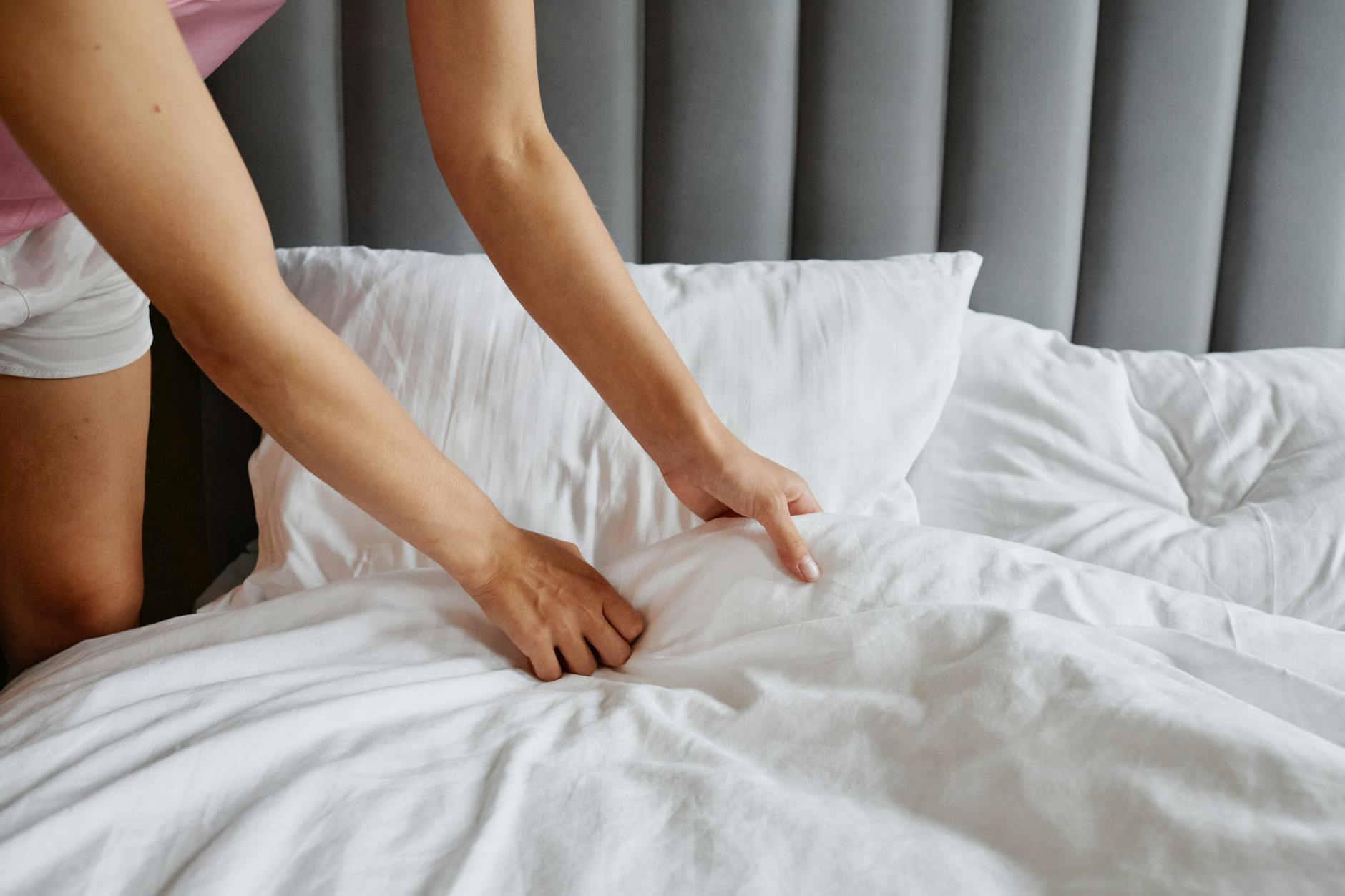
The scientific consensus is clear: wash your sheets and pillowcases every seven days. This is the frequency microbiologists, allergists, and sleep researchers most commonly recommend when it comes to how often you should wash your bedding. Pillowcases in particular should be washed at least as often as your sheets, and some experts argue they warrant washing every three to four days since your face and hair contact them directly.
Duvet covers and flat top sheets fall under the same weekly recommendation. However, comforters and duvet inserts, which are less frequently in direct contact with your skin, can typically be washed every one to three months, depending on use. According to Consumer Reports, using a duvet cover extends the life of your comforter and reduces how often you need to deep clean it, which is a smart strategy for busy households.
The bottom line on how often you should wash your bedding: every week for everything that touches your skin directly, and monthly or seasonally for outer layers and inserts.
3. Factors That Influence How Often You Need to Change Your Sheets
Weekly washing is the baseline, but several factors push that frequency higher. If any of the following apply to your household in Tempe, you may need to change your sheets more often than once a week.
Allergies or asthma: Dust mite allergens accumulate fast. The American Lung Association recommends that allergy sufferers wash bedding in hot water (at least 130 degrees Fahrenheit) weekly to reduce allergen load and protect indoor air quality.
Pets sleeping in the bed: Pet dander, hair, and outdoor debris add significantly to the biological load in your sheets. Pet owners should consider washing bedding every three to four days.
Sweating at night: Tempe summers are intense, and even with air conditioning, night sweats are common. Sweat accelerates bacterial growth and fabric breakdown, so washing more frequently during warmer months is smart.
Illness in the household: When someone is sick, change pillowcases and sheets daily or every other day to prevent the spread of germs to other household members.
Sleeping alone vs. with a partner: If you’re wondering how often you should wash your sheets if you sleep alone, the same weekly guideline applies, but some solo sleepers stretch to ten days without major hygiene concerns. With a partner, sticking strictly to seven days is the better call.
Showering before bed: Even if you shower before bed, your body still sweats and sheds skin cells overnight. Showering before bed reduces some contamination but does not eliminate the need for weekly washing.
4. What Science Says About Washing Sheets in Winter
One of the most common myths around bedding hygiene is that you can wash your sheets less often in winter because you sweat less. The science does not fully support this. While excessive summer sweating does increase contamination speed, winter brings its own challenges: you spend more hours in bed, you may sleep under heavier covers that trap heat and moisture, and indoor heating systems can circulate dust and allergens that settle into your bedding.
The recommendation for how often you should change your sheets in winter remains the same: once a week. Some people legitimately stretch this to every ten days in cooler months, particularly if they shower before bed and sleep alone, but monthly washing is not adequate by any scientific measure. A monthly sheet change allows mold spores, bacteria, and dust mite populations to build up to levels that can trigger skin irritation, respiratory symptoms, and disrupted sleep.
The EPA’s guidance on mold reinforces this point: soft surfaces like bedding can harbor mold growth in humid conditions, and high-humidity states are not the only risk. Tempe’s dry heat can create condensation under heavy winter bedding, making mold a real possibility even in the desert.
5. The Real Benefits of Clean Sheets Every Week
The benefits of clean sheets go well beyond smelling fresh. Here is what regular washing of your bedding actually delivers, according to sleep and health research.
Reduced allergy symptoms: Weekly washing in hot water cuts dust mite populations dramatically, reducing sneezing, congestion, and eye irritation for allergy sufferers.
Better skin health: Bacteria and oil that accumulate in unwashed sheets can contribute to acne breakouts and skin irritation, especially on the face and shoulders.
Improved sleep quality: A Real Simple report on sleep hygiene found that people who washed their sheets regularly reported falling asleep faster and feeling more comfortable in bed. Clean sheets simply feel better.
Lower respiratory irritation: Dust mite waste and pet dander in bedding are two of the most common triggers for nighttime asthma symptoms. Regular washing keeps those triggers at manageable levels.
Reduced odor: Sweat and body oils create odor over time. Weekly washing prevents that buildup before it becomes noticeable.
These benefits make a compelling case for treating bedding laundry as a non-negotiable weekly chore rather than an occasional task.
6. How Often Should You Change Your Towels (and Why It Matters for Your Bed)
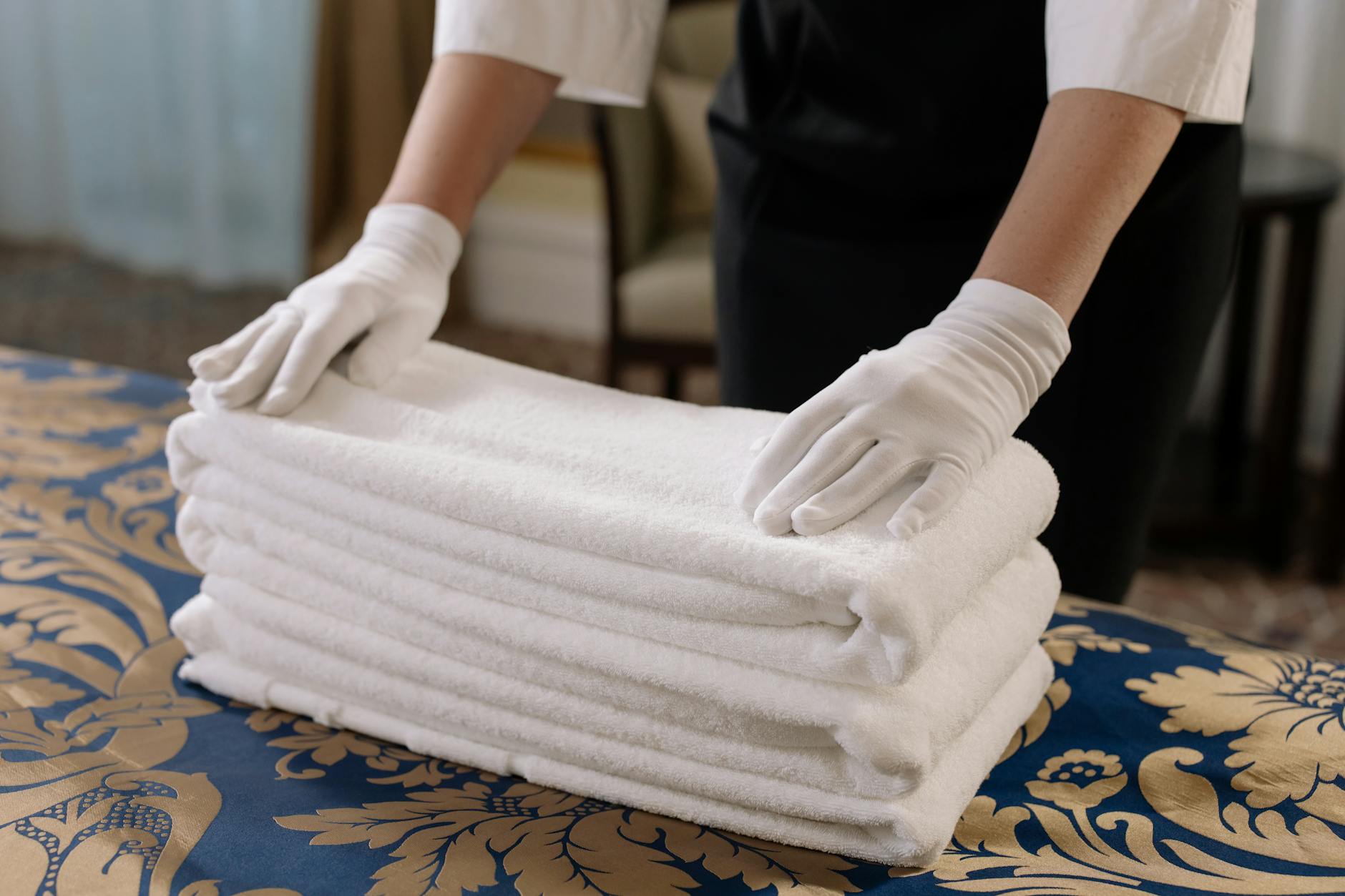
While we’re talking about textiles that touch your body, towels deserve a mention here because they directly affect how clean your bed stays. If you use a damp towel and then bring that moisture into bed with you, you accelerate bacterial growth in your sheets. How often you should change your towels follows a similar logic to sheets: every three uses, or roughly twice a week for daily users, is the standard recommendation from most hygiene experts.
Hang towels to dry fully between uses. A towel that stays damp becomes a breeding ground for bacteria within 24 to 48 hours. Replacing or washing towels regularly, and letting them dry properly, is a simple step that supports the overall cleanliness of your bedroom environment, including your bedding.
For Tempe households, the low humidity compared to coastal cities helps towels dry faster, which is a genuine advantage. But the interior humidity created by daily showers still warrants regular towel rotation.
7. How to Keep Your Bed as Clean as Possible Between Washes
Washing your bedding weekly is the foundation, but there are habits that extend cleanliness between laundry days and make each wash more effective.
Use a mattress protector: A waterproof mattress protector creates a barrier between your mattress and everything that accumulates above it. It is far easier to wash a protector weekly than to clean a mattress directly.
Air your bed in the morning: Pull back the covers for at least 15 to 20 minutes before making the bed. This allows moisture from overnight sweating to evaporate, reducing the humidity that dust mites and mold need to thrive.
Shower before bed: Showering before bed reduces the amount of skin oil, sweat residue, and environmental pollutants you bring into the sheets. It does not eliminate the need for weekly washing, but it does keep sheets cleaner longer.
Keep pets off the bed: This is a tough one for pet lovers, but it makes a measurable difference. If your dog or cat sleeps with you, wash sheets every three to four days rather than seven.
Wash pillowcases separately and more often: Your face contacts the pillowcase directly for hours each night. Washing pillowcases every three to four days is a practical upgrade if you have acne-prone skin or allergy issues.
8. When to Schedule a Professional Deep Clean of Your Bedroom
Washing your own bedding weekly handles the top layer of hygiene, but your bedroom itself, baseboards, ceiling fans, window tracks, and especially your mattress, accumulates grime that routine laundry does not address. A professional deep cleaning of your bedroom every few months tackles the areas that build up without you noticing: the dust on the headboard, the debris under the bed frame, and the allergen layer on the bedroom floor that a quick vacuum misses.
Tempe residents who deal with Arizona’s notorious dust and pollen seasons especially benefit from scheduling a thorough deep clean before spring and again heading into fall. If you want a complete checklist for tackling those seasonal shifts, the ultimate guide to spring cleaning is a solid resource to pair with your weekly bedding routine.
A recurring maid service that includes bedroom cleaning as part of a weekly or biweekly visit ensures that the room you sleep in stays at a consistently high standard, not just the sheets on your bed. Professional cleaners address the full environment, which makes your weekly bedding wash even more effective.
9. The Bedding and Indoor Air Quality Connection
There is a direct link between unwashed bedding and the air quality in your bedroom. Dust mite waste particles, pet dander, mold spores, and skin cell debris from your sheets become airborne when you move in bed, shake out covers, or run a ceiling fan. You breathe these particles throughout the night.
The EPA’s indoor air quality resources identify biological pollutants, including dust mite allergens, as one of the primary contributors to poor indoor air in homes. Bedding is one of the single largest reservoirs of these biological pollutants in any bedroom. Regular washing is not just about comfort; it is a meaningful step in managing the air your family breathes during sleep.
Pairing weekly bedding washes with proper ventilation, HEPA-filtered vacuuming of the mattress and surrounding floor, and periodic professional house cleaning creates a bedroom environment where indoor air quality is genuinely protected. For Tempe homeowners with young children or elderly family members, this is especially worth prioritizing.
10. A Note on Seasonal Cleaning and Holiday Resets
Beyond weekly washes and recurring professional visits, there are moments in the year that call for a full bedding and bedroom reset. Before hosting guests, after a family illness sweeps through the house, or heading into the holiday season, a complete overhaul of all bedroom textiles makes sense. Wash all pillow inserts, comforters, duvet inserts, and decorative shams in addition to your standard weekly items.
If you want professional help making that seasonal reset thorough and stress-free, holiday cleaning services from a trusted team can handle the whole home while you focus on washing and refreshing your bedding. The combination of a full professional clean and freshly laundered bedding makes for a genuinely healthy, welcoming home environment, whether guests are coming or you simply want to start a new season right.
Tempe families who build these habits, weekly bedding washes, monthly mattress vacuuming, and periodic professional deep cleans, consistently report better sleep, fewer allergy flare-ups, and a home that simply feels cleaner every day. Small, consistent habits compound quickly into a meaningfully healthier living space.
If staying on top of your home’s cleanliness feels like more than your schedule allows, Elite Maids House Cleaning is here to help. As the most-reviewed residential cleaning team in Arizona, we serve Tempe homeowners with recurring weekly and biweekly cleans, deep cleans, and one-time services, all backed by a reclean-at-no-cost satisfaction guarantee. Book online in minutes and get an instant quote, with same-day availability between 8am and 6pm. Reach out to Elite Maids House Cleaning in Tempe and contact Elite Maids house cleaning today for a free quote, and take one major task completely off your plate.
Frequently Asked Questions
How often should you wash your bedding according to a microbiologist?
Microbiologists consistently recommend washing your sheets and pillowcases once a week. Research shows that within seven days, bedding accumulates significant levels of bacteria, dust mite waste, sweat residue, and dead skin cells. Pillowcases may warrant washing every three to four days since they contact your face directly. Hot water at 130 degrees Fahrenheit or higher is recommended for effective allergen and bacteria removal.
Is it okay to change bed sheets once a month?
No, monthly sheet changes are not adequate by scientific standards. Within a month, bedding accumulates bacteria, dust mite populations, and allergen levels that can trigger skin irritation, acne, respiratory symptoms, and disrupted sleep. The evidence-based recommendation is once per week for sheets and pillowcases. Monthly washing is far below the threshold that hygiene and health experts consider acceptable for most households.
How often should you wash your sheets if you shower before bed?
Showering before bed reduces contamination but does not eliminate the need for weekly washing. Even after showering, your body sweats and sheds skin cells throughout the night. If you shower before bed and sleep alone, stretching to ten days between washes is unlikely to cause significant hygiene issues, but the standard recommendation remains every seven days for most people.
How often should you wash your sheets if you sleep alone?
Sleeping alone means fewer people contributing to sheet contamination, so some solo sleepers comfortably stretch to nine or ten days. However, microbiologists still recommend seven days as the standard cycle. If you have allergies, pets in the bed, or tend to sweat at night, stick to the weekly schedule regardless of whether you sleep alone or with a partner.
How often should you change your sheets in winter?
The weekly washing recommendation applies year-round, including winter. While you may sweat less in cooler months, heavier winter bedding traps heat and moisture, and you typically spend more hours in bed. Indoor heating also circulates dust and allergens that settle into your sheets. Stretching to ten days in winter is reasonable for some households, but monthly changes are never sufficient.