Your Easy Move Out Cleaning Checklist for Apache Junction Renters
SHARE:
A move out cleaning checklist covers every room, surface, and appliance a landlord or property manager will inspect before releasing your security deposit. For renters in Apache Junction, a thorough end-of-tenancy clean is one of the best ways to protect that deposit and leave on good terms. This guide walks through every task, room by room, so nothing slips through the cracks.
1. Complete Move Out Cleaning Checklist: What Every Room Needs
Before you pack the last box, you need a room-by-room move out cleaning checklist you can actually follow. A complete move out clean is more than a quick sweep. Landlords in Apache Junction inspect closely, and a missed detail can cost you part of your deposit. Think of this as your master reference for every area of the home.
According to Real Simple, a room-by-room approach is the most reliable way to avoid the oversights that cost renters money at move-out time. Use this structure as your base, then add any property-specific items your lease requires.
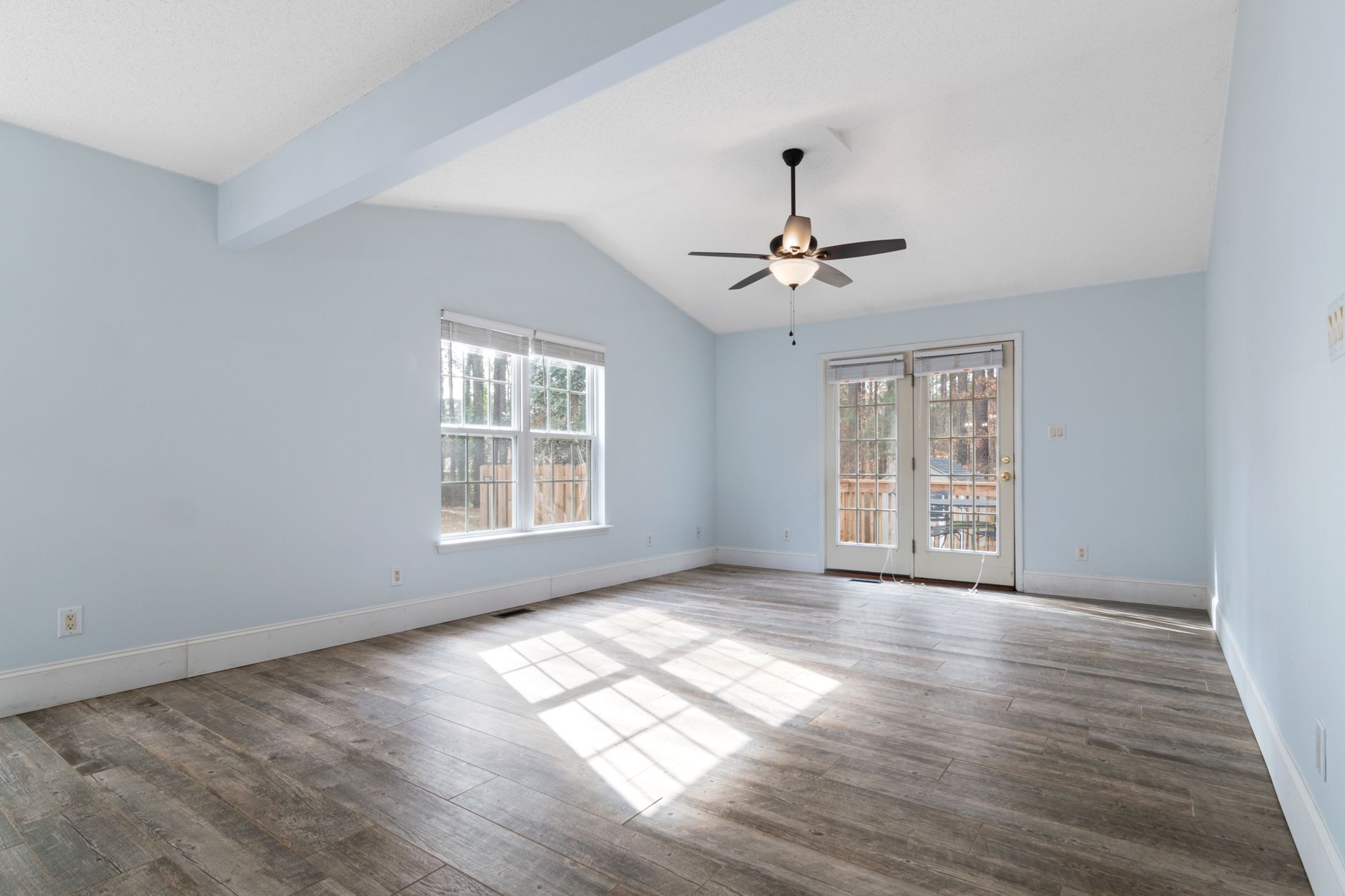
Living Room: Dust ceiling fans, light fixtures, and baseboards. Wipe down windowsills, blinds, and door frames. Vacuum carpets thoroughly or mop hard floors. Spot-clean walls for scuffs and marks. Remove all nails, hooks, and anchors, and patch the holes.
Bedrooms: Empty and wipe out all closets and shelving. Dust ceiling fans and light fixtures. Vacuum carpets or mop floors. Clean windowsills and blinds. Check for any damage to walls or doors.
Hallways and Entryways: Sweep or vacuum, mop hard floors, wipe down baseboards, and clean any light switches and outlet covers throughout the home.
Laundry Room: Clean inside the washer drum and wipe down the exterior of the washer and dryer. Vacuum behind and beneath both units. Clear out the lint trap and the surrounding area. Wipe down counters and shelving.
Garage (if applicable): Sweep the floor thoroughly. Remove oil stains as best you can using a degreaser. Clear out any shelving and wipe it down. Return all garage door openers and extra keys.
If you need a more detailed breakdown of every task in each room, the professional move out cleaning checklist from Elite Maids covers every single item a property manager will look for.
2. Kitchen Deep Cleaning: The Area Landlords Inspect Most
The kitchen is where most security deposit disputes are born. A kitchen deep clean for move out goes far beyond wiping counters. You need to address the inside of every appliance, the grease that has built up on cabinets, and the grime hiding around and beneath the stove. Landlords know every spot to check, so your kitchen cleaning needs to be just as thorough.
Good Housekeeping recommends cleaning appliances from the inside out, starting with the oven, before moving to exterior surfaces so you don’t re-soil areas you’ve already cleaned.
Oven and Stove: Remove oven racks and soak them in hot soapy water. Use oven cleaner on the interior walls and glass. Clean the stovetop burners, drip pans, and grates. Wipe down the oven door inside and out.
Refrigerator: Remove all shelves and drawers. Wash each piece with warm soapy water. Clean the interior walls and door seals. Wipe down the exterior, including the top. Pull the fridge out and clean the floor and wall behind it.
Dishwasher: Run a cleaning cycle with a dishwasher cleaner tablet. Wipe down the door gasket and the control panel. Clean the filter at the bottom of the unit.
Microwave: Steam the interior with a bowl of water and lemon to loosen food debris, then wipe clean. Clean the turntable plate and the door seal.
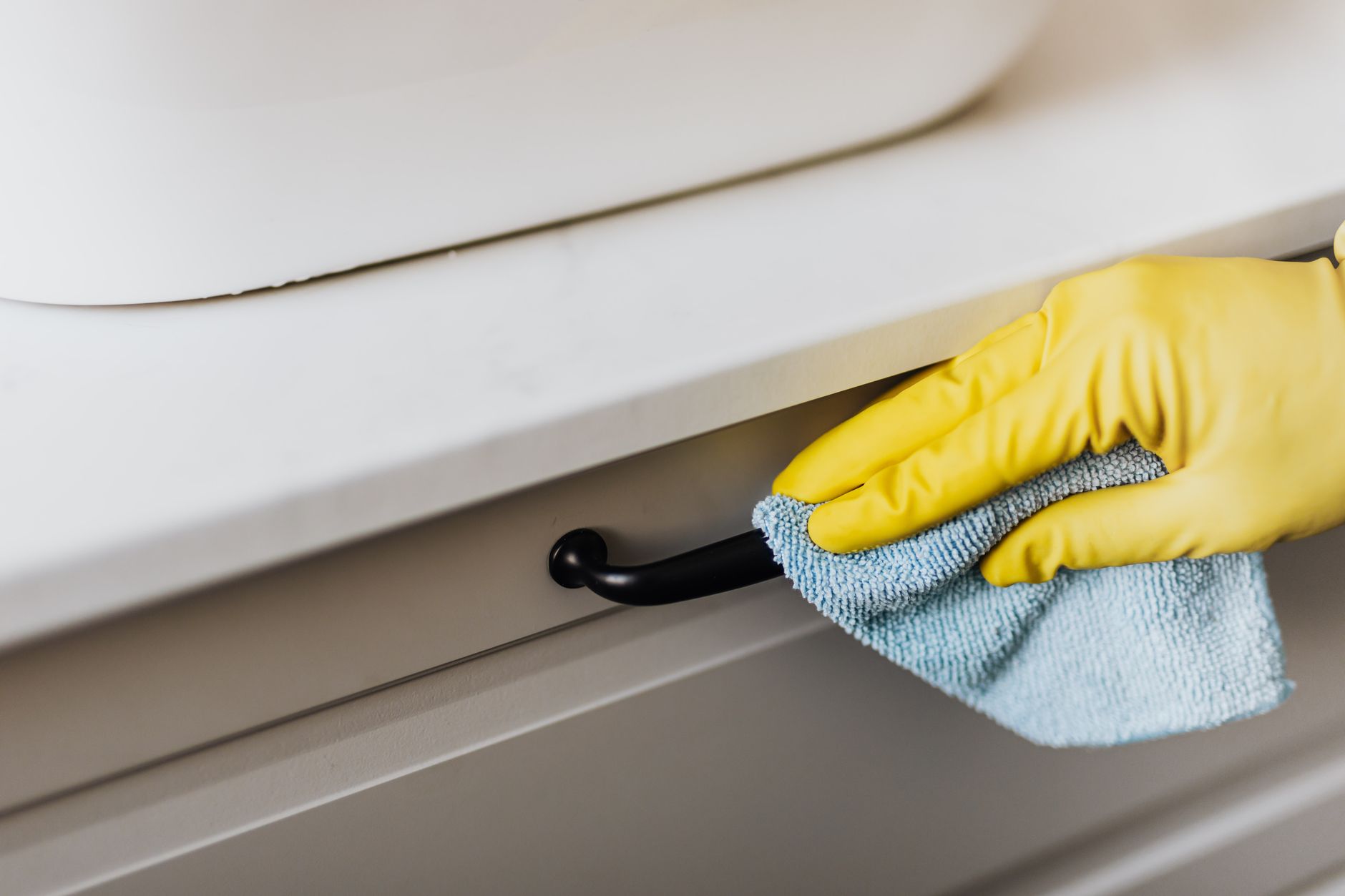
Cabinets and Drawers: Empty every cabinet and drawer. Wipe the interiors with an all-purpose cleaner. Degrease the exterior cabinet faces and hardware.
Sink and Disposal: Scrub the sink basin and polish the faucet. Run ice cubes and salt through the garbage disposal to clean the blades, then flush with lemon peels.
Countertops and Backsplash: Clean and disinfect every surface, paying attention to the grout lines on tile backsplashes.
A deep cleaning service is often the most practical option for kitchens in homes that have been lived in for a year or more. Professional equipment and commercial-grade products cut through grease that standard household cleaners leave behind.
3. Bathroom Move Out Cleaning: Scrubbing for Your Deposit
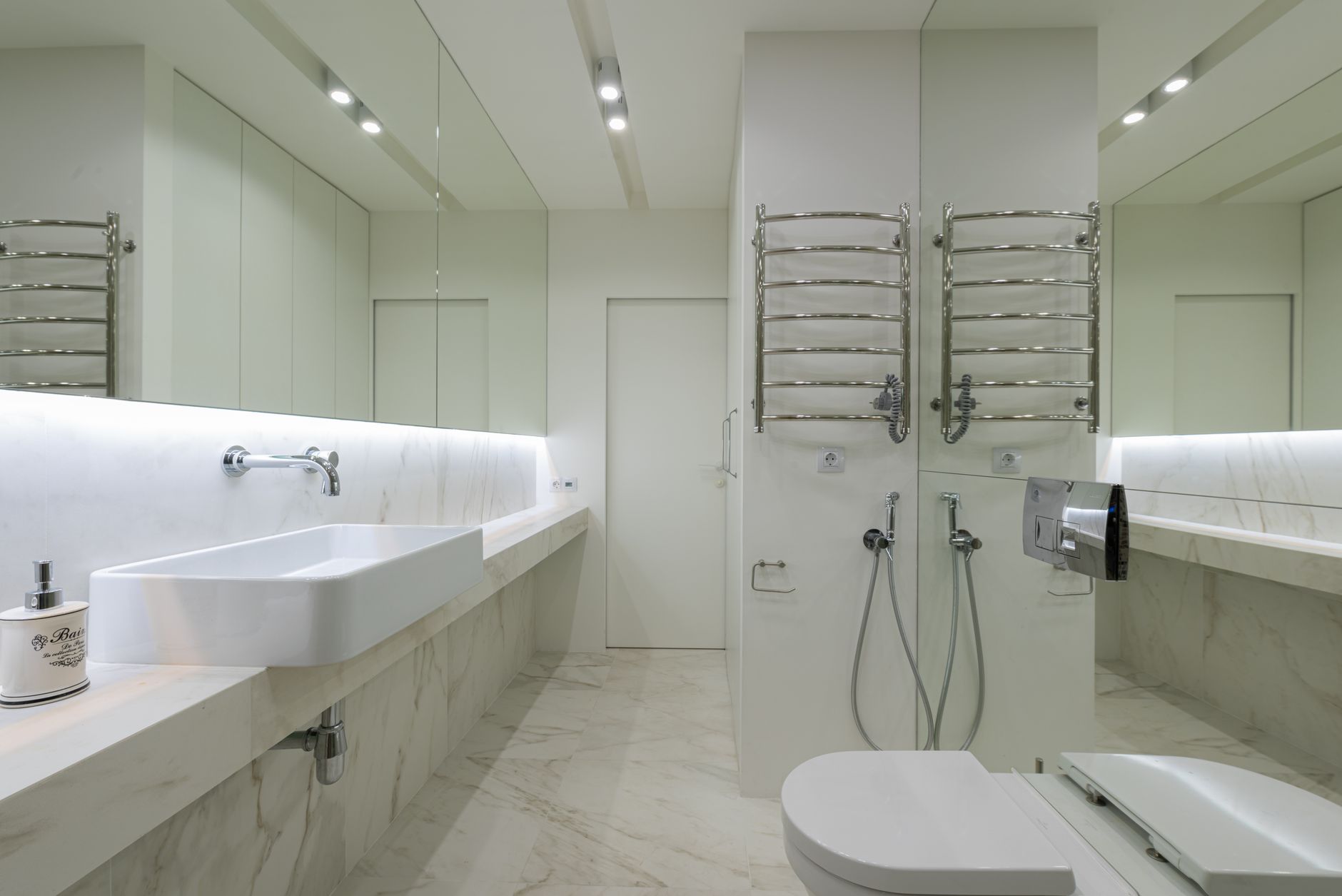
Bathrooms are a close second on any landlord’s inspection list. Soap scum, hard water stains, and mildew can accumulate quickly in Arizona’s dry climate, and none of it is easy to spot-clean after the fact. Your bathroom move out cleaning needs to be a top-to-bottom scrub, not a surface wipe.
Toilet: Scrub under the rim, clean the bowl, wipe down the tank, seat, lid, and exterior base. Don’t forget behind the toilet.
Shower and Tub: Remove and clean the drain cover. Scrub the grout lines, tile walls, and tub or shower floor. Remove any soap scum from glass doors or curtain rods. Replace or clean the shower curtain liner.
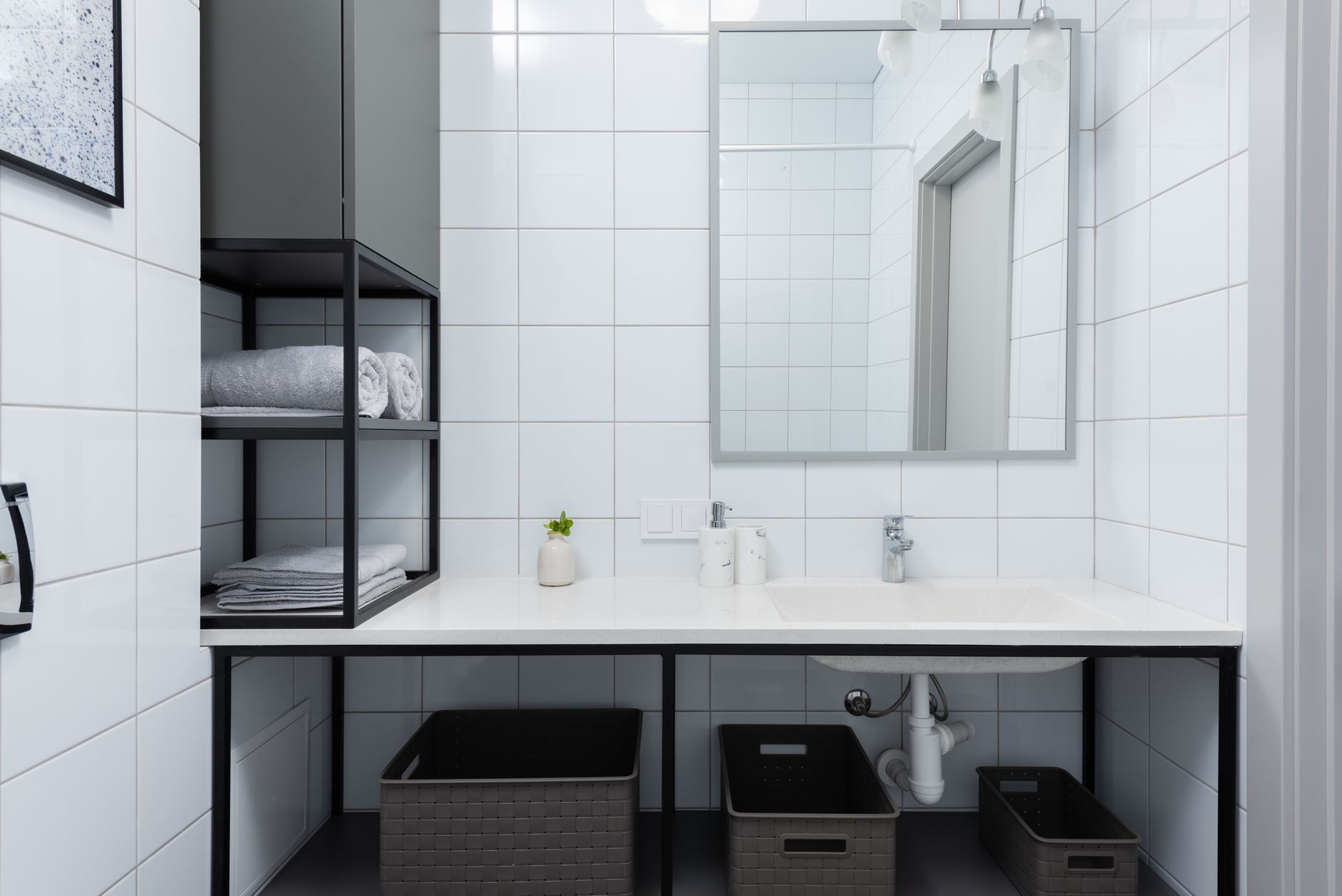
Sink and Vanity: Scrub the sink basin. Clean and polish the faucet and handles. Wipe out drawers and cabinets below the vanity.
Mirror and Fixtures: Clean the mirror with glass cleaner and polish light fixtures.
Exhaust Fan: Remove the cover and vacuum out dust. A clogged exhaust fan is a common inspection failure.
Floors: Scrub tile grout lines and mop the floor thoroughly, paying attention to corners and edges.
The EPA’s guidance on mold notes that bathrooms are the most common area for mold growth in residential properties. If you see any signs of mold on grout or caulk, address it before your final walkthrough. Leaving visible mold behind is almost guaranteed to cost you deposit money.
4. Supplies You Need for Move Out Cleaning
Having the right supplies on hand before you start your move out cleaning makes the process significantly faster and more effective. Showing up with a single bottle of all-purpose spray and some paper towels is not going to cut it for a full move out clean. Here is a practical supplies list for renters doing this on their own.
Vacuum with attachments (for carpets, baseboards, vents, and upholstery)
Mop and bucket (for hard floors throughout the home)
Broom and dustpan (for garage, patio, and laundry room)
Microfiber cloths (reusable, lint-free, and effective on most surfaces)
All-purpose cleaner (counters, cabinets, walls, and general surfaces)
Glass cleaner (mirrors, windows, and glass shower doors)
Oven cleaner (heavy-duty grease inside the oven)
Toilet brush and bowl cleaner
Grout brush (for tile grout in bathrooms and kitchen backsplash)
Degreaser (stovetop, hood vent, cabinet faces near the stove)
Rubber gloves (protect your hands when using stronger cleaners)
Magic Eraser sponges (for scuff marks on walls and baseboards)
Trash bags (for hauling away cleaning debris and last-minute clutter)
Step stool or ladder (for ceiling fans, tall cabinet tops, and vents)
If you prefer to skip the chemical-heavy products, eco-friendly cleaning options using plant-based formulas can handle most move out tasks effectively. The EPA Safer Choice program certifies cleaning products that are effective without the harsh chemicals, which is worth checking before you stock up on supplies.
5. Windows, Walls, and Floors: The Overlooked Move Out Tasks
Most renters focus on kitchens and bathrooms and forget about the surfaces that quietly accumulate damage and dirt over an entire lease term. Windows, walls, and floors are the three areas most likely to result in a landlord charge if you skip them. This section covers the move out cleaning tasks that often get overlooked, especially in Apache Junction homes with high dust levels from the surrounding desert environment.
Windows (interior): Wipe down the interior glass with glass cleaner. Clean the window tracks with a small brush or vacuum attachment. Wipe the window frames and sills. Remove any stickers or adhesive residue from the glass.
Blinds: Dust each slat with a microfiber cloth or a blind-cleaning tool. For heavily soiled blinds, remove them and soak in the bathtub.
Walls: Walk every room and look for scuffs, crayon marks, or grease stains. A melamine foam eraser removes most marks without damaging paint. For deeper stains, you may need to touch up with matching paint.
Carpet Cleaning: Vacuum thoroughly, then address stains with a carpet spot cleaner. For heavily soiled carpets, a professional carpet cleaning is often required by Arizona lease agreements.
Hard Floors: Sweep first, then mop with a floor-appropriate cleaner. For tile grout, use a grout brush and a targeted cleaner. For hardwood or laminate, use a product specifically designed for that surface to avoid damage.
Baseboards and Trim: Wipe down all baseboards with a damp microfiber cloth. These collect dust and scuffs over an entire lease and are always on a landlord’s checklist.
For Apache Junction homes that have been through even one Arizona dust storm season, a more intensive approach to floors and windows will pay off at the final walkthrough. The Spruce’s cleaning guides have solid room-by-room advice on tackling dust buildup in desert-climate homes.
6. When Should You Do the Move Out Cleaning?
Timing your move out cleaning correctly matters as much as what you clean. Many renters make the mistake of cleaning while furniture and boxes are still in the way, which means they end up missing floors, walls, and corners that were blocked. The best time to do your move out cleaning is after every item is out of the unit, at least one to two days before your final walkthrough.
After the last piece of furniture leaves: You can’t clean behind a dresser or under a bed that’s still in the room. Clear the space completely before you start.
Two to three days before key handoff: This gives you a buffer if you find something you missed or need to make a second pass at a stubborn area.
During daylight hours: Natural light exposes dust, smears, and missed spots that overhead lighting hides. Walk each room near a window to catch what the overhead bulb won’t show.
Before turning off utilities: You need water and electricity to clean appliances, run the dishwasher, and use a vacuum. Keep utilities active until after your final clean.
If you are moving into a new home at the same time, coordinating a separate cleaning visit for your new place is smart planning. A move in cleaning in Gilbert gives a sense of what the process looks like, and the same standard applies when moving into any home in the Apache Junction area.
7. Should You Hire a Move Out Cleaning Service in Apache Junction?
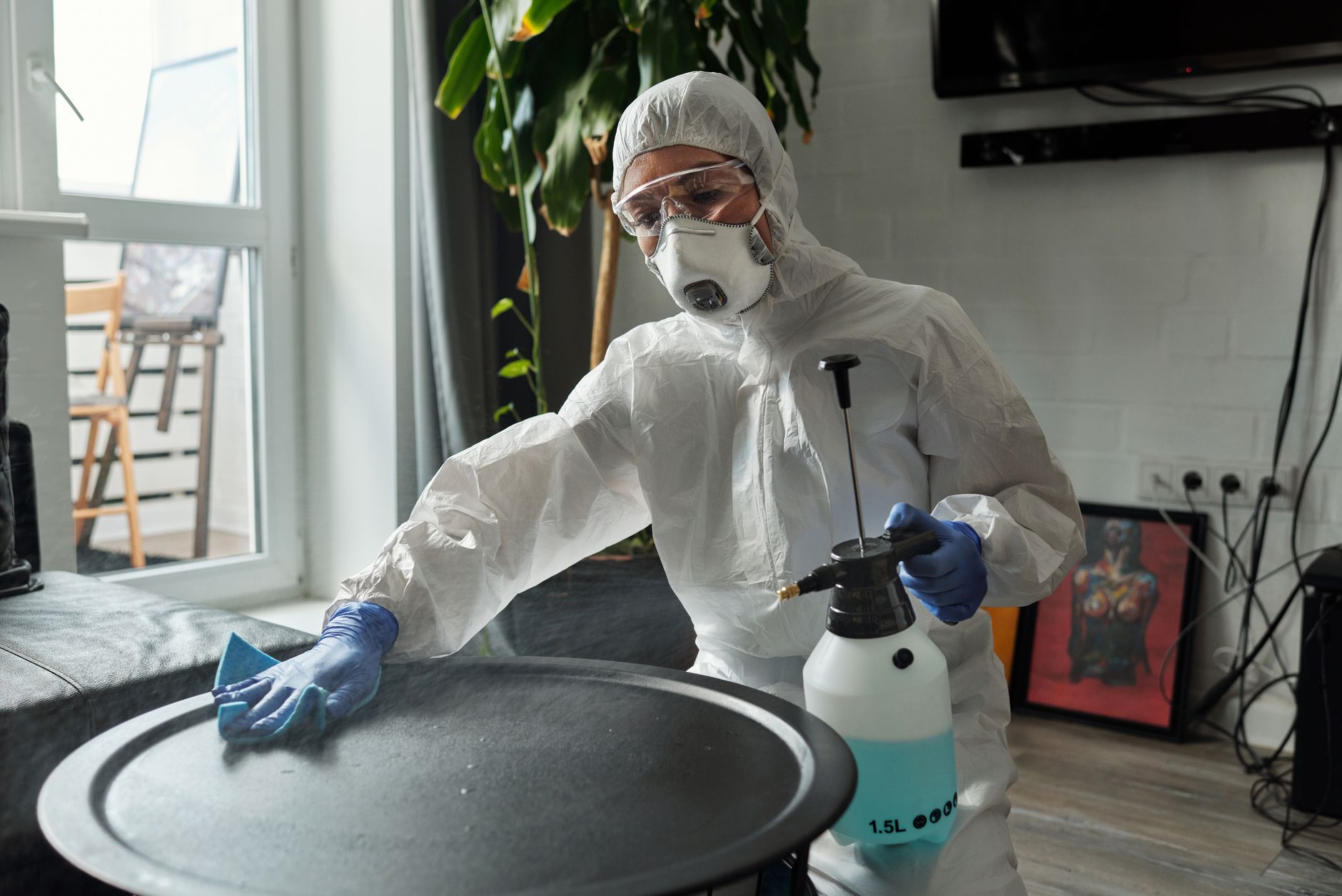
Hiring a professional move out cleaning service in Apache Junction is worth considering seriously, especially if you’re short on time, moving long distance, or dealing with a property that saw heavy use during your tenancy. A professional move out cleaner brings commercial-grade equipment, trained eyes, and a systematic approach that a rushed DIY clean rarely matches.
You have a large home or multiple bathrooms: A 3-bedroom, 2-bath home in Apache Junction can take 6 to 8 hours to clean thoroughly on your own. A professional team cuts that time significantly.
Your lease specifies professional cleaning: Some Arizona leases require receipts from a licensed cleaning company. Hiring a professional protects you legally.
The property has heavy grease, mold, or staining: Consumer-grade products often can’t touch years of built-up grime. Professional-grade equipment and products make a noticeable difference.
You want a satisfaction guarantee: A reputable cleaning service will back their work. Elite Maids House Cleaning, for example, offers a reclean at no cost if anything doesn’t meet expectations.
You’re moving out of state or across town quickly: When your schedule is packed, a professional team handles the cleaning while you focus on the move itself.
Every cleaner at Elite Maids House Cleaning is background-checked, bonded, insured, and five-star rated. Online booking with instant quotes means you can schedule a same-day move out clean in Apache Junction between 8am and 6pm without a phone call.
If you want to understand what a professional team covers in detail, the disinfection services page covers the sanitization standards used on high-touch surfaces during a professional clean.
8. Move Out Cleaning for Apartments and Condos
Move out cleaning for apartments and condos in Apache Junction carries some specific considerations that differ from single-family homes. Smaller square footage means inspectors look even more closely at individual surfaces. Shared building rules may also restrict which cleaning products you can use in common areas or laundry facilities.
Smaller spaces, higher scrutiny: In an apartment, there’s nowhere to hide a missed spot. Every wall, every baseboard, and every corner is visible from the center of the room.
Balcony or patio: Sweep and clean the balcony floor. Remove any marks from furniture legs. Wipe down railings and any light fixtures on the exterior.
Shared laundry (if in unit): If the unit has a washer and dryer, clean them thoroughly inside and out. If shared laundry is part of your lease agreement, check whether you’re responsible for the shared space.
Parking space or storage unit: Many Apache Junction apartment leases include a storage unit or covered parking space. Sweep both areas and remove any items you’re leaving behind.
Noise and access rules: Check your building’s rules around cleaning hours. Some Apache Junction complexes restrict loud vacuuming or floor machines before 8am or after 8pm.
A professional apartment cleaning service handles all of this systematically. If you’re moving out of a condo or apartment complex in the Apache Junction area, booking a dedicated apartment move out clean ensures nothing gets missed before your final walkthrough.
For a comprehensive look at what a thorough cleaning covers in a typical Arizona home, the whole house deep cleaning checklist is a useful reference for scope and depth.
The American Lung Association’s indoor air quality guidance is also worth reviewing before using heavy-duty cleaning products in a smaller apartment space, particularly if children or anyone with respiratory sensitivities will be present during the clean.
9. Final Walkthrough Tips Before Handing Over the Keys
Once your move out cleaning is complete, take one more pass before handing over the keys. A final walkthrough using your landlord’s eyes, not your own, is the difference between a full deposit return and a deduction letter. This step adds maybe 30 minutes but can save you hundreds of dollars.
Use a checklist: Walk through every item on your move out cleaning checklist one more time. Check it off as you go, so you have documentation.
Check every light switch and outlet: Make sure all covers are clean and in place. Check that every light bulb works. A burned-out bulb can raise questions about whether the space was maintained.
Open every cabinet and drawer: Make sure nothing was left behind. A forgotten spice jar or cleaning product left in a cabinet is an easy reason for a landlord to charge a removal fee.
Check inside every appliance: Open the oven, the refrigerator, the dishwasher, and the microwave one final time. These are always on the inspection list.
Take photos: Before you leave, photograph every room, every appliance interior, and every area of potential dispute. Timestamped photos are your best protection if a deposit claim arises after the fact.
Test all doors, windows, and locks: Make sure every door closes fully, every window lock works, and every key you return operates correctly.
Bob Vila’s cleaning resources offer a solid pre-inspection checklist framework that aligns closely with what most property managers look for during a formal move out inspection.
10. How Move Out Cleaning Protects Your Security Deposit
The entire point of a move out cleaning checklist is to protect your security deposit. In Arizona, landlords are required by law to return a security deposit within 14 business days of move-out, minus any documented deductions. Cleaning charges are one of the most common deductions, and they are also one of the most preventable.
A thorough move out clean signals to a landlord that the property was cared for during your tenancy. It also limits their ability to claim excessive cleaning fees, since a professionally cleaned or demonstrably spotless unit leaves little room for dispute.
Document everything: Keep receipts from any professional cleaning service. A receipt from a licensed company is often enough to dispute a cleaning deduction.
Know Arizona’s rules: Landlords cannot charge for normal wear and tear. A small scuff on a baseboard after three years of tenancy is not a cleaning issue. Heavy grease buildup in the oven is.
Request a pre-move-out inspection: Arizona law allows tenants to request an inspection before their final move-out date. This gives you a chance to address any issues the landlord identifies before you lose your deposit.
Compare your move-in documentation: Pull out your original move-in checklist and photos. Any damage that was present when you moved in should not be charged against you at move-out.
For a seasonal reference that covers many of the same surfaces and tasks included in a full deposit-protection clean, the ultimate guide to spring cleaning provides an equally detailed room-by-room breakdown that works well as a supplemental reference.
Closing: Book Your Move Out Cleaning in Apache Junction Today
Moving out of a home in Apache Junction is stressful enough without worrying about whether your cleaning will hold up to a landlord’s inspection. A solid move out cleaning checklist is a great starting point, but having a professional team handle the hard work means you can focus on your move and trust that the property will pass any walkthrough. Elite Maids House Cleaning in Apache Junction offers same-day online booking, instant quotes, and a no-cost reclean guarantee on every move out clean. Contact Elite Maids House Cleaning today for a free quote and get your deposit back with confidence.
Frequently Asked Questions
How long does a move out cleaning take?
A move out cleaning typically takes between 3 and 8 hours depending on the size of the home and how heavily it was used during the tenancy. A studio or one-bedroom apartment may be done in 3 to 4 hours, while a 3-bedroom, 2-bathroom home in Apache Junction can take a full day when done thoroughly. A professional cleaning team completes the same job significantly faster.
What is included in a move out cleaning checklist?
A complete move out cleaning checklist covers every room in the home: kitchen appliances inside and out, bathroom scrubbing and grout cleaning, all floors (vacuumed and mopped), windows and blinds, walls and baseboards, light fixtures and ceiling fans, closets and cabinet interiors, and any outdoor areas like patios or garages that are part of the lease agreement.
Do landlords in Arizona require professional move out cleaning?
Not all Arizona landlords require professional cleaning, but many lease agreements do. Even when it’s not required, a professional move out clean in Apache Junction is often the safest way to ensure the property meets inspection standards. Landlords can only charge for cleaning that exceeds normal wear and tear, so a thorough professional clean removes most grounds for a deduction.
How much does move out cleaning cost in Apache Junction?
Move out cleaning costs in Apache Junction vary based on the size of the home, the level of cleaning required, and which company you hire. A one-bedroom apartment typically runs less than a full 3-bedroom home. Most professional cleaning services offer instant online quotes, so you can get an exact price before committing. Always check whether the quote includes appliance interiors and carpet cleaning, since those are often quoted separately.
Can I do move out cleaning myself or should I hire a professional?
You can absolutely do move out cleaning yourself if you have the time, the right supplies, and a detailed checklist to follow. However, hiring a professional move out cleaning service in Apache Junction is worth it when you’re short on time, when the property is large or heavily soiled, or when your lease requires proof of professional cleaning. A professional team brings equipment and expertise that produce consistently better results in a fraction of the time.
Deep Clean Essentials Every San Tan Valley Homeowner Needs in 2026
SHARE:
A full deep clean requires more than a quick wipe-down. The absolute essentials include a long-handled scrub brush, a quality vacuum with upholstery attachments, fresh microfiber cloths, a multi-surface disinfectant, and a room-by-room checklist that leaves no surface untouched. San Tan Valley homes face unique challenges, desert dust, hard water deposits, and dry air, that make a thorough deep cleaning more important here than almost anywhere else. The sections below break down every tool, technique, and room-specific strategy you need to do it right.
1. Deep Clean Supplies You Cannot Skip in San Tan Valley
Before you scrub a single tile, gather the right arsenal. A San Tan Valley deep clean without the proper tools is just a surface wipe dressed up with extra effort. Here is the non-negotiable supply list every homeowner should pull together before starting a thorough deep cleaning session:
Long-handled scrub brush, reaches high cabinet faces, wall scuffs, and grout lines without wrecking your back
Microfiber cloths, trap dust and allergens instead of redistributing them across surfaces
HEPA-filter vacuum, a HEPA filter captures particles as small as 0.3 microns, critical in dusty desert environments
Upholstery vacuum attachment, essential for pulling embedded debris from sofas, chairs, and headboards
Grout brush, a narrow, stiff-bristle brush sized specifically for grout lines in kitchens and bathrooms
Spray bottles, one for your all-purpose cleaner, one for your disinfectant, and one for plain water rinse
Rubber gloves and safety glasses, non-negotiable when working with stronger cleaners or bathroom disinfectants
Extendable duster, gets ceiling fans, crown molding, and the tops of refrigerators in a single pass
Steam mop, sanitizes hard floors without harsh chemicals, a great pairing with eco-friendly cleaning products
According to Good Housekeeping’s cleaning guides, using the right tool for each surface cuts cleaning time by nearly a third and produces a noticeably better result. Invest in quality once and these tools will carry you through dozens of deep cleaning sessions.
2. Room-by-Room Deep Cleaning Checklist for Your Home
A room-by-room checklist is the backbone of any successful home deep clean. Without structure, it is easy to spend 45 minutes on one bathroom and forget the laundry room entirely. Work top-to-bottom and front-to-back in each room so loosened dust falls onto surfaces you have not yet cleaned.
Kitchen Deep Clean
Empty and wipe every cabinet interior and exterior with a damp microfiber cloth, then follow with a long-handled scrub brush on stubborn grease
Degrease stovetop burners, oven interior, and the filter above your range hood
Pull out the refrigerator and clean the coils and the floor beneath it
Descale the inside of your kettle and coffee maker with white vinegar
Disinfect the sink basin and faucet handles, which harbor more bacteria per square inch than most toilet seats
Bathroom Deep Clean
Spray the toilet inside and out, including the base and the wall behind it
Scrub grout lines with your grout brush and a baking soda paste
Remove and soak showerhead in white vinegar overnight to dissolve hard water mineral buildup common in San Tan Valley water
Wipe down exhaust fan covers to improve ventilation and reduce mold risk
Bedroom Deep Clean
Strip all bedding and launder sheets, pillowcases, and duvet covers on a hot cycle
Vacuum the mattress thoroughly with the upholstery attachment, then flip or rotate it
Wipe down baseboards, window sills, and the tops of door frames
Dust ceiling fan blades before vacuuming the floor so fallen dust gets captured
If the full checklist feels like a weekend-erasing project, many San Tan Valley homeowners choose to schedule a one-time deep cleaning service to reset the home before switching to regular maintenance.
3. How to Deep Clean Walls and Cabinets the Right Way
Walls and cabinet faces are the most overlooked surfaces in any home deep clean, yet they collect grease, fingerprints, and airborne dust at a startling rate. A long-handled scrub brush is your best friend here. Dip it in a solution of warm water and a few drops of dish soap, wring it until barely damp, and work in gentle circular motions from the top of the wall down to the baseboard.
For painted walls, avoid soaking the surface. Keep the brush damp, not wet, to prevent paint bubbling or drywall damage. Cabinet faces, especially those near the stove, will need a degreasing cleaner. Spray on, let it sit for two minutes, then scrub with the long-handled brush so you can apply real pressure without straining your shoulders.
Pay attention to light switch plates, door handles, and the areas around knobs, these are high-touch zones that rarely get proper attention. The CDC recommends keeping wall and cabinet surfaces dry after cleaning to discourage mold growth, particularly in bathrooms and laundry rooms where moisture is a constant factor.
4. Vacuuming Upholstered Furniture and Mattresses
Most people vacuum their floors weekly and their sofas never. That is a mistake. Upholstered furniture and mattresses trap dead skin cells, pet dander, dust mites, and debris that standard surface cleaning cannot reach. A proper deep clean of San Tan Valley homes must include systematic vacuuming of every upholstered surface.
Start with your sofa: remove all cushions and vacuum the crevices beneath them first. Then work the upholstery attachment across the cushion faces, sides, and backs. For fabric sofas, consider a fabric refresher spray after vacuuming to neutralize odors absorbed into the fibers.
For your mattress, strip all bedding first. Run the upholstery attachment across the entire surface in slow, overlapping passes. Flip the mattress if it is double-sided and repeat on the other side. Sprinkle a thin layer of baking soda across the surface, let it sit for 15 minutes to absorb moisture and odors, then vacuum it all up. According to the American Lung Association, reducing dust mites in bedding and upholstery is one of the most impactful steps indoor allergy sufferers can take.
In San Tan Valley, where desert dust finds its way through every window seal, vacuuming upholstered surfaces every month during a deep clean cycle makes a significant difference in indoor air quality.
5. Washing Bed Linens and Curtains Properly
Fresh, clean linens are a hallmark of a truly deep-cleaned home. Washing bed linens during every deep clean session is non-negotiable. Use the hottest water setting your fabric label allows to kill dust mites and bacteria. Dry on high heat and skip the dryer sheets if anyone in the household has skin sensitivities, opting for wool dryer balls instead.
Curtains are the forgotten laundry item in most households. They absorb cooking odors, trap dust, and in San Tan Valley’s dry climate, they collect fine desert particulates that you can see when you shake them out. Check the care label first. Most fabric curtains can go through a gentle wash cycle; others need professional handling. If in doubt, a vacuum with a brush attachment does a solid job of refreshing curtains between full washes.
For sheer curtains, a cool-water gentle cycle with a mild detergent keeps them from yellowing. Hang them to dry while slightly damp so gravity pulls out most wrinkles without an iron. For heavier drapes, a run through the dryer on low heat with a damp towel works well to loosen set-in creases. Real Simple’s cleaning guides suggest washing curtains at least twice a year, but in a dusty market like San Tan Valley, quarterly washing makes more sense for most households.
If you are preparing for guests or want a top-to-bottom refresh before a gathering, our related post on cleaning before guests arrive in Tempe covers the high-priority spots that make the biggest visual impact fast.
6. Disinfecting High-Touch Surfaces and Improving Indoor Air Quality
Deep cleaning and disinfecting are related but different things. Cleaning removes visible dirt; disinfection kills the pathogens hiding underneath. During a full home deep clean, every high-touch surface needs both steps in sequence: clean first, then disinfect.
High-touch zones to hit on every deep clean cycle:
Door handles and deadbolts throughout the house
Light switches and outlet covers
Refrigerator and oven handles
Remote controls and charging cables
Stair railings and cabinet pulls
Bathroom faucet handles and toilet flush levers
Use an EPA-registered disinfectant and allow it to sit on the surface for the full dwell time listed on the label. Wiping it off immediately reduces its effectiveness dramatically. The EPA Safer Choice program certifies products that disinfect effectively while using safer chemical ingredients, a smart pick for households with kids or pets. For a deeper layer of protection, Elite Maids House Cleaning also offers whole-home disinfection services that go beyond what a standard deep clean covers.
Indoor air quality ties directly into deep cleaning. Dust, mold spores, and volatile organic compounds (VOCs) from cleaning products and furnishings build up indoors over time. Opening windows during and after a deep clean helps flush stale air. If your home stays sealed most of the year against the Arizona heat, consider running an air purifier with a HEPA filter to compensate.
7. Deep Cleaning Floors, Baseboards, and Forgotten Spaces
Floors look like the most obvious target in a deep clean, but the real work is in the edges: baseboards, corners, and the spaces under and behind furniture that a weekly vacuum never reaches. Move furniture out from walls and vacuum or sweep the dusty no-man’s-land behind sofas, beds, and dressers. You will almost always find a layer of accumulated debris that has been building for months.
For tile and grout floors, a grout brush with a baking soda and hydrogen peroxide paste does remarkable work on stained lines. Scrub in sections, rinse with clean water, and dry promptly. For hardwood floors, use a cleaner formulated specifically for wood. Avoid excess water, which can seep between planks and cause warping over time.
Baseboards deserve a dedicated pass with a damp microfiber cloth. In San Tan Valley homes, fine desert dust accumulates on horizontal ledges and baseboard tops faster than almost anywhere else. Wipe them down, then follow with a dry cloth to prevent moisture streaks.
Do not forget the inside of closets, under-sink cabinet floors, and the space around your water heater. These are the overlooked areas that separate a surface clean from a true whole-home deep clean. For more spots that routinely get missed, check out our post on forgotten spots to clean before guests arrive in Chandler for a practical walkthrough.
8. When to Hire a Professional Deep Cleaning Service in San Tan Valley
DIY deep cleaning is satisfying, but there are moments when calling in a professional maid service makes far more sense than burning an entire weekend. Consider booking professional help when:
You are moving into or out of a home and need a move-in or move-out cleaning to protect your deposit or impress new occupants
The home has not had a thorough deep cleaning in six months or more
You are preparing the house for a large event or out-of-town guests
Allergies or respiratory issues make thorough dust and mold removal a health priority
You simply do not have the time, and the house shows it
Professional deep cleaning teams bring commercial-grade equipment, proven room-by-room systems, and the experience to catch details that a first-time DIY deep cleaner will miss. In San Tan Valley, where homes tend to be spacious and single-family layouts mean more square footage to cover, a professional crew cuts the job down to a fraction of the time. Professional house cleaning services also bring consistency: every visit follows the same checklist, so nothing gets skipped.
Knowing the cleaning san tan valley cost before you book helps you set a realistic budget and avoid surprises. Most professional deep cleaning quotes for San Tan Valley homes are based on square footage and current condition, so an accurate quote takes just a few minutes online.
For a broader look at how Scottsdale homeowners approach this same challenge, our post on deep clean essentials for Scottsdale homeowners covers similar ground with a few region-specific tips that translate well across the Valley.
9. Keeping San Tan Valley Homes Clean Between Deep Clean Sessions
A deep clean sets a high bar. The goal of maintenance cleaning is to keep the home as close to that standard as possible between full sessions. A few consistent habits make a dramatic difference:
Wipe kitchen surfaces nightly, a two-minute wipe-down after dinner prevents grease and food debris from hardening overnight
Squeegee shower walls after every use, this single habit cuts bathroom deep clean time in half by preventing hard water buildup
Vacuum high-traffic areas twice weekly, in San Tan Valley, desert dust tracks in constantly and needs frequent attention
Change HVAC filters regularly, a clogged filter recirculates dust throughout the home, undoing your deep clean within days
Deal with clutter before cleaning, surfaces covered in items cannot be wiped down, so decluttering is technically part of the cleaning process
Run an air purifier in bedrooms, captures airborne allergens between vacuuming sessions
Many San Tan Valley families who keep up with these habits find that a recurring House cleaners Chandler AZ appointment on a bi-weekly or monthly schedule is all they need to maintain a consistently clean home without dedicating weekends to it. According to The Spruce’s home cleaning guides, homes with consistent maintenance routines require significantly less labor at each cleaning visit, which means professional services cost less per visit over time.
Closing: Book Your San Tan Valley Deep Clean Today
Elite Maids House Cleaning is San Tan Valley’s most-reviewed residential cleaning team, serving families across the entire Valley with deep cleans, recurring maintenance, move-in and move-out cleanings, and more. Every cleaner is background-checked, bonded, and fully insured, and every visit is backed by a no-cost reclean guarantee. You can get an instant quote and schedule same-day service entirely online at book your cleaning now without a single phone call. Whether you need a one-time deep clean to reset your home or a recurring schedule that keeps it spotless year-round, the team is ready. Reach out through our Bella’s cleaning services page and contact Elite Maids house cleaning today for a free quote and take your first step toward a genuinely clean home in San Tan Valley.
Frequently Asked Questions
How long does a full deep clean take in a typical San Tan Valley home?
For an average three-bedroom, two-bathroom San Tan Valley home, a thorough deep clean typically takes between four and eight hours depending on the home’s current condition and square footage. Larger homes or spaces that haven’t been deep cleaned in over six months often fall on the higher end. A professional team can complete the same job in significantly less time with multiple cleaners working in parallel.
What is the difference between a regular house cleaning and a deep clean?
A regular house cleaning covers visible surfaces: vacuuming, mopping, wiping counters, and scrubbing toilets and sinks. A deep cleaning goes much further, targeting cabinet interiors, appliance exteriors and interiors, grout lines, baseboards, upholstered furniture, mattresses, window sills, and all the spaces that routine cleaning skips. Deep cleans are typically done quarterly or when resetting a home after a long gap between cleanings.
How often should San Tan Valley homeowners schedule a deep clean?
Most homeowners benefit from a professional deep cleaning two to four times per year. In San Tan Valley, the desert environment accelerates dust accumulation, so quarterly deep cleans are a practical choice for households with allergies, pets, or young children. Homes maintained with regular weekly or biweekly professional cleaning may only need a full deep clean once or twice annually.
Are eco-friendly cleaning products effective for a whole-home deep clean?
Yes. Modern plant-based and non-toxic cleaning formulas are fully capable of cutting grease, removing soap scum, and disinfecting surfaces when used correctly. The key is allowing adequate dwell time and using the right product for each surface type. The EPA’s Safer Choice certification identifies products that perform well while using safer ingredients, making them a sound choice for deep cleaning homes where children or pets are present.
What should I do to prepare before a professional deep cleaning appointment?
Pick up clutter from floors and countertops so the cleaning team can access every surface without spending your paid time tidying. Identify any specific problem areas you want extra attention on, like stained grout or a neglected oven. Secure pets in a comfortable space, and make sure the team has access to running water and electricity. That is genuinely all the preparation needed for most professional deep cleaning visits.
What to Do When Cleaning Feels Overwhelming: 10 Practical Steps to Get Unstuck
SHARE:
When cleaning feels overwhelming, the best thing you can do is stop trying to tackle everything at once and start with just one small, visible task. Overwhelm usually comes from looking at the whole picture instead of a single corner of it. This post breaks down 10 practical, proven steps to help you move from paralyzed to productive, whether your home is mildly cluttered or completely out of control.
1. Recognize That Feeling Overwhelmed by a Messy House Is Normal
Before you grab a mop or a trash bag, give yourself a moment. Feeling overwhelmed by a messy house is one of the most common experiences homeowners describe, and it has nothing to do with being lazy or irresponsible. Life gets busy. Kids happen. Work piles on. And suddenly the house that was “almost clean” last week looks like it needs a full intervention.
Understanding why the feeling hits helps you fight it. According to Real Simple, clutter and visual disorder are directly linked to elevated stress levels, which makes the idea of cleaning feel even more exhausting before you start. That feedback loop is real: the mess stresses you out, the stress drains your energy, and less energy means less cleaning gets done.
The moment you name what is happening, you can interrupt the cycle. You are not failing. You are just overwhelmed, and overwhelmed is fixable.
2. Do Not Try to Tidy and Deep Clean at the Same Time
This is one of the biggest mistakes people make when they are overwhelmed by a messy house. They pick up a shoe, carry it to the bedroom, spot the unmade bed, start fixing the sheets, notice the laundry pile, and twenty minutes later nothing is actually clean and they feel worse than when they started.
Tidying (putting things where they belong) and deep cleaning (scrubbing, sanitizing, mopping) are two separate jobs. Doing them simultaneously guarantees you finish neither. Instead, do a full tidy pass first: pick up every item that is out of place and return it to its home. Only then should you start the actual cleaning process.
If you are following a whole-house deep cleaning checklist, you will notice that professional cleaners always clear surfaces before they touch a cleaning product. There is a reason for that.
3. Set a 15-Minute Timer and Give Yourself a Soft Start
When cleaning feels like too much, a timer is your best friend. Set it for 15 minutes, pick one room or one task, and do nothing else until it goes off. That is it. You do not have to commit to a full Saturday of scrubbing. You just have to survive 15 minutes.
This approach works because it removes the pressure of finishing. You are not cleaning the house; you are just cleaning for 15 minutes. Most people find that once they start, momentum carries them well past the timer. But even if it does not, 15 minutes of cleaning is better than zero minutes of cleaning.
For people who struggle with cleaning due to ADHD or depression, this soft-start technique is especially useful. The hardest part is not the cleaning itself; it is getting off the couch. A timer makes the first step feel survivable.
4. Remember There Are Only Five Categories of Items in Any Room
When a room looks chaotic, the visual noise is usually hiding a pretty simple reality: there are only about five types of items in any space. Trash. Laundry. Dishes. Things that belong elsewhere in the house. And things that actually belong in this room but are out of place.
That framework makes a messy room feel a lot less like a monster. Grab a laundry basket and walk the room once, pulling out every item that belongs in a different room. Then grab a trash bag and pull out everything that needs to go. What remains is just the actual cleaning, which is almost always less than it seemed.
This mental model is the foundation of cleaning a messy house step by step without losing your mind halfway through. Break the chaos into categories, not into tasks. Categories are finite. Tasks can feel endless.
5. Build a Simple Cleaning Routine You Will Actually Stick To
One of the most reliable ways to prevent cleaning from feeling overwhelming is to never let it pile up to crisis level in the first place. A simple cleaning routine does not have to be complicated or time-consuming. In fact, the more complex you make it, the less likely you are to follow it.
A sustainable routine for most households looks something like this:
Daily: wipe kitchen counters, load or unload the dishwasher, do a 5-minute tidy before bed
Weekly: vacuum, mop hard floors, clean bathrooms, change sheets
Seasonally: deep clean the whole house, declutter, tackle storage areas
The goal of a cleaning routine is not perfection. It is consistency. A house that gets a little attention every day rarely reaches the level of overwhelm that triggers a full shutdown. If you need a head start on seasonal tasks, our spring cleaning checklist for Phoenix homes is a solid starting point for building out your annual schedule.
And if you are juggling work, kids, and everything else life throws at you, a professional house cleaning routine for busy families can help you build a realistic cadence without burning out.
6. Pick a Soundtrack and Make Cleaning Less Miserable
This sounds small, but it genuinely works. Putting on music, a podcast, or an audiobook while you clean transforms the task from a chore into a background activity. Your brain is occupied, time passes faster, and you are not white-knuckling your way through scrubbing the grout.
Studies on music and mood consistently show that upbeat music improves task performance and reduces perceived effort. Build a dedicated cleaning playlist and save it for cleaning sessions only. That association trains your brain to shift into “cleaning mode” as soon as the music starts.
Some people prefer podcasts or audiobooks because they feel more productive, like they are learning something while also getting the house in order. Whatever keeps you moving, use it. There is no wrong answer here as long as it works.
7. How to Clean When You Are Depressed or Emotionally Drained
Sometimes cleaning feels overwhelming not because the house is a disaster, but because you are. Depression, anxiety, grief, burnout, and chronic stress all make even simple tasks feel impossible. If you are trying to figure out how to clean when depressed, the standard advice about routines and timers still applies, but you need to scale it way down.
Start with one dish. Not the whole sink. One dish. Or one counter. Or just taking the trash out. When your emotional bandwidth is low, cleaning a messy house step by step means choosing the smallest possible step and celebrating it like a win, because it is one.
The Good Housekeeping cleaning team has written extensively about the relationship between a clean environment and mental wellness, noting that small visible progress creates a positive feedback loop that can help lift mood over time. Even a single cleared surface can shift how you feel about a space.
If you are in a season where cleaning a messy house on your own feels genuinely impossible, it is okay to ask for help, whether that means asking a friend, a family member, or calling in a professional cleaning service.
8. Know When to Hire a Professional Cleaning Service
There is no shame in recognizing that the situation has gotten beyond what you can reasonably handle alone. Many people wait far too long before hiring professional help, usually because they feel embarrassed, or they think the house needs to be “clean enough” before the cleaners arrive. Neither of those things is true.
Professional cleaners have seen it all. A cleaning company like Elite Maids House Cleaning is specifically built to handle homes that have gotten out of hand, whether that is a post-move chaos situation, a post-illness recovery, or just a house that has been neglected for months while life happened.
A professional deep clean can reset a home to baseline, which makes it dramatically easier to maintain going forward. Think of it as pressing restart, not admitting defeat. After a deep clean, a simple weekly or biweekly maintenance schedule feels completely manageable instead of impossible.
If you are not sure which cleaning frequency makes sense after a professional reset, take a look at our breakdown of weekly vs. biweekly vs. monthly house cleaning to find the schedule that fits your household size and lifestyle.
9. Reduce Indoor Clutter to Reduce the Mental Load of Cleaning
The more stuff you own, the harder it is to keep a home clean. That is not a judgment; it is just physics. More items on counters mean more surfaces to wipe around. More items on the floor mean more obstacles to vacuum around. Every extra object in a room adds to the visual chaos that makes cleaning feel overwhelming in the first place.
Decluttering does not have to be dramatic. You do not need to adopt a minimalist lifestyle overnight. But a honest pass through each room, removing items you do not use, love, or need, makes cleaning faster and easier immediately. It also reduces the dust-trapping surfaces that contribute to poor indoor air quality, which is worth keeping in mind for households with allergies or asthma.
As a general rule: the simpler your space, the simpler your cleaning routine. Fewer items mean fewer decisions. Fewer decisions mean less mental fatigue. Less mental fatigue means cleaning actually gets done.
10. Use Eco-Friendly Products to Make Cleaning Safer and Less Stressful
Switching to safer, greener cleaning products can make a real difference in how cleaning feels, literally and psychologically. Many conventional cleaners contain volatile organic compounds (VOCs) that irritate airways, trigger headaches, and leave you feeling worse after cleaning than before you started. That physical reaction can reinforce the idea that cleaning is unpleasant, making it even harder to get motivated next time.
Look for products certified through the EPA Safer Choice program, which verifies that every ingredient in a product meets safety standards for human health and the environment. Eco-friendly options are widely available today and perform just as well as conventional products for most household tasks.
If you want a thorough room-by-room framework for using safer products effectively, our ultimate spring cleaning guide covers eco-friendly product choices alongside technique, so you can clean more effectively with less chemical exposure.
A cleaner that does not irritate your lungs or leave a harsh smell behind is a cleaner you will actually use. That matters more than most people realize.
Ready to Stop Feeling Overwhelmed? Let a Professional Team Handle It
If your home has reached the point where the thought of cleaning it yourself feels genuinely impossible, you do not have to white-knuckle your way through it alone. Elite Maids House Cleaning is Arizona’s most-reviewed residential cleaning team, serving Phoenix, Mesa, Scottsdale, Gilbert, Chandler, Glendale, Queen Creek, San Tan Valley, Tucson, and Flagstaff. Every cleaner is background-checked, bonded, fully insured, and backed by a no-cost reclean guarantee. You can book a cleaning online in minutes and get same-day availability between 8am and 6pm, no phone call required. Whether you need a one-time deep clean to reset, or a recurring schedule to stay on top of it, we are ready to help. Contact Elite Maids house cleaning today for a free quote and get your home, and your weekend, back.
Frequently Asked Questions
How do I start cleaning when I’m so overwhelmed I don’t know where to begin?
Start with just one visible task, not the whole house. Pick up trash in one room, clear one counter, or put one load of laundry in. The goal is momentum, not completion. Once you take one small action, the next one gets easier. A 15-minute timer is one of the most effective tools for breaking through the paralysis that comes with an overwhelming mess.
How do you clean a messy house step by step?
First, separate tidying from cleaning. Do a full pass to return items to their proper rooms before you touch a single cleaning product. Then work room by room: trash first, laundry second, dishes third, surfaces fourth, floors last. Tackle rooms in order of visibility, starting with common areas so you see progress quickly. That visible progress keeps you motivated to continue.
How do you clean when you’re depressed or dealing with low energy?
Scale the task down as small as it needs to go. If loading the dishwasher feels like too much, start with one dish. If making the bed feels impossible, just straighten the pillow. Small wins build real momentum over time. On very hard days, giving yourself permission to hire a professional cleaning service for a reset is a completely valid and practical choice, not a failure.
How do I clean a messy room if I have ADHD?
Use a timer, a clear system, and a short task list. People with ADHD often struggle when tasks feel open-ended or undefined. Setting a 15-minute timer and giving yourself exactly one thing to do, like clearing the floor, removes ambiguity. The five-category framework (trash, laundry, dishes, items that belong elsewhere, items in the right place) gives your brain a concrete system to follow instead of an endless to-do list.
When should I hire a professional cleaner instead of doing it myself?
If the home has not had a thorough clean in several months, if you are recovering from illness, moving in or out, or if every attempt to clean ends in shutdown and frustration, it is time to call in a professional. A one-time deep clean resets the home to a manageable baseline, after which a simple weekly or biweekly maintenance routine becomes genuinely achievable rather than overwhelming.
33 Small, Easy Ways To Keep Your Home Significantly Cleaner in Arvada
SHARE:
Keeping your home significantly cleaner in Arvada does not require a full weekend overhaul every month. Small, consistent habits stacked together create a noticeably cleaner home with far less effort than a single marathon session. The 33 tips below cover everything from daily two-minute resets to smart supply placement, so you can pick the ones that fit your schedule and build from there.
1. Build a Simple Daily Cleaning Routine That Actually Sticks
A daily cleaning routine is the single highest-leverage habit you can build. You do not need to scrub everything every day. Pick four or five micro-tasks, do them at the same time each day, and your home cleaning effort compounds quietly in the background. According to Real Simple, consistent short sessions beat occasional long ones for maintaining a visibly cleaner space.
Here is a simple daily routine for Arvada homeowners:
Make your bed the moment you get up. It sets the visual tone for the whole room.
Wipe the bathroom sink and counter after your morning routine.
Put away any items on the kitchen counter before you make dinner.
Run a quick sweep or robot vacuum pass on high-traffic floors.
Do a one-minute “reset walk” before bed, returning things to their place.
Stacking these small actions into an existing routine, known as habit stacking, is one of the most researched ways to make new behaviors automatic. You are not adding a chore; you are linking it to something you already do. Residents searching for House cleaner : r/ArvadaCO often find that booking a recurring service alongside their daily habits keeps results consistent all year.
2. Clean as You Go to Stop Messes From Compounding
Cleaning as you go is the “pay as you go” version of home maintenance. The moment you finish cooking, wipe the stovetop. When you finish a drink, rinse the glass. When you pull something out of the closet, put it back before you walk away. These micro-clean actions prevent messes from stacking on top of each other, which is what turns a tidy home into a chaotic one within days.
Cleaning as you go works especially well in kitchens and bathrooms because those two rooms accumulate grime the fastest. Wipe counters while you wait for coffee to brew. Squeegee the shower door after every use to cut down on soap scum. These 20-second habits reduce the need for a deep clean by 40 to 50 percent, according to professional home cleaning estimates shared by Good Housekeeping.
3. Keep Cleaning Supplies Exactly Where You Need Them
One of the most underrated tips for a cleaner home is having cleaning supplies staged at the point of use. If you have to walk to a utility closet every time you want to wipe something down, you simply will not do it. Keep a small caddy with a multi-surface spray, microfiber cloths, and a scrub sponge under every bathroom sink and in the kitchen cabinet under the sink.
Stash a pack of municipally compostable cleaning wipes under your bathroom sink, then swab things down once a day so you never have to deal with a build-up that requires a 30-minute scrubbing session. When supplies are within arm’s reach, the friction of cleaning disappears. The same principle applies to a handheld vacuum on each floor of your house: when vacuuming crumbs takes ten seconds instead of hauling out the full machine, you actually do it. Choosing eco-friendly cleaning products at these stations is also a smart move since many conventional sprays release volatile organic compounds (VOCs) that linger indoors.
4. Declutter First: Less Stuff Means Faster Home Cleaning
Clutter is the enemy of a clean home. Every flat surface that holds loose items is a surface that cannot be wiped down in one swipe. The fewer things sitting out, the faster your home cleaning becomes. Arvada homes, especially those with kids or home offices, tend to accumulate surface clutter fast. A weekly ten-minute declutter session, not a full purge, just returning things to their designated spot, is all you need.
Use the one-in, one-out rule: when something new comes into the house, something old leaves. Donate boxes placed near the front door make this frictionless. Clear countertops, empty floors, and organized shelves make professional residential cleaning faster too, which means your cleaners can spend more time on deep scrubbing rather than tidying.
5. Apply the 80/20 Rule to Your Cleaning Priorities
The 80/20 rule applied to house cleaning means that 20 percent of the areas in your home create 80 percent of the visible mess. Focus your daily and weekly energy on those zones. For most Arvada households, that is the kitchen, the main bathroom, and the living room entry area. These three spots, kept consistently clean, will make your entire home feel cleaner to anyone who walks in.
Stop trying to clean everything equally. Your guest bedroom does not need a weekly deep clean. Your stovetop, kitchen sink, and toilet do. Use a simple zone-priority list. The The Spruce recommends rotating deep focus areas weekly: kitchen one week, bathrooms the next, then living areas, so nothing gets truly neglected while you stay out of overwhelm.
6. Establish 6 Weekly Habits for a Consistently Cleaner Home
Beyond your daily routine, there are six weekly cleaning habits that make the biggest difference over time. Think of these as your weekly maintenance layer on top of your daily habits:
Vacuum all rugs and high-traffic floors. Dust and allergens settle into carpet fibers quickly. The American Lung Association notes that regular vacuuming with a HEPA filter reduces indoor allergens significantly.
Mop hard floors. A weekly mop of kitchen and bathroom tile prevents grout staining and sticky build-up.
Clean the toilet bowl. Takes 90 seconds with a brush and bowl cleaner, but weekly attention prevents mineral staining.
Change and wash bed linens. Sheets collect dead skin cells, dust mites, and body oils faster than almost any other surface in your home.
Wipe appliance exteriors. Refrigerator handles, microwave buttons, and dishwasher fronts are high-touch surfaces that build up grease and germs quickly.
Empty and wipe all trash cans. A quick wipe with a disinfectant inside the bin prevents odors from becoming a permanent feature of your kitchen.
Arvada families who follow these six weekly habits alongside a daily routine typically need far less intensive home cleaning when they do schedule a professional visit. You can find more detail on building these habits in our guide to keeping your home cleaner that goes even deeper on the topic.
7. Master the Top-to-Bottom Cleaning Method Every Time
If you are going to clean a room, always work top to bottom. Dust the ceiling fan and crown molding first. Then wipe shelves and counters. Then mop or vacuum the floor last. This top-to-bottom cleaning sequence means you never re-contaminate a surface you already cleaned. It sounds obvious, but skipping this step is the most common reason a freshly mopped floor looks dusty within an hour.
The same principle applies to cleaning your entire house from top to bottom: start on the upper floors, work your way down to the main floor, and finish in the basement. For Cleaning Services in Arvada, CO, this is the standard workflow every professional cleaner follows. When you clean top to bottom, right to left in each room, you never backtrack and you never miss a section.
8. Deep Clean Strategically: How to Tackle Dirty Rooms Fast
A full deep cleaning session does not have to consume your entire Saturday. The fastest way to deep clean a dirty house is to work in timed sprints. Set a timer for 20 minutes per room. In that window, you remove everything from surfaces, clean the surface thoroughly, clean the inside of drawers or cabinets if needed, and put things back in a more organized way. The time limit creates urgency and stops perfectionism from slowing you down.
For Arvada residents preparing for the holidays or guests, a targeted holiday cleaning service handles the deep work so you can focus on planning. Consumer Reports consistently notes that professional deep cleaning reaches areas most homeowners miss during regular cleaning, including behind appliances, inside oven interiors, and under refrigerator coils where mold and dust can accumulate. Speaking of mold, the CDC recommends addressing any visible mold growth promptly and thoroughly as part of any deep clean.
9. Involve Everyone in the Household, Including Kids
A clean home is a team sport. When one person carries the entire cleaning load, it creates resentment and burnout. Assign age-appropriate cleaning tasks to every member of the household. Children as young as three can put their toys away and carry their dishes to the sink. School-age kids can handle vacuuming their own rooms, wiping baseboards, and cleaning their bathroom sinks.
Create a simple weekly chore chart posted somewhere visible, like the refrigerator or a whiteboard in the kitchen. When everyone contributes to home cleaning, the overall effort per person drops dramatically and the house stays cleaner between professional visits. For Arvada households with multiple kids or pets, this shared ownership model is the only realistic path to a consistently clean home without hiring daily help.
10. Use Old-Fashioned Cleaning Products That Actually Work
Modern cleaning product marketing can make it seem like you need a different specialized spray for every surface in your home. The truth is that some of the most effective home cleaning solutions are inexpensive, widely available, and have been trusted for generations. Baking soda scours and deodorizes. White vinegar dissolves mineral deposits and cuts grease. Castile soap cleans virtually every surface without harsh chemicals. These old-fashioned cleaning staples work on most household surfaces and are safer for homes with kids and pets than many synthetic alternatives.
If you prefer ready-made products, look for options certified by the EPA Safer Choice program, which vets cleaning products for human health and environmental safety. Pairing these gentler formulas with quality microfiber cloths, which are far more effective than paper towels at trapping dust and bacteria, gives you a highly efficient cleaning toolkit for a fraction of the cost of branded specialty sprays.
11. Schedule a Professional Maid Service for the Heavy Lifting
No matter how disciplined your daily and weekly habits are, some cleaning tasks genuinely need professional attention. Grout scrubbing, oven interior cleaning, refrigerator coil vacuuming, and window track scrubbing are jobs that most homeowners put off for months or years because they are time-consuming and physically demanding. Scheduling a recurring maid service every two to four weeks handles these tasks on a consistent calendar so they never pile up.
Arvada homeowners who use a recurring cleaning arvada prices service find that their daily maintenance becomes dramatically easier because the baseline cleanliness is always higher. When a professional has already scrubbed the grout and degreased the oven, your daily wipe-down keeps it clean instead of fighting an uphill battle against months of build-up. You can explore options across the metro area in our related guide covering home cleaning tips for the Denver area, which shares many strategies that apply directly to Arvada households.
12. Prep Your Home for Move-Ins, Move-Outs, and Big Events
Life in Arvada brings transitions: new homes, lease endings, and hosting gatherings. Each of these moments calls for a level of cleaning that goes beyond weekly maintenance. A professional move-in/move-out cleaning ensures a property is spotless for the next occupant, covers hidden areas like inside cabinets, behind appliances, and inside closets, and often satisfies landlord inspection requirements. For big events, a pre-event clean and a post-event clean keep your home in pristine condition without you spending your party recovery day scrubbing.
Planning a spring refresh? Our ultimate guide to spring cleaning walks through a room-by-room checklist that pairs perfectly with the daily habits covered in this post. The Castle Fresh: House Cleaning in Arvada & Metro Denver service area makes it easy for Arvada residents to find qualified professionals for all of these transition moments without a lengthy search.
Frequently Asked Questions
What is the hardest thing to clean in a house?
Grout is widely considered the hardest thing to clean in a house because its porous surface absorbs stains, soap scum, and mold over time. Oven interiors and refrigerator coils are close runners-up. These areas require specialized tools, the right chemical dwell time, and physical scrubbing effort that goes beyond standard surface wiping. Professional deep cleaning services handle all three efficiently.
What to do every day to keep your house clean?
The most effective daily habits are: make your bed, wipe bathroom surfaces after use, clear the kitchen counter before dinner, do a load of laundry if needed, and do a one-minute reset walk before bed. These five micro-tasks take under 15 minutes total and prevent mess accumulation that turns into a multi-hour cleaning project on weekends.
What is the 80/20 rule house cleaning?
The 80/20 rule in house cleaning means that 20 percent of your home’s surfaces generate 80 percent of the visible mess. For most households, those areas are the kitchen, main bathroom, and entryway. By focusing your daily and weekly cleaning effort on these high-impact zones first, you get the most noticeable cleanliness improvement for the least amount of time invested.
How do professionals clean houses so fast?
Professional cleaners work fast because they follow a systematic, repeatable process: top to bottom, room by room, with all supplies staged in advance. They do not spend time deciding what to clean next or hunting for products. Every motion is efficient and deliberate. Years of repetition also build muscle memory that makes each task take a fraction of the time it takes an occasional cleaner.
Ready to hand off the hard work? Elite Maids House Cleaning serves Arvada with background-checked, five-star rated cleaners who back every visit with a no-cost reclean guarantee. Whether you need a one-time deep clean, recurring home cleaning, or a move-out scrub, you can book same-day service online in minutes. Find Cheapest cleaning in arvada options and get an instant quote today. Contact Elite Maids house cleaning today for a quote on house cleaning services in Arvada and finally get your weekends back.
10 Common Cleaning Mistakes Glendale Homeowners Make (And How to Fix Them)
SHARE:
The most common cleaning mistakes Glendale homeowners make include spraying product directly on surfaces, skipping sponge sanitation, rushing through rooms, and putting away a wet toilet brush. These habits do not just leave your home dirtier than before; they can actually damage surfaces and spread bacteria. This post walks you through 10 of the worst offenders and exactly how to correct them.
1. Spraying Cleaning Product Directly on Surfaces
Walk into almost any home in Glendale and you will find someone spraying cleaner straight onto a countertop, mirror, or screen. It feels efficient, but it is one of the most damaging cleaning mistakes you can make. When you spray directly onto a surface, you deposit more liquid than the material can absorb evenly. The result: streaks, residue buildup, and on electronics or natural stone, lasting damage.
The fix is straightforward. Spray your cleaner onto a microfiber cloth first, then wipe the surface. You use less product, get a cleaner finish, and protect the materials underneath. Good Housekeeping’s cleaning experts consistently recommend this method for everything from stainless steel appliances to wood cabinetry. If you want a deeper reset for surfaces that have been over-sprayed for years, a professional deep cleaning service can strip away the residue and restore the finish.
This single habit shift will make every room look noticeably better within a week.
2. Not Cleaning Your Sponge
Your kitchen sponge might be the single dirtiest object in your home. Research cited by the CDC on household bacteria confirms that moist, porous surfaces are prime breeding grounds for pathogens. A sponge that sits wet on the sink between uses can harbor more bacteria than a toilet seat, and every time you “clean” with it, you are redistributing that bacteria across your countertops, dishes, and sink.
Not cleaning your sponge is a cleaning mistake that compounds fast. The fix: microwave a damp sponge on high for 60 seconds every day, or soak it in a diluted bleach solution (one tablespoon of bleach per quart of water) for five minutes. Replace sponges every one to two weeks regardless. Better yet, switch to washable microfiber cloths that can go through the washing machine after each use. This one change alone dramatically reduces cross-contamination in your kitchen.
3. Cleaning Too Quickly and Skipping Dwell Time
Speed-cleaning feels productive, but rushing is one of the most widespread cleaning mistakes in any home. Disinfectants and cleaners need contact time, also called dwell time, to actually kill bacteria and break down grime. Most people spray, wipe immediately, and move on, which means the product never had a chance to work. You have essentially just smeared the mess around.
Check the label on your cleaning product. Most disinfectants require anywhere from 30 seconds to 10 full minutes of wet contact to be effective. Spray the surface, walk away, come back, then wipe. This is especially important in bathrooms and kitchens where harmful bacteria are most concentrated. According to Real Simple, building dwell time into your routine can cut cleaning time overall because surfaces come clean in a single pass instead of requiring repeated scrubbing.
If you are regularly short on time, consider scheduling recurring maid service visits so a trained cleaner handles the detail work while you focus on your day.
4. Putting Away a Wet Toilet Brush
This is one of those cleaning mistakes that almost nobody talks about, but nearly everyone makes. After scrubbing the toilet bowl, most people shake the brush once and drop it straight back into its holder. The holder then traps moisture, creating a dark, warm, enclosed environment that is perfect for mold and bacteria growth. The next time you use that brush, you are spreading whatever colonized it back into your toilet.
The fix: after scrubbing, rest the toilet brush horizontally across the bowl rim (under the seat) so it drips dry into the bowl for 10 minutes. Then return it to its holder. Better still, rinse the brush with hot water and a splash of disinfectant before storing it. The EPA’s guidance on mold prevention is clear: reducing moisture is the single most effective way to stop mold and bacteria from taking hold in any enclosed space, including a toilet brush holder.
5. Not Reading Product Directions
Product labels exist for a reason, and skipping them is one of the most overlooked cleaning mistakes homeowners make. Mixing the wrong products, using too much concentration, or applying a cleaner to an incompatible surface can cause damage ranging from discoloration to dangerous chemical reactions. Bleach and ammonia, for example, produce toxic chloramine vapors when combined, a risk flagged repeatedly by the EPA’s Indoor Air Quality guidelines.
Not reading directions also leads to overuse. More product does not mean more clean. Excess cleaner leaves residue that actually attracts more dirt over time. Take 30 seconds to read the label before you open a new product. If you want peace of mind about what goes into your home, ask about eco-friendly cleaning options. Plant-based and non-toxic cleaning products often have simpler, safer instructions and are less likely to cause surface damage or indoor air quality issues.
Glendale homeowners who switch to green cleaning products often report that their homes smell fresher and their families experience fewer respiratory irritations, a meaningful benefit in Arizona’s dry indoor air conditions.
6. Washing Windows on a Sunny Day
It seems logical to wash windows when the sun is shining, but this is actually a classic cleaning mistake. Direct sunlight causes glass cleaner to evaporate before you can wipe it away, leaving behind streaks and a filmy residue that is harder to remove than the original dirt. You end up wiping more, not less, and the results are worse.
Clean windows on an overcast day or tackle them early in the morning before the Arizona sun heats the glass. Use a squeegee instead of paper towels; The Spruce’s cleaning guides consistently rank the squeegee method as the fastest route to a streak-free finish. Wipe in a top-to-bottom pattern and overlap each stroke slightly. For homes in Glendale that deal with heavy dust and hard water deposits, a thorough deep cleaning that includes window tracks and frames makes a visible difference.
7. Cleaning in a Buffing Motion
A circular buffing motion feels thorough, but for most household surfaces it is the wrong technique. Buffing spreads dirt in every direction instead of removing it. On glass, mirrors, and polished surfaces, you end up with circular smears. On floors, you push grime into grout lines and corners rather than lifting it away.
The correct method is an S-pattern or straight-line stroke: start at one edge, move to the other, then step down and repeat. This ensures you are always working into clean territory rather than dragging dirt back over areas you just wiped. For floors, mop in the same direction as the floorboards and work backward toward the exit so you never step on a freshly mopped surface. If you are looking for professional house cleaning that uses correct technique on every surface, trained cleaners are worth it for the results alone.
Cleaning mistakes like this are easy to make when nobody ever shows you the right way. Most people clean the way they watched a parent clean, buffing motion included.
8. Not Emptying the Vacuum Regularly
A vacuum that is more than half full loses meaningful suction power. Running a full vacuum across your carpet is like trying to drink a milkshake through a pinched straw: the motor works overtime and the results are poor. Dust, debris, and allergens get pushed around rather than captured, and a clogged filter can release fine particles back into the air you breathe.
The American Lung Association recommends regular vacuuming with well-maintained equipment as a primary strategy for reducing indoor allergens, particularly important for Glendale families during Arizona’s high-dust and pollen seasons. Empty bagless vacuums after every use, or when the bag is two-thirds full for bagged models. Clean or replace the HEPA filter every three to six months. A clean vacuum is not optional; it is the difference between actually cleaning your floors and just redistributing what is on them.
One cloth for the kitchen counter, the bathroom sink, and the stovetop is a surefire way to spread bacteria from room to room. This cross-contamination cleaning mistake is common because people underestimate how much bacteria transfers between surfaces even on a cloth that looks clean.
Color-code your cleaning cloths: one color for bathrooms, one for kitchens, one for general dusting. Wash all cloths in hot water after each cleaning session. If you want to eliminate the guesswork entirely, House cleaning services Glendale, AZ professionals bring fresh, laundered microfiber cloths to every visit so there is zero cross-contamination between rooms or between homes. It is a detail that makes a real difference in how clean your home actually is versus how clean it looks.
Cleaning reactively, waiting until things look visibly dirty, is one of the most common cleaning mistakes that costs you the most time and effort. Surface grime, dust, and bacteria build up gradually. By the time something looks dirty to the naked eye, it has been accumulating for days or weeks. Catching messes early with a regular schedule means every cleaning session takes a fraction of the time.
Set a weekly rhythm: wipe countertops and sinks daily, vacuum twice a week, mop hard floors weekly, and schedule a seasonal deep clean at least twice a year. If keeping up with that schedule is a challenge, residential cleaning services with a recurring weekly or biweekly visit keep your home consistently clean without the mental load of planning it yourself. For Glendale households dealing with Arizona dust, pet hair, or busy family schedules, a recurring home cleaning plan is often the most practical solution.
If you want more localized advice, our post on cleaning mistakes Queen Creek homeowners make covers additional habits worth breaking. And professional disinfection services are worth scheduling at least once a season to address the bacteria and viruses that regular cleaning misses.
Whether you are tackling a move, a post-event mess, or just want to start fresh, professional cleaning services in Glendale can give you a clean baseline to maintain. For Glendale residents dealing with the aftermath of a big life change, move-in/move-out cleaning is one of the most useful services available to make sure nothing gets missed.
Check out cleaning in Glendale to see full service options and read what local homeowners are saying about their experience with Elite Maids House Cleaning. You can also browse The 10 Best House Cleaning Services in Glendale, CA 2026 for a full breakdown of what to look for when hiring a cleaning team in the area.
Ready to Stop Making These Mistakes? Let Elite Maids Handle It
Avoiding these 10 common cleaning mistakes will absolutely improve the cleanliness of your Glendale home. But if you want results that go beyond what any DIY routine can deliver, the team at Elite Maids House Cleaning is ready to help. Every cleaner is background-checked, bonded, and backed by a reclean-at-no-cost satisfaction guarantee. You can book online in minutes with an instant quote and same-day availability between 8am and 6pm. See why Glendale families trust us by checking out cleaning Glendale reviews, and then contact Elite Maids house cleaning today for a free quote. Your weekends are worth it.
Frequently Asked Questions
What are 10 common cleaning mistakes people make?
The 10 most common cleaning mistakes include spraying product directly on surfaces instead of on a cloth, not sanitizing your sponge, cleaning too quickly without allowing dwell time, storing a wet toilet brush, ignoring product directions, washing windows in direct sunlight, buffing instead of using straight strokes, running a full vacuum, using the same cloth across multiple rooms, and cleaning without a consistent schedule. Each of these habits reduces how clean your home actually gets.
What is the 20 minute rule in cleaning?
The 20-minute rule is a time-boxing approach where you clean in focused 20-minute sessions rather than trying to tackle the entire house at once. It works because short, consistent sessions prevent overwhelm, maintain momentum, and keep messes from building to the point where cleaning feels like a major project. Many professional home cleaning coaches recommend pairing this rule with a room-by-room rotation so every area gets attention regularly.
What not to use to clean a toilet?
Avoid using bleach and ammonia-based products at the same time, as combining them creates toxic fumes. Do not use abrasive scrubbers or steel wool on porcelain, as they scratch the surface and make it harder to keep clean over time. Avoid using the same cloth you use on other bathroom surfaces without washing it first. And never use a toilet brush that has been stored wet without disinfecting it, as it redistributes bacteria rather than removing it.
What is the hardest thing to clean in a house?
Grout is widely considered the hardest thing to clean in a home. Its porous texture traps dirt, soap scum, mold, and bacteria in a way that most standard cleaning products cannot fully penetrate. Oven interiors, window tracks, and the areas behind and under large appliances are close runners-up. These are the spots where a professional New Era Cleaning approach, using the right tools and products at the correct dwell time, makes the biggest difference over a DIY effort.
9 Ways to Remove Pet Hair from Your Home in Flagstaff
SHARE:
Removing pet hair from your home in Flagstaff does not have to be a never-ending battle. The most effective approach combines daily brushing routines, the right cleaning tools, and a few clever tricks that stop loose fur from embedding into furniture and floors. This post walks through nine proven methods for getting rid of pet hair, plus tips on laundry, your car, and keeping your home consistently fur-free. Whether you have a shedding golden retriever or a long-haired cat, these strategies work. If you want a truly fresh start, Pristine Cleaning Flagstaff can handle the heavy lifting.
1. Brush Your Pet Daily to Control Dog and Cat Hair at the Source
The single most powerful thing you can do to control dog hair in the house is to stop it before it ever hits your floors and furniture. When you brush your pet every day, you capture loose fur directly from the coat rather than letting it drift onto sofas, rugs, and bedding. Depending on your furry friend’s coat type, a high-quality slicker brush, deshedding tool like a FURminator, or a rubber grooming mitt can make a dramatic difference.
Daily brushing is especially important in Flagstaff, where the dry high-desert climate can cause pets to shed more frequently due to low humidity and seasonal temperature swings. Make brushing part of your morning routine, ideally outdoors, so the loose fur goes into the yard rather than your living room. Consistent grooming is the foundation of any real pet hair removal plan.
According to tips from The Spruce’s cleaning guides, frequent grooming paired with regular vacuuming is the most reliable long-term strategy for keeping a pet-friendly home clean.
2. Vacuum with a Pet-Specific Model to Remove Pet Hair from Floors and Upholstery
Not every vacuum handles pet hair equally. Standard vacuums often get clogged with fur and struggle to pull embedded hair from carpet fibers. A vacuum designed specifically for pet hair, ideally one with a motorized brush head and a HEPA filter, makes the job far more manageable. HEPA filtration is especially valuable because it traps fine pet dander particles that trigger allergies, something the American Lung Association identifies as a significant indoor air quality concern.
For upholstered furniture, use a handheld attachment or a dedicated upholstery tool to vacuum pet hair from cushions, armrests, and cushion crevices. Run the vacuum in multiple directions on carpets, because going over the same area at different angles dislodges fur that a single pass misses. Aim to vacuum high-traffic pet areas at least two to three times per week if you have a heavy shedder.
3. Use a Rubber Squeegee or Rubber Glove to Lift Pet Hair from Carpets and Rugs
Here is a trick that surprises most pet owners: a simple rubber squeegee does an exceptional job of dragging embedded pet hair out of carpet pile. Run it across the rug in short, firm strokes and watch the fur clump up into easy-to-grab rolls. The same principle applies to a damp rubber dishwashing glove, which you can wear and simply run your hand across furniture or carpet.
This method is particularly useful between vacuuming sessions when you need a quick tidy without hauling out the full machine. It also works on car upholstery, which we will cover shortly. The static charge created by rubber against fabric lifts hair that is too short or fine for a lint roller to catch. Flagstaff homes with wool rugs or thick pile carpet will see especially impressive results from this technique.
4. Stock Up on Lint Rollers and Reusable Pet Hair Removers
Lint rollers are the classic on-the-go solution for removing dog and cat fur from clothing, bedding, and lightweight throws. Keep one near every door so you can do a quick roll-down before leaving the house. For a more eco-friendly and cost-effective alternative, reusable silicone pet hair removers work on the same principle, picking up fur with each stroke and releasing it into a waste receptacle when full.
For larger fabric surfaces, a fabric brush with fine rubber bristles works faster than a lint roller and handles more area per stroke. Flagstaff residents who entertain guests frequently or work in professional settings will appreciate having a lint roller in the car and at the office desk, not just at home. Staying ahead of pet hair on clothing is part of a broader strategy for keeping your whole household fur-free.
5. Wash Pet Bedding and Soft Furnishings Regularly to Get Pet Hair Out of Laundry
One of the most common questions pet owners ask is: how do I get pet hair out of laundry? The answer starts before the washing machine. Shake out pet bedding, throws, and fabric covers outdoors first to dislodge as much loose fur as possible. Then toss them into the dryer on a low-heat, no-heat, or air-only cycle for about 10 minutes before washing. The tumbling action and lint trap will collect the majority of the fur before it ever gets wet and sticky inside the drum.
When you do run the wash, add half a cup of white vinegar to the rinse cycle. White vinegar acts as a fabric softener, relaxing fibers so pet hair releases more easily rather than clinging during the spin cycle. After the wash, clean the lint trap thoroughly and consider running an empty rinse cycle to flush any remaining fur from the machine drum. Consumer Reports recommends cleaning your washing machine drum regularly if you wash pet bedding frequently, to prevent odor and buildup.
For your standard clothing load that picked up fur during the week, toss a few wool dryer balls into the dryer alongside the load. The balls create agitation that loosens pet hair and drives it into the lint trap rather than back onto your clothes.
6. Use Air Purifiers to Pull Pet Hair and Dander Out of the Air
Pet hair does not just settle on surfaces. Fine strands and dander float in the air for hours, recirculating through your HVAC system and resettling on furniture you just cleaned. A high-quality air purifier with a true HEPA filter will pull pet hair particles, dander, and allergens out of the air continuously. The EPA’s guidance on indoor air quality confirms that airborne pet allergens are among the most persistent indoor pollutants in homes with animals.
Place an air purifier in the rooms where your pets spend the most time, typically the living room and bedroom. Run it on a medium or high setting during and after grooming sessions, and keep your HVAC filters changed on a regular schedule. In Flagstaff, where homes are sealed tightly against cold mountain winters, indoor air quality matters even more because there is less natural ventilation to flush airborne particles outside.
This approach is one that many pet owners overlook, but pairing surface cleaning with air filtration gives you a genuinely comprehensive strategy for getting pet hair and dander under control throughout the entire home.
7. Tackle Furniture with Microfiber Cloths and Fabric Softener Spray
Microfiber cloths work on a different principle than lint rollers. The tiny fibers create a static charge that attracts and traps pet hair rather than just pushing it around. Lightly dampen a microfiber cloth and wipe it across leather, vinyl, wood, or hard-surface upholstery to collect fur quickly and efficiently.
For fabric sofas and chairs, mix a small amount of liquid fabric softener with water in a spray bottle. Lightly mist the surface, wait 30 seconds, then wipe with a dry rubber glove or a microfiber cloth. The fabric softener relaxes the weave of the fabric, causing pet hair to release rather than grip. This is one of the fastest ways to refresh a sofa between deep cleaning sessions. If pet hair has really built up over time, a professional deep cleaning service can reset the whole home and give you a clean baseline to maintain.
8. How to Remove Dog Hair from a Car
Removing dog hair from a car is one of the trickiest pet hair challenges because car upholstery and carpet are often tightly woven and at an awkward angle for standard tools. Start with the rubber squeegee trick mentioned earlier: run a window squeegee across seats and floor mats in short, firm strokes to pull up embedded fur. Follow up with a vacuum using a brush attachment to collect what the squeegee loosened.
A damp rubber glove is equally effective in tight spots like between seats and around the console. Pumice stones, sold at many auto supply retailers, also work surprisingly well for dragging dog hair out of woven car carpet when used with gentle pressure. Avoid wire brushes, which can snag and damage car upholstery fibers.
For Flagstaff pet owners who take their dogs hiking on trails around the San Francisco Peaks, car fur buildup happens fast. Keeping a lint roller in the glove box and doing a quick rubber-glove pass after every trip will prevent the fur from embedding deeply over time. Some pet owners also invest in waterproof seat covers, which are far easier to shake out and wash than the original upholstery.
9. Schedule Professional House Cleaning to Keep Pet Hair Under Control Long-Term
Even the most diligent pet owner reaches a point where DIY cleaning is not keeping up with the fur. That is where a recurring professional house cleaning makes a real difference. A trained cleaning team goes beyond surface-level tidying, reaching under furniture, along baseboards, and into corners where pet hair accumulates invisibly until it becomes a serious problem.
For Flagstaff pet owners who want a thorough reset, a deep clean is the ideal starting point. It covers every area of the home comprehensively, including vacuuming all upholstered surfaces, wiping down walls and baseboards where fur clings, and cleaning HVAC vents that circulate dander through the house. After the initial deep clean, a biweekly or monthly maid service keeps the home in great shape without requiring you to spend your weekends cleaning. You can check Cleaning in Flagstaff prices to get a sense of what recurring service looks like for your home size.
If you are getting ready to move, a professional holiday cleaning or move-out service tackles the full property, including embedded pet hair in carpet and on walls, so you leave the space spotless for the next residents.
Elite Maids House Cleaning serves Flagstaff with background-checked, five-star rated cleaners who are bonded, fully insured, and backed by a reclean-at-no-cost satisfaction guarantee. You can book now online for instant quotes and same-day availability between 8am and 6pm, no phone call required.
How to Keep Pet Hair Out of the House Over Time
Keeping up with pet hair is an ongoing process, not a one-time fix. These daily and weekly habits will dramatically reduce how much fur accumulates between cleaning sessions:
Brush your pet outdoors every day, especially during seasonal shedding peaks in spring and fall.
Vacuum high-traffic pet areas at least twice a week using a pet-specific vacuum with a HEPA filter.
Wash pet bedding and throws every one to two weeks, using the dryer-first, white-vinegar-in-rinse method.
Keep a rubber squeegee near the sofa for quick between-vacuum touch-ups.
Change HVAC filters every 30 to 60 days instead of the standard 90 days when you have pets.
Run an air purifier in main living spaces continuously.
Use washable slipcovers on sofas and chairs so you have an easy-to-clean barrier between your pet and the upholstery.
Lay down washable entry mats at all doors to catch fur before it spreads through the home.
Consistent habits are what separate homes that feel clean despite having pets from homes that feel perpetually overwhelmed by fur. Start with two or three of these steps and build from there. According to guidance from Good Housekeeping, building cleaning tasks into a daily routine rather than saving them for a weekly blitz is the most sustainable way to maintain a tidy, pet-friendly home.
Ready to Take Pet Hair Removal Off Your Plate in Flagstaff?
You now have nine solid strategies for removing pet hair from every surface in your home, plus tips for your car, your laundry, and your long-term maintenance routine. If you are ready to stop fighting fur and start enjoying your home again, let the professionals handle it. cleaning Flagstaff prices are available right now with instant online quotes. Reach out and contact Elite Maids house cleaning today for a free quote and discover how good your home can feel when pet hair is no longer winning the battle.
Frequently Asked Questions
What is the best way to get rid of pet hair in the house?
The most effective approach combines daily brushing to stop hair at the source, regular vacuuming with a pet-specific HEPA vacuum, and rubber-glove or squeegee passes on upholstered furniture between vacuuming sessions. Pairing these habits with an air purifier that filters airborne dander gives you comprehensive coverage. For a thorough reset, a professional deep clean handles the embedded fur that routine cleaning misses.
What naturally dissolves pet hair?
Nothing fully dissolves pet hair, but white vinegar comes close to relaxing fabric fibers so hair releases rather than clings. Add half a cup to the rinse cycle when washing pet bedding and fabric items. Lightly misting fabric furniture with a diluted fabric softener and water mixture has the same loosening effect, making it much easier to wipe or vacuum pet hair away cleanly.
What pulls pet hair out of the air?
A true HEPA air purifier is the most reliable way to capture airborne pet hair and dander. HEPA filters trap particles as small as 0.3 microns, which covers pet dander and fine fur strands that float for hours after grooming or activity. Changing your HVAC filters every 30 to 60 days also reduces how much fur recirculates through your home’s air system.
Does white vinegar get rid of pet hair?
White vinegar does not remove pet hair on its own, but it significantly helps with laundry. When added to the rinse cycle, it acts as a natural fabric softener that relaxes the fibers in bedding and clothing, allowing pet hair to release and collect in the lint trap rather than sticking to the fabric. It also neutralizes pet odors in the wash, making it a two-in-one solution for pet owners.
Weekly vs Biweekly vs Monthly House Cleaning in Flagstaff: Which Schedule Is Right for You?
SHARE:
For most Flagstaff households, biweekly house cleaning hits the sweet spot: it keeps dust and allergens under control without the cost of a weekly visit. Weekly cleaning suits busy families, pet owners, or anyone with health sensitivities, while monthly cleaning works best for smaller homes or people who stay on top of tidying between visits. Keep reading to find out which schedule fits your home, your lifestyle, and your budget.
Weekly vs Biweekly vs Monthly Cleaning: At a Glance
Before diving deep, here is a quick side-by-side so you can see where each option lands. If you are already searching for Merry Maids Flagstaff alternatives, this breakdown will help you decide how often to schedule before you book.
Weekly cleaning: Most thorough ongoing maintenance, highest cost, best for households with kids, multiple pets, or allergy sufferers.
Biweekly cleaning: The most popular choice for a reason. Keeps the home consistently clean at a manageable price point.
Monthly cleaning: Lowest cost, best for smaller homes or neat households, but requires more personal upkeep between visits.
For a deeper look at how these schedules play out in a similar Arizona community, check out our guide on house cleaning schedules in Queen Creek, the same logic applies to Flagstaff homes.
Flagstaff’s high-altitude climate means more time spent indoors during snowy winters, which raises the stakes for indoor air quality. According to the American Lung Association, indoor air can be two to five times more polluted than outdoor air, making consistent cleaning a real health priority, not just a comfort one.
Weekly House Cleaning: Pros, Cons, and Who It Is For
A weekly cleaning service means a professional team comes to your home every seven days. This is the gold standard for households where messes accumulate fast. Think of it as a true recurring maid service that resets your home on a dependable rhythm.
Pros of Weekly Cleaning
Dust, pet dander, and allergens never get a chance to build up.
Each visit is faster and easier since the home is never far from clean.
Ideal for households with children in diapers or toddlers who make messes daily.
Great for anyone managing respiratory issues or allergies, since the EPA’s indoor air quality guidelines link airborne particles directly to cleaning frequency.
Gives you a fully clean home every single week, not just a few times a month.
Cons of Weekly Cleaning
The obvious drawback is cost. Hiring a cleaner once a week runs significantly more per month than biweekly or monthly options. If your home is small, you live alone, or you are naturally tidy, weekly cleaning may feel like overkill. Some homeowners also report that having someone in the house every week takes adjustment.
Disadvantages of a Weekly House Cleaning Service
It is worth being honest about when weekly home cleaning is not the right fit. The biggest concern is the monthly bill. A cleaner once a week at standard rates adds up to four visits per month, which can cost anywhere from two to four times what a monthly cleaning would run. For a smaller Flagstaff home or condo, that investment may not match the return.
There is also the question of value per visit. Because the home is never very dirty between weekly visits, each session tends to be a lighter touch. You are essentially paying for a higher baseline of cleanliness rather than a dramatically different home after each visit. Some clients find that biweekly cleaning delivers a much more noticeable result each time the team arrives.
Finally, scheduling around a weekly visit requires more coordination. Life in Flagstaff is active, and finding a consistent same-day window every week can be a logistical puzzle for households with variable schedules. See our complete home cleaning schedule guide for tips on mixing professional visits with your own daily habits.
Biweekly House Cleaning: The Most Popular Choice in Flagstaff
Biweekly cleaning, every two weeks, is the schedule most Flagstaff homeowners land on, and for good reason. It balances cost and cleanliness better than any other option. The home stays genuinely clean without requiring a professional touch every single week.
Pros of Biweekly Cleaning
Half the monthly cost of weekly service, with most of the benefit.
Each visit feels meaningful, there is noticeable before-and-after impact.
Works well for working couples, families with school-age children, and pet owners with one or two animals.
Easier to schedule since you only need to coordinate twice a month.
Most professional cleaning companies, including Elite Maids House Cleaning, offer their lowest per-visit rates on biweekly plans because recurring customers are their most reliable business.
Cons of Biweekly Cleaning
Two weeks is long enough for dust to settle, bathrooms to get grimy, and kitchen surfaces to need real scrubbing. If you have three or more pets, young toddlers, or someone at home with serious allergies, a biweekly schedule may not keep up with the pace of mess generation in your household.
Biweekly vs monthly cleaning costs vary quite a bit depending on home size and location, but in general you can expect biweekly service to run 15 to 30 percent more per month than monthly service. The trade-off is a consistently cleaner home that never gets to the “it desperately needs cleaning” stage.
Monthly House Cleaning: When Once a Month Is Enough
Monthly home cleaning is the right call for a specific type of household: smaller homes, single occupants, neat-by-nature homeowners, or people who do solid maintenance cleaning between professional visits. A once-a-month house cleaning price is the lowest entry point for professional service, making it accessible for almost any budget.
Pros of Monthly Cleaning
Most budget-friendly recurring option.
Works well for studio apartments, one-bedroom condos, or homes under 1,000 square feet.
Great for empty nesters or retirees who keep a naturally tidy space.
A good fit if you enjoy light daily cleaning but want professionals to handle the deep scrubbing.
Cons of Monthly Cleaning
A month is a long time. Bathrooms can develop soap scum and mildew, kitchen grease builds up, and dust bunnies multiply fast in Flagstaff’s dry, high-desert air. The EPA’s guidance on mold in homes notes that moisture and organic debris left too long create conditions that are harder and more expensive to remediate. Monthly cleaning keeps the cost low, but it puts more cleaning responsibility on you between visits.
If you go monthly, pairing it with a periodic deep cleaning service a couple of times a year makes a real difference. A thorough deep clean resets the home completely and makes each monthly maintenance visit more effective.
Wondering what a professional deep clean actually covers? Our monthly deep cleaning checklist for kitchens gives you a clear picture of what gets tackled during a thorough session.
Best Cleaning Schedule by Household Type in Flagstaff
Single occupant, small home or apartment: Monthly cleaning with occasional deep cleans.
Couple, no kids, no pets: Monthly or biweekly, depending on how much time you spend at home.
Family with kids under 10: Biweekly at minimum. Weekly if you have more than two children or a pet.
Pet owners (1-2 pets): Biweekly to keep dander, hair, and odors manageable.
Pet owners (3+ pets): Weekly, without question.
Home with allergy or asthma sufferers: Weekly. The CDC’s guidance on mold in homes highlights how rapidly allergen levels rise when cleaning is infrequent.
Flagstaff vacation rental or Airbnb: After every guest. Pair with a home disinfection service periodically to keep the property guest-ready.
Pre-holiday or event prep: A one-time holiday cleaning before guests arrive is a popular add-on for Flagstaff homeowners who host family during ski season.
Flagstaff’s ski-season winters also mean tracked-in mud, pine needles, and snow gear scattered through entryways from November through April. Households that are active outdoors often bump up their cleaning frequency during winter months and scale back in drier summer months. Flexibility matters.
For a detailed side-by-side look at how similar households approach these decisions in another Arizona city, our breakdown of cleaning schedules in Arvada covers the same framework with different seasonal inputs.
Start With a Deep Clean Reset, Then Choose Your Frequency
If you are switching to a new cleaning service or booking professional cleaning for the first time, starting with a one-time deep clean is almost always the right move. A thorough deep cleaning tackles the buildup that routine maintenance visits are not designed to handle: grout lines, appliance interiors, baseboards, window sills, and areas that have been ignored for months.
Once the home is reset, your recurring biweekly or monthly visits become dramatically more effective because the cleaner is maintaining a clean home rather than fighting through layers of accumulated grime. Think of it as establishing a baseline. Good Housekeeping’s cleaning experts consistently recommend this “reset then maintain” approach for anyone restarting a cleaning routine.
Elite Maids House Cleaning offers a deep clean as the recommended first visit for new recurring clients in Flagstaff, Arizona. It sets the stage for every visit that follows and means you get more out of your ongoing cleaning investment.
What Is Maintenance Cleaning and How Does It Compare?
Maintenance cleaning is the term professionals use for recurring visits that keep an already-clean home in good shape. It is distinct from a deep clean, which addresses buildup and areas neglected over long periods. Weekly and biweekly house cleaning both fall under the maintenance cleaning category.
A standard maintenance cleaning visit typically covers: vacuuming all floors and rugs, mopping hard floors, wiping down countertops and appliances, scrubbing bathrooms, dusting surfaces, and emptying trash. According to Real Simple’s cleaning guides, the rooms that benefit most from consistent maintenance cleaning are kitchens and bathrooms, where bacteria and grime accumulate fastest.
Monthly professional house cleaning visits can function as maintenance cleaning if you keep up with daily tidying between sessions. But if dishes pile up, clutter accumulates, and surfaces go weeks without being wiped, the monthly cleaner ends up doing catch-up work rather than true maintenance. That distinction matters for your budget and for getting consistent results.
How to Choose Between Weekly, Biweekly, and Monthly Cleaning
Here is the honest framework: start by thinking about how your home looks after two weeks without any cleaning. If that mental image makes you uncomfortable, biweekly is your schedule. If it looks fine, monthly may work. If it looks bad after just one week, you need weekly service.
Then factor in household size, number of occupants, pets, and whether anyone at home has allergies or respiratory issues. Those variables push toward more frequent service almost every time. Finally, set a realistic budget. Most Flagstaff homeowners are surprised to find that biweekly cleaning costs less per month than they expect, especially when factoring in the time they get back every weekend.
If you are still undecided, a biweekly schedule is the safest starting point. You can always scale up to weekly if the home needs it, or scale down to monthly if you find the clean holds longer than expected. Most cleaning companies, including Elite Maids House Cleaning, make it easy to adjust your schedule without penalty.
Ready to stop guessing and start coming home to a clean house every time? Find Trusted House Cleaning Services in Flagstaff, AZ and get an instant quote from Elite Maids House Cleaning today. Every cleaner is background-checked, bonded, and insured, and every visit is backed by a no-cost reclean guarantee. Book online in minutes with same-day availability from 8am to 6pm, and contact Elite Maids house cleaning today for a free quote.
Frequently Asked Questions
Is weekly or biweekly cleaning better?
It depends on your household. Weekly cleaning is better for homes with young children, multiple pets, or occupants with allergies, since messes and allergens accumulate fast. Biweekly cleaning is better for most households because it balances cost and cleanliness effectively. Both are solid options; the right answer comes down to how quickly your specific home gets dirty between visits.
What is the 30 3 rule for cleaning?
The 30/3 rule suggests spending 30 minutes cleaning each day broken into three 10-minute sessions, or alternatively, tackling 30 tasks in 3 minutes each. The idea is to make daily maintenance feel manageable rather than overwhelming. Pairing this approach with a biweekly or monthly professional visit means your home stays consistently clean without requiring marathon cleaning sessions on weekends.
What is the 80/20 rule in housekeeping?
The 80/20 rule in housekeeping suggests that 80 percent of the visible mess comes from 20 percent of the areas in your home, typically kitchens, bathrooms, entryways, and living rooms. Focusing your daily efforts on those high-traffic zones keeps the home looking clean most of the time. Professional cleaners apply this principle too, giving extra attention to the areas that generate the most grime per square foot.
Is it better to have a cleaner weekly or fortnightly?
Fortnightly (biweekly) cleaning is the better choice for most households. It costs roughly half as much as weekly service per month while keeping the home in genuinely good shape. Weekly cleaning makes more sense if you have heavy foot traffic, multiple pets, or someone in the home with health sensitivities that require a lower allergen environment. For the average Flagstaff household, biweekly delivers the strongest return on investment.
Is once a month house cleaning enough?
Once a month can be enough for a single occupant in a small, tidy home who stays on top of daily maintenance between visits. For families, pet owners, or anyone in a larger home, monthly cleaning typically is not enough to prevent buildup in bathrooms, kitchens, and high-traffic areas. A monthly deep clean paired with your own light weekly tidying is often a workable middle ground for those on a tighter budget.
Cleaning services give you a consistently clean, healthy home without spending your own time and energy on it. Professional cleaners bring the right tools, trained techniques, and proven routines to tackle dirt, allergens, and grime far more thoroughly than a quick weekend scrub. For busy households across Arizona, hiring a house cleaning service is one of the most practical decisions a family can make.
1. You Get Your Time Back
The single biggest reason people hire cleaning services is simple: time. The average homeowner spends 6 or more hours per week on household chores. Multiply that across a month and you are looking at an entire weekend lost to scrubbing, vacuuming, and mopping. A recurring cleaning service hands those hours back to you so you can use them on work, family, or rest. When you book a house cleaning in Arizona, you are not just buying a clean home. You are buying back your Saturday.
Time savings show up in other ways, too. You stop making last-minute cleaning runs before guests arrive. You stop dreading the state of the bathrooms after a long work week. Consistent professional cleaning keeps the home at a level where light tidying is all you need between visits.
2. Professional Results That DIY Cleaning Rarely Matches
Professional cleaning services are trained to clean systematically and thoroughly. They work top to bottom, room by room, using commercial-grade tools and products that cut through grease, soap scum, and built-up grime that household sprays often leave behind. A trained cleaner will hit baseboards, ceiling fan blades, grout lines, and behind appliances on every visit. Most homeowners skip those spots entirely under time pressure.
This is not about effort. It is about expertise. A professional knows which products are safe on granite versus marble, how to clean stainless steel without streaking, and how to sanitize a bathroom so it stays cleaner longer. That level of knowledge is hard to replicate without training and repetition.
3. A Cleaner Home Is a Healthier Home
Indoor air quality is a genuine health concern. According to the EPA’s indoor air quality guidelines, indoor air can be 2 to 5 times more polluted than outdoor air, largely due to dust, pet dander, mold spores, and volatile organic compounds that accumulate in carpets, upholstery, and on hard surfaces. Regular house cleaning reduces these pollutants significantly.
Dust mites, mold, and allergens build up fast in a home that is not cleaned on a consistent schedule. Families with children, pets, or allergy sufferers feel this most acutely. A professional cleaning service using eco-friendly products addresses the root sources of indoor air pollution rather than just masking them. For households that want that extra layer of reassurance, EPA Safer Choice certified products are a strong standard to ask for.
4. Cost-Effectiveness and Long-Term Savings
At first glance, hiring a cleaning service looks like an added expense. Look closer and it often saves money. Dirt and grime that sits on flooring, grout, and appliances causes wear that leads to early replacement. Carpets last longer when they are professionally vacuumed and spot-treated on a regular schedule. Tile grout resists mold and staining far better when it is cleaned before buildup becomes permanent.
For a detailed look at what professional cleaning typically costs in Arizona so you can budget properly, check out this breakdown of what do cleaning services cost. Understanding pricing up front helps you pick the right frequency and service type without overspending.
The long-term math also includes your own labor. Your time has value. If you earn $40 an hour at work but spend 6 hours cleaning each week, that is $240 worth of your time. A biweekly professional cleaning often costs less than that and delivers better results.
5. Flexible Service Types for Every Situation
Modern house cleaning services are not one-size-fits-all. Depending on what your home needs right now, you can choose from several formats. Understanding the differences helps you hire the right service the first time:
Recurring weekly or biweekly cleaning: Ideal for busy households that want a consistently clean home without thinking about it. Recurring house cleaning in Arizona keeps every room at a high baseline so deep work is rarely needed.
Monthly cleaning: A strong fit for households that do light upkeep themselves and want a thorough professional touch once a month.
Deep cleaning services: A top-to-bottom scrub that goes beyond a standard visit. Learn more about what this involves with this guide to deep cleaning services.
Move-in and move-out cleaning: Rental transitions and home sales require a higher standard of cleanliness than everyday upkeep. A move-out clean ensures you leave the property in the condition required by most leases and real estate agreements.
Event cleaning: Pre-event prep and post-party cleanup so you can host without stress.
Seasonal deep cleans: A thorough reset a few times per year, especially useful in spring. A solid starting point is this ultimate guide to spring cleaning to understand what a seasonal service covers.
6. Trust, Accountability, and Peace of Mind
One of the less obvious reasons to use a professional cleaning service is accountability. When you hire a vetted, insured cleaning company, you have recourse if something goes wrong. Background-checked cleaners, bonding, and liability insurance protect your home and your belongings. A satisfaction guarantee means if a visit misses the mark, the company comes back to fix it at no cost to you.
This is a meaningful contrast to hiring an individual cleaner through informal channels, where there is no insurance coverage and no formal complaint process. Professional house cleaning services carry the accountability that protects homeowners.
7. Eco-Friendly Options for Households That Care
Many families today want cleaning done with products that are safe for kids, pets, and the planet. Reputable cleaning services offer eco-friendly product options that clean effectively without harsh chemicals. This matters especially in homes with young children who spend time on floors, or households with pets that lick surfaces after cleaning.
Eco-friendly cleaning is not a niche request anymore. It is a standard option that most professional cleaning companies offer alongside their traditional product lines. Ask about it when booking.
8. Why People Need Cleaning Services: The Bottom Line
People need cleaning services because maintaining a genuinely clean home is time-intensive, physically demanding, and requires knowledge that most homeowners simply have not had the time to develop. Life is busy. Dual-income households, families with young children, elderly homeowners, and professionals with packed schedules all face the same reality: the home does not clean itself, and doing it well takes more than most people can reasonably give it on top of everything else.
Cleaning services exist to bridge that gap cleanly, affordably, and reliably. The best cleaning services are not a luxury. For many households, they are a practical necessity that protects health, preserves the home, and makes life meaningfully better week to week.
How to Clean Your Apartment Like a Pro in Chandler
SHARE:
Cleaning your apartment like a pro means working room by room with the right supplies, a clear checklist, and a top-to-bottom approach that stops you from re-dirtying surfaces you’ve already cleaned. Renters in Chandler deal with desert dust, hard water stains, and busy schedules, so having a smart system in place makes all the difference. This guide walks you through every step, from gathering supplies to scrubbing the spots most people forget, so your apartment looks and feels genuinely clean.
1. About Apartment Cleaning: Why a System Matters More Than Effort
Most people spend way too much time cleaning their apartment and still feel like they missed something. That’s not a motivation problem. It’s a process problem. Apartment cleaning done right follows a logical sequence: you start high, work low, and move from the dirtiest zones to the cleanest. When you clean without a system, you end up spreading crumbs, dust, and grime from one area to another and doubling your workload.
The goal of any good apartment cleaning routine is efficiency. You want to pick up each tool once and put it down once. That means decluttering a room before you wipe anything, vacuuming before you mop, and letting cleaning products sit and do their chemical work while you move on to the next task. This kind of overlap is how professional cleaners finish a thorough apartment clean in a fraction of the time it takes most people.
If you’d like a deeper look at how this plays out room by room, our apartment cleaning guide for Mesa renters walks through every space in detail and the same principles apply directly to Chandler apartments.
2. Build Your Apartment Cleaning Checklist Before You Touch a Single Surface
Walking into a messy apartment without a cleaning checklist is like grocery shopping without a list. You’ll forget things, double back, and still leave without half of what you needed. A written apartment cleaning checklist keeps you on track and ensures nothing gets skipped, especially in smaller spaces where clutter builds fast.
Here’s a solid starting framework for your apartment cleaning checklist:
Declutter every room before cleaning begins (put things away, don’t just move them)
Dust ceiling fans, light fixtures, and tops of cabinets first
Wipe down all surfaces including countertops, shelves, and baseboards
Clean kitchen appliances inside and out
Scrub the bathroom sink, toilet, shower, and tub
Vacuum all floors and upholstery
Mop hard floors after vacuuming
Empty trash cans and replace liners
Clean mirrors and windows with a streak-free solution
Wipe down light switches and door handles
Print this out and check each item off as you go. That simple act of checking a box keeps your momentum going and prevents the mental fatigue of asking “wait, did I already do that?”
According to Real Simple, one of the most common cleaning mistakes people make is jumping from room to room instead of completing one area before moving to the next. Stick to the checklist order and your apartment cleaning routine will feel far less overwhelming.
3. Gather the Right Apartment Cleaning Supplies
You don’t need a cabinet full of specialty products to clean your apartment like a pro. What you do need is the right core kit, because using the wrong product on the wrong surface wastes time and can actually damage finishes. Here are the essentials every Chandler renter should keep on hand:
All-purpose cleaner: For countertops, appliance exteriors, and hard surfaces
Baking soda: A gentle abrasive that tackles odors, grout, and baked-on grime
Dishwashing soap: Cuts through grease on stovetops and range hoods
Disinfectant wipes: For quick touch-point cleaning on handles, switches, and faucets
White vinegar: Cuts through hard water deposits, which are especially common in Chandler’s hard water zones
Microfiber cloths: Trap dust and bacteria without scratching surfaces
Toilet brush and bowl cleaner
Scrub brush for grout and tile
Mop and bucket (or a spray mop for smaller apartments)
Vacuum with attachments for upholstery and tight corners
When choosing your all-purpose cleaner, it’s worth checking the EPA Safer Choice program, which certifies products that are safer for people, pets, and the environment. This matters especially in apartments with limited ventilation, where cleaning chemical fumes can linger longer than you’d expect.
4. Deep Cleaning Your Apartment: The Areas Most People Skip
A regular weekly wipe-down keeps your apartment looking presentable. But a real deep cleaning service tackles the areas that accumulate grime over months and become health hazards if ignored. If you’re doing a periodic thorough cleaning of your Chandler apartment, add these to your deep cleaning apartment checklist:
Inside the oven and microwave: Baked-on food and grease harbor bacteria and create odors
Behind and under appliances: Dust and food debris accumulate under the fridge, stove, and dishwasher
Refrigerator coils: Dusty coils make your fridge work harder and reduce its lifespan
Bathroom exhaust fan: A clogged fan creates moisture buildup and mold risk
Window tracks and sills: In Chandler’s dusty desert climate, these fill with grit fast
Cabinet interiors: Wipe shelves and drawer liners at least every few months
Grout lines: Use a scrub brush with a baking soda paste to restore grout color
Air vents and return registers: Dusty vents circulate allergens through your apartment constantly
Mattress surface: Vacuum and sprinkle baking soda to deodorize between sheet changes
The American Lung Association notes that indoor air quality is often significantly worse than outdoor air, and much of that is driven by accumulated dust, mold spores, and volatile compounds from cleaning products. A regular deep clean of these overlooked areas keeps your indoor environment healthier.
If you need a professional one-time deep clean to reset your space, our team offers full disinfection services that go well beyond a standard surface wipe.
5. How to Clean Your Apartment Fast Without Cutting Corners
Sometimes you have 45 minutes before guests arrive and the apartment looks like a tornado passed through. Cleaning your apartment fast is possible without completely skipping important steps. The trick is triage: identify what people will actually see and use, and prioritize those areas first.
Here’s a speed-clean sequence that works:
Minute 1-5: Do a fast sweep of every room and collect clutter into a laundry basket. Hide the basket.
Minute 5-15: Hit the bathroom hard. Wipe the sink, scrub the toilet bowl, wipe the mirror, and put out a clean hand towel.
Minute 15-25: Wipe kitchen counters and the stovetop. Load any visible dishes into the dishwasher or the sink.
Minute 25-35: Do a quick vacuum of the living room and any high-traffic areas.
Minute 35-45: Wipe down the main surfaces guests will touch, light switches, door handles, and the coffee table. Take out trash if it’s full.
For a faster clean every week, the key is maintaining the habit between sessions. Wipe down the stovetop after cooking, squeegee the shower glass after bathing, and declutter flat surfaces every night. These micro-habits mean your regular clean takes half the time.
Good Housekeeping recommends working in a “Z” pattern across surfaces when wiping, moving from left to right and top to bottom in overlapping strokes. This prevents you from going over the same area twice and ensures nothing gets missed.
6. Apartment Cleaning Checklist for Moving Out
Moving out of a Chandler apartment is stressful enough without worrying about losing your security deposit over a dirty oven or stained grout. A proper apartment cleaning checklist for moving out is more intensive than a regular clean because you’re handing the space back to a landlord who will inspect every corner.
Here’s what a move-out cleaning checklist should cover:
Kitchen: Clean inside oven and broiler drawer, wipe all cabinet interiors, clean inside fridge and freezer, degrease range hood, wipe dishwasher interior
Bathrooms: Remove all soap scum and hard water stains, regrout if needed, clean exhaust fan, wipe all cabinet interiors
Living areas: Patch small nail holes, clean baseboards, wipe window sills and tracks, clean blinds or wipe down window coverings
Floors: Deep vacuum carpets and consider professional steam cleaning, mop all hard floors including corners and edges
Walls: Spot clean scuffs and marks with a magic eraser or mild soap solution
All rooms: Wipe light fixtures, ceiling fans, and vents, clean all interior doors and frames
Our detailed move-out clean checklist guide gives you a printable, room-by-room breakdown that works for any Chandler apartment. If you’d rather hand the job off entirely, our professional move-in/move-out cleaning team handles everything from top to bottom so you can focus on the actual move.
7. How to Deep Clean Your Apartment Before Moving In
Moving into a Chandler apartment that looks clean on the surface doesn’t mean it actually is. Previous tenants leave behind bacteria, dust, grease, and grime in places you’d never think to check unless you know where to look. Doing a deep clean apartment before moving in is one of the smartest things a renter can do.
Start before your furniture arrives. An empty apartment is far easier to clean thoroughly. Focus on:
Wiping all cabinet shelves and drawer interiors before you stock them
Cleaning inside the oven, microwave, and fridge before storing food
Scrubbing the bathroom tile, grout, toilet, and tub or shower
Vacuuming and mopping all floors, paying attention to corners and edges
Wiping all light switches, door handles, and outlets
Cleaning inside all closets
Checking for mold around windows, under sinks, and in the bathroom
Mold is a genuine concern in Arizona’s monsoon season. According to the CDC’s guidance on mold in homes, even small colonies in moisture-prone areas can affect air quality and health. If you find mold during a move-in clean, report it to your landlord immediately and consider running a disinfection service before you settle in.
8. When to Hire a Professional Apartment Cleaning Service in Chandler
DIY apartment cleaning works great for maintaining a tidy space week to week. But there are moments when professional apartment cleaning service is worth every penny. If any of these apply to you, it’s time to call in the pros:
You’re moving out and need your full security deposit back
You’re moving into a new apartment and want a fresh start
Life is too busy to keep up with a regular cleaning routine
You’ve fallen behind and the cleaning task feels overwhelming
You’re hosting an event and need the space to be genuinely spotless
You want a one-time deep clean to reset after a renovation
Elite Maids House Cleaning serves Chandler renters and homeowners with recurring maid service as well as one-time deep cleans and move-out cleans. Every cleaner is background-checked, insured, and backed by a reclean-at-no-cost satisfaction guarantee. Check out cleaning Chandler prices and get an instant quote online, with same-day availability between 8am and 6pm.
According to The Spruce, professional cleaners use a zone-based method where each area of the home is treated as a contained unit, which helps them maintain consistency across every room and avoid cross-contamination between dirty and clean surfaces. That professional-grade approach is exactly what our Chandler cleaning teams follow on every visit.
Closing: Ready to Stop Stressing and Start Living in a Clean Apartment?
Whether you’re doing a routine weekly tidy or a full move-out scrub, having the right checklist and the right products makes the difference between a surface-level clean and a genuinely fresh apartment. Chandler renters have enough on their plates without spending every weekend with a mop in hand. If you’re ready to hand off the work to professionals who do this every single day, cleaning services Chandler, AZ are available on demand. Contact Elite Maids house cleaning today for a free quote and get back to the things that actually matter to you.
Frequently Asked Questions
How to clean your apartment like a professional?
Clean your apartment like a professional by following a top-to-bottom, room-by-room system. Start by decluttering, then dust high surfaces before wiping lower ones, and always vacuum before you mop. Let cleaning products sit and work while you move to the next task. Use a written checklist to stay on track and prevent re-dirtying surfaces you’ve already cleaned.
What is the 80/20 rule for cleaning?
The 80/20 rule for cleaning means that 80% of the visible dirt in your apartment comes from just 20% of the surfaces, typically high-traffic areas like the kitchen, bathrooms, and entryway. By focusing your energy on those zones first, you get most of the visual and hygienic impact of a full clean in a fraction of the time. Prioritize the toilet, sink, stovetop, and living room floor for fast results.
Is $50 an hour good for house cleaning?
Fifty dollars an hour is within a reasonable range for professional house cleaning, depending on your market and the scope of the work. In the Chandler area, rates can vary based on apartment size, the type of clean (standard vs. deep clean), and whether it’s a recurring service or a one-time visit. Recurring clients typically pay less per visit because the apartment stays at a manageable baseline between cleanings.
What is the 30 3 rule for cleaning?
The 30/3 rule for cleaning suggests spending 30 minutes per day maintaining your home across 3 focused tasks. Rather than letting cleaning pile up into a massive weekend project, you chip away at it daily with short, targeted sessions. For example: wipe the kitchen counters, clean the bathroom sink, and vacuum the living room. This habit keeps your Chandler apartment consistently clean without major effort on any single day.
How to Deep Clean Your House in Salt Lake City: The Complete Room-by-Room Guide
SHARE:
Deep cleaning your house means going beyond regular tidying to scrub, sanitize, and refresh every surface, corner, and hidden space in your home. The single most important step is setting a realistic schedule because this is not a task you can knock out in one evening after work. This guide walks Salt Lake City homeowners through a proven, room-by-room deep cleaning plan, cost expectations, and when to call in the professionals at Elite Maids House Cleaning for a cleaning services salt lake city.
1. Why Salt Lake City Homes Need a Different Deep Cleaning Approach
Living in Salt Lake City comes with its own set of housekeeping challenges. The high desert climate means dust accumulates faster than in more humid regions, winter inversions trap particulate matter inside, and spring pollen counts can coat every surface. According to the EPA’s guidance on indoor air quality, indoor air can be two to five times more polluted than outdoor air, and Salt Lake City’s inversion seasons make this stat feel very real for local families.
A deep clean in Salt Lake City should address these regional realities: heavy dust buildup on blinds and vents, salt and grit tracked in from winter roads, and allergen-heavy air that settles on upholstery and carpets. Standard weekly maintenance simply cannot keep up with these conditions, which is why scheduling a thorough cleaning two to four times per year is a smart move for most households here.
If you want to save time and skip the elbow grease, you can find cleaning services salt lake city that deliver professional results without the weekend sacrifice.
2. Build a Deep Cleaning Schedule Before You Pick Up a Sponge
The key to deep cleaning your house is setting a schedule. This is not a chore you can conquer one day after work, so plan accordingly. Spreading your thorough cleaning across two to three days prevents burnout and gives cleaning products adequate dwell time to actually work.
Here is a framework that works well for Salt Lake City homes of most sizes:
Day 1: Bedrooms and hallways. Strip bedding, wash linens, vacuum mattresses, wipe down baseboards, and clean light fixtures.
Day 2: Kitchen and bathrooms. These rooms take the longest because every surface needs individual attention, from grout lines to refrigerator coils.
Day 3: Living spaces, floors, and finishing touches. Vacuum upholstery, clean windows, mop hard floors, and tackle any leftover projects.
For tips on squeezing a full deep clean into a single day when time is tight, check out this guide to deep cleaning your entire house in one day, which covers the fastest possible sequence room by room.
The Good Housekeeping cleaning resource center also recommends working from the top of each room downward so dust and debris fall to the floor and get swept up last rather than re-dirtying surfaces you already cleaned.
3. Deep Cleaning the Kitchen: The Heart of Every Home Clean
The kitchen is the most labor-intensive room in any deep clean. Grease, food splatter, and bacteria accumulate in places most people never think to check. A proper deep cleaning service in this room covers all of the following:
Degrease oven interior, burner grates, and oven door glass
Clean inside the refrigerator, including coils and drip tray
Wipe cabinet fronts, handles, and interior shelves
Descale the coffee maker and clean behind large appliances
Scrub the sink, faucet, and garbage disposal
Clean the dishwasher filter and spray arms
Degrease the range hood and replace or wash the filter
Sanitize countertops, backsplash tiles, and grout lines
When choosing cleaning products for kitchen surfaces, look for options certified by the EPA Safer Choice program, which verifies that ingredients are safer for people, pets, and the environment. This is especially important in food preparation areas where chemical residue could contact what you eat.
4. Bathroom Deep Cleaning: Tackling Mold, Grout, and Buildup
Bathrooms are the most sanitation-critical rooms in your home. A one-time deep clean here should reach places that routine cleaning skips entirely. Work through this checklist methodically:
Scrub grout lines with a stiff brush and a grout-specific cleaner
Remove and soak showerheads to dissolve mineral deposits
Clean the toilet tank interior as well as the bowl and base
Wipe down exhaust fan covers and clean fan blades
Wash shower curtain liners or scrub glass doors
Sanitize the sink, overflow drain, and caulk lines
Clean behind and under the toilet and vanity
Wipe mirrors, light fixtures, and switch plates
Mold is a real concern in Utah bathrooms, especially in homes with limited ventilation. The CDC’s guidance on mold in homes recommends keeping bathroom humidity below 50 percent and cleaning visible mold promptly with appropriate products. If you spot significant mold growth, professional disinfection services are the safest path forward rather than DIY scrubbing, which can spread spores.
5. Bedroom and Living Area Deep Cleaning: The Often-Forgotten Spaces
Bedrooms and living areas harbor more allergens per square foot than most people realize. Dust mites, pet dander, and tracked-in soil all settle into soft furnishings and are stirred back into the air every time someone walks through. A deep cleaning routine for these rooms should include:
Vacuum mattresses using the upholstery attachment, then spot-treat any stains
Wash all pillows, duvet inserts, and mattress protectors
Dust ceiling fans, light fixtures, and crown molding
Clean window sills, tracks, and blinds (this is where Salt Lake City dust accumulates most visibly)
Vacuum upholstered furniture, including under cushions and along seam lines
Wipe down all baseboards, door frames, and outlet covers
Move furniture to vacuum and mop underneath
Clean mirrors and glass surfaces streak-free
Using a vacuum with a HEPA filter makes a measurable difference in Salt Lake City homes during inversion season. HEPA filters trap particles as small as 0.3 microns, capturing the fine dust and allergens that standard vacuums simply recirculate into the air.
To get a sense of what professional home cleaning in this area should cost before you book, check out cleaning salt lake city prices for a current look at local rates.
For homeowners who are just starting to build better cleaning habits, this post on jumpstarting your clean home journey covers the mindset shifts that make consistency stick long after the deep clean is done.
6. Deep Cleaning Floors: Hardwood, Tile, Grout, and Carpet
Floors take the most abuse of any surface in your home, and a real deep clean goes well beyond a quick mop. Each floor type needs a different approach:
Hardwood floors: Vacuum thoroughly with a soft-brush attachment, then use a wood-safe cleaner diluted according to the manufacturer’s instructions. Avoid excess moisture. Polish if needed.
Tile and grout: Scrub grout lines with an alkaline cleaner and a stiff brush. Steam cleaning is one of the most effective methods for loosening ground-in grime without harsh chemicals.
Carpet: Vacuum in multiple directions, treat visible stains individually, and deep clean with a hot-water extraction machine at least once a year. In Salt Lake City, this is especially important after winter when road salt and sand get ground into carpet fibers.
Vinyl and laminate: Sweep first, then use a damp mop with a pH-neutral cleaner. Never use abrasive scrubbers or steam on laminate.
According to Real Simple’s cleaning guides, most households underestimate how often carpet should be professionally cleaned, especially in homes with pets or children where allergen loads are higher.
7. Hiring Professional House Cleaners in Salt Lake City: What to Look For
Background-checked and insured cleaners: This protects you if something is accidentally damaged. Never hire an uninsured cleaner.
Transparent pricing: A reputable company gives you an instant quote online without requiring a phone call. Watch out for companies that refuse to quote until after an in-home estimate.
Satisfaction guarantee: The best services back their work with a reclean at no cost if you are not satisfied. This is a strong signal that a company stands behind its work.
Eco-friendly product options: If you have young children, pets, or chemical sensitivities, confirm the company can use non-toxic alternatives.
Flexible scheduling: Look for same-day availability and the ability to book online. Life in Salt Lake City moves fast, and your cleaning service should keep up.
Verified reviews: A company with hundreds of verified reviews carries more credibility than one with a handful of testimonials on its own website.
When comparing maid service packages, pay attention to what is actually included in a deep clean versus a standard recurring clean. The scope of work can vary significantly from one provider to the next, and knowing exactly what is on the checklist prevents misunderstandings on cleaning day.
Common mistakes that Salt Lake City homeowners make when preparing for a professional cleaning are covered in detail in this post on house cleaning mistakes and how to fix them, which applies to homes throughout the region.
8. Deep Cleaning Products and Tools Worth Having on Hand
A thorough cleaning requires the right arsenal. You do not need dozens of specialty products; a targeted set of reliable tools covers most situations:
Microfiber cloths: More effective than paper towels for trapping dust and bacteria without scratching surfaces.
A HEPA-rated vacuum: Non-negotiable in Salt Lake City given the air quality challenges during inversion season.
Extendable duster: Reaches ceiling fans, crown molding, and the tops of cabinets without a ladder.
Grout brush: A dedicated stiff-bristle brush makes grout cleaning far more effective than a standard sponge.
Steam cleaner: Useful for tile, grout, bathroom surfaces, and upholstery without needing chemical products.
Spray bottles: For diluting concentrates and mixing DIY cleaners like a 1:1 white vinegar and water solution for glass.
Scrub daddy or similar non-scratch scrubbers: Firm enough for stuck-on grime but safe for most surfaces.
Baking soda: A gentle abrasive that works for sink scrubbing, deodorizing carpets, and freshening garbage disposals.
You can browse a full range of cleaning supplies at Home Depot to stock up before you begin. Having everything ready before you start saves time and prevents mid-clean runs to the store.
For booking a professional deep cleaning service instead of handling it yourself, you can get an instant quote and book your cleaning online in minutes with same-day availability in Salt Lake City.
9. Maintaining a Clean Home Between Deep Cleaning Sessions
A deep clean is most effective when it is followed by a maintenance routine that keeps your home from reaching the same level of buildup before the next session. In Salt Lake City, where dust and seasonal allergens are persistent, these habits make a real difference:
Wipe kitchen counters and stovetop after every cooking session
Run a bathroom squeegee over shower walls after each use to prevent soap scum and mold
Vacuum high-traffic areas two to three times per week rather than waiting for visible dirt
Take shoes off at the door to prevent tracking road salt and dirt onto floors
Change HVAC filters every 60 to 90 days, or more frequently during inversion season
Wipe down appliance exteriors weekly so grease and grime do not harden
Schedule recurring professional cleaning every two to four weeks to maintain the results of your deep clean
The American Lung Association’s indoor air resources strongly recommend regular vacuuming with HEPA filtration and consistent HVAC filter changes as two of the most impactful habits for improving the air your family breathes at home, particularly in cities with known air quality challenges.
Closing: Ready to Deep Clean Your Salt Lake City Home Without the Hassle?
Deep cleaning your house is one of the most impactful things you can do for your family’s health and comfort, but it is also one of the most time-consuming. Salt Lake City homeowners who want professional results without losing a weekend to scrubbing should consider bringing in a team that does this every day. From Carpet cleaning Salt Lake City to full room-by-room deep cleans, the right cleaning team handles it all so you do not have to. Contact Elite Maids house cleaning today for a free quote and get your Salt Lake City home back to the standard it deserves.
Frequently Asked Questions
How much would you expect to pay for a deep clean?
A professional deep clean in Salt Lake City typically runs between $200 and $400 for an average-sized home, depending on square footage, the number of bathrooms, and the current condition of the space. Larger homes or those that haven’t been cleaned in a while may cost more. Many companies offer instant online quotes so you know the price before committing to anything.
How much does it cost for Merry Maids to clean your house?
Merry Maids does not publish flat-rate pricing publicly and typically provides custom quotes after an in-home or phone consultation. Costs vary by location, home size, and service type. If you are comparing options in Salt Lake City, Elite Maids House Cleaning offers transparent online quotes with instant pricing and no phone call required, which makes comparison shopping easy.
What does a home deep clean usually include?
A home deep clean goes beyond routine maintenance to cover areas typically skipped during weekly tidying. This includes cleaning inside the oven and refrigerator, scrubbing grout lines, washing baseboards, wiping down cabinet interiors, sanitizing garbage disposals, cleaning behind and underneath appliances, and thoroughly cleaning bathroom exhaust fans and showerheads. The exact scope depends on the provider’s checklist.
How to deep clean as a housekeeper?
Professional housekeepers follow a top-to-bottom, room-by-room system. Start with the highest surfaces (ceiling fans, crown molding) and work downward, finishing with floors. Use appropriate products for each surface, give disinfectants adequate dwell time before wiping, and follow a consistent checklist so nothing gets missed. Working in one room at a time rather than moving throughout the house is faster and more thorough.