How to Keep a Clean House: 10 Proven Tips for a Spotless Home
SHARE:
Keeping a clean house comes down to a handful of consistent habits done on a regular schedule. When you build those habits into your weekly routine, clutter and grime stop piling up before they become a bigger problem. The tips below walk through the most effective strategies for maintaining a spotless home, from daily micro-tasks to seasonal deep cleans.
1. Start With a Cleaning Schedule That Actually Works
The single biggest reason homes get out of control is the absence of a consistent house cleaning schedule. Without one, tasks get skipped, forgotten, or pushed to a mythical “later” that never arrives. A realistic schedule splits chores into daily, weekly, and monthly buckets so no single cleaning session becomes a marathon.
A simple framework that works for most households looks like this:
Daily (5-10 minutes): Wipe kitchen counters, load the dishwasher, and do a quick surface reset in high-traffic rooms.
Weekly: Vacuum all floors, mop hard surfaces, clean bathrooms, and change bed linens.
Sticking to this rhythm means your home cleaning routine stays manageable. You spend 15 minutes a day instead of a full Saturday once a month. According to Good Housekeeping’s cleaning guides, maintaining a room-by-room schedule is one of the most reliable ways to reduce overall cleaning time without sacrificing results.
2. Declutter Before You Clean, Every Single Time
Cleaning around clutter is like mopping around furniture that never gets moved. You hit the visible surfaces but leave the actual problem untouched. Before you start any home cleaning session, spend five minutes doing a declutter pass through each room.
Pick up items that belong somewhere else and return them. Put dirty laundry in the hamper. Clear the kitchen counter of items that migrated there from other rooms. This decluttering habit is not optional if you want a truly clean house. It makes every subsequent step faster and the result look dramatically better.
Homes in Arizona’s desert climate face an extra challenge here because dust accumulates faster than in more humid regions. A decluttered surface is far easier to wipe down during your regular house cleaning visits than one buried under stacked mail and coffee mugs.
3. How the Right Cleaning Tools and Products Make Every Job Easier
Trying to keep a clean home with the wrong supplies is genuinely frustrating. A low-quality mop smears grime instead of lifting it. Paper towels on glass leave lint streaks. Investing in a small toolkit of quality cleaning tools pays off every week.
The essentials worth having on hand include:
Microfiber cloths (pack of 12 or more) for dusting, wiping, and polishing without scratching.
A quality vacuum with a HEPA filter, especially important if you have pets or allergy sufferers at home.
A flat-head mop with washable pads for hard floors.
An extendable duster for ceiling fans, light fixtures, and crown molding.
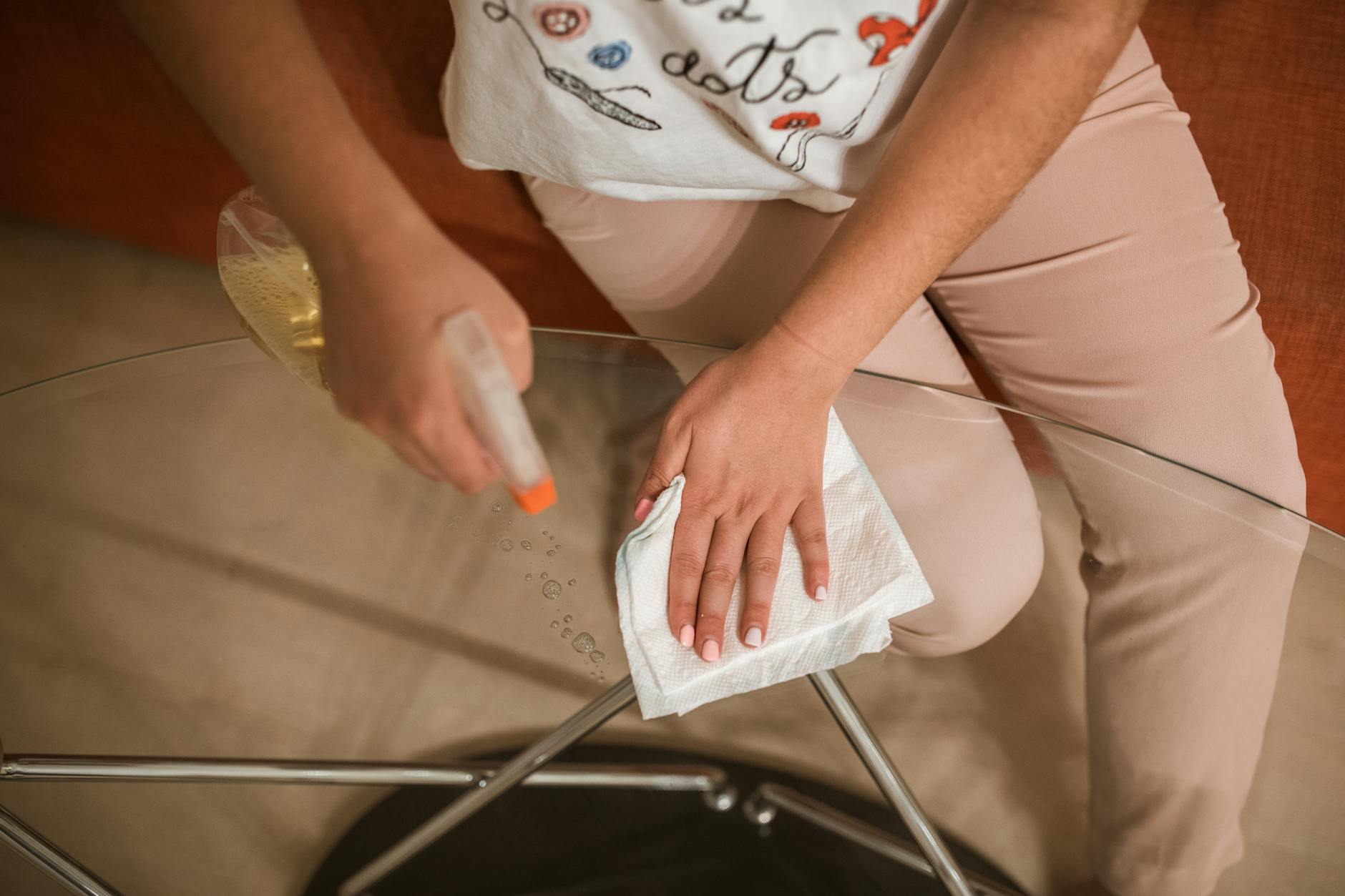
A spray bottle with an all-purpose cleaner for quick countertop and surface jobs.
For products, the EPA Safer Choice program certifies cleaning products that are effective without harsh chemical exposure inside the home. These options are a smart pick for households with children, pets, or anyone sensitive to strong cleaning agents.
4. Clean from Top to Bottom, Back to Front
This is one of the oldest rules in professional house cleaning, and it works because it obeys gravity. Dust and debris fall downward. If you vacuum the floor first and then dust the ceiling fan, you are undoing your own work.
The correct order for cleaning any room is:
Ceiling corners and light fixtures first.
Then shelving, furniture tops, and appliance surfaces.
Then countertops, tabletops, and mid-level surfaces.
Baseboards and floors last.
The same logic applies to moving through the house: start in the farthest room from the exit and work toward the door. That way you never track dirt back over surfaces you already cleaned. Every professional cleaning guide at The Spruce reinforces this sequence because it genuinely cuts total cleaning time.
5. Focus on High-Touch Surfaces for a Truly Hygienic Home
A home can look clean but still harbor the bacteria and viruses that make families sick. High-touch surfaces, meaning the spots everyone touches dozens of times a day, need sanitizing attention beyond a quick wipe.
The highest-priority surfaces include:
Door handles and knobs throughout the house.
Light switches in every room.
The refrigerator handle, microwave touchpad, and oven controls.
Faucet handles in kitchens and bathrooms.
Remote controls, keyboards, and charging cables.
Toilet flush handles and toilet seats.
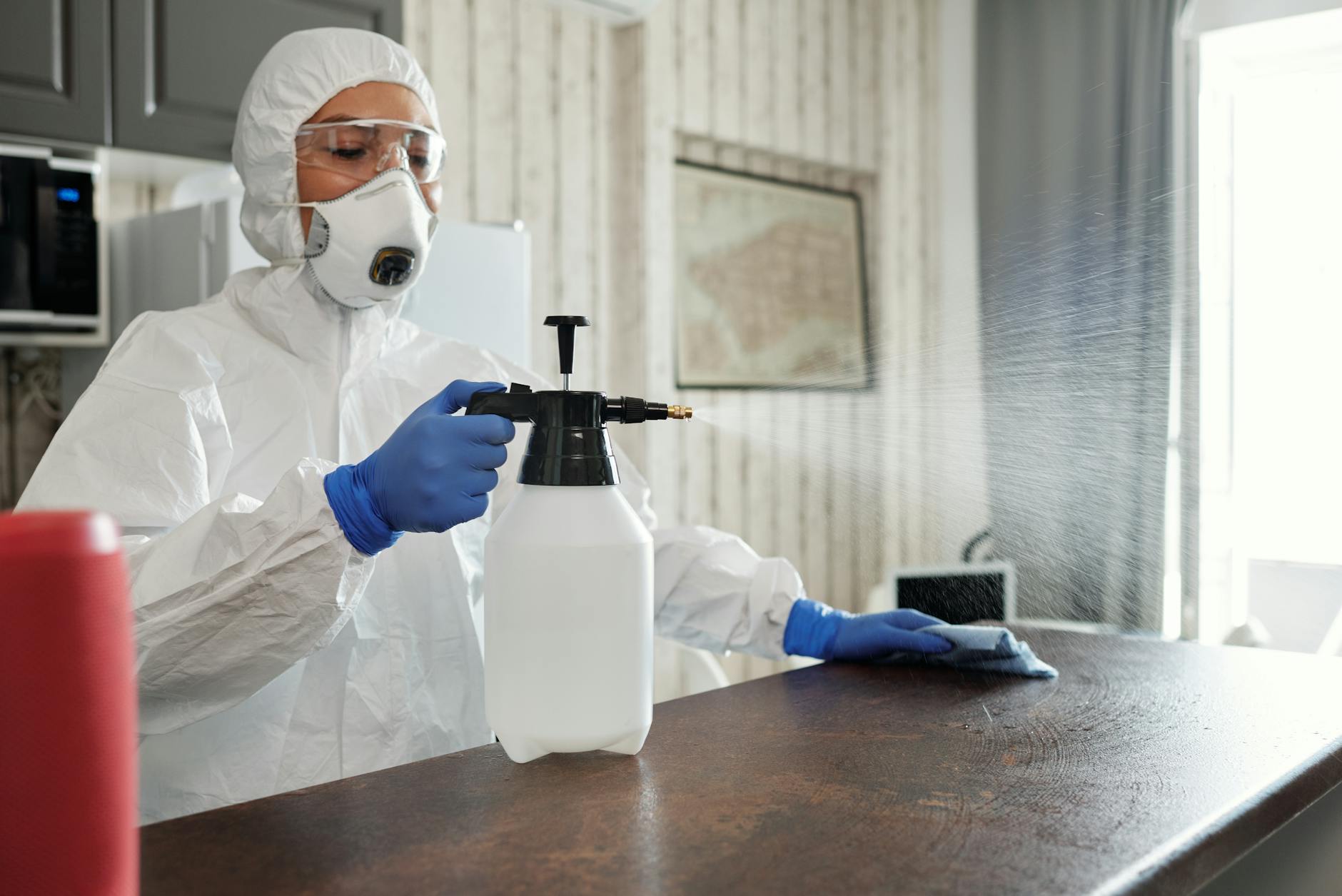
Sanitizing these surfaces is different from cleaning them. Cleaning removes visible dirt; sanitizing kills pathogens on the surface. For households where someone has been ill, a full home disinfection service is the most thorough way to address every high-contact zone in one session.
The CDC’s guidance on healthy home environments consistently emphasizes that regular sanitizing of shared surfaces meaningfully reduces the spread of illness within households, especially during cold and flu season.
6. Tackle the Kitchen and Bathrooms First
If you only have limited time for house cleaning on any given day, the kitchen and bathrooms are where to concentrate your effort. These two areas carry the highest hygiene risk, accumulate grease and moisture faster than other rooms, and have the most immediate impact on how clean a home feels overall.
In the kitchen, the priorities are:
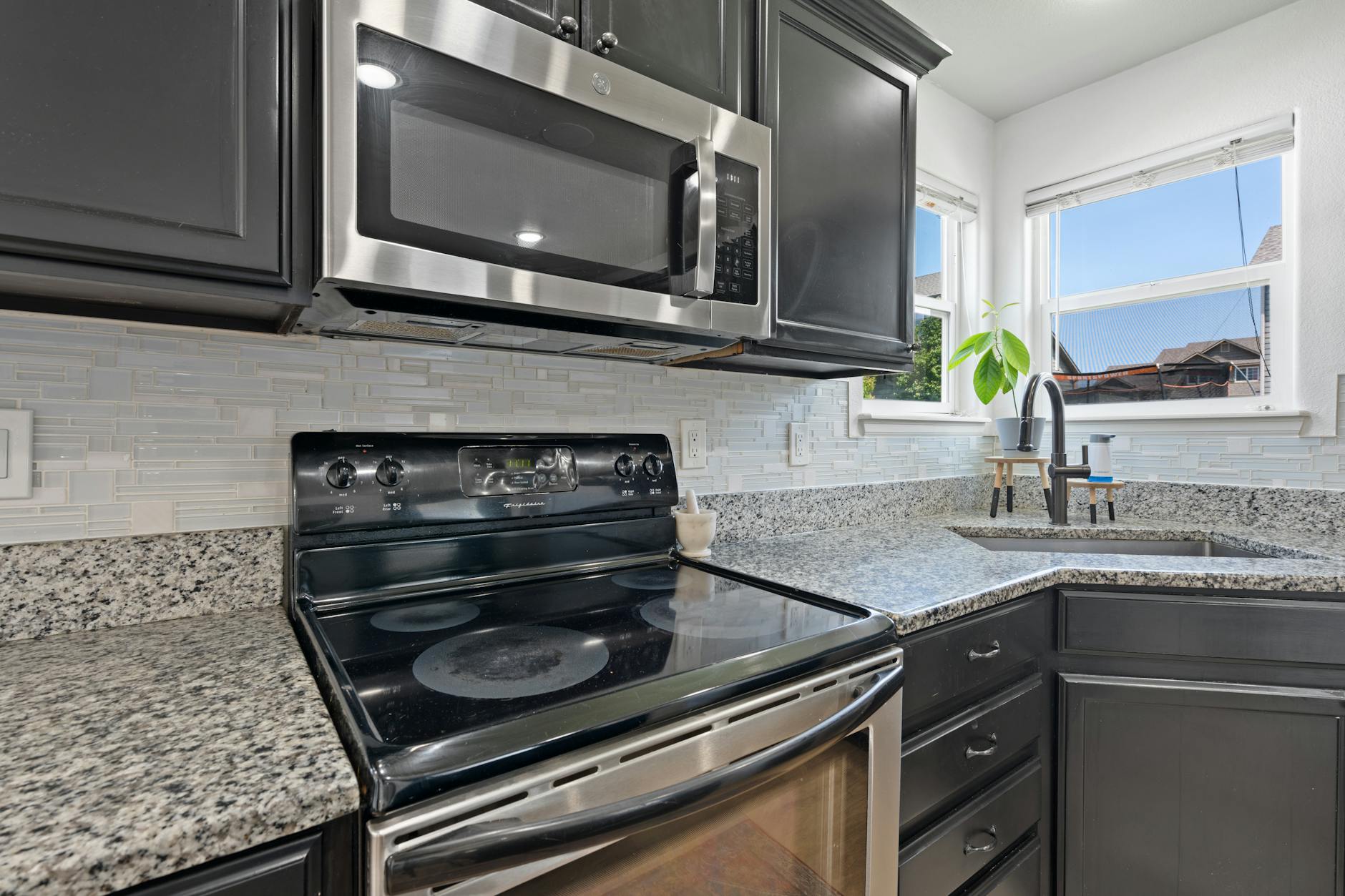
Wiping down stovetop grates and burners to prevent grease buildup.
Cleaning the inside of the microwave weekly.
Sanitizing the sink and faucet handles.
Wiping cabinet fronts near the stove where grease splatter collects.
In the bathroom, focus on:
Scrubbing the toilet bowl, tank, and seat.
Cleaning the shower and tub walls to prevent soap scum and mildew.
Wiping the vanity and sanitizing the sink and faucet.
Replacing or washing bath mats weekly.
Bathrooms left uncleaned for even a week or two in Arizona’s warm climate can develop mold and mildew in grout lines rapidly. The EPA’s mold resources note that moisture control and regular cleaning are the two most effective strategies for preventing indoor mold growth in residential spaces.
7. Build a Seasonal Deep Clean Into Your Yearly Routine
Even the most diligent weekly cleaning routine cannot reach every corner of your home on a regular basis. A seasonal deep clean fills that gap by addressing the areas that accumulate months of buildup: inside ovens and refrigerators, behind large appliances, inside closets, under furniture, and above cabinets.
Seasonal deep cleaning is also the right time to address tasks like:
Washing windows inside and out.
Cleaning window tracks and door tracks.
Scrubbing grout lines in tile floors and shower walls.
Sanitizing garbage cans and recycling bins.
Cleaning air vents and replacing HVAC filters.
Washing curtains and wiping down blinds.
For a complete room-by-room breakdown of what a thorough seasonal refresh should cover, the ultimate guide to spring cleaning covers every area of the home in detail. Most households benefit from at least one deep clean per season, with additional sessions before and after major events or moves.
8. Use Eco-Friendly Cleaning Products Without Sacrificing Results
There is a widespread assumption that green cleaning products do not clean as well as their chemical-heavy counterparts. That assumption is outdated. Today’s eco-friendly cleaning formulas, particularly those carrying the EPA Safer Choice certification, perform at the same level as conventional products while reducing the chemical load in your indoor environment.
This matters more than many homeowners realize. The EPA’s research on volatile organic compounds shows that many conventional cleaning sprays release VOCs into indoor air at levels that can aggravate respiratory conditions. In sealed Arizona homes running air conditioning for long stretches of the year, indoor air quality deserves real attention.
Simple eco-friendly swaps that make a genuine difference include:
Using white vinegar diluted in water as a streak-free glass cleaner.
Baking soda as a gentle abrasive for scrubbing sinks and tubs.
Castile soap as a base for an all-purpose kitchen and bathroom cleaner.
Microfiber cloths that clean effectively with only water, reducing the need for product altogether.
9. Know When to Hire a Professional House Cleaning Service
Even people who maintain a solid home cleaning routine reach moments when a professional service is the right call. Move-in and move-out cleans, post-renovation cleanup, event preparation, and recovery from a busy season are all situations where a trained, equipped team delivers results that a solo effort cannot match.
Working with trusted Arizona house cleaners means you are not spending your Saturday scrubbing baseboards while a team handles every room efficiently and thoroughly. For families in Phoenix, Mesa, Scottsdale, Chandler, Gilbert, and across the Valley, recurring professional cleaning on a weekly, biweekly, or monthly schedule keeps the home at a baseline that your own daily habits can easily maintain between visits.
When evaluating any cleaning company, look for background-checked cleaners, full insurance and bonding, and a satisfaction guarantee. A company that offers a reclean at no cost if you are not satisfied stands behind their work in a way that means something.
10. Stay Consistent: Small Daily Habits Prevent Big Cleaning Jobs
The hardest part of keeping a clean house is not any individual task. It is consistency. A five-minute kitchen wipe-down each evening prevents a 45-minute scrub session on Sunday. Making the bed each morning keeps a bedroom looking tidy even when nothing else has been touched.
The daily habits that carry the most weight for maintaining a spotless home include:
Wiping the stovetop after every use.
Putting items back where they belong immediately rather than setting them down temporarily.
Rinsing dishes before they sit in the sink overnight.
Doing a five-minute bathroom wipe after showering while everything is already wet and warm.
Sweeping or running a robot vacuum in high-traffic areas daily.
These small acts compound over time. Homes maintained with consistent daily habits require significantly less intensive cleaning when the weekend arrives. That is time back in your schedule for things that actually matter.
If you are ready to skip the scrubbing and let a professional team handle the heavy lifting, Arizona’s most-reviewed house cleaning company is available for same-day bookings, instant online quotes, and recurring service across Phoenix, Scottsdale, Mesa, Chandler, Gilbert, Glendale, Queen Creek, San Tan Valley, Tucson, and Flagstaff. Every cleaner is background-checked, bonded, and insured, and every visit is backed by a satisfaction guarantee. Book your first clean today and get your weekends back.
Most homes benefit from a thorough deep clean two to four times per year, with one major session each season. High-traffic households with children or pets may need one every two months. Between deep cleans, a consistent weekly cleaning routine keeps grime from building up to the point where a full deep clean becomes an all-day project.
What is the fastest way to clean a house?
The fastest approach is to gather all supplies in one caddy so you never backtrack for products, clean top to bottom in each room, work in one direction through the house, and do a declutter pass first. Splitting tasks by room rather than by type saves significant time. For a whole-home speed clean, most 2,000-square-foot homes can be covered in under two hours with this method.
What cleaning tasks do professional house cleaners typically cover?
A standard professional house cleaning service typically covers vacuuming and mopping all floors, cleaning bathrooms including toilets, tubs, and sinks, wiping kitchen counters and appliance exteriors, dusting surfaces and ceiling fans, and emptying trash bins. Deep cleaning add-ons cover inside ovens and refrigerators, baseboards, window interiors, and cabinet interiors.
How do I keep my house clean between professional visits?
The most effective strategy is a daily reset routine: wipe kitchen surfaces after cooking, put items back where they belong each evening, and do a quick bathroom wipe a few times per week. Five to ten minutes of daily maintenance keeps the home looking presentable and makes each professional cleaning session faster and more thorough.
Are eco-friendly cleaning products as effective as regular cleaners?
Yes, for the vast majority of household cleaning tasks. EPA Safer Choice certified products are tested for both safety and performance. Microfiber cloths, diluted white vinegar, baking soda, and plant-based all-purpose sprays handle most surfaces effectively. The one area where you may need a stronger product is heavy mold or mineral deposit buildup, which may require a more targeted treatment.
Realistic Cleaning Routines for Busy Moms: 10 Strategies That Actually Work
SHARE:
A realistic cleaning routine for busy moms breaks the home into small, manageable tasks spread across the week rather than tackling everything at once. The key is matching your schedule to your energy, not to an impossible Pinterest standard. This post walks through 10 practical strategies, a simple daily framework, and a weekly rhythm any working mom can follow without burning out.
1. Assess Your Home Before You Build a Cleaning Schedule
Before you write a single chore on a list, walk through every room with fresh eyes. Not every space in your house gets equally dirty. The kitchen and bathrooms take the most abuse in a family home, while a spare bedroom might only need attention once a month. A good house cleaning schedule for busy moms starts with an honest picture of what actually needs to happen, not what a generic checklist says.
Write down the rooms you have, how quickly each one gets messy, and roughly how long each task takes. A realistic time estimate is more motivating than an aspirational one. If wiping the stovetop realistically takes three minutes, put three minutes on the list. When you know your home’s real rhythm, you can build a cleaning schedule that fits instead of one you abandon after two weeks.
List every room and its dirtiest hotspots
Note which spaces require daily attention versus weekly
Flag seasonal tasks like refrigerator coils and window tracks for a separate list
Identify spaces kids or pets trash fastest so you can tackle them more often
2. Create a Simple Daily Cleaning Routine for Busy Moms
The most sustainable daily cleaning routine for busy moms is one that takes under 20 minutes total. Pick three to five non-negotiable micro-tasks that prevent your home from spiraling: wiping the kitchen counter, doing one load of laundry, and a quick bathroom sink wipe-down. That is it. These daily anchors keep mess from compounding so your weekly cleaning sessions stay short.
According to Real Simple, consistency beats intensity every time. A five-minute countertop wipe every evening does more to maintain a clean home than one exhausting three-hour blitz on Saturday. When the daily habit is small enough that you barely notice it, you actually do it.
Here is a simple daily framework to start with:
Morning (5 min): Make beds, start a load of laundry
After dinner (10 min): Wipe counters, load the dishwasher, sweep the kitchen floor
Before bed (5 min): Quick toy pickup, sink rinse, transfer laundry to dryer
That is 20 minutes across the whole day. Most busy moms can find that even on the worst Tuesday. If you want a ready-made version you can print and post on the fridge, check out our printable cleaning schedule for working moms built for real family homes.
3. Build a Weekly Cleaning Schedule That Does Not Overwhelm You
A weekly cleaning schedule for busy moms assigns one or two rooms or tasks per day instead of cleaning the whole house in a single session. Monday might be bathrooms. Tuesday is vacuuming. Wednesday is mopping and trash. When each day has a clear, limited focus, the work feels doable and the house stays reasonably clean all week.
The zone-cleaning method works especially well for this approach. Divide your home into five zones roughly matching the five weekdays. Each day you spend 15 to 30 minutes on that zone. By Friday the whole house has been touched. A free cleaning schedule for working moms does not need to be elaborate. A sticky note on the fridge with the day’s zone written on it is enough to keep you on track.
Sample weekly layout:
Monday: Bathrooms (toilets, sinks, mirrors)
Tuesday: Bedrooms (vacuum, dust surfaces)
Wednesday: Kitchen deep wipe-down (appliance fronts, inside microwave)
Thursday: Living areas (vacuum, wipe tables, tidy common spaces)
Friday: Floors throughout, take out trash
Weekend: Catch up anything missed, no new tasks added
If you live in the San Tan Valley area and want this broken down even further by family size, our local guide on house cleaning schedules for busy parents is a helpful starting point.
4. Involve the Kids With an Organized Chore Chart
A mom doing all the cleaning alone is not a realistic cleaning system. It is a one-person operation that burns out fast. Getting kids involved with an organized chore chart is one of the highest-leverage moves a busy mom can make. Even a three-year-old can put toys in a bin. A seven-year-old can unload the silverware. A ten-year-old can scrub a toilet.
A chore chart does not need to be color-coded and laminated (though a free printable version certainly helps). The goal is clear expectations: each child knows which tasks belong to them, when they are due, and what done actually looks like. Tie age-appropriate chores to a small reward system if motivation flags. When cleaning is a household responsibility shared by everyone who makes the mess, the burden on mom drops significantly.
Ages 3 to 5: pick up toys, put dirty clothes in hamper, wipe spills with a cloth
Ages 6 to 9: set and clear the table, feed pets, dust low surfaces
Ages 10 to 13: vacuum a room, clean their own bathroom, help with laundry
Ages 14 and up: mow grass, mop floors, cook one meal per week
5. Find Ways to Save Time With the Right Cleaning Products
The products you use have a direct impact on how long cleaning takes. An all-purpose spray that works on counters, sinks, and appliances cuts down the number of products you need to grab and switch between. Microfiber cloths clean faster and trap more dust than paper towels. A good squeegee on glass shower walls prevents soap scum buildup so your weekly scrub takes half as long.
If you have young children at home, it is worth choosing products certified under the EPA Safer Choice program, which flags cleaning products formulated to be safer for people and the environment without sacrificing performance. You save time and you do not have to worry about what your toddler touched two minutes after you sprayed.
A few product swaps that save real time:
Dishwasher tablets for scrubbing toilets (drop one in overnight)
A steam mop for tile floors instead of a bucket and mop
Pump-dispensed dish soap next to the bathroom sink for quick rinse-downs
Reusable spray bottles with diluted multi-surface cleaner in every bathroom
6. Use the “Reset” Strategy Instead of Deep Cleaning Every Day
One of the most realistic cleaning tips for working moms is to stop thinking in terms of deep cleaning and start thinking in terms of resetting. A reset is not about making things perfect. It is about returning every room to its usable baseline: dishes off the counter, toys in the bin, couch cushions straight, lights off.
A 10-minute family reset before bedtime, with everyone contributing, prevents the slow drift that turns a manageable home into an overwhelming one. This is especially effective on busy weeknights when a full clean is impossible. You are not deep cleaning the kitchen. You are just returning it to the state it was in this morning. That mental reframe makes it easier to start and easier to finish.
Save deep cleans for a monthly or seasonal session. When those bigger sessions roll around, resources like Good Housekeeping’s cleaning guides offer thorough room-by-room checklists. Or, for a genuinely thorough twice-yearly refresh, consider booking a professional spring cleaning service to reset the whole house at once.
7. Tackle Laundry With a Simple One-Load-a-Day Rule
Laundry is the chore that never ends in a family home, and it becomes a monster when ignored for several days. The simplest laundry strategy for busy moms is also the most unsexy: start one load every morning, move it to the dryer before lunch, and fold it before dinner. One load a day keeps the pile from growing into a weekend-ruining mountain.
Assign laundry baskets by person rather than by color. When a basket is full, that person’s load gets run. Kids old enough to carry a basket can also learn to fold their own clothes and put them away. The less laundry touches your hands, the more time you get back.
Wash on a timer so a load finishes when you wake up
Fold immediately after the dryer stops to skip ironing most items
Keep a mesh bag in each bathroom for delicates so they are already sorted
Do sheets and towels on a set day (Sunday works for many families) so it never becomes a backlog
8. Build a Monthly Deep Cleaning Checklist for Busy Households
Daily and weekly tasks handle the surface mess. A monthly deep cleaning checklist for busy households handles the things that get missed in the rush. Think baseboards, ceiling fans, window sills, refrigerator shelves, and the inside of the oven. These areas do not need attention every week, but neglecting them for months lets grime and allergens build up.
The American Lung Association notes that indoor air quality is directly affected by dust, mold, and household pollutants. Regular deeper cleaning reduces the accumulation of these irritants, which matters especially in Arizona where dust and allergens are already high. A monthly checklist does not have to be long. Even six to eight tasks tackled on the first Saturday of the month makes a meaningful difference.
Monthly deep cleaning targets to add to your checklist:
Wipe down baseboards and door frames
Clean ceiling fans and light fixtures
Descale faucets and showerheads
Vacuum couch cushions and under furniture
Wipe down the inside of the microwave and oven
Clean the refrigerator shelves and door seals
Scrub bathroom grout
Wipe light switches, doorknobs, and remote controls
For the holidays specifically, a holiday deep cleaning before guests arrive covers every one of these areas and more so you can actually enjoy the season instead of scrambling to clean the guest bathroom at 10 pm.
9. Know When to Ask for Help: Scheduling Professional House Cleaning
A realistic cleaning routine for working moms includes knowing your limits. There will be seasons of life, new babies, work deadlines, school crises, and weeks where the house just does not get cleaned. That is not failure. That is life. The smartest thing a busy mom can do is build a backup plan before she needs it.
Scheduling a recurring cleaning service every two or four weeks means your home gets a thorough, professional reset on a reliable schedule regardless of what else is happening. The team at Elite Maids House Cleaning serves families across Phoenix, Mesa, Scottsdale, Gilbert, Chandler, Glendale, Queen Creek, San Tan Valley, Tucson, and Flagstaff with recurring weekly, biweekly, and monthly cleans. Every cleaner is background-checked, bonded, and fully insured, and every visit is backed by a reclean-at-no-cost guarantee.
10. Print Your Schedule and Put It Where You Will See It
A cleaning schedule that lives only in your head or buried in a phone app is a cleaning schedule you will forget. Print it. Post it on the fridge, the bathroom mirror, or the inside of a kitchen cabinet. A free printable cleaning schedule for working moms does not need to be fancy. A typed table printed on regular paper works just as well as a beautifully designed PDF. The goal is a visual trigger that reminds you and your family what today’s task is without any mental effort.
A realistic cleaning routines for busy moms printable usually has three sections: the daily non-negotiables, the weekly zone list, and the monthly deep-clean checklist. Having all three on one page means you never have to wonder what comes next. Laminate it if your household is hard on paper, and keep a dry-erase marker nearby to check things off.
Once your routine is posted and running, revisit it every season. Life changes: a new school schedule, a new baby, a new job. A cleaning schedule that worked in spring might need adjustment by fall. Treat it as a living document, not a permanent law.
Ready to Reclaim Your Weekends?
You do not have to do this alone. Even the most organized cleaning routine hits a wall sometimes, and that is exactly when a professional service earns its keep. Whether you need a one-time deep clean to get back to baseline or a recurring biweekly visit that keeps the house consistently clean, Arizona house cleaning service from Elite Maids makes it simple. Book online in minutes, get an instant quote, and choose a time between 8 am and 6 pm that fits your schedule. Contact Elite Maids House Cleaning today for a free quote and get your weekends back starting this week.
Frequently Asked Questions
What is a realistic cleaning schedule for a busy mom?
A realistic cleaning schedule for a busy mom keeps daily tasks under 20 minutes by focusing on high-traffic areas like the kitchen and bathrooms. Assign one zone or room per weekday, reserve a monthly session for deeper tasks, and give kids age-appropriate chores. Consistency with small daily habits does more than occasional marathon cleaning sessions.
How do working moms keep their house clean?
Working moms keep their homes clean by stacking small habits onto existing routines, wiping counters after dinner, running one laundry load each morning, and doing a 10-minute family reset before bed. Zone cleaning on weekdays prevents any single day from becoming overwhelming. Many working moms also schedule a recurring professional cleaning every two to four weeks as their maintenance backup.
Where can I find a free printable cleaning schedule for working moms?
A free printable cleaning schedule for working moms typically includes a daily task list, a weekly zone breakdown, and a monthly deep-clean checklist on a single page. You can build your own in a simple word processor and print it at home, or check our local guides linked throughout this post for ready-made versions designed for Arizona families.
How often should a busy household deep clean?
Most busy households benefit from a light monthly deep clean targeting baseboards, ceiling fans, appliance interiors, and grout. A more thorough whole-home deep clean works well twice a year, often tied to spring and the holiday season. Hiring a professional service for those bigger sessions saves hours and ensures nothing gets skipped.
What daily chores make the biggest difference in a family home?
The daily chores with the highest impact are wiping kitchen counters after meals, running the dishwasher overnight, doing one load of laundry, and a quick bathroom sink wipe. These four tasks take roughly 15 to 20 minutes combined and prevent the gradual buildup that makes weekend cleaning feel impossible. Everything else is secondary to keeping these habits consistent.
Wood Floor Cleaning Tips: How to Clean Hardwood Floors the Right Way
SHARE:
The best way to clean hardwood floors is to sweep or vacuum daily to remove grit, then mop lightly with a pH-neutral cleaner and a barely damp mop. Excess moisture is the number-one enemy of wood. This guide covers everything from routine hardwood floor maintenance to deep cleaning floors that haven’t been touched in years, plus the products and mistakes worth knowing about.
How to Clean Hardwood Floors: A Step-by-Step Method That Actually Works
Cleaning hardwood floors properly is less about elbow grease and more about using the right tools in the right order. The goal when cleaning wood floors is to lift dirt without pushing moisture into the grain. Follow these steps and you’ll protect your investment every single time.
Step 1: Dry Clean First
Before any liquid touches the surface, dry-clean the floor thoroughly. Use a microfiber dust mop or a soft-bristle broom to sweep debris toward the center of the room, then collect it. A vacuum with a hardwood floor setting (no rotating beater bar) works even better because it pulls fine particles out of the grooves between planks. Vacuuming hardwood floors at least three times a week in high-traffic homes prevents grit from acting like sandpaper underfoot.
Step 2: Spot-Treat Stains Before Mopping
Address spills and scuffs before reaching for the mop. A small amount of Bona Hardwood Floor Cleaner sprayed directly onto a microfiber cloth and rubbed gently over the stain will lift most marks without over-wetting the wood. For tougher heel marks, a tiny dab of mineral spirits on a clean cloth works well. Always rub with the grain, not against it.
Step 3: Damp Mop with a pH-Neutral Cleaner
Fill a spray bottle with a hardwood-safe, pH-neutral cleaner. Spray a small section of floor, then immediately wipe with a barely wrung-out microfiber mop. Never pour liquid directly onto wood flooring. Work backward toward the door so you’re not stepping on cleaned sections. The floor should be dry to the touch within a minute or two. If it stays wet longer, the mop is too saturated.
According to Good Housekeeping’s cleaning guides, using a spray mop system rather than a traditional bucket-and-mop setup dramatically reduces the risk of moisture damage on hardwood surfaces.
How to Clean Hardwood Floors with a Vacuum or Broom
Most hardwood floor damage happens between mopping sessions, not during them. Dry cleaning wood floors consistently is the single most protective habit a homeowner can build. Whether you use a broom or a vacuum on your hardwood floors, the technique matters as much as the tool.
When sweeping hardwood floors, use a microfiber dust mop rather than a traditional corn-bristle broom. Corn bristles can scatter fine dust rather than capture it, and that dust settles right back into the grain. Microfiber traps particles electrostatically and holds them until you shake or wash the pad.
If vacuuming hardwood floors is your preference, always switch to the hard-floor setting. The rotating brush roll on carpet mode is aggressive enough to scratch a finished surface over time. A canister vacuum with a felt-bottomed floor attachment is the safest option. Pay special attention to the perimeter of each room, where dust and pet hair collect along baseboards.
Aim to sweep or vacuum high-traffic hardwood areas at least every other day. Entryways, kitchens, and hallways collect grit faster than you’d expect, especially in Arizona homes where fine desert sand tracks in easily. Book a recurring clean so professional dry-cleaning and mopping of your hard floors stays on a reliable schedule.
How to Deep Clean Wooden Floors That Haven’t Been Cleaned in Years
If your hardwood floors have years of built-up grime, old wax residue, or a dull film that mopping doesn’t shift, a standard maintenance clean won’t cut it. Deep cleaning wooden floors in this condition requires a more deliberate process.
Start by vacuuming thoroughly, including along every baseboard and in every corner. Then apply a concentrated hardwood floor cleaner rated for deep cleaning, following the manufacturer’s dilution instructions precisely. Apply with a microfiber mop in small sections, allowing the solution to sit for 30 to 60 seconds to break down accumulated soil before wiping it away.
For floors with old wax or oil buildup, a dedicated wax stripper formulated for wood floors is necessary before you can deep clean effectively. Apply the stripper with a scrubbing pad rated for hardwood (not steel wool, which leaves metal fibers behind), then wipe clean. Repeat on stubborn patches.
After a full deep clean of hardwood flooring that’s been neglected, it’s worth inspecting for surface damage. Scratches and dull areas that appear after stripping old residue may need light screening and a fresh coat of finish from a flooring professional. Deep cleaning hardwood floors brings them back to life, but it also reveals exactly what the buildup was hiding.
If this sounds like more than a weekend project, the team at Elite Maids House Cleaning handles deep clean appointments across Phoenix, Mesa, Scottsdale, Gilbert, Chandler, Glendale, and beyond. Every clean is backed by a reclean-at-no-cost guarantee.
What to Use to Clean Wood Floors: Products That Are Safe and Effective
Choosing the right product to clean hardwood floors is where many homeowners go wrong. The wood floor cleaning product you use should be pH-neutral, residue-free, and formulated specifically for finished hardwood. Here’s what works and what doesn’t.
Products That Work Well on Hardwood
Bona Hardwood Floor Cleaner: One of the most widely recommended products for cleaning hardwood floors. It dries fast, leaves no film, and is safe for all factory-finished hardwood. It also carries the EPA Safer Choice certification, meaning its ingredients have been reviewed for human and environmental safety.
pH-neutral dish soap diluted in water: A few drops in a spray bottle of water makes a gentle spot cleaner for small messes. Don’t use it for whole-floor mopping.
Manufacturer-approved cleaners: If your floors are under warranty, check which cleaners the flooring brand recommends. Using anything else can void the warranty.
What Not to Use on Hardwood Floors
Vinegar and water: Cleaning hardwood floors with vinegar is a common tip you’ll see repeated everywhere, but it’s problematic over time. Vinegar is acidic and can break down the polyurethane finish with repeated use, leaving floors cloudy and vulnerable. A one-time emergency use is unlikely to cause damage, but routine hardwood floor cleaning with vinegar is a mistake.
Steam mops: The heat and moisture output from a steam mop can warp wood planks and damage the finish. Keep steam mops for tile and sealed stone.
Oil-based soaps (like Murphy Oil Soap on finished floors): These leave a residue that dulls the finish over time and makes the floor sticky.
Abrasive scrubbers: Anything that scratches the finish opens the wood up to moisture and staining.
As Real Simple’s cleaning editors note, less is more when it comes to hardwood. A barely damp mop and a quality pH-neutral cleaner beats any heavy-duty solution that promises a showroom shine in one pass.
How to Revitalize Hardwood Floors That Look Dull or Scratched
Even clean hardwood floors can look tired if the finish has worn thin or the surface has accumulated micro-scratches from foot traffic and furniture. Revitalizing hardwood floors doesn’t always mean a full refinish, which is expensive and disruptive. There are intermediate steps worth trying first.
Hardwood Floor Refresher Products
Products like Bona Hardwood Floor Refresher or similar floor restorers fill in micro-scratches and add a thin protective coat that restores gloss. Apply with a clean applicator pad in thin, even coats. The key with revitalizing hardwood floors this way is patience: thin coats that dry completely between applications produce a far better result than heavy coats that streak and peel.
Buffing and Light Screening
If refresher products don’t produce the result you want, a rental floor buffer with a fine abrasive screen can lightly scuff the existing finish to prepare it for a new topcoat. This is called screening or recoating. It removes surface scratches without sanding all the way through the finish to bare wood. Recoating hardwood floors every few years extends the life of the finish significantly and is far less invasive than a full sand-and-refinish job.
When to Call a Flooring Professional
Deep gouges, cupping (where plank edges are higher than their centers, often caused by moisture), or finish that has worn through to bare wood in multiple spots all indicate the floor needs professional sanding and refinishing. At that point, no cleaning product or refresher will fix the problem.
How to Maintain Hardwood Floors and Protect Them Long-Term
Maintaining hardwood floors consistently is far cheaper than repairing or replacing them. The habits below protect wood floors from the daily wear that shortens their life.
Use Entry Mats and Area Rugs
Place high-quality doormats at every exterior entry and area rugs in high-traffic zones like hallways and in front of the kitchen sink. Mats capture the grit and moisture that would otherwise grind into the finish. In Arizona, the fine silica sand that blows through the Valley is particularly abrasive on wood floor finishes.
Protect Legs on Furniture
Felt pads under every chair and table leg prevent scratching when furniture shifts. Check and replace these pads seasonally since they wear down and collect grit themselves, at which point they become the scratching agent rather than the protector.
Control Indoor Humidity
Wood is a hygroscopic material, meaning it absorbs and releases moisture from the air. Extremely dry indoor air (common in Arizona winters) can cause planks to shrink and gap. Overly humid air causes swelling and cupping. The recommended indoor relative humidity for hardwood floors is generally between 35% and 55%. Running a humidifier in winter and keeping air conditioning moderate in summer helps maintain this range.
Clean Up Spills Immediately
Even small spills left sitting for several minutes can penetrate a worn finish and raise the wood grain. Keep a clean microfiber cloth accessible in the kitchen and any room with hardwood flooring so spills are wiped up fast.
Schedule Professional Deep Cleans Periodically
Routine home cleaning keeps floors looking good day to day, but periodic professional cleaning removes the embedded dirt that home tools miss. If you’re already using recurring house cleaning Arizona residents rely on through Elite Maids, ask about adding hardwood floor attention to your regular service plan. Our eco-friendly product options are safe for finished hardwood and the people who walk on it.
For a broader look at whole-home cleaning habits that protect your investment, our ultimate guide to spring cleaning walks through a room-by-room approach that pairs perfectly with a hardwood floor refresh.
Eco-Friendly Wood Floor Cleaning Options for Healthier Indoor Air
Many conventional floor cleaning products contain volatile organic compounds that off-gas into your home’s air after application. According to the EPA’s guidance on VOCs and indoor air quality, indoor VOC levels can be two to five times higher than outdoor levels, and cleaning products are a significant source. Choosing eco-friendly cleaning products for your hardwood floors reduces this exposure without sacrificing results.
Look for hardwood floor cleaners that carry third-party certifications like the EPA Safer Choice label or are plant-derived and free of synthetic fragrances. Concentrated formulas that you dilute yourself also reduce plastic waste and are often more economical per use than ready-to-use sprays.
Eco-friendly cleaning options for wood floors are no longer niche. Mainstream products like Bona’s free-and-simple formula and several private-label options at major retailers now meet both performance and safety standards. If you’re working with an eco-friendly cleaning service Arizona homeowners trust, confirm which specific products they use and whether those products are appropriate for your floor’s finish type.
For households with children, pets, or family members with respiratory sensitivities, this isn’t a minor consideration. The American Lung Association identifies indoor air pollution as a genuine health concern, and reducing chemical load from cleaning products is one of the most accessible ways to improve the air your family breathes every day.
If you’re ready to have your hardwood floors cleaned by professionals who take product safety seriously, schedule a house cleaning appointment online with Elite Maids today. Our Arizona teams are background-checked, fully insured, and carry eco-friendly product options at no extra charge.
Closing: Get Hardwood Floors That Look Clean Every Day
Consistently clean hardwood floors come down to a simple rhythm: dry clean often, damp mop sparingly with the right product, address spills immediately, and schedule a deeper clean periodically. Every step you take to protect the finish extends the life of the floor by years. If you want expert hands on your hardwood floors without lifting a finger, contact Elite Maids house cleaning today for a free quote. We serve Phoenix, Mesa, Scottsdale, Gilbert, Chandler, Glendale, Queen Creek, San Tan Valley, Tucson, and Flagstaff, and we back every visit with a reclean-at-no-cost satisfaction guarantee.
Frequently Asked Questions
What are the common mistakes when cleaning hardwood?
The most common mistakes when cleaning hardwood floors are using too much water, mopping with vinegar regularly, using a steam mop, and applying oil-based soaps that leave residue. Over-wetting is the most damaging: moisture seeps between planks, swells the wood, and eventually causes warping or cupping. Always use a barely damp mop and a cleaner designed specifically for finished hardwood.
What is the best thing to use to clean wood floors?
A pH-neutral, residue-free cleaner paired with a microfiber mop is the safest and most effective combination for cleaning wood floors. Bona Hardwood Floor Cleaner is widely recommended because it dries quickly, leaves no film, and carries EPA Safer Choice certification. Avoid multi-purpose floor cleaners not specifically labeled safe for hardwood, as they can dull or damage the finish over time.
Can you clean hardwood floors with vinegar?
Vinegar is not recommended for routine hardwood floor cleaning. Its acidity can gradually degrade the polyurethane finish, leaving floors cloudy and more vulnerable to moisture. One accidental exposure is unlikely to cause visible damage, but using a vinegar-and-water solution as your regular wood floor cleaner will shorten the life of the finish noticeably over months and years.
How do you deep clean hardwood floors that haven’t been cleaned in years?
Start with a thorough vacuum to remove loose debris, then apply a concentrated hardwood floor cleaner in small sections, letting it dwell briefly before wiping clean. If there is old wax or oil buildup, use a dedicated hardwood wax stripper first. After deep cleaning hardwood floors that have been neglected, inspect for surface damage that may require professional screening and recoating to fully restore.
How often should hardwood floors be professionally cleaned?
Most hardwood floors benefit from professional cleaning two to four times per year, depending on foot traffic, pets, and local conditions. In Arizona, fine desert sand makes more frequent professional attention worthwhile. Between professional visits, dry cleaning every two to three days and light damp mopping weekly keeps hardwood floors in good condition and reduces how much work each professional clean needs to do.
The cleaning services Elite Maids offers fall into several clear categories: recurring house cleaning, deep cleaning, move-in/move-out cleaning, event cleaning, and specialty add-ons like disinfection. For a residential cleaning business, the core list of cleaning services covers everything homeowners need to keep their homes healthy and presentable year-round. Start with the basics, then layer in higher-value services as your reputation grows.
1. Recurring House Cleaning Services (Residential)
Recurring house cleaning is the backbone of any residential cleaning business. This is the service most homeowners book first and keep booking week after week. Standard recurring visits cover the most-used rooms: kitchens, bathrooms, living areas, and bedrooms. Tasks include vacuuming, mopping, surface wiping, toilet scrubbing, mirror polishing, and trash removal.
You can offer recurring house cleaning on three schedules:
Weekly: Best for large families, pet owners, and clients with high foot traffic.
Biweekly: The most popular schedule. Suits most working households.
Monthly: A good entry point for clients who do light tidying themselves but want a professional reset each month.
Recurring house cleaning creates predictable income. It is the most reliable item on any basic cleaning services list because clients renew automatically rather than shopping around each time.
2. Deep Cleaning Services
A deep cleaning service goes well beyond a standard visit. It targets buildup that regular maintenance misses: inside oven cavities, behind appliances, grout lines, window sills, baseboards, ceiling fans, and cabinet interiors. Deep cleans are often the first service a new client books before switching to a recurring plan.
Deep cleaning is also one of the most profitable cleaning services you can offer because the scope justifies a higher rate per hour. According to Good Housekeeping, thorough deep cleaning removes allergens and bacteria that routine surface cleaning leaves behind, making it a genuinely valuable service, not just an upsell.
Offer deep cleaning as a standalone booking or as a required first visit before a client starts a recurring plan.
3. Move-In and Move-Out Cleaning
Move-in and move-out cleaning is one of the most in-demand cleaning services in any market. Renters need their deposit back. Buyers want a fresh start. Landlords need a unit turned over fast. This is a high-ticket, time-sensitive service with built-in urgency.
A move-out clean covers everything a deep clean does, plus empty closets, appliance interiors, cabinet shelves, and sometimes walls. Move-in cleans give new occupants a sanitized baseline before their belongings arrive.
If you are building a list of cleaning services to offer, move-in/move-out should be near the top. The jobs are large, the rates are higher, and referrals from happy renters and real estate agents come naturally. Want to avoid common errors that make move-out cleans harder than they need to be? Read this guide on cleaning mistakes homeowners make so you sidestep them from the start.
4. Event Cleaning (Pre-Event and Post-Event)
Event cleaning covers two moments: before a gathering so the home looks its best, and after a gathering when the mess is real. Pre-event cleans are fast, surface-focused visits. Post-event cleans can be as involved as a deep clean depending on the scale of the party.
Event cleaning is a high-value add-on that existing recurring clients book frequently, especially around holidays, birthdays, and family visits. It is easy to offer once you already have regular clients who trust your team.
5. Disinfection and Sanitization Services
Disinfection services target bacteria, viruses, and pathogens on high-touch surfaces: doorknobs, light switches, remote controls, faucet handles, and countertops. This became a mainstream cleaning service for a reason: the EPA’s indoor air quality guidance highlights that contaminants on surfaces contribute directly to household illness.
Disinfection can be offered as a standalone appointment or as an add-on to any recurring or deep cleaning visit. It pairs naturally with move-in cleans when new occupants want certainty about the home’s hygiene history.
6. Eco-Friendly Cleaning Options
Offering eco-friendly cleaning service Arizona clients can trust means using products that are non-toxic, EPA Safer Choice-certified, or plant-based. This is not a niche add-on anymore. Families with young children, pets, or chemical sensitivities actively search for it.
You do not need a separate menu item for eco-friendly cleaning. Simply offer it as a product upgrade within any of your existing services. Many clients will pay a small premium for it, and it differentiates your business from competitors who still default to harsh chemical products.
7. Specialty Add-On Services
Beyond the core list of cleaning services, add-ons let clients customize their visit and let you increase average ticket size without booking extra appointments. Common add-ons include:
Inside refrigerator cleaning
Inside oven cleaning
Interior window cleaning
Laundry folding
Cabinet interior wipe-down
Garage sweeping
Patio furniture wipe-down
Specialty add-ons are easy wins. Price them individually, list them clearly during booking, and watch clients select two or three without hesitation. For tips on making these tasks faster without cutting corners, see these cleaning hacks for Arizona homes that professional teams actually use.
8. What Cleaning Services Are Most in Demand?
The cleaning services most in demand right now are recurring biweekly house cleaning, move-in/move-out cleans, and deep cleaning. In hot real estate markets, move-out and move-in cleans spike with every wave of home sales. In suburban family markets, recurring biweekly service dominates because dual-income households need consistent help without the management overhead of hiring a private cleaner.
Disinfection services have also moved into steady demand rather than occasional spikes. Clients who experienced the benefit once tend to keep it as a recurring add-on.
9. What Type of Cleaning Is the Most Profitable?
Deep cleaning and move-out cleaning are consistently the most profitable cleaning services on a per-hour basis. Both require more time, more product, and more skill, which justifies rates well above a standard recurring visit. A thorough move-out clean on a three-bedroom home can take a team four to six hours and command premium pricing that a biweekly maintenance visit simply cannot match.
That said, recurring house cleaning is the most profitable over time because of retention. A client who books biweekly for two years generates far more revenue than a one-time deep clean, even if the individual hourly rate is lower. Build both into your menu.
10. How to Choose Which Services to Offer First
If you are just building out your list of cleaning services offered, start with three: recurring house cleaning, deep cleaning, and move-in/move-out cleaning. These three alone cover the majority of what homeowners need and generate enough variety in ticket size and schedule to sustain a growing business.
Add event cleaning and disinfection services once you have systems in place. Add specialty add-ons as soon as you launch, since they require no extra appointments and improve client satisfaction immediately.
Avoid spreading too thin early. A trusted cleaning team that does five services exceptionally well will always outperform one that offers fifteen services inconsistently. Nail your core list first, then expand based on what clients actually ask for.
11. A Note on Common Cleaning Misconceptions
Before you finalize your service list, it helps to know what clients often believe that is simply not true. For example, many homeowners think stronger-smelling products clean better, or that bleach is always the safest sanitizer. These beliefs affect how they evaluate your work. Reading up on cleaning myths homeowners believe gives you language to educate clients and build trust from the first conversation.
The best professional cleaners also follow consistent protocols that go beyond surface wiping. If you want to see what a thorough process looks like in practice, this breakdown of what professional cleaners do during a deep clean is worth studying.
Ready to see what a complete, professional service menu looks like in action? contact Elite Maids house cleaning today for a free quote and find out why Arizona families trust us to handle every service on this list, done right, every time.
8 Cleaning Mistakes Experts Say Are Making Your Home Dirtier
SHARE:
The most common cleaning mistakes that make your home dirtier include using too much product, wiping surfaces with a dirty cloth, and confusing cleaning with disinfecting. These habits feel productive but they spread bacteria, leave residue, and grind grime deeper into surfaces. This post walks through eight specific errors and how to fix each one.
1. Using Too Much Cleaning Product
More product does not mean more clean. This is one of the most widespread cleaning mistakes homeowners make, and it backfires in a predictable way. When you overload a surface with spray cleaner, dish soap, or floor solution, the excess product does not rinse away cleanly. It sits on the surface and attracts dust, pet hair, and grime like a magnet.
Over time, surfaces treated with too much cleaner develop a sticky, dull film. Countertops look smeared even after you wipe them. Floors feel tacky an hour after mopping. Shower tiles look cloudy despite regular scrubbing. The culprit is almost always product buildup, not a lack of effort.
According to Good Housekeeping, most spray cleaners are formulated to work with a light, even coat. A two-second spray across a standard countertop is usually enough. For floors, follow the dilution ratio on the label rather than free-pouring into your mop bucket. Using concentrated cleaning solution at the wrong strength is one of the fastest ways to leave your home looking worse than before you started.
The fix is simple: use less, wipe thoroughly, and buff dry when needed. If you notice residue, a second pass with a clean, damp cloth will strip it away without adding more product.
2. Using One Cloth for Every Cleaning Job
One dirty cloth dragged across your whole house is not cleaning. It is relocating bacteria from one surface to another. This mistake is so common that professional cleaners consider it one of the top ways homeowners unknowingly spread germs around their homes.
Think about the route a single cloth travels during a typical cleaning session: toilet exterior, sink faucet, bathroom counter, kitchen counter, dining table. Each surface it touches after the first is now contaminated with whatever it picked up earlier. Using the same cloth for every cleaning job transfers fecal-oral pathogens from bathroom surfaces to food-prep areas, which is a genuine hygiene risk.
The professional standard is to use a color-coded microfiber system. Assign one color to bathrooms, a different color to kitchens, and another to general living areas. Wash cloths after every use in hot water. If you do not want to invest in a full microfiber set, at minimum keep bathroom cloths completely separate from kitchen cloths and never mix them.
A single-cloth cleaning habit also means you are wiping soiled surfaces with a rag that is already saturated with grime. A dirty cloth cannot absorb more dirt. It can only push it around. Swap cloths frequently during any cleaning session, even when you are working within the same room.
3. Ignoring Soap Residue on Surfaces
Soap residue is one of the sneakiest cleaning mistakes because it looks invisible at first. But left on countertops, shower walls, sinks, and stovetops, dried soap residue creates a film that collects grease, dust, and mineral deposits faster than a clean surface would.
The problem shows up most in bathrooms and kitchens. Bar soap scum on shower walls bonds with hard water minerals and calcium to form a crust that gets harder to remove the longer it sits. On kitchen counters, dish soap or all-purpose cleaner that is not fully rinsed away leaves a streaky haze that feels clean to the touch but looks dirty in natural light.
For bathroom surfaces and fixtures, use a squeegee after each shower to remove soap and water before residue can dry. For countertops, follow any cleaner with a wipe-down using a damp cloth with plain water, then buff dry with a dry cloth. For stovetops, check out our guide on kitchen deep cleaning in San Tan Valley for a room-by-room rinse routine that eliminates buildup for good.
Ignoring soap residue also affects grout lines. Soap film works into porous grout and creates a yellowed, dingy appearance that scrubbing alone cannot fix. A proper rinse step after every clean is the only way to prevent it from accumulating.
4. Cleaning with a Dry Cloth Instead of a Damp One
Wiping surfaces with a dry cloth is one of those cleaning habits that feels right but does the opposite of what you want. A dry cloth does not capture dust. It sends it airborne, where it floats for several minutes before settling back onto every surface you just wiped.
This is especially problematic on wood furniture, shelving, and electronics. Dry-cloth dusting with a dry rag or a used paper towel pushes particles off the surface without trapping them. If you are sneezing while you clean, this is likely why.
A slightly damp microfiber cloth is the right tool for almost every hard surface. The moisture helps the fibers trap particles instead of scattering them. For wood furniture, wring the cloth so it is barely damp, not wet. For electronics and screens, use a dry microfiber specifically designed for that purpose, but finish with a light pass to pick up what the dry wipe displaced.
The EPA’s guidance on indoor air quality notes that airborne particles are a significant contributor to poor indoor air. Dry dusting that suspends particles repeatedly throughout the week makes indoor air quality measurably worse, especially for households with allergy sufferers or children. Switching to damp-cloth cleaning is one of the simplest ways to reduce airborne particulates in your home.
5. Using a Blunt or Wrong Tool for Tight Spaces
Tight spaces collect a disproportionate share of a home’s dirt and grime, and the wrong cleaning tool for tight spaces will either skip over buildup entirely or push it deeper in. Using a blunt tool for narrow gaps and edges is one of the cleaning mistakes that pros flag most often when they walk into a home that gets cleaned regularly but never feels truly clean.
The problem areas are consistent: grout lines between tiles, the seal around faucets, the track of sliding doors and windows, the gap between the stove and the counter, the edges of baseboards, and the tight corners of showers. A standard sponge or flat mop cannot reach any of these areas effectively. A blunt tool pressed into a tight corner smears dirt rather than lifting it.
Effective tools for tight spaces include: an old toothbrush or a grout brush for tile lines and fixture seals, a flat-head screwdriver wrapped in a damp cloth for door tracks, a detail-tip vacuum attachment for window sills and baseboards, and a flexible crevice brush for the stove-counter gap. For bathroom tile and grout specifically, check out our bathroom cleaning tips for Scottsdale homeowners for targeted tool recommendations.
Having the right tool available matters less than actually using it. Build a five-minute tight-space routine into your cleaning schedule once a week and those areas will never reach the point where they require serious scrubbing to recover.
6. Reusing Dirty Mop Water
Reusing dirty mop water is the floor-cleaning equivalent of washing your dishes in the dishwater left over from last night’s pots. By the second pass across a room, your mop water is a murky soup of dissolved dirt, cleaning product residue, and bacteria. Every stroke after that point is depositing that mixture back onto your floors rather than lifting grime away.
Floors mopped with dirty water dry to a dull, grimy finish. The smell lingers. High-traffic areas like hallways and kitchen entries look worse after mopping than they did before. This is the reused dirty mop water problem, and it is one of the most common reasons mopped floors feel and look unclean even right after a session.
The solution is to change your mop water more often than feels necessary. For a standard home, start with two buckets of water: one with your diluted cleaning solution, one with plain rinse water. Wring into the clean solution bucket, mop a section, then rinse the mop head in the rinse bucket before repeating. Change both buckets when the rinse water turns visibly cloudy.
If you use a spin mop with a single bucket, empty and refill it at the halfway point of any floor larger than a standard bathroom. Microfiber mop heads that are pre-dampened rather than bucket-dipped avoid the dirty-water problem entirely and are worth the switch for most households.
7. Thinking That Cleaning and Disinfecting Are the Same Thing
Cleaning and disinfecting are two different processes, and confusing cleaning with disinfecting leaves your home sanitized in appearance only. This is one of the cleaning mistakes that matters most from a health standpoint, especially in households with young children, elderly family members, or anyone with a compromised immune system.
Cleaning removes visible dirt, grease, and grime from surfaces. It reduces the number of germs present but does not kill them. Disinfecting uses chemicals that kill bacteria and viruses on contact, but it only works effectively on a surface that has already been cleaned. Applying a disinfectant to a greasy stovetop or a dusty countertop without cleaning first significantly reduces the disinfectant’s ability to kill pathogens because organic matter blocks contact with the surface.
The correct sequence is always: clean first, then disinfect. For high-touch surfaces like door handles, light switches, toilet flush levers, and faucet handles, a dedicated disinfection service goes beyond what a standard wipe-down delivers. The EPA’s Safer Choice program lists disinfectants that are effective against common household pathogens while being safer for families and pets, which is a useful reference when choosing products.
During cold and flu season or after illness in the home, the clean-then-disinfect sequence on all high-contact surfaces should be non-negotiable. It is also the standard professionals use during any thorough deep clean.
8. Mixing Cleaning Products
Mixing cleaning products is not just ineffective. In some combinations it is genuinely dangerous. This is the cleaning mistake that surprises most people because the logic of combining two powerful cleaners to make something stronger feels intuitive. It is wrong, and in certain cases it can produce toxic fumes.
The most common dangerous combination is bleach and ammonia, which produces chloramine gas. Bleach and vinegar produce chlorine gas. Hydrogen peroxide mixed with vinegar creates peracetic acid, which is corrosive to skin and airways. These are not theoretical risks. They are real chemical reactions that happen in enclosed spaces like bathrooms with poor ventilation.
Beyond the safety hazard, mixing cleaning products often neutralizes both. Bleach mixed with an acid-based cleaner like vinegar renders the bleach ineffective before the mixture ever touches a surface. You are doing more work, spending more product, and getting less clean.
The EPA’s research on volatile organic compounds and indoor air quality highlights that cleaning products used improperly are a significant source of indoor VOCs, and mixing products amplifies that risk. Use one product at a time. Rinse surfaces between different products if you need to switch. Keep bleach-based products in a completely separate storage area from acid-based cleaners.
If you are planning a thorough seasonal clean and want a professional team that knows exactly which products to use safely and in what order, our holiday cleaning service covers every room with professional-grade products used correctly. For Arizona homeowners doing their own spring reset, the spring cleaning service in Chandler is another resource worth bookmarking.
Bonus: Neglecting the Garbage Disposal and Dishwasher
Two appliances that homeowners almost universally forget to clean are the garbage disposal and the dishwasher. Both get used daily to process food waste, and both can become significant odor sources if ignored.
For the garbage disposal, grinding ice cubes weekly breaks up grease and debris on the blades. Following that with a halved lemon eliminates odor. A baking soda and vinegar flush monthly keeps the drain line clear. For the dishwasher, pull the filter out monthly, rinse it under hot water, and run an empty cycle with a cup of white vinegar on the top rack. These two steps take less than ten minutes combined and prevent two of the most stubborn household odors.
Bonus: Rubbing a Carpet Stain Instead of Blotting It
Rubbing a carpet stain is the fastest way to make it permanent. The friction pushes the staining agent deeper into the carpet fibers and spreads it laterally, turning a small spot into a larger one. It also damages the fiber structure of the carpet, creating a fuzzy, matted area that catches future dirt even after the stain is gone.
The correct method is to blot from the outside edge of the stain inward using a clean, dry white cloth. Apply light pressure and lift. Repeat with a fresh section of cloth until no more color transfers. Then apply your cleaning solution, let it dwell briefly, and blot again. Never scrub. Patience and a clean cloth are more effective than effort and elbow grease here.
Working with a Arizona cleaning company like Elite Maids means you get a team that avoids every single one of these mistakes on every visit. Our cleaners use color-coded microfiber systems, proper dilution ratios, and the correct tools for every surface and tight space in your home. If you want your home genuinely clean rather than just rearranged, professional cleaning makes the difference.
Frequently Asked Questions
What are the most common cleaning mistakes people make at home?
The most common cleaning mistakes are using too much product (which leaves sticky residue), using one cloth across every surface (which spreads bacteria), confusing cleaning with disinfecting, and mopping with dirty water. Each of these habits makes surfaces dirtier over time rather than cleaner, even when effort and frequency are high.
Does using more cleaning product mean a surface gets cleaner?
No. Using too much cleaning product leaves a residue film on surfaces that attracts dust and grime faster than a clean surface would. Most cleaners are formulated to work with a light application. More product means more buildup, not a better result. Follow label dilution instructions and wipe with a damp cloth to remove any excess.
Is it safe to mix bleach and vinegar when cleaning?
No. Mixing bleach and vinegar produces chlorine gas, which is a respiratory irritant and potentially dangerous in enclosed spaces with poor ventilation. Never mix different cleaning products. Use one product at a time, rinse the surface between products if needed, and store bleach-based cleaners separately from acid-based ones like vinegar.
What is the difference between cleaning and disinfecting?
Cleaning removes visible dirt and reduces the number of germs on a surface. Disinfecting kills bacteria and viruses using chemicals, but it only works effectively on an already-cleaned surface. The correct sequence is always clean first, then disinfect. Applying a disinfectant to a dirty surface significantly reduces how well it kills pathogens.
How often should I change my mop water?
Change your mop water at least once per room, or whenever the water becomes visibly cloudy. For larger open-plan spaces, change it at the halfway point. Using two buckets, one with cleaning solution and one for rinsing, extends how long your water stays effective. Dirty mop water spreads grime rather than removing it.
Ready to stop the cycle of cleaning mistakes that leave your home looking less clean than it should? Contact Elite Maids house cleaning today for a free quote and let Arizona’s most-reviewed residential cleaning team handle it right, every time.
The Ultimate Spring Cleaning Guide for Apache Junction Homes
SHARE:
Spring cleaning in Apache Junction is more than a tradition. The desert climate here brings a unique combination of dust, pollen, and dry-air buildup that accumulates in your home all winter long. A proper spring cleaning tackles every room systematically, starting with decluttering and ending with a thorough deep clean of surfaces, appliances, and often-missed areas. This guide walks you through exactly how to do it.
If you want to skip the heavy lifting, cleaning in Apache Junction is something the team at Elite Maids House Cleaning handles every day. Whether you need a full one-time deep clean or recurring service to keep your home spotless through every season, professional help is only a few clicks away. But if you want to tackle it yourself, or use this guide to supplement what a pro cleans, read on.
Why Spring Cleaning Matters in Apache Junction’s Desert Climate
Spring cleaning in the Arizona desert is not the same as it is in a coastal city. Apache Junction sits at the edge of the Superstition Wilderness, and that means your home collects fine desert dust, pollen from blooming brittlebush and palo verde trees, and particulate matter that drifts through window seals and door gaps all winter. A good spring clean is your reset button.
According to the EPA’s guidance on indoor air quality, indoor air can be two to five times more polluted than outdoor air, largely because of dust, pet dander, mold spores, and chemical residue that build up on surfaces over time. In a desert climate like Apache Junction, fine particulate dust compounds that problem significantly.
A seasonal home cleaning also prepares your house for the brutal Arizona summer. Cleaning window tracks, air vents, and ceiling fans before temperatures hit triple digits means your cooling system is not recirculating months of built-up debris. It is a practical investment in both comfort and air quality, not just aesthetics.
How to Build Your Spring Cleaning Checklist Room by Room
The most effective spring cleaning strategy is a room-by-room approach. Jumping between spaces without finishing each one leads to scattered effort and missed spots. For a structured framework you can print and use, check out this room-by-room home cleaning checklist that breaks the process down step by step.
Here is how to approach each key area in your Apache Junction home:
Kitchen: Pull appliances away from walls and clean behind them. Wipe down cabinet fronts, degrease the stovetop and range hood, descale the coffee maker, and scrub the inside of the oven. Clean the refrigerator coils and toss expired pantry items.
Bathrooms: Scrub grout lines, descale faucets and showerheads, clean behind the toilet, and replace any caulk showing mold or discoloration. Wash shower curtains and bath mats.
Bedrooms: Wash all bedding including duvets and pillow protectors. Vacuum the mattress and flip or rotate it. Dust ceiling fans, light fixtures, and blinds thoroughly.
Living Areas: Move furniture and vacuum beneath and behind it. Wipe down baseboards and door frames. Clean windows inside and out, including tracks that collect desert dust.
Garage and Entry Points: Sweep and mop the garage floor. Organize shelving. Clean door mats and threshold areas where dust tracks into the home.
For Apache Junction homeowners, extra attention to window tracks, entryways, and air returns is especially important. Desert dust infiltrates every gap, and these are the first places it accumulates.
Deep Cleaning Areas Most Homeowners Miss Every Year
A surface-level spring cleaning will not cut it if you want to genuinely reset your home. True deep cleaning means addressing the spots that never make it onto a weekly cleaning routine. These are the areas that collect grease, mold, allergens, and grime over months or even years.
Here are the most commonly missed deep cleaning zones:
Inside kitchen cabinets: Remove everything, wipe down shelves, and clean the items going back in.
Oven interior and drip pans: Grease buildup here is a fire hazard and a source of indoor odor.
Ceiling fans and light fixtures: In Apache Junction’s dry air, dust clings to fan blades and can trigger allergy symptoms when the fan turns on for summer.
Under and behind large appliances: Refrigerators, washing machines, and dryers accumulate dust, lint, and debris that most people never clean.
Window tracks and door seals: These are prime spots for desert grit and occasionally for small insect activity common in Arizona.
Air vents and return registers: Removing and wiping vent covers before summer dramatically improves air quality when your AC runs constantly.
Garbage disposal: Scrub the rubber gasket and use an appropriate cleaner to eliminate odor-causing buildup.
The American Lung Association recommends cleaning or replacing HVAC filters regularly to reduce indoor allergens. In a desert town like Apache Junction, doing this at the start of spring is especially important before AC season begins.
If deep cleaning every one of these areas feels overwhelming, consider scheduling a one-time deep clean with a professional. It resets the baseline so your ongoing maintenance is actually manageable.
Eco-Friendly Spring Cleaning Products and Methods
More Apache Junction homeowners are asking about green cleaning options, and for good reason. Many conventional cleaning products contain volatile organic compounds (VOCs) that off-gas into your indoor air and contribute to headaches, respiratory irritation, and long-term health concerns.
Switching to eco-friendly cleaning products does not mean sacrificing results. Here are some practical alternatives to explore:
White vinegar and water: Effective on glass, countertops, and most hard surfaces. Cuts through mineral deposits common in Arizona’s hard water.
Baking soda: A mild abrasive that neutralizes odors and scrubs without scratching surfaces.
EPA Safer Choice certified products: Look for this label when buying commercial cleaners. It confirms ingredients meet safety standards without compromising cleaning performance.
Microfiber cloths: These trap dust and bacteria without needing heavy chemical sprays, making them ideal for everyday surface cleaning.
Plant-based dish and all-purpose soaps: These rinse clean without leaving residue and are safe around children and pets.
Elite Maids House Cleaning offers eco-friendly product options for every cleaning visit, so if you prefer green methods in your home, that is easy to request when booking.
Decluttering Before You Clean: The Step Most People Skip
Cleaning around clutter is one of the least effective ways to spring clean. Before you wipe a single surface, go through each room and remove items that do not belong, have not been used in the past year, or are simply taking up space you need.
A simple decluttering system works in three categories: keep, donate, and discard. Work through one room at a time, and do not move on until each category is physically separated. Boxes destined for donation should leave the house the same day you fill them, or the items tend to creep back in.
Clutter also affects cleaning quality. If your countertops, shelves, and floors are clear, a cleaner, whether that is you or a professional, can actually reach every surface. That matters especially in the kitchen and bathroom where bacteria and grease accumulate in the spots behind and under objects that stay put all year.
For Apache Junction residents doing a full seasonal refresh, decluttering is step one. It makes every other cleaning task faster and more thorough.
When to Hire a Professional House Cleaning Service in Apache Junction
There is a point where DIY spring cleaning becomes impractical. Large homes, households with young children, busy professionals, and anyone managing physical limitations all benefit from hiring a professional house cleaning service rather than spending an entire weekend on their hands and knees.
Here is when hiring professional help makes the most sense:
Your home has not had a thorough deep clean in six months or more.
You are moving into or out of a property and need a recurring cleaning or one-time reset.
You want every surface cleaned without spending your entire weekend doing it.
You have allergies or respiratory sensitivities that make heavy cleaning physically draining.
You want it done right the first time with a satisfaction guarantee backing the work.
For context on what professional cleaning covers compared to a standard home clean, this seasonal cleaning guide breaks down the differences between routine maintenance and a full professional deep clean.
Elite Maids House Cleaning serves Apache Junction with background-checked, five-star rated cleaners who are bonded and fully insured. Every visit comes with a reclean-at-no-cost guarantee. You can book a cleaning online and get an instant quote without a phone call, with same-day availability between 8am and 6pm.
For homeowners who deal with the unique dust and allergen challenges that come with desert living, also worth reading is this detailed resource on house cleaning in Arizona’s desert climate, which covers dust and allergen management in depth.
Spring Cleaning Tips Specific to Apache Junction Homes
Apache Junction has characteristics that make certain spring cleaning tasks especially important. The region experiences haboobs, high pollen counts from native desert plants, and some of the hardest municipal water in Arizona. Your spring cleaning checklist should account for all three.
Post-haboob dust removal: Even a single dust storm can push fine particulate through every gap in your home. After storm season, wipe down all surfaces including inside closets, on top of appliances, and inside cabinets before cooking.
Descaling water fixtures: Arizona’s hard water leaves calcium and mineral buildup on faucets, showerheads, and inside dishwashers. A white vinegar soak dissolves most deposits. For severe buildup, a commercial descaler works faster.
Pollen control at entry points: Palo verde, brittlebush, and other desert plants bloom heavily in spring. Shake out and wash door mats, wipe down entry surfaces weekly during peak bloom, and change HVAC filters before you start running the AC full time.
Pest prevention cleaning: Scorpions, ants, and other Arizona insects are drawn to crumbs, moisture, and clutter. Sealing and cleaning kitchen cabinets, sweeping the garage, and keeping pantry items in sealed containers reduces the conditions that attract pests.
Window and screen cleaning: Desert dust and pollen coat window screens and glass. Clean both inside and out, and check screens for small tears that let insects in.
These are the cleaning priorities that Apache Junction homeowners specifically need to address that a generic spring cleaning guide would not cover.
Spring is the right time to get serious about your home’s condition. Whether you take on the project room by room over a few weekends or bring in a professional team to get it done in a single visit, the payoff is a cleaner, healthier home heading into Arizona’s hottest months. For a printable starting point, this spring cleaning checklist guide gives you a solid framework to adapt for your own home.
Ready to Book Your Spring Cleaning in Apache Junction?
You do not have to spend your weekends doing all of this alone. Elite Maids House Cleaning makes spring cleaning in Apache Junction simple, thorough, and backed by a satisfaction guarantee. Our team handles the deep work so you get your time back without sacrificing results. Contact Elite Maids House Cleaning today for a free quote and see why we are the most-reviewed residential cleaning team in Arizona.
Frequently Asked Questions
How long does a full spring cleaning take for an average home?
For an average three-bedroom home, a thorough spring cleaning takes between six and twelve hours if you are doing it yourself. That includes decluttering, deep cleaning appliances, scrubbing bathrooms, cleaning windows, and addressing dusty or neglected areas. A professional team can typically complete the same job in a fraction of that time, depending on the home’s size and current condition.
What should I clean first when spring cleaning?
Start with decluttering before any cleaning begins. Once surfaces are clear, work top to bottom in each room: ceiling fans and light fixtures first, then shelves and countertops, then floors last. In Apache Junction homes, also prioritize air vents and window tracks early, since dust buildup in those areas spreads to surfaces you have already cleaned if left until the end.
How often should I schedule a deep clean for my home?
Most cleaning professionals recommend a full deep clean at least twice a year, with spring being the most common time. In desert climates like Apache Junction, where dust accumulation is heavier than in other regions, a deep clean once every three to four months is more appropriate for households with allergy sufferers, pets, or young children.
Are eco-friendly cleaning products as effective as regular cleaners?
Yes, in most situations. Products certified under the EPA’s Safer Choice program are tested to meet performance standards, and natural options like white vinegar and baking soda handle the majority of household cleaning tasks effectively. The main exception is heavy-duty disinfection, where a stronger EPA-registered disinfectant may be warranted. Always check labels for the specific surfaces each product is designed to clean.
What is included in a professional spring cleaning service?
A professional spring cleaning, also called a deep clean, typically covers everything in a standard cleaning plus the interior of appliances, inside cabinets, window tracks, baseboards, and other areas skipped in routine visits. At Elite Maids House Cleaning, every deep cleaning visit includes a detailed checklist and is backed by a satisfaction guarantee, so if anything is missed, the team returns to correct it at no charge.
Professional Deep Clean vs. Regular Maid Service: What's the Difference?
SHARE:
A professional deep clean and a regular maid service are not the same thing. A deep clean is a thorough, top-to-bottom scrub that targets built-up grime, hidden dust, and neglected areas, while a regular maintenance clean keeps an already-tidy home looking fresh on a recurring schedule. This post breaks down exactly what each service covers, when you need one versus the other, and how to get the most value from both.
1. What Is a Regular Maid Service?
A regular maid service, sometimes called a maintenance clean or standard cleaning, is a recurring visit designed to keep your home consistently clean between deeper sessions. It covers the surfaces and spaces you use every day, and it moves efficiently because the home is already at a baseline level of cleanliness.
A standard cleaning vs. deep cleaning comparison starts here: the regular clean is about upkeep, not restoration. Here is what a typical recurring maid service visit covers:
Vacuuming and mopping all floors
Wiping down countertops and visible surfaces
Cleaning exterior cabinet faces in the kitchen and bathrooms
Scrubbing sinks, toilets, showers, and tubs
Dusting accessible furniture and light fixtures
Emptying trash cans and replacing liners
Making beds and straightening living areas
Cleaning mirrors and glass surfaces
At Elite Maids House Cleaning, recurring maintenance cleans are available weekly, biweekly, or monthly. Families who keep up with a regular schedule rarely need to spend as much time or money on deeper restoration work, because soil and buildup never get the chance to accumulate into a larger problem.
2. What Does a Professional Deep Cleaning Include?
A professional deep clean goes far beyond surface wiping. It targets the places that get skipped during a standard visit: inside appliances, behind furniture, grout lines, baseboards, ceiling fans, and window sills. Think of it as resetting your home to a clean baseline rather than simply maintaining it.
A professional deep cleaning checklist typically includes everything in a regular maintenance clean, plus:
Cleaning inside the oven, refrigerator, and microwave
Scrubbing grout lines in tile floors and shower walls
Wiping down baseboards, door frames, and window sills
Cleaning light switch plates and outlet covers
Dusting ceiling fan blades and light fixture globes
Wiping interior cabinet shelves in kitchens and bathrooms
Cleaning behind and underneath appliances (where accessible)
Sanitizing trash cans inside and out
Cleaning window tracks and blinds
Detailed scrubbing of shower doors, soap scum, and hard water stains
Washing exterior doors and door handles
The difference between a deep cleaning and a regular maintenance clean really comes down to attention to detail and time. A whole-house deep clean on an average home can take two to four times longer than a standard cleaning visit. If you want to see a full breakdown for a specific Arizona city, our guide to deep cleaning service in Mesa walks through exactly what that looks like room by room.
3. Key Differences Between Deep Cleaning and Regular House Cleaning
The deep cleaning vs. regular cleaning house comparison is one of the most common questions homeowners have, and the confusion is understandable. Both involve professional cleaners coming to your home, but the scope, the time, and the price are quite different.
Here is a side-by-side look at the core differences:
Scope: Regular cleaning covers surfaces in active use. Deep cleaning covers every surface, including those that are rarely touched or hidden from view.
Frequency: Regular cleaning is done weekly, biweekly, or monthly. Deep cleaning is typically done once or twice a year, before or after major events, or when moving.
Time: A standard cleaning visit on a maintained home takes one to two hours per cleaner. A deep clean on the same home often takes three to five or more hours.
Price: Because of the extra time and effort, a professional deep clean costs more than a regular maintenance visit. The investment pays off because it extends the lifespan of surfaces and appliances.
Purpose: Regular cleaning maintains. Deep cleaning restores.
According to the EPA’s Indoor Air Quality guidelines, indoor air can contain significantly higher concentrations of pollutants than outdoor air, partly because dust, allergens, and microbial growth accumulate on surfaces that infrequent cleaning misses. A thorough deep clean removes those built-up sources at the root.
4. Benefits of a Professional Deep Clean
A professional deep clean is not just about appearances. It has real health and practical benefits that go well beyond what a standard cleaning can deliver. Here is what you gain from scheduling a professional deep cleaning service:
Healthier indoor air: Removing dust and allergens from baseboards, fans, vents, and upholstery reduces airborne particles. The American Lung Association notes that indoor allergens and irritants play a significant role in triggering asthma and allergy symptoms.
Mold and mildew prevention: Grout lines, shower doors, and areas under appliances are prime spots for mold growth if left uncleaned. The CDC recommends regular removal of visible mold and moisture sources to protect household health.
Appliance longevity: Grease and debris inside ovens and refrigerators make appliances work harder. Cleaning them out extends their useful life.
A true reset: If you have moved into a new home, recently hosted guests, or gone several months without a thorough scrub, a professional deep cleaning service restores your home to a genuinely clean state.
Better results from recurring visits: Homes that receive a deep clean before starting a recurring maintenance schedule stay cleaner longer. Cleaners are not spending time fighting built-up grime on every visit.
A regular cleaning service is easy to undervalue because the work is preventive. You do not see the problems it stops; you just live in a consistently clean home. But the advantages stack up over time, and most families who try recurring cleaning say they cannot imagine going back.
Consistent cleanliness: There is no scramble before guests arrive or a buildup that requires a marathon cleaning session on weekends.
Reduced stress: Research consistently links cluttered and dirty living spaces to elevated stress levels. A clean home on a reliable schedule removes that low-grade anxiety entirely.
Time savings: The average American spends roughly six hours a week on household chores. A recurring maid service gives that time back.
Lower cost per visit: Because the home is maintained at a clean baseline, each regular visit takes less time. That keeps the cost per visit lower than it would be for a deep clean every time.
Accountability and reliability: Working with a professional residential cleaning team means the job gets done on schedule, even when life gets busy.
For Arizona homeowners, our team at Elite Maids House Cleaning makes recurring cleaning easy with online booking, instant quotes, and same-day availability between 8am and 6pm.
6. When to Choose a Deep Clean vs. Regular Cleaning
The choice between a house deep cleaning and a regular cleaning service is not always either/or. Most homeowners benefit from both at different times. Here are the situations where each service makes the most sense:
Start with a deep clean when:
You are moving into a new home and do not know the previous owners’ cleaning habits
You are moving out and need the property in pristine condition
It has been six months or longer since your last thorough cleaning
You are coming out of a renovation or remodel
You are preparing for a major event or family gathering, such as holiday cleaning
You are starting a new recurring cleaning schedule and want a clean baseline
Switch to regular maintenance cleaning when:
Your home is already clean and just needs upkeep
You want to maintain a consistent level of cleanliness week to week
Budget is a consideration and you want predictable, lower costs per visit
You are a busy household that cannot keep up with daily tidying
Many homeowners in Arizona start with a one-time deep cleaning service and then move into a biweekly maintenance schedule. That combination keeps costs manageable and results consistently high. If you are planning a seasonal reset, our holiday cleaning service is a natural fit before gatherings or year-end events.
7. How Often Should You Schedule a Professional Deep Clean?
The right frequency for a house deep cleaning depends on several factors: the size of your home, whether you have pets or children, your area’s dust and allergen levels, and how often you run a regular maintenance clean in between.
Here are general guidelines for scheduling a professional deep clean:
Twice a year: Suitable for most households that keep up with regular maintenance cleaning. Spring and fall are the classic timing choices.
Four times a year (quarterly): A good fit for homes with pets, allergy sufferers, or households with young children who spend a lot of time on floors.
Once a year: A minimum baseline for smaller households or very clean-conscious individuals who clean frequently on their own.
As needed: Before and after major events, moves, or renovations, regardless of your regular schedule.
For a detailed breakdown of scheduling logic, our post on how often to schedule a professional deep clean walks through every household scenario. In Arizona’s desert climate, dust accumulates faster than it does in many parts of the country, which is a real factor for Valley homeowners.
8. Comparing Costs: Deep Cleaning Service vs. Standard Cleaning
Price is often the deciding factor when homeowners are choosing between a professional deep cleaning and a regular house cleaning service. Here is what drives the cost difference and how to think about the investment.
A standard cleaning vs. deep cleaning in terms of cost reflects the time and detail involved. For a typical Arizona home:
A regular maintenance cleaning visit runs lower per visit because the work is routine and the home is already clean.
A professional deep clean costs more upfront because it takes significantly longer and addresses areas that have gone untouched for months.
Combining both, meaning starting with a deep clean and following with recurring maintenance visits, delivers the best long-term value. You pay more once to get the home to baseline, then keep it there affordably.
Some homeowners try to skip the deep clean and go straight into regular maintenance. The result is usually a recurring service that never quite reaches the level of cleanliness they were hoping for, because built-up soil underneath the surface never got addressed. Spending more upfront on a thorough deep clean is almost always worth it.
If you want to review specific service options and get an instant quote online, book your cleaning online and see pricing in real time, no phone call required.
9. Choosing the Right Cleaning Service for Your Arizona Home
Not all cleaning companies offer both a professional deep cleaning and a recurring maid service with the same level of quality. Here are the factors that matter most when choosing a residential cleaning team in the Valley:
Background-checked and insured: Every cleaner who enters your home should be background-checked, bonded, and fully insured. This protects you financially and gives you peace of mind.
Satisfaction guarantee: A reputable cleaning company backs its work. Elite Maids offers a reclean-at-no-cost guarantee if anything does not meet your standards.
Eco-friendly options: If you have children, pets, or sensitivities, ask about green cleaning products. The EPA Safer Choice program certifies cleaning products that are safer for people, pets, and the environment.
Flexible scheduling: Look for online booking with real-time pricing and same-day availability. Life is unpredictable, and your cleaning service should be flexible enough to accommodate that.
Proven track record: Reviews matter. A company with hundreds of verified five-star reviews has demonstrated consistent quality across a wide range of homes and situations.
Range of services: Whether you need a one-time deep clean, a move-in/move-out clean, or a weekly maintenance schedule, the right company should handle all of it without referring you elsewhere.
For homeowners in Scottsdale who are still comparing local options, our roundup of maid service providers in Scottsdale is a useful resource for understanding the local market. And if you are in the Glendale area, our guide to deep cleaning service in Glendale covers what whole-house cleaning looks like in that community specifically.
Whether you are ready for a one-time deep clean or a long-term recurring maintenance plan, the right starting point is getting a quote from a team you can trust. Schedule your house cleaning today and get an instant quote online in minutes, same-day slots available.
Arizona families across Phoenix, Mesa, Scottsdale, Gilbert, Chandler, Glendale, Queen Creek, San Tan Valley, Tucson, and Flagstaff trust our home cleaning experts to handle both. If you are not sure where to start, reach out and a member of our team will help you figure out whether a deep clean or a maintenance schedule makes more sense for your situation right now. Contact Elite Maids house cleaning today for a free quote and take the first step toward a home that stays clean all year.
Frequently Asked Questions
What does a professional deep cleaning include?
A professional deep cleaning includes everything in a standard cleaning visit, plus detailed work on neglected or hidden areas: inside appliances, grout lines, baseboards, window sills and tracks, cabinet interiors, ceiling fans, light switch plates, and behind furniture. It is a thorough reset of the entire home rather than a surface-level maintenance pass, and it typically takes two to four times longer than a regular cleaning visit.
What is the difference between a deep cleaning and a regular maintenance clean?
A deep cleaning is a comprehensive, once-or-twice-a-year service that addresses built-up grime and areas that are not covered during routine visits. A regular maintenance clean is a recurring service, weekly, biweekly, or monthly, that keeps an already-clean home looking its best. The deep clean restores; the maintenance clean maintains. Most homeowners benefit from starting with a deep clean and then moving into a recurring maintenance schedule.
How long does a professional deep clean take?
It depends on the size of the home and how long it has been since the last thorough cleaning. For an average three-bedroom home, expect a professional deep clean to take anywhere from three to six hours with a team of cleaners. Larger homes or those with significant buildup can take longer. A standard maintenance cleaning on the same home typically runs one to two hours.
Should I deep clean before starting a recurring maid service?
Yes, and most professional cleaning companies recommend it. Starting a regular maintenance schedule on a home that has not been deep cleaned means cleaners spend extra time each visit fighting buildup rather than maintaining a clean baseline. A one-time deep clean before your first recurring visit produces better results on every visit that follows and often makes each visit faster and more cost-effective.
How often should I get a professional deep cleaning?
Twice a year is the standard recommendation for most households that keep up with regular maintenance cleaning. Homes with pets, allergy sufferers, or young children often benefit from quarterly deep cleans. Arizona’s desert climate means dust accumulates faster than in many regions, so Valley homeowners may want to err toward more frequent deep cleaning sessions, especially before or after high-dust seasons.
Ultimate Deep Cleaning Checklist for Chandler Bungalows (2026 Guide)
SHARE:
If you live in a bungalow in Chandler, you already know how quickly the Arizona dust and heat can make a home feel grimy even when you clean regularly. A standard wipe-down just does not cut it when you need to reset your space from top to bottom. That is where a real deep cleaning checklist comes in. Whether you are prepping for company, recovering from a busy season, or simply want a truly fresh start, this guide walks you through every step. And if you would rather hand the job to experts, Chandler House Cleaning by Elite Maids House Cleaning is available for same-day bookings with instant online quotes.
What Is a Complete Deep Cleaning Checklist?
A complete deep cleaning checklist is a room-by-room guide that goes well beyond surface tidying. It covers the spots most people skip during a regular clean: baseboards, grout lines, inside appliances, light fixtures, window tracks, and more. Unlike a basic weekly clean, a full deep clean is designed to eliminate built-up grime, allergens, and bacteria hiding in corners you rarely touch.
For Chandler bungalows specifically, the open floor plans and tile-heavy surfaces mean dust and pet dander collect in ways that demand a thorough cleaning approach. A good deep cleaning checklist helps you stay organized so nothing gets missed, whether you are tackling the job yourself on a Saturday or briefing a professional crew before they arrive.
According to Good Housekeeping’s cleaning experts, a deep clean should happen at least twice a year for most households, with high-traffic areas addressed more often. Chandler’s dusty desert climate makes quarterly deep cleans worth considering, especially if you have kids or pets.
What You Will Need Before You Start
Before you dive into the checklist, gather your supplies so you are not running back and forth. Here is everything you need for a complete deep clean of your Chandler home:
Two simple homemade cleaners work surprisingly well for most surfaces. For an all-purpose spray, mix equal parts white vinegar and water with a few drops of dish soap. For a gentle scrub paste, combine baking soda with just enough dish soap to form a thick consistency. Both are affordable, non-toxic, and effective on the surfaces common in Chandler bungalows. The EPA’s Safer Choice program highlights why choosing low-toxicity cleaning products matters for indoor air quality, especially in homes with children or pets.
Ultimate Deep Cleaning Checklist: Room-by-Room Guide
This is the heart of the deep cleaning checklist. Work through each room systematically, starting from the top of each space and working your way down so dust and debris fall onto surfaces you have not cleaned yet.
Kitchen Deep Cleaning Checklist
The kitchen is often the hardest room to deep clean because grease and food residue build up on every surface. A solid checklist for deep cleaning a kitchen should include:
Empty and wipe down all cabinets inside and out
Clean inside the oven, including the door glass and racks
Degrease the stovetop burners and hood vent filter
Clean inside the microwave with a steam method (bowl of water and vinegar, heat for two minutes)
Scrub the sink and faucet, removing mineral deposits with vinegar
Pull out the refrigerator and clean underneath and behind it
Wipe down all appliance exteriors
Scrub grout lines on backsplash tile
Clean light fixtures and replace burnt bulbs
Mop the floor, getting into corners and under the toe kicks
Bathrooms in Chandler deal with hard water deposits from the mineral-heavy local water supply, which means extra attention is needed on faucets, showerheads, and tile grout. Your bathroom deep clean should include:
Scrub the toilet bowl, tank, and base
Remove and soak the showerhead in white vinegar to dissolve mineral buildup
Scrub tile grout with a baking soda paste and a stiff brush
Clean the shower door or curtain, removing soap scum
Wipe down cabinet interiors and discard expired products
Clean the exhaust fan cover (dust builds up and affects ventilation)
Scrub the sink and drain
Wash bath mats and towels
Clean mirrors with glass cleaner
Mop the floor, including behind the toilet
Mold is a real concern in humid bathroom environments. The CDC’s guidance on mold in homes recommends keeping bathroom surfaces dry and well-ventilated to prevent mold growth, which is especially relevant during Chandler’s monsoon season when indoor humidity spikes.
Bedroom Deep Cleaning Checklist
Wash all bedding, including pillows and duvet inserts
Flip or rotate the mattress and vacuum the surface
Dust ceiling fan blades and light fixtures
Wipe down baseboards and window sills
Clean inside closets: wipe shelves, vacuum the floor
Vacuum under and behind furniture
Wash curtains or wipe down blinds
Clean windows inside and out
Living Areas and Common Spaces
Dust all surfaces, working top to bottom
Vacuum upholstered furniture and get into cushion gaps
Clean baseboards and door frames
Wipe down light switches and outlet covers
Clean windows and window tracks
Vacuum area rugs and mop hard floors
Wipe down ceiling fans
For a fully printable version of this deep cleaning checklist organized by room, our post on the ultimate checklist for deep cleaning every room gives you a downloadable format you can print and check off as you go.
How Often Should You Deep Clean Your Chandler Home?
Most homes in Chandler benefit from a thorough deep clean two to four times a year. The desert environment brings in fine dust through windows and doors constantly, and if you have tile flooring throughout your bungalow, grout lines collect grime faster than you might expect.
Here is a simple schedule to follow:
Weekly: Sweep, vacuum, wipe down counters, clean bathrooms, take out trash
Monthly: Clean inside the microwave and oven, wipe down cabinet fronts, clean mirrors and light fixtures
Quarterly: Full deep cleaning checklist, wash curtains, clean inside appliances, scrub grout
Annually: Deep clean carpet or hard floors professionally, clean air vents, tackle garage and storage areas
The American Lung Association’s guidance on indoor air quality notes that regular deep cleaning reduces dust mites, pet dander, and airborne particles that can aggravate allergies and asthma, which is a serious consideration for Chandler families during high-pollen months.
Professional Deep Cleaning Checklist: What the Pros Cover
A professional deep cleaning service follows a more detailed checklist than most homeowners manage on their own. When Elite Maids House Cleaning sends a crew to a Chandler bungalow, the professional deep cleaning process includes everything on the room-by-room guide above, plus:
Cleaning inside the refrigerator and oven as standard
Scrubbing grout throughout the home
Cleaning window tracks and door frames
Wiping down baseboards throughout every room
Sanitizing high-touch areas including light switches, remotes, and door handles
Vacuuming and mopping under all movable furniture
Professional deep cleaning is also the smart choice if you are moving into a new place or leaving one. A thorough move-in/move-out cleaning resets the home completely, which matters both for getting a security deposit back and for walking into a fresh space on day one.
According to Real Simple’s cleaning resources, hiring professionals for a deep clean at least once a year can extend the life of surfaces like tile grout, appliances, and upholstered furniture by preventing buildup that causes permanent staining and wear.
House Cleaning Schedule Checklist for Chandler Bungalows
Staying on top of cleaning between deep cleans is what makes the deep cleaning process faster and easier each time. A house cleaning schedule checklist keeps your bungalow in Chandler manageable week to week without feeling overwhelmed.
The key is breaking tasks into daily, weekly, and monthly categories rather than saving everything for one marathon session. Daily habits like wiping down the kitchen counter after cooking and rinsing the sink cut down on the scrubbing needed later. Weekly tasks such as vacuuming, mopping, and cleaning the bathrooms keep things hygienic. Then your quarterly deep cleaning checklist only needs to fill in the gaps.
If keeping to a regular schedule feels like too much to manage, a recurring maid service can take the weekly and biweekly tasks off your plate entirely. That means your deep cleans stay truly deep instead of doubling as catch-up sessions. Chandler homeowners who book recurring service with Elite Maids House Cleaning typically find that their quarterly deep cleans take significantly less time because the baseline cleanliness stays high.
You can also pair a regular house cleaning service in Chandler with a seasonal deep clean to get the best of both worlds: a consistently clean home and a thorough reset every few months.
Ready to Skip the Checklist and Let the Experts Handle It?
This ultimate deep cleaning checklist covers everything you need to get your Chandler bungalow truly clean from top to bottom. But if life is busy and you would rather spend your weekend doing something other than scrubbing grout, the team at Elite Maids House Cleaning is ready to help. Every cleaner is background-checked, fully insured, and backed by a no-cost reclean guarantee. Any leads for good house cleaning services in Chandler that actually deliver on their promise? That is exactly what Elite Maids has built its reputation on across Arizona. Book online in minutes and get an instant quote, or contact Elite Maids house cleaning today for a free quote and take the first step toward a spotless home.
Green Cleaning vs. Traditional Cleaning: Real Differences You Should Know
SHARE:
Walk down any cleaning products aisle and you’ll see two very different worlds staring back at you. On one side, the familiar names your parents used. On the other, a growing lineup of plant-based, fragrance-free, and biodegradable options promising the same clean without the chemical punch. If you’ve been wondering whether green cleaning vs. traditional cleaning actually makes a meaningful difference, the short answer is yes. And the reasons go well beyond the environment. Whether you’re managing a busy household in Phoenix, booking a regular cleaning service, or just trying to make smarter choices about what goes on your countertops and floors, this breakdown covers what you actually need to know. Phoenix Valley house cleaning clients are increasingly asking about eco-friendly options, and it’s a conversation worth having in full.
What Is Green Cleaning and How Does It Differ from Conventional Cleaning?
Green cleaning refers to using cleaning products and methods that are designed to protect human health and minimize environmental impact. That means products made from plant-derived or naturally occurring ingredients, free from harsh synthetic chemicals, and packaged in ways that reduce waste. Green cleaning as a concept has grown significantly over the past two decades, driven by concerns over chemical exposure in the home and the long-term effects of those chemicals on waterways and ecosystems.
Conventional cleaning, on the other hand, relies heavily on synthetic chemical compounds. Products like ammonia-based glass cleaners, chlorine bleach, and petroleum-derived degreasers are common examples. These formulas are effective and have been trusted in homes for decades. They work fast, they’re widely available, and most people know how to use them.
The core difference between green cleaning and traditional cleaning comes down to ingredient sourcing, chemical complexity, and what happens after those products go down the drain or off-gas into your indoor air. Green cleaning prioritizes ingredients that break down safely in the environment and don’t linger in your home. Conventional products often prioritize maximum cleaning strength, which sometimes comes with tradeoffs.
Health and Environmental Concerns with Traditional Cleaning Products
One of the biggest reasons homeowners start looking at green cleaning alternatives is health. Many conventional cleaning products contain volatile organic compounds (VOCs), which are chemicals that evaporate at room temperature and can accumulate in your indoor air. In a sealed home, especially during Arizona’s hot summer months when windows stay shut and AC runs constantly, VOC levels can climb well above outdoor concentrations.
The American Lung Association notes that indoor air can be significantly more polluted than outdoor air, and cleaning products are one of the contributing sources. Symptoms like headaches, eye irritation, respiratory discomfort, and skin reactions are commonly associated with chemical cleaning product exposure, especially in people with asthma, allergies, or sensitivities.
Beyond health, traditional cleaning chemicals carry environmental concerns. Phosphates in some cleaners contribute to algae blooms in waterways. Certain surfactants don’t break down quickly and persist in the ecosystem. When you rinse products down the drain, they enter the water treatment system, and not all compounds are filtered out completely. Health and environmental concerns with traditional cleaning aren’t reasons to panic, but they are worth weighing when you have a choice.
Key Differences Between Green Cleaning and Traditional Cleaning Products
Let’s get specific. Here are the real, practical differences between eco-friendly and conventional cleaning products:
Ingredients: Green products use plant-derived surfactants, citric acid, baking soda, and essential oils. Conventional products often include synthetic surfactants, ammonia, bleach, and artificial fragrances.
Fragrance: Many traditional cleaners use synthetic fragrances that can trigger sensitivities. Green cleaners typically use essential oils or go fragrance-free entirely.
Safety for surfaces: Eco-friendly formulas are generally gentler on sealed stone, wood floors, and painted surfaces. Harsh chemical cleaners can degrade finishes over time.
Effectiveness: Modern green cleaning products have closed the gap significantly. For routine cleaning and maintenance, they perform comparably to conventional options. For heavy-duty disinfection needs, the gap is narrower than it used to be.
Certifications: The EPA’s Safer Choice program certifies products that meet strict safety and environmental standards, giving shoppers a reliable way to identify genuinely green options.
Cost: Green products have historically cost more per unit. That gap is closing as the market grows, and buying concentrates can make eco-friendly options very competitive.
Packaging: Eco-friendly brands increasingly use recycled materials and concentrated refills to reduce plastic waste. Conventional products have been slower to adopt this.
Why Choose Green Cleaning for Your Home
There are practical reasons beyond principle to choose green cleaning in your home. If you have children, pets, or family members with respiratory conditions, reducing chemical load in your living space has real, daily benefits. Kids crawl on floors. Pets lick paws after walking on cleaned surfaces. The ingredients in whatever you clean with don’t stay locked in the cleaning cloth.
Choosing green cleaning also matters if you care about indoor air quality over time. A home cleaned regularly with VOC-heavy products will have different air quality than one cleaned with low-VOC or fragrance-free alternatives. Arizona homes that stay sealed much of the year are especially worth thinking about in this context.
For families in Tucson looking for residential cleaning options, our guide to neighborhoods for house cleaning services in Tucson can help you find the right fit for your area, including teams that offer eco-friendly product options.
Green cleaning is also a strong choice if sustainability matters to your household. Less chemical runoff, safer product breakdown in the environment, and reduced packaging waste all add up over the course of years of regular cleaning. It’s not a complete solution to environmental challenges, but it’s a contribution that costs you very little extra effort.
Sustainability Considerations: What Green Cleaning Actually Means Long-Term
Sustainability in cleaning isn’t just about the products in the bottle. It includes how those products are made, how they’re transported, how they’re packaged, and what happens after use. Truly green cleaning takes all of these factors seriously.
Concentrated formulas are one of the best sustainability tools available. Instead of buying a large, mostly-water product in a single-use plastic bottle, concentrates let you refill a smaller bottle multiple times from a single package. This cuts plastic use, shipping weight, and cost per clean. Consumer Reports has noted that concentrated cleaning products often deliver better value per use than ready-to-use versions.
Microfiber cloths are another sustainability win. They clean effectively with just water in many situations, reducing the amount of product needed altogether. A quality microfiber cloth can replace dozens of paper towels over its lifespan, cutting both waste and cost.
For professional cleaning services, sustainability also means thoughtful product selection and responsible disposal. At Elite Maids, eco-friendly product options are available across all service types, from recurring weekly cleans to move-in and move-out visits. It’s one of the ways the cleaning pros at Elite Maids work to align with what Arizona families actually want from their cleaning team.
Pros of Green Cleaning That Make a Real Case for Switching
If you’re still on the fence, here’s a straightforward list of the proven advantages of choosing eco-friendly cleaning products and methods:
Safer for kids and pets: Lower toxicity profiles mean less risk from incidental contact with cleaned surfaces.
Better for indoor air quality: Fewer VOCs and synthetic fragrances mean less chemical buildup in enclosed spaces.
Gentler on surfaces: Plant-based cleaners are less likely to strip sealants, fade fabrics, or damage finishes.
Biodegradable ingredients: Most green cleaning formulas break down quickly and safely in the environment after use.
Reduced risk of chemical reactions: Conventional products like bleach and ammonia should never be mixed. Green formulas generally carry fewer dangerous combination risks.
Peace of mind: Knowing what’s in your cleaning products and feeling confident about what stays on your surfaces after cleaning is genuinely valuable.
Comparable effectiveness: For routine residential cleaning, modern green products match traditional ones in most categories.
The pros of green cleaning have become hard to argue with, especially as the products have improved. The days of sacrificing cleaning power for eco-friendliness are largely behind us.
How Professional Cleaners Approach the Green vs. Traditional Cleaning Decision
Professional cleaning teams deal with this question practically every day. The reality is that most experienced cleaners keep both types of products available because different situations call for different tools. A routine weekly clean in a home with young children is an ideal situation for eco-friendly products. A deep clean of a bathroom with heavy mineral buildup or a neglected grout line might call for something stronger.
The key is knowing when each approach is appropriate and communicating clearly with clients about their preferences and needs. At Elite Maids, eco-friendly product options are available for every service type, and clients can request them at booking. Every cleaner on the team is background-checked, bonded, and insured, so you’re working with professionals who take product choices seriously.
For clients around the Valley preparing for a move, our house cleaning services in Tucson neighborhoods and throughout the Phoenix metro area include move-in and move-out options where eco-friendly products are fully available.
The honest take: green cleaning and traditional cleaning each have a place. The trend is clearly moving toward greener options as the products improve and as more families prioritize what’s in their homes. For day-to-day residential cleaning, eco-friendly products are more than capable of doing the job well.
If you’re ready to experience a cleaner home without the chemical tradeoffs, contact Elite Maids house cleaning today for a free quote. With eco-friendly product options, instant online booking, and a satisfaction guarantee on every visit, getting a truly clean home in Arizona has never been simpler.
The text just came in. Your guests are arriving in an hour. Your living room looks like a tornado passed through, the bathroom is overdue for attention, and the kitchen counter has somehow become a storage unit. Sound familiar? Cleaning your home fast before guests arrive is a skill every homeowner eventually needs, and the good news is that with the right game plan, you can make your space look genuinely welcoming in far less time than you think. Whether you have 30 minutes or two hours, this guide walks you through exactly what to do, in what order, so you spend zero time spinning your wheels. And if the thought of handling it all yourself feels overwhelming, licensed and insured Arizona maids at Elite Maids House Cleaning can step in and handle the hard work for you.
Focus on High-Impact Areas Before You Clean Anything Else
The fastest way to clean a house for guests is to stop treating every room equally. Not every corner gets noticed the same way. Your guests will form their impression of your home within the first few seconds of walking through the door, so the areas that get the most eyes deserve the most attention first.
High-impact areas include your entryway, the main bathroom guests will use, the living room or common area where people will gather, and the kitchen if it is visible from the entertaining space. These four zones carry 80 percent of the visual weight of your home. This is the cleaning version of the 80/20 rule: focus your energy on the 20 percent of spaces that create 80 percent of the impression. Skip the guest bedroom closet. Skip reorganizing the pantry. Focus only on what guests will actually see and touch.
Start at the front door and work inward. Sweep the entryway, wipe the door handle, and clear any shoes or bags piling up near the entrance. A tidy entryway immediately signals that the rest of the home is cared for, even if some rooms are still a work in progress. This approach to fast pre-guest cleaning is about perception and prioritization, not perfection.
Emergency Decluttering Strategies That Actually Work
Clutter is the enemy of a home that looks clean. You can have spotless floors and a sparkling sink, but if flat surfaces are buried under mail, kids’ toys, and random objects, the whole space feels messy. Emergency decluttering is not about organizing, it is about buying visual breathing room fast.
Grab a laundry basket or a large tote bag and do one fast sweep through every room guests will enter. Anything that does not belong in that room goes into the basket. Do not stop to sort or put things away properly. Just collect and move on. Stash the basket in a bedroom, a closet, or the garage. You can deal with it properly after your guests leave.
For flat surfaces like coffee tables, kitchen counters, and bathroom countertops, clear everything that is not decorative or functional. A countertop with three intentional items on it looks styled. A countertop with fifteen random items on it looks cluttered regardless of how clean the surface itself is. Quick decluttering before a rapid cleaning session can cut your total prep time nearly in half because tidy surfaces wipe down in seconds.
Toss throw blankets over couch cushions that have seen better days, fluff your pillows, and straighten anything that is askew. These micro-adjustments take under two minutes per room and deliver an outsized visual payoff when you are trying to clean quickly before people arrive.
How to Quickly Clean Bathrooms Before Company Comes
Bathrooms are the room guests will actually be alone in, which makes them a priority every single time. To quickly clean a bathroom before a guest comes, you do not need to scrub grout or re-caulk anything. You need it to look and smell fresh.
Work top to bottom. Wipe down the mirror with a microfiber cloth or glass cleaner. Spray the sink and countertop with an all-purpose cleaner, wipe it clean, and rinse. Apply toilet bowl cleaner inside the bowl and let it sit while you handle the outside. Wipe down the outside of the toilet, the seat, and the lid with a disinfecting wipe or a damp cloth with cleaner, then come back and scrub the bowl. Empty the trash bin if it is at all full. Lay out a fresh hand towel.
For cleaning products that are effective without harsh fumes in a small enclosed space, look for options carrying the EPA Safer Choice certification, which identifies products that meet strict safety and environmental standards. This matters especially in bathrooms with little ventilation.
A good bathroom rapid clean should take no more than eight to ten minutes when done in the right order. The goal is a bathroom that smells clean, has no visible grime around the sink or toilet, and has a fresh towel for hand washing. That is all guests actually need.
Kitchen and Living Room Speed Cleaning Tips
After the bathroom, your kitchen and living room are the next most critical spaces when you are cleaning before company comes. These two rooms tend to accumulate the most daily mess, but they also respond quickly to a focused speed cleaning effort.
In the kitchen, clear and wipe down every counter surface first. Load dirty dishes into the dishwasher or stack them neatly out of sight if the dishwasher is full. Wipe the stovetop with a damp cloth and a little degreaser if there are splatter marks. Wipe the front of the microwave and any appliances sitting on the counter. Spot-clean the floor near the sink and stove where drips tend to land. You do not need a full kitchen deep clean. You need surfaces clear and no obvious messes visible from the doorway.
In the living room, focus on the sofa, the coffee table, and the floor. Fluff and arrange throw pillows so the seating looks intentional. Clear the coffee table of anything that does not belong. Good Housekeeping’s cleaning guides consistently emphasize that a tidy, uncluttered sitting area reads as clean even when other details are imperfect, and that holds true for quick pre-guest prep too. Vacuum or sweep the main floor area if you have time. If you do not, use a dustpan to pick up any visible debris and a lint roller on the sofa if you have pets.
Do not forget light switches and doorknobs. These are the most touched surfaces in any home and guests notice grimy switches even when they cannot explain why a space feels less clean. A quick pass with a disinfecting wipe over the switches and knobs in every room guests will enter takes about three minutes total and genuinely makes a difference.
Floor and Final Touch Strategies for a Welcoming Home
Floors cover more square footage than any other surface in your home, which means they have a massive effect on how clean a room looks overall. When you are short on time, you do not need to mop every inch. You need to make the floors look presentable in the spaces guests will actually walk through.
Vacuum or sweep the main traffic paths: entryway to living room, living room to kitchen, hallway to bathroom. If there are obvious spots or sticky areas on hard floors, spot mop those areas rather than doing a full floor clean. A steam mop can be a fast option for hard floors because it cleans and dries quickly without leaving streaks. For carpets, a quick vacuum pass removes surface debris and fluffs the fibers, making the carpet look noticeably fresher in just a few minutes.
Once floors are handled, do your final touches. Light a candle or use a room spray in the main living area and bathroom. Set out a small bowl of snacks or a pitcher of water if guests will be staying a while. Adjust lighting so the rooms feel warm rather than harsh. Check the Real Simple cleaning resource library for scent and ambiance tips that go beyond basic tidying when you want your home to genuinely feel inviting.
If you are hosting overnight guests and have a dedicated guest room, do a quick sweep of that space too. Fresh pillowcases, a cleared nightstand, and a tidy closet with a few empty hangers go a long way toward making someone feel welcome. For a complete room-by-room checklist for overnight visits, the Flagstaff guest arrival cleaning checklist is worth bookmarking for your next visit prep.
When Speed Cleaning Is Not Enough: Getting Professional Help
Sometimes the timeline is too tight, the mess is too deep, or you simply do not have the energy to clean your whole house before guests arrive on your own. That is not a failure. That is a completely normal situation for busy families, and it is exactly why professional cleaning services exist.
A same-day cleaning from a professional team can handle in two hours what would take most homeowners a full afternoon. Elite Maids House Cleaning offers same-day booking between 8am and 6pm through their online system, so you can get an instant quote and lock in a cleaning slot without a single phone call. Every cleaner is background-checked, fully insured, and backed by a no-cost reclean guarantee if anything falls short of your expectations.
For Arizona families in Phoenix, Mesa, Scottsdale, Gilbert, Chandler, Glendale, Queen Creek, San Tan Valley, Tucson, and Flagstaff, local cleaners from Elite Maids are already in your area and ready to help. Whether you need a one-time event clean before a dinner party or a recurring schedule to keep your home consistently ready for company, the team is built for exactly that kind of work.
You should not have to stress every time someone is coming over. If you want your home genuinely clean without the last-minute panic, contact Elite Maids House Cleaning today for a free quote and find out how easy it is to hand off the cleaning to people who do it right, every time.