Natural Cleaning Solutions for Every Room of Your Home
SHARE:
Natural cleaning solutions work throughout your entire home using a handful of safe, inexpensive ingredients you likely already own. White vinegar, baking soda, castile soap, and essential oils can replace a cabinet full of harsh chemical products. This guide walks room by room through the most effective homemade cleaners, smart techniques, and pro tips that actually get the job done.
1. The Natural Cleaning Supplies You Should Always Have on Hand
Before you mix a single recipe, stock your cleaning closet with the right base ingredients. A minimalist natural cleaning supply kit covers almost every surface in your home without cluttering your shelves with single-use products. Arizona’s most-reviewed house cleaning company recommends keeping these core items stocked at all times:
Distilled white vinegar – A mild acetic acid solution that cuts grease, dissolves mineral deposits, and disinfects non-porous surfaces.
Baking soda – A gentle abrasive and natural deodorizer that scrubs without scratching.
Castile soap – A plant-based, biodegradable soap concentrate safe for skin, surfaces, and drains.
Hydrogen peroxide (3%): A safer alternative to chlorine bleach for disinfecting and brightening surfaces.
Rubbing alcohol (isopropyl, 70%): Fast-evaporating disinfectant ideal for glass, electronics, and stainless steel.
Essential oils – Tea tree, lavender, and lemon oils add antimicrobial properties and a fresh scent.
Spray bottles and glass jars: Store homemade cleaners safely and label them clearly.
Microfiber cloths: These lift and trap dust and bacteria without any cleanser at all on many surfaces.
According to the EPA Safer Choice program, products using plant-derived ingredients and low-VOC formulations reduce indoor air pollution and are safer for people, pets, and the environment. Stocking these natural cleaning supplies gives you a foundation for DIY natural cleaning products that rival anything on a store shelf.
If you want a deeper look at rated store-bought options to complement your homemade kit, check out this roundup of household cleaning products that our team has vetted.
2. Whole-Home Tasks to Tackle Before Cleaning Room by Room
Some natural cleaning tasks apply to the whole house rather than one specific room. Tackling these whole-home chores first makes every room-by-room step faster and more effective. Think of this as your pre-cleaning ritual before the room-specific natural solutions kick in.
Declutter before you clean: Move objects off surfaces so your homemade cleaners can reach every inch.
Open windows: Ventilating your home while you clean dilutes any fumes from vinegar or alcohol and brings fresh air in. The EPA’s indoor air quality guidelines consistently highlight ventilation as a first-line defense against indoor pollutants.
Dust top to bottom: Use a damp microfiber cloth to capture dust from ceiling fans, light fixtures, and upper shelves before vacuuming floors. This prevents dust from re-settling on surfaces you already cleaned.
Make a simple all-purpose natural cleaner: Mix 1 cup water, 1 cup white vinegar, 15 drops of tea tree oil, and 10 drops of lemon essential oil in a spray bottle. This one homemade cleaning solution covers counters, cabinet fronts, light switches, and door handles throughout the house.
Deodorize with baking soda: Sprinkle baking soda on upholstered furniture, let it sit for 15 minutes, then vacuum it up. It neutralizes odors without masking them with synthetic fragrance.
Vacuum or sweep all floors before mopping: Picking up loose debris before wet-cleaning keeps your mop water cleaner and your floors looking better.
These whole-house tasks create the conditions for your natural cleaning recipes to work at peak performance in every room.
3. Natural Cleaning Solutions for the Kitchen
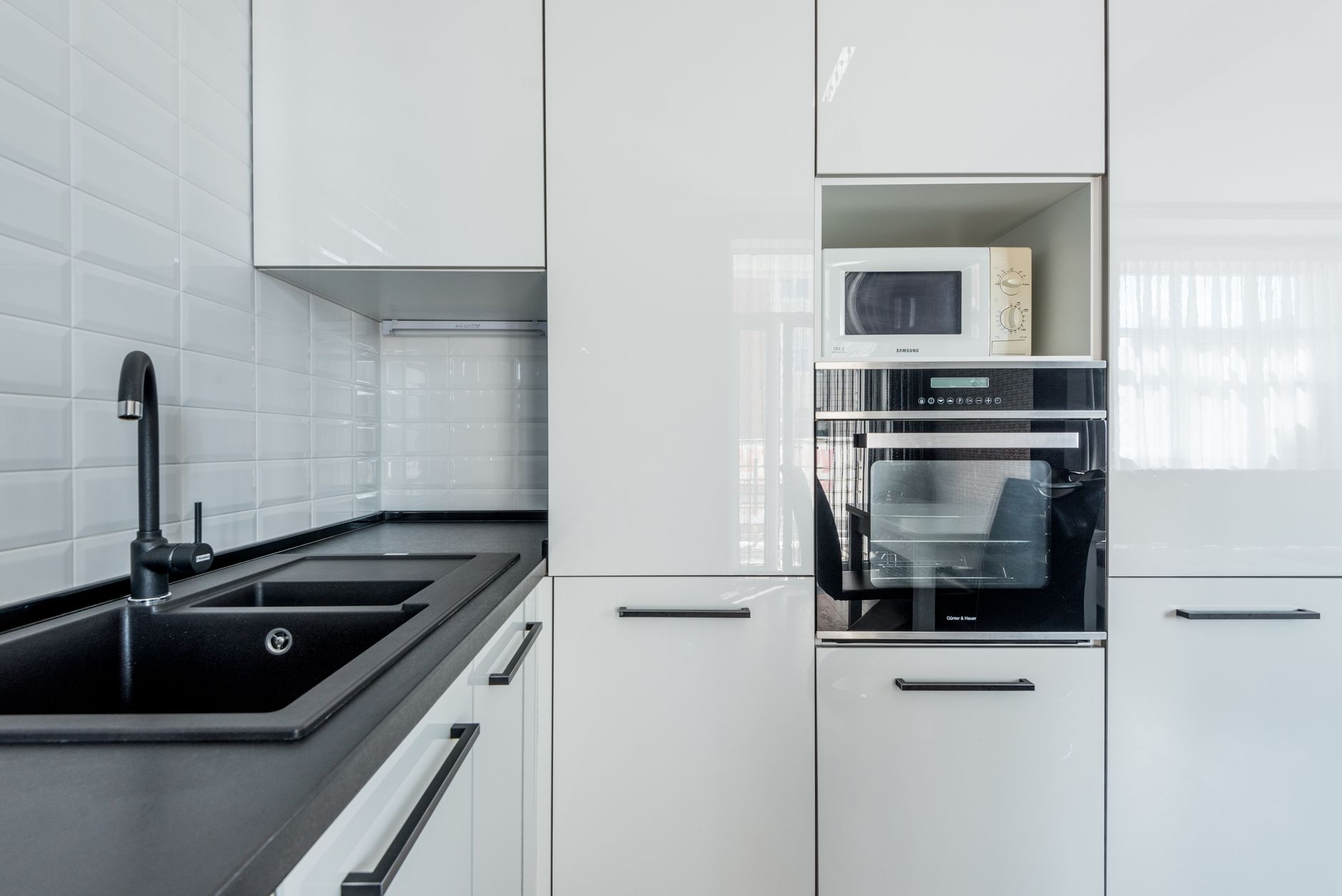
The kitchen is where natural cleaning solutions do some of their heaviest lifting. Grease, food residue, and bacteria make this the most demanding room in the house. The good news is that homemade kitchen cleaners made from pantry staples handle almost every challenge you will face.
Countertops and Backsplash
Spray your all-purpose vinegar cleaner directly onto stone or tile countertops, let it sit for 60 seconds, and wipe with a microfiber cloth. For natural stone like marble or granite, skip the vinegar since acid can etch the surface. Use a few drops of castile soap in warm water instead. For stubborn grime on grout or tile backsplash, apply a thick paste of baking soda and water, scrub with a soft brush, and rinse clean.
Sink and Drain
Pour half a cup of baking soda down the drain, follow with half a cup of white vinegar, and cover the drain for five minutes while the fizzing action breaks up buildup. Flush with a kettle of boiling water. For the sink basin itself, sprinkle baking soda, scrub with a damp sponge, and rinse. A few drops of tea tree oil in the final rinse keeps odor-causing bacteria at bay.
Oven and Stovetop
Mix baking soda with just enough water to form a spreadable paste. Apply it to the inside of a cool oven, avoiding the heating elements, and let it sit overnight. In the morning, wipe out the paste with a damp cloth and spray any remaining residue with vinegar. The resulting fizz loosens baked-on grease. For gas or electric stovetops, the same baking soda paste cuts through cooked-on spills without scratching.
Refrigerator
Wipe shelves and drawers with a solution of 1 tablespoon baking soda per quart of warm water. This natural fridge cleaner deodorizes as it cleans. Leave an open box of baking soda inside to absorb ongoing food odors between cleanings.
For kitchens that need a thorough reset beyond daily upkeep, a professional holiday cleaning service can cover every corner from top to bottom.
4. Natural Cleaning Solutions for the Bathroom
The bathroom is the room where people worry most about hygiene, and it’s also the room where natural cleaning solutions for bathrooms shine brightest. Mold, soap scum, hard water stains, and bacteria are all vulnerable to the right homemade cleaner.
Toilet
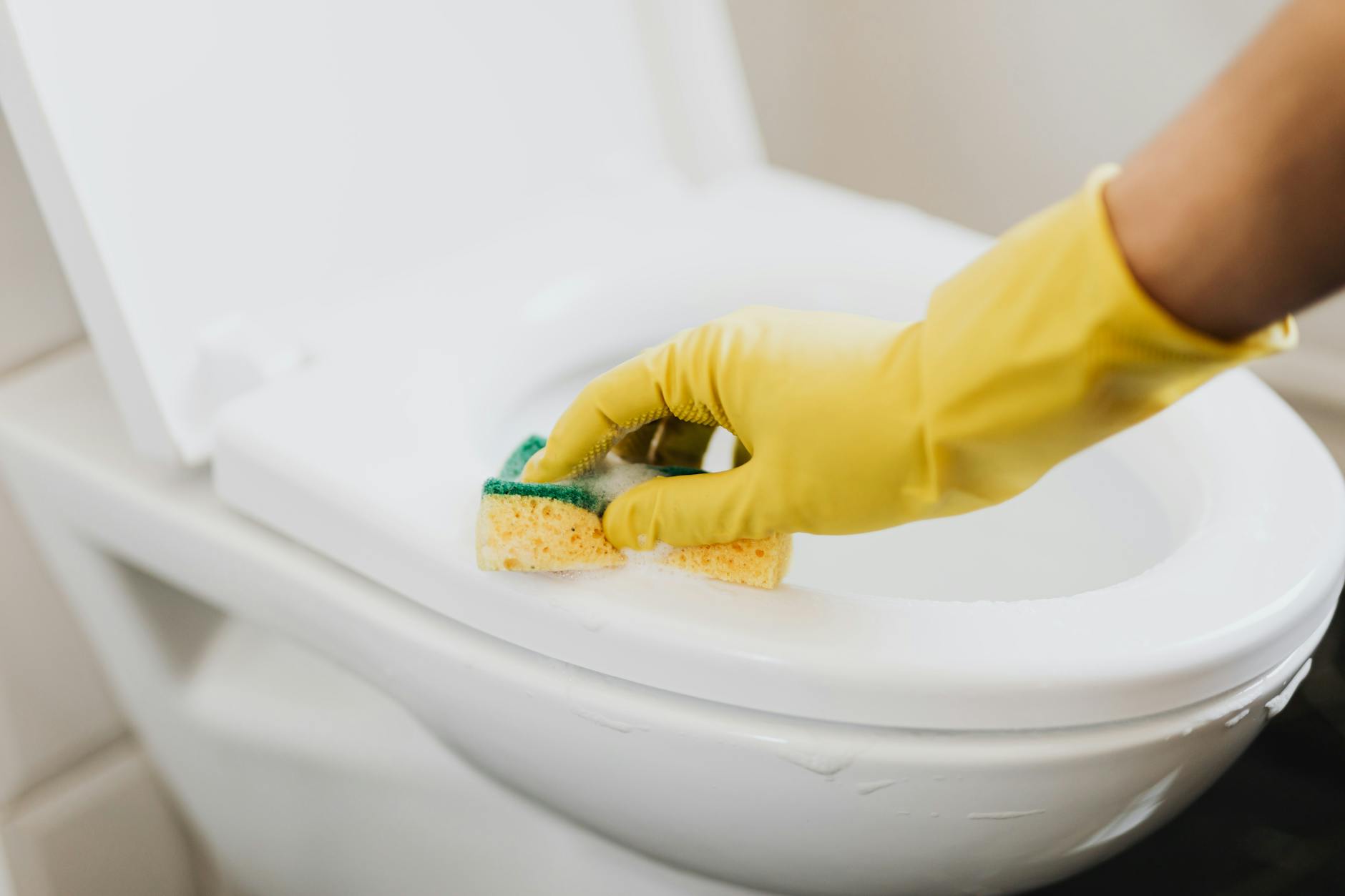
Sprinkle half a cup of baking soda into the bowl, add half a cup of white vinegar, and let the fizzing work for 10 minutes. Scrub with a toilet brush and flush. For exterior surfaces including the tank, seat, and base, spray with hydrogen peroxide, wait 60 seconds, and wipe clean. Hydrogen peroxide is a proven disinfectant and a safer alternative to bleach for this natural cleaning solution for the bathroom.
Shower and Tub
Mix equal parts dish soap (or castile soap) and white vinegar in a spray bottle. Spray generously on soap scum and hard water deposits, let it sit for 10-15 minutes, then scrub and rinse. For stubborn mildew grout, apply undiluted hydrogen peroxide, let it dwell for 10 minutes, and scrub with a stiff brush. The CDC notes that keeping surfaces dry between uses is the single most effective way to prevent mold growth in bathrooms.
Sink and Faucets
Rub cut lemon halves over chrome faucets to remove hard water spots and mineral deposits. Follow with a dry microfiber cloth for a streak-free shine. For the sink basin, a baking soda paste scrubs out stains without scratching porcelain or composite materials.
Mirrors and Glass
Combine 1 cup water, 1 cup rubbing alcohol, and 1 tablespoon white vinegar in a spray bottle. This DIY glass cleaner leaves bathroom mirrors streak-free without the blue dye of commercial products. Wipe with a lint-free microfiber cloth in an S-pattern rather than circular motions to avoid streaks.
If mold or mildew has taken hold in hard-to-reach areas, professional disinfection services offer a deeper level of sanitation that natural DIY methods may not fully address on their own.
5. Natural Cleaning Solutions for the Living Room and Common Areas
Living rooms collect dust, pet dander, and fingerprints but rarely deal with the heavy grime of kitchens and bathrooms. That means gentler natural cleaning solutions work perfectly here, protecting furniture finishes and fabrics while keeping the air fresh.
Upholstered Furniture
Check the care tag on your sofa first. For fabric labeled “W” (water-safe), mix 1 teaspoon of castile soap with 1 cup of warm water. Lightly dampen a cloth, blot stains rather than rubbing, and let air dry. Follow with a baking soda deodorizing treatment as described in the whole-home section above.
Wood Furniture and Shelving
Mix 1/4 cup olive oil with 1/4 cup white vinegar and 20 drops of lemon essential oil. Shake well and apply a small amount to a soft cloth, then buff into wood surfaces. This DIY wood polish cleans, conditions, and adds a gentle shine without synthetic wax.
Windows and Glass Tables
The same alcohol-vinegar glass cleaner from the bathroom section works perfectly here. Spray lightly and wipe with a microfiber cloth or crumpled newspaper for a streak-free finish on windows, glass tabletops, and picture frames.
Electronics and Remotes
Dampen a microfiber cloth with rubbing alcohol (never spray directly onto electronics) and wipe down remotes, gaming controllers, and keyboard surfaces. Alcohol evaporates quickly and kills germs without moisture damage.
For living spaces that benefit from a seasonal refresh, our team published a full set of summer heat-safe cleaning tips that pair perfectly with a natural cleaning approach.
6. Natural Cleaning Solutions for the Bedroom
Bedrooms need cleaning attention that most people skip: mattresses, pillows, and carpets harbor dust mites and allergens that affect sleep quality and respiratory health. Natural cleaning methods for the bedroom focus on deodorizing and sanitizing without introducing synthetic fragrances that can disrupt sleep.
Mattress
Strip the bed and sprinkle a generous layer of baking soda across the entire mattress surface. Add 10 drops of lavender essential oil to the baking soda before applying for an extra deodorizing and calming effect. Let it sit for at least one hour (longer is better), then vacuum thoroughly with the upholstery attachment. According to the American Lung Association, regular mattress cleaning reduces allergen exposure, which is especially important for asthma and allergy sufferers.
Pillows and Linens
Wash pillows and duvet covers in hot water with half a cup of white vinegar as a natural fabric softener and deodorizer in place of commercial softener. For pillowcases and sheets, add a quarter cup of baking soda to your regular detergent load to boost brightness and odor removal.
Carpets and Rugs
For spot stains on carpet, mix 1 tablespoon of castile soap with 2 cups of cold water. Blot the stain with a clean cloth dampened in this solution, working from the outside in. Follow with a cold water rinse and blot dry. Never scrub carpet stains as scrubbing spreads the stain and damages fibers.
Closets and Drawers
Wipe closet shelves and drawer interiors with your all-purpose vinegar spray to kill mildew spores. Tuck cedar blocks or small muslin bags filled with dried lavender into corners to repel moths and keep fabrics smelling fresh naturally.
7. Natural Cleaning Solutions for Floors Throughout Your Home
Floors take more abuse than any other surface in the house, and the cleaning method matters enormously depending on the material. These natural floor cleaning solutions are safe for most floor types and gentle enough for homes with children and pets.
Hardwood Floors
Avoid the temptation to mop hardwood with straight vinegar or excessive water. Instead, mix half a cup of white vinegar with a gallon of warm water and barely dampen your mop. Work in the direction of the grain and dry immediately with a fan or open windows. This homemade hardwood floor cleaner removes grime without warping or dulling the finish.
Tile and Grout
Mix half a cup of baking soda with a quarter cup of castile soap and enough water to make a thick paste. Apply to grout lines with an old toothbrush, scrub, and rinse. For large tiled areas, mop with a solution of half a cup of white vinegar per gallon of water, adding a few drops of tea tree oil for added antimicrobial action.
Laminate Floors
Laminate is sensitive to moisture. Use a spray bottle to mist one section at a time with a solution of 1 cup water, 1 cup rubbing alcohol, and 1 cup white vinegar, then wipe immediately with a barely damp microfiber mop. This natural laminate floor cleaner dries almost instantly and leaves no residue.
Carpet Freshening
Between deep cleans, scatter baking soda across carpet surfaces before bed. In the morning, vacuum it up. The baking soda absorbs pet odors, cooking smells, and general staleness overnight. For a scented version, blend 1 cup baking soda with 20 drops of your preferred essential oil before application.
8. Daily Habits That Keep Your Home Cleaner Naturally
The best natural cleaning routine is one that prevents messes from building up in the first place. Six simple daily habits reduce the frequency of deep cleaning and make your homemade natural cleaners go further between sessions.
Wipe kitchen surfaces after every meal: A quick pass with your all-purpose vinegar spray after cooking takes 60 seconds and prevents grease from hardening into a scrubbing challenge.
Squeegee shower walls after every use: Removing water from shower tiles and glass after each shower cuts soap scum and mildew growth dramatically without any cleaner at all.
Do one load of laundry per day: Keeping up with laundry prevents the pile-up that leads to mold growth in hampers and overwhelmed washing machine sessions.
Sweep or vacuum high-traffic areas daily: Five minutes with a broom or vacuum in the kitchen and entry hall keeps tracked-in dirt from spreading through the house.
Put items back in their place before bed: Clutter hides surfaces that need cleaning and makes weekly cleaning sessions take twice as long.
Air out your home for 10 minutes each morning: Opening windows and doors briefly flushes stale air and reduces the buildup of volatile organic compounds (VOCs) from common household products, even natural ones.
These six habits, paired with a solid natural cleaning products DIY routine, dramatically reduce the time and effort you spend on weekly and monthly cleaning. If you want to compare eco-conscious ingredient options, the guide to green cleaning ingredients covers a broad spectrum of safe choices.
9. What Professionals Use to Make Your Home Smell Fresh Naturally
One of the most common questions homeowners ask professional cleaners is how to make a house smell good without chemical air fresheners or synthetic sprays. The answer lies in eliminating odor sources rather than masking them, then adding natural scents that are genuinely pleasant and safe.
Simmer pots: Fill a small saucepan with water, sliced citrus peels, cinnamon sticks, and a few cloves. Simmer on low heat and your home fills with a warm, clean aroma within minutes. Add water as needed and never leave unattended.
Baking soda + essential oil absorbers: Fill small open jars with baking soda and add 10-15 drops of essential oil. Place one in closets, bathrooms, and by the trash. Replace monthly.
White vinegar odor removal: Set out a bowl of white vinegar in a room with a strong odor (smoke, pets, cooking). The vinegar absorbs odor molecules from the air. The vinegar smell itself dissipates within an hour, taking the bad odor with it.
Linen spray: Mix 1 cup of water with 2 tablespoons of rubbing alcohol and 20 drops of lavender or eucalyptus essential oil. Mist onto curtains, pillows, and upholstery for a clean, fresh scent.
Regular trash maintenance: Sprinkle baking soda in the bottom of trash cans before inserting a fresh bag. Wipe the interior of cans weekly with the all-purpose vinegar cleaner.
Activated charcoal bags:Activated charcoal absorbs odors, moisture, and airborne pollutants naturally. Place bags in closets, cars, and damp basements. Recharge them monthly by leaving them in direct sunlight for a few hours.
The bonded and insured Arizona cleaning team at Elite Maids uses plant-based, low-fragrance products to leave homes smelling genuinely clean, not just perfumed. The difference is noticeable.
10. When Natural Cleaners Are Not Enough: Knowing When to Call a Professional
Natural cleaning solutions handle the majority of everyday household cleaning beautifully. But there are situations where DIY natural cleaning products simply cannot substitute for professional equipment and expertise.
Heavy mold infestations: Surface mold on tile or grout responds well to hydrogen peroxide and tea tree oil. But mold that has penetrated drywall, subfloor, or structural material requires professional remediation. The EPA’s mold guidelines recommend calling a professional any time mold covers more than 10 square feet.
Move-in or move-out cleaning: Rental agreements and home sale transactions often require a level of cleanliness that goes beyond normal maintenance. A professional deep clean ensures deposits are returned and inspections pass.
Post-event or post-construction cleanup: Celebrations, renovations, and construction projects leave behind debris, grout dust, and surface damage that require specialized cleaning tools.
Recurring deep cleaning: Even the most dedicated natural cleaner benefits from a scheduled professional visit. Weekly or biweekly professional cleaning tackles the accumulated grime in areas like baseboards, grout, appliance interiors, and vents that daily routines cannot reach.
Time constraints: Natural cleaning methods often require longer dwell times than chemical alternatives. If your schedule does not allow for the extra time, a professional service using eco-friendly products gets the same result in a fraction of the time.
The deep cleaning task checklist we put together shows exactly what a professional cleans on a full deep cleaning visit, which is a useful benchmark for assessing what your regular routine might be missing.
Bring in the Professionals When You Need a Hand
Natural cleaning solutions are powerful, practical, and safe for your home and family. But no matter how diligent your DIY natural cleaning products routine, there comes a time when every home needs a professional reset. If you are ready to reclaim your weekends without sacrificing a clean home, contact Elite Maids house cleaning today for a free quote. Our background-checked, five-star rated team serves Phoenix, Mesa, Scottsdale, Gilbert, Chandler, Glendale, Queen Creek, San Tan Valley, Tucson, and Flagstaff with eco-friendly options, instant online quotes, and a reclean-at-no-cost satisfaction guarantee. Book same-day service online right now and let us handle the deep work so you can enjoy the home you already keep beautifully.
Frequently Asked Questions
What is the best homemade cleaner for everything?
The most versatile homemade cleaner is a mix of equal parts distilled white vinegar and water with 15-20 drops of tea tree or lemon essential oil in a spray bottle. This natural cleaning solution sanitizes, cuts grease, and deodorizes on countertops, cabinet fronts, sinks, appliance exteriors, and most hard surfaces. Avoid it on natural stone and bare cast iron.
What are 6 things I can do every day to keep my house clean?
Wipe kitchen surfaces after every meal, squeegee your shower walls after each use, run one load of laundry daily, sweep high-traffic floors for five minutes, return items to their proper place before bed, and air out your home for ten minutes each morning. These six habits prevent buildup and make weekly deep cleaning much faster and easier.
What do housekeepers use to make a house smell good?
Professional housekeepers focus on eliminating odor sources first rather than masking them. Common natural methods include baking soda and essential oil jars placed in closets and bathrooms, simmer pots with citrus and spices, white vinegar left in a bowl to absorb airborne odor molecules, and linen sprays made from water, alcohol, and essential oils. Ventilation and regular trash maintenance also play a major role.
What are some natural products I can use to clean my house?
White vinegar, baking soda, castile soap, hydrogen peroxide (3%), rubbing alcohol, lemon juice, and essential oils like tea tree, lavender, and lemon are the core natural cleaning products DIY enthusiasts rely on. Each tackles different challenges: vinegar for mineral deposits and bacteria, baking soda for abrasion and odor, hydrogen peroxide for disinfecting, and castile soap for general grease-cutting across every room.
Household Cleaners That Work Without Toxic Chemicals in Denver
SHARE:
Household cleaners that work without toxic chemicals are simple ingredients you likely already have at home: white vinegar, baking soda, castile soap, hydrogen peroxide, and plain water. These non-toxic cleaning products cut through grease, dissolve mineral deposits, and disinfect surfaces without releasing harmful fumes into your Denver home. The list below covers the most effective natural cleaners and exactly how to use them.
If you live in Denver and you have been searching for Cleaning services Denver reddit, you already know the demand for safer, greener cleaning options has never been higher. More Denver families are reading ingredient labels, cutting chemical exposure for their kids and pets, and looking for a house cleaning service that shares those values. This post gives you a complete, numbered list of non-toxic household cleaners that actually work, plus tips on how to use each one like a pro.
1. White Vinegar: The Original Non-Toxic All-Purpose Cleaner
White vinegar is the backbone of most non-toxic cleaning routines. It is mildly acidic, which makes it excellent at dissolving hard water deposits, cutting through light grease, and neutralizing odors. A 50/50 mix of distilled white vinegar and water in a spray bottle is a reliable all-purpose cleaner you can use on countertops, stovetops, bathroom fixtures, and sealed tile floors. For Denver homes with hard tap water, vinegar spray wiped with a microfiber cloth removes mineral buildup better than most commercial products.
White vinegar is one of the most versatile non-toxic household items you can keep under the sink. Just remember: do not use it on natural stone surfaces like marble or granite, because the acid will etch the finish over time. On everything else, it is safe, inexpensive, and effective. You can find a broader set of ideas in this guide to natural cleaners Denver residents are already using at home.
2. Baking Soda: The Gentle Abrasive for Non-Toxic House Cleaning
Baking soda is a mild abrasive and natural deodorizer that scrubs without scratching. Sprinkle it onto a damp sponge and use it to scour sinks, tubs, grout lines, and stovetop grates. It lifts stains and absorbs odors at the same time. For tougher buildup, combine baking soda with a small amount of dish soap to create a paste that clings to vertical surfaces in showers and ovens.
One of the most popular non-toxic cleaning methods in Denver households is the baking soda and vinegar drain flush. Pour half a cup of baking soda down a slow drain, follow it with half a cup of white vinegar, wait ten minutes while the fizzing reaction loosens buildup, then flush with boiling water. It is a safer, chemical-free drain cleaner that actually works on mild clogs. According to Good Housekeeping’s cleaning guides, baking soda is one of the most consistently recommended non-toxic household items for multipurpose scrubbing.
3. Castile Soap: The Safest Cleaner to Use for Everyday Surfaces
Castile soap is a plant-based, biodegradable soap traditionally made from olive oil. It contains no synthetic detergents, phosphates, or artificial fragrances, making it one of the safest cleaners to use around kids and pets. A few drops mixed with water create an effective all-purpose spray for countertops, cabinets, and floors. Add a tablespoon to a bucket of warm water and you have a gentle, non-toxic mopping solution for hardwood or laminate floors.
Castile soap is also a core ingredient in many DIY non-toxic cleaning products. Mix it with water and a few drops of tea tree essential oil and you have a bathroom spray that cleans and deodorizes without harsh chemicals. The American Lung Association warns that many conventional cleaning sprays release volatile organic compounds indoors, so switching to plant-based soaps like castile is a practical way to protect your family’s respiratory health. Denver residents who want to explore The 10 Best House Cleaning Services in Denver, CO 2026 will find that the top teams often use castile-based formulas on their eco-clean visits.
4. Hydrogen Peroxide: A Non-Toxic Disinfectant That Actually Kills Germs
Standard 3% hydrogen peroxide, the brown bottle from the drugstore, is a proven disinfectant that kills bacteria, viruses, and mold spores without toxic residue. Spray it undiluted onto bathroom counters, toilet seats, cutting boards, and kitchen sinks. Let it sit for five minutes before wiping. Unlike bleach, hydrogen peroxide breaks down into water and oxygen, leaving no harmful byproducts behind.
For mold-prone areas, the EPA’s mold guidance recommends addressing moisture first and then using an effective disinfectant on hard surfaces. Hydrogen peroxide fits that description perfectly. It is one of the cleaning products without endocrine disruptors that also delivers real disinfection, something not every natural cleaner can claim. Keep hydrogen peroxide in its original opaque bottle to protect its potency, and do not mix it with vinegar in the same spray bottle as the combination can irritate lungs.
5. Lemon Juice: A Natural Degreaser and Odor Eliminator
Fresh lemon juice contains citric acid, which cuts through grease, removes rust stains, and leaves surfaces smelling clean. Rub a cut lemon directly on stainless steel appliances, faucets, and chrome fixtures to dissolve water spots and bring back shine. Mix lemon juice with baking soda to create a scrubbing paste for cutting boards that deodorizes and disinfects at the same time.
Lemon juice works especially well inside the refrigerator and microwave. Squeeze the juice of one lemon into a bowl of water, microwave it on high for two minutes, then wipe the interior clean. The steam loosens splattered food and the citric acid neutralizes odors. This is the kind of non-toxic home cleaning approach that professional teams also rely on when clients request chemical-free service. Real Simple’s cleaning editors consistently recommend citrus-based methods for routine kitchen maintenance without harsh products.
6. Non-Toxic Window Cleaner: Vinegar and Newspaper
For streak-free windows without ammonia-based sprays, mix one part white vinegar with one part water in a spray bottle. Spray the solution on the glass and wipe it off with crumpled newspaper or a lint-free microfiber cloth. Newspaper fibers are tighter than paper towels and do not leave lint behind, giving you a truly streak-free finish without a drop of conventional window cleaner.
This non-toxic window cleaning method works just as well on mirrors, glass stovetops, and shower doors. Denver homeowners dealing with dusty, dry air know how quickly windows accumulate a film. A weekly wipe-down with this vinegar-based non-toxic glass cleaner keeps sills and panes clear without releasing VOCs into your home. The EPA’s research on volatile organic compounds shows that conventional glass cleaners are among the leading sources of indoor VOC exposure, which is a strong reason to make the swap.
7. Non-Toxic Bathroom Cleaner: Borax, Vinegar, and Tea Tree Oil
Bathrooms need a stronger non-toxic cleaner than a simple vinegar spray. A combination of borax, white vinegar, and a few drops of tea tree essential oil creates an effective non-toxic bathroom cleaner that tackles soap scum, mildew, and grime. Sprinkle borax on toilet bowls, scrub with a brush, then follow with a vinegar spray on the seat and outer surfaces. The tea tree oil adds antifungal and antibacterial action without synthetic disinfectants.
For tile grout, make a paste of borax and water, apply it with an old toothbrush, let it sit for fifteen minutes, then rinse. If you are looking for ideas on how to go further, this guide on cleaning without chemicals Denver covers similar strategies for tough buildup in appliances. When you need a professional-level chemical-free bathroom clean, the deep cleaning service at Elite Maids uses eco-friendly product options by request.
8. Ethical Cleaning Products and EPA Safer Choice Certified Labels
Not everyone wants to mix their own cleaners, and that is completely reasonable. The good news is that a growing number of store-bought cleaning products carry the EPA Safer Choice certification, which means every ingredient has been reviewed for human health and environmental safety. These ethical cleaning products are free from ingredients linked to cancer, endocrine disruption, and respiratory harm. Look for the Safer Choice label on dish soaps, multi-surface sprays, and laundry detergents when you want the convenience of a ready-made product without the toxic ingredient list.
Reading warning labels is important even on products marketed as natural or green. If a label says “danger,” “warning,” or “caution,” federal law requires those words for a reason. Truly non-toxic cleaning products, whether homemade or store-bought, carry none of those designations. Consumer Reports’ laundry and cleaning research regularly tests and ranks non-toxic household cleaners, and their findings confirm that several plant-based and EPA Safer Choice products perform as well as conventional chemical cleaners on standard soil tests. If you are curious about what the cleaning denver reddit community recommends, non-toxic certified brands consistently come up alongside DIY baking soda and vinegar methods.
9. Non-Toxic Floor Cleaners for Denver Homes
For sealed hardwood, laminate, and tile, a non-toxic floor cleaning solution is easy to make at home. Combine half a cup of white vinegar with a gallon of warm water and a few drops of castile soap. Mop as usual, and the mild acidity of the vinegar cuts through grime without damaging sealed finishes. For a lighter daily clean, plain warm water on a microfiber mop is genuinely effective at picking up dust and pet dander without any product at all.
Denver homes tend to track in dry red dirt and dust from the surrounding landscape, so floors need regular attention. A weekly non-toxic floor cleaning routine prevents buildup that would otherwise require stronger treatments. If you are overdue for a thorough reset, a professional spring cleaning Denver visit is a great way to start fresh, especially when you can request eco-friendly product options for the whole job.
10. Non-Toxic Drain Cleaner: Baking Soda, Salt, and Boiling Water
Commercial drain cleaners are among the most toxic products in any home. They contain sodium hydroxide or sulfuric acid, both of which can cause serious chemical burns and release dangerous fumes. A completely non-toxic alternative that works on slow drains: pour half a cup of table salt down the drain, follow with half a cup of baking soda, then pour in boiling water. The heat and the reaction between salt and baking soda break up soft grease clogs without any chemical hazard.
For a stronger flush, use the baking soda and vinegar method described in section two, followed immediately by boiling water. This combination works on organic buildup like hair grease, soap residue, and food particles. It will not dissolve a solid blockage, but for routine drain maintenance it is the safest cleaner to use and it genuinely keeps pipes flowing. The Spruce’s cleaning team recommends this exact method as a first step before calling a plumber for minor slow-drain issues.
11. When to Hire a Professional House Cleaning Service in Denver
DIY non-toxic cleaning works beautifully for routine maintenance, but there are times when a professional maid service is the smarter call. If you are moving into or out of a property, preparing for a real estate showing, hosting a large gathering, or simply months behind on deep cleaning, a single afternoon of professional work can accomplish what would take a full weekend on your own.
Elite Maids House Cleaning offers eco-friendly product options on every visit, so Denver clients who care about non-toxic cleaning do not have to choose between convenience and safety. Every cleaner is background-checked, bonded, insured, and backed by a reclean-at-no-cost satisfaction guarantee. You can review r/Denver on Reddit: Looking for a house cleaner that does go to see what Denver residents are saying about professional green cleaning, then book online in minutes for same-day service between 8am and 6pm. For a full checklist of what a professional visit covers, the tips in professional house cleaning Denver apply directly to what you should expect from any thorough clean.
Whether you keep your own supply of non-toxic cleaners or you are ready to hand the work off entirely, Denver homes deserve to be clean without chemical compromise. For the cleaning in denver without toxic products, contact Elite Maids house cleaning today for a free quote and let a five-star team handle the hard work while you enjoy a healthier home.
Frequently Asked Questions
How can I clean my house without toxic chemicals?
Use white vinegar, baking soda, castile soap, hydrogen peroxide, and lemon juice as your core cleaning ingredients. A 50/50 vinegar and water spray handles most surfaces. Baking soda scrubs and deodorizes. Castile soap mixed with water works as a floor and counter cleaner. These non-toxic household cleaners are safe for kids, pets, and indoor air quality, and they cost a fraction of conventional chemical products.
What is the safest cleaner to use?
Castile soap diluted in water is widely considered the safest cleaner to use on everyday surfaces. It is plant-based, biodegradable, free from synthetic fragrances, and carries no hazard warnings. For disinfection, 3% hydrogen peroxide is a safe, effective option that breaks down into water and oxygen. Both are gentle enough for use around children and pets and produce no harmful fumes indoors.
How can I tell if a cleaner is truly non-toxic?
Check the label for the EPA Safer Choice certification, which confirms every ingredient meets safety standards for human health and the environment. Also read the warning section: if a product says “danger,” “warning,” or “caution,” it contains regulated hazardous ingredients. Truly non-toxic cleaning products carry none of those designations. Avoid products listing fragrance, phthalates, chlorine, or ammonia in their ingredients, as these are common endocrine disruptors and respiratory irritants.
Are homemade non-toxic cleaners as effective as store-bought ones?
For most routine cleaning tasks, yes. Baking soda and vinegar remove soap scum, mineral deposits, and grease as effectively as many commercial sprays. Hydrogen peroxide disinfects surfaces comparably to diluted bleach without the toxic fumes. Where homemade formulas fall short is deep disinfection during illness or heavy-duty degreasing, where EPA Safer Choice certified store-bought products or a professional cleaning service may be a better fit.
Can I use non-toxic cleaners for a move-out clean in Denver?
Yes, and many professional cleaning teams in Denver offer eco-friendly product options for move-out cleaning. Non-toxic cleaners handle most of what a landlord inspection requires: clean bathrooms, grease-free kitchen surfaces, streak-free windows, and fresh-smelling floors. For a thorough, guaranteed result, booking a professional move-out cleaning service that uses non-toxic products is a reliable way to get your deposit back without exposing the property to harsh chemicals.