The Complete Post-Construction Cleaning Guide: A Room-by-Room Checklist
SHARE:
Post-construction cleaning is the thorough removal of dust, debris, adhesive residue, and construction-related grime from a newly built or renovated space before it is occupied or staged. It goes far beyond a standard tidy-up, requiring specialized tools and a methodical sequence. This guide walks you through every step, every room, and every supply you need to get a construction site ready for move-in.
1. What Post-Construction Cleaning Actually Involves
A lot of homeowners underestimate what a construction cleanup really means. After a remodel or new build, every surface in the affected area is coated in a fine layer of drywall dust, sawdust, caulk smears, paint overspray, and adhesive residue. That grime finds its way into air vents, inside cabinets, behind baseboards, and under appliances. Post-construction cleaning, sometimes called after-construction cleaning or builder’s clean, addresses all of it, not just what’s visible at eye level.
Typically, a full post-construction clean happens in three phases: a rough clean (removal of large debris and bulk dust), a detail clean (wiping every surface, fixture, and window), and a final touch-up clean (a walkthrough inspection to catch anything missed). Skipping phases leads to recurring dust problems weeks after move-in. Working with a trusted cleaning team that follows all three phases is the most reliable way to get a space truly ready.
It’s also worth understanding that construction dust contains particles that affect air quality long after the work stops. According to the EPA’s Indoor Air Quality guidelines, fine particulate matter from construction activities can linger in a home’s air for days and irritate respiratory systems. That’s why a systematic approach matters.
2. Post-Construction Cleaning Supplies You Actually Need
Having the right supplies on hand before you start makes post-construction cleanup dramatically faster and more effective. Generic household products are usually not strong enough for construction-grade residue, so it pays to stock up on the right tools before you even walk into the space.
Here is what experienced construction cleanup crews keep in their kit:
Industrial-grade HEPA vacuum: Standard vacuums recirculate fine drywall dust back into the air. A HEPA-filter vacuum captures particles down to 0.3 microns and is non-negotiable for post-construction cleaning.
Microfiber cloths (commercial grade): These trap dust rather than pushing it around. Have at least two dozen on hand.
Scraper blades / razor scrapers: For removing paint drips, adhesive, and sticker residue from glass, tile, and hard floors.
Trisodium phosphate (TSP) substitute cleaner: Cuts through paint overspray and heavy grease on hard surfaces.
Multi-surface degreaser: For cabinets, countertops, and appliance exteriors.
Glass cleaner and squeegee: Windows are always the most labor-intensive part of a builder’s clean.
Grout brush and stiff-bristle scrub brushes: For tile grout lines and textured surfaces.
Mop with microfiber head: For finished hard floors after all dust has been vacuumed.
Protective gear: N95 respirator masks, safety glasses, and nitrile gloves for everyone on the crew.
Trash bags (heavy-duty contractor grade): For debris, packaging scraps, and disposable wipe materials.
If you’re sourcing supplies yourself, Lowe’s cleaning supply section carries most of these in contractor quantities. For eco-conscious options, the EPA Safer Choice program certifies cleaning products that are effective without harsh chemical residues, which is a smart choice in a space where occupants will soon be living. You can also read our full breakdown of cleaning products every home should have for additional product guidance.
3. Post-Construction Cleaning Checklist: The Room-by-Room Rundown
A solid post-construction cleaning checklist keeps the job organized and ensures nothing slips through the cracks. The best way to approach a room-by-room construction cleanup is to always work from top to bottom, back to front, and dry to wet. Dust first, then wipe, then mop or vacuum the floor last.
Here is a printable post-construction cleaning checklist organized by area:
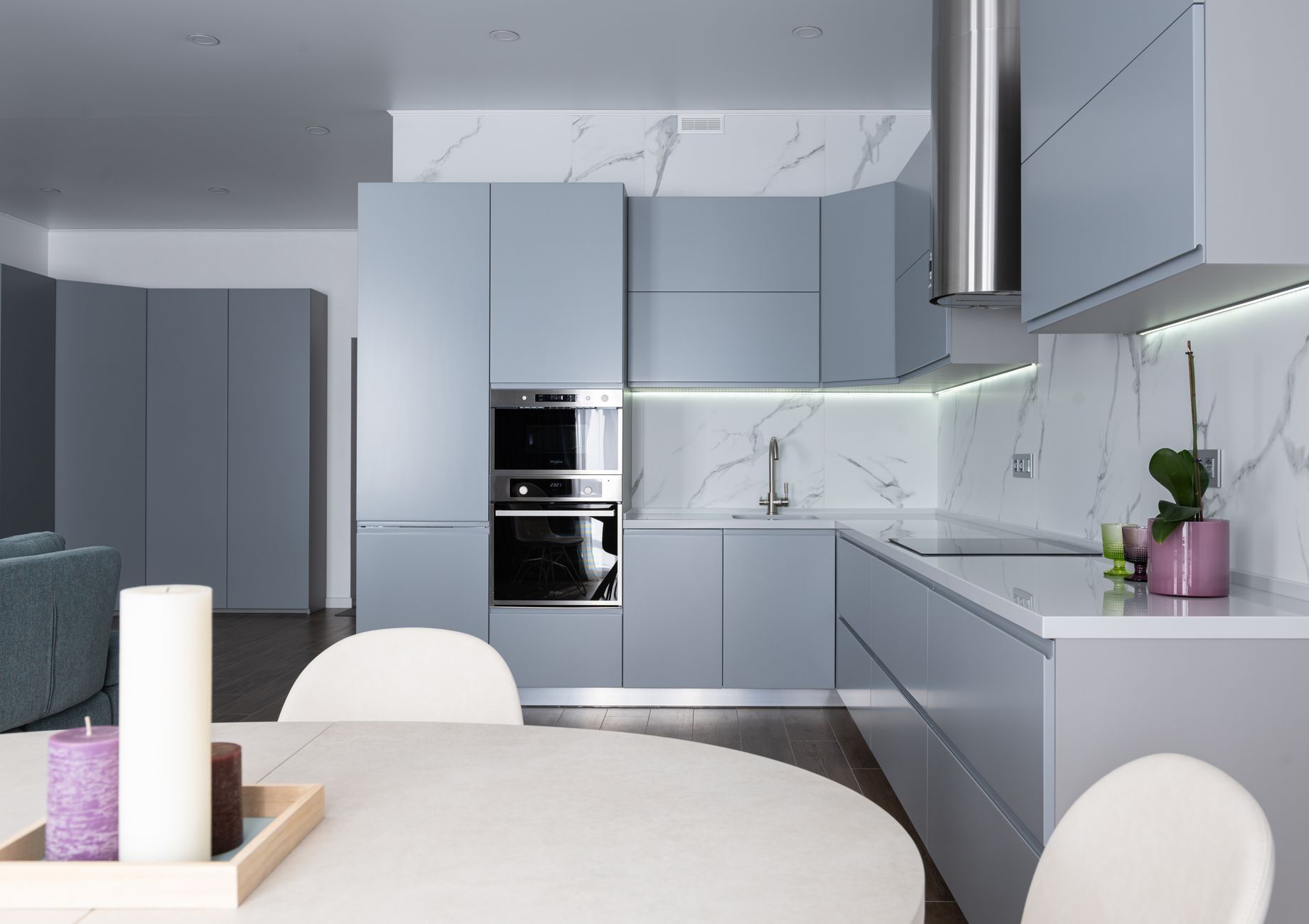
Kitchen
Wipe down cabinet interiors and exteriors, removing adhesive labels and dust
Clean inside all drawers
Degrease countertops and backsplash
Clean sink basin, faucet, and surrounding caulk lines
Remove paint and sticker residue from appliances
Clean range hood and filter
Wipe down all outlets and switch plates
Vacuum, then mop floor
Bathrooms
Scrub grout lines on tile walls and floors
Remove adhesive and sticker residue from mirrors and fixtures
Clean toilet bowl, tank exterior, seat, and base
Wipe down vanity, sink, and faucet hardware
Clean shower or tub, including caulk lines
Remove construction dust from exhaust fan covers
Vacuum, then mop floor
Bedrooms and Living Areas
Dust ceiling fans, light fixtures, and crown molding
Wipe down window sills, frames, and tracks
Clean window glass inside and out using a razor scraper for paint specks
Wipe baseboards and door frames
Clean door hardware and hinges
Dust and wipe all built-ins or shelving
HEPA vacuum all surfaces and carpet (if applicable), then vacuum hard floors before mopping
Garage and Utility Areas
Sweep and remove bulk debris
Wipe down utility sink and fixtures
Clean laundry connections and surrounding area
Dust lighting fixtures
Sweep or vacuum floor before any finishing treatment
Having this checklist in hand before you start is the difference between a systematic job and a scattered one. You can use it as a post-construction cleaning guide template to build a custom scope for any project size. Many crews also offer a commercial post-construction cleaning checklist variant for larger builds, which includes additional steps for common areas, exterior entries, and elevator cabs.
4. The Correct Order of Operations for a Builder’s Clean
Sequence is everything when it comes to post-construction cleanup. If you mop the floors before you’ve dusted the ceiling fans, you’ll have to mop again. Here is the order that professional crews use on every after-construction cleaning job:
Ventilate the space. Open windows and run exhaust fans before you start to push airborne dust outward.
Remove all trash and large debris. Pick up scrap materials, packaging, and leftover construction materials manually before any cleaning begins.
Dust from the highest points downward. Start with ceiling fixtures, crown molding, tops of cabinets, and sill plates. Work down to countertops, then to baseboards.
HEPA vacuum all surfaces and floors. This captures the settled dust that your dry dusting knocked loose. Do not skip this step before introducing any wet cleaning.
Scrape residue from glass and hard surfaces. Razor scrapers on windows, tiles, and fixtures before you apply any liquid cleaner.
Wet-clean all surfaces. Wipe down every surface with appropriate cleaners in the same top-to-bottom sequence. This is the most time-consuming phase.
Clean windows. Do windows last among the surface-cleaning tasks, using a streak-free cleaner and a rubber squeegee.
Final floor cleaning. Vacuum carpets thoroughly, then mop hard floors. This is always the last step in any room.
Inspection walkthrough. Walk through every room in good natural light to catch missed spots, smudges, and paint drips.
Sticking to this order on every construction cleanup job eliminates the most common mistakes that lead to re-doing work. If you’re managing a disinfection service component as part of the clean, that phase comes after all surfaces are physically clean and before the final inspection.
5. Post-Construction Cleaning Rates: What to Expect
Post-construction cleaning rates vary based on square footage, the scope of work, the region, and whether the job is residential or commercial. Understanding typical pricing helps you evaluate quotes accurately and avoid overpaying or underestimating the job.
Here is a general breakdown of what post-construction cleaning costs look like right now:
Post-construction cleaning rates per hour: Most professional crews charge between $40 and $80 per person per hour. Larger companies with specialized equipment may charge at the higher end of that range.
Flat rate by square footage: Many companies price construction cleanups at $0.10 to $0.50 per square foot depending on the type of project (new build vs. kitchen remodel).
Project minimums: Most professional services have a minimum charge, typically between $200 and $400, regardless of job size.
Commercial post-construction cleaning: Commercial jobs are priced separately and typically involve a site walk before any quote is provided, given the complexity of multi-room or multi-floor projects.
Factors that push rates higher include extensive paint overspray, significant adhesive residue throughout the space, jobs with multiple bathrooms and tiled surfaces, and jobs requiring window cleaning on upper floors. Getting a detailed, itemized quote before the job starts protects both parties.
For recurring upkeep after the initial construction cleanup, many homeowners in Arizona shift to a regular deep cleaning service schedule to maintain the results long-term. It’s one of the smartest ways to protect the investment you just made in your home.
6. Eco-Friendly and Non-Toxic Approaches to After-Construction Cleaning
Post-construction spaces are sealed tightly once they’re finished, which means chemical residues from cleaning products linger in the air long after the crew leaves. Choosing non-toxic or low-VOC cleaning products is not just an environmental preference, it’s a practical health decision for the families moving in.
According to the EPA’s research on volatile organic compounds, many conventional cleaning products release VOCs that contribute to indoor air pollution at concentrations significantly higher than outdoor air. In a newly constructed space that is not yet fully ventilated, this risk is even more pronounced.
Practical eco-friendly swaps for after-construction cleaning include:
Using plant-based degreasers certified under the EPA Safer Choice program instead of petroleum-based solvents
Choosing fragrance-free microfiber cloths with water and a few drops of castile soap for general surface wiping
Using white vinegar solutions for glass and mirrors instead of ammonia-based glass cleaners
Ensuring the space is fully ventilated during and after the clean to flush airborne residues
Our guide to natural cleaning solutions for every room goes deeper on non-toxic product choices if you want to build a full green-clean approach from day one. For families with children, pets, or allergy concerns, it’s well worth the read.
If you want an entirely non-toxic routine from the ground up, our post on non-toxic cleaning products and routines is a practical starting point that pairs well with any post-construction situation.
7. Why Professional Post-Construction Cleaning Gets Better Results
DIY post-construction cleaning is possible for small projects, but the results rarely match what a professional crew delivers on a full remodel or new build. Here’s why pros consistently outperform the DIY approach on after-construction cleanup:
Industrial equipment: HEPA vacuums, commercial-grade steam cleaners, and professional scrapers remove residue that household tools simply can’t reach or lift.
Trained sequence: Professional crews follow a tested phase-by-phase process, so no surface gets re-contaminated after it’s already been cleaned.
Speed at scale: A multi-person crew working in parallel finishes a 2,500-square-foot home in a fraction of the time a solo homeowner would need.
Attention to overlooked zones: Pros know to check inside HVAC vents, behind toilet tanks, inside cabinet hinges, and along window tracks, areas that homeowners almost always miss.
Satisfaction guarantees: Reputable services back their work with a re-clean guarantee, so if anything is missed, it gets corrected at no additional cost.
For a deeper dive into what a whole-house professional clean covers at the detail level, the whole house deep cleaning service checklist is a useful reference, especially if you’re in Arizona and want to understand exactly what a thorough clean includes.
Working with trusted Arizona house cleaners who are bonded, insured, and background-checked also protects you during a time when your property is freshly renovated and potentially vulnerable. It’s one less thing to worry about during an already stressful project completion phase.
8. Maintaining a Clean Space After the Construction Cleanup Is Done
The initial post-construction clean gets a space to baseline clean. Maintaining it after that point requires a plan, because residual construction dust continues to settle from surfaces, ducts, and materials for weeks after the build is complete.
Here’s what to do in the weeks following an after-construction cleaning:
Change HVAC filters immediately after the construction cleanup and again 30 days later. Construction dust loads standard filters quickly and can be redistributed through the duct system.
Run an air purifier with a HEPA filter in the main living areas for the first 30 days after move-in to capture airborne particles that continue to settle.
Wipe down surfaces weekly for the first month, paying extra attention to horizontal surfaces like countertops, shelving, and window sills where dust settles fastest.
Schedule a follow-up deep clean 4-6 weeks after the initial post-construction clean to address the second wave of dust that settles once the space is in use.
Inspect caulk lines and grout after the first few weeks, as construction movement and temperature shifts can open small gaps that collect dirt.
Building a recurring cleaning routine from the start is the smartest way to protect your renovation investment. Many homeowners in Arizona set up biweekly or monthly maintenance cleans through Elite Maids House Cleaning immediately after the post-construction cleanup is complete, so the space never slips back into disarray.
If you’ve just finished a renovation and your space needs a thorough, professional post-construction cleaning, contact Elite Maids house cleaning today for a free quote. Our background-checked, five-star-rated cleaners serve Phoenix, Mesa, Scottsdale, Chandler, Gilbert, Glendale, Queen Creek, San Tan Valley, Tucson, and Flagstaff. Book online in minutes with an instant quote, and we’ll back every visit with our no-cost reclean satisfaction guarantee.
Frequently Asked Questions
What is the 5 5 5 rule for cleaning?
The 5-5-5 rule is a productivity-based cleaning method where you spend 5 minutes cleaning five different areas of your home five days a week. It’s designed to maintain baseline cleanliness through short, consistent sessions rather than marathon cleaning days. While it works well for routine upkeep, it is not sufficient for post-construction cleaning, which requires a full systematic approach regardless of time constraints.
What should I include on my post-construction cleaning list?
A thorough post-construction cleaning list should include dust removal from all surfaces (top to bottom), HEPA vacuuming of all floors and upholstered areas, scraping paint and adhesive residue from glass and tile, cleaning all windows inside and out, wiping cabinet interiors and exteriors, scrubbing grout lines, cleaning all fixtures and hardware, sanitizing bathrooms and kitchen surfaces, and a final inspection walkthrough. Prioritize the sequence: dry cleaning before wet cleaning, and floors always last.
What license do I need for a post-construction cleaning?
In most U.S. states, running a post-construction cleaning business requires a general business license and, depending on the state, a janitorial or commercial cleaning contractor license. Some states require bonding and liability insurance before you can legally work on construction sites. Requirements vary by state and municipality, so check with your local licensing authority before offering post-construction cleaning services professionally.
What supplies do I need for a post-construction cleaning?
Essential post-construction cleaning supplies include a commercial HEPA vacuum, microfiber cloths, razor scrapers, a multi-surface degreaser, TSP substitute cleaner, glass cleaner and squeegee, grout brushes, a microfiber mop, heavy-duty contractor trash bags, and personal protective equipment including an N95 respirator, safety glasses, and nitrile gloves. Standard household cleaning supplies are generally not effective enough for construction-grade residue and grime.
How long does a post-construction cleaning take?
The time required for a post-construction cleaning depends on the size of the space, the scope of the renovation, and the size of the cleaning crew. A typical 2,000-square-foot home after a full remodel takes a two-person professional crew roughly 6 to 10 hours for a thorough three-phase clean. Larger homes, homes with significant paint overspray, or new construction projects typically require more time and additional crew members.