Ultimate Guide to Deep Clean a Kitchen in Denver: Tools, Steps, and Pro Tips
SHARE:
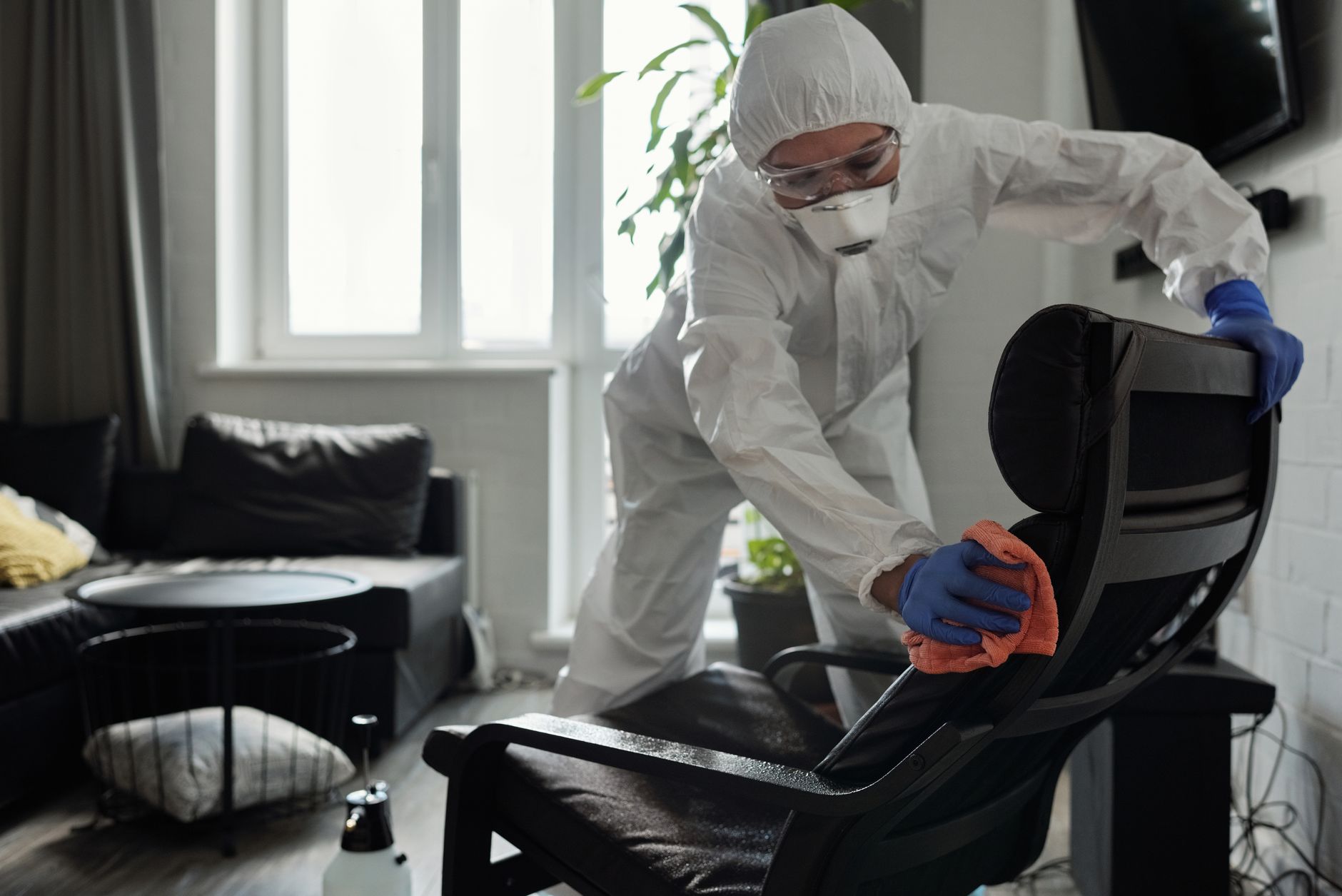
Deep cleaning a kitchen in Denver means going far beyond a quick wipe-down. A true deep clean tackles grease-caked range hoods, grimy grout lines, forgotten cabinet interiors, and appliances that haven’t seen a scrub brush in months. According to The 10 Best House Cleaning Services in Denver, CO 2026, kitchen deep cleaning is one of the most-requested professional services in the city. This guide walks you through every tool, every step, and every pro trick you need to get your kitchen spotless and keep it that way.
What Does It Really Mean to Deep Clean a Kitchen?
Deep cleaning a kitchen is not the same as your weekly wipe-down routine. A full kitchen deep clean involves cleaning inside appliances, behind heavy equipment, under the refrigerator, inside cabinets, and along every surface that collects invisible grease and bacteria. Think of it as a thorough cleaning that resets the entire room to a near-new condition. Deep cleaning services typically cover areas that standard maintenance cleaning skips entirely, including oven interiors, refrigerator coils, dishwasher filters, and the often-overlooked space between the stove and the countertop.
In Denver, where many homes see heavy cooking activity during cold-weather months, kitchens accumulate grease and grime faster than homeowners realize. A deep clean every three to six months keeps buildup from becoming a permanent fixture. The American Lung Association notes that indoor air quality suffers when grease, mold spores, and cleaning residue build up in kitchen spaces, making a regular kitchen disinfection service more than just cosmetic. Refer to the American Lung Association’s indoor air guidance for more on how kitchen pollutants affect household air.
For a structured approach you can follow every time, bookmark the deep clean checklist for your home as a companion reference to this guide.
Essential Kitchen Deep Cleaning Tools and Supplies
The right tools make kitchen deep cleaning faster, safer, and more effective. Trying to scrub a greasy range hood with a standard paper towel is both ineffective and frustrating. Before you start your kitchen deep clean, gather these supplies:
Microfiber cloths: These lift grease and bacteria from surfaces without pushing them around. Keep at least six on hand so you can switch between surfaces without cross-contaminating.
Degreaser spray: A commercial or DIY degreaser cuts through the baked-on grease on range hoods, stovetops, and cabinet faces. Look for EPA Safer Choice-certified formulas when possible.
Baking soda and white vinegar: These two pantry staples handle most non-grease residue and eliminate odors inside the refrigerator and microwave.
Stiff-bristle scrub brush and old toothbrush: The scrub brush handles grout and burner grates; the toothbrush gets into seams, hinges, and handle hardware.
Dish soap (heavy-duty): For soaking removable parts like burner caps, drawer inserts, and refrigerator shelves.
Rubber gloves: Degreasers and disinfectants are tough on skin. Always protect your hands.
Steam cleaner (optional but powerful): A handheld steam cleaner loosens baked-on grease inside ovens and on tile backsplashes without chemical residue.
Mop and bucket: The kitchen floor is the last step, and it needs more than a dry sweep.
According to Good Housekeeping’s cleaning guides, using the correct cloth material and product pairing for each surface type dramatically cuts cleaning time. Using a single all-purpose spray on every surface in the kitchen is one of the most common mistakes homeowners make when attempting a DIY kitchen deep clean.
If you want to keep the process green, the EPA Safer Choice program maintains a searchable list of cleaning products certified to be safer for both people and the environment. Denver homeowners with young children or pets especially benefit from checking this list before buying degreasers or disinfectants.
Step-by-Step Kitchen Deep Cleaning Process From Top to Bottom
Professional cleaners always work from the top of the room to the bottom. This prevents dust, crumbs, and cleaning spray from drifting down onto already-cleaned surfaces. For a step-by-step kitchen deep cleaning process that mirrors what the pros use, follow this sequence:
Clear and declutter: Remove everything from countertops, the stovetop, and the inside of the refrigerator. This gives you full access and prevents you from cleaning around obstacles.
Dust light fixtures and ceiling fans: Use a microfiber duster on any overhead fixtures or vents. Kitchen ceiling fans collect cooking grease over time.
Degrease the range hood and exhaust fan: Spray degreaser on the hood interior, the filter, and the exterior surface. Let it sit for five minutes, then scrub and wipe clean. A clogged exhaust fan is a fire hazard and reduces air quality.
Clean inside the oven: Apply oven cleaner or a paste of baking soda and dish soap. Let it sit for 20 to 30 minutes, then scrub and wipe out. For severe buildup, a steam cleaner is your best friend here.
Scrub the stovetop and burner grates: Soak removable burner caps and grates in hot soapy water while you clean the stovetop surface. Use a scrub brush to remove charred residue from grates.
Wipe down the microwave inside and out: Place a bowl of water with a few drops of white vinegar inside and run it for two minutes. The steam loosens food splatters; then wipe clean with a damp cloth.
Clean the refrigerator: Remove shelves and drawers, wash them in the sink, and wipe down every interior wall. Clean the door gaskets with a toothbrush dipped in a baking soda solution.
Deep clean cabinets and drawers: Empty each cabinet, wipe down the interior with a damp microfiber cloth, and degrease the exterior doors and handles where fingerprints and grease accumulate.
Scrub the sink and faucet: Use a baking soda paste to remove stains in the sink basin. A toothbrush around the faucet base removes hard-water deposits and buildup.
Wipe countertops and the backsplash: Spray and wipe every countertop surface, then scrub the tile grout on the backsplash with a stiff brush and grout cleaner.
Clean the dishwasher filter: Most homeowners never clean this, and it is a major source of odors. Remove and rinse the filter under warm water, then run a cleaning cycle.
Mop the floor: Sweep first, then mop with a fresh bucket of hot water and floor cleaner. Pay special attention to the space under the refrigerator and stove.
For a focused version you can do when you are short on time, the guide to deep cleaning a kitchen in 30 minutes is a practical shortcut that still hits the most important surfaces.
How to Deep Clean Kitchen Appliances Like a Pro
Kitchen appliances hold onto grime in places you cannot see. A visually clean appliance can still harbor bacteria and odors inside its crevices, vents, and filters. Cleaning appliances properly is one of the most important parts of any kitchen deep cleaning session.
Refrigerator coils: Dust and pet hair clog the condenser coils on the back or underside of your refrigerator. Use a coil brush and vacuum to clean them. Dirty coils force the motor to work harder and shorten the appliance’s life.
Dishwasher: Beyond the filter, run an empty hot-water cycle with a cup of white vinegar on the top rack to dissolve mineral deposits and remove odors. Follow with a cycle using a tablespoon of baking soda sprinkled on the bottom to freshen the interior.
Coffee maker: Run a 50/50 mixture of white vinegar and water through the full brew cycle, then run two plain water cycles to rinse. Most Denver households use their coffee maker daily, making this one of the most-neglected appliances in the kitchen.
Garbage disposal: Freeze a mixture of white vinegar and dish soap in an ice tray, then run the frozen cubes through the disposal with cold water. The ice scrubs the blades while the vinegar and soap deodorize.
If tackling every appliance feels overwhelming, a professional house cleaning service can handle all of it in a single visit. For Denver residents who want a referral, 5280 House Cleaning is a well-known local name you may come across in your search for local options.
The Consumer Reports laundry and cleaning research hub has detailed guidance on the safest and most effective cleaning products for specific appliance types, which is useful when you want to avoid voiding a warranty by using the wrong chemical.
Natural and Eco-Friendly Kitchen Cleaning Solutions
Many Denver homeowners are moving away from harsh chemical cleaners in favor of natural kitchen cleaning solutions. This is not just an environmental choice but a health one. Conventional degreasers and disinfectants can release volatile organic compounds (VOCs) into your home’s air, and the kitchen is where you prepare food for your family.
Here are the most effective natural cleaning solutions for a kitchen deep clean:
White vinegar diluted in water (1:1): An effective all-purpose spray for countertops, appliance exteriors, and the inside of the refrigerator. Avoid using it on natural stone surfaces like marble or granite.
Baking soda paste: Mix with a small amount of dish soap or water to create a gentle abrasive for sinks, stovetops, and tile grout.
Castile soap: A plant-derived soap that works as a powerful yet gentle degreaser for cabinets, countertops, and floors.
Lemon juice: Cuts through mineral deposits around faucets and leaves a fresh scent. Combine with baking soda for a fizzing scrub on stubborn stains.
Hydrogen peroxide (3%): An effective food-safe disinfectant for cutting boards, sink basins, and countertops. Spray on, let sit for one minute, then wipe clean.
For Commercial cleaning services Denver that use eco-friendly products, Elite Maids House Cleaning offers green cleaning options on request, so every surface in your kitchen gets disinfected without exposing your family to harsh chemicals.
Mold is a particular concern in kitchen areas around the sink and under the refrigerator. The EPA’s mold resources explain when natural solutions are sufficient and when a more serious remediation is needed.
How Often Should You Deep Clean Your Kitchen in Denver?
The honest answer is more often than most people do it. For the average Denver household, a full kitchen deep clean every three months is a solid baseline. Families with young children, frequent home cooking, or pets may need a thorough cleaning every six to eight weeks. Households that cook very little might stretch to twice a year.
Here is a practical schedule most Denver homeowners find manageable:
Weekly: Wipe stovetop and counters, clean the sink, and take out trash.
Monthly: Clean the microwave interior, wipe cabinet fronts, and clean the inside of the refrigerator.
Every three months: Full kitchen deep clean including oven, range hood, appliance interiors, cabinet interiors, grout lines, and under the refrigerator.
Annually: Pull out the refrigerator and stove to clean behind them, clean refrigerator coils, and check for mold under the sink.
If keeping to this schedule is difficult because of work or family commitments, a recurring maid service takes the pressure off entirely. Scheduled monthly or biweekly professional visits prevent the kind of buildup that turns a routine clean into a full-day project.
For Denver homeowners preparing for the holidays or an annual reset, a dedicated holiday kitchen cleaning service is a practical way to go into the season with a spotless kitchen without spending your weekend scrubbing.
When to Hire a Professional Kitchen Deep Cleaning Service in Denver
There are times when calling in a professional is simply the smarter move. If your kitchen has not had a full deep clean in over a year, if you are moving in or out of a home, or if grease and grime have built up to the point where DIY scrubbing is not making a dent, a professional kitchen deep cleaning service will get results faster and more thoroughly than most homeowners can achieve on their own.
Professional cleaners bring commercial-grade degreasers, steam equipment, and the trained eye to catch areas homeowners typically miss, like the space between the oven and the countertop, the tracks of sliding cabinet doors, and the rubber gasket inside the refrigerator door. They also follow a systematic top-to-bottom process that ensures no surface is accidentally re-contaminated after it has been cleaned.
In Denver, you can find professional kitchen cleaning options through Anyone have cleaner recommendations? : r/Denver as a starting point, but what matters most is booking a team that is background-checked, insured, and experienced with residential deep cleaning specifically. Elite Maids House Cleaning checks all of those boxes and backs every visit with a no-cost reclean guarantee if you are not satisfied.
For expert tips on evaluating cleaning products and professional services before you book, The Spruce’s cleaning resource library is a reliable reference point.
Closing: Get a Spotless Kitchen Without the Scrubbing
A deep-cleaned kitchen is not just cleaner looking. It is safer, more hygienic, and a genuinely better place to cook and spend time. Whether you follow this guide as a DIY project or decide that your time is better spent elsewhere, the result is the same goal: a kitchen that feels completely fresh. Denver homeowners who want to skip the hard work entirely and get the same professional result can reach out to the team at House Cleaning Denver to explore local options, or go straight to the source and contact Elite Maids house cleaning today for a free quote on a kitchen deep clean, recurring home cleaning, or any other residential cleaning service in Denver.
Frequently Asked Questions
How long does it take to deep clean a kitchen?
A thorough kitchen deep clean typically takes two to four hours for an average-size kitchen, depending on the level of buildup. A kitchen that has not been deep cleaned in over a year may take longer. Professional cleaning teams can often complete the same job in less time because they work with commercial-grade products and follow a proven systematic process.
What is the best degreaser for a kitchen deep clean?
For most kitchen surfaces, a commercial citrus-based degreaser or a simple mixture of dish soap and warm water works well on moderate grease. For heavy, baked-on grease on range hoods and stovetops, a dedicated kitchen degreaser left to dwell for five to ten minutes before scrubbing is more effective. Look for EPA Safer Choice-certified options if you want to avoid harsh chemical exposure near food surfaces.
How do I deep clean a kitchen without harsh chemicals?
White vinegar, baking soda, castile soap, lemon juice, and hydrogen peroxide handle the vast majority of kitchen cleaning tasks without harsh chemical exposure. Vinegar cuts through refrigerator odors and mineral deposits, baking soda acts as a gentle abrasive for sinks and stovetops, and hydrogen peroxide disinfects cutting boards and countertops safely. These options are especially practical for Denver homes with young children or pets.
How often should a kitchen be deep cleaned?
For most Denver households, a full kitchen deep clean every three months is a good baseline. Families who cook frequently or have pets may benefit from deep cleaning every six to eight weeks. At a minimum, every kitchen should receive a thorough cleaning at least twice a year to prevent grease buildup, mold growth near the sink, and bacteria accumulation inside appliances.
Is it worth hiring a professional for kitchen deep cleaning?
Yes, especially if it has been more than six months since your last thorough cleaning, if you are preparing for a home sale, or if you simply want the job done right the first time. Professional cleaners use specialized degreasers, steam equipment, and a systematic process that covers areas most homeowners miss. A professional deep clean also typically takes less total time than a DIY effort on a heavily soiled kitchen.
Denver Spring Cleaning Plan: The American Cleaning Institute Guide for a Spotless Home
SHARE:
A solid spring cleaning plan starts with decluttering every room, then building a task list by area, inventorying your supplies, and working through each space systematically. The American Cleaning Institute recommends this structured approach so nothing gets missed. Denver homeowners deal with a unique mix of dry winters, dusty crawl spaces, and mountain pollen, which makes a thorough seasonal reset more than just cosmetic. This guide covers every step, room by room, so your home is genuinely clean by the time warm weather arrives.
When it comes to the 10 BEST House Cleaning Services in Denver, CO, the ones that consistently earn five-star reviews are the teams that follow a structured, professional plan, not a random wipe-down. Elite Maids House Cleaning uses exactly that kind of systematic method, and this post breaks it down so you can apply it yourself or know exactly what to expect when you book a professional team.
1. Start With a Full Home Declutter Before Any Cleaning Begins
Decluttering before spring cleaning is the single most important step the American Cleaning Institute emphasizes, and for good reason. You cannot properly clean surfaces buried under stuff. In Denver, winter tends to encourage accumulation: extra layers, gear for skiing or hiking, boxes pushed into corners. Before you pick up a single spray bottle, walk every room and sort items into three groups: keep, donate, and trash.
Decluttering before cleaning also speeds up the actual cleaning process by 30 to 40 percent. You are not moving piles around a sponge; you are cleaning a clear surface. Donate usable items to a Denver-area nonprofit, bag up the rest, and then start your room-by-room checklist. This is the foundation every effective spring cleaning checklist is built on, and skipping it means doing twice the work.
Sort every flat surface: countertops, shelves, tabletops
Clear out closets and donate clothing not worn in the past 12 months
Remove items from under beds, where dust accumulates fast in Denver’s dry climate
Empty and sort kitchen drawers and pantry shelves
Bag and remove trash the same day so it does not migrate back inside
2. Build Your Spring Cleaning Checklist Room by Room
A free spring cleaning checklist organized by room keeps you from bouncing between spaces and missing spots. The American Cleaning Institute’s spring cleaning plan divides tasks by area so the effort is distributed and trackable. Print a spring cleaning checklist PDF or write it by hand; the format matters less than the habit of checking tasks off as you complete them.
For Denver homes specifically, add a few local priorities to your checklist: check window seals for cold-weather cracks, inspect baseboards for trapped mountain dust, and don’t forget ceiling fans that have been running in reverse all winter. A room-by-room spring cleaning guide should cover at minimum:
Bedrooms: wash all bedding, vacuum mattress, dust ceiling fan blades
Living areas: clean upholstery, wipe baseboards, dust shelving and decor
Entryway: scrub the door threshold, wipe down coat hooks and shoe storage
Basement or garage: sweep, discard old chemicals safely, reorganize storage
If the list feels overwhelming at this stage, Move out cleaning services Denver teams at Elite Maids handle exactly this kind of comprehensive room-by-room reset, so you can delegate the heavy lifting and focus on the organizational side.
3. Inventory Your Cleaning Supplies and Restock Sustainably
Before you open a single cabinet to clean it, do an honest inventory of what you actually have. Expired or nearly empty products will not cut it for a serious spring cleaning session. The American Cleaning Institute’s sustainability report encourages consumers to choose concentrated, refillable, or EPA Safer Choice-certified products wherever possible. This matters for Denver households because the Front Range’s air quality is already strained, and using low-VOC, eco-certified cleaners keeps indoor air healthier.
According to EPA research on volatile organic compounds, many conventional household cleaners release VOCs that build up indoors and irritate airways. Denver’s altitude and dry climate can amplify these effects. Choose products with clear ingredient labels, and avoid anything with heavy fragrances or ammonia-based formulas in enclosed spaces. Here is what a well-stocked spring cleaning supply kit looks like:
Rubber gloves and a caddy to carry supplies room to room
4. Follow the American Cleaning Institute Stain Guide for Tough Problem Areas
The American Cleaning Institute’s stain guide is one of the most practical free resources available for homeowners tackling a deep spring clean. Different stains require different chemistry, and using the wrong product can set a stain permanently. The ACI stain guide breaks down approaches by stain type: protein-based (blood, food), oil-based (grease, cosmetics), and tannin-based (coffee, tea, wine).
Denver homeowners often face a specific set of stain challenges: muddy trail-running shoes tracked onto carpet, ski wax on hardwood near the front door, and the stubborn mineral deposits left by hard water on bathroom fixtures. The stain removal strategies differ for each:
Mud and soil: Let it dry completely, then vacuum before treating with cold water and a small amount of dish soap
Grease and wax: Freeze with ice, chip away the solid, then apply a solvent-based cleaner
Hard water deposits: Apply white vinegar, let it sit 15 minutes, then scrub with a non-scratch pad
Coffee and wine: Blot immediately, never rub, and apply an enzyme cleaner for carpets
Pet accidents: Use an enzyme-based formula specifically designed for urine; odor-masking sprays will not break down the stain at the source
For stains that have already been set or for carpets and upholstery that need a professional-level treatment, a deep cleaning service is far more effective than repeated DIY attempts. Professional teams have commercial-grade products and equipment that home kits simply cannot match.
This is also a smart time to review the Good Housekeeping cleaning guides for product-specific recommendations tested by their research team, especially for delicate surfaces like natural stone countertops or hardwood floors.
5. Prioritize Indoor Air Quality and Disinfection on High-Touch Surfaces
Spring cleaning is not just about visible dirt. The American Lung Association notes that indoor air can be two to five times more polluted than outdoor air, largely due to dust mites, pet dander, mold spores, and chemical residues that accumulate over winter. Denver’s high elevation and low humidity mean homes seal up tight in winter, trapping these particles indoors for months.
A complete spring cleaning plan addresses indoor air quality directly. That means washing all soft surfaces (curtains, throw pillows, area rugs), replacing HVAC filters, cleaning air vents, and treating any spots where moisture has encouraged mold growth. According to CDC guidance on mold in homes, small areas of mold growth can be cleaned with a diluted bleach solution, but larger growth requires professional remediation.
High-touch surfaces need disinfection, not just a wipe-down. Light switches, door handles, remote controls, cabinet pulls, and faucet handles harbor far more bacteria than most homeowners realize. Elite Maids’ home disinfection services use hospital-grade disinfectants on these zones as a standard part of every deep clean, giving Denver families a level of germ-control that a standard mop-and-bucket approach misses entirely.
If you are searching for Cleaning services Denver jobs or trying to compare what professional spring cleaning actually covers, disinfection of high-touch surfaces is one of the clearest signs of a thorough, professional service versus a surface-level wipe-down.
6. Tackle the Kitchen and Bathroom with a Deep Cleaning Approach
The kitchen and bathrooms are where spring cleaning pays off the most, and where most homeowners underestimate the work involved. A thorough cleaning of these two rooms goes well beyond wiping counters. This is where a deep clean delivers visible, lasting results.
For the kitchen, pull the refrigerator away from the wall and vacuum the condenser coils. Clean inside the oven, degrease the range hood filter, descale the coffee maker, and wipe down the inside of every cabinet. For the dishwasher, run an empty cycle with a cup of white vinegar on the top rack to clear mineral buildup common in Denver’s water supply.
For bathrooms, go beyond the obvious. Scrub grout lines with a stiff brush and a baking soda paste. Clean the toilet base, the tank lid, and the underside of the seat. Wipe down the exhaust fan cover, which accumulates dust and reduces ventilation efficiency. Re-caulk around the tub or shower if you see any cracking or discoloration. These are the spots that define a truly clean bathroom versus one that just looks clean at a glance.
Homeowners who want expert guidance on room-by-room deep cleaning methods will find Real Simple’s cleaning section a reliable reference for technique and product pairings.
If you are planning a move this spring, note that recurring maid service is available on weekly or biweekly schedules so your kitchen and bathrooms stay at this standard all year, not just in April.
7. Extend Spring Cleaning to Often-Forgotten Zones
A complete spring cleaning plan goes beyond the rooms you use every day. Forgotten zones accumulate dust, pests, and moisture problems that compound over time. Denver’s seasonal transitions, from dry cold to warm afternoons, create specific pressure points that homeowners in milder climates do not have to think about.
Here is a checklist of commonly skipped areas to add to your spring cleaning plan in Denver:
Window tracks and screens: Remove screens, scrub with a brush and soapy water, rinse and reinstall
Garage floors and walls: Sweep, degrease oil spots, and inspect for pest entry points
Laundry room: Clean the lint trap housing, wipe down the drum interior, descale the washing machine
Behind and under large appliances: Refrigerator, stove, washer, and dryer all collect debris and grease
Light fixtures and ceiling fans: Dust the blades and clean globe covers, especially in high-traffic areas
Baseboards and crown molding: Use a damp microfiber cloth to remove the grime line that vacuum attachments miss
Closets: Vacuum the floors, wipe shelves, and assess for any damp or mildew smell
For a related approach to spring cleaning in neighboring communities, see how the same American Cleaning Institute framework is applied in the spring cleaning plan in Chandler to see how the room-by-room method scales across different home sizes and climates.
8. Schedule Professional House Cleaning in Denver to Lock In the Results
DIY spring cleaning gets you a long way, but the results last longer when a professional team handles the reset. House Cleaning Services in Denver, Colorado from Elite Maids cover every item on the ACI spring cleaning plan, plus the high-reach and deep-access zones that are genuinely difficult to tackle solo. Every cleaner is background-checked, bonded, and fully insured, and every visit is backed by a reclean-at-no-cost satisfaction guarantee.
Booking is straightforward. Use the online instant-quote tool at Elite Maids’ booking page to schedule same-day service between 8am and 6pm without a phone call. Whether you need a one-time spring deep clean or want to set up recurring weekly or biweekly visits to maintain the results, the process takes about two minutes online.
Denver families who book a professional spring cleaning consistently report that the time savings alone are worth it. A thorough spring clean of a three-bedroom home takes a trained two-person team roughly four hours. Doing it yourself, without professional equipment or technique, typically takes a full weekend and still leaves gaps. Professional house cleaning in Denver is not a luxury at this point; it is a practical investment in your home and your free time.
Check out the Deep cleaning services Denver listings to compare what’s available in the area, then come back to Elite Maids for the team with the most verified five-star reviews in the Denver metro area.
Ready to cross your Denver spring cleaning off the list for good? Contact Elite Maids house cleaning today for a free quote and let a background-checked, insured professional team handle the deep work while you enjoy the season.
Frequently Asked Questions
When should I start spring cleaning in Denver?
Most Denver homeowners start spring cleaning in late March or early April, once daytime temperatures are consistently above freezing and windows can be opened for ventilation. Starting too early in February means cleaning while the home is still sealed tight against cold. The American Cleaning Institute recommends beginning once you can air out rooms naturally, which helps dry surfaces faster and removes indoor pollutants more effectively.
What is the American Cleaning Institute’s recommended spring cleaning plan?
The American Cleaning Institute recommends a four-step framework: declutter first, then create a room-by-room task list, inventory and restock your cleaning supplies, and then work through each space methodically. The ACI also provides a free spring cleaning checklist and a detailed stain guide available on their website. This structure helps homeowners avoid the common trap of cleaning the same surfaces repeatedly while missing others entirely.
How long does a professional spring deep clean take in Denver?
A professional deep cleaning of a standard three-bedroom Denver home typically takes a two-person team between three and five hours, depending on the home’s condition and specific areas requested. Homes that have not had a professional clean in over a year may take longer. Elite Maids provides an upfront time estimate with every instant quote so there are no surprises on the day of service.
Is a spring cleaning checklist PDF useful, or should I just wing it?
A spring cleaning checklist PDF is genuinely useful because spring cleaning without a list almost always results in missed spots and repeated effort. Research from professional cleaning organizations consistently shows that structured checklists reduce cleaning time and improve coverage. Print one room-by-room list, work top to bottom in each space (ceiling to floor), and check off tasks as you go. It turns an overwhelming project into a manageable series of small wins.
Can I hire Elite Maids for a one-time spring cleaning in Denver?
Yes. Elite Maids offers one-time deep cleaning appointments alongside recurring weekly, biweekly, and monthly schedules. There is no obligation to book ongoing service after a spring clean. You can get an instant quote and schedule online, including same-day availability between 8am and 6pm. Every one-time deep clean is covered by Elite Maids’ reclean-at-no-cost satisfaction guarantee.
Ultimate Spring Cleaning Checklist for Denver Homes
SHARE:
A complete spring cleaning checklist for Denver homes covers every room from top to bottom, including often-skipped areas like baseboards, window tracks, and kitchen appliances. Denver’s dry winters leave behind dust, grime, and allergens that build up over months. This guide walks you through a room-by-room plan, outdoor tasks, and tips for knowing when to call in House Cleaning Denver professionals to get the job done right.
Why Spring Cleaning in Denver Is Different From Anywhere Else
Denver sits at over 5,000 feet above sea level, and that high-altitude climate has real consequences inside your home. The dry, cold months push fine dust particles deep into carpets, settle grime onto window sills, and leave heating vents coated with months of buildup. By the time spring arrives, Denver homes need more than a quick wipe-down. They need a thorough, systematic spring clean from ceiling fans to floor drains.
According to the EPA’s guidance on indoor air quality, indoor air can be two to five times more polluted than outdoor air, particularly after a long heating season when windows stay shut and recirculated air carries dust mites, pet dander, and mold spores. A proper spring cleaning in Denver directly addresses those hidden pollutants.
Denver also gets significant pollen surges starting in March. Tree pollen, grass pollen, and wind-blown debris come through open windows the moment temperatures warm up. Getting ahead of that influx with a deep spring clean protects allergy sufferers and keeps your home fresher longer. If you want a head start on what a thorough home clean-out looks like, our ultimate guide to spring cleaning covers the full framework.
Room-by-Room Spring Cleaning Checklist for Denver Homes
Working room by room is the most efficient way to tackle spring cleaning in Denver. It keeps you focused, prevents you from re-dirtying spaces you already cleaned, and gives you a clear sense of progress. Below is a complete checklist you can print and use this season.
Kitchen Deep Clean
The kitchen collects more hidden grime than any other room. Go beyond the regular wipe-down and attack the spots that get ignored all winter. A genuine kitchen deep cleaning should include all of these tasks:
Pull out the refrigerator and clean underneath and behind it
Wipe down refrigerator coils (dirty coils reduce efficiency)
Deep clean the oven, including the door glass and racks
Degrease the range hood filter
Wipe cabinet fronts, handles, and interiors
Scrub the sink, drain, and garbage disposal
Clean the dishwasher interior with a cleaning tablet
Bathroom spring cleaning goes deeper than the weekly scrub. Focus on grout lines, exhaust fans, and behind the toilet where moisture and dust combine into a stubborn film.
Scrub grout with a stiff brush and grout cleaner
Clean exhaust fan cover and blades
Wipe down the inside of medicine cabinets
Descale showerheads by soaking in vinegar
Wash shower curtains and liners
Clean behind and under the toilet thoroughly
Reseal caulk lines if they show discoloration or cracks
Wipe down window sills and frames
Bedrooms
Wash all bedding, including duvet covers, pillow protectors, and mattress covers
Flip or rotate the mattress
Vacuum the mattress surface
Dust ceiling fan blades and light fixtures
Wipe down baseboards
Clean window blinds and wash curtains
Vacuum under the bed and inside closets
Wipe down closet shelving and rods
Living Areas
Dust all surfaces, including picture frames and shelving
Clean upholstered furniture by vacuuming crevices and cushions
Wipe down light switches and outlet covers
Clean fireplace surround and interior if applicable
Vacuum vents and return air covers
Wash windows inside and out
Steam clean or shampoo carpets
Deep Cleaning vs. Regular Cleaning: What Denver Homes Actually Need in Spring
There is a big difference between a regular weekly clean and a true spring deep cleaning service. Regular cleaning maintains surfaces. A deep clean reaches the places that have been accumulating dust, grease, and buildup all winter long.
A thorough deep clean in Denver should include washing walls and baseboards, cleaning inside appliances, degreasing range hoods, scrubbing grout, and sanitizing high-touch surfaces. Denver homes that use forced-air heating systems tend to circulate more particulate matter through the winter, making that deeper level of cleaning especially important come spring.
If you want to see exactly what a professional deep clean checklist looks like for a similar climate and home type, our post on deep cleaning for bungalow-style homes breaks it down step by step.
When hiring Professional cleaning services denver residents trust, look for a team that uses EPA Safer Choice certified products. These products deliver serious cleaning power without the harsh chemical residues that linger in bathrooms and kitchens where your family spends the most time.
You can also find Cleaning services denver reddit users recommend by searching local community boards, but a faster and more reliable approach is booking directly with a vetted local team that backs every visit with a satisfaction guarantee.
Outdoor Spring Cleaning Checklist for Denver Properties
Spring cleaning in Denver is not just an indoor job. After months of snow, ice, and wind, your home’s exterior and outdoor spaces need serious attention. Here is what to cover:
Clean gutters and downspouts, removing leaves and debris that built up over fall and winter
Pressure wash siding, decks, and patios to remove mold, algae, and winter grime
Clean and prep outdoor furniture before the warm season starts
Wash exterior windows and window screens
Inspect and clean outdoor HVAC units
Sweep and hose down the garage floor
Clean outdoor light fixtures and replace bulbs as needed
Remove and dispose of dead plant material from garden beds
Inspect the roof and chimney for winter damage
Check and clean the dryer vent exterior exhaust cap
Mold is a real concern after Denver’s wet spring snowmelts. The CDC’s mold in homes resources recommend inspecting shaded exterior areas, under decks, and near downspout drainage zones where moisture collects. Catching mold early outside keeps it from working its way indoors.
How to Tackle Allergens and Indoor Air Quality This Spring
Allergen control is one of the most practical reasons to do a serious spring cleaning in Denver. The Denver metro area has some of the highest tree pollen counts in the country, and once warm weather hits, that pollen comes straight through open windows and gets trapped in carpets and upholstery.
Here is how to reduce allergens effectively during your spring clean:
Replace HVAC filters with a MERV-rated filter of 11 or higher to capture fine particles
Vacuum carpets and rugs with a vacuum equipped with a HEPA filter to trap particles instead of redistributing them
Wash all soft furnishings including throw pillows, area rugs, and drapes
Wipe down hard surfaces with a damp cloth rather than dry dusting, which simply moves particles into the air
Clean air vents and returns throughout the home
Use disinfecting wipes or sprays on high-touch surfaces like doorknobs, light switches, and remote controls
The American Lung Association’s indoor air guidance recommends vacuuming at least twice a week during high-pollen season and using doormats at every entry point to reduce the pollen tracked in from outside. Denver residents should pay extra attention to entries that face west or south, where prevailing spring winds deposit the most pollen.
For surfaces that need more than a wipe-down, our home disinfection services go beyond standard cleaning to eliminate bacteria and viruses from the surfaces your family touches most.
Spring Cleaning Tips for Apartments and Condos in Denver
If you live in one of Denver’s many apartment buildings or condo communities, spring cleaning looks a little different. You’re working in a smaller footprint, but the same allergen and indoor air quality issues apply. Limited storage space also means spring is the right time to declutter before things pile up over summer.
Here is a focused apartment spring cleaning checklist for Denver renters:
Clean inside all kitchen cabinets and pantry shelves
Wipe down all appliances inside and out
Scrub bathroom grout and recaulk if needed
Wash all windows and window sills
Steam clean or shampoo area rugs
Wipe down all baseboards and door frames
Clean balcony or patio floor and railings
Dust all ceiling fans and light fixtures
Reorganize closets and storage areas
Our room-by-room apartment cleaning checklist is a great companion resource if you want a more detailed breakdown by space. If you’re a Denver renter preparing for a move this spring, a professional maid service visit before you hand back keys can save your security deposit and take a major task off your plate.
When you’re ready to find dependable help, searching for cleaning in denver will surface vetted local teams. Look for companies that are bonded, insured, and backed by verified reviews from real Denver customers.
When to Hire a Professional House Cleaning Service in Denver
There is no shame in calling in a professional house cleaning service for spring. In fact, most Denver homeowners find that hiring out the deep work once a year actually costs less than the time and supplies spent doing it themselves, and the results are considerably better.
Consider booking a professional team when:
You haven’t done a full deep clean in six months or more
You’re short on time and want the whole house done in one visit
You’re preparing a home for sale or for new tenants
You have a large home with multiple bathrooms or levels
Allergy season is hitting hard and you need every surface sanitized
You want eco-friendly cleaning products used throughout
Elite Maids House Cleaning is a family-owned residential cleaning company with background-checked, bonded, and insured cleaners who bring everything needed to complete a thorough spring clean. Every visit is backed by a reclean-at-no-cost satisfaction guarantee, and you can book online in minutes with an instant quote. Whether you need a one-time deep clean or want to set up recurring weekly or biweekly service, the team is ready to help Denver homeowners reclaim their weekends.
According to Good Housekeeping’s cleaning guidance, homes that receive a professional deep clean at the start of spring are significantly easier to maintain throughout the rest of the year because the initial reset removes the buildup that traps dirt and makes regular cleaning less effective.
Spring is the best time to give your Denver home the reset it deserves. Whether you tackle it yourself with this checklist or bring in a team to handle the heavy lifting, the goal is the same: a cleaner, healthier, more comfortable home for the season ahead. If you’d rather skip the scrubbing and spend your weekend somewhere better, reach out to see why Denver families searching for the 10 BEST House Cleaning Services in Denver, CO keep choosing Elite Maids. Contact Elite Maids house cleaning today for a free quote and get your Denver home spring-clean ready without lifting a finger.
Frequently Asked Questions
How long does a spring cleaning take for a typical Denver home?
For an average three-bedroom Denver home, a thorough spring cleaning takes between six and ten hours when done solo. A two-person professional team can typically complete the same job in three to five hours. Larger homes or spaces with heavy buildup will take longer. Booking a professional team gives you a firm time commitment upfront so you can plan your day.
What is the difference between a deep clean and a regular house cleaning?
A regular cleaning maintains surfaces that are already relatively clean: vacuuming, mopping, wiping counters, and scrubbing toilets. A deep cleaning goes further, tackling inside appliances, behind furniture, grout lines, baseboards, window tracks, and other areas that accumulate buildup over months. Spring is the ideal time for a deep clean in Denver after a long heating season indoors.
What should I do before a professional cleaner arrives?
Pick up clutter from floors and surfaces so the cleaners can access everything without moving personal items. Secure pets in a separate room or arrange for them to be elsewhere. If you have fragile or high-value items, put them away. You don’t need to pre-clean before they arrive. That’s what they’re there for.
How often should Denver homes be deep cleaned?
Most Denver homes benefit from a professional deep cleaning two to four times a year. Spring and fall are the most popular times. Homes with pets, young children, or residents with allergies may benefit from quarterly deep cleans. Between deep cleanings, a recurring weekly or biweekly standard cleaning keeps the home in good shape year-round.
Are eco-friendly cleaning products as effective as traditional ones?
Yes, when chosen carefully. Products certified under the EPA Safer Choice program meet strict performance standards and are formulated to clean effectively without the harsh chemicals found in conventional products. They are a solid choice for households with children, pets, or anyone sensitive to strong chemical fumes. Elite Maids offers eco-friendly product options on request for all Denver cleaning visits.