The Ultimate Room-by-Room Apartment Cleaning Checklist
SHARE:
A room-by-room apartment cleaning checklist covers every task in every space of your home so nothing gets skipped and nothing gets forgotten. It organizes your routine from the kitchen to the bathroom to the bedroom, giving you a repeatable system that keeps your apartment consistently clean. This guide walks you through each room in detail, shares pro-level tips, and helps you build a printable checklist you can use every single week.
Why Every Apartment Needs a Cleaning Checklist
Cleaning without a plan is how dirty baseboards and grimy grout get ignored for months. When you rely on memory alone, you clean what catches your eye and skip what doesn’t. An apartment cleaning checklist fixes that by turning a vague chore into a structured process you can actually complete and repeat.
A solid apartment cleaning routine checklist also makes it easier to split tasks with a roommate or partner, since every job is written down rather than assumed. Whether you’re a renter trying to protect your security deposit or a homeowner wanting a consistently fresh space, having the tasks spelled out room by room removes all the guesswork.
If you’d like professional support alongside your own routine, the bonded and insured Arizona cleaning team at Elite Maids House Cleaning is always ready to step in. Our crews work from their own detailed room-by-room checklists on every visit, so nothing is ever left to chance.
There’s also strong indoor air quality research that supports regular, thorough cleaning. According to the American Lung Association’s indoor air guidance, dust, pet dander, and mold spores that accumulate in unclean spaces can aggravate respiratory conditions, making consistent cleaning a health priority, not just an aesthetic one.
Supplies You Need Before You Start
Having the right supplies on hand before you tackle your apartment cleaning checklist makes the whole process faster and more effective. You don’t need a cabinet full of specialty products. A focused toolkit covers almost every surface in your home.
All-purpose cleaner: A multi-surface spray handles countertops, sinks, appliance exteriors, and more. Look for options carrying the EPA Safer Choice label if you want to reduce your exposure to harsh chemicals.
Microfiber cloths: These pick up dust and bacteria without scratching surfaces and can be washed and reused hundreds of times.
Scrub brush and old toothbrush: For grout lines, faucet bases, and other tight spots.
Toilet bowl cleaner and brush: Dedicated to the bathroom only.
Glass cleaner: For mirrors, windows, and glass stovetops.
Mop and bucket or a spray mop: For hard floors.
Vacuum with attachments: Especially a crevice tool and upholstery brush.
Baking soda and white vinegar: Two baking soda-based homemade solutions cover most deodorizing and light disinfecting jobs without any added cost.
Trash bags: Multiple sizes for kitchen, bathroom, and small wastebaskets.
Rubber gloves: Protect your hands during scrubbing and disinfecting.
Gather everything into a cleaning caddy before you start. Moving room to room with everything in one container cuts down on back-and-forth trips and keeps you moving quickly through the checklist.
Room-by-Room Apartment Cleaning Checklist
This is the core of your apartment cleaning checklist. Work from top to bottom in each room, ceiling to floor, so dust and debris fall down to surfaces you haven’t cleaned yet. Move room to room in one direction around the apartment to avoid cleaning the same space twice.
Kitchen Cleaning Checklist
The kitchen collects grease, food residue, and bacteria faster than any other room. A thorough kitchen cleaning routine should happen at least once a week, with a deeper scrub monthly.
Wipe down all countertops with an all-purpose cleaner.
Clean the stovetop, removing burner grates if applicable and scrubbing underneath.
Degrease the range hood filter by soaking it in hot water with a squirt of dish soap.
Wipe the front and handles of the refrigerator, dishwasher, and oven.
Clean the inside of the microwave by heating a bowl of water with lemon slices for two minutes, then wiping down the softened splatter.
Empty and wipe the interior of the trash can with a disinfectant spray.
Wash any dirty dishes or load the dishwasher.
Wipe down cabinet fronts, especially near the stove where grease collects.
Clean the sink and faucet, scrubbing around the drain.
Sweep and then mop the floor, paying attention to corners and under the toe kick beneath cabinets.
For a deeper monthly kitchen clean, pull the refrigerator out and vacuum the coils, clean the inside of the refrigerator shelf by shelf, and run an empty dishwasher cycle with a cup of white vinegar on the top rack to clear mineral buildup.
Bathroom Cleaning Checklist
Bathrooms need attention at least once a week because moisture creates the perfect environment for mold growth, according to the CDC. Staying ahead of mold is much easier than scrubbing it away once it takes hold.
Spray the toilet bowl with cleaner and let it sit while you clean other surfaces.
Wipe the exterior of the toilet, including the base, tank, and handle, with a disinfectant cloth.
Scrub the toilet bowl and under the rim with a toilet brush.
Spray and wipe the sink, faucet, and vanity countertop.
Clean the mirror with glass cleaner and a microfiber cloth.
Scrub the shower or tub, focusing on grout lines and the area around the drain.
Wipe down shower walls and the shower curtain or glass door.
Replace or launder the bath mat.
Empty the trash and wipe the inside of the wastebasket.
Sweep and mop the floor, getting into corners near the toilet base.
Run the exhaust fan during and after your shower every day to reduce moisture buildup. This simple habit dramatically slows mold and mildew growth between cleaning sessions. If you’re curious about volatile organic compounds in bathroom cleaning sprays, the EPA’s VOC guidance is a useful reference for choosing safer products.
Bedroom Cleaning Checklist
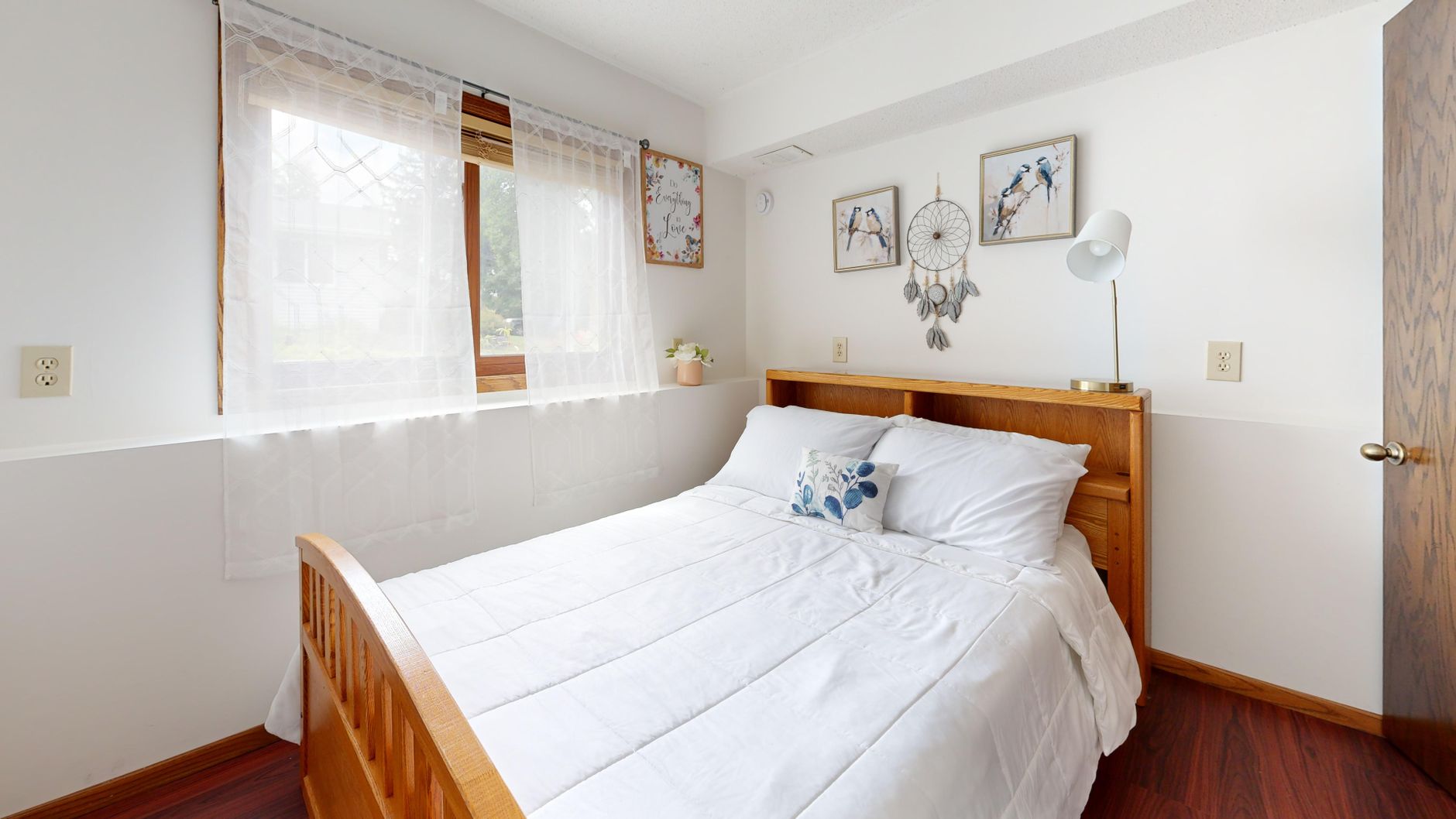
Bedrooms accumulate dust, dead skin cells, and allergens quickly, especially in mattresses, pillows, and carpet. A consistent bedroom cleaning routine keeps the space where you sleep as fresh as possible.
Strip the bed and wash all sheets, pillowcases, and duvet covers.
While linens are in the wash, vacuum the mattress using the upholstery attachment.
Dust all surfaces: nightstands, dressers, shelves, ceiling fan blades, and lamp shades.
Wipe down the headboard and bed frame.
Clean mirrors and any glass surfaces with glass cleaner.
Wipe down light switches and door handles.
Vacuum the floor, including under the bed and in closet corners.
Remake the bed with clean linens.
Declutter and put away any items left out on surfaces.
Wash your bedding weekly. Pillows should go through the washing machine every one to three months. A clean, allergen-reduced sleeping environment makes a measurable difference in sleep quality, especially for anyone prone to seasonal allergies.
Living Room Cleaning Checklist
The living room gets heavy foot traffic and accumulates dust on electronics, pet hair on upholstery, and crumbs in couch cushions. Aim for a full living room cleaning session weekly.
Dust all surfaces including shelves, entertainment units, and coffee tables.
Wipe down electronics gently with a dry or slightly damp microfiber cloth.
Remove cushions and vacuum inside the couch, then vacuum the cushions themselves.
Spot clean any upholstery stains with an appropriate fabric cleaner.
Clean windows and glass doors with glass cleaner.
Dust window sills and blinds.
Wipe light switches, remote controls, and door handles.
Vacuum rugs and area rugs thoroughly.
Sweep or vacuum hard floors, then mop.
Don’t forget baseboards. They collect a surprising amount of dust and pet hair and are easy to overlook. A quick wipe with a damp cloth every two weeks keeps them looking clean without a major effort. If you need a deeper refresh, our holiday cleaning service is an excellent choice before a big gathering or after a busy season.
Home Office or Study Area Checklist
Home offices collect clutter and dust faster than most people realize. Electronics, paper stacks, and cables create dust traps that need regular attention.
Clear your desk surface and wipe it down with an all-purpose cleaner.
Use compressed air to clear dust from keyboard keys and between electronics.
Wipe down the monitor screen with a dry microfiber cloth (never spray cleaner directly on screens).
Wipe the phone, mouse, and any other frequently touched items with a disinfecting wipe.
Dust shelves and file cabinets.
Empty the trash and recycling.
Vacuum or sweep the floor, including under the desk.
Laundry Room and Utility Areas
Laundry areas and utility closets are frequently missed on apartment cleaning checklists, but they contribute to overall cleanliness and appliance longevity.
Wipe down the washer and dryer exterior.
Clean the inside of the washing machine drum with a washing machine cleaner tablet or a hot cycle with white vinegar.
Remove and clean the dryer lint trap after every load.
Wipe down the shelf or countertop above the machines.
Sweep and mop the laundry room floor.
Check behind appliances for any lint or debris buildup.
How to Build a Deep Cleaning Apartment Checklist
Your weekly apartment cleaning routine handles the surface-level tasks. An apartment deep cleaning checklist goes further and tackles the things that only need attention once a month, once a quarter, or seasonally. Think of it as the difference between maintaining your space and truly resetting it.
A printable deep cleaning apartment checklist might include tasks like:
Washing walls and baseboards throughout the entire apartment.
Cleaning inside oven, refrigerator, and other appliances.
Descaling faucets and showerheads with a white vinegar soak.
Vacuuming behind and underneath large furniture.
Cleaning window tracks and door frames.
Washing curtains or fabric blinds.
Scrubbing tile grout in kitchens and bathrooms.
Cleaning light fixtures and ceiling fan blades.
Wiping down all switch plates and outlet covers.
Cleaning the inside of closets and pantry shelves.
Many renters schedule a professional deep cleaning service once or twice a year and maintain things themselves in between. If you’re approaching a move-out, a professional deep cleaning apartment checklist done by a certified cleaning crew often makes the difference between getting your full deposit back or not. For renters in the Valley, our full room-by-room guide is available as a resource at apartment cleaning service in Phoenix and for those in Mesa, check out our apartment cleaning service in Mesa guide as well.
When scheduling a deep clean, consider our online booking page for instant quotes and same-day availability between 8am and 6pm, no phone call required.
How Often Should You Clean Each Room?
Cleaning frequency varies by room based on how much it gets used. Here’s a practical guide to how often each space in your apartment should be cleaned:
Kitchen: Light wipe-down daily; full clean weekly; deep clean monthly.
Bathrooms: Toilet and sink wipe-down twice a week; full clean weekly; grout scrub monthly.
Bedroom: Dust and vacuum weekly; wash bedding weekly; deep clean monthly.
Living room: Vacuum weekly; dust weekly; deep clean cushions and upholstery monthly.
Home office: Dust and wipe surfaces weekly; vacuum floor weekly.
Laundry room: Wipe down monthly; clean drum monthly; clear lint after every load.
The goal is to prevent buildup rather than tackle massive messes. Consistent light cleaning on a schedule is far less work than an occasional marathon scrubbing session. To see a comprehensive whole-home cleaning task breakdown, our whole house deep cleaning checklist goes into even more detail for homeowners who want thorough coverage.
Tips to Make Your Apartment Cleaning Routine Stick
Having the perfect apartment cleaning checklist doesn’t help if you never actually use it. The biggest barrier to a clean apartment isn’t laziness. It’s an unrealistic system that feels overwhelming the moment life gets busy.
Here are practical strategies to make your cleaning routine stick:
Set a cleaning day and protect it. Treat it like an appointment. Saturday morning or Sunday evening works well for most renters because it resets the space before the workweek.
Use a timer. Most weekly cleaning tasks can be completed in 60 to 90 minutes when you’re focused and moving. Set a timer and work quickly instead of drifting.
Do a 10-minute reset daily. Before bed, spend 10 minutes putting things away, wiping the kitchen counter, and clearing clutter. This prevents Friday’s mess from compounding into a weekend project.
Keep supplies accessible. If you have to dig through a closet to find your cleaning spray, you’ll skip it. Store supplies under each sink so everything is right where you need it.
Print or save your checklist. A room-by-room cleaning checklist printable on your phone or pinned to the fridge is far more useful than one you have to look up each time. Our detailed printable apartment cleaning checklist is a great starting point.
Reward yourself. Clean the apartment, then do something enjoyable. The positive association makes it easier to start next week.
Consistency beats intensity every time. A mediocre clean done every week produces a far cleaner apartment over the course of a year than one perfect deep clean done quarterly.
When to Call a Professional Cleaning Service
There are moments when your own checklist isn’t enough, and that’s completely normal. Professional cleaning makes the most sense in several situations.
Move-in and move-out cleanings require a level of detail most people simply don’t have time for, from scrubbing inside every cabinet to cleaning behind appliances. Event cleanings before or after gatherings are another case where professionals handle setup-to-finish cleanup far more efficiently. And for anyone managing a busy schedule, recurring professional cleans every two to four weeks keep the apartment at a standard that casual weekend cleaning often can’t maintain.
The Arizona maid service at Elite Maids House Cleaning covers Phoenix, Mesa, Scottsdale, Gilbert, Chandler, Glendale, Queen Creek, San Tan Valley, Tucson, and Flagstaff. Every cleaner is background-checked, five-star rated, bonded, and fully insured, and every visit is backed by a reclean-at-no-cost satisfaction guarantee. You can also reference resources like Good Housekeeping’s cleaning guides for additional expert tips to pair with your own checklist.
If you’re ready to stop spending your weekends cleaning and start enjoying them, book a cleaning online and get an instant quote in minutes.
What should I include in my room-by-room cleaning checklist?
A room-by-room cleaning checklist should include every major task in each space: dusting surfaces, wiping countertops, cleaning appliances, scrubbing sinks and toilets, vacuuming and mopping floors, washing linens, and decluttering. Break tasks into weekly, monthly, and seasonal categories so nothing gets overlooked and the workload stays manageable across your entire routine.
What is the 5-5-5 rule for cleaning?
The 5-5-5 rule is a quick cleaning method where you spend five minutes per room cleaning, five minutes decluttering, and five minutes organizing. It’s designed for daily maintenance rather than deep cleaning. The idea is that consistent five-minute bursts each day prevent buildup and reduce the need for long, intensive cleaning sessions on weekends.
What is the 80/20 rule for cleaning?
The 80/20 rule applied to cleaning suggests that 20 percent of your cleaning tasks produce 80 percent of the visible results. Focusing on high-impact areas like kitchen counters, sinks, toilets, and vacuuming floors gives your apartment the appearance of being thoroughly clean even when time is short. Tackle these high-priority tasks first before moving to lower-visibility chores.
What should I include in my apartment cleaning checklist?
Your apartment cleaning checklist should cover the kitchen, bathrooms, bedrooms, living room, and any office or utility spaces. Within each room, include tasks for dusting, disinfecting high-touch surfaces, cleaning appliances, washing soft furnishings, vacuuming, and mopping. Add a monthly deep cleaning column for tasks like scrubbing grout, cleaning inside appliances, and washing curtains to keep the checklist comprehensive.
Best Cleaning Products Everyone Should Keep in Their Home in Arvada
SHARE:
Every home in Arvada needs a solid lineup of cleaning products to stay on top of daily messes, stubborn grease, and the kind of grime that sneaks up on you between deep cleans. The non-negotiables include an all-purpose cleaner, a disinfecting spray, a good scrub brush, microfiber cloths, and a few specialty products for bathrooms and kitchens. If you want to know what products actually earn a permanent spot under the sink, you will find a room-by-room breakdown below, plus expert picks from the pros who clean homes every day. Looking for cleaning arvada prices? We have you covered too.
1. The Best All-Purpose Cleaner for Home Use
An all-purpose cleaner is the single most important item on any household cleaning products list. It handles countertops, stovetops, appliances, sinks, and light bathroom surfaces without needing a separate product for every task. The best all-purpose cleaner for home use cuts through everyday grease and fingerprints without leaving behind a sticky residue or a harsh chemical smell.
When shopping for one, look for an EPA Safer Choice-certified formula. According to EPA Safer Choice program guidelines, certified products meet strict safety standards for both human health and the environment, which matters a lot if you have kids or pets at home. Popular options include Method All-Purpose Cleaner, Mrs. Meyer’s Clean Day Multi-Surface Spray, and Seventh Generation Disinfecting Multi-Surface Cleaner.
For Arvada households dealing with hard water stains on kitchen surfaces, look for an all-purpose cleaner that includes a mild acid, such as citric acid, which breaks down mineral deposits without scratching. Apply it, let it dwell for 60 seconds, then wipe clean. That dwell time is the move most people skip, and it makes all the difference.
Want to see what the 10 BEST House Cleaning Services in Arvada, CO say about their go-to spray? Professional cleaners are almost unanimous: a high-quality all-purpose cleaner, used consistently, prevents the kind of buildup that requires a full deep cleaning service every few months.
2. Best Cleaning Products for Disinfecting Surfaces
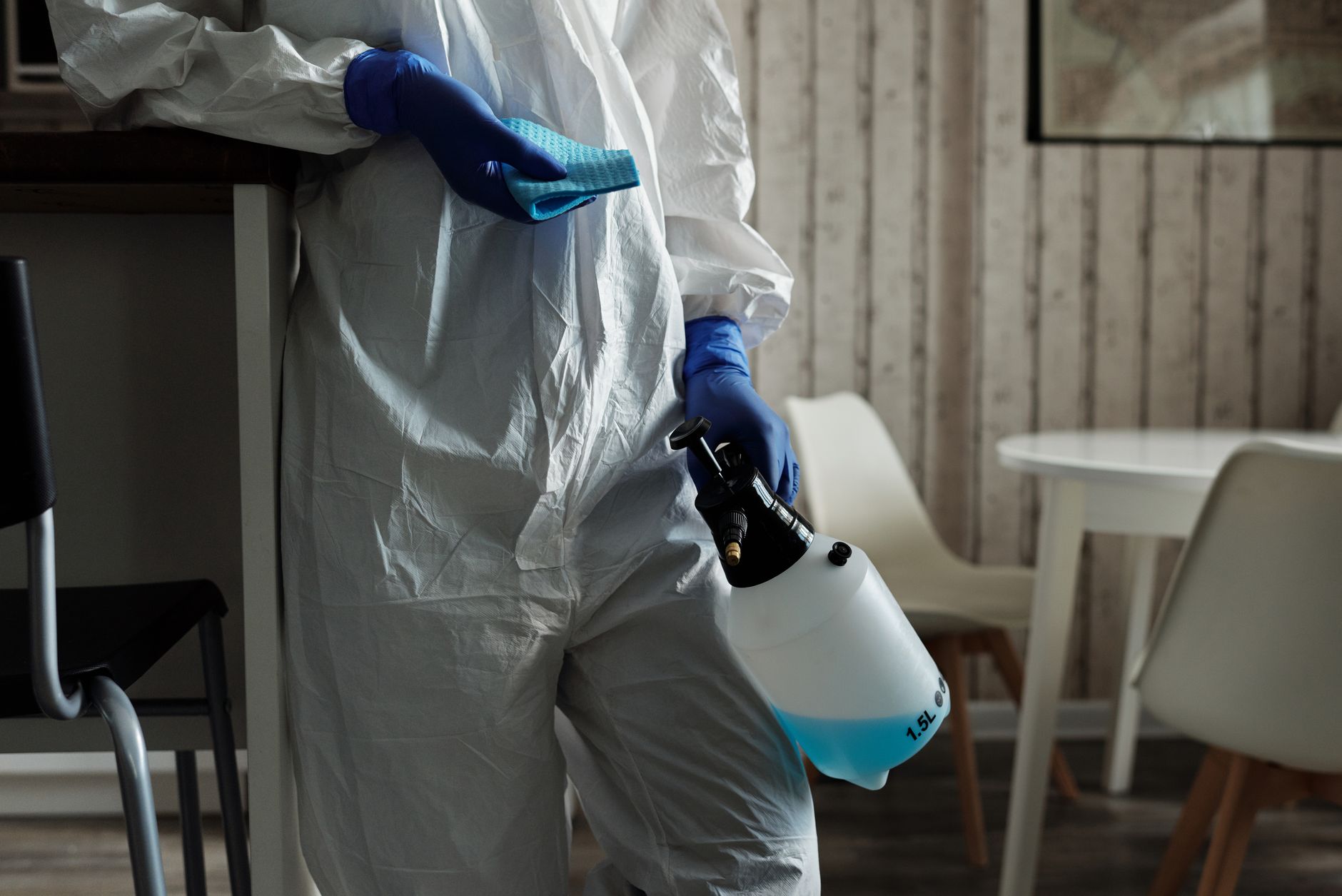
Not every surface needs a disinfectant every day, but the right disinfecting product should always be within reach, especially in kitchens and bathrooms. The best cleaning products for disinfecting kill bacteria, viruses, and mold spores on contact. Look for EPA-registered disinfectants with an active ingredient like quaternary ammonium, hydrogen peroxide, or hypochlorous acid.
The CDC’s guidance on mold and bacteria in homes recommends using registered disinfectants on high-touch surfaces daily during illness season and at least weekly otherwise. High-touch zones include doorknobs, light switches, faucet handles, toilet flush levers, and refrigerator handles.
Lysol Disinfecting Spray, Clorox Disinfecting Wipes, and Microban 24 Sanitizing Spray are three solid options available at most Arvada area stores. If you prefer a more natural disinfecting approach, hydrogen peroxide in a 3% solution, applied from a spray bottle, is a genuinely effective household disinfectant that leaves no toxic residue.
One important tip: disinfecting wipes are convenient, but they have to stay wet on the surface for the contact time listed on the label (often 4 minutes) to actually disinfect. Wiping and immediately drying defeats the purpose. Let the surface air dry after wiping for full efficacy.
3. Best Cleaning Products for Bathroom Grime and Soap Scum
Bathroom cleaning is where most households struggle most. Soap scum, hard water rings, mildew, and toilet stains require specific products to clear. The best cleaning products for bathrooms include a dedicated bathroom cleaner with surfactants for soap scum, a toilet bowl cleaner with hydrochloric acid or citric acid, and a grout cleaner or oxygen bleach for tile.
For soap scum on glass shower doors, a product like Bar Keepers Friend or Scrubbing Bubbles Mega Shower Foamer does serious work. Both are widely recommended by Good Housekeeping’s cleaning lab for cutting through mineral and soap buildup on tile and glass. Spray, wait two minutes, scrub with a non-scratch sponge, and rinse.
Toilet bowl stains respond best to a cleaner that clings to the bowl rather than rushing to the bottom. Gel-formula products like Lysol Power Toilet Bowl Cleaner or The Works Toilet Bowl Cleaner sit under the rim and break down stains during dwell time. Apply, let it sit for 10 minutes, scrub with a toilet brush, and flush.
For a whole-bathroom refresh rather than spot cleaning, a holiday cleaning or deep clean is the smart move before hosting guests or after a long stretch of minimal upkeep. Having the right products ready makes that process significantly faster.
4. Best Cleaning Products for Kitchen Grease
Kitchen grease is a different beast from everyday dust and grime. It polymerizes over time, forming a sticky, almost varnish-like film on range hoods, backsplashes, cabinet faces, and stovetop grates. Standard all-purpose cleaners barely touch it. The best cleaning products for kitchen grease contain a degreaser, typically an alkaline formula with surfactants that break down fat molecules on contact.
Top picks for cutting kitchen grease include Zep Heavy-Duty Citrus Degreaser, Krud Kutter Original Concentrated Cleaner/Degreaser, and Simple Green All-Purpose Cleaner. For range hoods and the area above the stove, spray the degreaser directly, cover with paper towels to hold the product in contact, and leave it for 5 to 10 minutes before wiping. The paper towel trick keeps the product from evaporating before it can do its job.
For cast iron grates on gas ranges, a paste of baking soda and dish soap applied with a stiff brush works surprisingly well. It is abrasive enough to break the bond between the grease and the metal without stripping the finish. Rinse thoroughly and dry immediately to prevent rust.
The cleaning editors at Real Simple consistently highlight dish soap, specifically Dawn Ultra, as one of the most versatile degreasers for kitchen surfaces. It cuts grease on almost every kitchen surface: countertops, cabinet knobs, the outside of the microwave, and even stainless steel appliances when diluted with warm water.
5. Best Products for Wiping, Scrubbing, and Cleaning Tools
The products in your cabinet only work as well as the tools you apply them with. Professional cleaners at Elite Maids House Cleaning rely on microfiber cloths as the backbone of every cleaning kit. A high-quality microfiber cloth picks up dust, bacteria, and debris at a microscopic level, outperforming paper towels and cotton rags on nearly every surface.
Here is a solid core toolkit for wiping and scrubbing every room in the house:
Microfiber cloths (12-pack or more): Use separate colors for bathrooms and kitchens to avoid cross-contamination.
Non-scratch scrubbing sponges: Scotch-Brite Non-Scratch Scrub Sponges are the industry standard for a reason.
Stiff-bristle grout brush: Essential for tile grout and corners where sponges cannot reach.
Squeegee: A rubber squeegee on shower glass after every use cuts soap scum buildup dramatically.
Flat mop with washable microfiber pads: Far more effective on hardwood and tile than a string mop, and machine-washable pads save money over time.
Magic Eraser (melamine foam): A must-have for scuffs on walls, baseboards, and surfaces that resist normal cleaning.
When checking Summit Cleaning reviews and feedback from Arvada homeowners, microfiber cloths and a good flat mop appear again and again as the tools that make the biggest difference in day-to-day home cleaning. The investment in quality tools pays off in less time spent scrubbing and better results on every surface.
6. Best Products for Dusting, Vacuuming, Lint, and Hair Clogs
Dust is more than an aesthetic problem. According to the American Lung Association’s indoor air quality resources, household dust can contain allergens, pet dander, mold spores, and microscopic debris that aggravate asthma and respiratory conditions. Managing dust effectively requires both the right products and the right strategy.
For dusting surfaces, a microfiber duster with an extendable handle reaches ceiling fans, light fixtures, and crown molding without a ladder. Feather dusters simply relocate dust; microfiber traps it. The Swiffer Duster Refill system is convenient for quick passes on shelves and blinds.
For vacuuming, a HEPA filter vacuum is worth every penny, particularly in Arvada homes with carpet or pets. HEPA filtration captures particles as small as 0.3 microns, meaning dust, pollen, and pet dander get trapped in the machine rather than recirculated into the air. Brands like Miele, Dyson, and Shark all offer HEPA-equipped models at varying price points.
For hair clogs in drains, keep a drain snake or a TubShroom strainer under the sink. For lint on fabric furniture and clothing, a reusable lint roller or a soft-bristle upholstery brush is more effective and more eco-friendly than disposable sheets over the long run. Pair these tools with a monthly drain treatment using a baking soda and white vinegar flush to keep pipes clear between professional cleanings.
Bad odors in a home usually have a source, and the right approach is to eliminate the source, not mask it. Common culprits in Arvada households include garbage disposals, refrigerators, carpets, upholstered furniture, pet areas, and trash cans. Covering smells with air freshener sprays is a short-term fix that does not solve the problem.
For the garbage disposal, half a cup of baking soda followed by a cup of white vinegar and then a flush of hot water is a reliable odor reset. For the refrigerator, an open box of baking soda absorbs food odors passively over several months. For carpets and upholstery, a generous dusting of baking soda, left for 15 to 30 minutes before vacuuming, pulls moisture and odor compounds out of the fibers effectively.
For pet odors, enzymatic cleaners are the professional standard. Products like Rocco and Roxie Professional Strength Stain and Odor Eliminator use biological enzymes that actually break down the odor-causing compounds in urine and other organic messes. Standard cleaners push the mess around; enzymatic cleaners consume it at a molecular level.
The EPA’s indoor air quality guidelines caution against heavy use of synthetic air fresheners and scented candles, noting that many contain volatile organic compounds (VOCs) that contribute to indoor air pollution. Charcoal-based odor absorbers and houseplants are safer long-term alternatives for ongoing odor management.
8. Best Outdoor Cleaning Products for Arvada Homes
Outdoor cleaning is often overlooked until the patio, driveway, or deck looks noticeably dirty. Arvada’s dry climate means dust, pollen, and dry-weather grime accumulate quickly on exterior surfaces. The right outdoor cleaning products tackle concrete stains, wood decking, patio furniture, and siding without damaging surfaces or harming nearby plants.
For concrete driveways and walkways, a concentrated concrete cleaner like Zep Concrete and Driveway Cleaner or Krud Kutter Concrete Cleaner applied before pressure washing cuts through oil stains, rust marks, and mildew. Pair it with a pressure washer set between 2,000 and 3,000 PSI for best results on concrete. Keep pressure below 1,500 PSI on wood decking to avoid splintering the grain.
For outdoor furniture, a simple mix of dish soap and warm water in a bucket with a soft-bristle brush handles aluminum, resin wicker, and most plastic materials. For wrought iron, dry completely after cleaning to prevent rust. For wood furniture, a product like Olympic Deck Cleaner or Defy Wood Cleaner restores color and removes gray weathering caused by UV exposure.
Exterior mildew on siding or fences responds to a diluted bleach solution (one part bleach to ten parts water) or an oxygenated cleaner like Wet and Forget Outdoor, which uses no bleach and works gradually over weeks with rain. Wet and Forget is a favorite among homeowners who want a low-effort, no-scrub outdoor cleaning solution.
For a broader look at what works in local homes, the guide to cleaning products everyone should keep at home covers indoor essentials in greater detail and pairs well with this outdoor-focused section.
9. Helpful Cleaning Hacks That Make Every Product Work Harder
Having the right products is only half the equation. Using them correctly, in the right order and with the right technique, is what separates a mediocre clean from a genuinely deep, thorough clean. Here are the most effective cleaning hacks that professional cleaners in Arvada rely on daily.
Clean top to bottom, always. Dust falls down. Start with ceiling fans and light fixtures, move to shelves and counters, and finish with floors. This prevents re-cleaning surfaces you already cleared.
Spray first, clean second. Apply your cleaner to a surface and move on to the next task while it dwells. Come back to wipe. The product does the hard work; you just remove it.
Use two buckets when mopping. One bucket holds your clean solution; the other holds rinse water. You never mop with dirty water again.
Dry surfaces after cleaning. Moisture is the primary driver of mold and mildew growth. After cleaning bathrooms and kitchens, a quick wipe with a dry microfiber cloth removes residual moisture and prevents buildup.
Line your trash cans. A sprinkle of baking soda at the bottom of the liner absorbs odors between bag changes.
Clean your cleaning tools. Wash microfiber cloths in hot water without fabric softener (it clogs the fibers), disinfect sponges in the microwave for 60 seconds, and replace toilet brushes every six months.
Label your spray bottles. If you mix your own cleaners or dilute concentrates, label every bottle with the product name, dilution ratio, and date mixed. This prevents accidental mixing of incompatible chemicals.
According to The Spruce’s cleaning resource guides, the single most effective habit homeowners can build is a consistent weekly cleaning routine rather than sporadic marathon sessions. Fifteen minutes a day across the week maintains a cleaner home than one four-hour clean every two weeks.
For homeowners who want professional results without the time investment, our recurring maid service keeps Arvada homes consistently clean between deeper sessions, and you can book your cleaning online in minutes with an instant quote.
10. Most Effective Cleaning Products for Deep Cleaning Sessions
A routine cleaning keeps a home tidy. A proper deep clean tackles the spaces and surfaces that get skipped during regular maintenance: inside the oven, behind the refrigerator, inside cabinets, grout lines, window tracks, and baseboards. The most effective cleaning products for deep cleaning are more concentrated, more targeted, and often need longer dwell times than everyday products.
Here is a deep cleaning product checklist that covers the most common problem areas:
Oven cleaner: Easy-Off Heavy-Duty Oven Cleaner or a paste of baking soda and dish soap left overnight. For self-cleaning ovens, follow the manufacturer’s instructions first.
Grout cleaner: A grout pen, OxiClean, or a mixture of baking soda and hydrogen peroxide applied with a stiff brush. Let it sit 10 minutes before scrubbing.
Oxygen bleach powder: OxiClean Versatile Stain Remover handles grout, tile, fabric stains, and outdoor surfaces without the harshness of chlorine bleach.
Appliance-specific degreasers: Weiman Stainless Steel Cleaner for appliance exteriors, and Affresh Washing Machine Cleaner for the inside of front-load washers.
Glass cleaner: Windex Original or Invisible Glass for mirrors, windows, and glass surfaces. Spray, wipe in a Z-pattern with a clean microfiber cloth, and buff dry.
Concentrated floor cleaner: Bona Hardwood Floor Cleaner for hardwood, Zep Neutral pH Floor Cleaner for tile and laminate.
Consumer Reports’ laundry and cleaning product testing is one of the most reliable resources for comparing how these products perform in real-world conditions, not just on the label. Their blind tests on cleaners, degreasers, and disinfectants regularly identify products that over-promise and under-deliver.
If your home needs a thorough reset, Clean Queen Arvada and the Elite Maids team offer a professional deep clean that covers all of these areas in a single visit. It is a great way to establish a clean baseline before committing to a recurring maintenance schedule.
Closing: Keep Your Arvada Home Clean with the Right Products and the Right Help
Building a well-stocked cleaning supply kit is one of the smartest investments you can make in the comfort and health of your home. Whether you are tackling kitchen grease, bathroom soap scum, outdoor grime, or persistent odors, having the right product for each job makes every cleaning session faster and more effective. Arvada homeowners who combine a solid product lineup with consistent habits, and the occasional professional deep clean, maintain genuinely clean, healthy homes without spending their entire weekend scrubbing.
When the product list and the to-do list both feel overwhelming, that is exactly what Elite Maids is here for. As the most-reviewed residential cleaning team serving Arizona, we bring our own professional-grade products, background-checked cleaners, and a satisfaction guarantee to every visit. Reach out through Clean Queen house cleaning or go ahead and contact Elite Maids house cleaning today for a free quote and get your Arvada home back to spotless without lifting a finger.
Frequently Asked Questions
What cleaning products should everyone have?
Every home should have an all-purpose cleaner, a disinfecting spray, a bathroom cleaner, a kitchen degreaser, a glass cleaner, baking soda, white vinegar, dish soap, and a toilet bowl cleaner. Pair those with microfiber cloths, a HEPA vacuum, and a scrub brush and you have the core household cleaning products list covered for nearly every room and surface.
What is the best all-purpose cleaning product?
The best all-purpose cleaner for home use is one that cuts grease, cleans multiple surfaces, and carries an EPA Safer Choice certification so it is safe around kids and pets. Top picks include Method All-Purpose Cleaner, Mrs. Meyer’s Clean Day Multi-Surface Spray, and Seventh Generation Disinfecting Spray. For tougher jobs, a dedicated degreaser like Krud Kutter or Simple Green steps up where general sprays fall short.
What cleaning products do professional cleaners recommend?
Professional cleaners consistently recommend microfiber cloths, a high-quality all-purpose cleaner, a disinfecting spray, an enzymatic pet odor remover, Bar Keepers Friend for tough stains, a HEPA vacuum, and a flat microfiber mop. They also emphasize technique: proper dwell time, cleaning top to bottom, and using separate cloths for bathrooms and kitchens to prevent cross-contamination throughout the home.
What is the most versatile cleaning product?
Baking soda is arguably the most versatile cleaning product in any household. It deodorizes carpets, unclog drains when combined with vinegar, scrubs surfaces without scratching, freshens the refrigerator, and removes stains from fabric. White vinegar is a close second, dissolving mineral deposits and cutting light grease. Together, these two pantry staples handle dozens of cleaning tasks without any synthetic chemicals involved.
The Must-Have Guide for Cleaning Your Home (It's Beginner-Friendly!)
SHARE:
Cleaning your home from start to finish does not have to be overwhelming. The key is working in a logical order: declutter first, gather your supplies, then move room by room from top to bottom. This beginner-friendly house cleaning guide covers everything from building a realistic schedule to tackling stubborn messes, so you can keep any home clean with confidence.
Why Decluttering Before You Clean Your House Makes Everything Easier
Before you spray a single surface or run a vacuum, do a quick declutter pass. Clutter is the silent enemy of effective house cleaning. When countertops, floors, and shelves are buried under stuff, you end up cleaning around objects instead of under them, which means dirt and dust just get relocated rather than removed.
Decluttering before cleaning your house also cuts your actual cleaning time almost in half. Walk through each room with a laundry basket and collect anything that does not belong. Drop dishes in the sink, toss laundry in the hamper, and return misplaced items to their proper rooms. You are not deep-organizing here, you are simply clearing surfaces so a mop, cloth, or vacuum can do its job properly.
Professional cleaners follow this exact order. When you learn more at Elite Maids House Cleaning, you will notice that every trained cleaner starts the same way: clear the space, then clean it. This habit alone is what separates a home that looks clean from one that truly is clean.
A few practical declutter rules to keep in mind:
If it takes less than 30 seconds to put away, do it immediately.
Group like items together before wiping down the surface they sit on.
Keep a small trash bag in hand so you are not making extra trips.
What You Need to Clean a House: A Beginner Supplies Checklist
You do not need a cabinet full of specialty products to clean a house effectively. A small, well-chosen toolkit will handle 90 percent of household messes. Here is a practical cleaning house checklist for supplies every beginner should own:
Microfiber cloths, these pick up dust and bacteria far better than cotton rags and can be washed and reused hundreds of times.
All-purpose cleaner, one good spray bottle handles countertops, appliance exteriors, and most hard surfaces.
Toilet bowl cleaner and brush, dedicated to bathrooms only.
Glass cleaner, for mirrors and windows without streaks.
Baking soda and white vinegar, these two pantry staples tackle odors, mild stains, and buildup on a budget.
Mop and bucket or a spray mop, for hard floors.
Vacuum with attachments, especially a crevice tool for baseboards and corners.
Rubber gloves, protect your skin when working with any cleaning product.
If you want to make your home cleaning routine eco-friendlier, look for products certified through the EPA Safer Choice program. These products have been reviewed to reduce risks to human health and the environment, which matters especially in homes with children or pets.
A note on product safety: many conventional cleaners contain volatile organic compounds (VOCs) that can linger in indoor air long after you finish cleaning. Read labels, ventilate rooms while you work, and rinse surfaces that come in contact with food prep areas.
How to Create a Realistic House Cleaning Schedule
One of the biggest mistakes beginners make is trying to clean the entire house in one marathon session every few weeks. That approach leads to burnout and a home that swings between spotless and chaotic. A better strategy is spreading tasks across daily, weekly, and monthly rhythms.
Here is a simple framework for a house cleaning schedule that actually sticks:
Daily Tasks (5 to 10 minutes)
Wipe kitchen counters after cooking.
Do a quick dish wash or load the dishwasher.
Swipe bathroom sinks with a damp cloth.
Do a five-minute tidy of common areas before bed.
Weekly Tasks (60 to 90 minutes total)
Vacuum all floors and area rugs.
Mop hard floors.
Clean toilets, tubs, and showers.
Dust surfaces, shelves, and ceiling fans.
Wipe down appliance exteriors.
Change bed linens.
Monthly Tasks (2 to 3 hours)
Clean inside the microwave and oven.
Wipe down cabinet fronts and door handles.
Wash windows and window sills.
Clean baseboards and light switch plates.
Check behind furniture for accumulated dust.
Seasonally, plan for a more thorough session. Our spring cleaning service post walks through every room in detail if you want a more comprehensive seasonal guide. Building these rhythms into your calendar means your home never reaches a state where it requires an overwhelming all-day overhaul.
How to Clean Your House Step by Step, Room by Room
Knowing how to clean a house step by step is the real game. Once you have a system, cleaning your home efficiently becomes almost automatic. The golden rule: always work top to bottom and back to front in every room. Dust falls down, and you always exit a room through the door, so you never walk across a freshly cleaned floor.
Kitchen
The kitchen collects grease, crumbs, and odors faster than any other room. Start by wiping down the range hood and backsplash, then move to countertops, the sink, and finally the floor. Clean your refrigerator door handles and microwave buttons weekly, these are some of the most-touched surfaces in the house.
Bathrooms
Apply toilet bowl cleaner first and let it sit while you clean everything else. Spray and wipe the mirror, then the sink and vanity, then the tub or shower surround. Come back to scrub and flush the toilet last. Finish by mopping or wiping the floor. According to Good Housekeeping’s cleaning guides, allowing cleaners to dwell on surfaces for a minute or two before wiping dramatically improves results with no extra effort.
Bedrooms
Strip and remake the bed first so any dust you shake off the linens settles before you vacuum. Dust nightstands, dressers, and any shelving from top to bottom. Vacuum the mattress surface periodically too, it collects dead skin cells and dust mites over time. Vacuum the floor last, working toward the door.
Living Areas
Dust ceiling fans, light fixtures, and shelves before vacuuming upholstered furniture and rugs. Fluff cushions, wipe down remotes and lamp bases, and clean glass surfaces with a streak-free cleaner. Hard floors in living areas get mopped after vacuuming to pick up what the vacuum left behind.
Entryways and Hallways
These high-traffic zones track in dirt from outside. Shake or vacuum rugs outside, wipe door handles and light switches, and mop or sweep regularly. A clean entryway sets the tone for the whole home.
Instant Gratification Spaces: Where to Start When You Only Have an Hour
Life gets busy, and sometimes you need to know how to clean the house fast and efficiently rather than thoroughly. If you only have 60 minutes, focus your effort on the rooms that create the biggest visual impact. This is the strategy behind learning how to clean your house in an hour without losing your mind.
Prioritize in this order:
Kitchen counters and sink, a clean kitchen makes the whole home feel fresher.
Guest bathroom, toilet, mirror, and sink take under 10 minutes and matter most to visitors.
Living room surfaces, a quick dust and vacuum of the main sitting area goes a long way.
Entryway, sweep and wipe so the first impression is positive.
Skip deep tasks like baseboards, inside appliances, or under furniture when you are on a tight schedule. Speed-cleaning your home efficiently means triage, not thoroughness. Save the deeper work for a dedicated session or hand it off to a professional cleaning team when life runs over.
For homes that need a full reset rather than a quick tidy, a holiday house cleaning or one-time deep clean from a professional service can bring everything back to baseline so you are only maintaining going forward.
How to Clean Your House Professionally: Tips the Pros Actually Use
Cleaning a house professionally is less about secret products and more about efficient habits. Professional cleaners finish homes faster and more thoroughly than most homeowners because they follow a repeatable process every single time. Here is what separates a professional clean from an average home tidy:
They carry everything with them. A cleaning caddy stocked with all supplies means zero time wasted running back and forth to the cabinet under the sink.
They use the right tool for each surface. Microfiber cloths for dusting, scrub brushes for grout, squeegees for glass. Using the wrong tool creates more work, not less.
They let products do the heavy lifting. Spray a surface, move on to the next task, come back to wipe. Dwell time does the work so you do not have to scrub.
They clean in zones, not randomly. Jumping from the bathroom to the kitchen and back wastes motion. Finish one room completely before moving to the next.
They pay attention to high-touch points. Door handles, light switches, cabinet pulls, and faucet knobs are germ hotspots that most beginner cleaners skip. The American Lung Association notes that keeping indoor surfaces clean plays a real role in reducing exposure to allergens and irritants that affect respiratory health.
Adopting even two or three of these professional habits will noticeably improve the results you get from your regular home cleaning routine. If you want a step up from DIY, the trained team at our Arizona maid service applies these same techniques on every single visit.
When to Call a Professional House Cleaning Service
There is no shame in recognizing that some cleaning jobs are beyond what a regular maintenance routine can handle. Knowing when to hire professional help is just as valuable as knowing how to clean house on your own.
Consider bringing in a professional cleaning service when:
You are moving in or out of a home and need every surface spotless for a landlord inspection or new occupants.
Your schedule leaves no realistic time for a thorough clean.
You are hosting a gathering and need the home in top shape fast.
Seasonal grime has built up in grout, vents, or behind appliances.
Someone in the household has allergies or respiratory sensitivities that require a more rigorous allergen-reduction clean.
Professional services also bring equipment and expertise that produce results most DIY efforts cannot match. Products used by trained cleaners often reach surfaces and soil levels that standard consumer supplies miss. Understanding house cleaning services in detail can help you decide which type of professional clean fits your situation best.
If mold is ever part of the concern in your home, cleaning alone may not be enough. The EPA’s guidance on mold recommends addressing the moisture source first, then remediation. A professional cleaning team can help with surface-level mold cleanup, but structural or extensive mold requires a specialist.
Closing: Skip the Overwhelm and Get Expert Help Today
Cleaning your home well is a skill, and like any skill, it gets easier the more consistently you practice it. Start with the declutter, build a sustainable schedule, clean room by room from top to bottom, and use the right supplies for each surface. Over time, these habits will become second nature and your home will stay in far better shape with less effort overall.
But when life piles on and your home needs more than a quick tidy, you do not have to go it alone. The team at Elite Maids House Cleaning serves homeowners across Phoenix, Scottsdale, Mesa, Gilbert, Chandler, Glendale, Queen Creek, San Tan Valley, Tucson, and Flagstaff with background-checked, five-star rated cleaners and a reclean-at-no-cost satisfaction guarantee. Book online in minutes, get an instant quote, and enjoy same-day availability between 8am and 6pm. Contact Elite Maids house cleaning today for a free quote and give your home the thorough, professional clean it deserves.
Frequently Asked Questions
How to clean a house with RSV?
When someone in the home has RSV, focus on disinfecting high-touch surfaces every day: door handles, light switches, faucets, remote controls, and countertops. Use an EPA-registered disinfectant and let it dwell on surfaces for the contact time listed on the label. Wash bedding and towels frequently in hot water. Increase ventilation by opening windows when weather allows, and avoid sharing personal items until the illness has passed.
Is $50 an hour good for house cleaning?
House cleaning rates vary by region, home size, and the type of service. In many markets, $50 per hour falls within a competitive range for professional residential cleaning. Factors that affect pricing include whether the cleaners supply their own products, the level of cleaning required (routine versus deep clean), and the company’s insurance and bonding status. Always confirm what is included before booking so you can compare quotes accurately.
What is the best order to clean a house?
The most efficient order is: declutter first, then clean top to bottom and back to front in each room. Start with dusting high surfaces and ceiling fans, move to countertops and fixtures, and finish with floors. Complete one room before moving to the next. This prevents double work because dust and debris always fall downward and you never track dirt across a floor you already cleaned.
How do I clean my house fast when I have limited time?
Focus on high-impact areas: kitchen counters and sink, the main bathroom, living room surfaces, and the entryway. Use a cleaning caddy so all your supplies travel with you. Spray surfaces and let products dwell while you move to the next task, then come back to wipe. Set a timer for each room to stay on pace. Skipping baseboards and deep tasks is fine for a quick clean, save those for a dedicated session.
How often should a home be professionally cleaned?
Most households benefit from a professional cleaning every two to four weeks, depending on the number of people and pets in the home. Weekly professional cleaning suits busy families or anyone with allergies. Monthly visits work well for smaller households or those who maintain tidiness in between. A one-time deep clean at the start of a new routine can reset the home so ongoing maintenance visits are faster and more effective.