How to Deep Clean Your Kitchen in Arvada: Step-by-Step Guide
SHARE:
Deep cleaning your kitchen means going well beyond the daily wipe-down to scrub grease, grime, and bacteria from every surface, appliance, and hidden corner. A thorough kitchen deep clean tackles everything from the inside of your oven to the tops of your cabinets. If you live in Arvada and want a spotless kitchen, the steps below walk you through the entire process. If you would rather hand it off to the pros, Cleaning Services in Arvada, CO are just a booking away with Elite Maids House Cleaning.
1. Gather Your Kitchen Cleaning Products Before You Start
Before you scrub a single surface, assemble all of your kitchen cleaning products in one spot. Running back and forth for supplies wastes time and kills your momentum. The right arsenal of cleaning products makes every step faster and more effective.
A degreaser spray for the stovetop, range hood, and backsplash
Microfiber cloths, scrub sponges, and a stiff-bristle brush
A steam mop or mop bucket for the floor
Rubber gloves to protect your hands from harsh kitchen cleaning products
Trash bags for the purge step
If you prefer greener options, look for plant-based degreasers and fragrance-free multi-surface sprays. According to Good Housekeeping, microfiber cloths trap up to 99% of bacteria on their own without heavy chemical use, which is great for food-prep surfaces. Having everything staged before you start is one of the smartest moves on any professional deep cleaning checklist.
2. Clear and Declutter Every Surface and Cabinet
A real deep clean starts with an empty canvas. Pull everything off your countertops, remove items from shelves, and take everything out of at least one cabinet section at a time. Toss expired pantry items, consolidate duplicates, and donate anything you have not used in months.
Decluttering before cleaning is step one on every deep clean house checklist worth following because it prevents you from cleaning around obstacles and then wondering why things still look cluttered afterward. With bare surfaces in front of you, you can actually clean the counters, not just the five inches of visible space between the toaster and the blender. This is also a good time to check that cabinet hinges and drawer slides are working properly, and to wipe down the inside walls of every cabinet with a damp microfiber cloth.
Arvada homeowners with large kitchens should break this step into zones: one upper-cabinet zone, one lower-cabinet zone, and the pantry. Tackle one zone at a time so the job does not feel overwhelming.
3. Deep Clean Your Appliances Inside and Out
Appliances are the biggest grease and odor traps in the kitchen, and they are also the most commonly skipped during a routine clean. A proper kitchen deep clean hits every appliance from the inside out.
Oven
Remove the racks and soak them in hot soapy water in the sink. Apply a baking soda paste (baking soda plus water) to the interior walls, leave it for at least 30 minutes, then scrub and wipe clean. For really baked-on grease, use your oven’s self-clean cycle or a heavy-duty oven cleaner. Wipe the door gasket and clean the glass inside and out.
Refrigerator
Remove all shelves and drawers, wash them in the sink, and wipe every interior surface with a solution of warm water and a little baking soda. Clean the door gaskets with a toothbrush. Pull the fridge away from the wall and vacuum the condenser coils, this actually helps the appliance run more efficiently and extends its life. Wipe down the exterior and the top, which is a major dust collector.
Microwave
Place a microwave-safe bowl of water with a few lemon slices inside and run it on high for three minutes. The steam loosens caked-on splatter, and then you can wipe everything clean with almost no scrubbing. Clean the turntable plate separately in the sink.
Dishwasher
Run an empty cycle with a cup of white vinegar on the top rack to remove mineral deposits and odors. Then sprinkle baking soda on the bottom and run a short hot cycle. Clean the door seal and the filter at the bottom, many homeowners never clean the filter and wonder why their dishwasher smells.
Small Appliances
Wipe down the coffee maker exterior, toaster (empty and clean the crumb tray), air fryer basket, and blender base. These are prime spots where grease and sticky residue accumulate over time.
This is one area where deep cleaning services really earn their keep. A professional team follows a full appliance checklist so nothing gets missed.
4. Scrub the Stovetop, Range Hood, and Backsplash
Grease gravitates upward when you cook, which means your stovetop, range hood, and backsplash take the hardest hit of any surfaces in the kitchen. These three areas require their own dedicated step in any thorough kitchen deep clean.
Stovetop: For gas burners, remove grates and burner caps and soak them in hot soapy water. Scrub the cooktop surface with a degreaser and a non-scratch pad. For glass or ceramic tops, use a razor scraper tool at a low angle to lift burnt food before cleaning with a ceramic-safe cleaner.
Range Hood: Remove the grease filters and soak them in boiling water mixed with baking soda and a few drops of dish soap. According to The Spruce, range hood filters should be cleaned every one to three months depending on how often you cook. Wipe down the hood exterior and interior with a degreaser.
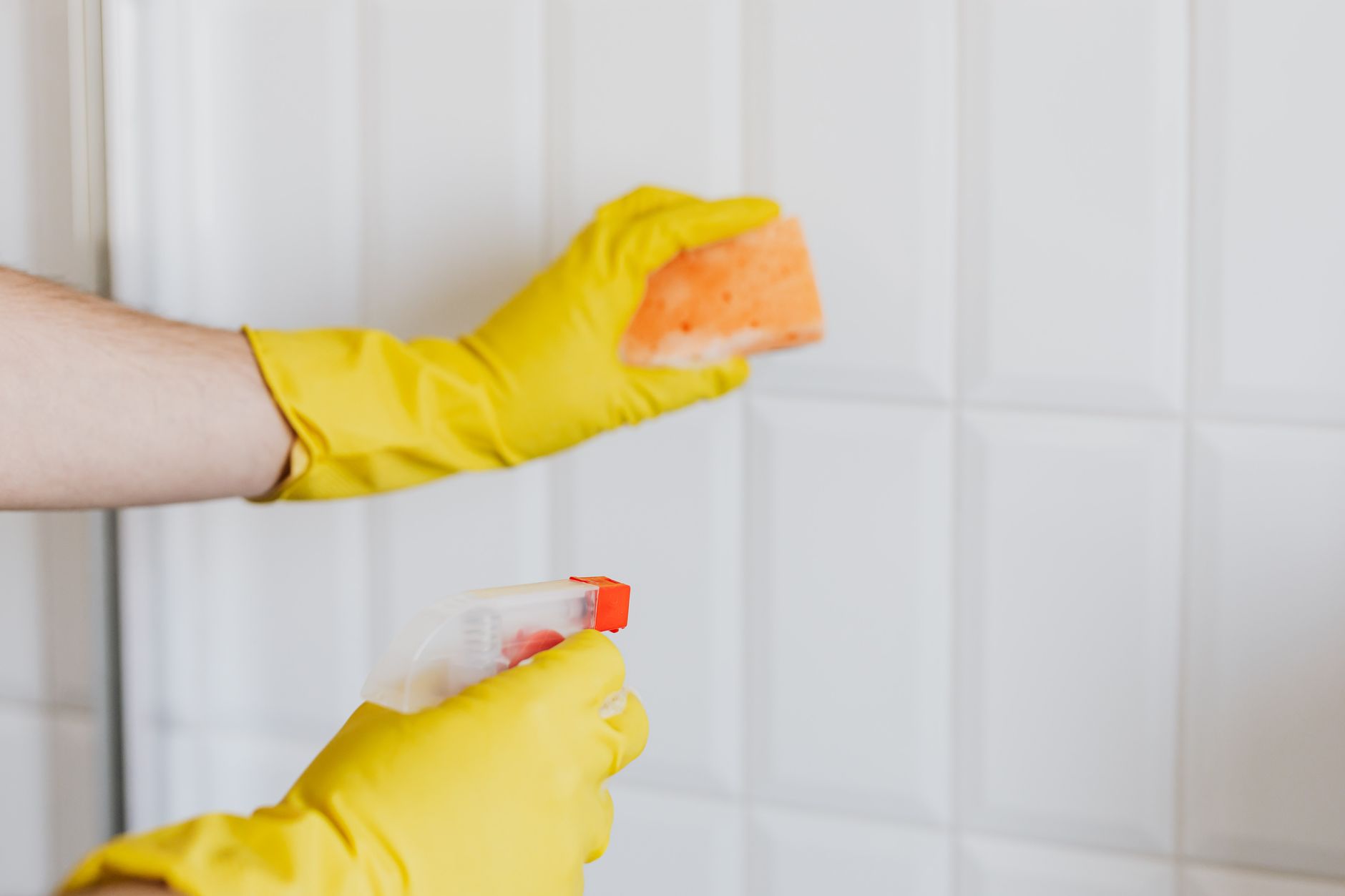
Backsplash: Spray your backsplash tiles with an all-purpose degreaser and let it sit for two minutes. Scrub grout lines with a stiff-bristle brush, then wipe the whole surface clean. For stubborn grease, a paste of baking soda and dish soap left for five minutes works extremely well.
5. Clean Countertops, the Sink, and Garbage Disposal
Countertops in Arvada kitchens come in all materials, and each one has a slightly different cleaning approach. For granite or natural stone, skip the vinegar and use a pH-neutral cleaner instead. For laminate and quartz, an all-purpose spray works great. For butcher block, scrub with coarse salt and half a lemon, then condition with food-safe mineral oil after cleaning.
With counters clear and wiped, move to the sink. Sprinkle baking soda around the basin, scrub with a sponge, then rinse. For stainless steel sinks, a little bar keeper’s friend or baking soda paste removes water stains and restores the shine. Clean the faucet and around the handles, where grime loves to hide. Do not overlook disinfection services for the sink and drain, which are among the highest-bacteria zones in the entire home according to food-safety research.
The garbage disposal is easy to freshen: drop in a few ice cubes and a handful of coarse salt, run it for 15 seconds, then follow with half a lemon. This clears residue from the grinding blades and kills odors at the source. This step is almost always skipped on a routine clean and almost always included on a professional deep cleaning checklist.
6. Wipe Down Cabinets, Walls, and the Ceiling
Cabinet fronts are greasy. Even if you cannot see it, run a damp cloth over a cabinet door near the stove and you will see the residue come off on the cloth. Spray a degreaser on all cabinet fronts, let it dwell for 60 seconds, and wipe down with a clean microfiber cloth. Pay special attention to the area around handles and knobs, which get touched dozens of times a day.
Kitchen walls and the ceiling directly above the stove collect cooking grease and steam over time. Fill a bucket with warm water and a small amount of dish soap. Using a wrung-out sponge, wipe down the walls in sections. For painted walls, avoid excessive moisture and do not scrub too aggressively or you may dull the finish. For tile walls, you can scrub more freely. The ceiling can be wiped with a microfiber mop on an extension pole.
The EPA’s indoor air quality guidelines note that cooking residue and grease on surfaces can contribute to poor indoor air, which is a good reason to make wall and ceiling cleaning a regular part of your kitchen deep clean in Arvada rather than a once-a-decade task.
For more ideas on how to connect kitchen cleaning to a full house routine, the whole house deep cleaning checklist is a useful companion resource.
7. Deep Clean the Kitchen Floor
The kitchen floor is the last thing you clean in the room because everything you wipe, sweep, and scrub falls downward. Start by sweeping or vacuuming to remove crumbs and debris from every corner and under the appliances. Pull the stove and refrigerator out if you can and sweep underneath them as well. The buildup under major appliances is often shocking and is a good reason to schedule a deep clean at least twice a year.
Mop based on your floor type:
Tile floors: Use a hot water and tile cleaner solution. Scrub grout lines with a stiff brush. Grout absorbs stains and grease over time, so a targeted grout cleaner makes a noticeable difference.
Vinyl floors: Use a vinyl-safe cleaner diluted in warm water. Avoid bleach-based solutions, which can damage the surface coating over time.
Hardwood floors: Use a barely damp mop with a hardwood floor cleaner. Never soak hardwood, as excess moisture causes warping and swelling.
Laminate floors: Same rule as hardwood. A lightly damp mop with a laminate-safe cleaner only.
After mopping, allow the floor to air dry completely before walking on it heavily or pushing appliances back into place. For Arvada homeowners who want a full floor-to-ceiling kitchen refresh, consider booking a house cleaning service in Arvada, CO that includes detailed floor care.
8. Clean the Inside of Windows, Blinds, and Light Fixtures
These areas are often overlooked but they make a major difference in how bright and fresh your kitchen looks after a deep clean. Kitchen windows get greasy film from cooking, and window blinds are notorious dust magnets in Arvada homes.
Windows: Spray a streak-free glass cleaner and wipe with a clean microfiber cloth in a circular motion first, then finish with vertical strokes to eliminate streaks. Clean the window sills and frames with a damp cloth.
Window Blinds: Close the blinds flat and wipe with a dry microfiber cloth or a blind-cleaning tool. Then flip them the other way and repeat. For heavily soiled blinds, take them down and rinse them in the tub with warm soapy water.
Light Fixtures: Turn off the lights and let the bulbs cool. Remove light covers or globes and wash them in warm soapy water. Wipe down the fixture base with a damp cloth. Changing a burnt bulb while you are up there is a nice bonus.
Consumer Reports consistently recommends microfiber over paper towels for glass and light fixtures because it captures particles rather than just pushing them around.
9. Tackle the Refrigerator Exterior, Trash Can, and Recycling Area
Two spots that rarely get the attention they deserve during a kitchen clean-up: the outside of the refrigerator and the trash area. Both are touched constantly and both carry bacteria and odors.
For the fridge exterior, wipe down all sides with an all-purpose cleaner. For stainless steel, use a stainless-specific wipe or a cloth with a small amount of mineral oil to remove fingerprints and restore shine. Always wipe in the direction of the grain on stainless to avoid scratching. Clean the top of the refrigerator as well, which tends to collect grease and dust.
For the trash can, take it outside if possible. Spray the interior with an all-purpose or disinfecting cleaner and let it sit for five minutes. Scrub the inside walls and bottom with a long-handled brush, rinse, and let it dry in the sun if Arvada weather allows. Do the same for any recycling bins. This step alone can eliminate a lot of lingering kitchen odors.
When it comes to Cleaning services Arvada homeowners trust, Elite Maids House Cleaning covers every one of these steps as part of a full kitchen deep clean. For more on trusted House Cleaning Services in Arvada, CO, our city page covers everything we offer.
10. Finish With a Final Wipe-Down and Odor Refresh
Once every surface has been cleaned, do a final walkthrough with a fresh microfiber cloth lightly dampened with an all-purpose spray. Hit the light switches, outlet covers, and cabinet handles one more time. These are high-touch surfaces that collect germs and often get missed in the first pass.
For a natural odor refresh, simmer a small pot of water on the stove with cinnamon sticks, citrus peel, and a few cloves. This neutralizes cooking smells without leaving a chemical fragrance. If you prefer, a box of open baking soda at the back of the refrigerator or under the sink absorbs ambient odors over several weeks.
Place a fresh liner in the trash can, return your countertop appliances, and step back to admire the results. If you did all 10 steps, your kitchen is genuinely clean, not just visually tidy. That is the difference between a surface clean and a true kitchen deep clean.
When to Call a Professional for a Kitchen Deep Clean in Arvada
DIY deep cleaning is satisfying and absolutely achievable, but there are times when calling in a professional cleaning team makes more sense. If your kitchen has not been deep cleaned in more than six months, if you are moving into or out of a home, or if you are preparing for a large event, a professional residential cleaning service delivers results that are hard to match on your own.
Elite Maids House Cleaning serves Arvada with background-checked, fully insured, five-star rated cleaners who follow a comprehensive kitchen and whole-home deep clean checklist. Every visit is backed by a reclean-at-no-cost satisfaction guarantee, so you never have to worry about whether the job was done right. Online booking with instant quotes means you can schedule same-day service between 8am and 6pm without picking up the phone.
Whether you need a one-time kitchen deep clean, recurring maid service to stay on top of things weekly or biweekly, or a full cleaning arvada prices quote before you commit, Elite Maids is ready to help. Book your kitchen deep clean in Arvada today and get a free quote from the most-reviewed residential cleaning team in Arizona when you contact Elite Maids house cleaning today for a free quote.
Frequently Asked Questions
How much to charge for a deep clean on a kitchen?
Professional kitchen deep clean pricing in Arvada typically ranges from $100 to $300 depending on kitchen size, current condition, and the level of detail required. Heavily soiled kitchens with built-up grease may fall at the higher end. Most cleaning companies, including Elite Maids House Cleaning, offer instant online quotes so you know the exact price before booking with no surprise fees.
What does a kitchen deep clean include?
A full kitchen deep clean includes scrubbing appliances inside and out, degreasing the stovetop and range hood, cleaning cabinet fronts and interiors, sanitizing the sink and garbage disposal, wiping walls and backsplash, mopping the floor, and refreshing the refrigerator. A professional deep cleaning checklist also covers light fixtures, window blinds, and high-touch surfaces like handles and switches.
What is the 20 minute rule of cleaning?
The 20 minute rule means setting a timer for 20 minutes and cleaning as much as you can before it goes off. It works because the time constraint eliminates perfectionism and decision fatigue, and it builds momentum. Many people find they keep going past the 20 minutes once they have started. It is a practical way to stay on top of kitchen maintenance between deep cleans.
What is the best way to deep clean a kitchen?
The best way to deep clean a kitchen is to work top to bottom and back to front: start with cabinets and the ceiling, move to appliances and counters, then finish with the floor. Gather all your kitchen cleaning products before you start, tackle one zone at a time, and do not skip hidden areas like under appliances, inside the dishwasher filter, and behind the refrigerator. For the most thorough result, book a professional cleaning team in Arvada.
How to Deep Clean Your Kitchen: A Complete Room-by-Room Guide
SHARE:
To deep clean your kitchen, work from the top of the room down to the floor, tackling one zone at a time: cabinets and upper surfaces first, then appliances, countertops, the sink, and finally the floor. A thorough kitchen deep clean removes built-up grease, hidden grime, and bacteria that routine wiping misses. This guide walks through every step, the right products, and when to call in a professional cleaning team.
How to Deep Clean a Kitchen from Top to Bottom
A systematic approach is what separates a real deep clean kitchen session from a quick surface wipe. Start at ceiling level and work your way down so loosened dust and debris falls onto surfaces you have not cleaned yet, not ones you just finished. This top-to-bottom method is the backbone of every professional kitchen deep cleaning routine and it saves you from redoing work.
Here is the order that works best:
Ceiling fan or vent covers: Wipe blades and vent grilles with a damp microfiber cloth.
Upper cabinet exteriors: Grease rises and sticks to cabinet tops. Spray a degreaser, let it sit for two minutes, then wipe clean.
Range hood and filter: Remove the mesh filter and soak it in hot water mixed with a few drops of dish soap for 15 minutes. Scrub, rinse, and reinstall.
Wall tiles and backsplash: Spray with an all-purpose cleaner or a diluted white vinegar solution. Scrub grout lines with an old toothbrush.
Lower cabinet exteriors: Wipe down with a damp cloth and a small amount of Murphy’s Oil Soap for wood-finish cabinets to clean without drying the finish.
Baseboards: Wipe with a damp cloth to pull off accumulated dust and grease splatter.
Floor: Sweep or vacuum first, then mop. Always the last step.
Working as a weekly house cleaning service Arizona families rely on, our team at Elite Maids follows this exact sequence on every deep cleaning visit. It is the most efficient path to a genuinely spotless kitchen.
Deep Clean Kitchen Checklist: Every Zone Covered
A deep clean kitchen checklist keeps you from missing the spots that accumulate the most grime over time. Print this out or save it to your phone and tick each item off as you go. Skipping zones, even small ones, is how kitchens quickly revert to looking dirty between cleanings.
Inside Cabinets and Drawers
Pull everything out of one cabinet at a time. Wipe the interior walls and shelves with a damp cloth, then dry thoroughly before replacing items. Discard expired pantry goods while you are in there. Sticky shelf liner should be peeled up, washed, and replaced if it is no longer adhering cleanly.
Appliances
Oven: Apply oven cleaner or a thick paste of baking soda and water to the interior. Let it sit overnight, then wipe clean. Clean oven racks separately in the sink or bathtub.
Refrigerator: Remove all shelves and drawers. Wash them in warm soapy water and dry before replacing. Wipe interior walls with a baking-soda solution to neutralize odors. Pull the fridge out from the wall to vacuum the coils and mop underneath.
Microwave: Place a microwave-safe bowl of water with a halved lemon inside and run on high for three minutes. The steam loosens splatter so it wipes right off.
Dishwasher: Run an empty cycle with a cup of white vinegar in the bottom rack, followed by a cycle with baking soda sprinkled on the floor of the machine.
Small appliances (toaster, coffee maker, blender): Unplug, disassemble what you can, and wipe all surfaces. Empty and clean the toaster crumb tray.
Countertops and Sink
Clear countertops completely. Clean underneath small appliances that live permanently on the counter. For stubborn stains on tile grout or stainless steel, Bar Keepers Friend is excellent. Sprinkle it on a damp cloth, scrub gently, and rinse well. For the sink basin, scrub with a soft brush, polish the faucet with a microfiber cloth, and treat the drain with a baking-soda-and-vinegar flush to clear buildup and odor.
According to Good Housekeeping’s cleaning guides, the kitchen sink actually harbors more bacteria than most other surfaces in the home, which makes scrubbing the basin a genuine health priority, not just an aesthetic one.
The Best Deep Cleaning Kitchen Products to Have on Hand
Using the right deep cleaning kitchen products makes the job faster and the results more lasting. You do not need a cabinet full of specialty bottles. A small collection of versatile products covers almost every surface in the room.
Bar Keepers Friend: A powdered cleanser that removes rust, mineral deposits, and baked-on food from stainless steel, ceramic, and tile without scratching. One of the most effective kitchen cleaning products available at any price point.
Baking soda and white vinegar: An inexpensive pair that handles deodorizing, light-duty scrubbing, and drain clearing. Keep both in bulk.
Dish soap and hot water: Still the most effective degreaser for most surfaces when applied with a quality scrub brush.
Melamine foam (also sold as Magic Erasers): Outstanding for scuff marks on painted walls, cabinet doors, and appliance exteriors. Dampen slightly before use.
Murphy’s Oil Soap: Specifically formulated for wood surfaces. Use diluted on wood cabinet doors and frames to clean without stripping the finish.
Microfiber cloths: More effective than paper towels because they trap particles rather than pushing them around. Washable and reusable.
Heavy-duty degreaser spray: For the range hood, stovetop, and any area near the stove where grease accumulates heavily.
If you prefer greener options, look for products certified under the EPA Safer Choice program, which evaluates cleaning product ingredients for human health and environmental safety. Elite Maids offers eco-friendly cleaning options that use Safer Choice-certified products on request.
How to Clean Kitchen Appliances Quickly Without Damaging Surfaces
Knowing how to clean kitchen appliances without causing scratches or voiding warranties is something that trips up a lot of people. The rule is simple: always check the manufacturer’s guidance for the interior of high-end appliances, and default to gentle, non-abrasive tools on any coated surface.
For stainless steel appliance exteriors, always wipe with the grain, not against it. A few drops of mineral oil on a microfiber cloth after cleaning will restore the shine and repel future fingerprints. Avoid bleach-based cleaners on stainless steel because they can cause pitting over time.
For the stovetop, the approach depends on the type. Gas burners and grates should be removed and soaked in hot soapy water. Glass or ceramic stovetops need a dedicated ceramic cooktop cleaner or a paste of baking soda to avoid scratches. Cast iron grates can be scrubbed with a stiff brush and should be dried completely before replacing to prevent rust.
If the thought of pulling your refrigerator away from the wall to vacuum coils sounds like too much, it actually matters. Dusty coils make the fridge work harder, raise your electric bill, and can shorten the appliance’s life. It is worth doing at least once or twice a year during a thorough kitchen deep clean.
Deep Cleaning Kitchen Floors, Grout, and Hidden Corners
Floors are the last step, but they deserve serious attention during a kitchen deep cleaning session. Kitchen floors accumulate grease, food particles, and foot traffic grime that regular sweeping and mopping does not fully address.
Start with a vacuum or dry sweep to remove loose debris. Pay attention to the corners where the floor meets the cabinets, around the base of the stove and refrigerator, and under the toe-kick panels if you can remove them. These areas collect alarming amounts of dust and food matter that never gets touched between deep cleaning sessions.
For tile and grout floors, use a stiff grout brush with a concentrated tile cleaner or a baking-soda paste. Grout absorbs grease and foot oils, which is why it darkens over time. Regular mopping alone will not restore it. After scrubbing, rinse thoroughly with clean water and allow the floor to dry before walking on it.
For hardwood or laminate kitchen floors, use a dedicated wood floor cleaner, not a wet mop. Excess moisture warps wood floors. A lightly damp microfiber mop head is enough to clean without causing long-term damage.
Do not forget the inside of the cabinet toe kicks and around the dishwasher opening. These spots are rarely wiped but often hide grease film and crumbs. A thin, flexible brush or a vacuum crevice tool reaches where nothing else will.
7 Steps in Cleaning the Kitchen for a Lasting Result
If you want a process you can repeat reliably, these seven steps in cleaning the kitchen give you a structured routine that delivers consistent results whether you are doing a full deep clean or a thorough monthly refresh.
Declutter first. Clear counters, remove dishes, and take out the trash before any cleaning begins. You cannot clean around clutter.
Dust and wipe from the top down. Ceiling vents, cabinet tops, upper shelving, then walls and backsplash.
Tackle appliances. Clean the oven, stovetop, microwave, and refrigerator interior and exterior.
Scrub the sink and countertops. Disinfect the sink basin, polish the faucet, and wipe all counter surfaces with a disinfecting cleaner.
Wipe cabinet exteriors and hardware. Handle pulls and knobs collect oils and grime fast. A damp cloth with a bit of dish soap is all you need.
Clean the inside of cabinets and drawers. Pull items out, wipe interiors, replace only what belongs there.
Sweep, scrub, and mop the floor. Finish with the floor so everything that fell during earlier steps gets picked up at the end.
Following these seven cleaning steps in sequence is much faster than cleaning randomly. You avoid doubling back, and the kitchen stays cleaner longer because you are removing grime at the source rather than redistributing it.
If your kitchen deep cleaning project has gotten away from you due to a busy schedule or the scale of the mess feels overwhelming, this is exactly the scenario where a professional deep cleaning service pays for itself. You can book a deep cleaning in Arizona online with Elite Maids and get an instant quote without a phone call.
When to Call a Professional Kitchen Deep Cleaning Service Near You
There are times when a DIY deep clean kitchen session is the right move, and there are times when calling a professional deep cleaning kitchen service near you is the smarter choice. Knowing the difference saves you time, frustration, and sometimes money in the long run.
Consider bringing in professionals when:
The kitchen has not been deep cleaned in six months or more.
Grease buildup on the range hood, oven, and surrounding surfaces is heavy and baked on.
You are preparing to list the home for sale or moving into a new place.
You are hosting a large event and need the kitchen spotless quickly.
Mold or mildew has appeared near the sink, under the refrigerator, or around the dishwasher. The CDC advises addressing mold promptly because prolonged exposure can affect respiratory health.
You simply do not have the time or energy to do the job properly.
Elite Maids House Cleaning serves Phoenix, Mesa, Scottsdale, Gilbert, Chandler, Glendale, Queen Creek, San Tan Valley, Tucson, and Flagstaff with professional kitchen deep cleaning services. Every cleaner is background-checked, bonded, and insured. If anything is missed, we come back and reclean at no cost. If seasonal events have your calendar packed, our holiday cleaning service is designed to get your kitchen and the rest of your home guest-ready fast.
Ready to stop spending your weekends scrubbing and start enjoying a clean kitchen without the effort? Contact Elite Maids house cleaning today for a free quote and find out how easy it is to get your kitchen deep cleaned by a team that has earned more five-star reviews than any other residential cleaning company in Arizona.
Frequently Asked Questions
How often should I deep clean my kitchen?
Most households benefit from a full kitchen deep clean every three to six months, with lighter weekly maintenance in between. Kitchens that see heavy daily cooking may need a deep cleaning session every two to three months. High-traffic or large family kitchens accumulate grease and grime faster, so adjust the schedule based on how often your stove and oven are in use.
What is the difference between a regular clean and a kitchen deep clean?
A regular kitchen clean covers visible surfaces: wiping counters, cleaning the stovetop, and mopping the floor. A kitchen deep clean goes further by cleaning inside appliances and cabinets, scrubbing grout, degreasing the range hood, pulling appliances away from the wall, and addressing every zone from ceiling vents down to baseboards. It typically takes two to four hours depending on kitchen size.
What products work best for deep cleaning a greasy kitchen?
Bar Keepers Friend handles stubborn stains and mineral buildup on stainless steel and tile. A heavy-duty degreaser spray is the right tool for the range hood and stovetop. Baking soda paste works well inside the oven. Magic Eraser melamine foam removes scuffs from cabinet doors and appliance exteriors. For wood cabinets, Murphy’s Oil Soap cleans without drying the finish.
How long does it take to deep clean a kitchen?
A thorough kitchen deep cleaning typically takes two to five hours for a single person working alone in an average-sized kitchen. Larger kitchens, kitchens with heavy grease buildup, or kitchens that have not been deep cleaned in a year or more can take longer. A professional two-person cleaning team can often complete the same job in under two hours because of experience and specialized tools.
Is it worth hiring a professional deep cleaning kitchen service?
For many homeowners, yes. A professional kitchen deep cleaning service reaches areas and levels of grime that are difficult to address without the right tools and training. It is particularly worthwhile before a move, after a renovation, ahead of a major holiday, or simply when life is too busy for a multi-hour cleaning project. The time saved and the quality of results usually justify the cost.