How to Deep Clean Your House: A Room-by-Room Guide
SHARE:
To deep clean your house, work room by room from top to bottom, tackling built-up grime, forgotten corners, and surfaces that routine cleaning misses. A full house deep clean covers everything from baseboards and ceiling fans to inside appliances and grout lines. This guide walks you through every step, the right supplies, and smart strategies to get your home genuinely spotless.
1. Gather Your Deep Cleaning Supplies Before You Start
The single biggest time-waster in any deep cleaning session is stopping mid-room to hunt for a product. Pull everything together first and you will move through your home at least twice as fast. For a thorough house deep clean, you need more than an all-purpose spray.
Microfiber cloths in two categories: one set for dry dusting, one set for wet cleaning. Microfiber traps particles rather than pushing them around.
HEPA vacuum with attachments for upholstery, crevices, and bare floors.
Grout brush and old toothbrush for tile lines and fixture edges.
Degreaser for kitchen surfaces, range hoods, and stovetops.
Baking soda and white vinegar for odor absorption and natural scrubbing.
Disinfectant spray or wipes for high-touch surfaces. If you want products that meet rigorous safety standards, look for the EPA Safer Choice label, these products clean effectively without harsh chemical residues.
Mop and bucket with a floor-appropriate cleaner.
Rubber gloves, a caddy, and a step stool so you can reach high shelves and ceiling fans safely.
If you prefer eco-friendly options, many plant-based formulas work just as well as conventional products for a standard deep cleaning of your house. Get a free house cleaning quote if you would rather leave the supply decisions to professionals.
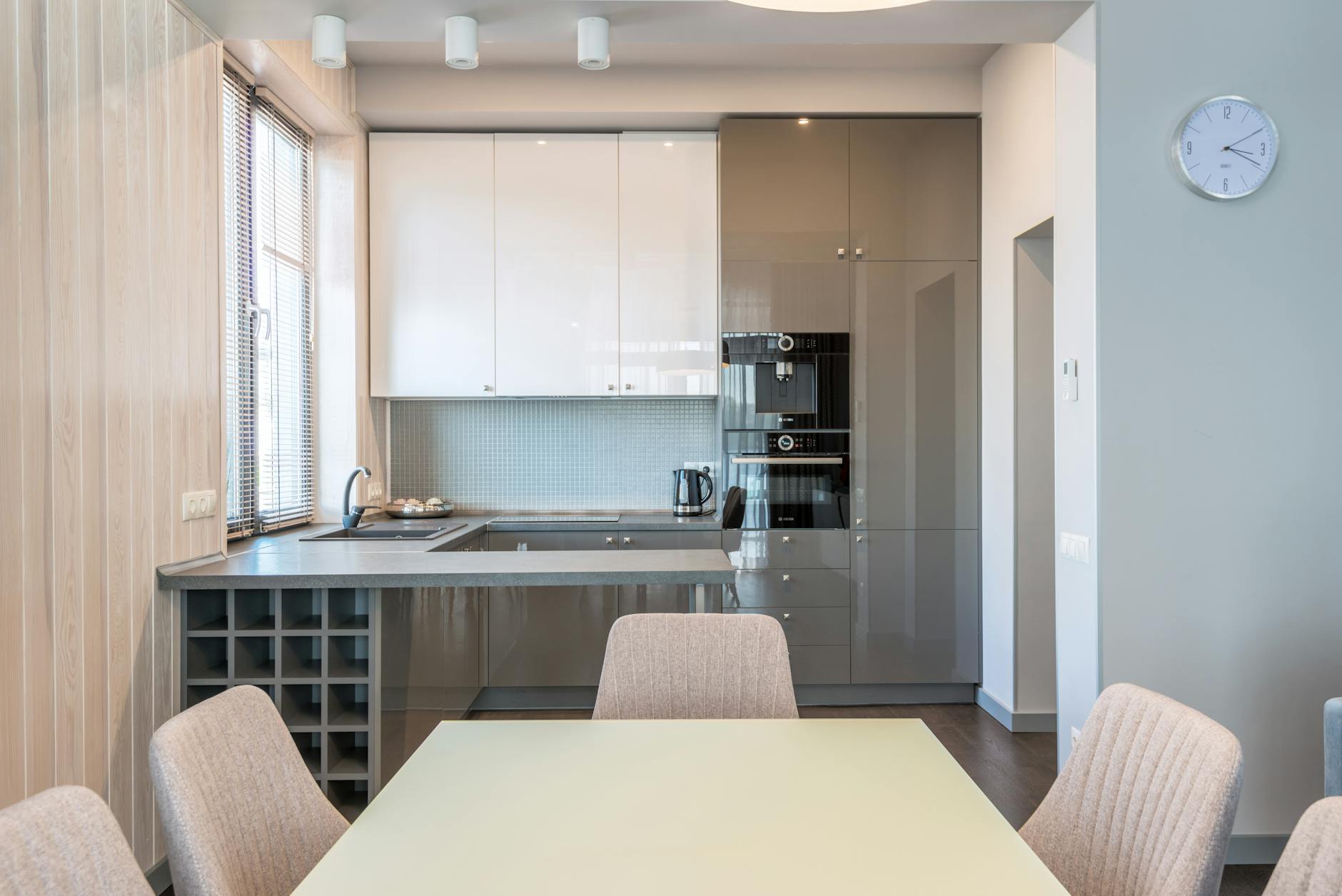
2. Deep Clean Your Kitchen First for Maximum Impact
The kitchen holds more grease, bacteria, and hidden grime than any other room. A proper kitchen deep clean hits every surface, not just the counters you wipe down every night.
Appliances inside and out: Pull the refrigerator from the wall and vacuum the coils. Clean inside the fridge, freezer, microwave, and oven. For the oven, apply a baking-soda paste, let it sit for 20 minutes, then scrub and wipe.
Cabinets and hardware: Wipe cabinet fronts with a degreaser. Clean handles and pulls where cooking grease accumulates daily.
Range hood and filters: Soak metal filters in hot water and dish soap for 15 minutes, then scrub. Wipe down the hood exterior and interior surfaces.
Sink and garbage disposal: Scrub the sink basin with baking soda, then run ice cubes and lemon peels through the disposal to remove odor.
Backsplash and grout: Use a grout brush and a pH-neutral cleaner to scrub tile grout. Rinse thoroughly to prevent residue buildup.
Floors and baseboards: Sweep, then mop. Wipe baseboards with a damp microfiber cloth to remove the grease film that settles near the stove.
Deep cleaning a kitchen properly takes 90 minutes to three hours depending on size and how long since the last thorough cleaning. For families in Phoenix, Scottsdale, or Chandler who want this done without clearing a Saturday, a home disinfection service covers these high-touch kitchen surfaces with hospital-grade products.
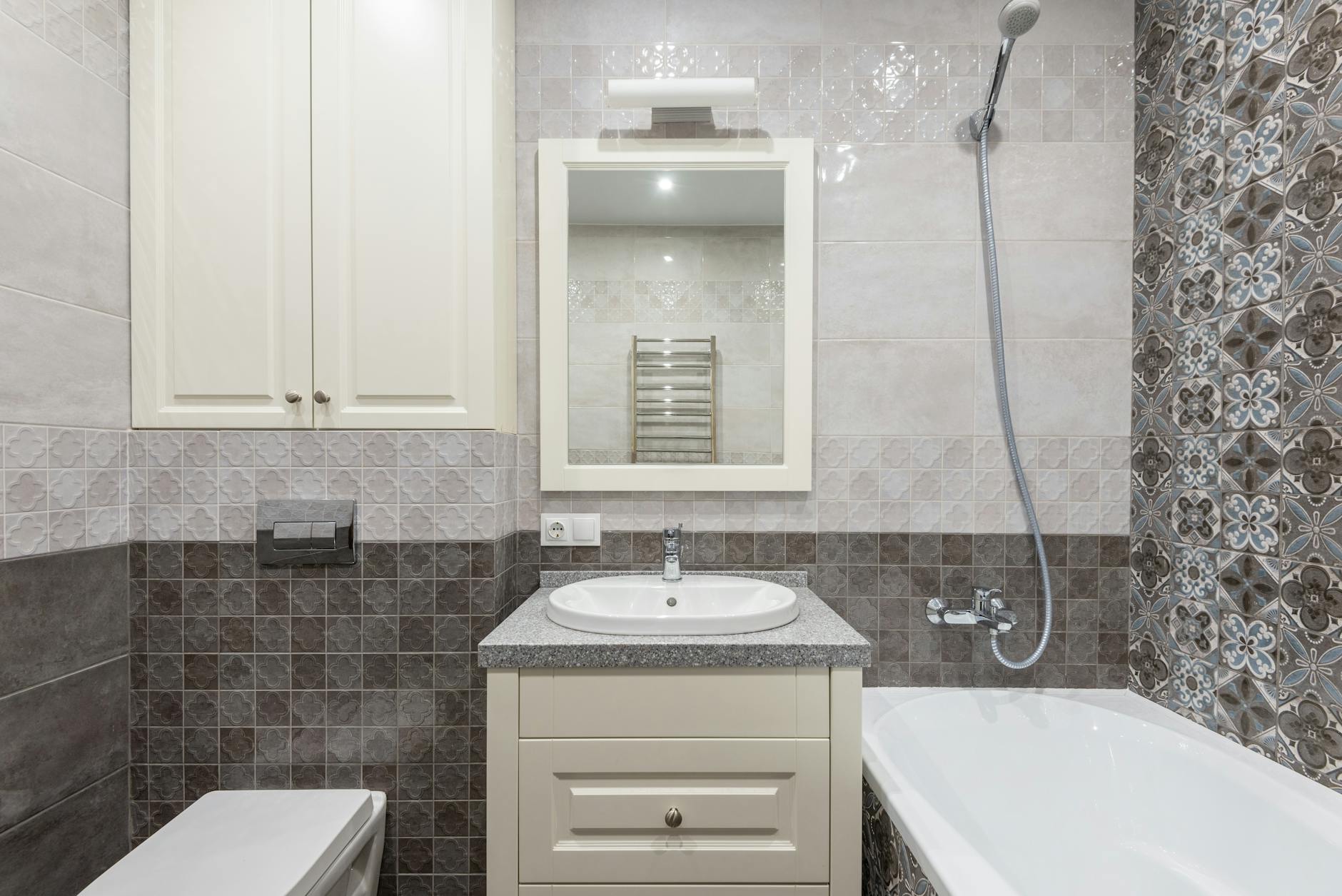
3. Deep Clean Bathrooms from Ceiling to Floor
Bathroom deep cleaning means going beyond the toilet brush and sink wipe. Moisture and humidity create the perfect environment for mold, soap scum, and bacteria to build up in places you might not look at every day. According to the CDC’s guidance on mold in homes, bathrooms are one of the most common areas for mold growth because of persistent moisture, a compelling reason to make this a regular part of any whole-house deep clean.
Exhaust fan: Remove the cover and vacuum dust from the fan blades and housing. A clogged fan increases humidity and mold risk.
Shower and tub: Spray grout lines with a mold-killing cleaner, let it sit five minutes, then scrub with a stiff brush. Clean the showerhead by soaking it in a bag of white vinegar for 30 minutes.
Toilet, all surfaces: Clean under the rim, around the base, and behind the tank. Wipe the flush handle and seat hinges.
Vanity and medicine cabinet: Empty and wipe inside the medicine cabinet. Clean mirror edges and the back of the cabinet door where dust collects.
Caulk lines: Inspect caulk around the tub and shower. Re-caulk if you see discoloration or gaps that allow water to seep behind walls.
Floors and grout: Scrub tile grout with a brush and baking soda paste, then mop with a disinfecting floor cleaner.
4. Bedroom Deep Cleaning: Mattresses, Dust, and Air Quality
Most people change their sheets regularly but skip the deeper bedroom tasks that affect sleep quality and indoor air. A full bedroom deep clean targets the dust reservoirs that routine cleaning ignores.
Mattress: Strip the bed completely. Vacuum the mattress with the upholstery attachment, then sprinkle baking soda over the surface. Let it sit 30 minutes and vacuum again. This neutralizes odors and lifts dust mites.
Pillows and bedding: Wash pillows, duvet inserts, and mattress protectors according to their care labels. Most can go in a home washer on a gentle cycle with hot water.
Under the bed: Vacuum under and around the bed frame. Dust and allergens accumulate here in large quantities.
Ceiling fan and light fixtures: Use a pillowcase to trap dust from fan blades as you wipe, slide each blade into the case and pull it off so the dust falls inside rather than onto the floor.
Closets: Remove all items, vacuum the floor and shelves, and wipe shelves with a damp cloth before replacing clothes and boxes.
Windows and blinds: Wipe blind slats with a damp microfiber cloth. Clean window tracks with a small brush, then wipe with a damp cloth.
The American Lung Association notes that reducing dust mite exposure through regular bedding washing and vacuuming mattresses can meaningfully improve indoor air quality, especially important in Arizona’s desert climate where homes are sealed for air conditioning much of the year. If you want help keeping up with same-day deep cleaning service on a schedule, recurring visits keep these tasks from piling up.
5. Living Room and Common Area Deep Cleaning Checklist
Living rooms and common areas collect more surface area than most people realize, upholstered furniture, electronics, shelving, rugs, and window treatments all need attention during a proper house deep clean.
Upholstered furniture: Vacuum sofa cushions, armrests, and the area beneath removable cushions. Check care tags, most fabric sofas can be spot-cleaned with an upholstery cleaner.
Hard surfaces and shelving: Remove items from shelves, dust the surface, and wipe each item before returning it. This prevents the dust buildup that makes rooms feel perpetually dusty no matter how often you vacuum.
Electronics: Use a dry microfiber cloth on screens. Use compressed air around keyboard keys and speaker grills.
Baseboards and door frames: Wipe down all baseboards, door frames, and crown molding with a damp microfiber cloth. These surfaces are almost always skipped in regular cleaning.
Rugs: Take area rugs outside and beat them if possible, then vacuum both sides before returning them to the floor.
Light switches and outlet covers: Wipe with a disinfecting cloth. These are among the highest-touch surfaces in the home and among the least often cleaned.
Homeowners who follow a structured deep cleaning checklist like this one typically find the process goes faster after the first time. For a quick jumpstart, check out our guide on home cleaning routines that build momentum fast.
6. How to Deep Clean Floors Throughout the Entire House
Floor deep cleaning is the final step in each room but deserves its own focused strategy. Different floor types need different approaches, and doing this last ensures dirt knocked down from upper surfaces gets picked up.
Hardwood floors: Vacuum first with a soft-brush attachment to avoid scratches. Mop with a barely damp mop and a hardwood-safe cleaner. Excess moisture warps wood, so wring the mop thoroughly.
Tile and grout: Vacuum or sweep first, then mop with a pH-neutral cleaner. For grout, use a stiff brush and a grout cleaner or baking soda paste. Scrub in circular motions, then rinse.
Carpet: Vacuum in two directions to lift deep-set dirt. For stains, apply a carpet cleaner and blot from the outside of the stain inward, never scrub, which spreads the stain. Consider a steam cleaning or professional extraction every 12 to 18 months.
Vinyl and laminate: These surfaces scratch easily. Use a soft mop, avoid steam, and use a manufacturer-recommended cleaner.
Transition areas and thresholds: The strips between rooms collect grime. Wipe or scrub these as part of any full-home deep clean.
7. Seasonal and Pre-Event Deep Cleaning Strategy
Deep cleaning your house is not just a once-a-year task. Timing a thorough cleaning to seasonal changes, holiday gatherings, or before hosting guests gets your home to a level of cleanliness that regular maintenance cannot achieve.
Before the holidays: Clean ceiling fan blades, light fixtures, and windows so your home looks its best when guests arrive. Our holiday cleaning service is built specifically for this, handling the deep clean so you can focus on cooking and decorating.
Spring and fall: Use seasonal transitions to deep clean windows (inside and out), swap out bedding, and clean inside closets and storage areas.
Move-in and move-out: A full property deep clean before moving in removes the previous occupants’ buildup and gives you a genuinely fresh start. Move-out cleaning protects your security deposit.
After illness: Disinfect all high-touch surfaces, door handles, light switches, remote controls, faucets, and launder all bedding and towels.
Post-renovation: Construction dust is extremely fine and settles everywhere. A deep clean after renovation work includes wiping inside cabinets, washing all textiles, and cleaning HVAC vents.
Arizona’s Valley communities get a lot of dust intrusion from desert wind events. Homeowners in Mesa, Gilbert, Queen Creek, and San Tan Valley often find they need a deep cleaning session after any major dust storm to clear fine particulate from surfaces throughout the home. Resources like Good Housekeeping’s cleaning guides offer additional seasonal checklists that complement this approach.
8. When to Call a Professional Deep Cleaning Service
DIY deep cleaning is genuinely effective when you have the time and energy. But there are situations where calling in Arizona’s most-reviewed house cleaning company makes more sense than going it alone.
You are behind by months or more: When grime has been building for a long time, the initial deep clean requires significantly more scrubbing, product contact time, and effort than what a typical homeowner has on a weekend.
Post-construction or renovation: Professional equipment and techniques make a real difference when dealing with fine construction dust coating every surface.
Move-in or move-out situations: Landlords and property managers have specific standards. A professional deep clean gives you documented, thorough coverage.
Health events in the home: After illness, a professional disinfection service covers more surfaces with verified products than most homeowners would tackle alone.
Before a major event: When you have 30 people coming for a holiday dinner, you want to enjoy the week leading up to it, not spend it on your hands and knees scrubbing grout.
Recurring maintenance after the initial clean: Many families in Phoenix, Scottsdale, and Chandler schedule a one-time deep clean to reset their home, then switch to biweekly recurring service to keep it there. The cleaning mistakes that most homeowners make around common house cleaning mistakes are much less likely to occur when a pro is maintaining the home regularly.
Elite Maids House Cleaning serves Phoenix, Mesa, Scottsdale, Gilbert, Chandler, Glendale, Queen Creek, San Tan Valley, Tucson, and Flagstaff. Every cleaner is background-checked, bonded, and insured, and every visit is backed by a no-cost reclean guarantee if anything falls short.
Ready to stop spending your weekends scrubbing and start actually enjoying your home? Contact Elite Maids house cleaning today for a free quote, book online in minutes with instant pricing, same-day availability between 8am and 6pm, and a satisfaction guarantee that protects every single visit.
Frequently Asked Questions
What do housekeepers do in a deep clean?
In a deep clean, housekeepers go well beyond surface wiping. They clean inside appliances, scrub grout lines, wipe baseboards and door frames, clean ceiling fans, disinfect high-touch surfaces, clean behind and under furniture, sanitize bathroom fixtures thoroughly, and address buildup in areas that routine cleaning skips. A professional deep clean typically takes two to five hours depending on home size.
How often should you deep clean your house?
Most homes benefit from a full deep clean two to four times per year, roughly once per season. High-traffic households with kids, pets, or allergy sufferers may need it more frequently. After illness, before moving, and before hosting large gatherings are also ideal trigger points for a thorough whole-house deep clean regardless of the regular schedule.
How long does a house deep clean take?
A single person deep cleaning a standard three-bedroom home typically takes six to ten hours. A two-person professional team can complete the same job in three to five hours. The time varies based on the home’s current condition, square footage, and how many rooms need heavy-duty scrubbing versus light detail work.
What is the difference between a regular cleaning and a deep clean?
A regular cleaning maintains a home that is already reasonably clean, it covers visible surfaces, floors, bathrooms, and kitchen counters on a set schedule. A deep clean addresses the accumulated buildup in areas that regular cleaning does not touch: inside appliances, grout, baseboards, behind furniture, ceiling fans, window tracks, and cabinet interiors. Deep cleans take longer and require more effort and specialized products.
Should you clean top to bottom when deep cleaning a house?
Yes, always clean from top to bottom in every room. Start with ceiling fans, light fixtures, and high shelves, then work down through furniture surfaces to floors. This ensures dust and debris knocked from upper surfaces gets picked up when you clean floors last, rather than dirtying surfaces you have already cleaned.
A Simple Spring Cleaning Checklist: Room by Room Guide
SHARE:
A simple spring cleaning checklist helps you tackle every room in your home without missing a spot. Start by working through your home room by room, clearing clutter before you clean, and finishing each space completely before moving to the next. This guide covers every major area of the house, from entryways to bathrooms, with practical tasks under each section so you can build your own house cleaning and organizing checklist that actually gets used.
1. Start With an Entryway Deep Clean
Your entryway is the first thing guests see and the last space you touch before leaving the house, yet it almost never gets a proper clean. A thorough entryway spring cleaning sets the tone for everything else and takes less time than most people expect.
Here is what to cover in this space:
Declutter the entry closet completely. Pull everything out, donate what you no longer use, and wipe down every shelf before putting things back.
Launder all throw rugs and door mats. These collect more grime than nearly any other surface in the home.
Sweep, vacuum, and then damp-mop hard floors.
Wipe down furniture, hooks, and coat racks with an all-purpose cleaner.
Clean doors on both sides, including the hardware, and wipe all trimwork with a slightly damp microfiber cloth.
Dust any light fixtures or overhead fans if your entryway has them.
Once the entryway is done, you will notice the whole home already feels lighter. That momentum matters when you are working through a full spring cleaning house checklist.
2. Declutter and Deep Clean the Kitchen
The kitchen is the most used room in most homes and typically the most overlooked during quick weekly tidying. Your spring kitchen deep clean should go well beyond wiping counters. This is the room where a thorough, room by room spring cleaning checklist really pays off.
Empty every cabinet and drawer. Toss expired food, donate duplicate tools, and wipe shelves before restocking.
Clean the inside and outside of the refrigerator. Remove drawers and shelves and wash them in the sink.
Degrease the stovetop, oven, and range hood. Use a paste of baking soda and dish soap for baked-on residue.
Wipe down all appliance exteriors including the microwave, dishwasher, and toaster.
Clean cabinet fronts, drawer pulls, and backsplash tiles.
Scrub the sink and shine the faucet.
Sweep and mop the floor, paying close attention to the area behind and under the refrigerator.
If you use conventional cleaning products in your kitchen, it is worth checking whether they carry the EPA Safer Choice label, which indicates the ingredients have been reviewed for safety around food surfaces and families.
For a more detailed spring kitchen deep clean strategy, the ultimate guide to spring cleaning from Elite Maids breaks down every task by category so nothing slips through the cracks.
3. Tackle Bedroom Cleaning and Organizing
Bedrooms collect a surprising amount of dust and hidden clutter. A complete bedroom spring cleaning goes beyond making the bed and involves working from the ceiling down to the floor so you are not re-contaminating surfaces you already cleaned.
Wash all bedding including duvet covers, pillow protectors, and mattress covers. Aim to wash these at the hottest temperature the fabric allows.
Flip or rotate the mattress if applicable.
Dust ceiling fan blades, light fixtures, and the tops of furniture.
Wipe down baseboards, windowsills, and blinds.
Declutter the closet. The one-year rule applies: if you have not worn it in a year, consider donating it.
Vacuum under the bed and behind nightstands.
Clean mirrors and glass surfaces with a streak-free glass cleaner.
Dust mites thrive in bedrooms, and the American Lung Association recommends washing bedding regularly in hot water as one of the most effective steps for improving indoor air quality. When you are building your house cleaning and organizing checklist, mark bedroom linens as a recurring monthly task, not just a spring task.
4. Bathroom Scrub-Down: A Complete Spring Cleaning House Checklist
Bathrooms demand the most disinfecting of any room in your home. A spring bathroom clean should cover every surface, not just the obvious ones. If you want a sanitized result, consider pairing your scrubbing with a proper home disinfection service that targets high-touch points most people miss.
Scrub the toilet inside and out, including the base and behind the bowl.
Clean and disinfect the sink, faucet, and drain.
Scrub the shower and tub, paying close attention to grout lines where mold builds up.
Wipe down the shower door or replace the shower curtain liner.
Clean the mirror and all glass surfaces.
Wipe down cabinet doors, drawer fronts, and the vanity top.
Launder bath mats and hand towels.
Sweep and mop the floor, including behind the toilet.
Check for and address any signs of mold or mildew. The CDC guidance on mold in homes is useful if you find more than surface-level growth.
A bathroom spring cleaning checklist should also include emptying and organizing under-sink cabinets. Expired medications, near-empty bottles, and products you stopped using all accumulate faster than most people realize.
5. Living Room and Common Area Cleaning Tips
Living rooms and common areas see the most foot traffic and often have the most surfaces to work through. This section of your apartment spring cleaning checklist or house checklist covers upholstered furniture, electronics, and all the overlooked edges of the room.
Dust all surfaces from top to bottom: ceiling corners, crown molding, shelves, TV stands, and coffee tables.
Wipe down all hard furniture surfaces with a damp microfiber cloth.
Vacuum upholstered sofas and chairs, including under the cushions.
Launder or spot-clean throw pillows and blankets.
Wipe down electronics and remote controls with a disinfecting wipe.
Clean windows and window treatments. Vacuum fabric curtains or wipe down blinds slat by slat.
Vacuum the entire floor and then mop or steam-clean depending on the surface type.
Clean the baseboards and any decorative trim.
If you want to go deeper on common area tasks, Good Housekeeping’s cleaning guides offer helpful tips on removing pet hair from upholstery and cleaning fabric-covered surfaces without damaging them.
6. Home Office and Laundry Room Organization
These two rooms tend to be treated as storage overflow zones. Clearing and cleaning both spaces during spring cleaning makes daily life noticeably easier, especially if you work from home or do laundry more than twice a week.
For the home office:
Wipe down your desk, monitor, keyboard, and chair.
Organize cables and remove unused electronics.
File or shred any paper piles that have been sitting since last year.
Dust bookshelves and wipe down each shelf surface.
Vacuum or mop the floor and clean any rugs.
For the laundry room:
Clean the inside of the washing machine drum. Run a hot empty cycle with white vinegar or a washing machine cleaner tablet.
Wipe down the exterior of both machines, including the tops and sides.
Clean the dryer lint trap and wipe out the trap housing.
Sweep and mop behind and around both appliances.
Declutter detergent shelves and discard empty containers.
The laundry room is one area where a printable spring cleaning checklist format is especially helpful. Being able to check off tasks as you go keeps you from doubling back or forgetting steps when you are moving quickly through the space.
7. Garage, Outdoor Spaces, and Seasonal Storage
Spring cleaning in Arizona means your garage and outdoor living areas have likely been in use all winter. Even so, these spaces collect a full season’s worth of dust, pests, and disorganization that is worth addressing before summer heat arrives.
Sweep the garage floor and blow out corners with a leaf blower or stiff broom.
Wipe down shelving and reorganize tools, sports gear, and seasonal items.
Check stored holiday decor for moisture damage or pest activity before resealing bins.
Wipe down outdoor furniture with a mild soap and water solution.
Clean patio surfaces: sweep, then scrub with a deck brush and rinse.
Check window screens and door screens for tears and clean them with a soft brush and soapy water.
Clean the exterior of windows that face the patio or backyard.
When you book a house cleaning in Arizona with Elite Maids, you can also request add-on tasks for areas like enclosed patios or bonus rooms, making it easy to customize your service without tracking down a separate contractor.
8. Create a Reusable Room by Room Spring Cleaning Checklist
The best spring cleaning house checklist is one you can actually use again next year. A room by room spring cleaning checklist saves you from recreating the same plan every season and helps you track which areas got skipped so you can prioritize them next time.
Here is how to build one that works:
Use a simple spreadsheet or a printed template. A cleaning house checklist in PDF format works well because you can reprint it each season without re-building the layout.
Organize by room, not by task type. Grouping tasks by location keeps you from walking back and forth across the house.
Add a column for frequency: spring-only tasks, monthly recurring tasks, and annual tasks each belong in a separate category.
Note which tasks you want a professional cleaning team to handle versus tasks you will do yourself. A spring cleaning checklist PDF that splits these categories saves time when scheduling outside help.
Date the checklist when you finish so you have a reference for next year’s planning.
If you search for a simple spring cleaning checklist PDF or a printable apartment spring cleaning checklist, most free templates are a solid starting point, but they rarely account for the unique dust and allergen challenges that come with Arizona’s desert climate. Customize your checklist to reflect your actual home and your region.
9. Eco-Friendly Cleaning Products Worth Using This Season
Spring cleaning is a good time to reassess the products under your sink. Many conventional cleaners contain volatile organic compounds (VOCs) that affect indoor air quality long after the cleaning is done. Switching to plant-based or low-VOC formulas during your spring clean is a practical upgrade that benefits everyone in the household.
A few practical swaps that work well in Arizona homes:
Replace synthetic fragrance sprays with unscented or naturally scented cleaners. Synthetic fragrance is one of the top VOC sources in most homes.
Use white vinegar diluted with water for glass, mirrors, and hard surface wipe-downs.
Swap disposable paper towels for washable microfiber cloths on most surfaces.
Look for the EPA Safer Choice seal on any product you buy new this season. It is a reliable shortcut for identifying safer formulas without reading every ingredient label.
If you prefer to skip the product research entirely, the eco-friendly cleaning service Arizona homeowners trust at Elite Maids uses green-certified products on request, so your home is clean without adding unnecessary chemicals to the air.
10. When to Call a Professional Cleaning Service
Some parts of a spring cleaning checklist are perfectly manageable as DIY tasks. Others are genuinely easier, faster, and more thorough when handled by a professional team. Knowing the difference helps you spend your weekend on what you actually want to do.
Consider calling a professional cleaning service when:
The home has not had a deep clean in six months or more.
You are moving in or out of a property and need a move-in or move-out clean that meets lease requirements.
You want a thorough disinfection of high-touch surfaces, not just a surface wipe-down.
You have guests arriving soon and need the home cleaned quickly and completely.
You want eco-friendly products used throughout without having to source and manage them yourself.
You have a large home and a limited window of time to get it done.
The cleaning pros at Elite Maids serve homeowners across Phoenix, Mesa, Scottsdale, Gilbert, Chandler, Glendale, Queen Creek, San Tan Valley, Tucson, and Flagstaff. Every cleaner is background-checked, bonded, and backed by a no-cost reclean guarantee, so if anything is missed, it gets fixed without argument.
Spring is one of the best times to reset your home and your cleaning habits. Whether you work through this room by room spring cleaning checklist yourself or hand off the heavy lifting to a professional team, the goal is the same: a cleaner, more organized home you can actually enjoy. Contact Elite Maids house cleaning today for a free quote and let Arizona’s most-reviewed residential cleaning team handle the hard work while you spend your weekend doing something better.
Frequently Asked Questions
How to spring clean and organize?
Start by working room by room rather than task by task. Declutter each space completely before you begin cleaning, so you are not wiping around items that do not belong. Work from the top of the room down: dust ceilings and fans first, then wipe surfaces, then clean floors last. Use a printed or digital checklist to track progress and prevent skipping areas.
What is the best order to spring clean a house?
Most professional cleaners recommend starting with the least-used rooms and finishing with the kitchen and bathrooms, which require the most attention. Within each room, always clean from top to bottom and back to front. Doing laundry and running the dishwasher at the start of your cleaning session means those tasks finish while you work through the rest of the house.
How long does a full spring clean take?
A thorough spring clean of an average three-bedroom home typically takes eight to twelve hours when done by one person working systematically. Larger homes or spaces that have not been deep cleaned in over a year can take longer. Breaking the process across two or three days, one or two rooms per session, makes it far less overwhelming and more likely to get finished completely.
What should be on an apartment spring cleaning checklist?
An apartment spring cleaning checklist should cover every room with tasks organized by surface type: ceilings, walls, furniture, appliances, and floors. Pay particular attention to the kitchen and bathroom, launder all soft furnishings, clean inside cabinets and drawers, and wipe down all doors and baseboards. If pets live in the home, add upholstery vacuuming and air filter replacement to the list.
Is a deep clean the same as a spring clean?
They overlap but are not identical. A deep clean focuses on thoroughly cleaning all surfaces including those skipped during routine maintenance, such as behind appliances, inside cabinets, and under furniture. A spring clean typically also includes decluttering, organizing, and swapping out seasonal items. Many homeowners choose to combine both into one annual spring deep clean for maximum results.
The Ultimate Room-by-Room Apartment Cleaning Checklist
SHARE:
Keeping an apartment truly clean takes more than a quick wipe-down before guests arrive. Whether you just moved in, are preparing for a move-out inspection, or simply want a complete home cleaning checklist to follow every week, a solid room-by-room apartment cleaning checklist is the tool that keeps chaos from creeping back in. This guide walks you through every space in your home, gives you practical steps for each one, and answers the questions most people forget to ask before they pick up a sponge. If you want to see how Elite Maids House Cleaning can help skip the scrubbing altogether, that option is always on the table, but if you are a DIY type, this checklist has everything you need.
How to Build Your Apartment Cleaning Checklist: Top-to-Bottom Strategy
Before you touch a single surface, the single biggest mistake most people make is cleaning without a plan. A room-by-room cleaning checklist works best when you follow a top-to-bottom, left-to-right system. Start at the ceiling and work your way down so dust and debris fall onto surfaces you have not cleaned yet. This apartment cleaning checklist strategy keeps you from doing the same work twice.
A complete home cleaning checklist should also account for frequency. Not every task belongs on your weekly list. Break your checklist into three tiers:
If you are working through a new apartment cleaning list after a move-in, treat the entire space as a deep clean first. You do not know how the previous tenant cleaned, and starting from a known baseline saves headaches later. For a thorough walkthrough of what a deep clean actually covers, check out The Ultimate Deep Clean Checklist for Your Home for a detailed room-by-room guide you can run alongside this one.
According to Good Housekeeping’s cleaning team, cleaning with a consistent system cuts total cleaning time by nearly half compared to tackling tasks randomly. That is not a small difference when your weekends are already packed.
What Is the 20 Minute Rule in Cleaning?
The 20 minute rule in cleaning is a time-boxing method where you set a timer for 20 minutes and clean as much as you can in one focused sprint, then stop. The idea is that most people avoid cleaning because the task feels endless. When you put a hard stop on it, getting started feels far less overwhelming. This technique is especially useful for apartment renters who want to maintain a clean space without spending their entire weekend on it.
You can apply the 20 minute rule to a single room or to a specific category of tasks, such as all the bathrooms in the apartment. Paired with a room-by-room cleaning checklist, it becomes a surprisingly effective routine. Many people find they accomplish more in a focused 20-minute block than in an unfocused hour where they keep getting distracted.
Apartment Cleaning Checklist: Kitchen
The kitchen takes the most punishment of any room in an apartment. Grease, food residue, and moisture build up fast, and they attract pests if left unchecked. Your kitchen apartment cleaning checklist should cover these tasks:
Wipe down all countertops and the backsplash with an all-purpose cleaner
Clean the stovetop, including the burner grates or glass surface
Wipe the outside and inside of the microwave
Clean the sink and faucet, scrubbing around the drain
Wipe down cabinet fronts and drawer pulls
Clean the refrigerator exterior and, monthly, the interior shelves
Sweep and mop the floor, paying attention to the corners near the stove and refrigerator
Empty and reline the trash can, wiping the inside if needed
For a kitchen deep clean, pull the refrigerator and stove away from the wall and clean behind them. Grease and crumbs accumulate back there quickly, and that buildup is a contributor to poor indoor air quality over time. A complete home cleaning checklist always includes these behind-appliance zones even if you only tackle them quarterly.
If you want to use safer products in your kitchen, look for EPA Safer Choice certified cleaners. You can browse options through the EPA Safer Choice program, which lists products that meet strict health and environmental standards.
Apartment Cleaning Checklist: Bathroom
Bathrooms are small but they hold a lot of bacteria and mold potential. A bathroom apartment cleaning checklist done consistently keeps the room both safe and presentable. Here is what to cover every week:
Scrub the toilet bowl with a toilet brush, then wipe the seat, lid, tank, and base with a disinfectant
Scrub the bathtub or shower walls and floor, paying close attention to grout lines
Scrub and wipe down the sink and faucet
Use glass cleaner to wipe down the mirrors
Use an all-purpose cleaner to wipe countertops and any shelving
Sweep and mop or wipe down the floor
Empty the trash can and replace the liner
Grout and caulk deserve extra attention on a monthly basis. Mold grows in grout lines, and it spreads fast in humid conditions. The CDC’s mold guidance for homes recommends fixing moisture problems and cleaning visible mold promptly to prevent health issues. If you spot mold that goes beyond surface grout, call in a professional. Routine bathroom cleaning prevents most mold from taking hold in the first place.
For Arizona residents, where dust and hard water are real everyday problems, a bathroom cleaning checklist should include wiping mineral deposits off faucets and showerheads with a vinegar solution at least once a month.
Apartment Cleaning Checklist: Living Room and Bedroom
The living room collects dust, pet hair, and clutter faster than any other room because it gets the most traffic. Your living room cleaning checklist should include these steps:
Dust all surfaces from top to bottom: ceiling fans, shelves, entertainment units, baseboards
Vacuum upholstered furniture, including under the cushions
Wipe down hard furniture surfaces with a damp cloth
Clean any glass surfaces, including TV screens, with a microfiber cloth and appropriate cleaner
Vacuum the carpet or sweep and mop hard floors
Straighten and put away items, keeping clutter from building up
For the bedroom, your cleaning checklist should focus on textiles and surfaces:
Strip and wash bed linens weekly
Dust nightstands, dressers, and any shelving
Vacuum under the bed and along the baseboards
Clean mirrors and any glass surfaces
Wipe down light switches and door handles, which collect germs constantly
A consistent bedroom cleaning schedule is one of the clearest recommendations from any list for deep cleaning a house room by room, because dust mites thrive in bedding and upholstery. Washing sheets in hot water every week is one of the most effective steps you can take for better sleep and air quality.
Vacant Apartment Cleaning Checklist for Move-In and Move-Out
A vacant apartment cleaning checklist is a different animal from your regular weekly routine. Whether you are moving into a new place or trying to get your security deposit back, a move-in and move-out clean covers everything, including spots that never get touched during normal maintenance.
A thorough vacant apartment cleaning should include:
Cleaning inside all cabinets and drawers
Wiping down the inside of the oven and refrigerator
Cleaning window tracks and sill ledges
Scrubbing grout throughout the bathroom and kitchen
Cleaning all light fixtures and ceiling fans
Wiping down all walls, doors, and door frames
Deep cleaning carpets or scrubbing hard floors
Checking and cleaning the inside of closets
This level of cleaning is exactly where a professional house cleaning service in Arizona pays for itself. What takes a solo renter a full day can be handled faster and more thoroughly by a trained team with the right equipment. If you are in Glendale, you can find a detailed local guide in our post on The Ultimate Apartment Cleaning Checklist for Glendale Residents, which covers local-specific tips alongside the full room-by-room breakdown.
Cleaning Supplies Every Apartment Should Have
No apartment cleaning checklist works without the right tools. Here is a practical list of cleaning supplies that covers every room without cluttering your cabinet with products you will never use:
All-purpose cleaner: Works on countertops, cabinet fronts, and most hard surfaces
Disinfectant spray or wipes: For high-touch areas like door handles, light switches, and toilet surfaces
Glass cleaner: For mirrors, windows, and TV screens
Toilet bowl cleaner and brush
Baking soda and white vinegar: Natural options for scrubbing grout, cutting grease, and deodorizing
Microfiber cloths: These trap dust better than paper towels and can be washed and reused
A vacuum with attachments: For floors, upholstery, and tight corners
Mop and bucket or a spray mop: For hard floors
Scrub brush: For grout, tile, and tough kitchen messes
If you want to go the eco-friendly route, Real Simple’s cleaning guides offer solid comparisons of natural cleaning products and methods that actually work. Swapping to non-toxic cleaners is a simple change that reduces chemical exposure for your whole household, particularly if you have kids or pets.
Keep your supplies organized in a portable caddy so you can carry everything from room to room without multiple trips. It sounds like a small thing but it saves time every single cleaning session.
An apartment cleaning checklist is only as useful as your commitment to following it. The structure is simple: work top to bottom, tackle each room in order, and keep your supplies stocked. Whether you use the 20 minute rule to chip away at it daily or set aside a couple of hours on the weekend, the room-by-room approach keeps your home from ever reaching the point where cleaning feels like a full renovation project. And if life gets ahead of the checklist, there is always a better option. Contact Elite Maids House Cleaning today for a free quote and let Arizona’s most-reviewed cleaning team handle the hard work so you can get your weekends back.