7 Common Cleaning Mistakes Queen Creek Homeowners Make (And How to Avoid Them)
SHARE:
The most common cleaning mistakes Queen Creek homeowners make include using the wrong products, cleaning in the wrong order, and skipping tools that actually work. These habits leave homes looking worse than before you started and can even spread bacteria rather than eliminate it. This post walks through seven mistakes, explains why each one backfires, and gives you a straightforward fix for each.
1. Using Toxic or Mismatched Cleaning Products
Walk into almost any Queen Creek home and you will find a cabinet stuffed with cleaning sprays, scrubs, and multi-surface liquids that were bought on impulse and used interchangeably. The problem is that the wrong product on the wrong surface can strip finishes, leave residue, and in some cases, release harmful fumes. Mixing bleach and ammonia-based cleaners, for example, produces a toxic chloramine gas that irritates the lungs.
According to EPA Safer Choice guidance on household cleaning products, many conventional cleaners contain volatile organic compounds that linger in indoor air long after you put the bottle away. The EPA’s research on VOCs and indoor air quality shows these compounds can reach concentrations two to five times higher indoors than outside, which matters a lot in a sealed Arizona home running the air conditioning all summer.
The fix: Read labels before mixing products. Look for green cleaning certified options or eco-friendly alternatives that do the job without the chemical load. Elite Maids House Cleaning offers eco-friendly product options specifically for families who want a thorough clean without harsh fumes.
2. Cleaning in the Wrong Order
Most people in Queen Creek vacuum before they dust, wipe counters before they scrub the sink, and mop before they clean the toilet. Every one of those sequences sends dirt right back onto the surfaces you just cleaned. This is one of the most common house cleaning errors, and it doubles your workload without improving the result.
The correct order is top to bottom, dry to wet. Dust ceiling fans and shelves first, then wipe surfaces, then sweep or vacuum floors, then mop. Move from the least contaminated area, like bedrooms, toward the most contaminated, like bathrooms. This way, falling debris lands on uncleaned surfaces and gets picked up in the next step rather than recontaminating clean ones.
The fix: Before you start, map out a room-by-room sequence. If you use a recurring maid service rather than cleaning everything yourself, your cleaner already follows a tested sequence so nothing gets missed. Recurring cleaning also means grime never builds up to the point where order of operations stops mattering.
3. Using the Wrong Cleaning Tools
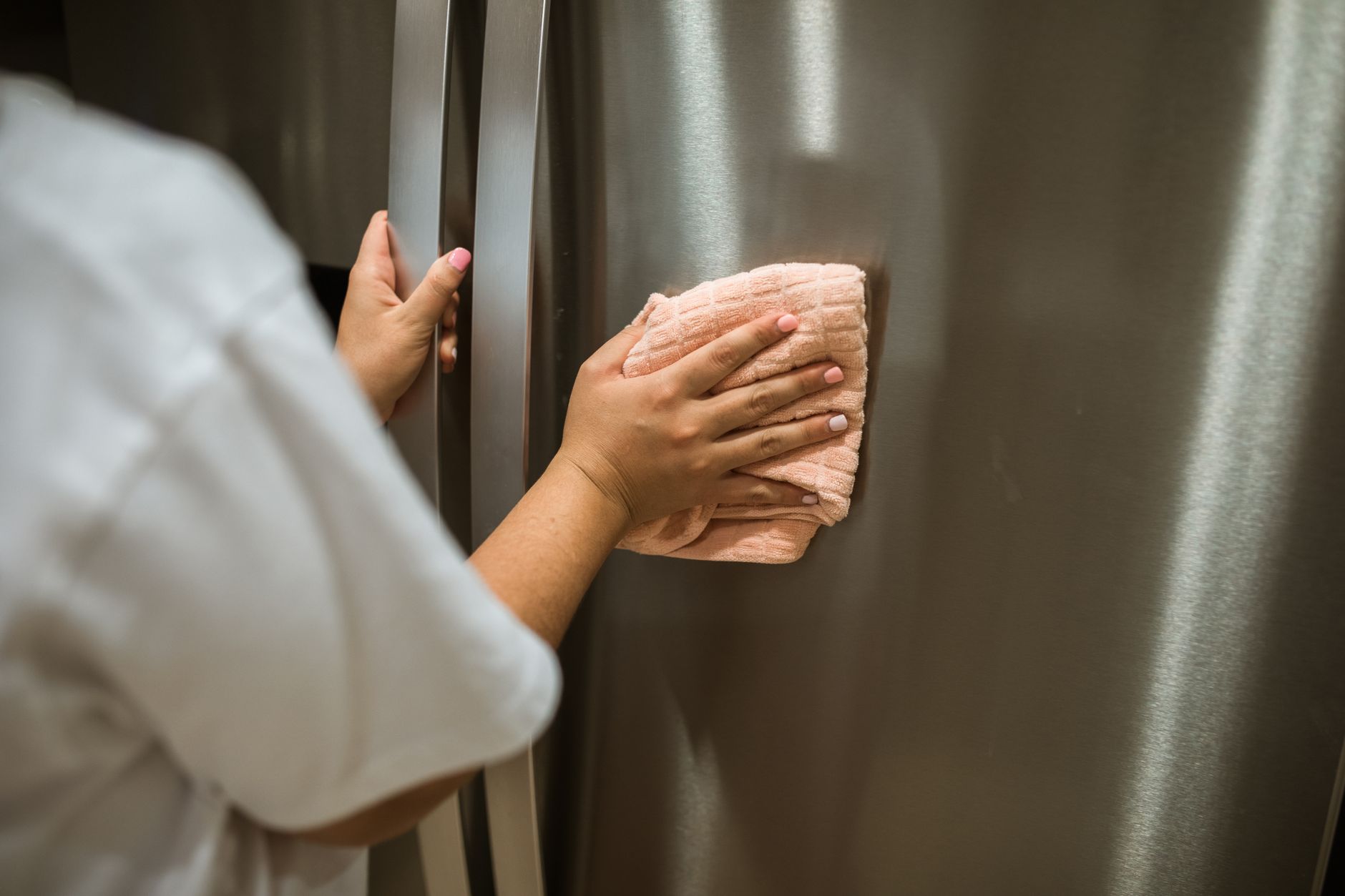
A paper towel on a glass surface leaves lint. A rough scrubbing pad on stainless steel leaves permanent scratches. An old cotton rag pushed across a dusty floor just redistributes the particles. Using the wrong tools is one of the sneakiest house cleaning mistakes because the effort looks real while the results stay invisible.
Microfiber cloths are worth the small investment. They trap particles at a microscopic level instead of just moving them around, and they work on glass, stainless steel, and sealed stone without scratching. A quality microfiber mop head outperforms a traditional string mop on tile and hardwood because it absorbs rather than spreads dirty water.
For Queen Creek homes with tile throughout, as many desert-build homes have, a steam mop is particularly effective at lifting the mineral deposits and tracked-in dust that make grout lines look permanently gray. Good Housekeeping’s cleaning coverage regularly highlights microfiber and steam as the two biggest upgrades for everyday home maintenance.
The fix: Match the tool to the surface. Buy a pack of color-coded microfiber cloths so you are never wiping a toilet with the cloth you used on the kitchen counter.
4. Letting Cleaning Products Sit for the Wrong Amount of Time
Spray and immediately wipe. That is what most Queen Creek homeowners do, and it is exactly wrong. Disinfectants, mold sprays, and bathroom cleaners need dwell time, the period the product sits on the surface, to actually kill bacteria and break down buildup. Wiping too fast means you are simply spreading liquid around. Leaving a product on too long, especially acidic cleaners on natural stone, can cause etching or discoloration.
The CDC’s guidance on mold in homes emphasizes that mold-killing products need adequate contact time to be effective. The same logic applies to bathroom disinfectants and kitchen degreasers. Check the label on every product you use. Most require at least thirty seconds to two minutes of contact before wiping.
The fix: Spray first, then move to another task in the room. Come back to wipe after the product has had time to work. This habit alone can cut your cleaning time because you are not re-scrubbing surfaces where the product never got a chance to do its job.
When grime is heavily built up, no amount of dwell time on a routine cleaner will cut it. That is when a deep cleaning service makes sense. A professional deep clean treats every surface with the right product at the right concentration, so you are not fighting months of buildup with a spray bottle and wishful thinking.
5. Ignoring High-Touch Surfaces and Neglecting Disinfection
Light switches, door handles, remote controls, and cabinet pulls are touched dozens of times a day. Most cleaning routines skip them entirely. In a Queen Creek household with kids or anyone who is frequently outdoors in the Arizona dust and heat, these surfaces accumulate bacteria at a faster rate than countertops that at least get wiped during meal prep.
Genuine disinfection is different from cleaning. Cleaning removes visible dirt. Disinfection kills pathogens. The American Lung Association’s indoor air guidance notes that reducing pathogen load on surfaces is especially important for children, elderly residents, and anyone with respiratory sensitivities. In a home that gets heavy traffic, high-touch surface disinfection should happen at least weekly.
If you are doing a full-home reset after illness or before a gathering, professional home disinfection services cover every high-contact area with hospital-grade products, something a standard wipe-down cannot replicate.
The fix: Add a dedicated high-touch surface wipe-down to your weekly routine. Keep disinfecting wipes accessible near doors and in bathrooms so the habit is low friction. For a deeper sanitizing pass, schedule a deep clean a few times a year.
6. Overlooking Ventilation and Letting Moisture Linger
Arizona is known for its dry heat, but bathrooms and kitchens in Queen Creek still generate enough moisture to cause mold growth if the space is not ventilated properly after cleaning. Wiping down the shower walls and then closing the door traps the humidity that just got released. Using water-heavy mopping techniques on wood or laminate floors and then closing windows is another common cleaning error that causes warping and mold over time.
The EPA’s mold prevention guidance recommends keeping indoor humidity below 60 percent and ventilating bathrooms during and after use. Run exhaust fans for at least 20 minutes after a shower or after mopping a bathroom floor.
The fix: Build ventilation into your cleaning routine. Open windows when weather allows, run bathroom fans, and leave interior doors ajar after wet cleaning. On floors, use a damp mop rather than a soaking-wet one, and dry the surface with a second pass if needed. If you are seeing dark spots in grout or along caulk lines, that is mold already taking hold. You can read more about addressing that and other seasonal concerns in our seasonal spring cleaning guide.
7. Skipping Professional Help When You Actually Need It
There is a point in every home’s cleaning cycle where the DIY approach stops being enough. Grout that has never been treated, baseboards caked with a year of dust, tile that has mineral deposits from hard Arizona water, and refrigerators that were never pulled away from the wall. Queen Creek homes accumulate these issues the same way any home does, and a bottle of spray cleaner and a Saturday afternoon will not fix them.
Homeowners who try to push through on their own in these situations often end up frustrated, spending more time than planned, and still not getting the result they wanted. Worse, using the wrong products in an attempt to tackle stubborn stains can permanently damage surfaces like natural stone countertops or hardwood floors.
Real Simple’s cleaning coverage regularly recommends scheduling a professional clean at least once or twice a year, even for homeowners who maintain a regular cleaning routine. Think of it like a dental check-up. You still brush every day, but the professional service catches and treats what daily habits miss.
The fix: Schedule a professional house cleaning service for deep resets before the holidays, after a move, or after a big event. Elite Maids House Cleaning serves Queen Creek with background-checked, fully insured cleaners and a reclean-at-no-cost satisfaction guarantee, so you know the job will get done right.
Stop Making These Mistakes: Book a Professional Clean in Queen Creek
Correcting these seven cleaning mistakes will make a real difference in how your home looks and how long your surfaces last. But even the most careful DIY cleaner hits a wall with deeply embedded grime, mineral buildup, or surfaces that need professional-grade treatment. Queen Creek families who want their weekends back and their homes genuinely clean, not just surface-tidy, trust the team that has built the highest review count of any residential cleaning company in Arizona.
Whether you need a one-time deep clean, a recurring Queen Creek, AZ Best House Cleaning Services visit on a schedule that works for you, or a move-in clean for a new home, Elite Maids House Cleaning has a service that fits. Book online in minutes and get an instant quote, no phone call needed, with same-day availability between 8am and 6pm.
If you are ready to stop fighting the same messes week after week, Dry Cleaners Queen Creek is just one part of what we cover. Reach out today and let a professional team handle the hard work so you do not have to. Contact Elite Maids House Cleaning today for a free quote and see why Queen Creek homeowners keep coming back.
Frequently Asked Questions
What cleaning mistakes make a home dirtier?
Cleaning in the wrong order is one of the biggest offenders. Vacuuming before dusting sends debris back onto the floor you just cleaned. Using dirty mops or reusing the same cloth across rooms spreads bacteria rather than removing it. Spraying and immediately wiping disinfectants without letting them dwell also leaves pathogens behind. Combined, these habits can actually increase the germ load in your home.
How often should Queen Creek homeowners schedule a professional house cleaning?
Most Queen Creek households benefit from a recurring cleaning every two to four weeks to stay on top of daily buildup, plus a deeper professional clean at least twice a year. Arizona’s dust, hard water, and extreme heat accelerate grime accumulation, so homes here often need more frequent attention than the national average suggests. Homes with pets, kids, or frequent guests may need weekly service.
Is it a mistake to mix different cleaning products?
Yes, and it can be dangerous. Mixing bleach with ammonia creates toxic chloramine gas. Mixing bleach with acidic cleaners like vinegar releases chlorine gas. Even products that seem similar can react unpredictably. Always read labels before combining any cleaners, rinse surfaces between product applications, and never mix products in the same spray bottle or bucket without manufacturer guidance.
What is the correct order to clean a house?
Work top to bottom and dry to wet. Start by dusting ceiling fans, light fixtures, and shelves. Then wipe down surfaces and appliances. Next, sweep, vacuum, or dry-mop floors. Finish with wet mopping. Move from bedrooms and living areas toward bathrooms and kitchens, since bathrooms carry the highest contamination load and should be done last to avoid cross-contamination.
When does DIY cleaning stop being enough?
When you are scrubbing the same stain multiple times without improvement, when grout is discolored despite regular mopping, or when rooms smell musty despite regular cleaning, it is time to call in professionals. A one-time deep cleaning service resets the home to a baseline that makes regular maintenance far more effective and far less time-consuming going forward.
20 Cleaning Products That Actually Work in Scottsdale: Worth Every Penny
SHARE:
The cleaning products that actually work in Scottsdale homes are the ones that cut through Arizona’s hard water buildup, desert dust, and everyday grime without making you scrub for an hour. This list covers 20 tried-and-true supplies that professional cleaners and savvy homeowners swear by, from all-purpose sprays to specialty tools. Read on for product picks, pro tips, and answers to common cleaning questions.
Why the Right Cleaning Supplies Make All the Difference in Scottsdale Homes
If you’ve lived in Scottsdale for more than one summer, you know the struggle. Hard water leaves chalky white rings on faucets and shower glass. Fine desert dust settles on every surface within hours of a deep clean. And the dry heat bakes on grease faster than you’d expect. Using the wrong cleaning products means you’re working twice as hard for half the results.
That’s why choosing cleaning supplies that are actually formulated to handle these conditions matters so much. The Good Housekeeping cleaning team has consistently shown through lab testing that product performance varies wildly across brands, and what works in a humid climate may fall flat in a dry, dusty one. Getting your product lineup right saves time, money, and a lot of frustration. For Scottsdale residents who want reliable results without the guesswork, cleaning services Scottsdale homeowners rely on are a great complement to keeping the right supplies on hand.
A solid all-purpose cleaner is the backbone of any cleaning routine. These are the sprays and concentrates that handle countertops, sinks, stovetops, tile, and more without needing a separate product for each surface.
1. Method All-Purpose Cleaner: Plant-based, lightly scented, and effective on kitchen and bathroom surfaces. It rinses clean without leaving residue, which matters a lot on Scottsdale’s hard water-prone countertops.
2. Mrs. Meyer’s Clean Day Multi-Surface Spray: Excellent on sealed stone, tile, and laminate. The formula cuts grease quickly, and the scent options make cleaning feel less like a chore.
3. Lysol All-Purpose Cleaner Concentrate: When diluted properly, this disinfects and degreases at a fraction of the cost of pre-mixed sprays. A gallon jug goes a long way for whole-home cleaning.
4. Seventh Generation Multi-Surface Cleaner: Free of synthetic fragrances and dyes, making it a smart pick for households with kids, pets, or anyone sensitive to harsh chemicals. Check the EPA Safer Choice database for certified safer household cleaners like this one.
For routine house cleaning between professional visits, having two or three of these on rotation keeps every room fresh without overcomplicating your supply cabinet.
Hard Water and Mineral Deposit Removers for Arizona Bathrooms
Hard water is one of the most common complaints from Scottsdale homeowners. The Valley’s water supply carries high mineral content, and those minerals leave stubborn calcium and limescale deposits on fixtures, shower glass, and tile grout. Standard all-purpose cleaners won’t touch these. You need acid-based or chelating cleaners specifically made for mineral deposits.
5. CLR Calcium, Lime and Rust Remover: One of the most effective mineral deposit removers available. Apply it to shower heads, faucets, and tile, wait a few minutes, and the buildup wipes away. It’s a staple in professional cleaning kits for good reason.
6. Bar Keepers Friend Powder Cleanser: This oxalic acid-based powder tackles rust stains, hard water rings, and soap scum on sinks, tubs, and stainless steel. Mild enough not to scratch most surfaces, strong enough to actually work.
7. Lime-A-Way Bathroom Cleaner: Designed specifically for heavy limescale buildup in showers and around toilet bases. Spray it on, let it sit, and the calcium dissolves without aggressive scrubbing.
These three products alone will transform your bathroom cleaning routine in the Scottsdale metro area. They’re the difference between a bathroom that looks perpetually hazy and one that actually sparkles after you clean it.
Eco-Friendly Cleaning Products Safe for Your Family and Pets
Scottsdale families are increasingly choosing eco-friendly cleaning products, and for good reason. Many conventional cleaners release volatile organic compounds (VOCs) that linger in indoor air long after you’ve finished cleaning. In a climate where homes stay sealed with the AC running most of the year, indoor air quality becomes a real concern. If you want more guidance on choosing the right products for your home environment, this post on eco-friendly home cleaning products is worth reading.
8. Branch Basics Concentrate: One bottle replaces most of your cleaning cabinet. Dilute it differently for all-purpose spray, bathroom cleaner, laundry, or dish soap. Non-toxic, fragrance-free, and highly effective.
9. Better Life Natural All-Purpose Cleaner: Certified by the EPA Safer Choice program and safe around kids and pets. It handles everyday messes well and has no synthetic fragrances.
10. Ecover Toilet Bowl Cleaner: A plant-based formula that works on limescale and stains without the harsh chlorine smell. Perfect for Scottsdale households trying to reduce chemical exposure indoors.
Choosing non-toxic cleaning products is also a consideration for anyone dealing with asthma or respiratory sensitivities. The American Lung Association recommends minimizing the use of spray products and aerosols indoors, which is why many of these plant-based formulas come in trigger bottles rather than aerosol cans. If allergies are a concern in your home, take a look at tips on asthma and allergy-friendly cleaning for additional guidance.
Kitchen Degreasers and Oven Cleaners That Cut Through Baked-On Grease
The kitchen takes the hardest beating in any home, and in Scottsdale’s dry heat, grease and food residue bake onto surfaces faster than in cooler climates. You need degreasers with real cutting power, not watered-down formulas dressed up with a lemon scent.
11. Zep Heavy-Duty Citrus Degreaser: Industrial-strength cleaning power in a consumer-sized bottle. It cuts through hood vent grease, stovetop buildup, and cabinet grime without requiring a lot of scrubbing.
12. Easy-Off Professional Oven and Grill Cleaner: For deep oven cleaning, this is the product that professionals reach for. Apply it the night before, let it do the work overnight, and wipe it clean in the morning.
13. Dawn Platinum Powerwash Dish Spray: Marketed as a dish soap, but Scottsdale homeowners quickly discovered it’s also phenomenal for wiping down greasy stovetops, backsplashes, and range hood surfaces. No bucket required.
14. Krud Kutter Original Cleaner and Degreaser: A water-based degreaser that handles everything from kitchen cabinets to garage floors. The Spruce’s cleaning experts frequently highlight it as one of the more versatile degreasers available at most hardware stores.
Keep at least one heavy-duty kitchen degreaser and one oven-specific cleaner stocked. When you’re ready for a thorough kitchen reset, these products paired with a professional deep cleaning service will get your kitchen back to spotless.
Floor Cleaners and Mopping Solutions Worth Buying
Scottsdale homes tend to feature tile, wood, or polished concrete floors, and each one needs a different cleaning approach. Using the wrong floor cleaner on the wrong surface causes streaks, dulling, and sometimes permanent damage. Getting this right matters a lot for maintaining the look of your floors long-term.
15. Bona Hardwood Floor Cleaner: Safe for finished wood floors, streak-free, and fast-drying. This is the go-to for homes with engineered hardwood or solid wood floors throughout.
16. Zep Neutral Floor Cleaner Concentrate: Designed for tile and stone, this pH-neutral formula won’t etch grout or dull finished tile. It’s a strong performer in homes with travertine or Saltillo tile, which are common in Scottsdale properties.
17. Rejuvenate All Floors Cleaner: A no-rinse, no-residue formula that works on virtually every hard floor surface. It leaves a light protective layer that reduces how quickly dust settles back down, which is genuinely useful in Arizona.
For a deeper look at what THE BEST 10 HOME CLEANING IN SCOTTSDALE, AZ professionals use on floors day in and day out, these three products come up repeatedly. Pair them with a quality microfiber flat mop for the best results.
Specialty Cleaning Tools and Supplies That Pros Actually Use
Great cleaning products alone won’t get you far if the tools you’re using can’t apply them effectively. These specialty supplies round out any serious home cleaning kit and genuinely make the job faster and more thorough.
18. Microfiber Cleaning Cloths (Multi-Pack):Microfiber traps dust and bacteria at the fiber level instead of just pushing it around. Stock at least a dozen so you’re never tempted to reuse a dirty cloth on a clean surface.
19. Magic Eraser (Melamine Foam Sponge): For scuff marks on walls, stains on grout, and crayon on painted surfaces, melamine foam sponges do something almost nothing else can. Use them dry or lightly damp for best results.
20. OxiClean Versatile Stain Remover: An oxygen-based powder that tackles laundry stains, grout discoloration, and even outdoor furniture cushions. It’s the kind of product you reach for when nothing else is working.
Building a solid supply of cleaning tools and products is one of the habits that keeps homes consistently clean week after week. For more routines that work, check out these practical tips on house cleaning habits Scottsdale homeowners use to stay ahead of the mess.
If you’re prepping for a seasonal reset, matching the right products to a structured plan makes a big difference. The ultimate guide to spring cleaning walks through exactly how to use products like these in a full room-by-room approach. And if you’d rather hand the whole project off to someone else, Deep cleaning services Scottsdale homeowners book through Elite Maids are available same-day with an instant online quote.
When Cleaning Products Aren’t Enough: Hire a Professional
Even with the best cleaning supplies stocked and ready, some situations call for professional help. A recurring maid service keeps your home maintained between deep cleans so none of these products ever have to work overtime. And when life gets busy, having a trusted team handle the scrubbing means you get your weekends back without sacrificing a clean home.
For Scottsdale residents who want the combined power of professional-grade cleaning supplies and trained cleaners, booking a house cleaning online takes less than two minutes with instant pricing and same-day availability between 8am and 6pm. Every cleaner is background-checked, insured, and backed by a satisfaction guarantee that includes a reclean at no cost if anything isn’t right.
What cleaning products do professional house cleaners use?
Professional house cleaners typically use a combination of heavy-duty degreasers, acid-based mineral removers, and microfiber cloths paired with reliable all-purpose sprays. Many professionals in Scottsdale reach for products like CLR, Bar Keepers Friend, Zep degreaser, and Bona floor cleaner. The biggest difference between professional and DIY results is product selection matched to the specific surface being cleaned.
What is the best all-purpose cleaner for hard water buildup?
For hard water buildup specifically, an acid-based cleaner is more effective than a standard all-purpose spray. CLR and Lime-A-Way are both designed for this purpose. Bar Keepers Friend also works well on mineral deposits on sinks and tubs. Standard multi-surface sprays won’t dissolve calcium and limescale, so using a purpose-built product saves a lot of extra scrubbing.
Are eco-friendly cleaning products as effective as conventional ones?
For everyday cleaning tasks, plant-based and non-toxic products like Branch Basics and Better Life perform comparably to conventional formulas. For heavy-duty jobs like baked-on oven grease or extreme limescale buildup, you may still need a stronger targeted cleaner. The key is matching the product strength to the cleaning task rather than assuming one formula handles everything.
How often should I deep clean my home in Scottsdale?
Most Scottsdale homeowners benefit from a thorough deep clean two to four times per year, with regular maintenance cleaning in between. The desert environment brings in dust, pollen, and mineral residue at a higher rate than many other climates, which makes staying on a schedule more important. A professional deep clean between recurring visits keeps buildup from becoming a major project.
Which cleaning products are safe to use around kids and pets?
Look for products certified by the EPA Safer Choice program, such as Seventh Generation and Better Life. Branch Basics is another strong pick because it uses no synthetic fragrances, dyes, or harsh surfactants. Always check labels and avoid aerosol sprays in enclosed spaces. The American Lung Association recommends ventilating rooms well when using any cleaning product, even safer formulas.
How to Deep Clean Your Kitchen: A Complete Room-by-Room Guide
SHARE:
To deep clean your kitchen, work from the top of the room down to the floor, tackling one zone at a time: cabinets and upper surfaces first, then appliances, countertops, the sink, and finally the floor. A thorough kitchen deep clean removes built-up grease, hidden grime, and bacteria that routine wiping misses. This guide walks through every step, the right products, and when to call in a professional cleaning team.
How to Deep Clean a Kitchen from Top to Bottom
A systematic approach is what separates a real deep clean kitchen session from a quick surface wipe. Start at ceiling level and work your way down so loosened dust and debris falls onto surfaces you have not cleaned yet, not ones you just finished. This top-to-bottom method is the backbone of every professional kitchen deep cleaning routine and it saves you from redoing work.
Here is the order that works best:
Ceiling fan or vent covers: Wipe blades and vent grilles with a damp microfiber cloth.
Upper cabinet exteriors: Grease rises and sticks to cabinet tops. Spray a degreaser, let it sit for two minutes, then wipe clean.
Range hood and filter: Remove the mesh filter and soak it in hot water mixed with a few drops of dish soap for 15 minutes. Scrub, rinse, and reinstall.
Wall tiles and backsplash: Spray with an all-purpose cleaner or a diluted white vinegar solution. Scrub grout lines with an old toothbrush.
Lower cabinet exteriors: Wipe down with a damp cloth and a small amount of Murphy’s Oil Soap for wood-finish cabinets to clean without drying the finish.
Baseboards: Wipe with a damp cloth to pull off accumulated dust and grease splatter.
Floor: Sweep or vacuum first, then mop. Always the last step.
Working as a weekly house cleaning service Arizona families rely on, our team at Elite Maids follows this exact sequence on every deep cleaning visit. It is the most efficient path to a genuinely spotless kitchen.
Deep Clean Kitchen Checklist: Every Zone Covered
A deep clean kitchen checklist keeps you from missing the spots that accumulate the most grime over time. Print this out or save it to your phone and tick each item off as you go. Skipping zones, even small ones, is how kitchens quickly revert to looking dirty between cleanings.
Inside Cabinets and Drawers
Pull everything out of one cabinet at a time. Wipe the interior walls and shelves with a damp cloth, then dry thoroughly before replacing items. Discard expired pantry goods while you are in there. Sticky shelf liner should be peeled up, washed, and replaced if it is no longer adhering cleanly.
Appliances
Oven: Apply oven cleaner or a thick paste of baking soda and water to the interior. Let it sit overnight, then wipe clean. Clean oven racks separately in the sink or bathtub.
Refrigerator: Remove all shelves and drawers. Wash them in warm soapy water and dry before replacing. Wipe interior walls with a baking-soda solution to neutralize odors. Pull the fridge out from the wall to vacuum the coils and mop underneath.
Microwave: Place a microwave-safe bowl of water with a halved lemon inside and run on high for three minutes. The steam loosens splatter so it wipes right off.
Dishwasher: Run an empty cycle with a cup of white vinegar in the bottom rack, followed by a cycle with baking soda sprinkled on the floor of the machine.
Small appliances (toaster, coffee maker, blender): Unplug, disassemble what you can, and wipe all surfaces. Empty and clean the toaster crumb tray.
Countertops and Sink
Clear countertops completely. Clean underneath small appliances that live permanently on the counter. For stubborn stains on tile grout or stainless steel, Bar Keepers Friend is excellent. Sprinkle it on a damp cloth, scrub gently, and rinse well. For the sink basin, scrub with a soft brush, polish the faucet with a microfiber cloth, and treat the drain with a baking-soda-and-vinegar flush to clear buildup and odor.
According to Good Housekeeping’s cleaning guides, the kitchen sink actually harbors more bacteria than most other surfaces in the home, which makes scrubbing the basin a genuine health priority, not just an aesthetic one.
The Best Deep Cleaning Kitchen Products to Have on Hand
Using the right deep cleaning kitchen products makes the job faster and the results more lasting. You do not need a cabinet full of specialty bottles. A small collection of versatile products covers almost every surface in the room.
Bar Keepers Friend: A powdered cleanser that removes rust, mineral deposits, and baked-on food from stainless steel, ceramic, and tile without scratching. One of the most effective kitchen cleaning products available at any price point.
Baking soda and white vinegar: An inexpensive pair that handles deodorizing, light-duty scrubbing, and drain clearing. Keep both in bulk.
Dish soap and hot water: Still the most effective degreaser for most surfaces when applied with a quality scrub brush.
Melamine foam (also sold as Magic Erasers): Outstanding for scuff marks on painted walls, cabinet doors, and appliance exteriors. Dampen slightly before use.
Murphy’s Oil Soap: Specifically formulated for wood surfaces. Use diluted on wood cabinet doors and frames to clean without stripping the finish.
Microfiber cloths: More effective than paper towels because they trap particles rather than pushing them around. Washable and reusable.
Heavy-duty degreaser spray: For the range hood, stovetop, and any area near the stove where grease accumulates heavily.
If you prefer greener options, look for products certified under the EPA Safer Choice program, which evaluates cleaning product ingredients for human health and environmental safety. Elite Maids offers eco-friendly cleaning options that use Safer Choice-certified products on request.
How to Clean Kitchen Appliances Quickly Without Damaging Surfaces
Knowing how to clean kitchen appliances without causing scratches or voiding warranties is something that trips up a lot of people. The rule is simple: always check the manufacturer’s guidance for the interior of high-end appliances, and default to gentle, non-abrasive tools on any coated surface.
For stainless steel appliance exteriors, always wipe with the grain, not against it. A few drops of mineral oil on a microfiber cloth after cleaning will restore the shine and repel future fingerprints. Avoid bleach-based cleaners on stainless steel because they can cause pitting over time.
For the stovetop, the approach depends on the type. Gas burners and grates should be removed and soaked in hot soapy water. Glass or ceramic stovetops need a dedicated ceramic cooktop cleaner or a paste of baking soda to avoid scratches. Cast iron grates can be scrubbed with a stiff brush and should be dried completely before replacing to prevent rust.
If the thought of pulling your refrigerator away from the wall to vacuum coils sounds like too much, it actually matters. Dusty coils make the fridge work harder, raise your electric bill, and can shorten the appliance’s life. It is worth doing at least once or twice a year during a thorough kitchen deep clean.
Deep Cleaning Kitchen Floors, Grout, and Hidden Corners
Floors are the last step, but they deserve serious attention during a kitchen deep cleaning session. Kitchen floors accumulate grease, food particles, and foot traffic grime that regular sweeping and mopping does not fully address.
Start with a vacuum or dry sweep to remove loose debris. Pay attention to the corners where the floor meets the cabinets, around the base of the stove and refrigerator, and under the toe-kick panels if you can remove them. These areas collect alarming amounts of dust and food matter that never gets touched between deep cleaning sessions.
For tile and grout floors, use a stiff grout brush with a concentrated tile cleaner or a baking-soda paste. Grout absorbs grease and foot oils, which is why it darkens over time. Regular mopping alone will not restore it. After scrubbing, rinse thoroughly with clean water and allow the floor to dry before walking on it.
For hardwood or laminate kitchen floors, use a dedicated wood floor cleaner, not a wet mop. Excess moisture warps wood floors. A lightly damp microfiber mop head is enough to clean without causing long-term damage.
Do not forget the inside of the cabinet toe kicks and around the dishwasher opening. These spots are rarely wiped but often hide grease film and crumbs. A thin, flexible brush or a vacuum crevice tool reaches where nothing else will.
7 Steps in Cleaning the Kitchen for a Lasting Result
If you want a process you can repeat reliably, these seven steps in cleaning the kitchen give you a structured routine that delivers consistent results whether you are doing a full deep clean or a thorough monthly refresh.
Declutter first. Clear counters, remove dishes, and take out the trash before any cleaning begins. You cannot clean around clutter.
Dust and wipe from the top down. Ceiling vents, cabinet tops, upper shelving, then walls and backsplash.
Tackle appliances. Clean the oven, stovetop, microwave, and refrigerator interior and exterior.
Scrub the sink and countertops. Disinfect the sink basin, polish the faucet, and wipe all counter surfaces with a disinfecting cleaner.
Wipe cabinet exteriors and hardware. Handle pulls and knobs collect oils and grime fast. A damp cloth with a bit of dish soap is all you need.
Clean the inside of cabinets and drawers. Pull items out, wipe interiors, replace only what belongs there.
Sweep, scrub, and mop the floor. Finish with the floor so everything that fell during earlier steps gets picked up at the end.
Following these seven cleaning steps in sequence is much faster than cleaning randomly. You avoid doubling back, and the kitchen stays cleaner longer because you are removing grime at the source rather than redistributing it.
If your kitchen deep cleaning project has gotten away from you due to a busy schedule or the scale of the mess feels overwhelming, this is exactly the scenario where a professional deep cleaning service pays for itself. You can book a deep cleaning in Arizona online with Elite Maids and get an instant quote without a phone call.
When to Call a Professional Kitchen Deep Cleaning Service Near You
There are times when a DIY deep clean kitchen session is the right move, and there are times when calling a professional deep cleaning kitchen service near you is the smarter choice. Knowing the difference saves you time, frustration, and sometimes money in the long run.
Consider bringing in professionals when:
The kitchen has not been deep cleaned in six months or more.
Grease buildup on the range hood, oven, and surrounding surfaces is heavy and baked on.
You are preparing to list the home for sale or moving into a new place.
You are hosting a large event and need the kitchen spotless quickly.
Mold or mildew has appeared near the sink, under the refrigerator, or around the dishwasher. The CDC advises addressing mold promptly because prolonged exposure can affect respiratory health.
You simply do not have the time or energy to do the job properly.
Elite Maids House Cleaning serves Phoenix, Mesa, Scottsdale, Gilbert, Chandler, Glendale, Queen Creek, San Tan Valley, Tucson, and Flagstaff with professional kitchen deep cleaning services. Every cleaner is background-checked, bonded, and insured. If anything is missed, we come back and reclean at no cost. If seasonal events have your calendar packed, our holiday cleaning service is designed to get your kitchen and the rest of your home guest-ready fast.
Ready to stop spending your weekends scrubbing and start enjoying a clean kitchen without the effort? Contact Elite Maids house cleaning today for a free quote and find out how easy it is to get your kitchen deep cleaned by a team that has earned more five-star reviews than any other residential cleaning company in Arizona.
Frequently Asked Questions
How often should I deep clean my kitchen?
Most households benefit from a full kitchen deep clean every three to six months, with lighter weekly maintenance in between. Kitchens that see heavy daily cooking may need a deep cleaning session every two to three months. High-traffic or large family kitchens accumulate grease and grime faster, so adjust the schedule based on how often your stove and oven are in use.
What is the difference between a regular clean and a kitchen deep clean?
A regular kitchen clean covers visible surfaces: wiping counters, cleaning the stovetop, and mopping the floor. A kitchen deep clean goes further by cleaning inside appliances and cabinets, scrubbing grout, degreasing the range hood, pulling appliances away from the wall, and addressing every zone from ceiling vents down to baseboards. It typically takes two to four hours depending on kitchen size.
What products work best for deep cleaning a greasy kitchen?
Bar Keepers Friend handles stubborn stains and mineral buildup on stainless steel and tile. A heavy-duty degreaser spray is the right tool for the range hood and stovetop. Baking soda paste works well inside the oven. Magic Eraser melamine foam removes scuffs from cabinet doors and appliance exteriors. For wood cabinets, Murphy’s Oil Soap cleans without drying the finish.
How long does it take to deep clean a kitchen?
A thorough kitchen deep cleaning typically takes two to five hours for a single person working alone in an average-sized kitchen. Larger kitchens, kitchens with heavy grease buildup, or kitchens that have not been deep cleaned in a year or more can take longer. A professional two-person cleaning team can often complete the same job in under two hours because of experience and specialized tools.
Is it worth hiring a professional deep cleaning kitchen service?
For many homeowners, yes. A professional kitchen deep cleaning service reaches areas and levels of grime that are difficult to address without the right tools and training. It is particularly worthwhile before a move, after a renovation, ahead of a major holiday, or simply when life is too busy for a multi-hour cleaning project. The time saved and the quality of results usually justify the cost.
Cleaning Hacks for Busy Parents in Tucson: Our Survival Guide
SHARE:
The best cleaning hacks for busy parents in Tucson focus on short bursts of focused effort, smarter systems, and knowing which corners of your home actually need attention. Tucson families deal with unique challenges like desert dust, monsoon mud, and packed after-school schedules that make keeping a clean home feel impossible. This guide covers ten practical, field-tested strategies that real Tucson parents can start using today.
1. Build a Simple Cleaning Schedule That Actually Holds
The number one reason cleaning piles up is the absence of any plan at all. A written cleaning schedule, even a rough one, removes the mental load of deciding what to clean and when. If you are looking for the 10 BEST HOUSE CLEANING SERVICES IN TUCSON, AZ, you will notice that the families who need professional help the least often are the ones with a basic routine already in place.
Start simple. Assign one room or one task category to each day of the week. Monday is bathrooms. Tuesday is floors. Wednesday is the kitchen. You do not need to deep clean every space every week. A rotating cleaning schedule keeps the whole house at a manageable baseline so nothing ever falls into crisis-level dirty. Tucson homes accumulate fine caliche dust faster than most people expect, so floors and counters should appear on your list at least twice a week.
According to cleaning and organization experts at Real Simple, breaking cleaning into daily micro-tasks rather than a single weekend session dramatically reduces the time a household spends cleaning overall. That is a trade most parents in Tucson will take every day.
2. Use the 15-Minute Reset to Win Back Your Evenings
A 15-minute cleaning reset is one of the most effective tools a busy parent can have. Set a timer, pick a zone, and move fast. No folding laundry perfectly, no reorganizing the pantry. The goal of a quick cleaning reset is to reduce visible clutter and surface mess so your home feels livable again without a two-hour commitment.
The best way to run a 15-minute tidy in a Tucson home is to start at the front door and move in a loop. Grab a laundry basket, sweep surfaces into it, then distribute items to where they actually belong. Kids can each take a zone. A timed speed-clean turns the task into something almost manageable, and when everyone pitches in, it rarely takes the full 15 minutes.
You can find a solid framework for fast home cleaning sessions in the Good Housekeeping cleaning resource library, which outlines exactly how to triage rooms when time is short.
3. Keep Cleaning Supplies Handy in Every Key Room
One of the biggest hidden time-wasters in home cleaning is walking back and forth to get your supplies. If the spray bottle is under the kitchen sink and you are in the upstairs bathroom, you lose momentum and often just skip the task entirely. Keeping cleaning supplies staged in each zone changes that completely.
Invest in a small caddy or a basket under each bathroom vanity stocked with a multi-surface spray, a microfiber cloth, and a toilet brush. Put a similar kit in the kitchen and another near the back door where kids track in Tucson’s desert dirt after school. Having cleaning supplies handy means a spill gets wiped up in 30 seconds instead of waiting until it hardens overnight.
For eco-conscious Tucson families, the EPA Safer Choice program maintains a searchable database of cleaning products that are effective and safer for kids, pets, and indoor air quality. Stocking your in-room caddies with Safer Choice-certified products is a smart move for households with young children.
When you are ready to compare options or read up on cleaning Tucson reviews, you will see that professional cleaners recommend microfiber cloths over paper towels for everyday quick wipes. They pick up more, they cost less over time, and they do not leave lint behind on dark surfaces.
4. Monsoon-Proof Your Clean: Tackling Tucson’s Seasonal Dirt
Any cleaning guide written for Tucson parents has to address the monsoon. From June through September, afternoon storms push red mud, fine dust, and debris through every doorway and window gap in the house. Monsoon-proofing your cleaning routine is not optional here. It is a survival strategy.
Place heavy-duty boot trays and absorbent doormats at every entry point before the season hits. Designate a mudroom corner, even if it is just a small rug near the back door, where kids shed shoes before coming inside. After each storm, do a quick pass on window sills, baseboards, and any hard floors near doors before the mud dries and bonds to the surface.
Monsoon dust is also an indoor air quality issue. Fine particulate matter from desert storms can linger in your home long after the sky clears. The American Lung Association’s indoor air resources explain why regular filter changes and vacuuming with a HEPA filter vacuum matter especially in high-dust regions like the Sonoran Desert. Tucson homes should ideally swap out HVAC filters every 30 to 60 days during monsoon season rather than the standard 90-day cycle.
5. Dust-Proof Your Tucson Home Between Cleans
Beyond the monsoon, Tucson’s desert environment means dust is a year-round battle. Fine caliche and pollen settle on every flat surface within days of cleaning them. Dust-proofing your home is about reducing how fast surfaces get coated so your weekly home cleaning effort goes further.
Run ceiling fans in reverse during cooler months to reduce dust settling on upper surfaces. Use damp microfiber cloths rather than dry dusters, which just move particles into the air. Seal gaps around doors and windows with weatherstripping. These small steps compound over weeks and make a significant difference in how often you need to wipe down shelves and furniture.
Scheduling a periodic deep cleaning service is also one of the most effective ways to reset a dusty home. A thorough deep clean hits the areas that routine cleaning misses, including ceiling fan blades, window tracks, baseboards, and behind appliances. Many Tucson parents find that booking a one-time deep clean once or twice a year keeps their home from reaching the point where it feels overwhelming.
You can also check out the ultimate guide to spring cleaning for a room-by-room checklist that covers all the surfaces that accumulate desert grime between your regular cleaning sessions.
6. Involve the Kids: Age-Appropriate Cleaning Tasks That Actually Help
Getting kids involved in household cleaning is not just about getting help. It builds life skills, reduces the mental load on parents, and teaches children that they are responsible members of the household. The trick is assigning tasks that match each child’s age and ability so they can succeed without constant supervision.
Children ages 3 to 5 can put toys in bins, wipe baseboards with a damp cloth, and sort socks. Kids ages 6 to 10 can vacuum small rooms, unload the dishwasher, wipe down bathroom sinks, and take out recycling. Tweens and teenagers can handle laundry from start to finish, mop floors, clean toilets, and take full ownership of their own bedrooms.
The key is consistency, not perfection. A seven-year-old will not clean the bathroom the way you do. That is fine. The goal is to build the habit and reduce your workload over time. Tucson families who treat home cleaning as a shared responsibility report that the whole house stays cleaner because everyone has a stake in it.
7. Clean High-Traffic Zones First, Everything Else Second
When time is limited, prioritizing your high-traffic areas delivers the most visible impact per minute of effort. In most Tucson homes, the kitchen, main bathroom, and living room are the spaces that affect how clean the whole house feels. If those three areas are tidy, the rest of the home reads as manageable even if the guest bedroom has a pile of laundry on the chair.
Focus your daily tidying on these zones. Wipe kitchen counters after every meal. Squeegee the shower after the last person uses it each morning. Clear the coffee table before bed each night. These micro-habits take under two minutes each and prevent the buildup that turns a 15-minute cleaning job into a two-hour project.
When you need extra support in these areas, a recurring maid service handles the deep work in those high-traffic zones on a weekly or biweekly schedule. Many Tucson parents find that professional weekly cleaning of the kitchen and bathrooms is the single change that makes the rest of their routine feel doable.
8. Embrace Eco-Friendly Cleaning Products That Are Safe for Kids
Many conventional cleaning sprays contain volatile organic compounds that linger in indoor air long after the bottle is put away. In a Tucson home where windows may stay closed during the hottest months, that matters. Switching to plant-based or low-VOC cleaners reduces chemical exposure for children and pets without sacrificing cleaning power.
White vinegar diluted with water works well on most hard surfaces. Baking soda combined with dish soap handles greasy stovetop buildup. Castile soap is versatile enough to clean floors, counters, and even laundry. These green cleaning solutions are inexpensive, widely available, and safe for kids to be around during and after cleaning.
For a full breakdown of what to use where, The Spruce’s cleaning guides include detailed recipes for homemade eco cleaners organized by room and surface type. If you prefer ready-made products, look for the EPA Safer Choice label at the store.
9. Declutter Consistently So Cleaning Takes Half the Time
Clutter is the enemy of efficient home cleaning. Every item that does not have a permanent home adds time to every cleaning session because you have to move it before you can clean the surface underneath. Consistent decluttering is not about minimalism. It is about making your home easier to clean on a tight schedule.
Run a five-minute declutter sweep at the end of each day. Walk through the main living areas with a basket, collect anything that is out of place, and return items to where they belong. Do a larger monthly sort of toys, papers, and closets so nothing accumulates to the point where an entire weekend is needed to sort it out.
For Tucson families moving into or out of a home, a professional house cleaning service can handle the post-move reset so you are not cleaning on top of boxes and chaos. Decluttering before the cleaners arrive also means they spend their time cleaning surfaces rather than organizing, which gets you more value from every visit.
When comparing services or reading up on Tucson house cleaning rates, keep in mind that a decluttered home typically takes less time to clean professionally, which can reduce your per-visit cost.
10. Know When to Call in Professional Help
There is a point where DIY home cleaning hacks are not enough and calling a professional cleaner is simply the smarter choice. That point arrives for most Tucson parents around the holidays, before or after big events, when someone in the family has been sick, or when the house has not had a thorough clean in several months.
Elite Maids House Cleaning serves Tucson families with recurring weekly and biweekly residential cleaning, one-time deep cleans, and event cleanings. Every cleaner is background-checked, bonded, and fully insured. The team uses eco-friendly product options and backs every visit with a reclean-at-no-cost satisfaction guarantee. You can check verified reviews through The 10 Best House Cleaning Services in Tucson, AZ 2026 to see why Tucson families keep coming back.
Booking is completely online with instant quotes available between 8am and 6pm, including same-day service. No phone call required. For Tucson parents who are already stretched thin, that kind of frictionless booking makes a real difference. A professional home cleaning service does not replace your daily habits. It resets the baseline so those habits are actually manageable.
If you have been holding off on getting professional support because you are not sure what to budget or what is included, the disinfection services page breaks down exactly what a full sanitizing clean covers, which is especially useful for Tucson households with young kids, allergy sufferers, or anyone recovering from illness.
Tucson parents do not need a perfect home. They need a system that keeps things clean enough to feel sane. The hacks in this guide, from the 15-minute reset to monsoon-proofing your entryways, are all designed to work with your real schedule, not some idealized version of it. Start with two or three that fit your family best, build from there, and do not be afraid to outsource the rest.
How do busy parents keep a clean house without spending hours cleaning every week?
The key is breaking cleaning into daily micro-tasks rather than one long session. Assign specific tasks to each day of the week, run a 15-minute reset each evening, and keep cleaning supplies staged in each room so you can wipe things down without fetching supplies. Involving kids with age-appropriate chores also cuts your workload significantly over time.
How often should Tucson homes be cleaned given the desert dust and monsoon season?
Most Tucson homes benefit from a surface-level tidy two to three times per week and a more thorough home cleaning session once a week. During monsoon season from June through September, adding a quick wipe-down of entry points and window sills after each storm prevents mud and fine dust from bonding to surfaces and spreading through the house.
What cleaning tasks should young kids help with at home?
Children as young as three can put toys away, wipe baseboards, and help sort laundry. Kids six to ten can vacuum small rooms, unload the dishwasher, and clean bathroom sinks. Tweens and teenagers can take on full rooms, manage laundry independently, and mop floors. Consistency matters more than perfection at every age.
When is it worth hiring a professional house cleaning service in Tucson?
Hiring a professional is worth it when the home needs a reset after illness, before or after a big event, or when life has been too busy for a thorough clean. Many Tucson families use recurring professional cleaning for kitchens and bathrooms weekly while maintaining other areas themselves. It is also a practical option during school year peak chaos when nobody has bandwidth for deep cleaning.
Are eco-friendly cleaning products effective enough for homes with kids and pets?
Yes. Plant-based cleaners, diluted white vinegar, baking soda, and castile soap handle the majority of household cleaning tasks effectively. For disinfection, look for EPA Safer Choice-certified products that kill pathogens without the harsh chemicals found in conventional sprays. These options are safer for children and pets and perform well on the hard surfaces and tile common in Tucson homes.
Eco-Friendly & Non-Toxic Home Cleaning Products for Salt Lake City Homes
SHARE:
Eco-friendly and non-toxic home cleaning products are formulated without harsh chemicals, synthetic fragrances, or petroleum-based ingredients that linger in your indoor air. These products clean just as effectively as conventional options while protecting your family, pets, and the environment. This post walks through the top non-toxic cleaning choices Salt Lake City homeowners are switching to right now, and why it matters.
If you live in Salt Lake City, you already know that air quality is a serious local concern. Choosing environmentally safe cleaning products inside your home is one of the simplest ways to reduce your total chemical exposure, especially during the winter inversion months when indoor air quality matters most. Whether you handle cleaning yourself or rely on a professional house cleaning team, the products used in your home make a real difference. For families who want a truly thorough refresh, Deep house cleaning Salt Lake City with eco-safe formulas is the gold standard.
1. Why Non-Toxic Cleaning Products Matter for Salt Lake City Homes
Conventional cleaning sprays, degreasers, and disinfectants often contain volatile organic compounds (VOCs) that off-gas into your living space long after you put the bottle away. The EPA estimates that indoor air can be two to five times more polluted than outdoor air, which is a sobering fact for any Salt Lake City household. Non-toxic cleaning products skip those VOCs entirely, relying instead on plant-derived surfactants, baking soda, citric acid, and essential oils to break down grease, grime, and bacteria.
Environmentally safe cleaning products also protect surfaces over time. Harsh chlorine bleach and ammonia-based sprays can degrade grout, strip finishes from hardwood floors, and dull natural stone countertops. Switching to a clean, pH-balanced alternative keeps your home looking better for longer. If you want guidance on making your own blends at home, check out this guide on eco-friendly home cleaning products using pantry staples.
2. How to Read Labels: EPA Safer Choice and OSHA-Approved Cleaning Products
Shopping for non-toxic cleaners can feel overwhelming when every bottle claims to be “green” or “natural.” The fastest shortcut is looking for the EPA Safer Choice certification. Products carrying this label have been rigorously reviewed, ingredient by ingredient, to confirm they meet strict human health and environmental standards. This is the most reliable signal a product belongs on any clean products list you trust.
Beyond EPA Safer Choice, OSHA-approved cleaning products follow occupational safety guidelines to ensure they are safe for repeated human contact. For residential use, any cleaner that meets OSHA’s hazard communication standards and carries full ingredient disclosure is a solid pick. When searching for active cleaning products that are truly safe, cross-referencing the EPA Safer Choice database with the product’s Safety Data Sheet (SDS) gives you the clearest picture. The American Lung Association’s guidance on indoor air quality is another useful resource for identifying which chemical families to avoid entirely.
For Salt Lake City residents looking to simplify their product search, cleaning services salt lake city with eco-friendly product options takes the guesswork off your plate completely.
3. All-Purpose Cleaners: The Foundation of an Eco-Friendly Cleaning Routine
A quality non-toxic all-purpose cleaner covers the majority of surfaces in your home, from kitchen counters and stovetops to bathroom tile and door handles. Look for formulas that are pH neutral or close to it. A pH-neutral cleaner won’t etch natural stone, dull grout, or corrode metal fixtures the way acidic or strongly alkaline products can. Many of the leading eco-friendly all-purpose sprays on a clean products list today use coconut-derived surfactants, white vinegar, and plant-based preservatives.
Plastic-free packaging is another feature worth prioritizing. Several brands now offer concentrated tablets or powder packets you dissolve in a reusable spray bottle, dramatically cutting down on single-use plastic. For homes in Salt Lake City where sustainability is a community value, choosing plastic-free eco-friendly cleaning products aligns your household habits with that wider commitment. According to Good Housekeeping’s cleaning product testing, concentrated refill formats often outperform their ready-to-use counterparts on a cost-per-use basis as well.
4. Non-Toxic Dish Soap and Kitchen Cleaners Worth Knowing
The kitchen sees more daily cleaning product contact than almost any other room. Your dish soap touches every plate and glass your family eats from, so ingredient transparency here is non-negotiable. Non-toxic dish soaps skip synthetic dyes, artificial fragrances, and phosphates, all of which can irritate skin and disrupt aquatic ecosystems once they go down the drain.
Look for formulas with a short ingredient list anchored by plant-based surfactants like sodium lauryl sulfate derived from coconut oil, or glucosides made from corn and coconut. These active cleaning agents are effective on grease without leaving residue. Pair your dish soap with a non-toxic kitchen spray that uses citric acid as its primary disinfecting agent. Citric acid is a naturally occurring compound found in citrus fruit that breaks down mineral deposits, soap scum, and some bacteria without any of the risks associated with bleach or synthetic disinfectants. For a thorough rundown of what actually performs well in real homes, Consumer Reports’ laundry and cleaning coverage is worth bookmarking.
5. Bleach Alternatives: Disinfecting Without Harsh Chemicals
Bleach is the go-to disinfectant in millions of households, but it comes with real trade-offs. Sodium hypochlorite releases chlorine gas when mixed with acids or ammonia (a combination that happens accidentally more often than you’d think), and it irritates airways in sensitive individuals. For Salt Lake City families with kids, pets, or asthma, a non-toxic bleach alternative is a far safer choice.
Hydrogen peroxide-based cleaners are the most common bleach alternative on the market today. Food-grade hydrogen peroxide breaks down into water and oxygen after use, leaving no harmful residue on surfaces. Thyme oil and other botanical extracts have also shown strong antimicrobial activity in independent studies. When you need true disinfection, the EPA’s Design for the Environment program lists registered disinfectants that meet efficacy standards without the toxicity profile of traditional bleach. For deeper sanitizing needs, professional disinfection services using hospital-grade eco-safe products are available for Salt Lake City homes that need a higher level of pathogen control.
6. Eco-Friendly Cleaning Powder and Scrubbing Products
Powder-based cleaners are having a well-deserved comeback. Traditional cleaning powders often relied on silica abrasives and synthetic bleaching agents, but the newer generation of eco-friendly cleaning powders uses baking soda, washing soda, and oxygen bleach as the active cleaning ingredients. These are gentler on surfaces, biodegradable, and dramatically more effective per gram than liquid sprays diluted with water.
A good non-toxic scrubbing powder works on bathtub rings, soap scum on tile, oven grime, and stainless steel sinks without scratching. Since the powder format requires no plastic bottle, it also addresses waste from cleaning products, an area Salt Lake City’s sustainability-minded homeowners are paying more attention to right now. For tips on building a complete green cleaning routine from the ground up, the eco-friendly cleaning products guide for Flagstaff homes covers product categories and application tips that translate directly to Salt Lake City households as well.
Also consider Carpet cleaning salt lake city using low-VOC, plant-based carpet formulas, especially in homes with young children who spend a lot of time on the floor. Conventional carpet shampoos frequently contain synthetic fragrances and optical brighteners that remain embedded in fibers long after the cleaning session ends.
7. Reducing Waste from Cleaning Products in Your Salt Lake City Home
Waste reduction is the overlooked half of the eco-friendly cleaning conversation. Most households go through dozens of plastic spray bottles per year, and the majority end up in landfill because the pump mechanisms make them difficult to recycle. Switching to concentrated eco-friendly cleaning products that ship in compostable or recyclable packaging is the single biggest step most Salt Lake City homes can take toward a genuinely sustainable cleaning routine.
Beyond packaging, consider the product lifespan. Concentrated formulas diluted at home mean fewer shipments, less fuel burned, and less raw material used overall. Refillable glass bottles and bamboo-handled scrub brushes are practical additions to any non-toxic cleaning setup. For anyone tackling a seasonal deep refresh, pairing these products with the ultimate guide to spring cleaning gives you a room-by-room plan that works beautifully with eco-safe formulas.
You can also check the cleaning salt lake city cost page to compare the value of professional eco-friendly cleaning against the time and product costs of doing it yourself. For many families, the numbers tip toward hiring a team, especially when recurring maid service visits are factored in.
8. Eco-Friendly Products for Recurring Maid Service and Deep Cleaning Visits
If you use a professional cleaning team, asking about their product choices is completely reasonable. A reputable residential cleaning company should be able to tell you exactly which products they use and whether those products appear on any clean products list or carry EPA Safer Choice status. Elite Maids House Cleaning offers eco-friendly product options across all service types, from standard recurring maid service visits to full deep cleaning services that target built-up grime in kitchens, bathrooms, and high-traffic areas.
Every cleaner on the team is background-checked, bonded, and fully insured, so Salt Lake City homeowners can feel confident about who is in their home. Eco-conscious cleaning is built into the service offering, not treated as an expensive add-on. Whether you need a one-time thorough clean before a move or a home cleaning service that runs like clockwork every two weeks, a professional team using non-toxic products gives you the results without the chemical trade-offs. According to Real Simple’s cleaning guides, homes cleaned with plant-based products consistently show lower residue on surfaces compared to conventional spray-and-wipe routines.
9. What to Look For in a Clean Products List for Your Home
Building your own clean products list does not need to be complicated. Focus on three categories: all-purpose surface cleaner, bathroom and toilet cleaner, and a floor cleaner appropriate for your surface type. Within each category, apply this filter: Is the full ingredient list disclosed? Does it carry EPA Safer Choice, EPA Design for the Environment, or a third-party eco certification like EWG Verified? Is the packaging recyclable, compostable, or refillable?
Products that pass all three filters are genuinely environmentally safe cleaning products, not just marketing claims. The Spruce cleaning resource maintains updated roundups of tested non-toxic products across categories that can help you shortlist options without starting from scratch. For Salt Lake City households managing allergies or respiratory sensitivities, layering in asthma-friendly product criteria adds another useful screen to your buying process.
10. Building a Healthier Home Environment Through Smarter Cleaning Choices
The shift to non-toxic, eco-friendly cleaning products is not about perfection. It is about reducing the cumulative chemical load in a space where your family eats, sleeps, and spends most of their time. Every swap you make, from a conventional all-purpose spray to a plant-based alternative, or from a bleach toilet bowl cleaner to a non-toxic powder formula, adds up to meaningfully better indoor air over time.
Salt Lake City homeowners are in a unique position. Given the city’s air quality challenges, taking control of what happens inside the home is both practical and important. Environmentally safe cleaning products, proper ventilation during cleaning, and professional services using non-toxic formulas are a combination that genuinely moves the needle. For more reading on how allergen and asthma triggers in cleaning products affect indoor air, the EPA’s indoor air quality resource hub is one of the most thorough free references available.
Most eco-friendly cleaning products are formulated to be non-toxic, meaning they exclude harsh chemicals like chlorine bleach, ammonia, synthetic fragrances, and phosphates. However, not every product labeled “green” or “natural” meets a strict non-toxic standard. Look for EPA Safer Choice certification or full ingredient disclosure to confirm a product is genuinely safe for people, pets, and the environment.
Do non-toxic cleaning products actually clean as well as conventional ones?
Yes, for the vast majority of household cleaning tasks. Plant-based surfactants, citric acid, hydrogen peroxide, and baking soda are highly effective at cutting grease, removing soap scum, and eliminating common household bacteria. For heavy-duty disinfection needs, EPA-registered non-toxic formulas are available that meet clinical efficacy standards without the risks of bleach or synthetic disinfectants.
What does EPA Safer Choice certification mean on a cleaning product?
EPA Safer Choice means every ingredient in the product has been reviewed and approved by the EPA as safe for human health and the environment at its intended use concentration. It covers both active and inactive ingredients, including fragrances and preservatives. It is one of the most rigorous third-party indicators that a cleaning product genuinely belongs on a clean, non-toxic products list.
Can I request eco-friendly products when booking a professional cleaning service in Salt Lake City?
Absolutely. A reputable house cleaning service should offer eco-friendly or non-toxic product options as part of their standard or upgraded service tiers. When booking, simply ask which specific products are used and whether they carry EPA Safer Choice or equivalent certification. Elite Maids House Cleaning provides eco-friendly product options across all service types in Salt Lake City.
Are pH-neutral cleaners safe for all home surfaces?
pH-neutral cleaners are among the safest options for a wide range of surfaces, including natural stone like marble and granite, hardwood floors, sealed tile, and stainless steel. Unlike strongly acidic or alkaline cleaners, a pH-neutral formula will not etch, strip, or discolor sensitive surfaces over time. They are a solid everyday choice for most rooms in your home.
Microfiber vs. Cotton Cloths for Cleaning: Which One Actually Works Better?
SHARE:
Microfiber cloths outperform cotton cloths for most household cleaning tasks. Microfiber’s split fibers trap dust, bacteria, and grease at a microscopic level, while cotton tends to push debris around rather than capture it. That said, cotton still has a place in a well-stocked cleaning kit. This post breaks down exactly when to use each cloth, room by room and surface by surface.
1. What Microfiber vs. Cotton Cloths for Cleaning Actually Means
Before you can pick the right cloth, you need to understand what you’re actually buying. The term “microfiber” refers to synthetic fabric made from ultra-fine polyester and polyamide (nylon) fibers, each thinner than a strand of human hair. A single microfiber cloth can contain hundreds of thousands of these split fibers per square inch, which is what gives it that almost magnetic grip on dust and grime.
Cotton cleaning cloths, by contrast, are woven from natural plant fibers. They’ve been the household standard for generations, and for good reason: cotton is soft, absorbent, and gentle on delicate surfaces. The difference between microfiber and cotton cleaning cloths isn’t just about material; it’s about how each fabric physically interacts with dirt and liquids on a surface.
When you drag a cotton cloth across a countertop, the fibers absorb liquid but largely push solid particles sideways. Microfiber fibers, because of their split, wedge-shaped structure, physically scoop up particles and lock them inside the cloth rather than redistributing them. That mechanical difference is the whole ballgame when comparing cleaning cloth types.
If you work with home cleaning experts or handle your own surfaces, understanding this distinction saves you money, effort, and frustration.
2. Microfiber Cleaning Cloths: Where They Shine
Microfiber cleaning cloths are the workhorses of modern residential cleaning. Their split-fiber construction means they can pick up 99% of bacteria from a surface using just water, according to testing cited by Good Housekeeping’s cleaning team. That makes them a smart choice for anyone trying to reduce chemical use at home.
Here are the surfaces and tasks where microfiber cloths genuinely outperform cotton:
Glass and mirrors: Microfiber leaves glass streak-free without paper towels or specialty sprays. The fine fibers grab oils and smears instead of smearing them wider.
Kitchen countertops: For wiping down granite, quartz, laminate, or tile, microfiber picks up crumbs, grease, and bacteria in one pass.
Stainless steel appliances: Cotton can leave lint; microfiber polishes without residue.
Bathroom surfaces: Faucets, vanity tops, and toilet exteriors all respond well to microfiber’s ability to reach into tiny grooves.
Dry dusting: A dry microfiber cloth generates a slight static charge that pulls dust off shelves, baseboards, and electronics rather than dispersing it into the air.
One practical tip: color-code your microfiber cloths. Use blue for glass, yellow for kitchen counters, and red for bathrooms. This prevents cross-contamination between high-touch and high-risk zones, which is something our professional team practices on every single visit.
If you’re also weighing which cleaning products pair best with microfiber, check out this rundown of cleaning products Scottsdale homeowners swear by.
3. Cotton Cleaning Cloths: Where They Still Win
Cotton cleaning cloths haven’t survived this long by being useless. There are specific tasks where cotton is the right choice, and knowing them keeps you from reaching for the wrong rag.
Cotton excels at:
Absorbing large liquid spills: A thick cotton terry cloth or flour-sack towel soaks up more volume than microfiber, which saturates quickly. For a big water spill or a knocked-over glass, grab cotton first.
Applying cleaning solutions: Some surfaces, particularly unsealed wood or antique finishes, respond better to a dampened cotton cloth. The gentler fiber is less likely to cause micro-abrasions.
Heat resistance: Cotton handles hot surfaces safely. Microfiber is synthetic and can melt or warp if used near a hot stovetop or just-out-of-oven cookware.
Scrubbing stubborn residue: A rough cotton cloth or cotton terry towel provides texture that microfiber, which is typically smooth and soft, can’t always match for baked-on residue.
Working with bleach or high-concentration disinfectants: Strong bleach solutions degrade microfiber fibers over time. Cotton tolerates harsh chemicals far better and is the safer choice for heavy-duty disinfection services that require concentrated products.
The best cotton cleaning cloths for home use are typically 100% cotton flour-sack towels or cotton terry washcloths. Avoid blended fabrics since polyester content reduces absorbency.
4. Best Cleaning Cloths for Glass and Mirrors
If streak-free glass is your goal, the answer is clear: microfiber is the best cleaning cloth for glass surfaces, hands down. Cotton leaves lint fibers behind, and paper towels, while convenient, often smear oils rather than lifting them.
For cleaning glass and mirrors specifically, look for a microfiber cloth with a GSM (grams per square meter) rating between 300 and 400. Lower GSM cloths are thinner and work well dry; higher GSM cloths are plusher and better for wet wiping followed by a dry buff.
The two-cloth method is the professional standard for streak-free glass:
First pass: dampen a microfiber cloth with water or a glass-cleaning solution and wipe the surface.
Second pass: immediately follow with a dry microfiber cloth to buff away any remaining moisture.
This technique eliminates the water spotting that plagues single-cloth approaches. In Arizona’s hard-water environment, where minerals in tap water leave residue fast, the two-cloth method is especially important. Residents in Denver face similar challenges, and our team put together a detailed comparison of microfiber vs cotton cloths Denver-style that walks through the same principles.
5. Best Cleaning Cloths for Kitchen Countertops and Bathroom Surfaces
Kitchen countertops and bathroom surfaces need cloths that can handle grease, food residue, soap scum, and bacteria without scratching. Microfiber is the go-to for both spaces, but the specific job matters.
Kitchen countertops: A medium-weight microfiber cloth (around 280-320 GSM) works well with an all-purpose spray. The fibers pull grease off quartz and granite without the need for excessive scrubbing. For tough dried-on messes, dampen the cloth, lay it over the residue for 30 seconds, then wipe. This softens buildup without abrasion.
Bathroom cleaning cloths: Bathrooms need a cloth that can handle soap scum and mineral deposits. Microfiber with a waffle weave or a slightly textured surface provides extra friction without scratching chrome, porcelain, or ceramic tile. Using a dedicated set of bathroom cleaning cloths and washing them separately from kitchen cloths is non-negotiable for hygiene.
One mistake many homeowners make is reusing a cloth multiple times during a single cleaning session without rinsing it. By the third swipe, a saturated cloth redistributes the bacteria it just picked up. Rinse frequently or switch to a fresh cloth between zones. Our post on common cleaning mistakes covers this and several other habits that quietly undermine your results.
6. How to Wash and Care for Microfiber vs. Cotton Cloths
The way you launder your cleaning cloths determines how long they last and how well they keep working. Washing microfiber incorrectly is one of the most common reasons it stops performing.
Washing microfiber cloths:
Use warm water, not hot. High heat damages the synthetic fibers.
Skip fabric softener entirely. Softener coats the split fibers and eliminates their ability to attract dust and bacteria.
Use a small amount of plain liquid detergent, unscented if possible.
Wash microfiber separately from cotton. Cotton lint embeds in microfiber weave and ruins it.
Air dry or tumble dry on low. High dryer heat degrades polyester over time.
Washing cotton cleaning cloths:
Cotton is more forgiving. Wash in warm or hot water with your regular detergent.
Hot water is actually beneficial here, as it helps sanitize cotton cloths used in bathrooms or on raw food surfaces.
You can add a small amount of white vinegar to the rinse cycle to soften cotton naturally without a fabric softener.
Tumble dry on medium. Over-drying cotton repeatedly causes fibers to break down faster, but it tolerates dryer heat far better than microfiber.
A good microfiber cloth, cared for properly, lasts 200 to 500 washes. Cotton cloths typically hold up for 100 to 200 washes before the fibers thin out. Both are far more economical and environmentally friendly than paper towels over a cleaning season.
7. Microfiber Cloths and Eco-Friendly Cleaning
If reducing your chemical footprint matters to you, microfiber cleaning cloths are a meaningful step forward. Because microfiber can clean effectively with water alone on many surfaces, you can cut back on sprays and solutions that contain volatile organic compounds (VOCs) that affect indoor air quality.
The EPA’s Safer Choice program highlights reducing unnecessary chemical use as a core strategy for healthier homes. Microfiber cloth cleaning supports that goal naturally, especially for routine wipe-downs where a disinfectant spray isn’t actually necessary.
Cotton, being a natural fiber, has its own environmental appeal. It’s biodegradable at the end of its life, whereas microfiber cloths shed microplastic particles during washing, a genuine environmental concern. Using a microfiber wash bag can capture those particles before they reach waterways.
For households opting for a greener routine, microfiber handles daily maintenance cleaning while cotton handles tasks that genuinely need a stronger product. This split approach lets you minimize total chemical use without sacrificing results. If you’re scheduling holiday cleaning service where deeper sanitizing is on the agenda, a professional team will balance both cloth types and product strength based on what each surface actually needs.
8. When to Skip Both and Call a Professional Cleaner
Choosing the right cloth matters a lot for routine upkeep, but there are times when the cloth is only part of the equation. Deep cleans, move-in or move-out situations, post-event cleanup, and homes that have gotten behind on regular maintenance need more than good tools. They need professional technique and the right product-to-surface knowledge built from experience.
A recurring house cleaning Arizona service handles all of this systematically. Every cleaner arrives with color-coded microfiber cloths, the right solutions for each surface type, and a checklist that covers zones most homeowners skip: baseboards, door frames, ceiling fans, window sills, and refrigerator coils.
If you’re in Salt Lake City and comparing cloth options for a similar climate and surface set, our companion guide on microfiber vs cotton cloths Salt Lake City covers the same principles with local context.
For Arizona families in Phoenix, Scottsdale, Mesa, Chandler, Gilbert, or Tucson who want consistent results without spending their weekends scrubbing, a scheduled professional visit removes the guesswork entirely. Background-checked, fully insured cleaners who back every visit with a satisfaction guarantee give you something no cleaning cloth can: peace of mind.
Ready to stop guessing which cloth to grab and just have it handled? Contact Elite Maids house cleaning today for a free quote and see why we’re Arizona’s most-reviewed residential cleaning team. Book online in minutes with instant quotes available from 8am to 6pm, no phone call required.
Frequently Asked Questions
Is microfiber or cotton better for cleaning?
Microfiber is better for most cleaning tasks because its split synthetic fibers trap dust, grease, and bacteria rather than pushing them around. Cotton works better for absorbing large liquid spills, applying products to delicate surfaces, and tasks involving bleach or high heat, where microfiber can degrade. For most daily cleaning, microfiber wins.
What are the best cleaning cloths for bathroom surfaces?
A textured or waffle-weave microfiber cloth is the best option for bathroom cleaning. It provides enough friction to cut through soap scum and mineral deposits without scratching chrome, porcelain, or ceramic tile. Use a dedicated set of bathroom cloths, wash them separately, and replace them when they stop releasing grime during laundering.
What are the best cleaning cloths for glass?
Microfiber cloths in the 300 to 400 GSM range are the best cleaning cloths for glass and mirrors. Use the two-cloth method: one damp cloth to clean and one dry cloth to buff immediately after. This prevents water spots, which is especially important in Arizona where hard water leaves mineral deposits quickly.
Can you clean without microfiber? What are the best cleaning cloths if not microfiber?
Yes. High-quality 100% cotton flour-sack towels and cotton terry washcloths are the strongest non-microfiber options. They absorb well, tolerate bleach, and are gentle on surfaces. They’re ideal for spills, applying solutions to delicate finishes, and scrubbing tasks. Avoid blended fabrics since polyester content reduces absorbency significantly.
How do you wash microfiber cloths without ruining them?
Wash microfiber in warm water with a small amount of plain liquid detergent. Never use fabric softener; it coats the fibers and kills their cleaning power. Wash microfiber separately from cotton to prevent lint transfer. Air dry or tumble dry on low heat. Cared for properly, a good microfiber cloth lasts 200 to 500 wash cycles.
How To Clean Hardwood Floors the Right Way in Santa Fe
SHARE:
Cleaning hardwood floors the right way means using minimal water, the right cleaning solution, and a consistent routine that protects the finish. A simple mix of two tablespoons of dish soap to one gallon of warm water works well for most hardwood, followed by a clean rinse pass to remove any residue. This guide covers every step Santa Fe homeowners need to keep hardwood floors looking great year-round.
Why Hardwood Floor Cleaning in Santa Fe Requires Special Attention
Santa Fe sits in a high-desert climate where low humidity and dusty air put unique pressure on hardwood floors. Dry air causes wood to contract and develop small gaps between boards. Dust and fine grit from open windows or tracked-in soil grind against the finish every time someone walks across the floor. If you skip a regular hardwood floor cleaning routine, that grit acts like sandpaper and dulls the finish faster than almost anything else.
Most flooring manufacturers agree that hardwood floors in dry climates should be swept or dust-mopped at least three times a week. In Santa Fe, where wind carries fine particulate through screen doors and under entryways, that number can easily go up. The good news is that a solid routine is not complicated once you know what you are doing.
According to The Spruce’s cleaning guides, the biggest mistake homeowners make with hardwood is using too much water. Wood and water are natural enemies. Even sealed floors are vulnerable at the seams and edges, where water can seep in and cause warping, swelling, or mold growth beneath the surface.
The Right Supplies for Cleaning Hardwood Floors
Before you start scrubbing, gather the right tools. Using the wrong equipment is a fast track to a scratched or water-damaged floor. Here is what you need for proper hardwood floor cleaning:
A microfiber dust mop or a soft-bristle broom for dry sweeping
A microfiber flat mop (not a string mop, which holds too much water)
Two buckets: one for your cleaning solution, one for clean rinse water
Dish soap, two tablespoons per gallon of warm water
White vinegar as an optional additive for light degreasing (use sparingly on finished floors)
Dry towels or a second dry microfiber mop for buffing after rinsing
Skip anything abrasive. Steel wool, scrub brushes with stiff bristles, and harsh chemical cleaners with ammonia or bleach will strip the finish and leave the wood vulnerable. If you are unsure which cleaning products are safe, the EPA Safer Choice program maintains a searchable database of household cleaning products that meet strict safety and environmental standards.
For Santa Fe homeowners who want professional-grade results without the guesswork, Elite Maids House Cleaning offers residential cleaning services with eco-friendly product options that are safe for hardwood, kids, and pets.
Step-by-Step Guide: How To Clean Hardwood Floors Properly
Follow these steps each time you clean hardwood floors for consistent results without risking damage.
Step 1: Dry Sweep First, Always
Start with a microfiber dust mop or a soft-bristle broom. Work in the direction of the wood grain, moving debris toward one corner. Never skip this step before mopping. Wet mopping over dry grit presses the particles into the finish and creates micro-scratches that accumulate over time.
Step 2: Mix Your Cleaning Solution
Fill one bucket with one gallon of warm water and add two tablespoons of dish soap. Stir gently. This ratio gives you enough cleaning power to cut through grease and soil without leaving a soapy film. Avoid hot water, which can open wood pores and drive moisture deeper into the grain.
Step 3: Mop in Sections, Wringing Out Thoroughly
Dip your microfiber flat mop into the soapy water and wring it until it is barely damp. The mop should feel almost dry to the touch. Mop one small section at a time, working in the direction of the wood grain. A damp mop, not a wet one, is the key to cleaning hardwood floors without causing damage.
Step 4: Rinse with Clean Water
This step is the one most homeowners skip, and it matters. After mopping each section with the soapy solution, go back with your second bucket of plain clean water and a freshly wrung mop. This rinse pass removes soap residue that would otherwise dry into a dull, sticky film. Change the rinse water frequently so you are not just moving dirty water around.
Step 5: Dry the Floor Immediately
Use a dry microfiber pad or clean dry towels to go over the floor one more time. This removes any remaining moisture before it has a chance to soak into seams. In Santa Fe’s low-humidity environment, floors will air-dry faster than in humid climates, but it still pays to speed the process along with a dry pass.
How Often Should You Mop Hardwood Floors?
The frequency of hardwood floor mopping depends on foot traffic and lifestyle. Here is a simple schedule that works for most Santa Fe homes:
Daily or every other day: Dry sweeping or dust mopping in high-traffic areas like kitchens, entryways, and hallways
Weekly: Damp mopping with the two-bucket dish soap method in moderate-traffic rooms
Monthly: A deeper clean that includes moving furniture and cleaning along baseboards
Seasonally: Inspect the finish for wear, address any scratches, and consider a deep cleaning service before major holidays or after seasonal events
Homes with dogs or young children often need to mop more frequently because paw prints, sticky spills, and tracked-in mud are constant. The key is keeping the moisture minimal every single time, regardless of how often you clean.
According to Good Housekeeping’s cleaning guidance, even sealed hardwood floors should never sit wet for more than a few minutes at a time. If you notice warping at the edges of boards or cupping in the center, too much moisture is the likely culprit.
Common Hardwood Floor Cleaning Mistakes to Avoid
Knowing what not to do is just as important as knowing the right technique. These are the most common mistakes Santa Fe homeowners make when cleaning hardwood floors:
Using a steam mop: Steam drives moisture directly into the wood and voids most hardwood floor warranties. Avoid it entirely.
Skipping the rinse pass: Soap residue left on the floor attracts more dirt and creates a hazy, dull appearance over time.
Mopping against the grain: Always move in the direction the boards run to avoid pushing water into the end-grain seams.
Using oil-based soaps on polyurethane finishes: Oil soaps can build up on modern urethane-coated floors and make them slippery and hard to refresh.
Cleaning with undiluted vinegar: While vinegar is a natural cleaner, its acidity can dull or etch the finish on polyurethane-coated hardwood over repeated use.
Letting spills sit: In Santa Fe’s dry climate, spills may seem to evaporate quickly, but liquid can still seep between boards before it evaporates from the surface. Wipe spills immediately.
Bob Vila’s home care guides also note that dragging furniture without felt pads is one of the fastest ways to permanently scratch a hardwood finish. Add felt pads to every chair and table leg if you have not already.
Protecting Hardwood Floors Between Cleanings
Cleaning hardwood floors correctly is only half the battle. What you do between cleaning sessions determines how long the finish holds up and how easy the next clean will be.
Start at the door. Place a quality entry mat outside and a softer rug just inside every exterior entrance. These two mats together catch the majority of dirt, grit, and moisture before it reaches your hardwood. In Santa Fe, where red desert dust is a real presence, this single habit makes a measurable difference in how clean the floors stay between mop sessions.
Keep indoor humidity between 35 and 55 percent. The American Lung Association’s indoor air guidance recommends this range for overall respiratory health, and it also happens to be the sweet spot for hardwood stability. Below 35 percent, boards shrink and gap. Above 55 percent, they swell and cup. A simple digital hygrometer costs very little and tells you exactly where your home sits.
Trim pet nails regularly. Long nails on dogs and cats create tiny gouges in hardwood finishes with every step. This is one of the most overlooked causes of finish wear in homes with pets.
If you have a recurring maid service visit scheduled, ask your cleaner to focus on high-traffic hardwood sections during each visit. Consistent light cleaning is always better for hardwood than infrequent deep scrubbing sessions.
When To Call a Professional Cleaning Service for Hardwood Floors
Some situations go beyond what a mop and dish soap can fix. If your hardwood floors in Santa Fe have deep-set grime in the grain, sticky residue from old cleaning product buildup, or visible hazing across large sections of the floor, it is time to bring in a professional house cleaning service.
Professional cleaners have access to pH-neutral, hardwood-safe solutions that lift buildup without stripping finishes. They also know how to address grout lines between wood strips, tackle corners and baseboards where grime collects, and spot early signs of moisture damage before it gets worse.
A one-time deep clean booking is especially useful before listing a home for sale, after a long-term tenant moves out, or following a renovation project where construction dust has worked its way into every surface. After a post-construction clean, Santa Fe homeowners often find that a thorough professional clean restores floors to a condition they had not seen in years.
It also helps to have a professional clean scheduled seasonally if you run your home as a rental or host frequent guests. High foot traffic accelerates finish wear, and catching buildup early is far less costly than refinishing.
If you want your hardwood floors in Santa Fe to look their best without spending your weekend on your knees with a mop, reach out to the team at Elite Maids House Cleaning in Santa Fe and contact Elite Maids house cleaning today for a free quote. Every cleaner is background-checked, insured, and backed by a reclean-at-no-cost satisfaction guarantee so you can book with complete confidence.
Frequently Asked Questions
What is the best homemade solution for cleaning hardwood floors?
The most reliable homemade solution is two tablespoons of dish soap mixed into one gallon of warm water. This ratio cleans effectively without leaving heavy residue. Always follow up with a rinse pass using plain clean water and dry the floor immediately. Avoid undiluted vinegar, which can dull polyurethane finishes over time.
Can you use a steam mop on hardwood floors?
No. Steam mops force hot moisture directly into wood fibers and seams, which causes swelling, warping, and can void your floor’s warranty. Stick to a barely damp microfiber flat mop for regular hardwood floor cleaning. Steam is best reserved for tile and grout, where moisture penetration is not a concern.
How do you clean hardwood floors without streaks?
Streaks on hardwood floors are almost always caused by soap residue or a mop that is too wet. To avoid streaks, wring your mop until it is nearly dry, mop in the direction of the grain, and always do a second pass with a clean water rinse. Buff with a dry microfiber pad at the end to pick up any remaining film.
How often should hardwood floors be professionally cleaned?
Most Santa Fe homeowners benefit from a professional deep cleaning on hardwood floors at least once or twice a year, with more frequent visits for homes with heavy foot traffic, pets, or young children. A recurring maid service that includes hardwood floor care between deep cleans is the most effective way to maintain the finish long-term.
Does cleaning hardwood floors with vinegar damage the finish?
Diluted white vinegar used occasionally is unlikely to cause immediate damage, but repeated use on polyurethane-finished hardwood can slowly etch and dull the topcoat. If you prefer a natural option, stick to the dish soap and water method, which is gentler on modern finishes while still cutting through grease and soil effectively.
Apartment Cleaning Checklist for Phoenix Renters (Room-by-Room Guide)
SHARE:
An apartment cleaning checklist is a room-by-room list of every surface, fixture, and area that needs attention during a thorough clean. Having one written out removes the guesswork, so nothing gets skipped and your Phoenix apartment stays consistently fresh. This guide walks you through a complete apartment cleaning checklist PDF-style breakdown, plus tips on building a simple recurring schedule that works for your space and lifestyle.
Why Every Phoenix Renter Needs an Apartment Cleaning Checklist
Living in Phoenix means dealing with desert dust, monsoon humidity spikes, and dry air that pushes grime into every corner faster than you might expect. Without a written apartment cleaning checklist, it is easy to clean the same visible areas over and over while forgetting baseboards, cabinet fronts, or the grime collecting behind appliances. A structured list keeps every visit purposeful.
A printed or digital apartment cleaning list template also helps when you share a space. Everyone follows the same task breakdown, so there is no arguing about who cleaned what or when something was last done. Good Housekeeping’s cleaning resource library consistently points out that households with a written system clean more efficiently and feel less stressed about the process. That is true whether your apartment has one bedroom or four.
If you use our apartment cleaning checklist as a free printable PDF guide, save a copy and tape it inside a cabinet door for quick reference. The sections below are organized so you can tackle one room at a time or follow a top-to-bottom flow through the whole unit. For renters who want professional support, apartment cleaning services from Elite Maids House Cleaning cover every item on this list and more.
Kitchen Cleaning Checklist: The Most-Used Room in the Apartment
The kitchen is where grease, food residue, and bacteria build up fastest, so your kitchen cleaning routine deserves the most detailed section of any apartment cleaning checklist. Work from the top of the room downward so crumbs and dust fall onto surfaces you have not cleaned yet.
Wipe down the tops of upper cabinets and above the refrigerator where grease-coated dust collects.
Clean cabinet and drawer fronts with a damp microfiber cloth and an all-purpose cleaner.
Degrease the stovetop, burner grates, and the hood vent filter.
Wipe the exterior and interior of the microwave, including the turntable plate.
Clean the refrigerator exterior, door seals, and shelves. Toss expired items on the same pass.
Scrub the sink, faucet, and surrounding counter with a non-abrasive cleaner.
Wipe down all countertops and the backsplash tile.
Clean the dishwasher door and control panel.
Sweep and mop the floor, pulling out the oven and refrigerator quarterly for a thorough clean underneath.
For a deeper version of these kitchen tasks, the deep cleaning service Elite Maids provides goes behind every appliance and inside every cabinet so nothing is missed. According to the EPA’s guidance on indoor air quality, residual grease and food particles are a significant contributor to poor air quality in small living spaces, making the kitchen one of the highest-priority rooms in any apartment cleaning schedule.
Bathroom Cleaning Checklist: Surfaces That Need Weekly Attention
Bathrooms in Phoenix apartments are prone to hard-water staining from the mineral-rich tap water, plus soap scum that bonds quickly to shower walls in warm, dry air. Your bathroom cleaning routine should run at least once a week to stay ahead of buildup.
Scrub the shower walls, tile grout, and fixtures with a bathroom cleaner designed to cut soap scum.
Disinfect the tub, paying extra attention to the grout lines and drain surround.
Clean the mirror with a streak-free glass cleaner or a 50/50 mix of water and white vinegar.
Scrub the sink, counter, and faucet, including the base of the faucet where mineral deposits accumulate.
Disinfect the toilet: tank lid, seat, bowl rim, bowl interior, and base.
Wipe down cabinet and drawer fronts and the inside of the medicine cabinet.
Empty and wipe the trash can.
Sweep and mop the floor, including behind the toilet and the edge of the vanity.
The CDC notes that bathroom surfaces are especially vulnerable to mold growth when moisture is not managed consistently. Wiping shower walls dry after each use and running the exhaust fan for at least ten minutes after a shower reduces mildew dramatically. If your grout has already turned dark, that is a job for a professional deep clean rather than a standard weekly pass.
Living Room and Bedroom Cleaning Checklist for a 1 or 2 Bedroom Apartment
Whether you are working through a 1 bedroom apartment cleaning schedule or managing a 2 bedroom apartment cleaning schedule, the living and sleeping areas follow the same logical order: dust high surfaces first, then work down to floors. The key difference with two bedrooms is frequency. A second bedroom used as a guest room or office can often rotate on a biweekly schedule instead of weekly, giving you more time to focus on the kitchen and bath.
Living Room Tasks
Dust ceiling fan blades, light fixtures, and crown molding.
Wipe down the TV and electronics with a dry microfiber cloth.
Dust all hard surfaces: shelves, end tables, coffee table, windowsills, and blinds.
Fluff and rotate sofa cushions, vacuum cushion crevices.
Spot-clean upholstery as needed.
Vacuum the area rug and the carpet or sweep and mop hard floors.
Wipe down baseboards and door frames monthly.
Bedroom Tasks
Strip and wash bedding weekly, including pillowcases and duvet covers.
Dust nightstands, dressers, and the headboard.
Vacuum under the bed and along the baseboards where dust bunnies collect.
Wipe down any mirrors or glass surfaces.
Clean light switches and door handles with a disinfecting wipe.
For residents who want a room-by-room breakdown they can follow themselves, our internal guide on apartment cleaning in Phoenix covers each space in even more detail. And if life gets hectic, scheduling a recurring maid service means the checklist runs on autopilot every week or two without you lifting a finger.
Building a Simple Apartment Cleaning Schedule That Actually Sticks
One of the biggest reasons people fall behind on apartment cleaning is that they treat it as a single giant project rather than a series of small, manageable tasks spread across the week. A simple apartment cleaning schedule breaks the work into daily, weekly, and monthly layers so no single session feels overwhelming.
Daily Habits (5 to 10 minutes)
Wipe down kitchen counters after cooking.
Rinse dishes or load the dishwasher immediately after meals.
Wipe the bathroom sink and counter after your morning routine.
Do a quick visual scan of each room and put misplaced items back where they belong.
Weekly Tasks (45 to 90 minutes depending on unit size)
Full bathroom cleaning using the checklist above.
Vacuum and mop all floors.
Wipe down kitchen appliance exteriors and counters thoroughly.
Clean mirrors and glass surfaces throughout the unit.
Change bed linens.
Monthly Deep-Dive Tasks
Clean inside the refrigerator and oven.
Wipe down all cabinet and drawer fronts.
Dust blinds and window tracks.
Scrub grout lines in the bathroom and kitchen.
Wipe baseboards and door frames throughout the unit.
Residents juggling busy schedules sometimes find it helpful to dedicate a specific weeknight to one zone rather than trying to clean the whole apartment on a Saturday morning. Splitting the work across three evenings is far less tiring than a marathon session. Real Simple’s cleaning resource hub backs this up, showing that consistent short sessions outperform irregular deep sessions for long-term cleanliness. If you want a version of this schedule tailored to busy renters, our post on apartment cleaning for busy people in Phoenix is worth bookmarking.
Deep Cleaning Your Phoenix Apartment: When the Standard Checklist Is Not Enough
A standard apartment cleaning checklist handles routine maintenance well, but every apartment needs a full deep cleaning at least two to four times a year. In Phoenix, the two most logical times are after monsoon season ends in September and again before summer hits in late April, when dust accumulation peaks and the heat starts accelerating bacterial growth on surfaces.
A professional deep clean goes well beyond the weekly checklist. It includes cleaning inside the oven, scrubbing behind and underneath all appliances, descaling showerheads and faucets, washing baseboards, cleaning interior cabinet shelves, sanitizing garbage cans, and wiping down every door, frame, and handle in the unit. This level of attention is also exactly what landlords expect when a tenant moves out.
If you are preparing for a move, a professional move-out cleaning service ensures your apartment meets the landlord’s standards for returning your security deposit. Elite Maids handles move-in and move-out cleans across Phoenix and the surrounding Valley communities, following a detailed checklist that mirrors what most property managers use during their final walkthrough inspection.
For seasonal prep, our ultimate guide to spring cleaning is a great companion resource to this apartment checklist, especially if you want to tackle window tracks, outdoor patios, and storage areas as part of your seasonal reset. And if you are planning a gathering, holiday cleaning services from Elite Maids can get your Phoenix apartment guest-ready before any occasion.
Eco-Friendly Cleaning Products That Are Safe for Phoenix Apartments
Phoenix apartments, especially those in older buildings, often have limited ventilation. That makes the choice of cleaning products more important than many renters realize. Conventional spray cleaners release volatile organic compounds (VOCs) that linger indoors and can irritate airways, particularly in smaller spaces with windows that do not open wide.
Switching to EPA Safer Choice-certified products or making your own cleaners from white vinegar, baking soda, and castile soap significantly reduces your VOC exposure. These options work well for countertops, sinks, glass, and general surface wiping. For disinfecting the toilet and bathroom, look for EPA Safer Choice-certified disinfectants that list their active ingredients clearly.
Elite Maids offers eco-friendly cleaning product options on every booking, so Phoenix renters who prefer low-VOC or fragrance-free products can request that when scheduling. There is no extra charge for the option, and your cleaners will bring everything needed so you do not have to stock a cabinet full of supplies.
Professional Apartment Cleaning vs. DIY: What Phoenix Renters Should Know
Doing your own apartment cleaning using a solid checklist is a perfectly good approach for keeping up with weekly maintenance. But there are situations where professional house cleaning services in Phoenix make more sense than the DIY route.
First, if you are short on time, a professional team can clean a one or two bedroom apartment in a fraction of the time it takes a single person working alone. Second, professional cleaners bring the right tools for jobs that are genuinely difficult without commercial equipment, such as grout scrubbing, hard-water descaling, or carpet spot treatment. Third, for move-out situations, a professional cleaning is almost always worth it because the cost is typically less than a landlord-assessed cleaning fee deducted from your deposit.
For Phoenix renters who want a hybrid approach, many clients book professional apartment cleaning every month or quarter for the deep work and handle light weekly maintenance themselves using this checklist in between visits. That combination keeps costs manageable while ensuring the apartment never gets ahead of you.
Ready to take apartment cleaning off your plate entirely? Contact Elite Maids house cleaning today for a free quote and see why Phoenix renters trust us to keep their homes consistently clean. You can book online in minutes with instant pricing, and our background-checked, fully insured team backs every visit with a no-cost reclean guarantee. Serving THE BEST 10 HOME CLEANING IN PHOENIX, AZ and the surrounding Valley, Elite Maids is here whenever you need a cleaner apartment without the stress.
Frequently Asked Questions
What should be on an apartment cleaning checklist?
An apartment cleaning checklist should cover every room in the unit. For kitchens: wipe cabinets, degrease the stovetop, and scrub the sink. For bathrooms: scrub shower walls and fixtures, disinfect the tub, clean the mirror, and scrub the sink, counter, and faucet. Living areas and bedrooms need dusting, vacuuming, and linen changes. A complete checklist also includes floors, baseboards, and all door handles throughout the unit.
How often should I deep clean my apartment in Phoenix?
Most Phoenix apartments benefit from a professional deep cleaning two to four times a year. The best timing is after monsoon season in early fall and before the heat peaks in late spring, when dust and humidity have done the most work on your surfaces. Move-in and move-out situations always call for a full deep clean regardless of season.
How do I make an apartment cleaning schedule I will actually follow?
Break tasks into daily, weekly, and monthly layers instead of trying to do everything at once. Daily habits take five to ten minutes and cover counters, dishes, and quick tidy-ups. Weekly sessions handle bathrooms, floors, and vacuuming. Monthly sessions cover the deeper work like inside appliances and baseboards. Assign specific days or evenings to each layer so it becomes routine rather than a reaction to visible mess.
Is a move-out cleaning worth it for Phoenix renters?
Yes. Most landlords and property managers in Phoenix conduct a detailed walkthrough using their own checklist, and any cleaning deficiencies are billed against your security deposit at contractor rates, which are almost always higher than a professional cleaning quote. Booking a move-out cleaning with Elite Maids typically costs less than one line item on a landlord’s deduction sheet and removes the stress of doing it yourself during an already hectic move.
Can I use eco-friendly cleaners on all surfaces in my apartment?
Most eco-friendly and EPA Safer Choice-certified cleaners work well on countertops, sinks, mirrors, toilets, and sealed tile floors. White vinegar and water works on glass and hard surfaces but should be avoided on natural stone like marble or granite, where acidity causes etching. For grout and heavy soap scum, you may need a stronger product. When in doubt, check the surface material before applying any cleaner, conventional or eco-friendly.
Green Cleaning Alternatives to Chemicals for Glendale Homes
SHARE:
The best green cleaning alternatives to chemicals are distilled white vinegar, baking soda, castile soap, hydrogen peroxide, and essential oils. These non-toxic household cleaners tackle grease, grime, bacteria, and odors without the harsh fumes that irritate your throat or harm indoor air quality. This post walks through 10 practical, lung-safe cleaning alternatives every Glendale homeowner can start using today.
1. Green Cleaning Alternatives to Chemicals for Glendale Homes
If you live in Glendale and want to cut harsh cleaning chemicals out of your home, you are not alone. More families here are asking about environmentally safe cleaning products after noticing that certain commercial cleaners leave them coughing, sneezing, or dealing with eye irritation long after the bottle is put away. House Cleaning in Glendale, CA, Book Online is something many residents search for precisely because they want a cleaner home without a chemical hangover. The good news is that a handful of natural ingredients already sitting in your pantry can replace most of the products under your sink.
According to EPA Indoor Air Quality guidance, indoor air can be two to five times more polluted than outdoor air, and conventional cleaning sprays are a major contributor. Switching to non-toxic cleaning alternatives is one of the fastest ways to improve the air your family breathes every day. Elite Maids House Cleaning has been helping Glendale families make exactly this switch through eco-friendly product options available on every booking.
2. Distilled White Vinegar: The Most Versatile Natural Cleaner
Distilled white vinegar is hands-down the most versatile all-natural, non-toxic household cleaner you can buy. Mix equal parts vinegar and water in a spray bottle and you have an environmentally safe cleaner that cuts through soap scum, hard water deposits, grease on stovetops, and bacteria on countertops. The mild acidity of vinegar makes it one of the most effective green cleaning solutions without any of the volatile organic compounds (VOCs) found in commercial multi-surface sprays.
A few important notes: vinegar is not safe on natural stone like granite or marble because the acid etches the surface. For stone counters, plain warm water and a drop of castile soap work better. Everywhere else, diluted vinegar is a reliable, EPA Safer Choice-aligned option that costs almost nothing per bottle. For an in-depth look at how these natural alternatives stack up room by room, check out this guide to home cleaning in Glendale using safe, natural methods.
3. Baking Soda: A Safe Scrubbing and Deodorizing Agent
Baking soda is a mild abrasive and natural deodorizer that makes an outstanding chemical-free scrubbing paste. Sprinkle it on a damp sponge to scrub bathroom tiles, tub rings, and kitchen sinks without scratching. Combine it with vinegar for a fizzing reaction that loosens drain clogs and breaks up soap scum in ways that feel satisfying to watch.
For odor control, pour a half cup of baking soda into the bottom of your garbage can, leave it open in a stale-smelling closet, or sprinkle it on carpet before vacuuming. This simple non-toxic deodorizer replaces aerosol sprays that often contain synthetic fragrances linked to respiratory irritation. The American Lung Association specifically recommends avoiding aerosol sprays and air fresheners for people with asthma or other lung conditions, making baking soda a genuinely lung-safe cleaning product for households with sensitive family members.
4. Castile Soap: A Plant-Based All-Purpose Green Cleaner
Castile soap is made entirely from plant oils, making it one of the most popular eco-friendly cleaning products for whole-home use. A few drops in warm water creates a gentle but effective all-purpose cleaner for floors, walls, countertops, and even dishes. Unlike petroleum-based detergents, castile soap is biodegradable and free of synthetic surfactants that can disrupt aquatic ecosystems after they wash down your drain.
You can also combine castile soap with baking soda to create a creamy scrubbing paste for grout, stovetop grates, and bathroom fixtures. If you are looking for cleaning Glendale prices from a team that already uses eco-friendly product options, Elite Maids House Cleaning offers instant online quotes with same-day availability between 8am and 6pm. No phone call needed.
5. Hydrogen Peroxide: A PFAS-Free Disinfecting Alternative
Standard 3% hydrogen peroxide from any pharmacy is an effective disinfectant that kills bacteria, viruses, and mold spores without leaving toxic residue. It is a PFAS-free cleaning product with no chlorine, no bleach fumes, and no compounds that linger on surfaces after they dry. Spray it on cutting boards, toilet seats, door handles, and bathroom counters, let it sit for a minute, then wipe clean.
One caution: hydrogen peroxide can lighten colored fabrics, so keep it away from upholstery and colored grout. It is best used on white or light-colored hard surfaces where disinfection matters most. For households concerned about harsh cleaning chemicals, hydrogen peroxide is one of the most credible, research-backed swaps available, and it costs less than a dollar per bottle at most drugstores.
6. Essential Oils: Natural Fragrance With Antimicrobial Properties
Essential oils like tea tree, lavender, eucalyptus, and lemon are more than just pleasant scents. Tea tree oil in particular has documented antimicrobial properties that make it a useful addition to DIY green cleaning sprays. Add 10 to 20 drops to a vinegar-and-water spray or a castile soap solution to boost cleaning power and leave rooms smelling fresh without synthetic fragrance.
Synthetic fragrances in conventional cleaners are one of the more overlooked indoor air quality concerns. According to research highlighted by the EPA on volatile organic compounds, many scented cleaning products emit VOCs that contribute to indoor air pollution even after you stop spraying. Essential oil-scented cleaners give you that clean-smelling home without pumping VOCs into the air your family breathes. For a deeper comparison of natural and conventional methods, this post on green cleaning vs. traditional cleaning covers the real differences worth knowing.
7. Environmentally Safe Cleaning Products: What to Look for on the Label
Not every bottle that says “natural” or “green” on the front is actually free of harsh cleaning chemicals. The most reliable signal is the EPA Safer Choice label, which means every ingredient in the product has been evaluated for both human health and environmental safety. Look for that mark when buying ready-made environmentally safe cleaning products at the store.
You can also scan for a few red-flag ingredients to avoid: sodium hypochlorite (bleach), ammonia, phthalates, synthetic musks, and anything listed as a “fragrance” without further disclosure. If you want to see how The 10 Best House Cleaning Services in Glendale, CA 2026 approach eco-friendly cleaning, look for teams that explicitly list their product choices and offer non-toxic options on their booking pages. Transparency is the real differentiator.
8. DIY Green Cleaning Recipes for Every Room in Your Home
You do not need a dozen different bottles to keep your Glendale home spotless using natural cleaning alternatives. These four recipes cover almost every surface:
All-purpose spray: 1 cup distilled white vinegar, 1 cup water, 15 drops tea tree oil, 10 drops lemon essential oil. Use on counters, sinks, appliances, and tile.
Scrubbing paste: Half cup baking soda, enough castile soap to form a paste, 10 drops eucalyptus oil. Use on tubs, grout, and stovetops.
Glass cleaner: 2 cups water, half cup white vinegar, quarter cup rubbing alcohol. Leaves windows streak-free without ammonia fumes.
Toilet cleaner: Half cup baking soda poured into the bowl, followed by a cup of white vinegar. Let fizz for 10 minutes, scrub, and flush.
These non-toxic cleaning recipes are also a great starting point if you want to prep your home before a scheduled deep cleaning service. Getting the everyday grime under control between professional visits means the deep clean goes further and lasts longer. For a structured seasonal approach, the ultimate guide to spring cleaning pairs well with a switch to green products.
9. Health Risks of Conventional Cleaners: Why Glendale Families Are Making the Switch
The top 10 most toxic cleaning products in the average home include drain cleaners containing lye, oven cleaners with sodium hydroxide, bleach-based mold sprays, ammonia-based glass cleaners, and antibacterial products with triclosan. These are all OSHA-recognized hazardous substances, meaning workplaces that use them must follow strict safety protocols. Yet most families spray them in unventilated bathrooms without a second thought.
Cleaning products that irritate the throat are among the most common household complaints. Short-term exposure causes coughing, eye watering, and headaches. Longer-term exposure to VOCs from conventional cleaners has been linked to asthma, hormone disruption, and, in some studies, increased cancer risk. Switching to the green cleaning alternatives covered in this post significantly reduces your family’s daily chemical load without sacrificing a clean home. Good Housekeeping’s cleaning resources offer additional product testing data if you want side-by-side comparisons of conventional versus natural cleaners.
10. Green Dry Cleaning Alternatives and Fabric Care Without Harsh Solvents
Traditional dry cleaning relies on perchloroethylene (PERC), a solvent that the EPA classifies as a probable human carcinogen. If you want a green alternative for dry cleaning solvents at home, the most practical options are wet cleaning with a gentle castile soap solution, carbon dioxide cleaning (offered by some professional cleaners), and silicone-based solvents marketed as “green dry cleaning.” For everyday garments labeled “dry clean only,” hand washing with cold water and a wool-safe castile soap often works just as well.
For Glendale homeowners who want professional-grade residential cleaning services that skip the harsh solvents inside their home, Elite Maids House Cleaning’s eco-friendly product options extend to fabric-safe solutions for upholstery and soft furnishings. You can also explore our related post on natural green cleaning products for a full ingredient-by-ingredient breakdown. And when the holidays roll around and your home needs a full reset, our holiday cleaning service uses eco-friendly products by request.
Closing: Book Eco-Friendly House Cleaning in Glendale Today
Making the switch to green cleaning alternatives is one of the best things you can do for your family’s health, your home’s air quality, and the Glendale community around you. Whether you start with a spray bottle of diluted vinegar or go all-in on a pantry full of natural ingredients, every chemical you replace is a win. When you are ready to hand the cleaning off to professionals who share that commitment, Cleaning Services in Glendale, AZ from Elite Maids House Cleaning means every cleaner arrives background-checked, fully insured, and equipped with eco-friendly products on request. You can check out 10 BEST House Cleaning Services in Glendale, CA to see why we are the most-reviewed residential cleaning team in Arizona. Then contact Elite Maids House Cleaning today for a free quote and get your clean, chemical-free home back without lifting a finger.
Frequently Asked Questions
What are alternatives to chemical cleaning products?
The most effective alternatives to chemical cleaning products are distilled white vinegar, baking soda, castile soap, hydrogen peroxide, and essential oils like tea tree and lemon. Each one targets specific cleaning tasks, from disinfecting to scrubbing to deodorizing, without the VOCs, synthetic fragrances, or harsh solvents found in most commercial cleaners. They are also significantly cheaper per use.
What is a green alternative for dry cleaning solvents?
The most practical green alternatives to traditional dry cleaning solvents like PERC are professional wet cleaning with gentle plant-based soaps, carbon dioxide cleaning offered by some specialty cleaners, and silicone-based solvent systems marketed as green dry cleaning. For home use, cold-water hand washing with a castile soap formulated for delicates handles most garments labeled “dry clean only” without toxic chemical exposure.
Are homemade green cleaners as effective as store-bought products?
For everyday cleaning tasks, yes. A diluted white vinegar spray disinfects and cuts grease as well as most multi-surface sprays. Baking soda scrubs as effectively as most powder cleansers. Where homemade options fall short is in heavy-duty disinfection scenarios, like sanitizing after a confirmed illness, where an EPA-registered hydrogen peroxide product gives you a verified kill rate that a DIY mix may not reliably match.
Do green cleaning products actually kill bacteria and viruses?
Some do. Hydrogen peroxide at 3% concentration is an EPA-registered disinfectant when left on surfaces for the required contact time (usually one minute or more). Undiluted white vinegar kills some bacteria but is not registered as a disinfectant for viruses. For true disinfection, hydrogen peroxide or an EPA Safer Choice-certified disinfectant is the better choice over vinegar alone.
Can professional house cleaners in Glendale use eco-friendly products?
Yes. Elite Maids House Cleaning offers eco-friendly product options on every booking in Glendale. Simply request non-toxic or green products when you book online, and your cleaner will arrive equipped with plant-based, lung-safe alternatives. This is especially popular with households that include young children, pets, or anyone with asthma or chemical sensitivities.
You can deep clean your entire house in one day by working room by room with a clear plan, the right supplies gathered upfront, and a top-to-bottom cleaning order that prevents double work. Most homes take six to eight hours using this method. This guide walks you through every room, every surface, and every product choice so you finish before dinner.
Why a One-Day Whole House Deep Clean Works
A whole house deep clean in a single day sounds ambitious, but it is completely realistic when you treat the project like a job instead of a chore. The reason most people stall is that they start without a system. They clean the bathroom, wander into the kitchen, go back to the bedroom, and three hours later they feel exhausted with nothing fully finished.
A deep clean of the entire house works best when you commit to completing one room before moving to the next. This approach gives you visible momentum. Each finished room feels like a win, and that energy carries you through the harder spaces. The key word here is deep cleaning, not surface wiping. A deep clean means moving furniture, scrubbing baseboards, descaling fixtures, wiping cabinet fronts, and cleaning inside appliances, not just the counters and floors.
According to the EPA’s indoor air quality guidelines, dust, pet dander, mold spores, and chemical residues accumulate in areas that routine weekly cleaning misses entirely. A thorough one-day deep clean tackles those hidden buildup zones and noticeably improves the air your family breathes at home.
Gather Your Deep Cleaning Supplies Before You Start
The single biggest time killer in a one-day deep cleaning project is hunting for supplies mid-room. Before you touch a single surface, collect every tool and product you will need and put them in a caddy or bucket you can carry from room to room.
Here is a practical supply list for a thorough whole-home deep clean:
All-purpose cleaner (spray bottle)
Degreaser for kitchen surfaces
Bathroom disinfectant and toilet bowl cleaner
Glass cleaner
Microfiber cloths (at least 12, so you are not rewashing mid-job)
Scrub brushes in two sizes
A mop and bucket or a spray mop
Vacuum with attachments for upholstery and crevices
Rubber gloves
Trash bags
Magic eraser-style sponges for scuffs and marks
Baking soda and white vinegar for natural deodorizing and scrubbing
If you prefer safer, lower-toxicity options, look for products certified through the EPA Safer Choice program. These are formulated to clean effectively while reducing exposure to harsh chemicals, which matters especially in homes with young children or pets.
Many Arizona homeowners who book a house cleaning in Arizona with a professional team find it useful to watch how the pros set up their caddy before doing their own deep clean. Preparation is half the job.
Room-by-Room Deep Cleaning Order for Maximum Efficiency
The most efficient room-by-room deep cleaning order starts at the top of the house and works down, and within each room starts at the ceiling and works toward the floor. Gravity does some of your work. Dust knocked off ceiling fans and shelves falls to the floor, and you vacuum it up at the end instead of re-cleaning surfaces you already wiped.
Follow this room-by-room sequence for a full house deep clean:
Bedrooms first. Strip and wash all bedding. Dust ceiling fans, light fixtures, and shelves. Wipe furniture, clean mirrors, vacuum under beds and along baseboards, then vacuum the full floor.
Bathrooms second. Spray toilet, tub, and shower and let the product dwell while you wipe mirrors and counters. Scrub and rinse fixtures. Clean grout with a brush. Mop the floor last.
Kitchen third. This room takes the longest. Clean inside the microwave, oven, and refrigerator. Degrease cabinet fronts and the range hood. Wipe down all counters and backsplash. Clean the sink and descale the faucet. Sweep and mop.
Living areas fourth. Dust all surfaces top to bottom, including ceiling fans, bookshelves, baseboards, and windowsills. Vacuum upholstery and under cushions. Vacuum or mop floors.
Entryway and hallways last. Wipe light switches, clean mirrors, sweep and mop tile or vacuum carpet.
If you want a detailed room-by-room checklist tailored specifically to Arizona homes, our spring cleaning guide covers every surface in organized, checkable order.
How to Deep Clean Your Kitchen in One Session
Deep cleaning the kitchen is the most time-intensive part of cleaning the entire house in one day, so budget at least ninety minutes here. The kitchen collects grease, food residue, and bacteria in places that weekly cleaning never reaches: under the refrigerator, inside the oven, behind the stove, and inside the dishwasher drain.
Start by pulling the refrigerator out and vacuuming the coils and the floor beneath it. Remove everything from the refrigerator, wipe down every shelf and drawer with a diluted all-purpose cleaner, and throw out expired items before restocking.
For the oven, use a non-abrasive cleaner or a paste of baking soda and water. Apply it, let it sit for twenty minutes, then scrub and wipe clean. The range hood filter can be soaked in hot water with dish soap and baking soda while you work on the rest of the kitchen.
Cabinet fronts are often overlooked during routine cleaning. Grease and fingerprints build up on them quickly in Arizona kitchens, especially near the stove. A degreaser spray and a microfiber cloth handles this fast. The kitchen deep clean finishes with the sink, faucet descaling, and a thorough mopping of the floor.
For homeowners who want professional-grade kitchen results without the time investment, our deep cleaning service in Mesa includes full appliance cleaning as part of every deep clean appointment.
Bathroom Deep Cleaning Tips That Actually Eliminate Grime
Bathroom deep cleaning requires patience and the right dwell time from your products. The biggest mistake people make is spraying a surface and immediately wiping it. Disinfectants and mold-fighting cleaners need time to work, usually two to five minutes of contact before you scrub. Let the chemistry do the heavy lifting.
Start by spraying the toilet bowl with cleaner and leaving it. Spray the tub, shower walls, and grout lines. Spray the sink and faucet. Now wipe the mirror and counters while everything else soaks. By the time you finish the counter, the toilet and tub are ready to scrub with minimal elbow grease.
Grout cleaning is the detail that separates a surface-level bathroom clean from a real deep clean. Use a stiff brush and a paste of baking soda and hydrogen peroxide on grout lines. Scrub in short, firm strokes. Rinse thoroughly. The difference is visible immediately.
Mold is a particular concern in humid bathrooms. The CDC notes that mold in homes can trigger respiratory problems and allergy symptoms, especially for children and older adults. If you see mold growth beyond surface-level discoloration, treat it seriously and consider calling a professional cleaner who handles mold-prone areas with proper products.
Deep Clean Checklist for Living Areas and Bedrooms
Living rooms and bedrooms are where most families spend the majority of their time, but they often get the least thorough attention during cleaning. A deep cleaning checklist for these spaces goes far beyond vacuuming the rug and fluffing pillows.
For bedrooms, the deep clean checklist includes:
Wash all bedding including duvet covers and pillow protectors
Vacuum the mattress surface and sides
Dust ceiling fan blades (use a damp microfiber cloth to trap the dust instead of dispersing it)
Wipe down all furniture surfaces, including the undersides of shelves
Clean mirrors and glass surfaces
Vacuum under beds, dressers, and nightstands
Wipe baseboards and door frames
Clean light switch plates and door handles
For living areas, the checklist expands to include upholstery cleaning. Vacuum every cushion on sofas and chairs, including the crevices. Use an upholstery brush attachment. If you have pets, a rubber glove rubbed across fabric surfaces pulls hair off effectively before vacuuming. Dust all bookshelves, entertainment units, and window treatments. Wipe down windowsills, especially in Arizona homes where dust and pollen accumulate quickly.
If this full-home checklist feels overwhelming on a busy weekend, a same-day house cleaning Arizona booking with Elite Maids can cover all of it for you, often with availability between 8am and 6pm on the same day you reach out.
Eco-Friendly Deep Cleaning Products That Work
Choosing eco-friendly deep cleaning products is not just about environmental responsibility. In a house deep clean, you are using more product than usual, in more rooms, for a longer period. That increases your family’s exposure to whatever is in those bottles. Picking safer options matters more on a deep cleaning day than it does during a quick surface wipe.
Effective natural and eco-friendly cleaning agents include:
White vinegar: Cuts mineral deposits, descales faucets, and deodorizes. Dilute it 1:1 with water for most surfaces. Do not use on natural stone.
Baking soda: Gentle abrasive and odor absorber. Excellent in the oven, on grout, and in drains.
Castile soap: A plant-based soap that works as an all-purpose cleaner, floor wash, and dish soap. Biodegradable and non-toxic.
Hydrogen peroxide: Effective disinfectant and mold fighter when used at 3% concentration.
Essential oils: Tea tree oil has natural antimicrobial properties and makes homemade cleaners smell fresh without synthetic fragrance.
For store-bought options, look for the EPA Safer Choice label mentioned earlier. Good Housekeeping’s cleaning section regularly tests and reviews eco-friendly cleaning products with lab-verified results, which is a reliable place to compare options before you buy.
Elite Maids offers eco-friendly product options on every cleaning visit for customers who want cleaner indoor air alongside a cleaner home.
When to Call a Professional Deep Cleaning Service Instead
A DIY deep clean of the entire house in one day is achievable for most people, but there are situations where calling a professional deep cleaning service is the smarter call. Knowing the difference saves you time, frustration, and sometimes money.
Consider professional help when:
You are moving into or out of a home and need every surface spotless
The home has not had a thorough deep clean in more than six months
There is visible mold, heavy grease buildup, or post-renovation dust
You have a large home (over 2,500 square feet) and only a few hours available
You want a guaranteed result without the physical effort
Professional deep cleaning services use commercial-grade products, trained technique, and systematic checklists that produce a more consistent result than most DIY efforts. Every cleaner at Elite Maids is background-checked, insured, and backed by a reclean-at-no-cost satisfaction guarantee. If something is missed, we come back and fix it for free.
For Arizona homeowners across Phoenix, Mesa, Scottsdale, Gilbert, Chandler, and beyond, deep cleaning service Arizona is available with same-day booking and instant online quotes, no phone call required.
Closing: Get Your Home Deep Cleaned Without Losing Your Entire Weekend
A full house deep clean in one day is absolutely doable with the right plan, the right supplies, and the right room order. Start at the top, work your way down, let your products dwell, and stay in each room until it is finished before moving on. If you would rather hand the job to people who do this every day, house cleaning service Arizona, contact Elite Maids house cleaning today for a free quote and get a spotless home without giving up your Saturday.
Frequently Asked Questions
How long does it actually take to deep clean an entire house?
For an average three-bedroom, two-bathroom home, a thorough deep clean takes six to eight hours for one person working with a clear system. Larger homes or spaces with heavy buildup can take longer. Two people working together can cut that time roughly in half by splitting rooms. Professional cleaning teams typically finish faster because of experience and commercial tools.
What is the difference between a regular cleaning and a deep clean?
A regular cleaning covers visible surfaces: counters, sinks, floors, toilets, and mirrors. A deep clean goes much further by including inside appliances, cabinet fronts, baseboards, grout, behind furniture, ceiling fans, light fixtures, and window tracks. Deep cleaning is usually done a few times a year, while regular maintenance cleaning keeps things tidy in between.
How often should you deep clean your whole house?
Most cleaning professionals recommend a full house deep clean two to four times per year. Homes with pets, young children, or allergy sufferers benefit from deep cleaning every two to three months. Arizona’s dry, dusty climate means dust accumulates faster than in humid regions, so Valley homeowners often find quarterly deep cleans make a noticeable difference in indoor air quality.
What should I clean first when deep cleaning my house?
Start with bedrooms and bathrooms, then move to the kitchen, followed by living areas and hallways. Within each room, always clean top to bottom: ceiling fans and light fixtures first, then shelves and furniture, then baseboards, and floors last. This order ensures dust and debris that falls during cleaning gets captured when you vacuum or mop the floor at the end.
Is it worth hiring a professional house cleaner for a deep clean?
For most homeowners, yes. A professional deep cleaning service saves four to eight hours of physical labor, uses better products and tools, and delivers a consistent, guaranteed result. It is especially worth it for move-in or move-out situations, post-renovation cleanup, or any time the home has not had a thorough clean in several months. Elite Maids backs every deep clean with a no-cost reclean guarantee.