Apartment Cleaning Checklist for Phoenix Renters (Room-by-Room Guide)
SHARE:
An apartment cleaning checklist is a room-by-room list of every surface, fixture, and area that needs attention during a thorough clean. Having one written out removes the guesswork, so nothing gets skipped and your Phoenix apartment stays consistently fresh. This guide walks you through a complete apartment cleaning checklist PDF-style breakdown, plus tips on building a simple recurring schedule that works for your space and lifestyle.
Why Every Phoenix Renter Needs an Apartment Cleaning Checklist
Living in Phoenix means dealing with desert dust, monsoon humidity spikes, and dry air that pushes grime into every corner faster than you might expect. Without a written apartment cleaning checklist, it is easy to clean the same visible areas over and over while forgetting baseboards, cabinet fronts, or the grime collecting behind appliances. A structured list keeps every visit purposeful.
A printed or digital apartment cleaning list template also helps when you share a space. Everyone follows the same task breakdown, so there is no arguing about who cleaned what or when something was last done. Good Housekeeping’s cleaning resource library consistently points out that households with a written system clean more efficiently and feel less stressed about the process. That is true whether your apartment has one bedroom or four.
If you use our apartment cleaning checklist as a free printable PDF guide, save a copy and tape it inside a cabinet door for quick reference. The sections below are organized so you can tackle one room at a time or follow a top-to-bottom flow through the whole unit. For renters who want professional support, apartment cleaning services from Elite Maids House Cleaning cover every item on this list and more.
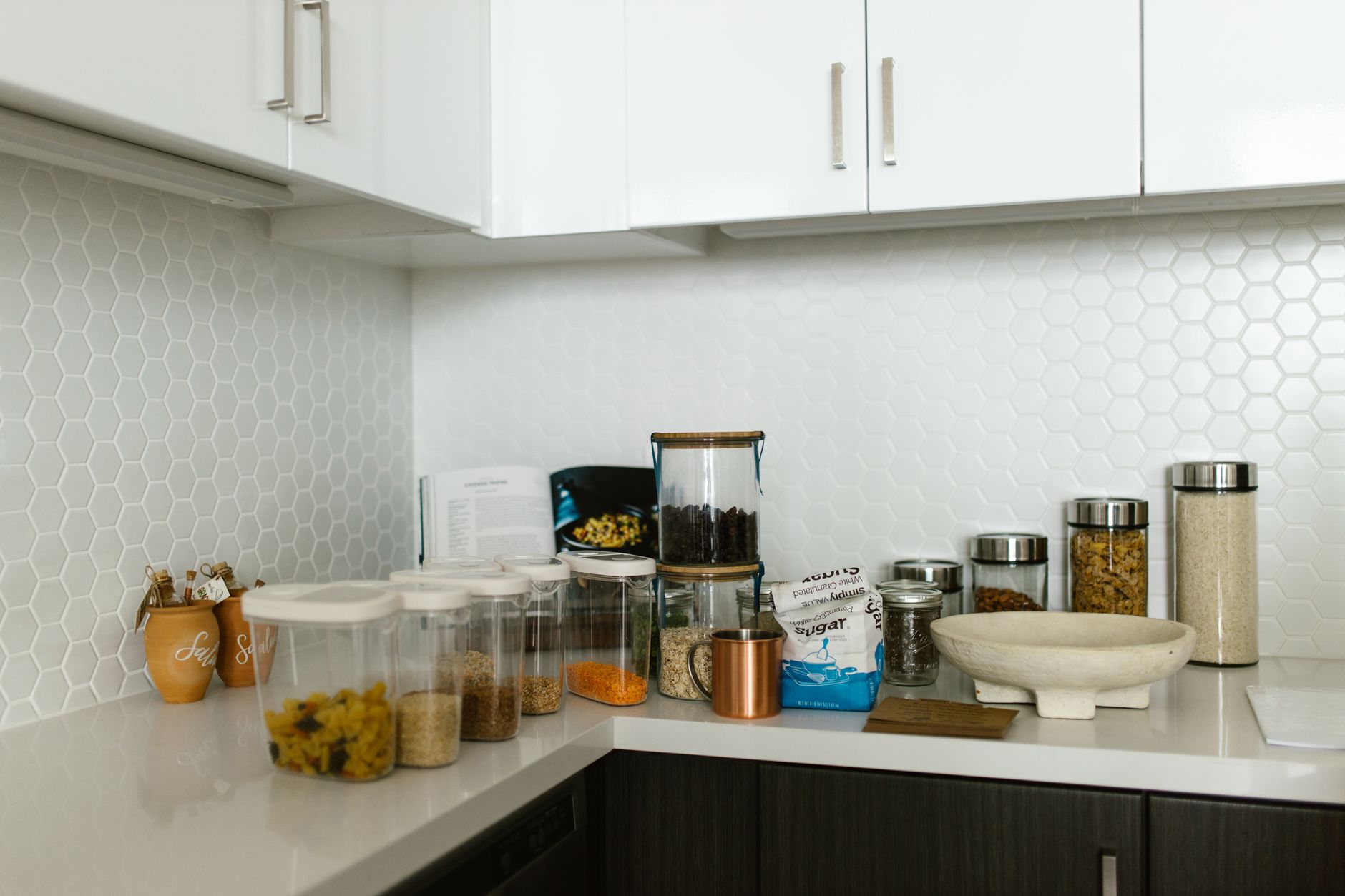
Kitchen Cleaning Checklist: The Most-Used Room in the Apartment
The kitchen is where grease, food residue, and bacteria build up fastest, so your kitchen cleaning routine deserves the most detailed section of any apartment cleaning checklist. Work from the top of the room downward so crumbs and dust fall onto surfaces you have not cleaned yet.
Wipe down the tops of upper cabinets and above the refrigerator where grease-coated dust collects.
Clean cabinet and drawer fronts with a damp microfiber cloth and an all-purpose cleaner.
Degrease the stovetop, burner grates, and the hood vent filter.
Wipe the exterior and interior of the microwave, including the turntable plate.
Clean the refrigerator exterior, door seals, and shelves. Toss expired items on the same pass.
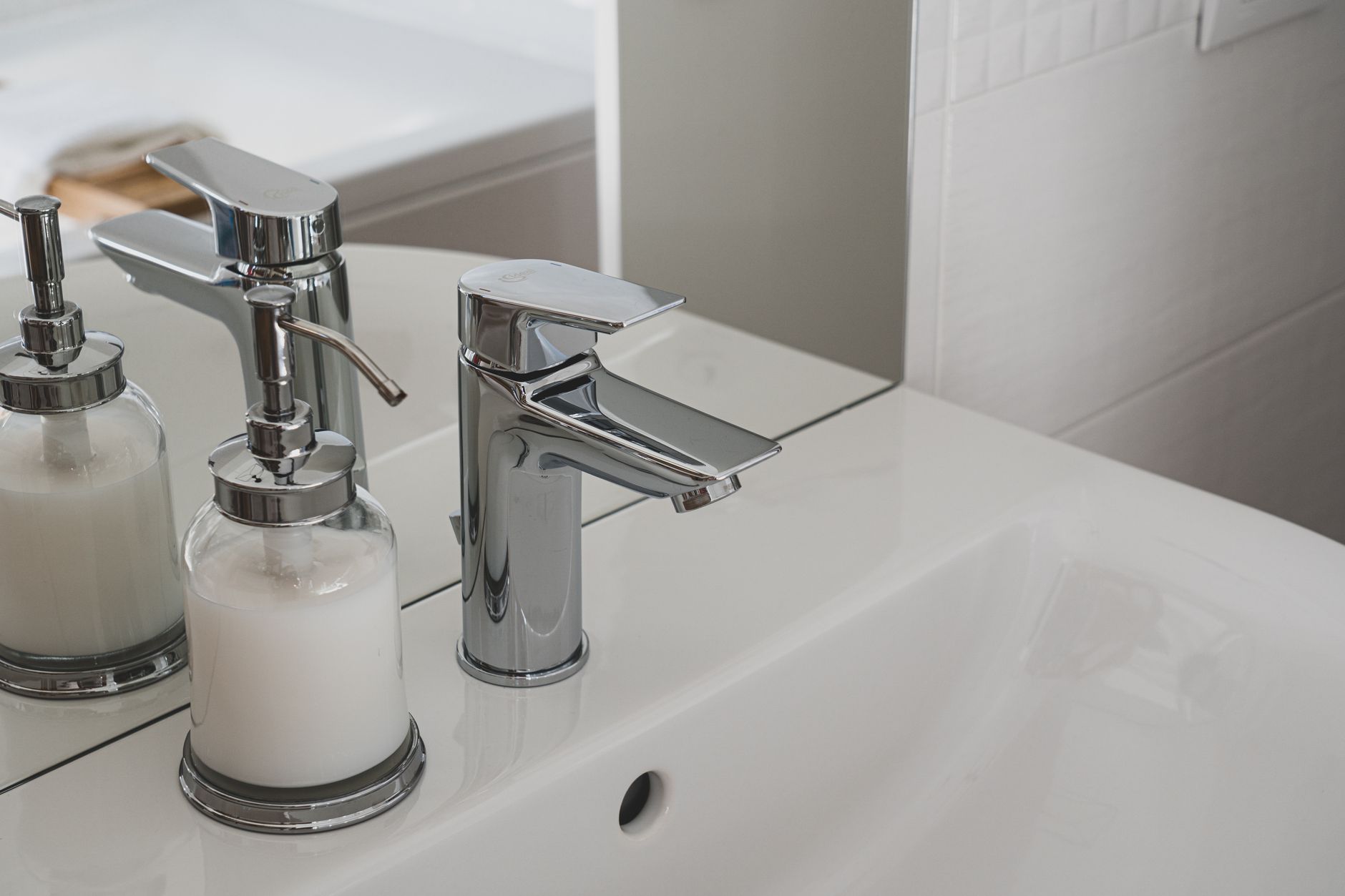
Scrub the sink, faucet, and surrounding counter with a non-abrasive cleaner.
Wipe down all countertops and the backsplash tile.
Clean the dishwasher door and control panel.
Sweep and mop the floor, pulling out the oven and refrigerator quarterly for a thorough clean underneath.
For a deeper version of these kitchen tasks, the deep cleaning service Elite Maids provides goes behind every appliance and inside every cabinet so nothing is missed. According to the EPA’s guidance on indoor air quality, residual grease and food particles are a significant contributor to poor air quality in small living spaces, making the kitchen one of the highest-priority rooms in any apartment cleaning schedule.
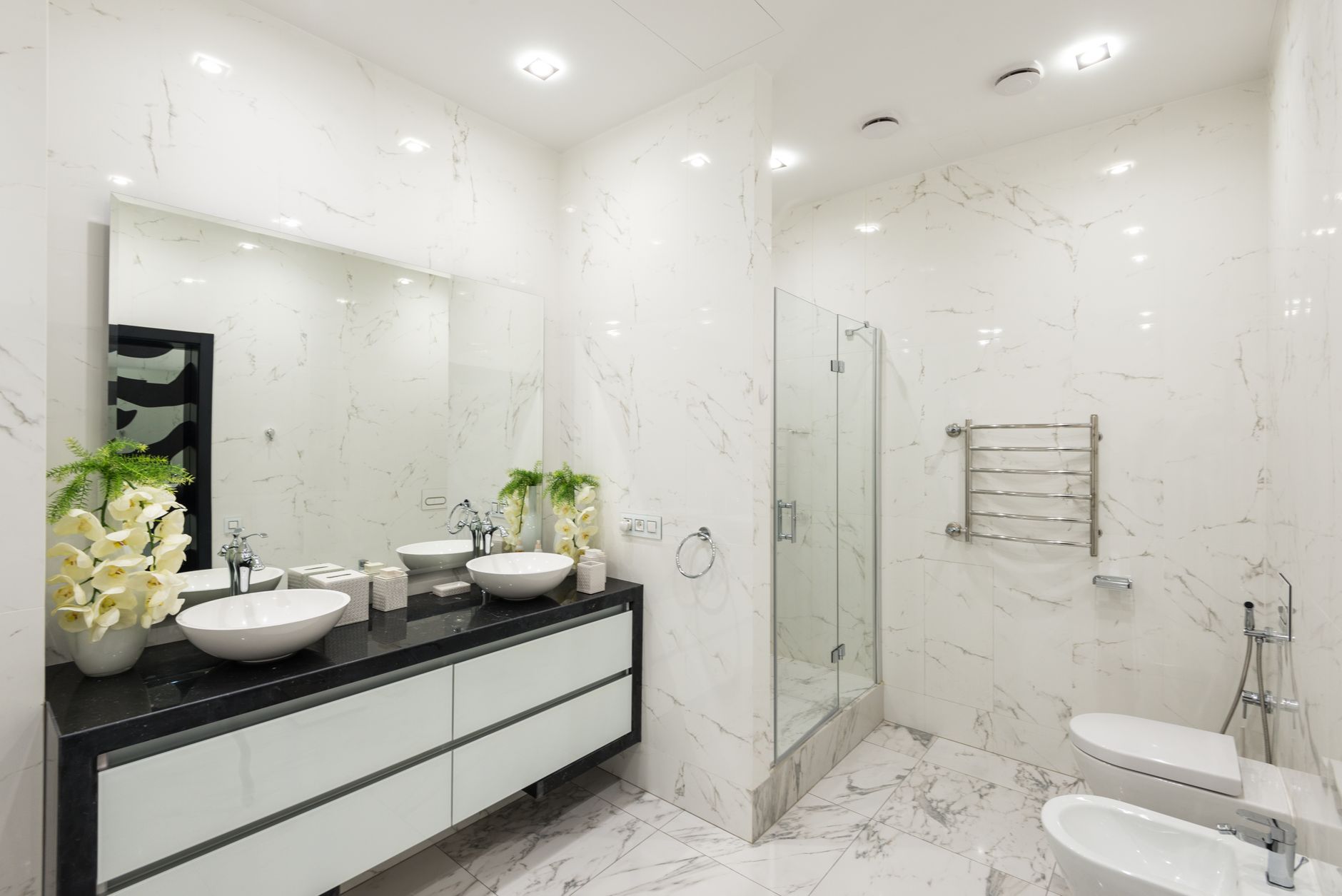
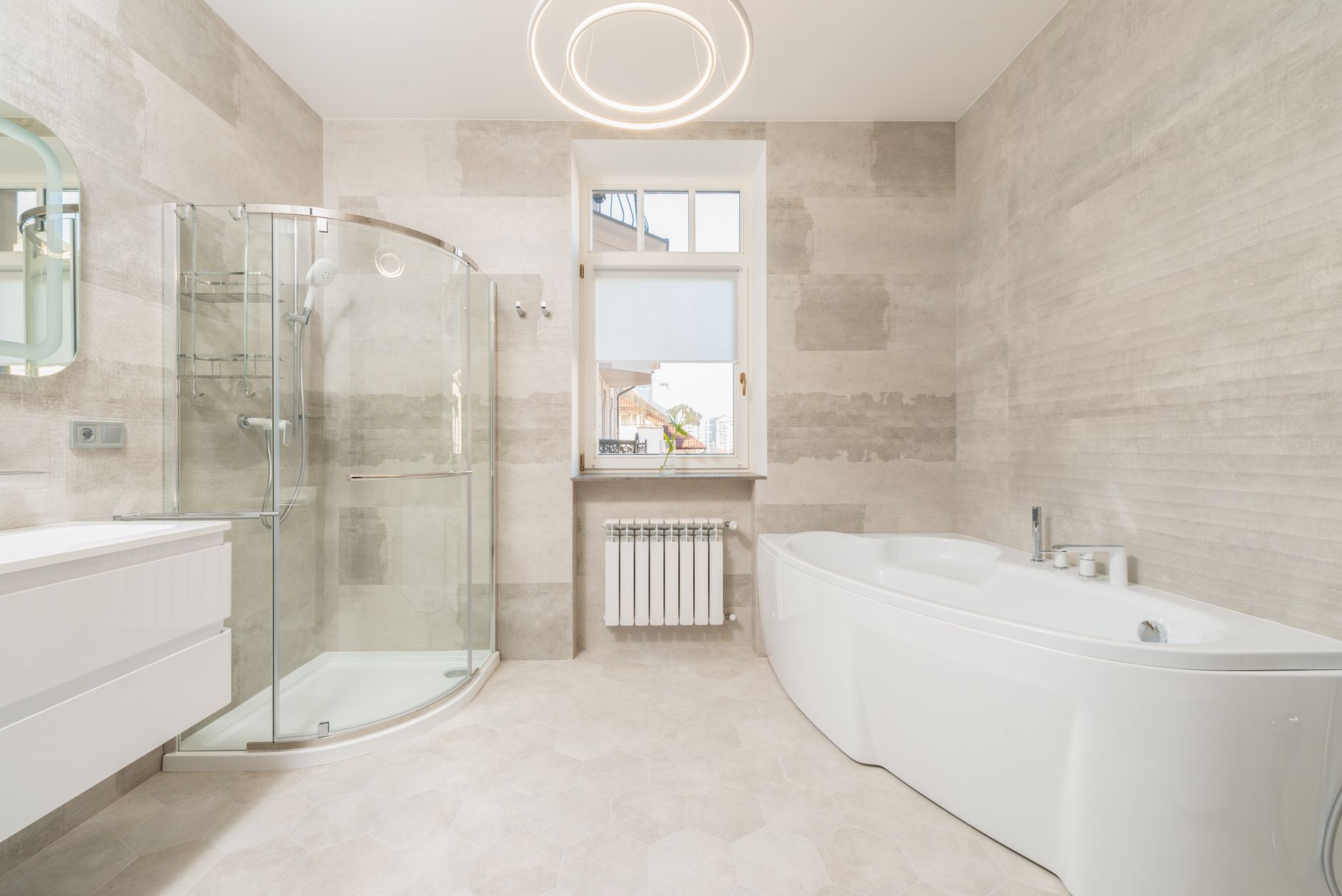
Bathroom Cleaning Checklist: Surfaces That Need Weekly Attention
Bathrooms in Phoenix apartments are prone to hard-water staining from the mineral-rich tap water, plus soap scum that bonds quickly to shower walls in warm, dry air. Your bathroom cleaning routine should run at least once a week to stay ahead of buildup.
Scrub the shower walls, tile grout, and fixtures with a bathroom cleaner designed to cut soap scum.
Disinfect the tub, paying extra attention to the grout lines and drain surround.
Clean the mirror with a streak-free glass cleaner or a 50/50 mix of water and white vinegar.
Scrub the sink, counter, and faucet, including the base of the faucet where mineral deposits accumulate.
Disinfect the toilet: tank lid, seat, bowl rim, bowl interior, and base.
Wipe down cabinet and drawer fronts and the inside of the medicine cabinet.
Empty and wipe the trash can.
Sweep and mop the floor, including behind the toilet and the edge of the vanity.
The CDC notes that bathroom surfaces are especially vulnerable to mold growth when moisture is not managed consistently. Wiping shower walls dry after each use and running the exhaust fan for at least ten minutes after a shower reduces mildew dramatically. If your grout has already turned dark, that is a job for a professional deep clean rather than a standard weekly pass.
Living Room and Bedroom Cleaning Checklist for a 1 or 2 Bedroom Apartment
Whether you are working through a 1 bedroom apartment cleaning schedule or managing a 2 bedroom apartment cleaning schedule, the living and sleeping areas follow the same logical order: dust high surfaces first, then work down to floors. The key difference with two bedrooms is frequency. A second bedroom used as a guest room or office can often rotate on a biweekly schedule instead of weekly, giving you more time to focus on the kitchen and bath.
Living Room Tasks
Dust ceiling fan blades, light fixtures, and crown molding.
Wipe down the TV and electronics with a dry microfiber cloth.
Dust all hard surfaces: shelves, end tables, coffee table, windowsills, and blinds.
Fluff and rotate sofa cushions, vacuum cushion crevices.
Spot-clean upholstery as needed.
Vacuum the area rug and the carpet or sweep and mop hard floors.
Wipe down baseboards and door frames monthly.
Bedroom Tasks
Strip and wash bedding weekly, including pillowcases and duvet covers.
Dust nightstands, dressers, and the headboard.
Vacuum under the bed and along the baseboards where dust bunnies collect.
Wipe down any mirrors or glass surfaces.
Clean light switches and door handles with a disinfecting wipe.
For residents who want a room-by-room breakdown they can follow themselves, our internal guide on apartment cleaning in Phoenix covers each space in even more detail. And if life gets hectic, scheduling a recurring maid service means the checklist runs on autopilot every week or two without you lifting a finger.
Building a Simple Apartment Cleaning Schedule That Actually Sticks
One of the biggest reasons people fall behind on apartment cleaning is that they treat it as a single giant project rather than a series of small, manageable tasks spread across the week. A simple apartment cleaning schedule breaks the work into daily, weekly, and monthly layers so no single session feels overwhelming.
Daily Habits (5 to 10 minutes)
Wipe down kitchen counters after cooking.
Rinse dishes or load the dishwasher immediately after meals.
Wipe the bathroom sink and counter after your morning routine.
Do a quick visual scan of each room and put misplaced items back where they belong.
Weekly Tasks (45 to 90 minutes depending on unit size)
Full bathroom cleaning using the checklist above.
Vacuum and mop all floors.
Wipe down kitchen appliance exteriors and counters thoroughly.
Clean mirrors and glass surfaces throughout the unit.
Change bed linens.
Monthly Deep-Dive Tasks
Clean inside the refrigerator and oven.
Wipe down all cabinet and drawer fronts.
Dust blinds and window tracks.
Scrub grout lines in the bathroom and kitchen.
Wipe baseboards and door frames throughout the unit.
Residents juggling busy schedules sometimes find it helpful to dedicate a specific weeknight to one zone rather than trying to clean the whole apartment on a Saturday morning. Splitting the work across three evenings is far less tiring than a marathon session. Real Simple’s cleaning resource hub backs this up, showing that consistent short sessions outperform irregular deep sessions for long-term cleanliness. If you want a version of this schedule tailored to busy renters, our post on apartment cleaning for busy people in Phoenix is worth bookmarking.
Deep Cleaning Your Phoenix Apartment: When the Standard Checklist Is Not Enough
A standard apartment cleaning checklist handles routine maintenance well, but every apartment needs a full deep cleaning at least two to four times a year. In Phoenix, the two most logical times are after monsoon season ends in September and again before summer hits in late April, when dust accumulation peaks and the heat starts accelerating bacterial growth on surfaces.
A professional deep clean goes well beyond the weekly checklist. It includes cleaning inside the oven, scrubbing behind and underneath all appliances, descaling showerheads and faucets, washing baseboards, cleaning interior cabinet shelves, sanitizing garbage cans, and wiping down every door, frame, and handle in the unit. This level of attention is also exactly what landlords expect when a tenant moves out.
If you are preparing for a move, a professional move-out cleaning service ensures your apartment meets the landlord’s standards for returning your security deposit. Elite Maids handles move-in and move-out cleans across Phoenix and the surrounding Valley communities, following a detailed checklist that mirrors what most property managers use during their final walkthrough inspection.
For seasonal prep, our ultimate guide to spring cleaning is a great companion resource to this apartment checklist, especially if you want to tackle window tracks, outdoor patios, and storage areas as part of your seasonal reset. And if you are planning a gathering, holiday cleaning services from Elite Maids can get your Phoenix apartment guest-ready before any occasion.
Eco-Friendly Cleaning Products That Are Safe for Phoenix Apartments
Phoenix apartments, especially those in older buildings, often have limited ventilation. That makes the choice of cleaning products more important than many renters realize. Conventional spray cleaners release volatile organic compounds (VOCs) that linger indoors and can irritate airways, particularly in smaller spaces with windows that do not open wide.
Switching to EPA Safer Choice-certified products or making your own cleaners from white vinegar, baking soda, and castile soap significantly reduces your VOC exposure. These options work well for countertops, sinks, glass, and general surface wiping. For disinfecting the toilet and bathroom, look for EPA Safer Choice-certified disinfectants that list their active ingredients clearly.
Elite Maids offers eco-friendly cleaning product options on every booking, so Phoenix renters who prefer low-VOC or fragrance-free products can request that when scheduling. There is no extra charge for the option, and your cleaners will bring everything needed so you do not have to stock a cabinet full of supplies.
Professional Apartment Cleaning vs. DIY: What Phoenix Renters Should Know
Doing your own apartment cleaning using a solid checklist is a perfectly good approach for keeping up with weekly maintenance. But there are situations where professional house cleaning services in Phoenix make more sense than the DIY route.
First, if you are short on time, a professional team can clean a one or two bedroom apartment in a fraction of the time it takes a single person working alone. Second, professional cleaners bring the right tools for jobs that are genuinely difficult without commercial equipment, such as grout scrubbing, hard-water descaling, or carpet spot treatment. Third, for move-out situations, a professional cleaning is almost always worth it because the cost is typically less than a landlord-assessed cleaning fee deducted from your deposit.
For Phoenix renters who want a hybrid approach, many clients book professional apartment cleaning every month or quarter for the deep work and handle light weekly maintenance themselves using this checklist in between visits. That combination keeps costs manageable while ensuring the apartment never gets ahead of you.
Ready to take apartment cleaning off your plate entirely? Contact Elite Maids house cleaning today for a free quote and see why Phoenix renters trust us to keep their homes consistently clean. You can book online in minutes with instant pricing, and our background-checked, fully insured team backs every visit with a no-cost reclean guarantee. Serving THE BEST 10 HOME CLEANING IN PHOENIX, AZ and the surrounding Valley, Elite Maids is here whenever you need a cleaner apartment without the stress.
Frequently Asked Questions
What should be on an apartment cleaning checklist?
An apartment cleaning checklist should cover every room in the unit. For kitchens: wipe cabinets, degrease the stovetop, and scrub the sink. For bathrooms: scrub shower walls and fixtures, disinfect the tub, clean the mirror, and scrub the sink, counter, and faucet. Living areas and bedrooms need dusting, vacuuming, and linen changes. A complete checklist also includes floors, baseboards, and all door handles throughout the unit.
How often should I deep clean my apartment in Phoenix?
Most Phoenix apartments benefit from a professional deep cleaning two to four times a year. The best timing is after monsoon season in early fall and before the heat peaks in late spring, when dust and humidity have done the most work on your surfaces. Move-in and move-out situations always call for a full deep clean regardless of season.
How do I make an apartment cleaning schedule I will actually follow?
Break tasks into daily, weekly, and monthly layers instead of trying to do everything at once. Daily habits take five to ten minutes and cover counters, dishes, and quick tidy-ups. Weekly sessions handle bathrooms, floors, and vacuuming. Monthly sessions cover the deeper work like inside appliances and baseboards. Assign specific days or evenings to each layer so it becomes routine rather than a reaction to visible mess.
Is a move-out cleaning worth it for Phoenix renters?
Yes. Most landlords and property managers in Phoenix conduct a detailed walkthrough using their own checklist, and any cleaning deficiencies are billed against your security deposit at contractor rates, which are almost always higher than a professional cleaning quote. Booking a move-out cleaning with Elite Maids typically costs less than one line item on a landlord’s deduction sheet and removes the stress of doing it yourself during an already hectic move.
Can I use eco-friendly cleaners on all surfaces in my apartment?
Most eco-friendly and EPA Safer Choice-certified cleaners work well on countertops, sinks, mirrors, toilets, and sealed tile floors. White vinegar and water works on glass and hard surfaces but should be avoided on natural stone like marble or granite, where acidity causes etching. For grout and heavy soap scum, you may need a stronger product. When in doubt, check the surface material before applying any cleaner, conventional or eco-friendly.
Green Cleaning Alternatives to Chemicals for Glendale Homes
SHARE:
The best green cleaning alternatives to chemicals are distilled white vinegar, baking soda, castile soap, hydrogen peroxide, and essential oils. These non-toxic household cleaners tackle grease, grime, bacteria, and odors without the harsh fumes that irritate your throat or harm indoor air quality. This post walks through 10 practical, lung-safe cleaning alternatives every Glendale homeowner can start using today.
1. Green Cleaning Alternatives to Chemicals for Glendale Homes
If you live in Glendale and want to cut harsh cleaning chemicals out of your home, you are not alone. More families here are asking about environmentally safe cleaning products after noticing that certain commercial cleaners leave them coughing, sneezing, or dealing with eye irritation long after the bottle is put away. House Cleaning in Glendale, CA, Book Online is something many residents search for precisely because they want a cleaner home without a chemical hangover. The good news is that a handful of natural ingredients already sitting in your pantry can replace most of the products under your sink.
According to EPA Indoor Air Quality guidance, indoor air can be two to five times more polluted than outdoor air, and conventional cleaning sprays are a major contributor. Switching to non-toxic cleaning alternatives is one of the fastest ways to improve the air your family breathes every day. Elite Maids House Cleaning has been helping Glendale families make exactly this switch through eco-friendly product options available on every booking.
2. Distilled White Vinegar: The Most Versatile Natural Cleaner
Distilled white vinegar is hands-down the most versatile all-natural, non-toxic household cleaner you can buy. Mix equal parts vinegar and water in a spray bottle and you have an environmentally safe cleaner that cuts through soap scum, hard water deposits, grease on stovetops, and bacteria on countertops. The mild acidity of vinegar makes it one of the most effective green cleaning solutions without any of the volatile organic compounds (VOCs) found in commercial multi-surface sprays.
A few important notes: vinegar is not safe on natural stone like granite or marble because the acid etches the surface. For stone counters, plain warm water and a drop of castile soap work better. Everywhere else, diluted vinegar is a reliable, EPA Safer Choice-aligned option that costs almost nothing per bottle. For an in-depth look at how these natural alternatives stack up room by room, check out this guide to home cleaning in Glendale using safe, natural methods.
3. Baking Soda: A Safe Scrubbing and Deodorizing Agent
Baking soda is a mild abrasive and natural deodorizer that makes an outstanding chemical-free scrubbing paste. Sprinkle it on a damp sponge to scrub bathroom tiles, tub rings, and kitchen sinks without scratching. Combine it with vinegar for a fizzing reaction that loosens drain clogs and breaks up soap scum in ways that feel satisfying to watch.
For odor control, pour a half cup of baking soda into the bottom of your garbage can, leave it open in a stale-smelling closet, or sprinkle it on carpet before vacuuming. This simple non-toxic deodorizer replaces aerosol sprays that often contain synthetic fragrances linked to respiratory irritation. The American Lung Association specifically recommends avoiding aerosol sprays and air fresheners for people with asthma or other lung conditions, making baking soda a genuinely lung-safe cleaning product for households with sensitive family members.
4. Castile Soap: A Plant-Based All-Purpose Green Cleaner
Castile soap is made entirely from plant oils, making it one of the most popular eco-friendly cleaning products for whole-home use. A few drops in warm water creates a gentle but effective all-purpose cleaner for floors, walls, countertops, and even dishes. Unlike petroleum-based detergents, castile soap is biodegradable and free of synthetic surfactants that can disrupt aquatic ecosystems after they wash down your drain.
You can also combine castile soap with baking soda to create a creamy scrubbing paste for grout, stovetop grates, and bathroom fixtures. If you are looking for cleaning Glendale prices from a team that already uses eco-friendly product options, Elite Maids House Cleaning offers instant online quotes with same-day availability between 8am and 6pm. No phone call needed.
5. Hydrogen Peroxide: A PFAS-Free Disinfecting Alternative
Standard 3% hydrogen peroxide from any pharmacy is an effective disinfectant that kills bacteria, viruses, and mold spores without leaving toxic residue. It is a PFAS-free cleaning product with no chlorine, no bleach fumes, and no compounds that linger on surfaces after they dry. Spray it on cutting boards, toilet seats, door handles, and bathroom counters, let it sit for a minute, then wipe clean.
One caution: hydrogen peroxide can lighten colored fabrics, so keep it away from upholstery and colored grout. It is best used on white or light-colored hard surfaces where disinfection matters most. For households concerned about harsh cleaning chemicals, hydrogen peroxide is one of the most credible, research-backed swaps available, and it costs less than a dollar per bottle at most drugstores.
6. Essential Oils: Natural Fragrance With Antimicrobial Properties
Essential oils like tea tree, lavender, eucalyptus, and lemon are more than just pleasant scents. Tea tree oil in particular has documented antimicrobial properties that make it a useful addition to DIY green cleaning sprays. Add 10 to 20 drops to a vinegar-and-water spray or a castile soap solution to boost cleaning power and leave rooms smelling fresh without synthetic fragrance.
Synthetic fragrances in conventional cleaners are one of the more overlooked indoor air quality concerns. According to research highlighted by the EPA on volatile organic compounds, many scented cleaning products emit VOCs that contribute to indoor air pollution even after you stop spraying. Essential oil-scented cleaners give you that clean-smelling home without pumping VOCs into the air your family breathes. For a deeper comparison of natural and conventional methods, this post on green cleaning vs. traditional cleaning covers the real differences worth knowing.
7. Environmentally Safe Cleaning Products: What to Look for on the Label
Not every bottle that says “natural” or “green” on the front is actually free of harsh cleaning chemicals. The most reliable signal is the EPA Safer Choice label, which means every ingredient in the product has been evaluated for both human health and environmental safety. Look for that mark when buying ready-made environmentally safe cleaning products at the store.
You can also scan for a few red-flag ingredients to avoid: sodium hypochlorite (bleach), ammonia, phthalates, synthetic musks, and anything listed as a “fragrance” without further disclosure. If you want to see how The 10 Best House Cleaning Services in Glendale, CA 2026 approach eco-friendly cleaning, look for teams that explicitly list their product choices and offer non-toxic options on their booking pages. Transparency is the real differentiator.
8. DIY Green Cleaning Recipes for Every Room in Your Home
You do not need a dozen different bottles to keep your Glendale home spotless using natural cleaning alternatives. These four recipes cover almost every surface:
All-purpose spray: 1 cup distilled white vinegar, 1 cup water, 15 drops tea tree oil, 10 drops lemon essential oil. Use on counters, sinks, appliances, and tile.
Scrubbing paste: Half cup baking soda, enough castile soap to form a paste, 10 drops eucalyptus oil. Use on tubs, grout, and stovetops.
Glass cleaner: 2 cups water, half cup white vinegar, quarter cup rubbing alcohol. Leaves windows streak-free without ammonia fumes.
Toilet cleaner: Half cup baking soda poured into the bowl, followed by a cup of white vinegar. Let fizz for 10 minutes, scrub, and flush.
These non-toxic cleaning recipes are also a great starting point if you want to prep your home before a scheduled deep cleaning service. Getting the everyday grime under control between professional visits means the deep clean goes further and lasts longer. For a structured seasonal approach, the ultimate guide to spring cleaning pairs well with a switch to green products.
9. Health Risks of Conventional Cleaners: Why Glendale Families Are Making the Switch
The top 10 most toxic cleaning products in the average home include drain cleaners containing lye, oven cleaners with sodium hydroxide, bleach-based mold sprays, ammonia-based glass cleaners, and antibacterial products with triclosan. These are all OSHA-recognized hazardous substances, meaning workplaces that use them must follow strict safety protocols. Yet most families spray them in unventilated bathrooms without a second thought.
Cleaning products that irritate the throat are among the most common household complaints. Short-term exposure causes coughing, eye watering, and headaches. Longer-term exposure to VOCs from conventional cleaners has been linked to asthma, hormone disruption, and, in some studies, increased cancer risk. Switching to the green cleaning alternatives covered in this post significantly reduces your family’s daily chemical load without sacrificing a clean home. Good Housekeeping’s cleaning resources offer additional product testing data if you want side-by-side comparisons of conventional versus natural cleaners.
10. Green Dry Cleaning Alternatives and Fabric Care Without Harsh Solvents
Traditional dry cleaning relies on perchloroethylene (PERC), a solvent that the EPA classifies as a probable human carcinogen. If you want a green alternative for dry cleaning solvents at home, the most practical options are wet cleaning with a gentle castile soap solution, carbon dioxide cleaning (offered by some professional cleaners), and silicone-based solvents marketed as “green dry cleaning.” For everyday garments labeled “dry clean only,” hand washing with cold water and a wool-safe castile soap often works just as well.
For Glendale homeowners who want professional-grade residential cleaning services that skip the harsh solvents inside their home, Elite Maids House Cleaning’s eco-friendly product options extend to fabric-safe solutions for upholstery and soft furnishings. You can also explore our related post on natural green cleaning products for a full ingredient-by-ingredient breakdown. And when the holidays roll around and your home needs a full reset, our holiday cleaning service uses eco-friendly products by request.
Closing: Book Eco-Friendly House Cleaning in Glendale Today
Making the switch to green cleaning alternatives is one of the best things you can do for your family’s health, your home’s air quality, and the Glendale community around you. Whether you start with a spray bottle of diluted vinegar or go all-in on a pantry full of natural ingredients, every chemical you replace is a win. When you are ready to hand the cleaning off to professionals who share that commitment, Cleaning Services in Glendale, AZ from Elite Maids House Cleaning means every cleaner arrives background-checked, fully insured, and equipped with eco-friendly products on request. You can check out 10 BEST House Cleaning Services in Glendale, CA to see why we are the most-reviewed residential cleaning team in Arizona. Then contact Elite Maids House Cleaning today for a free quote and get your clean, chemical-free home back without lifting a finger.
Frequently Asked Questions
What are alternatives to chemical cleaning products?
The most effective alternatives to chemical cleaning products are distilled white vinegar, baking soda, castile soap, hydrogen peroxide, and essential oils like tea tree and lemon. Each one targets specific cleaning tasks, from disinfecting to scrubbing to deodorizing, without the VOCs, synthetic fragrances, or harsh solvents found in most commercial cleaners. They are also significantly cheaper per use.
What is a green alternative for dry cleaning solvents?
The most practical green alternatives to traditional dry cleaning solvents like PERC are professional wet cleaning with gentle plant-based soaps, carbon dioxide cleaning offered by some specialty cleaners, and silicone-based solvent systems marketed as green dry cleaning. For home use, cold-water hand washing with a castile soap formulated for delicates handles most garments labeled “dry clean only” without toxic chemical exposure.
Are homemade green cleaners as effective as store-bought products?
For everyday cleaning tasks, yes. A diluted white vinegar spray disinfects and cuts grease as well as most multi-surface sprays. Baking soda scrubs as effectively as most powder cleansers. Where homemade options fall short is in heavy-duty disinfection scenarios, like sanitizing after a confirmed illness, where an EPA-registered hydrogen peroxide product gives you a verified kill rate that a DIY mix may not reliably match.
Do green cleaning products actually kill bacteria and viruses?
Some do. Hydrogen peroxide at 3% concentration is an EPA-registered disinfectant when left on surfaces for the required contact time (usually one minute or more). Undiluted white vinegar kills some bacteria but is not registered as a disinfectant for viruses. For true disinfection, hydrogen peroxide or an EPA Safer Choice-certified disinfectant is the better choice over vinegar alone.
Can professional house cleaners in Glendale use eco-friendly products?
Yes. Elite Maids House Cleaning offers eco-friendly product options on every booking in Glendale. Simply request non-toxic or green products when you book online, and your cleaner will arrive equipped with plant-based, lung-safe alternatives. This is especially popular with households that include young children, pets, or anyone with asthma or chemical sensitivities.
You can deep clean your entire house in one day by working room by room with a clear plan, the right supplies gathered upfront, and a top-to-bottom cleaning order that prevents double work. Most homes take six to eight hours using this method. This guide walks you through every room, every surface, and every product choice so you finish before dinner.
Why a One-Day Whole House Deep Clean Works
A whole house deep clean in a single day sounds ambitious, but it is completely realistic when you treat the project like a job instead of a chore. The reason most people stall is that they start without a system. They clean the bathroom, wander into the kitchen, go back to the bedroom, and three hours later they feel exhausted with nothing fully finished.
A deep clean of the entire house works best when you commit to completing one room before moving to the next. This approach gives you visible momentum. Each finished room feels like a win, and that energy carries you through the harder spaces. The key word here is deep cleaning, not surface wiping. A deep clean means moving furniture, scrubbing baseboards, descaling fixtures, wiping cabinet fronts, and cleaning inside appliances, not just the counters and floors.
According to the EPA’s indoor air quality guidelines, dust, pet dander, mold spores, and chemical residues accumulate in areas that routine weekly cleaning misses entirely. A thorough one-day deep clean tackles those hidden buildup zones and noticeably improves the air your family breathes at home.
Gather Your Deep Cleaning Supplies Before You Start
The single biggest time killer in a one-day deep cleaning project is hunting for supplies mid-room. Before you touch a single surface, collect every tool and product you will need and put them in a caddy or bucket you can carry from room to room.
Here is a practical supply list for a thorough whole-home deep clean:
All-purpose cleaner (spray bottle)
Degreaser for kitchen surfaces
Bathroom disinfectant and toilet bowl cleaner
Glass cleaner
Microfiber cloths (at least 12, so you are not rewashing mid-job)
Scrub brushes in two sizes
A mop and bucket or a spray mop
Vacuum with attachments for upholstery and crevices
Rubber gloves
Trash bags
Magic eraser-style sponges for scuffs and marks
Baking soda and white vinegar for natural deodorizing and scrubbing
If you prefer safer, lower-toxicity options, look for products certified through the EPA Safer Choice program. These are formulated to clean effectively while reducing exposure to harsh chemicals, which matters especially in homes with young children or pets.
Many Arizona homeowners who book a house cleaning in Arizona with a professional team find it useful to watch how the pros set up their caddy before doing their own deep clean. Preparation is half the job.
Room-by-Room Deep Cleaning Order for Maximum Efficiency
The most efficient room-by-room deep cleaning order starts at the top of the house and works down, and within each room starts at the ceiling and works toward the floor. Gravity does some of your work. Dust knocked off ceiling fans and shelves falls to the floor, and you vacuum it up at the end instead of re-cleaning surfaces you already wiped.
Follow this room-by-room sequence for a full house deep clean:
Bedrooms first. Strip and wash all bedding. Dust ceiling fans, light fixtures, and shelves. Wipe furniture, clean mirrors, vacuum under beds and along baseboards, then vacuum the full floor.
Bathrooms second. Spray toilet, tub, and shower and let the product dwell while you wipe mirrors and counters. Scrub and rinse fixtures. Clean grout with a brush. Mop the floor last.
Kitchen third. This room takes the longest. Clean inside the microwave, oven, and refrigerator. Degrease cabinet fronts and the range hood. Wipe down all counters and backsplash. Clean the sink and descale the faucet. Sweep and mop.
Living areas fourth. Dust all surfaces top to bottom, including ceiling fans, bookshelves, baseboards, and windowsills. Vacuum upholstery and under cushions. Vacuum or mop floors.
Entryway and hallways last. Wipe light switches, clean mirrors, sweep and mop tile or vacuum carpet.
If you want a detailed room-by-room checklist tailored specifically to Arizona homes, our spring cleaning guide covers every surface in organized, checkable order.
How to Deep Clean Your Kitchen in One Session
Deep cleaning the kitchen is the most time-intensive part of cleaning the entire house in one day, so budget at least ninety minutes here. The kitchen collects grease, food residue, and bacteria in places that weekly cleaning never reaches: under the refrigerator, inside the oven, behind the stove, and inside the dishwasher drain.
Start by pulling the refrigerator out and vacuuming the coils and the floor beneath it. Remove everything from the refrigerator, wipe down every shelf and drawer with a diluted all-purpose cleaner, and throw out expired items before restocking.
For the oven, use a non-abrasive cleaner or a paste of baking soda and water. Apply it, let it sit for twenty minutes, then scrub and wipe clean. The range hood filter can be soaked in hot water with dish soap and baking soda while you work on the rest of the kitchen.
Cabinet fronts are often overlooked during routine cleaning. Grease and fingerprints build up on them quickly in Arizona kitchens, especially near the stove. A degreaser spray and a microfiber cloth handles this fast. The kitchen deep clean finishes with the sink, faucet descaling, and a thorough mopping of the floor.
For homeowners who want professional-grade kitchen results without the time investment, our deep cleaning service in Mesa includes full appliance cleaning as part of every deep clean appointment.
Bathroom Deep Cleaning Tips That Actually Eliminate Grime
Bathroom deep cleaning requires patience and the right dwell time from your products. The biggest mistake people make is spraying a surface and immediately wiping it. Disinfectants and mold-fighting cleaners need time to work, usually two to five minutes of contact before you scrub. Let the chemistry do the heavy lifting.
Start by spraying the toilet bowl with cleaner and leaving it. Spray the tub, shower walls, and grout lines. Spray the sink and faucet. Now wipe the mirror and counters while everything else soaks. By the time you finish the counter, the toilet and tub are ready to scrub with minimal elbow grease.
Grout cleaning is the detail that separates a surface-level bathroom clean from a real deep clean. Use a stiff brush and a paste of baking soda and hydrogen peroxide on grout lines. Scrub in short, firm strokes. Rinse thoroughly. The difference is visible immediately.
Mold is a particular concern in humid bathrooms. The CDC notes that mold in homes can trigger respiratory problems and allergy symptoms, especially for children and older adults. If you see mold growth beyond surface-level discoloration, treat it seriously and consider calling a professional cleaner who handles mold-prone areas with proper products.
Deep Clean Checklist for Living Areas and Bedrooms
Living rooms and bedrooms are where most families spend the majority of their time, but they often get the least thorough attention during cleaning. A deep cleaning checklist for these spaces goes far beyond vacuuming the rug and fluffing pillows.
For bedrooms, the deep clean checklist includes:
Wash all bedding including duvet covers and pillow protectors
Vacuum the mattress surface and sides
Dust ceiling fan blades (use a damp microfiber cloth to trap the dust instead of dispersing it)
Wipe down all furniture surfaces, including the undersides of shelves
Clean mirrors and glass surfaces
Vacuum under beds, dressers, and nightstands
Wipe baseboards and door frames
Clean light switch plates and door handles
For living areas, the checklist expands to include upholstery cleaning. Vacuum every cushion on sofas and chairs, including the crevices. Use an upholstery brush attachment. If you have pets, a rubber glove rubbed across fabric surfaces pulls hair off effectively before vacuuming. Dust all bookshelves, entertainment units, and window treatments. Wipe down windowsills, especially in Arizona homes where dust and pollen accumulate quickly.
If this full-home checklist feels overwhelming on a busy weekend, a same-day house cleaning Arizona booking with Elite Maids can cover all of it for you, often with availability between 8am and 6pm on the same day you reach out.
Eco-Friendly Deep Cleaning Products That Work
Choosing eco-friendly deep cleaning products is not just about environmental responsibility. In a house deep clean, you are using more product than usual, in more rooms, for a longer period. That increases your family’s exposure to whatever is in those bottles. Picking safer options matters more on a deep cleaning day than it does during a quick surface wipe.
Effective natural and eco-friendly cleaning agents include:
White vinegar: Cuts mineral deposits, descales faucets, and deodorizes. Dilute it 1:1 with water for most surfaces. Do not use on natural stone.
Baking soda: Gentle abrasive and odor absorber. Excellent in the oven, on grout, and in drains.
Castile soap: A plant-based soap that works as an all-purpose cleaner, floor wash, and dish soap. Biodegradable and non-toxic.
Hydrogen peroxide: Effective disinfectant and mold fighter when used at 3% concentration.
Essential oils: Tea tree oil has natural antimicrobial properties and makes homemade cleaners smell fresh without synthetic fragrance.
For store-bought options, look for the EPA Safer Choice label mentioned earlier. Good Housekeeping’s cleaning section regularly tests and reviews eco-friendly cleaning products with lab-verified results, which is a reliable place to compare options before you buy.
Elite Maids offers eco-friendly product options on every cleaning visit for customers who want cleaner indoor air alongside a cleaner home.
When to Call a Professional Deep Cleaning Service Instead
A DIY deep clean of the entire house in one day is achievable for most people, but there are situations where calling a professional deep cleaning service is the smarter call. Knowing the difference saves you time, frustration, and sometimes money.
Consider professional help when:
You are moving into or out of a home and need every surface spotless
The home has not had a thorough deep clean in more than six months
There is visible mold, heavy grease buildup, or post-renovation dust
You have a large home (over 2,500 square feet) and only a few hours available
You want a guaranteed result without the physical effort
Professional deep cleaning services use commercial-grade products, trained technique, and systematic checklists that produce a more consistent result than most DIY efforts. Every cleaner at Elite Maids is background-checked, insured, and backed by a reclean-at-no-cost satisfaction guarantee. If something is missed, we come back and fix it for free.
For Arizona homeowners across Phoenix, Mesa, Scottsdale, Gilbert, Chandler, and beyond, deep cleaning service Arizona is available with same-day booking and instant online quotes, no phone call required.
Closing: Get Your Home Deep Cleaned Without Losing Your Entire Weekend
A full house deep clean in one day is absolutely doable with the right plan, the right supplies, and the right room order. Start at the top, work your way down, let your products dwell, and stay in each room until it is finished before moving on. If you would rather hand the job to people who do this every day, house cleaning service Arizona, contact Elite Maids house cleaning today for a free quote and get a spotless home without giving up your Saturday.
Frequently Asked Questions
How long does it actually take to deep clean an entire house?
For an average three-bedroom, two-bathroom home, a thorough deep clean takes six to eight hours for one person working with a clear system. Larger homes or spaces with heavy buildup can take longer. Two people working together can cut that time roughly in half by splitting rooms. Professional cleaning teams typically finish faster because of experience and commercial tools.
What is the difference between a regular cleaning and a deep clean?
A regular cleaning covers visible surfaces: counters, sinks, floors, toilets, and mirrors. A deep clean goes much further by including inside appliances, cabinet fronts, baseboards, grout, behind furniture, ceiling fans, light fixtures, and window tracks. Deep cleaning is usually done a few times a year, while regular maintenance cleaning keeps things tidy in between.
How often should you deep clean your whole house?
Most cleaning professionals recommend a full house deep clean two to four times per year. Homes with pets, young children, or allergy sufferers benefit from deep cleaning every two to three months. Arizona’s dry, dusty climate means dust accumulates faster than in humid regions, so Valley homeowners often find quarterly deep cleans make a noticeable difference in indoor air quality.
What should I clean first when deep cleaning my house?
Start with bedrooms and bathrooms, then move to the kitchen, followed by living areas and hallways. Within each room, always clean top to bottom: ceiling fans and light fixtures first, then shelves and furniture, then baseboards, and floors last. This order ensures dust and debris that falls during cleaning gets captured when you vacuum or mop the floor at the end.
Is it worth hiring a professional house cleaner for a deep clean?
For most homeowners, yes. A professional deep cleaning service saves four to eight hours of physical labor, uses better products and tools, and delivers a consistent, guaranteed result. It is especially worth it for move-in or move-out situations, post-renovation cleanup, or any time the home has not had a thorough clean in several months. Elite Maids backs every deep clean with a no-cost reclean guarantee.
The single most effective house cleaning tip for working moms is this: own less stuff on your surfaces. When countertops and shelves stay clear, daily cleaning takes minutes instead of an hour. Recommendations for cleaning company/person in Flagstaff point to the same conclusion: a clutter-free home is a faster home to clean. The tips below walk through every practical habit that keeps a Flagstaff home tidy without burning out the people who live in it.
1. Less Stuff on Surfaces Means Less to Clean
The number one cleaning tip that working parents in Flagstaff repeat again and again is simple: clear your countertops. Every object sitting on a kitchen counter, bathroom shelf, or living room table is one more thing to move, wipe around, and put back. That extra handling multiplies your cleaning time without adding any real value.
The fix is giving everything a dedicated home inside a cabinet or drawer. If it does not have a place to go, it probably should not be in the house. Minimizing what lives on open surfaces is the fastest way to cut daily home cleaning time in half. Good Housekeeping’s cleaning section has covered this principle repeatedly: surfaces that stay clear stay clean.
Walk through each room with a laundry basket and collect anything that has migrated out of its proper place. Return items to their homes. Repeat that sweep each evening for five minutes and your home will almost always look guest-ready without a dedicated scrubbing session.
2. Establish a Realistic Daily Cleaning Routine
A cleaning routine does not need to be complicated to work. It just needs to be consistent. For working moms in Flagstaff, a short morning and evening routine beats a marathon weekend cleaning session every time.
Morning routine ideas (10 minutes or less):
Make beds immediately after waking
Wipe down bathroom counters and mirrors while the coffee brews
Load the dishwasher or rinse breakfast dishes before leaving
Evening routine ideas (15 minutes or less):
Do a five-minute surface sweep of the kitchen
Run the dishwasher before bed
Set out anything needed for the next morning so chaos does not build overnight
A steady house cleaning routine removes the mental burden of deciding what to tackle each day. When habits are automatic, keeping up with home cleaning does not feel like extra work. According to Real Simple, breaking cleaning into short daily blocks is the method most commonly cited by busy parents who actually maintain tidy homes.
3. Do Not Let Spills Linger
A spill cleaned up in thirty seconds is a spill that does not become a stain scrubbed for thirty minutes. This is one of the most time-saving tips in any home cleaning guide, and it matters especially in Flagstaff homes where the dry mountain air can harden spills faster than you expect.
Keep a small spray bottle of an all-purpose cleaner and a roll of paper towels or a clean cloth on every floor of the house. When something drips, spills, or splatters, deal with it immediately. The same rule applies to bathroom soap scum and kitchen grease: address them while they are fresh and they wipe away in seconds.
For stubborn residue, a paste of baking soda and water applied for a few minutes before wiping usually lifts the stain without harsh chemicals. If you prefer store-bought options, the EPA Safer Choice program certifies cleaning products that are effective without exposing your family to unnecessary chemicals.
4. Get Your Kids to Clean Up After Themselves
Working moms cannot do it all alone, and they should not have to. Building a culture of shared responsibility is one of the most powerful home cleaning strategies a family can adopt. Kids as young as three can put toys into a bin. By seven, they can wipe tables and fold laundry. Teenagers can handle vacuuming, bathrooms, and taking out trash.
The key is consistency and clear expectations, not nagging. Assign chores at the start of the week, post a simple chart where the kids can see it, and celebrate follow-through. Natural consequences work well here: no screens until the bedroom is tidy is a boundary most kids respect quickly.
This approach does double duty. It keeps the house cleaner day to day, and it teaches children responsibility before they leave home. Flagstaff families who build cleaning habits into their routines early report far less chaos on the weekends when everyone actually wants to relax.
5. Multitask During Downtime Moments
One of the smartest ways to stay on top of home cleaning without carving out extra hours is to attach small tasks to moments you are already standing around. Waiting for pasta water to boil? Wipe down the stovetop and the cabinet fronts. Waiting for a Zoom call to start? Spray the bathroom mirror and wipe it dry. Kids brushing teeth? Swipe the toilet and the sink.
These two-minute cleaning tasks add up to a surprisingly clean house over the course of a week. The Spruce calls this habit stacking, and it is one of the most practical residential cleaning strategies for parents who feel like they never have a free block of time.
The goal is not perfection in any single moment. The goal is that your home stays at a baseline clean level so that when guests drop by or you need to decompress after work, the environment around you supports that, rather than stressing you out.
6. Do a Monthly Purge to Prevent Clutter Buildup
Clutter is the enemy of efficient house cleaning. The more objects you own, the more surfaces they occupy, the longer every cleaning session takes. A monthly purge keeps the clutter from quietly accumulating while you are focused on other things.
Set a recurring calendar reminder for the last weekend of each month. Go room by room with three boxes: keep, donate, trash. Target one specific area each month rather than trying to tackle everything at once. One month: the kitchen pantry. Next month: the kids’ toy bins. The month after: the hallway closet.
This kind of regular decluttering works hand in hand with your cleaning routine. When drawers close easily and shelves are not overflowing, Clean care professionals flagstaff can work through a home faster and more thoroughly, whether that is a recurring visit or a one-time deep cleaning.
7. Use Eco-Friendly Cleaning Products That Actually Work
Many working moms in Flagstaff are paying closer attention to what goes into the products they use at home, especially with kids and pets underfoot. The good news is that eco-friendly cleaning products have come a long way and they genuinely perform well on everyday messes.
Look for products certified under the EPA Safer Choice program or those that disclose their ingredient lists clearly. White vinegar and water is a reliable glass cleaner. Castile soap handles most surfaces. For disinfecting, diluted hydrogen peroxide works on countertops without leaving residue.
Indoor air quality matters too, and conventional cleaners with heavy fragrance or harsh solvents can affect it. The EPA’s indoor air quality guidelines note that many common household cleaning products release volatile organic compounds that build up in enclosed spaces. Choosing low-VOC or fragrance-free options is a simple swap with real health benefits for your family.
Recurring maid service from Elite Maids House Cleaning includes eco-friendly product options if you prefer green cleaning on every visit.
8. Schedule One Weekly Deep-Focus Cleaning Session
Daily habits keep the surface level clean, but one focused weekly cleaning session handles everything the quick sweeps miss. For most Flagstaff households, this means picking one day to run the vacuum, mop floors, scrub bathrooms thoroughly, and change bed linens.
The trick is to keep this session tight by doing it in zones. Kitchen zone: appliances, inside the microwave, counters, sink. Bathroom zone: toilet, tub or shower, floor. Floors: vacuum all rooms first, then mop hard floors. If you time yourself, most homes can be covered in 90 minutes when the daily habits are already holding.
If that weekly session keeps slipping because of work, travel, or family obligations, a professional house cleaning service stepping in on a biweekly schedule can reset the home so your daily habits stay manageable. Check out the ultimate guide to spring cleaning for a deeper framework you can adapt any time of year.
9. Do Not Get Overwhelmed: Break It Into Zones
The fastest way to stop cleaning is to look at the whole house at once and feel defeated before you start. Every productive home cleaning strategy involves narrowing your focus to one zone at a time.
Divide your home into manageable zones: kitchen, main bathroom, kids’ rooms, living areas, master bedroom. Assign each zone to a different day or a different family member. When you only think about the kitchen today, the rest of the house stops feeling like an accusation.
Zone cleaning also makes it easier to call in professional help strategically. If the bathrooms are always the last thing you get to, you can book a targeted cleaning service for those areas and stay on top of the rest yourself. Consumer Reports regularly covers how cleaning efficiency improves dramatically when homeowners work in dedicated zones rather than bouncing between rooms.
10. Book a Professional Deep Clean When Life Gets Ahead of You
Even the most organized working mom has seasons when life accelerates and the house falls behind. A new project at work, a sick kid, a family visit, a move. These are the moments when a professional holiday cleaning or one-time deep clean resets everything so you can breathe again.
A professional deep cleaning service goes beyond what a weekly routine covers. Think inside the oven, behind the refrigerator, grout lines, baseboards, ceiling fans, and the grime that hides in corners. After a thorough cleaning, your daily habits snap back into place because you are maintaining a clean home rather than trying to dig out from under one.
Elite Maids House Cleaning serves Flagstaff with background-checked, five-star rated cleaners who are bonded and fully insured. You can book online with an instant quote and schedule same-day service between 8am and 6pm, no phone call needed. Every visit is backed by a no-cost reclean guarantee if anything does not meet your expectations.
Whether you need recurring weekly cleaning, biweekly visits, or a one-time deep clean to get ahead of a busy stretch, having a professional team handle the heavy work means you actually get your weekends back.
Ready to Reclaim Your Time in Flagstaff?
These tips work best when they build on each other: clear surfaces make routines faster, routines prevent overwhelming buildup, and a professional cleaning team fills the gaps when life gets full. If you are a working mom in Flagstaff looking for a team you can actually trust with your home, Professional Home Cleaners in Flagstaff, AZ are ready to help. Contact Elite Maids house cleaning today for a free quote and find out how easy it is to get your home clean and keep it that way.
Frequently Asked Questions
What are the 5 rules of smart cleaning?
The five rules of smart cleaning are: keep surfaces clear so there is less to move and wipe, clean top to bottom so debris falls to the floor before you sweep, address messes immediately before they set, work in zones to avoid overwhelm, and build short daily habits instead of relying on marathon sessions. Following these rules cuts total cleaning time and keeps a home consistently tidy.
How do working moms keep a clean house without burning out?
The most sustainable approach combines a brief daily routine, shared responsibility with kids, and occasional professional help. Short 10-15 minute daily habits handle the surface level, monthly purges prevent clutter from piling up, and booking a professional cleaning service for deep sessions means working moms are not carrying the full load alone.
How often should a busy family deep clean their home?
Most busy households benefit from a thorough deep cleaning two to four times per year on top of a regular weekly cleaning routine. Flagstaff homes may want to schedule one before the busy holiday season and one in spring. If a professional team handles the deep cleaning, daily habits stay lighter and more manageable between visits.
What surfaces collect the most grime in a family home?
Kitchen countertops, stovetops, bathroom sinks, and high-touch areas like door handles and light switches collect the most grime in a family home. Floors near entryways, bathroom grout, and the inside of the microwave are close behind. Wiping these areas as part of a daily or every-other-day habit prevents heavy buildup and makes weekly cleaning sessions much faster.
Is hiring a cleaning service worth it for working parents in Flagstaff?
For most working parents in Flagstaff, yes. The time saved on recurring cleaning typically outweighs the cost, especially when factored against lost weekend hours and the mental load of managing a home while working full time. Professional cleaners bring the right tools, products, and systems to do in two hours what might take a tired parent half a day.
Allergy and Asthma Safe Cleaning Solutions for Phoenix Homes
SHARE:
Allergy and asthma safe cleaning solutions use low-VOC, fragrance-free, and non-toxic formulas that remove allergens without triggering respiratory symptoms. In Phoenix, where dust, pollen, and dry desert air already stress airways, the right cleaning approach matters even more. This guide covers the most effective allergy-friendly cleaning methods, products, and professional strategies to help Phoenix households breathe easier year-round.
1. Why Allergy Safe Cleaning Matters in Phoenix Homes
Phoenix sits in one of the most allergy-intense climates in the country. Desert dust, mold spores from monsoon season, and high pollen counts from invasive plants like olive and mulberry trees keep allergen levels elevated throughout the year. Standard cleaning products loaded with synthetic fragrances and harsh chemicals can make indoor air quality worse, not better. According to EPA Indoor Air Quality guidance, indoor air can be two to five times more polluted than outdoor air, and many common cleaning sprays contribute directly to that problem.
Allergy-safe cleaning in Phoenix means choosing products and techniques that physically remove allergens from surfaces rather than simply masking them with scent. For households with asthma sufferers, children, or elderly residents, this distinction is critical. Switching to asthma-friendly cleaning methods reduces the chemical load in your home and cuts down on the airborne particles that irritate bronchial passages. The American Lung Association consistently recommends limiting exposure to cleaning product fumes as a first step toward better respiratory health at home.
2. Understanding VOCs and Fragrance-Free Cleaning Products
Many conventional cleaning products release volatile organic compounds, or VOCs, into the air during and after use. These chemicals, found in everything from glass cleaner to scented multi-surface sprays, are a leading cause of indoor respiratory irritation. The EPA’s research on VOCs and indoor air quality confirms that many VOCs cause short-term effects like headaches and throat irritation, while long-term exposure carries more serious health risks.
Fragrance-free cleaning products eliminate the primary VOC source in most households. “Fragrance-free” and “unscented” are not the same thing. Unscented products sometimes contain masking fragrances that still emit VOCs. When shopping for low-VOC cleaning products, look for the EPA Safer Choice label or check the EPA Safer Choice database to verify a product’s ingredient safety. For Phoenix families dealing with allergies or asthma, fragrance-free, low-VOC cleaners are the single most impactful product switch you can make. Our related post on hypoallergenic cleaning supplies in Phoenix goes deeper on which specific products earn a spot in an allergy-safe cleaning kit.
3. Allergy-Safe Cleaning Solutions You Can Make at Home
You do not need a cabinet full of specialty products to clean safely. Several of the most effective allergy-friendly cleaning solutions use ingredients you likely already have. A reliable all-purpose solution combines 2 cups of white vinegar, 2 cups of very hot water, half a cup of salt, and 2 cups of borax. Apply the mixture to the surface, let it sit for 30 minutes, then wipe clean. This formula cuts through grime, tackles light mold, and leaves no harsh chemical residue.
Other trusted DIY options for asthma-friendly cleaning include:
Baking soda paste: Mix baking soda with just enough water to form a thick paste. Use it to scrub sinks, tubs, and tile grout without releasing fumes.
Diluted castile soap: A few drops of unscented castile soap in warm water handles floors, counters, and most hard surfaces safely.
Hydrogen peroxide spray: A 3% hydrogen peroxide solution disinfects hard surfaces without the respiratory risks of bleach-based cleaners.
Plain steam: A steam cleaner sanitizes hard floors and upholstery using nothing but water vapor, making it a zero-chemical option for allergy-sensitive rooms.
These homemade allergy-safe cleaning solutions work well for routine maintenance. For heavily soiled areas or deep allergen removal, professional-grade tools and techniques make a bigger difference.
4. HEPA Vacuuming: The Most Effective Allergen Removal Method
Standard vacuum cleaners can actually worsen allergy symptoms. Many older models pull dust and pet dander into the motor and exhaust fine particles back into the air. A HEPA filter vacuum captures 99.97% of particles as small as 0.3 microns, including dust mite waste, pet dander, and pollen. For Phoenix homes, where desert dust works into every corner, HEPA vacuuming is the single most important tool for allergen control on carpets, rugs, and upholstered furniture.
Best practices for allergen-reducing vacuuming include:
Vacuum carpets and rugs at least twice per week in high-traffic areas.
Use slow, overlapping passes to pick up embedded particles rather than surface-only debris.
Vacuum mattresses, box springs, and upholstered sofas monthly.
Empty or replace HEPA filter bags outdoors to avoid releasing captured allergens back into the home.
Vacuum hard floors before mopping so dust is captured, not spread by a wet mop.
Professional cleaning teams trained in allergy-safe methods always include HEPA vacuuming as part of a thorough allergen-reduction clean. A deep cleaning service that incorporates HEPA vacuuming can dramatically reduce the allergen burden in your home, especially if it has been several months since a thorough clean.
5. Targeting High-Allergen Zones: Bedrooms, Bathrooms, and Kitchens
Not every room carries the same allergen risk. Focusing allergy-safe cleaning efforts on the highest-risk zones makes the work more efficient and your indoor air quality noticeably better.
Bedrooms: Dust mites thrive in mattresses, pillows, and bedding. Wash all bedding weekly in hot water (at least 130°F). Encase mattresses and pillows in allergen-proof covers. Dust ceiling fans, light fixtures, and window blinds before vacuuming so falling particles get captured. Clutter on dressers and shelves collects dust, so clearing surfaces makes cleaning faster and more effective.
Bathrooms: Phoenix’s monsoon humidity creates perfect conditions for mold and mildew growth in bathroom grout, caulk, and behind toilets. Mold spores are among the most potent asthma triggers. According to CDC guidance on mold in homes, controlling moisture is the primary strategy for mold prevention. Wipe down shower walls after each use, run the exhaust fan during and after showers, and clean grout lines monthly with a hydrogen peroxide solution.
Kitchens: Cockroach allergens are a serious concern in Phoenix’s warm climate. Keeping counters and floors free of food debris, sealing food in airtight containers, and cleaning under appliances regularly reduces the conditions that attract pests. Avoid spray aerosol cleaners on kitchen surfaces where food is prepared. Opt for fragrance-free dish soap and a diluted castile soap solution for countertops instead.
6. Mold Prevention and Asthma-Friendly Cleaning After Phoenix Monsoons
Phoenix monsoon season brings intense humidity that can push moisture into walls, carpets, and ceiling materials within hours. Mold can begin growing on damp surfaces in as little as 24 to 48 hours, and mold exposure is a direct asthma trigger for millions of people. Post-monsoon cleaning is one of the most important seasonal tasks for allergy-conscious Phoenix homeowners.
Mold-safe cleaning steps after significant rain or flooding include:
Dry wet surfaces and materials within 24 hours using fans and dehumidifiers.
Inspect window frames, door seals, and air conditioning drip pans for standing water or visible mold growth.
Clean visible mold on hard, non-porous surfaces with a hydrogen peroxide solution or a baking soda paste rather than bleach, which releases chlorine fumes that irritate airways.
Discard porous materials like cardboard boxes or ceiling tiles that show mold growth, since mold embeds too deeply for surface cleaning to eliminate it.
Check the EPA’s mold remediation guidance for larger infestations that require professional remediation rather than DIY treatment.
Recurring maid service visits after each major monsoon event can catch developing moisture and mold issues before they become serious health problems. Consistency is the key to keeping Phoenix homes mold-free through the summer storm season.
7. Choosing an Asthma and Allergy Friendly Professional Cleaning Service in Phoenix
Hiring a house cleaning service in Phoenix that understands allergy-safe protocols is not the same as hiring any general cleaner. The right team will use fragrance-free, low-VOC products, employ HEPA vacuuming equipment, and follow practices that reduce rather than redistribute allergens. Before booking, ask any cleaning company these questions:
Do you offer eco-friendly or fragrance-free product options?
Are your vacuums fitted with HEPA filters?
Can you avoid products containing bleach, ammonia, or synthetic fragrance for allergy-sensitive clients?
Are your cleaners trained on allergy-safe techniques, not just standard surface cleaning?
For Cleaning in phoenix prices that reflect genuine allergy-safe standards, Elite Maids House Cleaning offers eco-friendly product options on every booking. Every cleaner is background-checked, fully insured, and trained to handle sensitive households with care. Online booking with instant quotes makes it easy to schedule same-day service without a phone call.
For a broader look at how eco-conscious products compare to conventional ones, our post on green cleaning services in Mesa breaks down the real differences between the two approaches.
8. Building an Allergy-Safe Cleaning Routine for Phoenix Households
A one-time deep clean helps, but ongoing allergen control requires a consistent routine. Phoenix’s dry, dusty environment means allergens resettle quickly after cleaning. Building weekly habits that address the most common sources keeps symptoms manageable year-round.
A practical allergy-safe cleaning schedule for Phoenix homes:
Daily: Wipe down kitchen counters with a fragrance-free cleaner. Vacuum or sweep high-traffic floors. Run the bathroom exhaust fan for 20 minutes after showers.
Weekly: Wash all bedding in hot water. HEPA vacuum carpets, rugs, and upholstered furniture. Damp-mop hard floors with a diluted castile soap solution. Dust ceiling fans and air vents with a microfiber cloth.
Monthly: Deep-clean bathroom grout with a hydrogen peroxide solution. Vacuum mattresses. Wipe down window blinds and door frames. Clean under and behind large appliances.
Seasonally: Inspect and replace HVAC air filters (a MERV-11 or higher rating captures finer particles). Wash window treatments. Schedule a professional deep clean to reset allergen levels throughout the home.
Our ultimate guide to spring cleaning offers a full room-by-room checklist that pairs well with an allergy-safe routine, especially heading into pollen season.
Consistency is more powerful than any single cleaning product. Committing to this schedule, combined with allergy-safe cleaning products, creates a measurable difference in indoor air quality for Phoenix families dealing with seasonal allergies or asthma.
Hire Elite Maids House Cleaning for Allergy-Safe Home Cleaning in Phoenix
You do not have to figure out allergy-safe cleaning on your own. Elite Maids House Cleaning brings eco-friendly products, HEPA-grade equipment, and trained professionals directly to your Phoenix home. Whether you need a one-time deep clean before allergy season or recurring service to keep allergen levels low all year, the team is ready to help. Every visit is backed by a reclean-at-no-cost satisfaction guarantee, and booking takes just minutes online. Book a cleaning online today, or contact Elite Maids house cleaning today for a free quote and find out why Phoenix families call us the most-reviewed residential cleaning team in Arizona.
Frequently Asked Questions
What cleaning products are safe for people with asthma?
The safest cleaning products for asthma sufferers are fragrance-free, low-VOC formulas that carry the EPA Safer Choice label. Look for options without bleach, ammonia, or synthetic fragrances. DIY solutions made from vinegar, baking soda, castile soap, and hydrogen peroxide are effective and produce minimal airborne irritants compared to conventional spray cleaners.
How often should I clean my Phoenix home to reduce allergy symptoms?
Aim for HEPA vacuuming at least twice a week in carpeted areas, weekly bedding washing, and monthly deep cleaning of bathrooms and air vents. Phoenix’s desert dust means allergens resettle faster than in many other climates. Professional recurring cleaning every two to four weeks helps keep allergen levels consistently low between your own maintenance efforts.
Is professional house cleaning worth it for allergy sufferers?
Yes. Professional cleaners trained in allergy-safe techniques use equipment and products most homeowners do not have access to, including HEPA vacuums and commercial-grade fragrance-free solutions. A professional clean removes deeply embedded dust, dander, and mold spores that routine home cleaning misses. For Phoenix households with asthma or severe allergies, the health benefit often outweighs the cost.
Can cleaning products cause an asthma attack?
Certain cleaning products absolutely can trigger asthma attacks. Aerosol sprays, bleach-based cleaners, and products with synthetic fragrances release VOCs and fine particles that irritate the airways. The American Lung Association specifically recommends using fragrance-free, non-aerosol cleaners in homes where asthma sufferers live. Switching to asthma-friendly cleaning products is one of the fastest ways to reduce attack frequency indoors.
What should I look for in an allergy-safe cleaning service near Phoenix?
Ask whether the company offers fragrance-free or eco-friendly product options, uses HEPA filter vacuums, and trains cleaners on allergen-reduction techniques. A reputable Phoenix cleaning service will be transparent about the products they use and should accommodate requests to avoid bleach, ammonia, or scented sprays for allergy-sensitive households.
10 Ways to Keep Your Bathroom Spotless in San Tan Valley
SHARE:
Keeping your bathroom spotless comes down to a few consistent habits: wipe surfaces daily, ventilate after every shower, and do a deeper scrub once a week. San Tan Valley homes deal with hard water and dust year-round, which means grime builds up faster than you might expect. The tips below give you a practical, room-by-room routine that actually works.
If you live in San Tan Valley, you already know that Arizona’s mineral-rich water leaves chalky deposits on faucets and glass almost overnight. Pair that with the desert dust that sneaks in through windows and vents, and your bathroom can go from clean to dingy in just a few days. The good news is that staying ahead of the mess does not require hours of scrubbing. With the right routine and a few smart products, you can keep your bathroom looking fresh all week long. Cleaning services in San Tan Valley, AZ are also available when you want a professional hand on the tougher jobs. Elite Maids House Cleaning has built its reputation on exactly this kind of detail-oriented work, and the tips below are drawn from the same approach our cleaners use in San Tan Valley homes every day.
1. Gather Your Bathroom Cleaning Supplies Before You Start
One of the most overlooked bathroom cleaning tips is simply having everything you need within arm’s reach before you begin. When you have to stop mid-clean to hunt for a scrub brush or a bottle of disinfectant, you lose momentum and tend to skip steps. Set up a small cleaning caddy under the sink or in a nearby cabinet and stock it with the essentials: an all-purpose spray, a toilet bowl cleaner, a scrub brush, microfiber cloths, a squeegee, and a grout brush. Having your bathroom cleaning supplies organized this way turns a 45-minute chore into a 15-minute routine.
For San Tan Valley households, it is worth adding a descaling spray or a white vinegar solution to your caddy. Hard water mineral deposits are a daily reality here, and having the right product on hand means you can treat a faucet or showerhead the moment you notice buildup rather than letting it calcify over weeks. According to Good Housekeeping’s cleaning guidance, microfiber cloths outperform paper towels on bathroom surfaces because they trap bacteria rather than just pushing it around. Stock at least four so you always have a clean one ready.
All-purpose disinfectant spray
Toilet bowl cleaner and brush
Microfiber cloths (at least 4)
Squeegee for glass and tile
Grout brush or old toothbrush
White vinegar or commercial descaler
Baking soda for scrubbing paste
2. Ventilate Your Bathroom to Prevent Mold and Mildew
Bathroom ventilation is the single most important thing you can do to prevent mold and mildew. Every time you shower, moisture-laden air settles on walls, ceilings, grout lines, and caulk. Without proper airflow, that moisture feeds mold spores within 24 to 48 hours. The CDC’s guidance on mold in homes is clear: controlling moisture is the key to controlling mold, and bathrooms are the highest-risk room in any house.
Run your exhaust fan during every shower and for at least 20 minutes afterward. If your fan is older or undersized, it may not be doing much at all. Test it by holding a piece of toilet paper near the vent: if the fan cannot hold the paper against the grille, it is not moving enough air. In San Tan Valley, where summer humidity spikes during monsoon season, a strong exhaust fan earns its keep. You can also crack a window when weather allows. Preventing bathroom mold from taking hold in the first place is far easier than removing it after it has spread into grout and caulk lines.
3. Wipe Down Surfaces Daily for a Consistently Clean Bathroom
The secret to a spotless bathroom is not a marathon cleaning session once a month. It is a 60-second wipe-down every single day. Keep a small stack of microfiber cloths or a roll of paper towels on the counter, and after your morning routine, give the sink basin, faucet handles, and counter a quick pass with an all-purpose spray. This daily wipe-down habit prevents soap scum, toothpaste splatter, and water spots from hardening into a mess that requires real effort to remove.
Consistent bathroom surface cleaning also keeps your space looking guest-ready at all times, which matters in busy San Tan Valley households. This same principle, doing a little every day rather than a lot infrequently, is the foundation of how our recurring maid service keeps homes in great shape between visits. A quick daily habit combined with a professional weekly or biweekly cleaning visit means your bathroom almost never reaches the point of being visibly dirty.
4. Clean the Toilet Thoroughly, Inside and Out
The toilet gets used multiple times a day by every person in the house, yet it often gets the least attention during a quick tidy. A thorough toilet cleaning means going beyond a bowl scrub. You need to wipe the exterior tank, the lid, both sides of the seat, the base, and the area where the base meets the floor. Bacteria and odor collect in all of those spots, and skipping them leaves your bathroom smelling less than fresh even when the bowl itself looks clean.
For the bowl, apply a toilet bowl cleaner under the rim and let it sit for at least five minutes before scrubbing. That dwell time gives the cleaner a chance to break down mineral rings and bacteria before you ever pick up the brush. For the exterior surfaces, a disinfectant wipe or spray with a clean cloth works well. Cleaning the toilet completely, inside and out, takes about five minutes when you do it weekly. Skip it for a few weeks and you are looking at a much longer job. This is one area where our deep cleaning service in San Tan Valley makes a real difference, especially if the bathroom has not had a thorough clean in a while.
5. Tackle Soap Scum and Hard Water Stains on Shower and Tub
Soap scum and hard water stains are the two most stubborn bathroom problems in San Tan Valley, and they often show up together. Soap scum forms when the fatty acids in bar soap combine with the calcium and magnesium in hard water, creating a sticky film that bonds to tile, glass, and fiberglass. Left alone, that film attracts more dirt and eventually becomes nearly impossible to remove without a heavy-duty cleaner or a lot of elbow grease.
The most effective approach is a combination of an acidic cleaner and a non-scratch scrub pad. White vinegar diluted with water works well on mineral deposits. For tougher soap scum, a paste made from baking soda and dish soap applied with a scrub brush cuts through the buildup without scratching the surface. Spray the area, let it sit for 10 minutes, then scrub and rinse. For glass shower doors, a daily squeegee after every shower is the single best prevention tool. Check out our bathroom cleaning tips for a spotless bathroom for a deeper look at tackling specific stain types.
6. Scrub Grout Lines to Keep Tile Looking New
Grout is porous, which means it absorbs moisture, soap, and minerals and holds onto them. Dirty grout lines make even freshly cleaned tile look grimy, and once grout goes dark with mildew, a surface wipe will not fix it. Scrubbing grout lines should be part of your weekly bathroom cleaning routine, not just something you do when the tile looks embarrassing.
A stiff-bristle grout brush or an old toothbrush with a paste of baking soda and hydrogen peroxide works well for most grout. Apply the paste, let it bubble for a few minutes, then scrub in a circular motion and rinse. For severe mildew staining, a diluted bleach solution applied carefully with a small brush can restore the grout to near-original color. The EPA’s guidance on mold recommends treating mold on non-porous surfaces promptly to prevent it from spreading to adjacent porous materials, so do not let mildewed grout sit. Once the grout is clean, applying a grout sealer every six to twelve months will make future cleaning significantly easier.
7. Clean Bathroom Mirrors and Fixtures for a Streak-Free Shine
Nothing undermines a clean bathroom faster than a streaky mirror or water-spotted fixtures. The trick to streak-free mirror cleaning is your cloth, not just your cleaner. Paper towels leave lint and streaks. A clean, dry microfiber cloth or a crumpled piece of newspaper gives you a perfectly clear surface without any residue. Spray your cleaner onto the cloth rather than directly onto the mirror to avoid overspray dripping behind the glass and causing damage to the frame or wall.
For chrome and brushed nickel fixtures, a damp microfiber cloth removes most water spots. For stubborn mineral deposits around faucet bases and aerators, wrap a cloth soaked in white vinegar around the fixture and let it sit for 20 to 30 minutes. The acid dissolves the calcium buildup without scratching the finish. According to Real Simple’s cleaning editors, polishing fixtures with a dry cloth after cleaning them significantly slows the return of water spots because there is no moisture left behind to evaporate and leave minerals. In San Tan Valley’s hard-water environment, this extra step is worth the 30 seconds it takes.
For a broader set of home cleaning strategies that complement your bathroom routine, the tips in our guide on keeping a clean house in San Tan Valley are a natural next step.
8. Deep Clean Your Bathroom Regularly, Not Just When It Looks Dirty
There is a difference between a surface clean and a true deep clean. Surface cleaning handles what you can see: wiping the counter, scrubbing the bowl, mopping the floor. A bathroom deep clean goes further: removing and cleaning the showerhead, scrubbing behind the toilet, washing the exhaust fan cover, cleaning inside the medicine cabinet, and descaling the drain. Most bathrooms need a proper deep cleaning every four to eight weeks depending on how heavily the room is used.
In San Tan Valley homes with multiple people sharing a bathroom, that interval can shrink to every two to three weeks. A one-time deep clean before a seasonal reset is also a smart move. The ultimate guide to spring cleaning is a great resource for building a full-home schedule around that idea. For households that want a professional-grade result, our deep cleaning service covers every surface, fixture, and hidden corner of your bathroom in a single visit, with eco-friendly product options available. Check the San Tan Valley house cleaning cost page for current pricing and options.
9. Use Eco-Friendly and Safe Cleaning Products in Your Bathroom
The bathroom is one of the most chemically intense rooms in any home. Between toilet bowl cleaners, mold sprays, and tile scrubs, you can end up mixing a cocktail of harsh chemicals in a poorly ventilated space. That is a problem for your lungs and for the indoor air quality of your home. The EPA’s Safer Choice program certifies cleaning products that are effective but formulated without ingredients that harm human health or the environment. Choosing Safer Choice-certified products is a straightforward way to keep your family safe without sacrificing cleaning performance.
Natural alternatives also perform well for routine bathroom maintenance. White vinegar handles mineral deposits and soap scum. Baking soda works as a gentle abrasive for scrubbing. Castile soap cleans most surfaces without leaving a residue. The EPA’s research on volatile organic compounds shows that many conventional cleaning sprays release VOCs that linger in indoor air long after you finish cleaning. Switching to lower-VOC or natural products in a small, enclosed space like a bathroom makes a meaningful difference in the air quality of your entire home. At Elite Maids House Cleaning, we offer eco-friendly product options on every visit for clients who prefer a greener clean. You can also explore our bathroom disinfection services if you need a sanitizing clean without heavy chemical exposure.
10. Establish a Weekly Bathroom Cleaning Schedule That You Actually Follow
All of the tips above only work if they happen consistently. The most effective thing you can do for your bathroom is to put a weekly cleaning schedule on the calendar and treat it like any other appointment. Pick a specific day, set a timer for 20 minutes, and work through your routine from top to bottom: mirror, counter, sink, toilet, tub or shower, floor. Working from top to bottom ensures that anything you dislodge from upper surfaces gets cleaned up when you do the floor last.
If your schedule makes a weekly DIY clean unrealistic, a professional house cleaning service can handle the job on a recurring basis so your bathroom stays clean without requiring your time. Many San Tan Valley families find that a biweekly professional visit, combined with the daily wipe-down habit from tip three, keeps their bathroom in near-perfect condition year-round. Our bathroom deep cleaning guide also offers a detailed step-by-step breakdown if you want a more structured approach for your own cleaning sessions. Consistency is what separates a bathroom that always looks clean from one that only looks clean right after a marathon scrub.
Closing: Get a Spotless Bathroom in San Tan Valley Without the Effort
Keeping a bathroom spotless in San Tan Valley is completely manageable with the right habits in place. Daily wipe-downs, proper ventilation, weekly scrubs, and a periodic deep clean will handle the vast majority of the grime that Arizona’s hard water and desert dust throw at your home. When you want the job done right without lifting a finger, our team is ready to help. San Tan Valley house cleaners from Elite Maids House Cleaning are background-checked, five-star rated, and backed by a no-cost reclean guarantee. Book online in minutes with an instant quote, and contact Elite Maids House Cleaning today for a free quote so you can get your weekends back starting right now.
Frequently Asked Questions
How often should I clean my bathroom?
Most bathrooms benefit from a light surface clean two to three times per week and a thorough scrub once a week. Bathrooms used by multiple people daily may need more frequent attention. A professional deep cleaning every four to eight weeks covers the areas that routine cleaning misses, such as grout lines, behind the toilet, and mineral buildup inside fixtures.
What is the best thing to clean a bathroom with?
An all-purpose disinfectant spray paired with microfiber cloths handles most bathroom surfaces effectively. For hard water deposits common in San Tan Valley, white vinegar or a commercial descaler is essential. Baking soda paste works well as a non-scratch scrub for tubs and tile. For mold and heavy grime, look for EPA Safer Choice-certified products that disinfect without harsh chemical fumes.
What should I avoid when cleaning a bathroom?
Avoid mixing bleach and ammonia-based cleaners, as the combination creates toxic fumes in a small, enclosed space. Do not use abrasive steel wool pads on acrylic tubs or chrome fixtures. Avoid spraying cleaning products directly onto mirrors, as the liquid can seep behind the glass. Always ventilate the room while cleaning and rinse surfaces thoroughly after using acidic or bleach-based products.
What is the easiest way to clean a bathroom quickly?
Work from top to bottom: mirror first, then counter and sink, then toilet, then tub or shower, then floor. Apply toilet bowl cleaner first so it can soak while you clean everything else. Keep a spray bottle and microfiber cloth under the sink so there is no setup time. A daily 60-second wipe-down of the sink and counter makes the weekly clean significantly faster because grime never gets a chance to harden.
How do I deep clean a bathroom?
A true bathroom deep clean goes beyond the visible surfaces. Remove and soak the showerhead to descale it, scrub grout lines with a stiff brush and a baking soda paste, clean the inside and outside of the exhaust fan cover, wipe down the walls from ceiling to floor, and sanitize the drain. If the job feels overwhelming, a professional deep cleaning service in San Tan Valley can handle every detail in a single visit.
We Tested The Best Natural And Non Toxic Cleaning Products For Mesa Homes
SHARE:
The best natural and non toxic cleaning products clean your home thoroughly without leaving behind chemical residue that can irritate skin, trigger allergies, or harm pets. For Mesa families dealing with Arizona’s dust, hard water, and dry heat, switching to green cleaning options is both a health decision and a practical one. This post breaks down what we actually tested, what worked, and how to use these products in your own home.
At Elite Maids House Cleaning, we work inside Mesa homes every single week, and we hear the same concern from families constantly: “I don’t want harsh chemicals around my kids and pets.” If you’ve searched for cleaning services mesa az and wondered whether eco-friendly options are available, the answer is yes. Green cleaning is not a gimmick. It is a smarter way to keep your home clean and your family safe.
Why Non Toxic Cleaning Products Matter For Mesa Homes
Mesa has a dry desert climate, which means homes are often sealed tight with air conditioning running for months at a time. That matters because the products you spray inside your home stay in that air. According to EPA research on volatile organic compounds, many conventional cleaning sprays release VOCs that can be two to five times more concentrated indoors than outdoors. Those compounds have been linked to headaches, respiratory irritation, and long-term health effects with repeated exposure.
Non toxic cleaning products avoid those concerns by using plant-derived surfactants, natural acids like white vinegar, mineral abrasives like baking soda, and essential oils instead of synthetic fragrances and chlorine-based disinfectants. The EPA Safer Choice program evaluates cleaning products ingredient by ingredient so consumers can identify formulas that perform well without the harmful chemistry. When we tested products for this guide, we prioritized those carrying the Safer Choice label or equivalent third-party certifications.
For Cleaning in mesa prices that include eco-friendly product options, you do not have to compromise on results. Green cleaning products have come a long way, and several of them outperformed conventional sprays in our side-by-side tests.
How We Tested Natural Cleaning Products In Real Mesa Homes
We did not test these products in a lab. We tested them in actual homes throughout Mesa, which means grout stained with hard water deposits, kitchen counters coated in cooking grease, and bathrooms that had gone a few weeks between professional cleans. Our team ran each product through five categories: grease cutting, bathroom soap scum removal, streak-free glass cleaning, tile and grout performance, and odor neutralization.
We evaluated both ready-to-use sprays and concentrates, DIY mixtures, and a few products that use enzymatic formulas to break down organic matter. Every test was blind in the sense that cleaners did not know which product was considered “natural” versus conventional. We just handed them the bottles and asked them to clean as they normally would, then assessed results.
The results surprised even our most skeptical cleaners. Several eco-friendly formulas tied or beat conventional products on the grease and soap scum tests. The biggest gap appeared in disinfection, which is an area where natural products require more dwell time to be effective. That is something worth understanding before you stock your cleaning cabinet.
Homeowners who want to go deeper on what professional green cleaning looks like in practice can read our guide on non toxic cleaning products for Queen Creek homes, which covers similar testing methodology in a neighboring Arizona community.
The Best Natural Cleaning Products We Recommend After Testing
After running dozens of products through our testing process, here are the natural and non toxic options that earned a consistent place in our professional cleaning kits for Mesa homes.
All-Purpose Natural Cleaners
Branch Basics and Seventh Generation Free and Clear both performed strongly as everyday natural cleaners for countertops, stovetops, and general surfaces. Branch Basics uses a plant-based concentrate you dilute yourself, which cuts down on plastic waste and lowers cost per use. Seventh Generation’s formula skips synthetic fragrances entirely and carries the EPA Safer Choice label. Both removed everyday kitchen messes without leaving residue or chemical odor behind.
Bathroom And Soap Scum Products
This was the category where natural products had to work hardest. Mesa’s hard water leaves mineral deposits fast, and soap scum in showers builds up quickly. We found that products containing citric acid performed the best. Biokleen Bac-Out and a simple DIY spray of white vinegar with a few drops of dish soap handled soap scum on tile and glass shower doors almost as well as conventional bathroom sprays, with a longer dwell time of about five minutes required. For heavy buildup, a paste made from baking soda and castile soap applied with a scrub brush matched the performance of harsher chemical products.
Natural Glass And Window Cleaners
This was the easiest category. A simple mixture of equal parts water and white vinegar in a spray bottle, wiped with a microfiber cloth, left windows streak-free and clean. It outperformed several conventional glass cleaners. Ecover’s glass cleaner spray also did well if you prefer a ready-made option. Skip the paper towels here; microfiber makes a real difference in the final result.
Natural Disinfectants
This is where we have to be honest with you. Most truly natural cleaning products are not EPA-registered disinfectants. The CDC distinguishes clearly between cleaning (removing dirt and germs) and disinfecting (killing them). If someone in your household is sick or you are doing a thorough home disinfection service, a cleaning product based on thyme oil or plant surfactants alone may not provide the pathogen kill rate you need. Hydrogen peroxide-based sprays at 3% concentration are a good middle ground: they are much gentler than bleach but still carry real germ-killing power when left on surfaces for the full contact time. Force of Nature is a popular option here; it uses electrolyzed salt water to create hypochlorous acid, which the EPA has approved as a disinfectant.
DIY Non Toxic Cleaning Recipes That Actually Work
Not everyone wants to buy a dozen different bottles. Some of the most effective natural cleaning products are ones you can mix yourself from three or four pantry ingredients. Here is what our team actually uses and trusts.
All-purpose spray: 1 cup water, 1 cup white vinegar, 15 drops tea tree oil, 10 drops lavender essential oil. Shake before use. Works on most hard surfaces except natural stone.
Scrubbing paste for grout and sinks: 1/2 cup baking soda, enough liquid castile soap to form a paste. Apply, scrub, rinse. Great for tile grout and porcelain.
Degreaser for stovetops: Undiluted white vinegar in a spray bottle. Spray, wait three minutes, wipe with a damp microfiber cloth. For heavy grease, sprinkle baking soda first, then spray vinegar over the top.
Glass cleaner: Equal parts water and white vinegar. Nothing else needed.
Odor neutralizer: A bowl of baking soda left open in a room, or white vinegar in a shallow dish. Both absorb odors rather than masking them with fragrance.
One note of caution: never mix white vinegar with hydrogen peroxide in the same bottle. Combined, they form peracetic acid, which is corrosive and irritating. Use them separately, and you are fine.
Natural Cleaning Products For Specific Rooms In Your Mesa Home
Different rooms have different demands. Here is how to match the right natural cleaning product to each space in your home.
Kitchen
Grease is your main challenge in the kitchen. Plant-based degreasers from brands like Better Life or Puracy work well on cabinets, stovetops, and range hoods. For inside the refrigerator, a simple baking soda and water solution is gentle enough not to transfer flavors to food while still removing spills and odors.
Bathrooms
Hard water stains, soap scum, and mildew are the three problems Mesa bathrooms deal with most. Citric acid-based sprays handle mineral deposits, castile soap paste handles soap scum on grout, and hydrogen peroxide handles early mildew spots before they become a bigger issue. The American Lung Association recommends keeping bathroom ventilation strong to reduce moisture that feeds mold, which is sound advice whether you are using natural or conventional cleaning products.
Living Areas And Floors
For hard floors, a few drops of castile soap in a bucket of warm water is all you need. For carpet spots, a mixture of cold water, white vinegar, and a small amount of dish soap applied with a cloth and blotted (never rubbed) handles most fresh stains. For deeper carpet care, that is where a professional deep cleaning service makes sense, because even the best natural products have limits on set-in stains.
When To Call A Professional House Cleaning Service In Mesa
Natural and non toxic cleaning products are powerful for regular maintenance, but there are situations where a professional house cleaning service in Mesa is the right call. After a renovation, before a major event, at the end of a lease, or just when life gets busy and the home has gotten behind, a professional team with the right tools and techniques will get you further than any bottle of homemade spray.
Clients who check cleaning mesa reviews consistently mention that our team uses eco-friendly product options on request, and that the results are noticeably cleaner than what they can achieve alone. That is not a knock on DIY cleaning. It is a reflection of the difference professional technique makes alongside great products.
If your home is due for a reset rather than a routine clean, a holiday cleaning or seasonal deep clean is a good way to start fresh, after which your natural cleaning products can keep the home in great shape between visits.
For families in Mesa with pets, young children, or anyone with respiratory sensitivities, switching to non toxic cleaning products is one of the highest-impact changes you can make to your indoor environment. According to Good Housekeeping’s cleaning experts, the shift to plant-based cleaners has accelerated as more consumers understand the connection between indoor air quality and long-term health. Mesa homes are no different.
You can also explore what natural green cleaning looks like in a comprehensive routine with this resource on green cleaning products for Arizona homes, written for homeowners across the Valley who want to go non toxic without guesswork.
And if you are comparing options across the metro area, checking cleaning mesa prices can help you understand what professional eco-friendly cleaning costs in your specific neighborhood before you book.
Making The Switch To Natural Cleaning Products In Mesa: A Practical Starting Point
Switching to non toxic cleaning products does not mean throwing everything out and starting over. The most practical approach is to replace products as they run out, starting with the ones you use most often and the ones that have the strongest chemical smell. A strong chemical smell is usually a sign of high VOC content, which is exactly what you want to eliminate from your indoor air.
Start with an all-purpose natural cleaner for countertops and a plant-based dish soap. Then move to a natural glass cleaner and a bathroom spray. Keep a container of baking soda and a bottle of white vinegar in your cleaning cabinet as the backbone of your DIY options. From there, fill in gaps as your current products run out.
If you want a clean slate to start from, a one-time maid service visit with our eco-friendly product option gets your home to a baseline that is much easier to maintain with natural products going forward. Our background-checked, five-star rated cleaners serve all of Mesa and the surrounding Valley communities, and every visit is backed by our reclean-at-no-cost satisfaction guarantee.
According to Consumer Reports, green-certified cleaning products now match or exceed the performance of conventional products in most cleaning categories when used correctly. The key phrase there is “used correctly.” Dwell time, surface compatibility, and proper dilution ratios make the difference between a natural product that works beautifully and one that disappoints.
If you want a hand from a professional team while you make the transition, Mesa homeowners can get an instant quote online with no phone call required. Scheduling is available same day between 8am and 6pm.
Ready to hand your home over to a team that takes both cleanliness and your family’s health seriously? Check current Carpet cleaning Mesa, AZ options and other services we offer, then contact Elite Maids house cleaning today for a free quote. Our Mesa cleaning team is ready to give you back your weekends with every clean backed by a satisfaction guarantee.
Frequently Asked Questions
Are natural cleaning products as effective as chemical cleaners?
For everyday cleaning tasks like wiping counters, cleaning glass, and scrubbing sinks, natural and non toxic cleaning products perform at the same level as conventional chemical cleaners when used with the right technique and dwell time. Disinfection is the one area where some natural products fall short, and a hydrogen peroxide-based spray or EPA-certified option is worth keeping on hand for those situations.
What natural cleaning products are safe to use around pets and kids?
Products made with plant-derived surfactants, diluted white vinegar, baking soda, and castile soap are widely considered safe around pets and children once surfaces are dry. Avoid essential oil-heavy formulas around cats in particular, as cats cannot metabolize certain compounds found in tea tree and eucalyptus oils. When in doubt, the EPA Safer Choice label is a reliable indicator of low toxicity for the whole household.
Can I use vinegar on all surfaces in my Mesa home?
White vinegar works well on glass, most tile, countertops, and sealed hardwood floors. However, avoid using it on natural stone surfaces like marble or granite, as the acidity etches and dulls the finish over time. Also skip vinegar on cast iron and unsealed grout. For those surfaces, stick to a pH-neutral castile soap solution or a product specifically formulated for natural stone.
How often should a Mesa home be professionally deep cleaned?
Most Mesa homeowners benefit from a professional deep cleaning two to four times per year, with recurring weekly or biweekly maintenance cleans in between. Homes with pets, children, or high foot traffic may need more frequent deep cleans. A deep clean addresses areas that regular cleaning skips, including baseboards, inside appliances, grout lines, and behind furniture, which makes your everyday natural cleaning products more effective between visits.
Does Elite Maids House Cleaning use non toxic products in Mesa homes?
Yes. Elite Maids House Cleaning offers eco-friendly and non toxic product options for Mesa clients who request them. You can specify your preference when booking online, and our team will bring green-certified products to your visit. Every cleaner is background-checked, bonded, and insured, and all visits are backed by a reclean-at-no-cost guarantee so you can book with full confidence.
What Cleaning Services Are Available for Your Home?
SHARE:
Cleaning services for homes typically include recurring maintenance cleanings, deep cleans, move-in and move-out cleans, and event or post-party cleanings. A professional house cleaning company handles everything from vacuuming and mopping to scrubbing bathrooms and kitchens. The right service depends on your home’s condition, how often you need help, and whether you want a one-time reset or ongoing upkeep on a weekly, biweekly, or monthly schedule.
1. Recurring House Cleaning Services
Recurring house cleaning is the most popular cleaning service for busy households. You schedule visits weekly, every two weeks, or monthly, and a professional team handles the routine work so your home never falls too far behind. Standard recurring visits typically include dusting surfaces, vacuuming and mopping floors, wiping countertops, cleaning bathrooms, and tidying living areas. At Elite Maids House Cleaning, every recurring visit is backed by a no-cost reclean guarantee, so if anything gets missed, it gets fixed before you pay.
Recurring cleaning services are especially valuable for families in fast-moving Arizona communities like Phoenix, Scottsdale, Gilbert, and Chandler, where weekend time is too short to spend scrubbing floors.
2. Deep Cleaning Services
A deep cleaning service goes well beyond a standard maintenance visit. Cleaners scrub baseboards, clean inside appliances, wipe cabinet fronts, detail grout lines, and address buildup that a routine clean skips. Deep cleans are ideal for first-time clients, homes that have been vacant, or any house that needs a proper reset before switching to a recurring schedule.
Deep cleaning matters for more than appearance. According to the EPA’s indoor air quality guidelines, reducing dust, allergens, and particulate buildup inside the home has a direct impact on respiratory health, making thorough periodic deep cleans a smart investment, not just a cosmetic one.
3. Move-In and Move-Out Cleaning Services
Move-in and move-out cleanings are a specialized type of cleaning service designed for homes in transition. Whether you are handing back keys to a landlord, getting your deposit returned, or moving into a place where the previous owners left a mess, a thorough move-out cleaning covers every corner of the property. That means inside ovens, inside refrigerators, inside cabinets, closets, and all bathroom fixtures.
If you are relocating anywhere across Arizona, Elite Maids’ move-out cleaning Arizona teams service the entire Valley plus Tucson and Flagstaff. Booking is available online with an instant quote, no phone call needed, and same-day slots run from 8am to 6pm.
4. Event and Post-Party Cleaning Services
Event cleaning services are designed to handle the before-and-after chaos of hosting at home. Before a gathering, a cleaning team prepares guest areas, polishes bathrooms, and makes common spaces presentable fast. After the event, cleaners tackle spills, wipe down surfaces, handle trash, and restore your home to normal so you are not up until midnight doing it yourself.
Post-party and holiday cleaning is a growing request, especially around Thanksgiving, Christmas, and New Year. If you need a quick turnaround before or after a big night, this type of cleaning service keeps your home looking sharp without the stress. You can explore Elite Maids’ full list of cleaning services to see every option available in your area.
5. Eco-Friendly and Green Cleaning Services
Green cleaning services use products that are safer for children, pets, and people with allergies or chemical sensitivities. These products avoid harsh synthetic chemicals and rely instead on plant-derived or EPA Safer Choice certified formulations that clean effectively without leaving toxic residue on surfaces or releasing harmful compounds into your indoor air.
Eco-friendly cleaning services are a smart pick for households with infants, elderly family members, or anyone managing asthma or allergy conditions. Elite Maids offers eco-friendly product options on any service type, so you can request green cleaning without switching to a different provider.
6. Same-Day and On-Demand Cleaning Services
Same-day cleaning services fill the gap when something unexpected comes up. Guests are arriving, a showing got scheduled last minute, or your home just got out of hand faster than expected. On-demand cleaning slots let homeowners book online, see an instant price, and get a background-checked, insured cleaner through the door the same day between 8am and 6pm.
This type of cleaning service is particularly useful in high-traffic Arizona markets like Mesa, Queen Creek, San Tan Valley, and Glendale where last-minute needs are common and a reliable same-day option makes a real difference.
7. Specialty Cleaning: Kitchen, Bathroom, and Appliance Detail
Some homeowners need focused attention on one area rather than a full-home visit. Specialty cleaning services zoom in on the kitchen, bathrooms, or specific appliances like ovens, refrigerators, and dishwashers that accumulate serious buildup over time. These targeted sessions are efficient and cost-effective when the rest of your home is in good shape but one area needs serious attention.
Kitchen and bathroom deep cleaning in particular addresses surfaces that harbor bacteria and mold. The CDC notes that mold growth in homes poses health risks, especially in humid bathrooms and under kitchen sinks, making periodic specialty cleaning an important part of home maintenance.
8. Cleaning Services by Frequency: Which Schedule Is Right for You?
Choosing the right cleaning service also means choosing the right frequency. Here is a quick breakdown:
Weekly cleaning: Best for large households, families with young children, or homes with pets that shed heavily.
Biweekly cleaning: The most popular option for working adults who keep a moderately tidy home between visits.
Monthly cleaning: A good fit for smaller households, singles, or couples without pets who maintain their space regularly.
One-time deep clean: Ideal for seasonal resets, move situations, or first-time clients establishing a baseline before going recurring.
If you are searching for cleaning services near you and are not sure where to start, a one-time deep clean followed by a biweekly recurring plan is one of the most common and practical combinations. Learn more at Elite Maids House Cleaning to see what schedule fits your home and budget.
9. What to Look for When Choosing a Cleaning Service
Not all cleaning services are equal. When comparing providers, look for these non-negotiables:
Background-checked cleaners: Every person entering your home should be vetted before they arrive.
Bonded and insured: Protects you if something is damaged or an accident occurs on your property.
Satisfaction guarantee: A reclean-at-no-cost policy shows the company stands behind its work.
Transparent pricing: Instant online quotes mean no surprises when the bill arrives.
Verified reviews: Look for a provider with a strong track record of five-star ratings from real clients in your area.
Elite Maids is the most-reviewed residential cleaning team in Arizona and checks every box on that list, serving families across Phoenix, Scottsdale, Mesa, Chandler, Gilbert, Glendale, Queen Creek, San Tan Valley, Tucson, and Flagstaff.
Ready to get started?Contact Elite Maids house cleaning today for a free quote and book a service that fits your home, your schedule, and your budget. Online booking takes minutes and same-day availability means you do not have to wait to get a clean home back.
You can clean oven racks without chemicals by soaking them overnight in a bathtub filled with hot water and a generous amount of dish soap, then scrubbing with a non-scratch pad. This method lifts baked-on grease and food residue without fumes or harsh products. The steps below cover six proven approaches, from the baking soda and vinegar method to the overnight garbage bag hack, so you can pick what works best for your kitchen.
Step 1: Remove and Assess Your Oven Racks Before Cleaning
Before you start cleaning oven racks, pull them out completely and take stock of what you are dealing with. Hold each rack up to the light and look for layers of baked-on grease, carbonized food drips, and discolored metal. Knowing how dirty they are helps you choose the right method and soak time.
Lay an old towel on the floor or in the bathtub before you set the racks down. Oven racks can scratch porcelain tubs if dropped directly onto the surface. Once your racks are out, wipe off any loose crumbs or debris with a dry paper towel. This small step speeds up every cleaning method that follows.
If your racks are only lightly soiled, a quick soak and a light scrub may be all you need. If there is heavy, carbonized buildup that has been baking on for months, plan for an overnight soak. For Arizona households running their ovens hard through the cooler months, that kind of buildup is surprisingly common. If you are already researching spring cleaning guidance, adding oven racks to your list now means you will not be stuck scrubbing through the summer heat.
Step 2: The Bathtub Hot-Water Soak for Chemical-Free Oven Rack Cleaning
The bathtub soak is the most popular chemical-free oven rack cleaning method for a reason: it requires almost zero elbow grease. Fill your bathtub with the hottest water your tap produces, then add half a cup of dish soap. Submerge both racks completely and let them soak for at least four hours. Overnight is better for heavy grease.
The hot water softens the carbonized fat and food, and the dish soap breaks down the grease bonds. When you come back the next morning, the grime will slide off with a non-scratch scrubbing pad or an old dish brush. Rinse thoroughly and dry before returning the racks to the oven.
A few tips to get the most from this overnight oven rack cleaning approach:
Lay an old towel on the tub floor first to protect the porcelain.
Add half a cup of washing soda to boost grease-cutting power without introducing harsh chemicals.
Use tongs to handle the racks in hot water to avoid burns.
Scrub along the rack rails, not across them, to avoid scratching.
This is also a method worth knowing if you are curious about cleaning oven racks without chemicals in Tucson, where water hardness can leave mineral deposits if you do not rinse completely.
Step 3: How to Clean Oven Racks with Baking Soda and Vinegar
The baking soda and vinegar method is the go-to for anyone who wants to clean oven racks with baking soda and skip liquid soaks entirely. Start by placing the racks on a large sheet of aluminum foil or inside a large plastic bin. Sprinkle baking soda liberally across every surface of each rack, making sure to coat the crossbars and corners where grease collects most.
Next, spray white distilled vinegar directly over the baking soda. The two ingredients react and foam up, which physically lifts grease and carbonized residue away from the metal. Let the foam work for 30 to 60 minutes. For extremely dirty racks, apply a second round and wait an additional 30 minutes.
After the soak, scrub with a stiff brush or a balled-up piece of aluminum foil. The foil acts as a mild abrasive without scratching the rack coating. Rinse under hot running water and dry completely before reinserting into your oven.
The baking soda and vinegar approach is well recognized as an effective non-toxic cleaning combination. According to the EPA Safer Choice program, products built around ingredients like these are evaluated for safer human and environmental profiles, which is exactly why so many households prefer this route over commercial oven cleaners.
Step 4: The Garbage Bag Soak Hack for Very Dirty Oven Racks
The garbage bag method is one of the most effective clean oven racks hacks for people who want to keep the bathtub free or who do not have a tub large enough for their racks. Slide each oven rack into a large heavy-duty trash bag. Add half a cup of dish soap and enough hot water to fully submerge the racks inside the bag.
Seal the bag tightly, squeezing out excess air, and lay it flat in your backyard, on a patio, or in a utility room. Let it sit overnight. The sealed environment traps heat and keeps the soapy water in constant contact with the grease, which is what makes this clean oven racks overnight technique so effective without any chemical intervention.
In the morning, open the bag carefully over a utility sink or outside. The grease should wipe off with a sponge or cloth. Rinse the racks with a garden hose or in the tub, and dry them before reinserting.
For Arizona residents, this method has an extra advantage in warmer months: leaving the bag in the sun accelerates the process, since the heat intensifies the soak. That said, avoid leaving it out in direct full sun for more than eight hours, as the bag can degrade and leak.
A note on the question of can you clean oven racks in the dishwasher: most standard oven racks are too large for residential dishwashers, and the high heat cycle can warp lighter racks over time. If yours do fit, use the sanitize cycle with a standard detergent tablet, but inspect for warping afterward. The garbage bag and bathtub methods are generally safer for the racks themselves.
Step 5: Using Aluminum Foil as a Chemical-Free Scrubbing Tool
Cleaning oven racks with aluminum foil works as a standalone scrubbing method or as a complement to any of the soaking methods above. Tear off a palm-sized sheet of aluminum foil and crumple it into a tight ball. After your racks have soaked using whichever method you chose, use the foil ball to scrub away any remaining residue.
The aluminum foil provides just enough abrasive grit to lift stuck-on carbon and grease without scratching the metal finish of the rack. This is particularly useful on the thicker horizontal bars of the rack where residue tends to cake and harden over repeated cooking sessions.
Pair this approach with a thin paste of baking soda and a small amount of dish soap for targeted spots that did not fully release during soaking. Apply the paste, let it sit for 10 minutes, then scrub with the foil ball in circular motions. This combination of the chemical-free oven rack cleaning paste and mechanical scrubbing works well even on racks that have not been cleaned in a year or more.
The Good Housekeeping cleaning team has long recommended pairing natural abrasives with soaking methods for baked-on residue, and this foil-plus-paste approach is a practical application of exactly that principle.
Step 6: How to Clean Oven Racks Without Ammonia Using Dryer Sheets
If you want to clean oven racks without ammonia and without any scrubbing at all, the dryer sheet method is worth trying. Place your racks in the bathtub, cover them with a layer of dryer sheets, and fill the tub with warm water until the racks are submerged. Add a small amount of dish soap and let everything soak overnight.
The fabric softener compounds in dryer sheets work alongside the soap to loosen grease bonds at the surface level. After eight hours, the dryer sheets themselves double as gentle scrubbing pads. Swipe them along the rack bars and the grime lifts with minimal effort.
This is a particularly low-effort method for people with racks that are moderately dirty but not heavily carbonized. It does use dryer sheets, which are not entirely natural, but it avoids ammonia, bleach, and commercial oven cleaners entirely, making it a practical compromise for households that want to reduce chemical exposure without going fully DIY.
Speaking of reducing chemical exposure at home: the EPA notes that volatile organic compounds from cleaning products can be a meaningful contributor to poor indoor air quality. Choosing non-toxic oven rack cleaning methods is a practical step toward a healthier kitchen environment.
If you are a licensed and insured Arizona maids customer, you already know that reducing chemical exposure is something the Elite Maids team prioritizes across every cleaning visit with eco-friendly product options available on request.
Step 7: Dry, Reinstall, and Keep Oven Racks Cleaner Longer
No matter which cleaning oven racks method you used, drying thoroughly before reinstallation is critical. Wet racks placed back into a warm oven can develop rust spots, particularly on older racks where the coating has worn away. Use a dry cloth to wipe each rack down, then let them air dry for 20 to 30 minutes before sliding them back in.
Once your racks are clean and reinstalled, a light coating of vegetable oil or food-grade mineral oil applied with a paper towel will help them slide in and out more smoothly and create a slight barrier against future buildup. Wipe off any excess so it does not smoke during your next bake.
For ongoing maintenance, the single biggest habit that reduces how often you need to deep-clean oven racks is lining the oven floor with a reusable oven liner or a sheet of aluminum foil. Drips hit the liner, not the rack below. When the liner gets dirty, you replace or wash just that piece.
A home disinfection service can handle the deeper sanitizing of your oven cavity and other appliance surfaces while you focus on the racks themselves. Combining a regular professional clean with your own DIY rack maintenance keeps the entire oven area in better shape between visits.
If you are prepping your kitchen for guests and want a checklist of the spots most people forget, the post on forgotten spots to clean before guests arrive is worth a quick read before your next event.
Ready to Skip the Scrubbing?
Cleaning oven racks without chemicals is absolutely doable on your own, and the methods above prove it. But if your whole kitchen, bathroom, and living space need attention at the same time, there is a faster path. The team at professional house cleaning service in Arizona Elite Maids handles the deep work so you get your weekend back. Every cleaner is background-checked, bonded, and backed by a satisfaction guarantee with no-cost recleans if anything is missed. Contact Elite Maids house cleaning today for a free quote and book same-day service online in minutes.
Frequently Asked Questions
What is the easiest way to clean very dirty oven racks?
The easiest way to clean very dirty oven racks is the overnight bathtub soak. Fill the tub with hot water and half a cup of dish soap, submerge the racks completely, and leave them overnight. By morning, most of the baked-on grease will wipe off with a non-scratch pad and minimal scrubbing. Adding washing soda to the water boosts grease-cutting power without chemicals.
How do you clean oven racks with baking soda and vinegar?
Sprinkle baking soda generously over the racks, then spray white vinegar over the top. The fizzing reaction loosens carbonized grease and food residue. Let it sit for 30 to 60 minutes, then scrub with a brush or a balled-up piece of aluminum foil. Rinse thoroughly with hot water and dry before returning the racks to your oven.
Does the garbage bag method actually work for cleaning oven racks?
Yes, the garbage bag soak is one of the most effective chemical-free oven rack cleaning hacks available. Seal the racks inside a heavy-duty trash bag with hot water and dish soap overnight. The enclosed environment keeps the soapy water in constant contact with the grease. By morning, most residue wipes away with a sponge. It works particularly well when left in a warm spot.
Can you clean oven racks in the dishwasher?
Most standard oven racks are too large for a residential dishwasher. If yours fit, a sanitize cycle with a detergent tablet can work for lightly soiled racks. However, repeated high-heat dishwasher cycles can warp lighter racks over time. For heavily soiled racks, the bathtub soak or baking soda and vinegar method will produce better results with less risk of damage.
How often should oven racks be cleaned?
A thorough cleaning every one to three months is a reasonable target for most households. If you cook frequently or have a spill that drips onto the racks, spot-cleaning sooner prevents residue from carbonizing and bonding deeply with the metal. Keeping a reusable oven liner on the oven floor reduces how often the racks need a full soak between deep cleans.
How to Clean Hardwood Floors the Right Way in Arvada
SHARE:
Cleaning hardwood floors the right way means starting with a daily dry sweep, following up with a weekly damp mop using a hardwood-safe cleaner, and addressing spills the moment they happen. Hardwood is durable but sensitive to excess moisture, so technique matters as much as frequency. This guide walks Arvada homeowners through every step, from routine maintenance to deep cleaning, so your floors stay gorgeous for years.
Why Hardwood Floor Cleaning in Arvada Requires a Consistent Routine
Arvada sits at a high elevation where dry air and temperature swings can cause hardwood planks to expand and contract through the seasons. That movement makes your floors more susceptible to grit working into the grain and finish wearing down faster than it would in a more humid climate. A consistent hardwood floor cleaning routine is not optional here, it is the single best thing you can do to protect your investment.
Hardwood floor care starts with understanding what you are working with. Solid hardwood, engineered hardwood, and prefinished planks each respond a little differently to moisture and cleaning products. If you are not sure which type you have, a quick check along a floor vent or in a closet will usually reveal the plank profile. Knowing your floor type shapes every cleaning decision after that.
Homeowners searching for the cleaning arvada cost often find that a well-maintained hardwood floor actually reduces the time and money spent on professional visits, because routine upkeep keeps grime from building up into a bigger problem. Elite Maids House Cleaning sees this firsthand in homes across the area, floors that get a quick daily sweep almost never need aggressive intervention.
For more context on how hardwood reacts to indoor conditions, the EPA’s indoor air quality guidance explains how humidity levels inside your home directly affect flooring materials and overall air health. Keeping indoor humidity between 35 and 55 percent is a practical goal for any Arvada household.
Step 1: Daily Dry Cleaning to Protect Hardwood Floors
Daily dry cleaning is the foundation of any hardwood floor maintenance plan. All you need is a microfiber dust mop or a soft-bristle broom. The goal is to pick up the fine particles of dirt, pet hair, and debris that act like sandpaper under foot traffic throughout the day.
Dry cleaning hardwood floors every day does not have to take more than five minutes. Work from the far corners of a room toward a central point, then sweep the collected debris into a dustpan. A microfiber pad traps particles rather than just pushing them around, which makes it far more effective than a traditional cotton mop for this step.
If you have pets, bump the dry sweep up to twice a day during shedding seasons. Pet hair carries oils that can dull a finish over time, and in Arvada’s dry climate that dullness becomes visible faster than homeowners expect. A robot vacuum set on a hardwood-safe mode can handle the in-between passes so you do not have to think about it.
For guidance on specific hardwood cleaning tools and techniques, Good Housekeeping offers solid, tested recommendations that align with what professional cleaners actually use on the job.
Step 2: Weekly Wet Cleaning and the Right Hardwood Floor Cleaner
Once a week, a damp mop pass removes the residue that a dry sweep leaves behind. The word “damp” is doing a lot of work in that sentence. Your mop should be wrung out so thoroughly that it feels almost dry to the touch before it ever hits the floor. Standing water is the enemy of hardwood, it seeps into seams, swells the wood, and can eventually cause warping that no amount of cleaning will fix.
Choosing the right hardwood floor cleaner matters. Avoid anything with ammonia, bleach, or a high pH, these strip the finish and leave the wood exposed. A pH-neutral, hardwood-specific cleaner is the safe call. The Spruce’s cleaning guides consistently recommend pH-neutral formulas as the standard for finished hardwood, and that recommendation lines up with what House Cleaning Services in Arvada, Colorado professionals use in residential homes every week.
Work the damp mop in the direction of the wood grain. Going against the grain can push moisture into the micro-gaps between planks. After each section, give the floor a minute to air dry before walking on it. In Arvada’s low humidity, drying happens quickly, which is one of the few climate advantages hardwood floors enjoy here.
If your floors have a wax finish rather than a polyurethane coating, skip the water entirely and use a dedicated wax-compatible cleaner instead. Water and wax finishes do not mix well, and the damage is cumulative, you may not notice it for months, and by then the finish will need a full strip and reapplication.
Step 3: Spot Cleaning Hardwood Floors as Spills Happen
Spot cleaning is the unsung hero of hardwood floor care. The faster you address a spill, the less chance it has to penetrate the finish and stain the wood beneath. Keep a clean microfiber cloth within easy reach in the kitchen and near any high-traffic entry points, in Arvada, those muddy boot situations after a trail hike or a snowy morning are very real.
For most spills, blot rather than wipe. Wiping spreads the liquid across a wider surface area and pushes it into the grain. Blotting pulls moisture up and out. Once the bulk of the spill is absorbed, follow with a barely damp cloth and your pH-neutral cleaner, then dry the area immediately with a fresh cloth.
For stubborn marks like scuff marks or dried mud, a small amount of mineral spirits on a soft cloth will usually lift the residue without damaging the finish. Test any solvent in a hidden corner first. Hardwood floors that get prompt spot cleaning rarely need the kind of aggressive intervention that costs time and money to fix later.
Recurring scuffs near entryways are often a sign that a floor mat would solve the problem permanently. Placing mats at every exterior door traps the grit before it ever reaches your hardwood. This is one of those small changes that dramatically reduces how often you need to do any kind of intensive hardwood floor cleaning.
Step 4: Maintenance Checks Every Few Months
Every three months or so, do a proper walk-through of your hardwood floors with fresh eyes. Look for dull patches where the finish is wearing thin, soft spots that might indicate moisture damage beneath the surface, and any boards that have started to gap or cup at the edges.
A dull finish is usually the first warning sign. You can test it by putting a drop of water on the floor. If it beads up, the finish is still intact. If it soaks in within a few seconds, the finish needs attention. Catching this early means you can apply a refresher coat rather than a full resanding and refinishing project.
Maintenance checks are also a good time to reassess your cleaning products. Some floor cleaners leave a residue buildup over time that makes the floor look hazy even right after cleaning. If that is happening, a diluted solution of white vinegar and water (one cup per gallon) used sparingly can cut through the buildup. Note: vinegar is only safe for well-sealed polyurethane floors and should never be used on wax-finished or unsealed hardwood.
If you are ever unsure whether your floor needs a deep cleaning or a professional refinish, bring in a flooring specialist for an honest assessment. The cost of a consultation is far less than the cost of refinishing floors that were damaged by the wrong products or techniques.
Homeowners who want to stay ahead of floor maintenance often pair their seasonal check with a full-home disinfection service, a smart combination that covers both surface condition and overall home hygiene in a single visit.
Deep Cleaning Hardwood Floors When Routine Care Is Not Enough
There are times when a weekly damp mop and daily dry sweep are not enough. Heavy foot traffic, a party, a renovation project, or months of neglect can leave hardwood floors with a layer of embedded grime that surface cleaning will not touch. That is when a proper deep clean becomes necessary.
A hardwood floor deep clean starts with the most thorough dry sweep you have done in months. Use a vacuum with a hardwood floor attachment, no beater bar, to pull debris from the edges and along the baseboards. A Dyson cordless with a soft roller head is a popular choice among professional cleaners for this step because it covers ground quickly without scratching.
After the dry pass, apply a concentrated hardwood cleaner according to the product directions, working in small sections so the solution does not sit too long. A well-wrung flat mop works better than a string mop for this because it gives you more control over moisture distribution. Rinse the mop head often, and change your cleaning solution when it starts to look murky, dirty water just redistributes grime.
For homes in Arvada that have not had a professional deep clean recently, it is worth noting that a professional deep cleaning service can bring hardwood floors back to a near-original condition without the risk of moisture damage that comes from a DIY overenthusiasm with water. Professionals know exactly how much moisture different floor types can handle, and they have the equipment to dry floors quickly.
According to Consumer Reports, using the wrong cleaning approach on hardwood can void manufacturer warranties and cause damage that requires full board replacement. Getting the deep cleaning step right is worth the extra care.
For additional hardwood floor cleaning strategies that work across different climates, our post on hardwood floor cleaning in Tucson covers comparable techniques that translate well to Arvada’s similarly dry conditions.
Protecting Hardwood Floors After Cleaning in Arvada
Cleaning is only half the equation. What you do after cleaning determines how long that clean lasts. In Arvada, where dry winters and warm summers create significant humidity swings, a few protective steps make a real difference in floor longevity.
First, apply felt pads to the bottom of every piece of furniture that sits on the hardwood. Chair legs and table legs are the most common culprits for scratches that slowly dull a finish. Replace the pads annually since they wear down and lose their protective function over time.
Second, use area rugs in the highest-traffic zones: the main hallway, in front of the kitchen sink, and under dining chairs. Rugs catch the abrasive particles that feet carry in and prevent that gradual sandpaper effect on the finish. Make sure any rug you place on hardwood has a non-slip, non-staining backing, rubber backings can discolor some finishes over time.
Third, control the humidity inside your home. A whole-home humidifier set between 40 and 50 percent relative humidity keeps the wood stable through Arvada’s dry winters and prevents the gapping and cracking that low humidity causes. The American Lung Association’s indoor air guidance supports maintaining balanced humidity not just for flooring, but for respiratory health across the household.
If you want a starting point for a broader clean-home routine that supports your floors and the rest of your space, this guide on jumpstarting a clean home routine offers practical daily habits that work just as well in Arvada.
The Summit cleaning Arvada standard is one that every homeowner can achieve with the right habits in place. Consistent protection after each clean means you spend less time on intensive maintenance and more time actually enjoying the floors you paid good money for.
Finally, schedule a professional recurring cleaning service at least once a month. Having a trained set of eyes on your floors regularly catches small problems before they become expensive ones, and it keeps your entire home at a standard that is hard to maintain alone. For Arvada families with kids, pets, and busy schedules, a professional house cleaning visit on a consistent schedule is genuinely one of the best investments in your home’s condition. The number one tip for keeping a clean home that professionals share again and again comes down to consistency, and that applies to hardwood floors as much as anything else.
For Arvada homeowners who want their hardwood floors and their whole home handled by a team they can trust, take the next step today. See the cleaning arvada prices available right now, or go ahead and Clean Queen Arvada style by booking with a team that knows this community. When you are ready to stop doing it all yourself, contact Elite Maids house cleaning today for a free quote and find out how straightforward great floor care and a cleaner home can be.
Frequently Asked Questions
How often should you clean hardwood floors?
Dry sweep or dust mop hardwood floors daily, especially in high-traffic areas or homes with pets. A damp mop with a pH-neutral hardwood cleaner once a week keeps buildup from setting in. Every few months, do a thorough maintenance check and a deeper clean if needed. In Arvada’s dry climate, consistent daily care prevents grit from scratching the finish faster than in more humid regions.
What is the best thing to use to clean hardwood floors?
A microfiber dust mop for daily dry cleaning and a pH-neutral, hardwood-specific liquid cleaner applied with a well-wrung flat mop for weekly wet cleaning. Avoid ammonia-based products, bleach, steam mops, and anything with a high pH level. These strip the finish and leave the wood exposed to moisture damage over time. Always check whether your floors have a wax or polyurethane finish before choosing a product.
Can you use a Dyson on hardwood floors?
Yes. A Dyson cordless vacuum with a soft roller head or a hardwood floor attachment is one of the most effective tools for dry cleaning hardwood. The key is to disable or avoid the beater bar setting, which can scratch the finish. The soft roller captures fine dust and pet hair without any risk to the surface, making it a practical daily tool for Arvada homeowners with large hardwood floor areas.
How do you deep clean hardwood floors without damaging them?
Start with a thorough dry sweep to remove all loose debris. Then apply a concentrated hardwood floor cleaner in small sections using a barely damp flat mop, working in the direction of the grain. Change your cleaning solution when it turns murky. Never let liquid sit on the surface. If you are not confident in the process, a professional deep cleaning service eliminates the risk of moisture damage from overusing water.
Is mopping hardwood floors with water safe?
Only if the mop is wrung out to near dryness first. The surface should be barely damp, not wet. Standing water seeps into seams between planks and causes swelling, warping, and finish damage over time. In Arvada, the dry air means water evaporates faster than in humid climates, but that does not make flooding the floor safe. Always prioritize a lightly damp mop over a wet one, and dry the floor promptly after each pass.