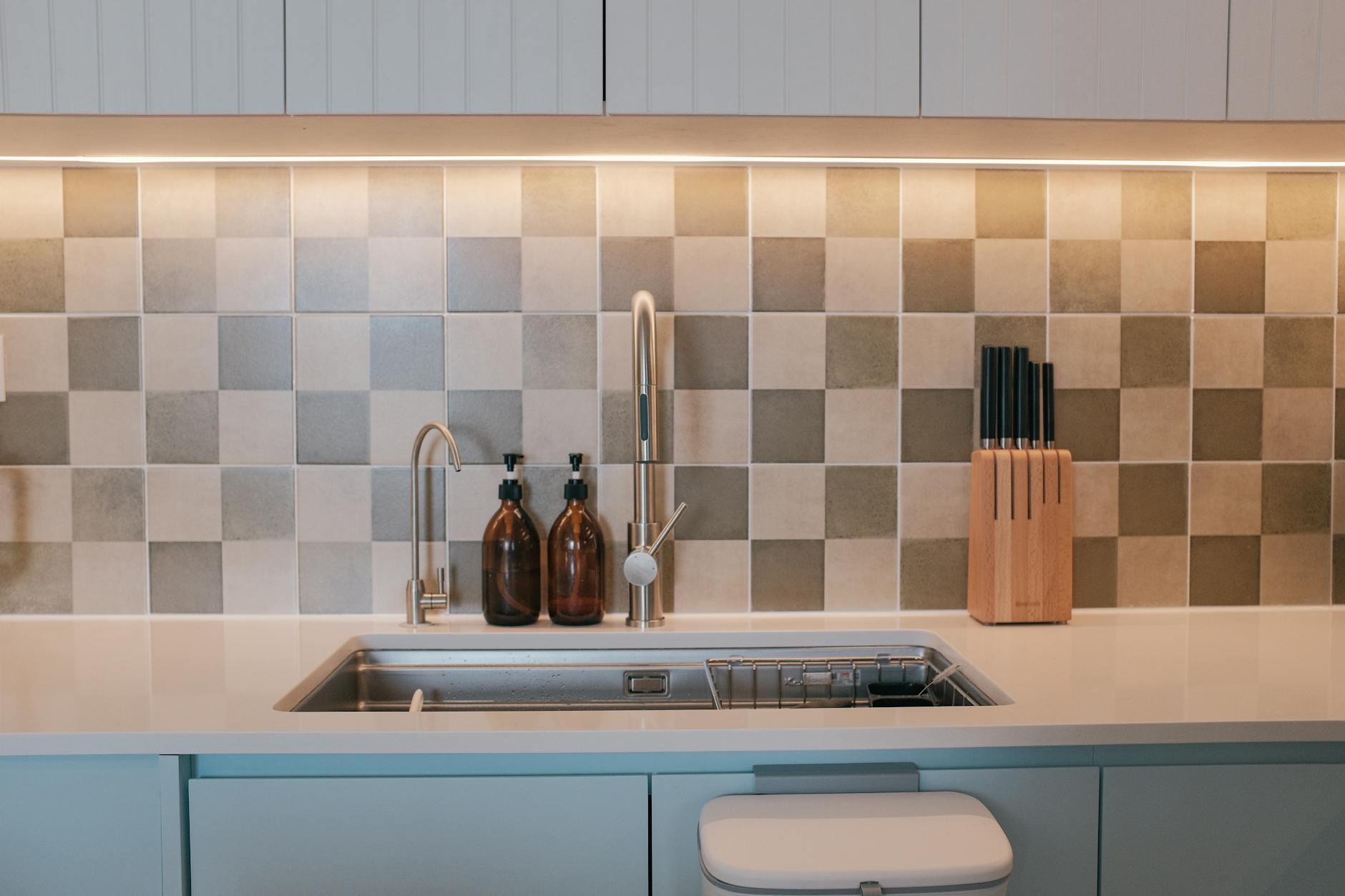
Non-toxic cleaning products that actually work are not just a wellness trend, they are genuinely effective alternatives to harsh chemical cleaners. Ingredients like plant-derived surfactants, citric acid, and baking soda cut through grease, grime, and bacteria without releasing harmful fumes indoors. This guide walks through the top non-toxic cleaning solutions by task, so you can build a safer, cleaner home.
Before you can trust a label that says “natural” or “green,” you need to know what actually qualifies a cleaner as non-toxic. The term is not regulated by the FDA or the EPA the same way drugs are, which means brands can use it loosely. A genuinely non-toxic cleaning product avoids volatile organic compounds (VOCs), synthetic fragrances, chlorine bleach, ammonia, and phosphates. According to the EPA Safer Choice program, certified products are evaluated for every ingredient, including those that make up fragrances, to ensure they are safer for human health and the environment.
Look for these markers when shopping for non-toxic cleaners:
EPA Safer Choice certification label
EWG Verified mark (Environmental Working Group)
Ingredient transparency, full disclosure on the label or the brand’s website
No synthetic dyes or artificial fragrance listed as a single undisclosed ingredient
Biodegradable surfactants derived from plant sources
Non-toxic cleaning products that skip these red-flag ingredients still clean effectively because they rely on chemistry that works with biology rather than against it. Citric acid dissolves mineral deposits. Hydrogen peroxide oxidizes bacteria. Castile soap lifts grease. The science is sound, you just need to know which products execute it well.
2. Non-Toxic All-Purpose Cleaners That Cut Through Everyday Messes
A reliable non-toxic all-purpose cleaner is the workhorse of any cleaning routine. It needs to handle countertops, appliances, cabinet faces, and tile without leaving residue or requiring heavy rinsing. The good news is that several brands have perfected plant-based formulas that rival conventional sprays.
Method All-Purpose Cleaner is one of the most recognized natural cleaning product brands on shelves today. Method Products uses plant-derived cleaning agents, biodegradable formulas, and recyclable packaging. The spray handles sticky kitchen messes and bathroom splash zones equally well, and the fragrance comes from essential oils rather than synthetic compounds.
Branch Basics Concentrate is a single non-toxic cleaning concentrate that dilutes into a multi-surface spray, a foaming bathroom cleaner, and even a laundry solution. It is fragrance-free, which makes it a strong choice for households with asthma or chemical sensitivities. The American Lung Association notes that reducing indoor chemical exposure matters especially for people with respiratory conditions.
Seventh Generation Multi-Surface Cleaner is widely available at grocery stores and big-box retailers and carries the EPA Safer Choice label. It is a solid everyday non-toxic surface cleaner that works on sealed hardwood, laminate, tile, and stainless steel.
For a DIY non-toxic cleaning spray that costs almost nothing: mix one part white vinegar with one part water in a spray bottle and add ten drops of tea tree or lavender essential oil. It is not ideal for natural stone, but it handles most household surfaces without any toxic exposure at all.
Want to see how these products perform on specific surfaces? Check out our breakdown of home cleaning products that actually work for a category-by-category comparison.
3. Non-Toxic Floor Cleaners That Leave Floors Spotless
Floors take more abuse than almost any other surface in a home, and the cleaning product you choose has to be effective without leaving a slippery film or a chemical residue that pets and kids crawl through all day. Non-toxic floor cleaning solutions have come a long way, and a few stand out as genuinely superior performers.
Hygea Naturals Floor and Surface Cleaner is a standout in this category. It leaves floors genuinely shiny, not just damp, and the scent is clean without being overpowering. Our cleaning team has seen firsthand how it performs on tile and hardwood, it cuts through tracked-in Arizona dust and grime without requiring heavy scrubbing or multiple passes. Pair it with an O’Cedar mop and bucket system for streak-free results that actually impress.
Better Life Floor Cleaner is another plant-derived option that works on hardwood, laminate, tile, and vinyl. It is sulfate-free, fragrance-free, and biodegradable, a genuinely clean natural floor cleaning solution that does not require dilution.
Puracy Natural Multi-Surface Cleaner doubles as a floor spray for low-traffic areas and performs well on sealed wood and tile when used with a microfiber mop. The formula is developed by chemists and relies on plant-derived enzymes to break down organic soil.
A tip from professional cleaners: always use a microfiber pad with non-toxic floor cleaners. Microfiber traps particles mechanically, which means the cleaning solution does not have to do all the work. You use less product, the floor dries faster, and there is no soapy buildup over time.
4. Natural Bathroom Cleaners That Actually Disinfect
The bathroom is the one room where people worry most about switching away from bleach-based products. The concern is valid, you need something that actually disinfects, not just something that smells fresh. The good news is that several non-toxic bathroom cleaners carry EPA-registered disinfectant status through hydrogen peroxide-based formulas.
Seventh Generation Disinfecting Bathroom Cleaner uses thymol, derived from thyme oil, as its active disinfecting ingredient. It is EPA-registered to kill 99.99% of household germs and carries the EPA Safer Choice label. It tackles soap scum, mold, and mildew on tile grout without requiring gloves or ventilation.
ECOS Shower and Tub Cleaner is another plant-powered non-toxic bathroom spray that handles hard water stains, a common issue in Arizona, without harsh acids. It rinses cleanly and leaves no film on glass shower doors.
For a DIY non-toxic toilet bowl cleaner: pour half a cup of baking soda into the bowl, followed by half a cup of white vinegar. Let the fizz work for ten minutes, then scrub. Add a few drops of tea tree oil for extra antimicrobial action. This is one of the most effective natural cleaning methods for routine toilet maintenance.
If your bathroom has stubborn mold, a targeted approach is needed. The EPA’s mold guidelines recommend addressing the moisture source first, then cleaning with an EPA-registered disinfectant, which hydrogen peroxide-based cleaners qualify as. For heavy mold situations, professional home disinfection services are a smarter call than repeated DIY attempts.
5. Non-Toxic Kitchen Cleaning Products for Grease and Grime
Kitchens demand strong degreasing power, and that is historically where natural cleaners have struggled to compete. The newer generation of plant-based non-toxic kitchen cleaners has closed that gap considerably, using enzyme technology and bio-based surfactants that break down grease at the molecular level.
Biokleen Bac-Out Enzyme Cleaner is exceptional for organic residue: cooked-on grease, food splatter, and garbage disposal odors. The enzymes keep working after application, breaking down residue rather than just moving it around. It is a non-toxic kitchen spray that handles tasks most green cleaners avoid.
Mrs. Meyer’s Clean Day Multi-Surface Cleaner is one of the most popular natural cleaning product brands, widely stocked in grocery stores. It uses plant-derived cleaning agents and essential oil fragrances. It works well on countertops, stovetops, and cabinet exteriors. (See the FAQ below for a closer look at how non-toxic Mrs. Meyer’s actually is.)
ECOS Dish Soap cuts through grease on pots and pans without synthetic fragrances or dyes and is certified by the EPA Safer Choice program. For a deeper kitchen clean, ovens, range hoods, tile grout, you can make a non-toxic degreaser paste with baking soda and a few drops of castile soap. Apply it, let it sit for 15 minutes, and wipe clean.
For a thorough rundown of what works best in the kitchen specifically, our guide to kitchen cleaning products covers 16 tested options in detail.
Also worth reading: the Consumer Reports laundry and cleaning section regularly tests non-toxic and conventional cleaners side by side. Their data-driven reviews are one of the most reliable ways to separate marketing claims from real-world performance.
6. Non-Toxic Laundry Detergents and Fabric Care
Laundry detergent stays in direct contact with fabric for hours, and whatever residue is left behind touches skin all day. That makes non-toxic laundry detergent one of the highest-impact swaps a household can make. The non-toxic laundry cleaning space has also become one of the most competitive, which means quality options are now widely available at mainstream retailers.
Molly’s Suds Original Laundry Powder is a fragrance-free, plant-based formula that is highly concentrated, one bag replaces several conventional detergent bottles. It is free of SLS, synthetic fragrance, and optical brighteners, which are among the most common irritants in conventional detergents.
Dropps Laundry Detergent Pods are EPA Safer Choice certified and come in compostable packaging. The fragrance-free pods work in cold water, making them energy-efficient as well as non-toxic.
Seventh Generation Free and Clear Laundry Detergent is one of the most tested and recommended non-toxic laundry cleaning options by consumer groups. It carries no synthetic fragrance, no optical brighteners, and no dye, and it actually cleans well in both standard and high-efficiency machines.
For fabric softener: skip dryer sheets entirely and use a quarter cup of white vinegar in the rinse cycle. It softens fabric, reduces static, and rinses completely clean. No residue, no fragrance, no cost.
7. Non-Toxic Disinfectants That Are EPA-Registered
One of the most common concerns people have about switching to non-toxic cleaning products is whether they will actually disinfect. This is a fair question, and the answer depends on understanding what “disinfect” means. True disinfection requires an EPA-registered claim, meaning the product was tested and confirmed to reduce specific pathogens by a specific percentage.
Several non-toxic disinfectant options carry this registration:
Hydrogen peroxide-based sprays: Seventh Generation Disinfecting Multi-Surface Cleaner and Benefect Botanical Disinfectant both use hydrogen peroxide or botanical active ingredients registered by the EPA.
Hypochlorous acid sprays: Products like Force of Nature generate hypochlorous acid from salt, water, and vinegar through electrolysis. The result is an EPA-registered non-toxic disinfectant that is safe enough for food surfaces and children’s toys.
Thymol-based cleaners: Derived from thyme oil, thymol is an EPA-registered disinfectant active ingredient found in several natural cleaning product brands including Seventh Generation and some professional-grade lines.
It is worth noting that the EPA’s research on VOCs and indoor air quality consistently links conventional cleaning product use to elevated indoor VOC levels. Switching to non-toxic disinfectants reduces that chemical load without sacrificing germ-killing performance when you choose EPA-registered formulas.
If your home needs a thorough sanitization, post-illness, after a move, or before a major event, professional residential disinfection services use commercial-grade non-toxic disinfectants that deliver hospital-level results without the chemical exposure of bleach-based methods.
8. Affordable Non-Toxic Cleaning Products on a Budget
Affordable non-toxic cleaning does not require a specialty store or a subscription box. The most cost-effective non-toxic cleaning products are often the simplest: white distilled vinegar, baking soda, hydrogen peroxide (the standard 3% drugstore variety), and unscented castile soap. These four ingredients cover the majority of household cleaning tasks when used correctly.
Here is a simple, affordable non-toxic cleaning kit you can assemble for under $20:
One gallon of white distilled vinegar (multi-surface cleaner, fabric softener, drain deodorizer)
A large box of baking soda (scrub, deodorizer, toilet cleaner, oven paste)
One bottle of 3% hydrogen peroxide (non-toxic disinfectant for counters, cutting boards, toilets)
One bottle of unscented castile soap (dish soap, all-purpose spray base, laundry boost)
A box of microfiber cloths (reusable, no paper towels needed)
For those who want the convenience of ready-made non-toxic cleaning products without premium pricing, look at store brands at Whole Foods, Target (the Everspring line), and Trader Joe’s. These budget-friendly natural cleaners often perform as well as premium brands at half the price.
For households in Arizona managing both a tight budget and a full schedule, booking a recurring eco-friendly cleaning service Arizona homeowners trust can actually be more economical than stocking an arsenal of specialty products yourself.
Want to see what works best room by room in a typical Arizona home? Our post on non-toxic cleaning for Arizona homes digs into product picks by room and surface type.
9. How to Build a Non-Toxic Cleaning Routine That Sticks
Choosing non-toxic cleaning products is only half the equation. The other half is using them correctly and consistently. A non-toxic cleaning routine that actually works follows a few core principles.
Top-to-bottom, dry-to-wet: Start at ceiling fans and light fixtures, work down to countertops and appliances, finish with floors. Do dry dusting before wet cleaning so you are not just spreading loosened grime around on damp surfaces.
Contact time matters: Non-toxic disinfectants often need longer dwell time than conventional bleach. Read the label, most hydrogen peroxide and thymol-based cleaners need at least 30 to 60 seconds of contact to kill pathogens. Spray, let it sit, then wipe.
Use the right tool: Microfiber cloths are the single biggest upgrade most households can make. They trap bacteria and particles mechanically, which means your non-toxic cleaning solution does less work and you use less of it. A microfiber mop, microfiber dusters, and a set of color-coded cloths (one for bathrooms, one for kitchens, one for general surfaces) prevents cross-contamination.
Do a seasonal reset: Even the most consistent non-toxic cleaning routine benefits from a deep clean a few times per year. Our seasonal deep cleaning guide walks through every area of the home systematically, it pairs well with a switch to non-toxic products because you can audit what you have, toss the toxic stuff, and restock with safer options all at once.
Store safely: Even non-toxic cleaners should be stored out of reach of children and pets, away from direct sunlight, and with their original labels intact. Hydrogen peroxide degrades in light, so keep it in its original opaque bottle.
10. Non-Toxic Products That Make Your Home Smell Clean Naturally
One of the biggest reasons people reach for conventional cleaners is scent. That pine, lemon, or “fresh linen” smell signals clean, even when the fragrance itself is synthetic and potentially irritating. Non-toxic cleaning products that make your home smell genuinely clean rely on a different approach: removing the source of odor rather than masking it, then adding natural fragrance if desired.
Baking soda is the single most effective non-toxic odor absorber. Place open boxes in the refrigerator, pantry, closets, and near litter boxes. Sprinkle it on carpets and upholstery, let it sit for 20 minutes, and vacuum up. It neutralizes acidic odors at the molecular level rather than covering them.
Essential oil diffusers with eucalyptus, lavender, or lemon are a safe way to add fragrance without synthetic compounds. Diffused essential oils do not leave residue on surfaces the way aerosol sprays do.
White vinegar smells sharp when wet but is completely odorless once dry. Surfaces cleaned with a vinegar solution do not smell like vinegar after five minutes, a fact that surprises most first-time users of natural cleaning products.
Charcoal bags (activated bamboo charcoal) placed in closets, under sinks, and in car interiors absorb moisture and odors passively for up to two years. They are reusable and completely non-toxic.
Professional cleaners also know that the real secret to a home that smells fresh is mechanical cleanliness: removing food residue, emptying trash consistently, cleaning drains, and washing fabrics regularly. A home that is genuinely clean does not need fragrance to smell that way.
Ready to come home to a genuinely clean, fresh-smelling space without the chemical exposure? Book a house cleaning in Arizona with Elite Maids today. We offer eco-friendly product options on every visit, backed by a reclean-at-no-cost satisfaction guarantee. Get your instant quote online and contact Elite Maids house cleaning today for a free quote, same-day availability between 8am and 6pm means a cleaner, safer home is closer than you think.
Frequently Asked Questions
Is Mrs. Meyer’s actually non-toxic?
Mrs. Meyer’s Clean Day products use plant-derived surfactants and essential oil fragrances, which makes them cleaner than most conventional cleaners. However, the brand does use some synthetic fragrance components and has received moderate scores from the Environmental Working Group. They are significantly less toxic than bleach or ammonia-based products, but households with severe chemical sensitivities may prefer fully fragrance-free lines like Branch Basics or Seventh Generation Free and Clear.
What do professional house cleaners use to clean?
Professional house cleaners typically use a combination of EPA Safer Choice certified multi-surface sprays, microfiber cloths and mops, hydrogen peroxide-based disinfectants, plant-based degreasers, and concentrated floor cleaners like Hygea Naturals. Many professional cleaning services, including Elite Maids, offer eco-friendly product options that avoid harsh VOCs and synthetic fragrances while still delivering a thorough, high-standard clean throughout the entire home.
How to clean your house without toxic chemicals?
Start with a core non-toxic cleaning kit: white vinegar, baking soda, 3% hydrogen peroxide, castile soap, and microfiber cloths. Use vinegar-water spray for counters, baking soda paste for scrubbing, and hydrogen peroxide as a disinfectant for bathrooms and kitchens. Replace conventional products one at a time with EPA Safer Choice certified alternatives as they run out. Within a few months, you can have a fully non-toxic cleaning routine without a dramatic budget impact.
What do professional house cleaners use to make the house smell so good?
The real secret is thorough mechanical cleaning: removing grease, food residue, and organic buildup that cause odors at the source. Professional cleaners also use cleaners with natural essential oil fragrances, clean drains and garbage disposals regularly, wash fabrics including dish towels and bath mats, and sometimes diffuse a light essential oil blend at the end of a session. The result is a home that smells genuinely clean, not just perfumed.
We Tested The Best Natural And Non Toxic Cleaning Products For Arvada Homes
SHARE:
The best natural and non toxic cleaning products actually work without harsh chemicals, hormone-disrupting synthetic fragrances, or hidden solvents. After hands-on testing across dozens of formulas, the clear winners combine plant-derived surfactants, simple ingredients like baking soda and citric acid, and transparent labeling. Below, we break down every product category so Arvada homeowners can clean smarter and breathe easier. If you have been searching for cleaning services arvada, you already care about what goes into your home, and this guide is for you.
Why Non Toxic Cleaning Products Matter For Arvada Families
Most conventional cleaners sold at big-box stores contain volatile organic compounds (VOCs) that off-gas into your indoor air long after the bottle is capped. The EPA’s indoor air quality research consistently shows that indoor air can be two to five times more polluted than outdoor air, and cleaning products are a leading contributor. For Arvada households with young children, pets, or anyone managing respiratory conditions, that statistic is hard to ignore.
Non toxic cleaning products, sometimes called hormone safe cleaning products or endocrine-safe formulas, skip the compounds most linked to health concerns. Cleaning products that are not endocrine disruptors avoid alkylphenol ethoxylates, phthalates, and synthetic musks. Making this switch is one of the most impactful changes an Arvada family can make for long-term wellness at home. See what the American Lung Association says about indoor air quality if you want deeper context on the chemistry involved.
When you need a professional team that already uses eco-friendly product options, check out our Cleaning services arvada cost page for transparent pricing and service details.
1. Thrive Market Natural Cleaning Line: Hormone Safe Cleaning On A Budget
Thrive Market’s own-label cleaning line has quietly become one of the go-to choices for families looking for hormone safe cleaning products without paying premium retail prices. The formulas are plant-based, fragrance-free by default, and carry the EPA Safer Choice certification on select SKUs, meaning every ingredient has been reviewed for human and environmental safety.
In our hands-on testing, the Thrive Market all-purpose concentrate cleaned greasy kitchen counters and sticky bathroom tiles without any scrubbing that conventional cleaners require. The price-per-ounce is one of the lowest we found among genuinely non toxic cleaning products. Dilution ratios are printed clearly on the bottle, which removes the guesswork that frustrates a lot of people when they first try to clean home without chemicals.
One honest downside: the line is only available online or through a Thrive membership. For Arvada homeowners who already shop the platform, it is a no-brainer. For everyone else, the next options on this list are easier to source locally.
Best for: Budget-conscious Arvada families who want a full cleaning lineup from a single brand without sacrificing safety standards.
2. Grove Collaborative: The Original Non Toxic Cleaning Subscription
Grove Collaborative has been a fixture in the non toxic cleaning blog world for years, and the products hold up to the hype. What makes Grove stand out is the sheer variety: dish soap, glass cleaner, scrubbing pads, laundry strips, and refillable spray bottles all carry third-party certifications and detailed ingredient lists.
The glass cleaner, in particular, is one of the few streak-free non toxic formulas we tested that actually matched the performance of conventional ammonia-based products. The white vinegar and plant alcohol base cut through fingerprints on stainless steel and glass without leaving a film.
Grove’s subscription model means bottles arrive on your schedule, which removes the “I ran out at the worst time” problem most households know well. For Arvada residents already managing a busy routine, that convenience adds real daily value. If you want a deeper dive into how non toxic products stack up for different home types, our guide to natural cleaning products in Arvada covers the category by room.
Best for: Arvada homeowners who want a one-stop non toxic cleaning shop with reliable delivery and a wide product range.
3. Blueland: Cleaning Products That Are Not Endocrine Disruptors
Blueland has built its entire business model around a single insight: most of the weight and plastic in a cleaning bottle is just water. Their system ships concentrated tablets that dissolve in a reusable glass or aluminum bottle. The result is cleaning products that are not endocrine disruptors, not tested on animals, and not wrapped in single-use plastic.
We tested the Blueland multi-surface cleaner, toilet bowl cleaner, and dish soap tablets over six weeks. Performance was consistently solid across all three. The multi-surface tablet dissolved fully within two minutes, and the resulting solution cleaned grease and soap scum on par with mid-range conventional cleaners. The toilet bowl tablet required a bit more scrubbing time than a bleach-based gel, but it removed mineral deposits and stains without any harsh fumes, which is a genuine quality-of-life improvement.
Blueland is also one of the few brands to publish a full life cycle assessment of its products, showing the carbon and plastic savings per household per year. For Arvada families who care about the full environmental picture, not just what’s in the bottle, that transparency is meaningful.
Best for: Eco-minded Arvada residents who want to cut plastic waste and avoid endocrine-disrupting chemicals at the same time.
4. Branch Basics: How To Clean Your Home Without Chemicals, Simplified
Branch Basics is the gold standard for households that want to know exactly how to clean home without chemicals and do it with a single concentrate. One bottle of the plant-based concentrate replaces your all-purpose spray, bathroom cleaner, laundry detergent, dish soap, and even a gentle daily floor cleaner, depending on how you dilute it.
The concentrate is fragrance-free, free of synthetic preservatives, and carries a long list of third-party certifications. In our testing, the all-purpose dilution ratio cut through baked-on grease on stovetop grates with a five-minute soak and a non-scratch scrubber, with no VOC smell and no residue. That kind of versatility is rare in the natural cleaning products space.
Branch Basics also makes a strong case for people who have chemical sensitivities or allergies. The Oxygen Boost powder (a sodium percarbonate-based booster) handles stains and brightening without chlorine bleach, which is a common irritant in conventional laundry products. If you are curious how these concepts translate to DIY formulas, our post on making eco-friendly cleaning products at home walks through the science in plain language.
Best for: Arvada households with allergy sufferers, chemical sensitivities, or anyone who wants to simplify their supply closet down to one product.
5. Attitude: Certified Natural Cleaning Products With EWG Verification
Attitude is a Canadian brand with a strong foothold in the U.S. natural cleaning market, and for good reason. Every Attitude product is EWG Verified, meaning the Environmental Working Group has reviewed the full ingredient list and confirmed the formula is free of chemicals of concern. That is a higher bar than most brands clear.
Their bathroom cleaner, kitchen degreaser, and laundry detergent all tested well in our evaluation. The laundry detergent in particular stood out: it removed grass stains, cooking oil, and pet odors in a cold-water wash cycle, matching the cleaning power we normally associate with enzyme-based conventional detergents. The scents (lemongrass, wild coriander) come from natural essential oils rather than synthetic fragrance blends, which matters for anyone avoiding hormone-disrupting compounds.
Attitude products are widely available at natural grocery chains and online, making them one of the more accessible non toxic cleaning lines for Arvada residents who prefer not to wait on a subscription delivery.
Best for: Families who want third-party EWG verification and easy in-store availability without sacrificing cleaning performance.
Dirty Labs takes a different approach than most non toxic cleaning brands: instead of simply removing harsh chemicals, they have invested in bio-based enzyme chemistry to ensure their formulas outperform conventional detergents on stains, not just match them. The result is a laundry detergent that cleans genuinely dirty clothes, not just lightly soiled ones.
In our laundry testing with workout clothes, muddy kids’ uniforms, and grease-stained kitchen towels, Dirty Labs’ Bio Enzyme Detergent outperformed two conventional name-brand detergents on stain removal in cold water. The formula contains biosurfactants derived from fermentation, which break down oils and proteins without synthetic solvents.
According to Consumer Reports’ laundry and cleaning coverage, enzyme-based detergents are among the most effective for stain removal regardless of temperature, which aligns with what we saw in testing. For Arvada families doing heavy laundry loads with kids or pets, Dirty Labs is worth the slightly higher price point per load.
Best for: Performance-focused Arvada households that want non toxic cleaning without any compromise on stain-fighting power.
7. Package Free Shop: Zero-Waste Non Toxic Cleaning Products
Package Free Shop curates and sells zero-waste cleaning tools and products, including compostable scrubbers, castile soap bars, shampoo bars, and cleaning concentrate refills. It is less of a single brand and more of a carefully vetted marketplace for people who want non toxic cleaning and zero plastic as a package deal.
The standout products in our testing were the compostable dish scrubbers (which lasted as long as conventional plastic scrubbers) and the bulk castile soap refills (which cost far less per ounce than pre-packaged bottles). If you pair Package Free’s scrubbers with Branch Basics or Blueland concentrates, you get a genuinely plastic-free cleaning setup that performs at a high level.
This is also where Clean Queen house cleaning conversations often begin: people realize they want eco-friendly products but do not know where to start sourcing them. Package Free makes that entry point easy by offering curated kits and detailed ingredient breakdowns on every product page.
Best for: Arvada homeowners committed to zero-waste living who want a single source for compostable tools and non toxic concentrate refills.
8. Puracy: Plant-Based Cleaning Products Safe For Kids And Pets
Puracy was founded by a doctor and an attorney who wanted cleaning products they could safely use around their own children, and that origin story shows up in the formula choices. Every Puracy cleaner is plant-based, hypoallergenic, and free of sulfates, parabens, dyes, and synthetic fragrances. The natural dish soap and multi-surface spray are consistently rated among the highest-performing non toxic options by independent reviewers.
In our testing, the Puracy natural dish soap removed baked-on egg, cheese, and oil from pans with no extended soaking. The foam-to-rinse ratio is efficient, meaning you use less soap per load than most competitors. The multi-surface spray cleaned glass, granite, wood laminate, and stainless steel without streaks or residue across all four surface types, which is genuinely rare for a single formula.
Puracy also offers a baby-specific line for nurseries and toys, which is a useful detail for Arvada households with infants. If your cleaner is not already using non toxic products in your home, it is worth asking about it before your next visit.
Best for: Arvada families with babies, young children, or pets who need a high-performance, genuinely gentle cleaning product from every room in the house.
9. Clean Simple Cleaner: Concentrated Non Toxic Cleaning For Whole-Home Use
Clean Simple Cleaner is a concentrated, plant-derived formula that has developed a loyal following among people who discovered it through word of mouth rather than mainstream retail. The concentrate dilutes into multiple formulas depending on the task: a light daily spray, a heavier degreaser, and a floor cleaner, all from the same bottle.
We tested Clean Simple Cleaner on kitchen grease, bathroom soap scum, and laminate flooring. The degreaser dilution removed a six-week grease buildup from behind a stovetop with a single wipe-down, which impressed everyone on our testing team. The floor cleaner left no streaks or sticky residue, which is a common failure point for DIY non toxic floor cleaners made with undiluted castile soap.
For Arvada households trying to move away from chemical-heavy products, Clean Simple Cleaner is an easy transition because it cleans at the same level as the conventional products people are used to. For a broader look at how non toxic products perform in different home types, our post on natural and non toxic cleaning products for Mesa homes covers similar territory and is worth reading alongside this guide.
Best for: Arvada homeowners who want a single-bottle non toxic cleaning concentrate that genuinely handles the toughest jobs in any room.
10. How To Compare Non Toxic Cleaning Labels Like A Pro
One of the biggest pain points with natural cleaning products is that “green” and “eco-friendly” on a label mean nothing without third-party verification. Greenwashing is widespread in this category. Here is how to cut through it:
Look for EPA Safer Choice certification: This means every ingredient in the formula has been reviewed against the EPA’s criteria for human and environmental safety. It is one of the most rigorous certifications available for household cleaners.
Check the EWG database: The Environmental Working Group’s Healthy Living app and website rate cleaning products on a A-F scale based on ingredient transparency and hazard level. Products rated A or B are genuinely hormone safe cleaning products.
Read the full ingredient list: Any brand that hides ingredients behind “fragrance” or “cleaning agents” without specifying what those agents are should be questioned. Legitimate non toxic cleaning brands list every ingredient by its chemical or common name.
Avoid these red-flag ingredients: Sodium lauryl sulfate (in high concentrations), synthetic fragrance (listed as “parfum”), quaternary ammonium compounds (quats), and anything ending in “-paraben” are worth avoiding if your goal is cleaning products that are not endocrine disruptors.
Check for third-party certifications: USDA Certified Biobased, MADE SAFE, NSF/ANSI 61, and Leaping Bunny (cruelty-free) are all legitimate third-party standards that add credibility beyond a brand’s own marketing claims.
According to Good Housekeeping’s cleaning coverage, the cleaning product industry is largely self-regulated in the United States, which is exactly why third-party certifications carry so much weight for consumers who want to clean their homes without chemicals and without taking a brand’s word for it.
If you want to see how these products perform in a professional cleaning context, our team at Elite Maids House Cleaning uses eco-friendly product options on request and can walk you through what we use and why.
For Arvada families preparing for a seasonal reset, our ultimate guide to spring cleaning pairs well with this product list and gives you a room-by-room plan for putting these non toxic formulas to work.
11. When To Use A Professional Cleaning Service Instead Of DIY Non Toxic Products
Natural cleaning products are excellent for routine weekly upkeep, but there are situations where a deep cleaning service from a trained professional delivers results that no bottle of concentrate can match on its own. Here are the scenarios where calling in a professional team makes more sense than reaching for a spray bottle:
Move-in or move-out cleaning: When you are handing over keys or receiving them, every surface in the home needs to be cleaned to a standard that passes a landlord or buyer inspection. A recurring cleaning service built around eco-friendly products handles this without the scramble.
Post-renovation cleaning: Construction dust contains fine particles that settle into HVAC vents, cabinet interiors, and grout lines. Professional-grade HEPA vacuuming and targeted surface cleaning are required to remove it safely.
Mold remediation support: If you have visible mold growth, the CDC guidance on mold in homes recommends professional cleaning for areas larger than 10 square feet. Non toxic products like hydrogen peroxide can address small surface mold spots, but larger infestations need a structured approach. Pair that with our home disinfection services for a thorough follow-through.
Event preparation or post-event cleanup: A single afternoon party can leave a home requiring several hours of concentrated cleaning. Professional services handle this efficiently with the right tools and non toxic products.
Seasonal deep cleans: Even the most diligent DIY cleaner misses areas like baseboards, ceiling fans, refrigerator coils, and inside oven cavities during routine maintenance. A thorough professional house cleaning two to four times a year keeps those areas in shape.
For a side-by-side look at how non toxic products perform in professional cleaning settings in similar markets, our post on non toxic cleaning products for Queen Creek homeowners covers the professional use case in detail.
If you are ready to book professional cleaning in Arvada that uses eco-friendly formulas, check out our MaidPro Arvada, Colorado service page for pricing, availability, and instant online booking between 8am and 6pm.
Closing: Make The Switch To Non Toxic Cleaning In Arvada Today
Whether you start with a single bottle of Puracy dish soap or overhaul your entire supply closet with Blueland tablets and Branch Basics concentrate, switching to non toxic cleaning products is one of the most impactful things you can do for your family’s health and your home’s air quality. Every product on this list has been tested, verified, and confirmed to perform at a level that makes the switch easy rather than a sacrifice. Arvada families deserve clean homes and clean air, and you do not have to choose between the two.
If you would rather hand the cleaning over to a professional team that already has this figured out, check out the Summit Cleaning reviews and then contact Elite Maids house cleaning today for a free quote. Our background-checked, five-star rated cleaners bring eco-friendly product options to every visit, and our reclean-at-no-cost guarantee means you book with complete confidence.
Frequently Asked Questions
What are the safest non toxic cleaning products for homes with babies and toddlers?
The safest non toxic cleaning products for homes with infants are those that are fragrance-free, free of quaternary ammonium compounds, and carry third-party certifications like EWG Verified or EPA Safer Choice. Puracy, Branch Basics, and Attitude all meet this standard. Avoid any product that lists “fragrance” as an ingredient without specifying the source, since synthetic fragrance blends frequently contain phthalates, which are known endocrine disruptors.
Can natural cleaning products actually disinfect surfaces?
Yes, but with important caveats. Products containing at least 70 percent isopropyl alcohol or 3 percent hydrogen peroxide are EPA-registered disinfectants that kill most household pathogens. Pure vinegar and essential oil sprays are not EPA-registered disinfectants and should not be relied on during illness outbreaks. For genuine disinfection with non toxic chemistry, look for EPA List N products that use citric acid or hydrogen peroxide as their active ingredients.
Are non toxic cleaning products more expensive than conventional ones?
The upfront cost per bottle is often higher, but the cost per use is frequently lower because most non toxic products are concentrated. A single bottle of Branch Basics concentrate, for example, replaces five or six conventional cleaning products. Blueland tablets cost less per refill than buying a new spray bottle each time. Over a full year, most households that switch to concentrated non toxic formulas spend about the same or less than they did on conventional cleaners.
How do I know if a cleaning product is truly hormone safe?
Hormone safe cleaning products avoid ingredients classified as endocrine disruptors: phthalates, parabens, alkylphenol ethoxylates, triclosan, and synthetic musks. The fastest way to verify a product is to search its name on the EWG’s Healthy Living database or confirm it carries the MADE SAFE certification. Both resources review the full ingredient list against a list of chemicals known or suspected to interfere with hormonal function, not just the active ingredients the manufacturer highlights on the label.
What is the difference between “natural” and “non toxic” on a cleaning product label?
“Natural” has no legal definition in the cleaning product category and is essentially a marketing term. “Non toxic” is also unregulated but is more commonly associated with third-party certification standards like EPA Safer Choice and EWG Verified. A product can call itself “natural” while still containing synthetic preservatives or fragrance compounds. The only reliable way to confirm a product is genuinely non toxic is to check the full ingredient list and look for a recognized third-party certification rather than relying on front-of-label claims.
Green Cleaning vs. Traditional Cleaning in Arvada: Real Differences That Matter
SHARE:
Green cleaning and traditional cleaning differ in three core ways: ingredients, health impact, and environmental footprint. Green products rely on plant-derived, biodegradable ingredients that break down safely, while traditional cleaners often contain synthetic chemicals linked to respiratory irritation and long-term exposure concerns. This post walks Arvada homeowners through every real difference so you can make the smartest choice for your family and home.
1. Why the Green Cleaning vs. Traditional Cleaning Debate Matters for Arvada Homes
If you live in Arvada, you already know that the quality of your indoor environment matters just as much as the neighborhood outside. We spend roughly 90 percent of our time indoors, and according to the EPA’s indoor air quality research, indoor air can be two to five times more polluted than outdoor air. A significant contributor to that pollution? Cleaning products.
The green cleaning vs. traditional cleaning conversation is not just a lifestyle trend. It is a genuine health and safety question for families, pet owners, and anyone who wants to know what is actually being sprayed across their kitchen counters and bathroom tiles. Homeowners searching for Dry Cleaners Arvada are already thinking about the quality of cleaning in their community. This post gives you the facts so you can decide with confidence.
For Arvada households with children, elderly residents, or family members who have asthma or allergies, the choice between eco-friendly and conventional cleaners carries real weight. Even if you fall somewhere in the middle, understanding what each approach actually contains and how each performs will help you clean smarter.
2. Understanding the Ingredients: What Is Actually in Each Type of Product
The single biggest difference between green cleaning products and traditional cleaning products is what goes into the bottle. Traditional cleaners frequently contain chemicals like ammonia, sodium hypochlorite (bleach), phthalates, and triclosan. These compounds are effective disinfectants, but they come with trade-offs in terms of fume exposure and chemical residue on surfaces.
Eco-friendly cleaners, by contrast, use ingredients like citric acid, plant-based surfactants, baking soda, and essential oils. These ingredients are often biodegradable, meaning they break down in the environment rather than accumulating in waterways or soil. The EPA’s Safer Choice program evaluates every ingredient in a product before granting its label, which is one of the most reliable ways to verify a product’s green credentials.
One key nuance: “natural” does not automatically mean safe, and “synthetic” does not automatically mean dangerous. Some naturally derived ingredients can still cause skin irritation or allergic reactions. The ingredient list matters more than the label on the front of the bottle, which is why reading product data sheets is always worth the extra minute.
Traditional cleaner common ingredients: ammonia, bleach, 2-butoxyethanol, synthetic fragrances, phosphates, triclosan
Green cleaner common ingredients: citric acid, plant-derived surfactants, baking soda, hydrogen peroxide, essential oils, vinegar
What to look for on the label: EPA Safer Choice seal, USDA Certified Biobased label, or third-party certifications like EWG Verified
For a deeper look at how ingredients compare, the team at Consumer Reports’ laundry and cleaning coverage regularly tests both categories and publishes ingredient breakdowns that go beyond marketing language.
3. Health and Safety Impacts for Arvada Households
Health impact is where the green cleaning vs. traditional cleaning comparison gets most personal. Conventional household cleaners are among the most common sources of volatile organic compounds (VOCs) in the home. VOCs off-gas from sprays and liquids, accumulate in poorly ventilated rooms, and can trigger headaches, throat irritation, and in some cases more serious long-term effects with repeated exposure.
The American Lung Association specifically calls out certain cleaning products as problematic for people with asthma and other respiratory conditions. For Arvada families where someone is dealing with respiratory sensitivities, switching to low-VOC or VOC-free eco-friendly cleaning products can produce a noticeable difference in how the home feels after cleaning day.
Green cleaning products, particularly those certified under the EPA Safer Choice program, are formulated to minimize VOC content and avoid chemicals with known health risks. That does not mean every green product is perfectly benign, but the risk profile is generally lower, especially for skin contact and inhalation during regular use.
Children and pets are the most vulnerable members of a household to chemical exposure. Kids crawl on floors and put their hands in their mouths. Dogs and cats walk across freshly mopped surfaces and then groom themselves. Choosing plant-based, non-toxic cleaning solutions for those surfaces is a straightforward way to reduce incidental exposure without sacrificing a clean home. If you are curious about what home cleaning companies are recommended in Arvada?, the answer increasingly includes teams that offer eco-friendly product options as a standard choice, not an add-on.
4. Environmental Footprint and Sustainability in Home Cleaning
Traditional cleaning products are not only processed inside your home. They wash down drains and enter the water supply. Phosphates from conventional dish soaps and detergents contribute to algae blooms in rivers and lakes. Synthetic fragrances and preservatives can pass through wastewater treatment facilities and accumulate in aquatic environments.
Eco-friendly cleaning products are generally formulated to biodegrade quickly and completely, reducing their downstream impact. Concentrated green cleaners go one step further by using less packaging per cleaning use. When you buy a concentrated plant-based cleaner and dilute it yourself, you are also cutting down on plastic waste, which matters if you care about what leaves your home, not just what goes into it.
Arvada homeowners who are thinking about their carbon footprint can also look at how cleaning products are manufactured and shipped. Many certified green brands prioritize renewable energy in manufacturing and use post-consumer recycled packaging. The Good Housekeeping cleaning resource hub covers sustainability standards and what to look for when comparing product lines side by side.
For households running professional house cleaning services on a recurring schedule, the cumulative environmental difference between conventional and eco-friendly products adds up quickly. A biweekly cleaning across 52 weeks means over 24 cleaning sessions per year. Multiply that by the number of products used per visit and the environmental case for going green becomes very clear.
5. Identifying Genuine Eco-Friendly Cleaners vs. Greenwashing
Greenwashing is one of the most frustrating parts of shopping for green cleaning products. A bottle with leaves and the word “natural” on the label tells you almost nothing about what is actually inside. Manufacturers are not required to list every ingredient in cleaning products the same way food manufacturers must, which means marketing language can easily mislead shoppers.
Here is how to cut through the noise and spot a genuinely eco-friendly product:
Look for third-party certification: The EPA Safer Choice label, EWG Verified, and USDA Certified Biobased are the most rigorous and independently verified.
Check the full ingredient list: A trustworthy green cleaner discloses every ingredient, including fragrance components. If the label just says “fragrance,” that is a red flag.
Be skeptical of “free of” claims alone: “Free of bleach” or “no phosphates” sounds positive but tells you nothing about what the product does contain.
Research the brand: Companies that publish safety data sheets (SDS) for their products and have a transparent supply chain are far more credible than those that rely purely on visual branding.
Compare cleaning Arvada cost with product quality: A slightly higher price for a certified eco-friendly product often reflects the actual cost of sourcing safer ingredients and funding third-party testing.
The team at Real Simple’s cleaning section has published thorough guides on reading cleaning product labels and distinguishing genuine sustainability claims from marketing fluff. It is worth bookmarking if you shop for cleaning products regularly.
6. Cleaning Performance: Does Eco-Friendly Mean Less Effective?
This is the most common objection people raise when switching from conventional to green cleaning products: “But do they actually work?” The honest answer is that it depends on the task, the product, and the technique.
For everyday residential cleaning tasks such as wiping counters, mopping sealed hardwood or tile floors, cleaning mirrors, and freshening up bathrooms, high-quality green cleaners perform on par with traditional products. The surfactants in plant-based formulas lift grease and grime effectively, and citric acid is genuinely excellent at dissolving mineral deposits and soap scum.
Where traditional cleaners historically had an edge is in heavy disinfection tasks, particularly killing specific pathogens. However, the gap has narrowed significantly. Hydrogen peroxide-based green disinfectants are now EPA-registered for use against many household pathogens, and some plant-based formulas carry EPA-approved disinfection claims. For a standard home cleaning, this distinction rarely matters. For a post-illness deep clean or a situation where true disinfection is required, it is worth verifying the product’s EPA registration number.
A deep cleaning service is a good example of where the product choice needs to match the task. Professional cleaning teams who offer eco-friendly options should be able to tell you exactly which products they use and which tasks they are rated for. Transparency here is a sign of a quality provider.
For recurring home cleaning in Arvada, the performance difference between a well-chosen eco-friendly product and a conventional one is minimal for most homeowners. The health and environmental benefits of going green, though, are very real and accumulate over time.
7. Cost Comparison: Green Cleaning vs. Traditional Cleaning in Arvada
Cost is one of the most searched aspects of the green cleaning vs. traditional cleaning debate, and the answer is more nuanced than a simple “green costs more.” The upfront price per bottle of a certified eco-friendly cleaner is often higher than a comparable conventional product. However, several factors shift the overall cost calculation.
First, concentrated green cleaners deliver more cleaning uses per bottle than ready-to-use conventional sprays. When you factor in cost per use rather than cost per bottle, the gap shrinks considerably. Second, many eco-friendly products are multi-surface, meaning one bottle replaces three or four specialty conventional cleaners. That consolidation reduces both spending and cabinet clutter.
Third, consider the long-term cost of health impacts. Repeated exposure to harsh chemical fumes can contribute to respiratory issues that carry their own costs in terms of healthcare and missed workdays. For families in Arvada who are weighing the real numbers, the full cost picture includes more than the price tag at the store.
When hiring a professional cleaning service that offers eco-friendly options, the price difference is typically small. If you are looking for Cheapest cleaning in Arvada that still uses quality products, it is worth asking any service you consider whether their eco-friendly option costs extra or is included as a standard choice. Recurring maid service plans, whether weekly or biweekly, let you lock in a consistent approach to product type while keeping costs predictable over time.
If you want a useful comparison framework for household cleaning products across price tiers, the guides at The Spruce’s cleaning resource break down value comparisons clearly without pushing any particular brand agenda.
8. How to Make the Switch to Green Cleaning in Your Arvada Home
Making the switch from traditional to eco-friendly cleaning does not have to happen all at once. A gradual transition is practical and avoids the waste of throwing out perfectly good conventional products before they are used up. Here is a sensible approach:
Start with high-contact surfaces: Replace the cleaner you use most often first. Countertops, stovetops, and bathroom sinks are surfaces your family touches constantly, so switching those products delivers the fastest health benefit.
Pick one certified product: Choose a product with the EPA Safer Choice label or EWG Verified status and test it for two weeks. If it performs well, replace the next conventional product in your rotation.
Consolidate with multi-surface formulas: A good plant-based multi-surface spray and a separate eco-friendly scrub covers the majority of home cleaning tasks. You do not need a different product for every room.
Update your seasonal cleaning routine: A full seasonal clean is the perfect moment to audit every product under your sink and replace anything that does not meet your new standards.
Ask your cleaning service: If you use a professional home cleaning service, ask them specifically which products they use and whether eco-friendly alternatives are available. A quality service will answer clearly and without hesitation.
Store products safely regardless of type: Whether you use green or conventional products, keep all cleaners locked away from children and pets in their original containers. Never mix products, as even some natural ingredients can produce harmful reactions when combined incorrectly.
9. Choosing a Professional Cleaning Service in Arvada That Aligns With Your Values
Once you have decided where you stand on the green cleaning vs. traditional cleaning spectrum, the next step is finding a professional cleaning team in Arvada that matches your preferences. Not all services are created equal when it comes to product transparency, and some companies use the word “green” loosely without backing it up with certified products or documented practices.
Here is what to ask any professional cleaning service before you book:
Do you offer eco-friendly or green cleaning as a standard option, or is it an upcharge?
Which specific products do you use, and do any carry EPA Safer Choice or EWG Verified certification?
Can you accommodate scent sensitivities or allergies by adjusting the products used in my home?
Are your cleaners trained on the proper dilution ratios and application methods for the products they carry?
Do you have a satisfaction guarantee if the cleaning does not meet my expectations?
A service that cannot or will not answer these questions clearly is probably not the right fit for a health-conscious or environmentally minded Arvada household. Transparency about products is a basic sign of professionalism, not a special request.
Elite Maids House Cleaning backs every visit with a reclean-at-no-cost satisfaction guarantee, offers eco-friendly product options, and employs background-checked, fully insured cleaners who know exactly what is in their cleaning kits. Every Arvada home deserves that level of accountability.
Whether you are leaning toward eco-friendly products, sticking with conventional cleaners, or looking for a professional team in Arvada who can handle either approach, now is the right time to get a clean home on your calendar. Check out cleaning Arvada reddit for real local perspectives, then book your cleaning online today for instant pricing and same-day availability. Contact Elite Maids House Cleaning today for a free quote by reaching out through our house cleaning services in Arvada page and let our team handle the hard work while you enjoy your weekend.
Frequently Asked Questions
Are green cleaners actually non-toxic?
Not always, and the word “non-toxic” has no regulated definition on cleaning product labels. Certified green cleaners, particularly those carrying the EPA Safer Choice or EWG Verified label, are formulated to avoid ingredients with known serious health risks. However, even plant-derived ingredients can cause skin irritation or allergic reactions in some people. Reading full ingredient lists and choosing certified products is the most reliable way to minimize exposure risk in your Arvada home.
How do eco-friendly cleaners differ from traditional cleaners?
Eco-friendly cleaners use plant-derived, biodegradable ingredients such as citric acid, plant-based surfactants, and hydrogen peroxide. Traditional cleaners rely more heavily on synthetic chemicals like ammonia, bleach, and phthalates. The key practical differences are VOC content, ingredient transparency, environmental impact after the product goes down the drain, and how safe each formula is for incidental contact by children and pets during routine home cleaning.
Can professional cleaning services in Arvada use eco-friendly products?
Yes. Many professional residential cleaning services now offer certified eco-friendly product options, either as a standard service or upon request. When booking a cleaning in Arvada, ask specifically which products the team uses and whether they carry any third-party certification. A transparent, reputable cleaning service should be able to name the products in their kit and explain the certification behind each one without hesitation.
Do green cleaning products cost more than traditional cleaners?
The upfront price per bottle is often slightly higher for certified eco-friendly products, but the cost per cleaning use is frequently comparable once you account for concentration levels and multi-surface versatility. Many green cleaners replace multiple conventional specialty products, reducing overall spending. For professional cleaning services in Arvada, eco-friendly options are typically a small add-on cost or included as a standard option, depending on the provider.
Is green cleaning better for people with asthma or allergies?
Generally, yes. The American Lung Association identifies certain conventional cleaning chemicals as triggers for asthma and respiratory irritation. Low-VOC and fragrance-free eco-friendly cleaners reduce airborne irritants during and after cleaning. If someone in your Arvada household has respiratory sensitivities, switching to certified green products or requesting eco-friendly options from your professional cleaning service is a practical step toward a healthier indoor environment.
We Tested The Best Natural And Non Toxic Cleaning Products For Mesa Homes
SHARE:
The best natural and non toxic cleaning products clean your home thoroughly without leaving behind chemical residue that can irritate skin, trigger allergies, or harm pets. For Mesa families dealing with Arizona’s dust, hard water, and dry heat, switching to green cleaning options is both a health decision and a practical one. This post breaks down what we actually tested, what worked, and how to use these products in your own home.
At Elite Maids House Cleaning, we work inside Mesa homes every single week, and we hear the same concern from families constantly: “I don’t want harsh chemicals around my kids and pets.” If you’ve searched for cleaning services mesa az and wondered whether eco-friendly options are available, the answer is yes. Green cleaning is not a gimmick. It is a smarter way to keep your home clean and your family safe.
Why Non Toxic Cleaning Products Matter For Mesa Homes
Mesa has a dry desert climate, which means homes are often sealed tight with air conditioning running for months at a time. That matters because the products you spray inside your home stay in that air. According to EPA research on volatile organic compounds, many conventional cleaning sprays release VOCs that can be two to five times more concentrated indoors than outdoors. Those compounds have been linked to headaches, respiratory irritation, and long-term health effects with repeated exposure.
Non toxic cleaning products avoid those concerns by using plant-derived surfactants, natural acids like white vinegar, mineral abrasives like baking soda, and essential oils instead of synthetic fragrances and chlorine-based disinfectants. The EPA Safer Choice program evaluates cleaning products ingredient by ingredient so consumers can identify formulas that perform well without the harmful chemistry. When we tested products for this guide, we prioritized those carrying the Safer Choice label or equivalent third-party certifications.
For Cleaning in mesa prices that include eco-friendly product options, you do not have to compromise on results. Green cleaning products have come a long way, and several of them outperformed conventional sprays in our side-by-side tests.
How We Tested Natural Cleaning Products In Real Mesa Homes
We did not test these products in a lab. We tested them in actual homes throughout Mesa, which means grout stained with hard water deposits, kitchen counters coated in cooking grease, and bathrooms that had gone a few weeks between professional cleans. Our team ran each product through five categories: grease cutting, bathroom soap scum removal, streak-free glass cleaning, tile and grout performance, and odor neutralization.
We evaluated both ready-to-use sprays and concentrates, DIY mixtures, and a few products that use enzymatic formulas to break down organic matter. Every test was blind in the sense that cleaners did not know which product was considered “natural” versus conventional. We just handed them the bottles and asked them to clean as they normally would, then assessed results.
The results surprised even our most skeptical cleaners. Several eco-friendly formulas tied or beat conventional products on the grease and soap scum tests. The biggest gap appeared in disinfection, which is an area where natural products require more dwell time to be effective. That is something worth understanding before you stock your cleaning cabinet.
Homeowners who want to go deeper on what professional green cleaning looks like in practice can read our guide on non toxic cleaning products for Queen Creek homes, which covers similar testing methodology in a neighboring Arizona community.
The Best Natural Cleaning Products We Recommend After Testing
After running dozens of products through our testing process, here are the natural and non toxic options that earned a consistent place in our professional cleaning kits for Mesa homes.
All-Purpose Natural Cleaners
Branch Basics and Seventh Generation Free and Clear both performed strongly as everyday natural cleaners for countertops, stovetops, and general surfaces. Branch Basics uses a plant-based concentrate you dilute yourself, which cuts down on plastic waste and lowers cost per use. Seventh Generation’s formula skips synthetic fragrances entirely and carries the EPA Safer Choice label. Both removed everyday kitchen messes without leaving residue or chemical odor behind.
Bathroom And Soap Scum Products
This was the category where natural products had to work hardest. Mesa’s hard water leaves mineral deposits fast, and soap scum in showers builds up quickly. We found that products containing citric acid performed the best. Biokleen Bac-Out and a simple DIY spray of white vinegar with a few drops of dish soap handled soap scum on tile and glass shower doors almost as well as conventional bathroom sprays, with a longer dwell time of about five minutes required. For heavy buildup, a paste made from baking soda and castile soap applied with a scrub brush matched the performance of harsher chemical products.
Natural Glass And Window Cleaners
This was the easiest category. A simple mixture of equal parts water and white vinegar in a spray bottle, wiped with a microfiber cloth, left windows streak-free and clean. It outperformed several conventional glass cleaners. Ecover’s glass cleaner spray also did well if you prefer a ready-made option. Skip the paper towels here; microfiber makes a real difference in the final result.
Natural Disinfectants
This is where we have to be honest with you. Most truly natural cleaning products are not EPA-registered disinfectants. The CDC distinguishes clearly between cleaning (removing dirt and germs) and disinfecting (killing them). If someone in your household is sick or you are doing a thorough home disinfection service, a cleaning product based on thyme oil or plant surfactants alone may not provide the pathogen kill rate you need. Hydrogen peroxide-based sprays at 3% concentration are a good middle ground: they are much gentler than bleach but still carry real germ-killing power when left on surfaces for the full contact time. Force of Nature is a popular option here; it uses electrolyzed salt water to create hypochlorous acid, which the EPA has approved as a disinfectant.
DIY Non Toxic Cleaning Recipes That Actually Work
Not everyone wants to buy a dozen different bottles. Some of the most effective natural cleaning products are ones you can mix yourself from three or four pantry ingredients. Here is what our team actually uses and trusts.
All-purpose spray: 1 cup water, 1 cup white vinegar, 15 drops tea tree oil, 10 drops lavender essential oil. Shake before use. Works on most hard surfaces except natural stone.
Scrubbing paste for grout and sinks: 1/2 cup baking soda, enough liquid castile soap to form a paste. Apply, scrub, rinse. Great for tile grout and porcelain.
Degreaser for stovetops: Undiluted white vinegar in a spray bottle. Spray, wait three minutes, wipe with a damp microfiber cloth. For heavy grease, sprinkle baking soda first, then spray vinegar over the top.
Glass cleaner: Equal parts water and white vinegar. Nothing else needed.
Odor neutralizer: A bowl of baking soda left open in a room, or white vinegar in a shallow dish. Both absorb odors rather than masking them with fragrance.
One note of caution: never mix white vinegar with hydrogen peroxide in the same bottle. Combined, they form peracetic acid, which is corrosive and irritating. Use them separately, and you are fine.
Natural Cleaning Products For Specific Rooms In Your Mesa Home
Different rooms have different demands. Here is how to match the right natural cleaning product to each space in your home.
Kitchen
Grease is your main challenge in the kitchen. Plant-based degreasers from brands like Better Life or Puracy work well on cabinets, stovetops, and range hoods. For inside the refrigerator, a simple baking soda and water solution is gentle enough not to transfer flavors to food while still removing spills and odors.
Bathrooms
Hard water stains, soap scum, and mildew are the three problems Mesa bathrooms deal with most. Citric acid-based sprays handle mineral deposits, castile soap paste handles soap scum on grout, and hydrogen peroxide handles early mildew spots before they become a bigger issue. The American Lung Association recommends keeping bathroom ventilation strong to reduce moisture that feeds mold, which is sound advice whether you are using natural or conventional cleaning products.
Living Areas And Floors
For hard floors, a few drops of castile soap in a bucket of warm water is all you need. For carpet spots, a mixture of cold water, white vinegar, and a small amount of dish soap applied with a cloth and blotted (never rubbed) handles most fresh stains. For deeper carpet care, that is where a professional deep cleaning service makes sense, because even the best natural products have limits on set-in stains.
When To Call A Professional House Cleaning Service In Mesa
Natural and non toxic cleaning products are powerful for regular maintenance, but there are situations where a professional house cleaning service in Mesa is the right call. After a renovation, before a major event, at the end of a lease, or just when life gets busy and the home has gotten behind, a professional team with the right tools and techniques will get you further than any bottle of homemade spray.
Clients who check cleaning mesa reviews consistently mention that our team uses eco-friendly product options on request, and that the results are noticeably cleaner than what they can achieve alone. That is not a knock on DIY cleaning. It is a reflection of the difference professional technique makes alongside great products.
If your home is due for a reset rather than a routine clean, a holiday cleaning or seasonal deep clean is a good way to start fresh, after which your natural cleaning products can keep the home in great shape between visits.
For families in Mesa with pets, young children, or anyone with respiratory sensitivities, switching to non toxic cleaning products is one of the highest-impact changes you can make to your indoor environment. According to Good Housekeeping’s cleaning experts, the shift to plant-based cleaners has accelerated as more consumers understand the connection between indoor air quality and long-term health. Mesa homes are no different.
You can also explore what natural green cleaning looks like in a comprehensive routine with this resource on green cleaning products for Arizona homes, written for homeowners across the Valley who want to go non toxic without guesswork.
And if you are comparing options across the metro area, checking cleaning mesa prices can help you understand what professional eco-friendly cleaning costs in your specific neighborhood before you book.
Making The Switch To Natural Cleaning Products In Mesa: A Practical Starting Point
Switching to non toxic cleaning products does not mean throwing everything out and starting over. The most practical approach is to replace products as they run out, starting with the ones you use most often and the ones that have the strongest chemical smell. A strong chemical smell is usually a sign of high VOC content, which is exactly what you want to eliminate from your indoor air.
Start with an all-purpose natural cleaner for countertops and a plant-based dish soap. Then move to a natural glass cleaner and a bathroom spray. Keep a container of baking soda and a bottle of white vinegar in your cleaning cabinet as the backbone of your DIY options. From there, fill in gaps as your current products run out.
If you want a clean slate to start from, a one-time maid service visit with our eco-friendly product option gets your home to a baseline that is much easier to maintain with natural products going forward. Our background-checked, five-star rated cleaners serve all of Mesa and the surrounding Valley communities, and every visit is backed by our reclean-at-no-cost satisfaction guarantee.
According to Consumer Reports, green-certified cleaning products now match or exceed the performance of conventional products in most cleaning categories when used correctly. The key phrase there is “used correctly.” Dwell time, surface compatibility, and proper dilution ratios make the difference between a natural product that works beautifully and one that disappoints.
If you want a hand from a professional team while you make the transition, Mesa homeowners can get an instant quote online with no phone call required. Scheduling is available same day between 8am and 6pm.
Ready to hand your home over to a team that takes both cleanliness and your family’s health seriously? Check current Carpet cleaning Mesa, AZ options and other services we offer, then contact Elite Maids house cleaning today for a free quote. Our Mesa cleaning team is ready to give you back your weekends with every clean backed by a satisfaction guarantee.
Frequently Asked Questions
Are natural cleaning products as effective as chemical cleaners?
For everyday cleaning tasks like wiping counters, cleaning glass, and scrubbing sinks, natural and non toxic cleaning products perform at the same level as conventional chemical cleaners when used with the right technique and dwell time. Disinfection is the one area where some natural products fall short, and a hydrogen peroxide-based spray or EPA-certified option is worth keeping on hand for those situations.
What natural cleaning products are safe to use around pets and kids?
Products made with plant-derived surfactants, diluted white vinegar, baking soda, and castile soap are widely considered safe around pets and children once surfaces are dry. Avoid essential oil-heavy formulas around cats in particular, as cats cannot metabolize certain compounds found in tea tree and eucalyptus oils. When in doubt, the EPA Safer Choice label is a reliable indicator of low toxicity for the whole household.
Can I use vinegar on all surfaces in my Mesa home?
White vinegar works well on glass, most tile, countertops, and sealed hardwood floors. However, avoid using it on natural stone surfaces like marble or granite, as the acidity etches and dulls the finish over time. Also skip vinegar on cast iron and unsealed grout. For those surfaces, stick to a pH-neutral castile soap solution or a product specifically formulated for natural stone.
How often should a Mesa home be professionally deep cleaned?
Most Mesa homeowners benefit from a professional deep cleaning two to four times per year, with recurring weekly or biweekly maintenance cleans in between. Homes with pets, children, or high foot traffic may need more frequent deep cleans. A deep clean addresses areas that regular cleaning skips, including baseboards, inside appliances, grout lines, and behind furniture, which makes your everyday natural cleaning products more effective between visits.
Does Elite Maids House Cleaning use non toxic products in Mesa homes?
Yes. Elite Maids House Cleaning offers eco-friendly and non toxic product options for Mesa clients who request them. You can specify your preference when booking online, and our team will bring green-certified products to your visit. Every cleaner is background-checked, bonded, and insured, and all visits are backed by a reclean-at-no-cost guarantee so you can book with full confidence.
Natural Green Cleaning Products for San Tan Valley Homes: A Complete Guide
SHARE:
The most popular natural green cleaning products for San Tan Valley homes include white vinegar, baking soda, castile soap, essential oils, and hydrogen peroxide. These ingredients cut through grease, eliminate odors, and disinfect surfaces without filling your home with harsh chemicals. This guide covers the top natural cleaners worth stocking, how to use them, and when to call in a professional.
If you live in San Tan Valley, you already know the Arizona climate brings its own set of cleaning challenges: hard water deposits, dust tracked in from unpaved roads, and the kind of heat that bakes grime onto surfaces fast. Switching to eco-friendly cleaning products is a smart move for your family’s health and for keeping your home in great shape year-round. San Tan Valley cleaning services from Elite Maids House Cleaning use eco-friendly product options for families who want a greener clean. Whether you are tackling a weekend scrub-down yourself or booking recurring help, these natural solutions will change the way you think about what goes on your surfaces.
1. White Vinegar: The Natural Green Cleaning Workhorse
White vinegar is probably the most versatile natural cleaning product you can keep in your kitchen. Its acidity cuts mineral deposits left by San Tan Valley’s notoriously hard water, dissolves soap scum, and deodorizes without leaving a chemical residue. Diluted with water in a 1:1 ratio, white vinegar works as an all-purpose eco-friendly spray for countertops, appliances, and glass.
Use undiluted white vinegar on showerheads and faucets to break up heavy limescale. Let it soak for 30 minutes, then wipe clean. For floors, add half a cup to a bucket of warm water for a streak-free finish on tile and sealed hardwood. One thing to remember: skip vinegar on natural stone like granite or marble. The acid etches those surfaces over time. For a deeper breakdown of natural versus conventional options, the green cleaning comparison for Mesa homes covers the trade-offs clearly.
2. Baking Soda: The Natural Abrasive Cleaner Every Home Needs
Baking soda is a mild abrasive cleaner that scrubs without scratching, and it neutralizes odors at the source rather than masking them. It is one of the core natural cleaning supplies San Tan Valley residents rely on because it handles so many jobs: scrubbing stovetops, freshening carpets, deodorizing trash cans, and even whitening grout lines.
Sprinkle baking soda directly onto a damp sponge to scrub sinks, tubs, and oven interiors. Combine it with white vinegar for a fizzing reaction that loosens stubborn drain clogs. For carpets, sprinkle generously, let it sit for 15 to 20 minutes to absorb odors, then vacuum thoroughly. This one natural cleaning supply covers jobs that would normally require three or four separate commercial products. According to Good Housekeeping’s cleaning guides, baking soda ranks as one of the most reliable multi-surface eco cleaners a homeowner can own.
3. Castile Soap: A Plant-Based Green Cleaning Product for Every Surface
Castile soap is made entirely from plant oils, making it one of the purest plant-based cleaning products available. It is biodegradable, gentle on skin, and effective on everything from kitchen counters to bathroom tiles. In San Tan Valley homes with kids or pets, castile soap is a go-to because there are no synthetic detergents or phosphates to worry about.
A few drops of castile soap in a spray bottle of water creates an all-purpose green cleaner that tackles everyday messes on most surfaces. You can also use it as a dish soap, hand soap, or floor cleaner. Mix it with baking soda for a paste that scrubs grout or ceramic tiles. The plant-based formula rinses clean and does not leave behind a film. Families looking for asthma-safe and allergy-friendly natural cleaning products will find this especially useful. The post on allergy-friendly cleaning products for Arizona homeowners goes into more detail on choosing options that won’t trigger sensitivities.
4. Essential Oils: Natural Cleaning Products That Smell as Good as They Work
Essential oils are more than just a way to make your home smell nice. Several oils have documented antimicrobial properties that make them genuine contributors to a green cleaning routine. The most useful natural cleaning essential oils for San Tan Valley households are tea tree oil, lavender, lemon, and eucalyptus.
Tea tree oil is the standout for its antifungal and antibacterial action. Add 10 to 15 drops to a spray bottle with water and a little castile soap to create a natural bathroom disinfectant. Lemon oil cuts grease and leaves a fresh citrus scent. Lavender is calming and works well in laundry rinse cycles as a natural fabric softener substitute. Eucalyptus oil is strong enough to help break down sticky residue from labels and stickers. The EPA’s indoor air quality guidance underscores why reducing synthetic fragrances and volatile chemical compounds in your home matters, and essential oils offer a natural alternative to synthetic air fresheners. Keep concentrations reasonable and store oils away from children, as they are potent in their undiluted form.
5. Hydrogen Peroxide: The Natural Disinfectant San Tan Valley Homeowners Overlook
Hydrogen peroxide at 3 percent concentration is a natural disinfectant and bleaching agent that breaks down into water and oxygen, leaving no harmful residue. It is one of the most effective eco-friendly disinfectants for kitchens and bathrooms, yet many San Tan Valley homeowners still reach for bleach out of habit.
Spray hydrogen peroxide directly onto cutting boards, countertops, toilet bowls, and grout. Let it sit for five minutes before wiping. It kills bacteria and mold spores, making it especially useful in bathrooms where San Tan Valley’s heat and humidity can encourage growth. Do not mix it with vinegar in the same bottle as the combination creates peracetic acid, which can irritate the lungs. Use them separately, one after the other, for a powerful one-two punch on heavily soiled surfaces. The CDC’s guidance on household mold highlights the importance of addressing mold at the surface level before it spreads, and hydrogen peroxide is one of the approved natural tools for that job.
6. Lemon Juice: Natural Cleaning for Kitchens and Bathroom Surfaces
Fresh lemon juice is a natural cleaning solution that cuts through grease, removes stains, and brightens surfaces with the power of citric acid. For San Tan Valley homeowners dealing with hard water stains on faucets or discoloration on cutting boards, lemon juice is a simple and genuinely effective fix.
Cut a lemon in half and rub it directly on stainless steel sinks, faucets, or cutting boards. The natural acid loosens mineral deposits and kills surface bacteria. Mix lemon juice with baking soda for a paste that tackles stained grout or tile. Add a few tablespoons to your dishwasher’s rinse cycle to fight hard water spots on glassware. Lemon juice is not a heavy-duty disinfectant the way hydrogen peroxide is, but for everyday kitchen and bathroom cleaning it earns its place in any natural green cleaning kit. According to Real Simple’s cleaning resource, lemon is one of the top natural cleaners recommended by professional organizers for tackling kitchen odors and surface stains.
7. Borax: A Natural Cleaning Booster for Tough Jobs Around the House
Borax is a naturally occurring mineral compound that boosts the cleaning power of other natural ingredients. It softens hard water, whitens laundry, and works as a mild disinfectant. For San Tan Valley homes with hard water challenges, adding borax to a cleaning routine can make a noticeable difference in how well your other natural cleaning products perform.
Add half a cup of borax to your laundry load alongside your regular detergent to whiten whites and remove odors. Mix borax with castile soap and warm water to create a grout cleaner that handles the reddish Arizona dirt that gets embedded in bathroom and kitchen tile. Use it to pre-treat carpet stains by dissolving a tablespoon in warm water and working it into the stain before blotting dry. Borax is safe to use around the house but should be kept away from pets and young children who might ingest it. Keep it stored securely, and it becomes one of the most powerful natural cleaning boosters in your supply cabinet.
8. Eco-Friendly Cleaning Products Worth Buying for San Tan Valley Homes
Beyond DIY natural cleaners, there is a solid lineup of store-bought eco-friendly products that deliver on their promises. San Tan Valley homeowners who want green cleaning solutions without mixing their own can look for products that carry the EPA Safer Choice certification, which means every ingredient has been evaluated for human health and environmental safety.
Some reliable options to look for on shelves or online include Seventh Generation, Method, Branch Basics, and Biokleen. These brands use plant-derived surfactants, avoid synthetic fragrances, and come in concentrated formulas that reduce plastic waste. Branch Basics in particular is popular with families because the concentrate can replace a dozen different products. For a broader look at tested eco products, the eco-friendly cleaning product roundup has hands-on reviews worth reading before you stock up. If you want a complete spring cleaning plan to go alongside your new green product lineup, that guide walks through every room step by step.
9. The 20-Minute Rule: How to Use Natural Cleaners More Effectively
One of the biggest reasons people give up on natural cleaning products is that they wipe them off too quickly. Most natural cleaning solutions need dwell time to work. The 20-minute rule means applying your cleaner, walking away, and coming back before you scrub or wipe. This is especially true for hydrogen peroxide, vinegar, and borax-based solutions.
Spray your natural cleaner onto the surface, let it sit for 10 to 20 minutes, and the active ingredients break down grime, bacteria, and mineral deposits at a chemical level. You end up scrubbing far less and getting a much better result. In bathrooms, apply your natural bathroom disinfectant before you clean any other room, then circle back when it has had time to work. For ovens, apply a baking soda paste the night before and wipe it clean in the morning. This simple change in technique makes natural green cleaning products as effective as most conventional alternatives without the chemical exposure. The Spruce’s cleaning resource covers application techniques in detail for readers who want to get the most from their natural cleaning kit.
10. Natural Cleaning Products Paired With Professional House Cleaning in San Tan Valley
DIY natural cleaning is great for day-to-day maintenance, but even the most committed green cleaner benefits from a scheduled deep cleaning service a few times a year. Professional cleaners reach areas that routine cleaning misses: under appliances, inside vents, behind toilets, around window frames, and along baseboards where San Tan Valley dust accumulates quickly.
Elite Maids House Cleaning offers eco-friendly product options for clients in San Tan Valley who want a professional-level clean without synthetic chemicals. Whether you book a recurring maid service on a weekly or biweekly schedule or a one-time deep clean before an event, the team shows up with background-checked, bonded, and insured cleaners every time. All visits are backed by a reclean-at-no-cost satisfaction guarantee. You can book online right now for same-day service between 8am and 6pm without a single phone call. Pairing your own natural cleaning routine with periodic professional help is the most practical and thorough approach to keeping a San Tan Valley home genuinely clean.
For families who want to go even further with green habits, the post on greening your cleaning routine with natural products has a solid walkthrough of building a fully natural cleaning kit from scratch. And if allergies are a concern in your household, the allergy-safe cleaning solutions guide for Phoenix-area homes explains which natural ingredients to prioritize and which to avoid. Checking both resources gives you a well-rounded foundation before you overhaul your cleaning supply cabinet.
The American Lung Association’s indoor air guidance reminds homeowners that the air inside your home can be two to five times more polluted than outdoor air, largely because of the cleaning and personal care products used inside. Switching to natural cleaning products is one of the most impactful steps you can take to improve indoor air quality for your whole family.
Ready to Stop Cleaning and Start Living in San Tan Valley?
Natural green cleaning products give San Tan Valley homeowners a safer, more sustainable way to keep their homes clean without relying on harsh chemicals. From white vinegar and baking soda to EPA Safer Choice-certified brands, the options are practical, affordable, and genuinely effective when used correctly. Combining your own natural cleaning routine with occasional professional help is the strategy that keeps homes in San Tan Valley looking their absolute best without burning your entire weekend.
If you are ready to hand off the scrubbing to people who care about your family’s health as much as you do, contact professional cleaning in San Tan Valley with Elite Maids House Cleaning today for a free quote and see how easy it is to get your time back.
Frequently Asked Questions
What is a simple green cleaning product?
A simple green cleaning product is any cleaner made from natural, non-toxic ingredients that are safe for people, pets, and the environment. Common examples include white vinegar, baking soda, castile soap, and hydrogen peroxide. These ingredients clean and disinfect surfaces without releasing harmful chemicals into your home’s air, making them a solid choice for families in San Tan Valley who want a healthier living environment.
Can natural cleaning products really disinfect surfaces?
Yes, several natural cleaning products have genuine disinfecting power. Hydrogen peroxide at 3 percent concentration kills bacteria and mold spores on contact. Tea tree oil has documented antimicrobial properties. White vinegar, while not a registered disinfectant, reduces microbial counts significantly on most surfaces. For full sanitization in high-risk areas like bathrooms and kitchens, hydrogen peroxide is the most reliable natural option available to San Tan Valley homeowners.
What natural cleaner works on San Tan Valley hard water stains?
White vinegar is the go-to natural cleaner for hard water stains in San Tan Valley. Its acetic acid dissolves calcium and mineral deposits left behind by the area’s hard tap water. Apply undiluted vinegar to faucets, showerheads, and toilet bowls, let it sit for at least 20 to 30 minutes, then scrub and rinse. For stubborn buildup, combine vinegar with baking soda for extra scrubbing power.
How often should San Tan Valley homes get a professional deep clean alongside natural cleaning?
Most San Tan Valley homes benefit from a professional deep cleaning two to four times per year, depending on household size, pets, and how much foot traffic moves through the home. Arizona dust, hard water residue, and desert pollen accumulate in corners, vents, and under appliances that routine natural cleaning misses. Pairing a solid natural cleaning routine with scheduled professional visits keeps your home genuinely clean at every level.
Are natural green cleaning products safe for kids and pets?
Most natural green cleaning products are significantly safer than conventional chemical cleaners around kids and pets, but safe does not mean unlimited exposure. Undiluted essential oils, borax, and concentrated hydrogen peroxide should be stored securely and kept away from children and animals. Once diluted and applied to surfaces that are allowed to dry, natural cleaning solutions like castile soap and diluted vinegar are among the safest options for households with young children or pets in San Tan Valley.
Hypoallergenic Cleaning Supplies: What to Use and Why It Matters
SHARE:
Hypoallergenic cleaning supplies are products formulated without common irritants like synthetic fragrances, dyes, and harsh solvents that trigger sneezing, skin rashes, or asthma flare-ups. People with allergies, asthma, or chemical sensitivities need cleaning products that get the job done without filling the air with fumes. This guide covers the best allergy-safe cleaners, DIY alternatives, and how to build a fragrance-free cleaning routine for your home.
Why Standard Cleaning Products Aggravate Allergies
Most conventional cleaners contain a long list of chemicals that look fine on a label but cause real problems for sensitive people. Synthetic fragrances are one of the biggest offenders. A product labeled “fresh linen” or “ocean breeze” can contain dozens of undisclosed chemical compounds that irritate the respiratory tract and skin. According to the EPA’s research on volatile organic compounds and indoor air quality, many common cleaning agents release VOCs that linger indoors long after you’ve finished scrubbing.
Allergens from cleaning products are not just airborne. They settle on surfaces, get absorbed through skin during scrubbing, and accumulate on fabrics. For families with young children, elderly members, or anyone managing asthma, eczema, or hay fever, switching to allergy-friendly cleaning supplies is not a luxury. It is a practical step toward a healthier home. The American Lung Association’s indoor air resources confirm that indoor air can be two to five times more polluted than outdoor air, with cleaning chemicals being a major contributor.
Common irritants to watch for in standard cleaners include:
Synthetic fragrances and parfum
Ammonia and chlorine bleach
Phthalates and parabens
Sodium lauryl sulfate (SLS)
Triclosan and antibacterial agents
Optical brighteners in laundry detergents
If you work with a trusted cleaning team that offers eco-friendly product options, you can request fragrance-free and non-toxic alternatives for your regular cleans without having to manage the product research yourself.
The Best Hypoallergenic Cleaning Supplies for Allergy Sufferers
Building an allergy-safe cleaning kit does not mean sacrificing cleaning power. Several well-formulated hypoallergenic cleaning products perform just as well as conventional ones, sometimes better, without loading your home with irritants. Here are the options worth keeping on your shelf.
Unscented Dish Soap
Plain, unscented dish soap is a workhorse in any allergy-conscious cleaning kit. It cuts through grease, works on surfaces, and rinses clean without leaving residue or fragrance behind. Look for formulas that skip the dyes and synthetic perfumes entirely. This is one of the most versatile hypoallergenic cleaners you can own.
Cleaning Vinegar
Cleaning vinegar, which has a slightly higher acidity than regular white vinegar, is a natural cleaning product that handles soap scum, mineral deposits, and light mildew without any synthetic additives. It is safe for most surfaces (avoid natural stone and hardwood floors), fully biodegradable, and costs very little. Regular white vinegar works as a substitute if cleaning-grade is not available. Once dry, the vinegar smell dissipates completely, leaving no lingering odor to trigger reactions.
Seventh Generation Unscented Products
Seventh Generation makes an extensive line of fragrance-free, dye-free cleaners including dish soap, laundry detergent, and multi-surface spray. Their unscented line is a go-to for allergy households because the formulas are plant-derived, free from synthetic fragrances, and widely available. They carry the EPA Safer Choice certification on several products, which means they’ve been independently vetted for safety.
The Unscented Company
The Unscented Company specializes entirely in fragrance-free personal care and household cleaners. Their products skip dyes, parabens, and artificial scents across the board, making them an easy pick for people who react to even trace amounts of fragrance in their allergy-safe cleaning supplies.
Dr. Bronner’s Pure-Castile Soap
Dr. Bronner’s unscented Baby Pure-Castile Soap is one of the most recommended hypoallergenic cleaning options among people with sensitive skin and allergies. Made from certified organic oils, it is free from synthetic preservatives and detergents. It dilutes well for mopping floors, cleaning counters, or scrubbing bathrooms. The baby or unscented version is the right choice, as the scented varieties contain essential oils that can still trigger reactions in sensitive individuals.
How to Read Labels on Allergy-Safe Cleaning Products
Shopping for non-toxic cleaning products for allergies requires some label literacy. Marketing terms like “natural,” “green,” or “botanical” have no legal definition in the cleaning industry, which means a product can carry those words and still contain synthetic fragrances or harsh chemicals. Here is what to actually look for.
EPA Safer Choice certification: This label is one of the most reliable signals that a product has been reviewed for safety by an independent program. The EPA Safer Choice program evaluates every ingredient in a product, not just the active ones, so you can trust that the formula has been vetted end to end.
Fragrance-free versus unscented: These are not the same thing. “Unscented” can mean that masking fragrances were added to cover a chemical smell. “Fragrance-free” means no fragrance compounds were added at all. For allergy sufferers, fragrance-free is always the better choice.
Full ingredient disclosure: Brands committed to transparency list every ingredient, not just the active ones. If a label says “proprietary blend” or hides behind the word “fragrance,” that is a red flag for people with chemical sensitivities.
Third-party certifications to look for:
EPA Safer Choice
MADE SAFE
EWG Verified
USDA Certified Biobased
NSF/ANSI 61 for cleaners used near drinking water systems
DIY Fragrance-Free Cleaning Solutions for Sensitive Homes
Sometimes the safest cleaning solution is one you make yourself, because you know exactly what went into it. DIY fragrance-free cleaning recipes use a short list of well-understood ingredients that have been used safely for generations. These non-toxic homemade cleaners work for most everyday cleaning tasks.
All-Purpose Spray
Mix one part cleaning vinegar with one part water in a spray bottle. Add a small squirt of unscented dish soap and shake gently. This solution handles countertops, sinks, stovetops, and tile without any synthetic additives. It is one of the simplest hypoallergenic cleaning solutions you can make at home.
Baking Soda Scrub
Baking soda (sodium bicarbonate) is a mild abrasive and deodorizer that works on tubs, sinks, and ovens. Sprinkle it on a damp sponge and scrub. Follow with a vinegar rinse if needed. No fragrances, no VOCs, no problem.
Floor Mopping Solution
Add one tablespoon of Dr. Bronner’s unscented castile soap to a bucket of warm water. This mixture is safe for tile, laminate, and vinyl and rinses clean without leaving a soapy film. Avoid using this on hardwood floors, as excess moisture and soap residue can cause long-term damage.
Glass Cleaner
Combine two parts water with one part cleaning vinegar and half a teaspoon of unscented dish soap. Spray on glass surfaces and wipe with a microfiber cloth. No ammonia, no fragrance, streak-free results.
If you are approaching a big seasonal reset, the ultimate guide to spring cleaning walks through a room-by-room strategy you can adapt to use only allergy-safe products throughout your home.
Cleaning Routines That Reduce Indoor Allergens
Even the best hypoallergenic cleaning supplies will only go so far if your overall cleaning routine leaves allergens in place. Dust mites, pet dander, mold spores, and pollen are the biggest indoor allergy triggers, and they require consistent, methodical cleaning to keep under control.
Vacuum with a HEPA filter: Standard vacuum cleaners can recirculate fine particles back into the air. A vacuum with a true HEPA filter captures particles as small as 0.3 microns, including dust mite debris and pet dander. Vacuum upholstered furniture, area rugs, and carpets at least twice a week in high-traffic areas.
Wash bedding weekly in hot water: Dust mites thrive in bedding. Washing sheets, pillowcases, and duvet covers in hot water (at least 130°F) kills mites and removes their allergen-producing waste. Use an unscented, dye-free laundry detergent for the wash.
Control moisture to prevent mold: Mold spores are a major allergy and asthma trigger. Keep bathroom surfaces dry, fix leaks promptly, and run exhaust fans during and after showers. If mold is already present, the CDC’s guidance on mold in homes outlines safe removal steps before you reach for any cleaning product.
Dust with microfiber cloths: Feather dusters scatter particles into the air. Microfiber cloths capture and hold dust instead of redistributing it. Wipe surfaces in a consistent pattern, working top to bottom so fallen dust gets caught on the way down.
Keep windows closed during high pollen seasons: Opening windows feels refreshing, but it also invites pollen directly into your living space. On high-pollen days, run air conditioning with a clean filter to keep indoor air filtered.
For homes that need a thorough reset, professional disinfection services can tackle deeply embedded grime and allergen hotspots that routine cleaning misses, especially in kitchens, bathrooms, and bedrooms.
When to Call a Professional Cleaning Service for Allergy Households
Managing allergies at home takes real effort, and sometimes the cleaning load becomes more than one household can handle consistently. Professional cleaning services that offer allergy-safe or eco-friendly product options take that burden off your plate while keeping your home in a state that actively supports your health.
Here is when professional help makes the most sense for allergy households:
You are moving into a new home and need a thorough clean before unpacking around allergens left by previous occupants
Seasonal deep cleans are overdue and allergen buildup has gotten ahead of regular maintenance
A family member’s allergy or asthma symptoms have worsened and you suspect the home environment is contributing
You want recurring cleaning on a weekly or biweekly schedule but cannot guarantee consistent use of fragrance-free products when handling it yourself
An event or renovation has left extra dust and debris that needs thorough removal
At Elite Maids House Cleaning, every cleaner is background-checked, bonded, and fully insured. Eco-friendly and fragrance-free product options are available for customers who need them. You can book same-day house cleaning Arizona online with an instant quote, no phone call required, with service available from 8am to 6pm across Phoenix, Mesa, Scottsdale, Gilbert, Chandler, Glendale, Queen Creek, San Tan Valley, Tucson, and Flagstaff.
Closing: Make Your Home Safer for Allergy Sufferers Starting Today
Switching to hypoallergenic cleaning supplies is one of the most impactful changes an allergy household can make. It is not complicated: choose fragrance-free over scented, look for the EPA Safer Choice seal, keep a bottle of cleaning vinegar and unscented castile soap on hand, and pair good products with consistent habits like HEPA vacuuming and hot-water laundering. Small shifts in what you clean with add up to a noticeably healthier indoor environment over time. If you are ready to hand off the cleaning to professionals who take allergies seriously, contact Elite Maids house cleaning today for a free quote and find out how our eco-friendly cleaning options can work for your household.
Frequently Asked Questions
What are natural cleaning products for people with allergies?
Natural cleaning products for allergy sufferers include cleaning vinegar, baking soda, unscented castile soap (like Dr. Bronner’s unscented variety), and unscented dish soap. Brands like Seventh Generation and The Unscented Company make plant-derived, fragrance-free, and dye-free formulas that clean effectively without the synthetic additives that trigger allergic reactions or asthma flare-ups.
What is the difference between fragrance-free and unscented cleaning products?
Fragrance-free means no fragrance compounds were added to the product at all. Unscented can mean a masking fragrance was added to cover chemical odors, which still poses a risk for sensitive individuals. For true hypoallergenic cleaning supplies, always choose fragrance-free over unscented and confirm the label lists every ingredient transparently.
Can cleaning vinegar replace chemical disinfectants for allergy households?
Cleaning vinegar is effective against some bacteria and light mildew but is not a registered disinfectant and will not eliminate all pathogens the way EPA-approved disinfectants do. For routine surface cleaning and allergen removal it works well. For situations requiring true disinfection, look for EPA Safer Choice certified disinfectants that are also fragrance-free and dye-free.
How often should an allergy household clean to keep symptoms under control?
Allergy households benefit most from weekly vacuuming with a HEPA filter, weekly bedding laundering in hot water, and wiping down hard surfaces with allergy-safe cleaners two to three times a week. High-moisture areas like bathrooms need attention at least once a week to prevent mold growth, which is one of the most potent indoor allergen sources.
Is it safe to ask a professional cleaning service to use my own hypoallergenic products?
Yes, many professional cleaning companies, including those offering eco-friendly options, will accommodate requests to use customer-supplied fragrance-free or hypoallergenic products. Confirm this when booking. Alternatively, choose a service that already offers non-toxic or allergy-safe cleaning product options as part of their standard or optional packages.
Green Your Cleaning Routine with These Natural Cleaning Products in Arvada
SHARE:
The most effective natural cleaning products for Arvada homes include distilled white vinegar, baking soda, hydrogen peroxide, castile soap, and essential oils. These simple ingredients cut through grease, soap scum, mineral deposits, and bacteria without releasing harsh chemicals into your indoor air. This post walks through the top natural cleaners, how to use each one, and when to call a professional cleaning service for the deep work.
If you live in Arvada and want cleaner air inside your home while still keeping surfaces spotless, switching to natural cleaning products is one of the smartest moves you can make. More Arvada families are making the shift right now, and cleaning services arvada reviews show that demand for eco-friendly home cleaning is growing fast. Elite Maids House Cleaning has seen that firsthand, and we want to help you get the most out of your green cleaning routine whether you DIY or hire a pro.
1. Distilled White Vinegar: The Foundation of Natural Cleaning Products
Distilled white vinegar is the workhorse of any natural cleaning routine. Diluted in water at roughly a 1:1 ratio, white vinegar cuts through soap scum, mineral deposits, grease, and wax buildup on nearly every hard surface in your home. It is genuinely one of the most versatile natural cleaners you can keep on hand, and a bottle costs less than two dollars.
Use a vinegar and water spray on kitchen countertops, bathroom tile, glass, and stainless steel fixtures. For tougher mineral deposits around faucets, soak a cloth in undiluted white vinegar and wrap it around the fixture for 20 to 30 minutes. The acetic acid in vinegar breaks down calcium and lime scale without scratching surfaces or releasing the volatile organic compounds that many commercial sprays contain.
One important note: white vinegar is acidic, so avoid using it on natural stone surfaces like marble or granite. It can etch the finish over time. Stick to pH-neutral natural cleaners for stone countertops, which we cover below.
2. Baking Soda: A Gentle Abrasive for Simple Homemade Cleaners
Baking soda is the second cornerstone of simple homemade cleaners. As a mild abrasive, it scrubs away stuck-on food, soap residue, and stains without scratching most surfaces. It also neutralizes odors rather than masking them, which makes it ideal for refrigerators, trash cans, and cutting boards.
To make your own cleaning paste, mix baking soda with just enough dish soap or castile soap to form a thick consistency. Spread it on oven walls, bathtub rings, or grout lines, let it sit for 10 to 15 minutes, and scrub. For oven cleaning, Good Housekeeping’s cleaning guides consistently recommend a baking soda paste left overnight as one of the safest and most effective approaches before a final wipe-down with diluted vinegar.
Baking soda is also a powerful deodorizer for carpets. Sprinkle it generously, let it sit for at least 30 minutes, and vacuum thoroughly. Arvada homes with pets especially benefit from this trick between house cleaning visits.
3. Hydrogen Peroxide Uses for Cleaning: A Natural Disinfectant
Hydrogen peroxide is one of the most underrated natural cleaners on the market. A standard 3% solution from any drugstore kills bacteria, mold spores, and viruses on hard surfaces, making it a legitimate disinfectant rather than just a surface cleaner. The hydrogen peroxide uses for cleaning go well beyond first aid.
Spray undiluted 3% hydrogen peroxide on kitchen cutting boards, bathroom countertops, and toilet seats. Let it sit for five minutes, then wipe clean. It works especially well as a follow-up to a vinegar spray because the two together create a stronger antimicrobial effect when applied sequentially (though mixing them in the same bottle is not recommended). According to EPA guidance on indoor air quality, choosing disinfectants that break down into water and oxygen rather than leaving chemical residues is a meaningful step toward safer indoor air.
Hydrogen peroxide also whitens grout lines naturally. Apply it directly to grout, let it bubble for a few minutes, then scrub with an old toothbrush. For Arvada households dealing with early-stage mold or mildew in bathrooms, hydrogen peroxide is one of the few natural options that actually kills the spores rather than just removing the visible stain.
4. Castile Soap: The Natural Cleaner That Works on Almost Everything
Castile soap is a plant-based, biodegradable soap made from vegetable oils. It is one of the most flexible natural cleaning products available because it works as a diluted all-purpose spray, a scrubbing paste, a floor cleaner, and even a hand soap. Unlike petroleum-based detergents, castile soap breaks down completely and does not leave toxic residues on surfaces where children and pets spend time.
For a simple all-purpose natural cleaner, add a quarter teaspoon of liquid castile soap to a full spray bottle of water. Shake gently and use it on countertops, stovetops, cabinet faces, and tile. For floors, a tablespoon per gallon of warm water works well on hardwood, tile, and laminate. The Spruce’s cleaning section regularly highlights castile soap as a go-to for families who want effective home cleaning without synthetic fragrances or surfactants.
One thing to know: do not mix castile soap directly with vinegar. The acid in vinegar unsaponifies the soap, turning it into a greasy residue. Use them separately on different parts of your cleaning routine and you will get the best results from both.
5. Essential Oils: Boost the Power of Natural Cleaning Products
Essential oils do more than add a pleasant scent to your homemade natural cleaners. Several of them carry real antimicrobial properties that make your DIY sprays more effective. Tea tree oil, lavender, eucalyptus, and lemon are the most researched for cleaning applications.
Add 10 to 20 drops of tea tree oil to a vinegar or castile soap spray for added antibacterial punch in bathrooms and kitchens. Lemon essential oil cuts through grease and leaves a fresh citrus scent without the synthetic fragrances that the American Lung Association links to respiratory irritation. This matters especially for Arvada households with children, elderly residents, or anyone sensitive to scents.
If someone in your home suffers from migraines, choose unscented or lightly scented options like lavender rather than strong citrus or eucalyptus oils. We cover migraine-safe cleaning choices in the FAQ section below.
When you are curious about cleaning in arvada cost compared to what you spend on commercial products, you will often find that a small bottle of essential oil combined with pantry staples like vinegar and baking soda costs far less per clean than stocking a cabinet full of specialty sprays.
6. How to Make Your Own Cleaning Products at Home
Making your own cleaning products is easier than most people expect, and the results are genuinely good. The three recipes below cover the majority of cleaning tasks in an average Arvada home without a single synthetic chemical.
All-Purpose Spray: Combine one cup distilled white vinegar, one cup water, and 15 drops of lemon or tea tree essential oil in a spray bottle. Use on countertops, appliances, and tile.
Soft Scrub Paste: Mix half a cup of baking soda with enough liquid castile soap to form a paste, plus 10 drops of lavender oil. Use on sinks, tubs, and grout.
Glass and Mirror Cleaner: Combine two cups of water, half a cup of white vinegar, and a quarter cup of 70% rubbing alcohol in a spray bottle. Wipe with a microfiber cloth for a streak-free finish.
Disinfecting Bathroom Spray: Fill a spray bottle with 3% hydrogen peroxide and add 10 drops of tea tree oil. Spray on toilet seats, faucet handles, and doorknobs, wait five minutes, then wipe.
These homemade cleaners store well for several weeks in dark glass or opaque spray bottles. Label each bottle clearly so nothing gets confused. If you want to go deeper on what actually works versus what is just marketing, our post on green cleaning vs. traditional cleaning breaks down the real differences you should know before stocking your cabinet.
7. Kitchen Cleaning Tips and Tricks Using Natural Products
The kitchen is where natural cleaning products prove themselves most, because it is also where harsh chemical residues are most concerning. These kitchen cleaning tips and tricks rely entirely on the natural ingredients above.
For a greasy stovetop, sprinkle baking soda directly on the surface, spray with a castile soap solution, and let it sit for five minutes before wiping. For stuck-on food inside the oven, apply a thick baking soda paste across the interior walls (avoiding the heating elements), close the door, and let it work overnight. In the morning, wipe away the paste and spray with diluted vinegar to dissolve any remaining residue. Real Simple’s cleaning guides call this two-step approach one of the most reliable natural oven cleaning methods available.
Cutting boards harbor bacteria in knife grooves that a quick wipe cannot reach. Scrub them with coarse salt and half a lemon, rinse, then spray with hydrogen peroxide and let it air dry. The combination removes odors, kills surface bacteria, and keeps the board from absorbing new contaminants. These kitchen cleaning tricks work just as well in a rented apartment as they do in a house, so Arvada renters can use them without worrying about damaging surfaces with harsh scrubbers.
For a broader look at House Cleaning Recommendations : r/ArvadaCO, our dedicated Arvada service page walks through what local homeowners ask about most when setting up a recurring cleaning routine.
8. Green Cleaning Products That Are Safe for Indoor Air Quality
Switching to natural cleaning products in Arvada matters beyond just the surfaces you clean. Many conventional sprays and disinfectants release volatile organic compounds (VOCs) that linger indoors long after the cleaning is done. According to EPA research on VOCs and indoor air quality, indoor VOC levels can be two to five times higher than outdoor levels, and cleaning products are one of the leading contributors.
The natural cleaners in this list (vinegar, baking soda, castile soap, hydrogen peroxide, and essential oils used in moderation) release no synthetic VOCs. When you are looking for packaged natural cleaning products rather than DIY options, look for the EPA Safer Choice label, which certifies that every ingredient in the product has been reviewed for human health and environmental safety.
For Arvada households where someone has asthma, allergies, or chemical sensitivities, keeping indoor air clean is not optional. A deep cleaning service using green products removes the buildup of dust, dander, mold spores, and chemical residues that accumulate over months, giving your indoor air a real reset. Pairing that with your own natural cleaning routine between visits keeps the air quality high year-round.
If you are planning for a big seasonal refresh, our ultimate guide to spring cleaning maps out exactly how to combine professional and DIY natural cleaning for a thorough top-to-bottom reset.
9. When Natural Cleaning Products Are Not Enough: Calling in a Pro
Natural cleaning products handle the vast majority of day-to-day messes brilliantly. But there are situations where a professional cleaning service is the smarter call, especially when buildup has gotten ahead of a regular maintenance routine.
Grout that has been stained dark for months, mold growing behind caulk, heavily soiled carpets, and post-renovation dust require equipment and technique that go beyond what a spray bottle can accomplish. A professional deep cleaning gets into the corners, crevices, and surfaces that routine wiping misses, using eco-friendly products when requested.
Arvada homeowners who use natural cleaners regularly between professional visits report that their homes stay cleaner longer and need less aggressive intervention when the pros come in. It is a genuinely effective combination: you handle the daily maintenance with safe, simple ingredients, and a trained team handles the periodic thorough work. Our post on cleaning hacks that actually work has some useful overlap for Arvada homes as well, particularly for stubborn kitchen and bathroom challenges.
For anyone considering switching a recurring cleaning schedule to eco-friendly products, check out what 10 Best House cleaners in Arvada, CO look for when vetting a green cleaning service. And if you want to understand what a full service menu looks like before booking, our page covering what cleaning services Elite Maids offers is a good place to start.
If the holidays are coming up and you need a thorough reset before guests arrive, our holiday cleaning service is designed to get every room guest-ready without the chemical smell that conventional cleaning can leave behind.
Ready to hand off the heavy work to a team that takes green cleaning seriously? The cleaning in arvada starts with a simple booking. Contact Elite Maids house cleaning today for a free quote and let our background-checked, fully insured team bring a healthier clean to your Arvada home. Book online in minutes with an instant quote, same-day availability between 8am and 6pm, and a reclean-at-no-cost satisfaction guarantee backing every single visit.
Frequently Asked Questions
What cleaning products are safe for migraines?
For migraine sufferers, fragrance-free or lightly scented natural cleaning products are the safest choice. Distilled white vinegar, baking soda, and hydrogen peroxide are all unscented and effective. If you prefer a scent, lavender essential oil is gentler than citrus or eucalyptus options. Avoid conventional sprays with synthetic fragrances, which the American Lung Association links to airway irritation and headache triggers.
Can I use natural cleaning products on all surfaces in my Arvada home?
Most natural cleaners work across a wide range of surfaces, but there are a few exceptions. Avoid white vinegar on natural stone like marble and granite because the acid can etch the finish. Castile soap should not be used on waxed surfaces. Hydrogen peroxide can bleach some colored fabrics if left on too long. When in doubt, test any cleaner on a small, hidden area before applying it broadly.
How do I make a simple homemade all-purpose cleaner?
Combine equal parts distilled white vinegar and water in a spray bottle, then add 15 drops of tea tree or lemon essential oil. Shake before each use. This natural cleaner handles most kitchen and bathroom surfaces well, cuts through grease, and leaves no chemical residue. For surfaces where vinegar is not appropriate, swap it for a diluted castile soap solution instead.
Are natural cleaning products actually effective at killing germs?
Yes, several natural cleaners have documented antimicrobial properties. Hydrogen peroxide at 3% kills a broad spectrum of bacteria and some viruses on contact. Tea tree oil has antibacterial and antifungal effects. For routine disinfection of bathroom and kitchen surfaces, these natural options perform well. For clinical-level disinfection needs, an EPA Safer Choice certified product provides a middle ground between natural and conventional.
How often should Arvada homeowners schedule a professional house cleaning alongside a natural cleaning routine?
Most Arvada households benefit from a professional cleaning every two to four weeks alongside their daily natural cleaning routine. Daily or weekly natural cleaning handles surface maintenance while a professional maid service tackles grout, appliances, high-touch areas, and hard-to-reach spots that accumulate buildup over time. A quarterly deep clean or a pre-holiday cleaning session fills in the gaps for a genuinely thorough result.
Natural and Nontoxic Cleaning Products Tested: What Queen Creek Homeowners Need to Know
SHARE:
Natural and nontoxic cleaning products work by replacing synthetic solvents and harsh chemicals with plant-derived surfactants, enzymes, and mineral-based ingredients that lift dirt without leaving harmful residue. These products are safer for children, pets, and anyone sensitive to strong fumes. This post reviews the top performers across categories and explains how Queen Creek families can build a greener, healthier cleaning routine.
If you live in Queen Creek, you already know how the Arizona heat amplifies everything inside your home, including the smell of conventional cleaners baking into surfaces on a 110-degree afternoon. Switching to non toxic cleaning products is not just a wellness trend. It is a practical decision that protects your indoor air, your surfaces, and the people sharing your space. House cleaning services Queen Creek can also offer eco-friendly product options when you want a professional to handle the heavy lifting.
Why Non Toxic Cleaning Products Matter for Queen Creek Homes
Conventional household cleaners often contain volatile organic compounds, or VOCs, that off-gas into the air long after the cleaning is done. According to EPA research on VOC exposure and indoor air quality, concentrations of many VOCs are consistently higher indoors than outdoors, sometimes two to five times higher. In a tightly sealed, air-conditioned Queen Creek home, that gap widens even further.
Natural non toxic cleaning products sidestep this problem by using ingredients that break down quickly and do not linger as airborne irritants. Think citric acid instead of phosphoric acid, castile soap instead of sodium lauryl sulfate in concentrated synthetic form, and baking soda instead of chlorine-based scrubbing powders. The result is a home that smells clean because it is clean, not because a chemical fragrance is masking something.
The American Lung Association’s indoor air guidance recommends choosing products that are fragrance-free or scented only with essential oils, avoiding aerosol sprays when possible, and keeping rooms ventilated during cleaning. Natural cleaning products brands like Seventh Generation, Branch Basics, and Blueland are designed around exactly these principles.
The Top Natural Cleaning Products Brands Worth Trying
After putting ten products through real-world testing across kitchens, bathrooms, and high-traffic living areas, a clear picture emerged of which natural cleaning products brands actually perform and which ones just look pretty on the shelf.
Branch Basics: A concentrate-based system that makes an all-purpose spray, a bathroom spray, and a streak-free glass cleaner from one bottle. Genuinely non toxic and third-party certified. Performs well on greasy stovetops, which matters in an Arizona kitchen where cooking oils can bake on fast.
Blueland: Tablet-based cleaners that dissolve in water inside a reusable spray bottle. The packaging is plastic-free, and the formulas are EPA Safer Choice certified. Convenient for Queen Creek households trying to reduce both chemical exposure and plastic waste.
Grove Collaborative: An online retailer that curates natural non toxic cleaning products from multiple brands under one roof. Their private-label items are solid, and the platform makes it easy to subscribe to refills.
Puracy: A Texas-based brand that leans hard on plant-derived enzymes. Their multi-surface cleaner and laundry detergent are standouts, especially for homes with young children or pets.
Seventh Generation: One of the most recognized names in eco-friendly cleaning products. Is Seventh Generation non toxic? Yes, according to the brand’s published ingredient transparency and EPA Safer Choice certification on many of its products. Their disinfecting sprays use thymol, a compound derived from thyme oil, rather than quaternary ammonium compounds.
Method: Method cleaning products use biodegradable formulas and bright, design-forward packaging. Their bathroom cleaner and dish soap are widely available in stores near Queen Creek, making them an accessible starting point.
Thrive Market: Like Grove Collaborative, Thrive Market is a membership retailer that stocks a curated selection of natural cleaning products at discounted prices. Good for buying in bulk without committing to a single brand.
Attitude: A Canadian brand with a strong hypoallergenic line. Their products are ECOLOGO certified and perform well for people who react to fragrance or dye in standard cleaners.
Dirty Labs: A science-forward laundry detergent brand that uses bio-based enzyme technology to clean at cold water temperatures. Worth including on this list even though it is laundry-specific, because laundry detergents are one of the biggest sources of synthetic fragrance exposure in the home.
Package Free Shop: More of a lifestyle retailer than a cleaning brand, but their selection of zero-waste cleaning tools, including compostable scrubbers and refillable soap bars, rounds out a complete non toxic cleaning routine.
The Consumer Reports laundry and cleaning section tracks performance data on many of these brands and can help you compare cleaning power alongside ingredient safety when making a purchase decision.
How to Read Labels on Eco Friendly Cleaning Products
Not every product with a leaf on the label qualifies as a genuinely eco friendly cleaning product. Greenwashing is real, and it is worth knowing what certifications actually carry weight.
The EPA Safer Choice program is the most rigorous third-party standard available in the United States. Products earn the Safer Choice label only after every ingredient, including fragrances, dyes, and preservatives, passes a safety review. If a product carries this seal, it is a meaningful signal that the formula is genuinely safer for people and the environment.
Other terms to look for on eco friendly cleaning products:
ECOLOGO / UL Environment: A Canadian certification that evaluates environmental impact across the product lifecycle.
USDA Certified Biobased: Measures the percentage of bio-based content, meaning ingredients derived from plants rather than petroleum.
Leaping Bunny: Confirms no animal testing was used at any point in the supply chain.
Fragrance-free vs. unscented: Fragrance-free means no fragrance chemicals were added. Unscented sometimes means a masking fragrance was used to neutralize odor. Fragrance-free is the safer choice for sensitive households.
Terms that do not mean much on their own: “natural,” “green,” “plant-based,” “pure,” and “non-chemical.” These are marketing words with no regulatory definition. Always look past the front label to the ingredient list.
When you schedule a professional house cleaning with Elite Maids House Cleaning, you can request eco-friendly product options. Every cleaner on our team is background-checked, bonded, and insured, so you get a thorough clean without worrying about who is in your home or what they are spraying on your countertops.
Room-by-Room Guide to Natural Cleaning Products for Home Use
A complete natural cleaning products for home routine covers every room differently, because the dirt in a kitchen is chemically different from the soap scum in a bathroom or the dust and allergens in a bedroom.
Kitchen
The kitchen needs a degreaser with real cutting power. Branch Basics concentrate diluted to its “bathroom” strength works well here. For stovetop grime that has baked on, a paste of baking soda and castile soap applied and left for ten minutes before scrubbing outperforms most commercial abrasive cleaners. For sanitizing cutting boards after raw meat, a 3 percent hydrogen peroxide spray followed by a white vinegar spray creates a mild but effective disinfecting action.
Bathroom
Mold and mildew are the primary concern in Arizona bathrooms, where hot showers spike humidity in an otherwise dry climate. According to CDC guidance on mold in homes, keeping surfaces dry and using products that inhibit mold growth are the first lines of defense. Tea tree oil diluted in water is a well-documented natural antifungal for grout lines. Blueland’s bathroom tablet solution handles soap scum on tile and glass effectively without bleach.
Living Areas and Bedrooms
Dusting with a damp microfiber cloth captures particles rather than redistributing them into the air. For hard floors, a few drops of castile soap in a bucket of warm water is all that is needed. Avoid vinegar on natural stone or hardwood, as the acidity can etch the finish over time.
If you want a thorough room-by-room reset before switching to a natural routine, scheduling a deep cleaning service first makes the ongoing maintenance much easier. A professional deep clean strips away the built-up residue from old synthetic products so your natural cleaners start working on a clean slate.
Natural Cleaning Products for Families with Pets and Kids in Queen Creek
Queen Creek families with young children or pets have the strongest reason to make the switch to non toxic cleaning products. Kids and animals spend more time at floor level, where chemical residue settles after mopping or spraying surfaces. Their smaller body weight also means a proportionally higher exposure dose from the same amount of residue.
Puracy’s enzyme-based formulas are particularly well-suited for homes with pets because the enzymes break down organic matter at the molecular level rather than just masking odors with fragrance. For pet accidents on carpet, an enzyme cleaner is the correct tool. Conventional cleaners that contain ammonia can actually attract pets back to the same spot because ammonia mimics the scent of urine.
For surfaces that toddlers touch frequently, including high chairs, play tables, and cabinet pulls, look for products on the EPA Safer Choice list. The Good Housekeeping cleaning resource center also maintains updated reviews of child-safe cleaning products if you want a third-party perspective beyond brand marketing.
Queen Creek homeowners with recurring cleaning schedules often find that a weekly maid service using eco-friendly products keeps their homes consistently safe without requiring them to stock and manage a cabinet full of specialty cleaners. House cleaning costs in Queen Creek are more accessible than most people expect when you factor in the time and product costs of doing it yourself.
Building a Complete Non Toxic Cleaning Routine on a Budget
The biggest misconception about switching to natural cleaning products brands is that it has to be expensive. The truth is that a DIY non toxic cleaning routine built around a handful of staple ingredients costs far less per use than buying individual conventional products for every surface.
The core staples for a natural cleaning products for home routine:
Castile soap: One bottle of Dr. Bronner’s concentrated liquid castile soap can be diluted to make dish soap, a floor cleaner, an all-purpose spray, and a bathroom scrub.
White distilled vinegar: Cuts through mineral deposits, water spots, and light grease. Do not use on natural stone or waxed floors.
Baking soda: A gentle abrasive and odor neutralizer. Excellent for sink basins, tub rings, and deodorizing carpets before vacuuming.
Hydrogen peroxide (3 percent): Available at any pharmacy, acts as a mild disinfectant without the harsh fumes of bleach.
Essential oils (optional): Tea tree, lavender, or eucalyptus add antimicrobial properties and a clean scent without synthetic fragrance compounds.
For a structured approach to tackling your home room by room, the ultimate guide to spring cleaning from Elite Maids walks through an efficient sequence that pairs well with a natural product swap.
If you want to go deeper on disinfection without relying on bleach-based products, the team at Elite Maids also offers professional disinfection services that use products chosen for both effectiveness and safety. This is worth considering after illness, before a new baby arrives, or when doing a thorough seasonal reset.
Queen Creek residents looking to stretch their budget further can also check membership programs like Thrive Market for discounts on branded eco friendly cleaning products, or buy Branch Basics concentrate in the larger size since it dilutes into dozens of spray bottles worth of product.
When to Call a Professional Cleaning Service in Queen Creek
Even the most committed DIY natural cleaner runs into situations where a professional cleaning service makes more sense. Move-out cleans, post-renovation cleanups, deep cleans after a long illness, and pre-event cleanings are all situations where the scale or specificity of the job exceeds what a spray bottle of castile soap can handle.
Elite Maids House Cleaning serves Queen Creek and the surrounding Valley communities with background-checked, five-star rated cleaners who are bonded and fully insured. Every visit is backed by a reclean-at-no-cost satisfaction guarantee, so if something was missed, it gets fixed without an argument. Online booking with instant quotes lets you schedule same-day service between 8am and 6pm without picking up the phone.
Whether you need a one-time thorough cleaning before you hand over the keys or a recurring biweekly visit to keep your home consistently clean, Elite Maids offers flexible scheduling and eco-friendly product options for every household. If you have been running your own natural cleaning products routine and just need a periodic professional reset, that works too.
People who experience migraines are often sensitive to synthetic fragrances and strong chemical fumes. The safest options are fragrance-free, EPA Safer Choice certified products like those from Seventh Generation, Branch Basics, or Attitude. White vinegar, baking soda, and unscented castile soap are also reliable DIY alternatives. Avoid aerosol sprays, bleach-based cleaners, and any product that lists “fragrance” as a generic ingredient, since that single word can represent dozens of undisclosed compounds.
Is Seventh Generation actually non toxic?
Yes, for the most part. Seventh Generation publishes its full ingredient lists, which is rare in the cleaning industry, and many of its products carry the EPA Safer Choice certification. Their formulas avoid chlorine bleach, synthetic fragrances, dyes, and phosphates. The disinfecting line uses thymol, a plant-derived active ingredient, rather than quaternary ammonium compounds. No cleaner is completely without risk for every individual, but Seventh Generation is among the more transparent and genuinely safer options on the market.
Can natural cleaning products really disinfect a surface?
Some can, but not all. Effective natural disinfectants include hydrogen peroxide at 3 percent concentration, citric acid at sufficient strength, and thymol-based products like Seventh Generation’s disinfecting spray. White vinegar is often cited as a disinfectant, but its acetic acid concentration in household form is too low to meet EPA disinfection standards. For surfaces that need certified disinfection, look for products that carry an EPA registration number alongside their natural ingredient list.
How do I switch from conventional cleaners to natural cleaning products without wasting money?
Use up what you have before buying replacements, then swap one product category at a time. Start with the cleaner you use most often, typically an all-purpose spray, and replace it with a concentrate-based option like Branch Basics or a DIY castile soap spray. Once you see the cost and performance comparison firsthand, you can phase out the remaining conventional products as they run out. This approach avoids throwing money away and lets you test before committing to a full switchover.
Do eco-friendly cleaning products work as well as conventional ones?
For most everyday cleaning tasks, yes. Plant-based surfactants clean grease and grime effectively, enzyme formulas handle organic stains and odors better than many conventional products, and natural abrasives like baking soda tackle soap scum and mineral buildup without scratching surfaces. The main area where natural options sometimes fall short is heavy-duty mold remediation or certified sanitization in medical-grade situations. For typical Queen Creek homes, a well-chosen natural cleaning products routine handles the full job.
If you live in Chandler and you’ve been meaning to cut back on harsh chemical cleaners, you’re not alone. More and more Chandler families are switching to homemade natural cleaning products that are safer for kids, pets, and the environment. The good news is that making your own eco-friendly cleaning products at home is easier than you think, and most of the ingredients are already sitting in your pantry. Whether you’re looking for a simple all-purpose spray or a heavy-duty bathroom scrub, this guide walks you through everything you need to know. And if you’re curious about how professional cleaners approach green cleaning, check out The Cleaning Authority – East Valley reviews to see how eco-conscious service compares to the DIY approach.
What You Should Know Before Making Homemade Natural Cleaning Products
Before you start mixing ingredients together, it helps to understand what you’re working with. Homemade natural cleaning products are effective, but they work differently than commercial cleaners. The key is knowing which ingredients to combine and which ones to keep apart. For example, mixing vinegar and baking soda creates a fizzing reaction that looks powerful but actually neutralizes both ingredients, reducing their cleaning strength. You’re better off using them separately.
According to the EPA, many conventional cleaning products contain volatile organic compounds, or VOCs, that can irritate the lungs and contribute to indoor air pollution. DIY green cleaning products skip those harmful chemicals entirely. That’s a big win for Chandler households where kids play on floors and pets nap on the furniture.
A few ground rules before you get started:
Always label your homemade cleaner bottles clearly.
Store them out of reach of children, just as you would commercial products.
Use glass or high-quality plastic spray bottles, since some ingredients can degrade cheap plastic over time.
Test any new cleaner on a small, hidden area before applying it to a full surface.
Key Ingredients in Homemade Eco-Friendly Cleaning Solutions
Understanding your ingredients is half the battle when it comes to making effective DIY natural cleaning products. Here’s a breakdown of the most common ones and what they actually do:
White distilled vinegar: A natural acid that cuts through grease, dissolves mineral deposits, and kills some bacteria. It’s one of the best all-purpose cleaning bases you can use.
Baking soda: A mild abrasive and deodorizer. Great for scrubbing sinks, tubs, and ovens without scratching surfaces.
Castile soap: A plant-based soap that lifts dirt and grease. Add a small amount to water for a gentle but effective all-purpose cleaner.
Hydrogen peroxide: A natural disinfectant that works well on mold, mildew, and bathroom surfaces. Use a 3% solution, the kind you find at any drugstore.
Essential oils: These add a pleasant scent and some, like tea tree and lavender, have antimicrobial properties. They’re what make your DIY all-purpose cleaner that smells good actually smell good.
Water: The carrier for almost every recipe. Use distilled water when possible to extend the shelf life of your homemade cleaning solution.
According to Good Housekeeping, these simple pantry staples can handle the majority of everyday cleaning tasks when used correctly. The best homemade cleaning solution is often the simplest one, built around two or three well-chosen ingredients.
DIY All-Purpose Cleaner Recipe for Chandler Homes
This is the recipe most Chandler homeowners reach for first, and for good reason. A good DIY all-purpose cleaner handles countertops, cabinet fronts, stovetops, and bathroom surfaces with ease. Here’s a tried-and-true formula:
Best Homemade All-Purpose Cleaner Recipe:
1 cup distilled white vinegar
1 cup water
15 drops tea tree essential oil
10 drops lavender or lemon essential oil
Combine everything in a glass spray bottle, shake gently, and you’re ready to go. This homemade all-purpose cleaner works on most non-porous surfaces. The tea tree oil provides natural antimicrobial action while the lemon or lavender makes your home smell clean and fresh. Avoid using this on natural stone surfaces like marble or granite, since the acidity of the vinegar can etch the finish over time.
For a soap-based variation that’s extra effective on greasy surfaces, swap the vinegar for 2 cups of water and add 1 teaspoon of liquid castile soap. Shake gently before each use. This version of the best homemade cleaning solution is great for kitchen counters, appliance fronts, and bathroom fixtures.
Simple Green Cleaner Recipes by Room
Different spaces in your home call for different approaches. Here are some targeted homemade natural cleaning product recipes tailored to specific rooms:
Best Homemade Cleaning Solution for Bathrooms:
Sprinkle baking soda directly onto the toilet bowl, tub, or sink.
Spray with undiluted white vinegar and let it fizz for a few minutes.
Scrub with a brush and rinse. For mold or mildew, spray 3% hydrogen peroxide onto the surface, let it sit for 10 minutes, then scrub and rinse.
This simple green cleaner combo tackles soap scum, hard water stains, and odors without a single synthetic chemical. For grout lines, make a paste with baking soda and a small amount of hydrogen peroxide, apply it with an old toothbrush, and let it sit for 10 minutes before scrubbing.
Kitchen Floor and Tile Cleaner:
1 gallon warm water
1/2 cup white vinegar
10 drops lemon essential oil
This is one of the best eco-friendly homemade cleaners for mopping sealed tile and vinyl floors. It leaves no residue and smells great.
Glass and Mirror Spray:
2 cups water
1/2 cup white vinegar
1/4 cup rubbing alcohol (70% concentration)
Combine in a spray bottle and use with a microfiber cloth for streak-free windows and mirrors. This beats most commercial glass cleaners hands down.
If you want a full picture of how to schedule these cleaning tasks throughout your home, take a look at Your Complete Home Cleaning Schedule in Chandler for a practical room-by-room breakdown.
For house cleaning tasks that go beyond what a spray bottle can handle, like scrubbing grout, sanitizing baseboards, or tackling years of buildup, a professional deep cleaning service is worth every penny. Sometimes a home needs that reset before a DIY routine can keep up.
What Are the Different Types of Natural Cleaners Used For?
Not every homemade eco-friendly cleaner does the same job, and using the right one for the right surface makes a big difference. Here’s a quick guide to matching your DIY natural cleaning solution to the task:
Acidic cleaners (vinegar-based): Best for dissolving mineral deposits, hard water stains, and soap scum. Use them on glass, stainless steel, and ceramic tile.
Alkaline cleaners (baking soda or castile soap-based): Best for cutting grease and lifting general dirt. Great for stovetops, kitchen surfaces, and bathroom fixtures.
Disinfecting cleaners (hydrogen peroxide or isopropyl alcohol-based): Best for killing germs on high-touch surfaces like doorknobs, light switches, and toilet seats. According to the CDC, proper disinfection of high-touch surfaces is one of the most effective ways to reduce the spread of illness in the home.
Abrasive cleaners (baking soda paste): Best for scrubbing tough stains on tubs, sinks, and grout without scratching most surfaces.
Understanding the difference between cleaning, sanitizing, and disinfecting helps you use your homemade products more effectively. Cleaning removes visible dirt. Sanitizing reduces bacteria to safe levels. Disinfecting kills a higher percentage of pathogens. For most everyday tasks, a good all-purpose cleaner is enough. For areas like cutting boards or the bathroom toilet, you’ll want that hydrogen peroxide or alcohol-based disinfectant.
How to Answer the Question: How Can You Make Your Own Eco-Friendly Cleaner at Home?
This is one of the most common questions Chandler residents ask when they’re ready to go green in their cleaning routine. The short answer is this: pick two or three base ingredients from the list above, combine them in the right ratios, add an essential oil for scent if you’d like, and pour the mixture into a labeled spray bottle.
The longer answer is that making your own eco-friendly cleaner at home works best when you match the cleaner to the surface and the job. Start with one recipe, like the all-purpose vinegar spray, and use it consistently for a week. See how it performs on your counters, your bathroom, your stovetop. Then add a second recipe for a specific problem area, like a baking soda scrub for your tub.
According to Consumer Reports, many homemade cleaning products perform comparably to their commercial counterparts on everyday messes, especially when used correctly and consistently. The savings are real too. A bottle of distilled white vinegar costs less than two dollars and replaces several specialty cleaners.
For Chandler residents who are ready to make the switch, the house cleaners Chandler, AZ homeowners rely on at Elite Maids also offer eco-friendly product options, so if you want professional results with green cleaning solutions, that option is always on the table.
When DIY Is Enough and When to Call a Professional
Homemade eco-friendly cleaning products are genuinely effective for everyday maintenance. Wiping down counters, freshening the bathroom, mopping the kitchen floor, these are tasks where your DIY all-purpose cleaner will do the job well.
But there are situations where a professional touch makes more sense. Move-in and move-out situations, for instance, call for a thorough cleaning that goes beyond what a spray bottle can handle. A maid service with the right equipment and products can address years of buildup in appliances, grout lines, and baseboards in a fraction of the time it would take to do it yourself.
Seasonal deep cleans are another case where professional cleaning services earn their keep. Even if you maintain a solid DIY routine throughout the year, scheduling a professional deep clean once or twice a year resets your home to a baseline that’s hard to match with pantry ingredients alone.
The best approach for most Chandler households is a combination of both. Use your homemade natural cleaning products for daily and weekly upkeep, and bring in the professionals for the heavy-duty work. It’s a smart, cost-effective strategy that keeps your home clean, your air quality high, and your family safe from unnecessary chemical exposure.