15 Common Cleaning Mistakes Tempe Homeowners Make (And How to Fix Them)
SHARE:
Most homeowners in Tempe are making at least a handful of cleaning mistakes that leave their homes dirtier than they realize. Common house cleaning mistakes include using the wrong products, cleaning in the wrong order, and skipping surfaces that quietly collect bacteria. This post covers 15 of those mistakes and shows you exactly how to fix each one.
1. The Most Common House Cleaning Mistakes Tempe Homeowners Make
Before getting into the full list, it helps to understand why these cleaning mistakes happen so often. Most people learned how to clean from watching others, not from any formal training. That means bad habits get passed down and repeated for years. If your home never quite feels fresh no matter how much time you spend scrubbing, one of the mistakes below is almost certainly the reason. Elite Maids House Cleaning sees these patterns in homes across Tempe every week, and fixing them makes a dramatic difference in how clean a space actually feels.
2. Not Replacing or Cleaning Your Sponge Often Enough
Your kitchen sponge is one of the dirtiest objects in your home. According to Good Housekeeping’s cleaning guidelines, a kitchen sponge can harbor millions of bacteria per square inch, which means every time you wipe down a counter with a dirty sponge, you are spreading germs rather than removing them. This is one of the most overlooked cleaning mistakes people make.
The fix is simple: replace your sponge every one to two weeks, or sanitize it daily by microwaving a damp sponge for 60 seconds. Switching to microfiber cloths that can be washed and reused is an even better long-term habit. When you stop reusing rags and sponges past their useful life, your kitchen surfaces actually come clean instead of just looking wiped down.
3. Using Chemical Cleaners on Electronics and Devices
Spraying general-purpose chemical cleaners directly onto phones, laptop screens, televisions, and kitchen displays is a fast way to destroy them. The harsh solvents in many all-purpose sprays eat through protective coatings and cause permanent streaking. This is a common home cleaning error that costs people far more than a professional cleaning service ever would.
For screens and devices, use a dry or lightly dampened microfiber cloth. If you need a cleaning solution, look for products specifically labeled safe for electronics. The EPA Safer Choice program lists household cleaners that are both effective and formulated without the harsh chemicals that damage surfaces and irritate lungs. Choosing safer products also protects your indoor air, which matters especially in Tempe’s tightly sealed, air-conditioned homes.
4. Cleaning in the Wrong Order
If you vacuum before you dust, you are doing twice the work. Dust falls downward, so if you clean floors first and then wipe down shelves and ceiling fans, you will be covering freshly vacuumed carpet with debris all over again. This is one of the cleaning mistakes that wastes the most time.
The correct sequence is top to bottom and dry before wet. Start with ceiling fans and light fixtures, move to shelves and surfaces, then tackle countertops and appliances, and finish with floors. Professional residential cleaning teams always follow this workflow, and once you build the habit, you will notice your home stays cleaner much longer between sessions. If you want to see this done right, a deep cleaning from a trained team is one of the fastest ways to reset your home and your habits at the same time.
5. Over-Cleaning Certain Surfaces and Under-Cleaning Others
One of the sneakier house cleaning mistakes is spending too much energy on surfaces that look dirty but are not, while ignoring the spots that look fine but are full of bacteria. People obsessively scrub stovetops and mirrors while leaving door handles, light switches, and remote controls untouched for weeks.
High-touch surfaces need attention at every cleaning session, not just occasionally. Door handles, cabinet pulls, toilet flush handles, faucet knobs, and phone chargers are some of the highest-contact areas in any home. If you want a resource for prioritizing disinfection, the CDC’s guidance on household hygiene provides a solid framework for understanding which surfaces carry the most risk. Proper home disinfection services address all of these touch points systematically, which is something a rushed weekend clean rarely accomplishes.
6. Using Too Much Cleaning Product
More product does not mean cleaner results. Using too much dish soap, floor cleaner, or multi-surface spray leaves behind a sticky residue that actually attracts more dust and grime. Floors cleaned with excess product end up looking duller and dirtier faster than floors cleaned with a properly diluted solution.
For most surfaces, a light, even application is all you need. Let the product dwell for 30 to 60 seconds before wiping, rather than pouring on more and scrubbing harder. This is especially relevant in Tempe, where Arizona’s dry climate means cleaning solutions evaporate quickly and residue builds up faster than in humid climates. Less product, more dwell time, and a clean cloth will outperform heavy application every time.
7. Ignoring Ventilation While Cleaning
Spraying cleaning products in a closed room without ventilation sends volatile organic compounds into the air you are breathing. The EPA’s research on volatile organic compounds shows that many common cleaning sprays release VOCs that can cause headaches, throat irritation, and respiratory issues, especially in enclosed spaces with poor airflow.
Always open windows or run a bathroom fan when using chemical cleaners. This is a cleaning safety mistake that most people do not even think about. The American Lung Association’s indoor air quality resources reinforce this point: indoor air quality can be significantly worse than outdoor air when cleaning products are used in sealed rooms. For Tempe homeowners who run the AC constantly to escape the heat, this is a particularly important habit to build.
8. Skipping the Grout and Tile
Wiping a tile surface and calling it clean while leaving the grout lines dark with buildup is one of the most common cleaning oversights in bathrooms and kitchens. Grout is porous, which means it absorbs moisture, soap scum, and bacteria over time. Standard surface wiping does nothing to address grout grime.
A stiff-bristled grout brush and a baking soda paste or an oxygen-based cleaner will pull years of buildup out of grout lines. For really stubborn buildup, a one-time deep clean from a professional home cleaning service will get grout back to its original color before you start maintaining it yourself. Real Simple’s cleaning guides have solid step-by-step breakdowns for tackling grout the right way if you want a DIY approach.
9. Not Washing Cleaning Tools and Equipment
Mop heads, vacuum filters, scrub brushes, and reusable rags all need to be cleaned regularly. If you are mopping your floors with a dirty mop head, you are not cleaning your floor, you are rearranging the bacteria already living in the fibers. This cleaning tool mistake is one of the main reasons a floor can smell worse after mopping than before.
Wash mop heads after every use, clean vacuum filters according to the manufacturer’s schedule, and toss scrub brushes in the dishwasher weekly. A guide from The Spruce covers the maintenance schedule for most common cleaning tools and is worth bookmarking. Taking care of your tools is just as important as the actual cleaning technique. Homeowners across Tempe who book recurring maid service avoid this problem entirely because every visit uses fresh, properly maintained equipment.
10. Mixing Cleaning Products That Should Not Be Combined
Combining bleach and ammonia, or bleach and vinegar, produces toxic gases that are genuinely dangerous in a closed space. This is not a minor cleaning mistake. It is a safety hazard that sends thousands of people to urgent care every year. Many multi-purpose cleaners and bathroom products contain one of these chemicals without making it obvious on the label.
Read product labels before you combine anything, and when in doubt, rinse a surface thoroughly between applying different cleaners. If you are ever unsure about which products to use together, the EPA Safer Choice database is a reliable reference for finding products that are both effective and safer to use in combination. Eco-friendly cleaning options, like those offered by Elite Maids House Cleaning, are formulated specifically to avoid these dangerous chemical interactions.
11. Forgetting to Clean Behind and Under Furniture
Dust bunnies under the bed and behind the refrigerator are not just an eyesore. They are a collection of allergens, dead skin cells, and in some cases mold spores, especially in humid bathrooms. The EPA’s guidance on indoor mold points out that mold thrives in dark, undisturbed areas where moisture can accumulate. Pulling appliances and furniture forward to clean behind them should happen at minimum once per season.
If this kind of thorough reset sounds like more than your regular routine can handle, that is exactly what a seasonal deep clean is designed for. Getting behind appliances, under beds, and into closet corners once or twice a year prevents the slow buildup that makes a home feel stale even when the visible surfaces look clean. Tempe’s dusty desert environment makes this even more critical than it would be in other parts of the country.
12. Using the Same Cloth on Multiple Surfaces
Using one cloth to wipe down the toilet, then the bathroom sink, then the counter is cross-contamination. It sounds obvious, but it happens in most households simply because people grab whatever is nearby. Color-coding your cleaning cloths by zone (one color for toilets, one for sinks, one for kitchens) is a simple system that eliminates this problem entirely.
Microfiber cloths are ideal for this system because they are washable, inexpensive, and highly effective at capturing bacteria without spreading it. Consumer Reports’ laundry and cleaning coverage has evaluated microfiber performance extensively if you want to dig into the specifics before buying. This small organizational upgrade is one of the highest-impact cleaning mistake fixes on this list.
13. Neglecting the Inside of the Microwave and Oven
Splattered food left inside a microwave or oven does not just smell bad. It carbonizes, becomes harder to remove with each passing week, and can affect the performance of the appliance over time. Most people wipe the outside of appliances without ever opening the door and cleaning inside.
For microwaves, heating a bowl of water with lemon juice for three minutes loosens dried splatter so it wipes away easily. Ovens need a proper degreaser and a little time. Making appliance interiors part of your regular home cleaning routine, even if just monthly, keeps the job manageable and your kitchen actually clean rather than just appearing clean.
14. Rushing Through the Bathroom
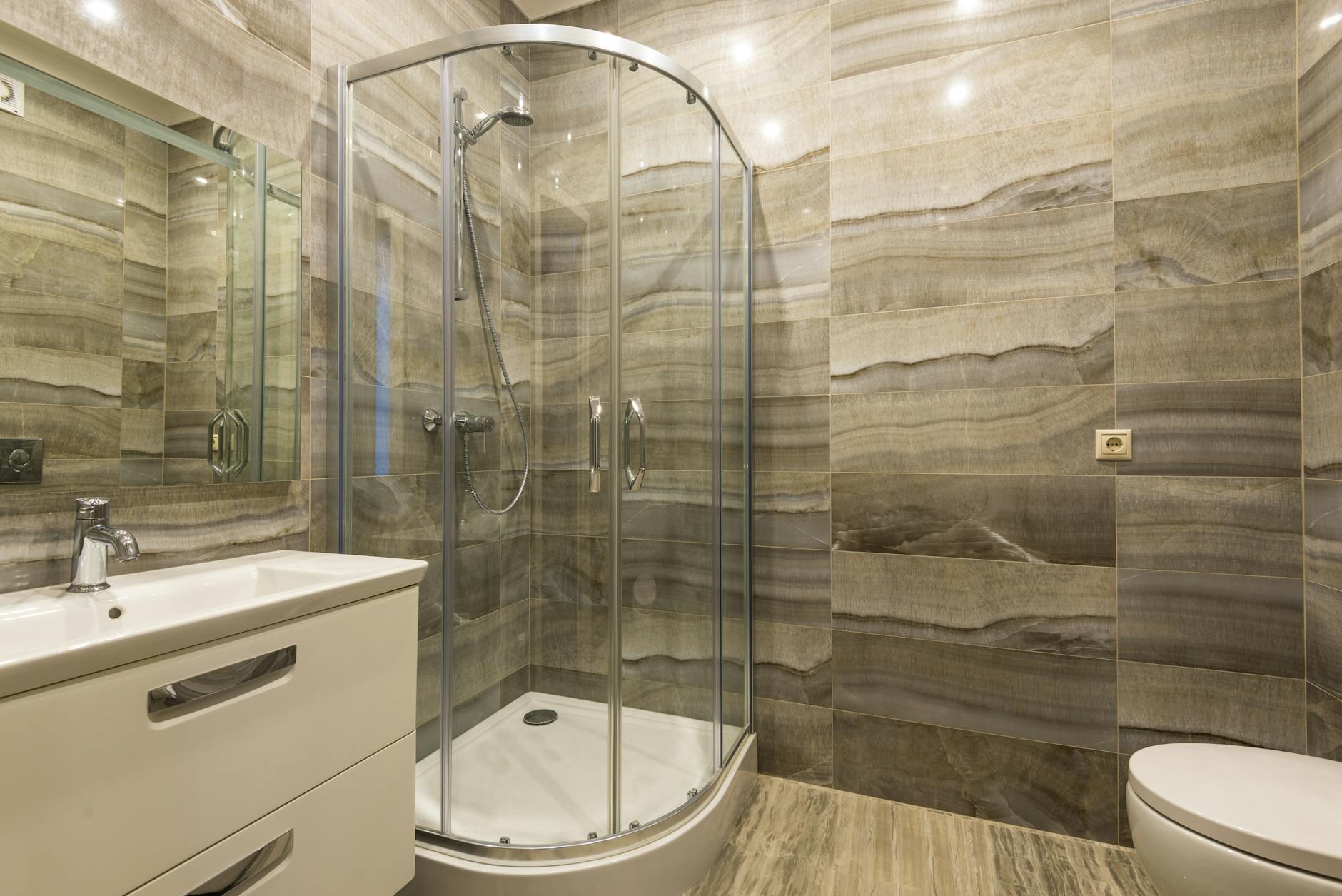
A quick spray and wipe of the bathroom vanity is not a bathroom clean. The toilet base, the area behind the toilet, under the sink, the shower door tracks, and the exhaust fan cover all need regular attention. Rushing through the bathroom is one of the cleaning mistakes most linked to odors and mold growth over time.
Give your bathroom cleaning products adequate dwell time before wiping. Spray the toilet bowl cleaner first, let it sit while you clean the mirror and counters, then come back to scrub the bowl. Working in this sequence takes the same amount of time but produces far better results. For Tempe homeowners looking to see what a genuinely thorough bathroom clean looks like, checking out how other Arizona households approach this is helpful. The post on house cleaning mistakes in Queen Creek covers bathroom technique in additional detail worth reading alongside this guide.
15. Skipping Regular Professional Cleaning
Even the most dedicated DIY cleaner misses things. Professional cleaners are trained to catch the spots that are easy to overlook, and they bring the equipment and products needed to do the job at a level that regular household cleaning rarely reaches. Skipping professional house cleaning entirely is one of the costliest cleaning mistakes over the long run because buildup compounds, surfaces degrade faster, and you end up spending more time and money on repairs and deep restoration.
A recurring house cleaning service in Tempe does not have to replace your regular cleaning routine. It supplements it, handles the tasks that fall through the cracks, and ensures your home gets a thorough reset on a consistent schedule. If you want to see how other Tempe-area homeowners approach this, the breakdown on cleaning mistakes Flagstaff homeowners make offers useful comparison on what a structured cleaning routine looks like across different Arizona households.
Book a Professional Clean and Stop Repeating These Mistakes
Knowing what you are doing wrong is the first step. The faster fix is handing the job to a team that never makes these mistakes in the first place. Elite Maids House Cleaning is background-checked, bonded, fully insured, and backed by a reclean-at-no-cost guarantee. Every visit is handled by five-star rated cleaners who follow a proven process from ceiling fans to baseboards. If your home in Tempe is overdue for a real clean, now is the right time to do something about it. Contact Elite Maids house cleaning in Tempe for a free quote and get your home back to the standard it deserves.
Frequently Asked Questions
What is the 80/20 rule house cleaning?
The 80/20 rule applied to house cleaning means that 20 percent of the surfaces in your home account for 80 percent of the visible dirt and wear. These high-traffic areas include kitchen counters, bathroom sinks, stovetops, and entryway floors. Focusing consistent effort on these spots first ensures the most noticeable improvement in the least amount of time, which makes your overall cleaning routine more efficient and sustainable.
What are some common house cleaning mistakes?
The most common house cleaning mistakes include not replacing sponges often enough, cleaning surfaces in the wrong order, using too much product and leaving residue behind, neglecting high-touch surfaces like door handles and light switches, and mixing cleaning chemicals that should never be combined. Most of these mistakes are easy to fix once you know what to look for, and correcting even two or three of them will make a noticeable difference in how clean your home actually feels.
Does dish soap attract dust?
Yes, dish soap residue left on surfaces after cleaning can attract dust. When dish soap is not rinsed off completely, the surfactants in the formula leave a slightly tacky film that dust and fine particles cling to more easily. This is why using too much soap when mopping floors or wiping counters tends to make those surfaces look dull and dirty again faster than expected. Always rinse or buff surfaces dry after using soap-based cleaners.
What is the hardest thing to keep clean in your home?
Grout lines, oven interiors, and refrigerator coils consistently rank among the hardest surfaces to keep clean because they require specific tools, cleaning agents, and more time than most people build into their routine. In Tempe, where desert dust finds its way into every corner, ceiling fan blades and window tracks also tend to accumulate buildup very quickly. A professional deep cleaning service tackles all of these areas systematically, which is why many homeowners schedule one at least once or twice a year.