How to Deep Clean a Kitchen in 30 Minutes in Santa Fe
SHARE:
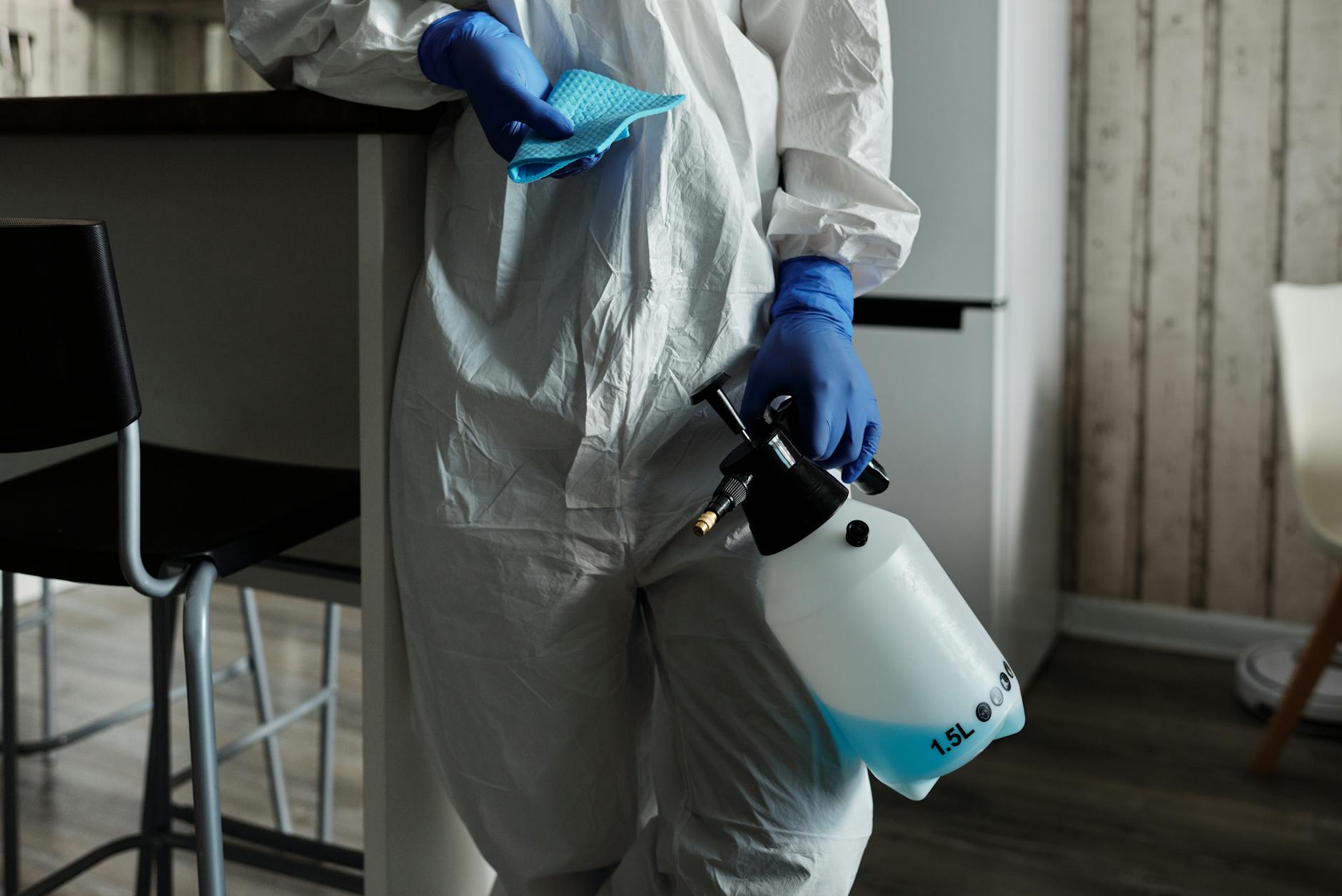
You can deep clean a kitchen in 30 minutes by working in a specific order: clear surfaces first, then spray everything down at once so cleaners do the soaking while you scrub elsewhere. This method removes grease, bacteria, and grime without wasted motion. The steps below walk you through the exact sequence Santa Fe homeowners use to get a spotless kitchen fast, whether you’re doing a quick reset before guests arrive or following a regular cleaning in Santa Fe routine.
1. Gather Your Supplies Before You Start the Clock
The biggest time-waster in any kitchen deep clean is hunting for supplies mid-task. Before you start the timer, pull everything out: an all-purpose spray, a degreaser, a microfiber cloth, a scrub sponge, baking soda, white vinegar, paper towels, and a trash bag. Having every tool within arm’s reach means you never break momentum.
If you prefer safer, low-VOC products, check the EPA Safer Choice program for certified cleaners that cut grease without harsh fumes. Santa Fe kitchens tend to accumulate cooking residue fast, especially in homes where southwestern flavors and high-heat cooking are part of daily life. Prep your kit, set a timer for 30 minutes, and start at the top of the kitchen and work your way down to the floor.
2. Declutter Countertops and Clear the Sink
Speed-cleaning a kitchen starts with removing visual and physical clutter. Pull everything off the counters, stack dishes in the sink, and throw away any trash or expired items. Do not stop to wash individual dishes yet. This decluttering step takes about two to three minutes but makes every other step faster because you have open surfaces to work with.
A clean kitchen starts with clear surfaces. Once the countertops are bare, you can spray the whole surface in one pass instead of navigating around appliances and mail piles. If you follow a structured cleaning schedule for your home, this declutter habit aligns perfectly with routines like the ones covered in our guide on keeping a clean house every week.
3. Spray Everything Down at Once (This Is the Secret)
The single biggest time-saving trick in a 30-minute kitchen deep clean is spraying all surfaces simultaneously so the cleaner does the work while you move on. Spray the stovetop, countertops, backsplash, sink basin, and the exterior of appliances all at once. Then walk away for two to three minutes and tackle something else.
This dwell time is where the real cleaning happens. Degreasers and all-purpose sprays need contact time to break down grease and stuck-on food. Skipping this step and wiping immediately is why most kitchen cleaning takes longer. According to Good Housekeeping’s cleaning guides, allowing a cleaner to sit for at least 60 seconds on greasy surfaces can cut scrubbing time in half.
4. Scrub the Stovetop and Oven Exterior
After the dwell time, come back to the stovetop first since it typically holds the most stubborn residue. Use your scrub sponge on the grates or burner rings, then wipe with a damp microfiber cloth. For baking soda paste on stuck-on spots, mix two tablespoons of baking soda with a small amount of dish soap and apply directly to the problem area. Let it sit for one minute, then scrub.
Wipe down the oven exterior, including the handle, control knobs, and the area around the burners. If your oven has a glass door with interior grime, that is a separate job for a full deep cleaning service rather than a 30-minute sprint. Focus the 30-minute kitchen deep clean on what guests and family members actually see and touch daily. The Santa Fe climate, dry and dusty for much of the year, means the top of the stove and surrounding surfaces collect a fine layer of particulate even between cooking sessions.
5. Wipe Countertops, Backsplash, and Cabinet Fronts
Now that the spray has done its job, wipe down all the flat surfaces with a clean microfiber cloth. Work in long, straight strokes rather than circles to avoid pushing grime around. Move from the back of the counter toward the edge, sweeping crumbs and residue off the surface as you go.
Pay attention to the backsplash near the stove where grease spatters collect. Wipe the fronts of cabinet doors at the most-touched spots, typically around handles and near the base of the upper cabinets. Cabinet fronts are often skipped during a quick kitchen cleaning, but they hold grease residue that builds up over time. If you want a room-by-room approach to thorough kitchen and home cleaning, the deep clean checklist for your home is a useful reference even for Santa Fe households.
6. Clean the Sink and Faucet
A gleaming sink pulls a whole kitchen together visually. Spray the basin with your all-purpose cleaner or a dab of dish soap and scrub in circular motions. Pay close attention to the drain area and the caulk line where the sink meets the counter, since mold and mildew can develop in those joints. The CDC notes that moisture-prone surfaces in kitchens and bathrooms are common sites for mold growth, making sink cleaning a genuine health task, not just an aesthetic one.
Wipe down the faucet handles and base with a damp cloth. Use an old toothbrush around the base of the faucet where soap scum and mineral deposits collect. In Santa Fe, where the water supply can have higher mineral content, calcium buildup on faucet hardware is especially common. A quick spray of white vinegar on these spots dissolves mineral deposits in about 60 seconds. Rinse with warm water, then dry the faucet with a cloth to prevent water spots.
7. Wipe the Refrigerator Exterior and Handle
The refrigerator exterior is one of the most-touched surfaces in any kitchen, which means it carries fingerprints, food splashes, and bacteria. Wipe down the entire front of the refrigerator with an all-purpose spray and microfiber cloth, focusing on the door handles and dispenser area if you have one.
Do not open the refrigerator for an interior clean during your 30-minute sprint. Interior refrigerator cleaning belongs in a more thorough session, like a one-time deep clean or periodic holiday cleaning before family gatherings. For the 30-minute kitchen deep clean, the exterior wipe-down is enough to keep the appliance looking maintained and prevent grime from transferring to your hands every time you reach for the handle.
8. Sweep and Mop the Floor to Finish Strong
Floors go last, always. Everything you scrub and wipe above the floor sends debris downward, so sweeping before wiping countertops means sweeping twice. Spend two to three minutes sweeping corners, under the toe-kick space below cabinets, and the area directly in front of the stove where crumbs concentrate.
Follow with a damp mop or a spray-and-wipe system for a hard floor. You do not need a full bucket-and-mop setup for a 30-minute kitchen deep clean. A flat mop head with a reusable microfiber pad cleans a standard kitchen floor in under four minutes. Indoor air quality improves when floor cleaning is consistent, since kitchen floors hold food particles and allergens that get stirred into the air. The American Lung Association recommends regular cleaning of high-traffic floors as part of a healthy indoor environment strategy.
9. Tackle Microwave and Small Appliance Exteriors
With your floors drying, use the final few minutes on the microwave interior and small appliance exteriors. For the microwave, place a bowl of water with a few tablespoons of white vinegar inside and microwave it for two minutes. The steam loosens splattered food so you can wipe the interior clean with a single swipe of a damp cloth. Wipe the exterior, button panel, and handle.
Wipe the exterior of your toaster, coffee maker, and any other small appliances sitting on the counter. These collect crumbs, oil mist, and dust that make a kitchen look dirtier than it is. A fast wipe with a lightly damp microfiber cloth takes 20 seconds per appliance. If you want deeper help with kitchen cleaning or a full professional clean for your Santa Fe home, professional cleaning services can cover every surface, including the spots a 30-minute session can’t reach.
10. When a 30-Minute Deep Clean Is Not Enough
A 30-minute kitchen deep clean is a powerful reset, but it is not a substitute for periodic professional cleaning. If your kitchen has not had a thorough clean in several weeks, if grease has built up behind the stove, or if cabinet interiors need attention, a proper disinfection service is the right call. This is especially true before major events, after a renovation, or when moving into a new home.
Elite Maids House Cleaning brings background-checked, insured, and five-star-rated cleaners to homes throughout the region. Every visit is backed by a reclean-at-no-cost satisfaction guarantee, so you never have to worry about a job left half done. If you want to extend the results of your 30-minute kitchen deep clean, a recurring maid service on a weekly or biweekly schedule keeps surfaces consistently clean so 30 minutes genuinely does the job every time. For more kitchen-specific techniques similar to what works in the high desert climate of Santa Fe, see our step-by-step post on kitchen deep cleaning in Flagstaff, which covers many of the same challenges. According to Real Simple’s cleaning advice, consistent maintenance cleaning between professional visits is the most effective strategy for keeping a kitchen genuinely clean, not just tidy.
If your kitchen needs more than a quick 30-minute reset, or if you would rather spend your weekend doing anything other than scrubbing, reach out to the team that Santa Fe homeowners trust. Contact Elite Maids House Cleaning in Santa Fe today for a free quote and get your kitchen, and your whole home, back to spotless without lifting a sponge.
Frequently Asked Questions
Can you really deep clean a kitchen in 30 minutes?
Yes, if you follow the right sequence. The key is spraying all surfaces at once so the cleaner does the work while you move to the next task. Working top-to-bottom and saving floors for last prevents double-cleaning. You will cover countertops, appliance exteriors, the sink, stovetop, and floors in about 30 minutes with focused effort and the right supplies ready before you start.
What is the best cleaner to use for a quick kitchen deep clean?
An all-purpose degreaser handles the majority of kitchen grime including stovetop residue, cabinet fronts, and countertops. For tough grease, a paste of baking soda and dish soap works without scratching. White vinegar in water is effective for mineral deposits on faucets and microwave interiors. For eco-conscious households, the EPA Safer Choice label identifies products that cut grease without harsh chemicals or strong fumes.
How do I deep clean a kitchen without chemicals?
White vinegar, baking soda, and dish soap handle most kitchen cleaning tasks without conventional chemicals. A baking soda paste scrubs the stovetop and sink. Vinegar dissolved in water cuts grease on appliance exteriors and glass surfaces. Steam cleaning with a microwave-safe bowl of hot water and vinegar loosens interior grime in minutes. These methods are effective, low-cost, and safe for households with children or pets.
How often should I deep clean my kitchen?
A light clean after every cooking session keeps surfaces manageable. A 30-minute deep clean of the kitchen once a week prevents grease and grime from building up to a point where scrubbing becomes necessary. A true professional-level deep clean, covering interior appliances, cabinet interiors, and behind-appliance spaces, is worth scheduling every one to three months depending on how heavily the kitchen is used.
What areas do most people forget during a kitchen deep clean?
The most commonly skipped areas are the backsplash above the stovetop, the top of the refrigerator, the area around the base of the faucet, cabinet door edges and handles, and the exterior of the range hood or vent. These surfaces collect grease and dust quickly but are easy to wipe down in under a minute each once you build them into your regular kitchen cleaning routine.