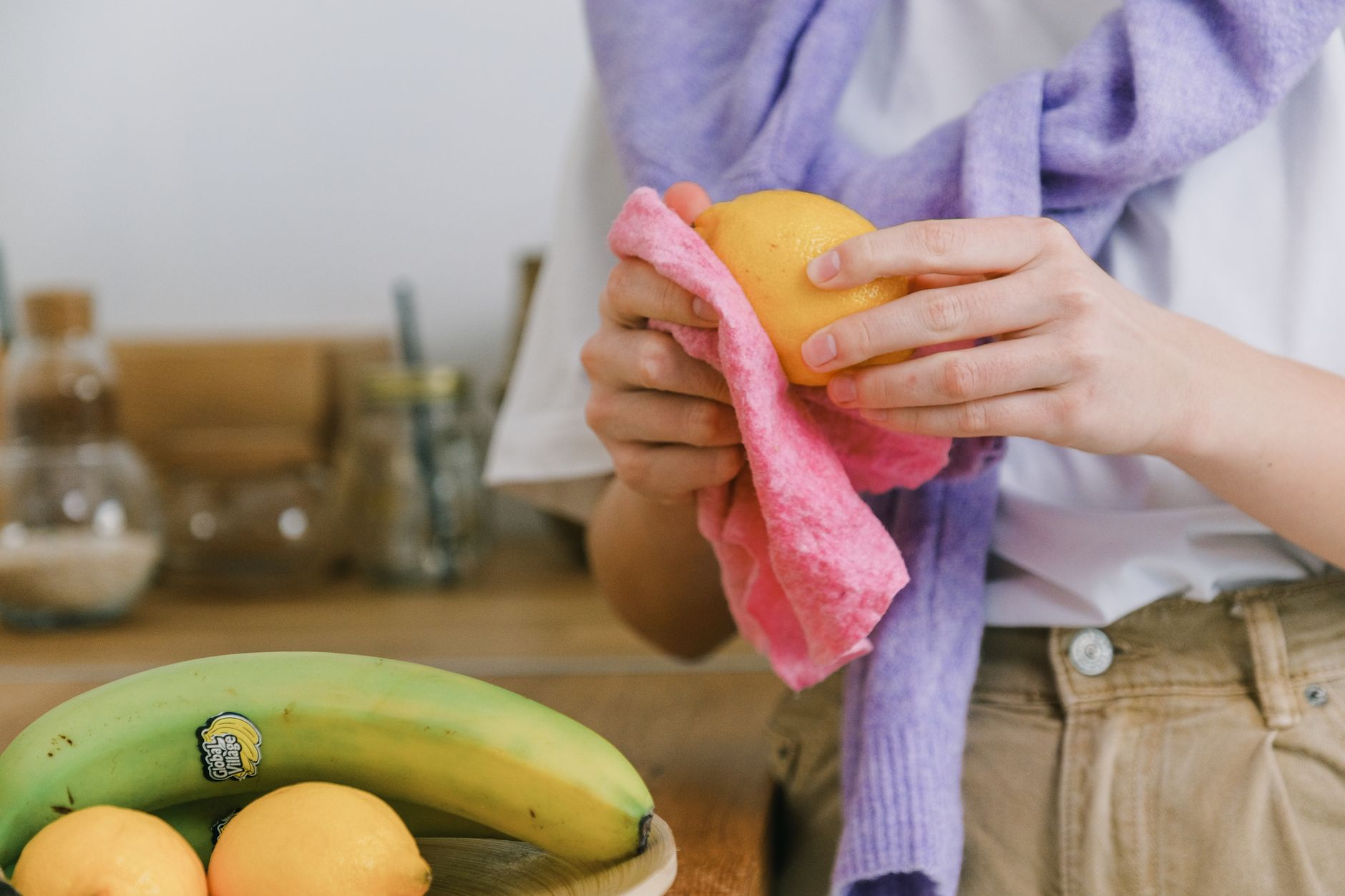
5 Common Cleaning Mistakes Chandler Homeowners Make (And How to Fix Them)
SHARE:
The most common cleaning mistakes Chandler homeowners make include using the wrong products on the wrong surfaces, skipping a cleaning routine order, and cross-contaminating tools between rooms. These habits leave homes looking dull and can actually spread bacteria instead of eliminating it. This post walks through five specific mistakes and gives you practical, no-fuss fixes for each one.
If you’ve been spending your Saturday afternoons cleaning only to feel like the house still isn’t quite right, you’re probably not alone. Across 10 BEST House Cleaning Services in Chandler, AZ, one of the most common complaints homeowners share is that their home never feels truly clean despite hours of effort. The culprit is almost never laziness. It’s technique. The good news: once you spot these mistakes, they’re easy to fix. And for the days when you’d rather hand it off entirely, Elite Maids House Cleaning has Chandler covered with background-checked, five-star rated cleaners ready to book online with same-day availability.
1. Cleaning in the Wrong Order
One of the most overlooked cleaning mistakes is tackling rooms and surfaces out of sequence. Most people start by vacuuming the floors, only to dust the shelves and counters afterward, sending particles raining right back down onto clean carpets and hard floors. This forces you to clean the same surface twice without even realizing it.
The correct order follows a simple principle: top to bottom, back to front, dry before wet. Start at the ceiling level, ceiling fans, light fixtures, and high shelves. Work your way down through countertops and furniture. Finish with floors. In the bathroom, wipe mirrors and fixtures before scrubbing the toilet or mopping. In the kitchen, clean cabinets and backsplash tile before wiping the counters or sweeping.
Here in Chandler, where desert dust and pollen settle quickly on every surface, getting the sequence right makes a noticeable difference. Skipping the sequence is one of the worst cleaning mistakes any homeowner can make because it multiplies your workload without improving the result.
Always dust before you vacuum.
Wipe down cabinets before cleaning countertops below them.
Mop or vacuum floors last, after all other surfaces are done.
Work room by room from the farthest point back toward the exit.
According to Good Housekeeping’s cleaning resource, cleaning in the right sequence is one of the simplest ways to cut total cleaning time in half while getting a better result.
2. Using Too Much Cleaning Product
More soap does not mean cleaner surfaces. This is one of the most common home cleaning errors people make, and it creates real problems. Excess product leaves a sticky residue that actually attracts more dust, dirt, and grime between cleanings. On floors, too much multi-surface floor cleaner can dull the finish over time. On glass and mirrors, over-application leads to streaks no matter how many times you wipe.
Cleaning with dish soap is a great all-purpose option for many surfaces, but even a few drops go a long way. The same applies to bathroom bowl cleaner for toilets and spray-on glass cleaner for mirrors. When in doubt, use less product and more elbow grease or dwell time. Read the label, most cleaning products are formulated to work with a light application and a short wait before wiping.
A few specific notes on amounts:
For mopping hard floors, a small capful of floor cleaner per bucket of water is usually sufficient.
For mirrors and windows, two to three sprays of a window cleaner across the entire surface is plenty. Wipe with a clean microfiber cloth in an S-pattern, not circles, to avoid streaks.
For toilets, a ring of bowl cleaner under the rim is all you need. Let it sit for five to ten minutes before scrubbing.
When cleaning with dish soap on counters or appliances, a single drop diluted in a cup of water works for most jobs.
Wasting product also adds up financially. Cutting usage in half on every clean can stretch your supply budget significantly over a year.
3. Ignoring Cross-Contamination Between Rooms
This is one of the cleaning mistakes that genuinely makes your home less clean, not just less tidy. Cross-contamination happens when you use the same sponge, cloth, or scrub brush in multiple areas without washing it in between. The toilet brush stays in the bathroom, but what about the sponge you used on the toilet tank before wiping down the kitchen counters? That’s a real health issue.
The fix is simple: use color-coded microfiber cloths. Assign specific colors to specific areas. For example, red for bathrooms, blue for kitchens, yellow for general dusting. Wash cloths after every use or at least between rooms. Never use the same scrubbing pad on the toilet and the sink, even in the same bathroom.
The CDC’s guidance on household hygiene emphasizes keeping cleaning tools for high-bacteria areas, like bathrooms, completely separate from food-contact surfaces. This is especially relevant for Chandler households with kids or pets, where cross-contamination risks are higher.
A few practical steps to avoid cross-contamination:
Buy a multipack of microfiber cloths in different colors and label them by zone.
Store bathroom cleaning tools separately from kitchen tools under each respective sink.
Replace sponges at least every two weeks, or soak them in a bleach solution between uses.
Never use the same mop head for bathrooms and living areas without washing the mop head first.
If you’ve been making this mistake for a while, a deep cleaning service is worth scheduling to reset your home to a truly sanitary baseline before you take over the maintenance routine.
4. Mixing Cleaning Products That Should Never Be Combined
Mixing the wrong cleaning products is not just ineffective; it can be genuinely dangerous. The most common harmful combinations are bleach with ammonia, bleach with vinegar, and hydrogen peroxide with vinegar. Each of these mixtures releases toxic fumes that irritate the lungs, eyes, and skin. In enclosed spaces like bathrooms with poor ventilation, the exposure can be serious.
A common misconception is that combining products makes them more powerful. In reality, many combinations cancel each other out or create unpredictable chemical reactions. For example, mixing bleach-based bathroom bowl cleaner with an acidic toilet cleaner can produce chlorine gas.
What percentage vinegar for cleaning is safe? Plain white vinegar at five percent acidity, the standard grocery-store variety, is effective for most household tasks: cutting grease, removing mineral deposits, and deodorizing surfaces. It is NOT safe to mix with bleach. Use them on separate days if both are part of your cleaning routine, and rinse surfaces between applications.
Safe product practices to follow:
Never mix bleach with any other cleaner unless the label explicitly says it’s safe.
Open windows and run exhaust fans whenever using any spray cleaner in a bathroom or kitchen.
Store cleaning products in their original containers with labels intact.
If a product requires dilution, always add the product to water, not water to the product.
5. Skipping Regular Maintenance Cleans in Favor of One Big Clean
Many Chandler homeowners fall into the same pattern: let things build up for two or three weeks, then spend an entire Saturday doing a massive clean. The problem is that this approach is harder on you, less effective on surfaces, and less hygienic in between sessions. Bacteria, mold spores, and dust mites don’t pause while you wait for cleaning day.
Regular house cleaning on a consistent schedule, whether weekly or biweekly, prevents the buildup that makes big cleaning sessions necessary. It also protects surfaces. Soap scum that’s allowed to harden on a shower wall for three weeks requires significantly more scrubbing than a quick wipe-down every few days. Grease that bakes onto a stovetop over multiple cooking sessions is much harder to remove than fresh splatter.
This is where a recurring maid service makes a real difference for busy households. Regular professional visits keep the baseline clean, so your day-to-day maintenance is minimal. Homeowners across Chandler who switch from monthly deep cleans to biweekly visits consistently report that their homes feel cleaner all the time with less personal effort.
For homes that have gone a while without a thorough clean, start with a holiday deep cleaning to reset everything, then transition into a recurring maintenance schedule.
A practical maintenance rhythm for most homes:
Daily: wipe kitchen counters, run a dish cloth over the stovetop after cooking, squeegee shower glass.
Weekly: vacuum all floors, clean bathrooms, mop hard floors, wipe appliance exteriors.
Monthly: clean inside the microwave and oven, wipe baseboards, dust ceiling fans and light fixtures.
Seasonally: deep clean the refrigerator, wash windows, check for mold in damp areas.
If you’re looking for a seasonal deep clean guide to complement this routine, the ultimate guide to spring cleaning is a great place to start building out your full-year cleaning plan.
Bonus: Not Using the Right Tools for the Job
This one doesn’t get talked about enough. Using the wrong cleaning tools is responsible for more frustration, wasted time, and damaged surfaces than almost any other household cleaning error. Paper towels scratch some surfaces and leave lint on others. Old cotton rags push bacteria around instead of trapping it. The wrong mop type can leave more water on floors than it picks up.
Switching to quality microfiber cloths is one of the single best upgrades you can make to your home cleaning routine. Microfiber picks up bacteria and dust at a microscopic level that cotton and paper products can’t match. For mirrors and glass, a dedicated microfiber glass cloth eliminates the streaks that paper towels leave behind. For floors, a flat microfiber mop with a removable, washable head outperforms a traditional string mop on most surfaces.
Other tool upgrades worth considering:
A grout brush for tile lines instead of a regular scrub brush.
An extendable duster for ceiling fans and crown molding.
A squeegee for shower glass after every use to prevent mineral buildup.
Separate scrubbing pads designated by room (remember the cross-contamination point above).
You don’t need to spend a lot. A good set of color-coded microfiber cloths, a quality flat mop, and a proper grout brush will outperform a cabinet full of expensive products used with the wrong tools.
How Chandler Homeowners Can Avoid These Cleaning Mistakes for Good
Avoiding the most common residential cleaning mistakes comes down to three things: the right sequence, the right products in the right amounts, and consistent frequency. Most of the errors covered above have been creating extra work for homeowners in Chandler for years, not because anyone is cleaning wrong on purpose, but because these habits go uncorrected and get passed down without question.
The homeowners who see the biggest improvement are the ones who pick one or two of these fixes to implement this week, not all five at once. Start with cleaning order if yours is off. Start with product amounts if you’re constantly dealing with streaks or residue. Add color-coded microfiber cloths if cross-contamination has been an issue.
For a broader look at how these same mistakes show up in neighboring communities, the post on cleaning mistakes in Queen Creek covers several overlapping habits worth reading through. And if you want to see how these issues compare across the wider Valley, the rundown of cleaning mistakes Phoenix homeowners make is a solid companion read.
Check out the cleaning chandler prices to see current options for recurring, deep, and move-in/move-out cleans in your area. Every booking comes with a no-cost reclean guarantee, so there’s no risk in trying professional service for the first time.
Ready to stop repeating the same cleaning mistakes and actually enjoy a clean home? cleaning in Chandler is available right now through Elite Maids House Cleaning’s online booking tool. You can lock in same-day service, get an instant quote, and have a background-checked, fully insured cleaner at your door the same day. Contact Elite Maids house cleaning today for a free quote and give yourself back the weekend you deserve.
Frequently Asked Questions
What are some common cleaning mistakes to avoid?
The most common cleaning mistakes to avoid include cleaning in the wrong order (dusting after vacuuming), using too much product which leaves sticky residue, cross-contaminating tools between bathrooms and kitchens, mixing incompatible chemicals like bleach and vinegar, and relying on infrequent deep cleans instead of a regular maintenance schedule. Fixing these habits takes less time than repeating them.
Is it safe to clean with vinegar and dish soap together?
Mixing vinegar and dish soap is generally safe but largely counterproductive. Dish soap is a base and vinegar is an acid. Combined, they neutralize each other and reduce the effectiveness of both. Use them separately for better results. Vinegar works well on mineral deposits and glass; dish soap handles grease and grime on surfaces.
How often should Chandler homeowners deep clean their homes?
Most Chandler homes benefit from a thorough deep clean at least twice a year, typically in spring and fall, with regular weekly or biweekly maintenance in between. Homes with pets, kids, or allergy sufferers may benefit from a deep clean every three to four months. A professional deep cleaning service can reset your home between regular maintenance visits.
Why do my mirrors always look streaky after cleaning?
Streaky mirrors are almost always caused by one of three things: too much product, using paper towels that leave lint, or wiping in circles. Use two to three sprays of a glass cleaner, wipe with a clean dry microfiber cloth in an S-pattern from top to bottom, and buff with a second dry cloth. Avoid cleaning mirrors in direct sunlight, which causes product to dry too fast.
What is the best way to prevent cross-contamination when cleaning?
The most reliable prevention method is using color-coded microfiber cloths assigned to specific areas of the home. Designate one color for bathrooms, another for the kitchen, and a third for general dusting. Never use bathroom cleaning tools on food-contact surfaces. Wash cloths after every cleaning session and replace sponges frequently to keep bacteria from spreading between rooms.