Preparing for Guests? The Ultimate Pre-Event Cleaning Plan
SHARE:
The ultimate pre-event cleaning plan starts at least one week before guests arrive: declutter early, deep clean three days out, and do final touch-ups the day before. A structured timeline keeps stress low and your home guest-ready without a last-minute scramble. This guide walks you through every phase, room by room, so nothing gets missed.
1. Why Event Cleaning Matters More Than You Think
Most people underestimate how much a clean home affects the way guests feel the moment they walk in. The scent, the clutter level, the state of the bathroom, guests notice all of it within seconds, even if they never say a word. Pre-event cleaning is not just about appearances. It is about creating a comfortable, welcoming environment where everyone can relax.
Event cleaning also matters for health. Indoor air quality drops sharply when dust, pet dander, and allergens accumulate. According to the EPA’s Indoor Air Quality guidelines, indoor pollutant levels can be two to five times higher than outdoor levels. A thorough clean before a gathering reduces those irritants, which is especially important if any of your guests have allergies or asthma.
Pre-party cleaning also protects your surfaces and furniture over time. Grease, dust, and grime that sit untouched on counters and upholstery break down materials faster. Getting ahead of the mess before an event, rather than dealing with layered buildup after, keeps your home in better shape long term.
2. Why a Professional Event Cleaning Checklist Is Non-Negotiable
Going into pre-event cleaning without a checklist is the fastest way to miss something obvious. You clean the living room, feel great about it, and then realize the morning of the party that the guest bathroom looks like no one has touched it in a month. A professional event cleaning checklist removes the guesswork entirely.
A solid checklist also stops you from wasting time. Without one, people tend to over-clean areas guests will barely use and ignore the high-traffic zones where impressions are actually made. Think: the entryway, the main bathroom, the kitchen, and wherever people will be sitting and eating.
You can download a preparing for guests pre-event cleaning checklist in PDF format from many reputable home management sites, or build a free version based on the room-by-room breakdown in this post. The most effective checklists organize tasks by timeline (one week out, three days out, day before, day of) rather than by room, so you always know exactly what to tackle next.
If you want a room-by-room breakdown for a full apartment, our apartment cleaning checklist is a useful companion resource to build from.
3. Plan Ahead: Build Your Customized Pre-Party Cleaning Timeline
The single biggest mistake people make when preparing for guests is trying to do everything the day before the event. That approach guarantees stress, rushed work, and areas that do not get cleaned properly. Instead, spread the work across a full week using a realistic pre-party cleaning timeline.
Here is a framework that works for most households:
7 days out: Assess the whole house. Note what needs deep cleaning versus a surface refresh. Order any cleaning supplies you are running low on.
5-6 days out: Declutter every room guests will enter. Drop items that belong in storage, donate anything sitting unused, and clear counters.
3-4 days out: Deep clean the kitchen, bathrooms, and main living areas. Scrub grout, clean appliance exteriors, wipe baseboards, and dust ceiling fans.
1-2 days out: Vacuum all floors and carpets, mop hard floors, clean mirrors and glass surfaces, and restock bathroom supplies.
Day of: Quick touch-ups only. Wipe down surfaces, take out trash, light a candle or set out fresh hand towels, and do a final visual sweep.
Building out this timeline in writing, even a simple note on your phone, turns a overwhelming project into a manageable daily task. Good Housekeeping’s cleaning guides consistently recommend the phased approach over single-session deep cleans for exactly this reason.
4. Declutter and Organize First, Clean Second
This step trips up a lot of homeowners. You cannot properly clean a surface that is covered in stuff. Decluttering before you clean is not optional, it is the foundation everything else builds on.
Start with the rooms guests will use most: the entryway, living room, kitchen, and bathrooms. Pick up anything that does not belong in that room and either put it away or move it out of sight temporarily. The goal is not perfection. The goal is clear, open surfaces that are easy to wipe down and that make the space look intentionally tidy.
As you declutter, tackle these specific areas:
Kitchen counters: Store small appliances you are not using for the event. A clear counter reads as clean even before you wipe it down.
Bathroom surfaces: Remove personal items from the vanity. Guests do not need to see your daily routine laid out.
Living room: Collect remote controls, magazines, kids’ toys, and miscellaneous items. A basket hidden in a closet works perfectly for a quick sweep.
Entryway: Clear shoe piles, coat hooks, and any mail or bags that have accumulated. First impressions start here.
Organizing and decluttering also creates a calmer atmosphere for you while you clean. It is far easier to stay motivated when you can see clear surfaces emerging than when you are constantly moving clutter from spot to spot.
5. Deep Clean the High-Traffic Areas Guests Will Notice
Once the clutter is cleared, it is time to do the actual heavy lifting. Deep cleaning before an event means going beyond a wipe-down. It means cleaning the things people do not clean on a regular basis: grout lines, the inside of the microwave, the baseboards, and the inside of bathroom cabinet doors.
Focus your deep cleaning energy on these priority zones:
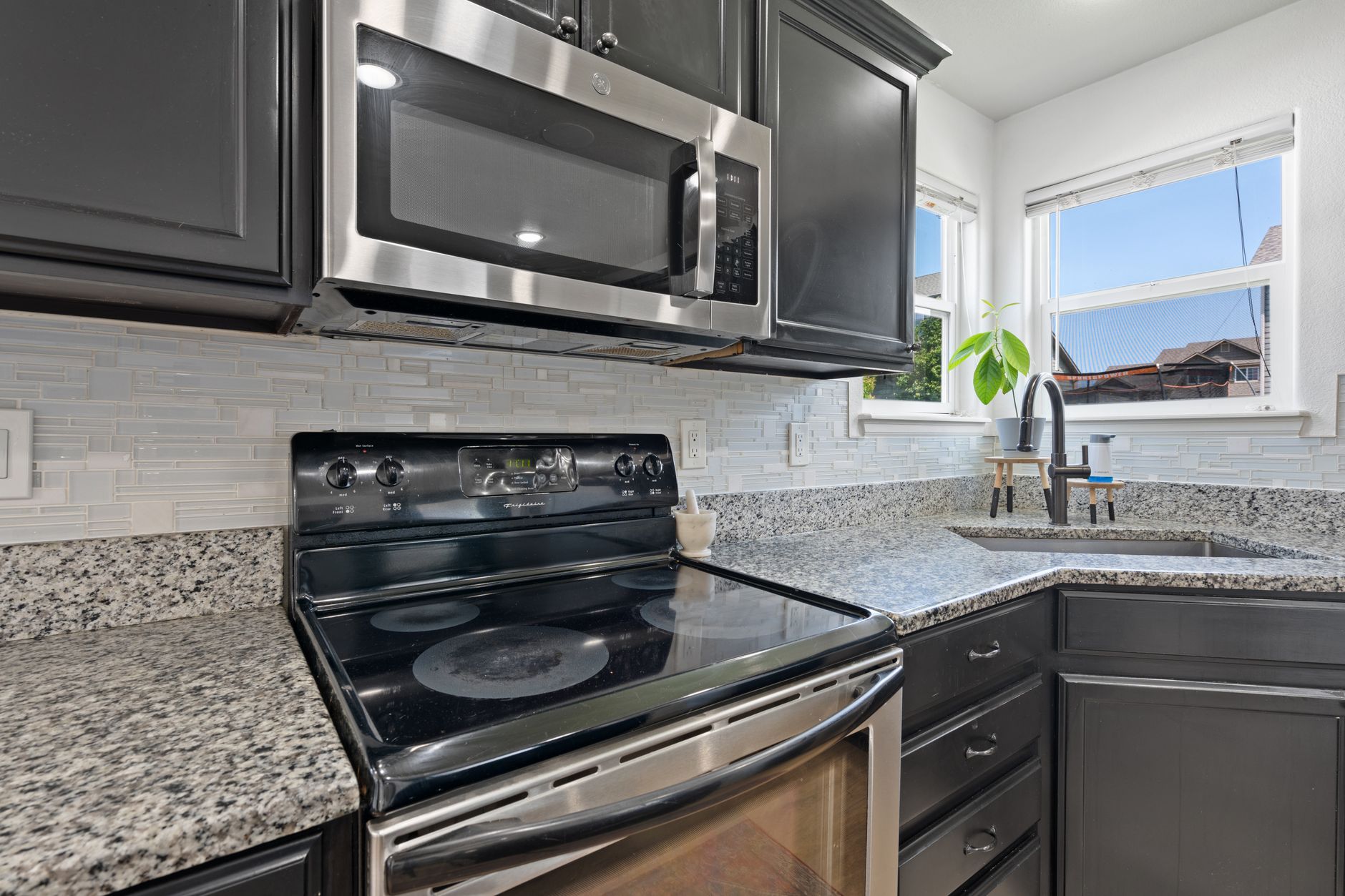
Kitchen: Clean the stovetop thoroughly, wipe down cabinet fronts, scrub the sink, clean the exterior of the refrigerator, and make sure the microwave interior does not have old food splattered inside. For a detailed monthly kitchen deep clean approach, our kitchen deep cleaning checklist covers every surface.
Bathrooms: Scrub the toilet inside and out, clean the shower or tub, wipe down mirrors, and disinfect the sink and faucet handles. If you have guests staying overnight, make sure the guest bathroom gets the same attention as your primary one. Our bathroom cleaning service guide walks through a thorough process.
Living areas: Dust ceiling fans, wipe down light switches and door handles, vacuum upholstered furniture and under cushions, and clean glass surfaces on coffee tables and entertainment units.
Entryway and hallways: Sweep and mop, wipe scuff marks from walls, and clean any glass or mirrors near the front door.
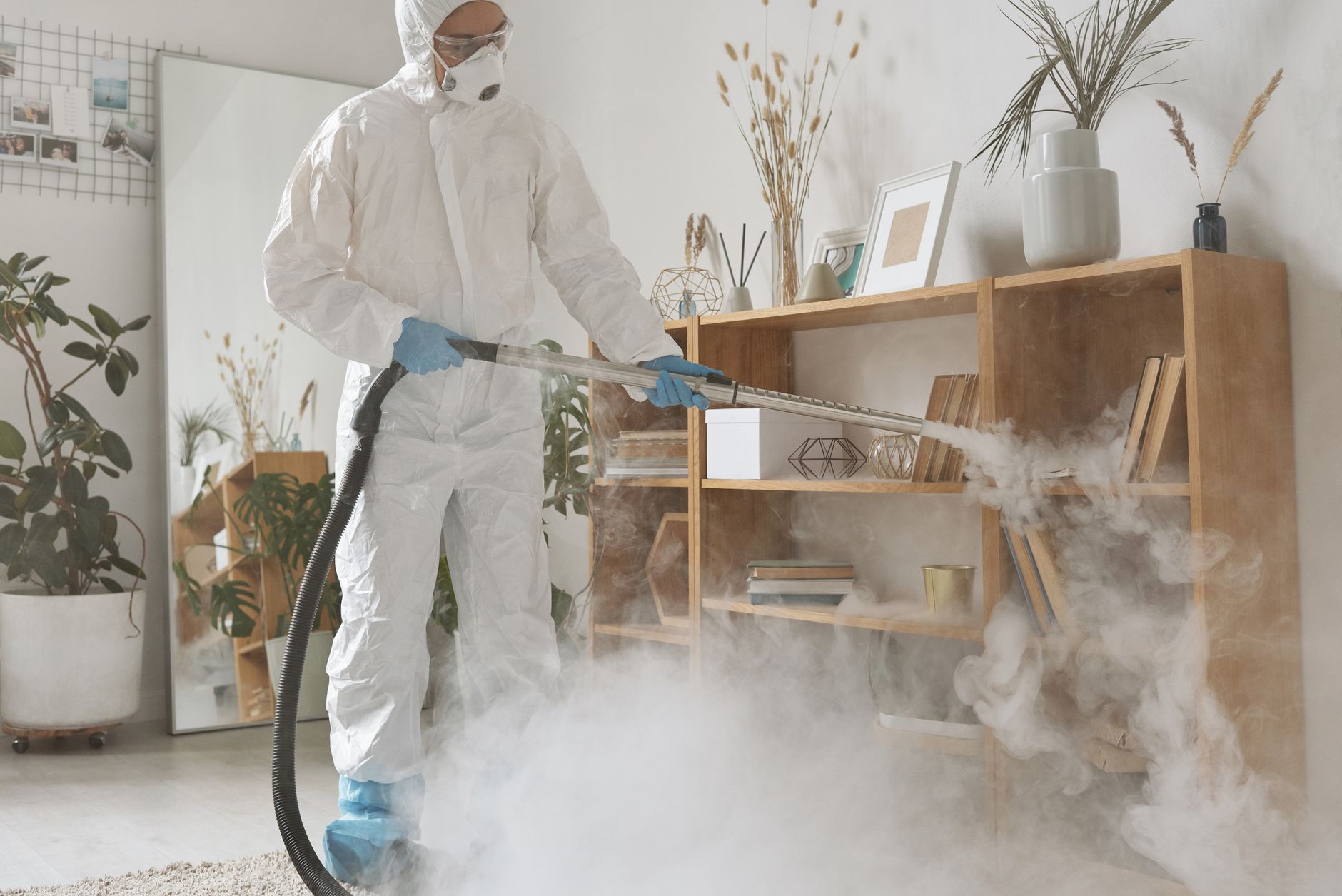
If you want your home’s disinfection handled at a professional level before a large event, our disinfection services cover all high-touch surfaces with hospital-grade products, which is especially valuable if children or elderly guests are attending.
6. Tackle Floors, Carpets, and Hard-to-Reach Spots
Floors take a beating when a home full of people gather for an event, so getting them clean before anyone arrives is critical. Dirty floors undercut everything else you have done, because they are impossible to ignore once people are walking through the house.
Here is a room-by-room floor strategy for pre-event cleaning:
Carpeted rooms: Vacuum at least twice, once against the pile and once with it, to pull up more embedded debris. If there are noticeable stains, spot treat them with an appropriate carpet cleaning solution two to three days before the event so they have time to dry fully.
Hardwood and laminate floors: Sweep first, then mop with a product safe for the floor’s finish. Do not over-wet hardwood floors.
Tile and grout: Grout lines in kitchens and bathrooms show dirt quickly. A stiff brush and a baking soda paste or a commercial grout cleaner makes a visible difference.
Under furniture: Pull out the sofa and chairs at least once during this pre-event clean. Dust bunnies and debris underneath add to the overall dirt level in the room even if guests do not see them directly.
Pro tip: save floor cleaning for the end of your cleaning session each day. Dust and debris from other surfaces will fall to the floor as you clean, and you want to capture all of it in one final pass.
7. Prepare the Guest Room: What to Do Before Guests Stay Over
If guests are spending the night, the guest room preparation needs its own dedicated checklist. A clean, thoughtfully set-up guest room tells your visitors that you genuinely prepared for them, not just tossed a pillow on a spare bed.
Here is what to do before guests stay:
Wash all bedding, including the duvet or comforter, pillowcases, and sheets, within two days of arrival so everything smells fresh.
Dust the nightstands, lamps, ceiling fan blades, and any shelves or dressers in the room.
Vacuum the carpet or clean the floor thoroughly, including under the bed.
Empty the closet or at least clear a section for guest luggage and hanging clothes.
Stock the nightstand or a small basket with a few essentials: extra toiletries, a spare phone charger if you have one, and a glass of water.
Ensure the guest bathroom has clean towels, fresh hand soap, toilet paper in an accessible spot, and a cleared counter space for their personal items.
A well-prepared guest room also means checking the room’s air quality. Rooms that are rarely used tend to accumulate stale air and dust. Open the window for an hour while you clean to let fresh air circulate before guests arrive. This is a small detail that makes a noticeable difference, especially in Arizona homes during cooler seasons when windows are typically kept closed.
8. The Complete Event Cleaning Checklist: 3 Critical Phases
If you want a single printable summary you can follow for any gathering, whether it is a dinner party, holiday get-together, or a birthday celebration, this three-phase event cleaning checklist covers everything. Think of it as your preparing-for-guests plan at a glance, free to use and adapt for any home.
Phase 1: Preparation (5-7 days before)
Walk through every room and note what needs attention
Declutter all guest-facing areas
Stock up on cleaning supplies and eco-friendly products
Wash guest linens and put them aside
Phase 2: Deep Clean (2-4 days before)
Deep clean kitchen: stovetop, oven exterior, sink, counters, cabinet fronts
Deep clean all bathrooms: toilet, tub, sink, mirrors, floors
Dust all surfaces, ceiling fans, light fixtures, and baseboards
Vacuum upholstered furniture and under cushions
Clean all floors: carpet, hardwood, tile
Wipe down light switches, door handles, and high-touch surfaces
Phase 3: Final Touch-Up (day before and day of)
Quick vacuum or sweep of main traffic areas
Wipe down kitchen and bathroom surfaces
Empty all trash cans and replace bags
Set out fresh hand towels in bathrooms
Check guest room is fully ready
Take out any recycling or garbage
Final visual sweep through the front door perspective
If a holiday gathering is on your calendar, our dedicated holiday cleaning service handles the heavy lifting so you can focus on the food, the decorations, and your guests.
9. When to Call in a Professional House Cleaning Service
There are situations where tackling pre-event cleaning on your own simply is not realistic. Maybe you have a large home, a short timeline before the event, or you are juggling work, kids, and all the other logistics that come with hosting. That is exactly when calling a professional house cleaning service makes sense.
Elite Maids House Cleaning offers event cleaning services specifically designed for homeowners across Phoenix, Mesa, Scottsdale, Gilbert, Chandler, Glendale, Queen Creek, San Tan Valley, Tucson, and Flagstaff. Every cleaner is background-checked, bonded, fully insured, and five-star rated. Eco-friendly product options are available if you want a cleaner home without harsh chemical odors before guests arrive, which is especially important given what the EPA’s Safer Choice program notes about reducing indoor chemical exposure.
You can book online with instant quotes and same-day availability between 8am and 6pm without picking up the phone. And every visit is backed by a reclean-at-no-cost satisfaction guarantee, so there is zero risk.
If spring is around the corner and you want a broader reset before the next season of entertaining, our spring cleaning checklist pairs well with pre-event prep to get the whole home sorted at once.
Ready to host with confidence? Contact Elite Maids House Cleaning today for a free quote and let Arizona’s most-reviewed residential cleaning team handle the hard work so you can spend your energy on what actually matters when guests arrive.
Frequently Asked Questions
What preparation do we need to do before cleaning a guest room?
Start by stripping the bed and washing all linens at least two days before guests arrive. Remove clutter from surfaces, dust everything including ceiling fan blades and baseboards, vacuum the floor thoroughly including under the bed, and clear space in the closet for luggage. Stock the room with essentials like fresh towels, soap, and toilet paper so it feels genuinely welcoming.
How far in advance should I start cleaning before a party?
Ideally, start the planning and decluttering phase at least seven days before your event. Reserve deep cleaning tasks for three to four days out and do a lighter touch-up the day before. Starting early prevents the panic of trying to clean an entire home in one session, and it means everything dries and settles properly before guests walk through the door.
Which rooms should I prioritize when cleaning for guests?
Focus first on the rooms guests will actually use: the entryway, living room, kitchen, and bathrooms. These are the spaces that shape how your home feels to a visitor. If guests are staying overnight, add the guest bedroom and their designated bathroom to the priority list. Rooms guests will not access, like your home office or master bedroom, can wait.
Is there a free pre-event cleaning checklist I can use?
The three-phase checklist laid out in this post is free to use and covers everything from the week before to the morning of your event. You can copy the phases into a notes app, print this page as a PDF from your browser, or use it as a base to customize for your specific home. Many homeowners find that adapting a generic preparing-for-guests checklist PDF to match their own floor plan works better than following a one-size-fits-all list.
Should I hire a professional cleaner before a large event?
For large gatherings, tight timelines, or homes that have not had a deep clean recently, hiring a professional cleaning service is absolutely worth it. A professional team covers everything in a fraction of the time, using commercial-grade products that get results a standard home clean cannot match. It also frees you up to handle food, decorations, and the hundred other things that go into hosting a successful event.
How to Deep Clean Your House: A Room-by-Room Guide
SHARE:
To deep clean your house, work room by room from top to bottom, tackling built-up grime, forgotten corners, and surfaces that routine cleaning misses. A full house deep clean covers everything from baseboards and ceiling fans to inside appliances and grout lines. This guide walks you through every step, the right supplies, and smart strategies to get your home genuinely spotless.
1. Gather Your Deep Cleaning Supplies Before You Start
The single biggest time-waster in any deep cleaning session is stopping mid-room to hunt for a product. Pull everything together first and you will move through your home at least twice as fast. For a thorough house deep clean, you need more than an all-purpose spray.
Microfiber cloths in two categories: one set for dry dusting, one set for wet cleaning. Microfiber traps particles rather than pushing them around.
HEPA vacuum with attachments for upholstery, crevices, and bare floors.
Grout brush and old toothbrush for tile lines and fixture edges.
Degreaser for kitchen surfaces, range hoods, and stovetops.
Baking soda and white vinegar for odor absorption and natural scrubbing.
Disinfectant spray or wipes for high-touch surfaces. If you want products that meet rigorous safety standards, look for the EPA Safer Choice label, these products clean effectively without harsh chemical residues.
Mop and bucket with a floor-appropriate cleaner.
Rubber gloves, a caddy, and a step stool so you can reach high shelves and ceiling fans safely.
If you prefer eco-friendly options, many plant-based formulas work just as well as conventional products for a standard deep cleaning of your house. Get a free house cleaning quote if you would rather leave the supply decisions to professionals.
2. Deep Clean Your Kitchen First for Maximum Impact
The kitchen holds more grease, bacteria, and hidden grime than any other room. A proper kitchen deep clean hits every surface, not just the counters you wipe down every night.
Appliances inside and out: Pull the refrigerator from the wall and vacuum the coils. Clean inside the fridge, freezer, microwave, and oven. For the oven, apply a baking-soda paste, let it sit for 20 minutes, then scrub and wipe.
Cabinets and hardware: Wipe cabinet fronts with a degreaser. Clean handles and pulls where cooking grease accumulates daily.
Range hood and filters: Soak metal filters in hot water and dish soap for 15 minutes, then scrub. Wipe down the hood exterior and interior surfaces.
Sink and garbage disposal: Scrub the sink basin with baking soda, then run ice cubes and lemon peels through the disposal to remove odor.
Backsplash and grout: Use a grout brush and a pH-neutral cleaner to scrub tile grout. Rinse thoroughly to prevent residue buildup.
Floors and baseboards: Sweep, then mop. Wipe baseboards with a damp microfiber cloth to remove the grease film that settles near the stove.
Deep cleaning a kitchen properly takes 90 minutes to three hours depending on size and how long since the last thorough cleaning. For families in Phoenix, Scottsdale, or Chandler who want this done without clearing a Saturday, a home disinfection service covers these high-touch kitchen surfaces with hospital-grade products.
3. Deep Clean Bathrooms from Ceiling to Floor
Bathroom deep cleaning means going beyond the toilet brush and sink wipe. Moisture and humidity create the perfect environment for mold, soap scum, and bacteria to build up in places you might not look at every day. According to the CDC’s guidance on mold in homes, bathrooms are one of the most common areas for mold growth because of persistent moisture, a compelling reason to make this a regular part of any whole-house deep clean.
Exhaust fan: Remove the cover and vacuum dust from the fan blades and housing. A clogged fan increases humidity and mold risk.
Shower and tub: Spray grout lines with a mold-killing cleaner, let it sit five minutes, then scrub with a stiff brush. Clean the showerhead by soaking it in a bag of white vinegar for 30 minutes.
Toilet, all surfaces: Clean under the rim, around the base, and behind the tank. Wipe the flush handle and seat hinges.
Vanity and medicine cabinet: Empty and wipe inside the medicine cabinet. Clean mirror edges and the back of the cabinet door where dust collects.
Caulk lines: Inspect caulk around the tub and shower. Re-caulk if you see discoloration or gaps that allow water to seep behind walls.
Floors and grout: Scrub tile grout with a brush and baking soda paste, then mop with a disinfecting floor cleaner.
4. Bedroom Deep Cleaning: Mattresses, Dust, and Air Quality
Most people change their sheets regularly but skip the deeper bedroom tasks that affect sleep quality and indoor air. A full bedroom deep clean targets the dust reservoirs that routine cleaning ignores.
Mattress: Strip the bed completely. Vacuum the mattress with the upholstery attachment, then sprinkle baking soda over the surface. Let it sit 30 minutes and vacuum again. This neutralizes odors and lifts dust mites.
Pillows and bedding: Wash pillows, duvet inserts, and mattress protectors according to their care labels. Most can go in a home washer on a gentle cycle with hot water.
Under the bed: Vacuum under and around the bed frame. Dust and allergens accumulate here in large quantities.
Ceiling fan and light fixtures: Use a pillowcase to trap dust from fan blades as you wipe, slide each blade into the case and pull it off so the dust falls inside rather than onto the floor.
Closets: Remove all items, vacuum the floor and shelves, and wipe shelves with a damp cloth before replacing clothes and boxes.
Windows and blinds: Wipe blind slats with a damp microfiber cloth. Clean window tracks with a small brush, then wipe with a damp cloth.
The American Lung Association notes that reducing dust mite exposure through regular bedding washing and vacuuming mattresses can meaningfully improve indoor air quality, especially important in Arizona’s desert climate where homes are sealed for air conditioning much of the year. If you want help keeping up with same-day deep cleaning service on a schedule, recurring visits keep these tasks from piling up.
5. Living Room and Common Area Deep Cleaning Checklist
Living rooms and common areas collect more surface area than most people realize, upholstered furniture, electronics, shelving, rugs, and window treatments all need attention during a proper house deep clean.
Upholstered furniture: Vacuum sofa cushions, armrests, and the area beneath removable cushions. Check care tags, most fabric sofas can be spot-cleaned with an upholstery cleaner.
Hard surfaces and shelving: Remove items from shelves, dust the surface, and wipe each item before returning it. This prevents the dust buildup that makes rooms feel perpetually dusty no matter how often you vacuum.
Electronics: Use a dry microfiber cloth on screens. Use compressed air around keyboard keys and speaker grills.
Baseboards and door frames: Wipe down all baseboards, door frames, and crown molding with a damp microfiber cloth. These surfaces are almost always skipped in regular cleaning.
Rugs: Take area rugs outside and beat them if possible, then vacuum both sides before returning them to the floor.
Light switches and outlet covers: Wipe with a disinfecting cloth. These are among the highest-touch surfaces in the home and among the least often cleaned.
Homeowners who follow a structured deep cleaning checklist like this one typically find the process goes faster after the first time. For a quick jumpstart, check out our guide on home cleaning routines that build momentum fast.
6. How to Deep Clean Floors Throughout the Entire House
Floor deep cleaning is the final step in each room but deserves its own focused strategy. Different floor types need different approaches, and doing this last ensures dirt knocked down from upper surfaces gets picked up.
Hardwood floors: Vacuum first with a soft-brush attachment to avoid scratches. Mop with a barely damp mop and a hardwood-safe cleaner. Excess moisture warps wood, so wring the mop thoroughly.
Tile and grout: Vacuum or sweep first, then mop with a pH-neutral cleaner. For grout, use a stiff brush and a grout cleaner or baking soda paste. Scrub in circular motions, then rinse.
Carpet: Vacuum in two directions to lift deep-set dirt. For stains, apply a carpet cleaner and blot from the outside of the stain inward, never scrub, which spreads the stain. Consider a steam cleaning or professional extraction every 12 to 18 months.
Vinyl and laminate: These surfaces scratch easily. Use a soft mop, avoid steam, and use a manufacturer-recommended cleaner.
Transition areas and thresholds: The strips between rooms collect grime. Wipe or scrub these as part of any full-home deep clean.
7. Seasonal and Pre-Event Deep Cleaning Strategy
Deep cleaning your house is not just a once-a-year task. Timing a thorough cleaning to seasonal changes, holiday gatherings, or before hosting guests gets your home to a level of cleanliness that regular maintenance cannot achieve.
Before the holidays: Clean ceiling fan blades, light fixtures, and windows so your home looks its best when guests arrive. Our holiday cleaning service is built specifically for this, handling the deep clean so you can focus on cooking and decorating.
Spring and fall: Use seasonal transitions to deep clean windows (inside and out), swap out bedding, and clean inside closets and storage areas.
Move-in and move-out: A full property deep clean before moving in removes the previous occupants’ buildup and gives you a genuinely fresh start. Move-out cleaning protects your security deposit.
After illness: Disinfect all high-touch surfaces, door handles, light switches, remote controls, faucets, and launder all bedding and towels.
Post-renovation: Construction dust is extremely fine and settles everywhere. A deep clean after renovation work includes wiping inside cabinets, washing all textiles, and cleaning HVAC vents.
Arizona’s Valley communities get a lot of dust intrusion from desert wind events. Homeowners in Mesa, Gilbert, Queen Creek, and San Tan Valley often find they need a deep cleaning session after any major dust storm to clear fine particulate from surfaces throughout the home. Resources like Good Housekeeping’s cleaning guides offer additional seasonal checklists that complement this approach.
8. When to Call a Professional Deep Cleaning Service
DIY deep cleaning is genuinely effective when you have the time and energy. But there are situations where calling in Arizona’s most-reviewed house cleaning company makes more sense than going it alone.
You are behind by months or more: When grime has been building for a long time, the initial deep clean requires significantly more scrubbing, product contact time, and effort than what a typical homeowner has on a weekend.
Post-construction or renovation: Professional equipment and techniques make a real difference when dealing with fine construction dust coating every surface.
Move-in or move-out situations: Landlords and property managers have specific standards. A professional deep clean gives you documented, thorough coverage.
Health events in the home: After illness, a professional disinfection service covers more surfaces with verified products than most homeowners would tackle alone.
Before a major event: When you have 30 people coming for a holiday dinner, you want to enjoy the week leading up to it, not spend it on your hands and knees scrubbing grout.
Recurring maintenance after the initial clean: Many families in Phoenix, Scottsdale, and Chandler schedule a one-time deep clean to reset their home, then switch to biweekly recurring service to keep it there. The cleaning mistakes that most homeowners make around common house cleaning mistakes are much less likely to occur when a pro is maintaining the home regularly.
Elite Maids House Cleaning serves Phoenix, Mesa, Scottsdale, Gilbert, Chandler, Glendale, Queen Creek, San Tan Valley, Tucson, and Flagstaff. Every cleaner is background-checked, bonded, and insured, and every visit is backed by a no-cost reclean guarantee if anything falls short.
Ready to stop spending your weekends scrubbing and start actually enjoying your home? Contact Elite Maids house cleaning today for a free quote, book online in minutes with instant pricing, same-day availability between 8am and 6pm, and a satisfaction guarantee that protects every single visit.
Frequently Asked Questions
What do housekeepers do in a deep clean?
In a deep clean, housekeepers go well beyond surface wiping. They clean inside appliances, scrub grout lines, wipe baseboards and door frames, clean ceiling fans, disinfect high-touch surfaces, clean behind and under furniture, sanitize bathroom fixtures thoroughly, and address buildup in areas that routine cleaning skips. A professional deep clean typically takes two to five hours depending on home size.
How often should you deep clean your house?
Most homes benefit from a full deep clean two to four times per year, roughly once per season. High-traffic households with kids, pets, or allergy sufferers may need it more frequently. After illness, before moving, and before hosting large gatherings are also ideal trigger points for a thorough whole-house deep clean regardless of the regular schedule.
How long does a house deep clean take?
A single person deep cleaning a standard three-bedroom home typically takes six to ten hours. A two-person professional team can complete the same job in three to five hours. The time varies based on the home’s current condition, square footage, and how many rooms need heavy-duty scrubbing versus light detail work.
What is the difference between a regular cleaning and a deep clean?
A regular cleaning maintains a home that is already reasonably clean, it covers visible surfaces, floors, bathrooms, and kitchen counters on a set schedule. A deep clean addresses the accumulated buildup in areas that regular cleaning does not touch: inside appliances, grout, baseboards, behind furniture, ceiling fans, window tracks, and cabinet interiors. Deep cleans take longer and require more effort and specialized products.
Should you clean top to bottom when deep cleaning a house?
Yes, always clean from top to bottom in every room. Start with ceiling fans, light fixtures, and high shelves, then work down through furniture surfaces to floors. This ensures dust and debris knocked from upper surfaces gets picked up when you clean floors last, rather than dirtying surfaces you have already cleaned.
Professional Deep Clean vs. Regular Maid Service: Which One Does Your Home Actually Need?
SHARE:
A professional deep clean goes far beyond what a regular maid service covers. Where routine maintenance cleaning handles surfaces, floors, and everyday messes, a deep clean targets built-up grime, hidden dust, and areas that rarely get attention. This post breaks down exactly what each service includes, when to choose one over the other, and how much each typically costs.
1. What a Regular Maid Service Actually Covers
Regular maid service is designed to keep a home that is already reasonably clean looking its best between visits. Think of it as maintenance. A skilled crew will dust visible surfaces, wipe down kitchen counters, clean bathroom fixtures, vacuum and mop floors, empty trash cans, and tidy up common areas. Recurring house cleaning services run on a set schedule, whether that is weekly, biweekly, or monthly, and each visit builds on the last.
The goal of routine maintenance cleaning is consistency. When you book a deep cleaning service Arizona homeowners trust on a recurring basis, the cleaners spend their time refreshing your home rather than tackling heavy buildup. That means faster appointments, predictable pricing, and a home that always feels guest-ready. According to Real Simple, sticking to a consistent cleaning schedule is one of the most effective ways to prevent dirt and clutter from taking hold in the first place.
Dusting furniture, shelves, and ceiling fans (accessible areas)
Wiping countertops, stovetop surfaces, and exterior appliances
Scrubbing sinks, toilets, tubs, and showers
Vacuuming carpets and rugs
Mopping hard floors
Emptying trash and replacing liners
Making or straightening beds
Spot-cleaning mirrors and glass
What regular cleaning does not cover: inside appliances, grout scrubbing, baseboards, window tracks, and other detail work. Those tasks belong to a deep clean.
2. What a Professional Deep Clean Includes
A professional deep clean is a comprehensive, top-to-bottom scrub of every surface and hidden corner in your home. It is significantly more detailed than routine maid service and is built for homes that have gone a while without intensive cleaning, are being prepared for a new occupant, or simply need a reset. Deep cleaning vs. regular cleaning comes down to one thing: thoroughness.
Professional deep cleaning checklists vary by company, but at Elite Maids House Cleaning, a deep clean typically covers:
Scrubbing grout lines in tile and shower surrounds
Cleaning inside the oven, microwave, and refrigerator
Wiping down cabinet doors, drawer fronts, and cabinet interiors
Washing baseboards, door frames, light switch plates, and outlet covers
Removing dust and buildup behind appliances
Cleaning window sills, tracks, and ledges
Scrubbing shower doors, removing soap scum and mineral deposits
Vacuuming upholstered furniture and under cushions
Detailed dusting of blinds and ceiling fan blades
Sanitizing high-touch surfaces throughout the home
You can see a full look at what a thorough visit looks like in this deep cleaning service in Flagstaff breakdown. The difference between house deep cleaning and standard cleaning is not just effort. It is a systematic approach that leaves no corner untouched.
If you want to understand the full scope of what professional deep cleaning checklists include for a whole house, the whole house deep cleaning guide for Mesa is a great place to start.
3. Deep Clean vs. Regular Cleaning: Key Differences Side by Side
When comparing deep cleaning vs. regular maid service, the distinctions come down to scope, time, and price. Here is a direct comparison so you know exactly what you are paying for:
Scope: Regular cleaning covers visible surfaces. Deep cleaning covers everything, including inside appliances, behind furniture, and detailed grout work.
Time: A routine visit might take 1.5 to 3 hours in an average home. A deep clean typically runs 3 to 6 hours or more depending on square footage and condition.
Frequency: Regular maid service runs weekly, biweekly, or monthly. A deep clean is done seasonally, before or after a move, or when a home needs a true reset.
Products used: Deep cleans often call for stronger degreasers, descalers, and grout cleaners. Eco-friendly alternatives are available for all of them.
Results: Regular cleaning maintains. Deep cleaning restores.
The bottom line on deep clean house vs. regular cleaning: both services are valuable, but they serve completely different purposes. Think of the deep clean as the foundation and regular service as the upkeep.
4. When Do You Need a Deep Cleaning Service?
Certain situations call specifically for a deep cleaning service rather than a routine visit. Knowing when to upgrade from maintenance cleaning to a full deep clean can save you time and prevent bigger problems, including mold growth and poor indoor air quality. The EPA notes that moisture and organic buildup in homes create conditions where mold can take hold quickly, which is one reason periodic deep cleaning is more than cosmetic.
Schedule a professional deep clean in these situations:
Moving in or out: Move-in/move-out cleaning is almost always a deep clean. Previous occupants leave behind buildup that routine cleaning will not touch.
Before or after hosting a big event: An holiday cleaning deep clean preps your home before guests arrive and restores it afterward.
Starting a recurring service: Most professional cleaning companies, including Elite Maids, recommend a deep clean before beginning regular maintenance visits. It gives the team a clean baseline to maintain.
After construction or renovation: Post-construction dust is relentless. It settles into every vent, surface, and crack and requires a deep clean to fully remove.
Seasonal resets: Twice a year, typically spring and fall, a deep cleaning service clears the buildup that routine maintenance misses over time.
Illness recovery: After someone in the home has been sick, a thorough sanitizing deep clean helps reduce lingering pathogens on surfaces.
Pet or allergen concerns: Pet dander, dust mites, and other allergens accumulate in upholstery, vents, and deep corners. The American Lung Association recommends reducing indoor allergens, and a targeted deep clean is one of the most effective ways to do it.
5. Professional Deep Clean vs. Regular Maid Service Cost
Cost is usually the first question homeowners ask when comparing deep cleaning vs. regular cleaning. The price difference is real, and it is justified by the additional time, labor, and materials involved.
As a general benchmark for Arizona households:
Regular recurring cleaning: Typically ranges from $100 to $200 per visit for an average 3-bedroom home, depending on size and frequency. Weekly and biweekly clients often pay less per visit than monthly clients because the home requires less time to clean.
Professional deep cleaning cost: Ranges from $200 to $400 or more for the same home, with larger or heavily soiled homes running higher. First-time deep cleans before starting a recurring plan typically fall at the higher end.
Move-in/move-out cleaning: Similar to deep clean pricing, sometimes slightly higher if the home is vacant and in rough condition.
Several factors influence deep cleaning vs. regular cleaning house cost: square footage, number of bathrooms, pets, time since last professional cleaning, and whether you opt for eco-friendly product upgrades. Always get a specific quote rather than relying on averages.
One thing worth knowing: the cost gap between deep cleaning and regular maid service shrinks significantly when you book deep cleans on a consistent seasonal schedule. Homes that get a professional deep clean every 3 to 4 months rarely reach the level of buildup that drives prices up.
6. Benefits of Professional Deep Cleans Beyond the Surface
The benefits of a professional deep clean go well past visual cleanliness. There are real, practical reasons to invest in thorough whole-house cleaning on a regular basis.
Better indoor air quality: Dust, pet dander, mold spores, and volatile organic compounds accumulate in carpets, upholstery, and vents. Deep cleaning reduces these sources at the root.
Extended surface life: Soap scum, hard water deposits, and grease left on surfaces long enough cause permanent staining and deterioration. Regular deep cleaning protects tile, fixtures, and countertops.
Reduced allergen load: Families with asthma, seasonal allergies, or sensitivities to dust and mold benefit significantly from periodic deep cleaning.
Peace of mind: There is a real psychological benefit to knowing your home has been cleaned thoroughly, not just tidied.
A better baseline for routine cleaning: Once a professional deep clean establishes a true clean baseline, recurring maid service appointments become faster and more effective.
For households that want to minimize chemical exposure, Elite Maids offers eco-friendly cleaning service Arizona homeowners can feel good about. Products are chosen with the EPA Safer Choice program in mind, keeping your family and pets safe while still delivering a thorough clean.
7. Advantages of Regular Cleaning Services You Should Not Overlook
Regular maid service gets less attention than deep cleaning in most comparisons, but it is the backbone of a consistently clean home. The advantages of recurring house cleaning are significant:
Consistency: Your home never gets to a point where it requires emergency cleaning before guests or events.
Time savings: Hours spent on weekend cleaning are hours you get back. For busy families in Phoenix, Scottsdale, Chandler, and across the Valley, that trade-off is worth a great deal.
Lower per-visit cost: Recurring clients at Elite Maids benefit from lower per-visit rates compared to one-time bookings because the home is easier to maintain.
Relationship with your cleaning team: Regular visits mean your cleaners know your home, your preferences, and your priorities. That familiarity translates directly into better results.
Catch problems early: Professional cleaners often notice things homeowners miss: early signs of mold under a sink, a dripping faucet, a stain that needs prompt treatment. Routine visits keep eyes on the home regularly.
8. How to Choose the Right Cleaning Service for Your Home
The right choice between a professional deep clean and regular maid service is not always one or the other. Most households benefit from a combination: a deep clean to start, followed by recurring maintenance visits, with seasonal deep cleans scheduled as needed.
Here is a simple framework for deciding:
New to professional cleaning? Start with a deep clean, then move to biweekly or monthly maintenance. This is the approach Elite Maids recommends for first-time clients across all Arizona markets.
Already on a regular schedule but feeling like things are slipping? Book a deep clean to reset the baseline, then return to your routine schedule.
Preparing to sell or move? A move-out deep clean is non-negotiable. It protects your deposit or helps your home show better.
Maintaining a clean home with no immediate issues? Stick with regular maid service and add a deep clean every 3 to 6 months.
Dealing with allergies, pets, or a dusty Arizona climate? Lean toward more frequent deep cleaning and consider an eco-friendly product upgrade for your recurring visits.
When you are ready to book a cleaning service, Elite Maids offers online booking with instant quotes. You can schedule same-day service between 8am and 6pm without a single phone call, and every visit is backed by a reclean-at-no-cost satisfaction guarantee.
Elite Maids House Cleaning is the most-reviewed residential cleaning team in Arizona, serving Phoenix, Mesa, Scottsdale, Gilbert, Chandler, Glendale, Queen Creek, San Tan Valley, Tucson, and Flagstaff. Whether you need a one-time deep clean or want to set up recurring service, house cleaning service Arizona families count on is just a few clicks away. Contact Elite Maids house cleaning today for a free quote and find out exactly which service your home needs right now.
Frequently Asked Questions
What is the difference between a deep cleaning and a regular maintenance clean?
A regular maintenance clean covers visible surfaces, floors, and everyday messes to keep a tidy home looking its best. A deep cleaning goes further, targeting grout, inside appliances, baseboards, window tracks, and built-up grime that routine visits skip. Deep cleaning restores; regular cleaning maintains. Most homes benefit from combining both services throughout the year.
How much does a professional deep clean cost compared to regular maid service?
For an average 3-bedroom home in Arizona, a professional deep clean typically runs between $200 and $400, while regular recurring maid service generally ranges from $100 to $200 per visit. The price gap reflects the extra time, labor, and supplies a deep clean requires. Homes on consistent recurring schedules tend to keep deep clean costs lower because buildup never gets out of hand.
How often should I schedule a professional deep clean?
Most households benefit from a professional deep clean every 3 to 6 months, alongside regular maid service in between. Homes with pets, allergy sufferers, or heavy foot traffic may benefit from deep cleaning every 2 to 3 months. A one-time deep clean is also recommended before starting a new recurring cleaning plan to establish a clean baseline for maintenance visits.
Should I deep clean before starting regular maid service?
Yes. Starting with a professional deep clean before your first recurring visit is strongly recommended. It gives your cleaning team a true clean baseline to work from, which makes every subsequent maintenance visit faster and more effective. Skipping the initial deep clean means routine visits spend time on buildup rather than maintaining cleanliness, which reduces the value of regular service.
Are eco-friendly products available for both deep cleans and regular cleaning?
Yes. Elite Maids House Cleaning offers eco-friendly product options for both deep cleaning and recurring maid service visits. These products are safer for children, pets, and household members with sensitivities, and many align with EPA Safer Choice standards. You can request eco-friendly products when booking online, with no impact on the quality or thoroughness of your clean.
How to Deep Clean Your Kitchen: A Complete Room-by-Room Guide
SHARE:
To deep clean your kitchen, work from the top of the room down to the floor, tackling one zone at a time: cabinets and upper surfaces first, then appliances, countertops, the sink, and finally the floor. A thorough kitchen deep clean removes built-up grease, hidden grime, and bacteria that routine wiping misses. This guide walks through every step, the right products, and when to call in a professional cleaning team.
How to Deep Clean a Kitchen from Top to Bottom
A systematic approach is what separates a real deep clean kitchen session from a quick surface wipe. Start at ceiling level and work your way down so loosened dust and debris falls onto surfaces you have not cleaned yet, not ones you just finished. This top-to-bottom method is the backbone of every professional kitchen deep cleaning routine and it saves you from redoing work.
Here is the order that works best:
Ceiling fan or vent covers: Wipe blades and vent grilles with a damp microfiber cloth.
Upper cabinet exteriors: Grease rises and sticks to cabinet tops. Spray a degreaser, let it sit for two minutes, then wipe clean.
Range hood and filter: Remove the mesh filter and soak it in hot water mixed with a few drops of dish soap for 15 minutes. Scrub, rinse, and reinstall.
Wall tiles and backsplash: Spray with an all-purpose cleaner or a diluted white vinegar solution. Scrub grout lines with an old toothbrush.
Lower cabinet exteriors: Wipe down with a damp cloth and a small amount of Murphy’s Oil Soap for wood-finish cabinets to clean without drying the finish.
Baseboards: Wipe with a damp cloth to pull off accumulated dust and grease splatter.
Floor: Sweep or vacuum first, then mop. Always the last step.
Working as a weekly house cleaning service Arizona families rely on, our team at Elite Maids follows this exact sequence on every deep cleaning visit. It is the most efficient path to a genuinely spotless kitchen.
Deep Clean Kitchen Checklist: Every Zone Covered
A deep clean kitchen checklist keeps you from missing the spots that accumulate the most grime over time. Print this out or save it to your phone and tick each item off as you go. Skipping zones, even small ones, is how kitchens quickly revert to looking dirty between cleanings.
Inside Cabinets and Drawers
Pull everything out of one cabinet at a time. Wipe the interior walls and shelves with a damp cloth, then dry thoroughly before replacing items. Discard expired pantry goods while you are in there. Sticky shelf liner should be peeled up, washed, and replaced if it is no longer adhering cleanly.
Appliances
Oven: Apply oven cleaner or a thick paste of baking soda and water to the interior. Let it sit overnight, then wipe clean. Clean oven racks separately in the sink or bathtub.
Refrigerator: Remove all shelves and drawers. Wash them in warm soapy water and dry before replacing. Wipe interior walls with a baking-soda solution to neutralize odors. Pull the fridge out from the wall to vacuum the coils and mop underneath.
Microwave: Place a microwave-safe bowl of water with a halved lemon inside and run on high for three minutes. The steam loosens splatter so it wipes right off.
Dishwasher: Run an empty cycle with a cup of white vinegar in the bottom rack, followed by a cycle with baking soda sprinkled on the floor of the machine.
Small appliances (toaster, coffee maker, blender): Unplug, disassemble what you can, and wipe all surfaces. Empty and clean the toaster crumb tray.
Countertops and Sink
Clear countertops completely. Clean underneath small appliances that live permanently on the counter. For stubborn stains on tile grout or stainless steel, Bar Keepers Friend is excellent. Sprinkle it on a damp cloth, scrub gently, and rinse well. For the sink basin, scrub with a soft brush, polish the faucet with a microfiber cloth, and treat the drain with a baking-soda-and-vinegar flush to clear buildup and odor.
According to Good Housekeeping’s cleaning guides, the kitchen sink actually harbors more bacteria than most other surfaces in the home, which makes scrubbing the basin a genuine health priority, not just an aesthetic one.
The Best Deep Cleaning Kitchen Products to Have on Hand
Using the right deep cleaning kitchen products makes the job faster and the results more lasting. You do not need a cabinet full of specialty bottles. A small collection of versatile products covers almost every surface in the room.
Bar Keepers Friend: A powdered cleanser that removes rust, mineral deposits, and baked-on food from stainless steel, ceramic, and tile without scratching. One of the most effective kitchen cleaning products available at any price point.
Baking soda and white vinegar: An inexpensive pair that handles deodorizing, light-duty scrubbing, and drain clearing. Keep both in bulk.
Dish soap and hot water: Still the most effective degreaser for most surfaces when applied with a quality scrub brush.
Melamine foam (also sold as Magic Erasers): Outstanding for scuff marks on painted walls, cabinet doors, and appliance exteriors. Dampen slightly before use.
Murphy’s Oil Soap: Specifically formulated for wood surfaces. Use diluted on wood cabinet doors and frames to clean without stripping the finish.
Microfiber cloths: More effective than paper towels because they trap particles rather than pushing them around. Washable and reusable.
Heavy-duty degreaser spray: For the range hood, stovetop, and any area near the stove where grease accumulates heavily.
If you prefer greener options, look for products certified under the EPA Safer Choice program, which evaluates cleaning product ingredients for human health and environmental safety. Elite Maids offers eco-friendly cleaning options that use Safer Choice-certified products on request.
How to Clean Kitchen Appliances Quickly Without Damaging Surfaces
Knowing how to clean kitchen appliances without causing scratches or voiding warranties is something that trips up a lot of people. The rule is simple: always check the manufacturer’s guidance for the interior of high-end appliances, and default to gentle, non-abrasive tools on any coated surface.
For stainless steel appliance exteriors, always wipe with the grain, not against it. A few drops of mineral oil on a microfiber cloth after cleaning will restore the shine and repel future fingerprints. Avoid bleach-based cleaners on stainless steel because they can cause pitting over time.
For the stovetop, the approach depends on the type. Gas burners and grates should be removed and soaked in hot soapy water. Glass or ceramic stovetops need a dedicated ceramic cooktop cleaner or a paste of baking soda to avoid scratches. Cast iron grates can be scrubbed with a stiff brush and should be dried completely before replacing to prevent rust.
If the thought of pulling your refrigerator away from the wall to vacuum coils sounds like too much, it actually matters. Dusty coils make the fridge work harder, raise your electric bill, and can shorten the appliance’s life. It is worth doing at least once or twice a year during a thorough kitchen deep clean.
Deep Cleaning Kitchen Floors, Grout, and Hidden Corners
Floors are the last step, but they deserve serious attention during a kitchen deep cleaning session. Kitchen floors accumulate grease, food particles, and foot traffic grime that regular sweeping and mopping does not fully address.
Start with a vacuum or dry sweep to remove loose debris. Pay attention to the corners where the floor meets the cabinets, around the base of the stove and refrigerator, and under the toe-kick panels if you can remove them. These areas collect alarming amounts of dust and food matter that never gets touched between deep cleaning sessions.
For tile and grout floors, use a stiff grout brush with a concentrated tile cleaner or a baking-soda paste. Grout absorbs grease and foot oils, which is why it darkens over time. Regular mopping alone will not restore it. After scrubbing, rinse thoroughly with clean water and allow the floor to dry before walking on it.
For hardwood or laminate kitchen floors, use a dedicated wood floor cleaner, not a wet mop. Excess moisture warps wood floors. A lightly damp microfiber mop head is enough to clean without causing long-term damage.
Do not forget the inside of the cabinet toe kicks and around the dishwasher opening. These spots are rarely wiped but often hide grease film and crumbs. A thin, flexible brush or a vacuum crevice tool reaches where nothing else will.
7 Steps in Cleaning the Kitchen for a Lasting Result
If you want a process you can repeat reliably, these seven steps in cleaning the kitchen give you a structured routine that delivers consistent results whether you are doing a full deep clean or a thorough monthly refresh.
Declutter first. Clear counters, remove dishes, and take out the trash before any cleaning begins. You cannot clean around clutter.
Dust and wipe from the top down. Ceiling vents, cabinet tops, upper shelving, then walls and backsplash.
Tackle appliances. Clean the oven, stovetop, microwave, and refrigerator interior and exterior.
Scrub the sink and countertops. Disinfect the sink basin, polish the faucet, and wipe all counter surfaces with a disinfecting cleaner.
Wipe cabinet exteriors and hardware. Handle pulls and knobs collect oils and grime fast. A damp cloth with a bit of dish soap is all you need.
Clean the inside of cabinets and drawers. Pull items out, wipe interiors, replace only what belongs there.
Sweep, scrub, and mop the floor. Finish with the floor so everything that fell during earlier steps gets picked up at the end.
Following these seven cleaning steps in sequence is much faster than cleaning randomly. You avoid doubling back, and the kitchen stays cleaner longer because you are removing grime at the source rather than redistributing it.
If your kitchen deep cleaning project has gotten away from you due to a busy schedule or the scale of the mess feels overwhelming, this is exactly the scenario where a professional deep cleaning service pays for itself. You can book a deep cleaning in Arizona online with Elite Maids and get an instant quote without a phone call.
When to Call a Professional Kitchen Deep Cleaning Service Near You
There are times when a DIY deep clean kitchen session is the right move, and there are times when calling a professional deep cleaning kitchen service near you is the smarter choice. Knowing the difference saves you time, frustration, and sometimes money in the long run.
Consider bringing in professionals when:
The kitchen has not been deep cleaned in six months or more.
Grease buildup on the range hood, oven, and surrounding surfaces is heavy and baked on.
You are preparing to list the home for sale or moving into a new place.
You are hosting a large event and need the kitchen spotless quickly.
Mold or mildew has appeared near the sink, under the refrigerator, or around the dishwasher. The CDC advises addressing mold promptly because prolonged exposure can affect respiratory health.
You simply do not have the time or energy to do the job properly.
Elite Maids House Cleaning serves Phoenix, Mesa, Scottsdale, Gilbert, Chandler, Glendale, Queen Creek, San Tan Valley, Tucson, and Flagstaff with professional kitchen deep cleaning services. Every cleaner is background-checked, bonded, and insured. If anything is missed, we come back and reclean at no cost. If seasonal events have your calendar packed, our holiday cleaning service is designed to get your kitchen and the rest of your home guest-ready fast.
Ready to stop spending your weekends scrubbing and start enjoying a clean kitchen without the effort? Contact Elite Maids house cleaning today for a free quote and find out how easy it is to get your kitchen deep cleaned by a team that has earned more five-star reviews than any other residential cleaning company in Arizona.
Frequently Asked Questions
How often should I deep clean my kitchen?
Most households benefit from a full kitchen deep clean every three to six months, with lighter weekly maintenance in between. Kitchens that see heavy daily cooking may need a deep cleaning session every two to three months. High-traffic or large family kitchens accumulate grease and grime faster, so adjust the schedule based on how often your stove and oven are in use.
What is the difference between a regular clean and a kitchen deep clean?
A regular kitchen clean covers visible surfaces: wiping counters, cleaning the stovetop, and mopping the floor. A kitchen deep clean goes further by cleaning inside appliances and cabinets, scrubbing grout, degreasing the range hood, pulling appliances away from the wall, and addressing every zone from ceiling vents down to baseboards. It typically takes two to four hours depending on kitchen size.
What products work best for deep cleaning a greasy kitchen?
Bar Keepers Friend handles stubborn stains and mineral buildup on stainless steel and tile. A heavy-duty degreaser spray is the right tool for the range hood and stovetop. Baking soda paste works well inside the oven. Magic Eraser melamine foam removes scuffs from cabinet doors and appliance exteriors. For wood cabinets, Murphy’s Oil Soap cleans without drying the finish.
How long does it take to deep clean a kitchen?
A thorough kitchen deep cleaning typically takes two to five hours for a single person working alone in an average-sized kitchen. Larger kitchens, kitchens with heavy grease buildup, or kitchens that have not been deep cleaned in a year or more can take longer. A professional two-person cleaning team can often complete the same job in under two hours because of experience and specialized tools.
Is it worth hiring a professional deep cleaning kitchen service?
For many homeowners, yes. A professional kitchen deep cleaning service reaches areas and levels of grime that are difficult to address without the right tools and training. It is particularly worthwhile before a move, after a renovation, ahead of a major holiday, or simply when life is too busy for a multi-hour cleaning project. The time saved and the quality of results usually justify the cost.
You can deep clean your entire house in one day by working room by room with a clear plan, the right supplies gathered upfront, and a top-to-bottom cleaning order that prevents double work. Most homes take six to eight hours using this method. This guide walks you through every room, every surface, and every product choice so you finish before dinner.
Why a One-Day Whole House Deep Clean Works
A whole house deep clean in a single day sounds ambitious, but it is completely realistic when you treat the project like a job instead of a chore. The reason most people stall is that they start without a system. They clean the bathroom, wander into the kitchen, go back to the bedroom, and three hours later they feel exhausted with nothing fully finished.
A deep clean of the entire house works best when you commit to completing one room before moving to the next. This approach gives you visible momentum. Each finished room feels like a win, and that energy carries you through the harder spaces. The key word here is deep cleaning, not surface wiping. A deep clean means moving furniture, scrubbing baseboards, descaling fixtures, wiping cabinet fronts, and cleaning inside appliances, not just the counters and floors.
According to the EPA’s indoor air quality guidelines, dust, pet dander, mold spores, and chemical residues accumulate in areas that routine weekly cleaning misses entirely. A thorough one-day deep clean tackles those hidden buildup zones and noticeably improves the air your family breathes at home.
Gather Your Deep Cleaning Supplies Before You Start
The single biggest time killer in a one-day deep cleaning project is hunting for supplies mid-room. Before you touch a single surface, collect every tool and product you will need and put them in a caddy or bucket you can carry from room to room.
Here is a practical supply list for a thorough whole-home deep clean:
All-purpose cleaner (spray bottle)
Degreaser for kitchen surfaces
Bathroom disinfectant and toilet bowl cleaner
Glass cleaner
Microfiber cloths (at least 12, so you are not rewashing mid-job)
Scrub brushes in two sizes
A mop and bucket or a spray mop
Vacuum with attachments for upholstery and crevices
Rubber gloves
Trash bags
Magic eraser-style sponges for scuffs and marks
Baking soda and white vinegar for natural deodorizing and scrubbing
If you prefer safer, lower-toxicity options, look for products certified through the EPA Safer Choice program. These are formulated to clean effectively while reducing exposure to harsh chemicals, which matters especially in homes with young children or pets.
Many Arizona homeowners who book a house cleaning in Arizona with a professional team find it useful to watch how the pros set up their caddy before doing their own deep clean. Preparation is half the job.
Room-by-Room Deep Cleaning Order for Maximum Efficiency
The most efficient room-by-room deep cleaning order starts at the top of the house and works down, and within each room starts at the ceiling and works toward the floor. Gravity does some of your work. Dust knocked off ceiling fans and shelves falls to the floor, and you vacuum it up at the end instead of re-cleaning surfaces you already wiped.
Follow this room-by-room sequence for a full house deep clean:
Bedrooms first. Strip and wash all bedding. Dust ceiling fans, light fixtures, and shelves. Wipe furniture, clean mirrors, vacuum under beds and along baseboards, then vacuum the full floor.
Bathrooms second. Spray toilet, tub, and shower and let the product dwell while you wipe mirrors and counters. Scrub and rinse fixtures. Clean grout with a brush. Mop the floor last.
Kitchen third. This room takes the longest. Clean inside the microwave, oven, and refrigerator. Degrease cabinet fronts and the range hood. Wipe down all counters and backsplash. Clean the sink and descale the faucet. Sweep and mop.
Living areas fourth. Dust all surfaces top to bottom, including ceiling fans, bookshelves, baseboards, and windowsills. Vacuum upholstery and under cushions. Vacuum or mop floors.
Entryway and hallways last. Wipe light switches, clean mirrors, sweep and mop tile or vacuum carpet.
If you want a detailed room-by-room checklist tailored specifically to Arizona homes, our spring cleaning guide covers every surface in organized, checkable order.
How to Deep Clean Your Kitchen in One Session
Deep cleaning the kitchen is the most time-intensive part of cleaning the entire house in one day, so budget at least ninety minutes here. The kitchen collects grease, food residue, and bacteria in places that weekly cleaning never reaches: under the refrigerator, inside the oven, behind the stove, and inside the dishwasher drain.
Start by pulling the refrigerator out and vacuuming the coils and the floor beneath it. Remove everything from the refrigerator, wipe down every shelf and drawer with a diluted all-purpose cleaner, and throw out expired items before restocking.
For the oven, use a non-abrasive cleaner or a paste of baking soda and water. Apply it, let it sit for twenty minutes, then scrub and wipe clean. The range hood filter can be soaked in hot water with dish soap and baking soda while you work on the rest of the kitchen.
Cabinet fronts are often overlooked during routine cleaning. Grease and fingerprints build up on them quickly in Arizona kitchens, especially near the stove. A degreaser spray and a microfiber cloth handles this fast. The kitchen deep clean finishes with the sink, faucet descaling, and a thorough mopping of the floor.
For homeowners who want professional-grade kitchen results without the time investment, our deep cleaning service in Mesa includes full appliance cleaning as part of every deep clean appointment.
Bathroom Deep Cleaning Tips That Actually Eliminate Grime
Bathroom deep cleaning requires patience and the right dwell time from your products. The biggest mistake people make is spraying a surface and immediately wiping it. Disinfectants and mold-fighting cleaners need time to work, usually two to five minutes of contact before you scrub. Let the chemistry do the heavy lifting.
Start by spraying the toilet bowl with cleaner and leaving it. Spray the tub, shower walls, and grout lines. Spray the sink and faucet. Now wipe the mirror and counters while everything else soaks. By the time you finish the counter, the toilet and tub are ready to scrub with minimal elbow grease.
Grout cleaning is the detail that separates a surface-level bathroom clean from a real deep clean. Use a stiff brush and a paste of baking soda and hydrogen peroxide on grout lines. Scrub in short, firm strokes. Rinse thoroughly. The difference is visible immediately.
Mold is a particular concern in humid bathrooms. The CDC notes that mold in homes can trigger respiratory problems and allergy symptoms, especially for children and older adults. If you see mold growth beyond surface-level discoloration, treat it seriously and consider calling a professional cleaner who handles mold-prone areas with proper products.
Deep Clean Checklist for Living Areas and Bedrooms
Living rooms and bedrooms are where most families spend the majority of their time, but they often get the least thorough attention during cleaning. A deep cleaning checklist for these spaces goes far beyond vacuuming the rug and fluffing pillows.
For bedrooms, the deep clean checklist includes:
Wash all bedding including duvet covers and pillow protectors
Vacuum the mattress surface and sides
Dust ceiling fan blades (use a damp microfiber cloth to trap the dust instead of dispersing it)
Wipe down all furniture surfaces, including the undersides of shelves
Clean mirrors and glass surfaces
Vacuum under beds, dressers, and nightstands
Wipe baseboards and door frames
Clean light switch plates and door handles
For living areas, the checklist expands to include upholstery cleaning. Vacuum every cushion on sofas and chairs, including the crevices. Use an upholstery brush attachment. If you have pets, a rubber glove rubbed across fabric surfaces pulls hair off effectively before vacuuming. Dust all bookshelves, entertainment units, and window treatments. Wipe down windowsills, especially in Arizona homes where dust and pollen accumulate quickly.
If this full-home checklist feels overwhelming on a busy weekend, a same-day house cleaning Arizona booking with Elite Maids can cover all of it for you, often with availability between 8am and 6pm on the same day you reach out.
Eco-Friendly Deep Cleaning Products That Work
Choosing eco-friendly deep cleaning products is not just about environmental responsibility. In a house deep clean, you are using more product than usual, in more rooms, for a longer period. That increases your family’s exposure to whatever is in those bottles. Picking safer options matters more on a deep cleaning day than it does during a quick surface wipe.
Effective natural and eco-friendly cleaning agents include:
White vinegar: Cuts mineral deposits, descales faucets, and deodorizes. Dilute it 1:1 with water for most surfaces. Do not use on natural stone.
Baking soda: Gentle abrasive and odor absorber. Excellent in the oven, on grout, and in drains.
Castile soap: A plant-based soap that works as an all-purpose cleaner, floor wash, and dish soap. Biodegradable and non-toxic.
Hydrogen peroxide: Effective disinfectant and mold fighter when used at 3% concentration.
Essential oils: Tea tree oil has natural antimicrobial properties and makes homemade cleaners smell fresh without synthetic fragrance.
For store-bought options, look for the EPA Safer Choice label mentioned earlier. Good Housekeeping’s cleaning section regularly tests and reviews eco-friendly cleaning products with lab-verified results, which is a reliable place to compare options before you buy.
Elite Maids offers eco-friendly product options on every cleaning visit for customers who want cleaner indoor air alongside a cleaner home.
When to Call a Professional Deep Cleaning Service Instead
A DIY deep clean of the entire house in one day is achievable for most people, but there are situations where calling a professional deep cleaning service is the smarter call. Knowing the difference saves you time, frustration, and sometimes money.
Consider professional help when:
You are moving into or out of a home and need every surface spotless
The home has not had a thorough deep clean in more than six months
There is visible mold, heavy grease buildup, or post-renovation dust
You have a large home (over 2,500 square feet) and only a few hours available
You want a guaranteed result without the physical effort
Professional deep cleaning services use commercial-grade products, trained technique, and systematic checklists that produce a more consistent result than most DIY efforts. Every cleaner at Elite Maids is background-checked, insured, and backed by a reclean-at-no-cost satisfaction guarantee. If something is missed, we come back and fix it for free.
For Arizona homeowners across Phoenix, Mesa, Scottsdale, Gilbert, Chandler, and beyond, deep cleaning service Arizona is available with same-day booking and instant online quotes, no phone call required.
Closing: Get Your Home Deep Cleaned Without Losing Your Entire Weekend
A full house deep clean in one day is absolutely doable with the right plan, the right supplies, and the right room order. Start at the top, work your way down, let your products dwell, and stay in each room until it is finished before moving on. If you would rather hand the job to people who do this every day, house cleaning service Arizona, contact Elite Maids house cleaning today for a free quote and get a spotless home without giving up your Saturday.
Frequently Asked Questions
How long does it actually take to deep clean an entire house?
For an average three-bedroom, two-bathroom home, a thorough deep clean takes six to eight hours for one person working with a clear system. Larger homes or spaces with heavy buildup can take longer. Two people working together can cut that time roughly in half by splitting rooms. Professional cleaning teams typically finish faster because of experience and commercial tools.
What is the difference between a regular cleaning and a deep clean?
A regular cleaning covers visible surfaces: counters, sinks, floors, toilets, and mirrors. A deep clean goes much further by including inside appliances, cabinet fronts, baseboards, grout, behind furniture, ceiling fans, light fixtures, and window tracks. Deep cleaning is usually done a few times a year, while regular maintenance cleaning keeps things tidy in between.
How often should you deep clean your whole house?
Most cleaning professionals recommend a full house deep clean two to four times per year. Homes with pets, young children, or allergy sufferers benefit from deep cleaning every two to three months. Arizona’s dry, dusty climate means dust accumulates faster than in humid regions, so Valley homeowners often find quarterly deep cleans make a noticeable difference in indoor air quality.
What should I clean first when deep cleaning my house?
Start with bedrooms and bathrooms, then move to the kitchen, followed by living areas and hallways. Within each room, always clean top to bottom: ceiling fans and light fixtures first, then shelves and furniture, then baseboards, and floors last. This order ensures dust and debris that falls during cleaning gets captured when you vacuum or mop the floor at the end.
Is it worth hiring a professional house cleaner for a deep clean?
For most homeowners, yes. A professional deep cleaning service saves four to eight hours of physical labor, uses better products and tools, and delivers a consistent, guaranteed result. It is especially worth it for move-in or move-out situations, post-renovation cleanup, or any time the home has not had a thorough clean in several months. Elite Maids backs every deep clean with a no-cost reclean guarantee.
Your Complete Home Cleaning Schedule: Daily, Weekly, Monthly, and Beyond
SHARE:
A complete home cleaning schedule divides tasks into daily, weekly, monthly, and seasonal categories so nothing gets overlooked. Keeping a consistent routine prevents dirt and grime from building up to the point where cleaning feels like a full-day project. This guide breaks down exactly what to clean and when, and includes printable-style checklists you can adapt for any household size or lifestyle.
Daily Cleaning Checklist: Small Habits That Keep Your Home Fresh
The secret to a home that always looks presentable is a solid daily cleaning checklist. You do not need to spend an hour scrubbing every surface every day. A focused 15-to-20-minute routine that hits the highest-traffic spots is enough to prevent buildup and keep things under control between deeper cleaning sessions.
Think of daily cleaning tasks as maintenance, not deep cleaning. The goal is to reset the home each evening (or morning, whichever works better for you) so tomorrow starts from a clean baseline. According to Martha Stewart’s cleaning resource hub, building these small habits into an existing routine is the most reliable way to stay consistent without feeling overwhelmed.
Here is a practical daily cleaning checklist that works for most households:
Make the bed and straighten pillows
Wipe down kitchen counters after cooking or eating
Sanitize high-touch surfaces: light switches, door handles, faucet handles
Wipe down bathroom counters and the sink basin
Sweep or dry-mop high-traffic floors (kitchen, entry, bathroom)
Do a quick dish wash or load the dishwasher
Wipe the stovetop after cooking
Take out trash if full
Do a five-minute pick-up round to put stray items back where they belong
For single-person households, this daily house cleaning routine can shrink to about 10 minutes. For families with kids or pets, it may take a bit longer, but the same categories apply. Spot-clean spills immediately rather than letting them set, and the rest of the checklist stays manageable.
If you have school-aged children, turning these daily cleaning tasks into a visible chart posted on the fridge works well. It creates accountability and teaches kids that household upkeep is a shared responsibility. A free editable cleaning schedule template can make this easy to customize for your family’s specific rooms and habits.
Weekly Cleaning Checklist: Deeper Tasks on a Rotating Basis
Your weekly cleaning schedule is where you handle the tasks that pile up too fast to ignore but do not need daily attention. A good house cleaning schedule for daily, weekly, and monthly tasks slots these mid-level chores into specific days so you are never doing everything at once.
Spreading weekly tasks across the week rather than cramming everything into a Saturday morning is the most sustainable approach. For example, tackle bathrooms on Monday, vacuum on Wednesday, and do laundry on Thursday. This is how professional cleaning teams think about recurring service visits, and it is just as effective at home.
A complete weekly cleaning checklist should cover:
Vacuum all carpets and rugs
Mop hard floors
Scrub toilets, tubs, and showers
Clean bathroom mirrors and fixtures
Wipe down kitchen appliance exteriors (microwave, refrigerator door, oven front)
Change bed linens and pillowcases
Dust furniture surfaces, shelves, and ceiling fans
Empty all indoor trash cans and replace liners
Clean the inside of the microwave
Wipe down cabinet fronts in the kitchen
Clean mirrors throughout the home
If you are building a weekly cleaning schedule template in Excel or a printable PDF, assign each task a day and a time estimate. That makes it far less intimidating. Families and busy professionals looking for a structured approach may also find our recurring house cleaning service reference useful for understanding how professional teams structure recurring visits.
One note for Arizona households specifically: dust accumulates faster here than in most climates. The desert environment means fine particulate matter settles on surfaces constantly, so weekly dusting is not optional if you want to keep your indoor air quality healthy. The EPA’s indoor air quality guidelines point out that regular dusting and vacuuming with HEPA-filter equipment is one of the most effective ways to reduce airborne particles inside the home.
Monthly Cleaning Checklist: Tackling What Gets Skipped All Week
Monthly cleaning tasks are the ones most people genuinely forget because they do not trigger an obvious visual cue. Baseboards do not announce themselves. The inside of the refrigerator does not send a calendar invite. But skipping these tasks month after month leads to the kind of buildup that turns a two-hour cleaning session into a full day.
A house cleaning schedule for daily, weekly, and monthly tasks is only complete when the monthly layer is clearly defined. Here is a reliable monthly checklist:
Clean inside the refrigerator and freezer
Wipe down baseboards and crown molding
Dust window blinds and wash window sills
Clean the oven interior
Wash shower curtains and bath mats
Wipe down light fixtures and ceiling fan blades
Sanitize trash cans (inside and out)
Clean behind and under appliances: refrigerator, stove, dishwasher
Vacuum furniture cushions and under couch cushions
Wipe down walls and spot-clean scuffs
Clean the inside of the dishwasher
Disinfect laundry appliances
Monthly tasks pair naturally with a professional cleaning visit. If you are working with an eco-friendly cleaning service Arizona families trust, they typically handle the deeper monthly work as part of a recurring biweekly schedule, meaning your home gets a thorough reset twice a month without you lifting a finger on the hard stuff.
For those who prefer to track their own home cleaning schedule, a free printable daily, weekly, monthly PDF works well. You can find free editable cleaning schedule templates through home organization blogs, or simply build your own in a spreadsheet using the categories above.
Seasonal Cleaning Checklist: Twice-a-Year Deep Cleaning Tasks
A seasonal cleaning checklist covers the tasks that make sense to do every three to six months rather than every month. These are the jobs that require more time, some physical effort, or a change in season as a natural trigger.
Spring and fall are the traditional seasonal cleaning windows, but in Arizona the triggers are slightly different. You might want to do a deep clean at the beginning of monsoon season (when dust storms are frequent) and again at the end of summer when the heat has kept windows shut for months. Timing your seasonal cleaning tasks around what actually happens in your climate is more practical than following a calendar built for the Northeast.
A thorough seasonal cleaning checklist includes:
Wash all windows inside and out
Deep clean all carpets (steam clean or shampoo)
Flip or rotate mattresses
Wash all bedding including comforters and mattress pads
Clean and organize closets and storage areas
Wipe down all cabinetry inside and out
Clean dryer vents and exhaust fans
Check and clean behind large furniture pieces
Wash curtains and drapes
Clean garage floors and surfaces
Inspect and clean grout lines in bathrooms and kitchens
This is also the right time to schedule a professional home disinfection service if anyone in the household has been ill, if you have had a lot of guests, or if you simply want a full reset before or after a major season.
Annual Cleaning Checklist: The Tasks Most Homeowners Miss
An annual cleaning checklist is about the structural and mechanical parts of your home that rarely get touched. These are the tasks that protect your home long-term rather than just making it look clean on the surface.
Once-a-year cleaning tasks include:
Clean the range hood filters and vents
Descale faucets and showerheads
Clean the hot water heater (flush sediment if applicable)
Vacuum refrigerator coils
Inspect and clean under all major appliances
Clean air vents and replace HVAC filters
Power wash exterior surfaces: driveway, patio, entryway
Deep clean and reorganize the pantry
Purge expired pantry and medicine cabinet items
Wash exterior light fixtures
Clean garage door tracks and lubricate moving parts
Many homeowners skip annual cleaning tasks simply because there is no consistent reminder. The best workaround is to tie them to a recurring event, like a birthday, a home insurance renewal date, or the start of a new school year. That way the trigger is automatic.
If your annual deep clean coincides with a big family event, a holiday gathering, or a move, consider scheduling a professional holiday cleaning service to handle the intensive work so you can focus on everything else that comes with those events.
Cleaning Schedules by Household Type: Single Person vs. Families
A house cleaning schedule for a single person looks very different from a home with two parents, three kids, and a dog. Frequency, task priority, and time investment all shift based on how many people and pets are in the space.
For a single-person household: Daily tasks can shrink to under 10 minutes. Weekly tasks can often be condensed into a single cleaning day. Monthly and seasonal schedules remain similar because the structural tasks do not scale down with occupancy.
For families with kids: Daily cleaning tasks expand significantly. High-touch surface disinfection should happen daily, especially during flu season. Floors need attention more often, and laundry becomes a near-daily task rather than a weekly one. Parents managing this load often find that a home cleaning service for recurring visits takes the pressure off without requiring a complete lifestyle change.
For pet owners: Add vacuuming to the daily or every-other-day category. Pet dander is a significant indoor air quality concern. According to the American Lung Association’s indoor air resources, pet dander and dust mites are among the most common triggers for indoor allergic reactions, making frequent vacuuming with a HEPA-filter vacuum a health priority rather than just a cosmetic one.
Working with a professional team that understands these variations is worth considering. If you are in the Phoenix metro area, exploring an eco-friendly home cleaning approach is especially useful for families with young children or members with sensitivities, since conventional cleaning products can introduce volatile organic compounds into your indoor air.
How to Build a Printable Cleaning Schedule That You Will Actually Use
The best home cleaning schedule is the one you can actually stick to. A house cleaning schedule for daily, weekly, and monthly tasks works on paper, but it only works in real life if it fits your specific home, your schedule, and your energy levels.
Here is a straightforward process for building a cleaning schedule you will use:
List every room in your home. Write down each room and every surface that needs regular attention.
Assign each task a frequency. Go through your list and mark each task as daily, weekly, monthly, seasonal, or annual.
Slot weekly tasks to specific days. Do not leave them as floating tasks. Monday bathrooms, Tuesday kitchen deep wipe, Wednesday vacuuming, and so on.
Create a visual format. Whether that is a house cleaning schedule free printable you post on the fridge, a weekly cleaning schedule template in Excel, or a note on your phone, make it visible and easy to check off.
Audit it after 30 days. Adjust any tasks that consistently get skipped. Either they need a different day or they are not actually necessary at that frequency for your household.
If you prefer a ready-made starting point, a house cleaning schedule daily, weekly, monthly PDF download is available from many home organization resources. Good Housekeeping’s cleaning section regularly publishes updated templates and printable guides that you can adapt to your home’s layout and your family’s routine.
For households in Arizona’s Valley communities, including Phoenix, Scottsdale, Mesa, Chandler, Gilbert, and Tempe, local conditions (dust, heat, and monsoon season) should influence your schedule. Desert homes accumulate fine dust on surfaces faster than homes in other climates, and indoor air circulation matters more during months when windows stay closed. Factor those realities in when you set your frequencies. You can also check out our detailed home cleaning schedule service guide for Chandler-specific insights on tackling the Arizona dust challenge year-round.
If you are ready to hand off some or all of this routine to a professional team, Arizona’s trusted residential cleaning team at Elite Maids is available for weekly, biweekly, and monthly recurring service, as well as deep cleans, move-in and move-out cleanings, and event prep. Every cleaner is background-checked, bonded, and insured, and every visit is backed by a reclean-at-no-cost satisfaction guarantee. Book online in minutes with an instant quote, and get your weekends back for good. Contact Elite Maids house cleaning today for a free quote and find out how easy a consistently clean home can be.
Frequently Asked Questions
What should I clean every day to keep my house clean?
The most important daily cleaning tasks are making the bed, wiping down kitchen counters, sanitizing high-touch surfaces like door handles and light switches, doing a quick sweep of high-traffic floors, and resetting any clutter. Completing these tasks takes 15 to 20 minutes and prevents buildup from turning small messes into big ones.
How do I make a home cleaning schedule I will actually stick to?
Assign specific tasks to specific days rather than leaving them as a general weekly list. Keep daily tasks under 20 minutes, and spread weekly tasks across multiple days so no single day feels overwhelming. Post the schedule somewhere visible, track it for 30 days, and adjust anything that consistently gets skipped. A free editable cleaning schedule template can give you a head start.
How often should you do a deep clean of your house?
A thorough deep clean should happen at least twice a year for most households, aligned with seasonal transitions. Homes with pets, young children, or allergy sufferers benefit from a deep clean every three to four months. Professional deep cleaning services are worth scheduling before or after major events like holidays, parties, or a new family member arriving.
What is the difference between a weekly clean and a monthly clean?
Weekly cleaning covers recurring visible tasks: vacuuming, mopping, scrubbing toilets, changing bed linens, and wiping down kitchen surfaces. Monthly cleaning goes deeper into areas that do not need weekly attention, like the inside of the refrigerator, baseboards, cabinet fronts, window blinds, and the inside of the oven. Both layers are necessary for a genuinely clean home.
Is it worth hiring a professional cleaning service for recurring visits?
For most busy households, yes. A recurring cleaning service handles the weekly or biweekly tasks that tend to get skipped when life gets busy. It keeps your home at a consistent standard without requiring you to spend your weekend cleaning. Many homeowners find that professional visits every two weeks, combined with basic daily upkeep, is the most practical and sustainable arrangement.
How to Clean a Bathroom: The Ultimate Step-by-Step Guide
SHARE:
Cleaning a bathroom the right way means working top to bottom, letting products dwell before scrubbing, and never skipping the surfaces that harbor the most bacteria. A thorough bathroom cleaning takes 20 to 45 minutes depending on size and soil level. This guide walks you through every step, the best products to use, and pro tips that make the job faster and the results last longer.
1. Gather Your Bathroom Cleaning Supplies Before You Start
Walking back to the cabinet three times mid-clean wastes more time than the cleaning itself. Before you touch a single surface, load a caddy with everything you need. Having the right bathroom cleaning supplies on hand is the difference between a 20-minute job and an all-afternoon ordeal.
Here is what to grab:
All-purpose disinfectant spray for counters, the toilet exterior, and light switches
Shower and tub cleaner designed to cut through soap scum
Glass cleaner for mirrors and any glass shower panels
Microfiber cloths (at least three: one for the toilet, one for other surfaces, one for mirrors)
A toilet brush with stiff bristles
Grout brush or old toothbrush for tile lines
Mop or damp Swiffer pad for floors
Rubber gloves
If you prefer safer, lower-VOC options, look for products that carry the EPA Safer Choice label, which certifies that every ingredient meets strict safety standards. The licensed and insured Arizona maids at Elite Maids House Cleaning use eco-friendly product options on every job, so you always have that choice.
2. Clear the Clutter and Ventilate the Room
Open a window or flip on the exhaust fan before you open a single bottle. Many bathroom cleaners contain chemicals that affect indoor air quality, and ventilation protects you. According to the EPA, volatile organic compounds in cleaning products can reach levels two to five times higher indoors than outside.
Then clear every surface. Pull shampoo bottles, soap dishes, and decor off the counter and out of the shower. Put trash cans outside the door. Shake out any rugs. Cleaning around objects is how grime hides for months. Clearing the space first means zero obstacles when you need to move fast.
3. Apply Cleaning Products and Let Them Dwell
This is the step most people skip, and it is exactly why their bathroom does not look clean even after scrubbing. Dwell time is the window a cleaner needs to actually break down soil and kill pathogens, and skipping it forces you to work harder with the brush.
Here is the correct order for applying your best bathroom cleaner products before any scrubbing begins:
Spray the toilet bowl cleaner inside the rim first so it can run down and soak.
Spray your shower and tub cleaner on walls, the floor of the tub, and any glass panels.
Spray the sink basin and let it sit.
Spray the toilet exterior, including the tank, seat, lid, and base, with disinfectant.
Set a timer for 5 to 10 minutes. Go make coffee. When you come back, those products have done half the work for you, making this the single biggest efficiency tip in any step-by-step bathroom cleaning process.
4. How to Clean a Toilet Step by Step
The toilet is where most people focus their energy, but they often clean it in the wrong order. Here is the correct toilet cleaning process from top to bottom:
Flush to wet the bowl. If there is standing water above normal, the cleaner you applied will dilute. A quick flush first gives you a clean wet surface.
Scrub the bowl. Use a stiff toilet brush to scrub under the rim, around the waterline, and down to the drain hole. Pay special attention to the underside of the rim, where bacteria accumulate in the splash zone.
Flush again to rinse.
Wipe the exterior. Work top to bottom: tank lid, tank sides, handle, toilet seat (top and underside), toilet lid (top and underside), bowl exterior, and finally the base near the floor. Use a separate microfiber cloth from the one you use on sinks.
Do not forget the hinges. The bolts where the seat attaches to the bowl collect residue that many people miss entirely. A cotton swab or old toothbrush gets into those crevices quickly.
For households with hard water, a toilet cleaner that contains citric acid or a mild acid formula dissolves mineral rings far better than scrubbing alone. Cleaning a toilet step by step in this sequence prevents cross-contamination from the dirtiest part (the bowl) to cleaner surfaces.
5. How to Clean a Shower and Bathtub
Soap scum, mildew, and hard water deposits are the three enemies of a clean shower. Each requires a slightly different approach, which is why a single spray-and-rinse method rarely works on a shower that has not been deep cleaned recently.
For soap scum: The shower cleaner you applied during the dwell step should have loosened most of it. Scrub with a non-scratch pad or a stiff brush. For textured tub floors, a grout brush gets into the ridges. Rinse thoroughly.
For mildew on grout and caulk: A paste of baking soda and water applied with a grout brush, left for a few minutes, then scrubbed, removes surface mildew. For persistent mold, a diluted bleach solution (one part bleach to ten parts water) works well on white grout, but test on a hidden spot first. The CDC notes that mold in bathrooms can affect respiratory health, so addressing it promptly matters beyond just appearance.
For glass shower doors: After the initial cleaner rinse, spray with glass cleaner and wipe with a dry microfiber cloth using horizontal strokes on one side and vertical strokes on the other. That way you can immediately tell which side still has streaks.
For shower heads: Fill a plastic bag with white vinegar, tie it around the shower head so the head is submerged, and leave it for 30 minutes to an hour. Remove, run hot water for 30 seconds, and the mineral buildup flushes right out.
If you book a professional bathroom disinfection service, technicians handle mold spots, grout cleaning, and hard water deposits that routine scrubbing cannot fully address.
6. How to Clean a Bathroom Sink and Vanity
Bathroom sinks see toothpaste, makeup, hair product, and soap every single day, and most of that residue builds up on the faucet hardware and around the drain faster than anywhere else on the vanity.
Sink basin: By now your cleaner has been dwelling. Scrub with a microfiber cloth or non-scratch sponge, paying attention to the overflow drain (the small hole near the top of the basin) and the rim around the drain. Rinse thoroughly.
Faucet and handles: Toothpaste splatters and hard water deposits cling to faucet bases. A small amount of all-purpose cleaner on an old toothbrush scrubs around the base of the faucet handles in seconds. Dry with a cloth immediately to prevent water spots from reforming.
Drain: If water is draining slowly, remove the drain stopper (most lift straight out or unscrew) and clean the hair and soap buildup off it. A hair-catching drain cover is a small investment that prevents slow drains from becoming a plumbing call.
Vanity countertop and cabinet fronts: Wipe all countertop surfaces with disinfectant, then dry. Wipe down the exterior of cabinet doors and drawers with a damp cloth. Toothpaste splatters on mirror-level cabinet fronts are more common than people notice.
7. Clean the Bathroom Mirror and Fixtures
Mirrors are cleaned last among vertical surfaces so that any spray mist from the toilet or shower cleaner has settled. Spray glass cleaner directly onto a dry microfiber cloth rather than onto the mirror, which prevents overspray from landing on freshly cleaned surfaces around it.
Wipe in an S-pattern from top to bottom. Check from a side angle under the light to catch any spots you missed. Streak-free mirrors make the entire bathroom look cleaner at a glance, even if nothing else has changed.
While you are at eye level, wipe light switch plates, towel bars, toilet paper holders, and door handles with a disinfectant cloth. These are among the most-touched surfaces in any bathroom and are almost always skipped during routine cleaning. The cleaning editors at Good Housekeeping consistently point out that high-touch hardware is where cross-contamination happens most.
8. How to Deep Clean Bathroom Floors and Baseboards
Bathroom floors collect hair, product residue, and dust at a rate that surprises most homeowners. The correct deep clean bathroom floor sequence: sweep or vacuum first, then mop. Mopping without sweeping first just spreads wet hair and debris around.
For tile floors, use a cleaner appropriate for your grout type. Sealed grout can handle most all-purpose cleaners. Unsealed grout is more porous and benefits from a pH-neutral cleaner to avoid discoloration. Scrub grout lines with a stiff brush on a regular deep clean schedule, not just when they look visibly dark.
Baseboards in bathrooms get overlooked almost universally. Wipe them with a damp microfiber cloth, then dry. Hair and dust cling to the textured paint surface, and over time that buildup becomes obvious.
Allow the floor to dry completely before putting rugs back. Wet rugs on a damp floor create exactly the moisture conditions that encourage mold and mildew between cleanings.
If keeping up with a full bathroom deep clean feels like too much on top of a busy week, booking a professional cleaning online takes less than two minutes and gets a vetted cleaner to your door as soon as the same day.
9. Your Bathroom Cleaning Checklist at a Glance
Use this bathroom cleaning checklist to make sure nothing gets missed. Print it, screenshot it, or just run through it mentally before you put the supplies away.
Ventilation on before you start
Surfaces cleared and trash removed
All cleaners applied and allowed to dwell
Toilet bowl scrubbed and flushed clean
Toilet exterior wiped top to bottom (separate cloth)
Toilet seat hinges cleaned
Shower walls, floor, and door scrubbed and rinsed
Shower head descaled if needed
Grout lines scrubbed
Sink basin and overflow drain cleaned
Faucet and handles scrubbed and dried
Drain cleared of buildup
Vanity countertop wiped and disinfected
Mirror cleaned streak-free
Light switches, towel bars, and door handles disinfected
Floor swept or vacuumed, then mopped
Baseboards wiped
Rugs returned only after floor is dry
Running through a how-to-clean-a-bathroom checklist like this takes the guesswork out of the process and keeps every visit consistent, whether you are doing it yourself or preparing a bathroom before guests arrive.
10. How Often to Clean a Bathroom and Maintain Results Between Cleans
A full bathroom cleaning top to bottom should happen at minimum every two weeks for a household of two or more people. High-traffic bathrooms used daily by multiple people benefit from a weekly clean. Between those sessions, a few two-minute habits keep buildup from compounding:
Squeegee shower walls after every use. This single habit cuts soap scum buildup by roughly half.
Wipe the sink dry after brushing teeth. Water spots and toothpaste harden fast.
Spray the toilet bowl with a quick spritz of cleaner once mid-week and let it sit until the next flush.
Keep a microfiber cloth under the sink for fast mirror and counter wipes.
Run the exhaust fan for 15 to 20 minutes after every shower to reduce the moisture that feeds mold and mildew.
Consistent maintenance between professional or DIY deep cleans is what keeps a bathroom looking clean day to day without a major scrub session every week. Arizona’s most-reviewed house cleaning company offers recurring weekly, biweekly, and monthly service so these deep cleans happen on a schedule you can actually stick to.
Ready to Skip the Scrubbing? Contact Elite Maids House Cleaning
A clean bathroom is not just about appearances. It is about hygiene, comfort, and not spending your weekend with a grout brush. If you would rather hand this off to a professional team that is background-checked, bonded, and backed by a satisfaction guarantee, contact Elite Maids house cleaning today for a free quote. Serving Phoenix, Mesa, Scottsdale, Gilbert, Chandler, Glendale, Queen Creek, San Tan Valley, Tucson, and Flagstaff with same-day availability and instant online booking between 8am and 6pm.
Frequently Asked Questions
What is the best bathroom cleaner for 2026?
The best bathroom cleaner depends on what you are fighting. For general disinfection, a hydrogen-peroxide-based spray handles bacteria and viruses without harsh fumes. For soap scum in showers, a citrus-acid formula or a dedicated soap scum remover outperforms all-purpose sprays. For toilets, a gel cleaner with a thick consistency clings under the rim long enough to actually disinfect. Look for EPA Safer Choice-certified options if indoor air quality or kids are a concern.
How often should you deep clean a bathroom?
Most bathrooms need a full deep clean every one to two weeks, with light maintenance like wiping the sink and squeegeeing the shower done daily or every other day. Households with more people, pets, or heavy traffic should lean toward weekly. If a bathroom has visible mold, hard water buildup, or grout discoloration, a professional deep clean is the faster, more effective starting point before switching to a maintenance routine.
What order should you clean a bathroom in?
Always clean top to bottom and wet before dry. Apply bowl cleaner and shower spray first to maximize dwell time, then clean the mirror, wipe down shelves and the vanity, scrub the toilet exterior, scrub the sink, scrub the shower and tub, then finish with the floor. Cleaning in this sequence prevents dirty water and spray from dripping onto already-clean surfaces below.
How do you remove hard water stains from a bathroom?
White vinegar is the most accessible solution. Soak a cloth in undiluted white vinegar and lay it directly on the stain for 30 to 60 minutes, then scrub and rinse. For faucets, a vinegar-soaked paper towel wrapped around the base works well. Commercial limescale removers with citric or sulfamic acid work faster on heavy buildup. Avoid abrasive scrubbers on chrome or polished fixtures since they cause permanent scratching.
Can you clean a bathroom without bleach?
Yes, and many professionals prefer it. Hydrogen peroxide at a 3 percent concentration disinfects surfaces effectively without the fumes or fabric-bleaching risk of chlorine bleach. Enzyme-based cleaners break down organic matter like hair product residue and soap. For mold on grout, a commercial mold-specific spray that uses hydrogen peroxide or tea tree oil handles most surface mold. Proper ventilation and regular cleaning prevent most situations where bleach would feel necessary.
Professional cleaning is worth it for most households when you factor in time, results, and the true cost of doing it yourself. Hiring a trained cleaning crew gives you consistent, thorough results without spending your weekend scrubbing. This post breaks down the real pros and cons of each approach, compares the costs side by side, and helps you figure out which option makes sense for your home and lifestyle.
DIY House Cleaning: Pros and Cons
Plenty of homeowners prefer cleaning their own space. There is something satisfying about doing it yourself, and for some households, DIY house cleaning genuinely makes sense. But before you grab a mop and call it a day, it helps to look at what you are actually giving up and gaining.
The Pros of Cleaning Your Own Home
Lower upfront cost. You already own most of the supplies, so a Saturday cleaning session might cost you nothing but time.
Full control. You choose which products to use, where to focus, and how deep to go in any given room.
Flexibility. You can clean at midnight if you want. No scheduling required.
Familiarity with your space. You know where the grime builds up and which corners your family actually uses.
The Cons of DIY Cleaning
Time is the biggest cost. A thorough cleaning of a 2,000-square-foot home can take four to six hours. That is your Saturday gone.
Missed spots add up. Without professional training, it is easy to miss grout lines, ceiling fans, baseboards, under appliances, and the tops of cabinets. Dirt accumulates in those overlooked areas fast.
Wrong products cause damage. Using the wrong cleaner on stone countertops, hardwood floors, or stainless steel can cause etching or discoloration that is expensive to fix. Check out these cleaning hacks for Chandler homes to avoid common mistakes.
Physical wear. Scrubbing showers, lifting furniture, and getting down on your hands and knees is genuinely hard work.
Inconsistency. Most people clean when they notice a problem rather than on a regular schedule, which means standards slip over time.
For a single person in a studio apartment, DIY cleaning is perfectly reasonable. For a family of four in a three-bedroom home in Phoenix, Gilbert, or Scottsdale, the math gets less favorable quickly.
Professional House Cleaning: Pros and Cons
Professional house cleaning has grown in popularity for a simple reason: people are working more and valuing their free time differently. But hiring a cleaning service is not the right call for every situation, so here is an honest look at both sides.
The Pros of Hiring a Professional Cleaning Service
Consistent, thorough results. Trained cleaners follow a systematic checklist that covers areas most homeowners skip entirely: inside the microwave, behind the toilet, window sills, door frames, and light switches.
Time back in your day. When you hand cleaning off to someone else, you reclaim hours each week that can go toward family, hobbies, rest, or work.
Professional-grade tools and products. Reputable companies like Elite Maids House Cleaning bring commercial-quality equipment and have the expertise to choose the right product for each surface.
Liability protection. A bonded and insured cleaning company protects you if something breaks or someone gets injured in your home. That protection does not exist with DIY.
Eco-friendly options. Many professional services offer green cleaning options. The EPA Safer Choice program certifies products that are safer for people and the environment, and professional cleaners who use certified products make it easy to keep your home clean without harsh chemicals.
Scalable service. Need a full disinfection service after a sick family member? A move-out clean before handing over keys? Professional teams can match the scope of work to what your situation actually needs.
The Cons of Hiring a Professional Cleaning Service
Higher recurring cost. Professional cleaning is an ongoing expense. For homeowners on tight budgets, this is the biggest objection.
Scheduling coordination. You need to be available or comfortable with a team entering your home when you are not there.
Trust takes time. The first visit with any new cleaner can feel unfamiliar. Background-checked and well-reviewed teams shorten that learning curve significantly.
Not every company is equal. Fly-by-night operations exist. Vetting your cleaning company carefully matters. Avoid common pitfalls by reading about cleaning myths that make homes dirtier so you know what to ask.
Cost Comparison: Professional Cleaning vs. DIY Which Is Worth It on a Budget
When people debate professional cleaning vs. DIY which is worth it, cost is almost always at the center of the conversation. The comparison is more nuanced than it first appears.
What DIY Cleaning Actually Costs
At first glance, cleaning your own home looks free. But the real cost of DIY house cleaning includes:
Time: a thorough 2,500-square-foot home clean can take 5 to 7 hours for a non-professional
Physical energy that many people simply do not have after a full work week
The risk of product damage to surfaces, which can mean costly repairs
If you value your time at even $20 per hour, a six-hour clean costs you $120 in time alone, before you spend a dollar on supplies. Homeowners who factor in their hourly earning potential often find the gap between professional and DIY closes fast.
What Professional Cleaning Costs in Arizona
Professional cleaning rates in Phoenix, Mesa, Scottsdale, Chandler, and other Valley communities typically range from $100 to $250 for a standard visit, depending on the size of the home and frequency of service. Recurring plans (weekly, biweekly, monthly) generally come in lower per visit than one-time cleans. Deep cleans and move-in/move-out cleanings cost more because the scope is broader.
When you look at the professional cleaning vs. DIY cost comparison honestly, many families find that biweekly professional cleaning costs them less than the combined value of the time they would otherwise spend cleaning. The data on this tends to shift thinking: people routinely underestimate how long cleaning really takes when done properly.
There are real situations where doing your own cleaning is the smarter call. Knowing when DIY is the right answer is just as useful as knowing when to hire.
You live alone in a small space. A one-bedroom apartment does not take long to clean. The economics favor DIY here.
You actually enjoy cleaning. Some people find it meditative and satisfying. If that describes you, professional cleaning offers less value.
Your budget is very tight right now. A professional cleaning service is a discretionary expense. If the money genuinely is not there, maintaining a simple weekly cleaning routine yourself beats nothing.
You only need a specific spot touched up. If your home is already in great shape and you just need one bathroom wiped down before guests arrive, that does not need a professional crew.
For deeper cleaning tasks like sanitizing after illness or preparing for a major event, even committed DIYers often benefit from bringing in help for those occasions. Reading up on what deep cleaning professionals actually do can help you understand what a thorough job really involves.
When Professional Cleaning Is Clearly Worth It
Hiring a professional cleaning service pays off in a specific set of circumstances that many homeowners find themselves in more often than they expect.
You have a busy household with kids or pets. Dirt, dander, allergens, and mess accumulate faster than one person can manage. The American Lung Association notes that indoor air quality is directly tied to cleaning frequency and method, which matters especially for households with children or allergy sufferers.
You are moving in or out. Move-in/move-out cleaning is one of the highest-value professional services available. Getting a home spotless for new occupants or recovering your security deposit requires a level of detail that most people cannot match on their own.
You are hosting an event. Before a party, holiday gathering, or family visit, professional cleaners can get your home showing-ready in a fraction of the time it would take you.
You have not had a deep clean in six months or more. Built-up grime, grout discoloration, scale in bathrooms, and dust on surfaces requires more than a standard wipe-down. A professional deep clean resets the baseline so regular maintenance is easier going forward.
Your time has high value. If you work long hours, have young children, or are managing a demanding schedule, spending your limited free time cleaning is a poor trade. A trusted cleaning team gives you that time back every single week.
You want accountability. Professional services that stand behind a satisfaction guarantee give you recourse if something is missed. DIY offers no such fallback.
Understanding Deep Cleaning: DIY vs. Professional Services
Standard cleaning and deep cleaning are not the same thing, and the gap between what a homeowner can accomplish in a deep clean vs. what a professional can accomplish is larger than most people realize.
A DIY deep clean typically covers visible surfaces with more time and elbow grease. Most people will still miss: the inside of the oven, refrigerator coils, grout lines, bathroom exhaust fans, the tops of door frames, blinds, window tracks, and the area behind large appliances.
A professional deep clean, by contrast, is systematic. Cleaners are trained to work room by room through a detailed checklist that covers surfaces above, below, and inside storage areas. Companies that also offer home disinfection services can target high-touch surfaces with hospital-grade sanitizing solutions that consumer products rarely match.
If your goal is a truly clean home, not just a tidy-looking one, professional deep cleaning is the harder option to argue against. It is also worth noting that professionals trained in Arizona desert homes understand specific challenges like dust infiltration, monsoon season grime, and the particular demands of tile and travertine common in Valley homes.
Our Recommendation: When to Choose Professional, When to DIY
If you are still weighing professional cleaning vs. DIY and trying to decide which is worth it for your specific situation, here is a straightforward framework:
Choose DIY if: you live in a small home, have flexible time, enjoy cleaning, or are in a tight budget period.
Choose professional cleaning if: you have a family, a pet, a large home, a demanding schedule, an upcoming event, or a home that has not been deep cleaned recently.
Choose both if: you use a professional service for regular maintenance and deep cleans while handling quick daily tidying yourself. This is the most common hybrid approach and it works well.
The honest answer for most families in Phoenix, Scottsdale, Mesa, Chandler, Gilbert, Glendale, Queen Creek, San Tan Valley, Tucson, and Flagstaff is that professional cleaning is worth it, especially when the service is reliable, insured, and backed by a satisfaction guarantee.
Ready to stop spending your weekends cleaning? Book your house cleaning service online with instant quotes and same-day availability between 8am and 6pm. No phone call needed. And if you want to talk through your options first, contact Elite Maids house cleaning today for a free quote and see why we are Arizona’s most-reviewed residential cleaning team.
Frequently Asked Questions
How much do you tip a house cleaner if your bill is $500?
A standard tip for house cleaning is 15 to 20 percent, so on a $500 bill that would be $75 to $100. For exceptional service, a $100 tip is a meaningful and appreciated gesture. Many homeowners tip per visit on recurring service rather than waiting for a larger bill, and even $10 to $20 per cleaner per visit is thoughtful and well-received.
Is $50 an hour good for house cleaning?
Yes, $50 per hour is within a typical and reasonable range for professional house cleaning, especially in larger metro areas like Phoenix and Scottsdale. Rates vary based on the scope of work, number of cleaners, the size of the home, and whether it is a standard clean or a deep clean. Some markets run closer to $35 per hour, others higher. Getting a flat-rate quote for your specific home is often a clearer way to compare pricing.
What can a professional cleaner do in 3 hours?
A skilled professional cleaner can complete a thorough standard clean of a 1,000 to 1,500 square foot home in three hours, covering all bathrooms, the kitchen, living areas, and bedrooms. This includes wiping surfaces, scrubbing toilets and showers, cleaning appliance exteriors, mopping, vacuuming, and dusting. For larger homes, three hours is better used for a focused deep clean of specific rooms or high-priority areas.
How often should you hire a professional cleaning service?
For most households, biweekly professional cleaning strikes the right balance between cost and cleanliness. Families with young children, pets, or allergy concerns often prefer weekly service. Monthly cleaning works well for smaller homes or people who do light maintenance between visits. A one-time deep clean at least twice a year is a smart baseline for any household, regardless of how often you clean in between.
Is professional cleaning worth it for renters?
Professional cleaning is absolutely worth it for renters, particularly when moving out. A thorough move-out clean is one of the most reliable ways to recover your security deposit in full. Even during a tenancy, renters benefit from professional service because it protects the property, maintains a healthy living environment, and often costs less than the cleaning fees a landlord might charge if the unit is left in poor condition.
The Must-Have Guide for Cleaning Your Home (It's Beginner-Friendly!)
SHARE:
Cleaning your home from start to finish does not have to be overwhelming. The key is working in a logical order: declutter first, gather your supplies, then move room by room from top to bottom. This beginner-friendly house cleaning guide covers everything from building a realistic schedule to tackling stubborn messes, so you can keep any home clean with confidence.
Why Decluttering Before You Clean Your House Makes Everything Easier
Before you spray a single surface or run a vacuum, do a quick declutter pass. Clutter is the silent enemy of effective house cleaning. When countertops, floors, and shelves are buried under stuff, you end up cleaning around objects instead of under them, which means dirt and dust just get relocated rather than removed.
Decluttering before cleaning your house also cuts your actual cleaning time almost in half. Walk through each room with a laundry basket and collect anything that does not belong. Drop dishes in the sink, toss laundry in the hamper, and return misplaced items to their proper rooms. You are not deep-organizing here, you are simply clearing surfaces so a mop, cloth, or vacuum can do its job properly.
Professional cleaners follow this exact order. When you learn more at Elite Maids House Cleaning, you will notice that every trained cleaner starts the same way: clear the space, then clean it. This habit alone is what separates a home that looks clean from one that truly is clean.
A few practical declutter rules to keep in mind:
If it takes less than 30 seconds to put away, do it immediately.
Group like items together before wiping down the surface they sit on.
Keep a small trash bag in hand so you are not making extra trips.
What You Need to Clean a House: A Beginner Supplies Checklist
You do not need a cabinet full of specialty products to clean a house effectively. A small, well-chosen toolkit will handle 90 percent of household messes. Here is a practical cleaning house checklist for supplies every beginner should own:
Microfiber cloths, these pick up dust and bacteria far better than cotton rags and can be washed and reused hundreds of times.
All-purpose cleaner, one good spray bottle handles countertops, appliance exteriors, and most hard surfaces.
Toilet bowl cleaner and brush, dedicated to bathrooms only.
Glass cleaner, for mirrors and windows without streaks.
Baking soda and white vinegar, these two pantry staples tackle odors, mild stains, and buildup on a budget.
Mop and bucket or a spray mop, for hard floors.
Vacuum with attachments, especially a crevice tool for baseboards and corners.
Rubber gloves, protect your skin when working with any cleaning product.
If you want to make your home cleaning routine eco-friendlier, look for products certified through the EPA Safer Choice program. These products have been reviewed to reduce risks to human health and the environment, which matters especially in homes with children or pets.
A note on product safety: many conventional cleaners contain volatile organic compounds (VOCs) that can linger in indoor air long after you finish cleaning. Read labels, ventilate rooms while you work, and rinse surfaces that come in contact with food prep areas.
How to Create a Realistic House Cleaning Schedule
One of the biggest mistakes beginners make is trying to clean the entire house in one marathon session every few weeks. That approach leads to burnout and a home that swings between spotless and chaotic. A better strategy is spreading tasks across daily, weekly, and monthly rhythms.
Here is a simple framework for a house cleaning schedule that actually sticks:
Daily Tasks (5 to 10 minutes)
Wipe kitchen counters after cooking.
Do a quick dish wash or load the dishwasher.
Swipe bathroom sinks with a damp cloth.
Do a five-minute tidy of common areas before bed.
Weekly Tasks (60 to 90 minutes total)
Vacuum all floors and area rugs.
Mop hard floors.
Clean toilets, tubs, and showers.
Dust surfaces, shelves, and ceiling fans.
Wipe down appliance exteriors.
Change bed linens.
Monthly Tasks (2 to 3 hours)
Clean inside the microwave and oven.
Wipe down cabinet fronts and door handles.
Wash windows and window sills.
Clean baseboards and light switch plates.
Check behind furniture for accumulated dust.
Seasonally, plan for a more thorough session. Our spring cleaning service post walks through every room in detail if you want a more comprehensive seasonal guide. Building these rhythms into your calendar means your home never reaches a state where it requires an overwhelming all-day overhaul.
How to Clean Your House Step by Step, Room by Room
Knowing how to clean a house step by step is the real game. Once you have a system, cleaning your home efficiently becomes almost automatic. The golden rule: always work top to bottom and back to front in every room. Dust falls down, and you always exit a room through the door, so you never walk across a freshly cleaned floor.
Kitchen
The kitchen collects grease, crumbs, and odors faster than any other room. Start by wiping down the range hood and backsplash, then move to countertops, the sink, and finally the floor. Clean your refrigerator door handles and microwave buttons weekly, these are some of the most-touched surfaces in the house.
Bathrooms
Apply toilet bowl cleaner first and let it sit while you clean everything else. Spray and wipe the mirror, then the sink and vanity, then the tub or shower surround. Come back to scrub and flush the toilet last. Finish by mopping or wiping the floor. According to Good Housekeeping’s cleaning guides, allowing cleaners to dwell on surfaces for a minute or two before wiping dramatically improves results with no extra effort.
Bedrooms
Strip and remake the bed first so any dust you shake off the linens settles before you vacuum. Dust nightstands, dressers, and any shelving from top to bottom. Vacuum the mattress surface periodically too, it collects dead skin cells and dust mites over time. Vacuum the floor last, working toward the door.
Living Areas
Dust ceiling fans, light fixtures, and shelves before vacuuming upholstered furniture and rugs. Fluff cushions, wipe down remotes and lamp bases, and clean glass surfaces with a streak-free cleaner. Hard floors in living areas get mopped after vacuuming to pick up what the vacuum left behind.
Entryways and Hallways
These high-traffic zones track in dirt from outside. Shake or vacuum rugs outside, wipe door handles and light switches, and mop or sweep regularly. A clean entryway sets the tone for the whole home.
Instant Gratification Spaces: Where to Start When You Only Have an Hour
Life gets busy, and sometimes you need to know how to clean the house fast and efficiently rather than thoroughly. If you only have 60 minutes, focus your effort on the rooms that create the biggest visual impact. This is the strategy behind learning how to clean your house in an hour without losing your mind.
Prioritize in this order:
Kitchen counters and sink, a clean kitchen makes the whole home feel fresher.
Guest bathroom, toilet, mirror, and sink take under 10 minutes and matter most to visitors.
Living room surfaces, a quick dust and vacuum of the main sitting area goes a long way.
Entryway, sweep and wipe so the first impression is positive.
Skip deep tasks like baseboards, inside appliances, or under furniture when you are on a tight schedule. Speed-cleaning your home efficiently means triage, not thoroughness. Save the deeper work for a dedicated session or hand it off to a professional cleaning team when life runs over.
For homes that need a full reset rather than a quick tidy, a holiday house cleaning or one-time deep clean from a professional service can bring everything back to baseline so you are only maintaining going forward.
How to Clean Your House Professionally: Tips the Pros Actually Use
Cleaning a house professionally is less about secret products and more about efficient habits. Professional cleaners finish homes faster and more thoroughly than most homeowners because they follow a repeatable process every single time. Here is what separates a professional clean from an average home tidy:
They carry everything with them. A cleaning caddy stocked with all supplies means zero time wasted running back and forth to the cabinet under the sink.
They use the right tool for each surface. Microfiber cloths for dusting, scrub brushes for grout, squeegees for glass. Using the wrong tool creates more work, not less.
They let products do the heavy lifting. Spray a surface, move on to the next task, come back to wipe. Dwell time does the work so you do not have to scrub.
They clean in zones, not randomly. Jumping from the bathroom to the kitchen and back wastes motion. Finish one room completely before moving to the next.
They pay attention to high-touch points. Door handles, light switches, cabinet pulls, and faucet knobs are germ hotspots that most beginner cleaners skip. The American Lung Association notes that keeping indoor surfaces clean plays a real role in reducing exposure to allergens and irritants that affect respiratory health.
Adopting even two or three of these professional habits will noticeably improve the results you get from your regular home cleaning routine. If you want a step up from DIY, the trained team at our Arizona maid service applies these same techniques on every single visit.
When to Call a Professional House Cleaning Service
There is no shame in recognizing that some cleaning jobs are beyond what a regular maintenance routine can handle. Knowing when to hire professional help is just as valuable as knowing how to clean house on your own.
Consider bringing in a professional cleaning service when:
You are moving in or out of a home and need every surface spotless for a landlord inspection or new occupants.
Your schedule leaves no realistic time for a thorough clean.
You are hosting a gathering and need the home in top shape fast.
Seasonal grime has built up in grout, vents, or behind appliances.
Someone in the household has allergies or respiratory sensitivities that require a more rigorous allergen-reduction clean.
Professional services also bring equipment and expertise that produce results most DIY efforts cannot match. Products used by trained cleaners often reach surfaces and soil levels that standard consumer supplies miss. Understanding house cleaning services in detail can help you decide which type of professional clean fits your situation best.
If mold is ever part of the concern in your home, cleaning alone may not be enough. The EPA’s guidance on mold recommends addressing the moisture source first, then remediation. A professional cleaning team can help with surface-level mold cleanup, but structural or extensive mold requires a specialist.
Closing: Skip the Overwhelm and Get Expert Help Today
Cleaning your home well is a skill, and like any skill, it gets easier the more consistently you practice it. Start with the declutter, build a sustainable schedule, clean room by room from top to bottom, and use the right supplies for each surface. Over time, these habits will become second nature and your home will stay in far better shape with less effort overall.
But when life piles on and your home needs more than a quick tidy, you do not have to go it alone. The team at Elite Maids House Cleaning serves homeowners across Phoenix, Scottsdale, Mesa, Gilbert, Chandler, Glendale, Queen Creek, San Tan Valley, Tucson, and Flagstaff with background-checked, five-star rated cleaners and a reclean-at-no-cost satisfaction guarantee. Book online in minutes, get an instant quote, and enjoy same-day availability between 8am and 6pm. Contact Elite Maids house cleaning today for a free quote and give your home the thorough, professional clean it deserves.
Frequently Asked Questions
How to clean a house with RSV?
When someone in the home has RSV, focus on disinfecting high-touch surfaces every day: door handles, light switches, faucets, remote controls, and countertops. Use an EPA-registered disinfectant and let it dwell on surfaces for the contact time listed on the label. Wash bedding and towels frequently in hot water. Increase ventilation by opening windows when weather allows, and avoid sharing personal items until the illness has passed.
Is $50 an hour good for house cleaning?
House cleaning rates vary by region, home size, and the type of service. In many markets, $50 per hour falls within a competitive range for professional residential cleaning. Factors that affect pricing include whether the cleaners supply their own products, the level of cleaning required (routine versus deep clean), and the company’s insurance and bonding status. Always confirm what is included before booking so you can compare quotes accurately.
What is the best order to clean a house?
The most efficient order is: declutter first, then clean top to bottom and back to front in each room. Start with dusting high surfaces and ceiling fans, move to countertops and fixtures, and finish with floors. Complete one room before moving to the next. This prevents double work because dust and debris always fall downward and you never track dirt across a floor you already cleaned.
How do I clean my house fast when I have limited time?
Focus on high-impact areas: kitchen counters and sink, the main bathroom, living room surfaces, and the entryway. Use a cleaning caddy so all your supplies travel with you. Spray surfaces and let products dwell while you move to the next task, then come back to wipe. Set a timer for each room to stay on pace. Skipping baseboards and deep tasks is fine for a quick clean, save those for a dedicated session.
How often should a home be professionally cleaned?
Most households benefit from a professional cleaning every two to four weeks, depending on the number of people and pets in the home. Weekly professional cleaning suits busy families or anyone with allergies. Monthly visits work well for smaller households or those who maintain tidiness in between. A one-time deep clean at the start of a new routine can reset the home so ongoing maintenance visits are faster and more effective.
Professional Deep Clean vs. Regular Maid Service: What's the Difference?
SHARE:
A professional deep clean and a regular maid service are not the same thing. A deep clean is a thorough, top-to-bottom scrub that targets built-up grime, hidden dust, and neglected areas, while a regular maintenance clean keeps an already-tidy home looking fresh on a recurring schedule. This post breaks down exactly what each service covers, when you need one versus the other, and how to get the most value from both.
1. What Is a Regular Maid Service?
A regular maid service, sometimes called a maintenance clean or standard cleaning, is a recurring visit designed to keep your home consistently clean between deeper sessions. It covers the surfaces and spaces you use every day, and it moves efficiently because the home is already at a baseline level of cleanliness.
A standard cleaning vs. deep cleaning comparison starts here: the regular clean is about upkeep, not restoration. Here is what a typical recurring maid service visit covers:
Vacuuming and mopping all floors
Wiping down countertops and visible surfaces
Cleaning exterior cabinet faces in the kitchen and bathrooms
Scrubbing sinks, toilets, showers, and tubs
Dusting accessible furniture and light fixtures
Emptying trash cans and replacing liners
Making beds and straightening living areas
Cleaning mirrors and glass surfaces
At Elite Maids House Cleaning, recurring maintenance cleans are available weekly, biweekly, or monthly. Families who keep up with a regular schedule rarely need to spend as much time or money on deeper restoration work, because soil and buildup never get the chance to accumulate into a larger problem.
2. What Does a Professional Deep Cleaning Include?
A professional deep clean goes far beyond surface wiping. It targets the places that get skipped during a standard visit: inside appliances, behind furniture, grout lines, baseboards, ceiling fans, and window sills. Think of it as resetting your home to a clean baseline rather than simply maintaining it.
A professional deep cleaning checklist typically includes everything in a regular maintenance clean, plus:
Cleaning inside the oven, refrigerator, and microwave
Scrubbing grout lines in tile floors and shower walls
Wiping down baseboards, door frames, and window sills
Cleaning light switch plates and outlet covers
Dusting ceiling fan blades and light fixture globes
Wiping interior cabinet shelves in kitchens and bathrooms
Cleaning behind and underneath appliances (where accessible)
Sanitizing trash cans inside and out
Cleaning window tracks and blinds
Detailed scrubbing of shower doors, soap scum, and hard water stains
Washing exterior doors and door handles
The difference between a deep cleaning and a regular maintenance clean really comes down to attention to detail and time. A whole-house deep clean on an average home can take two to four times longer than a standard cleaning visit. If you want to see a full breakdown for a specific Arizona city, our guide to deep cleaning service in Mesa walks through exactly what that looks like room by room.
3. Key Differences Between Deep Cleaning and Regular House Cleaning
The deep cleaning vs. regular cleaning house comparison is one of the most common questions homeowners have, and the confusion is understandable. Both involve professional cleaners coming to your home, but the scope, the time, and the price are quite different.
Here is a side-by-side look at the core differences:
Scope: Regular cleaning covers surfaces in active use. Deep cleaning covers every surface, including those that are rarely touched or hidden from view.
Frequency: Regular cleaning is done weekly, biweekly, or monthly. Deep cleaning is typically done once or twice a year, before or after major events, or when moving.
Time: A standard cleaning visit on a maintained home takes one to two hours per cleaner. A deep clean on the same home often takes three to five or more hours.
Price: Because of the extra time and effort, a professional deep clean costs more than a regular maintenance visit. The investment pays off because it extends the lifespan of surfaces and appliances.
Purpose: Regular cleaning maintains. Deep cleaning restores.
According to the EPA’s Indoor Air Quality guidelines, indoor air can contain significantly higher concentrations of pollutants than outdoor air, partly because dust, allergens, and microbial growth accumulate on surfaces that infrequent cleaning misses. A thorough deep clean removes those built-up sources at the root.
4. Benefits of a Professional Deep Clean
A professional deep clean is not just about appearances. It has real health and practical benefits that go well beyond what a standard cleaning can deliver. Here is what you gain from scheduling a professional deep cleaning service:
Healthier indoor air: Removing dust and allergens from baseboards, fans, vents, and upholstery reduces airborne particles. The American Lung Association notes that indoor allergens and irritants play a significant role in triggering asthma and allergy symptoms.
Mold and mildew prevention: Grout lines, shower doors, and areas under appliances are prime spots for mold growth if left uncleaned. The CDC recommends regular removal of visible mold and moisture sources to protect household health.
Appliance longevity: Grease and debris inside ovens and refrigerators make appliances work harder. Cleaning them out extends their useful life.
A true reset: If you have moved into a new home, recently hosted guests, or gone several months without a thorough scrub, a professional deep cleaning service restores your home to a genuinely clean state.
Better results from recurring visits: Homes that receive a deep clean before starting a recurring maintenance schedule stay cleaner longer. Cleaners are not spending time fighting built-up grime on every visit.
A regular cleaning service is easy to undervalue because the work is preventive. You do not see the problems it stops; you just live in a consistently clean home. But the advantages stack up over time, and most families who try recurring cleaning say they cannot imagine going back.
Consistent cleanliness: There is no scramble before guests arrive or a buildup that requires a marathon cleaning session on weekends.
Reduced stress: Research consistently links cluttered and dirty living spaces to elevated stress levels. A clean home on a reliable schedule removes that low-grade anxiety entirely.
Time savings: The average American spends roughly six hours a week on household chores. A recurring maid service gives that time back.
Lower cost per visit: Because the home is maintained at a clean baseline, each regular visit takes less time. That keeps the cost per visit lower than it would be for a deep clean every time.
Accountability and reliability: Working with a professional residential cleaning team means the job gets done on schedule, even when life gets busy.
For Arizona homeowners, our team at Elite Maids House Cleaning makes recurring cleaning easy with online booking, instant quotes, and same-day availability between 8am and 6pm.
6. When to Choose a Deep Clean vs. Regular Cleaning
The choice between a house deep cleaning and a regular cleaning service is not always either/or. Most homeowners benefit from both at different times. Here are the situations where each service makes the most sense:
Start with a deep clean when:
You are moving into a new home and do not know the previous owners’ cleaning habits
You are moving out and need the property in pristine condition
It has been six months or longer since your last thorough cleaning
You are coming out of a renovation or remodel
You are preparing for a major event or family gathering, such as holiday cleaning
You are starting a new recurring cleaning schedule and want a clean baseline
Switch to regular maintenance cleaning when:
Your home is already clean and just needs upkeep
You want to maintain a consistent level of cleanliness week to week
Budget is a consideration and you want predictable, lower costs per visit
You are a busy household that cannot keep up with daily tidying
Many homeowners in Arizona start with a one-time deep cleaning service and then move into a biweekly maintenance schedule. That combination keeps costs manageable and results consistently high. If you are planning a seasonal reset, our holiday cleaning service is a natural fit before gatherings or year-end events.
7. How Often Should You Schedule a Professional Deep Clean?
The right frequency for a house deep cleaning depends on several factors: the size of your home, whether you have pets or children, your area’s dust and allergen levels, and how often you run a regular maintenance clean in between.
Here are general guidelines for scheduling a professional deep clean:
Twice a year: Suitable for most households that keep up with regular maintenance cleaning. Spring and fall are the classic timing choices.
Four times a year (quarterly): A good fit for homes with pets, allergy sufferers, or households with young children who spend a lot of time on floors.
Once a year: A minimum baseline for smaller households or very clean-conscious individuals who clean frequently on their own.
As needed: Before and after major events, moves, or renovations, regardless of your regular schedule.
For a detailed breakdown of scheduling logic, our post on how often to schedule a professional deep clean walks through every household scenario. In Arizona’s desert climate, dust accumulates faster than it does in many parts of the country, which is a real factor for Valley homeowners.
8. Comparing Costs: Deep Cleaning Service vs. Standard Cleaning
Price is often the deciding factor when homeowners are choosing between a professional deep cleaning and a regular house cleaning service. Here is what drives the cost difference and how to think about the investment.
A standard cleaning vs. deep cleaning in terms of cost reflects the time and detail involved. For a typical Arizona home:
A regular maintenance cleaning visit runs lower per visit because the work is routine and the home is already clean.
A professional deep clean costs more upfront because it takes significantly longer and addresses areas that have gone untouched for months.
Combining both, meaning starting with a deep clean and following with recurring maintenance visits, delivers the best long-term value. You pay more once to get the home to baseline, then keep it there affordably.
Some homeowners try to skip the deep clean and go straight into regular maintenance. The result is usually a recurring service that never quite reaches the level of cleanliness they were hoping for, because built-up soil underneath the surface never got addressed. Spending more upfront on a thorough deep clean is almost always worth it.
If you want to review specific service options and get an instant quote online, book your cleaning online and see pricing in real time, no phone call required.
9. Choosing the Right Cleaning Service for Your Arizona Home
Not all cleaning companies offer both a professional deep cleaning and a recurring maid service with the same level of quality. Here are the factors that matter most when choosing a residential cleaning team in the Valley:
Background-checked and insured: Every cleaner who enters your home should be background-checked, bonded, and fully insured. This protects you financially and gives you peace of mind.
Satisfaction guarantee: A reputable cleaning company backs its work. Elite Maids offers a reclean-at-no-cost guarantee if anything does not meet your standards.
Eco-friendly options: If you have children, pets, or sensitivities, ask about green cleaning products. The EPA Safer Choice program certifies cleaning products that are safer for people, pets, and the environment.
Flexible scheduling: Look for online booking with real-time pricing and same-day availability. Life is unpredictable, and your cleaning service should be flexible enough to accommodate that.
Proven track record: Reviews matter. A company with hundreds of verified five-star reviews has demonstrated consistent quality across a wide range of homes and situations.
Range of services: Whether you need a one-time deep clean, a move-in/move-out clean, or a weekly maintenance schedule, the right company should handle all of it without referring you elsewhere.
For homeowners in Scottsdale who are still comparing local options, our roundup of maid service providers in Scottsdale is a useful resource for understanding the local market. And if you are in the Glendale area, our guide to deep cleaning service in Glendale covers what whole-house cleaning looks like in that community specifically.
Whether you are ready for a one-time deep clean or a long-term recurring maintenance plan, the right starting point is getting a quote from a team you can trust. Schedule your house cleaning today and get an instant quote online in minutes, same-day slots available.
Arizona families across Phoenix, Mesa, Scottsdale, Gilbert, Chandler, Glendale, Queen Creek, San Tan Valley, Tucson, and Flagstaff trust our home cleaning experts to handle both. If you are not sure where to start, reach out and a member of our team will help you figure out whether a deep clean or a maintenance schedule makes more sense for your situation right now. Contact Elite Maids house cleaning today for a free quote and take the first step toward a home that stays clean all year.
Frequently Asked Questions
What does a professional deep cleaning include?
A professional deep cleaning includes everything in a standard cleaning visit, plus detailed work on neglected or hidden areas: inside appliances, grout lines, baseboards, window sills and tracks, cabinet interiors, ceiling fans, light switch plates, and behind furniture. It is a thorough reset of the entire home rather than a surface-level maintenance pass, and it typically takes two to four times longer than a regular cleaning visit.
What is the difference between a deep cleaning and a regular maintenance clean?
A deep cleaning is a comprehensive, once-or-twice-a-year service that addresses built-up grime and areas that are not covered during routine visits. A regular maintenance clean is a recurring service, weekly, biweekly, or monthly, that keeps an already-clean home looking its best. The deep clean restores; the maintenance clean maintains. Most homeowners benefit from starting with a deep clean and then moving into a recurring maintenance schedule.
How long does a professional deep clean take?
It depends on the size of the home and how long it has been since the last thorough cleaning. For an average three-bedroom home, expect a professional deep clean to take anywhere from three to six hours with a team of cleaners. Larger homes or those with significant buildup can take longer. A standard maintenance cleaning on the same home typically runs one to two hours.
Should I deep clean before starting a recurring maid service?
Yes, and most professional cleaning companies recommend it. Starting a regular maintenance schedule on a home that has not been deep cleaned means cleaners spend extra time each visit fighting buildup rather than maintaining a clean baseline. A one-time deep clean before your first recurring visit produces better results on every visit that follows and often makes each visit faster and more cost-effective.
How often should I get a professional deep cleaning?
Twice a year is the standard recommendation for most households that keep up with regular maintenance cleaning. Homes with pets, allergy sufferers, or young children often benefit from quarterly deep cleans. Arizona’s desert climate means dust accumulates faster than in many regions, so Valley homeowners may want to err toward more frequent deep cleaning sessions, especially before or after high-dust seasons.