How to Clean Hardwood Floors the Right Way in Arvada
SHARE:
Cleaning hardwood floors the right way means starting with a daily dry sweep, following up with a weekly damp mop using a hardwood-safe cleaner, and addressing spills the moment they happen. Hardwood is durable but sensitive to excess moisture, so technique matters as much as frequency. This guide walks Arvada homeowners through every step, from routine maintenance to deep cleaning, so your floors stay gorgeous for years.
Why Hardwood Floor Cleaning in Arvada Requires a Consistent Routine
Arvada sits at a high elevation where dry air and temperature swings can cause hardwood planks to expand and contract through the seasons. That movement makes your floors more susceptible to grit working into the grain and finish wearing down faster than it would in a more humid climate. A consistent hardwood floor cleaning routine is not optional here, it is the single best thing you can do to protect your investment.
Hardwood floor care starts with understanding what you are working with. Solid hardwood, engineered hardwood, and prefinished planks each respond a little differently to moisture and cleaning products. If you are not sure which type you have, a quick check along a floor vent or in a closet will usually reveal the plank profile. Knowing your floor type shapes every cleaning decision after that.
Homeowners searching for the cleaning arvada cost often find that a well-maintained hardwood floor actually reduces the time and money spent on professional visits, because routine upkeep keeps grime from building up into a bigger problem. Elite Maids House Cleaning sees this firsthand in homes across the area, floors that get a quick daily sweep almost never need aggressive intervention.
For more context on how hardwood reacts to indoor conditions, the EPA’s indoor air quality guidance explains how humidity levels inside your home directly affect flooring materials and overall air health. Keeping indoor humidity between 35 and 55 percent is a practical goal for any Arvada household.
Step 1: Daily Dry Cleaning to Protect Hardwood Floors
Daily dry cleaning is the foundation of any hardwood floor maintenance plan. All you need is a microfiber dust mop or a soft-bristle broom. The goal is to pick up the fine particles of dirt, pet hair, and debris that act like sandpaper under foot traffic throughout the day.
Dry cleaning hardwood floors every day does not have to take more than five minutes. Work from the far corners of a room toward a central point, then sweep the collected debris into a dustpan. A microfiber pad traps particles rather than just pushing them around, which makes it far more effective than a traditional cotton mop for this step.
If you have pets, bump the dry sweep up to twice a day during shedding seasons. Pet hair carries oils that can dull a finish over time, and in Arvada’s dry climate that dullness becomes visible faster than homeowners expect. A robot vacuum set on a hardwood-safe mode can handle the in-between passes so you do not have to think about it.
For guidance on specific hardwood cleaning tools and techniques, Good Housekeeping offers solid, tested recommendations that align with what professional cleaners actually use on the job.
Step 2: Weekly Wet Cleaning and the Right Hardwood Floor Cleaner
Once a week, a damp mop pass removes the residue that a dry sweep leaves behind. The word “damp” is doing a lot of work in that sentence. Your mop should be wrung out so thoroughly that it feels almost dry to the touch before it ever hits the floor. Standing water is the enemy of hardwood, it seeps into seams, swells the wood, and can eventually cause warping that no amount of cleaning will fix.
Choosing the right hardwood floor cleaner matters. Avoid anything with ammonia, bleach, or a high pH, these strip the finish and leave the wood exposed. A pH-neutral, hardwood-specific cleaner is the safe call. The Spruce’s cleaning guides consistently recommend pH-neutral formulas as the standard for finished hardwood, and that recommendation lines up with what House Cleaning Services in Arvada, Colorado professionals use in residential homes every week.
Work the damp mop in the direction of the wood grain. Going against the grain can push moisture into the micro-gaps between planks. After each section, give the floor a minute to air dry before walking on it. In Arvada’s low humidity, drying happens quickly, which is one of the few climate advantages hardwood floors enjoy here.
If your floors have a wax finish rather than a polyurethane coating, skip the water entirely and use a dedicated wax-compatible cleaner instead. Water and wax finishes do not mix well, and the damage is cumulative, you may not notice it for months, and by then the finish will need a full strip and reapplication.
Step 3: Spot Cleaning Hardwood Floors as Spills Happen
Spot cleaning is the unsung hero of hardwood floor care. The faster you address a spill, the less chance it has to penetrate the finish and stain the wood beneath. Keep a clean microfiber cloth within easy reach in the kitchen and near any high-traffic entry points, in Arvada, those muddy boot situations after a trail hike or a snowy morning are very real.
For most spills, blot rather than wipe. Wiping spreads the liquid across a wider surface area and pushes it into the grain. Blotting pulls moisture up and out. Once the bulk of the spill is absorbed, follow with a barely damp cloth and your pH-neutral cleaner, then dry the area immediately with a fresh cloth.
For stubborn marks like scuff marks or dried mud, a small amount of mineral spirits on a soft cloth will usually lift the residue without damaging the finish. Test any solvent in a hidden corner first. Hardwood floors that get prompt spot cleaning rarely need the kind of aggressive intervention that costs time and money to fix later.
Recurring scuffs near entryways are often a sign that a floor mat would solve the problem permanently. Placing mats at every exterior door traps the grit before it ever reaches your hardwood. This is one of those small changes that dramatically reduces how often you need to do any kind of intensive hardwood floor cleaning.
Step 4: Maintenance Checks Every Few Months
Every three months or so, do a proper walk-through of your hardwood floors with fresh eyes. Look for dull patches where the finish is wearing thin, soft spots that might indicate moisture damage beneath the surface, and any boards that have started to gap or cup at the edges.
A dull finish is usually the first warning sign. You can test it by putting a drop of water on the floor. If it beads up, the finish is still intact. If it soaks in within a few seconds, the finish needs attention. Catching this early means you can apply a refresher coat rather than a full resanding and refinishing project.
Maintenance checks are also a good time to reassess your cleaning products. Some floor cleaners leave a residue buildup over time that makes the floor look hazy even right after cleaning. If that is happening, a diluted solution of white vinegar and water (one cup per gallon) used sparingly can cut through the buildup. Note: vinegar is only safe for well-sealed polyurethane floors and should never be used on wax-finished or unsealed hardwood.
If you are ever unsure whether your floor needs a deep cleaning or a professional refinish, bring in a flooring specialist for an honest assessment. The cost of a consultation is far less than the cost of refinishing floors that were damaged by the wrong products or techniques.
Homeowners who want to stay ahead of floor maintenance often pair their seasonal check with a full-home disinfection service, a smart combination that covers both surface condition and overall home hygiene in a single visit.
Deep Cleaning Hardwood Floors When Routine Care Is Not Enough
There are times when a weekly damp mop and daily dry sweep are not enough. Heavy foot traffic, a party, a renovation project, or months of neglect can leave hardwood floors with a layer of embedded grime that surface cleaning will not touch. That is when a proper deep clean becomes necessary.
A hardwood floor deep clean starts with the most thorough dry sweep you have done in months. Use a vacuum with a hardwood floor attachment, no beater bar, to pull debris from the edges and along the baseboards. A Dyson cordless with a soft roller head is a popular choice among professional cleaners for this step because it covers ground quickly without scratching.
After the dry pass, apply a concentrated hardwood cleaner according to the product directions, working in small sections so the solution does not sit too long. A well-wrung flat mop works better than a string mop for this because it gives you more control over moisture distribution. Rinse the mop head often, and change your cleaning solution when it starts to look murky, dirty water just redistributes grime.
For homes in Arvada that have not had a professional deep clean recently, it is worth noting that a professional deep cleaning service can bring hardwood floors back to a near-original condition without the risk of moisture damage that comes from a DIY overenthusiasm with water. Professionals know exactly how much moisture different floor types can handle, and they have the equipment to dry floors quickly.
According to Consumer Reports, using the wrong cleaning approach on hardwood can void manufacturer warranties and cause damage that requires full board replacement. Getting the deep cleaning step right is worth the extra care.
For additional hardwood floor cleaning strategies that work across different climates, our post on hardwood floor cleaning in Tucson covers comparable techniques that translate well to Arvada’s similarly dry conditions.
Protecting Hardwood Floors After Cleaning in Arvada
Cleaning is only half the equation. What you do after cleaning determines how long that clean lasts. In Arvada, where dry winters and warm summers create significant humidity swings, a few protective steps make a real difference in floor longevity.
First, apply felt pads to the bottom of every piece of furniture that sits on the hardwood. Chair legs and table legs are the most common culprits for scratches that slowly dull a finish. Replace the pads annually since they wear down and lose their protective function over time.
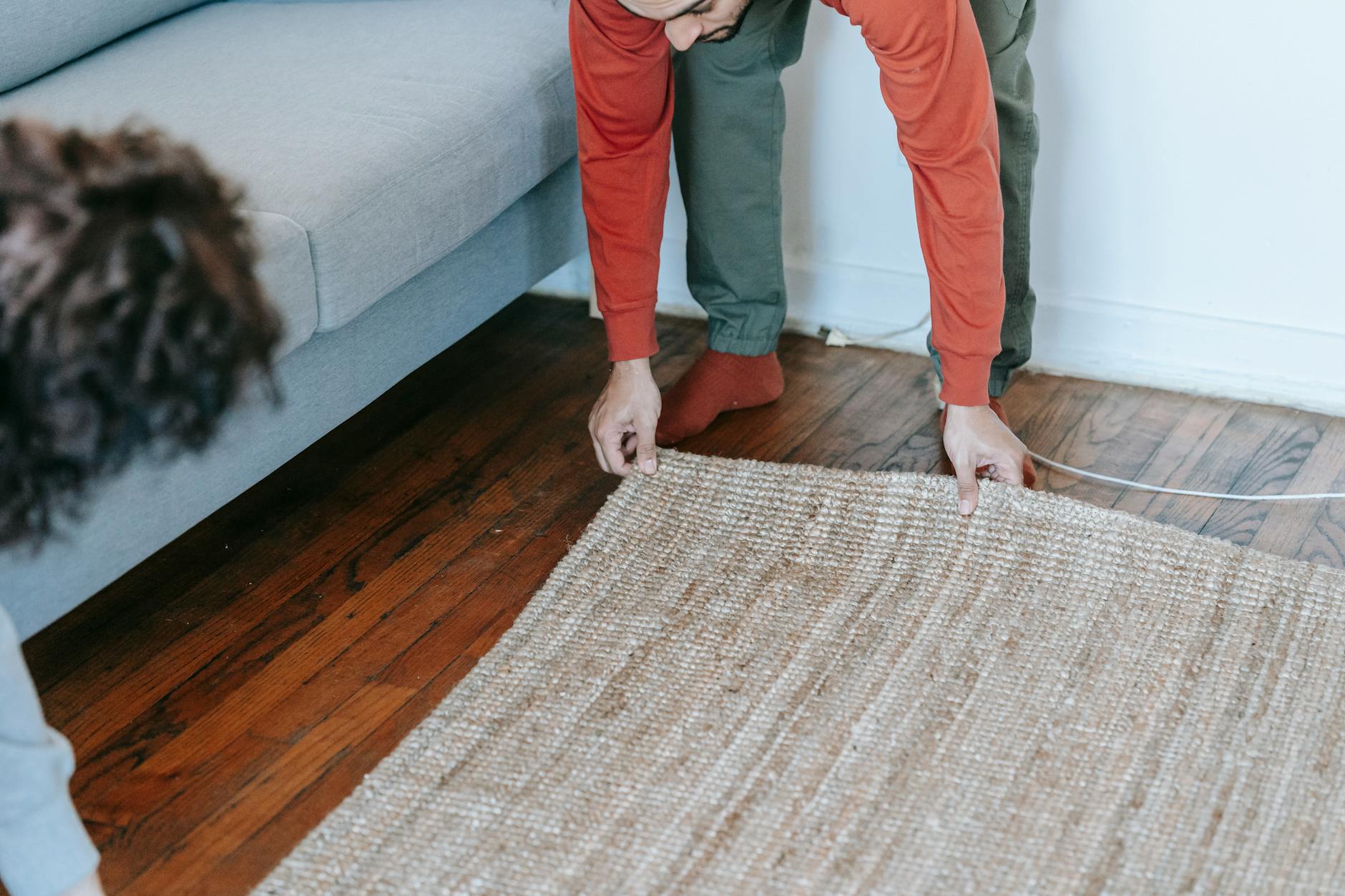
Second, use area rugs in the highest-traffic zones: the main hallway, in front of the kitchen sink, and under dining chairs. Rugs catch the abrasive particles that feet carry in and prevent that gradual sandpaper effect on the finish. Make sure any rug you place on hardwood has a non-slip, non-staining backing, rubber backings can discolor some finishes over time.
Third, control the humidity inside your home. A whole-home humidifier set between 40 and 50 percent relative humidity keeps the wood stable through Arvada’s dry winters and prevents the gapping and cracking that low humidity causes. The American Lung Association’s indoor air guidance supports maintaining balanced humidity not just for flooring, but for respiratory health across the household.
If you want a starting point for a broader clean-home routine that supports your floors and the rest of your space, this guide on jumpstarting a clean home routine offers practical daily habits that work just as well in Arvada.
The Summit cleaning Arvada standard is one that every homeowner can achieve with the right habits in place. Consistent protection after each clean means you spend less time on intensive maintenance and more time actually enjoying the floors you paid good money for.
Finally, schedule a professional recurring cleaning service at least once a month. Having a trained set of eyes on your floors regularly catches small problems before they become expensive ones, and it keeps your entire home at a standard that is hard to maintain alone. For Arvada families with kids, pets, and busy schedules, a professional house cleaning visit on a consistent schedule is genuinely one of the best investments in your home’s condition. The number one tip for keeping a clean home that professionals share again and again comes down to consistency, and that applies to hardwood floors as much as anything else.
For Arvada homeowners who want their hardwood floors and their whole home handled by a team they can trust, take the next step today. See the cleaning arvada prices available right now, or go ahead and Clean Queen Arvada style by booking with a team that knows this community. When you are ready to stop doing it all yourself, contact Elite Maids house cleaning today for a free quote and find out how straightforward great floor care and a cleaner home can be.
Frequently Asked Questions
How often should you clean hardwood floors?
Dry sweep or dust mop hardwood floors daily, especially in high-traffic areas or homes with pets. A damp mop with a pH-neutral hardwood cleaner once a week keeps buildup from setting in. Every few months, do a thorough maintenance check and a deeper clean if needed. In Arvada’s dry climate, consistent daily care prevents grit from scratching the finish faster than in more humid regions.
What is the best thing to use to clean hardwood floors?
A microfiber dust mop for daily dry cleaning and a pH-neutral, hardwood-specific liquid cleaner applied with a well-wrung flat mop for weekly wet cleaning. Avoid ammonia-based products, bleach, steam mops, and anything with a high pH level. These strip the finish and leave the wood exposed to moisture damage over time. Always check whether your floors have a wax or polyurethane finish before choosing a product.
Can you use a Dyson on hardwood floors?
Yes. A Dyson cordless vacuum with a soft roller head or a hardwood floor attachment is one of the most effective tools for dry cleaning hardwood. The key is to disable or avoid the beater bar setting, which can scratch the finish. The soft roller captures fine dust and pet hair without any risk to the surface, making it a practical daily tool for Arvada homeowners with large hardwood floor areas.
How do you deep clean hardwood floors without damaging them?
Start with a thorough dry sweep to remove all loose debris. Then apply a concentrated hardwood floor cleaner in small sections using a barely damp flat mop, working in the direction of the grain. Change your cleaning solution when it turns murky. Never let liquid sit on the surface. If you are not confident in the process, a professional deep cleaning service eliminates the risk of moisture damage from overusing water.
Is mopping hardwood floors with water safe?
Only if the mop is wrung out to near dryness first. The surface should be barely damp, not wet. Standing water seeps into seams between planks and causes swelling, warping, and finish damage over time. In Arvada, the dry air means water evaporates faster than in humid climates, but that does not make flooding the floor safe. Always prioritize a lightly damp mop over a wet one, and dry the floor promptly after each pass.