How to Clean Hardwood Floors in Phoenix: The Complete Guide
SHARE:
The best way to clean hardwood floors is to sweep or vacuum first, then use a lightly damp mop with a pH-neutral hardwood floor cleaner like Bona Hardwood Floor Cleaner. Never soak the wood or use harsh chemicals. Phoenix’s dry desert climate and hard water create unique challenges for wood floors, and this guide walks through every step to keep them looking great year-round.
If you’re searching through The 10 Best House Cleaning Services in Phoenix, AZ 2026 trying to figure out who can handle your floors right, you’ve come to the right place. Elite Maids House Cleaning serves homeowners across Phoenix and the wider Valley, and we know exactly what this climate does to hardwood. Below, we break down 10 proven steps for cleaning hardwood floors so they stay beautiful through every season.
1. How Phoenix’s Environment Affects Your Hardwood Floors
Phoenix’s desert environment is tough on hardwood floors in ways most homeowners don’t expect. The Valley sits at very low humidity for most of the year, which causes wood to contract and develop small gaps between planks. Then monsoon season arrives and humidity spikes, causing those same planks to expand and sometimes cup or buckle. This constant cycle of expansion and contraction makes proper hardwood floor care in Phoenix more critical than in other parts of the country.
Hard water is another Phoenix-specific problem. According to Bob Vila’s cleaning guides, mineral deposits from hard water can leave a white haze on wood floors when a wet mop leaves too much water behind. That white film is calcium and magnesium residue baking into the finish under the Arizona sun. If you’re cleaning hardwood floors in Phoenix, you need to use as little water as possible and dry the surface immediately after mopping. Running a whole-home humidifier during dry months also helps protect the wood between cleaning sessions.
2. Sweep or Vacuum Before You Do Anything Else
Every effective hardwood floor cleaning routine starts with dry removal of dirt, dust, and grit. Fine sand and debris act like sandpaper under foot traffic, grinding into the finish and leaving micro-scratches that dull the surface over time. In Phoenix, desert dust blows in constantly, so this step is not optional.
When vacuuming hardwood floors, not all vacuums are suitable. You need a model with a hard floor setting that disables the beater bar, or a canister vacuum with a felt floor brush. A beater bar spins fast enough to scratch the finish with every pass. A simple microfiber dust mop works just as well for daily maintenance and is gentler than most vacuums. Sweep in the direction of the wood grain so debris doesn’t get forced into the gaps between planks.
3. Choose the Right Hardwood Floor Cleaning Solution
The best hardwood floor cleaner liquid is pH-neutral and formulated specifically for wood. Bona Hardwood Floor Cleaner is one of the most widely recommended options and is certified under the EPA Safer Choice program, meaning it’s designed to be effective without harsh chemical residues. Other quality hardwood floor cleaning solutions include products from Method, Rejuvenate, and Bruce. All of them share one trait: they’re diluted, fast-drying, and safe for polyurethane finishes.
What you want to avoid as a hardwood floor cleaner is anything oil-based or wax-based unless your floors have an oil or wax finish. Most modern Phoenix homes have polyurethane-coated floors, and oil soaps can leave a residue that attracts more dirt. Look for a product labeled specifically as a hardwood floor cleaning solution, not a multi-surface floor cleaner. The wrong product can cloud the finish and void the warranty on newer flooring.
4. Is Vinegar Safe to Clean Hardwood Floors?
Using vinegar to clean hardwood floors is one of the most common pieces of advice on the internet, and unfortunately it’s one of the most damaging. Vinegar is acidic, and repeated use of an acidic hardwood floor cleaning solution will slowly etch and dull a polyurethane finish. You may not notice the damage right away, but over months of regular cleaning with diluted vinegar, the floor will lose its shine and the protective coating will thin out.
According to cleaning guidance published by Good Housekeeping, vinegar-based cleaners are not recommended for finished hardwood. If you want a natural option, look for a plant-derived pH-neutral cleaner instead. Castile soap diluted heavily in water is a gentler natural alternative, though you still need to keep moisture to a minimum. The best way to clean hardwood floors naturally is to use a barely damp microfiber mop with a few drops of a mild, plant-based soap, then buff dry immediately.
5. Master the Damp Mop Technique
Once you’ve swept and chosen your hardwood floor cleaning solution, the mop technique matters as much as the product. The goal is a barely damp mop, not a wet one. Wring out a microfiber flat mop until it feels almost dry to the touch. You should be able to run your hand across it and feel only faint moisture. That’s the right level of dampness for cleaning hardwood floors without water damage.
Mop in the direction of the wood grain, working backward from the far corner of the room toward the door. This ensures you don’t walk across the area you just cleaned. Rinse and wring the mop head frequently so you’re not spreading dirty water around. If the floor still feels slightly damp after mopping, use a dry microfiber cloth or a second dry mop pad to buff the surface. In Phoenix’s dry heat, floors typically dry within minutes, but it’s still worth buffing to prevent any water spots from the local hard water.
6. How to Deep Clean Wooden Floors
Regular sweeping and damp mopping handles day-to-day grime, but every few months your hardwood floors need a deeper clean. Deep cleaning wooden floors means targeting buildup in the wood grain, scuff marks, and residue left behind by regular cleaning products. A deep cleaning service from a professional team is often the most thorough option, but you can handle a basic deep clean yourself with the right process.
Start by checking the disinfection needs of your home, especially in high-traffic areas like entryways and kitchens. For deep cleaning hardwood floors at home, use a wood-safe cleaner at a slightly higher concentration than you’d use for regular mopping. Work in small sections, scrub gently with a soft-bristle brush in the direction of the grain, then wipe up immediately with a dry cloth. For stubborn scuff marks, a tennis ball or a pencil eraser often lifts them without scratching the finish. Never use steel wool or abrasive scrub pads on hardwood.
If you’re getting ready for company, a holiday cleaning package is a smart way to get your entire home including your hardwood floors looking its absolute best before guests arrive.
7. Should You Use a Hardwood Floor Cleaner Machine?
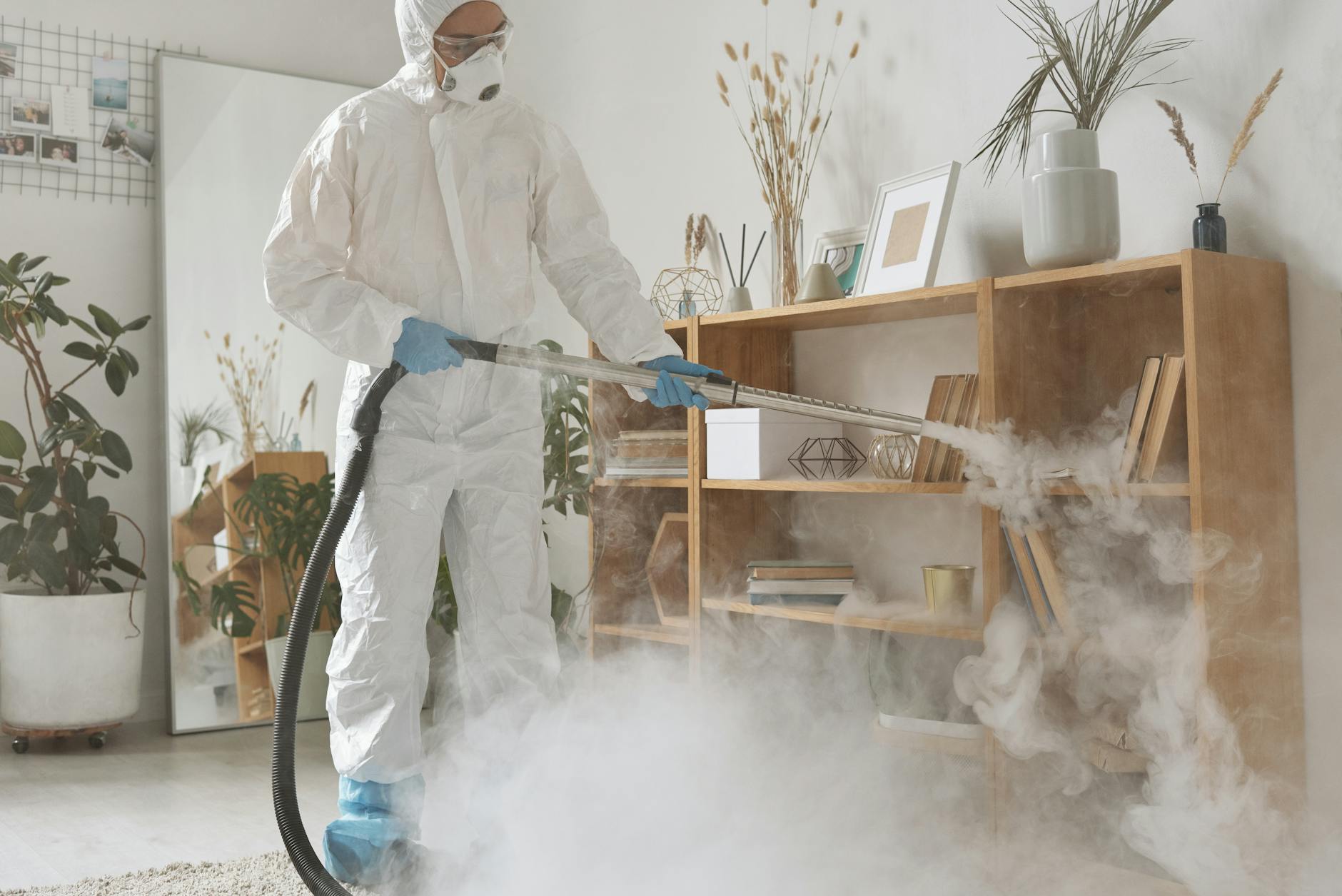
Hardwood floor cleaner machines, such as steam mops and electric spray mops, are popular but require caution. Steam mops are generally not recommended for hardwood floors. Steam forces hot moisture directly into the wood and the seams between planks, which can warp, swell, or permanently damage the flooring. This is especially true for engineered hardwood, which has a thin veneer layer that steam can delaminate over time.
Electric spray mops that dispense a controlled mist of cleaner are safer than steam mops for hardwood, provided you use the correct hardwood floor cleaning solution and don’t let liquid pool on the surface. Look for a model that lets you control the spray amount. According to guidance from Consumer Reports on laundry and cleaning appliances, robotic floor cleaners with a damp pad function are fine for daily maintenance on hardwood as long as the pad is only slightly damp. The key rule remains the same: moisture is the enemy of wood floors.
8. The Best Hardwood Floor Cleaner and Polish for Phoenix Homes
After deep cleaning wooden floors, restoring the shine with a polish is a satisfying final step. The best hardwood floor cleaner and polish products are designed for your specific finish type. For polyurethane-finished floors, look for water-based polishes like Bona Hardwood Floor Polish or Rejuvenate All Floors Restorer. These fill in minor micro-scratches and leave a protective sheen without making the floor slippery.
Avoid wax-based polishes on polyurethane-finished floors. The wax sits on top of the polyurethane rather than bonding to it, creating a dull, streaky buildup that’s difficult to remove. In Phoenix, where UV exposure through large windows is intense, choose a polish with UV inhibitors if possible. That extra protection slows the fading and graying that direct sun can cause on darker wood stains. Apply polish after the floor is fully cleaned and completely dry, and use a clean applicator pad to spread it in thin, even coats.
9. Protect Your Hardwood Floors Between Cleanings
Cleaning hardwood floors is only half the battle. Protecting them between sessions keeps the work you put in from being undone within days. Place felt pads under all furniture legs, because even lightweight chairs dragged across the floor leave scratches. Use entrance mats at every door, which is especially important in Phoenix where guests track in fine desert grit that acts like fine sandpaper on wood finishes.
For house cleaning routines that include hardwood, aim to sweep or dust-mop high-traffic areas daily and do a full damp mop weekly. In Phoenix, you’ll also want to keep window coverings partially closed during peak sun hours. Direct UV exposure through south and west-facing windows can bleach and discolor hardwood within a few years. Consistent recurring cleaning visits from a professional team make it easy to stay on schedule without thinking about it. You can see deep cleaning services Phoenix homeowners rely on to keep hardwood and every other surface in top shape.
10. When to Call a Professional House Cleaning Service in Phoenix
Some hardwood floor cleaning jobs are simply beyond a quick DIY session. If your floors have a heavy buildup of cleaning product residue, deep-set grime in the grain, or if you’re doing a residential cleaning as part of a move-in, the smartest move is to bring in professionals. A professional house cleaning service in Phoenix has the right products, the right equipment, and the experience to clean hardwood floors without causing damage.
This matters especially when you’re dealing with high-end flooring in Phoenix’s newer luxury homes, where replacing a section of damaged hardwood is far more expensive than a professional cleaning visit. Elite Maids House Cleaning teams are trained on safe hardwood floor care and use only pH-neutral, wood-safe products. Every cleaner is background-checked, bonded, and insured, and every visit is backed by a reclean-at-no-cost satisfaction guarantee. If your floors don’t look right after we’ve been through, we come back at no charge.
Ready to hand this off to a team that knows exactly how to clean hardwood floors in Phoenix? Contact Elite Maids house cleaning today for a free quote and get your floors and your whole home looking the way they should. Booking is fast, online, and available for same-day service from 8am to 6pm.
Frequently Asked Questions
Is Dawn dish soap ok for wood floors?
Dawn dish soap is not ideal for hardwood floors. While a tiny amount diluted heavily in water won’t cause immediate damage, dish soap is designed to cut grease and can strip the protective finish on hardwood over repeated use. It also leaves a soapy residue that attracts dirt. Stick to a pH-neutral hardwood floor cleaning solution designed specifically for wood to protect your finish long-term.
What are the common mistakes when cleaning hardwood?
The most common mistakes when cleaning hardwood floors include using too much water, using vinegar or acidic cleaners, using a steam mop, skipping the dry sweep before mopping, and applying wax polish over a polyurethane finish. Each of these can dull or warp your floors over time. In Phoenix, excess moisture is the top offender because even small amounts of standing water can cause cupping in low-humidity conditions.
How often should hardwood floors be deep cleaned in Phoenix?
Most Phoenix homeowners should deep clean wooden floors every two to three months. The desert environment means dust and fine grit accumulate faster than in wetter climates, and that debris grinds into the finish with every step. A light damp mop weekly combined with a thorough deep cleaning session every eight to twelve weeks keeps the finish in good condition and extends the life of the floor significantly.
Can I use Bona Hardwood Floor Cleaner on all wood floors?
Bona Hardwood Floor Cleaner is safe for most factory-finished hardwood and engineered wood floors with a polyurethane, aluminum oxide, or UV-cured finish. It is not recommended for oiled, waxed, or unfinished wood floors. Always check the manufacturer’s recommendation for your specific flooring before using any hardwood floor cleaning solution. When in doubt, test in a small, hidden area first.
What’s the safest way to clean hardwood floors naturally?
The safest natural approach is a microfiber mop barely dampened with water and a few drops of mild, plant-based castile soap. Avoid vinegar, lemon juice, or any acidic ingredient. Sweep thoroughly first, mop with minimal moisture in the direction of the grain, and buff dry immediately. According to the American Lung Association’s indoor air guidance, choosing low-VOC cleaning products also improves the air quality inside your home.